Get Premium
Dark mode theme is available exclusively for premium users. Learn more about the benefits of subscribing.
No fees, cancel anytime.

 Dark Mode Ad-Free Browsing Unlimited Content
 Ad-Free Browsing Unlimited Content Dark Mode
Join 1.2 million Panda readers who get the best art, memes, and fun stories every week!
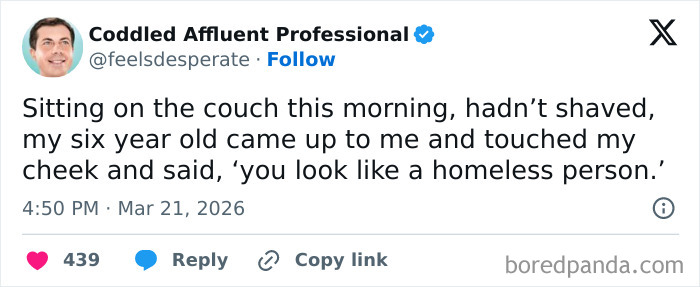
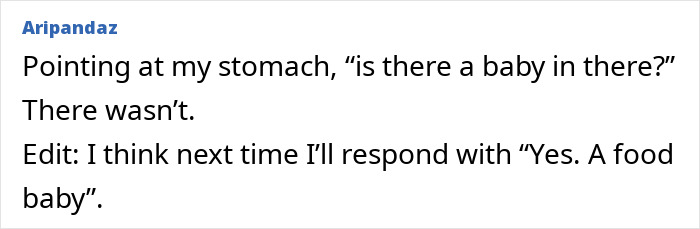
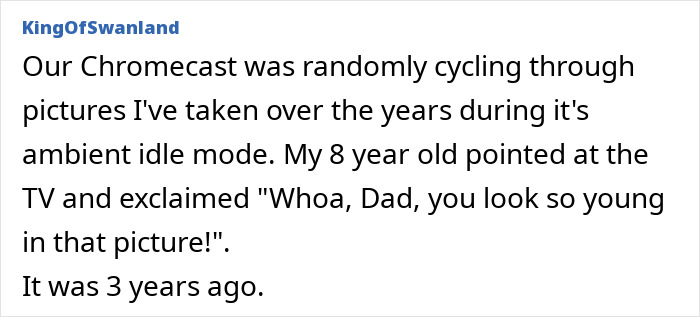
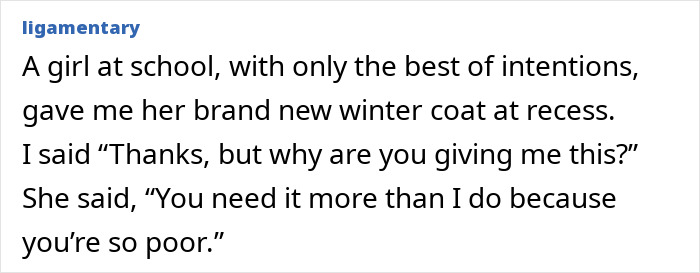
If you’re a parent or work with children, you probably realize that they don’t really have much of a filter. They’ll think of something. And then they’ll say it out loud! This can lead to some hilarious accidental roasts, even when they don’t mean to be rude.
However, just how funny are these moments? Our team at Bored Panda has collected some of the most ridiculous, brutal, and jaw-dropping moments when kids were way too honest and demolished their parents’ or strangers’ egos. Keep scrolling for a good laugh and some relatable parenting moments.
This post may include affiliate links.

If you see someone crying, always tell them, "Your haircut isn't even that bad!"
Honesty is a virtue. There are, however, some nuances. Even if you want to be truthful about something, how you broach the topic and speak about it matters as much as the information you want to share.
On top of that, if you want to be friendly and diplomatic and build trust, you need to be able to keep some things to yourself. Not every stray thought and feeling needs to be vocalized. And not every insight or criticism you have is worth sharing right this very second.
These are all common-sense things for (many but definitely not all!) grownups. But kids haven’t quite yet understood the consequences their words can have, and they haven’t fully grasped what it means to be tactful in social situations. Their words can be hilarious but hurtful.
So, parents have a tough mission on their hands. They want to teach their children the value of honesty, openness, and good communication, all while respecting other people’s feelings. Which means teaching their kids about the importance of being truthful, but not always sharing the entire truth because it might be hurtful. That’s a nuance that’s difficult to get right.
And it’s a lesson that some adults have to learn, too. Some grownups think that they can say whatever they want, however they want, because they’re “just being honest.” But honesty without empathy won’t win you many friends.

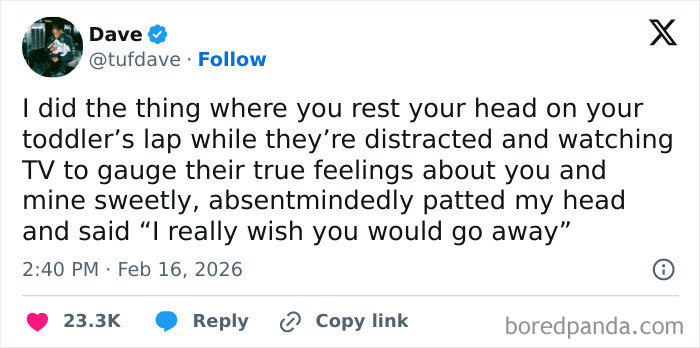
I tried this and he said, "Mommy, I am not your pillow! I am not for you to lay on!" and I said, "Aw, I just wanted to snuggle with you." He responded, "YOU don't snuggle with ME, *I* snuggle with YOU!" And then he flopped over, forcefully, to put his head in my lap.
On top of that, over-the-top bluntness might harm your ability to authentically connect with others. Furthermore, in a work setting, it can harm collaboration with your colleagues and alienate you, as they brand you as someone with low emotional intelligence.
That’s not to say that the truth of criticism should be sidelined… they should be embraced. But how you express yourself has consequences, too, and you should be mindful of this.
Or, to put it simply, most people don’t enjoy spending time around jerks who constantly insult them, never support them, and don’t take responsibility for their words or behavior. Kids are one thing. Adults, especially in work settings, should know better.
The bad news is that most people lie. The good news is that we don’t lie very much! Moreover, most people’s moments of dishonesty revolve around small, inconsequential things, not dramatic or Machiavellian schemes.
One recent study found that three-quarters or 75% of people don’t lie much, telling anywhere between zero and two lies per day. The vast majority, 88.6% of these untruths, were “little white lies.” Just 11.4% of their falsehoods were considered to be “big lies.”
For instance, a “big lie” would be someone telling you that they love you when they don’t. Meanwhile, a “little white lie” might involve another person telling you that they like your gift when they, in fact, don’t, and want to spare your feelings.

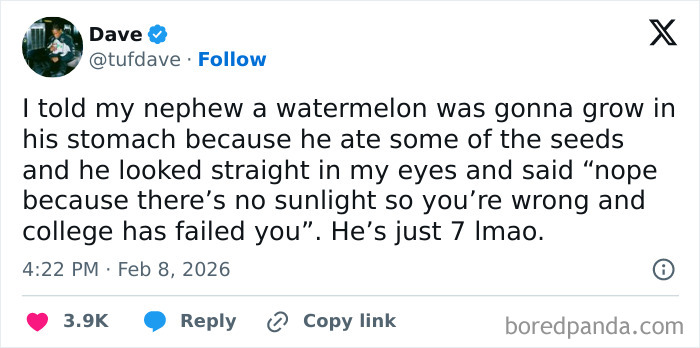
I have been telling my kids stuff like this for years! It has turned them into skeptics who question things. I don't end the conversation before I tell them the truth even if I got them to believe the lie and I also explain why it was a "lie". It is now harder for me to convince them that something is actually true that we came up with a code. The code is simply "I am not making it up this time". This means I can NEVER use "I am not making it up this time" to trick them into believing something. I think it will turn them into good thinkers in the long run.
Meanwhile, just 1% of all respondents indicated that they almost never lied.
The frequency of lying can vary quite a bit depending on the individual themselves. Prolific liars tend to have more fluctuations from day to day than more honest people.
Based on the data collected during the study, 6% of people told very few falsehoods on average. However, they had rare days when they lied frequently.
As per the study, the top 1% of all liars told an average of a whopping 17 lies per day.
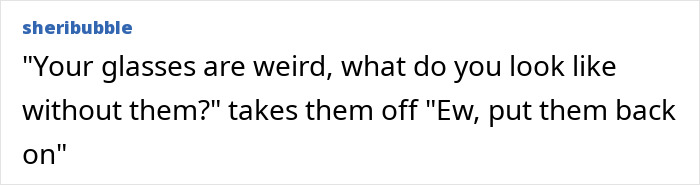
My dad has been wearing glasses his entire life. He looks SO weird without them! He has tiny eyes, but they look normal sized with his glasses on.
The reasons why people tell falsehoods are varied, and they paint a picture that’s more tactful than harmful, overall.
For instance, most lies, clocking in at 21%, are told in order to avoid other people. In second place, 20% of lies are told as jokes or pranks.
14% of lies are told to protect yourself. A similar number, 13%, are told to impress others or to seem more favorable. And 11% are told to protect someone else.
That’s not to say that people don’t lie for their own benefit—they most certainly do—but this isn't as widespread as you might assume.
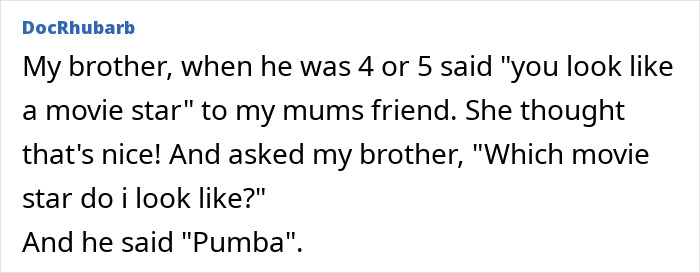
I like saying that thanks to Jack Black, I can say I look like a movie star.
Namely, the study reported that only 9% of respondents admitted to lying for personal gain. And 5% said they told lies for another person's benefit.
Just 2% said they lied in order to hurt someone else. And 5% of people said they lied either for an unspecified reason or, well, no treason at all!
Overall, we tend to lie the most to our friends (51%) and family (21%), followed by our coworkers or fellow students (11%). Strangers and casual acquaintances bear the brunt of our dishonesty the least (8.9% and 8.5%, respectively).
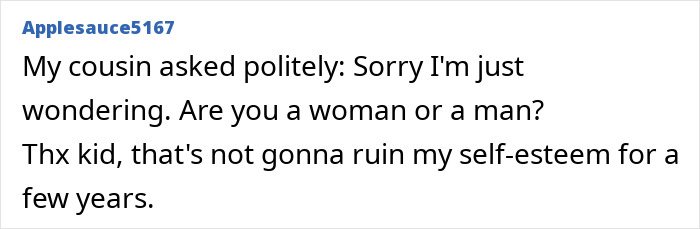
While it ruins the self-esteem of some people, I'd be overjoyed if I could pull this kind of look
We’re all for honesty, and it most often is the right policy, but there are moments when you need to lie. Especially when your health and safety, as well as those of your loved ones, are concerned.
Verywell Mind emphasizes that it’s perfectly acceptable to lie when you need to protect someone’s well-being from a dangerous person.
However, in non-threatening situations, honesty is best because it builds trust and authenticity in your relationships. Truthful individuals tend to have better relationships and better physical and mental health than people who lie more often.

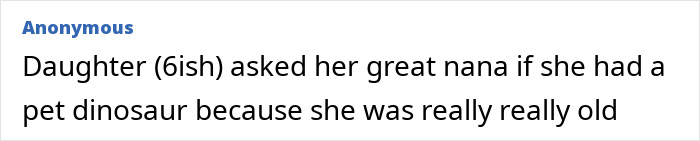
If you keep, say, chickens or a parrot, then you, in fact, DO have a pet dinosaur.
What is the most ridiculous, hilarious, or bizarre thing that a child has ever said to you? Has a kid ever (accidentally) insulted or roasted you by being a bit too honest for your liking? How did you react?
Now, for the parents reading this: how do you teach your kids about (dis)honesty and social tact?
Share your thoughts, experiences, and funny stories with all the other readers and us in the comments at the bottom of this list.

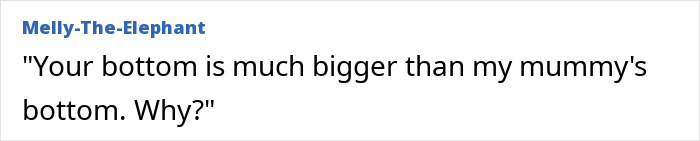
Reminds me of my kids when I was doing laundry... 4th "Mammy, why are your knickers so big?" 3rd "Cos she has a big b*m silly"

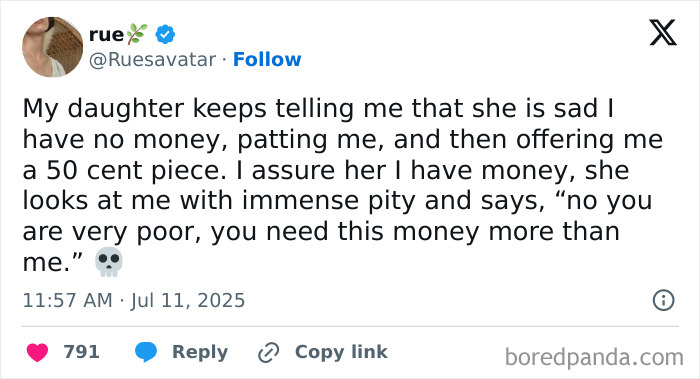
Well the way bills are increasing, we might as well all start "homeless" practicing
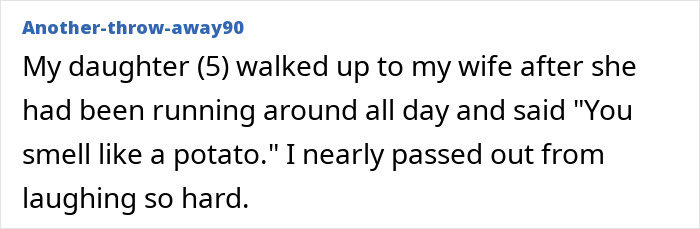
I once told a new mother that her baby looked like a lumpy red potato. I was four, and Mommy and I had a talk about "politeness" all the way home.

Kids hear everything you say. EVERYTHING! And then they repeat it. I'm and out of context.

Just because they don't really understand what projection is doesn't mean they don't engage in it.
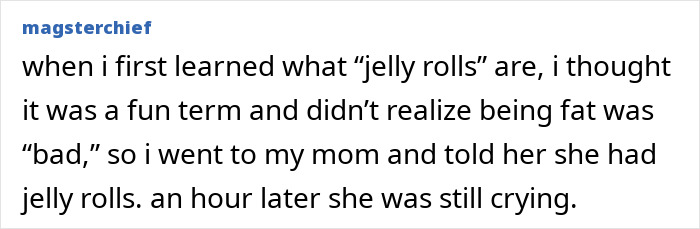
I'm so confused. I looked up the possible definitions of "jelly rolls" and none of them made sense, are they referring to fat?





I have my grandsons (2 and 4) every Monday. Last week I was texting with my daughter and the 2 yo wanted something Me: ok, just a second, I'm talking to Aunt L. Him: oh, G's friend? G is L's husband. 😂😂

I have my grandsons (2 and 4) every Monday. Last week I was texting with my daughter and the 2 yo wanted something Me: ok, just a second, I'm talking to Aunt L. Him: oh, G's friend? G is L's husband. 😂😂












 No fees, cancel anytime