Get Premium
Dark mode theme is available exclusively for premium users. Learn more about the benefits of subscribing.
No fees, cancel anytime.

 Dark Mode Ad-Free Browsing Unlimited Content
 Ad-Free Browsing Unlimited Content Dark Mode
Join 1.2 million Panda readers who get the best art, memes, and fun stories every week!

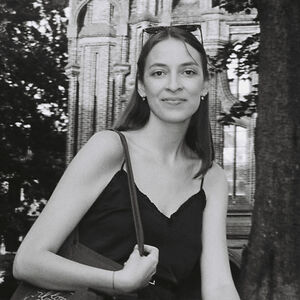
Through the lenses of emotion, perception, and visual communication, Junrong (Arving) Wu is reshaping the language of design into something both tactile and transcendent. Based in New York, Wu is a multidisciplinary visual designer whose work spans graphic design, motion graphics, visual storytelling, and art direction. His approach is defined by an unwavering commitment to creating experiences that extend beyond visual appeal—immersive narratives meant to be felt as much as seen. For Wu, design is not merely a profession but a deeply personal form of expression. Each project becomes a vessel through which he translates lived experience and emotional resonance into compelling visual forms.
Wu’s practice is rooted in introspection and observation. His designs often bear the weight of memory, cultural reflection, and personal history. Drawing from disciplines such as art, fashion, and photography, he brings a layered aesthetic to his work that blurs the boundaries between the visible and the invisible, between articulation and emotional response. This dual fluency allows him to craft a design language where form and feeling coexist, where images whisper and words take on material form.
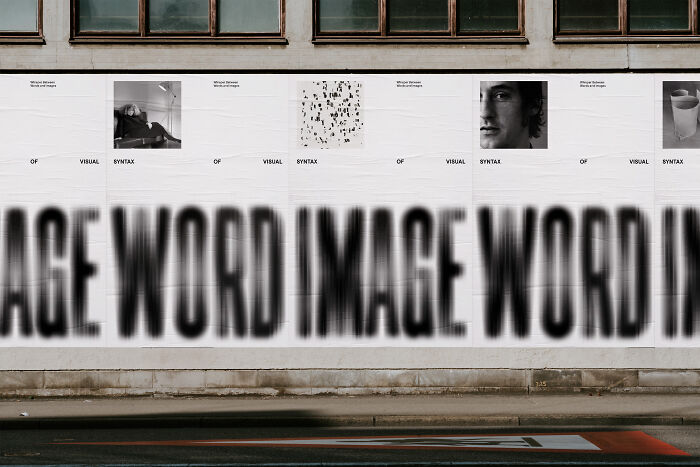
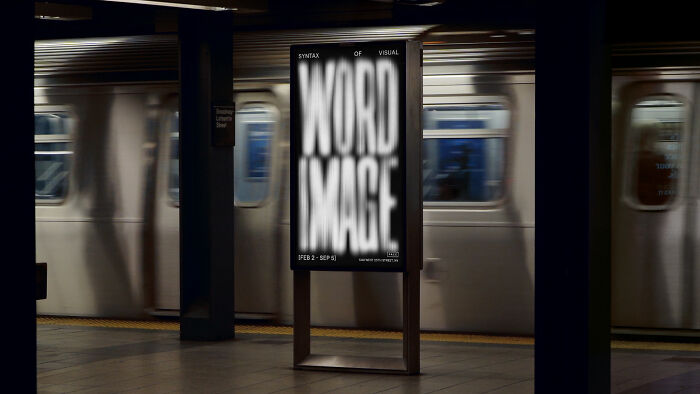
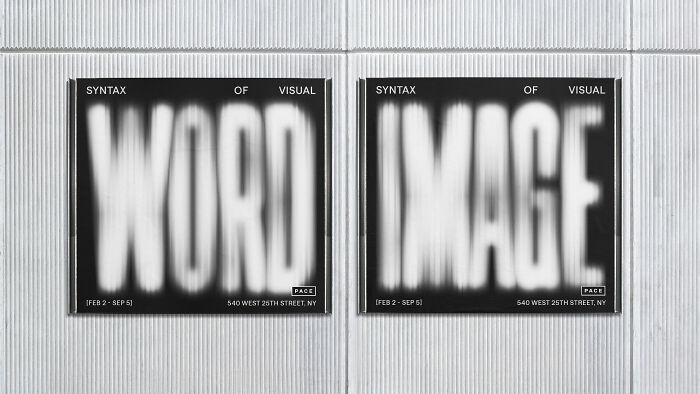
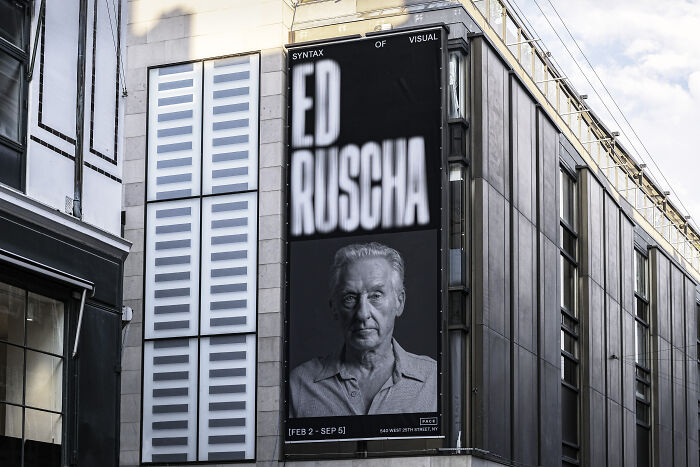
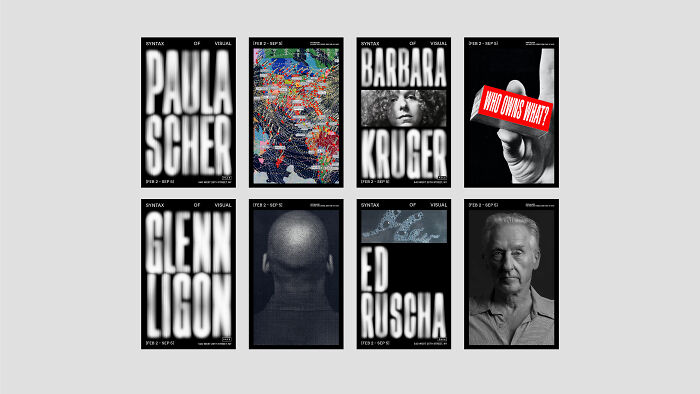
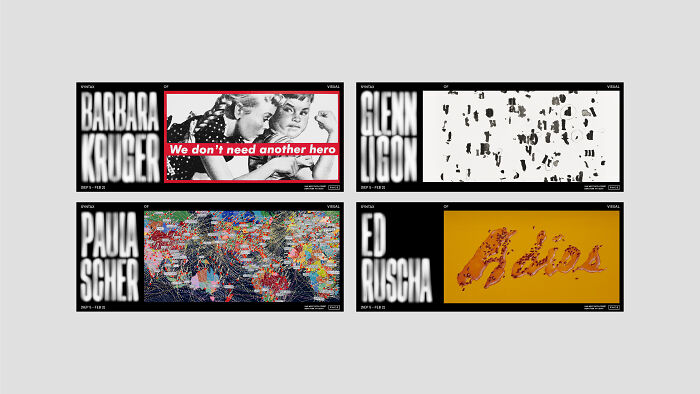
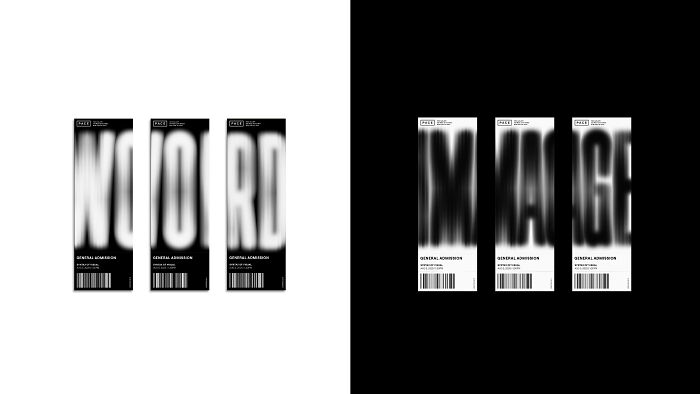
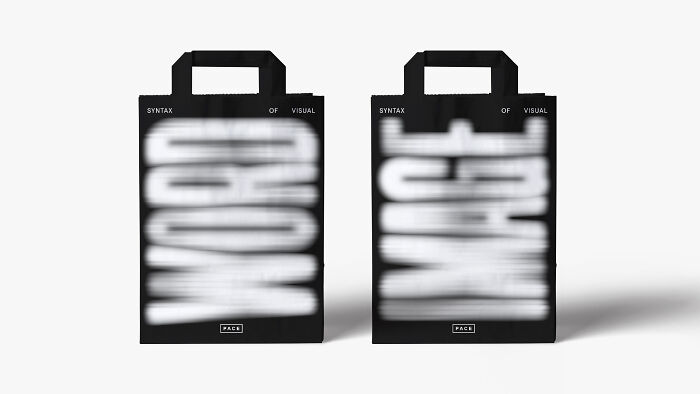
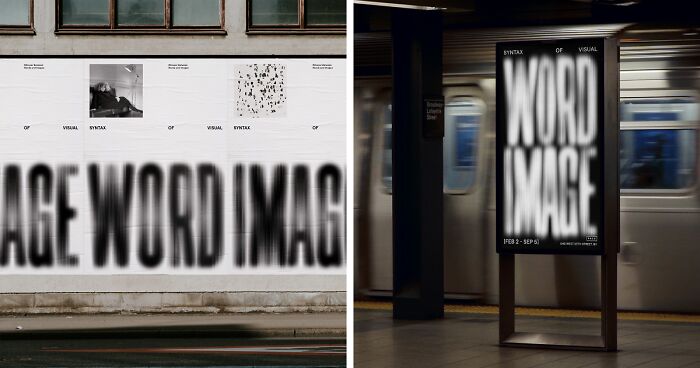
One of Wu’s most recognized projects, Syntax of Visual, exemplifies his ability to combine poetic intent with structural clarity. Created as the visual identity for a conceptual exhibition in New York, the project draws upon Paul Martin Lester’s syntactic theory of visual communication, which proposes that the most powerful messages emerge when words and images are given equal footing. The exhibition curated historical and contemporary works that investigate this dynamic, inviting viewers to observe the subtle interactions between typography and image—a space where communication occurs not in volume, but in resonance.
More info: arvingwu.net
This post may include affiliate links.
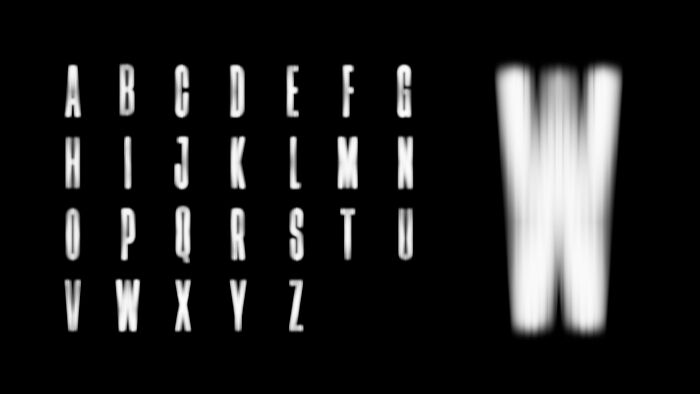
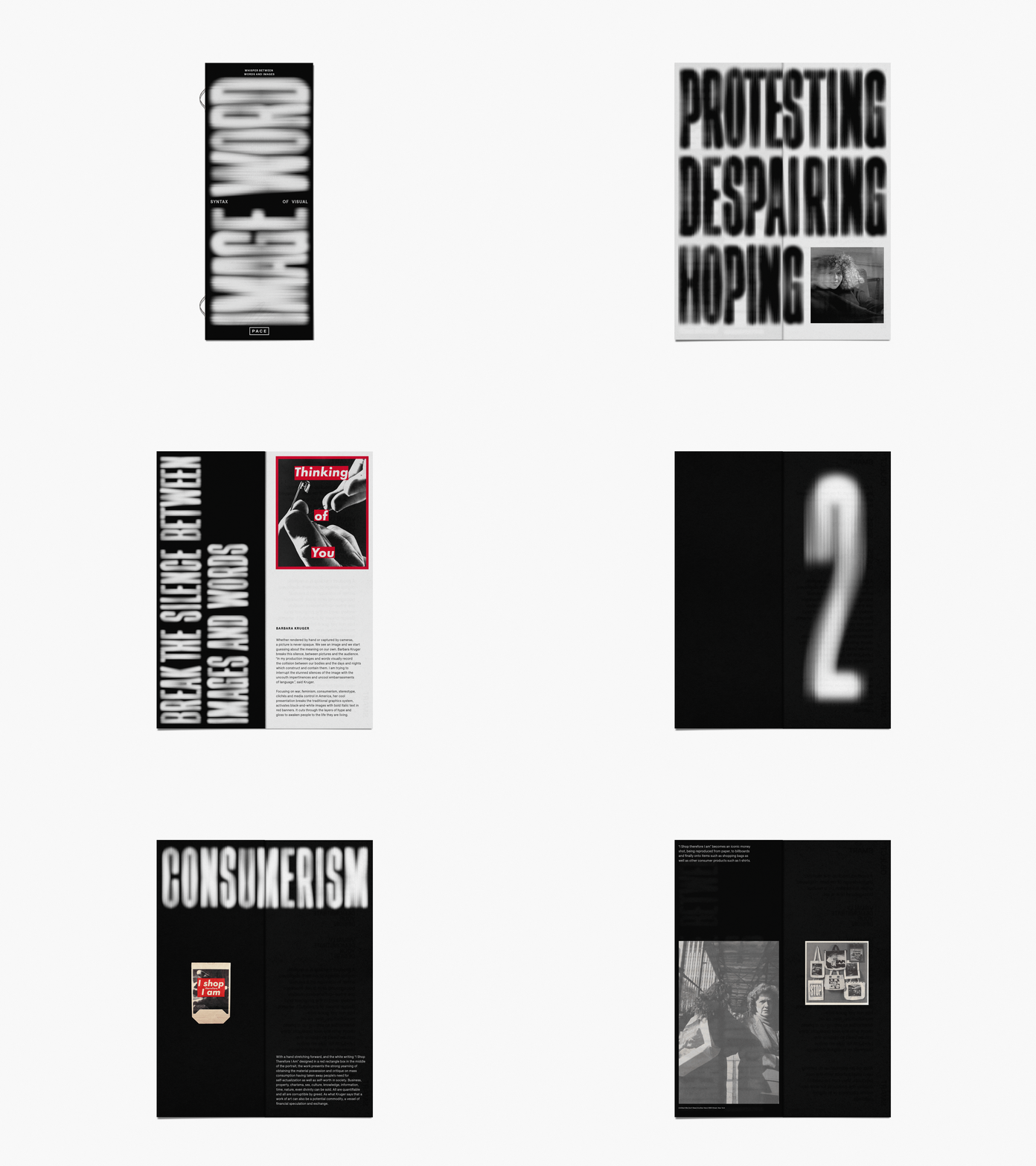
At the heart of the project is a custom digital typeface—monochromatic, minimalist, and remarkably expressive. “The typeface is designed to dissolve into imagery,” Wu explains. “It allows fluid transitions between text and form, much like scanimation in motion. I wanted to mirror the rhythm of breath—to create an experience where words whisper as they are read.” The result is a responsive identity system that carefully balances motion and stillness. Designed with versatility in mind, the typeface supports applications across media, from motion graphics to editorial layouts and interactive platforms. Its flexible structure offers dynamic compositional possibilities while maintaining a consistent visual tone. In both still and moving formats, the design encourages viewers to pause and enter a contemplative dialogue with the work.
Syntax of Visual has garnered significant international recognition. In 2024, it received the Silver Award in the Advertising / Promotion / Posters category at the International Design Awards (IDA). In 2025, the project was honored with the Gold Award in Communication Design at the London Design Awards and named Winner in Graphic Design/Typography at the Paris Design Awards. That same year, it was shortlisted for the prestigious Communication Arts Design Competition.
Wu sees design as an evolving cartography of emotion and cultural connection. “I’m passionate about discovering that midpoint where client expectations meet personal expression,” he says. “Once the foundation is built, I explore new techniques and push boundaries further. That’s where the most meaningful work happens.” As he continues to expand his practice—exploring kinetic typography, immersive installations, and cross-media design—Wu is charting a creative future that values softness as a kind of strength. A future where language is not only read but heard, and imagery not only seen but deeply felt.










 No fees, cancel anytime