Get Premium
Dark mode theme is available exclusively for premium users. Learn more about the benefits of subscribing.
No fees, cancel anytime.

 Dark Mode Ad-Free Browsing Unlimited Content
 Ad-Free Browsing Unlimited Content Dark Mode
Join 1.2 million Panda readers who get the best art, memes, and fun stories every week!
19submissions
Finished

You’d think inventing something new would be a good thing, but for some, it turned out to be deadly. It’s wild to imagine that the very thing they spent time creating ended up being their downfall.
One inventor accidentally dying because of their own invention might seem like a freak accident. But the fact that there are many of these stories? That’s where it gets really strange. Here are 20 inventors whose own creations ended up costing them their lives.
This post may include affiliate links.
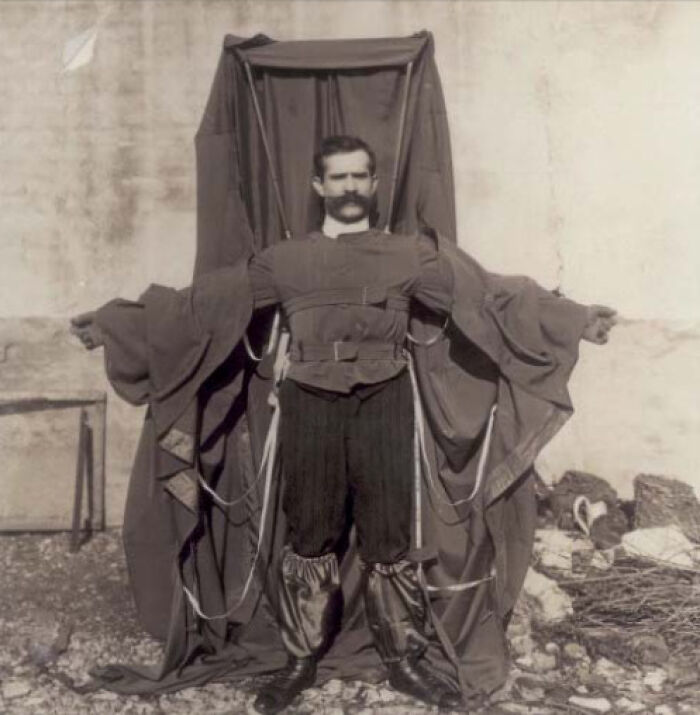
Also known as "The Flying Tailor," Franz Reichelt created a parachute suit. He attempted to test his invention by jumping off the Eiffel Tower. In doing so, however, the parachute failed to open, and he plummeted to his death with crowds of people watching.
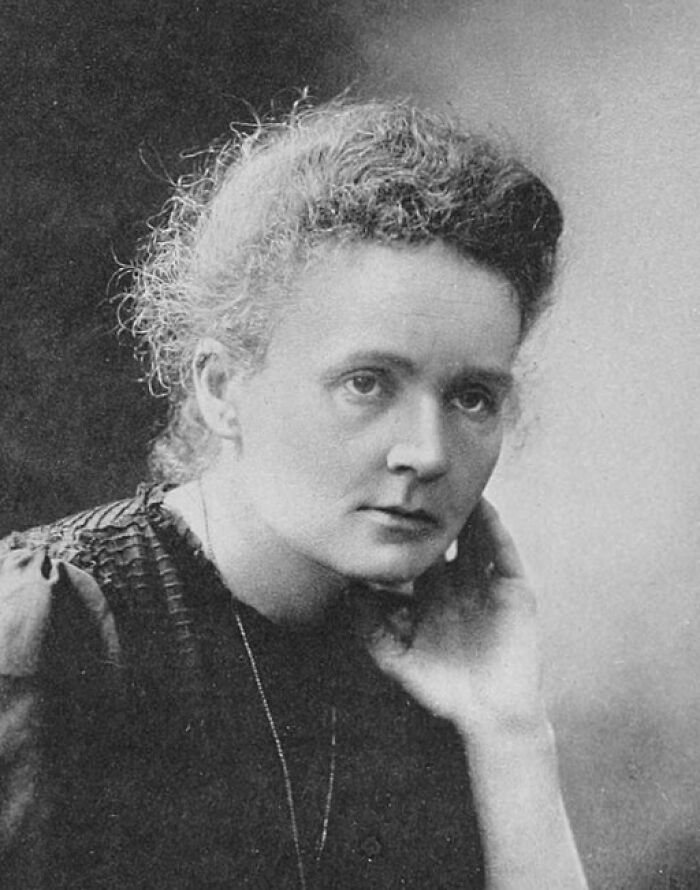
While Marie Curie did not “invent” radium and polonium, she is credited with discovering the two radioactive elements. She worked with them so much that, in 1934, she died from aplastic anemia due to radiation exposure.
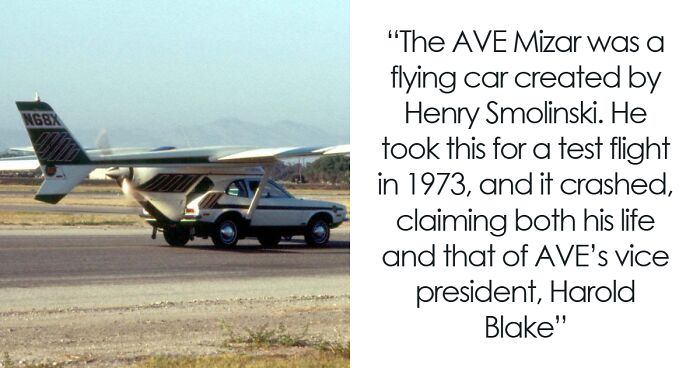
Based on the Ford Pinto, the AVE Mizar was a flying car created by Henry Smolinski. He took this for a test flight in 1973, and it crashed, claiming both his life and that of AVE’s vice president, Harold Blake.
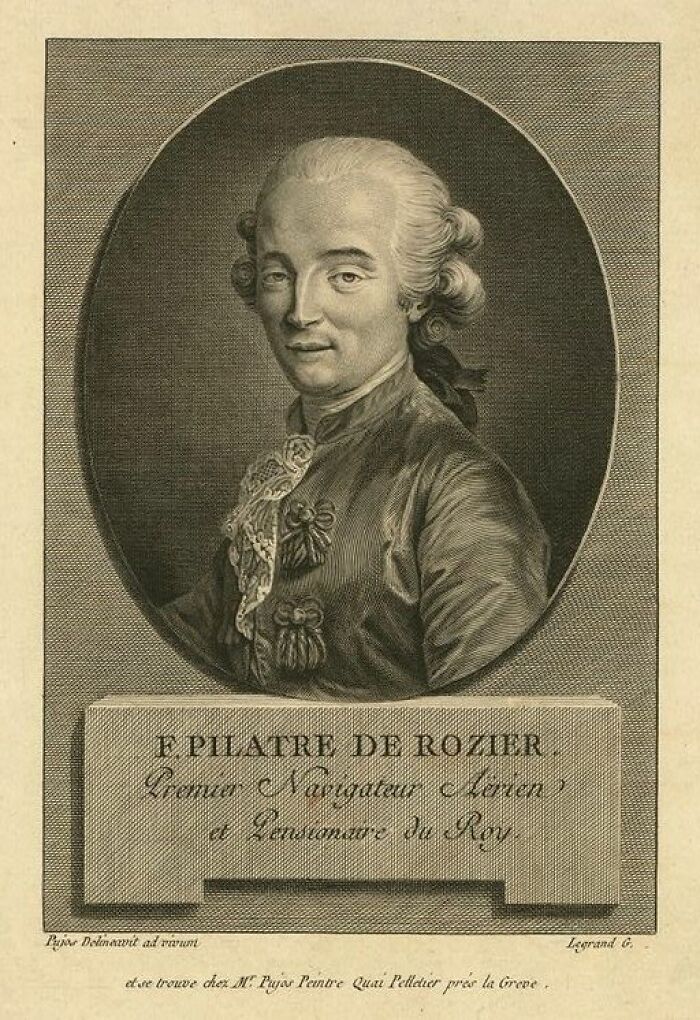
French aviation pioneer Jean-François Pilâtre de Rozier developed one of the first hot-air balloons in 1783. Two years later, he took a test flight in an attempt to cross the English Channel, but the balloon crashed, and he did not survive.
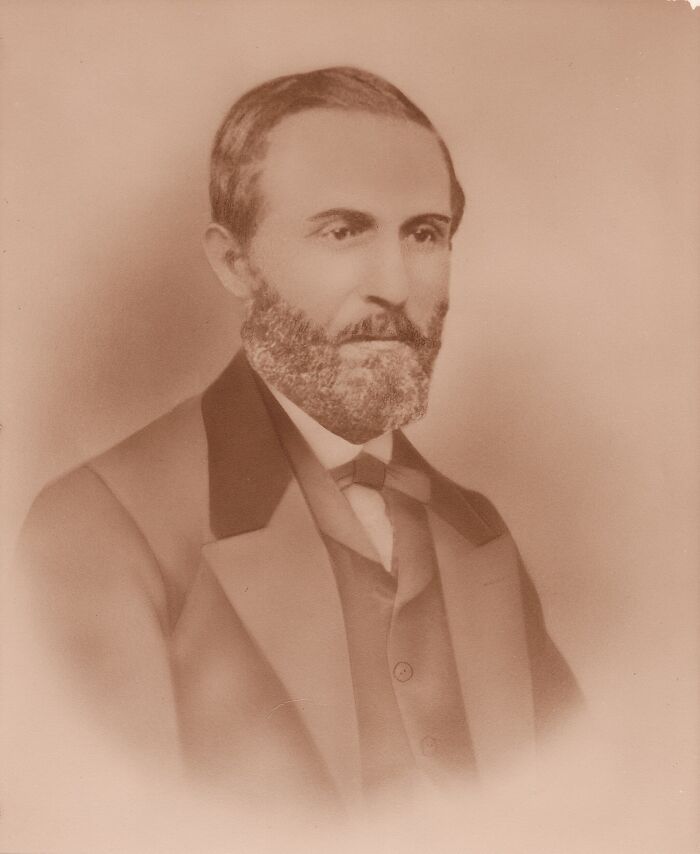
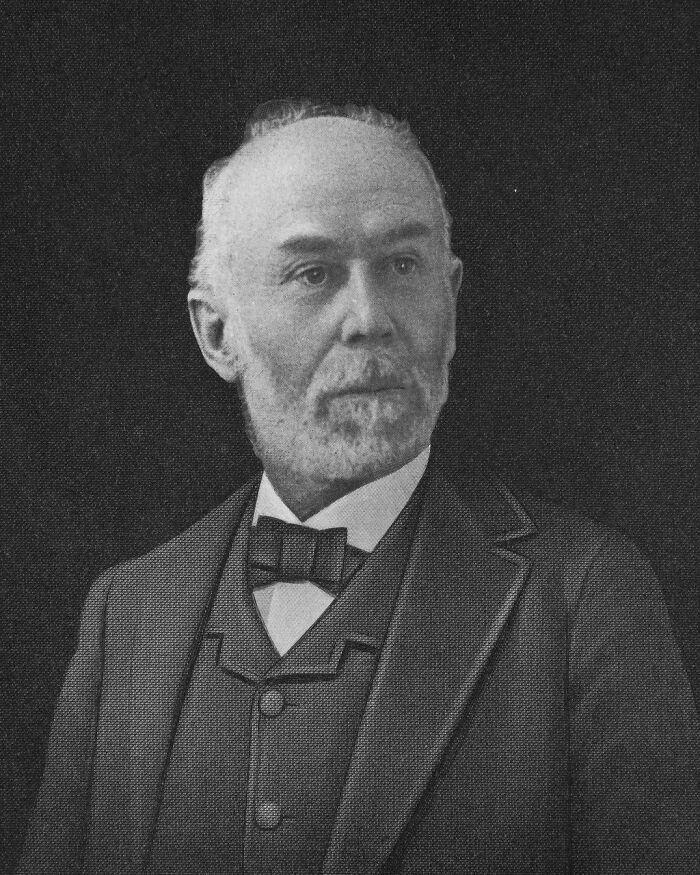
William Bullock invented the rotary printing press to allow for easier and more efficient paper printing. While maintaining one of his machines, his foot was caught in one of the rotary wheels and was crushed. He died from a gangrenous infection whilst it was being amputated.
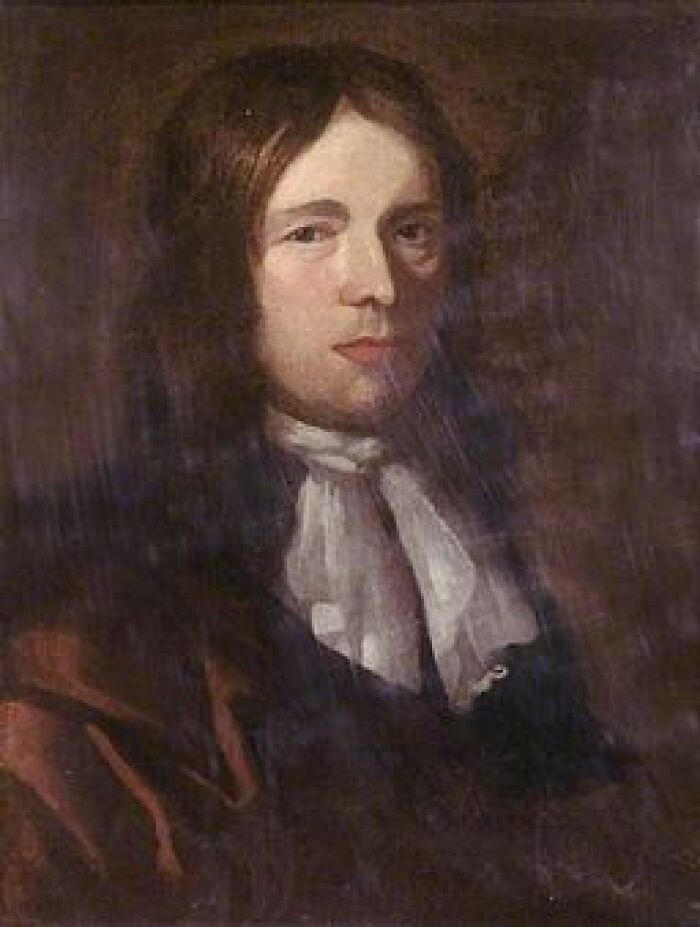
Henry Winstanley created the Eddystone Lighthouse, the first offshore lighthouse in the world. Henry was so boastful of his creation that he sheltered himself in it “during the greatest storm there ever was.” The greatest storm came on November 27, 1703, when a cyclone destroyed the lighthouse with Henry still inside. No trace of him was ever found.
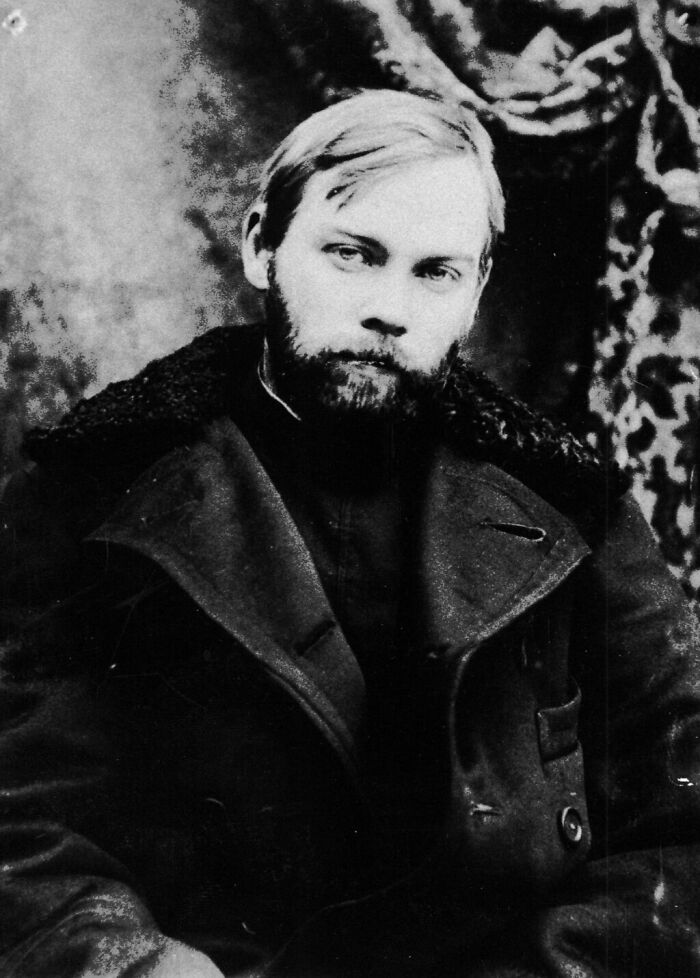
Alexander Bogdanov was a pioneer in hematology and helped create blood transfusion. He believed that injecting himself with younger people’s blood would rejuvenate him and halt his aging (why is beyond me). In 1928, he ended up injecting himself with blood from a tuberculosis-ridden patient, which, spoiler alert, led to his death.
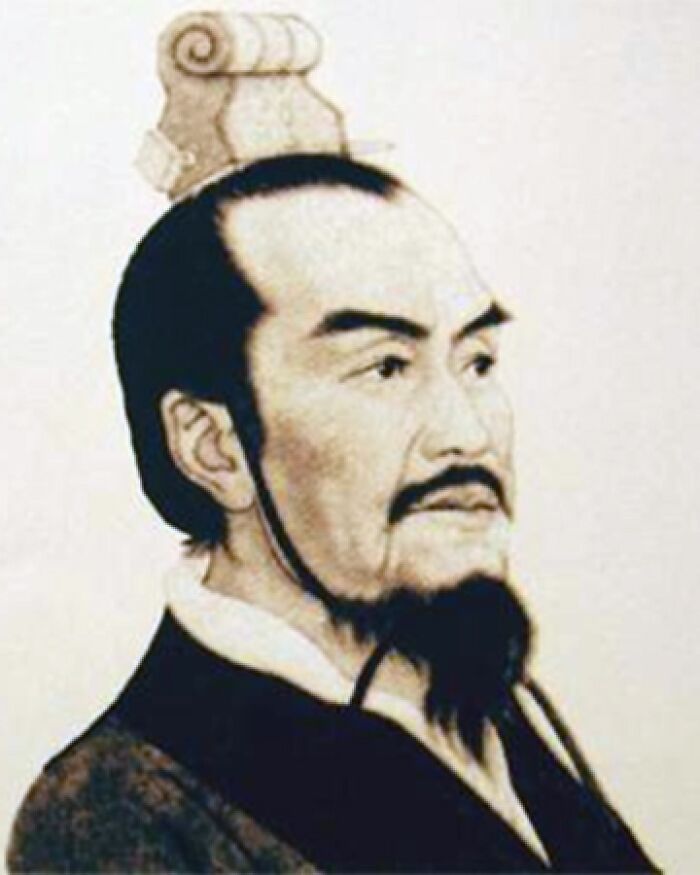
Li Si served as the prime minister of the Qin Dynasty and oversaw the construction of the Great Wall of China. He developed the Five Pains execution method, which is so brutal that all details will be left out. In 208 BC, he was convicted of treason and had five pieces of his anatomy removed, and he bled to death.
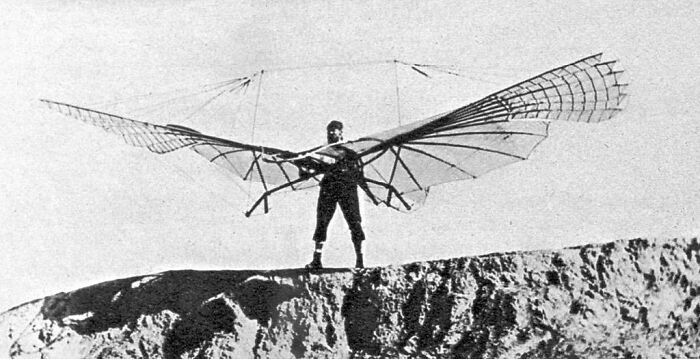
Otto Lilienthal became a pioneer in aviation technology by creating one of the first hang gliders in history. In 1896, while taking one for a test flight, he lost control of the glider and crashed into the ground, breaking his spine in the process. Unsurprisingly, he did not survive the injury.
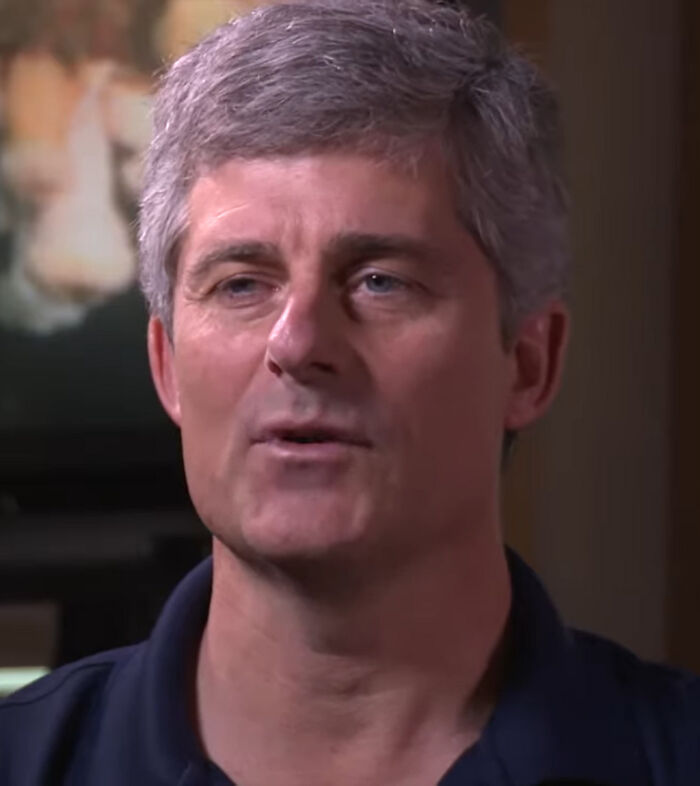
“At some point, safety is just pure waste. I mean, if you just want to be safe, don't get out of bed, don't get in your car, don't do anything.” Those words came around to bite Stockton Rush square in the behind on June 18, 2023, on the ill-fated undersea voyage to see the Titanic wreckage using his Titan submarine. The submarine imploded, resulting in the deaths of him and four others on board.
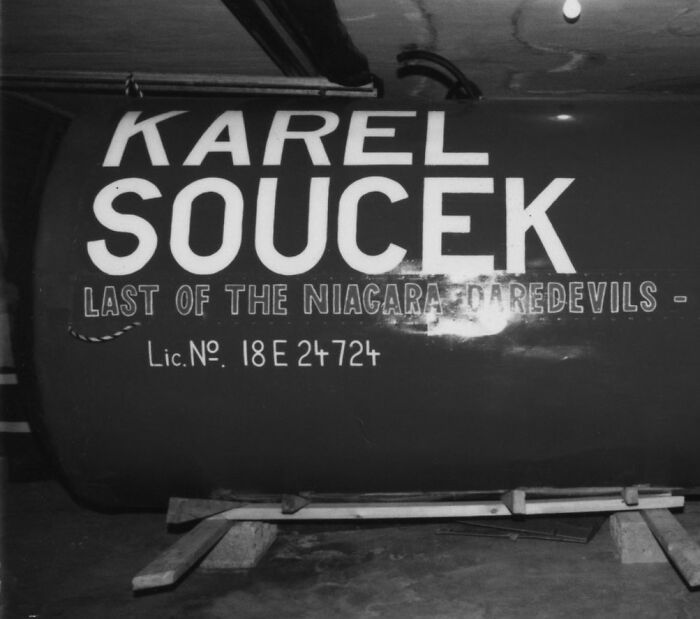
Czech-Canadian stuntman Karel Soucek developed his own shock-absorbent barrel, which he was encased in as he successfully went over Niagara Falls in 1984. One year later, he used the same barrel at a show in the Houston Astrodome when it was dropped from the roof. It hit the rim of the water tank, which was meant to cushion his fall. Karel did not survive.

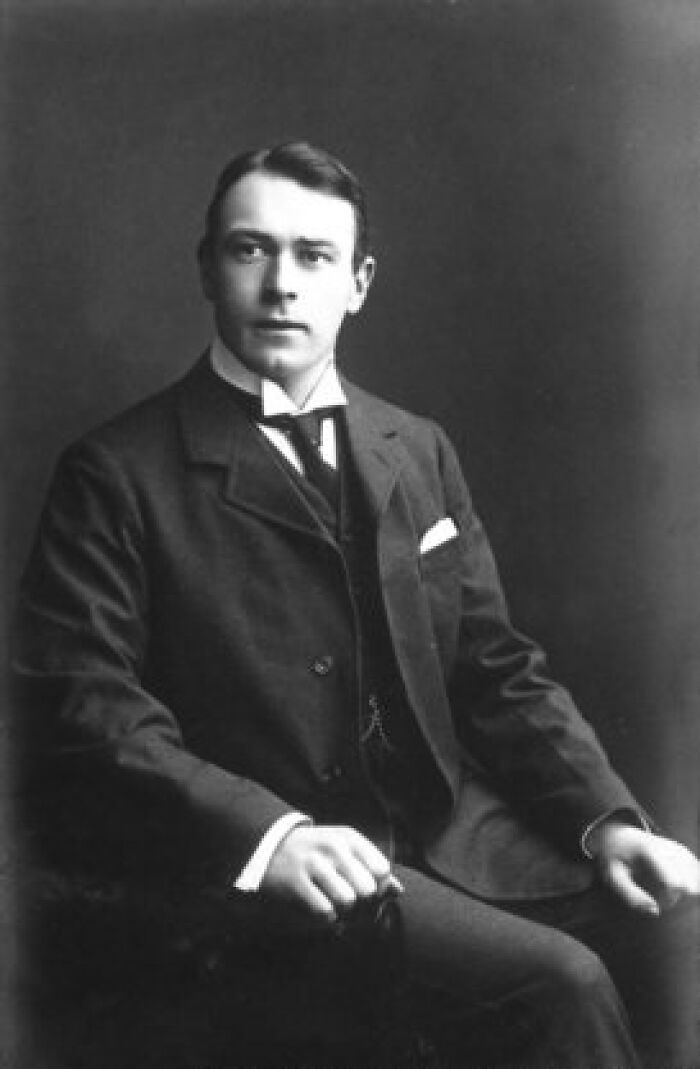
Thomas Andrews was a British businessman and shipbuilder in charge of the plans for the ocean liner. He was one of the 1,500+ passengers who perished on the doomed voyage when it sank in the Atlantic in 1912.
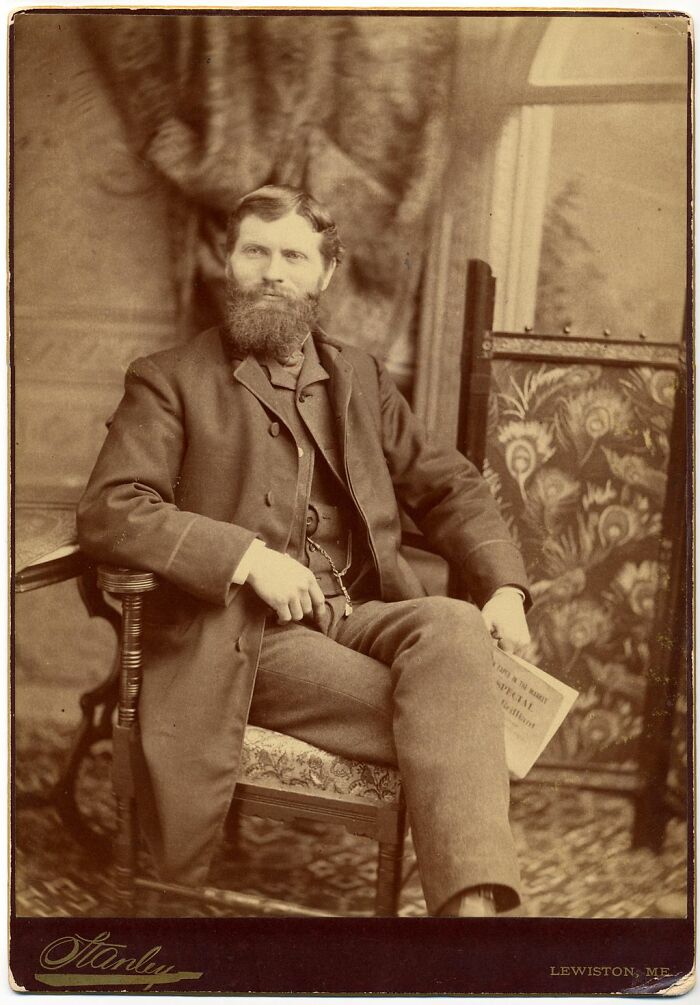
Francis Edgar Stanley invented the Stanley Steamer, a steam-powered automobile. In 1918, he crashed the car into a woodpile to avoid colliding with a farm wagon. The manufacturer met its match against competition with internal combustion engine vehicles, and was defunct in 1924.
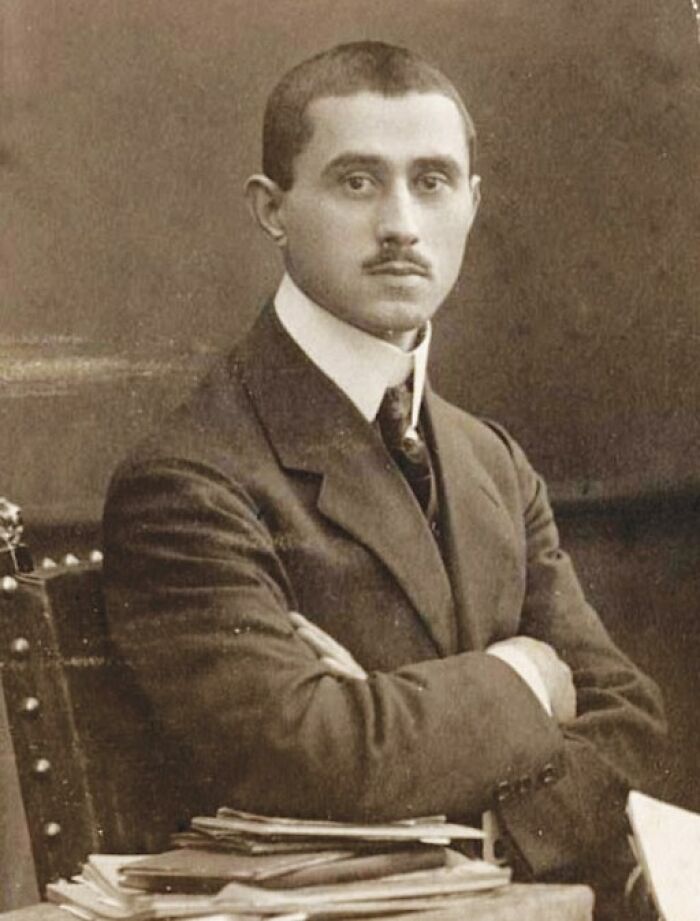
A Romanian pioneer of aviation, Aurel Vlaicu, created his own airplane. He took it for a test flight in 1913 in an attempt to cross the Carpathian Mountains, and crashed.
Sylvester H. Roper developed the steam velocipede bicycle, one of three machines to be called the first motorcycle. During a public speed trial in 1896, he crashed it while suffering a heart attack. It is not known if the heart attack was fatal or the crash was.
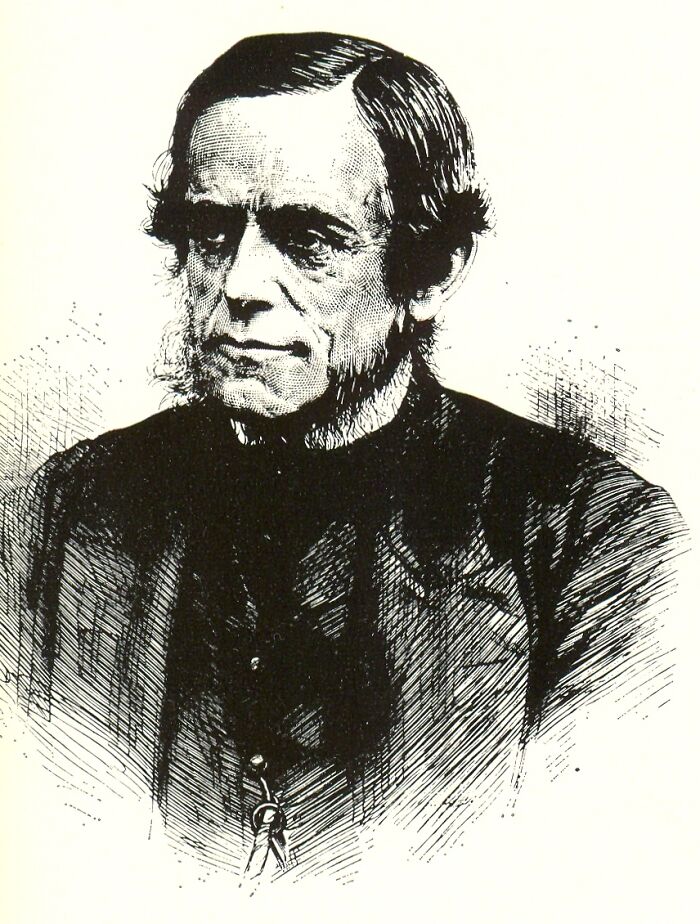
A captain for the Royal Navy, Cowper Phipps Coles created a patent for the design of the revolving gun turret in 1867. In 1870, he was aboard a masted turret ship that he designed when it sank off the coast of Cape Finisterre in Spain. He and his crew drowned.
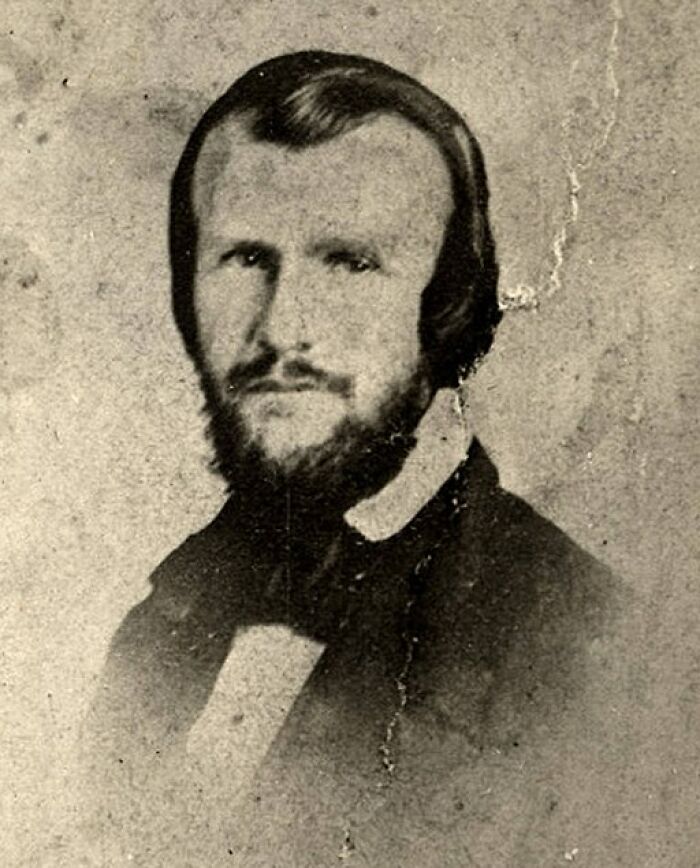
A Confederate marine engineer during the American Civil War, Horace Hunley created the H.L. Hunley submarine. During a training experiment in 1863, the vessel sank, taking Horace with it.
Fred Duesenberg created the brand of luxury and racing cars that he named after himself (the Duesenberg). While taking one out for a drive in 1932, he died in a high-speed road crash.
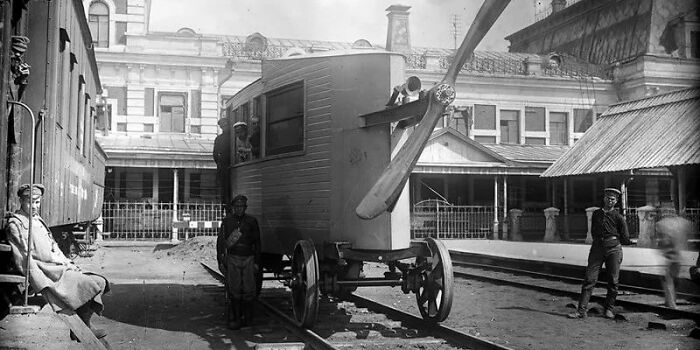
Valerian Abadovsky created the Aerowagon, a high-speed railcar fitted with a large propeller and aircraft engine. It was produced to transport Soviet documents and government officials on business. In 1921, while on a test ride, the railcar derailed while going at such high speeds, causing the deaths of Valerian and six others on board.






































 No fees, cancel anytime