Get Premium
Dark mode theme is available exclusively for premium users. Learn more about the benefits of subscribing.
No fees, cancel anytime.

 Dark Mode Ad-Free Browsing Unlimited Content
 Ad-Free Browsing Unlimited Content Dark Mode
Join 1.2 million Panda readers who get the best art, memes, and fun stories every week!
They say history is usually written by the winners. While that may be true, evidence is evidence, and if it holds up, we can’t ignore it.
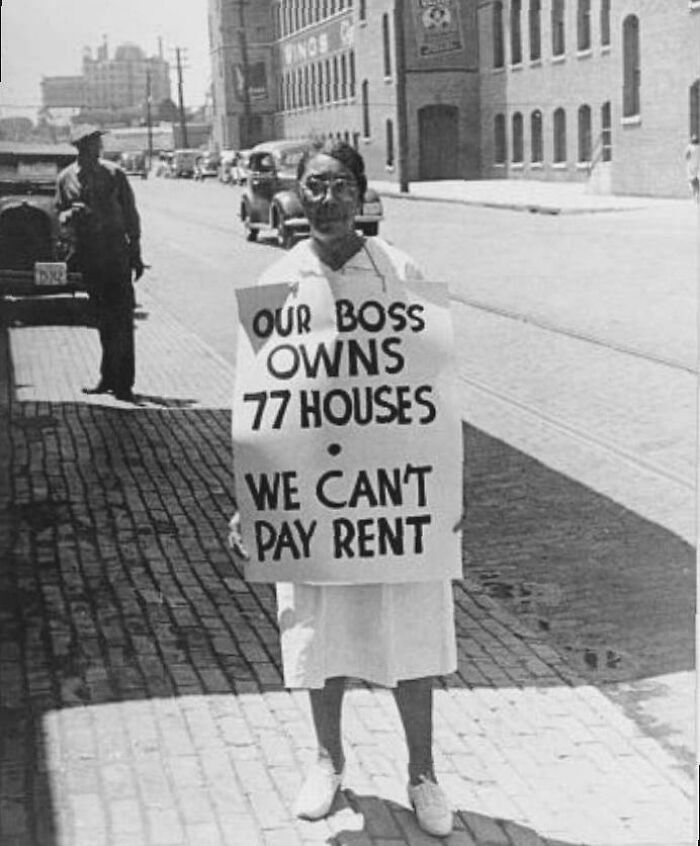
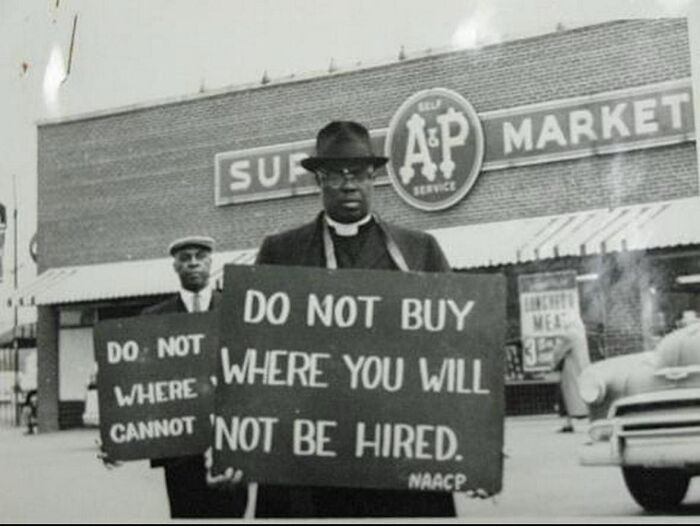
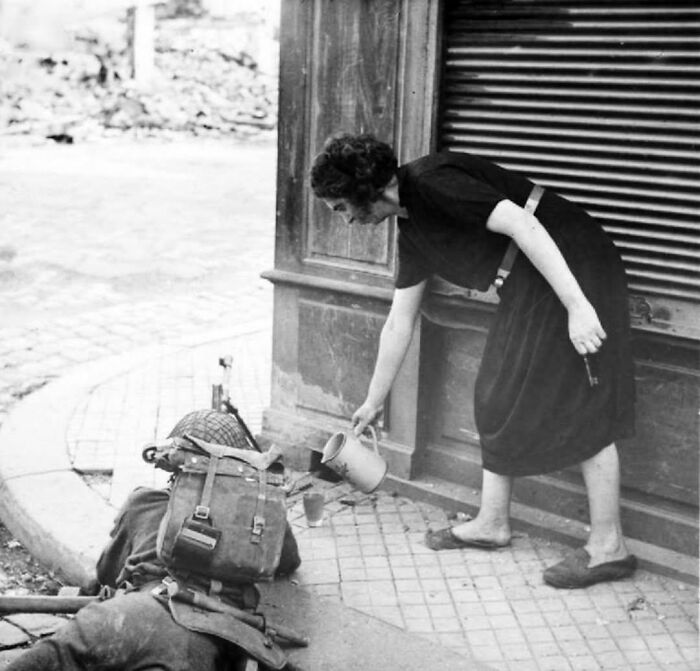
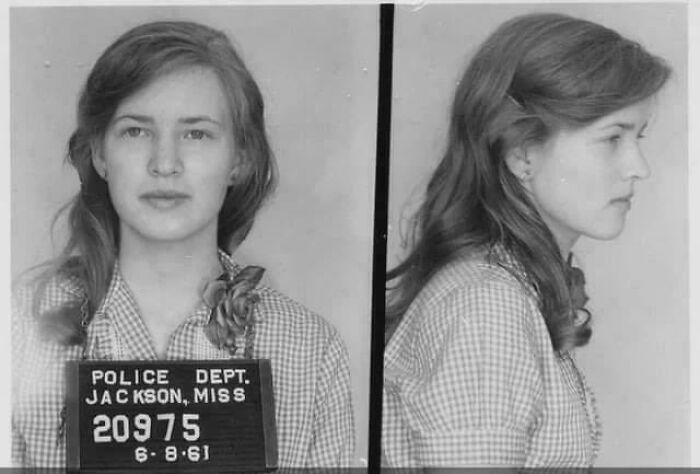
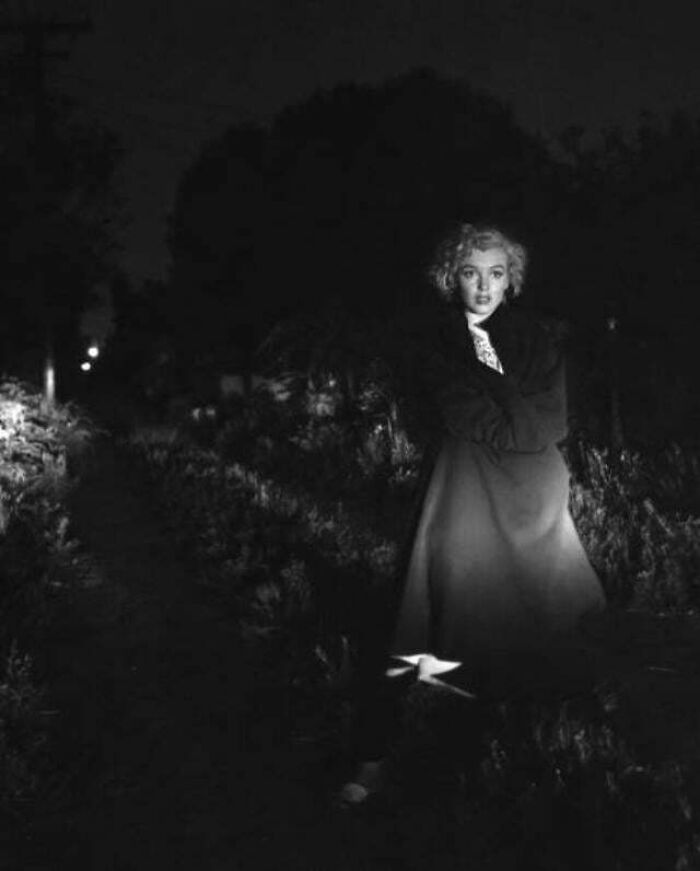
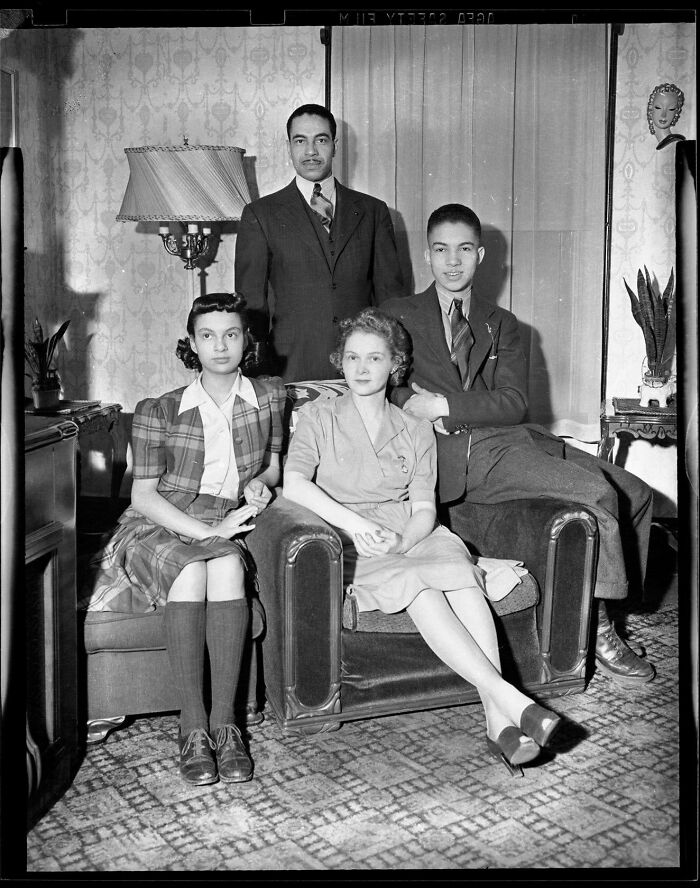
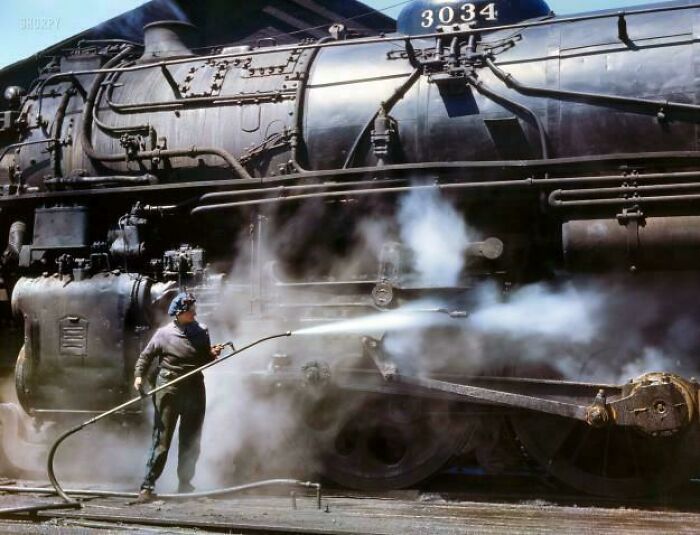
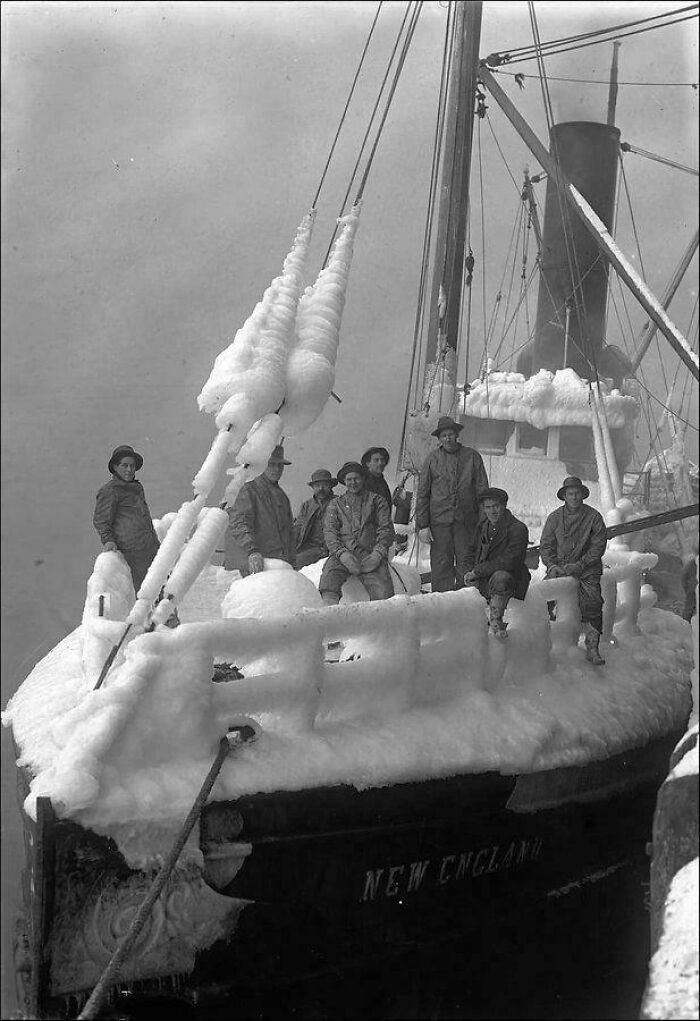
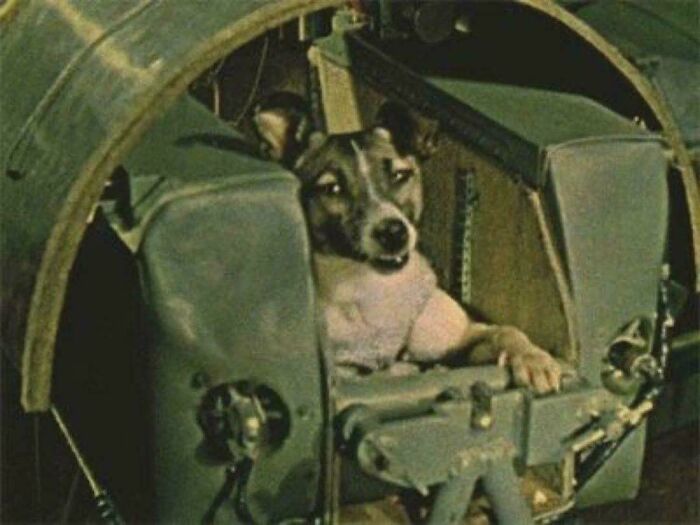
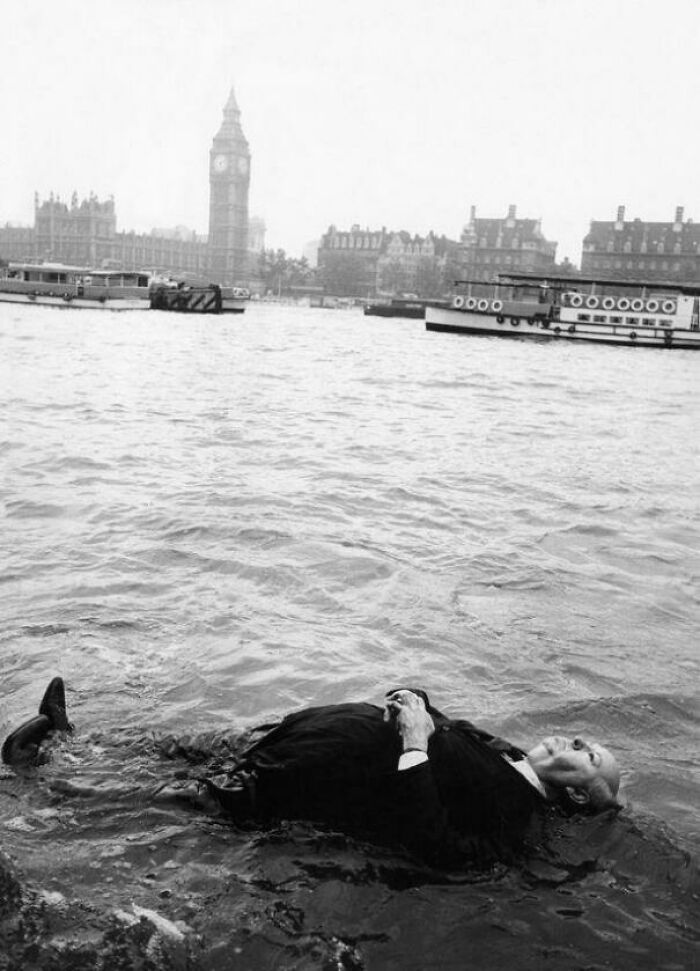
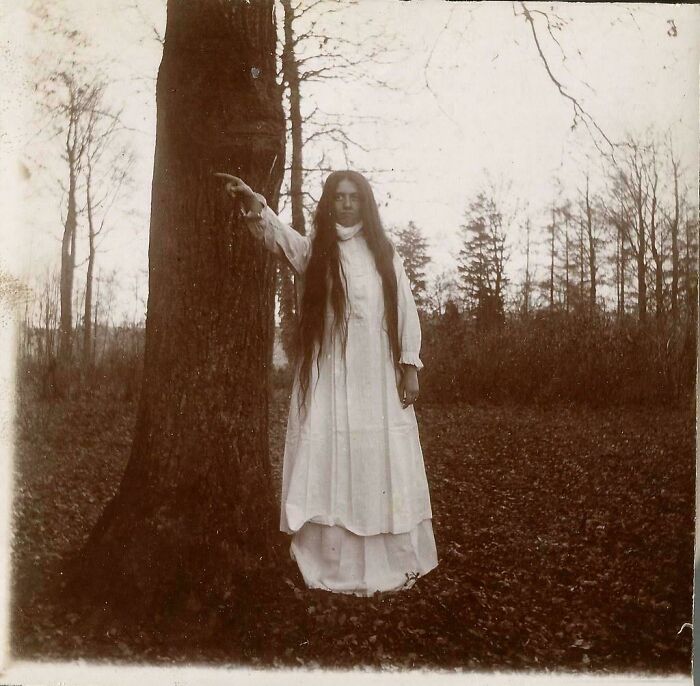
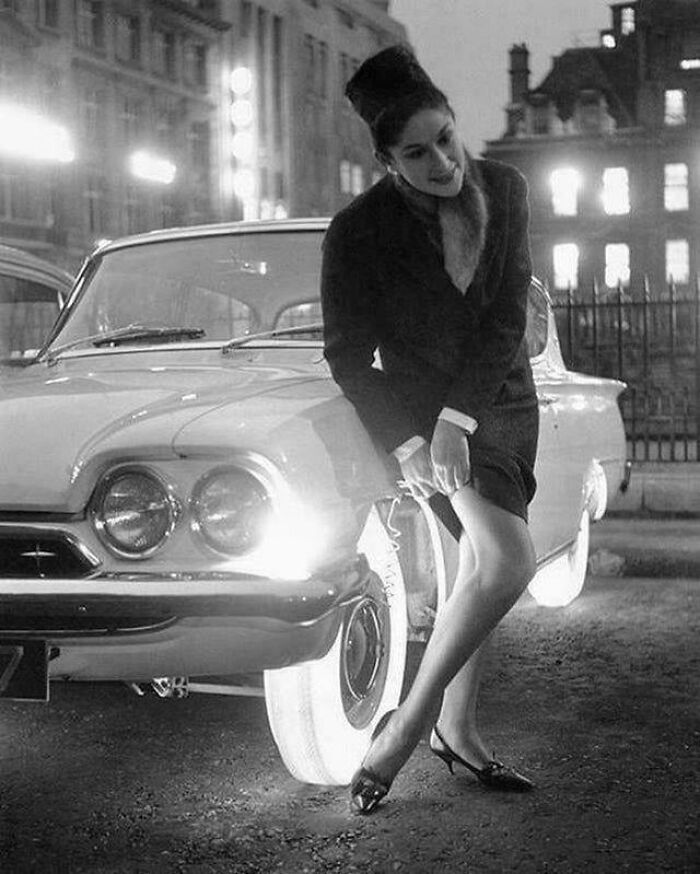
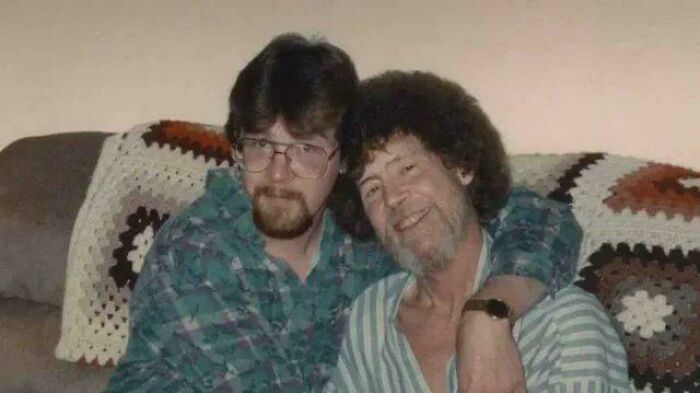
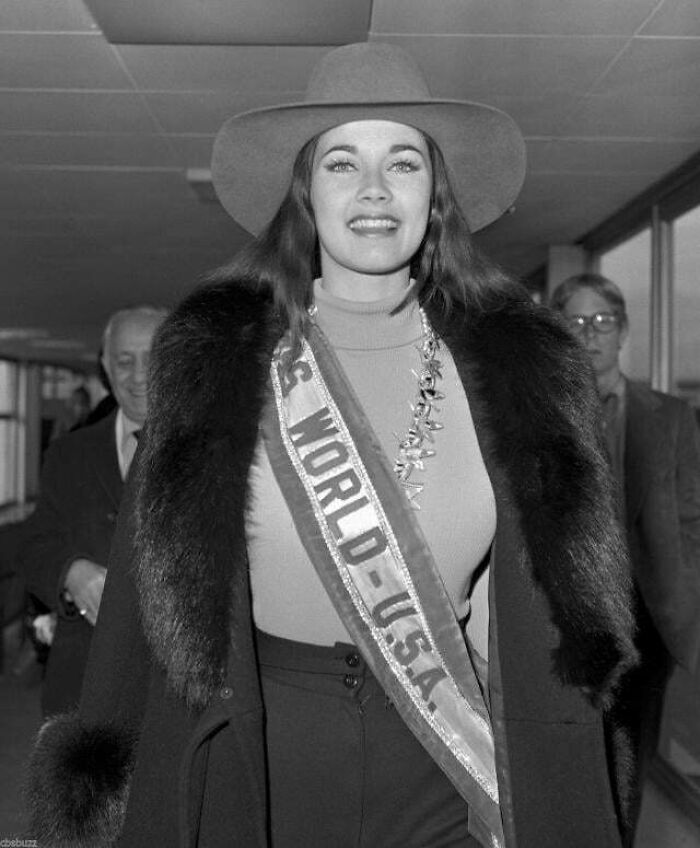
This time, we’re talking about those grainy, mostly black-and-white, historical photos that captured everyday life and little details that textbooks might skip.
On r/HistoryDefined, people share and discover these fascinating slices of the past, and we’ve collected some of the best ones for you.
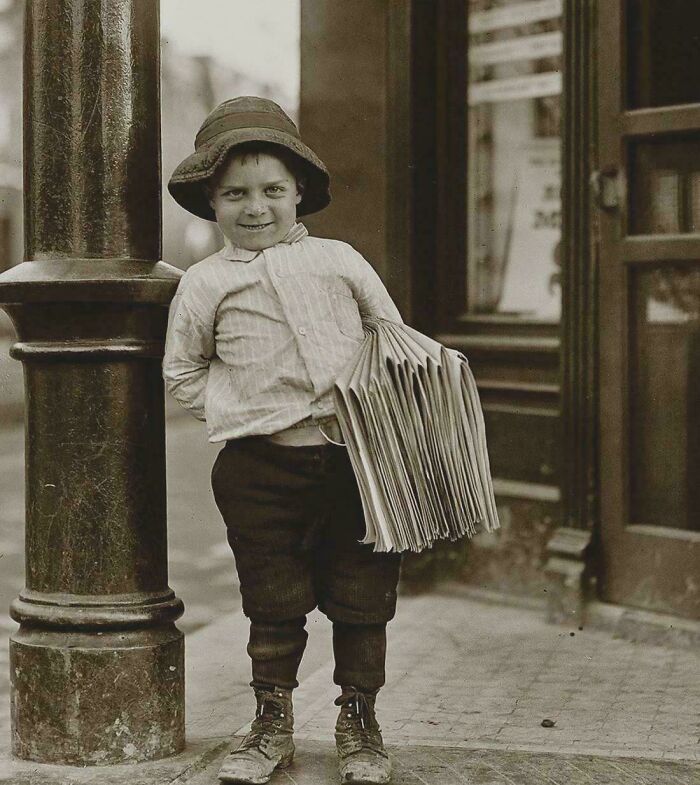
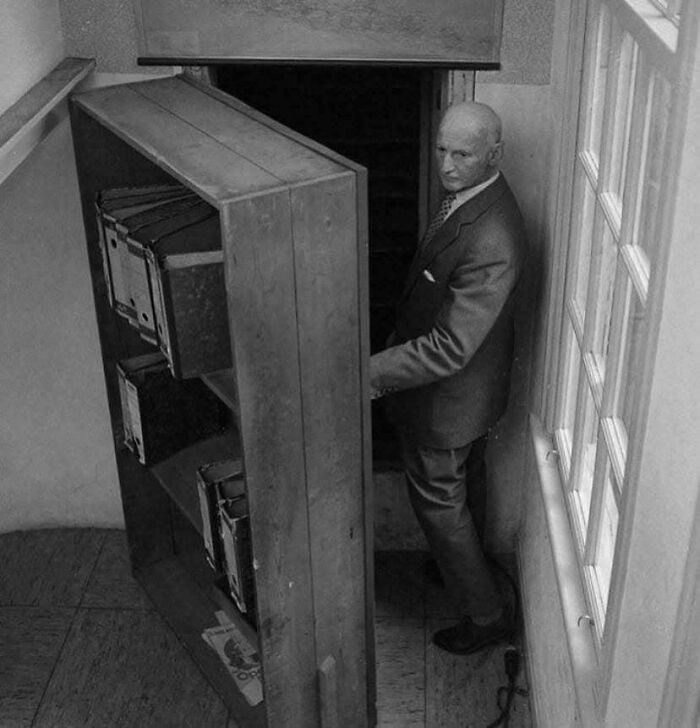
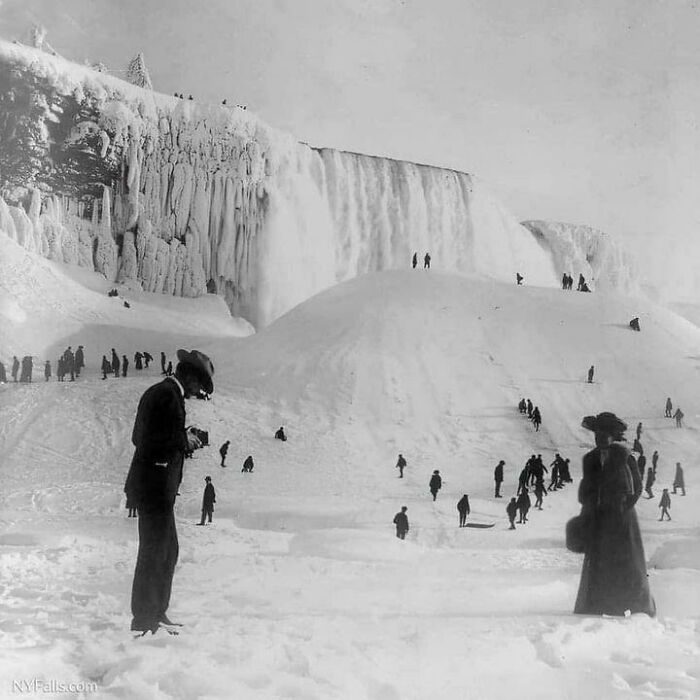
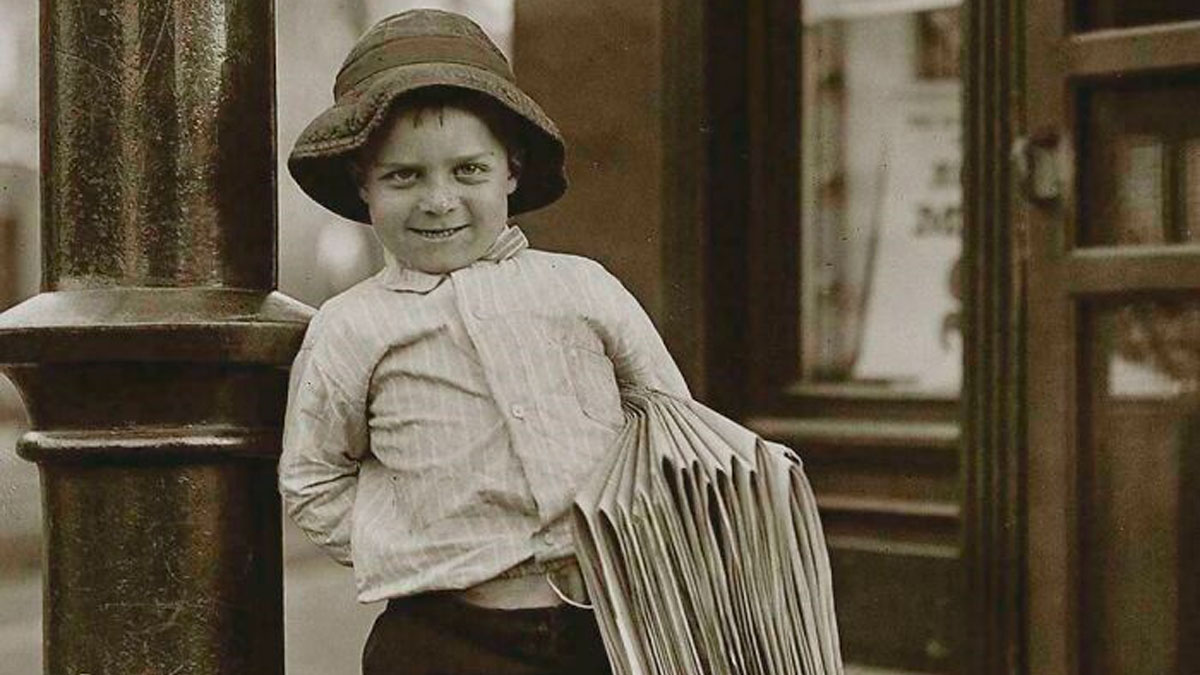
You’ll see a six-year-old paperboy doing his rounds in the early 1900s, Otto Frank revisiting the attic where his family hid for years, and even the frozen Niagara Falls.
This post may include affiliate links.
It wasn’t until the early 19th century that photography actually came into being. The first permanent photograph was made in 1826 or 1827 by the French inventor Nicéphore Niépce.
It was a black‑and‑white image of the view outside his window at Le Gras and took hours of exposure to record.
In 1839, Louis‑Jacques Daguerre publicly introduced the daguerreotype, a much more practical photography process. It used a polished silver plate and required much shorter exposure times.
This moment is often marked as the birth of photography as a usable, widespread medium.

And this current USA Administration is trying to take them away again, it would seem (Re the SAVE act)
In the earliest days of photography, people didn’t point their cameras at anything and everything as we do now.
The gear was huge, heavy, slow, and way awkward to use, so photographers mostly set up on stuff that wouldn’t move, such as landscapes, big buildings, old ruins, and monuments.
Scientists, explorers, governments, or rich travelers actually wanted these pictures as records of far‑off places or fancy architectural details.
Once the technology got better and the exposure times dropped, portrait photos became all the rage.
All of a sudden, anyone — not just kings or fancy people with painted portraits — could get a snapshot of themselves. That’s when photography really spread outside the elite circles into everyday life.
By the 1800s, the camera started being used as a real documentary tool.
Photographers began using it to capture major events, streets and neighborhoods, factories, and even wars.
By the late 19th century, there were photos of battlefields and of cities changing from farms into industrial hubs. They were evidence of how life actually was.

Because photography was automatic and mechanical, a lot of people believed that images were an honest record of what was there and not someone’s interpretation of it, as in paintings or written records.
Photographs were even used in court as legal evidence for a long time. Judges treated them as direct imprints of reality, something more trustworthy than a person’s memory or a sketch.
Research shows that we have long had a tendency to believe that photos show real moments exactly as they happened.
Since a photograph is made by capturing real light through a lens, many people assume it carries information that wasn’t put there on purpose by someone.
That made our ancestors see photos as straightforward portrayals of life, even though the photographer still chose the scene, angle, and moment.
There was an innocent time before digital editing when changing a photo wasn’t as easy or quick.
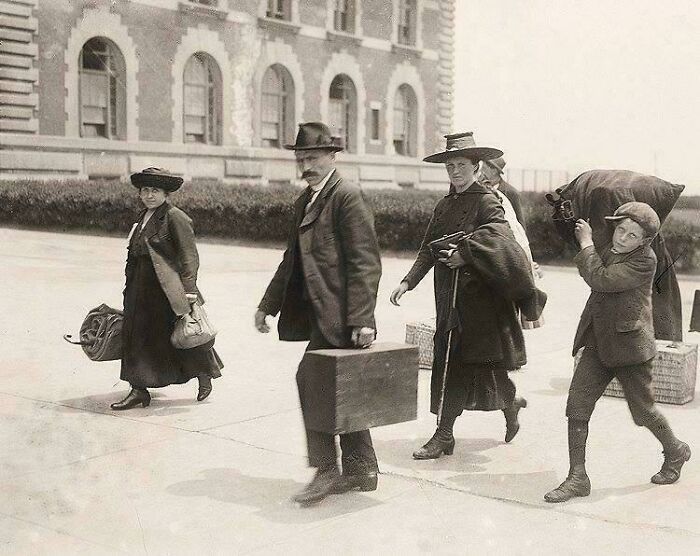
For example, the picture showing a family arriving at Ellis Island to start a new life in America in 1910 shows us real faces and emotions from that exact second, untouched by today’s instant manipulations.
Today, anyone with a keyboard can generate or alter images using AI and deepfake tech that look totally real.
Just recently, some politicians shared an AI‑generated image of a US airman’s rescue from Iran that never actually happened, before admitting it was fake after it spread online.
It’s harder than ever to know what’s real, simply from looking at a photo. So these historic images are extra precious because they carry a kind of authenticity we don’t always get anymore.
These historic images also help us visualize how different the world was back then.
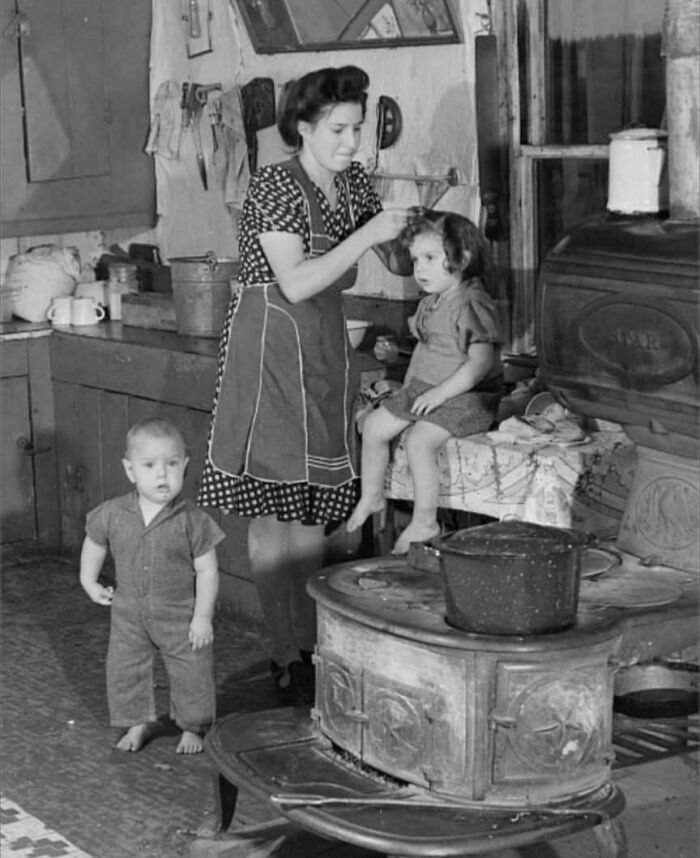
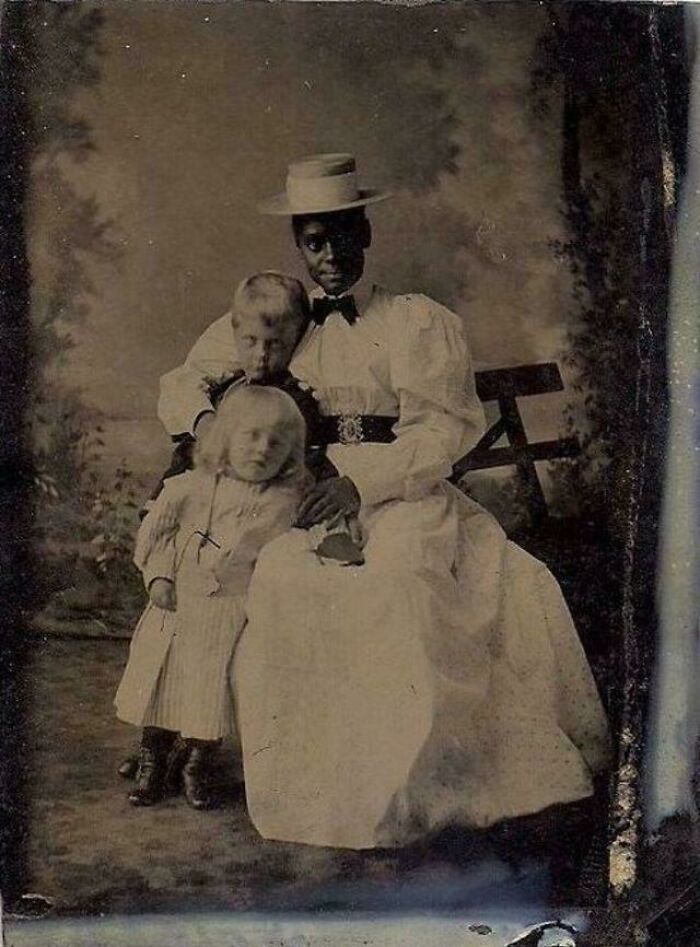
An image of an 18‑year‑old woman taking care of her two kids at her family’s farm is a visual time capsule showing what everyday life was really like. You see the clothes they wore and the expressions on their faces. You can even see the way the space and objects are arranged.
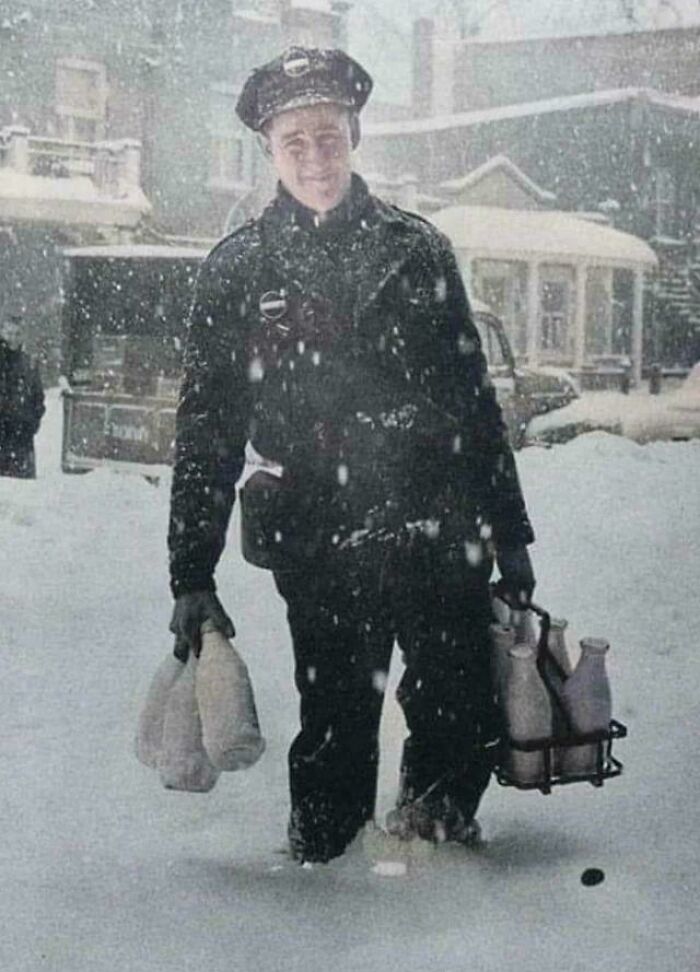
Or the picture of a milk deliveryman from the 1950s instantly tells us how milkmen were everyday fixtures in many neighborhoods. They pulled up to people’s doorsteps with fresh milk bottles on a horse‑drawn cart or an early delivery truck.
Seeing that makes us think about how ordinary errands and food routines have changed drastically. Now, most of us grab groceries ourselves from a store or through a delivery app in a few taps.
“Visual media often seem more accessible to our students than the written record. Students themselves mention that images make the past seem more accessible, giving concrete shape to a world that sometimes seems intangible,” says Anna Pegler-Gordon, assistant professor of history at the James Madison College of Michigan State University.

I don't know why but this excites me. Think about the power and force that is generated here everyday and the cold has halted it to a complete stop. And very few that day got to see the falls from an entirely different vantage point that the rest of us probably never will. Cool
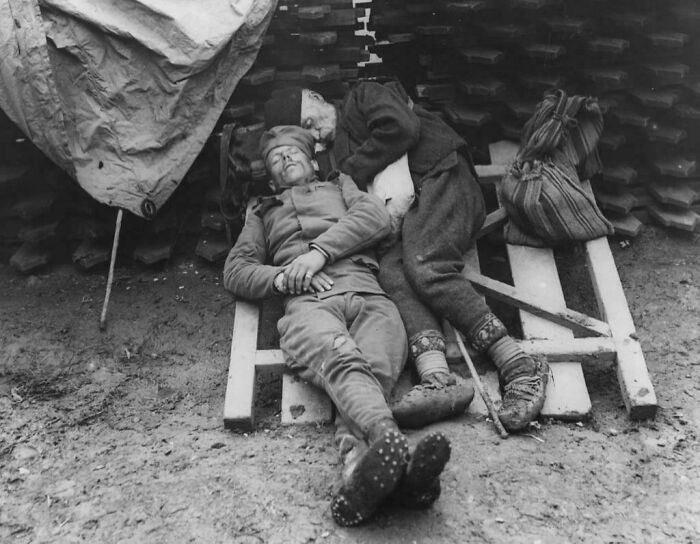
War photos carry their own kind of gravity. For example, the picture of a Serbian soldier sleeping next to his father on the front lines helps us connect the past to our own sense of reality today.
It makes us think about what those people were really going through in that moment.
The emotional impact is why experts say that photos build collective memory. They help us remember events both socially and personally.
“People appreciate the immediacy of the image, which often conveys information more quickly than a primary document written in an unfamiliar, or even a foreign, language,” says Gordon.
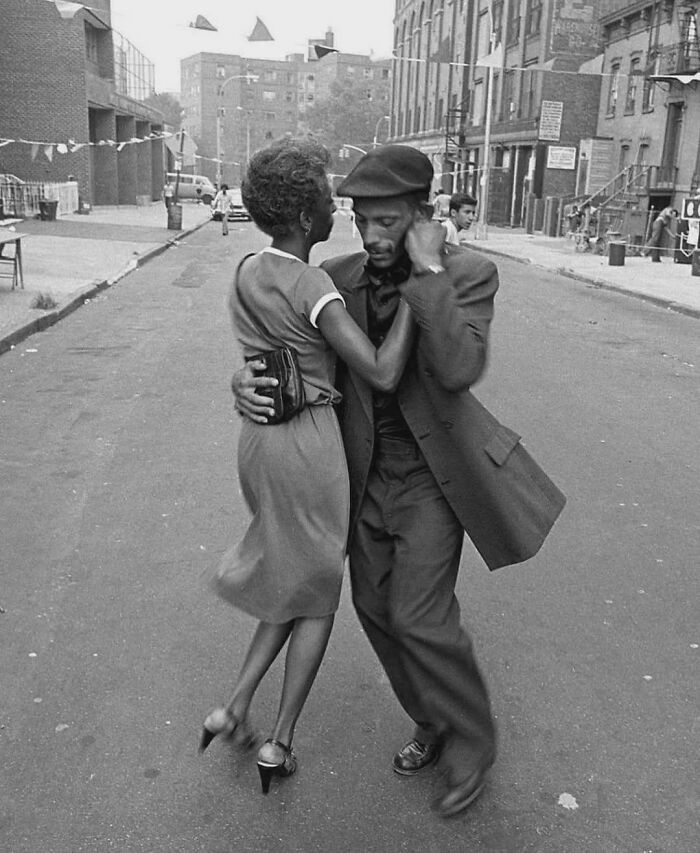
The best part about these historic pics is that they’re nuggets of daily life, community culture, traditions, and ordinary moments that otherwise might be forgotten. It’s not just famous faces or significant events.
Every day photos act like a time machine, letting us see different things like how people dressed, worked, laughed, or struggled long before we were born.

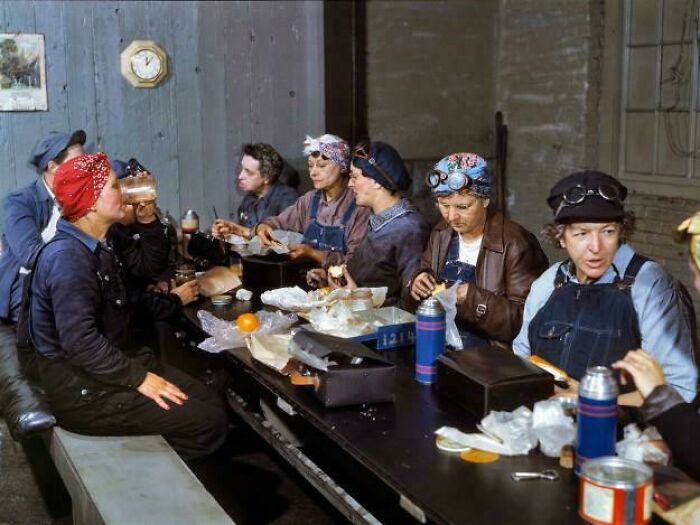
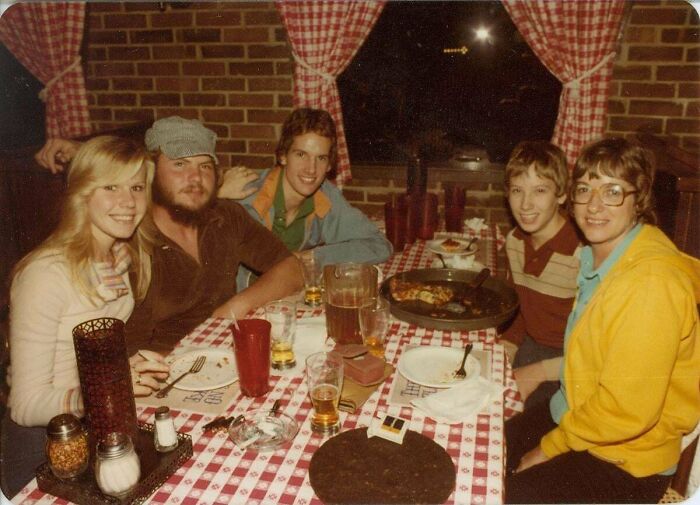
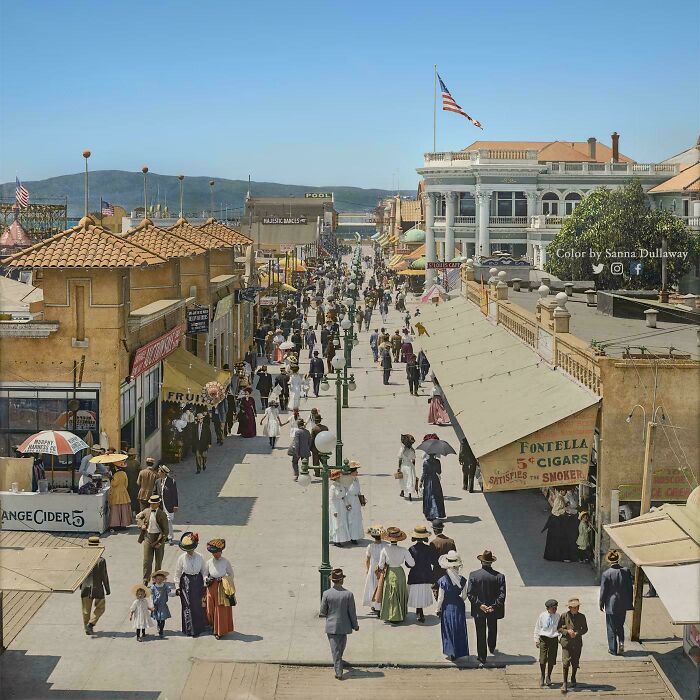
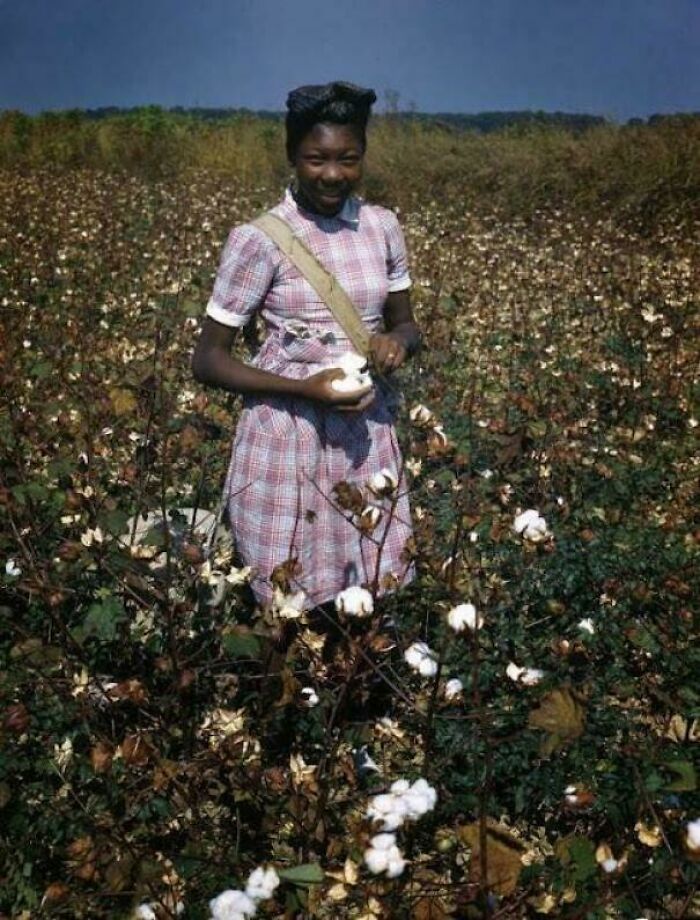
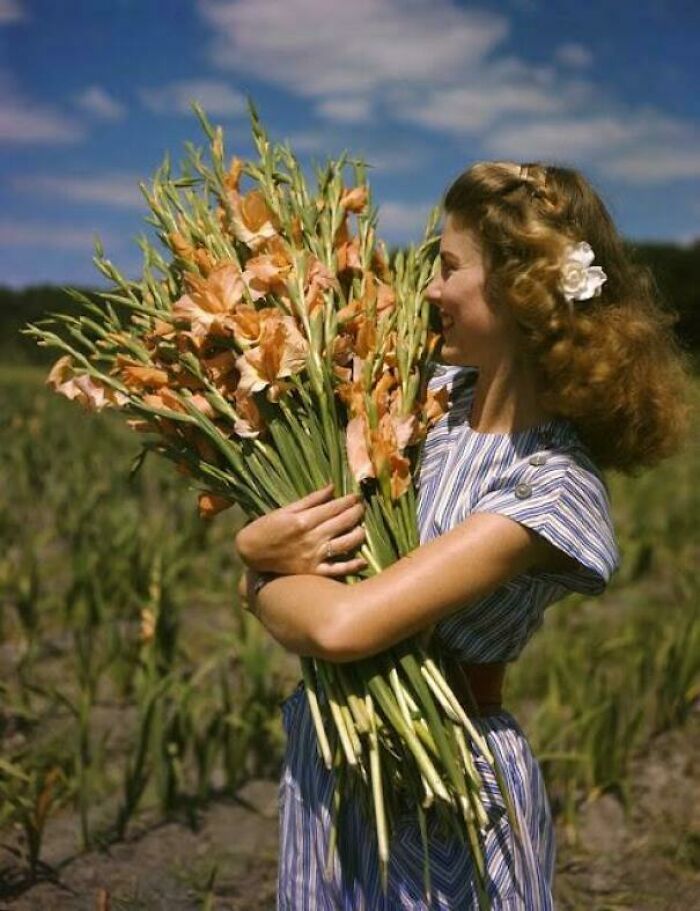
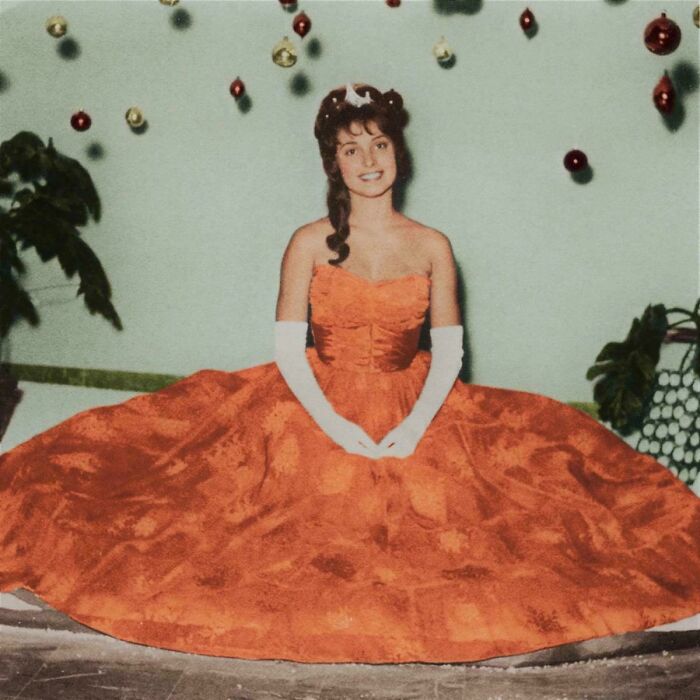
Nearly a century later and the colors are still vivid. Kodachrome was awesome.
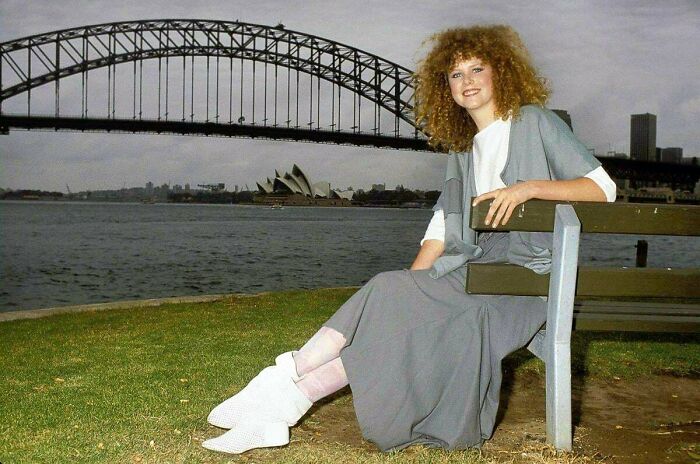
Could be the early 80s too. People were still wearing Bell Bottoms into around 1985.

My wife's great grandfather and great grandmother separately went through Castle Garden in 1882. Castle Garden in Manhattan was the predecessor to Ellis Island. The site Ancestry allowed me to get a good feel for their life journey from birth to death. Genealogy is my main hobby. I'm amazed by the stories of relatives.
Kodachrome the original image filter. Long before social media and filters, we had Kodachrome. It made everything so shiny.

*where she used to live. Also, I second what Spencer said. Ugh, I hate bad grammar. It has a way of spreading like a virus.
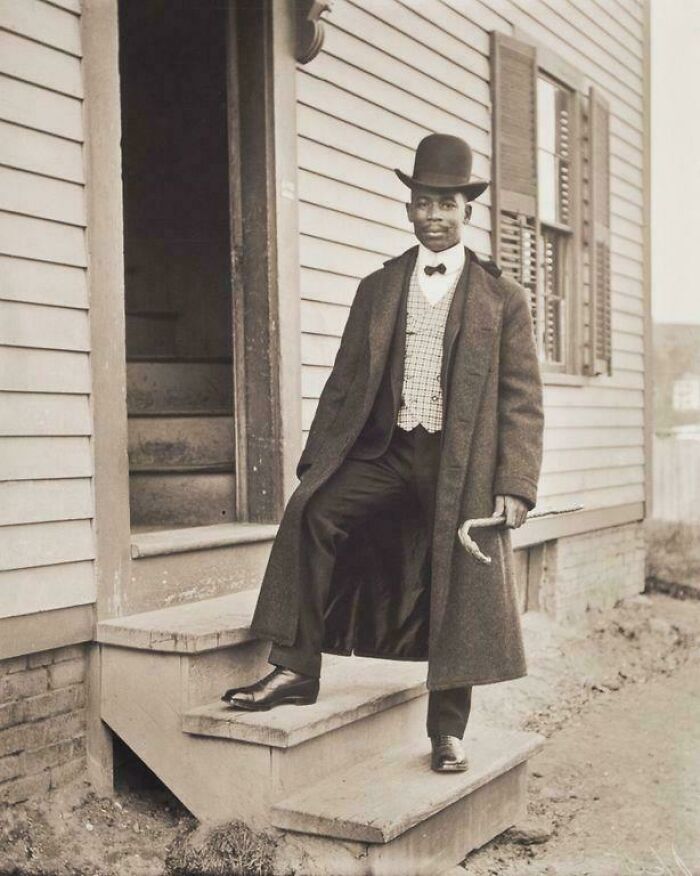
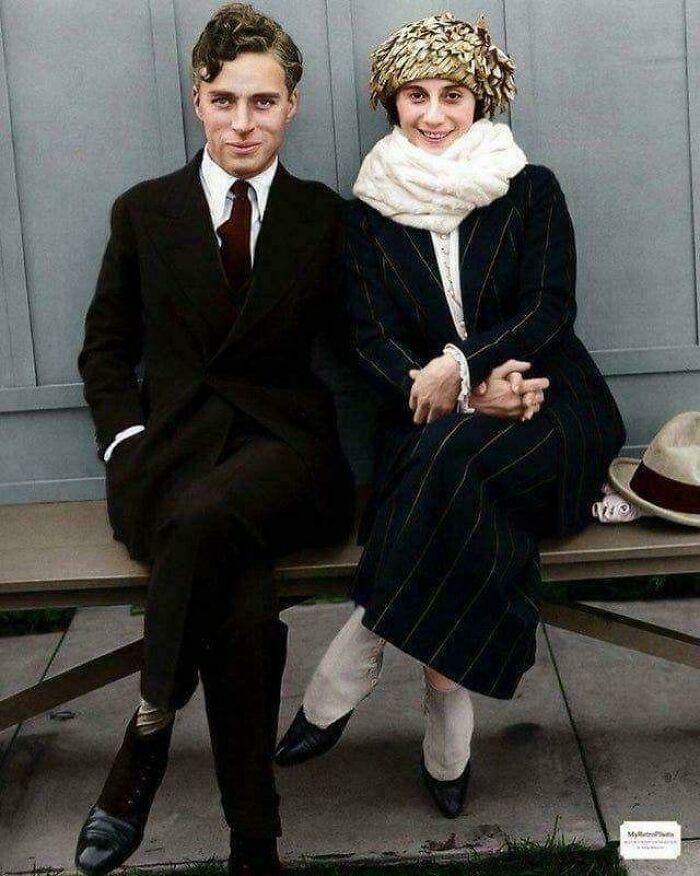
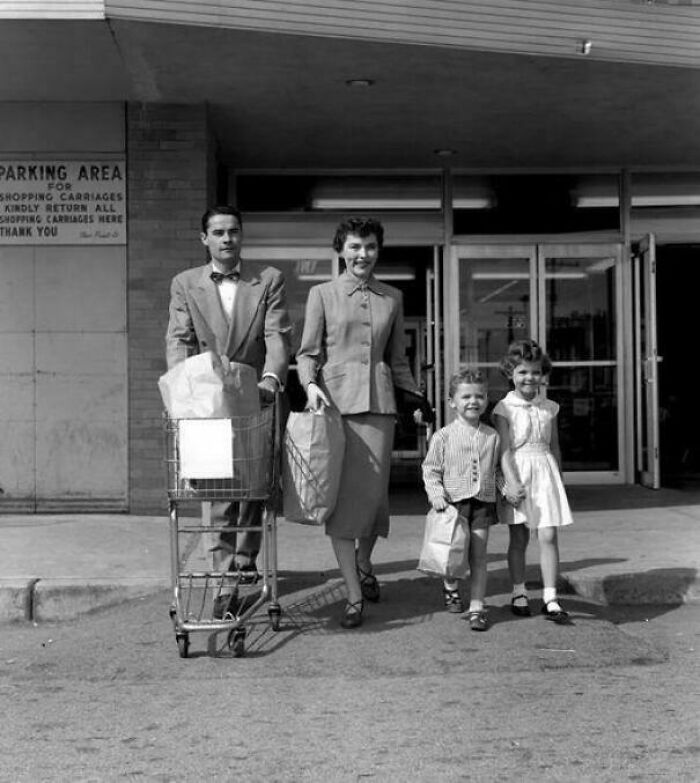
How many men today can contemplate tying a bow tie before taking a trip to the grocery store? I was born 30 years later and never even learned how to tie a tie.






















 No fees, cancel anytime