Get Premium
Dark mode theme is available exclusively for premium users. Learn more about the benefits of subscribing.
No fees, cancel anytime.

 Dark Mode Ad-Free Browsing Unlimited Content
 Ad-Free Browsing Unlimited Content Dark Mode
Join 1.2 million Panda readers who get the best art, memes, and fun stories every week!

It's easy to take our bodies for granted—we wake up, go about our day, and rarely stop to think about just how remarkable they really are. The human body is full of fascinating processes, surprising quirks, and everyday mysteries that most of us never notice. The best part? No matter how much you think you know, there's almost always something new to learn.
Curious to uncover some of these incredible facts, we dived into an Instagram account dedicated to sharing fun and fascinating medical knowledge. From surprising body quirks and clever scientific explanations to everyday health facts that sound almost too strange to be true, this collection is equal parts educational and entertaining. Keep scrolling, Pandas—you might just discover something about your own body that leaves you saying, "Wait... I never knew that!"
This post may include affiliate links.
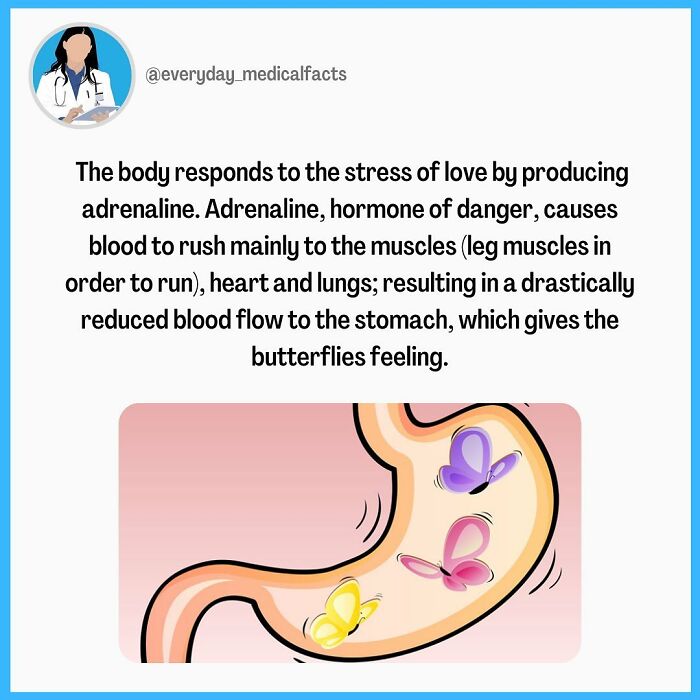
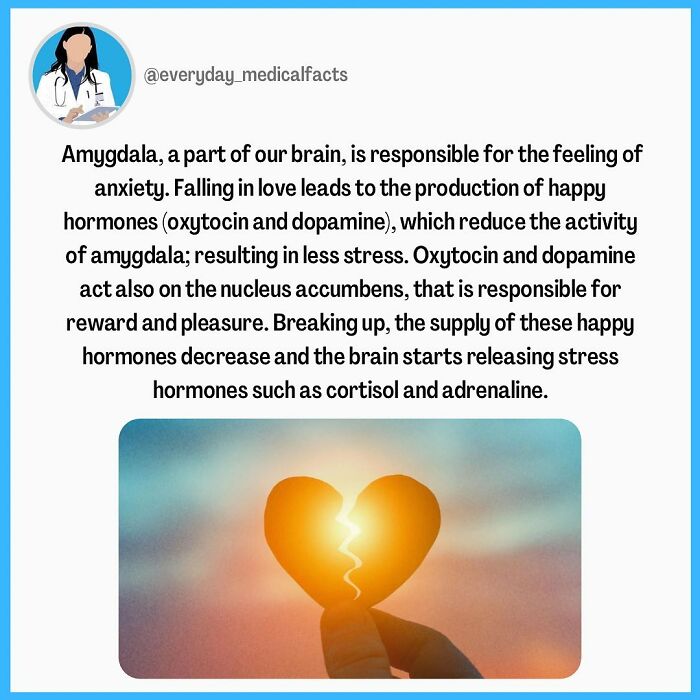
The stress is not created by love, it is created by our mental doubts about the success of a new relationship. We get the same butterflies when going for a job interview and our first day at a new job, our first day of college.

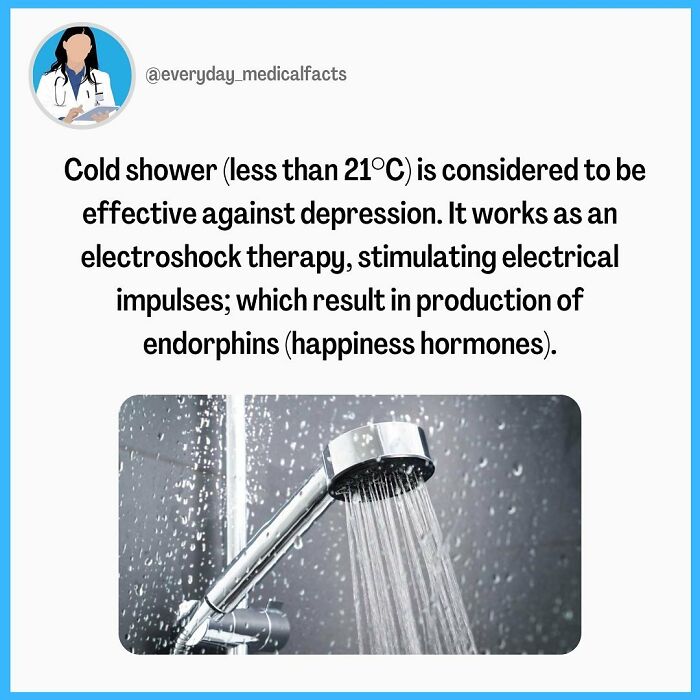
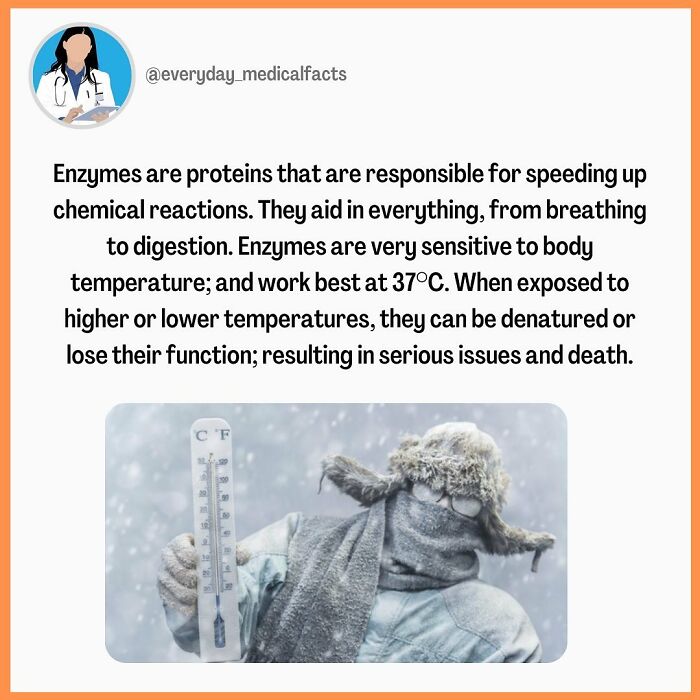
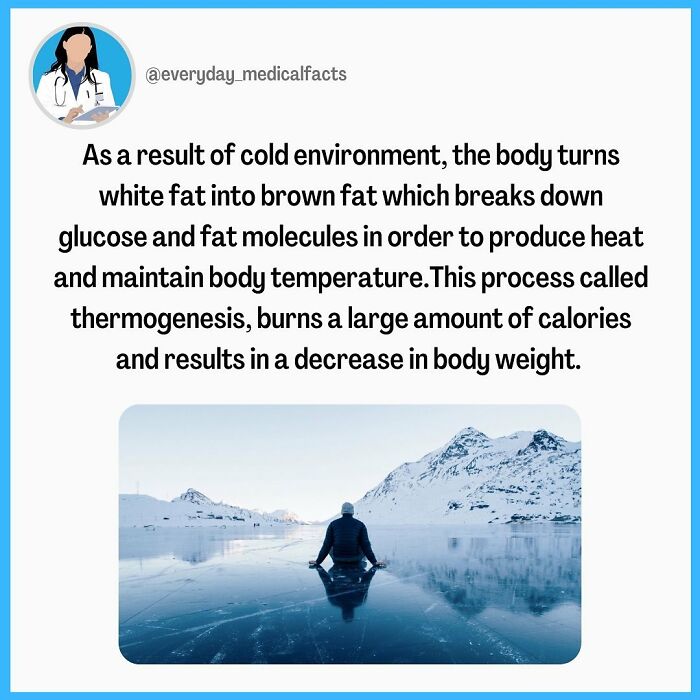
It doesn't work for me. Although I'm taking cold showers because I'm in menopause and I don't want to accidentally burst into flames. 😂

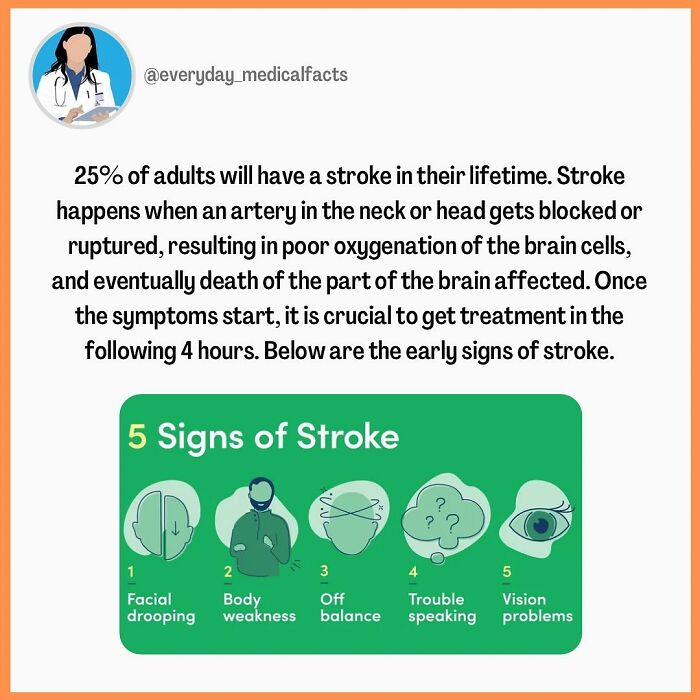
We teach BEFAST - sudden onset of Balance/coordination problems Eye problems (seeing out of one or both eyes) Facial drooping Arm weak on one side Speech abnormalities (slurred, doesn't make sense, garbled) Time to call emergency services!

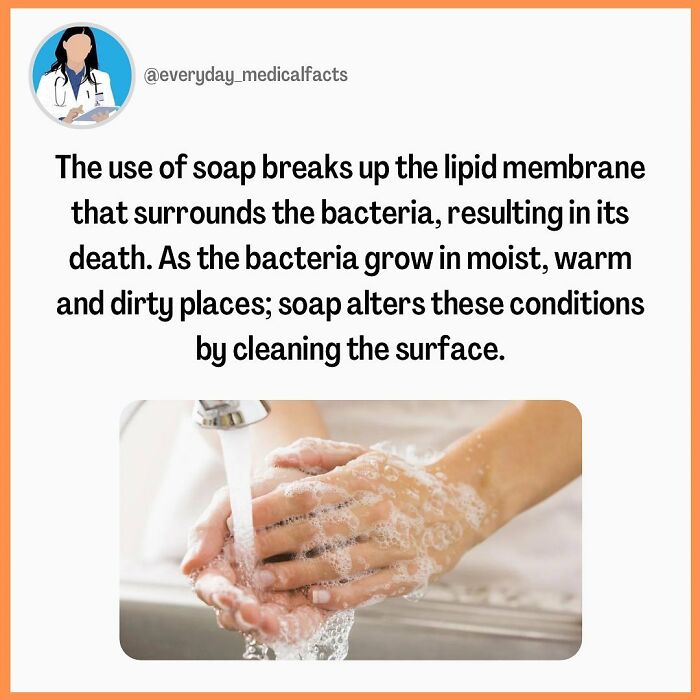
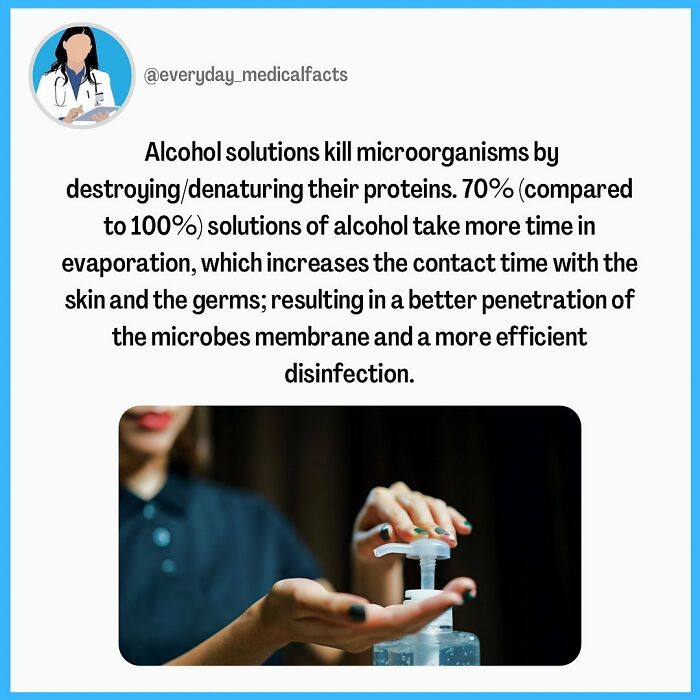
Also rubbing your hands together vigorously assists in breaking the membrane.

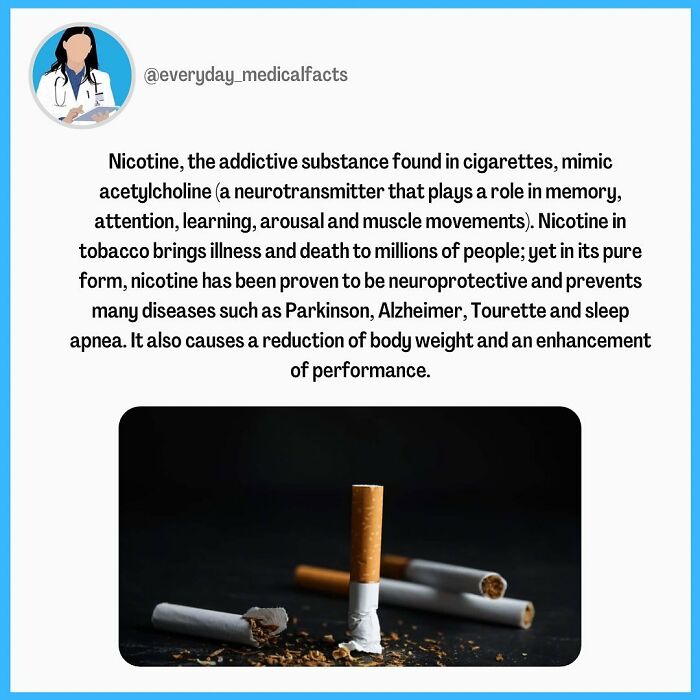
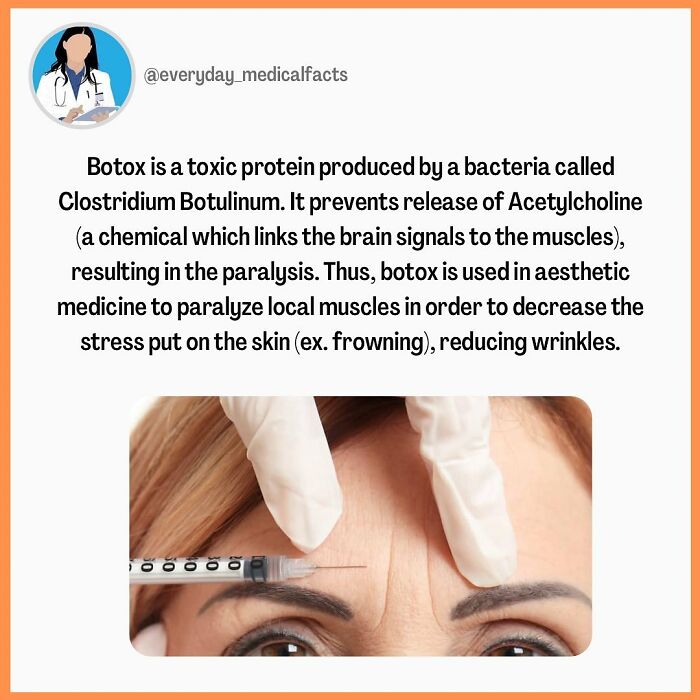
Nicotine in tobacco at normal doses doesn't hurt anyone. It's the tar in tobacco that causes problems, that's why we have tar filters. PS. Be very very careful with the acetylcholine pathway. Many poisons such as strychnine and atropine target this pathway.

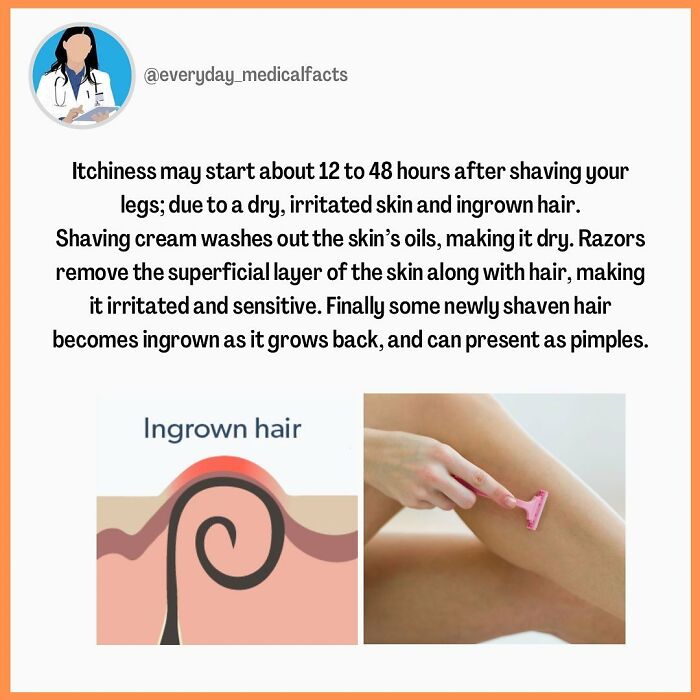
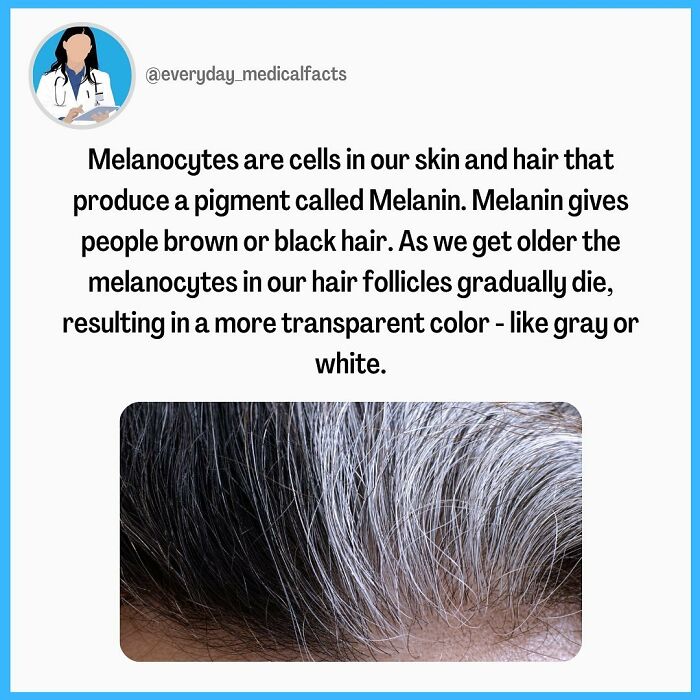
And by getting older hair grows in places where it never meant to be.
Fun fact: When performing CPR, the proper rhythm is to the beat of Another Bites the Dust. Alternate fun fact: People get mad if you start singing Another One Bites the Dust while performing CPR.
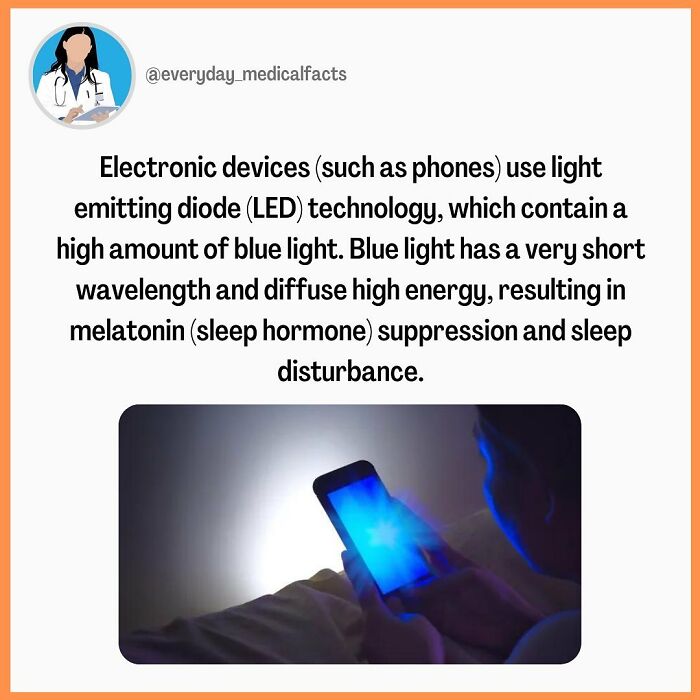
I know several people who wear blue light blocking glasses when they work at a computer. I just wear glasses so I can actually read what's on the screen. 😁

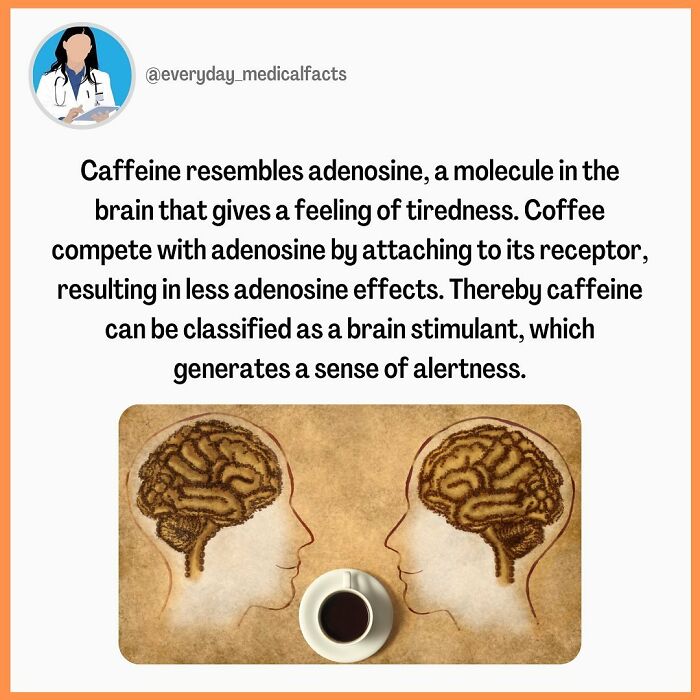
In some people, somehow the opposite happens, and coffee can help them fall asleep. Weirdly, in the morning when I drink a cup, I do feel like it helps wake me up. However, at night when I think I might be restless, I can drink a cup and before I can completely finish it, I’ll be ready fall right to sleep. My niece does the same thing. So it’s definitely a thing:)
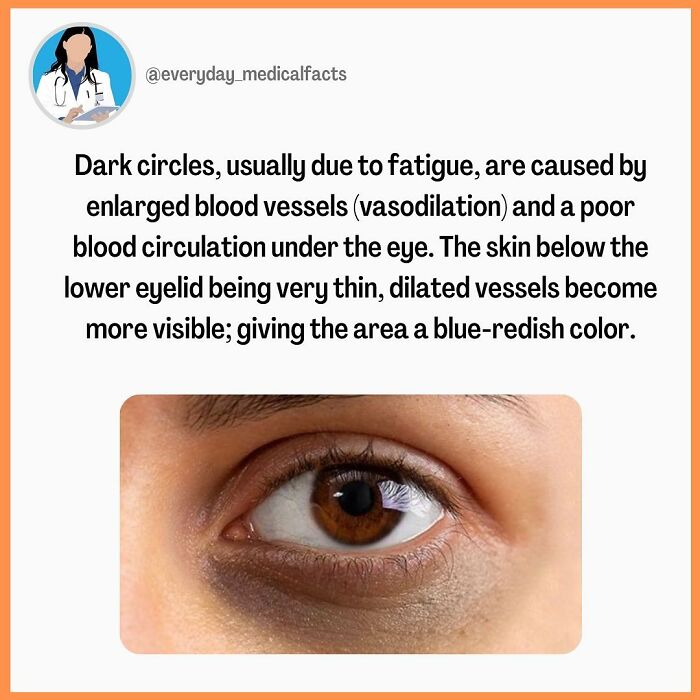
Bags under the eyes are caused by your blood flowing to your head while you sleep. Raising the head of your bed a few inches to elevate the angle of the bed can help prevent that. But then the blood flows to your legs so you have to raise the foot of your bed. Best to sleep in a big bowl I guess!
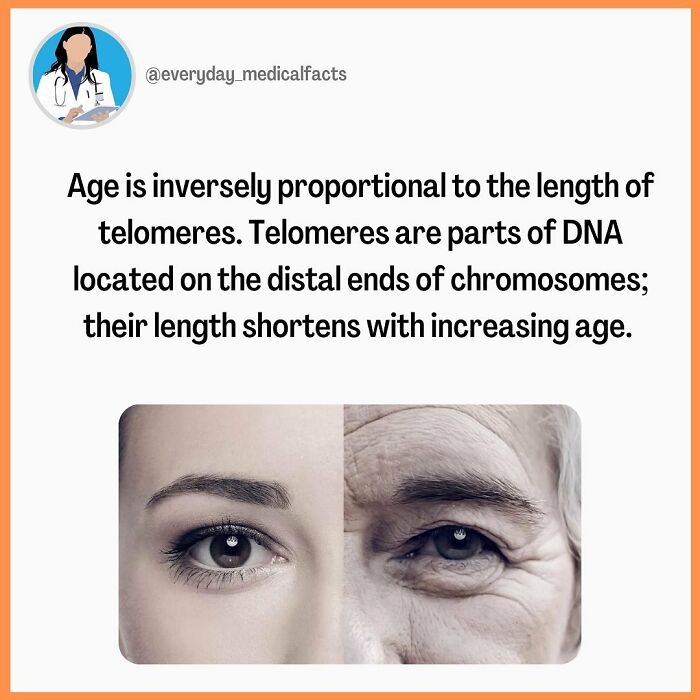
Longevity researcher have tried creating d***s that extend the telomeres but found it causes cancer to grow. Because that is one trait of cancer, it does not d*e.
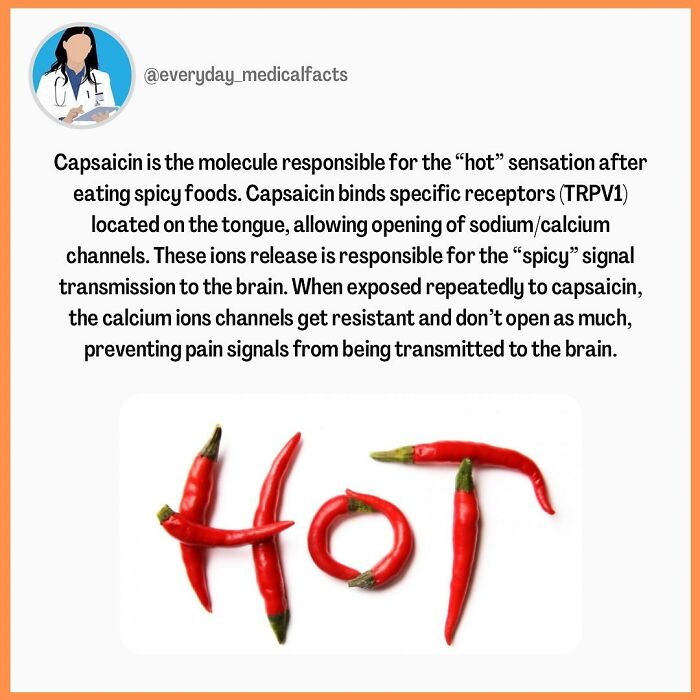
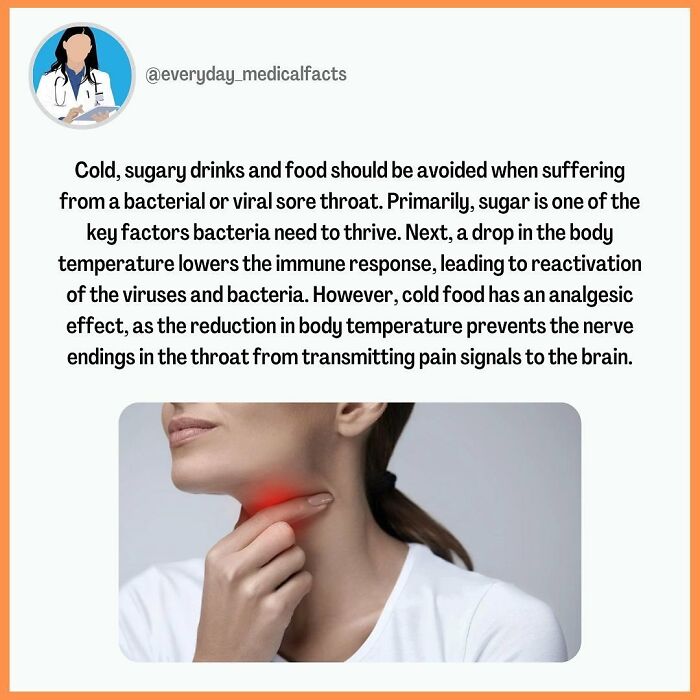
After sufficient exposure, ONLY the pain signals are sent to the brain!
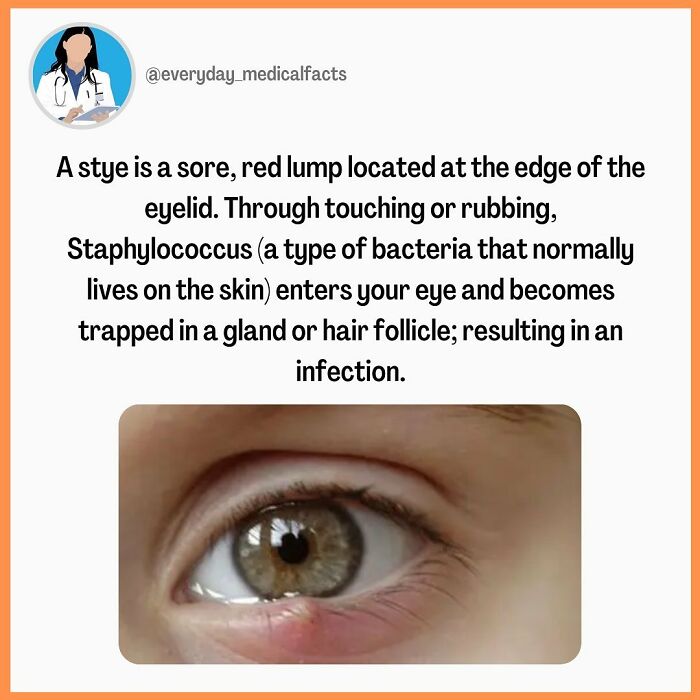
I use to get these all the time back in my youth when we all wore our eye liner on the inner part of our eye. 😫

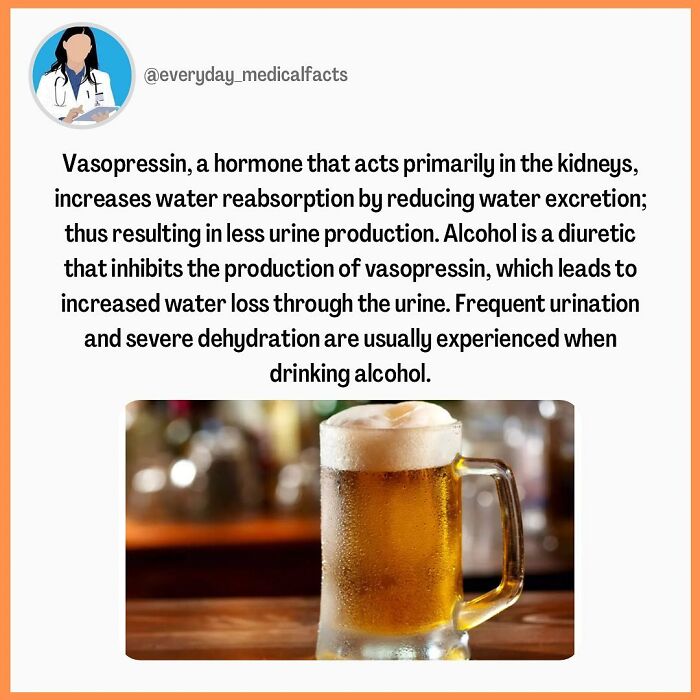
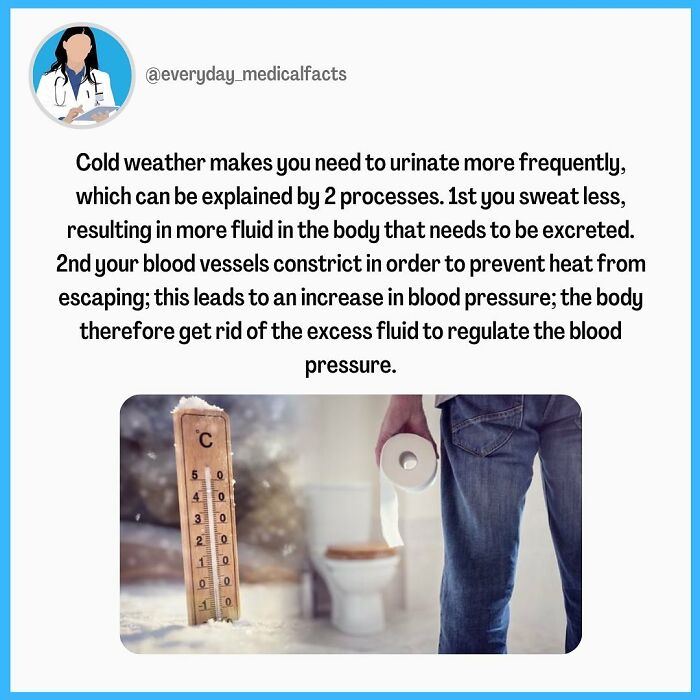
The footage of Japanese contests where they drink a few beers, go out in the cold, and see how long they can go without urinating.

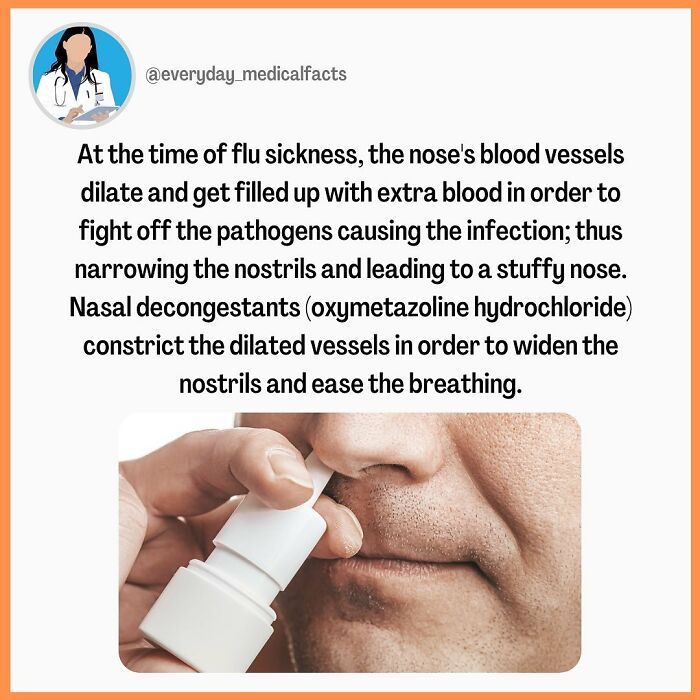
The "in order to fight off the pathogens" bit is really not true. It's just a part of the body's response, like other inflammation as a result on illness or injury, but the implication that increased blood flow for healing is the reason it does so is a huge over-simplification, there are much more significant mechanisms at work.

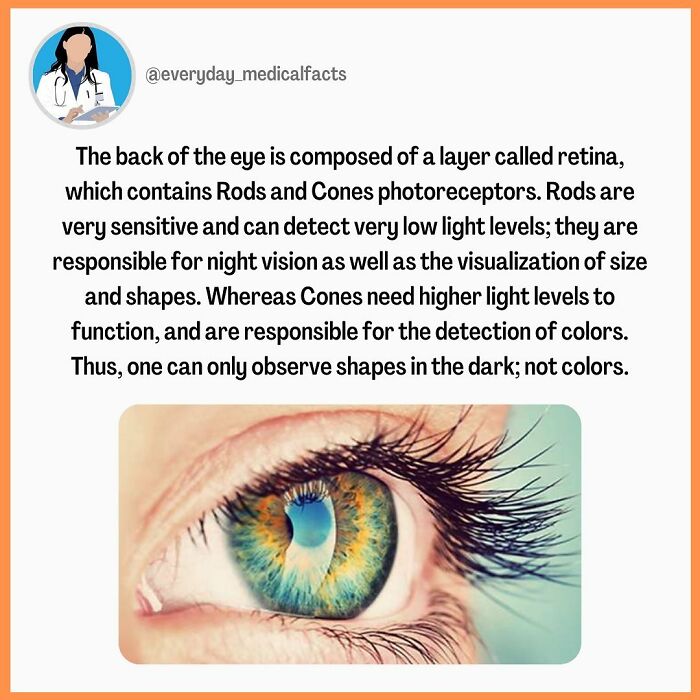
Omg! I’ve always wondered about this! I have amazing night vision! Either that or I’m surrounded by night blind people:) anyway, I only need the smallest light source, like moonlight thru a tiny crack in a curtain would be enough to see the whole room. But I can never pick out color! Lol, anyway, I’ve wondered about this for a long time.

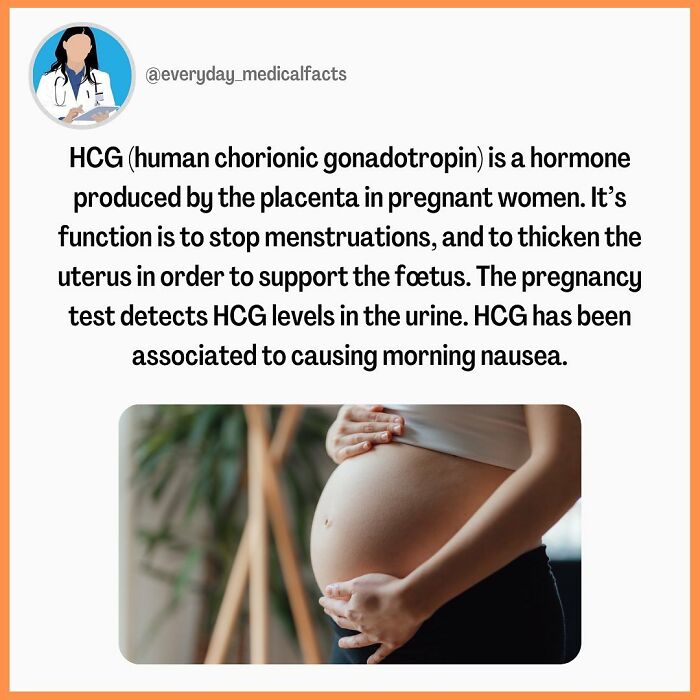
It's function is not just "to stop menstruation", it is also a signal to propagate cellular division and proliferation especially in germ cells (no, not germs as in bacteria). Hence why you can detect testicular cancer with a pregnancy test

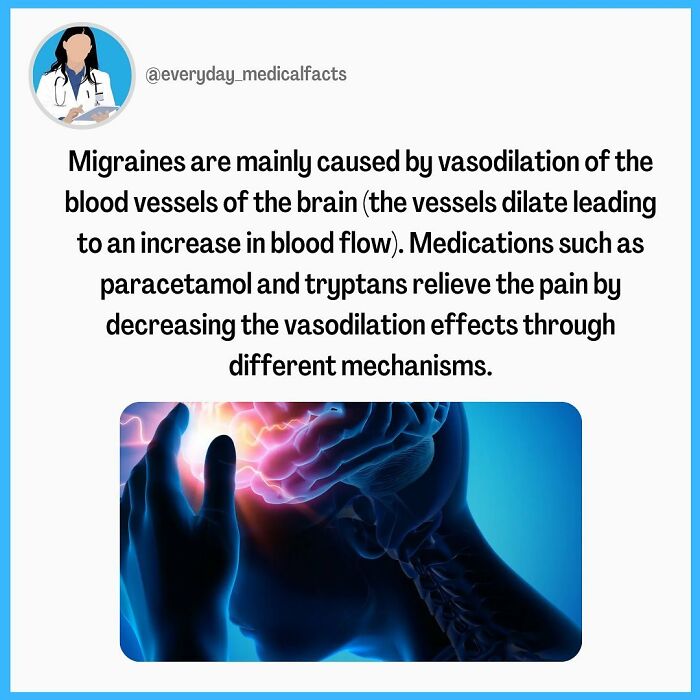
The vessel dilation in the brain also puts increased pressure on brain tissue. Hence causing effects throughout the body such as nausea, balance disturbances, visual and audio oddities, etc. known as a migraine aura.
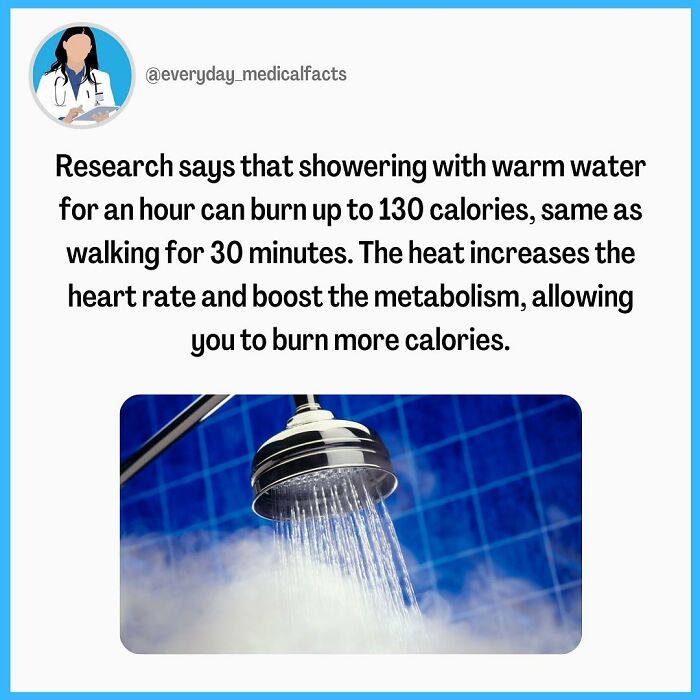
That's an expensive way to burn calories. Who spends an hour in the shower? I'd have run out of warm water by that point!
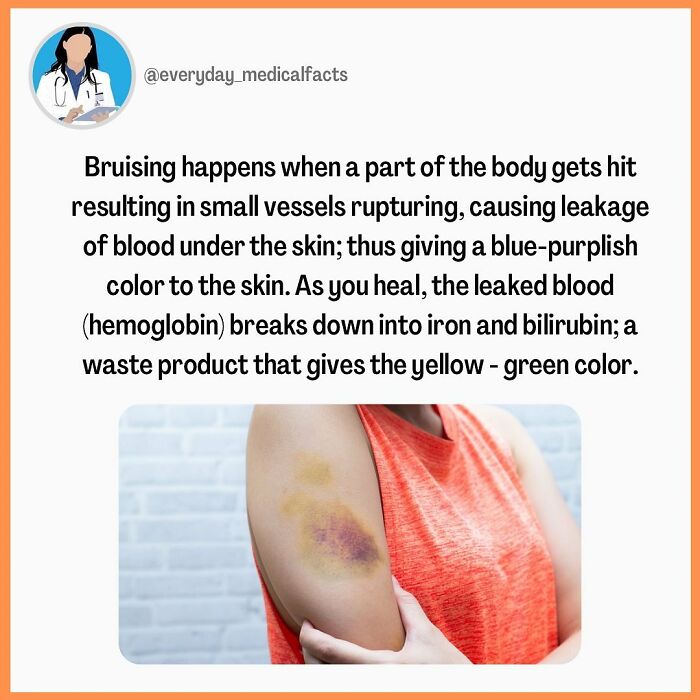
Hope you don't need it, but my Meniscus repair surgery left huge bruises either side of my lower thigh above the knee. "Yeah we use a torniquet during the procedure".
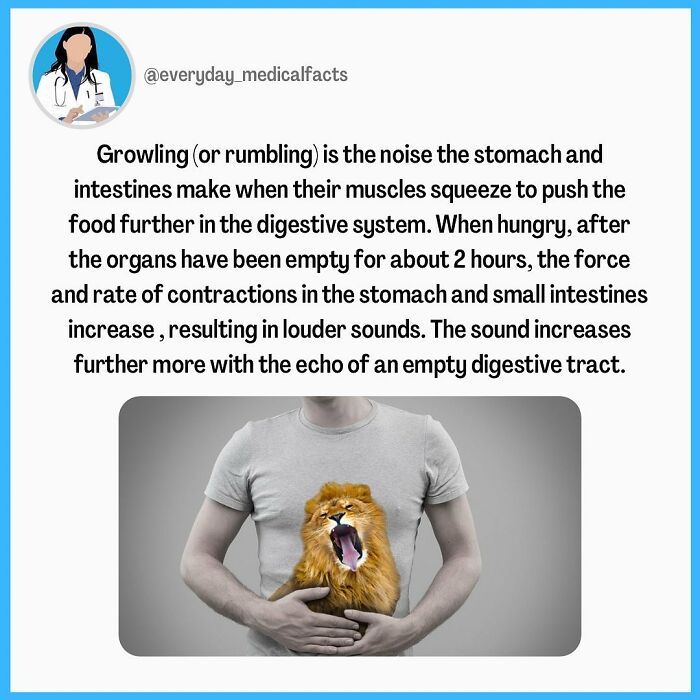
But most of the time it isn't your stomach growling, it's your colon. Most of which sits higher in your abdomen than you probably realize.
I don't happen to believe the "left brain" vs "right brain" idea. The idea came out of the same stable as acupuncture and chiropractic.

Many of these are just plain wrong, a few are dangerously wrong. An AI scrape is not a good substitute for actual medical knowledge.
Many of these are just plain wrong, a few are dangerously wrong. An AI scrape is not a good substitute for actual medical knowledge.




























 No fees, cancel anytime