Get Premium
Dark mode theme is available exclusively for premium users. Learn more about the benefits of subscribing.
No fees, cancel anytime.

 Dark Mode Ad-Free Browsing Unlimited Content
 Ad-Free Browsing Unlimited Content Dark Mode
Join 1.2 million Panda readers who get the best art, memes, and fun stories every week!



Many of us tend to think of history as a collection of dates to memorize in chronological order, written accounts to pore over, and legislation to learn word for word. But the past survives in more than textbooks and official records. It also lives on in photographs, objects, ephemera, and other material traces of the people, places, and moments that can be difficult to picture through words alone.
This list brings together some of those surviving traces. From major events to quieter moments of everyday life, the collection spans the iconic, the unexpected, and even the seemingly ordinary, offering glimpses into American history and life across different times and places. Let us know which ones you found most intriguing.
This post may include affiliate links.
These days, it can be easy to think of photographs simply as images. Because for the vast majority of us, that’s how we encounter them. Made up of a bunch of pixels, we mostly see them on screens, as digital files that can be copied, shared, and scrolled past in less than a second. And we take them—plenty of them—just as quickly, often forgetting about them soon after, and very rarely ever actually printing them.

But there was once a time—in fact, it was this way for much of photography’s history—when a photograph was understood to be a physical thing: something that could be held, displayed, put in an album, sent through the post, or tucked away someplace private. Sure, they captured a fleeting moment in time, but they became concrete, tangible things.
What’s particularly interesting about this is that it reminds us that historical photos are not simply images of the past but also objects from the past. They’re records or evidence of people, places, and events, but they’re also artifacts—things people made, owned, used, and passed on. And that means they can tell us something not only about what was captured in the frame, but about the people and world around it.

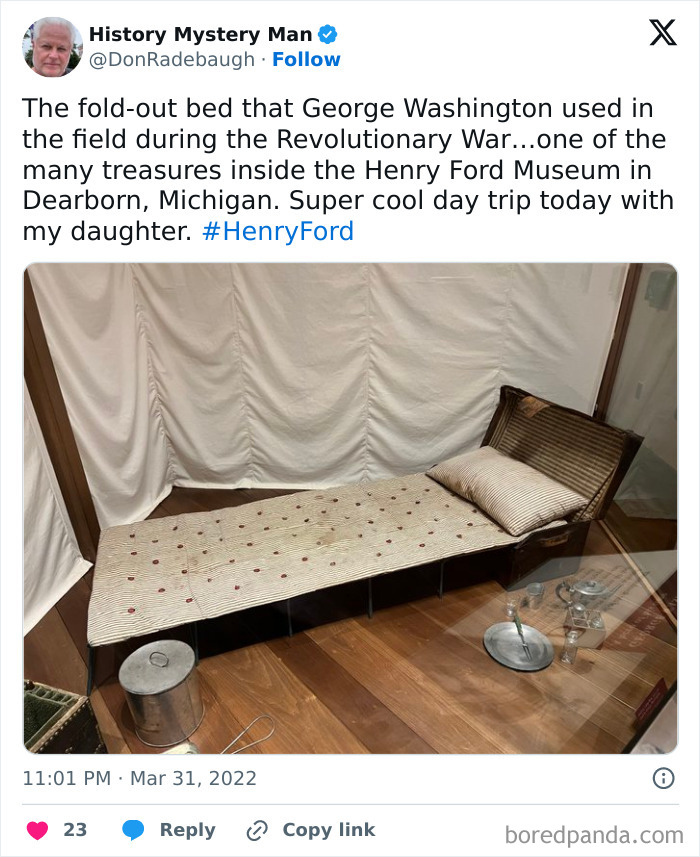
The Henry Ford is vastly the most interesting Museum of Americana one could visit! I live 90 miles away. <3

Lets go back to the good old days when everything was *perfect* and see how long today's folks would last.
Writing for the Smithsonian, Steven Lubar and Kathleen Kendrick define artifacts as “the objects we make and use,” arguing that they can offer “another way of approaching the past.” Unlike textbooks, which tend to focus on major documents and events, artifacts can reveal another kind of history, helping us understand the people who made and used them, as well as the values, knowledge, and tastes of the societies around them. “Artifacts,” they say, “are the touchstones that bring memories and meanings to life. They make history real.”
Part of what makes them such touchstones is that they can open up the world beyond themselves. Lubar and Kendrick explain that when we take the object as a point of departure, we open up the world “beyond the artifact” and “learn a different kind of history.” When artifacts are imagined in context—not in isolation but against a backdrop of people, places, and events—they “become passageways into history,” they write. Through them, “we can connect to a moment in time, a person's life, a set of values and beliefs.”
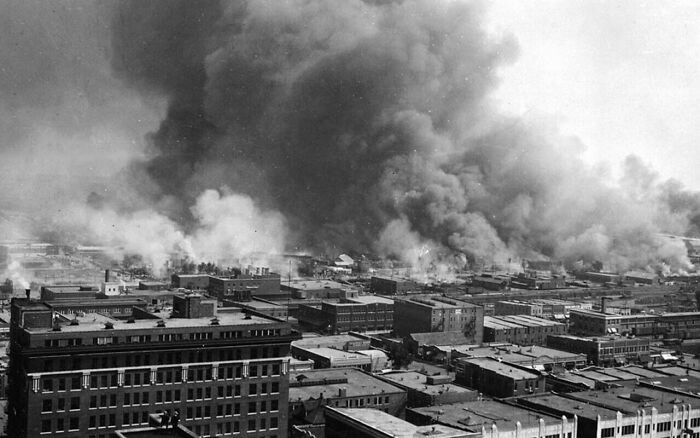
In 1921, a white mob destroyed the affluent Greenwood District, using private planes to drop incendiary devices on businesses and homes. And everything was left out of history lessons until fairly recently, for some reason.
I lived in Tulsa in the 90s and went to this area of town. It's truly astounding what happened here and how I had to hear about it "accidentally" when I moved there. It was certainly never covered in any of my US history classes.

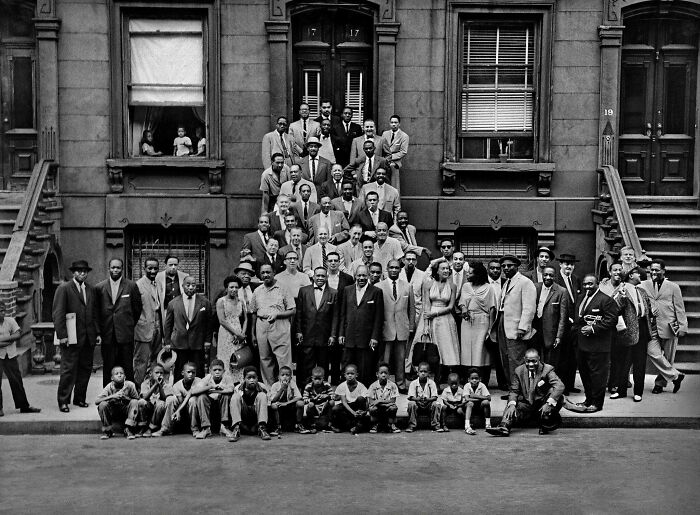
Please tap on the name on the lower left side of the picture. There are so many fabulous people to see.
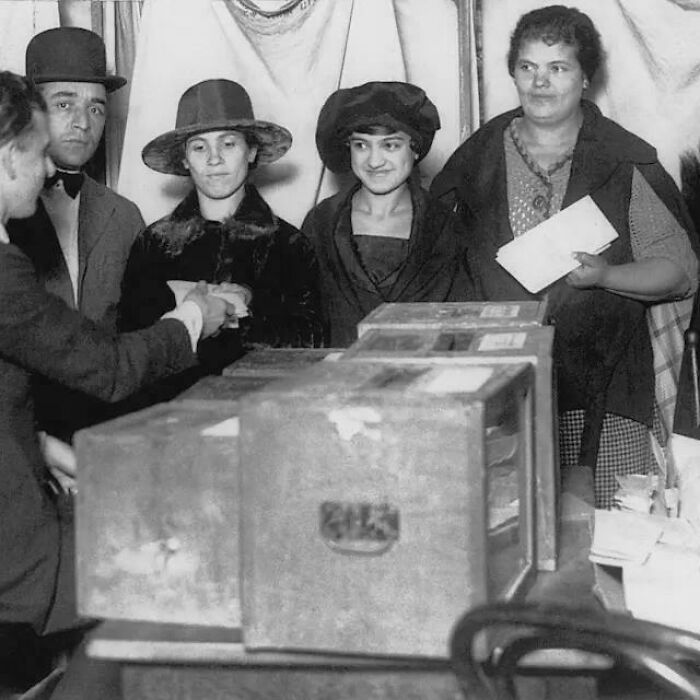
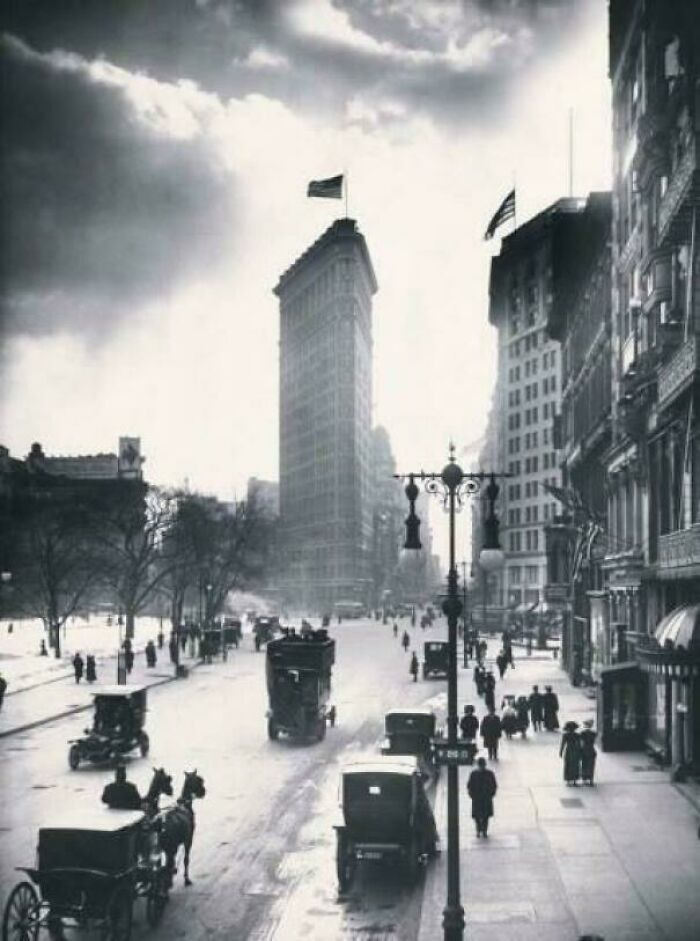
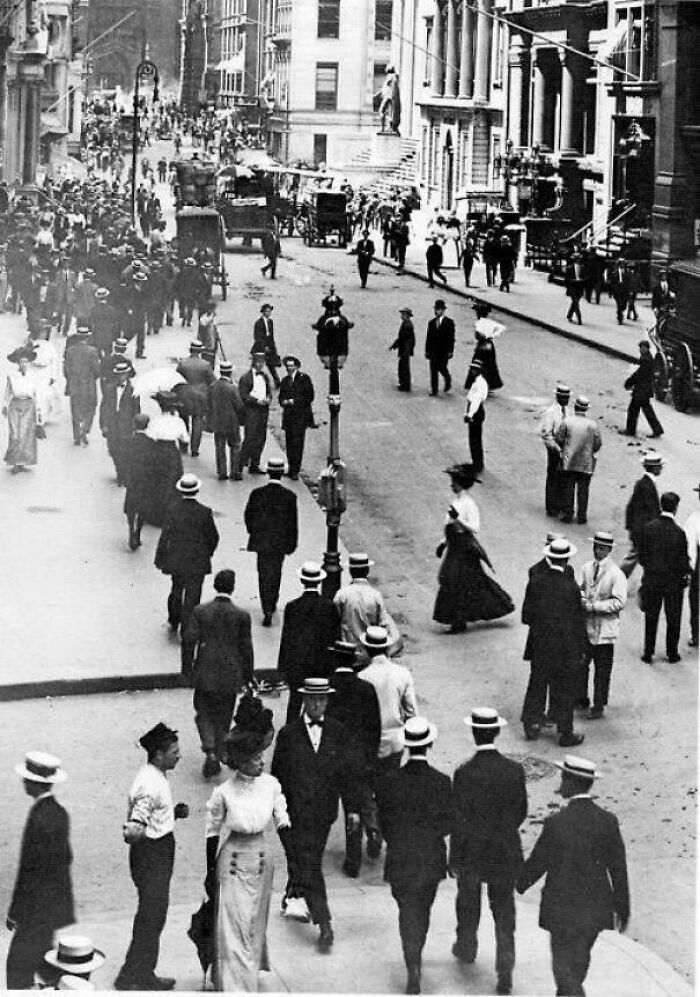
The horror! Who knows where this will lead! They'll be wearing trousers next!
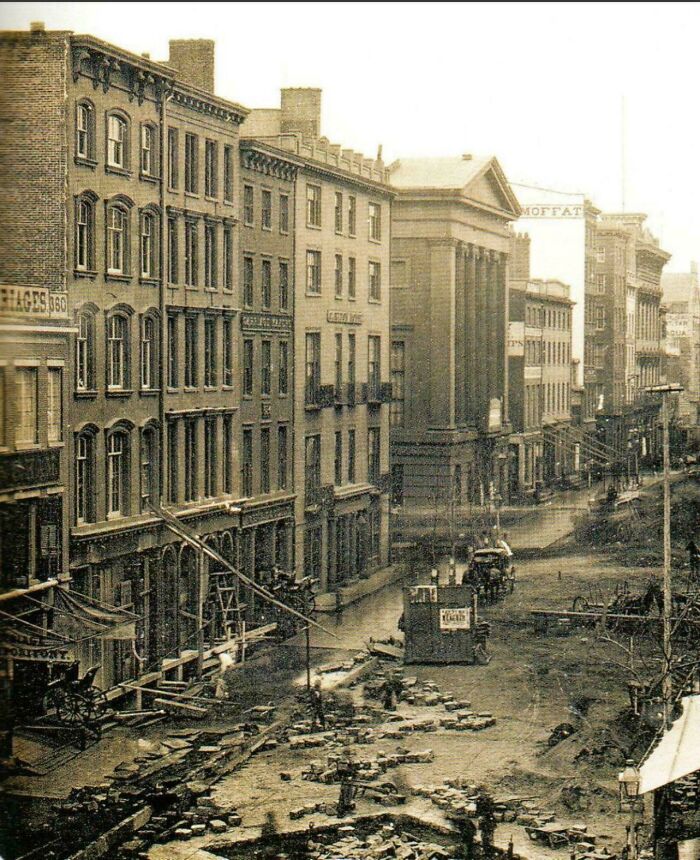
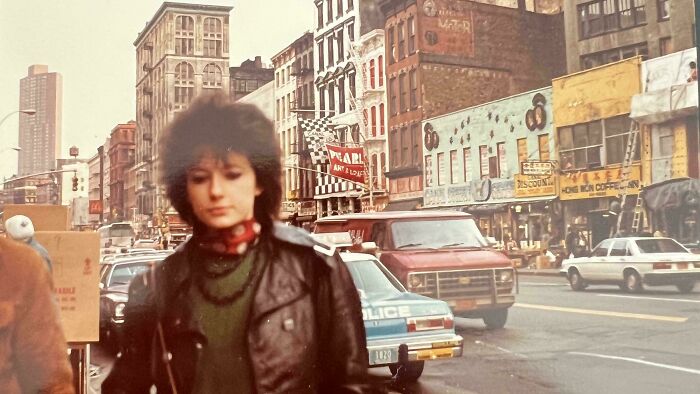
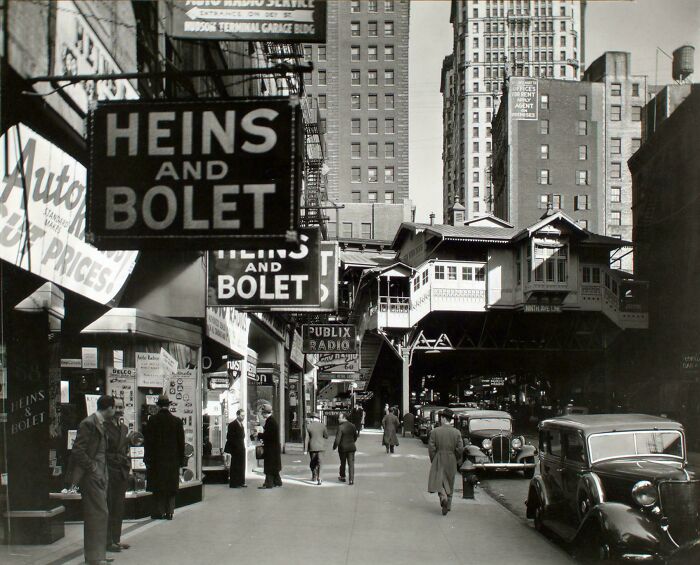
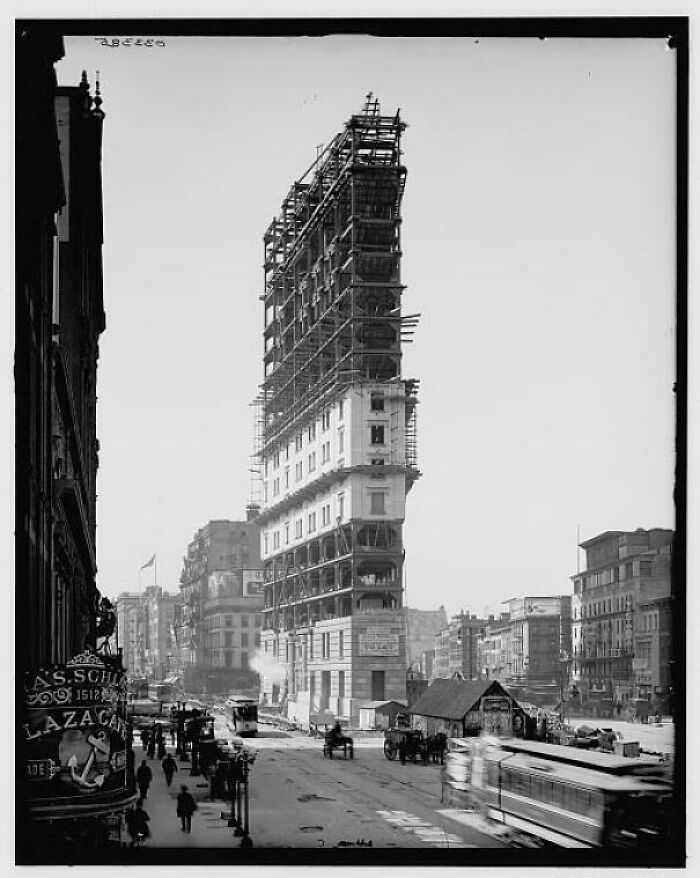
It’s an idea that extends naturally to both the photographs and the other material traces in this collection. A photograph might show us a person, building, or event, but the details surrounding the main subject can tell another story. Clothing, cars, shop signs, furniture, and architecture can reveal something about everyday life, technology, commerce, and changing tastes.
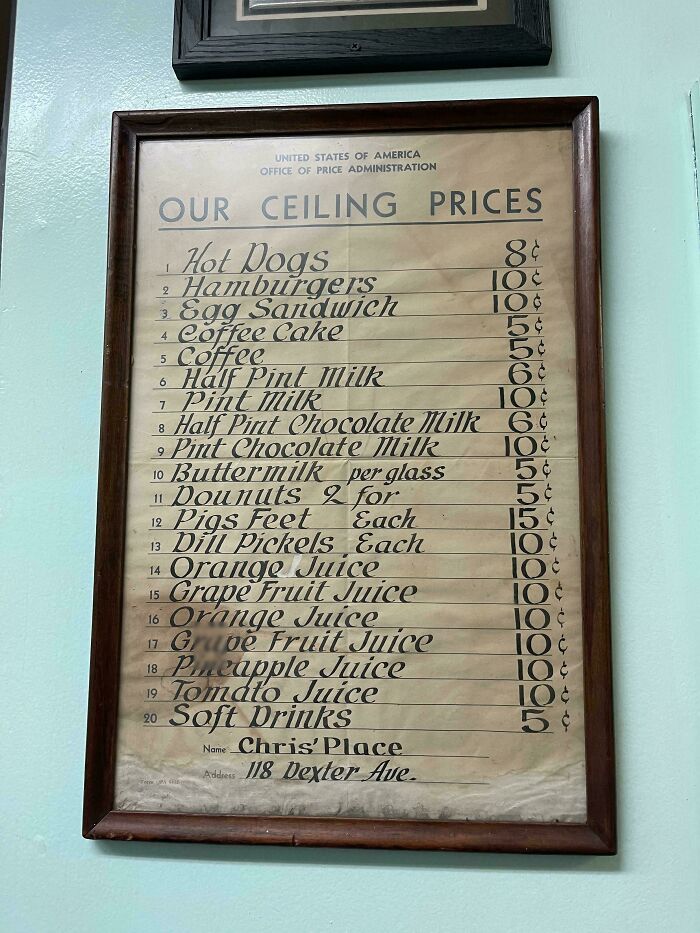
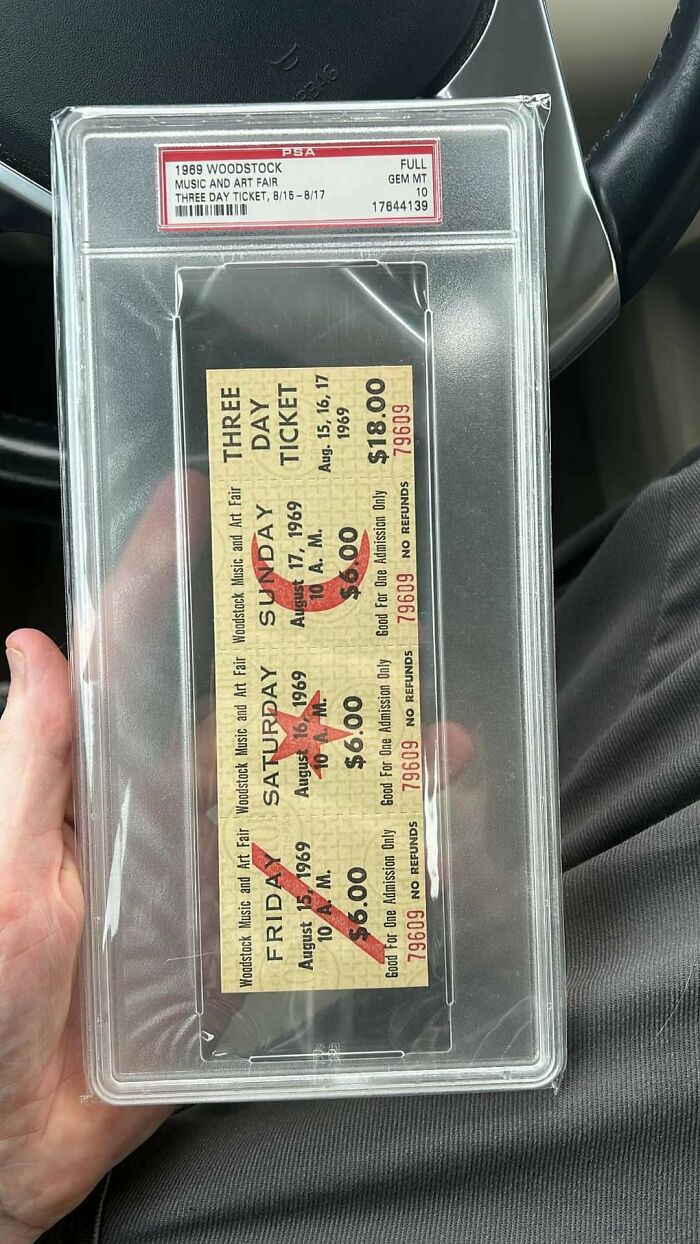
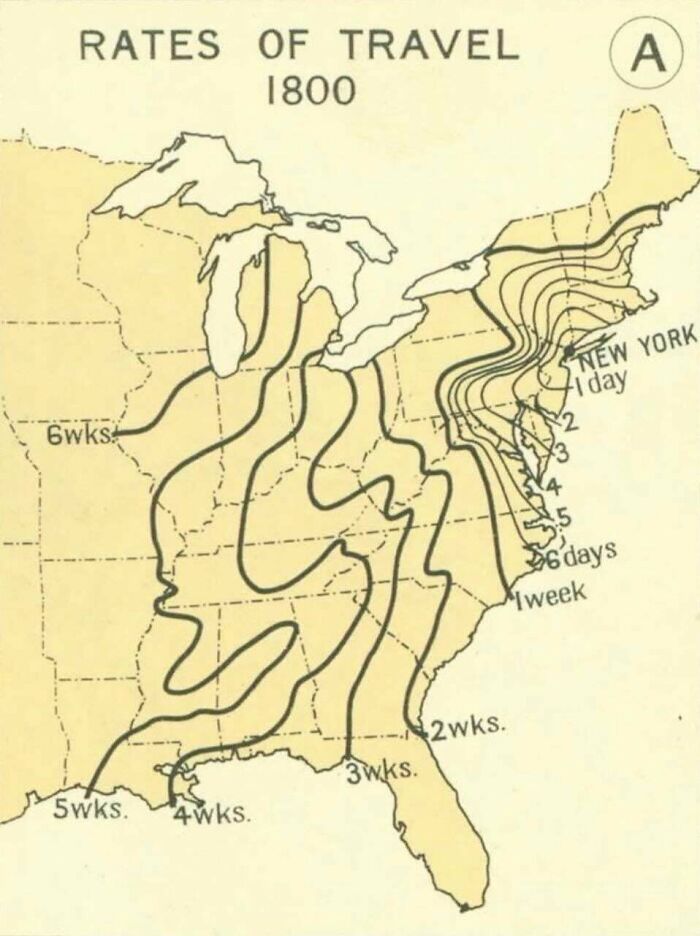
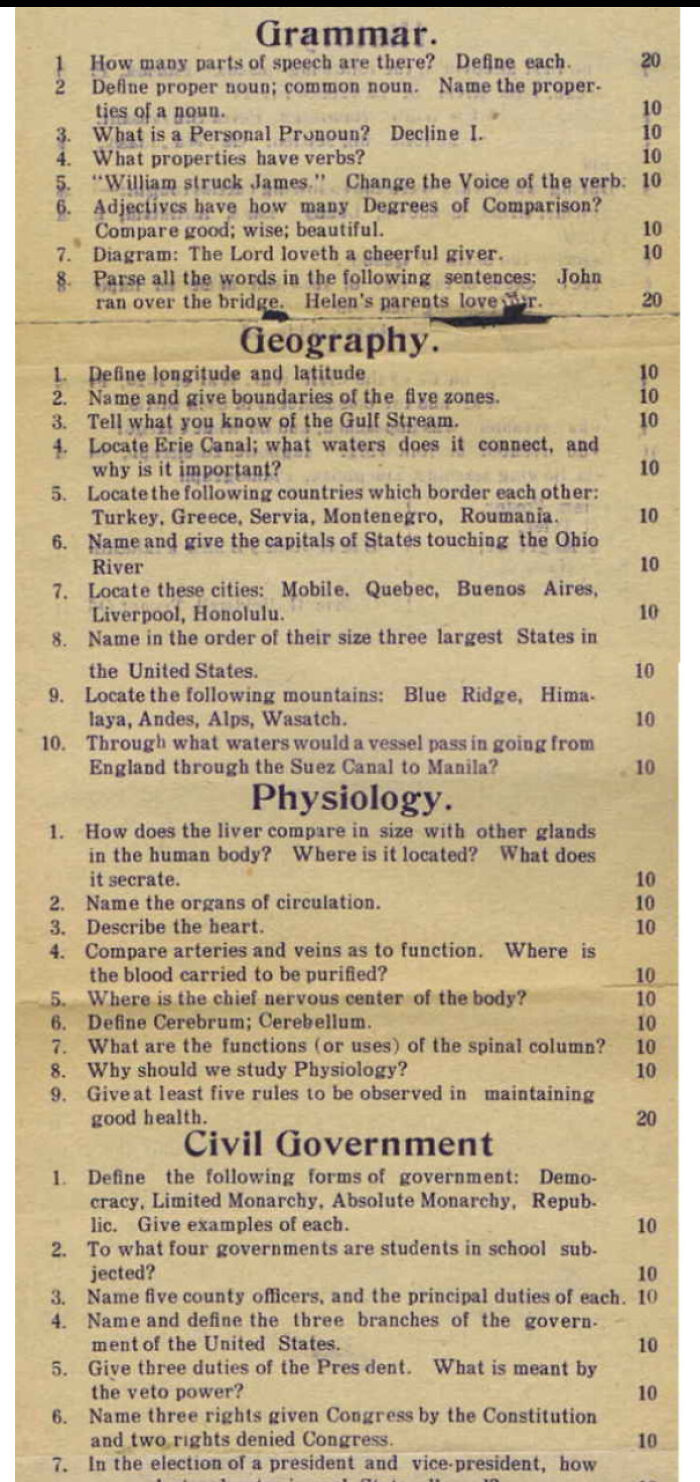
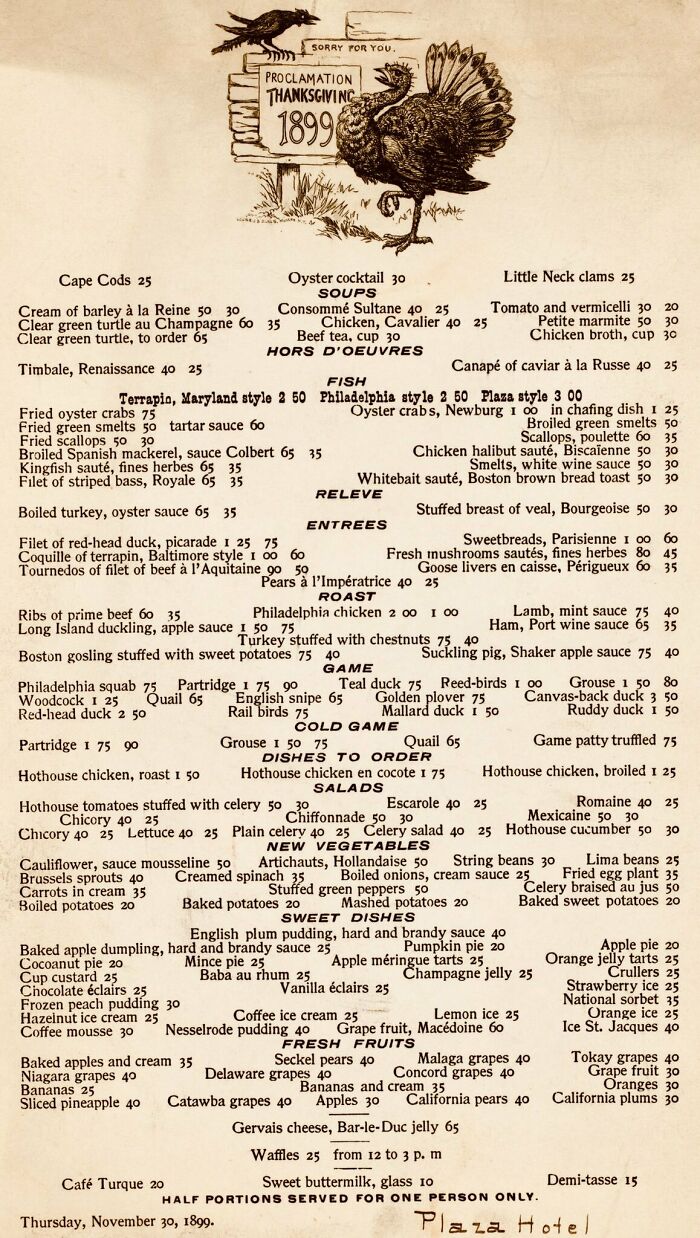
A menu, ticket stub, route map showing travel times, or old grammar test can likewise offer unexpected glimpses into everyday life—what people ate, how they traveled, what they learned, and how they spent their time.
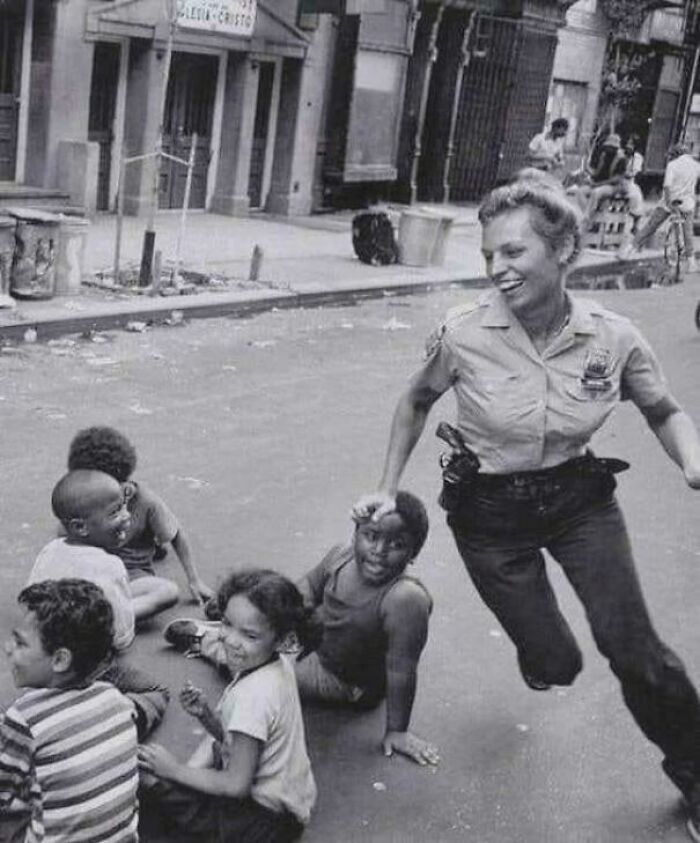
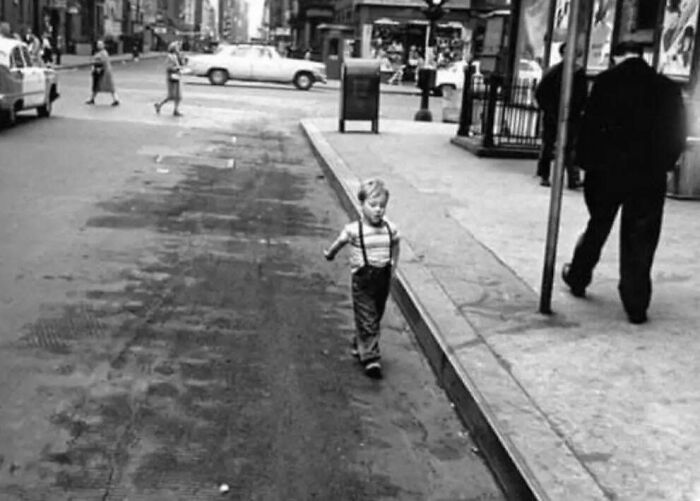
He Visits A Woman In Her Apartment Window And Stops Outside A Butcher Shop Playing/Swinging From Its Awning Bar And Lastly Willie Walking Over 12 Stacked Garbage Cans As His Friend Watches. Ken Heyman, Photog.
It Always Distracts Me When They Capitalise Each Word In A Sentence. Could Just Be Me, Though.
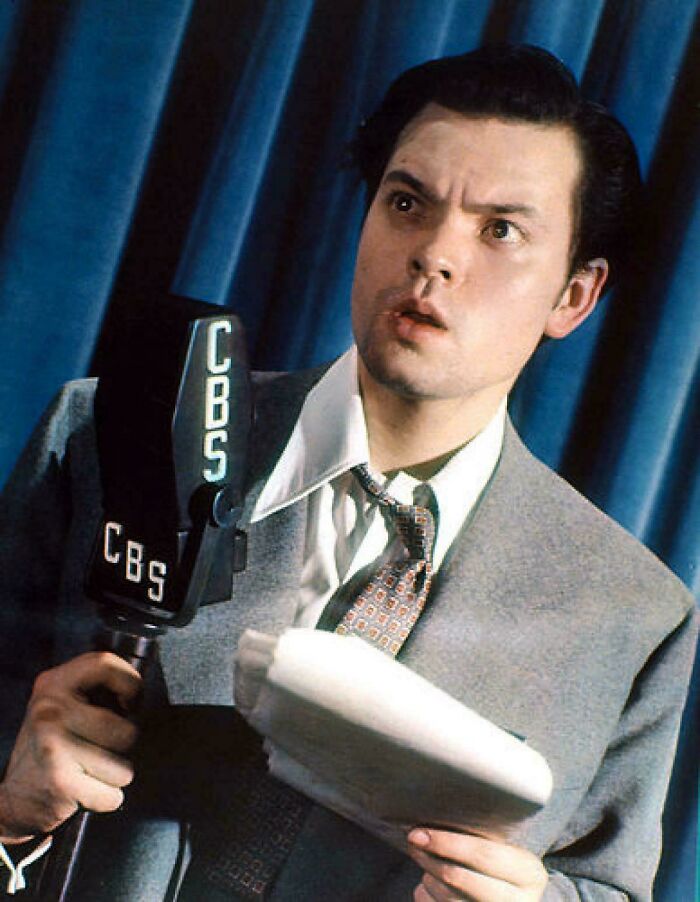
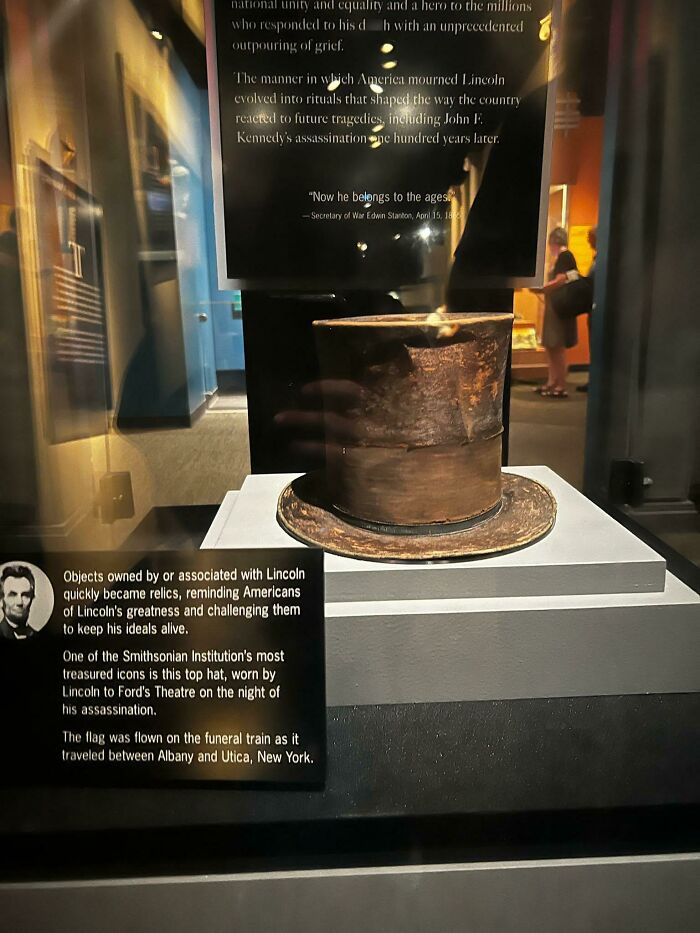
Of course, none of these traces necessarily tells one complete story. A photograph might capture a brief moment in its subject’s life. But it also forms part of the photographer’s story, the story of someone only incidentally captured in the frame, and our collective story, too. Then there are all the stories that explain how and why the photograph still exists in the present—kept, stored, passed on, digitized, archived. The same can be said of objects like Abraham Lincoln’s hat featured on this list. It can simultaneously act as an eerie trace of his last night, show us something about the fashion of the time, and speak to the craft of the person who designed and made it.
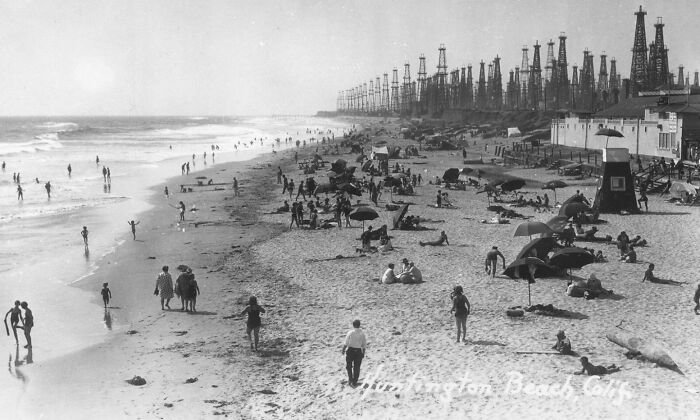
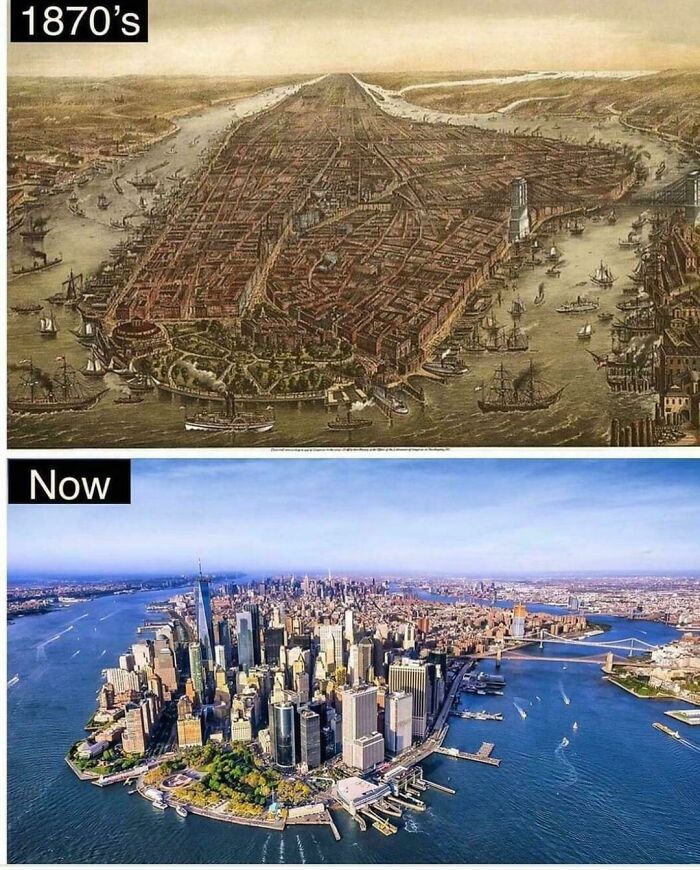
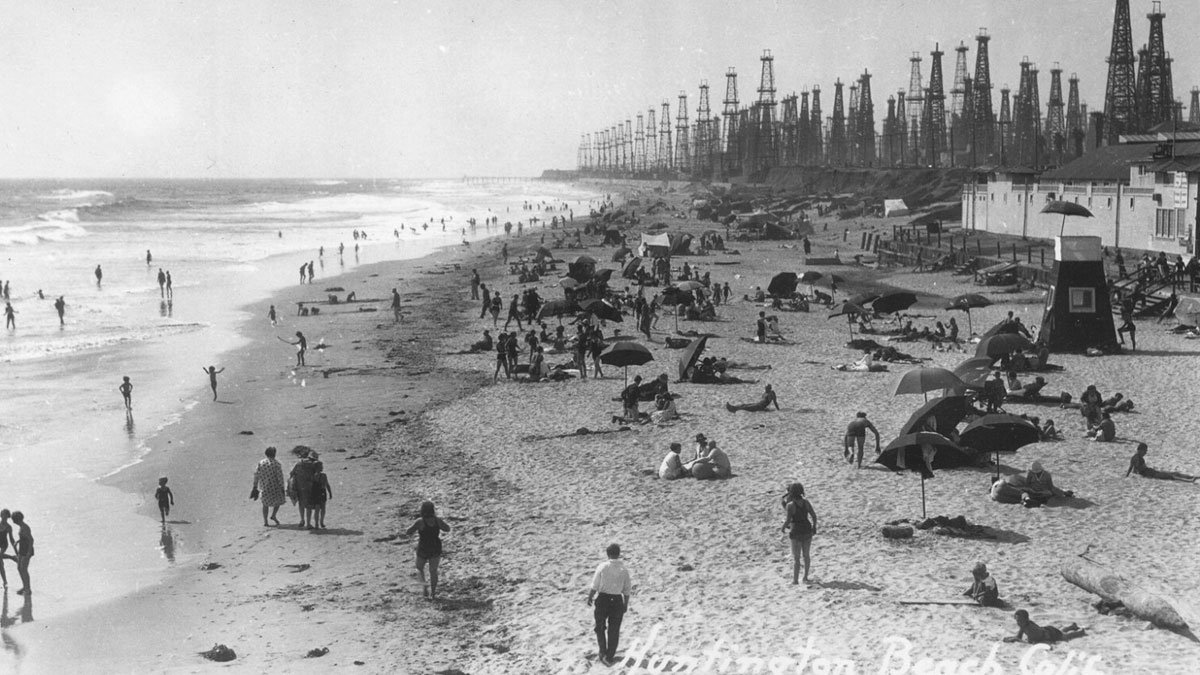
Come to UK. We do not have derricks, we do have sewage being pumped out on the beach by ponzi scheme water companies.
In other words, as Lubar and Kendrick argue, artifacts can “lead to many stories,” and their meanings can change depending on the context in which they are viewed and interpreted. This means that they can be “interpreted and reinterpreted, viewed and reviewed,” they explain.
And perhaps that’s part of this list’s appeal. These are objects that were made, kept, preserved, maybe passed down, and ultimately reproduced as images on our screens. And while they might be old, that doesn’t necessarily mean they’re done telling us things.
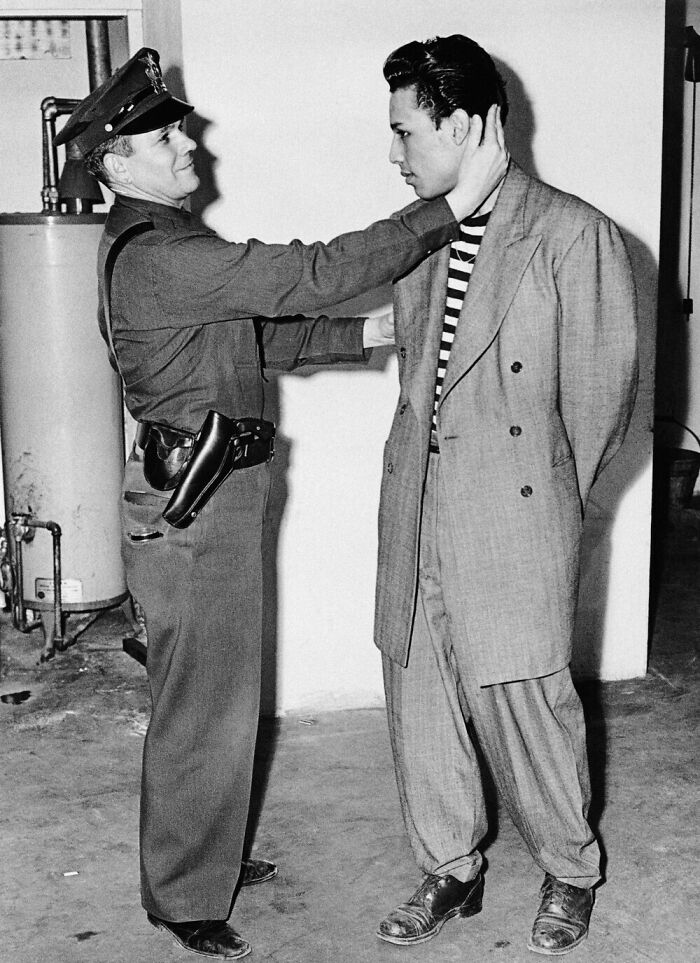
Servicemen and white civilians rioted in Los Angeles, violently targeting Mexican American youths wearing distinctive zoot suits while local police largely watched or arrested the victims in 1943.
White people in a city with a Spanish name in a state with a Spanish name attacking Latinos because of what they were wearing. Not even a tiny smidgen of racism there. Not a bit.
In 1979, members of the K*K and the American N*zi Party opened fire on a Communist Workers' Party anti-Klan protest in North Carolina, k**ling five people while local police noticeably delayed their response.

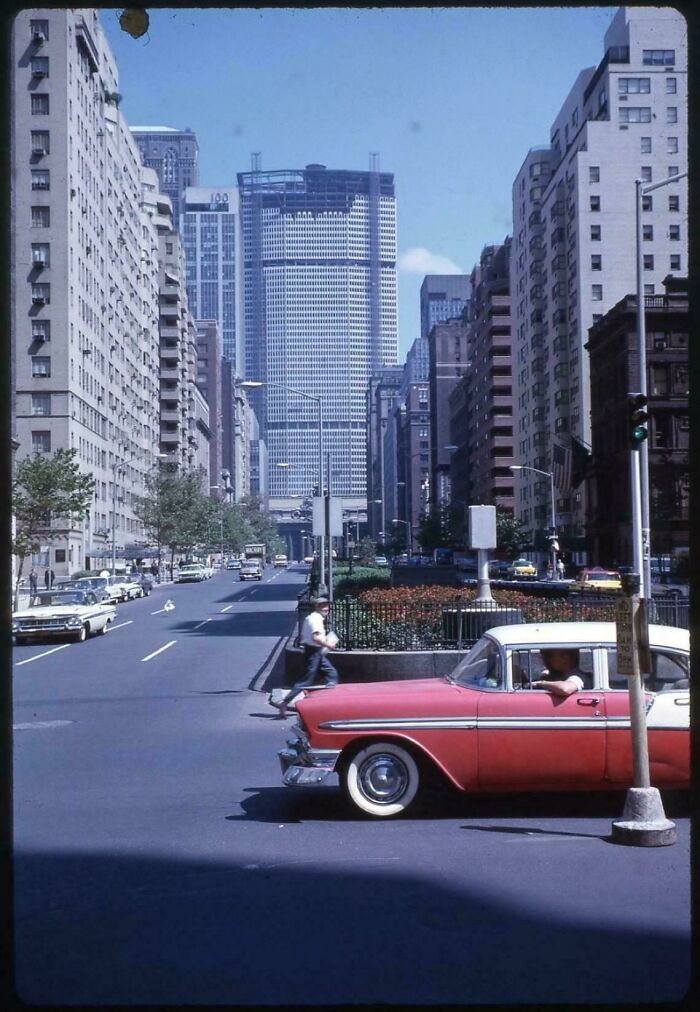
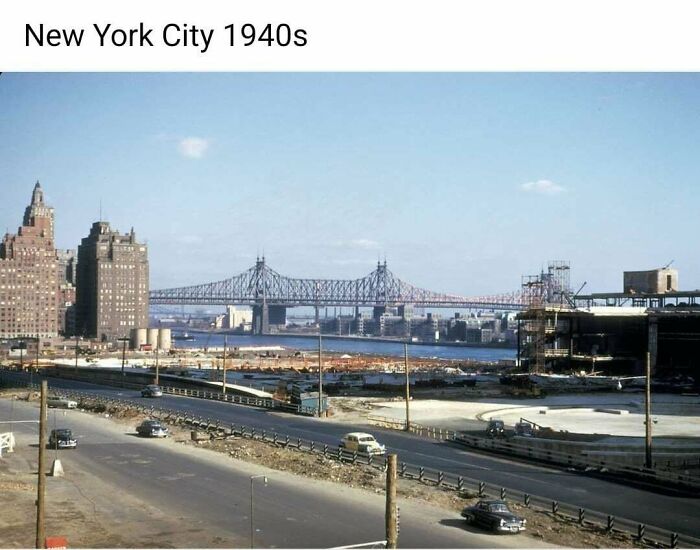
Front right: 1956 Chevrolet. The white car to the left is a 1959 Chevrolet.
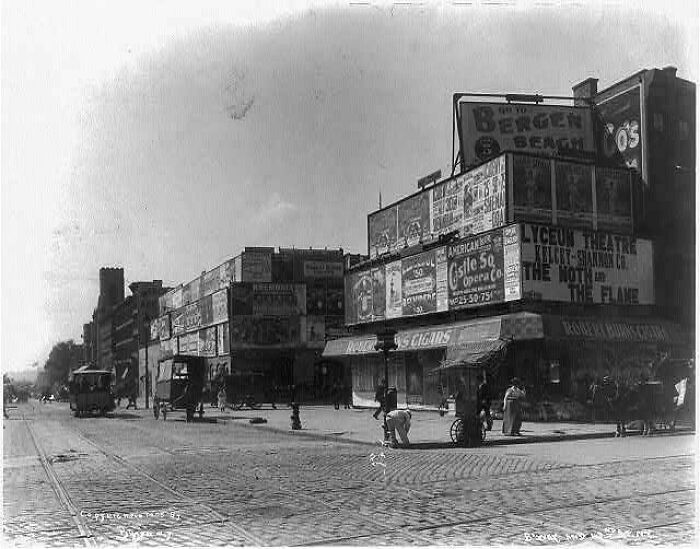
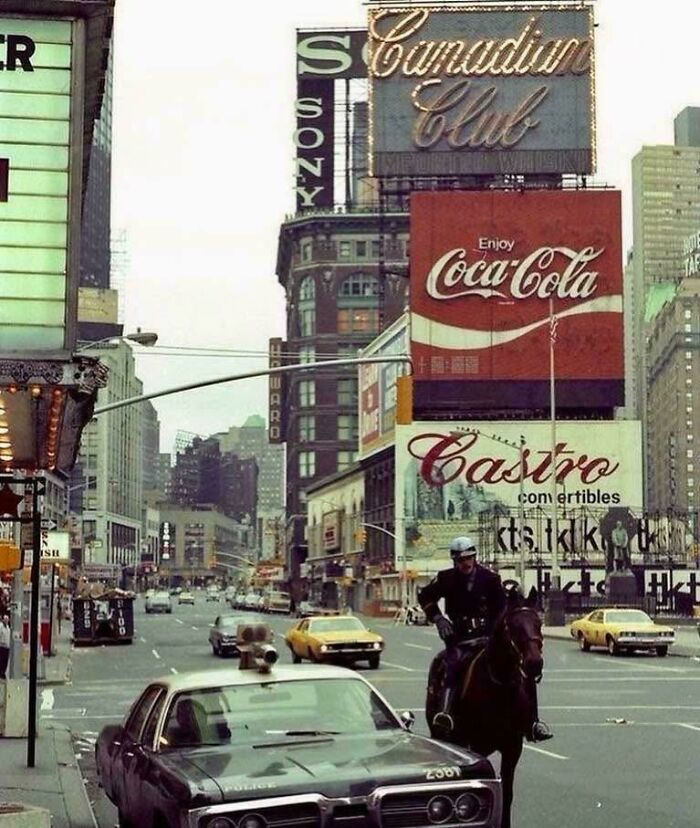
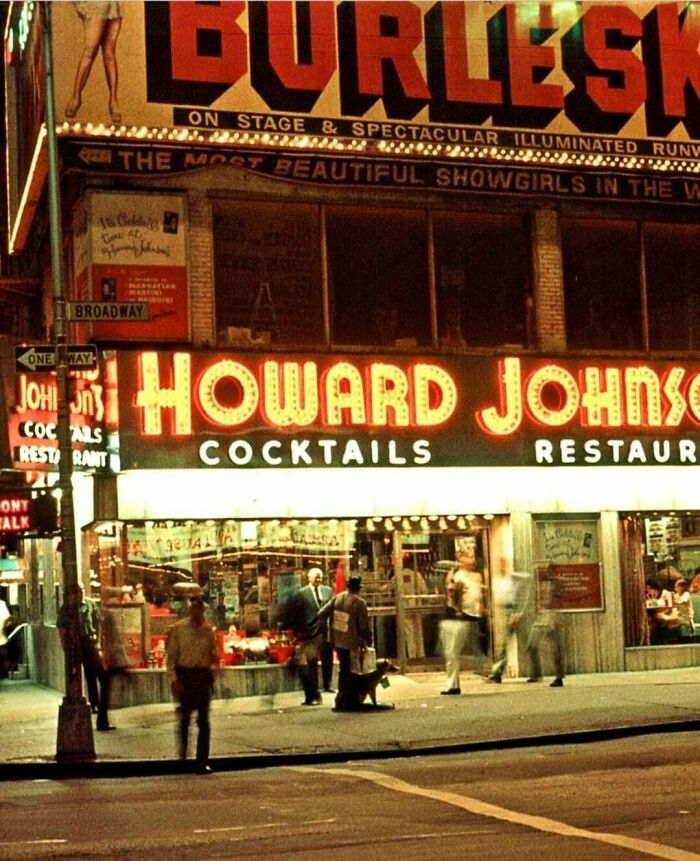
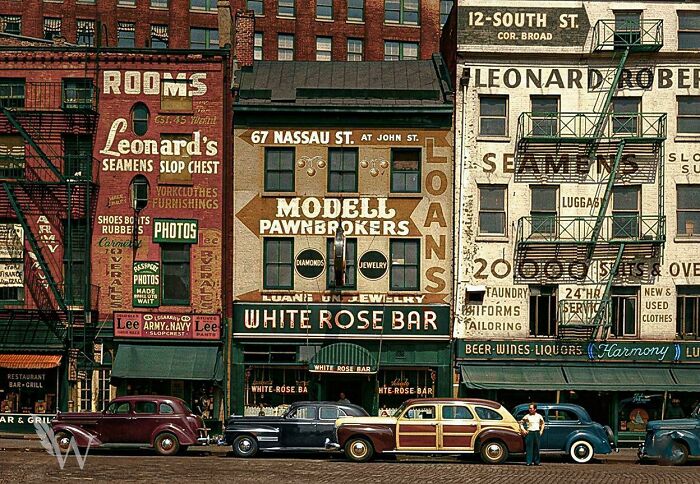
Look how godawful advertising already was back then. All they lacked was the electricity to make it even more tacky.
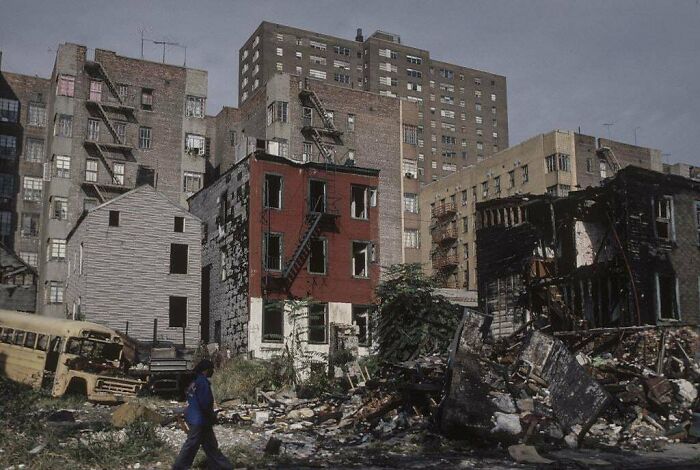
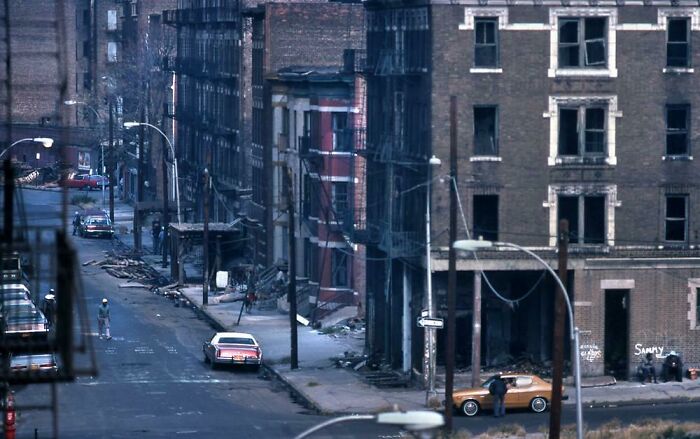
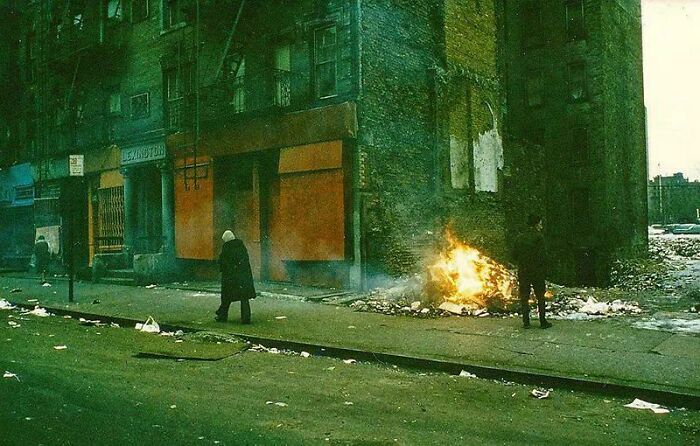
At the time The Bronx was often referred to as a war zone, because it looked like the buildings had been burned and bombed. Of course, the burned ones were owned by slumlords who never repaired anything, including the wiring and furnaces and anything else that could too easily spark and catch fire. Many were purposely set on fire for the insurance. Seventies and eighties NYC was a city that was struggling badly. Corruption in city government didn’t help. The post war flight to the suburbs by the families that used to live in those neighborhoods, back when they were nice and safe working class neighborhoods, hit them hard. When neighborhoods start being abandoned y the people who kept them up nice, they start going downhill and eventually become war zones like this. An infusion of cash coupled with city government determined to improve neighborhoods instead of let them decay helped. However, gentrification has its drawbacks, including that of greedy landlords raising rents sky high and pushing out longtime working class residents who can no longer afford to live in their own homes.

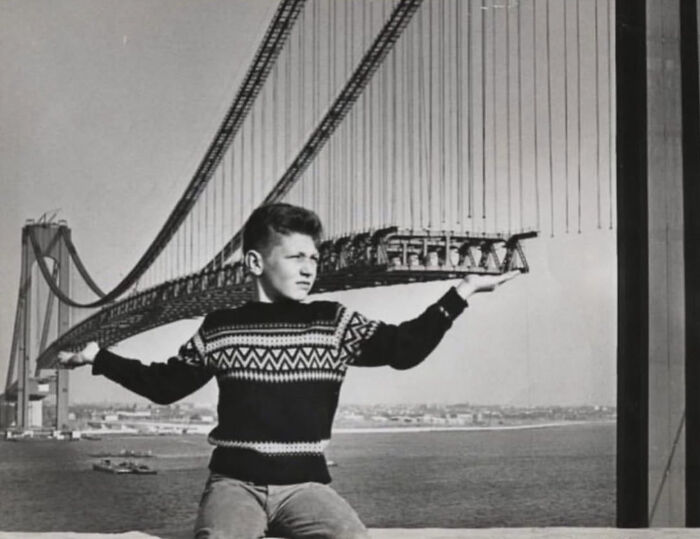
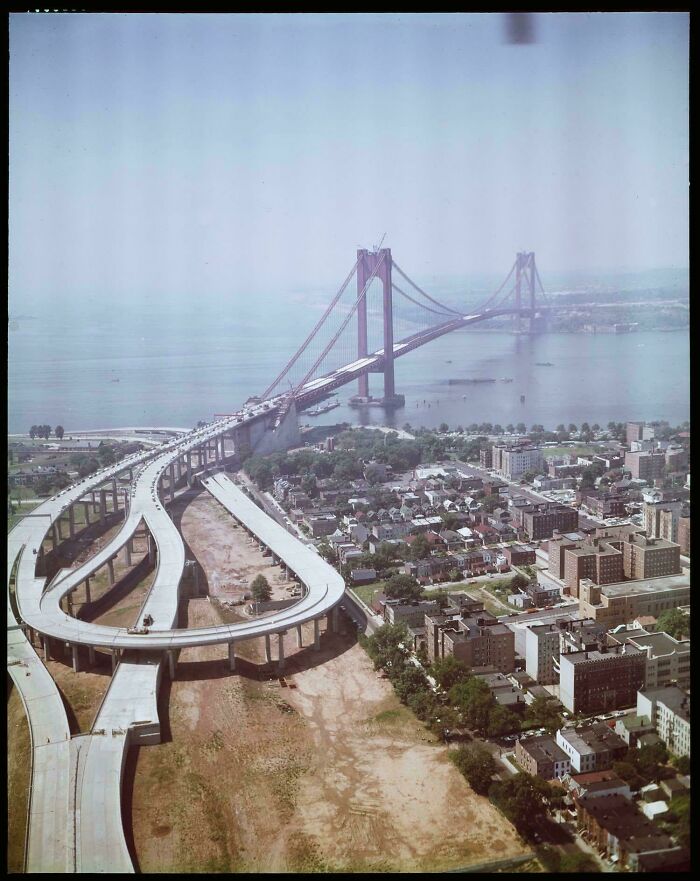
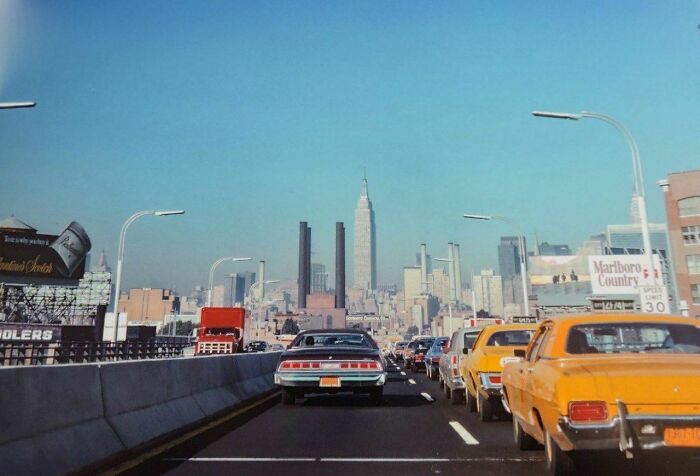
As soon as it was open to traffic, my family piled into the car, drove from Passaic (northern NJ) across Staten Island to Brooklyn, across to Manhattan via the Brooklyn Bridge, and then uptown to the George Washington Bridge and across to return to Passaic. Gas was cheap then.

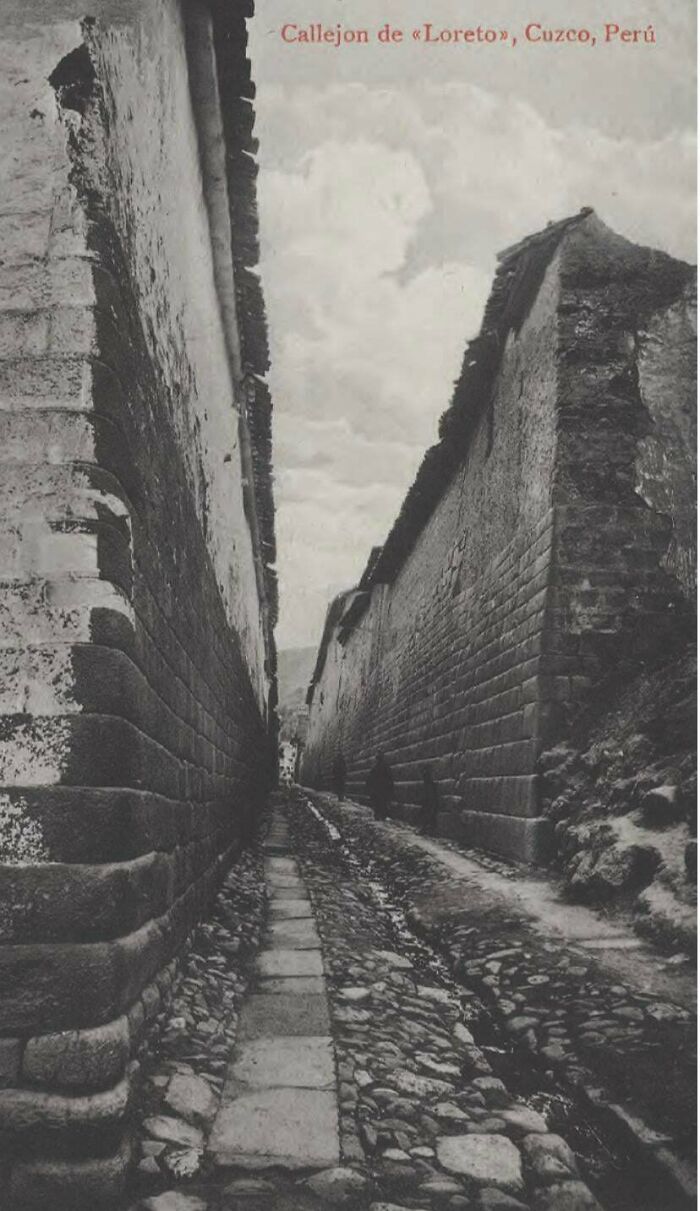
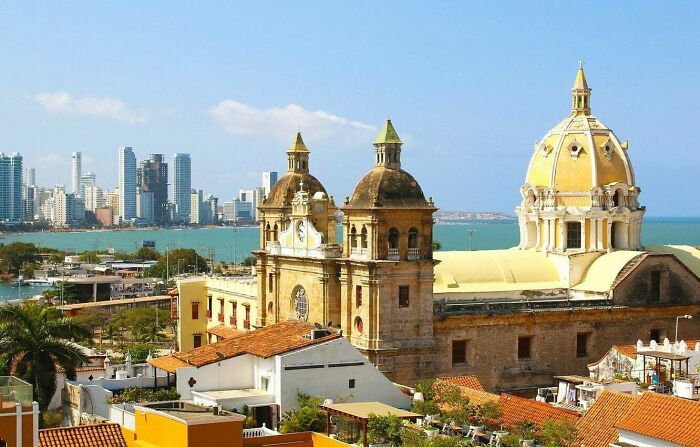
Cuzco. Where the best stone-masons in the Americas lived and worked.
Looks like they are trying to drive through the maximum number of states on each trip.

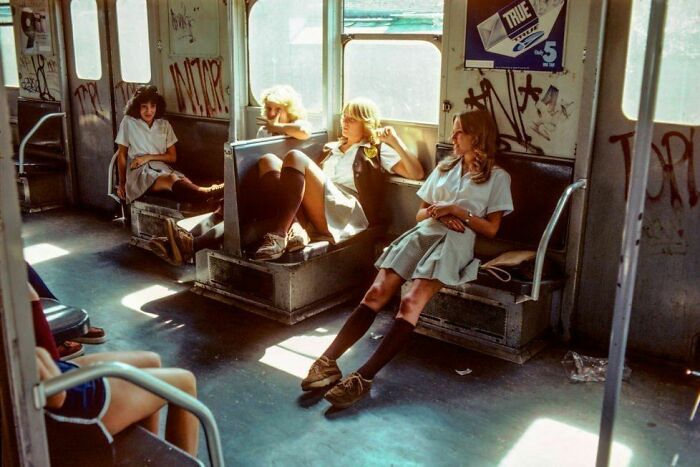
Oh, look, back then were also really rude putting their feet on seats.
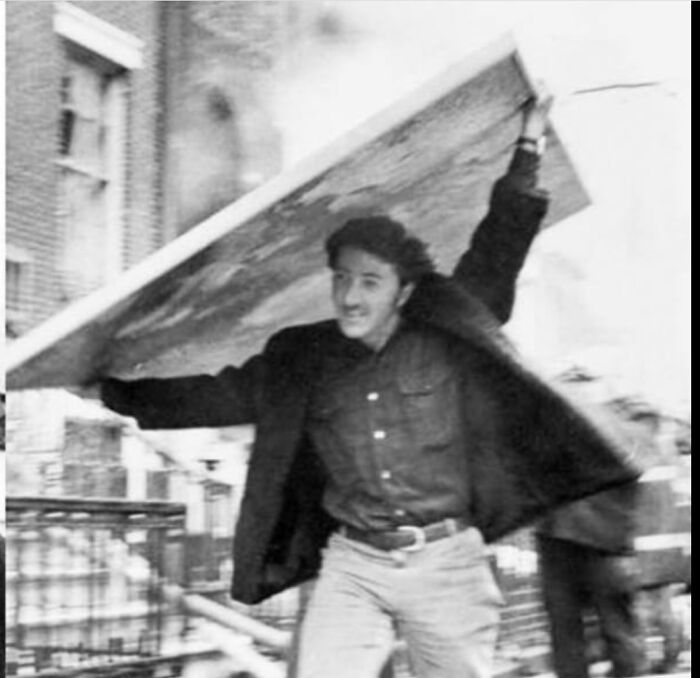
An Hour Later, I Went Out For Some Groceries. When I Crossed 11th Street At 5th Ave, I Saw A Huge Crowd Gathered Behind A Barricade. I Asked Some Short Guy What Happened. His Reply "They Blew Up My House!".` It Was Dustin Hoffman
That's what happens when amateur revolutionaries try to make bombs.
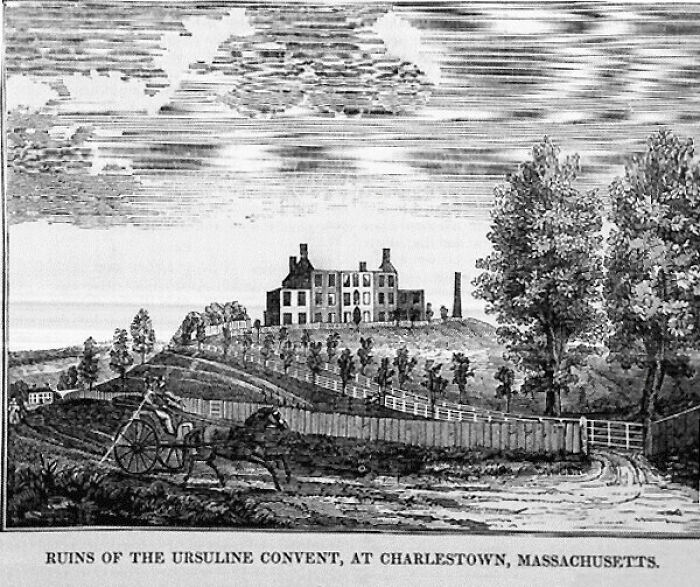
A violent anti-Catholic mob burned down a Catholic convent and school in Charlestown, Massachusetts, driven by conspiracy theories and religious bigotry in 1834.
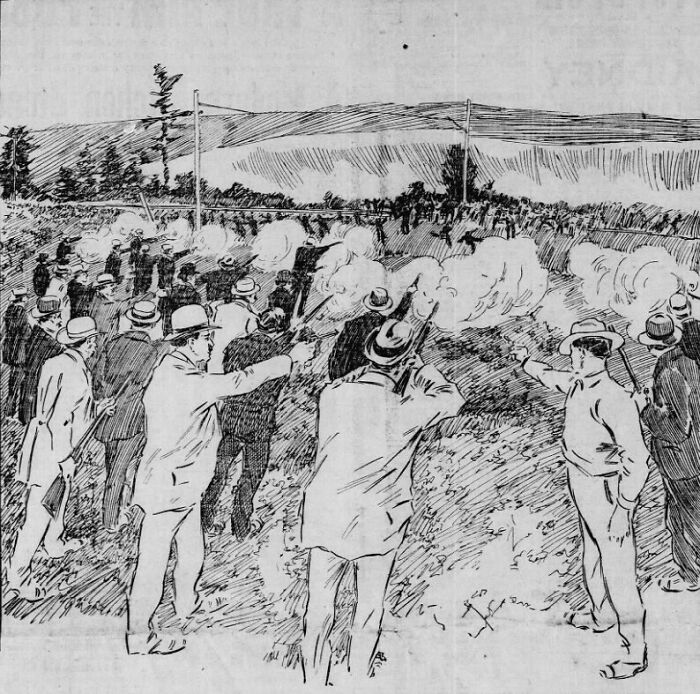
In 1892, Pennsylvania sheriff's deputies fired indiscriminately into a peaceful crowd of striking immigrant coal miners, who were mostly Slavic, Polish, and Lithuanian. They killed 19 workers.
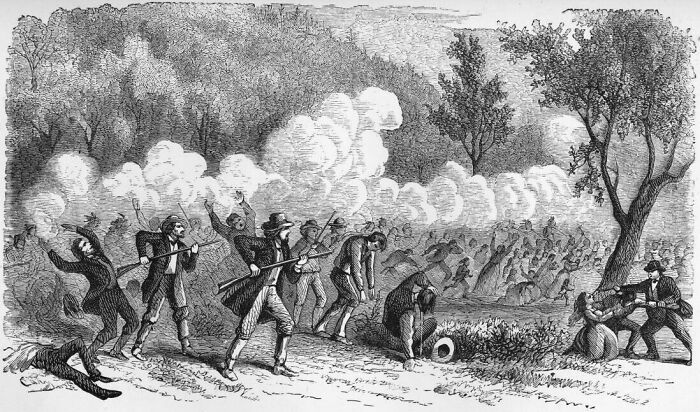
In 1857, Mormon militiamen, along with allied Native American auxiliaries, massacred approximately 120 civilian emigrants traveling through Utah on their way to California.
The peace-loving Mormons coveted the provisions and horses of the travellers
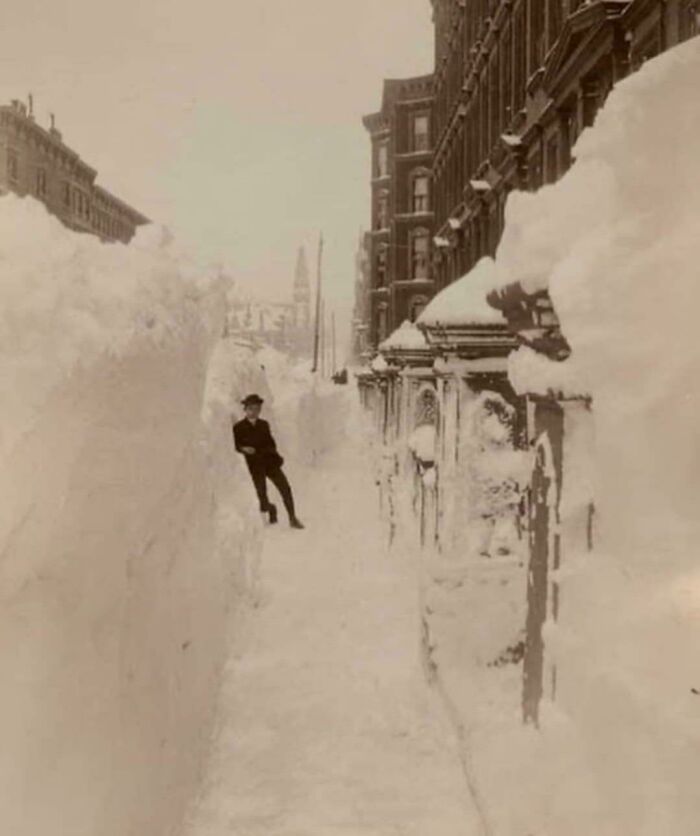
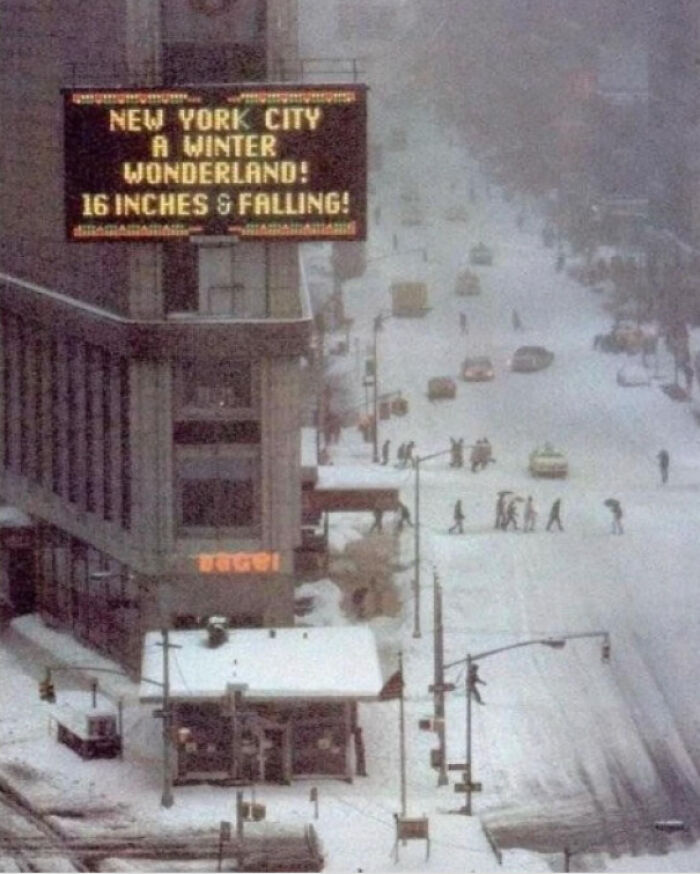
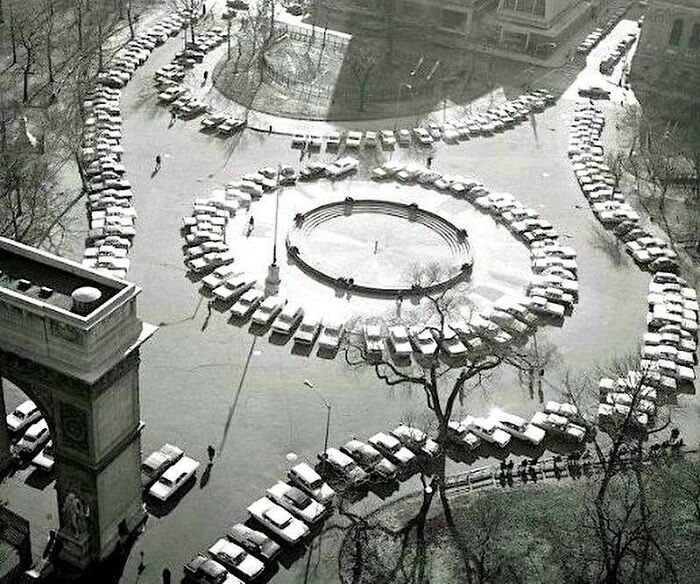
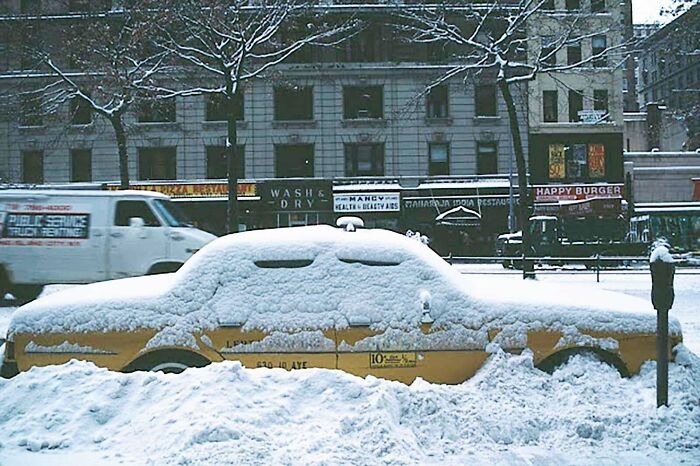
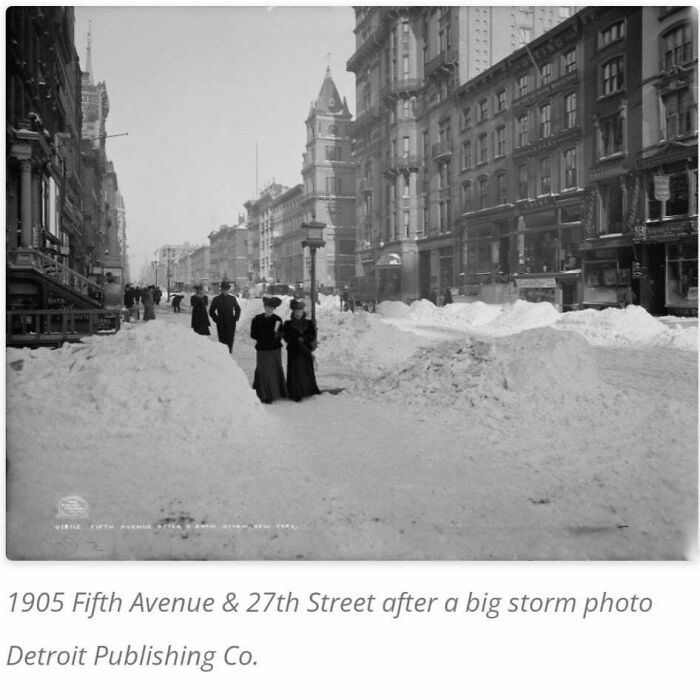
I was 3 years old, living closer to Boston. One of my earliest memories is of looking out the window of a car that was driving down a narrow lane cleared of snow in the middle of a much bigger road or square, and the snow was piled so high that it reached halfway up the car's windows.
Now we know what happened to all of the animals we used to have.
That's funny. I don't remember Howard Johnson's serving cocktails, but maybe that was the city one versus the ones we used to see while traveling.
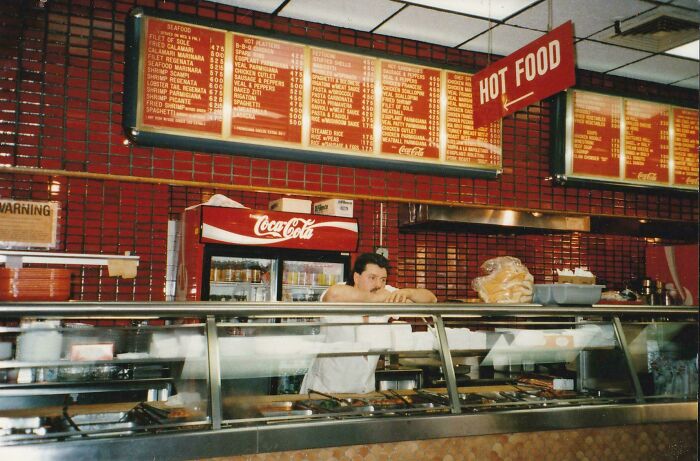
I Was Going Through Some Old Photos Of My First Trip To New York City And Came Across This One. I Always Loved The Image And Now It Seems Very Of It's Time. I'd Love To Hear If Anyone Recognizes The Place And Can Tell Me The Location. Thanks!
Turned out to be Kosher Hut of Brooklyn, said someone in the original thread.
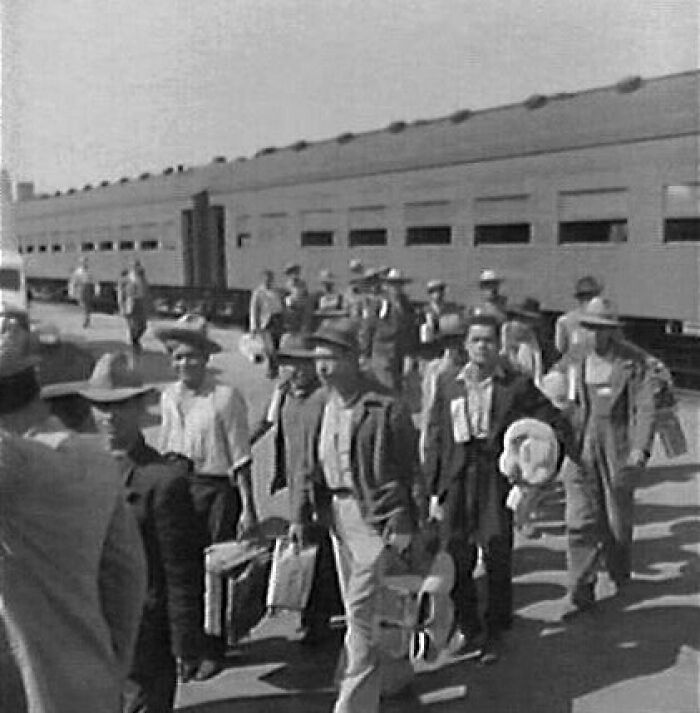
In 1954, the US government mass-deported over a million people of Mexican descent, sometimes abandoning them in the Mexican desert with no food or water.
During the Civil War, white mobs burned the Colored Orphan Asylum in Manhattan to the ground while children were still inside.

All 233 children inside managed to escape safely before the building was destroyed. The draft law allowed wealthy men to pay $300 to avoid service, fueling class rage that rioters took out on the Black community, as at that time in 1863, Blacks were exempt from military service in the Union Army. The orphanage was funded by white abolitionists and reformers, making it a visible symbol of the societal of wealth, as the people funding it, were able to pay the 300 dollar exemption. Those who attacked... could not.

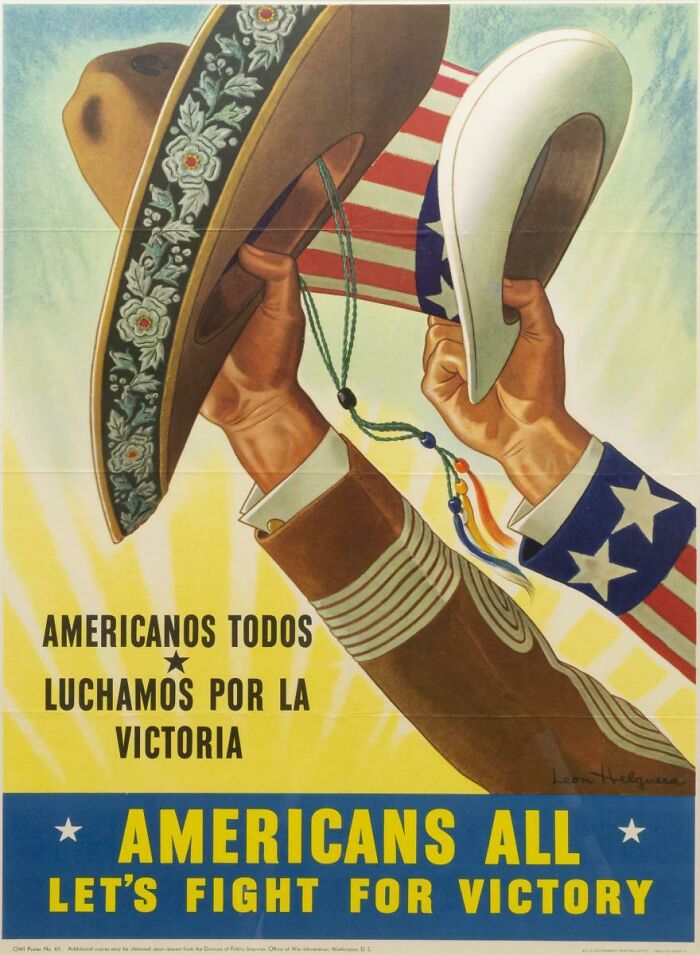
What most people don't know is that Mexico actually took part in WW2 by declaring war on the Axis, providing support in the Pacific by sending the "Escuadrón 201" fighter squadron and providing ressources to the USA
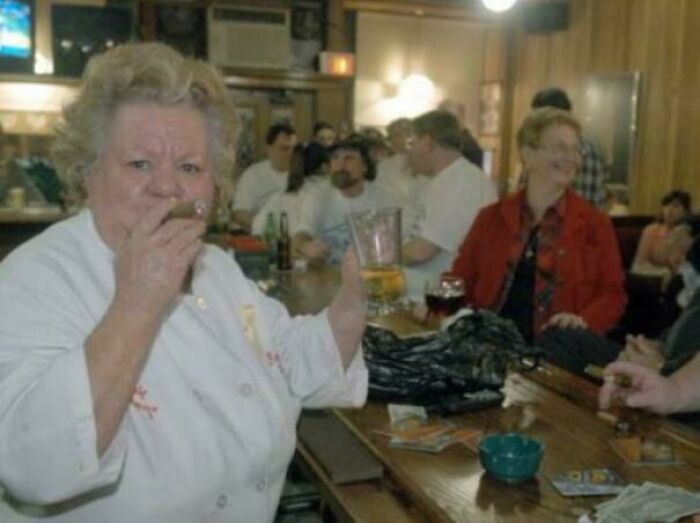
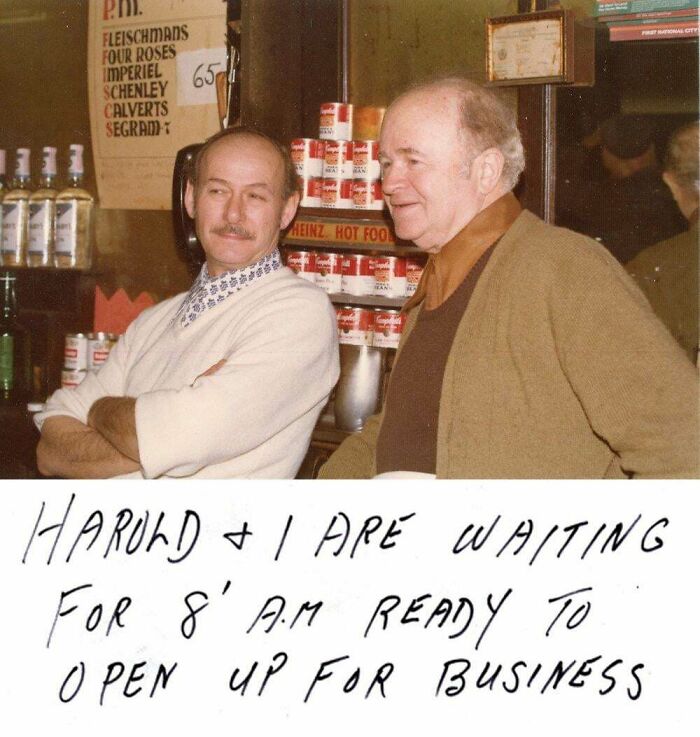
Nothing like Four Roses and Heinz baked beans for breakfast.
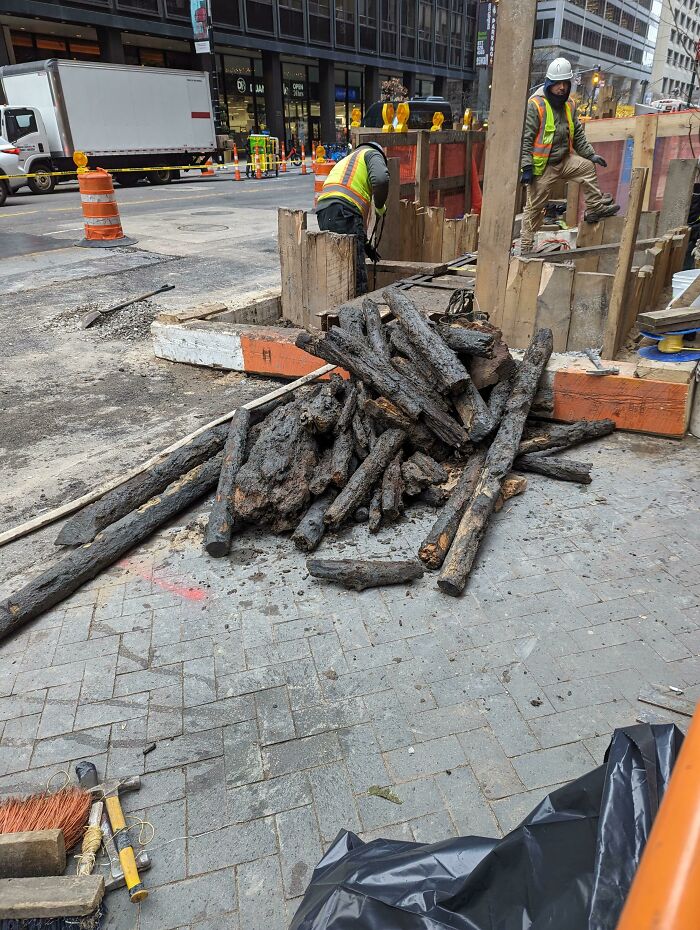
All I know about anything under NYC I learned from Ghostbusters, so if there aren't ghosts and a river of slime down there, I am lost.

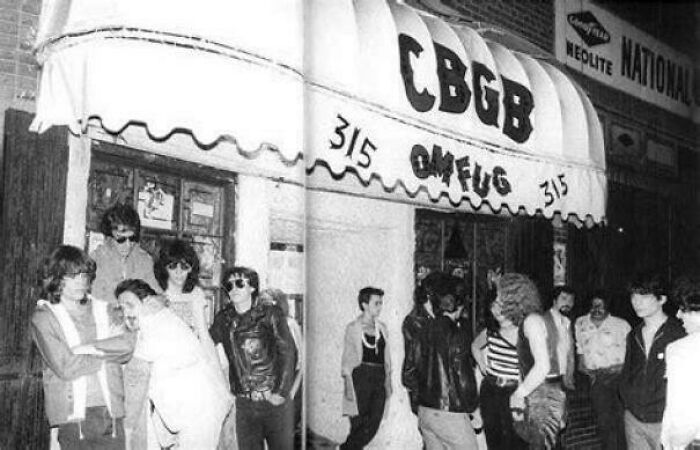
Mentioned in Talking Heads' "Life During Wartime". 🎶🎵 "This ain't no party, this ain't no disco / This ain't no fooling around / This ain't no Mudd Club, or CBGB / I ain't got time for that now" 🎵🎶
In 1986, Congress passed the Anti-Drug Ab*se Act, establishing a harsh 100-to-1 sentencing disparity between cr*ck c*caine (predominantly used by Black Americans) and powder c*caine (predominantly used by white Americans), fueling mass incarcerations.


"Fascinating Images That Bring Lesser-Seen Moments Of American History To Life"- yeah but like 90% of the photos were New York, there's A LOT more of America than just New York.. 😒
"Fascinating Images That Bring Lesser-Seen Moments Of American History To Life"- yeah but like 90% of the photos were New York, there's A LOT more of America than just New York.. 😒













 No fees, cancel anytime