Get Premium
Dark mode theme is available exclusively for premium users. Learn more about the benefits of subscribing.
No fees, cancel anytime.

 Dark Mode Ad-Free Browsing Unlimited Content
 Ad-Free Browsing Unlimited Content Dark Mode
Join 1.2 million Panda readers who get the best art, memes, and fun stories every week!
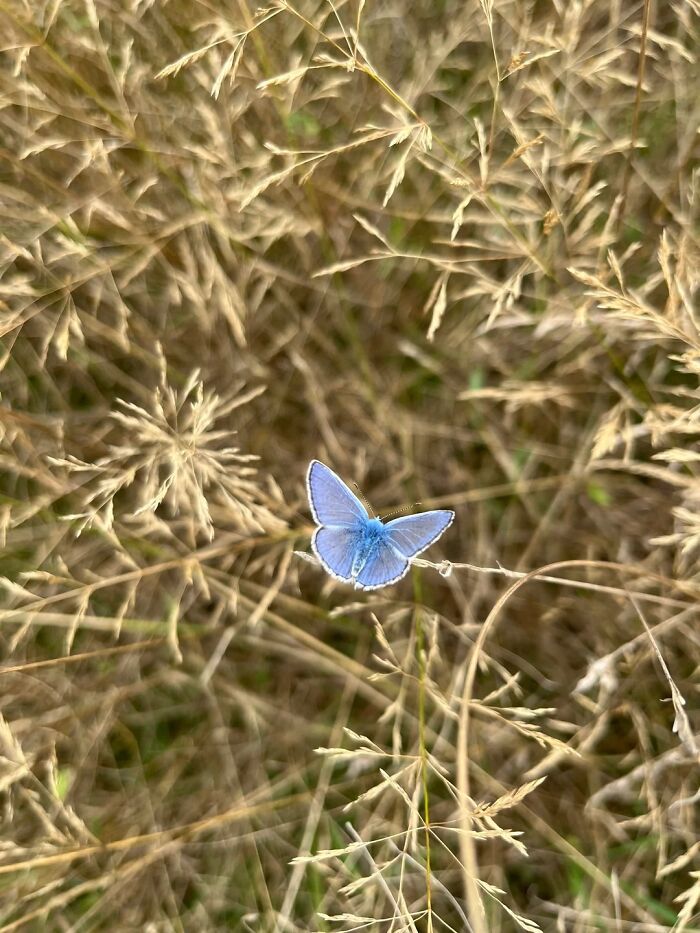
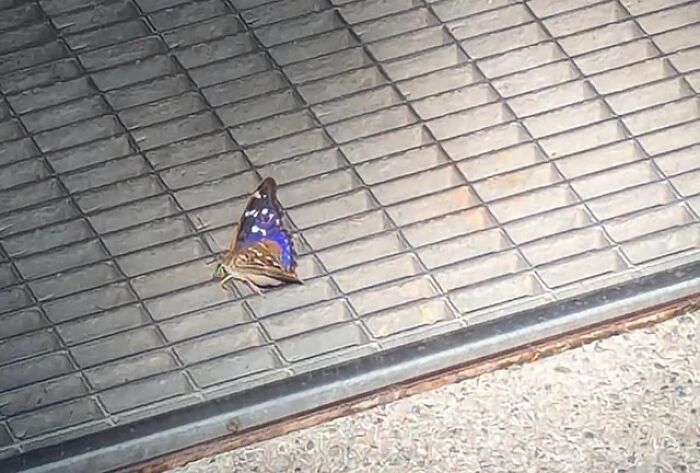
Modern people sometimes might forget they’re part of nature. With the unending cycle of stress about money, relationships, and the whole world around us seemingly going down the toilet, we might forget we’re part of the same world as that beautiful butterfly inside a flower. If we’d remember to be one with nature more often, we might be happier, as research indicates that at least 120 minutes per week spent in nature can significantly increase our well-being.
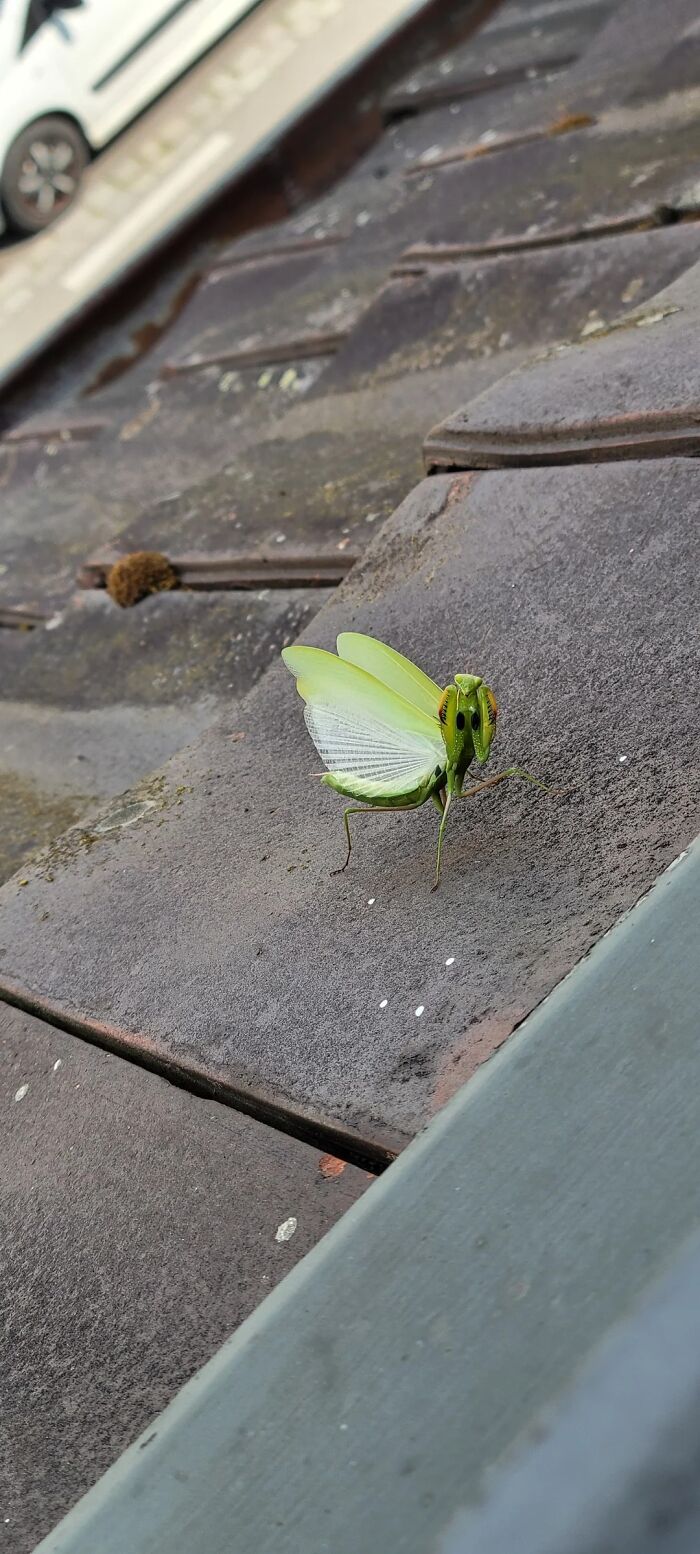
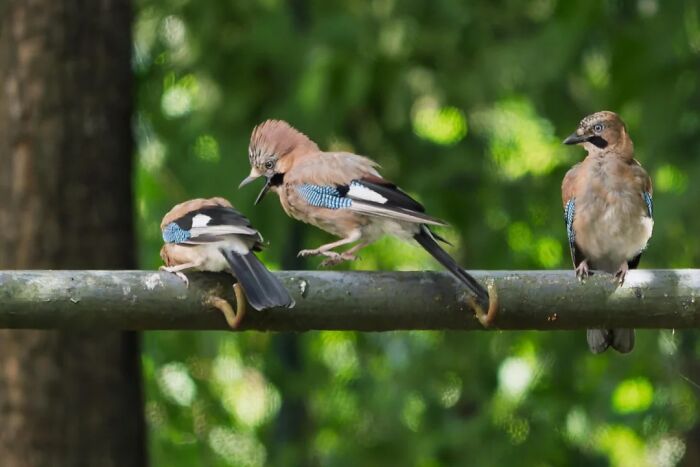
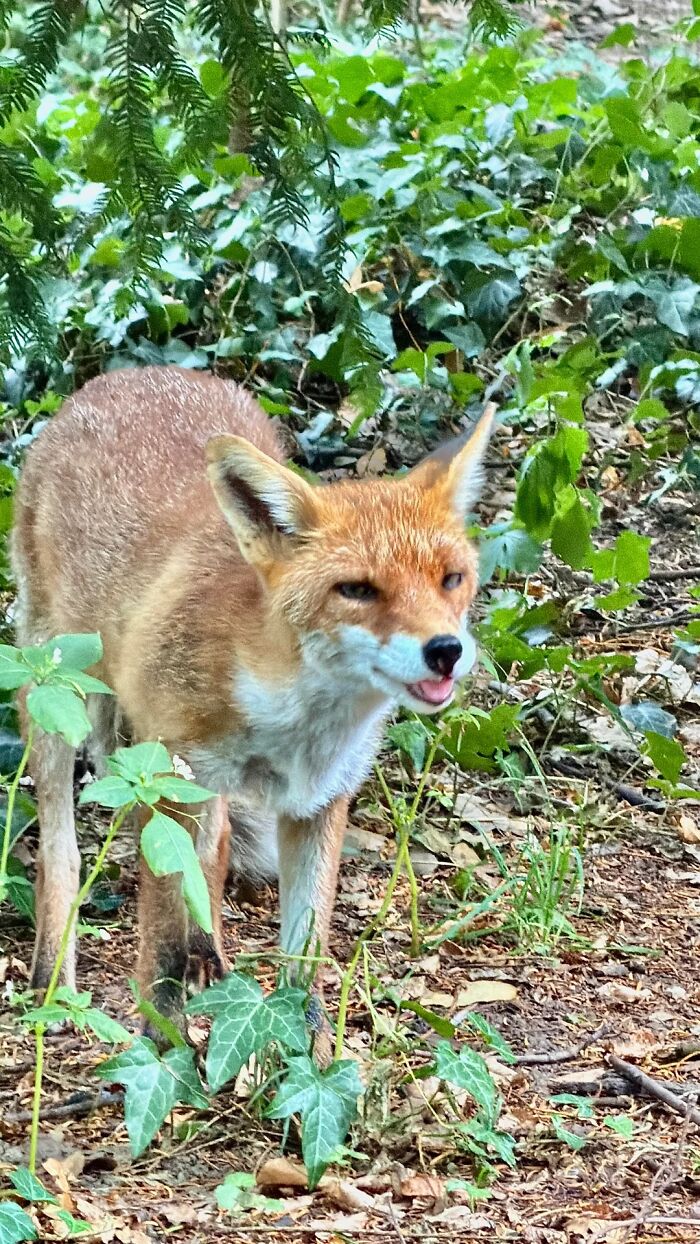
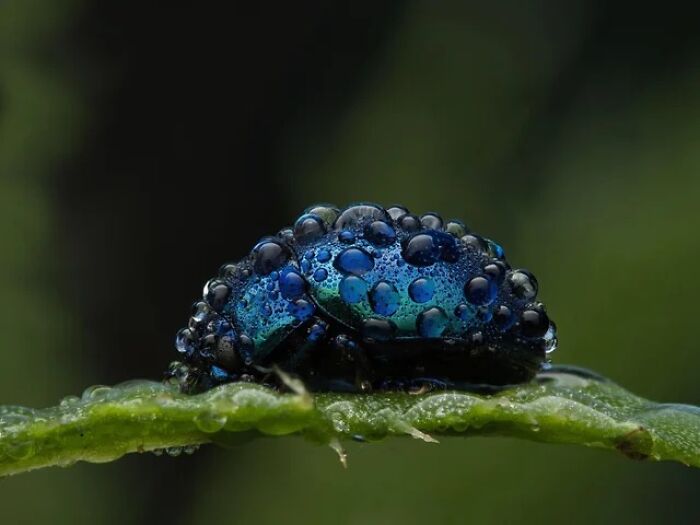
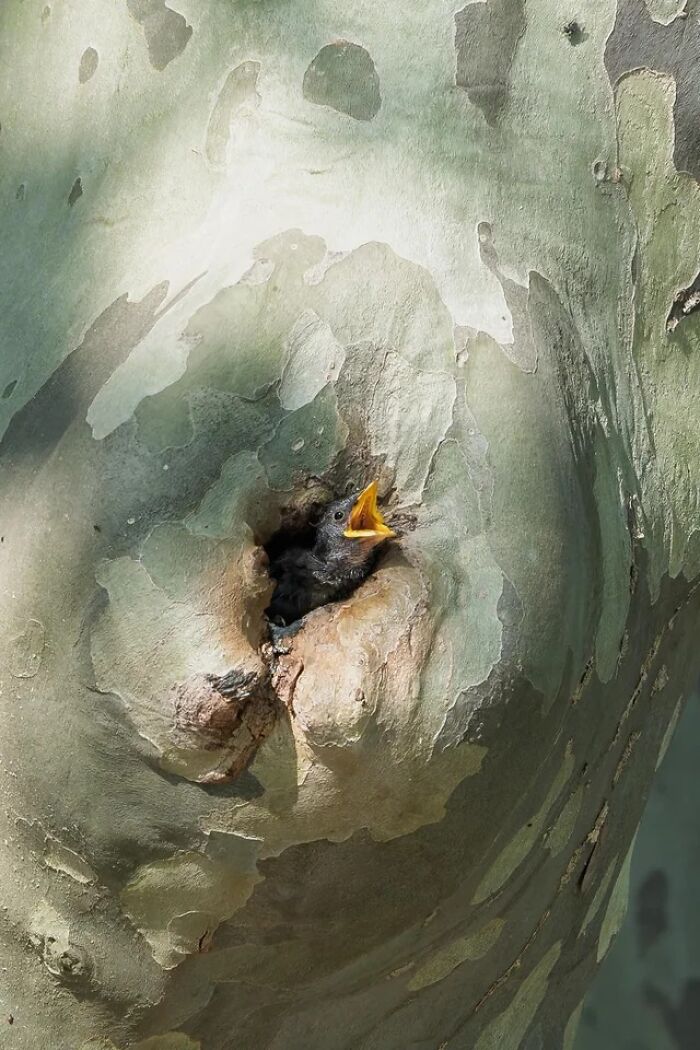
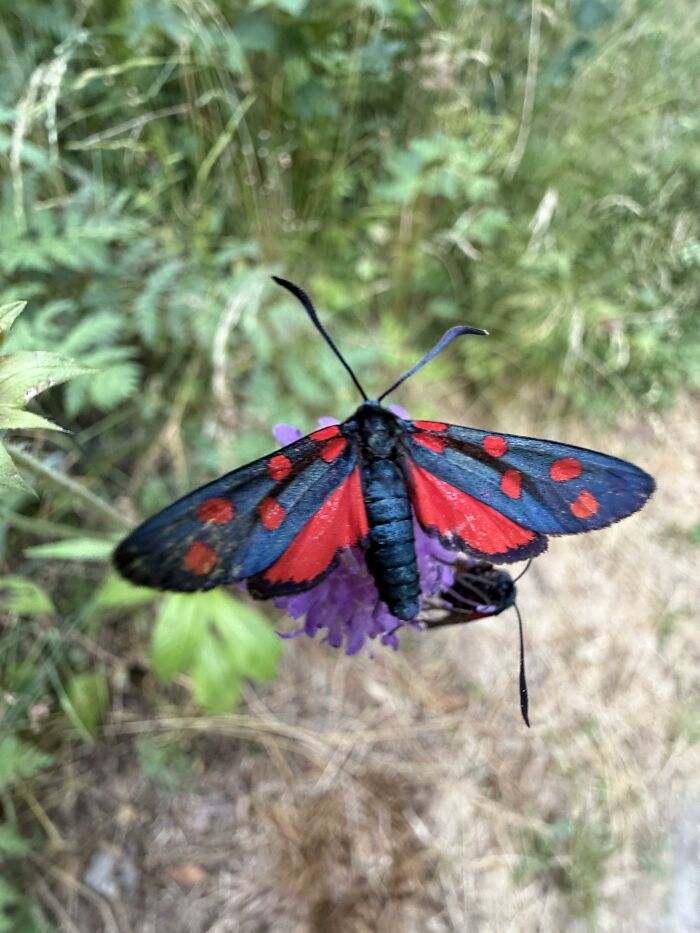
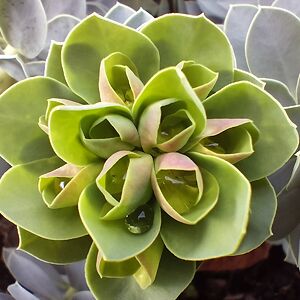
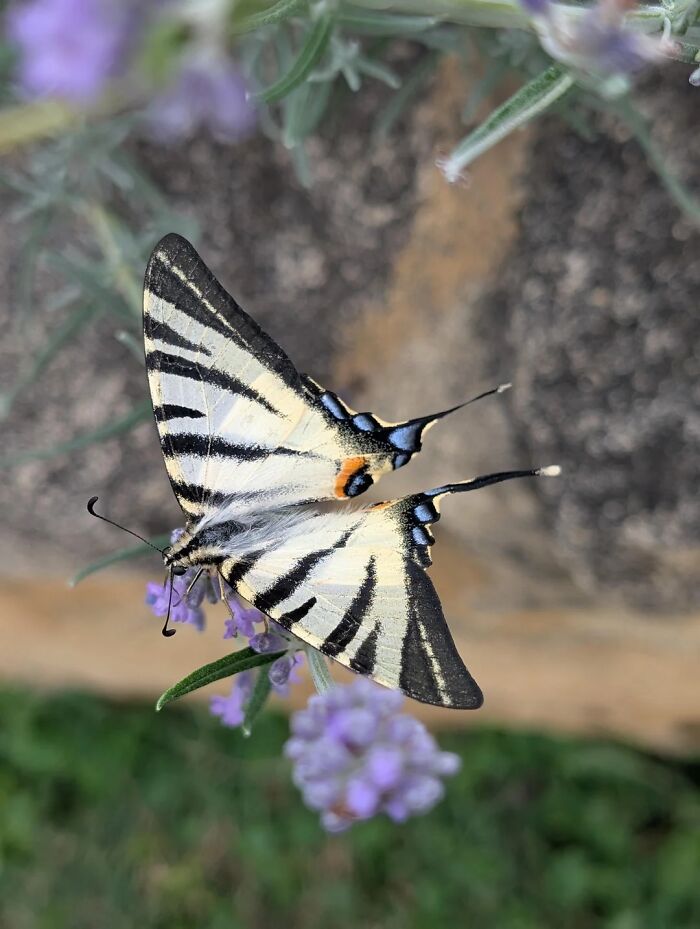
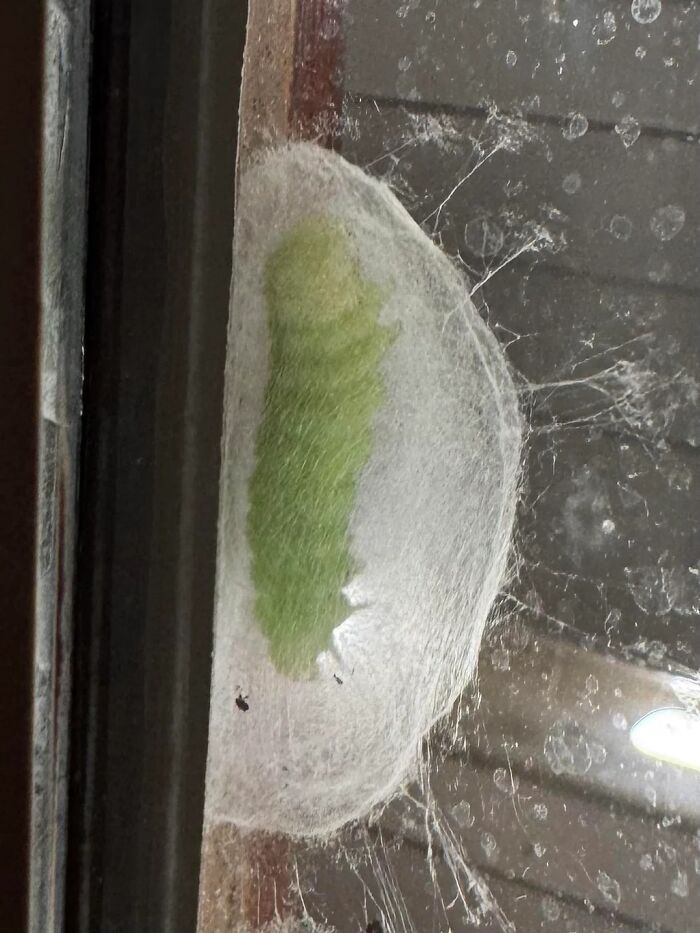
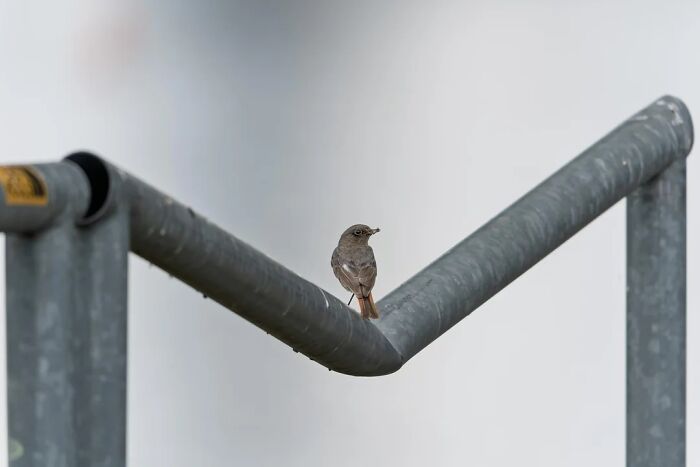
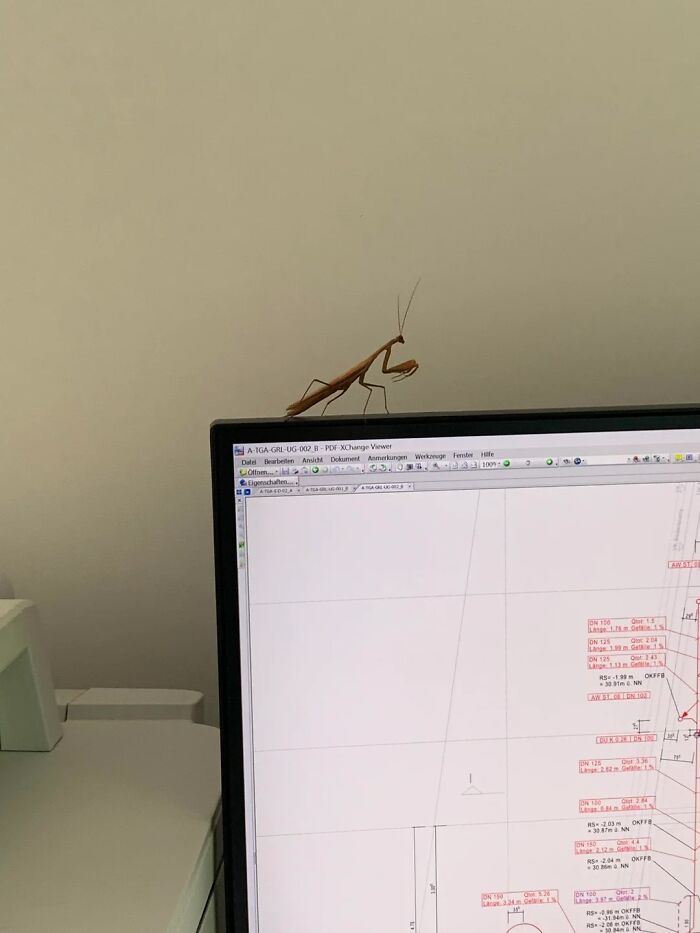
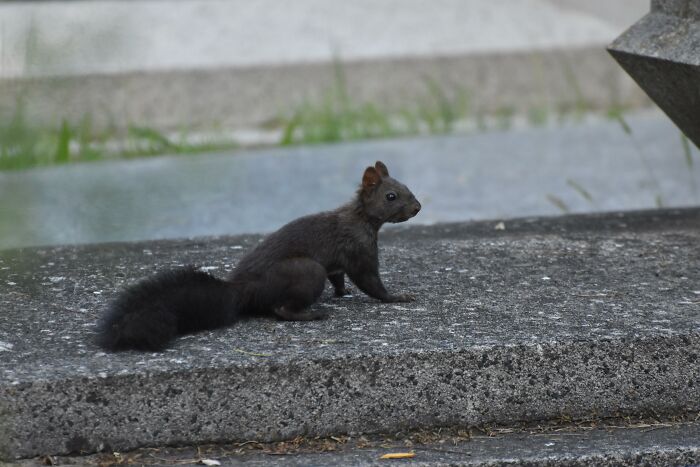
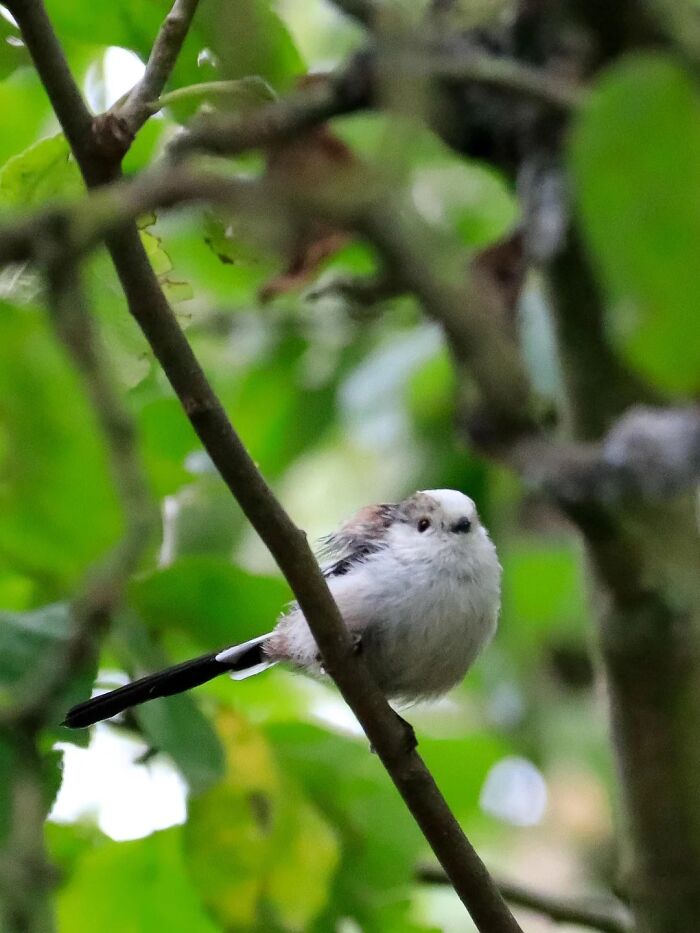
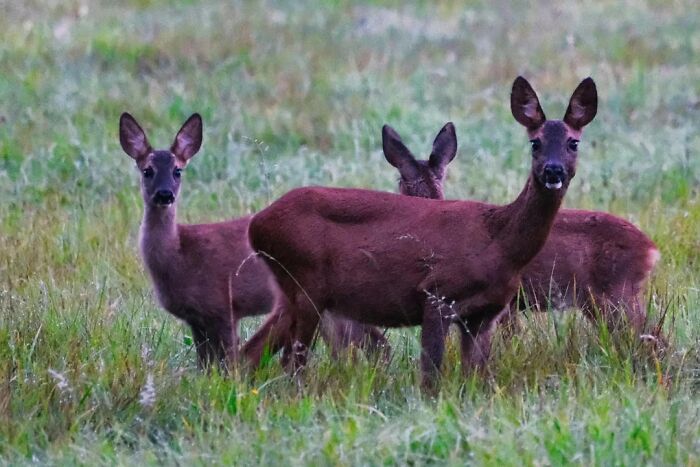
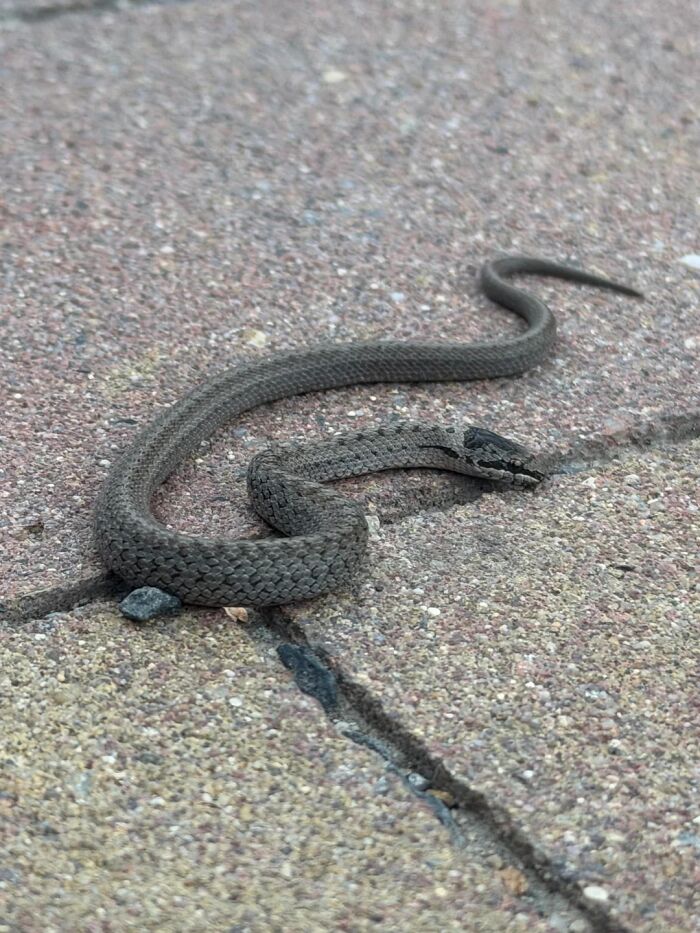
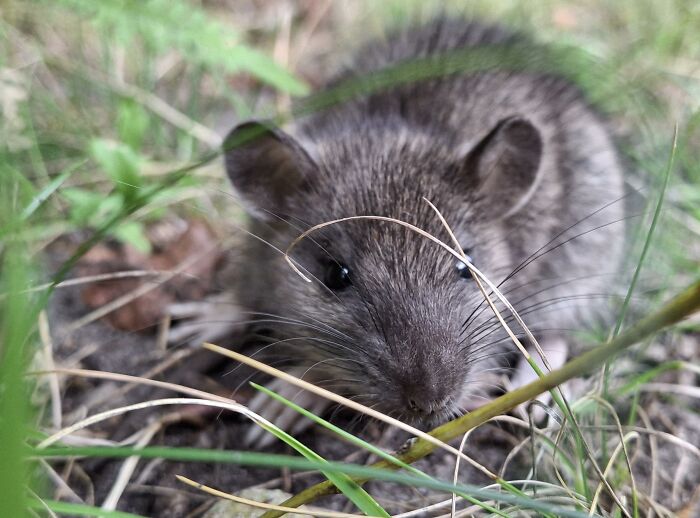
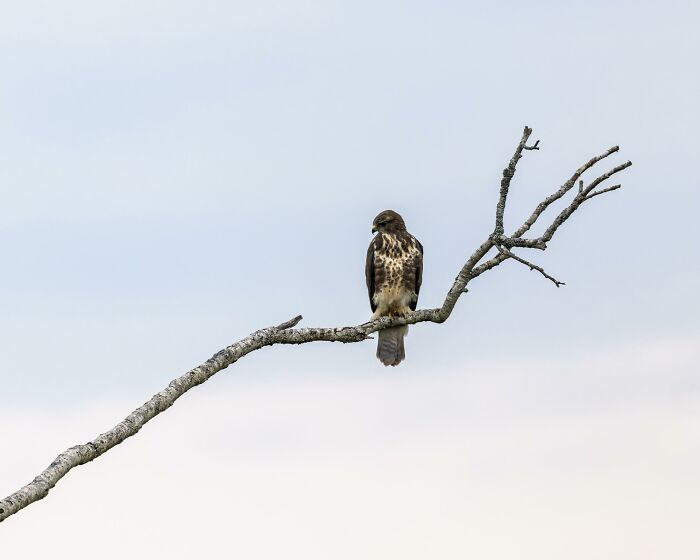
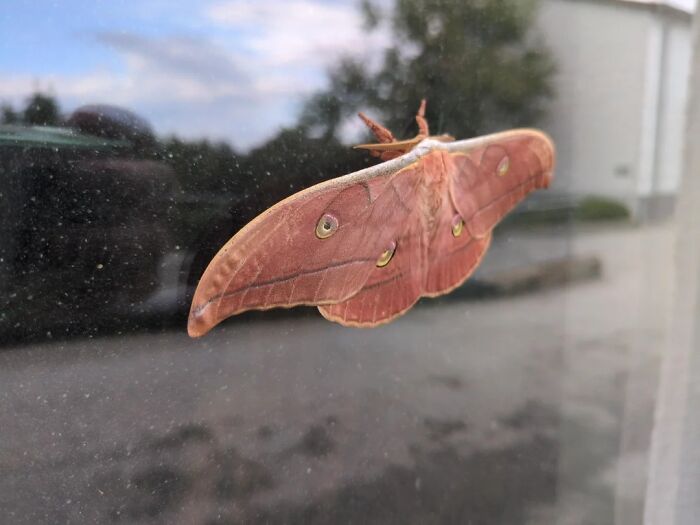
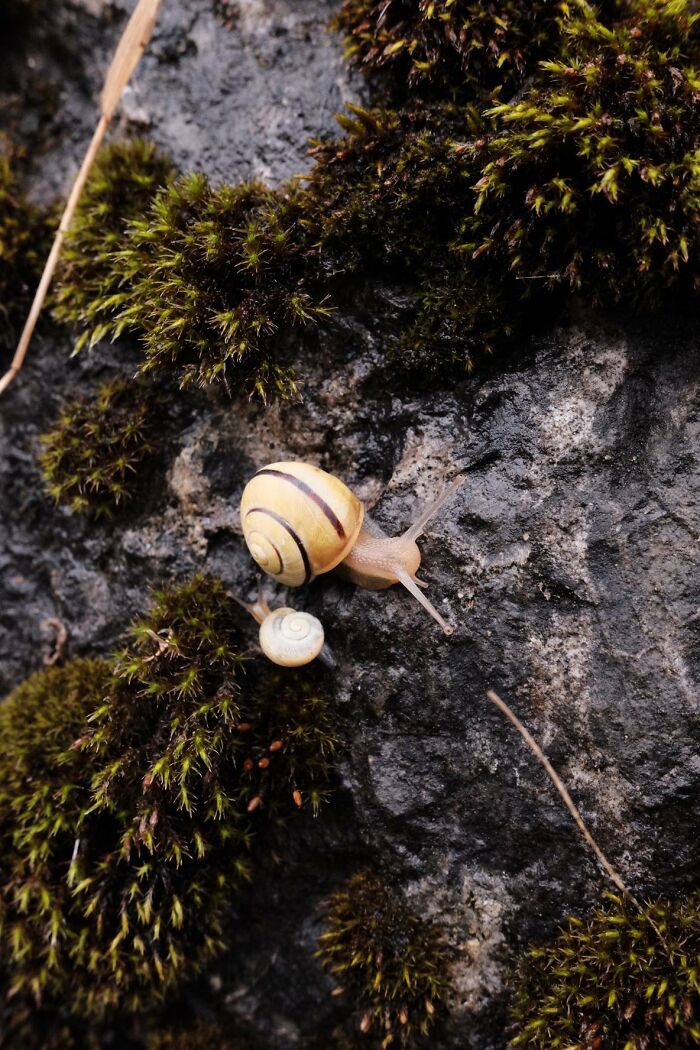
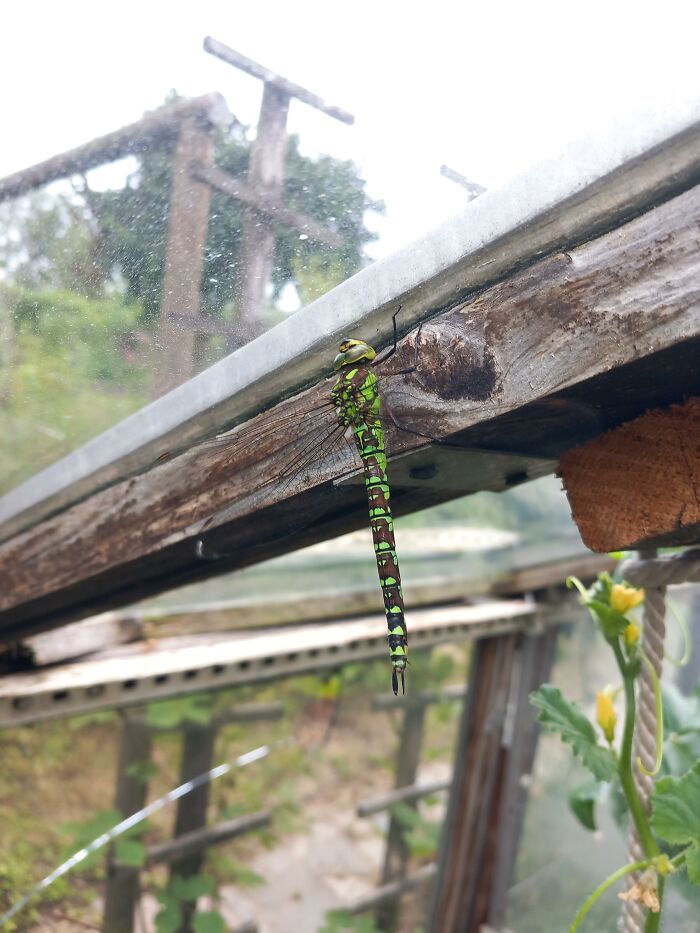
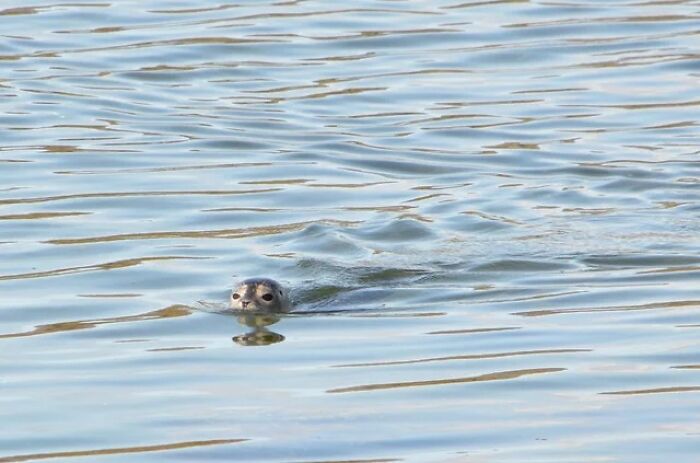
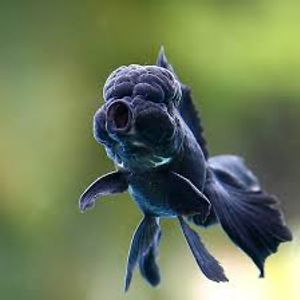
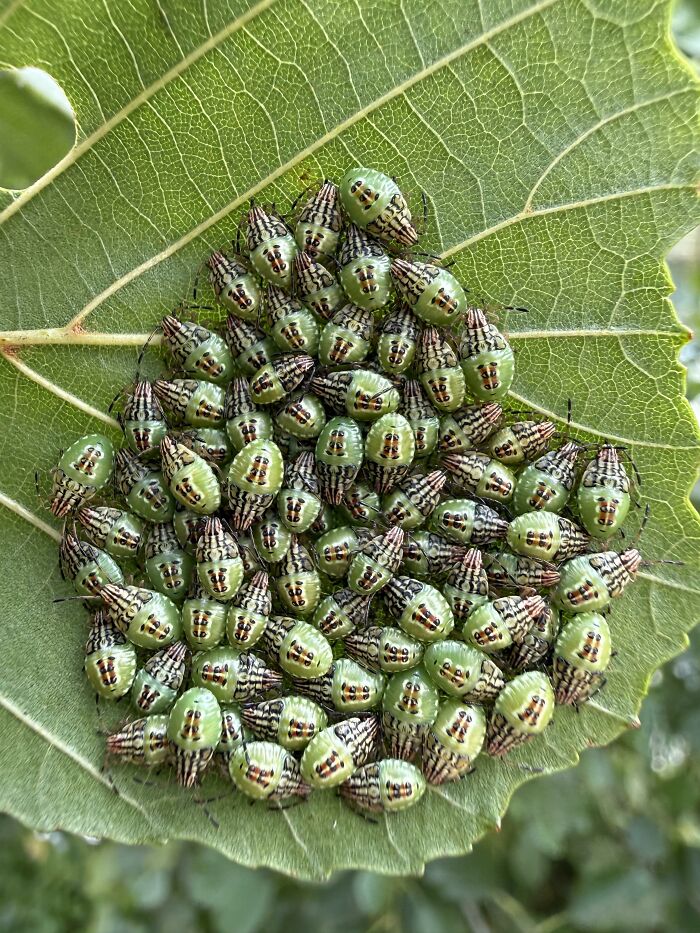
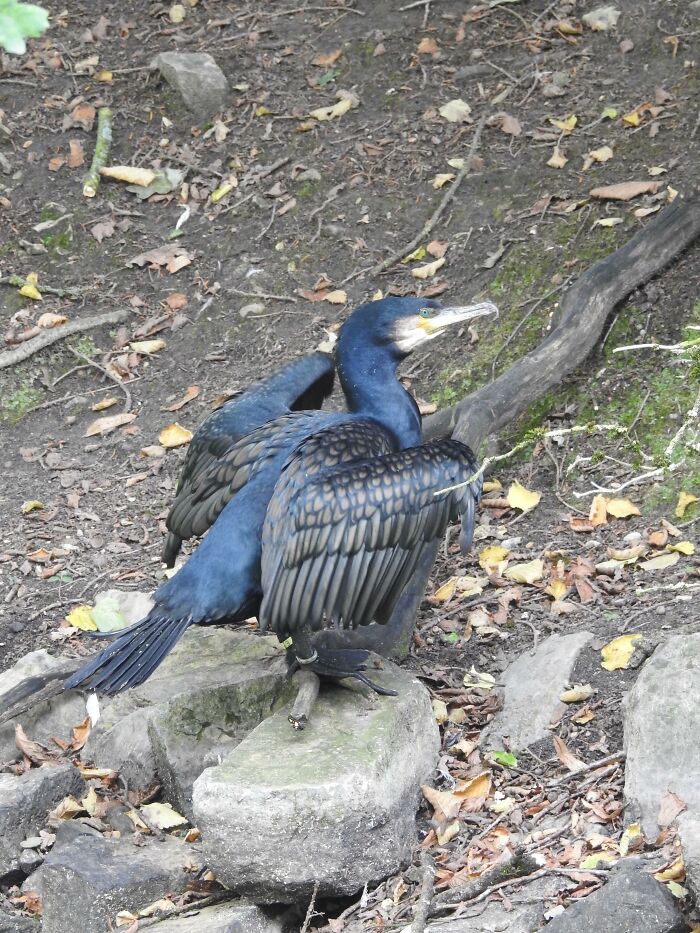
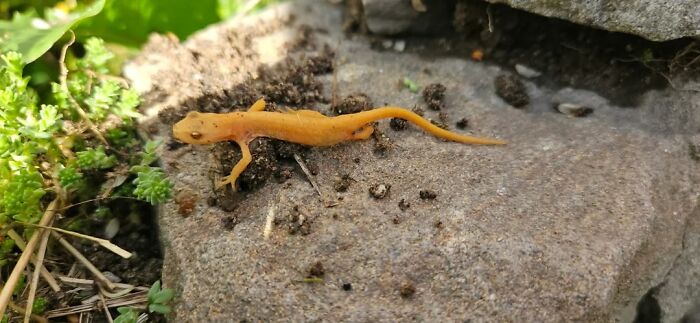
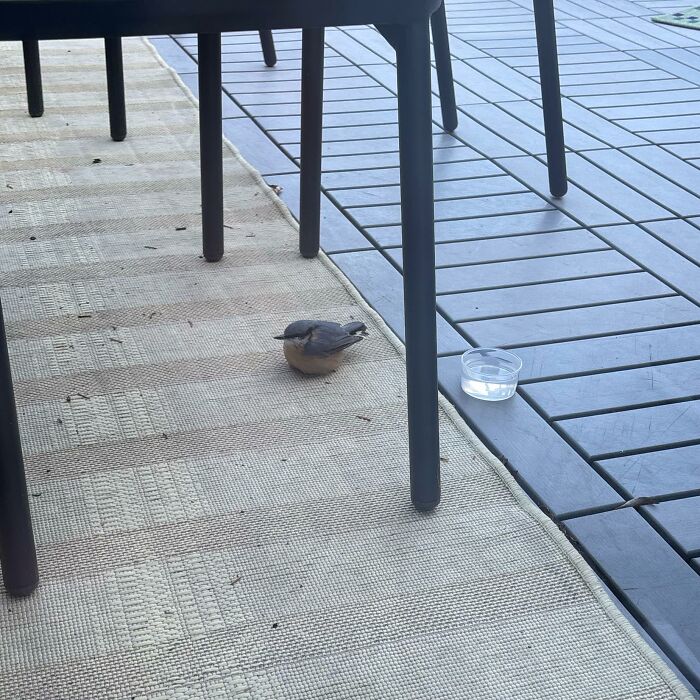
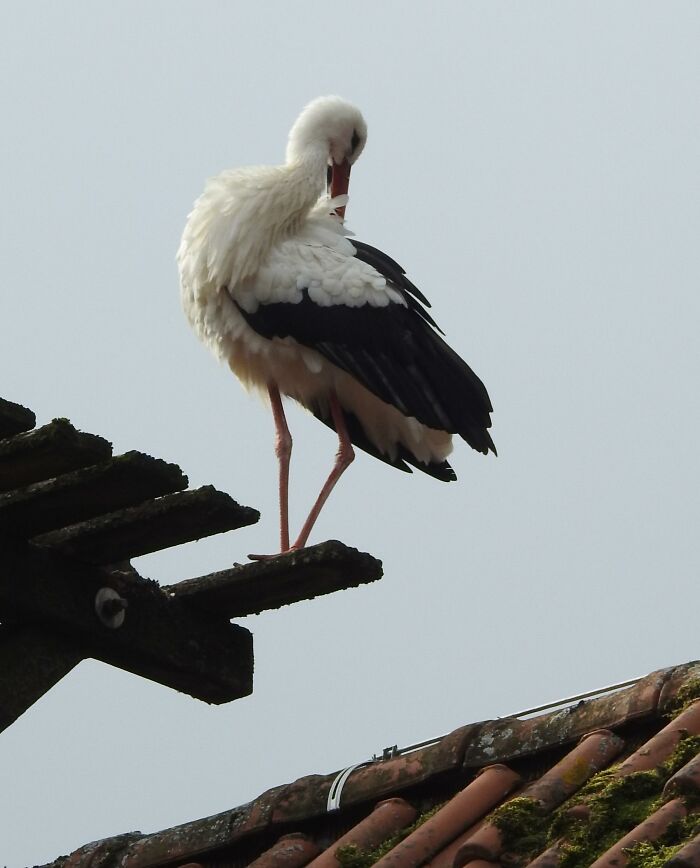
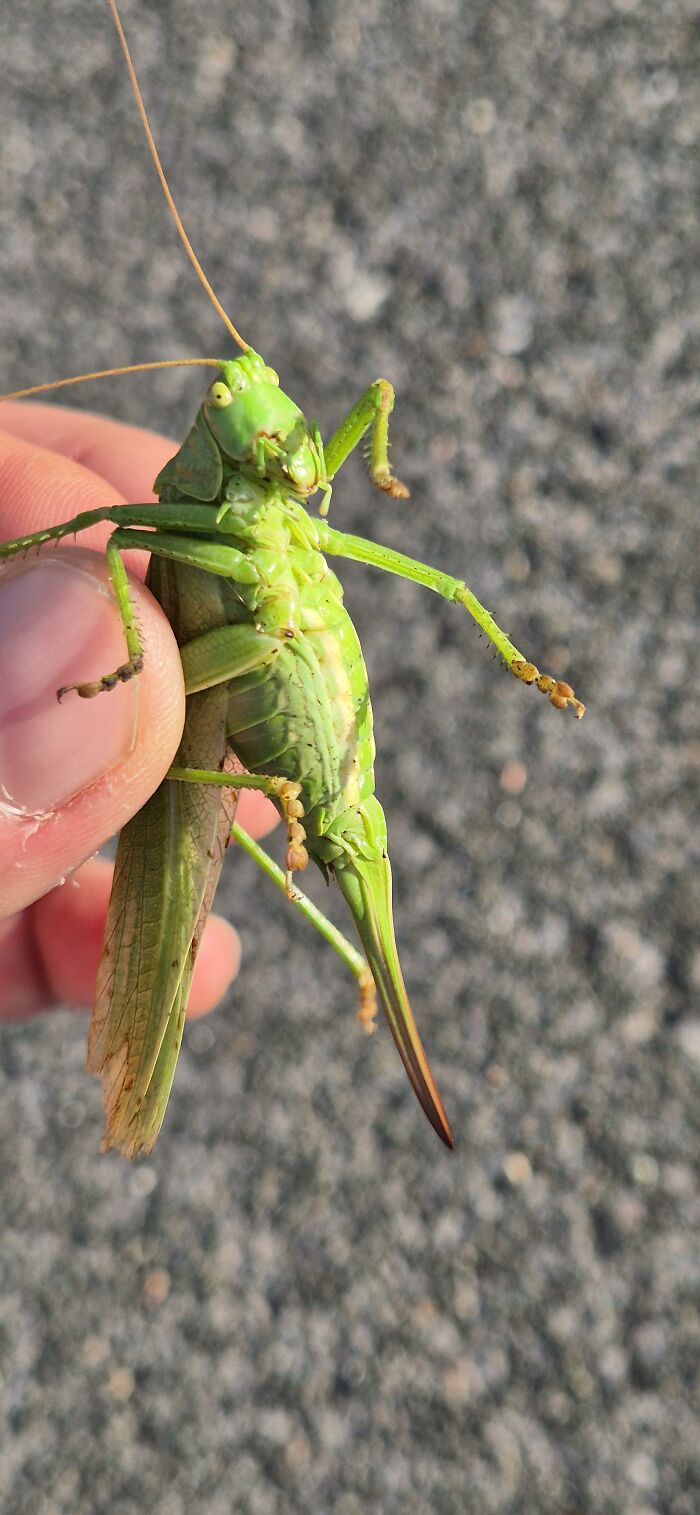
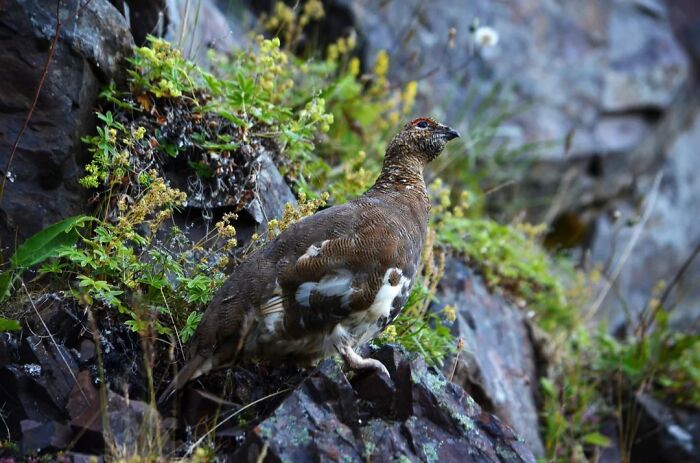
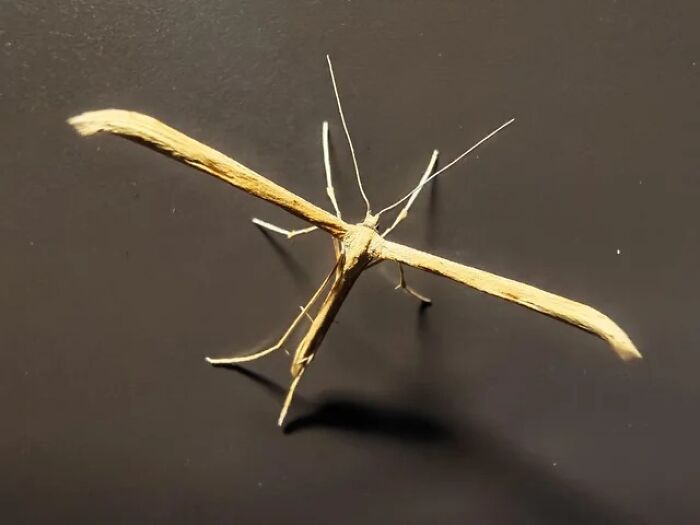
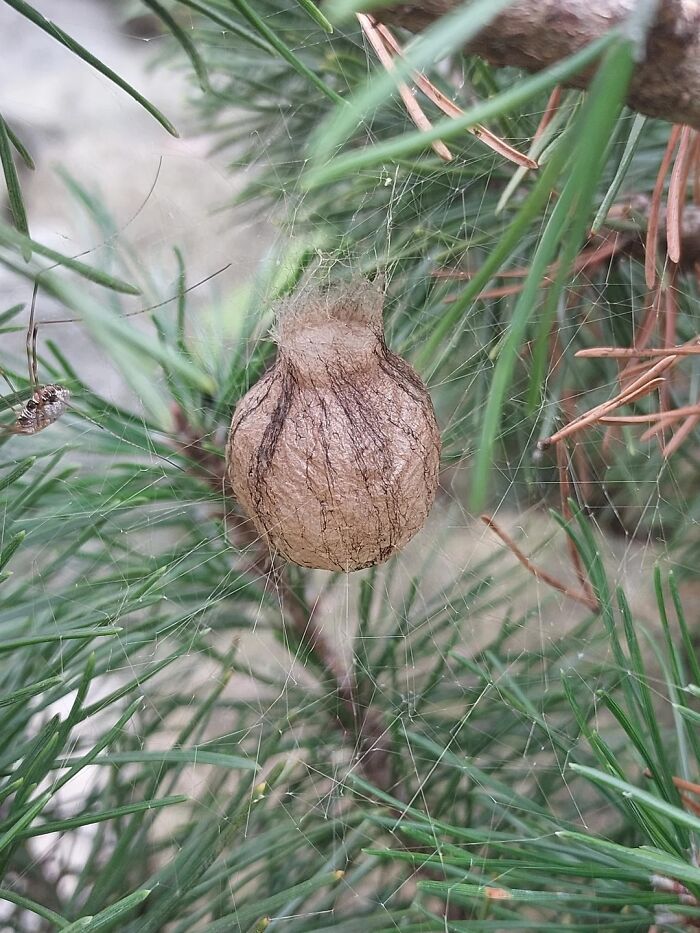
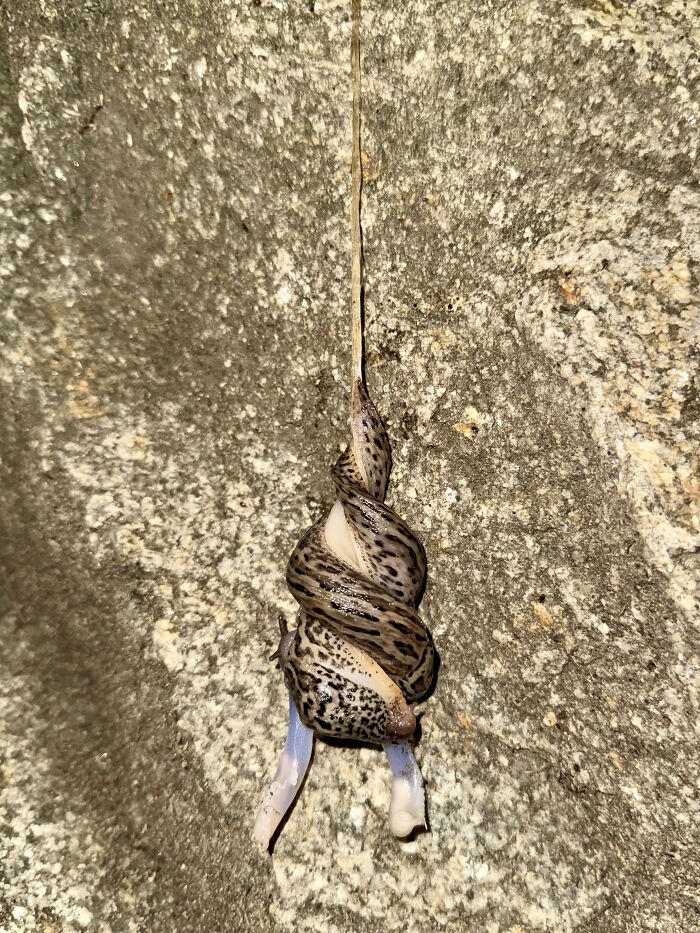
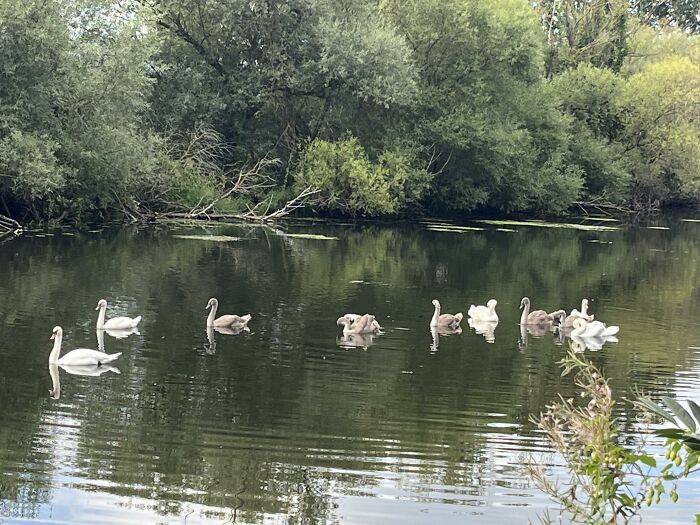
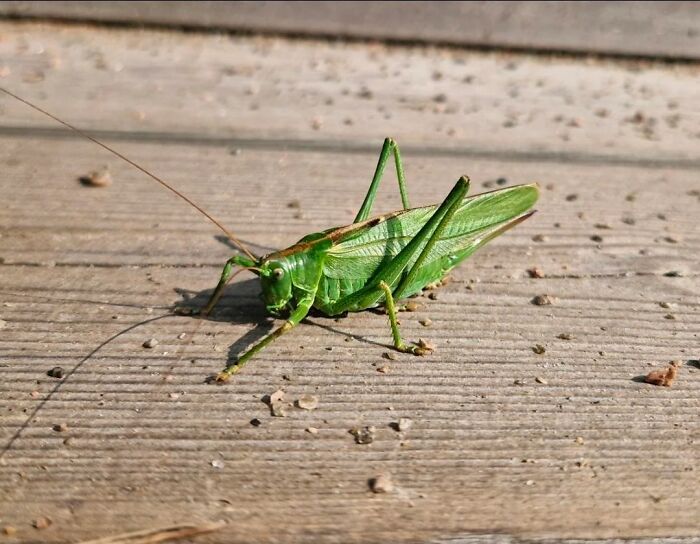
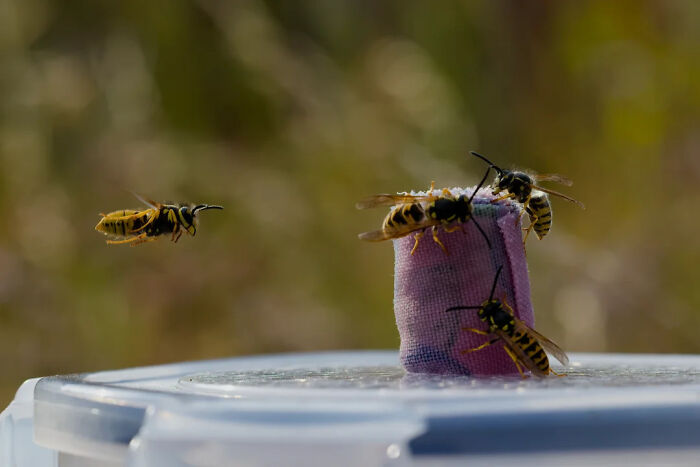
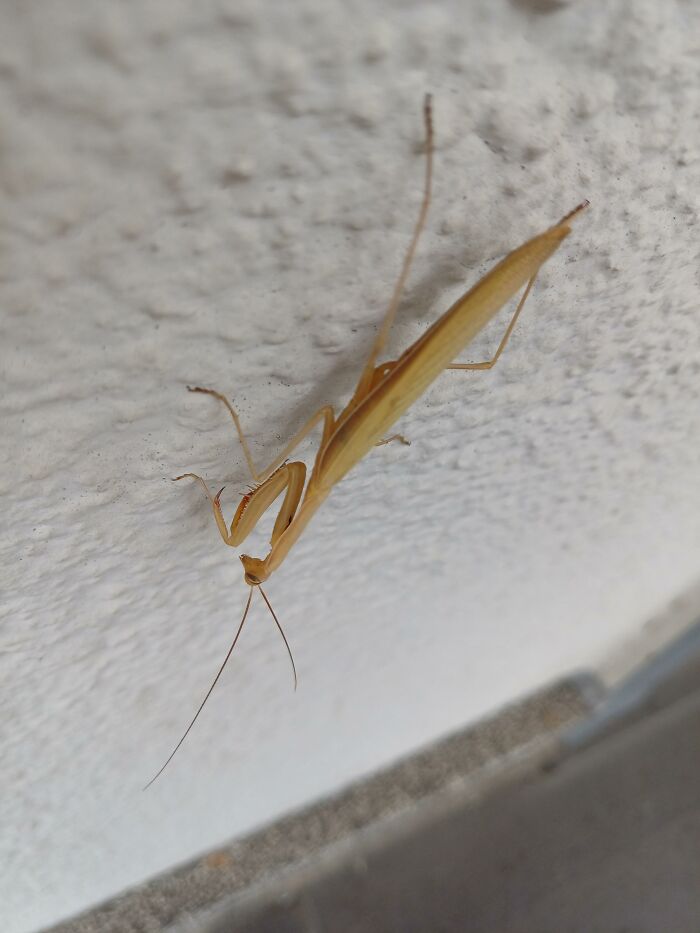
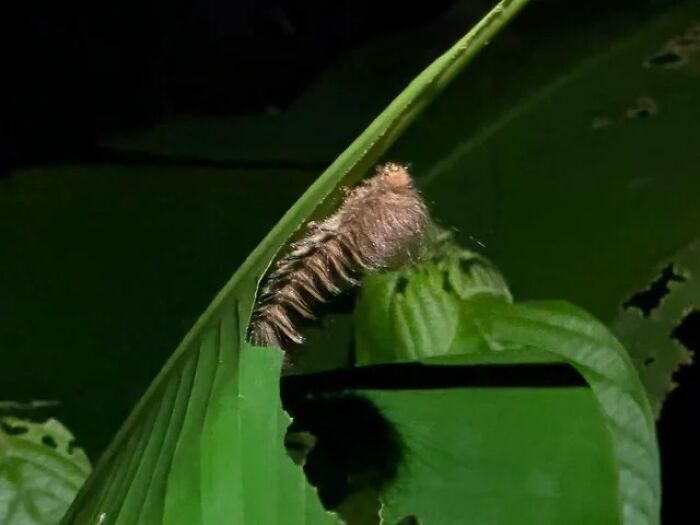
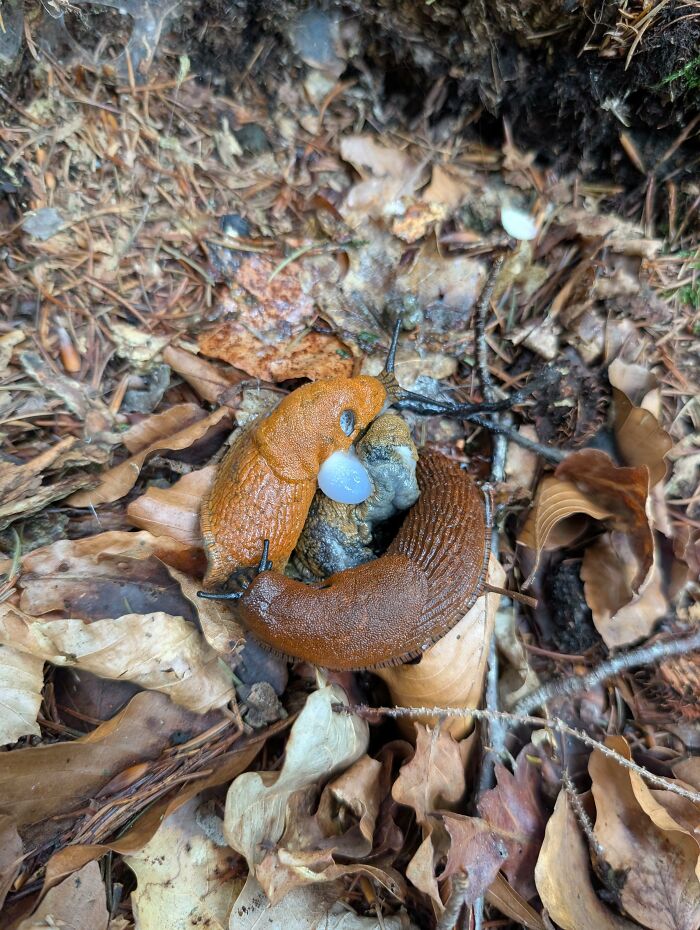
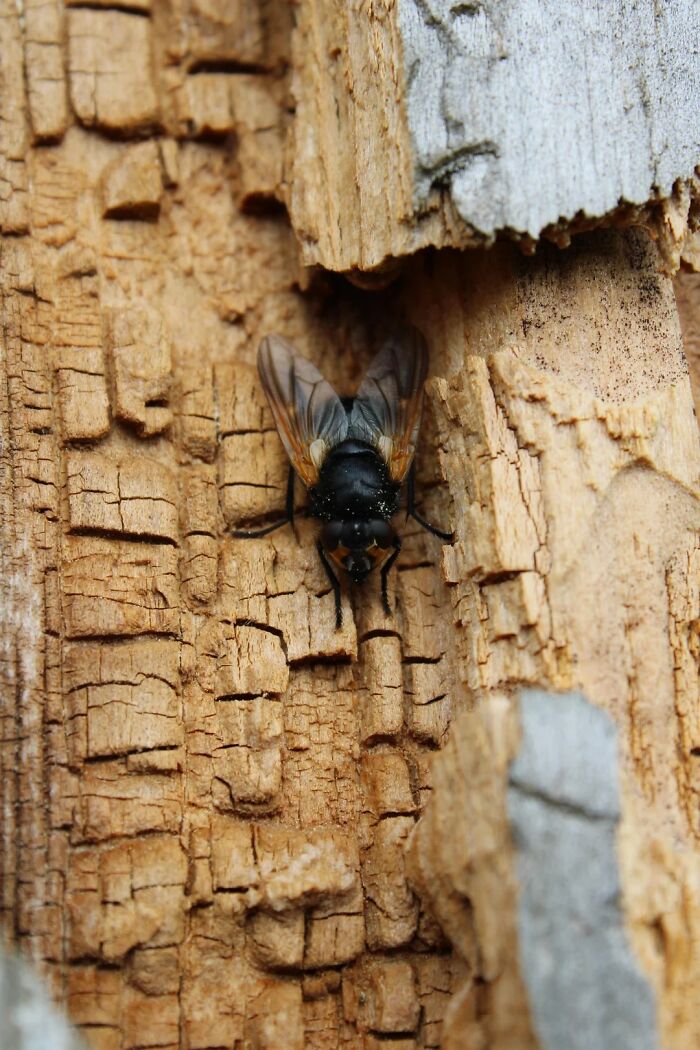
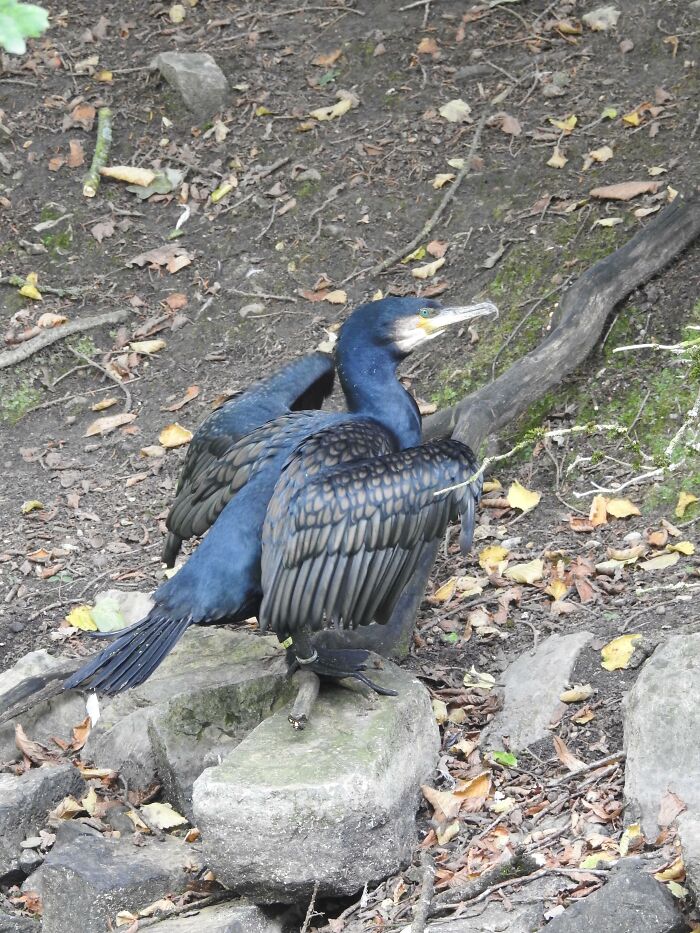
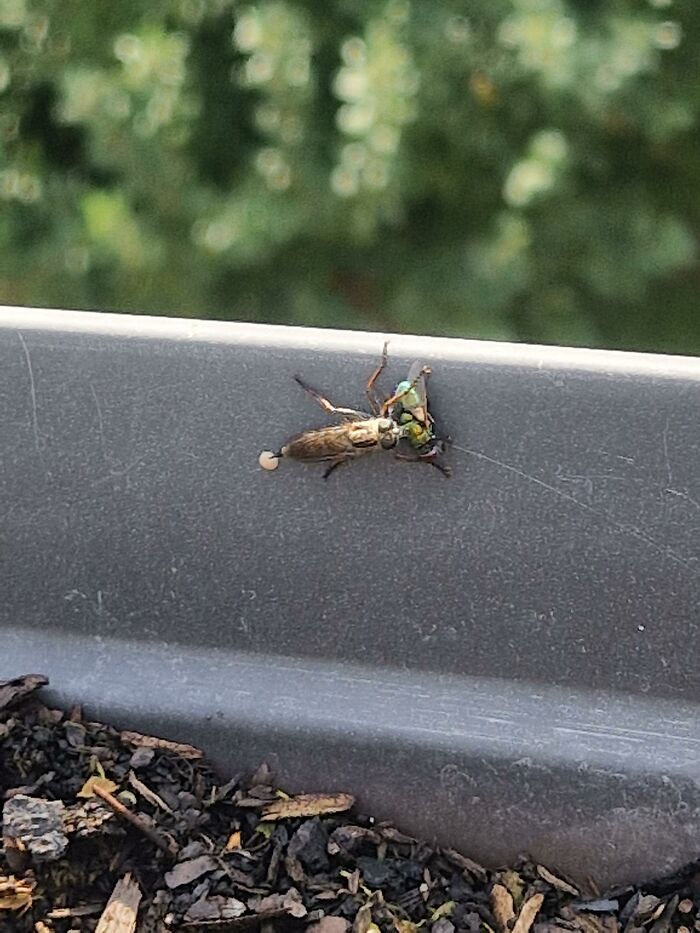
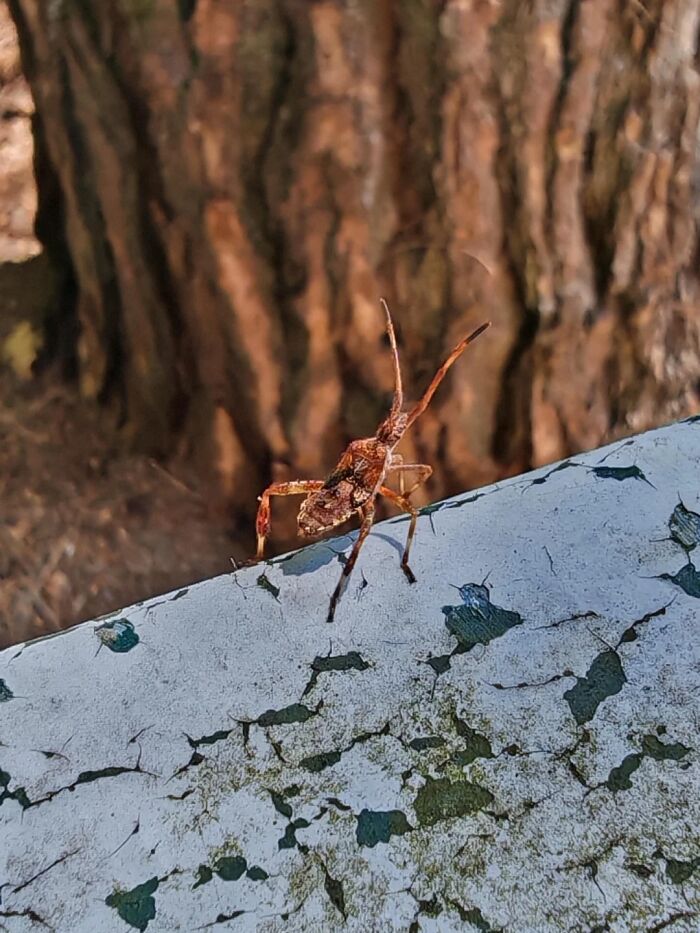
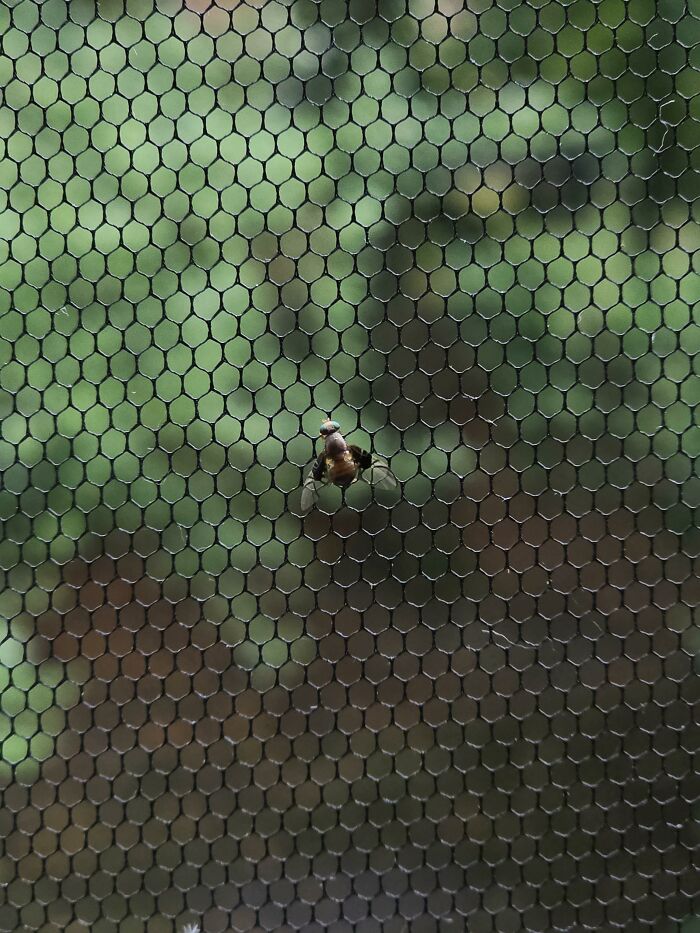
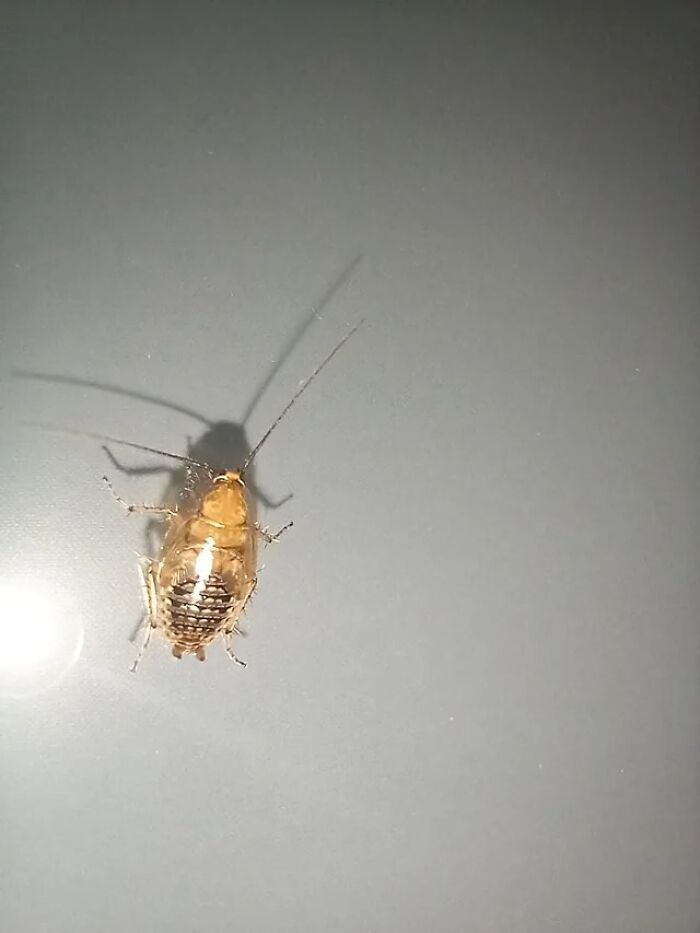
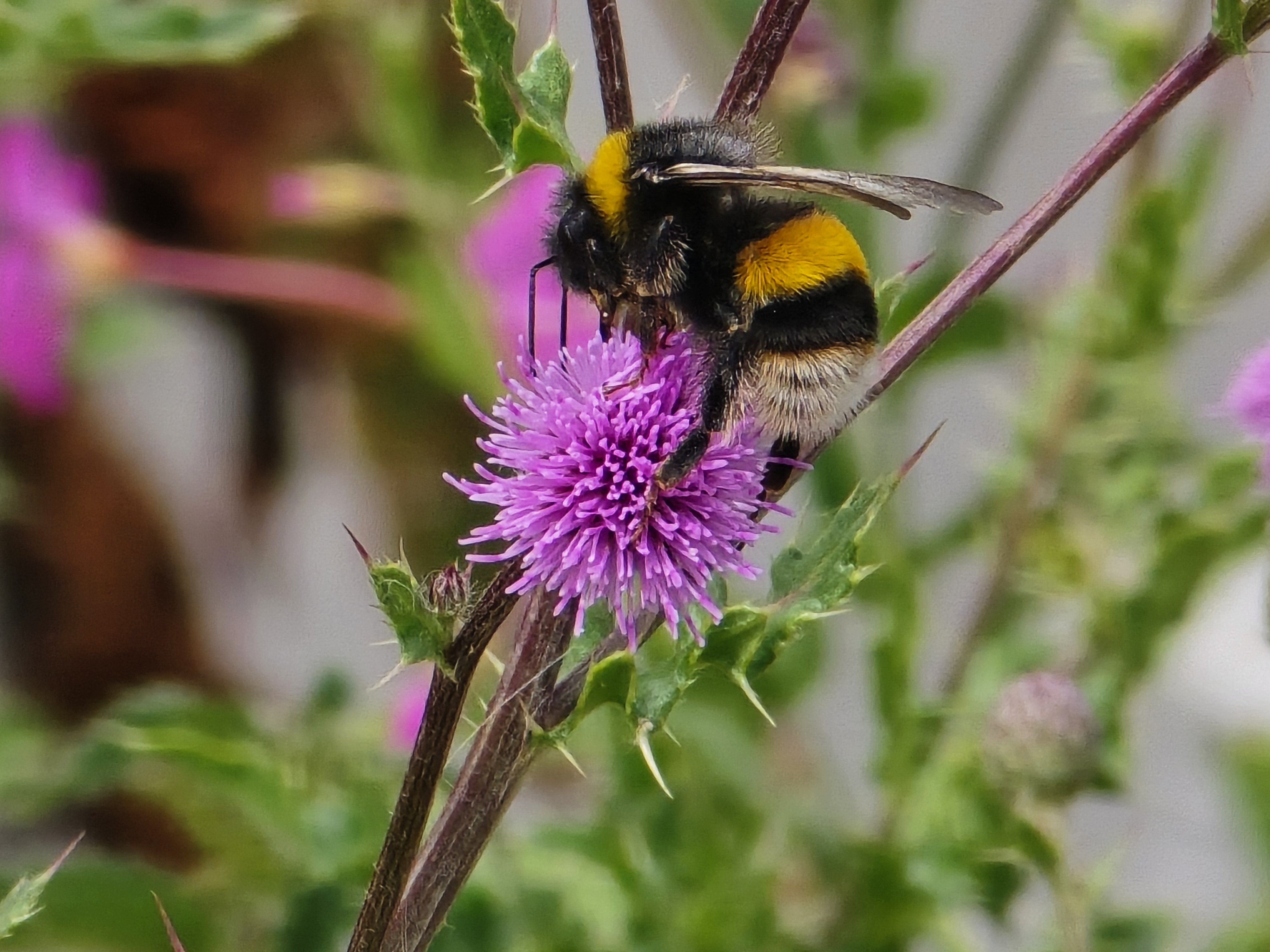
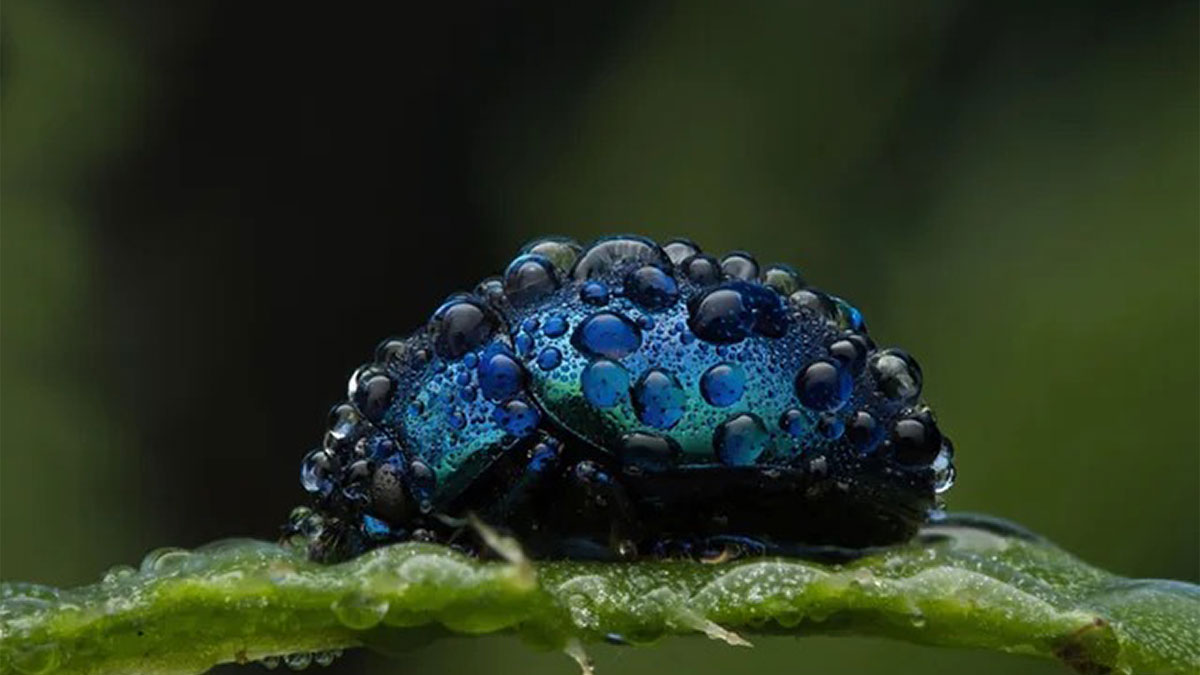
If you don’t have time to enjoy Mother Nature today, at least take a look at these creatures from the German subreddit “Naturfreunde.” It’s a community of nature lovers that shares beautiful photographs of critters of all kinds, from birds and insects to squirrels and caterpillars in cocoons.
More info: Reddit
This post may include affiliate links.
Green spaces are important to us because they let us soak up nature and its benefits. Sadly, fewer and fewer natural spots, especially in cities, offer those benefits. For example, the EU's urban forestry and greenery guidelines require a 3-30-300 principle. That means there should be at least three trees in sight from every home, 30% canopy cover in every neighborhood, and every person should live within 300 meters of a green space.
Unfortunately, only 13.5% of the EU's population lives in areas that meet the required criteria. In fact, 23% live in places where none of the three benchmarks are met. The "greenest" cities in that regard are Helsinki, Hamburg and Krakow, and Southern European cities have the lowest scores, including Athens, Palermo, and Cordoba.
Growing up in nature can do us a lot of good. Research shows that children who grow up in residential areas with many green spaces around have a lower risk of developing psychiatric disorders in adolescence and adulthood. In fact, those who grow up in cities where green spaces are lacking have a 55% higher chance of developing a psychiatric disorder.
By spending time in nature, kids sharpen their problem-solving skills while doing activities like climbing rocks and crossing streams. Naturally, kids also grow up to appreciate and love wildlife and ecosystems more; they see firsthand why protecting forests and other natural habitats matters. What's more, kids who grow up in nature are even more likely to recycle and become advocates for environmental causes.
So, what exactly does being in nature do to us? As a comprehensive 2018 study of previous research found, it directly helps our bodies in three ways: it decreases blood pressure, heart rate, and salivary cortisol. Those who spend a lot of time outdoors also tend to have a lower risk of diabetes and are less likely to pass away from all causes.
Sometimes, we need so little to make us feel better — a smile or a nice "Hello" from a stranger, a delicious muffin in the morning, or your favorite song on the way to work. Similarly, something as simple as a bird song can boost our mental health and well-being for up to eight hours.
Landscape architect Jo Gibbons explains that we experience birdsong with more than one sense, and perhaps that's why it has such a big impact on us. "A biodiverse environment is restorative in terms of mental wellbeing," she said. "The sensual stimulation of birdsong, part of those daily ‘doses’ of nature, is precious and time-lasting."
You'll notice a lot of insects and similar critters on this list. While "Naturfreunde" loves all nature's creatures, people generally tend to feel averse to insects and other so-called creepy crawlies. According to a 2016 survey, one in four people are afraid of bugs, and about 40% of phobias are related to insects and the likes of spiders, cockroaches, and worms. But if they're all Mother Nature's children, shouldn't we love them all?

Hurry up, we'll be late for school! (Two hours later:) See, I told you!
Jeffrey Lockwood, an insect ecologist and philosopher at the University of Wyoming, explains that our fear of bugs and insects comes from cultural influences. "In the modern world we have very little experience with positive encounters with insects," he told Popular Science, giving house flies, bed bugs, and mosquitoes as examples.
"Culture overlays our evolutionary tendencies. You could think of our fear and disgust of insects of being as a conspiracy of evolution and culture. And that is the state of the human mind at this point in our history."
What do you think of this selection of photographs from "Naturfreunde," Pandas? Are you averse to insects, bugs, and similar critters, or do you appreciate their long, thread-like limbs just as you would any other animal in nature? Let us know your thoughts in the comments!
Also, don't forget to check out our previous publications featuring animals, like these poor souls whose day didn't go as planned and these funny pics of animals doing the most random things imaginable.

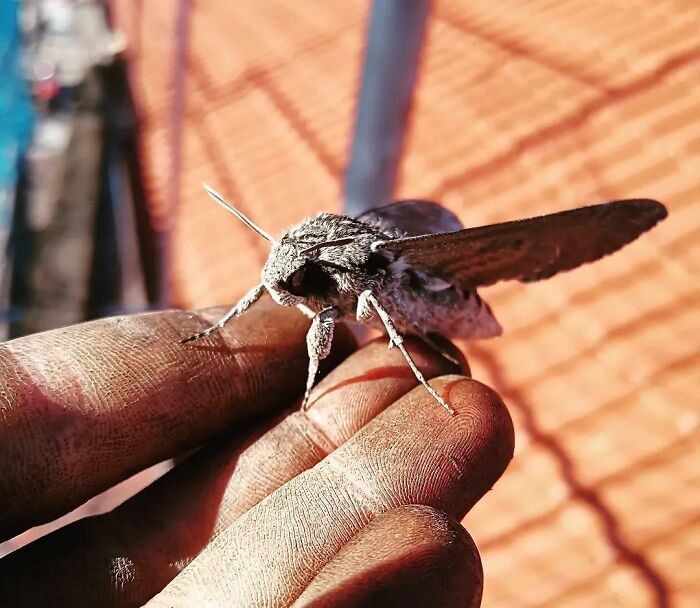
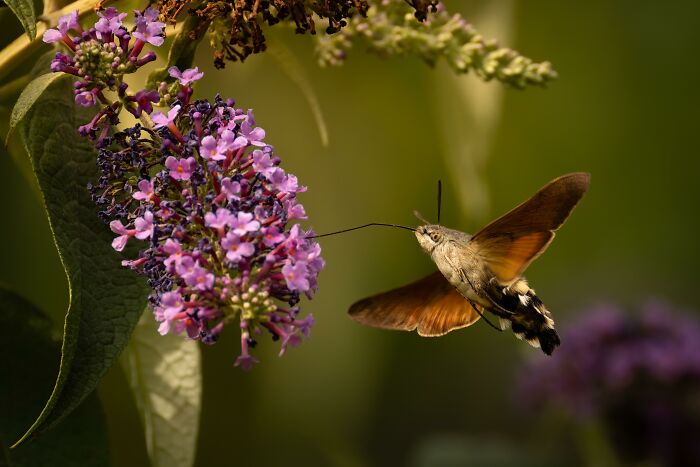
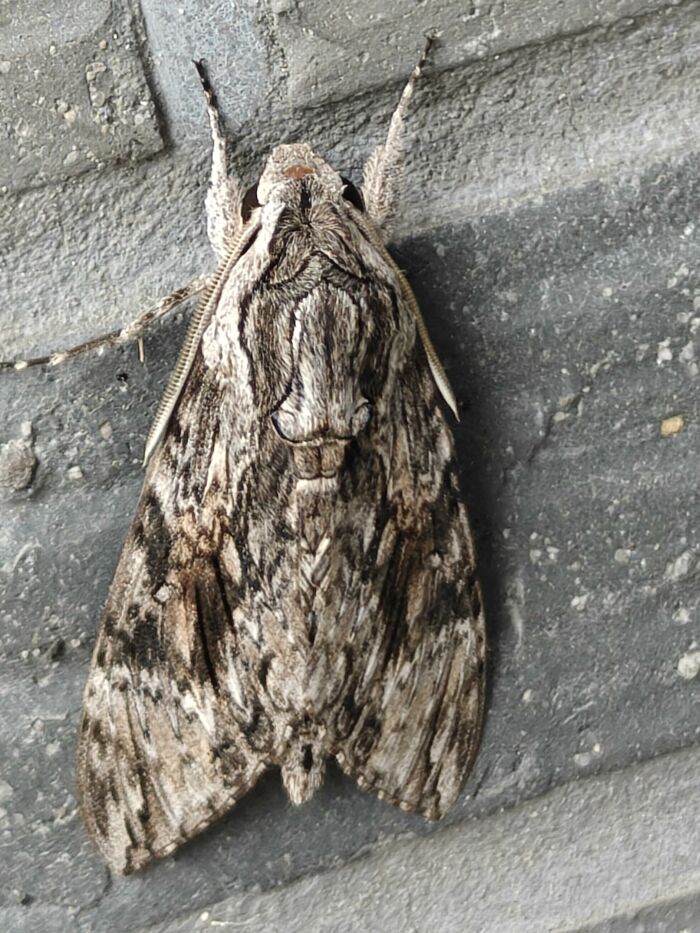
Hummingbird moth aka hawkmoth or those giant green caterpillar people hate to find on their tomato plants

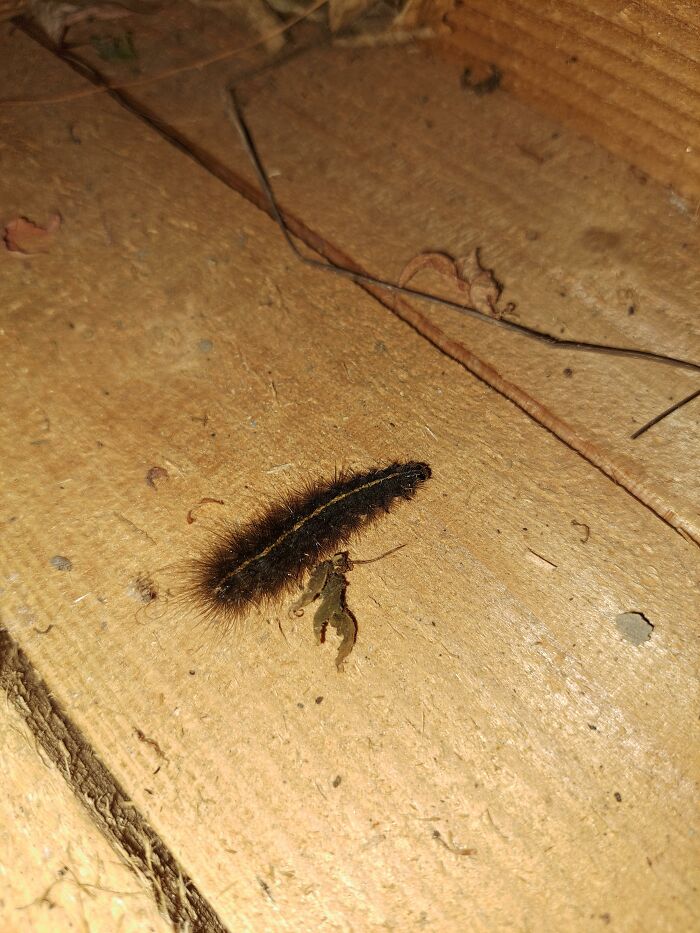
If a caterpillar/grub-looking thing looks like it has hair or fur... do NOT touch XD Those are called "urticating hairs" and will cause intense itching and pain.
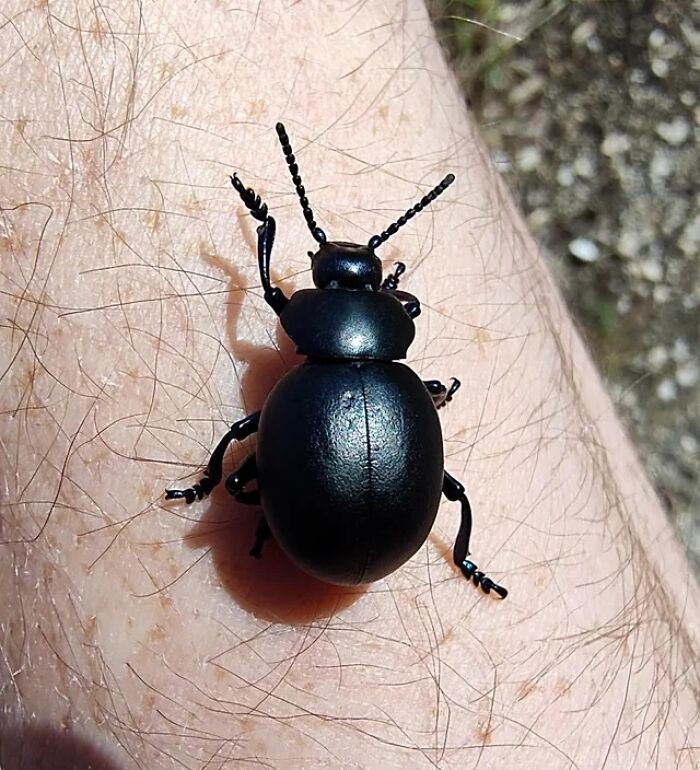
A bloody nosed beetle according to Google.This species gets its name from a defensive habit where it exudes a red, foul-tasting fluid from its mouth joints when threatened.

Horseflies, deer flies, black flies and mosquitoes... 4 things I don't miss about living in Canada...

The subreddit is presumably called Naturfreunde, not as BP spells it. As so often, BP is too lazy to tell us what the images show.


































 No fees, cancel anytime