Get Premium
Dark mode theme is available exclusively for premium users. Learn more about the benefits of subscribing.
No fees, cancel anytime.

 Dark Mode Ad-Free Browsing Unlimited Content
 Ad-Free Browsing Unlimited Content Dark Mode
Join 1.2 million Panda readers who get the best art, memes, and fun stories every week!


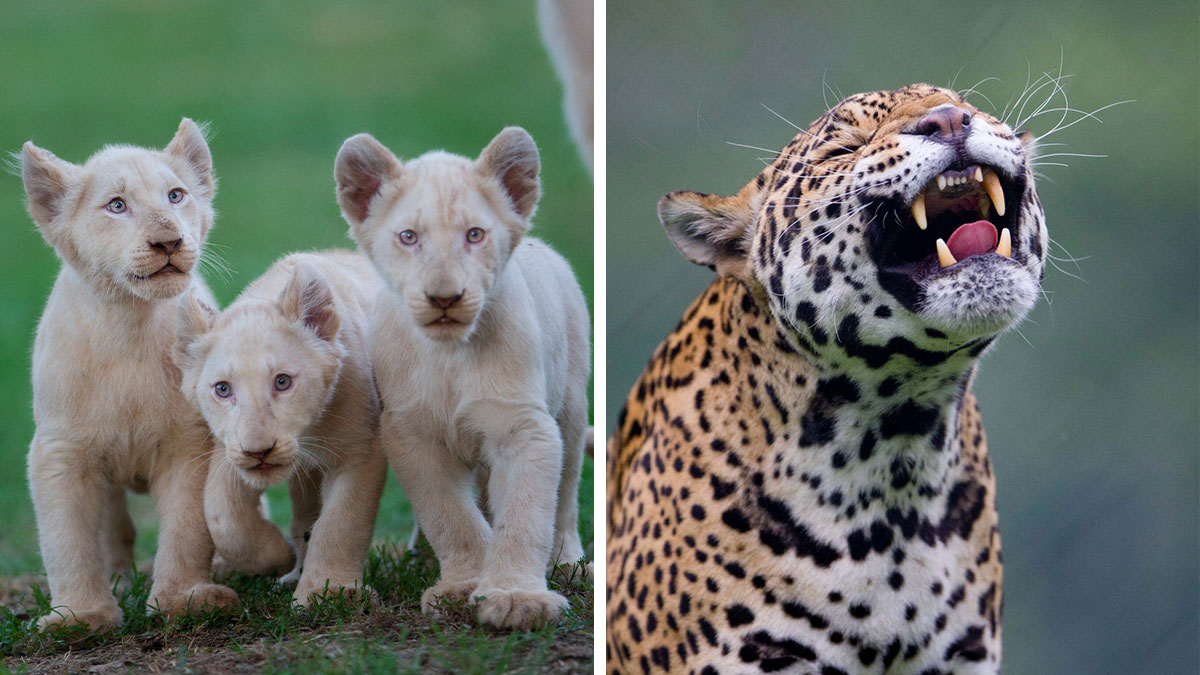
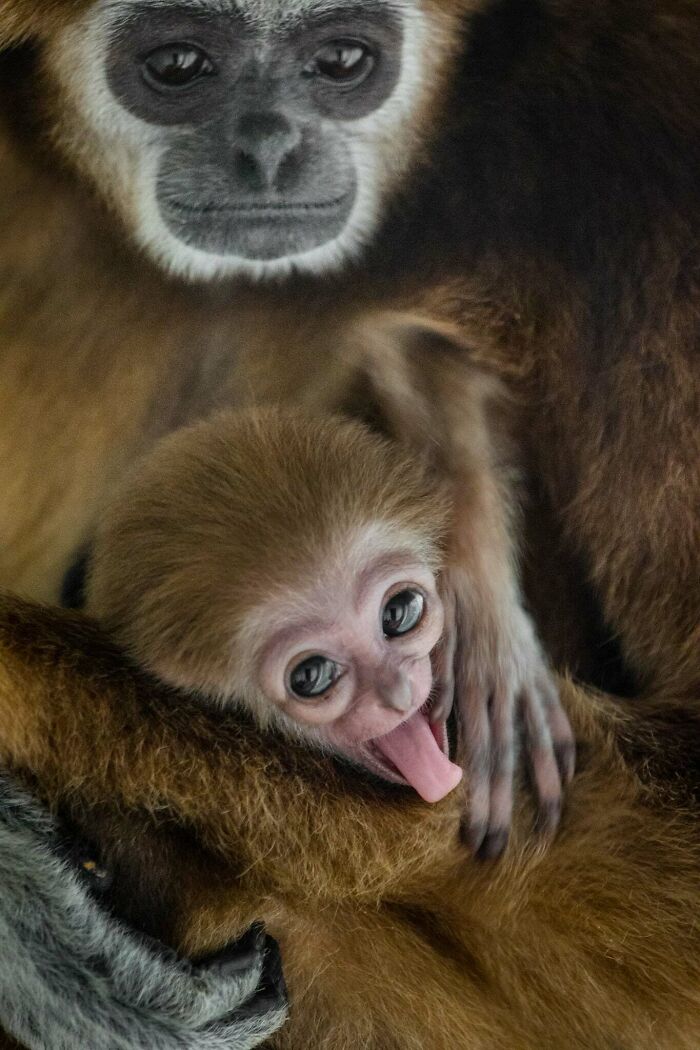
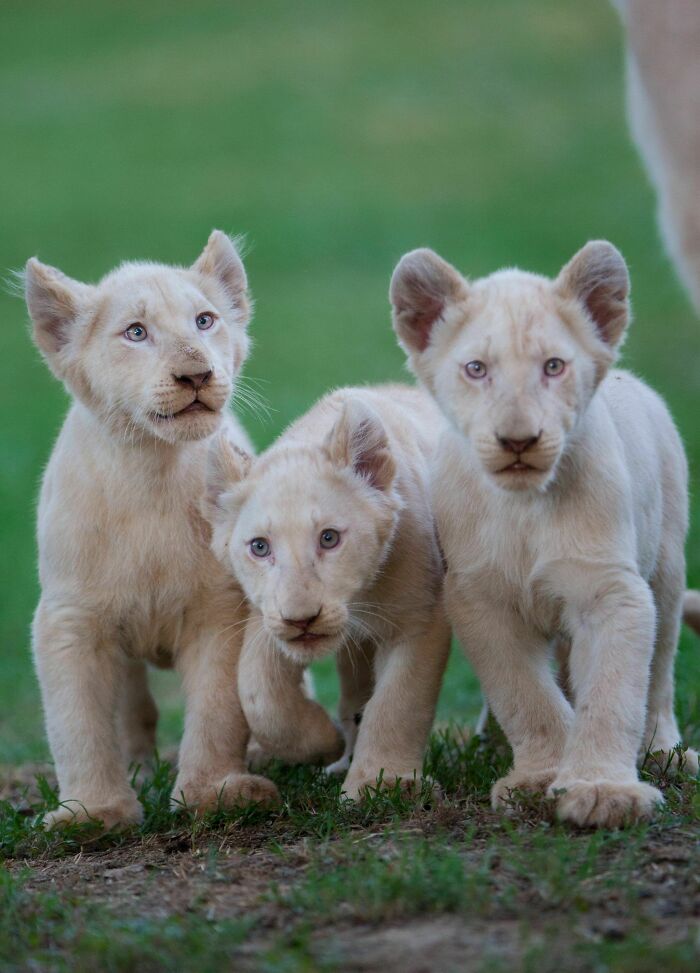
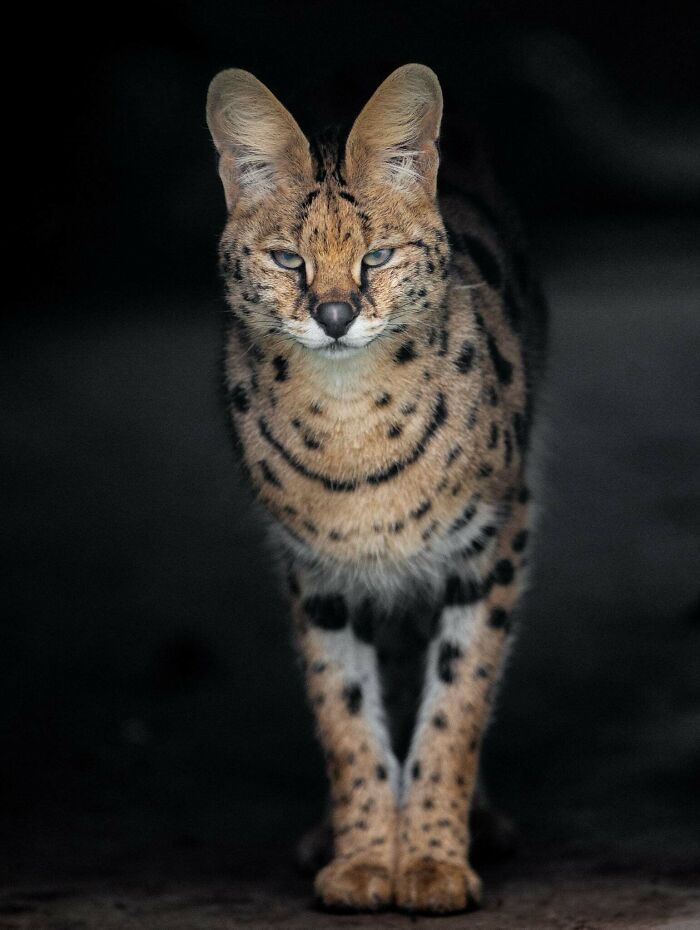
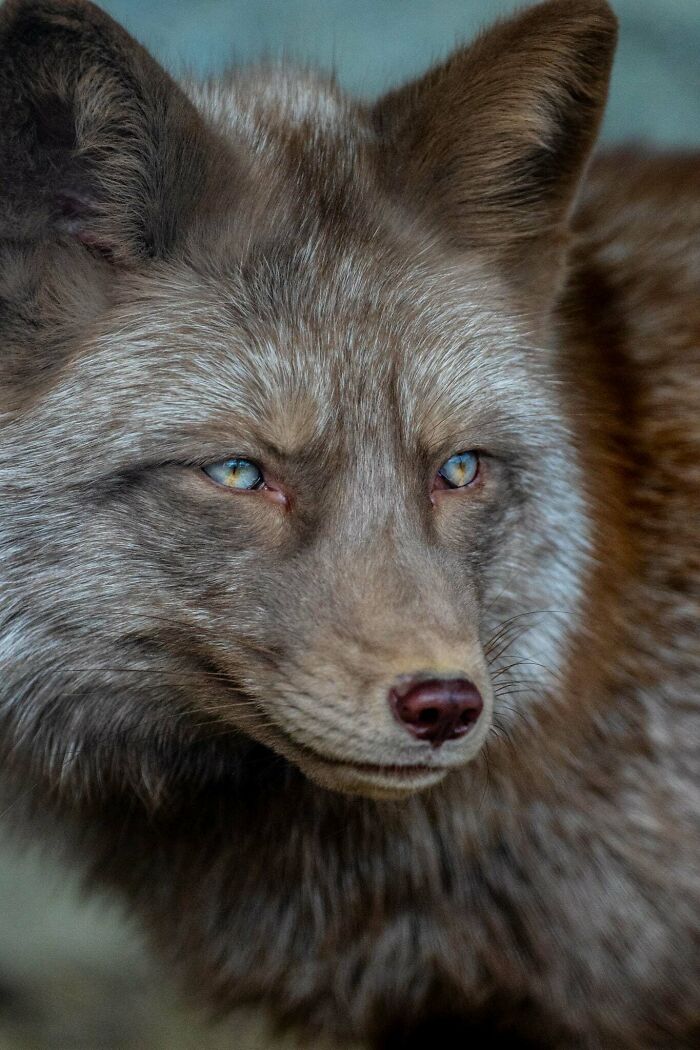
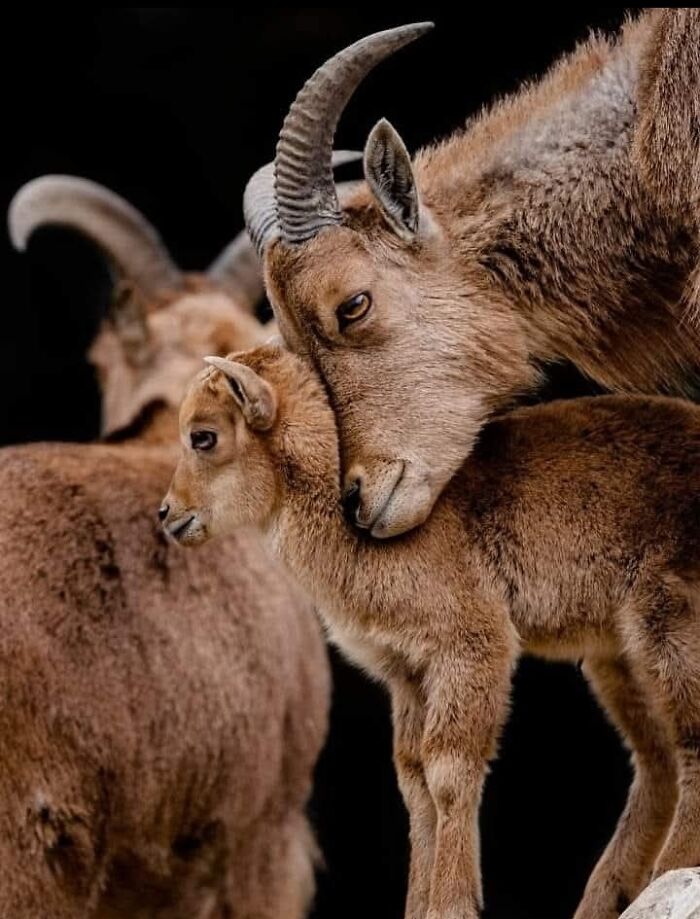
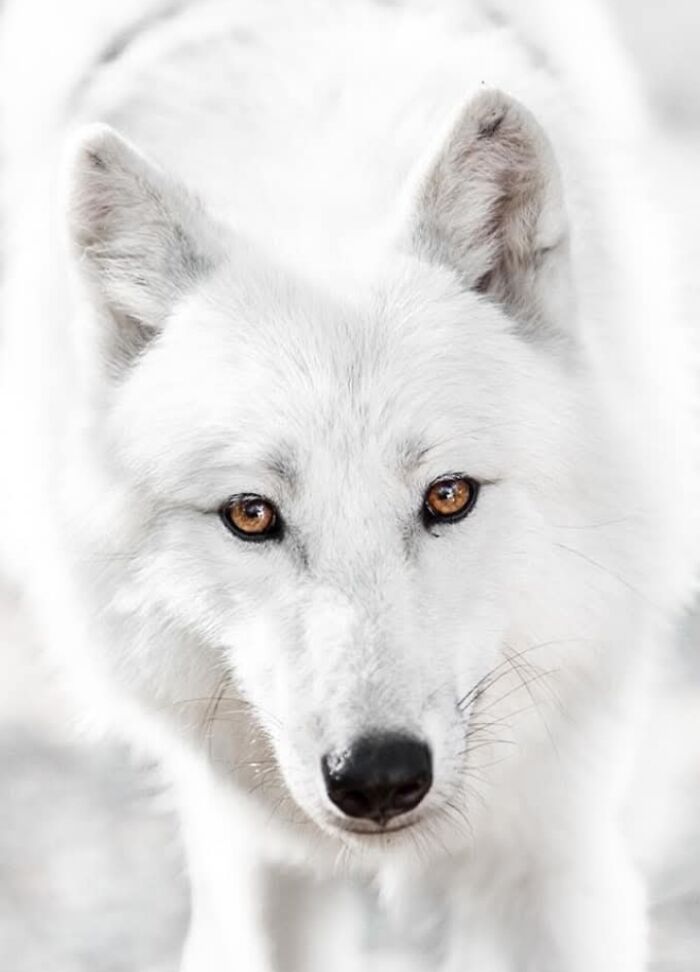
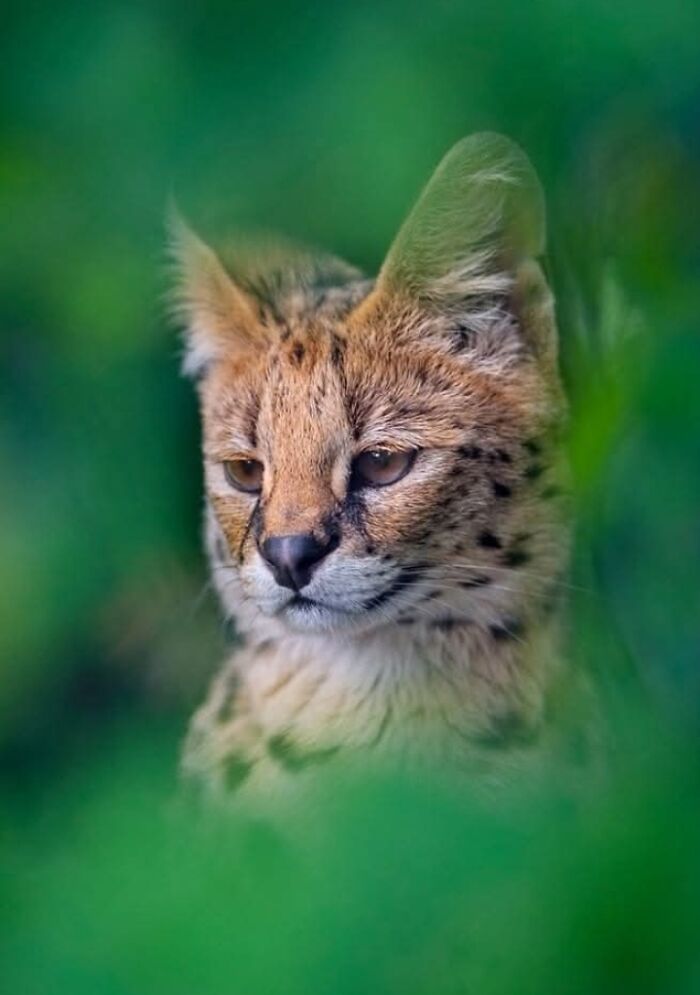
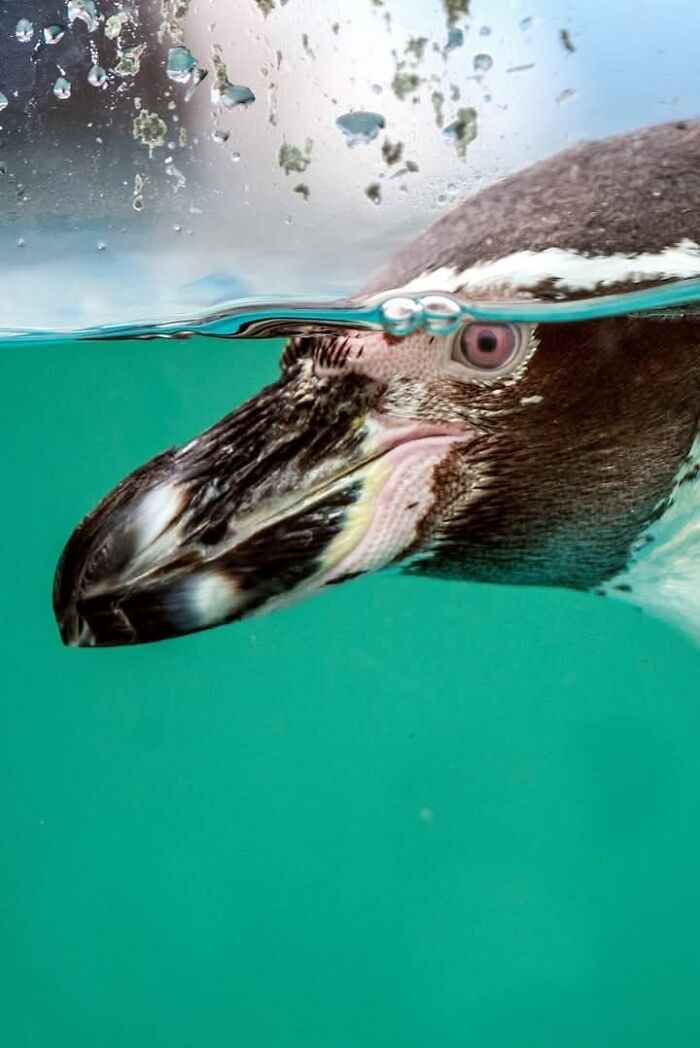
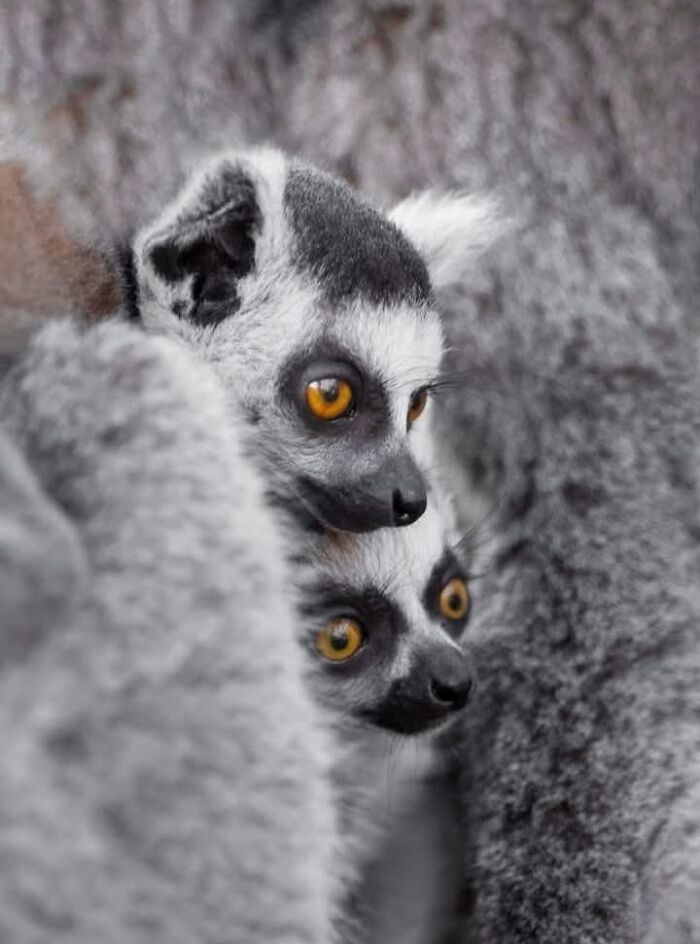
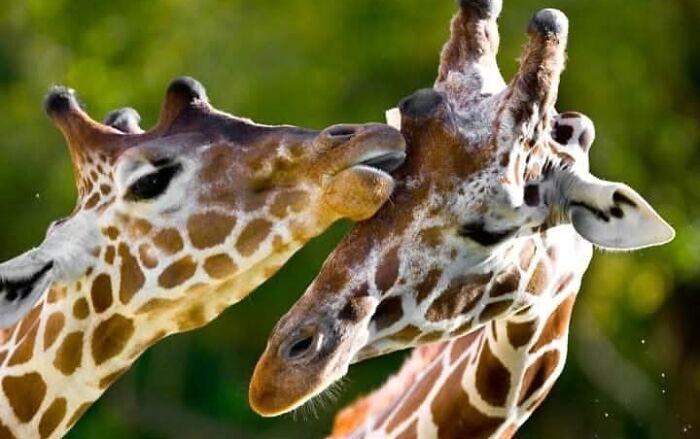
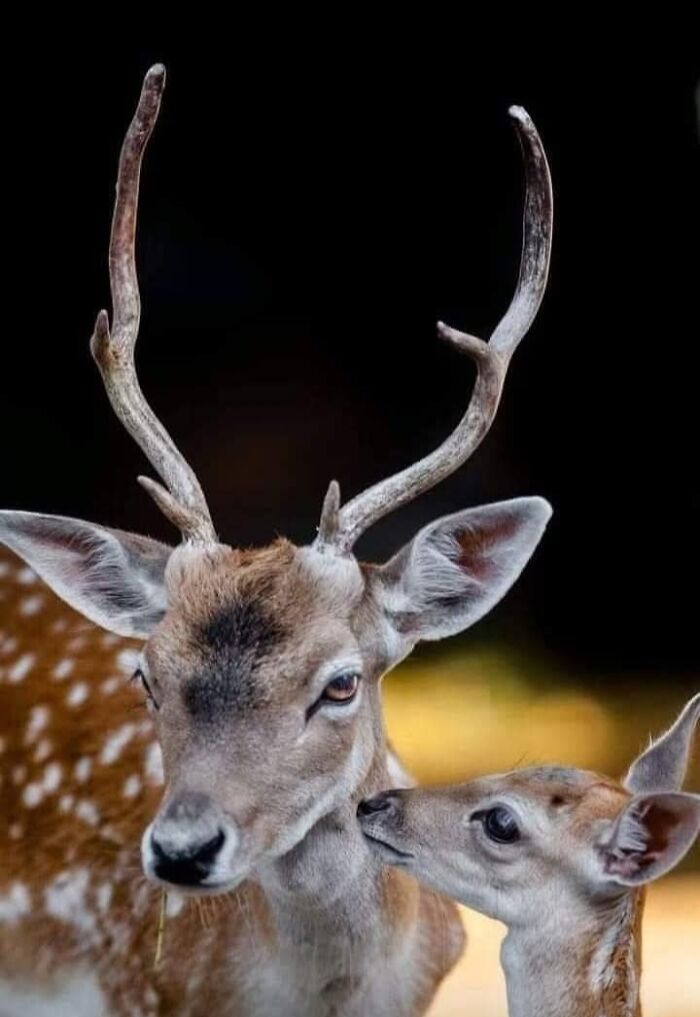
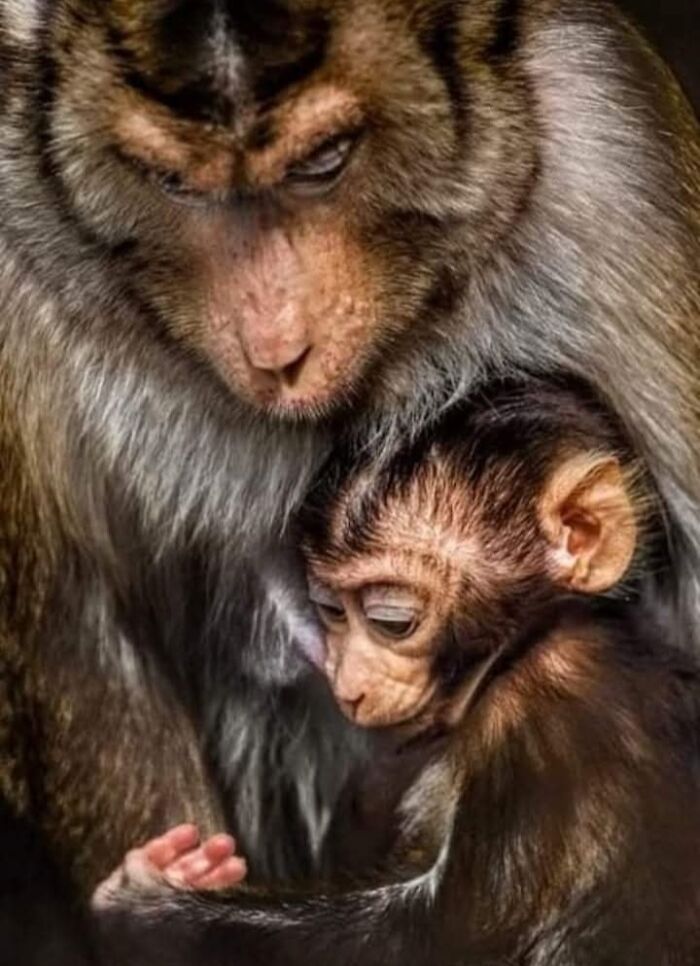
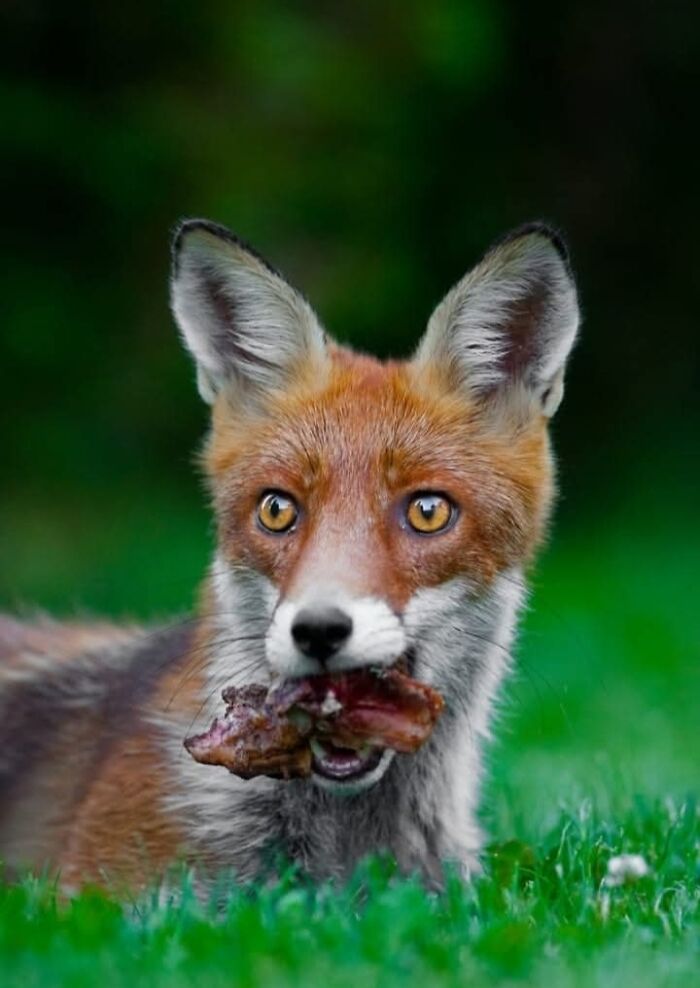
People often think great wildlife photos require helicopters, exotic expeditions, or equipment that costs a fortune. I don’t have any of that. I’m a wildlife photographer from Macedonia — no teams, no big budgets. Just patience, instinct, and a genuine connection with animals.
And somehow, the moments I capture have made their way to National Geographic, CNN, Daily Mail, The Times, and media outlets around the world. Not because I travel the globe… but because I understand the animals I photograph.
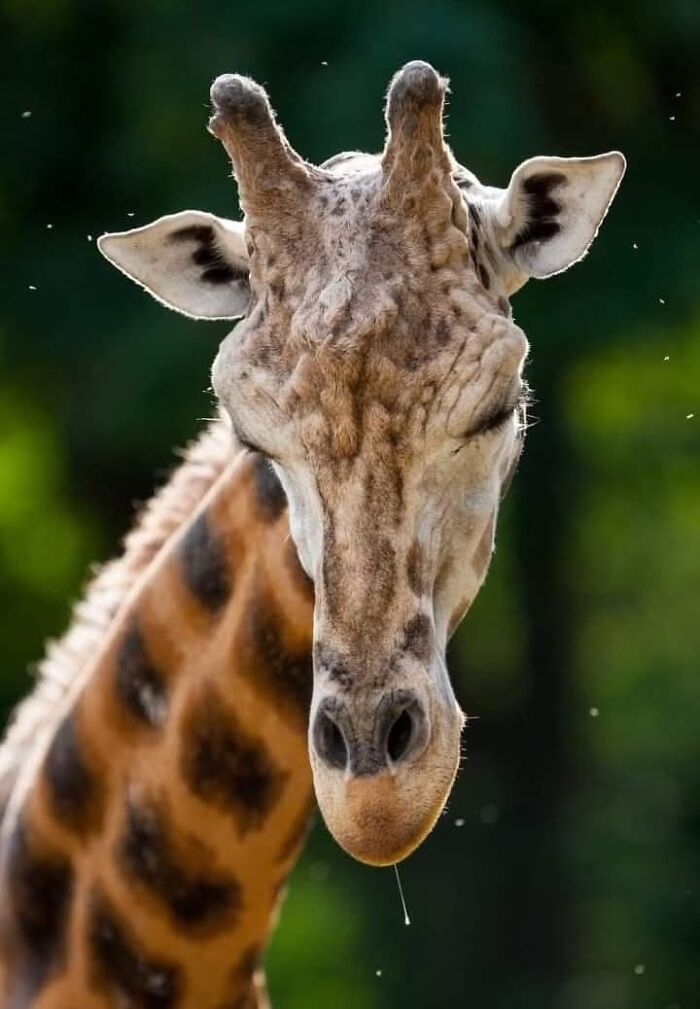
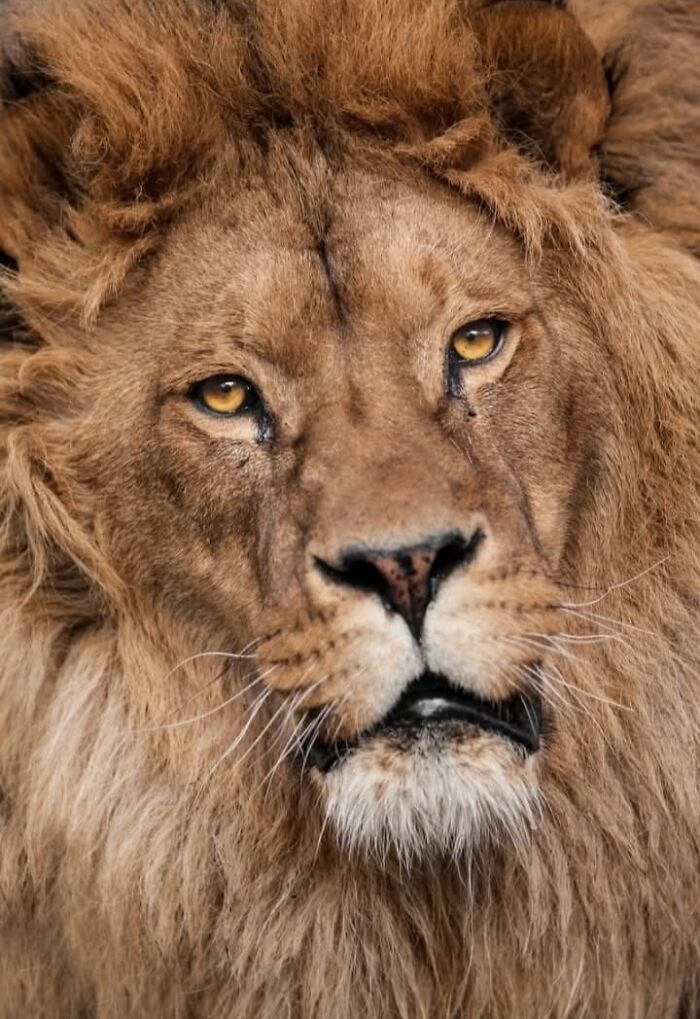
Here is a collection of moments that didn’t need a helicopter — only heart, timing, and trust.
Scroll down and meet the souls behind the fur and feathers.
More info: Instagram | Facebook
This post may include affiliate links.

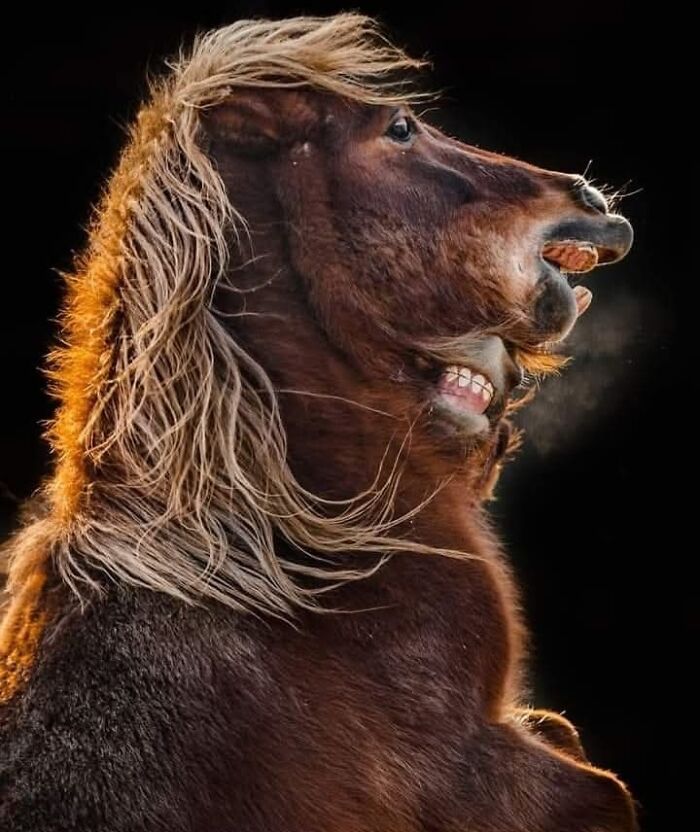
I know how nasty those bites can be. You need to respect horses if you spend any time around them.
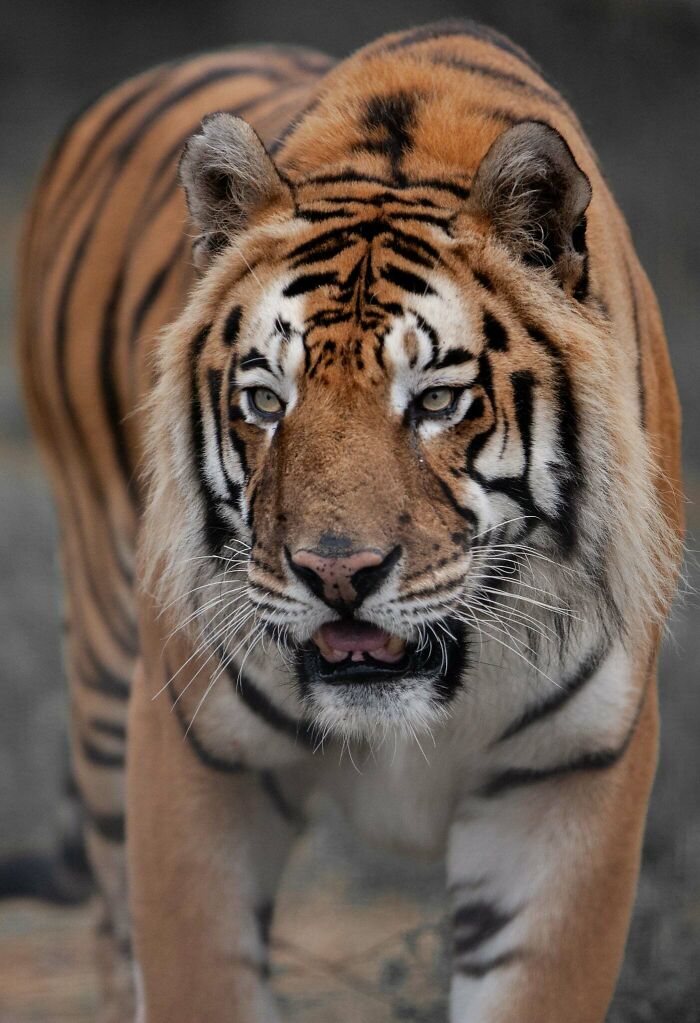
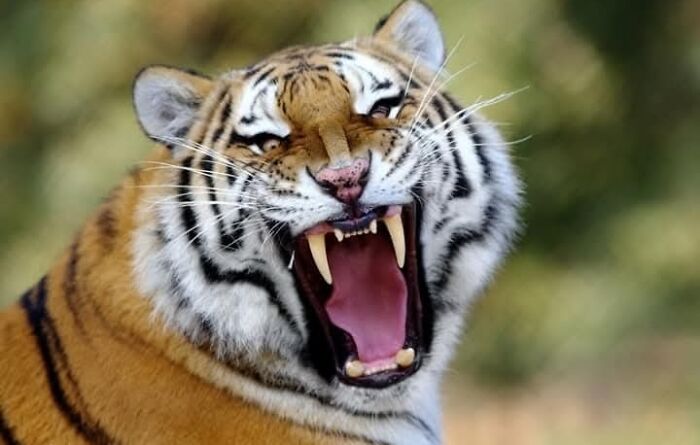
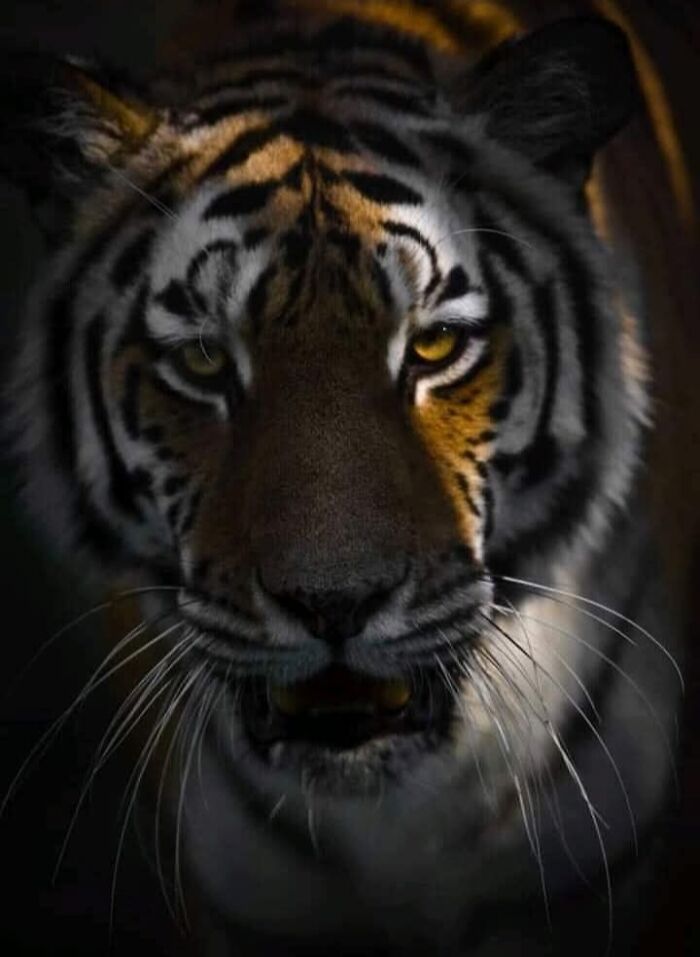
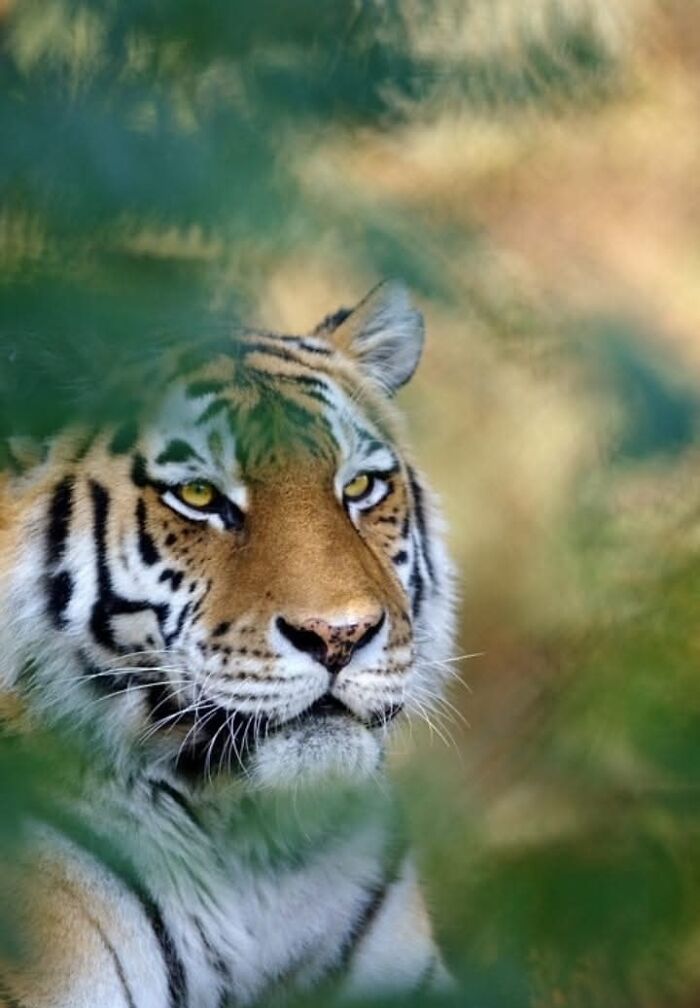
Tigers are so lovely and so HUGE. From Wiki: "Since the early 20th century, tiger populations have lost at least 93% of their historic range and are locally extinct in West and Central Asia, in large areas of China and on the islands of Java and Bali. Today, the tiger's range is severely fragmented. It is listed as Endangered on the IUCN Red List of Threatened Species, as its range is thought to have declined by 53% to 68% since the late 1990s. Major threats to tigers are habitat destruction and fragmentation due to deforestation, poaching for fur and the illegal trade of body parts for medicinal purposes. Tigers are also victims of human–wildlife conflict as they attack and prey on livestock in areas where natural prey is scarce."
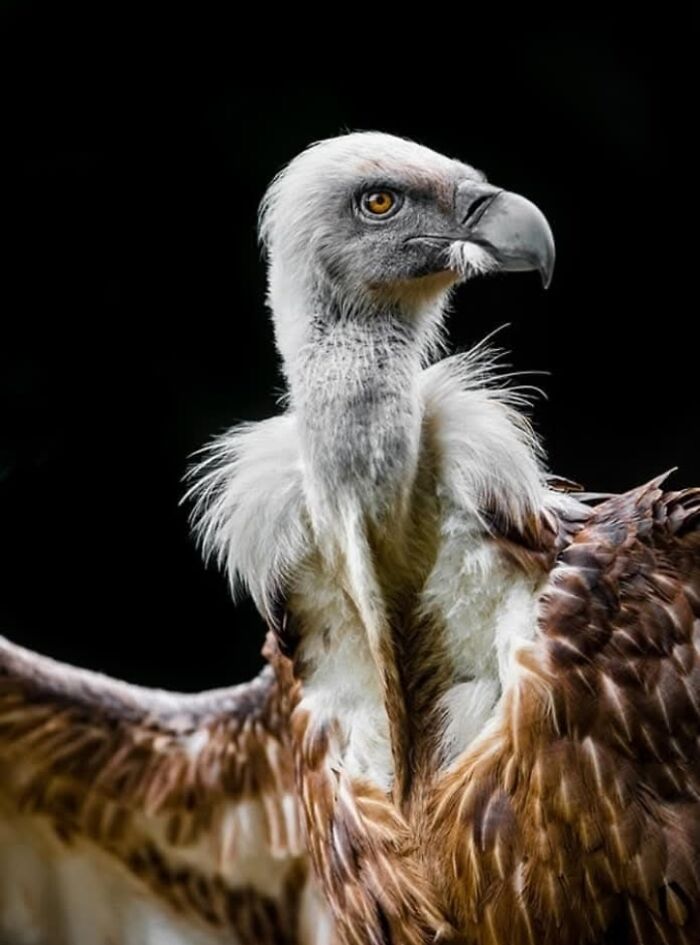
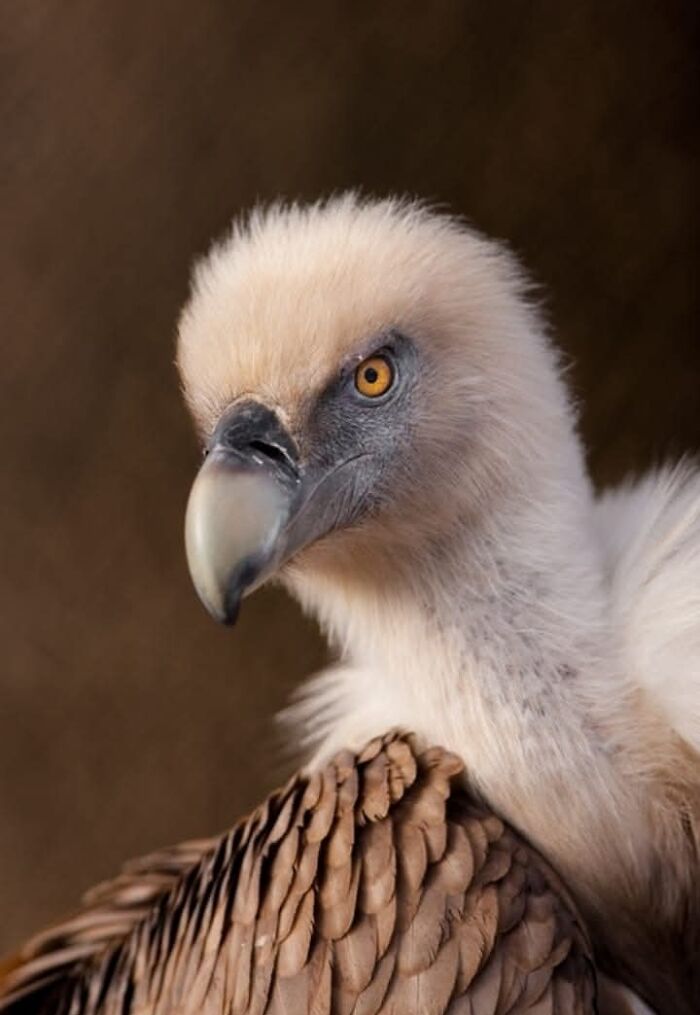
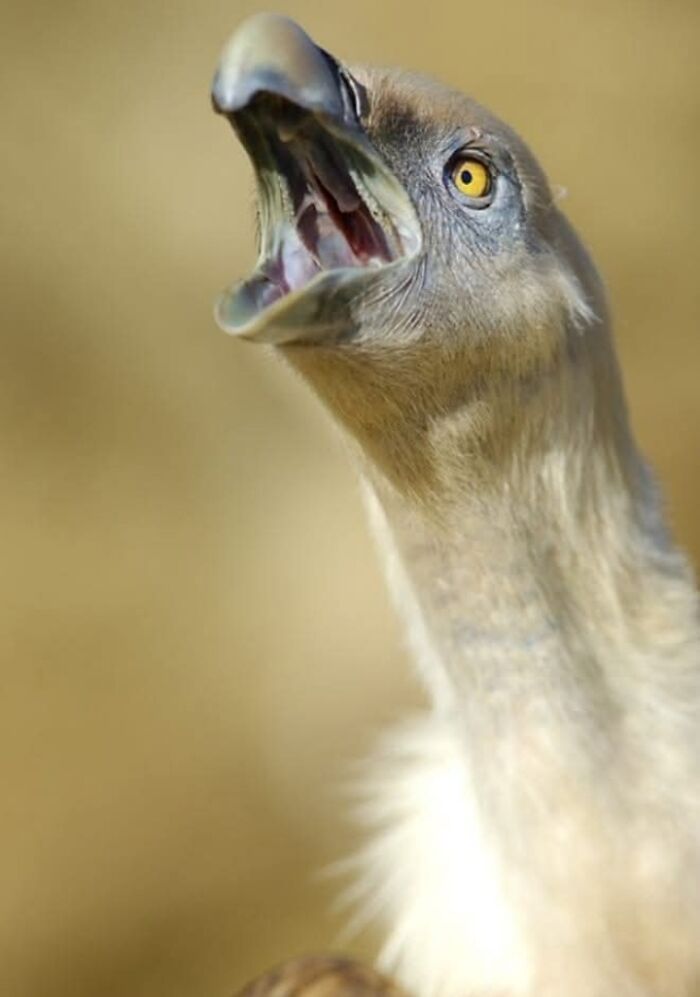
Eurasian griffin vulture. From Wiki: "Griffon vultures have been used as model organisms for the study of soaring and thermoregulation. The energy costs of level flight tend to be high, prompting alternatives to flapping in larger birds. Vultures in particular utilize more efficient flying methods such as soaring. Compared to other birds, which elevate their metabolic rate to upwards of 16 times their basal metabolic rate in flight, soaring griffon vultures expend about 1.43 times their basal metabolic rate in flight. Griffon vultures are also efficient flyers in their ability to return to a resting heart rate after flight within ten minutes."


































 No fees, cancel anytime
 then open in external browser


 and click "Open in External Browser"