Get Premium
Dark mode theme is available exclusively for premium users. Learn more about the benefits of subscribing.
No fees, cancel anytime.

 Dark Mode Ad-Free Browsing Unlimited Content
 Ad-Free Browsing Unlimited Content Dark Mode
Join 1.2 million Panda readers who get the best art, memes, and fun stories every week!
If you learned your history from an old, dusty textbook, you’d be forgiven for thinking it’s just a collection of dry facts and dates. Sure, those things matter: they tell us what happened, when it happened and who was involved. But they miss out on all the texture and all the real faces that make our past so fascinating—and at times, so unsettling. Sometimes, even a single photograph can do what paragraphs of text can’t: make history feel within reach.
And I’m not just talking about those iconic images we’ve all seen a hundred times. Sometimes, the most memorable images are the ones that capture a bizarre moment, reveal something people would rather have forgotten, or simply show us a side of everyday life that’s mind-boggling to modern eyes. Those are the kinds of images we’ve gathered for you here. Some are strange, some are fascinating, and some are quietly devastating. Together, they offer glimpses into a past that was often wilder, darker and far less predictable than many of us might realize.
This post may include affiliate links.
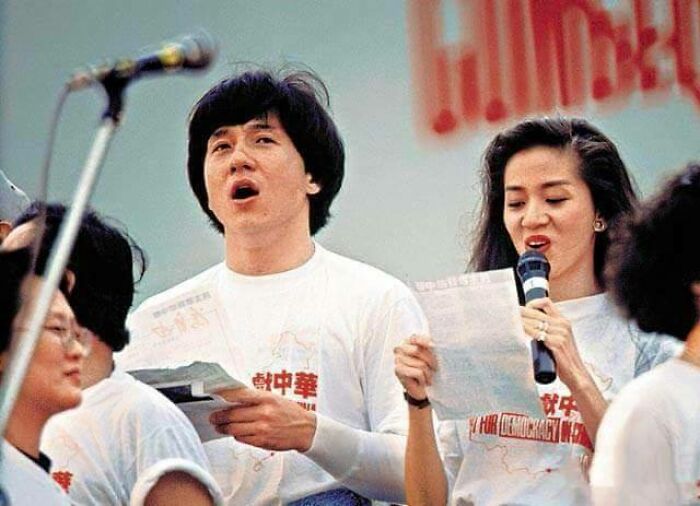
After Being Sentenced She Reportedly Smiled At The Judge And Said "20 Years? Your Government Won't Last That Long." - 1968

Wikipedia: Võ Thị Thắng did not serve her full 20-year sentence. After being sentenced to 20 years of hard labor in July 1968, she served less than six years. She was released on March 7, 1974, under the terms of the Paris Peace Accords. Thắng retired in 2007 and died on 22 August 2014.

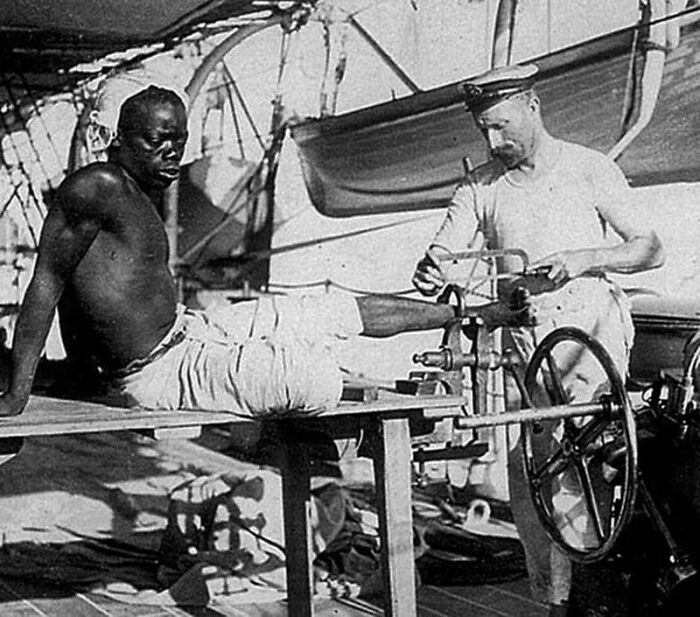
This ship was the HMS Sphinx, an anti-slavery patroll vessel sailing just off the coast of Zanzibar and Mozambique. The man being freed is from a group who escaped from a s***e trading village after hearing that a Royal Navy ship was in the area. After freeing the men, the sailors asked them about the traders, went ashore to hunt for them, and captured two.

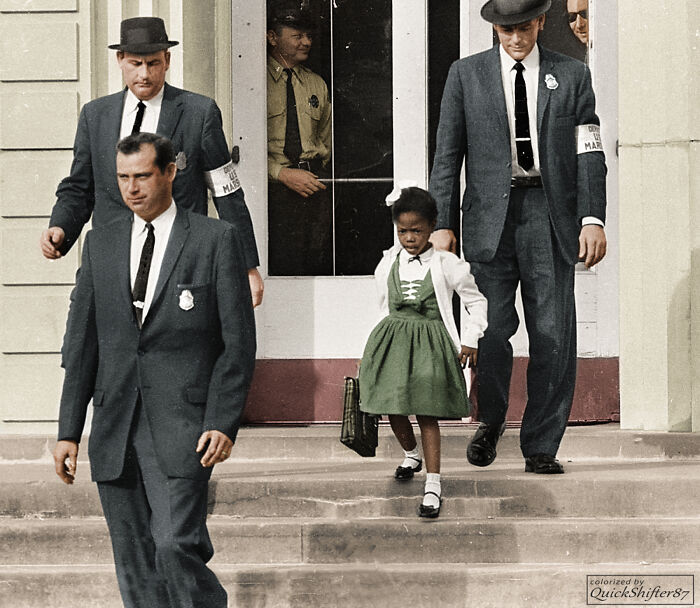
And let us not forget that Ruby Bridges is still with us, and still a civil rights activist, aged 71.
Racism is absolutely a learned behaviour. We need to remember that. People need to do better. If a 4ish year old can do it, adults can too
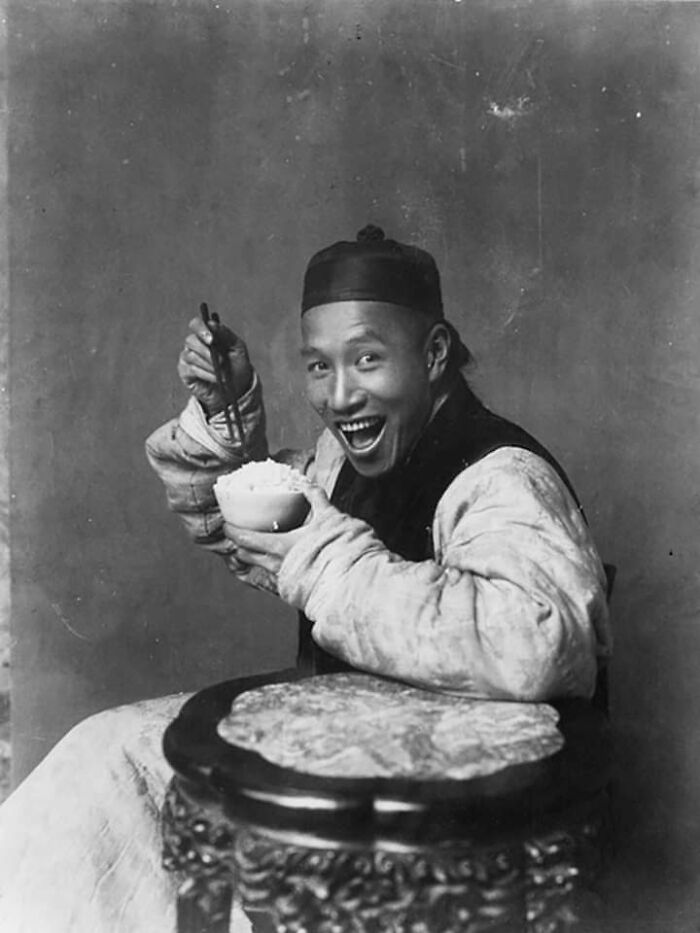
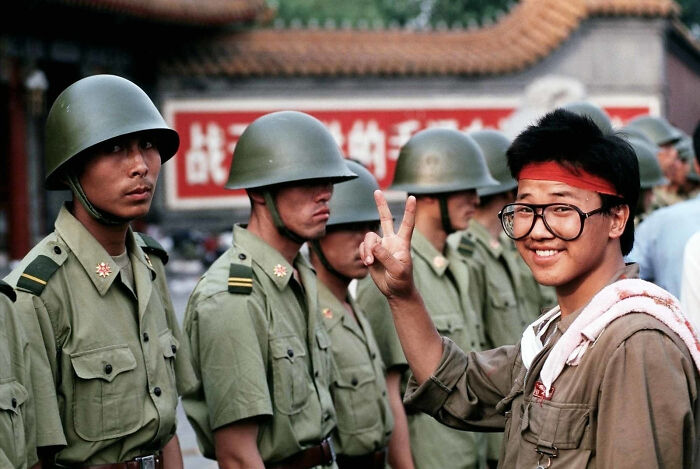
The Chinese Didn't Know Photos Were A "Serious Matter" And Decided To Be Goofy, Hence The Pose And Smile.
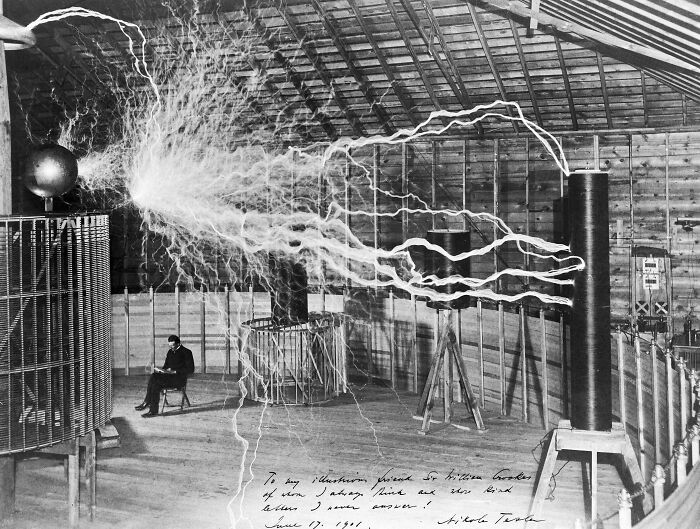
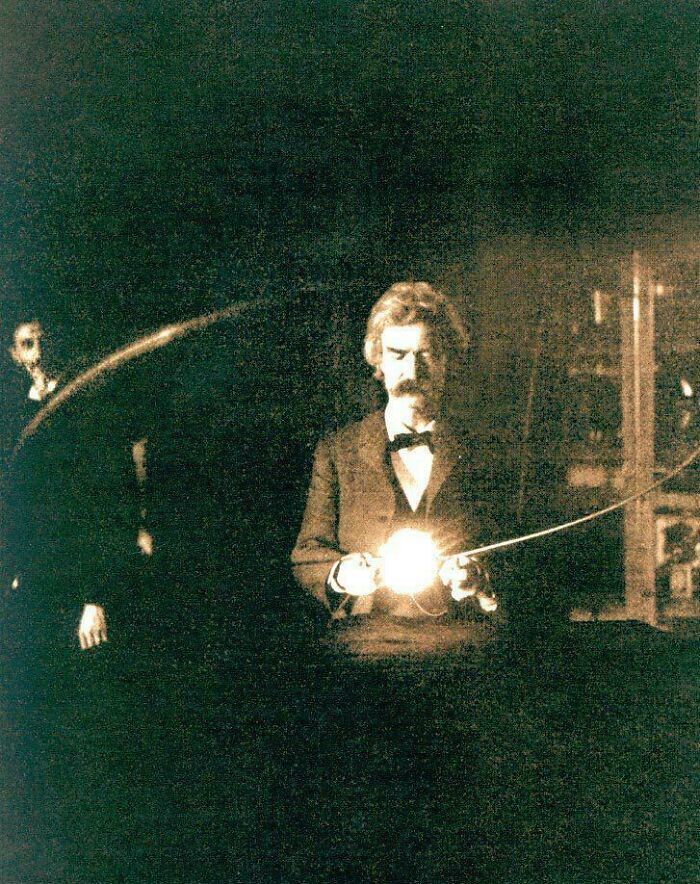
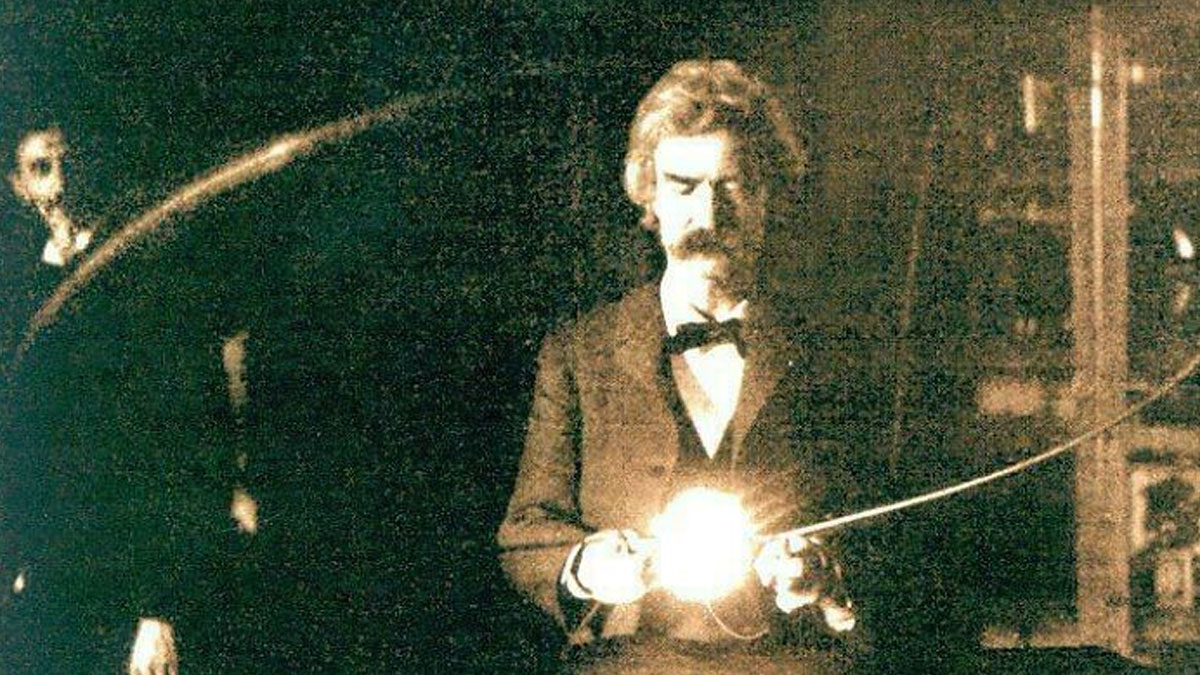
This is a real period photograph, but Tesla was not sitting there while the arcs were firing. Photographer Dickenson V. Alley first exposed the plate with the laboratory's electrical discharge, then exposed it again with the equipment off and Tesla seated in the chair. The result was one of history's most effective pieces of scientific showmanship.

Can't wait to hold Stephen Miller and the rest of Trump's entourage accountable. Trump will escape any punishment as he always has.

It's reported on Reddit that he found them & the outcome was good.
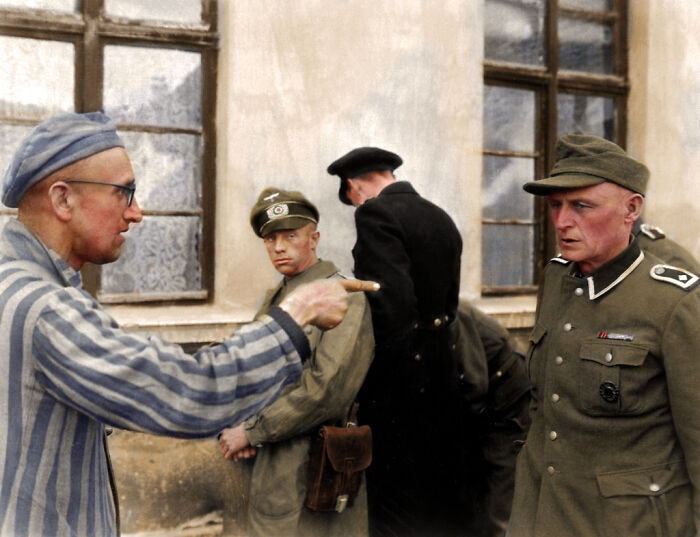
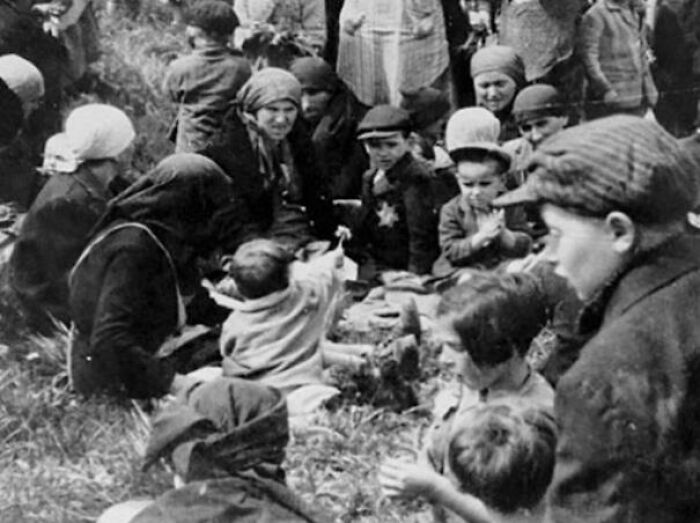
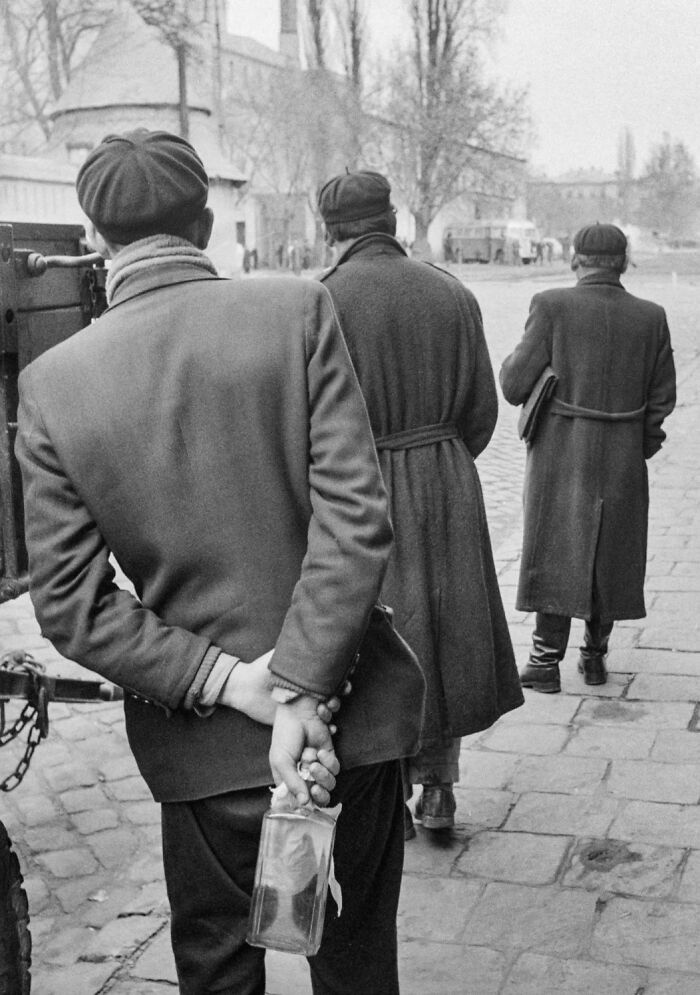
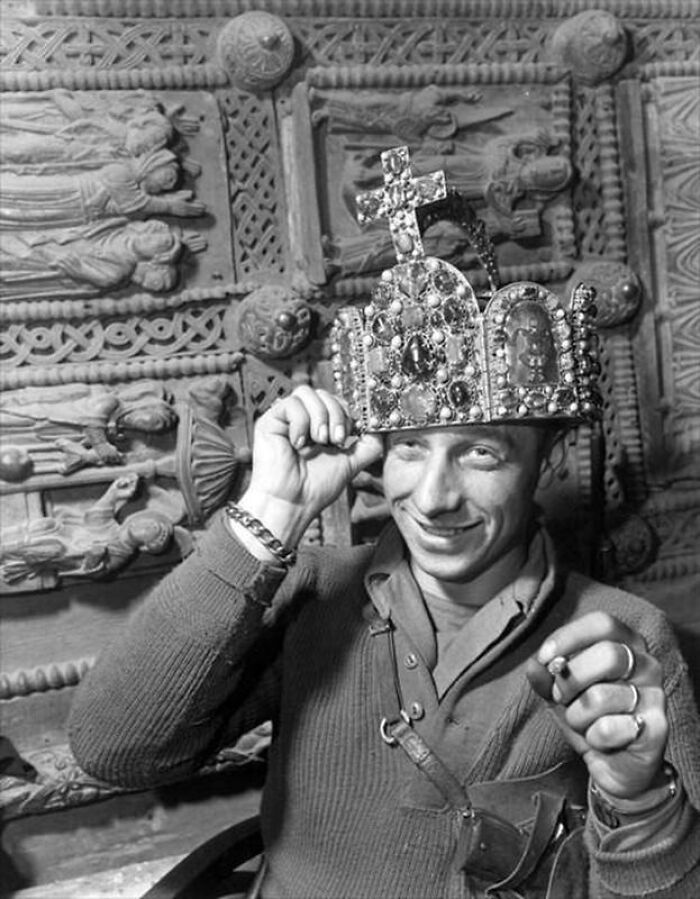
For context, these were recently-arrived deportees, from "Hungarian-controlled territory, very probably the Carpathian region" on arrival at the camp, waiting for their fate to be decided (which is why they're still quite well dressed in civilian clothes). It's in the photo collection at the museum there.
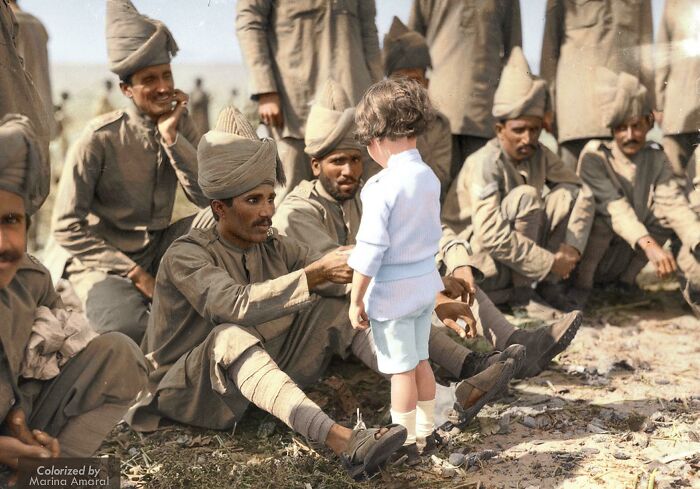
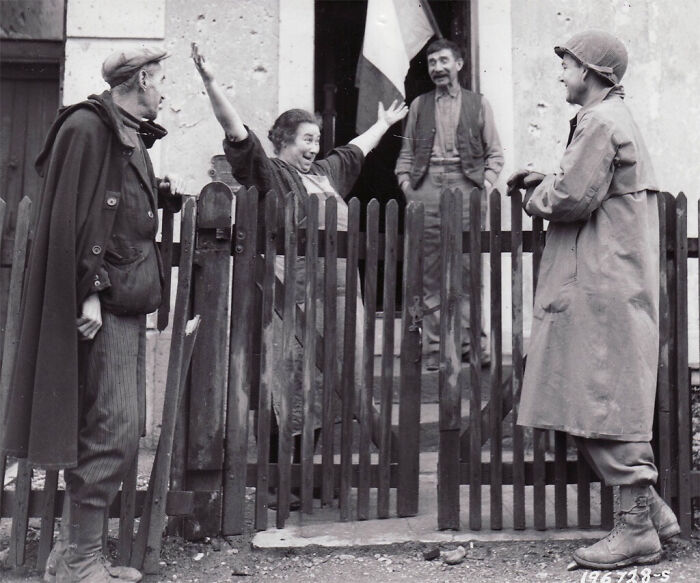
Although the people in the photo aren't named, it was taken by a U.S. Army Signal Corps photographer named Leibowitz, on November 25th 1944, in Belfort, south of Strasbourg.
Mark Twain is holding one of Tesla's experimental vacuum lamps during a visit to the inventor's New York laboratory. The lamp was illuminated by Tesla's h**h-frequency apparatus without a conventional wired connection to the power source. Tesla is the barely visible figure at the left. The photograph appeared with T. C. Martin's article “Tesla's Oscillator and Other Inventions” in *The Century Magazine* in 1895.
BP, why the heck are you censoring the word "high" in this context? Weirdos.
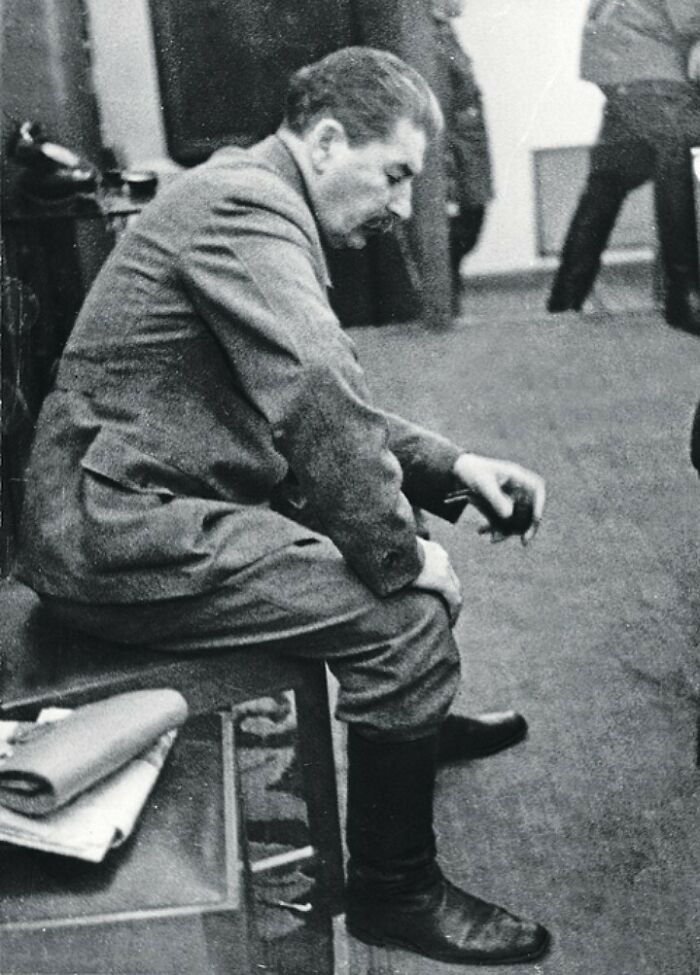
It Was Taken By Komsomolskaya Pravda, Editor In Chief. He Was Ordered To Destroy It, But Instead Saved It. June 22, 1941
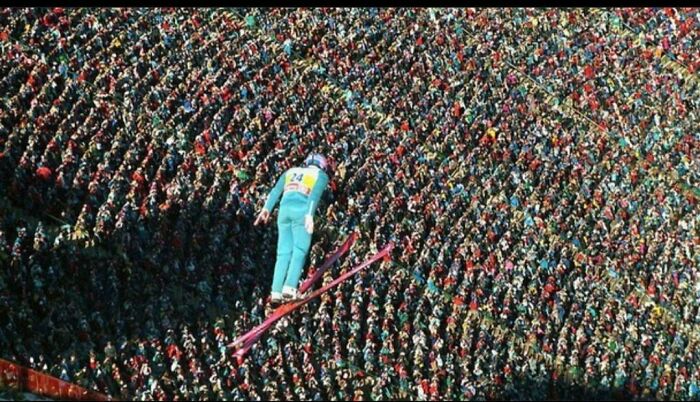
Those responsible for selecting the British Olympic team at the time did everything they could, including changing the rules, to prevent him from qualifying and being selected. I highly recommend the film Eddie the Eagle with Taron Egerton and Hugh Jackman.
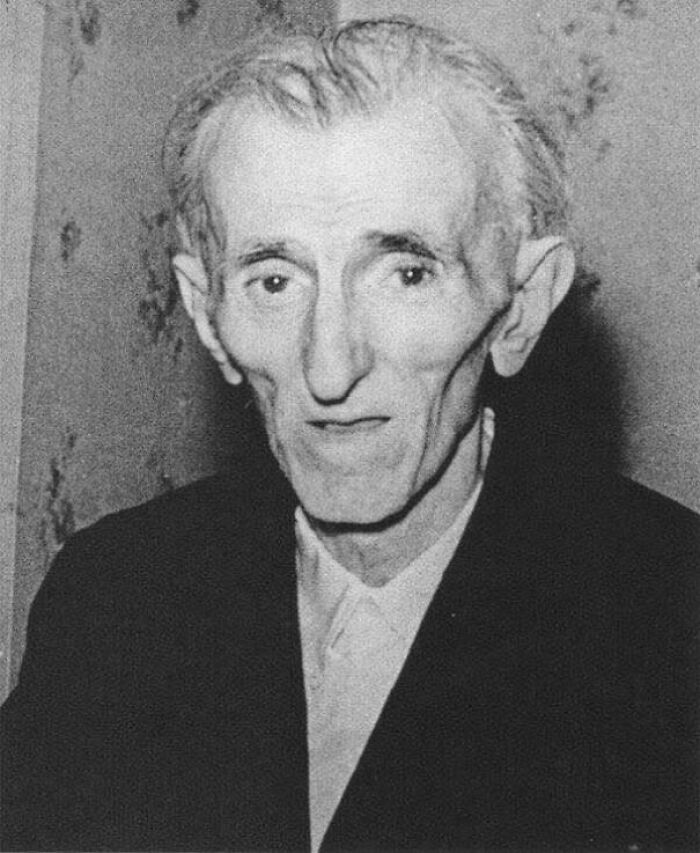
He died in poverty and never got to see the impact his genius would have on the world.

We knew back then that exposure to inimical biomass strengthens your syst.

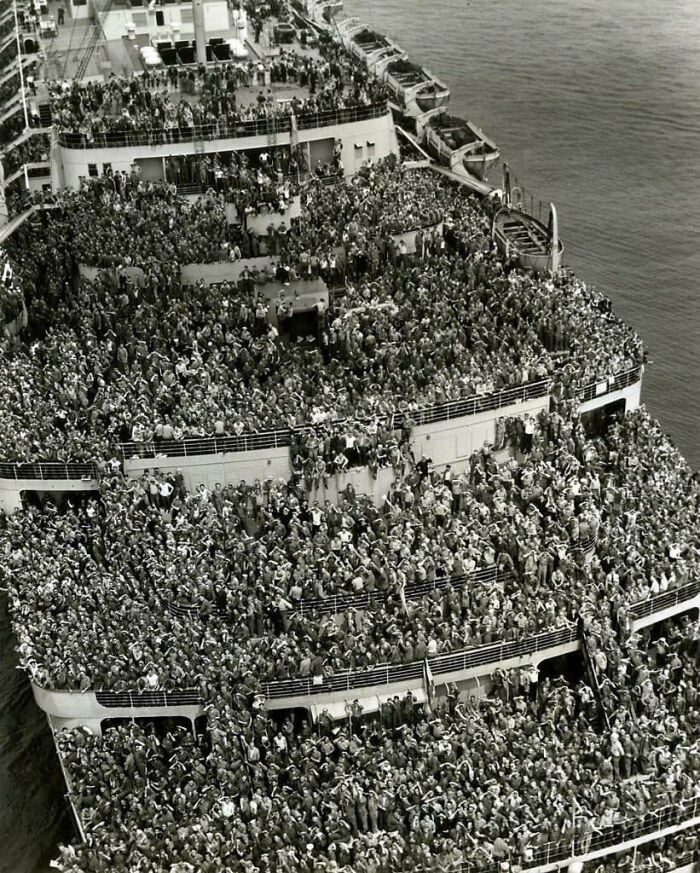
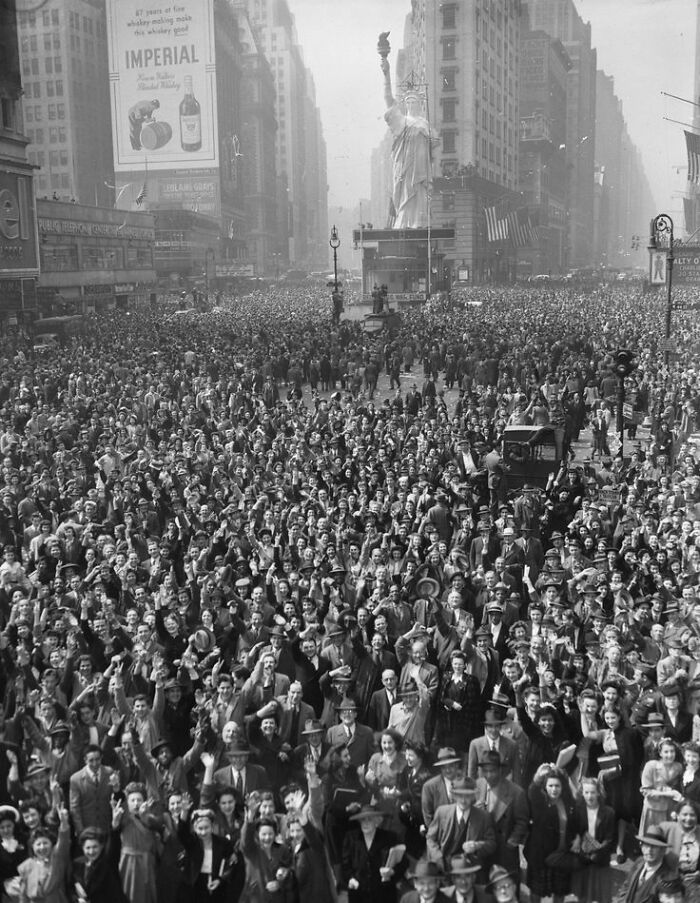
My uncle came home on this ship when WW2 ended. "This is troopship Queen Elisabeth. Queen Elizabeth and Queen Mary were used as troop transports during the Second World War." "Her carrying capacity was over 15,000 troops and over 900 crew." "It looks crowded because everyone is on deck as it is pulling into the harbor (look at the top of the picture). According to Eisenhower’s memoir, some troops were complaining to the press about the slow rate at which they were being returned to the States. He got wind of this and asked a big gathering of troops at an event he was attending whether they wanted to continue filling the ships at normal capacity or be crammed the hell into them to get home as soon as possible. They overwhelmingly applauded the latter option." (Crowded Ship Bringing American Troops Back to New York Harbor after V-Day, 1945, Rare Historical Photos).
"If you think going to the moon is hard, try staying home." – Barbara Cernan
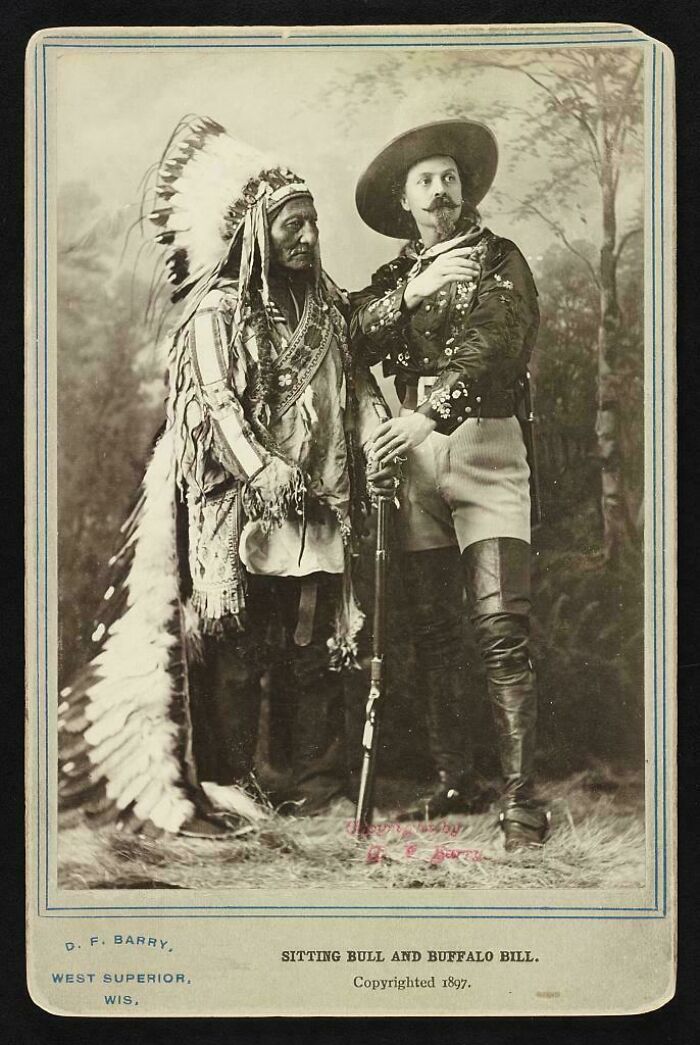
William Notman & Son made this portrait in Montreal in August 1885. Sitting Bull had permission to tour with Buffalo Bill Cody's show for one season and became one of its headliners. The National Park Service says the two men became friends and that Cody gave him a trained gray horse. Wild West shows offered Native performers income and travel, but they also packaged and reinforced stereotypes for paying audiences.
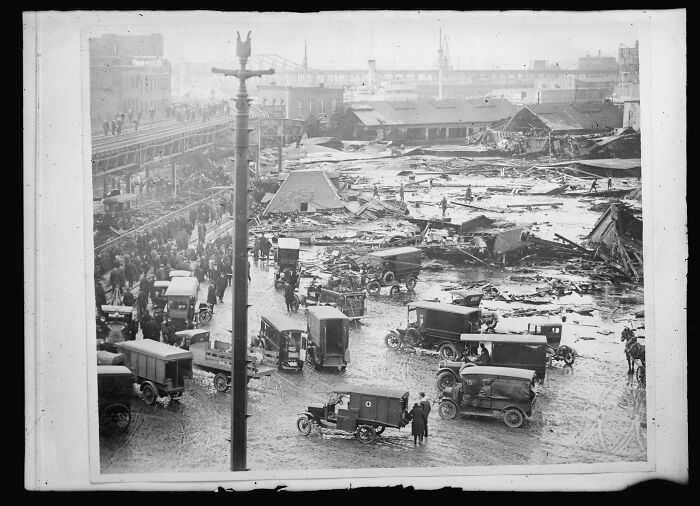
On January 15, 1919, a storage tank containing more than 2.3 million gallons of molasses collapsed in Boston's North End. Contemporary estimates put the first wave as h**h as 15 feet and moving at roughly 35 mph. It k**led 21 people, injured about 150 and smashed buildings and elevated-rail supports. A court-appointed auditor later found that structural weakness—not the sabotage alleged by the company caused the collapse.
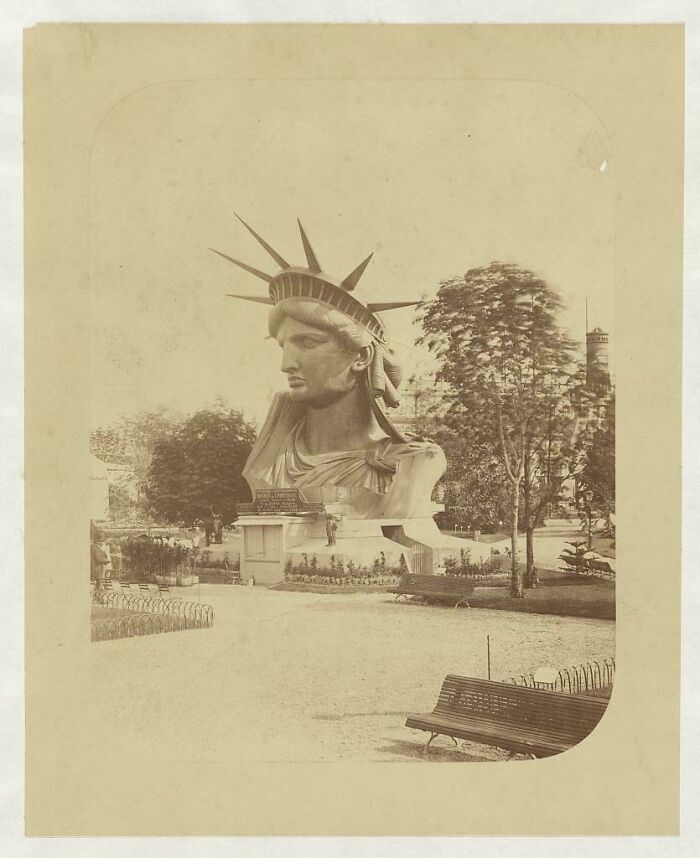
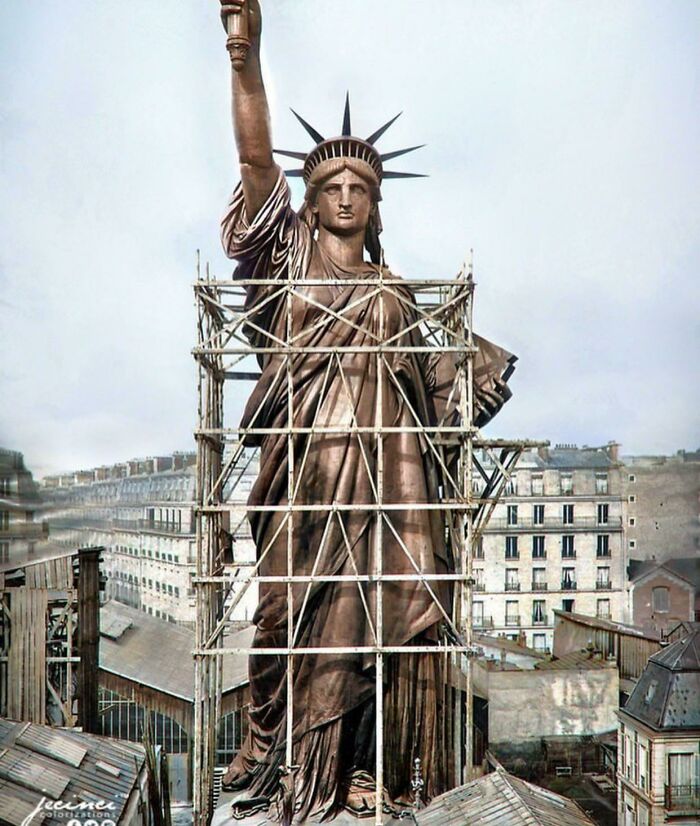
The statue's head and shoulders were completed in 1878 and displayed at the Paris Universal Exposition while fundraising continued. France financed the statue, while Americans were expected to finance its pedestal. The completed statue was dedicated in New York Harbor in 1886.

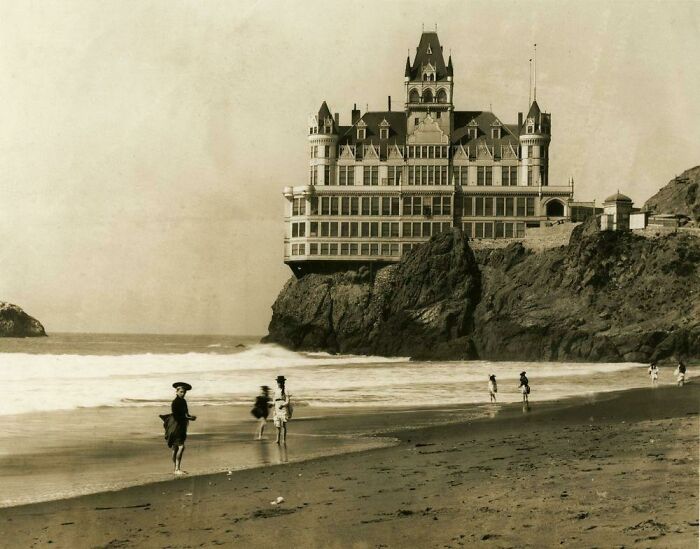
Sadly, San Francisco’s famous Cliff House restaurant closed on December 31, 2020, following pandemic losses and a dispute over its lease with the National Park Service. The historic building itself remains, and a new operator is restoring it. Current plans call for part of it—possibly the street-level café—to open in 2026, followed by the rest of the restaurants. It is also expected to keep the beloved Cliff House name and eventually restore the famous rooftop sign.
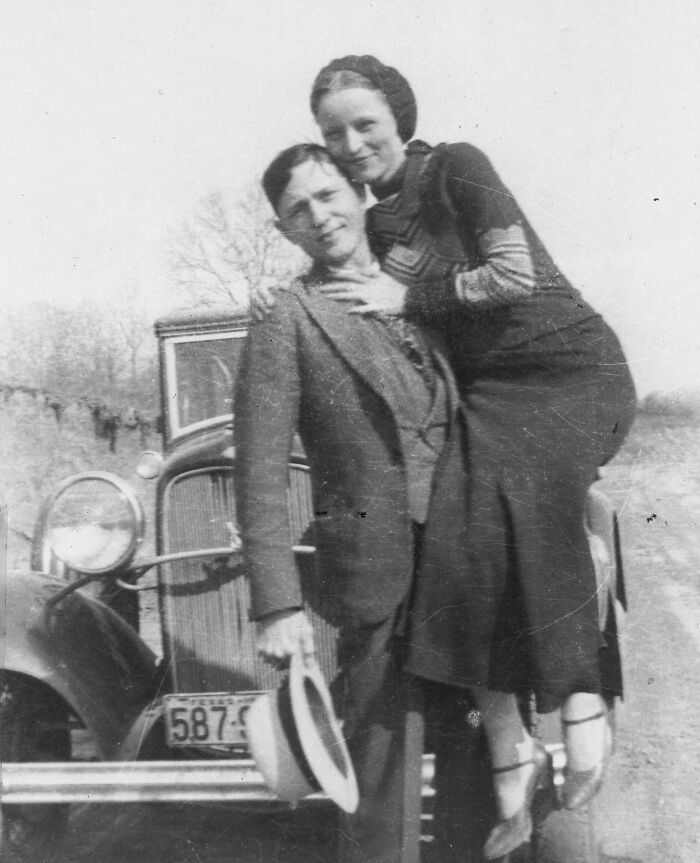
The smiling photograph helped create a romantic outlaw image, but their actual crime spree involved robbery, kidnapping, car theft, and k***ings. When officers ambushed and k**led the pair near Sailes, Louisiana, on May 23, 1934, authorities believed they had committed 13 m**ders. They were partners but, contrary to the common description, they were never married.
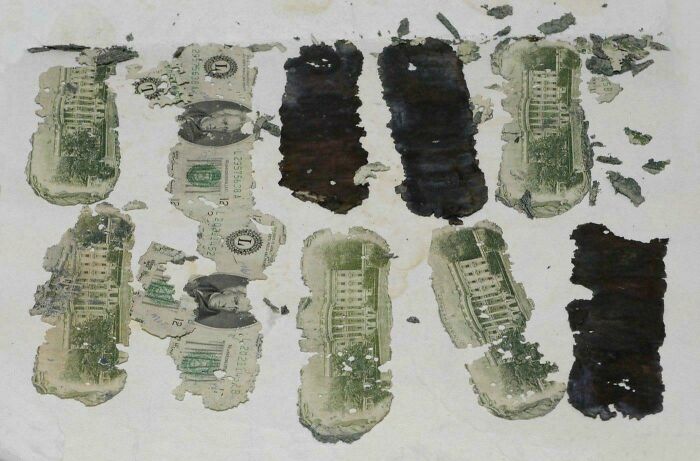
On November 24, 1971, a man using the name Dan Cooper hijacked Northwest Orient Flight 305, claimed to have a b*mb, and demanded four parachutes and $200,000 in $20 bills.
After releasing 36 passengers in Seattle, he ordered the plane back into the air and parachuted from its rear stairs into the night. His identity and fate remain unknown.
In February 1980, eight-year-old Brian Ingram found these decaying bills on a Columbia River sandbar. Their serial numbers matched Cooper's ransom; the $5,800 discovery remains the only recovered portion of the money. “D. B.” was a press-created name the hijacker called himself Dan Cooper.

I've read about DB Cooper so many times on here; I don't think I've ever heard about the recovered money before
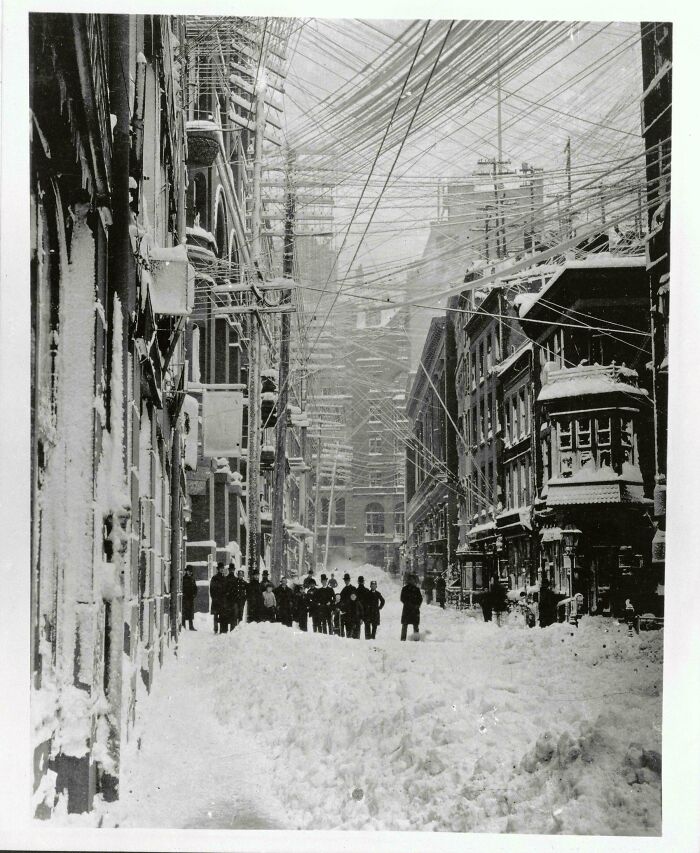
Central Park recorded 21 inches of snow from March 12–14, while much of the region received far more. The blizzard paralyzed transportation, snapped overhead telegraph and telephone lines, and k**led more than 400 people across the affected region about 200 of them in New York City.
They went pretty crazy with the overhead wires there for a little bit didn't they?
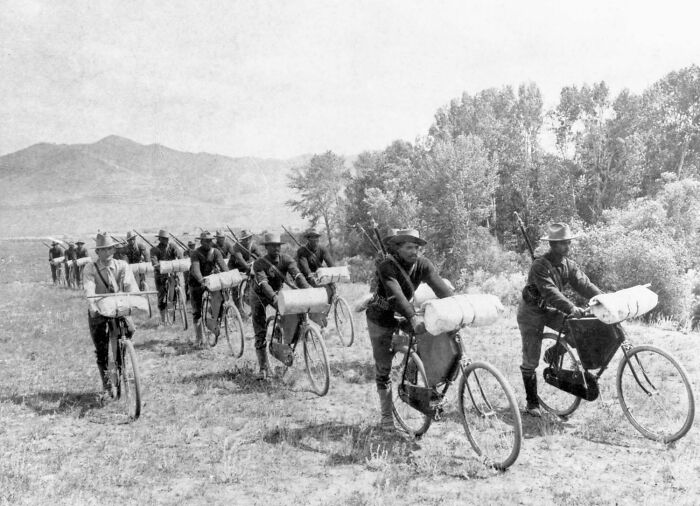
The men belonged to the 25th Infantry Bicycle Corps, an experimental unit of Black enlisted soldiers based at Fort Missoula. Each bicycle carried camping equipment, food, a rifle, ammunition and repair gear. The corps rode from Montana to St. Louis through mud, sand, rocks and mountain weather to test the bicycle as a military transport. The experiment ended as the Army shifted its attention to the Spanish-American War and, later, motor vehicles.

Uncredited by history, this photo also shows the beginning of the Buns of Steel era.
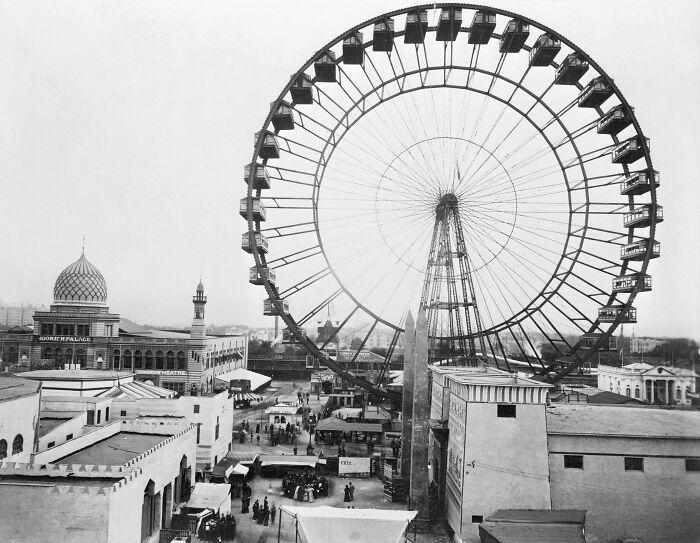
George Washington Gale Ferris Jr. designed the wheel as America's answer to the Eiffel Tower. It stood 264 feet tall and carried 36 passenger cars, each capable of holding 60 people—a total capacity of 2,160 riders.
After the closure of the 1904 World Fair, no one who wanted to purchase it could manage the relocation cost. Also, the Eiffel Tower was originally built to be a temporary exhibition at a World Fair, and was still classified as temporary until 1909, it's possible that the Chicago Wheel may have also been considered temporary.
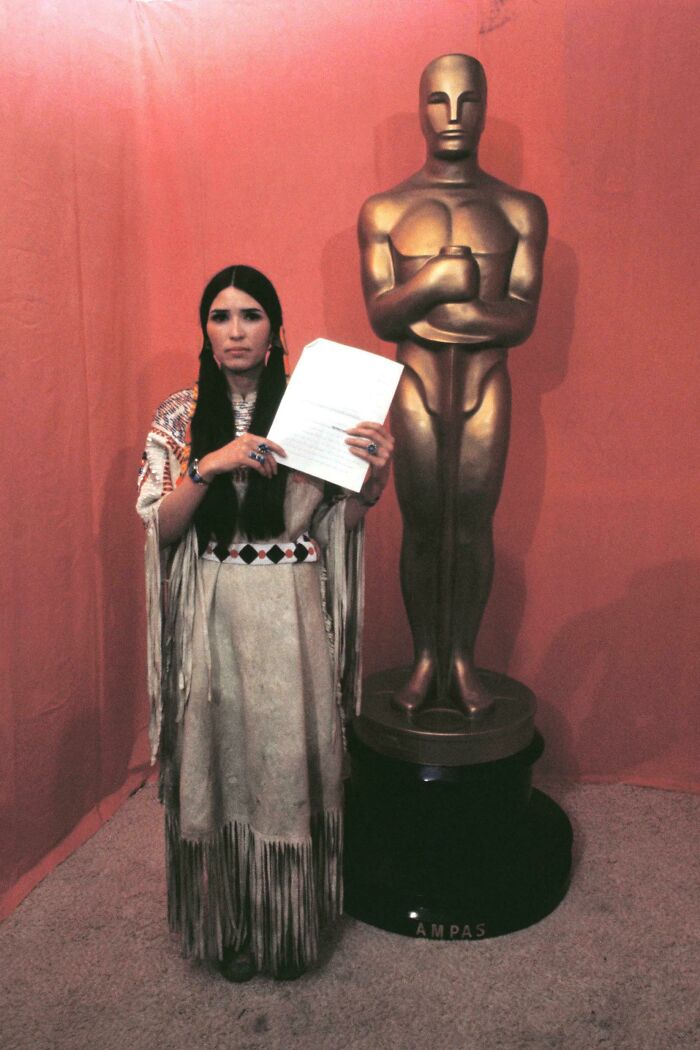
I'm with Brando on the message, but it's unfortunate that Littlefeather (nee Maria Louise Cruz) turned out to be what we now call a "pretendian", much like Buffy Sainte-Marie here in Canada.
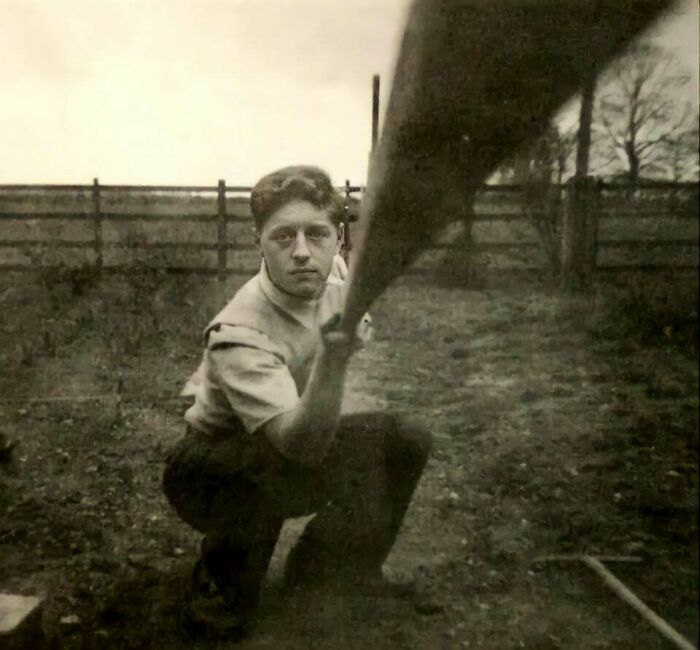
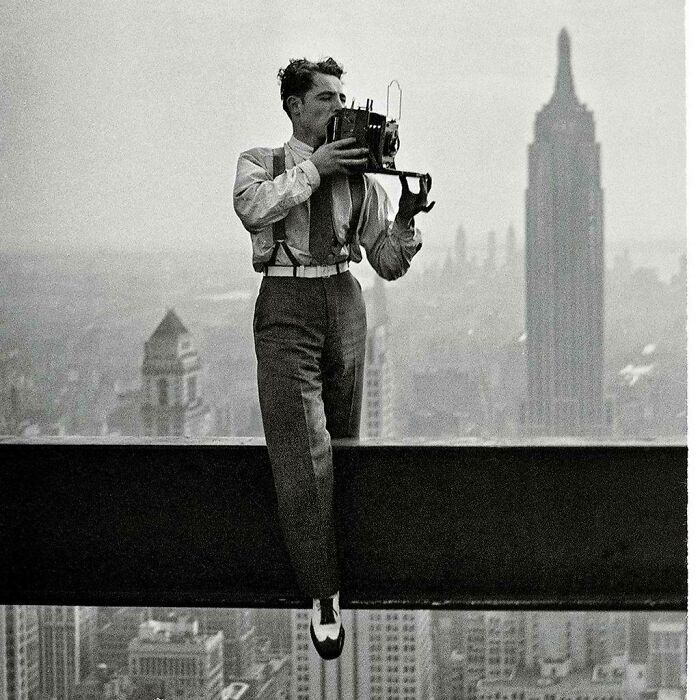
Can we get a photo of the photographer who's taking this photo of this photographer?
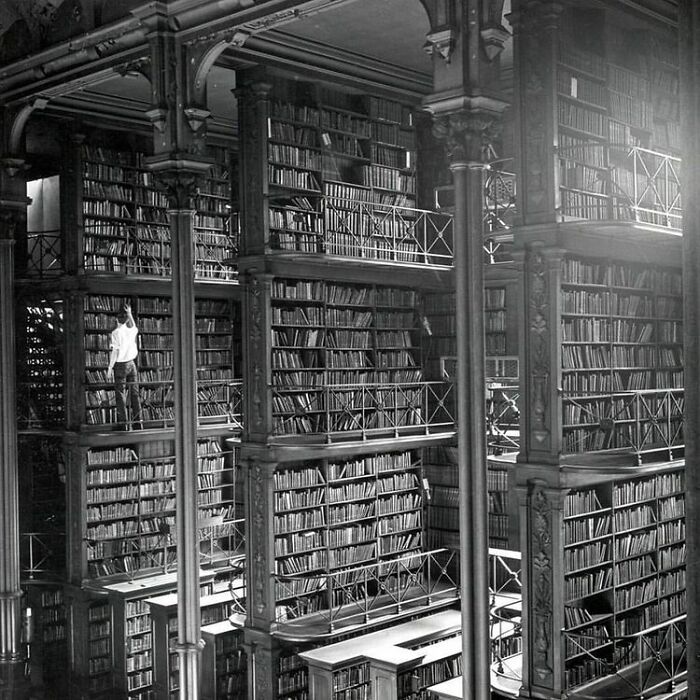
And again: this building was dangerous. No space, no ventilation, coal dust everywhere, books fell on people, people fell over those railings, going into the stacks was to only be done by staff because it was deemed too dangerous for patrons. The books didn't fit and were being damaged. Te current building is much bigger, fits everything, hs air and light, and won't hurt people will falling books or breathing in coal dust.

Stupid: Having such law in 1925 in a "modern" country. - Scary: The chance that it actually could return in said country 100 years later
1948 Buick Roadmaster Convertible. (This was one of the best post-war cars.)
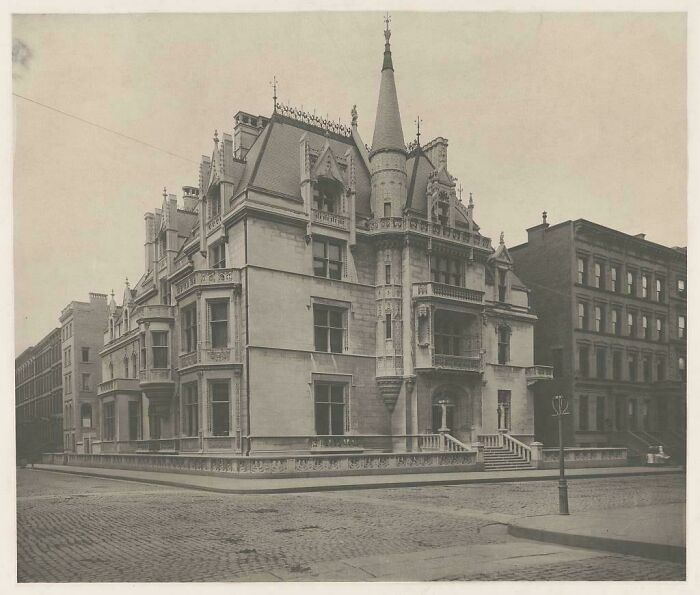
Designed by Richard Morris Hunt and completed in 1882, the French château-style mansion was Alva Vanderbilt's architectural declaration that the family belonged among New York's elite. Her March 26, 1883 costume ball drew nearly 1,200 guests and helped secure the Vanderbilts' acceptance into old-money society.
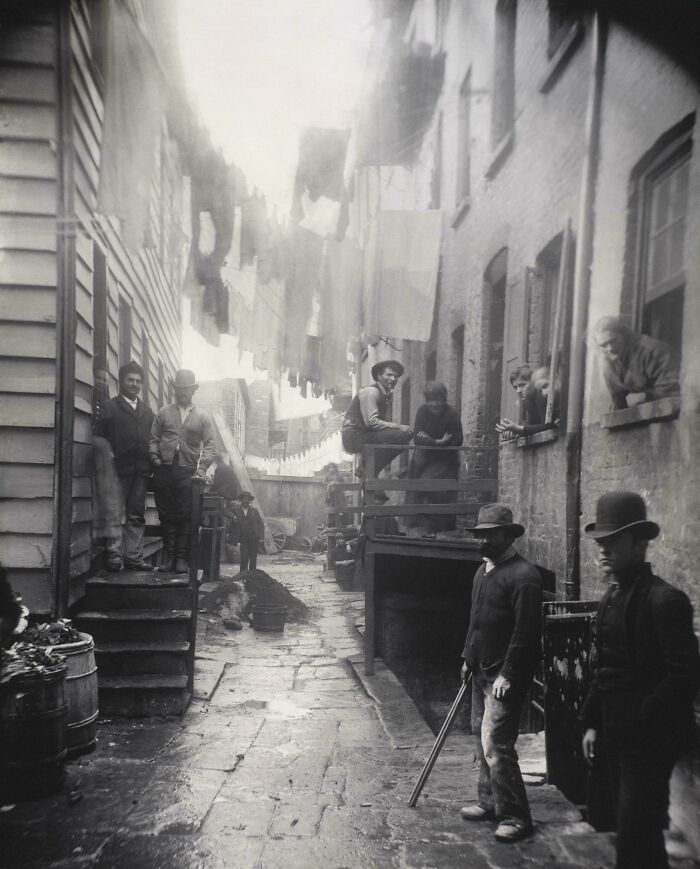
The alley stood in Mulberry Bend on Manhattan's Lower East Side, where immigrant families paid h**h rents for crowded rear tenements. Jacob Riis, Richard H*e Lawrence, and Henry G. Piffard photographed the area in 1887–1888 as part of Riis's campaign to expose urban poverty. Riis later published *How the Other Half Lives* in 1890.
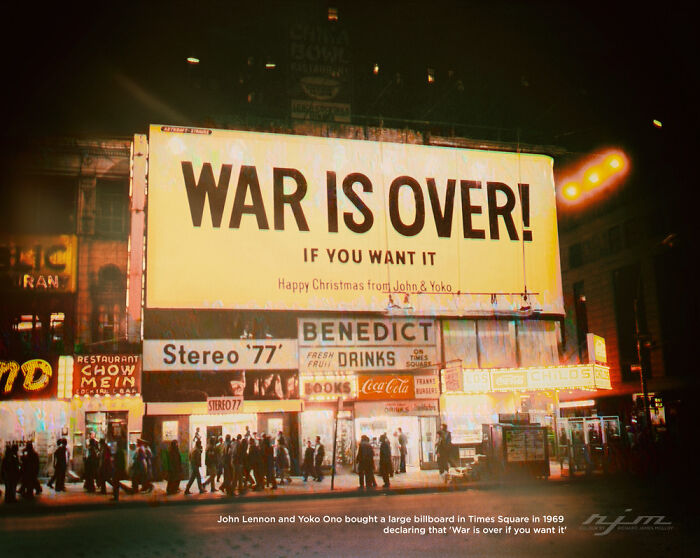
War is such a stupid way to settle an argument. It solves nothing and only takes innocent lives

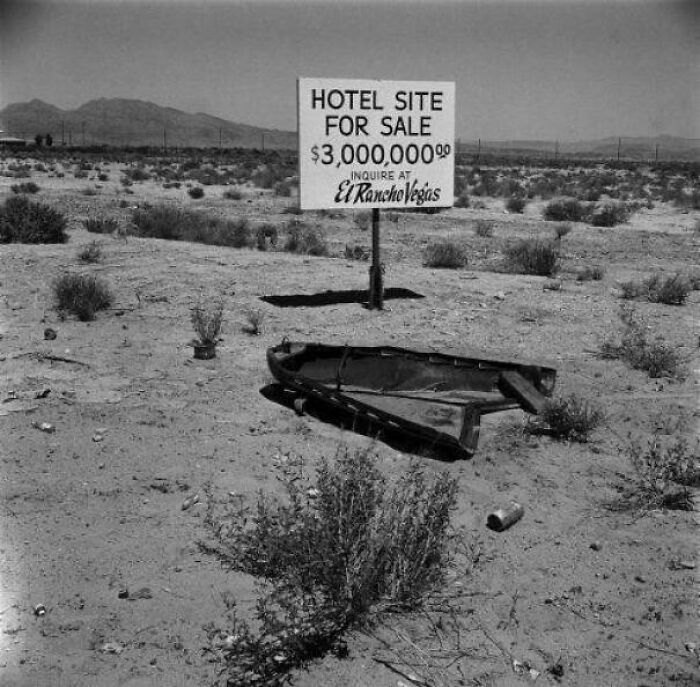
$3 mn in 1955 is worth ~$37 mn today. What would $37 mn buy you in Vegas nowadays I wonder?
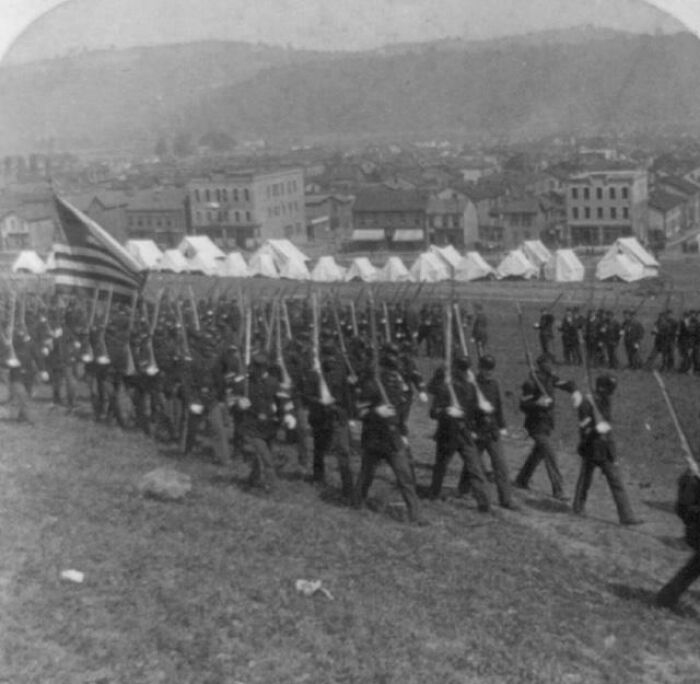
This photograph shows Pennsylvania state militia entering Homestead after the violent July 1892 confrontation between locked-out Carnegie steelworkers and Pinkerton guards. The militia's arrival placed the town under martial law and helped the company regain control of the mill.
Out of the frame someone is saying "Excuse me. Would you mind exchanging seats so I can sit..."
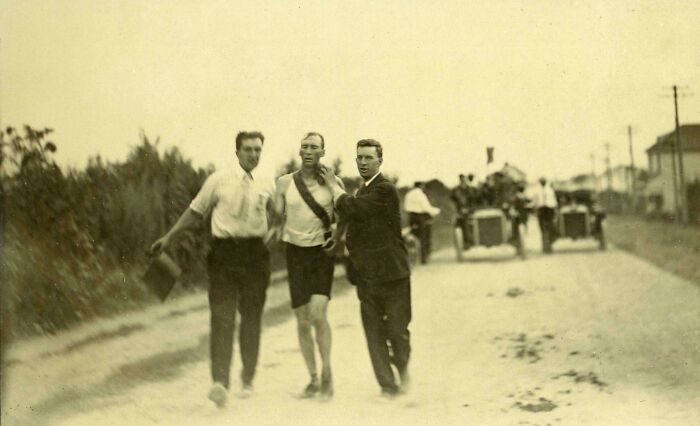
The St. Louis marathon was run in brutal heat and dust with only one planned water stop. Hicks's handlers gave him repeated small doses of strychnine mixed with egg white, then brandy, as stimulants. He crossed the line with attendants supporting him and was declared the winner. The same race also included Fred Lorz, who rode roughly 11 miles in a car before briefly being treated as the winner, and Len Tau, who was chased off course by dogs.

There is a famous pic of a woman in the Chair like this. A reporter attached a one shot camera to his leg and got the pic at the moment of electrical transformation, as it were
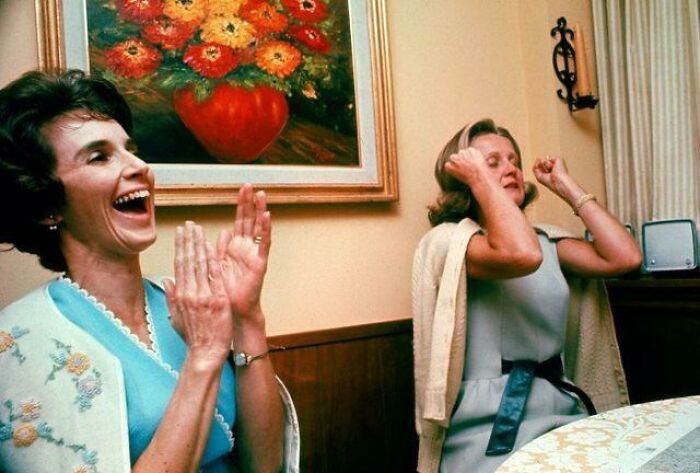
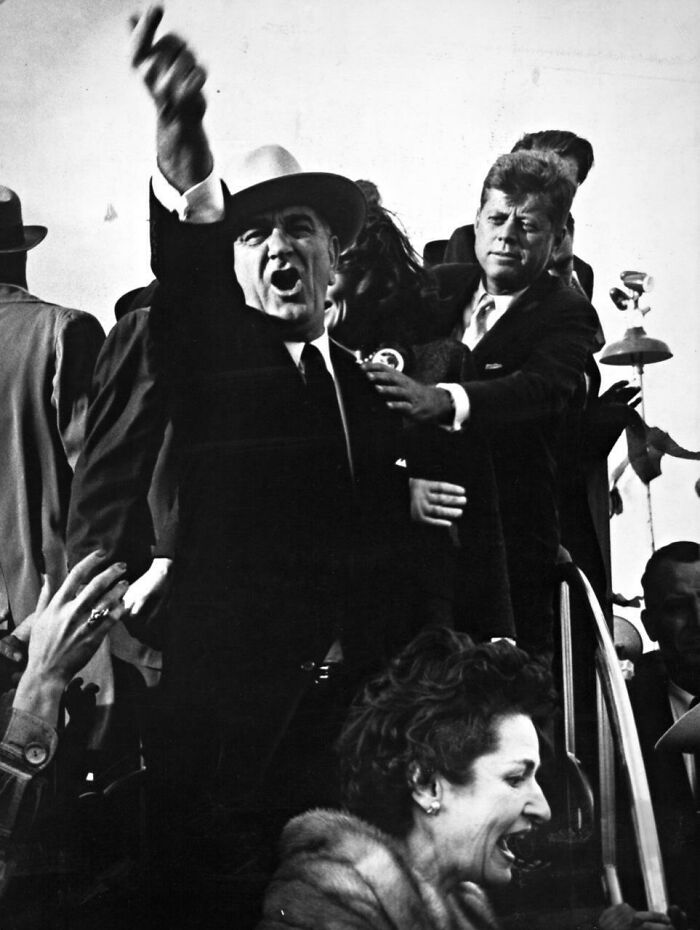
Not a fun weekend, the country was reeling from shock and then Ruby k*lled Oswald on camera.

SHUT THOSE D**N ENGINES OFF!!! Lyndon, you're er uh shouting again.
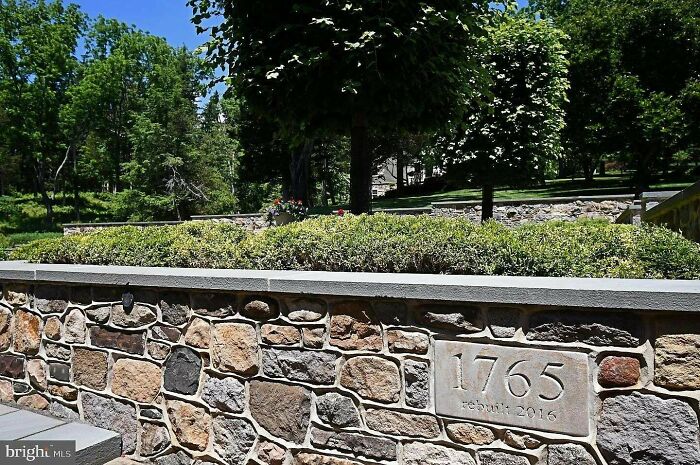
465 Pineville Road in Newtown, Pennsylvania looks like a massive luxury estate today, but the oldest part of the house dates back to around 1760–1765.
By 1859, the property was owned by John Eastburn and was known as “Buttonwood Grove.” An old Upper Makefield Township historical survey even includes an 1859 lithograph showing what the farm looked like back then.
The house still has pieces of its 18th-century past: thick stone walls, exposed beams, deep window sills, old fireplaces and even a traditional beehive oven.

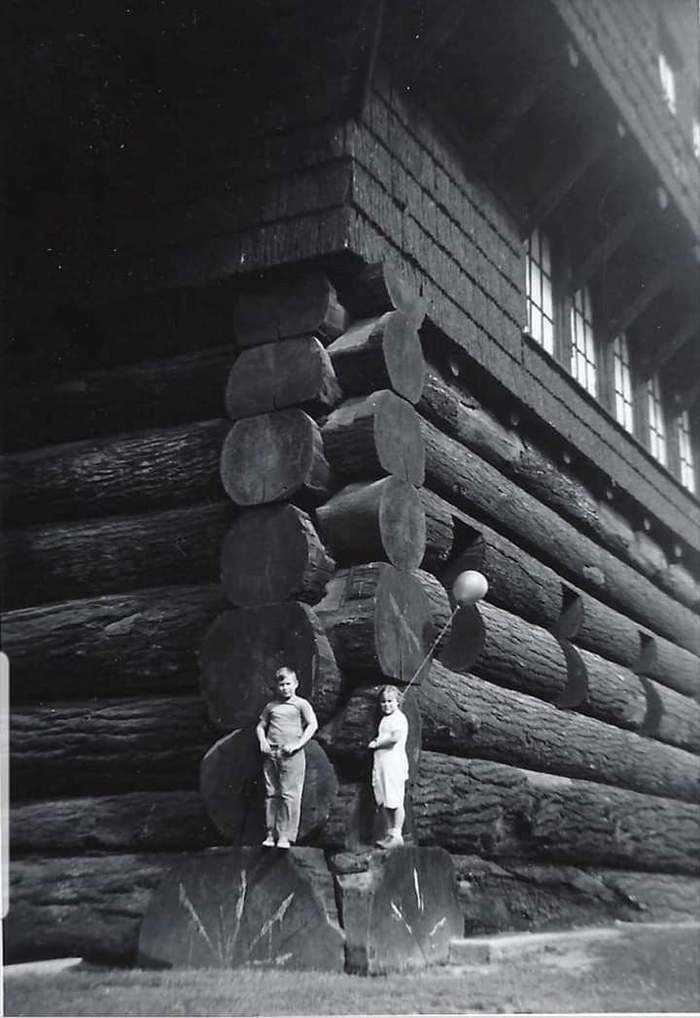
Yk, I have diabetes and ny vision is getting less sharp, but after zooming in and looking for a solid minute or two, I do not see a house anywhere in this picture. Is it just me?
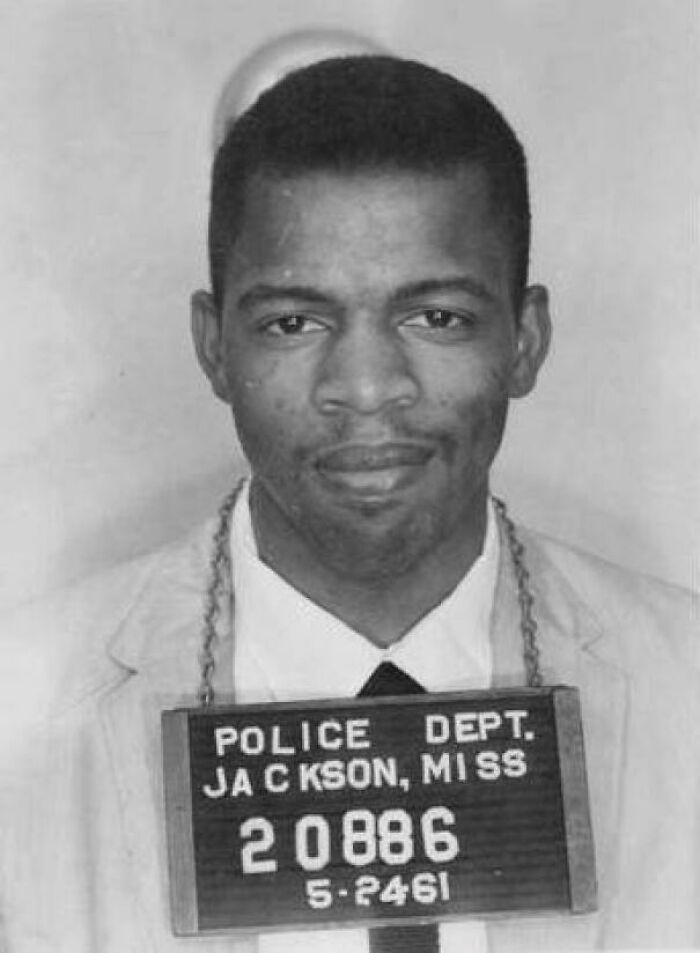
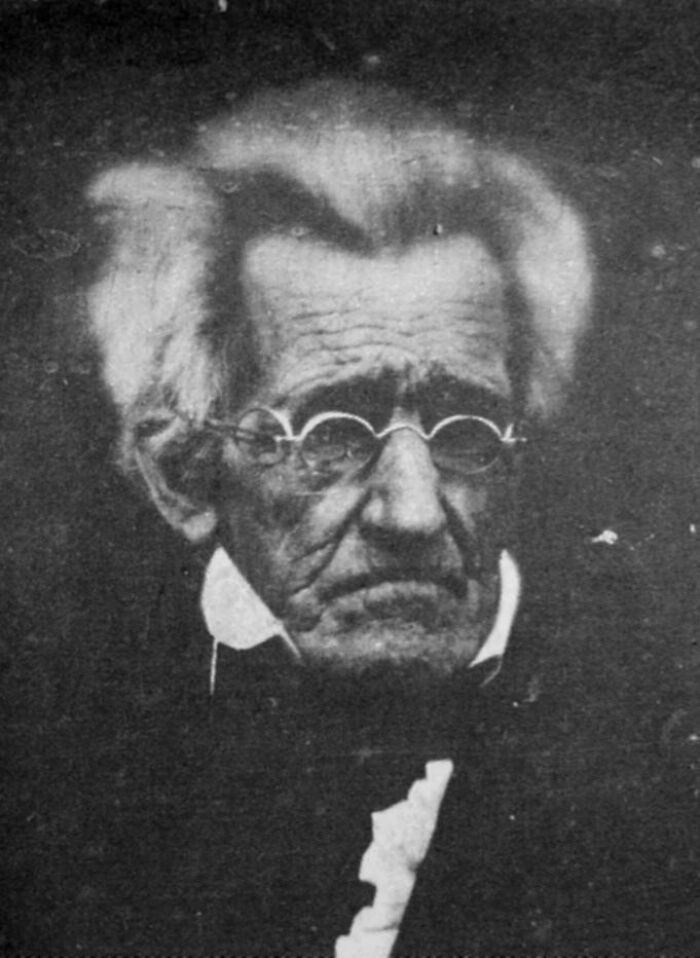
Downvoting my cousin, because he was decidedly not a good man. Though I see a bit of a resemblance to my grandfather, who would have been Jackson's 1st cousin, 6x removed, and who was very much a good man.
I'll never understand why people credit John Lennon with being a peaceful activist or whatever. He was an a b u s i v e monster.

BP's idiotic censorship is pretty intense at times, too.
Load More Replies... BP's idiotic censorship is pretty intense at times, too.
Load More Replies... 























 No fees, cancel anytime