Get Premium
Dark mode theme is available exclusively for premium users. Learn more about the benefits of subscribing.
No fees, cancel anytime.

 Dark Mode Ad-Free Browsing Unlimited Content
 Ad-Free Browsing Unlimited Content Dark Mode
Join 1.2 million Panda readers who get the best art, memes, and fun stories every week!
Photographs have this incredible ability to preserve the present and allow their future viewers to continue accessing the past. We’re truly fortunate to be able to get a glimpse of trillions of captured real moments that happened between this instance and the invention of photography.
We shouldn’t take that ever for granted, that’s why we are featuring a list full of historical pictures from the Instagram account ‘The History House.’ Scroll down to find them, and don’t forget to upvote those images that mesmerized you the most.
This post may include affiliate links.
Previously, we were lucky enough to have a chat with Margot Note, an expert archival consultant and founder of Margot Note Consulting LLC. She believes that photography is one of the best ways to record history due to its unparalleled accuracy and immediacy.
"Unlike oral traditions or written records, which are subject to interpretation, memory loss, or bias, photographs provide a direct and detailed representation of a moment in time. This allows future generations to see historical events, people, and places as they truly appeared, offering a level of authenticity and emotional connection that earlier methods may lack," she explained.
She even went as far as to say that the invention of photography, democratized documentation of history. "Previously, recording history often required specialized skills like writing or artistry, which were limited to certain classes or institutions. Photography, especially with modern technology, enables a broader range of people to document their lives and environments, creating a more inclusive and diverse historical record."
Of course, like with anything, using photography to record the past also has its limitations. “Like earlier methods, it can be selective and influenced by the perspective of the photographer. Despite this, its immediacy, accessibility, and ability to preserve fleeting moments make it a uniquely powerful tool for recording history, complementing rather than entirely replacing earlier methods," Margot said.

The photos of historical events that Margot feels are very important to humanity are the “Migrant Mother” by Dorothea Lange, which depicts the cost of the Great Depression, "Raising the Flag on Iwo Jima" by Joe, which embodies the resilience people showed during World War II, and “Earthrise” by William Anders, which revealed how Earth looks from space, inspiring environmental awareness.

When many people think of New York they think only of New York City and maybe Niagara Falls, but Adirondack Park is larger than several states, and it contains surprisingly rugged mountains (The 1980s Winter Olympics were held there, at Lake Placid), and crystal-clear lakes.
Meanwhile, her personal favorite photo capturing a historical moment is the first selfie taken by Robert Cornelius in 1839. "This image fascinates me not only for its pioneering technique in photography but also for its deeply human quality—a quiet moment of self-reflection captured in the dawn of photographic history. It’s remarkable to consider that the instinct to document ourselves, our lives, and our essence transcends time and technology. This photograph reminds me that archival work isn’t just about preserving the past; it’s about safeguarding humanity's ongoing story for the future," she told us.

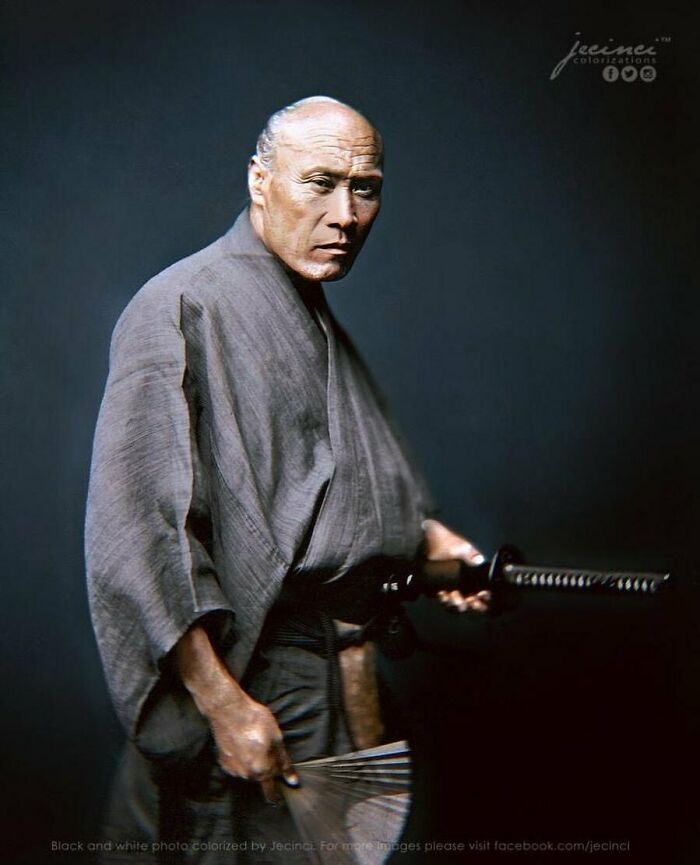
Photo by Italian photographer Felice Beato (interesting name, literally means "Happy Blessed"). From Getty: " He lived and worked in Japan from 1862 until about 1885, and dedicated himself to the comprehensive documentation of every aspect of the country, which had newly opened to the West". His studio was destroyed in the Great Fire of Yokohama in 1866. Three years after this photo, the Meji Restoration abolished the Samurai class.
Continuing the topic on historical events that shouldn’t fade from our memory, in another previous interview we spoke with American history writer and author of Swastika Nation: Fritz Kuhn and the Rise and Fall of the German-American Bund, Arnie Bernstein, and high school history teacher and social media personality Jaclyn Richie, who unanimously agreed that the H*******t and all of its horror should never be forgotten.
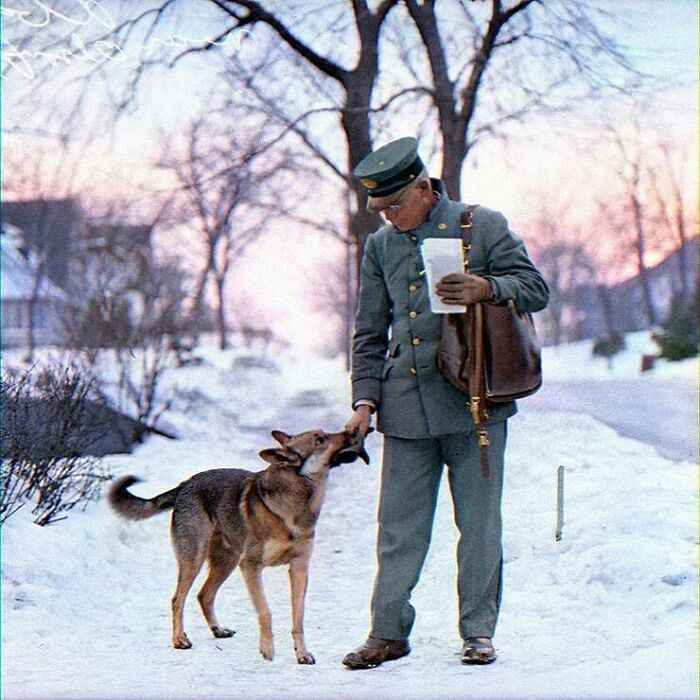
Alternately, "Hero dog returns postman's lost glove in frigid weather"
In addition, Richie mentioned the Civil Rights Movement. “The H*******t is a reminder of the dangers of hate, prejudice, and unchecked power. The Civil Rights Movement, meanwhile, showed the world the power of collective action in the fight for equality and justice. Both serve as powerful lessons in the need for compassion, vigilance, and courage,” she said.

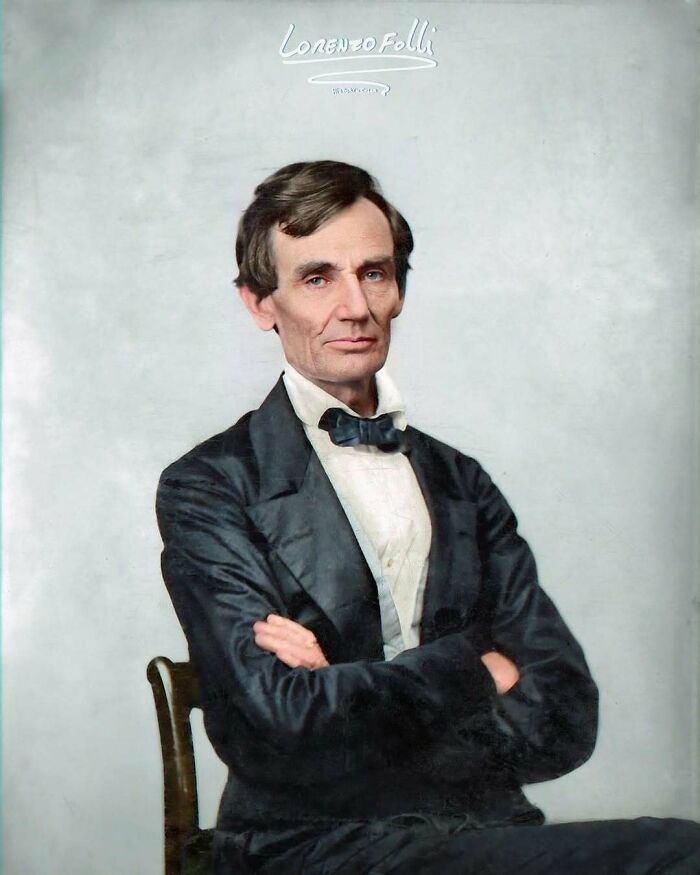
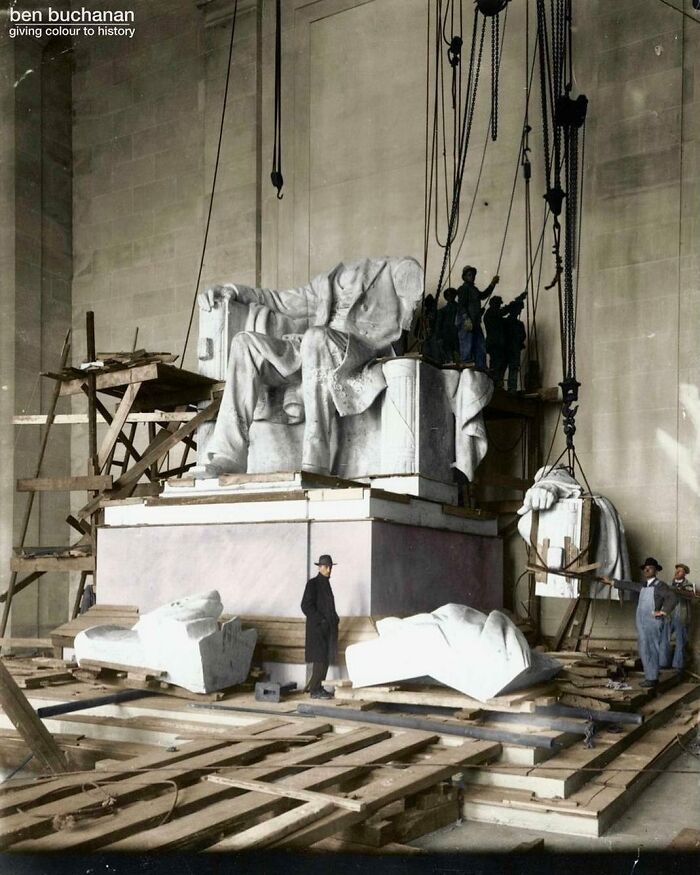
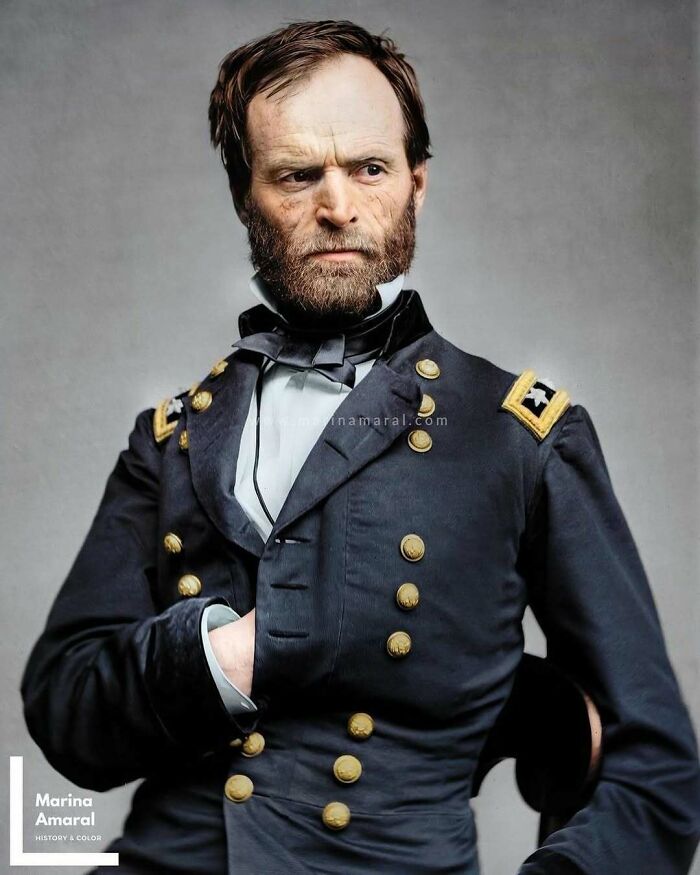
It was a young girl, Grace Bedell, age 11, who wrote a letter saying he would look more handsome and distinguished if he had a beard, so he grew it. When he was on his victory tour before he was sworn in (back then March 4 was inauguration day) he stopped near her hometown to meet with her in person https://www.abrahamlincolnonline.org/lincoln/sites/bedell.htm

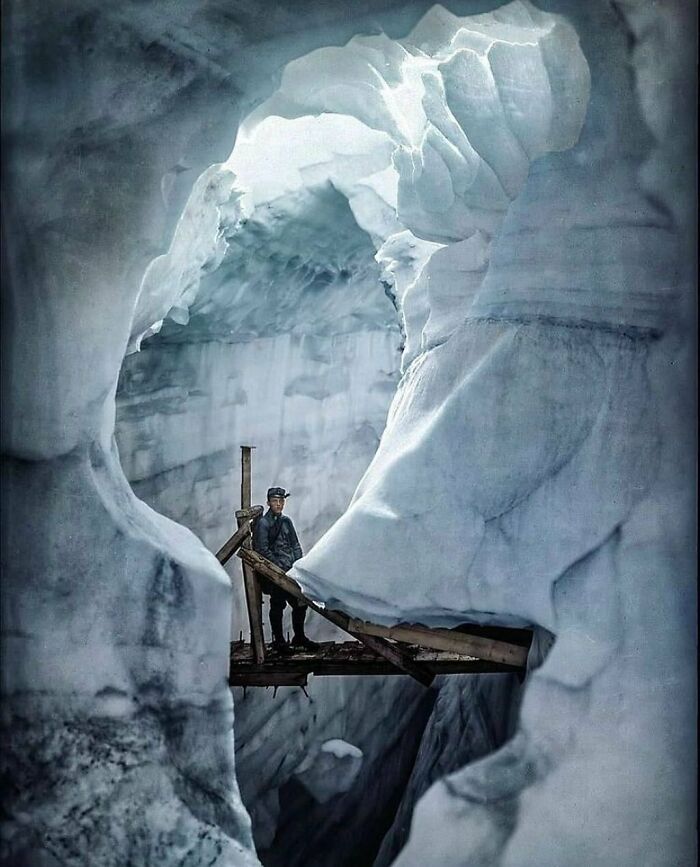
In the deepness of Marmolada’s glacier lay what is called the “Ice City”, a thick web of tunnels 12 km long, including barracks, kitchens, chapels, sanatoriums and stores - all dug by Austro Hungarian soldiers during WW1. It was a key strategic position for Austrian troops during the war due to the warmer temperatures, zero snow storms, and zero avalanches compared to above ground.
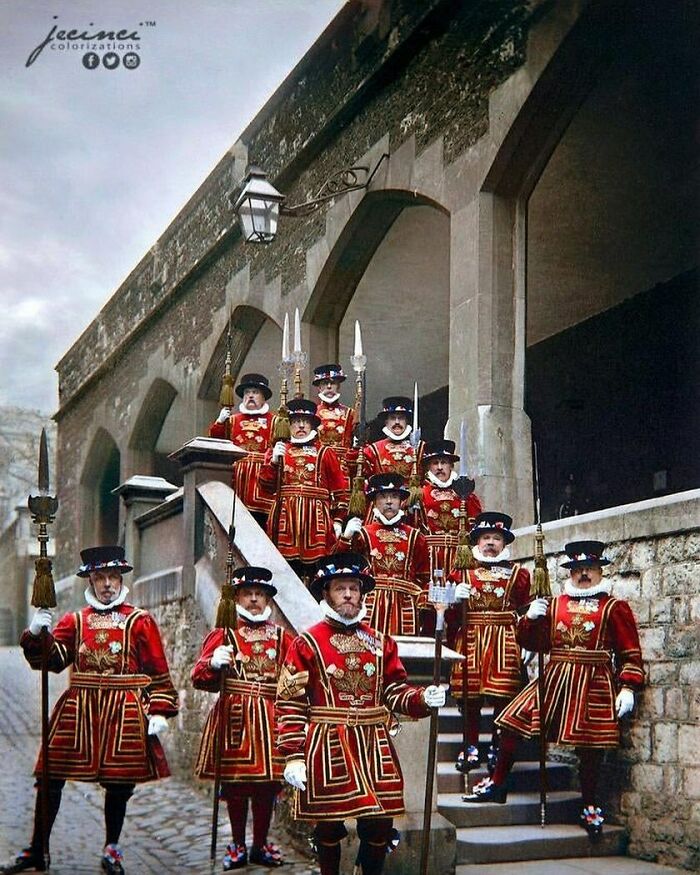
All Yeoman Warders are retired military, requiring at least 22 years of service, the Long Service and Good Conduct medal, and held the rank of Warrant Officer. They are, in effect, palace guards, as the Tower was a royal palace and fortress. Yes, there have been female Warders.

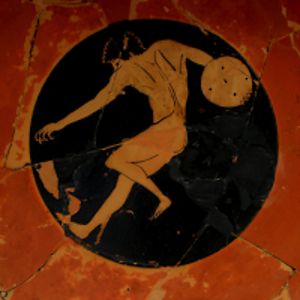
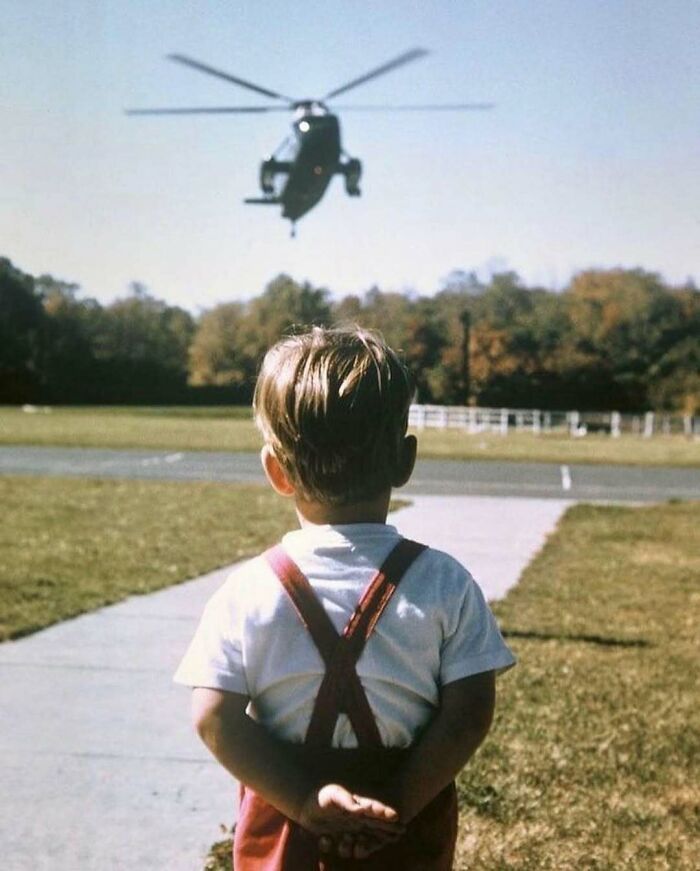
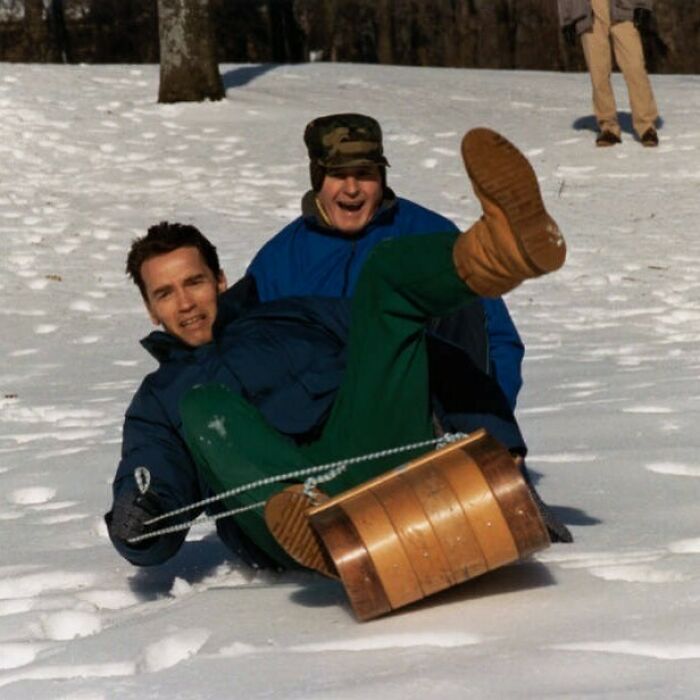
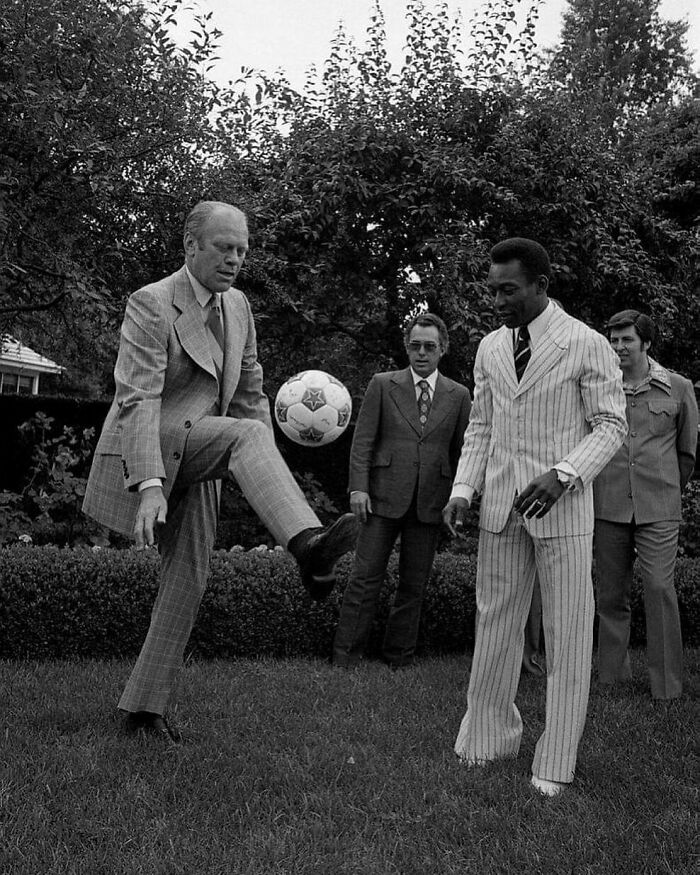
Ford was an athlete and in his college years a star player for the Michigan Wolverines (American) football team. He's exactly the right president for this photo

Pretty sure that should read 1848 and 1866, not 1966... Unless he also built a time machine out a phone booth that was most excellent, dude.

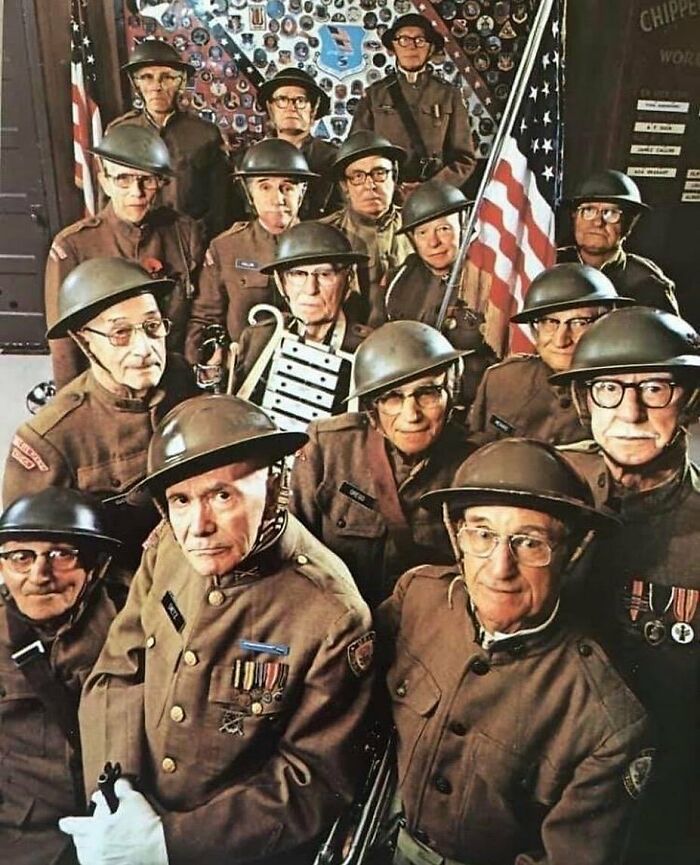
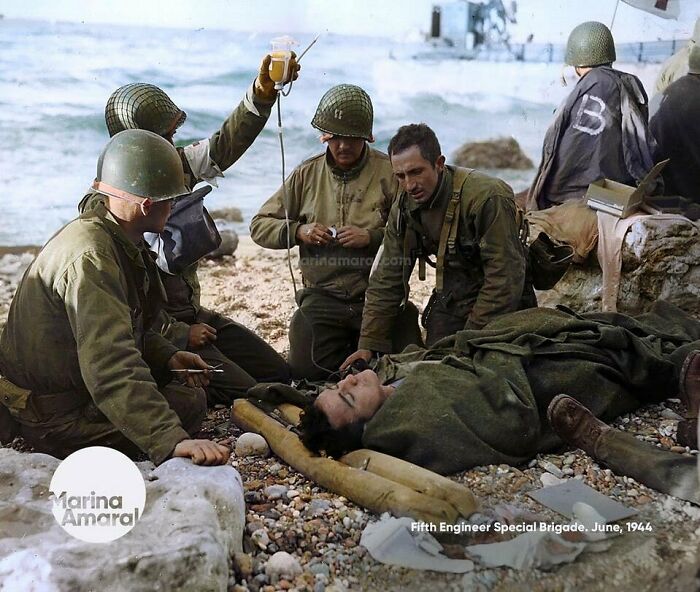
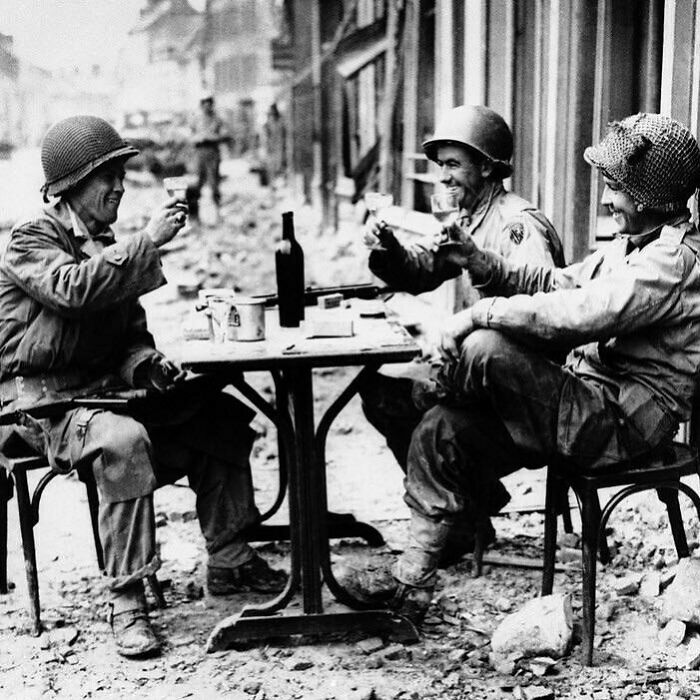
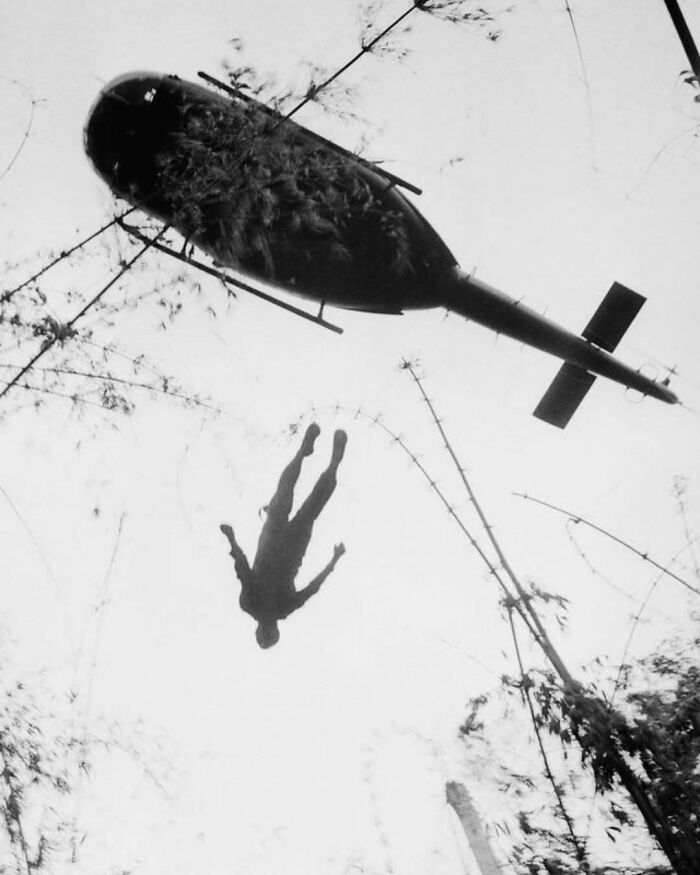
Plasma was a life saver. Unlike blood, plasma doesn't require typing, so soldiers could be given it to help keep their blood pressure up while the soldier was being evacuated. Once returned to a field hospital, or treatment center, the soldier would be given the needed typed whole blood.
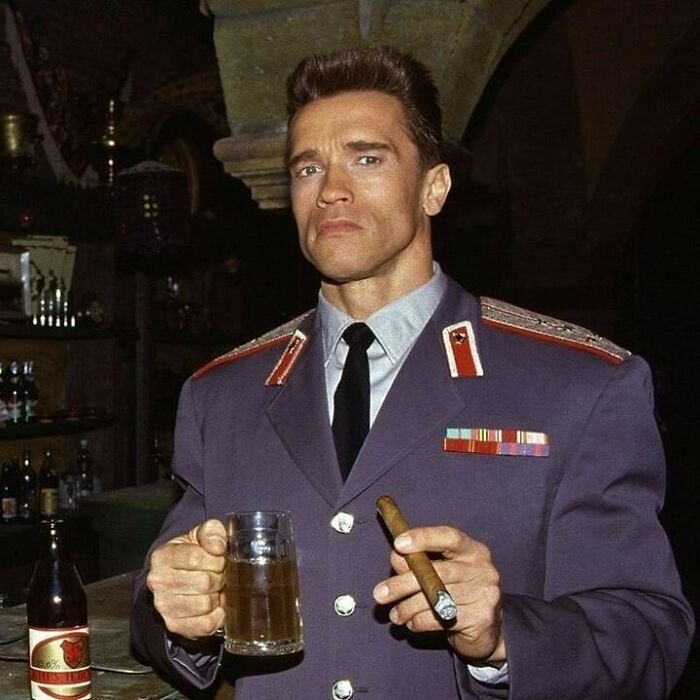
Red Heat was the first western film to be shot in Moscow's Red Square. The only reason the USSR allowed this, was the studio proved to the Russian Government that Schwarzenegger's character was a key character, and was not portraying the Soviet army and police in a bad light. Rather the character was respectful and the studio sought to portray a 'hard' Russian officer in a good light.
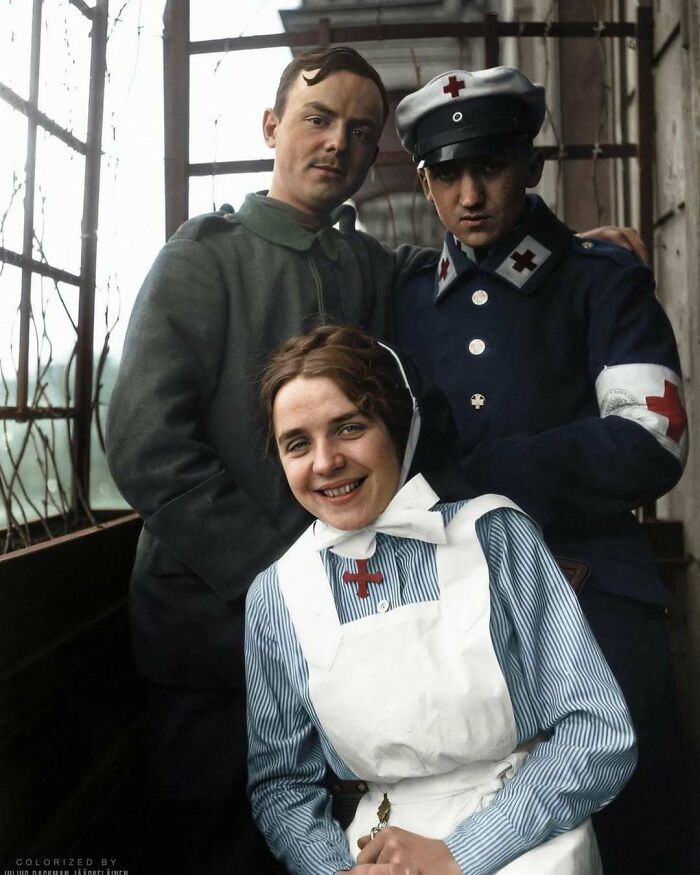
The Krankenschwester looks like she might have been at the smelling salts!
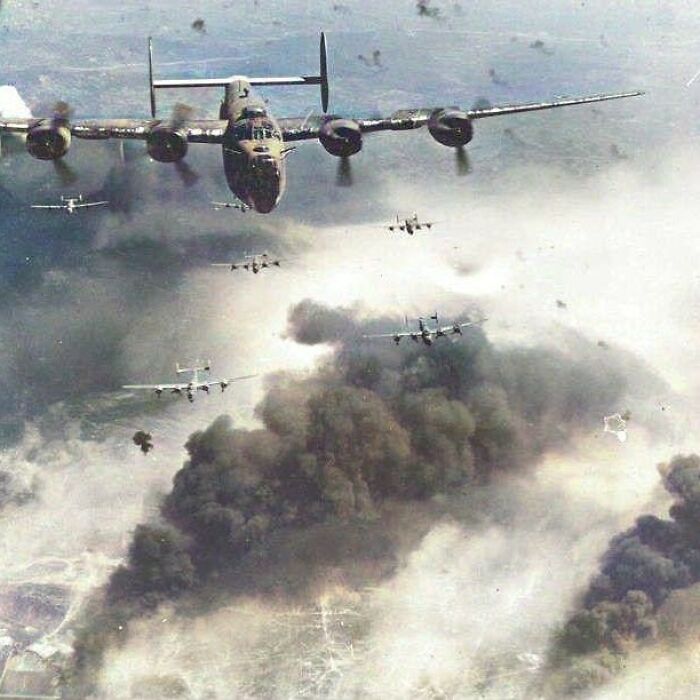
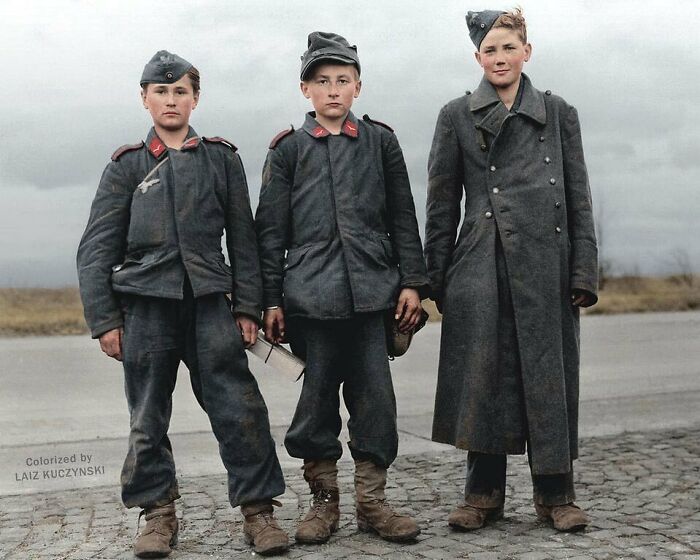
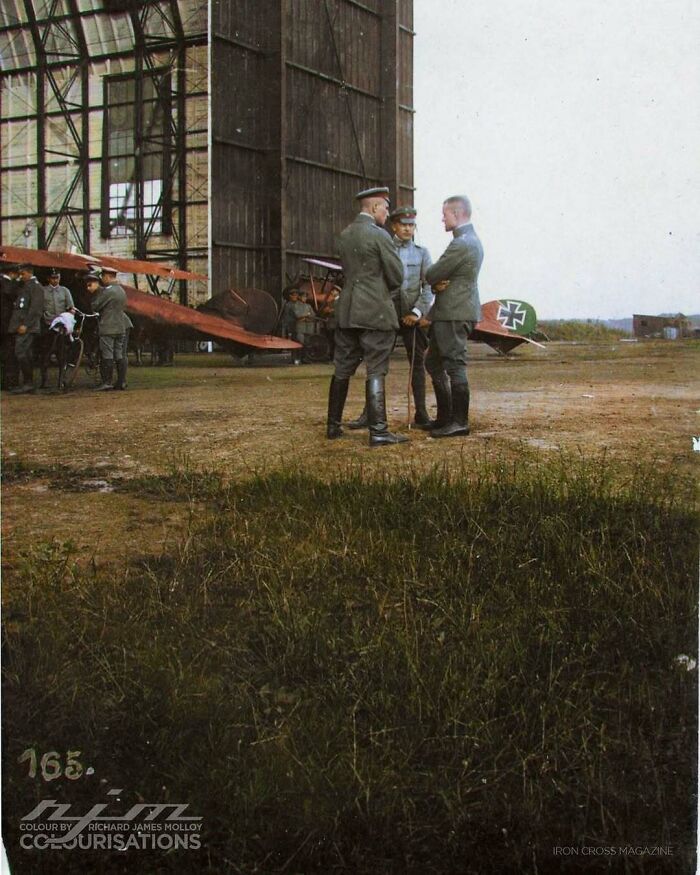
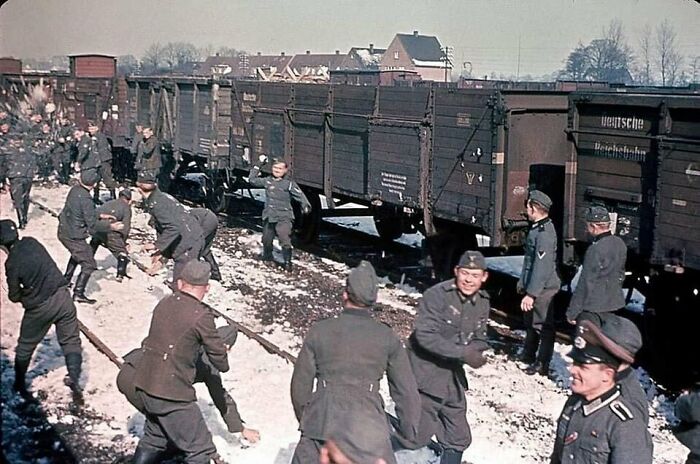
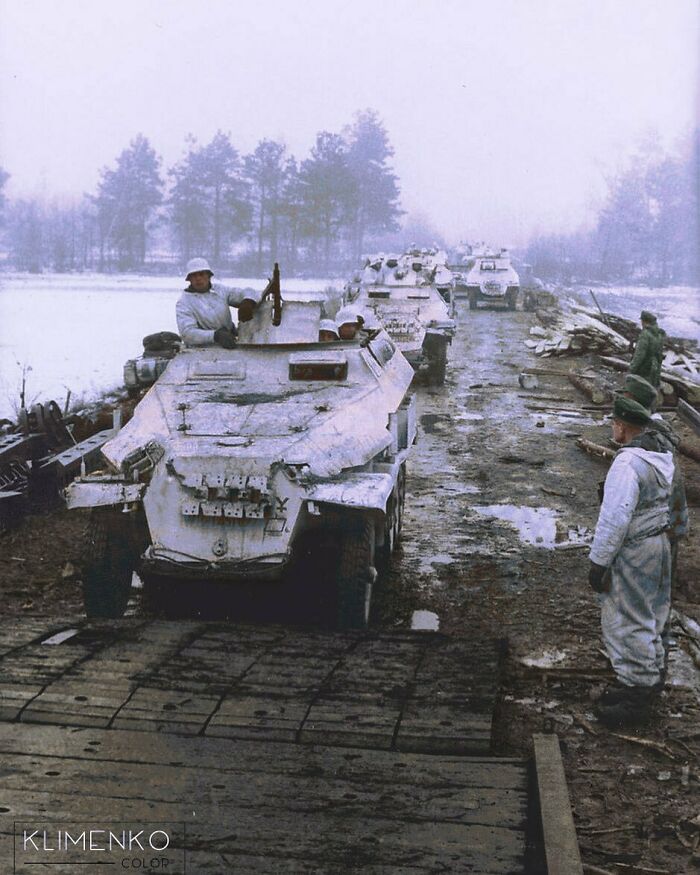
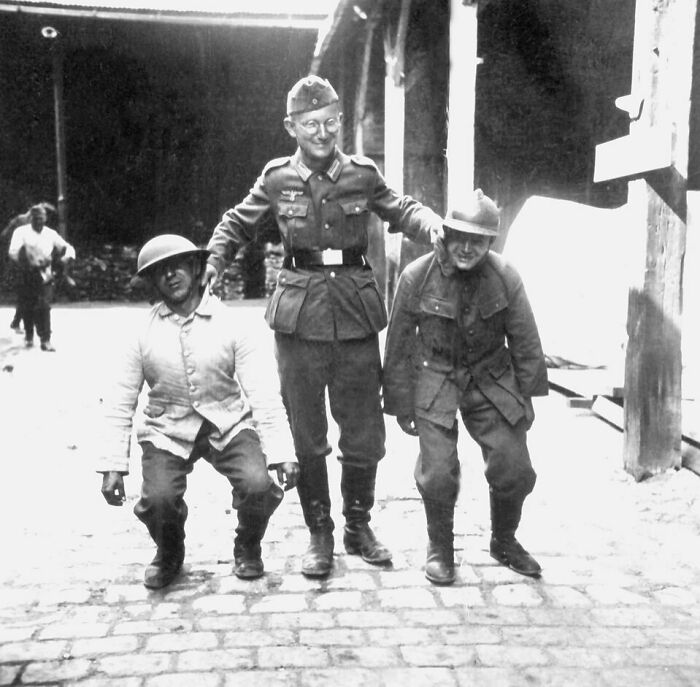
One of the 4th Panzer Army commanders, Erich Hoepner, was executed for his role in the 20 July plot to assassinate Hitler.




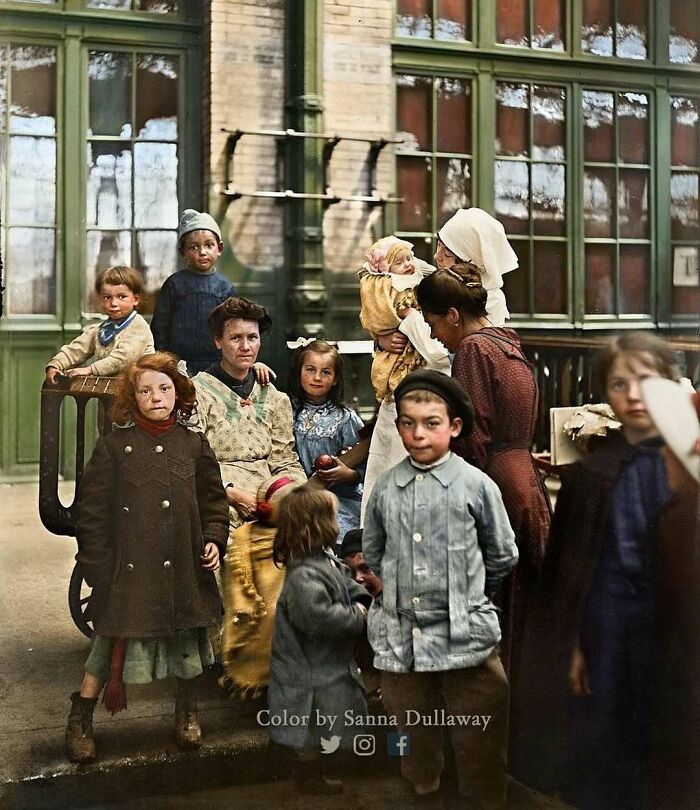
Sadly, that was a sign of the times. The world wars were, bar none, the most important events to people in Europe of their lives. I can't imagine living through something of that sort.
Load More Replies... Sadly, that was a sign of the times. The world wars were, bar none, the most important events to people in Europe of their lives. I can't imagine living through something of that sort.
Load More Replies...

















 No fees, cancel anytime