Get Premium
Dark mode theme is available exclusively for premium users. Learn more about the benefits of subscribing.
No fees, cancel anytime.

 Dark Mode Ad-Free Browsing Unlimited Content

 Ad-Free Browsing Unlimited Content Dark Mode

Join 1.2 million Panda readers who get the best art, memes, and fun stories every week!
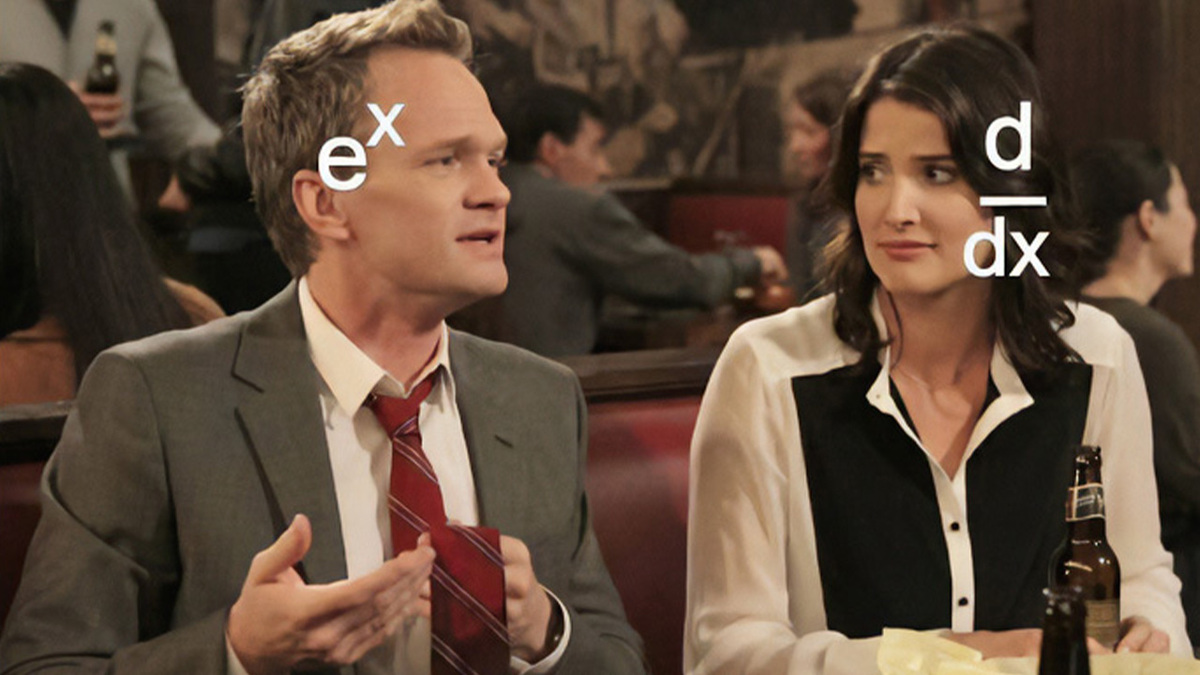
Science is fun! Now, say that to a student struggling with complicated formulas, confusing theories, and endless homework, and chances are they might not agree with you. After all, it's hard to find something funny when you're busy trying to figure out why an apple fell on Newton's head and made life difficult for the rest of us. But hey, we're living in the age of the internet, where almost anything can be turned into a joke. And thankfully, science is no exception!
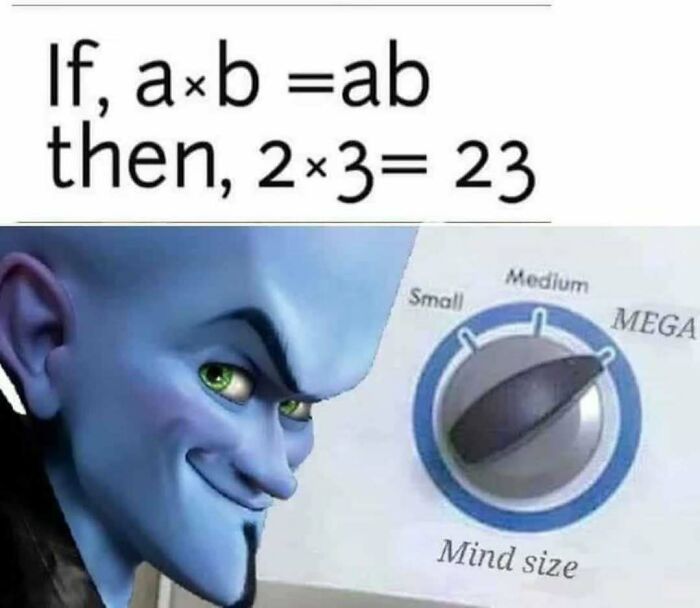
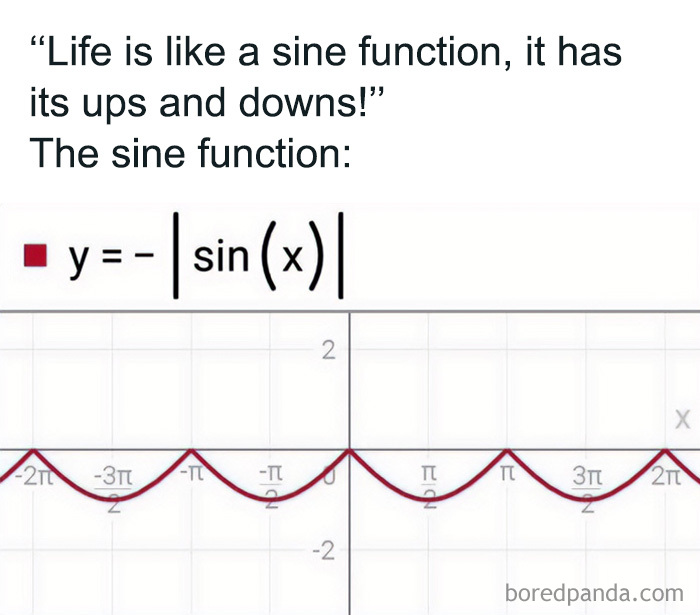
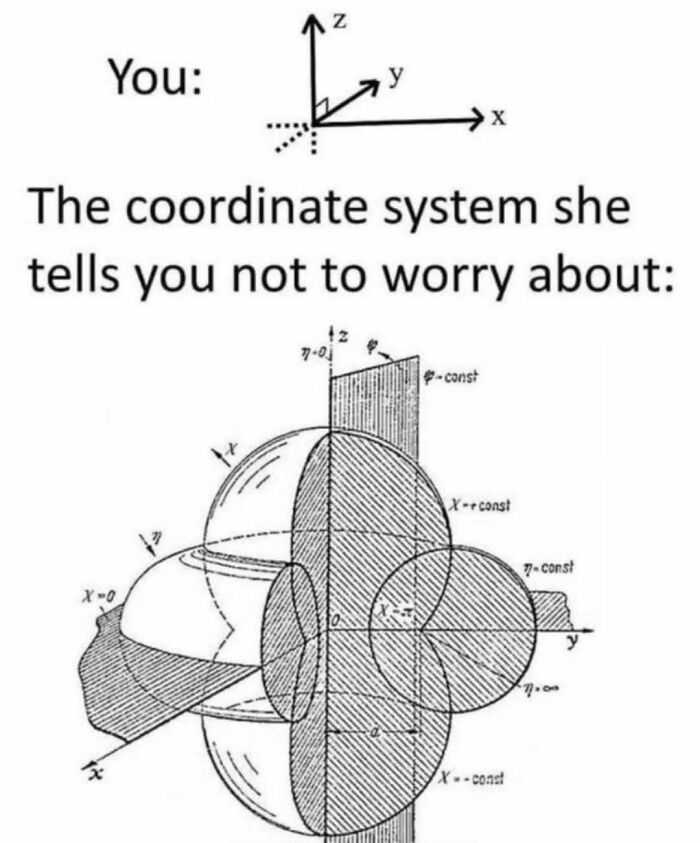
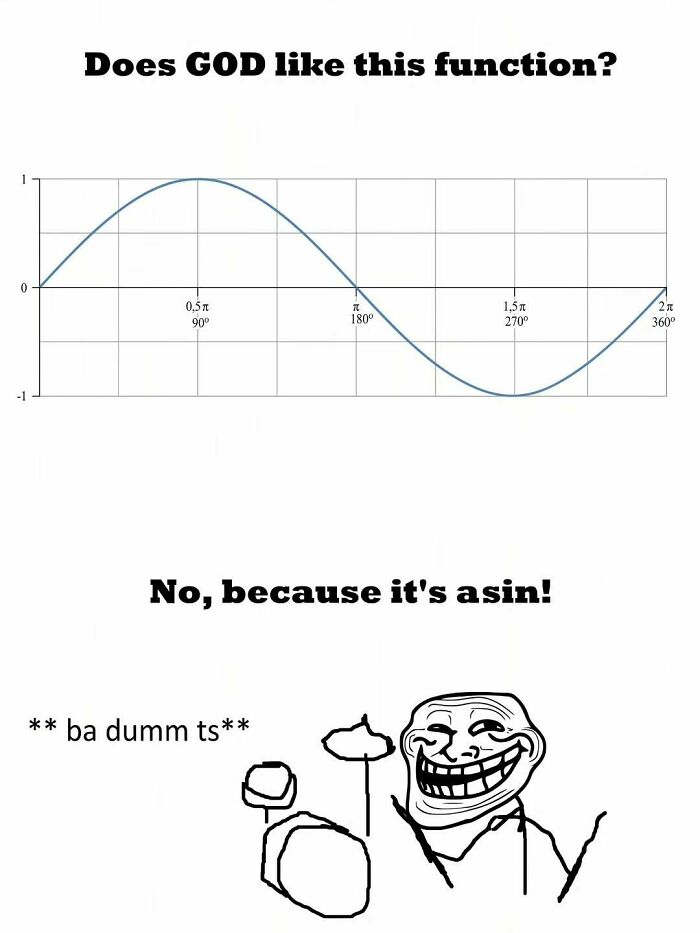
The internet is full of clever, hilarious memes that make even the trickiest subjects a little more entertaining. Today, we stumbled upon an Instagram page, Physic Fun, that shares funny, relatable posts about the wonderful (and sometimes confusing) world of physics. We've rounded up some of their most amusing memes for you to enjoy. So, whether you're a science nerd or someone who barely survived physics class, keep scrolling for a good laugh!
This post may include affiliate links.
Physics is everywhere, even in places where we least expect it! From the way a spoon appears to bend in a glass of water to the forces keeping our feet firmly on the ground, there's a lot happening around us that we don't even notice. And while today's collection is all about the funny side of physics, the subject has plenty of fascinating facts worth exploring, too. So, let's start with something we all love snacking on—popcorn!
Ever wondered why popcorn pops?
Physicist and BBC science presenter Helen Czerski explains the science behind it in her book Storm in a Teacup: The Physics of Everyday Life. Each popcorn kernel contains a tiny amount of water trapped inside a hard shell. When heated, that water turns into steam, building up pressure until the shell can no longer hold it. Eventually, when the internal pressure reaches roughly nine times atmospheric pressure, the kernel bursts open, and the starch inside expands into the fluffy popcorn we love. Who knew such a simple snack involved so much physics?
And popcorn isn't the only everyday thing hiding some interesting science. Czerski also explores why spilled coffee often leaves behind a dark ring when it dries. You might have noticed this on your desk after accidentally spilling a few drops. As the coffee evaporates, liquid moves from the center toward the edges, carrying tiny coffee particles with it. These particles collect around the outside, leaving that familiar ring-shaped stain. Interestingly, understanding this process has also helped scientists explore techniques for medical testing.
Now, let's move on to something a little more mind-bending. Did you know that time doesn't pass at exactly the same rate everywhere? Sounds strange, right?
Well, scientists at the US National Institute of Standards and Technology (NIST) demonstrated this using two incredibly precise atomic clocks. These weren't your regular clocks, either. One was so accurate that it would gain or lose just one second in about 3.7 billion years! By comparing the clocks, researchers detected tiny differences in how quickly time passed under different conditions.
And here's where things get even more interesting. The NIST experiments confirmed two predictions from Einstein's theory of relativity. First, a clock placed slightly higher above the Earth's surface runs a tiny bit faster than one closer to the ground because it experiences weaker gravity. Second, a moving clock runs more slowly relative to a stationary observer. This brings us to the famous "twin paradox," where one twin travels through space at an extremely high speed and returns younger than their sibling who stayed on Earth. So yes, physics tells us that time really can behave differently depending on where you are and how fast you're moving!
Moving on, here's a slightly alarming science fact that might surprise you. According to a study published in Gastrointestinal Endoscopy, stomach acid is strong enough to corrode razor blades. Researchers placed blades in simulated gastric fluid and found that the thickened back of a single-edged blade dissolved within just two hours. That's because stomach acid is highly acidic, typically having a pH of around 1 to 2. But before anyone gets any strange ideas, this absolutely doesn't mean swallowing a razor blade is safe. The sharp edges can cause serious injuries, and anyone who swallows one needs urgent medical attention.
And if you've ever wondered whether light can be trapped inside water, the answer is yes! Scientists at Harvard University demonstrated a fascinating phenomenon called "total internal reflection" using a laser and a stream of flowing water. When the laser beam entered the stream at the right angle, the light repeatedly reflected off the boundary between the water and the surrounding air, following the water as it curved downward. The result looked like a glowing red waterfall! It's also the same basic principle that helps optical fibers carry light over long distances. Pretty cool, isn't it?
Well, pandas, it's safe to say physics is a lot more fascinating than those complicated textbook equations might have led us to believe. And sometimes, a little humor is all it takes to make the subject even more enjoyable. Coming back to today's collection, these posts show us the wonderfully funny side of science. Which one made you laugh the most? Let us know in the comments, and don't forget to share this collection with someone who loves physics!
Follow @physic.fun
.
.
.
.
.
#mathematics #mathsmemes #mathematicians #mathmemesformathteens #mathsquiz calculus.






































 No fees, cancel anytime