Get Premium
Dark mode theme is available exclusively for premium users. Learn more about the benefits of subscribing.
No fees, cancel anytime.

 Dark Mode Ad-Free Browsing Unlimited Content
 Ad-Free Browsing Unlimited Content Dark Mode
Join 1.2 million Panda readers who get the best art, memes, and fun stories every week!
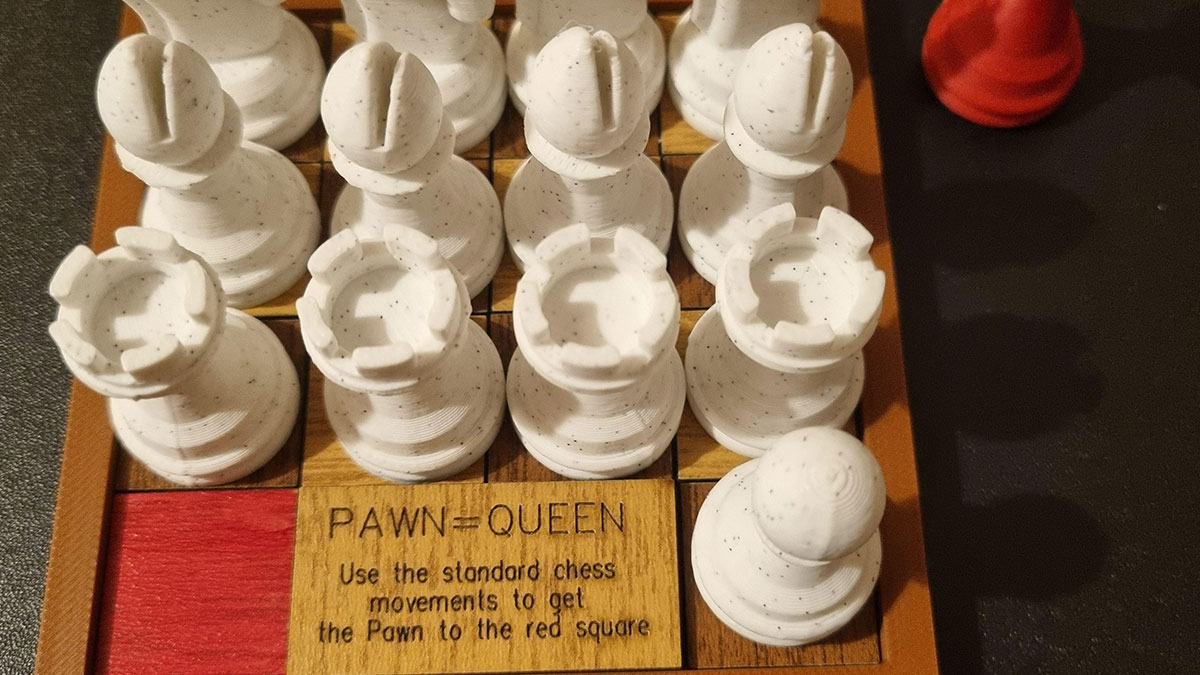
In just a few moments, a person who has never once lost an argument is about to be completely undone by a photograph. They will look at it with the relaxed confidence of someone who considers themselves sharp, observant, and generally ahead of the curve, but that feeling won't last. This is what puzzles do to people, and this is exactly why we love them.
The human brain is a spectacular piece of machinery that is also, under the right circumstances, catastrophically easy to fool. A cleverly hidden object, a manipulated image, a pattern that refuses to resolve itself no matter how hard you stare, and suddenly the most intelligent person in the room is leaning three inches from their screen, muttering to themselves.
This post may include affiliate links.
Oooh, evil. I've saved this to print out and do at work during my break.

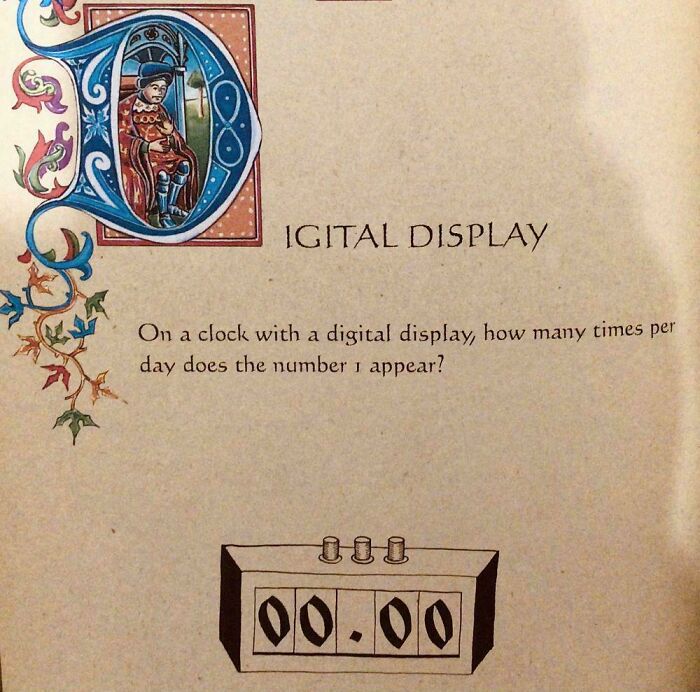
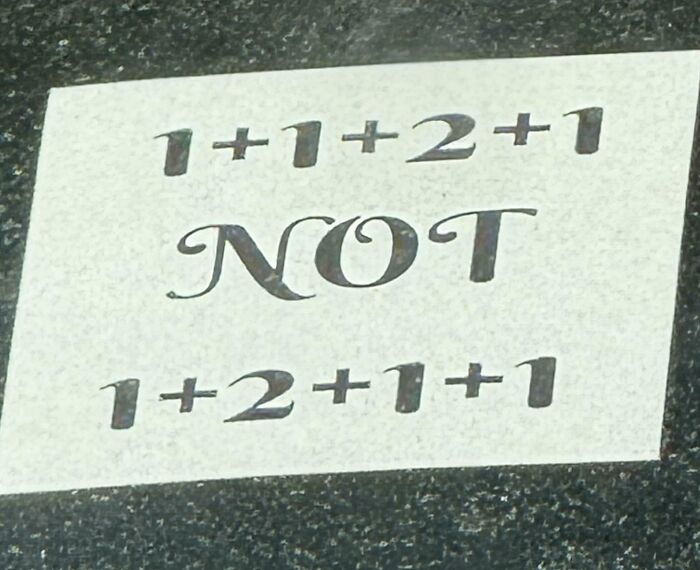
If it shifts from, say, 01:14 to 01:15, are those 1s "appearing" again? (As in, how many four-digit times have some 1s and how many?) Or does "appear" mean how many times does it "roll.over" to a new 1? 🤓 And is it 12 hour digital or 24 hour display? And other annoying questions...🙃
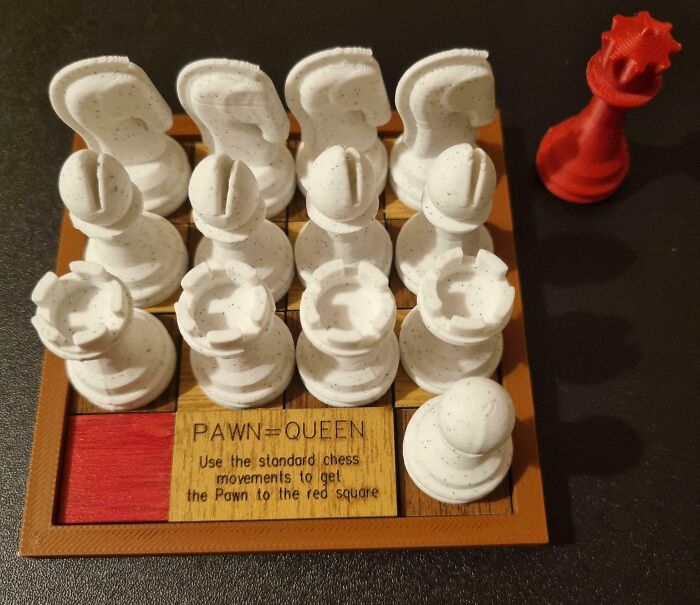
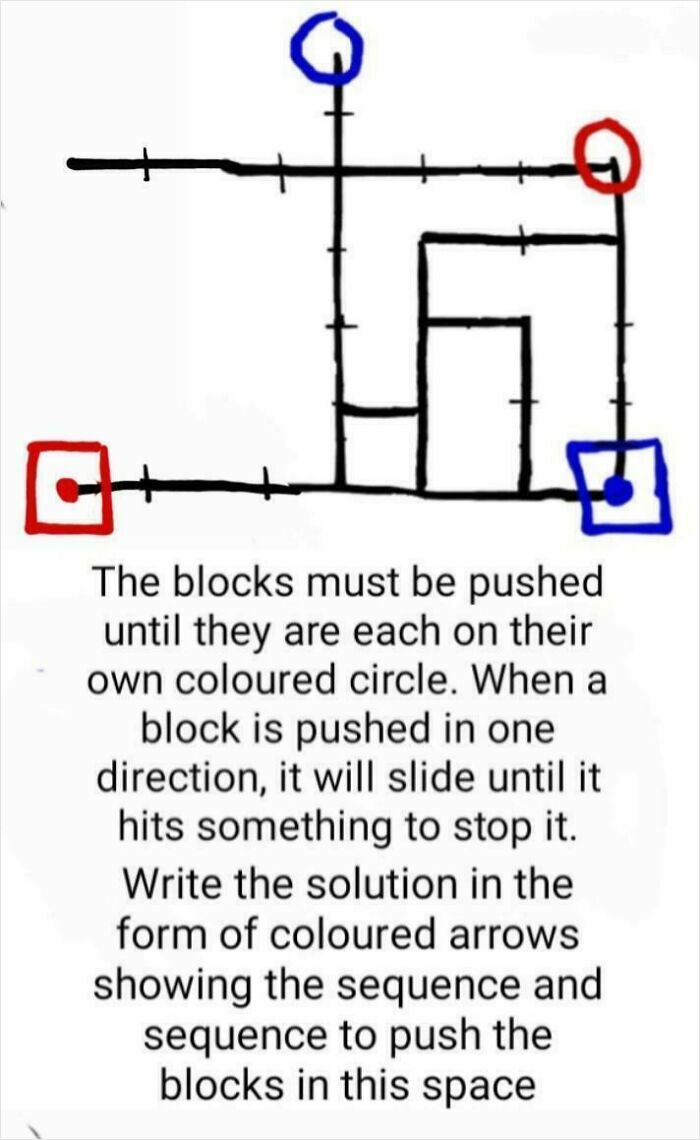
I mean... the move of the pawn does not allow that to start with...

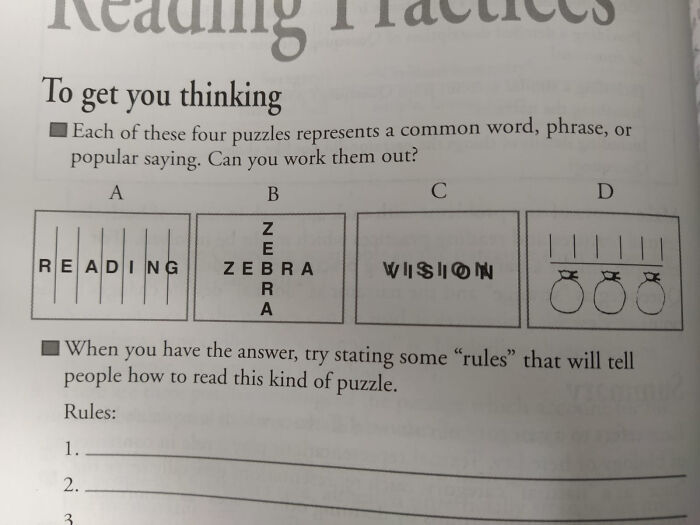
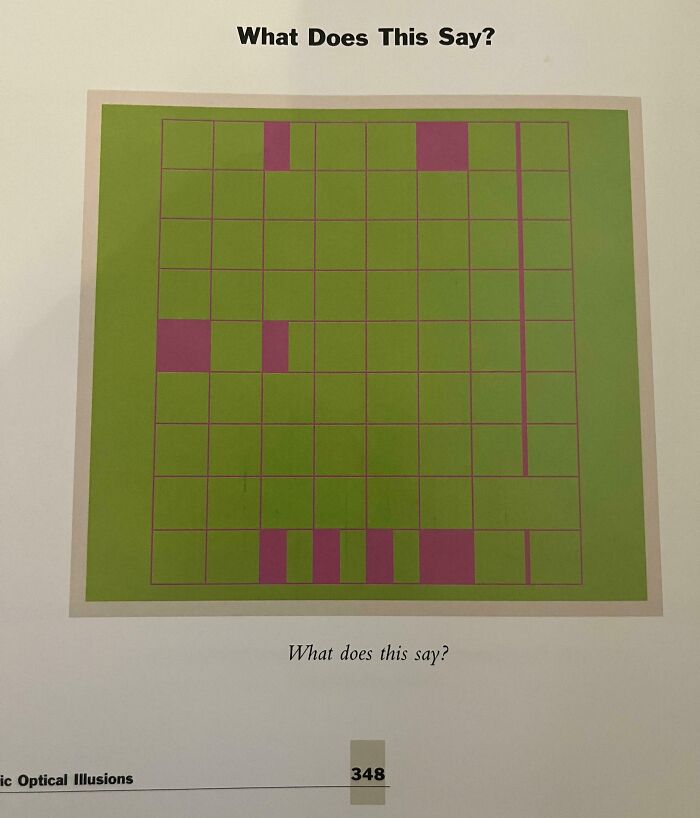
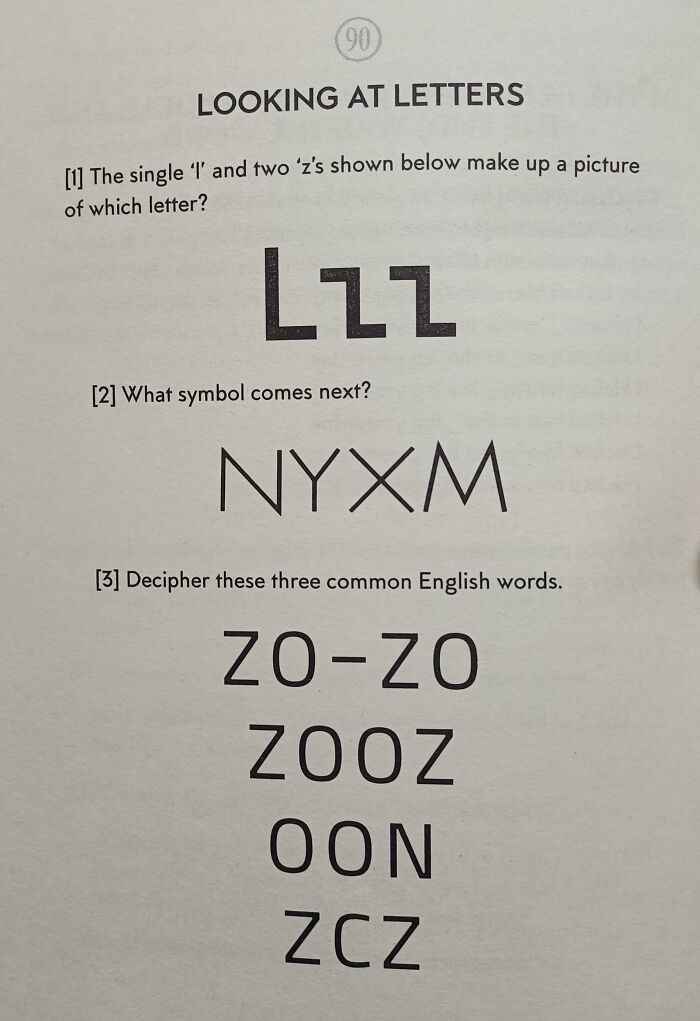
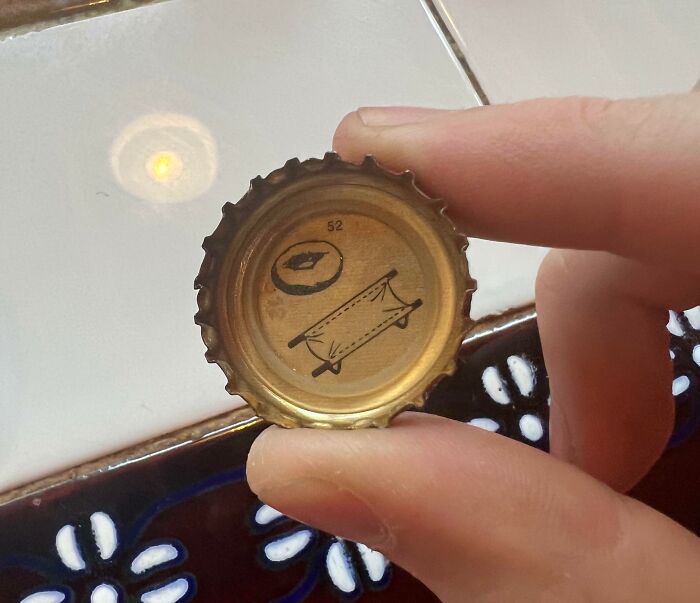
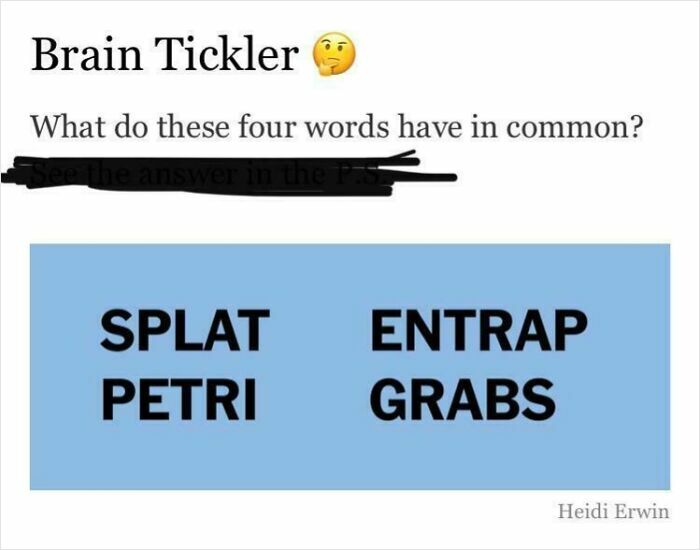
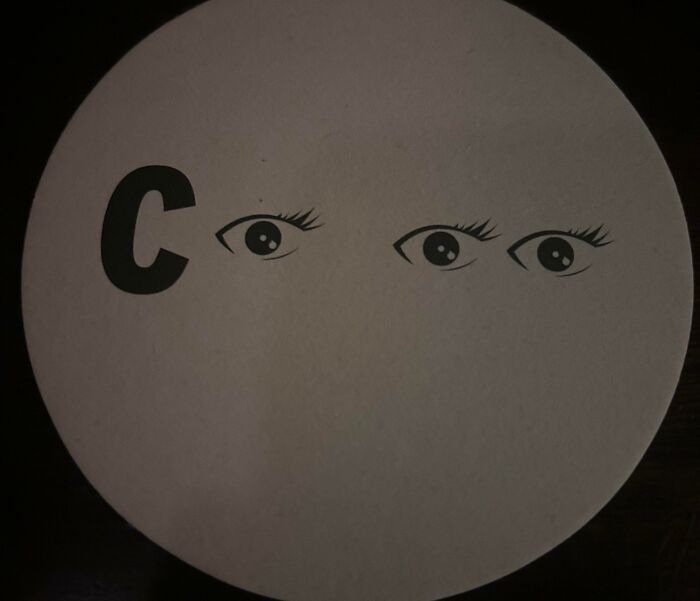
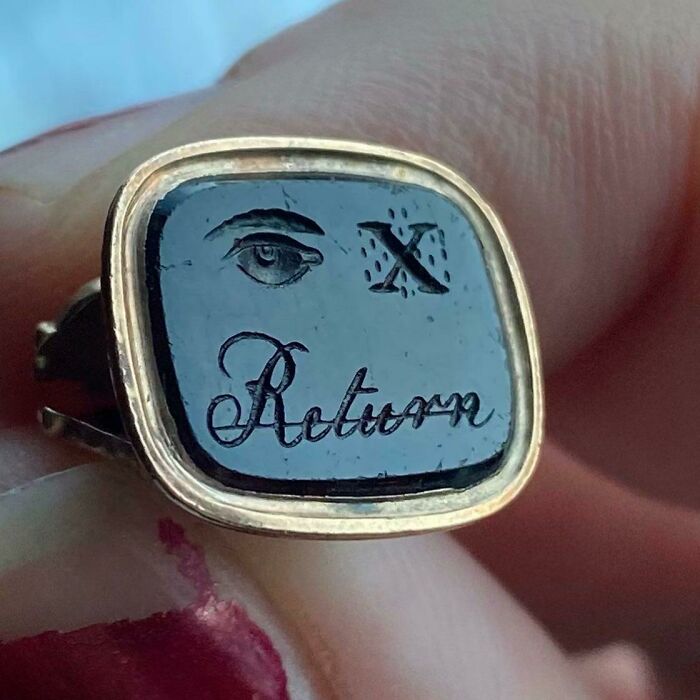
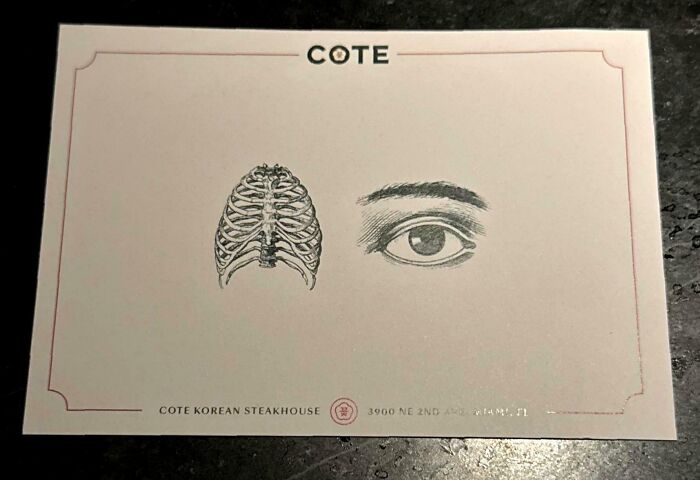
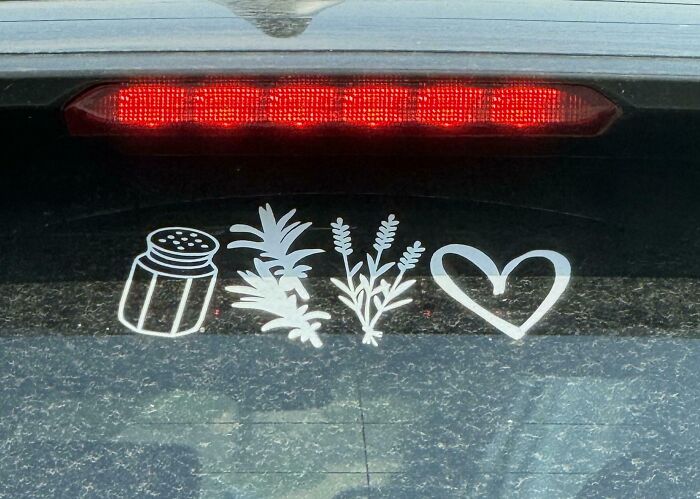
A- reading between the lines B- zebra crossing C- double vision D- bags under eyes

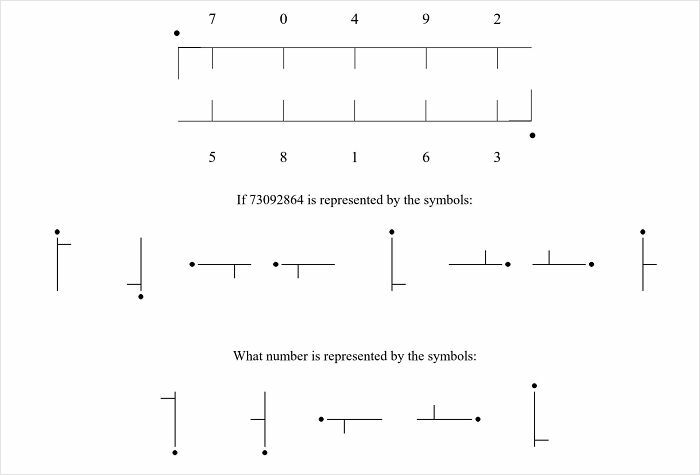
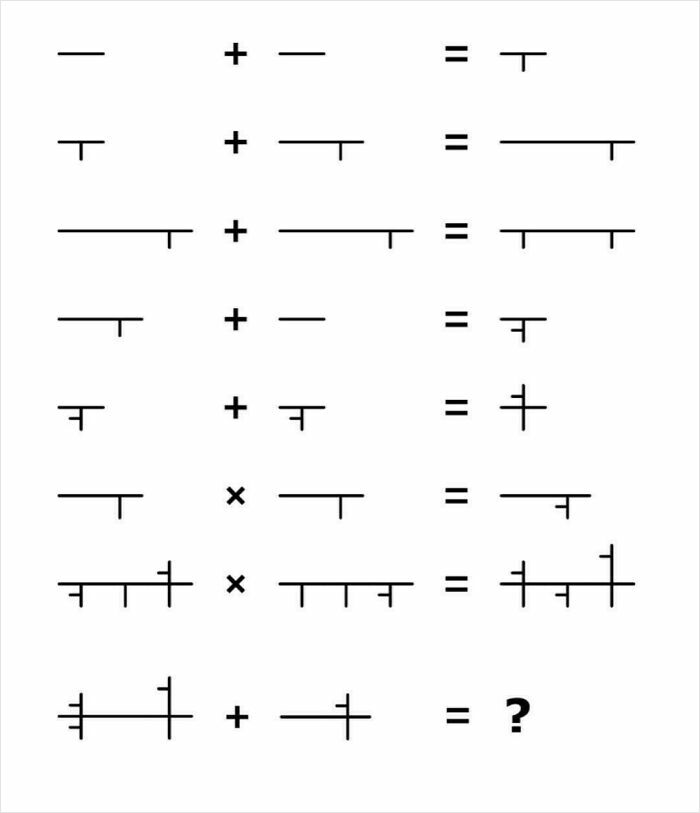
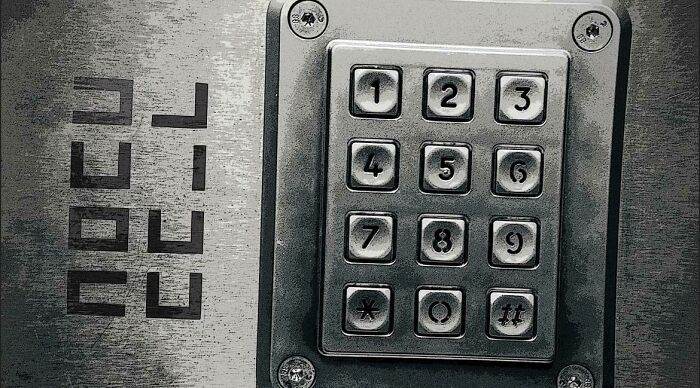
I'm getting 51962. My reasoning: The top line has a dot at the upper left, so all symbols with the dots above or to the left correspond to numbers on the top line. The bottom line, with the dot on the lower right, works similarly with dots below or to the right of the symbols. If the dot is to the side of the symbol, you take its reflection over the vertical axis (or flip it over sideways) to get the value on the appropriate line. Vertical symbols need two steps. First, you reflect the symbol over the horizontal axis (or flip it over vertically). Then you rotate it 90 degrees so that the little line is pointing up, if the dot was on the bottom, or down, if the dot was on the top.
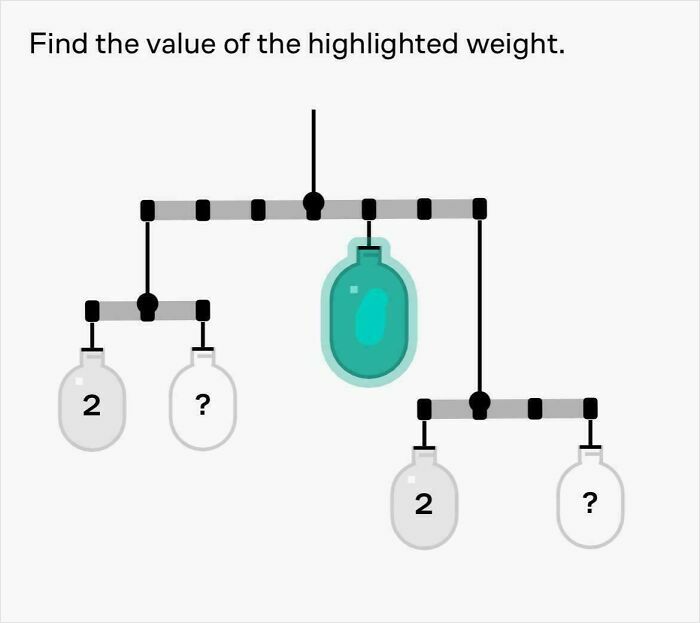
I was taught how to calculate this in a very rushed blackboard session in high school, right before a math meet, so I will pass it on. When mass is not distributed equally over a balance, you calculate the moment of each mass by multiplying its weight by the distance from the pivot point. Here, to balance the lower left bar, the "?" must be 2, because the two weights are equidistant from the pivot point. To balance the lower right bar, that "?" must be 1, so that its moment (weight * distance, thus 1 * 2) equals the moment on its left side (2 * 1). The top bar has a moment of 12 (4 * 3) on its left side, and a known moment of 9 (3 * 3) on its right. The moment of the highlighted mass must be 3 in order to even it out, and since it is only 1 unit away from the pivot, its weight must also be 3.
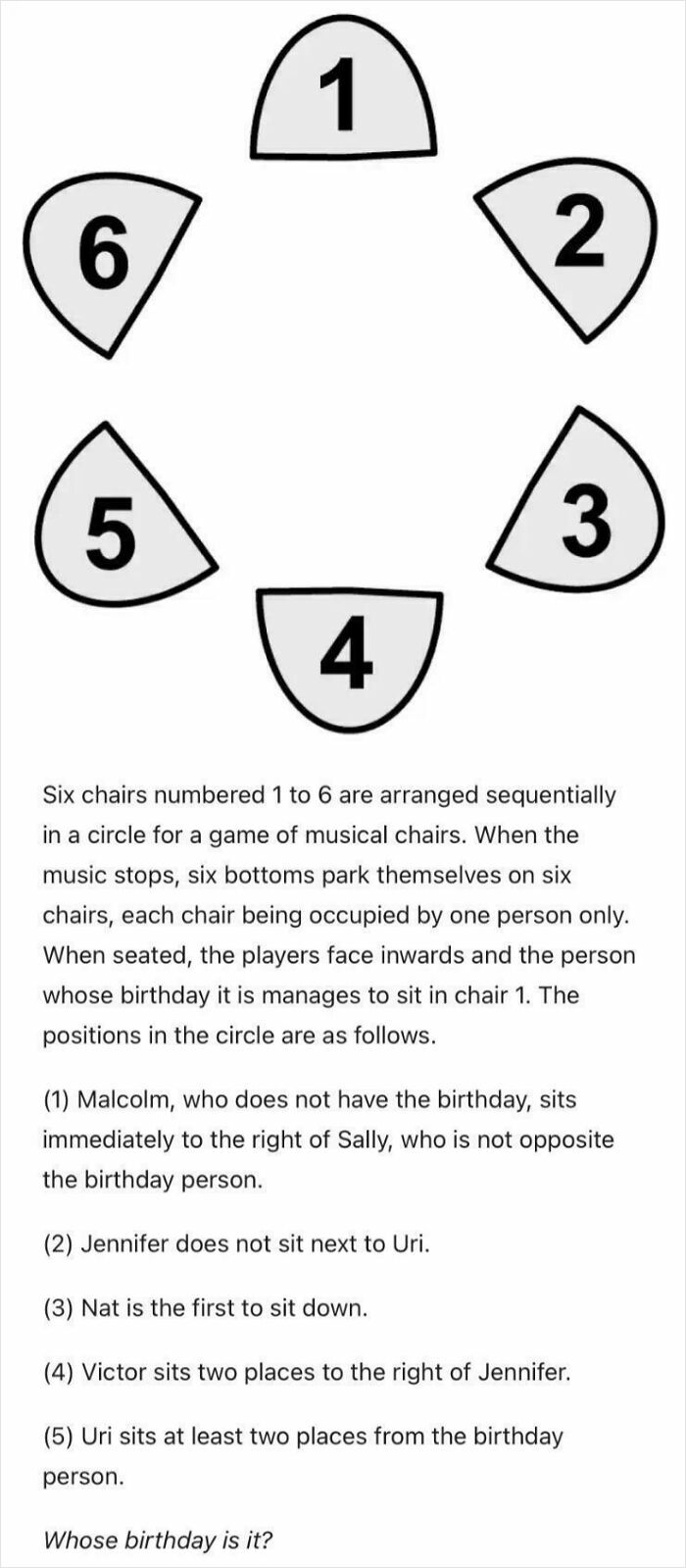
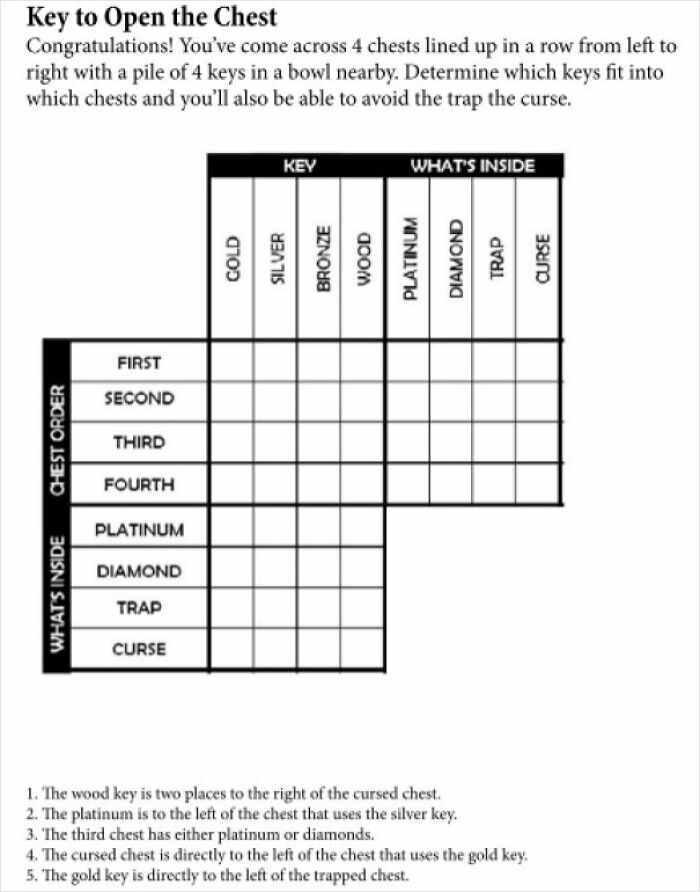
Clarification for (5): "at least two places" refers to the seats sequentially not graphically.
Not to worry if you decide to write some useful points down, but there's added challenge factor if you reason through it using strictly your working memory.
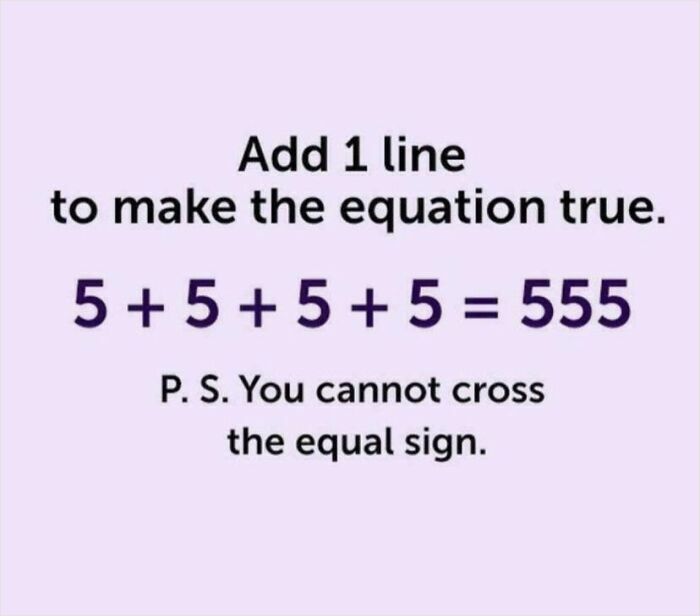
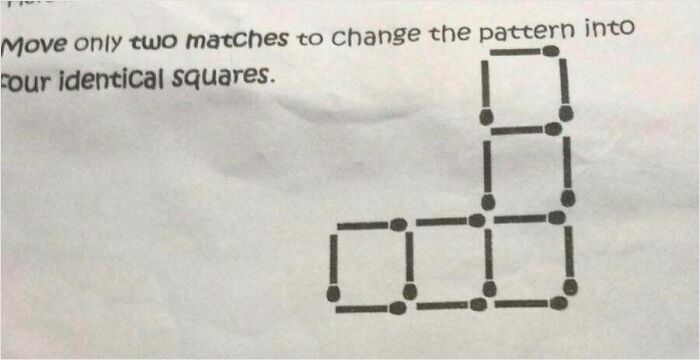
If you add one line to one of the plus signs, you will make it into a number 4, so 545+5+5=555
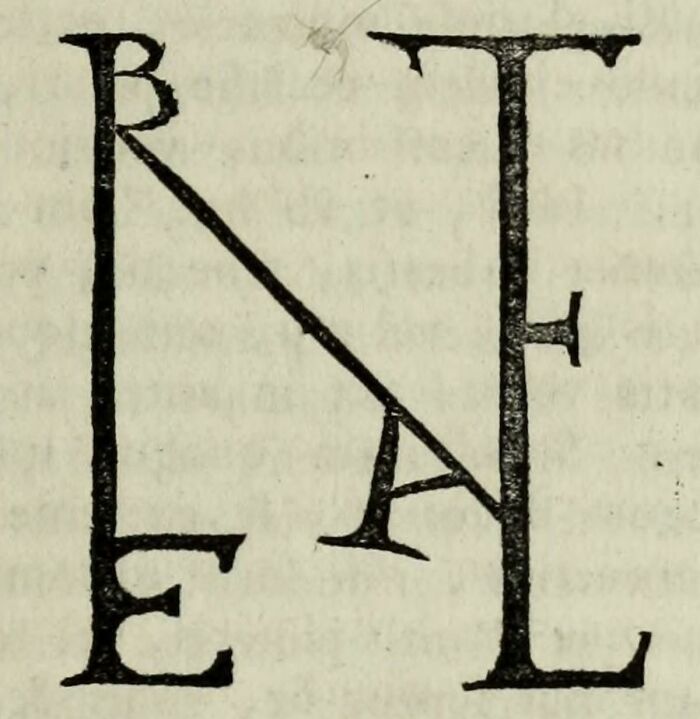
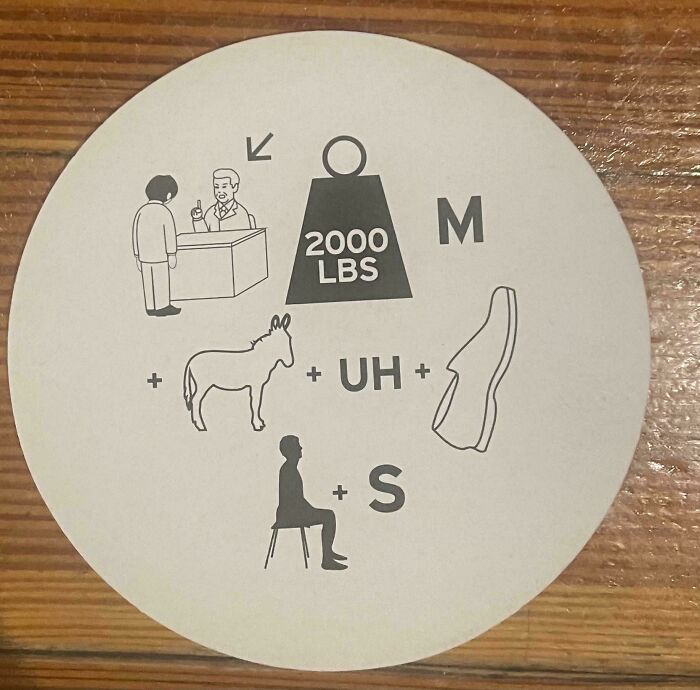
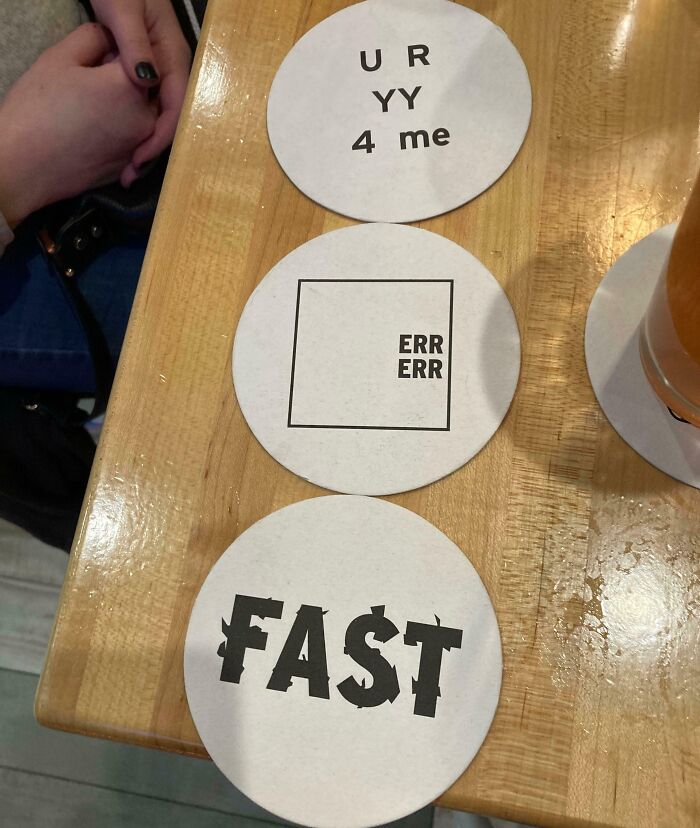
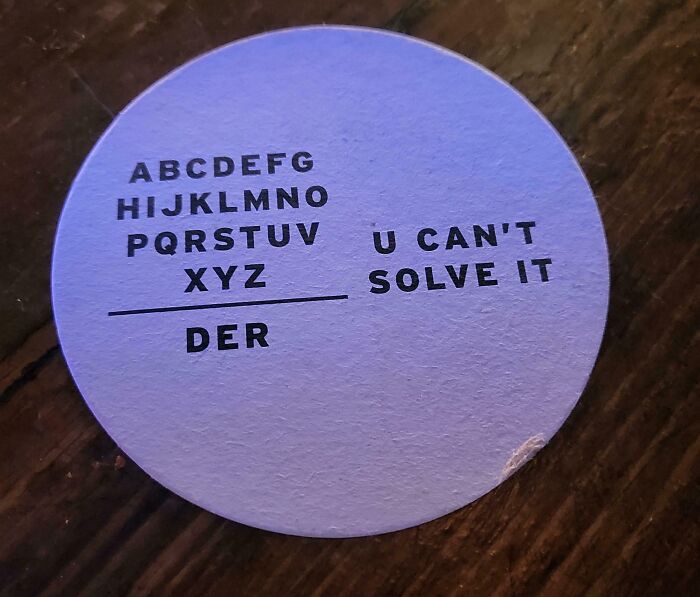
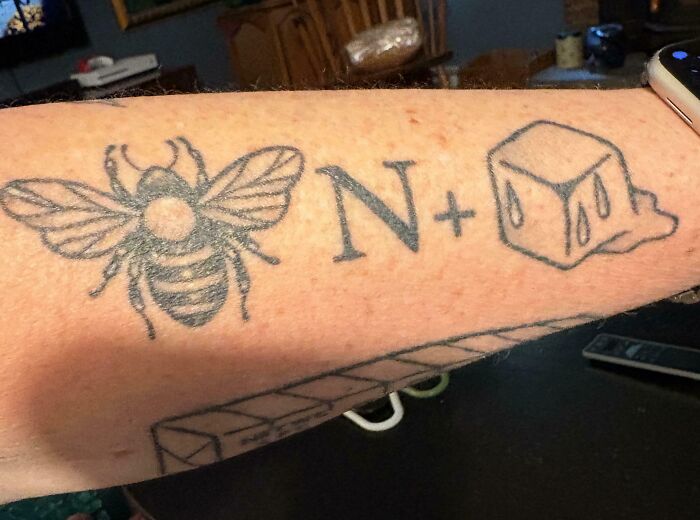
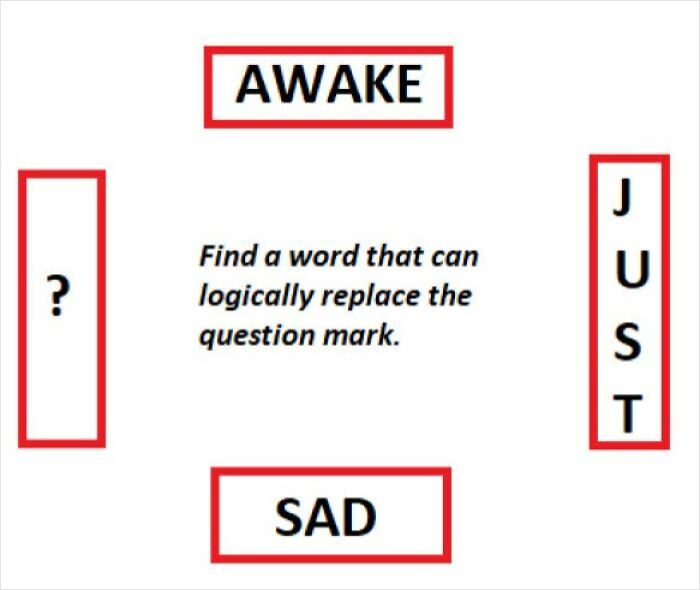
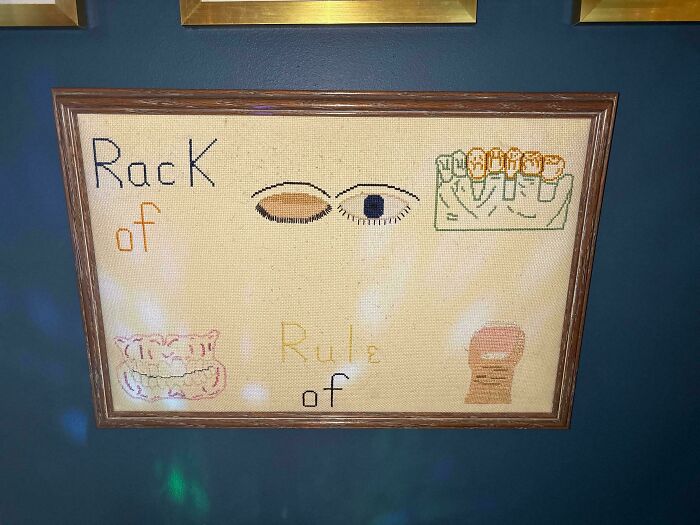
You are too wise for me, To err on the side of. Not sure of the last one, breakfast?

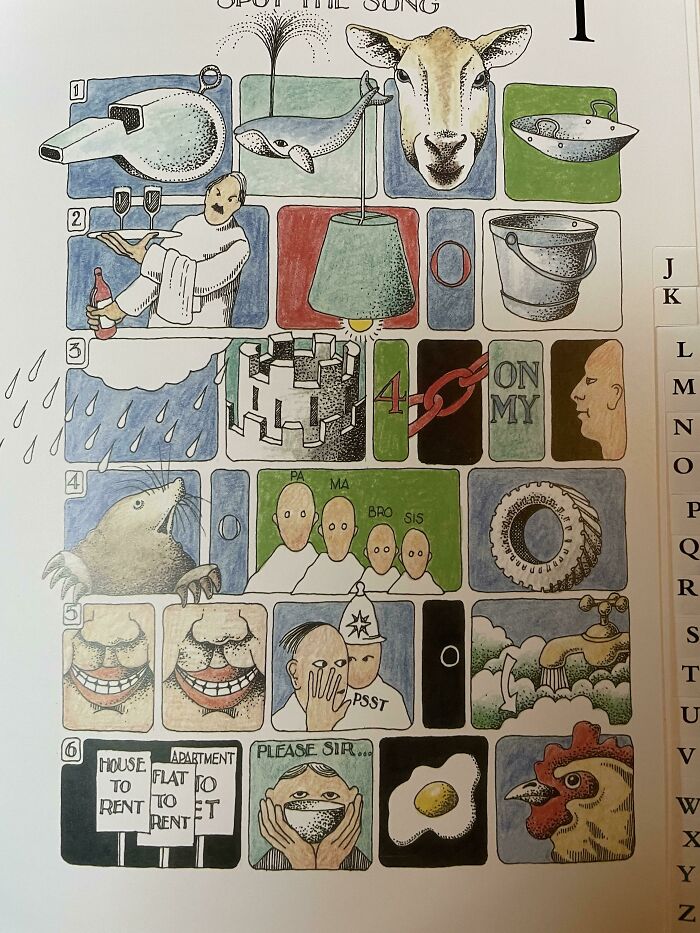
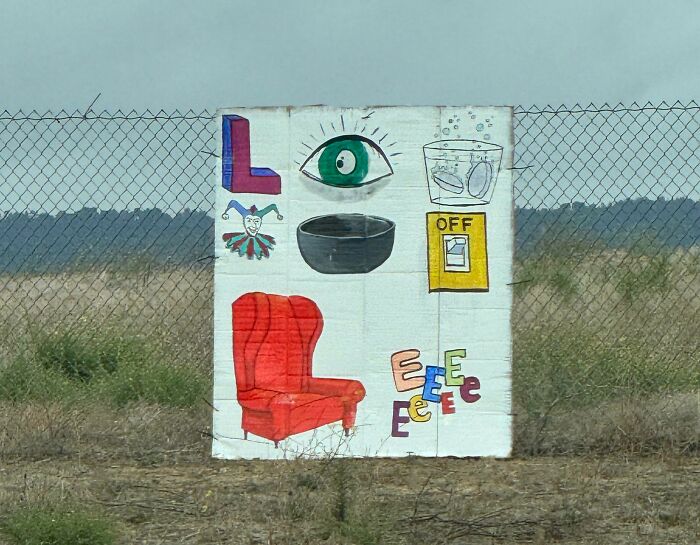
Whistle While You Work...A Whiter Shade of Pale...Raindrops Keep Falling on My Head...Mull of Kintyre...Green Green Grass of Home...Let's Twist Again......🤹🏽
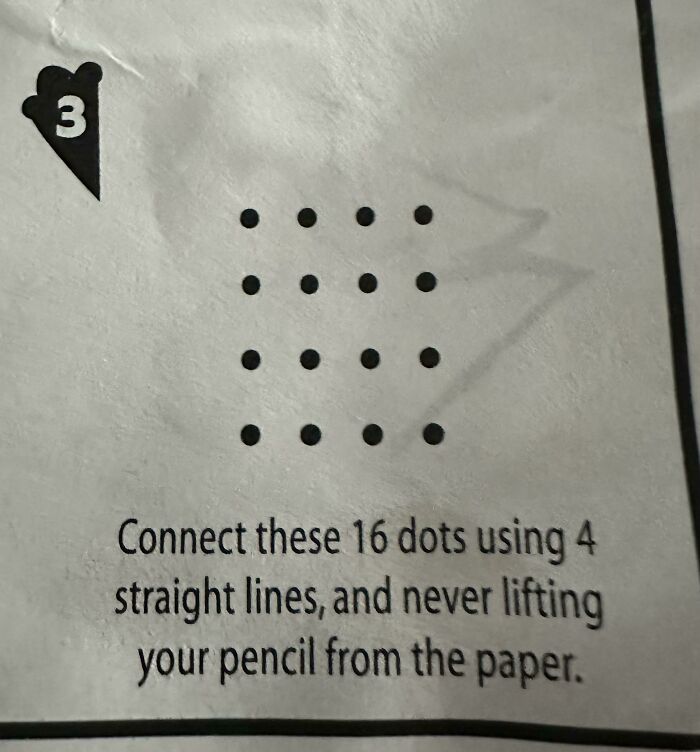
This is from the children’s menu of Moose’s Tooth in Anchorage, AK, and is a variant of the classic “think outside the box” puzzle. In order to connect all the dots, using only 4 lines, the average dots per line must be 4, but I can’t figure out how to do more than 3 new dots for any line after the first (assuming every line touches at least 1 dot). I think that the directions must have a typo, or that there should a no solution. Any way to solve using the provided directions?
I think you have to take your line way outside the box in order to bring it back in. Or something like that.

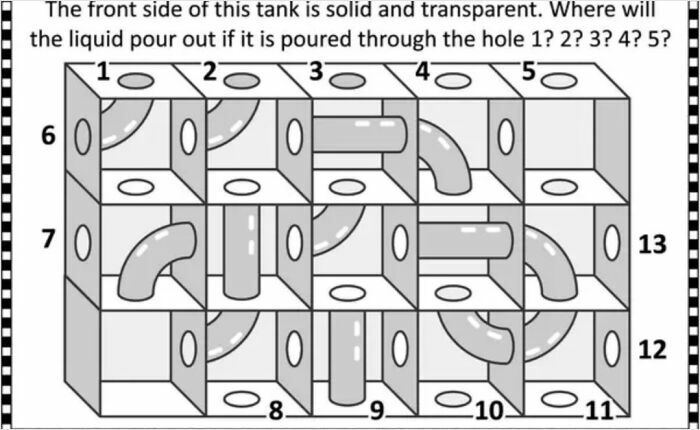
1-6. 2-7. 3-9. 4-13. 5-13. Although 3-9 would only work if water is forced into 3 or if a vacuum is created from suction at 9.

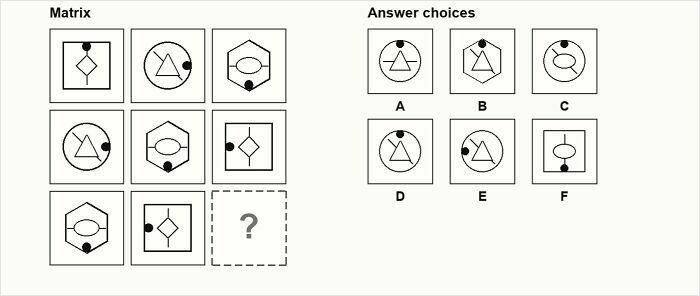
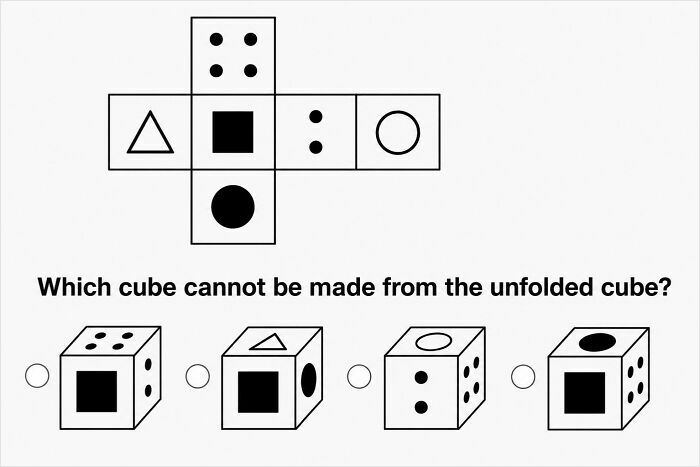
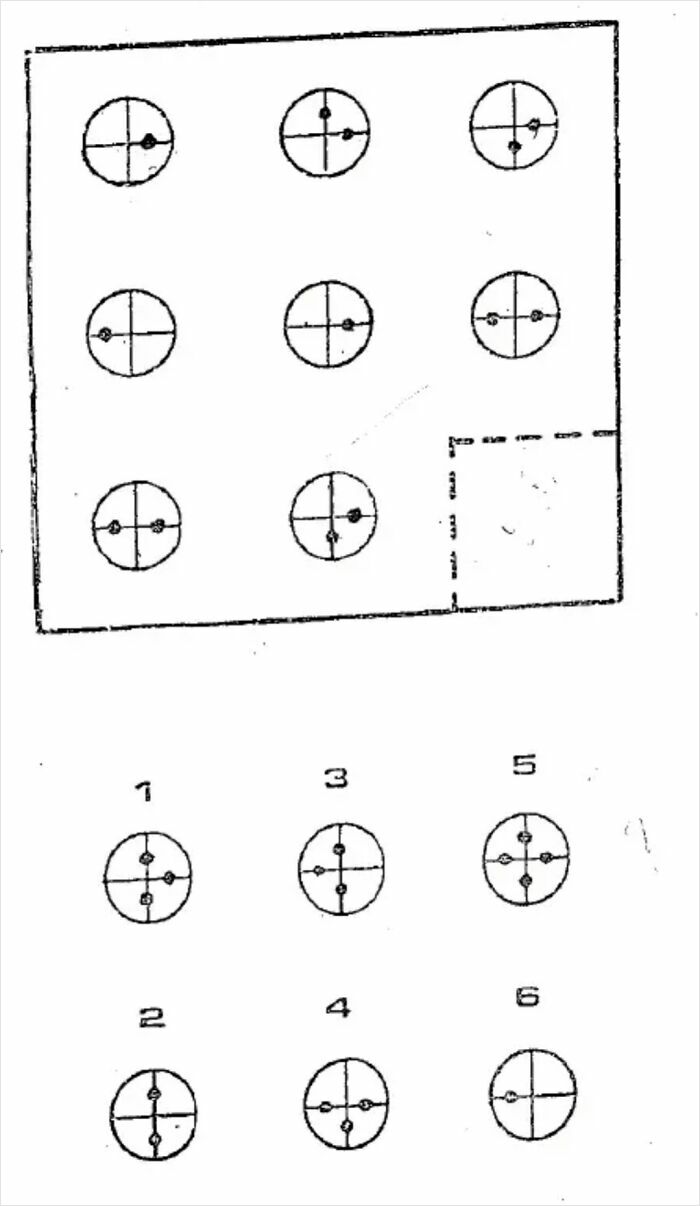
D. The shapes repeat in a diagonal, top right to bottom left. And on each horizontal line, the black dot moves a quarter-circle each time.

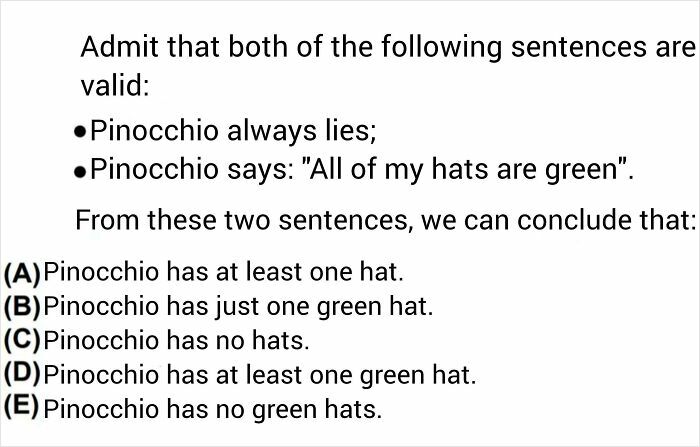
A. Pinocchio has at least one hat. (And at least one that is not green.) You have to eliminate C because if he has no hats "All my hats are green" is not a lie.
Shake, shake, shake, Señora, shake your body line Shake, shake, shake, Señora, shake it all the time
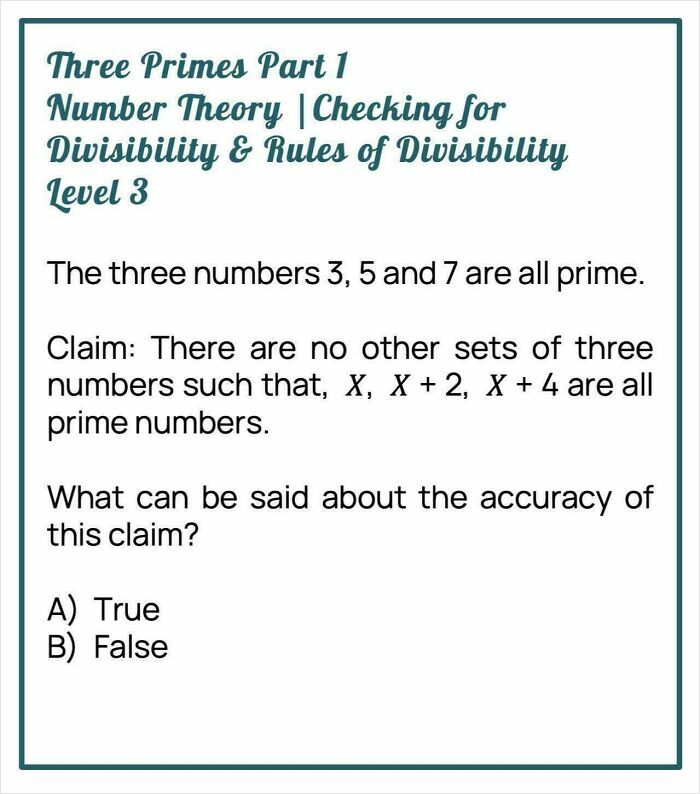
False. For any higher set of three consecutive odd integers (x, x+2, x+4), at least one will be a multiple of 3, 5, or 7 and so will not be prime.
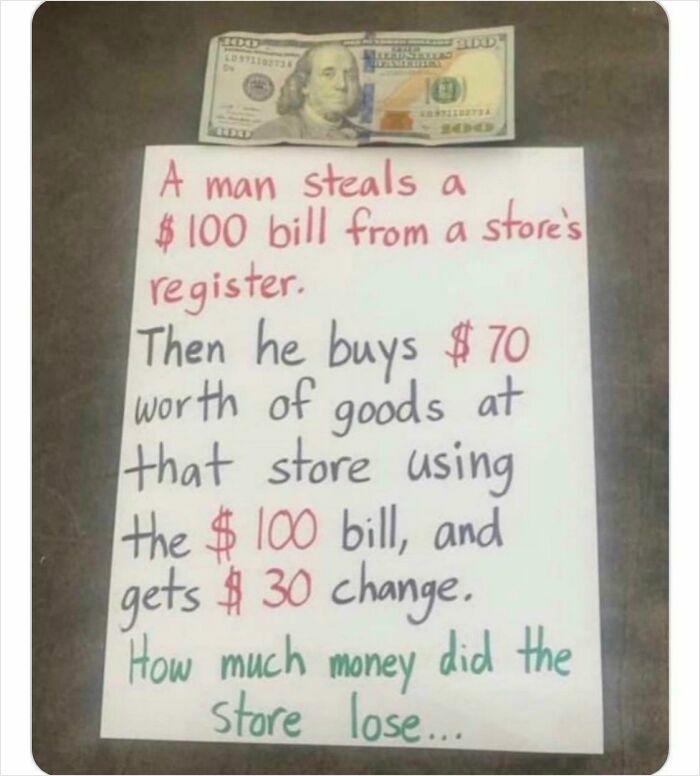
The store has lost $30 in cash and whatever amount it paid for the goods that it was charging customers $70 for. For instance, if it had purchased those goods wholesale for $50, then it was out a total of $80 ($30 + $50).
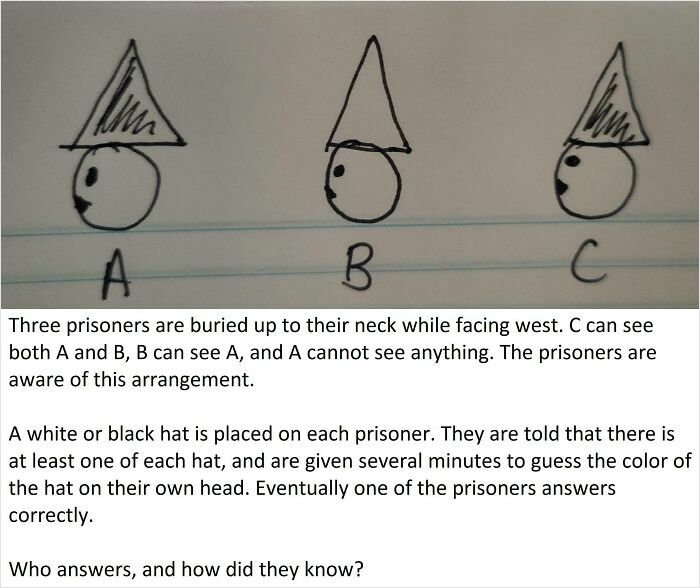
There is at least one hat of each color. If C saw two black hats or two white ones on A and B, he could answer correctly immediately about his hat's color, choosing the one he had not seen. The fact that C does not answer immediately tells A and B that their hats are of different colors. So B knows that if A wears a black hat then he (B) is wearing a white and vice versa.
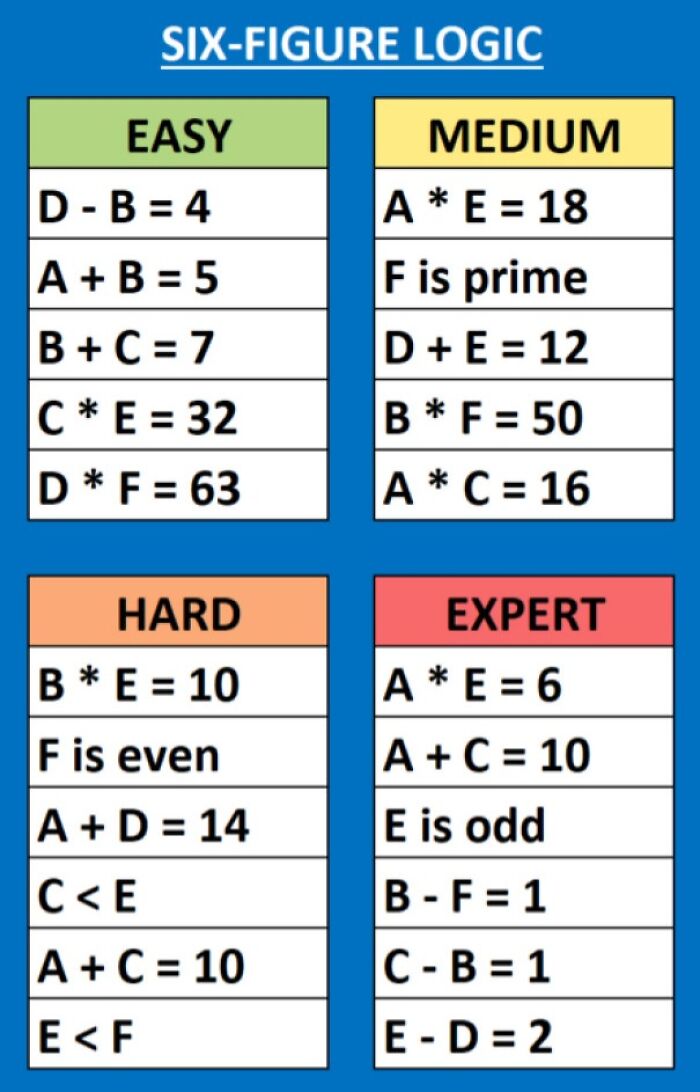
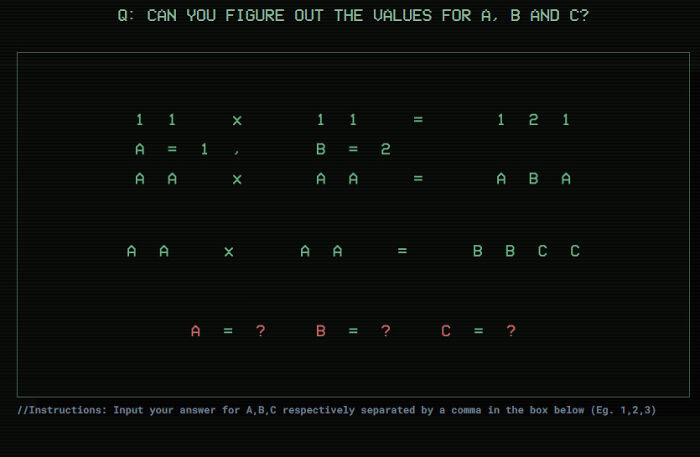
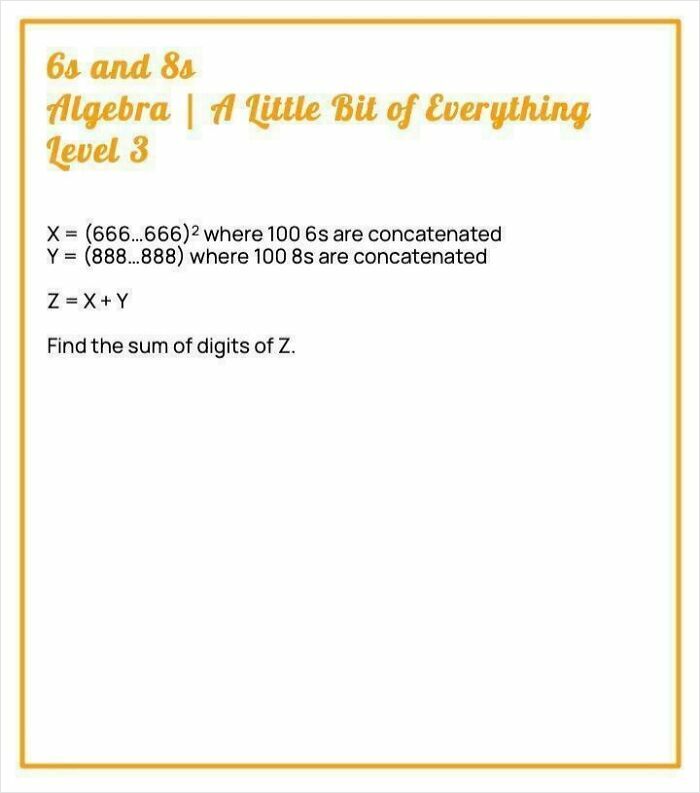
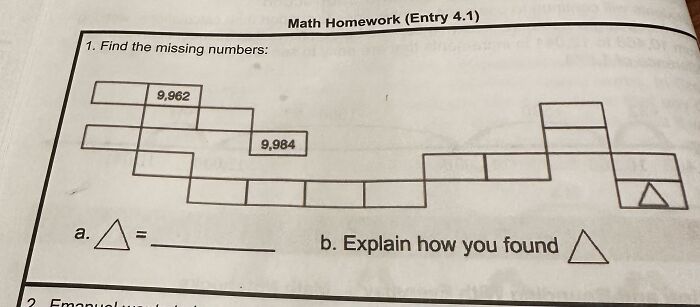
Here's a start. When multiplied out, X will end with a 6 and Y with a 4. When added to get Z, the last digit will be 0.

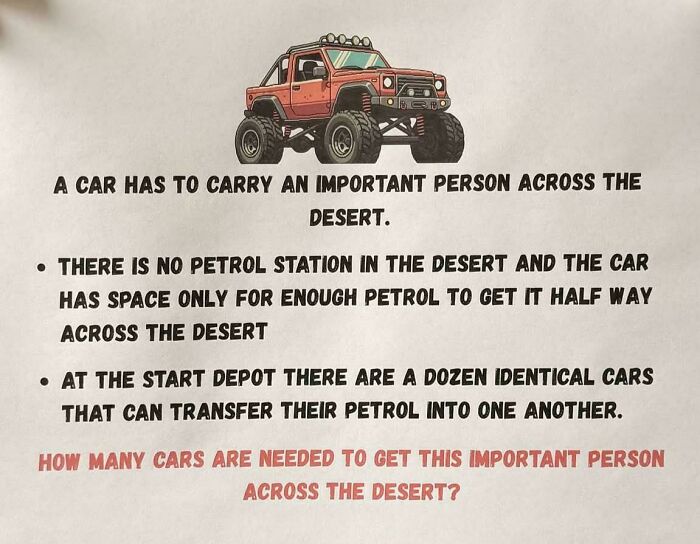
Two. One driven and one towed with another full tank. Yes, no, I know.
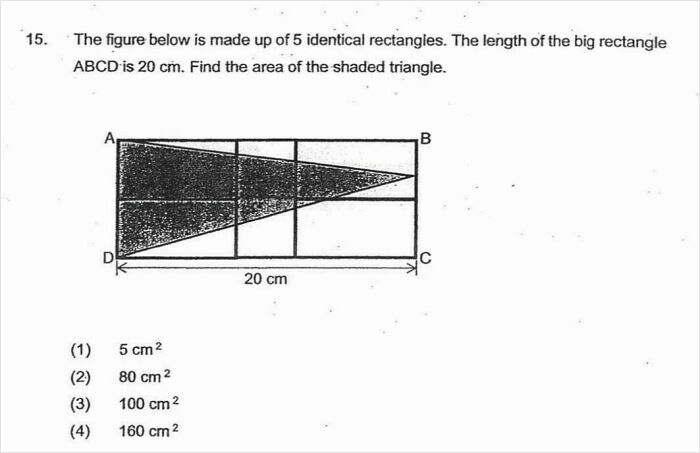
The poor reproduction here makes it hard to see, but I think the five identical rectangles are four lying on their long sides, touching each corner, and a fifth balanced on its short side in the middle. Let's say that those little rectangles are x wide and y tall, with x >= y. Length DC is therefore equal to 2x + y, which equals 20cm. Length AD is equal to both x and to 2y. Using substitution gives us (2 * (2y)) + y = 20cm, or 4y + y = 20cm, or 5y = 20cm, or y = 4cm. The area of a triangle is 0.5bh, or half of the base times the height. Since length DC is 20 cm and length AD is 8cm, the area of any triangle with two points at A and D and the third point touching line BC will be 0.5 * 8cm * 20cm, or 80cm^2, which is happily one of our answer choices.
I need a whole lot more explanation on what these rectangles are supposed to be.
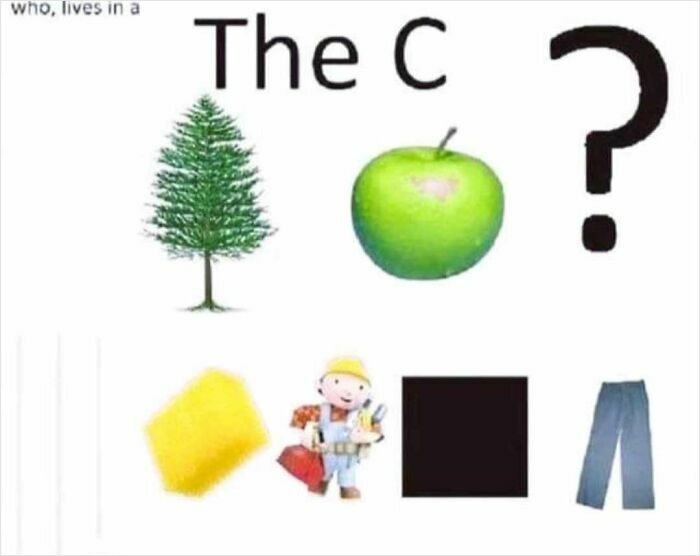
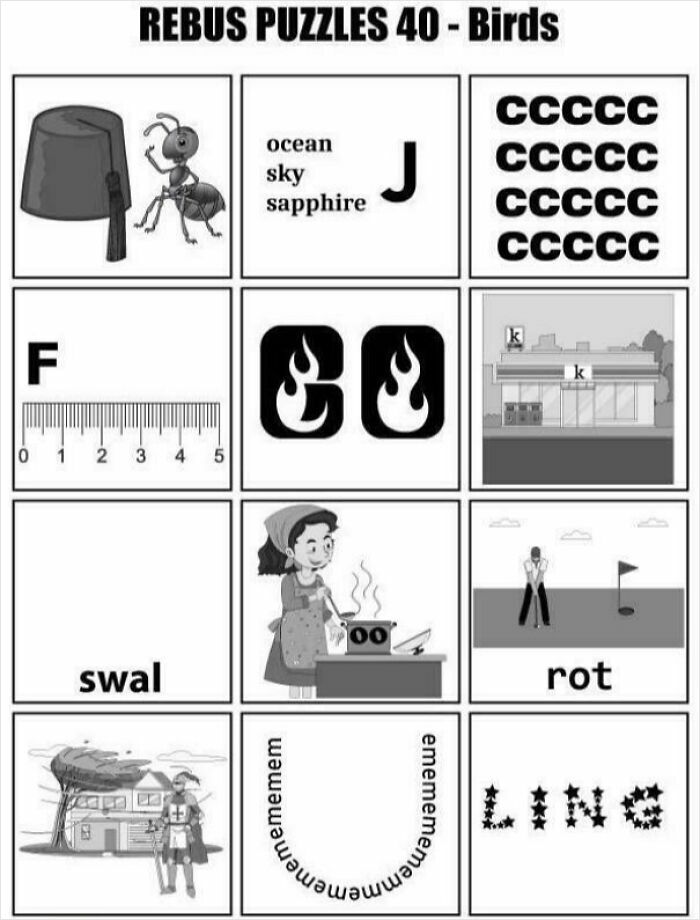
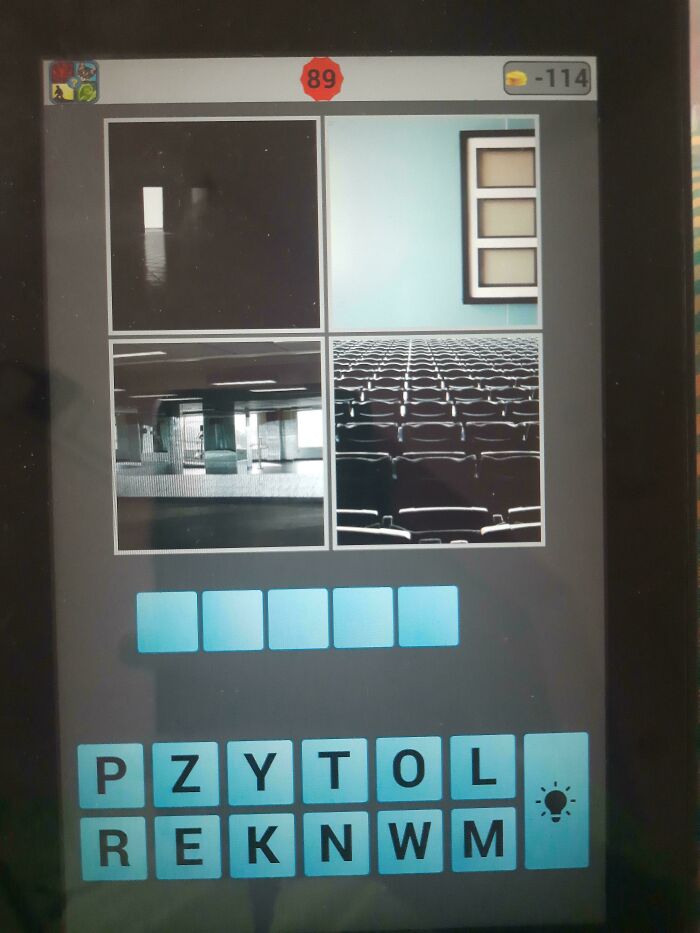
Cuckoo. Stork? Crows? The one with the tree? Wind something? Don't know!
Order food with a 15-minute delivery promise and wait for it to arrive..

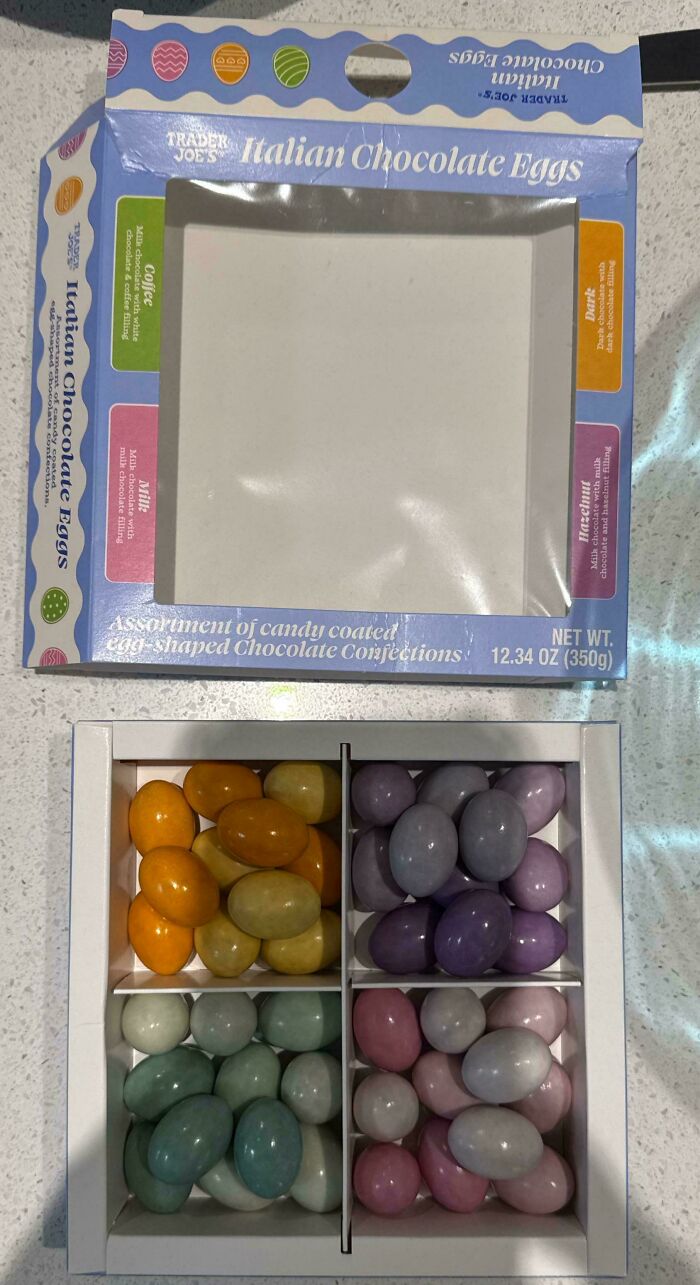
I don't know the question, but the answer is: "They look delicious!"

That was entertaining although a few I had no clue what they were asking, like the Italian easter eggs.

Everybody can earn 500$+ daily... Start now making every month extra $26000-$35000 or more by just doing an easy online job from home. Last month i have earned and received $27,800 from this job by giving this only 3 hrs a a day.Every person can now get this job and start earning online by follow this site................. 𝗟𝗶𝘃𝗲𝗝𝗼𝗯𝟭.𝗰𝗼𝗺
Load More Replies... That was entertaining although a few I had no clue what they were asking, like the Italian easter eggs.
Everybody can earn 500$+ daily... Start now making every month extra $26000-$35000 or more by just doing an easy online job from home. Last month i have earned and received $27,800 from this job by giving this only 3 hrs a a day.Every person can now get this job and start earning online by follow this site................. 𝗟𝗶𝘃𝗲𝗝𝗼𝗯𝟭.𝗰𝗼𝗺
Load More Replies...




















 No fees, cancel anytime