Get Premium
Dark mode theme is available exclusively for premium users. Learn more about the benefits of subscribing.
No fees, cancel anytime.

 Dark Mode Ad-Free Browsing Unlimited Content
 Ad-Free Browsing Unlimited Content Dark Mode
Join 1.2 million Panda readers who get the best art, memes, and fun stories every week!

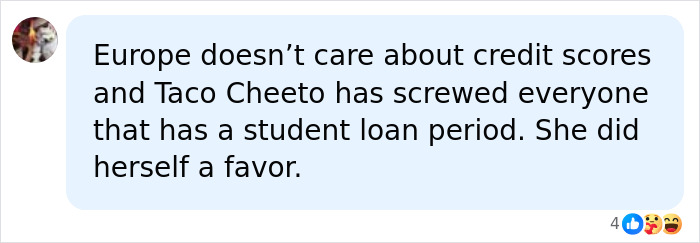
The internet brutally piled on a woman for fleeing the US and building a new life overseas, just so she could stop repaying her loans.
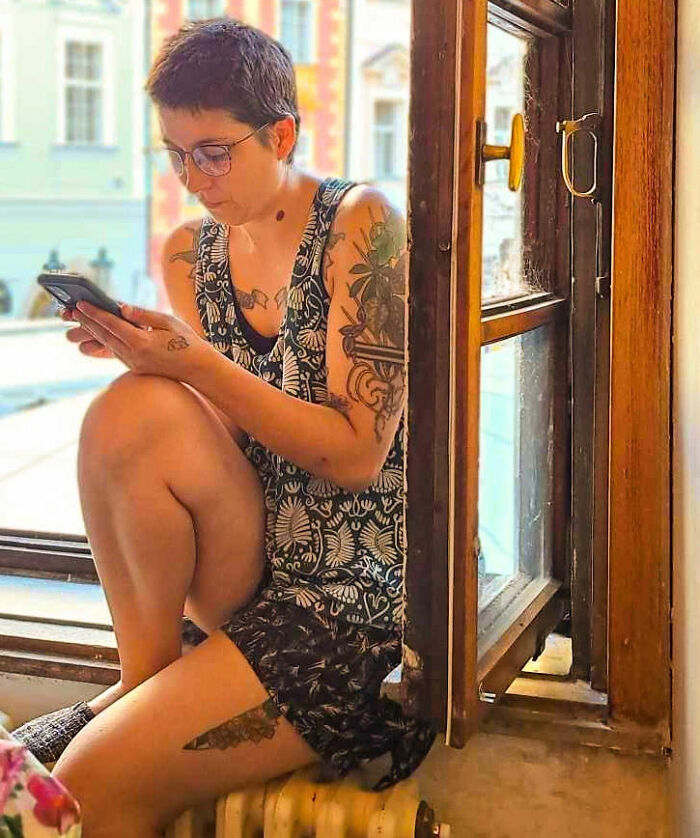
Amanda Lynn Tully, 37, was accused of running away from an amount that appeared extremely manageable to some readers.
“So not only does she have a student loan, but she also has a useless degree,” one joked online.
Image credits: _saladmander
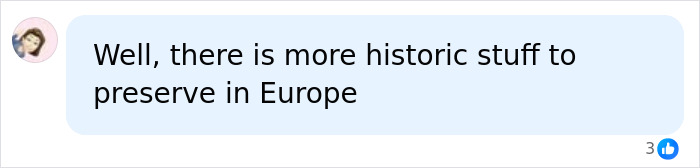
Amanda Lynn Tully graduated from the University of Oregon with a Master’s Degree in historic preservation in 2017
She then swapped the US for the Czech Republic to abscond from her student loan problems.
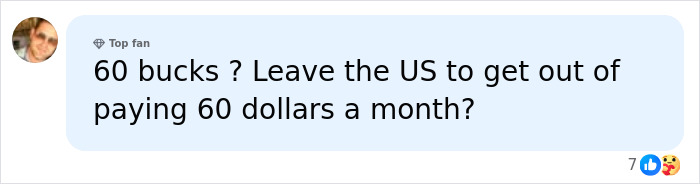
For the 37-year-old, running away seemed easier than paying $60 a month, as she has never been “financially stable,” she said.
Image credits: _saladmander
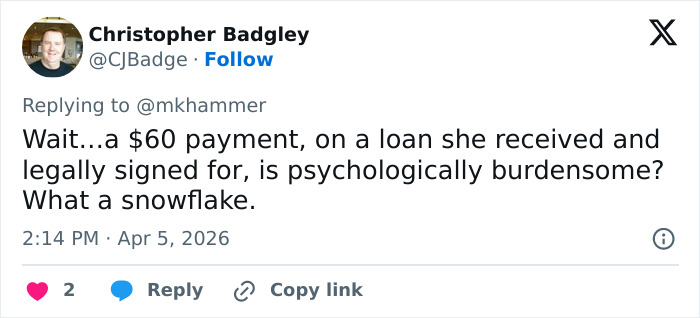
Image credits: CJBadge
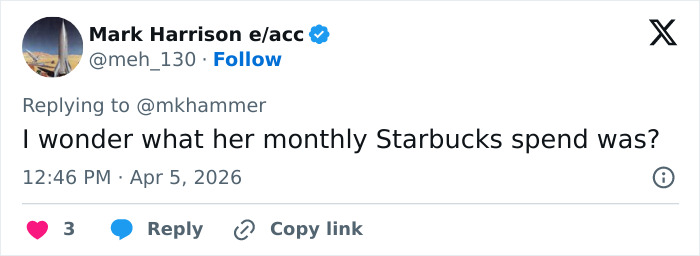
Image credits: meh_130
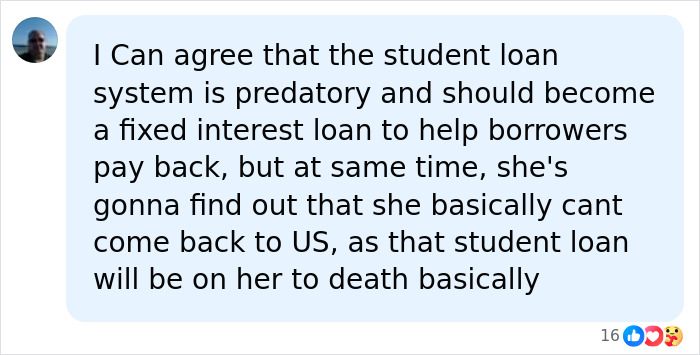
To escape $65,000 in federal student loan debt, Amanda said she moved to Prague and hasn’t made any repayments for the last seven years.
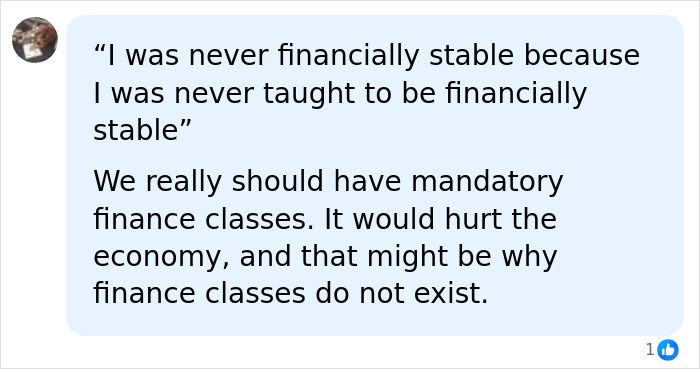
“I was never financially stable because I was never taught to be financially stable,” she told the New York Times.
The woman, who also has a BA in art history from the Metropolitan State University of Denver, said she graduated from the University of Oregon with her Master’s in 2017.
She then couldn’t find any jobs in the conservation field and relocated to Prague within a year.
Image credits: _saladmander
More than 40 million borrowers are burdened with federal student debt, and Amanda is among 7.7 million who have defaulted on their loans as of December 2025. The number of defaulters represents about $180 billion in student loans, or 11% of the entire student loan portfolio, according to data from the Department of Education.
Regarding Amanda’s debt, she was on an income-based repayment plan, which meant that after 20 years of making qualifying payments, the remaining debt would be forgiven.
Image credits: Dmitry Goykolov/unsplash (not an actual photo)
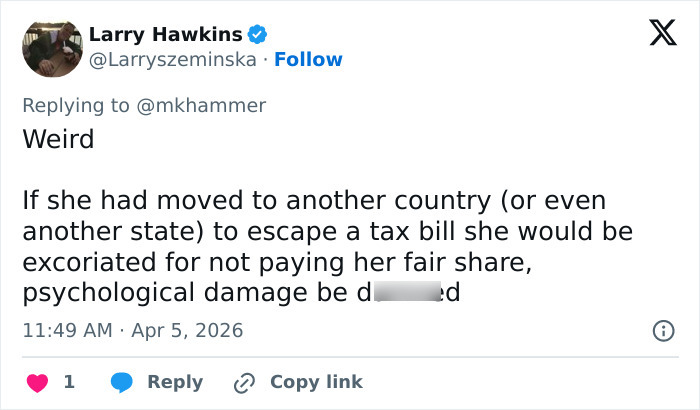
Image credits: Larryszeminska
Amanda was paying about $60 per month when she began defaulting on her repayments.
Some social media users felt it was a manageable amount, but Amanda didn’t see it that way.
“The payments weren’t even paying off the interest, so it was frustrating,” she told the outlet.
Image credits: _saladmander
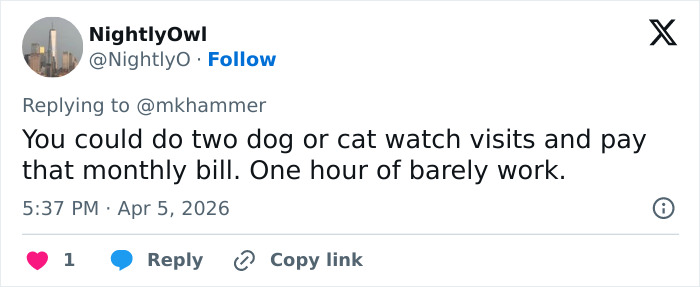
Image credits: NightlyO
Netizens roasted Amanda for running away to another country, instead of doing what most people do, such as tightening their budget or cutting down spending.
“How much did her tattoos cost?” one asked.
“There are a lot of people who weren’t taught how to budget their money,” wrote another.
“Girl with a loan, it’s YOUR RESPONSIBILITY to pay it back!! You can pay a lot more each month, so the balance goes down faster!!” said one.
Image credits: _saladmander
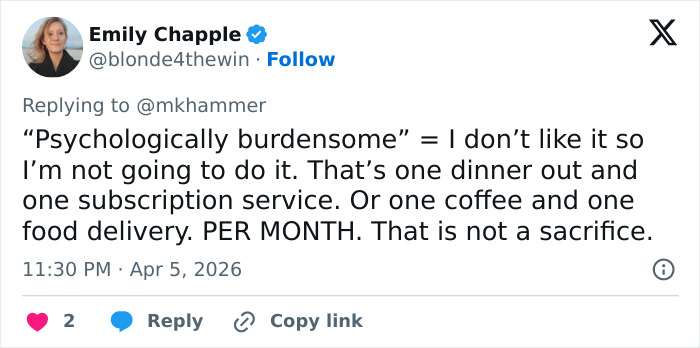
Image credits: blonde4thewin
Another said, “If you move to another country to escape a $60 a month payment, you’re a loser and a whiny bi***.”
“I worked my way through college and grad school,” said another.
“A professional student who hasn’t learned a thing,” another wrote.
“Those tatts were not free, and how much did that phone cost?” one asked. “Maybe the payments were not covering the interest, but there was nothing stopping her from sending in more.”
Image credits: _saladmander
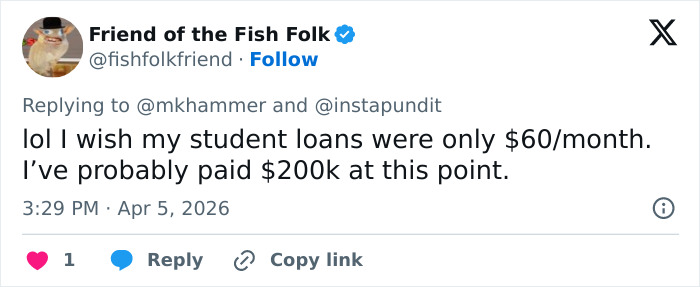
Image credits: fishfolkfriend
When it comes to financial stability, it has less to do with one’s earnings and credit score and more to do with one’s overall relationship with money, according to the Consumer Financial Protection Bureau (CFPB), a US government agency created to protect consumers with their money.
According to CFPB, improving one’s relationship with money includes understanding exactly where one’s money comes from, where it goes, and how one’s spending lines up with their income.
Even simple steps like tracking expenses, noting bill due dates, and reviewing spending patterns can help regain control. From there, small adjustments can make big differences.
Image credits: _saladmander
One can also prevent shortfalls by creating a budget that matches their cash flow, shifting bill due dates if needed, and comparing monthly spending to try to free up money over time.
The key focus areas should also include saving, even if it is in small amounts.
It would also help to create a financial cushion and reduce reliance on debt by building an emergency fund, automating savings, and setting aside extra money whenever possible.
Head to CFPB for more tips.

By entering your email and clicking Subscribe, you're agreeing to let us send you customized marketing messages about us and our advertising partners. You are also agreeing to our Privacy Policy.
Thank you! You've successfully subscribed to newsletters!



I paid 200-400€ a month and then any extra money like bonus or inheritance, which meant living on a student budget in the first years. 60$ is a joke.

I paid 200-400€ a month and then any extra money like bonus or inheritance, which meant living on a student budget in the first years. 60$ is a joke.



























 No fees, cancel anytime
















28
3