Get Premium
Dark mode theme is available exclusively for premium users. Learn more about the benefits of subscribing.
No fees, cancel anytime.

 Dark Mode Ad-Free Browsing Unlimited Content
 Ad-Free Browsing Unlimited Content Dark Mode
Join 1.2 million Panda readers who get the best art, memes, and fun stories every week!
49submissions
1week left
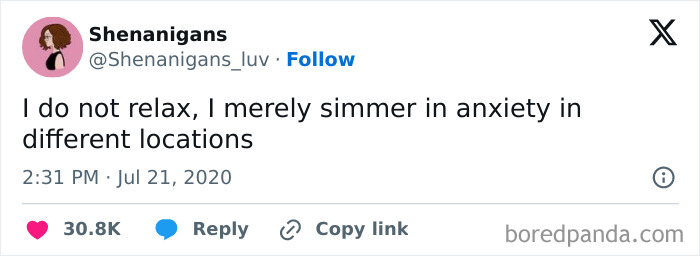
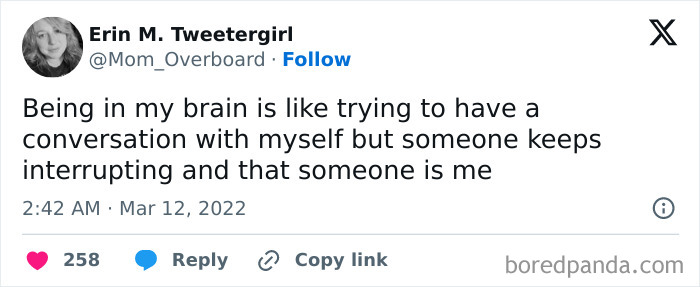
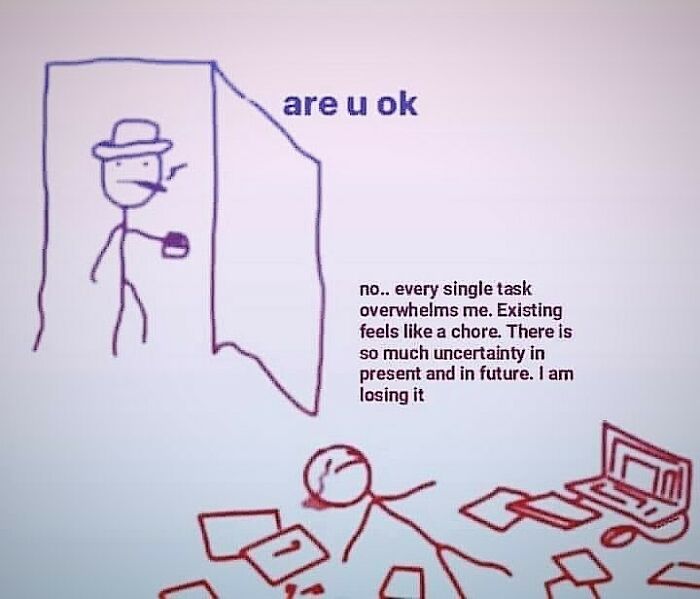
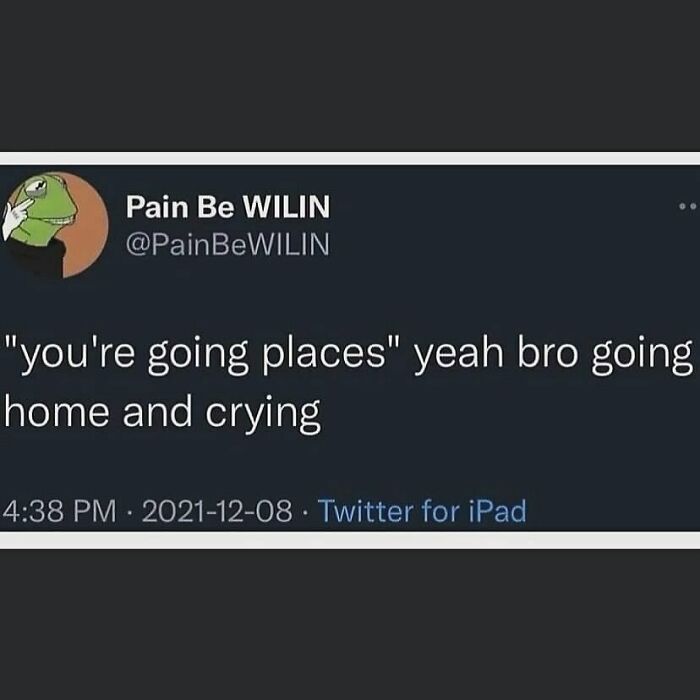
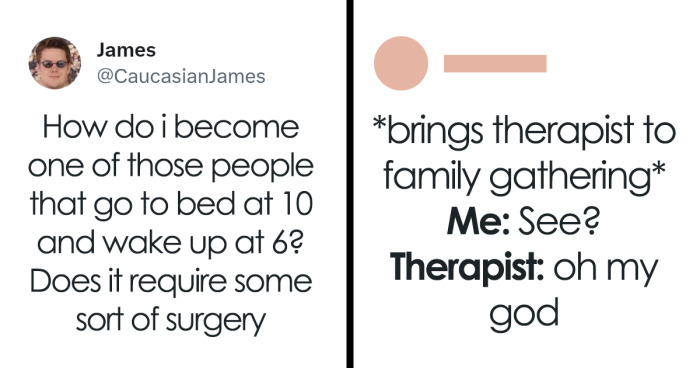
If you ever wonder what it feels like living with anxiety, picture being envious of traffic lights for being able to make a decision with zero effort to turn green or red depending on the situation. Yeah, it’s sometimes that ridiculous, but the struggle is real.
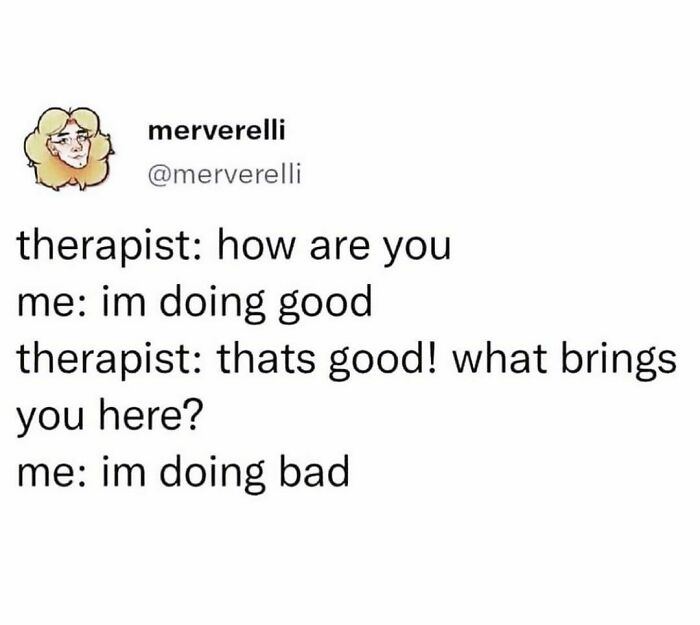
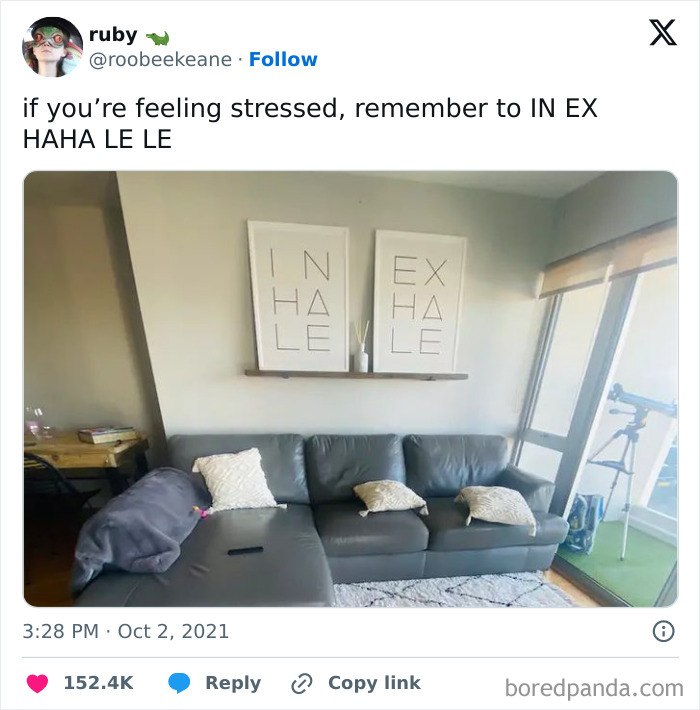
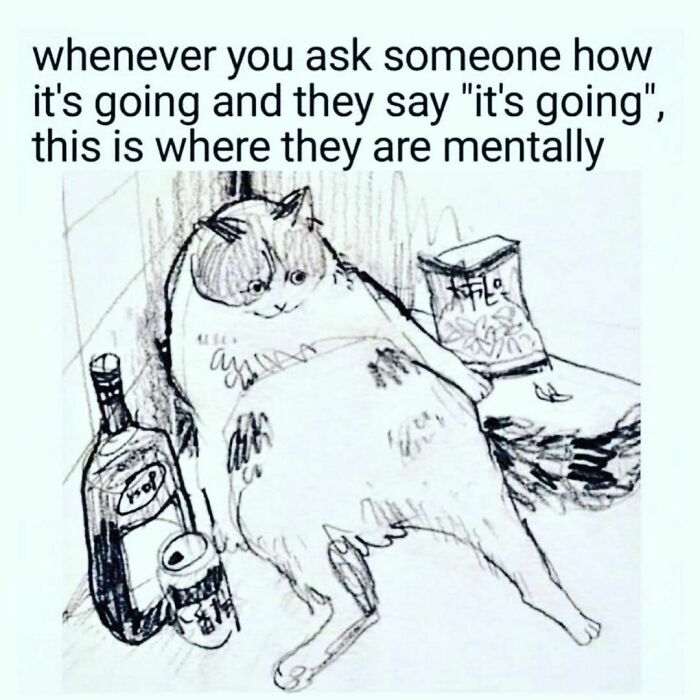
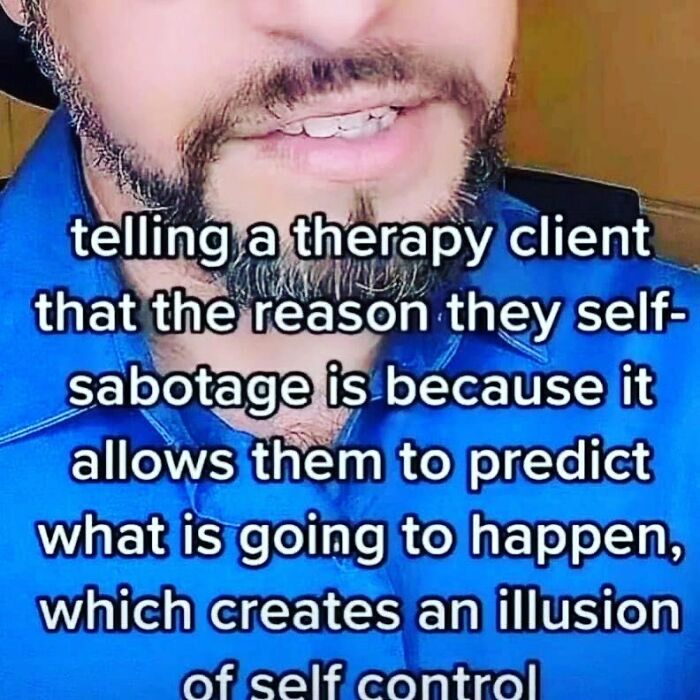
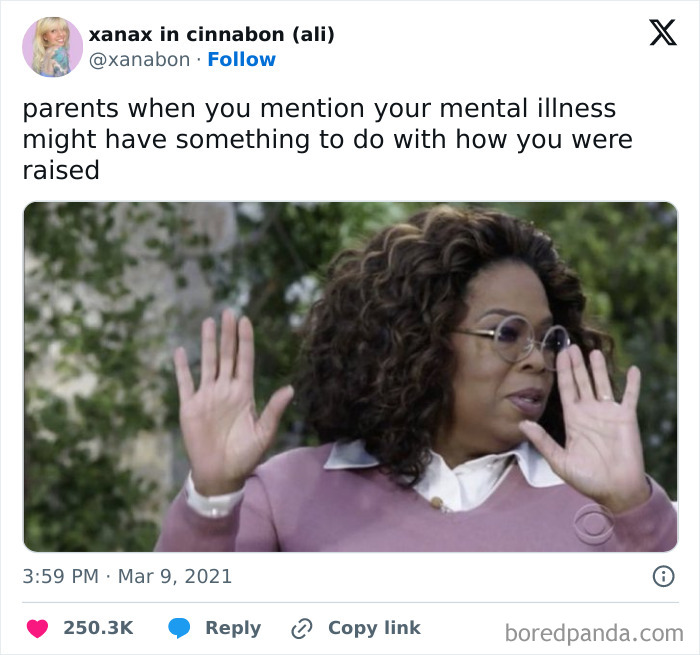
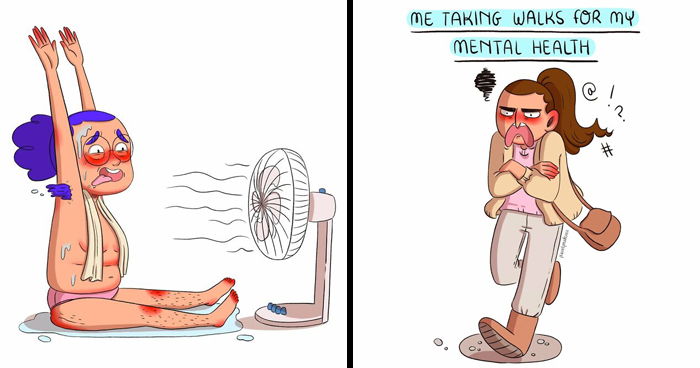
Luckily, there are meme pages out there who aim to do great things in this harsh world. Enter Anxiety Within, an Instagram page that aims to raise awareness on mental health through memes. Because the world would be a darker place without memes at this point.
This post may include affiliate links.
As mentioned previously, Anxiety Within is an Instagram meme page that deals with all manner of memes that revolve around the concept of anxiety. The page was created in 2018 and has since then amassed a following of nearly 300,000 followers who are digging the 8,640+ posts already up on the page. The posts are mostly memes, but do include some let's be real time with educational posts about mental health.
So, a bit of context: anxiety is a feeling of unease, whether worry or fear, which can range from mild to severe. Now, if they come and go—say, around an exam—that is normal. However, some folks find it hard to control their worry, and it becomes a constant in their lives, turning into full-blown panic attacks, disorders or phobias.
Anxiety can ultimately affect many aspects of life. If it’s mild, it can be merely annoying having to, say, check the stove or the door lock a couple times more than the average Joe.
If it’s severe, however, it could be an immense hurdle to overcome in terms of moving on in life or simply coming out of your home for fear of the unknown.
And you’d be surprised how prevalent anxiety is these days. In the US, it is reported that over 40 million adults (roughly 19% of the population) have an anxiety disorder. Throw symptoms of depression into the mix and the count increases to a third (32.3%) of adults in the US. Younger people, ages 13 through 18, are most likely to suffer from anxiety, though adults might have it too.
In terms of the whole world, it’s estimated that roughly 301 million people—roughly 4% of the global population—were suffering from some form of chronic anxiety.
Some experts suggest that the reason why anxiety is so widespread is due to the excessive amounts of information we soak in on the daily.
As such, these days, people often have trouble understanding what information they need to react to and what ought to be ignored. In turn, this leads to things like obsessive compulsive disorder, generalized anxiety disorder, and phobias, among many others. And factors like the pandemic didn’t help, as there are still signs pointing to higher anxiety rates among the population than they were before covid hit.
Anxiety is considered highly treatable. The only problem with that is that, statistically, only 37% of people actually seek therapy and treatment.
Women are more likely to seek mental health treatment. 25.6% (compared to 14.6% for men) have already sought out medical attention and statistics show that women are considered more likely to take medication or receive treatment in general.
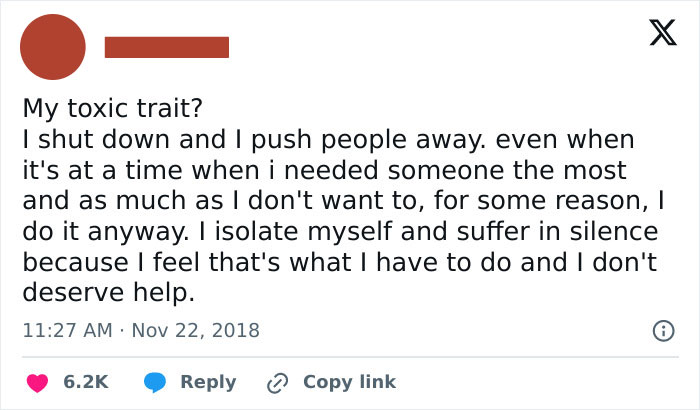
Reasons why folks don’t seek help include not being able to afford treatment, not knowing how to access the available resources, and succumbing to the feeling of a stigma surrounding mental health treatment. In the case of that last one, most folks tend to tackle the issue themselves, but the problem comes as not many are actually equipped to do so. And so they default to the “grin and bear” tactic.
To circle back to the initial point—that anxiety is often caused by an abundance of information—there was actually a study conducted back in 2020 that showed how the digitization of society can add to anxiety. Turns out, stress and anxiety that’s related to the use of technology can lead to demoralization and frustration, information fatigue, loss of motivation, dissatisfaction at work and decreased individual productivity.
If you, or someone you know, is struggling with mental health issues and anxiety, know that there is no shame in seeking help. You can call the National Alliance on Mental Illness (NAMI) Helpline at 1-800-950-NAMI (6264) or check out some of the other crisis helplines.
But if scrolling is your way to alleviate stress, there’s more where that came from. And if that isn’t enough, there’s an entire Instagram page waiting for you.
You might also like: 43 absurdly funny memes shared online that make little sense























 No fees, cancel anytime