Get Premium
Dark mode theme is available exclusively for premium users. Learn more about the benefits of subscribing.
No fees, cancel anytime.

 Dark Mode Ad-Free Browsing Unlimited Content
 Ad-Free Browsing Unlimited Content Dark Mode
Join 1.2 million Panda readers who get the best art, memes, and fun stories every week!
Pandas, if you open your Instagram or WhatsApp and your inbox is suddenly flooded with memes, consider yourself lucky. It’s more than just laughs—it’s a little nudge that someone truly gets you. According to a Forbes piece featuring a psychologist, humans often share memes and jokes they think their loved ones would enjoy. It’s a way of saying, “I get you, and I know this will make you smile.”
And pandas, we all need a little joy and connection in our busy lives. That’s why today, we’ve curated some especially relatable memes just for you. We dived into popular Instagram page Mr Moist to bring you content that’s funny, quirky, and totally shareable. Get ready to scroll, laugh, and maybe even send a few to your friends who will immediately understand why you picked them!
This post may include affiliate links.

Today, memes are basically their own language and good luck escaping them, whether you love them or groan at them. They’re everywhere: scrolling through Instagram, WhatsApp, Twitter, or even popping up in office group chats. Memes aren’t just silly pics anymore—they’re a lightning-fast way to share feelings, ideas, or those little life moments that are impossible to explain in words. Even brands, teachers, and creators are hopping on the meme train to connect with people. In a way, memes have become the digital shorthand for life; funny, relatable, and totally unavoidable.
Beyond making us laugh, memes help us form meaningful social connections. They can express complicated emotions or shared experiences in just one image or phrase. When you see a meme that perfectly mirrors your feelings, sending it to a friend instantly signals, “I get you.” This small act of sharing creates an immediate bond, a moment of mutual understanding without needing a long explanation.
Memes allow people to relate to one another in ways that feel effortless, even when emotions are complicated. They work across distance, culture, and age, bridging gaps in communication. Essentially, memes turn abstract feelings into something everyone can recognize and connect over. They’re little gestures of empathy disguised as humor.
Memes also serve as cultural markers, signaling familiarity with a specific community, trend, or subculture. Sharing certain memes communicates insider knowledge; it’s a way to say, “I’m part of this group; I understand the joke.” Julian Burton, PhD, explains in his research on youth, memes, and online cultural politics that they are more than entertainment; they’re a form of social currency. Knowing which memes to share, and with whom, helps people navigate online communities, form identities, and establish belonging. Memes create subtle hierarchies of knowledge and understanding that are recognizable only to those within the circle. The humor and relatability combined make memes powerful cultural connectors.
A therapist writing for Very Well Mind also points out that memes are increasingly used to communicate emotions that are difficult to express verbally. She says, “I’m grateful that my friends and clients have used memes to communicate with me in order to say the hard things—to make jokes about their traumas or an element of dealing with chronic depression, for example.”
Memes provide a lighter, less threatening way to approach heavy topics. They allow people to show vulnerability indirectly, which can be easier than expressing it outright. In this way, memes become both a coping mechanism and a bridge for emotional connection. They let people convey feelings of struggle, frustration, or sadness while still maintaining a sense of control and humor.

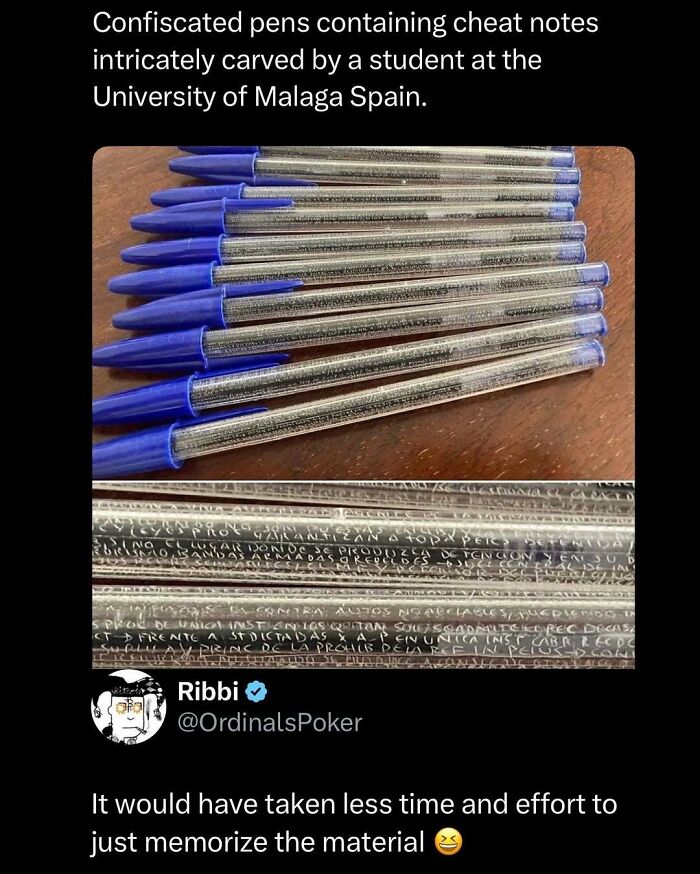
They still stamp . Need blacklight to see. Has to match parent with child to be able to leave party.
At first, sharing memes about depression or other serious struggles might seem counterintuitive—how can humor help with something so heavy? But memes work in a unique way: they let people acknowledge their feelings without being overwhelmed by them. They provide a space where difficult emotions can be confronted safely, with a touch of humor that eases the intensity.
A funny or relatable meme about anxiety, isolation, or sadness can make someone feel less alone, like someone else “gets it.” Memes allow us to process tough experiences in digestible bites, making them less frightening or shameful. They normalize feelings that are often stigmatized, and create moments of recognition, empathy, and relief.

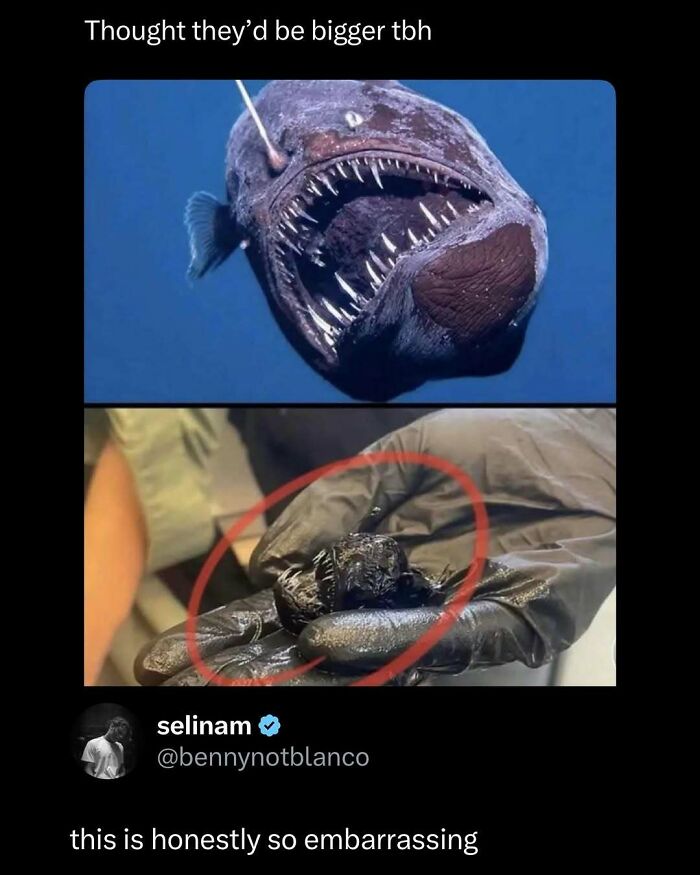
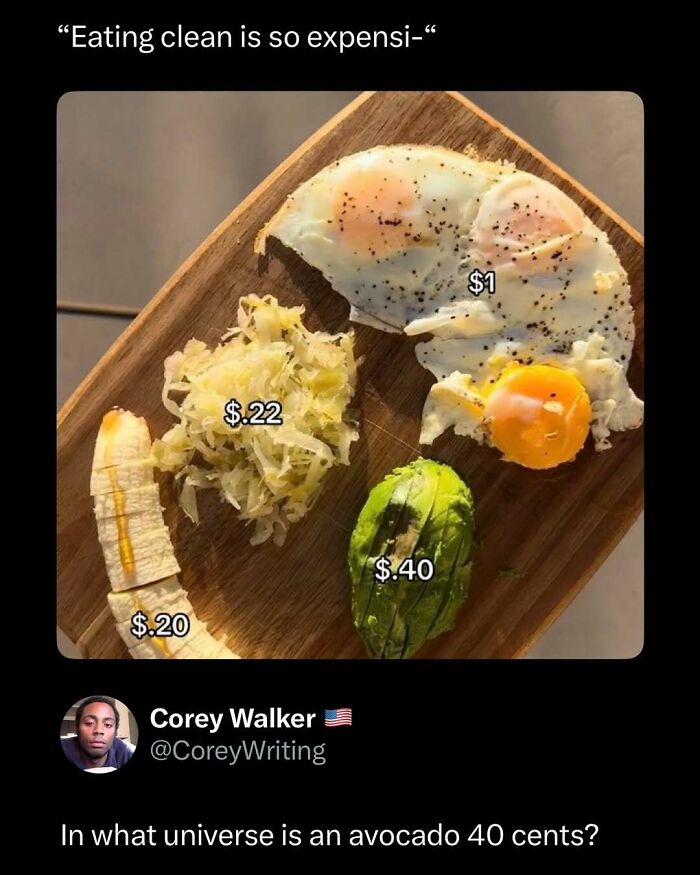
They're about $1.50 at Trader Joe's. And what are about $3 / dozen. The banana is priced about right though.
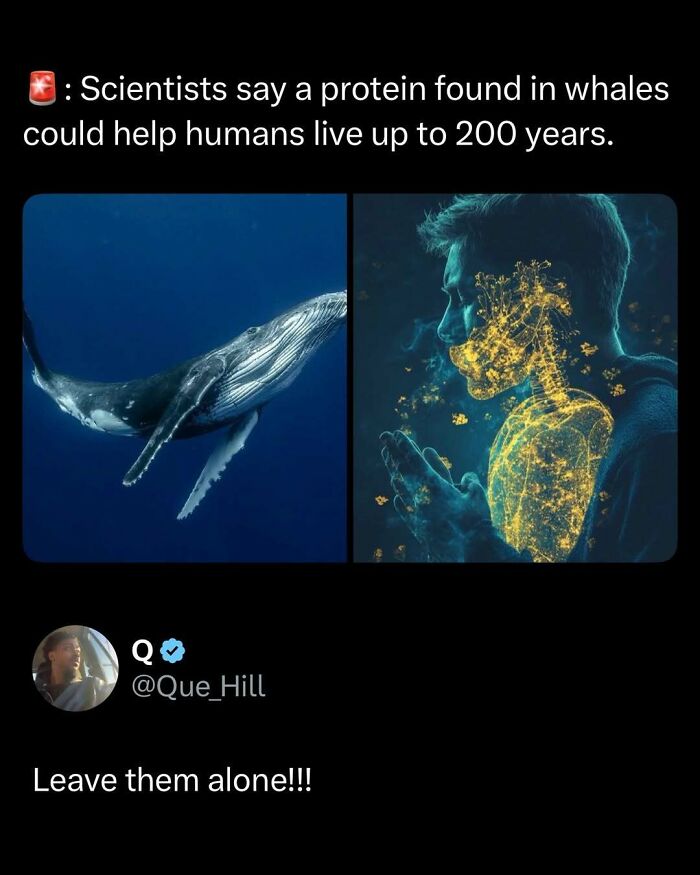
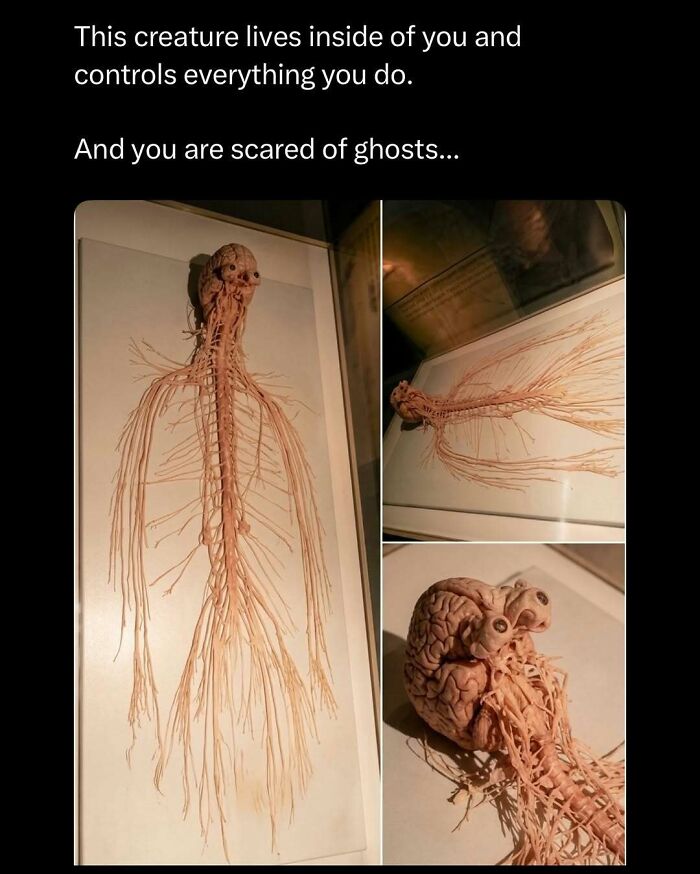
That doesn't live inside of you. That IS you. The flesh and bones are just stuff you wear to keep you alive. It's like an astronaut in a space suit. Your body is the suit, that thing is the astronaut
Research shows that memes addressing traditionally taboo or challenging feelings, like isolation or mental health struggles, give people a socially sanctioned outlet for expression. By seeing others laugh at (or with) the same experiences, individuals feel less burdened by their own heavy emotions. Humor has a way of diffusing tension and breaking down the weight of feelings that might otherwise feel overwhelming. It offers perspective, a little emotional release, and even encourages conversations that might not happen otherwise. Memes act as emotional shortcuts: they allow people to communicate, connect, and heal with minimal effort, yet maximum effect. The shared laughter becomes a tiny but significant support system.
Humor, in this context, is more than just entertainment; it’s a tool for resilience and connection. Memes make it easier to talk about difficult topics without judgment. They encourage openness, normalize emotions, and help people feel less isolated in their experiences. They can even spark deeper conversations, or simply remind us that others are navigating similar struggles. Humor reduces emotional intensity, allowing reflection, understanding, and empathy. Memes create mini social bonds and emotional support networks, even among people who may never meet in person. They show that laughter and relatability are universal tools for connecting, healing, and coping.
In conclusion, memes aren’t just funny images—they’re bridges between people, emotions, and experiences. They help us relate, laugh, empathize, and even navigate life’s heavier moments. So next time you scroll past a relatable meme, remember: it’s more than a joke. It’s a little piece of connection, a reminder that someone else feels the same way, and a shared moment that makes life a little lighter. So pandas, which one of these relatable memes made you grin the most? Did one hit way too close to home? Share your favorite in the comments below; we’d love to hear which one made you smile!
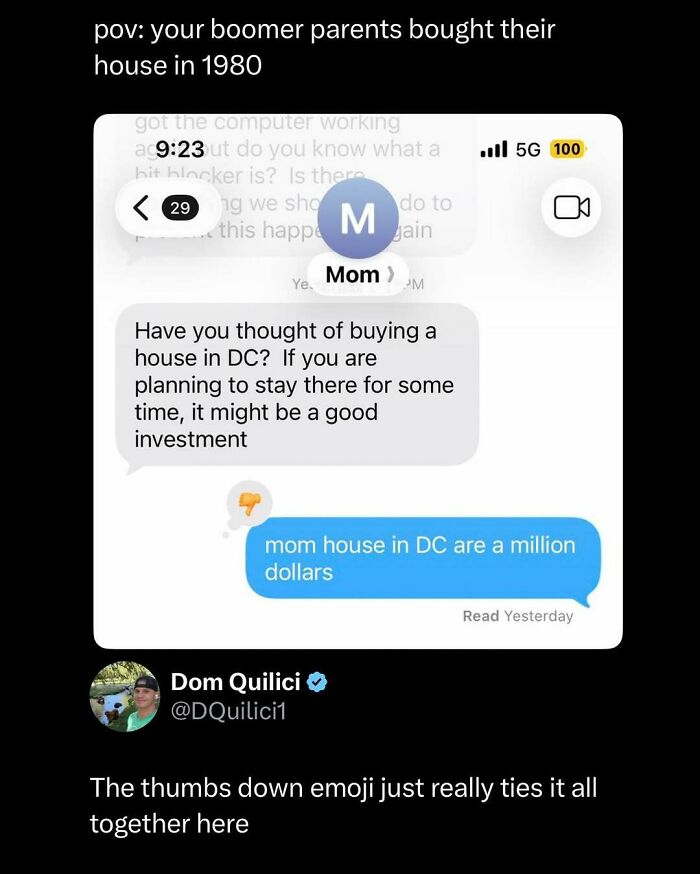
Not true though. You can find a house in DC for only $980,000. I mean. It's a one bedroom condo, but still

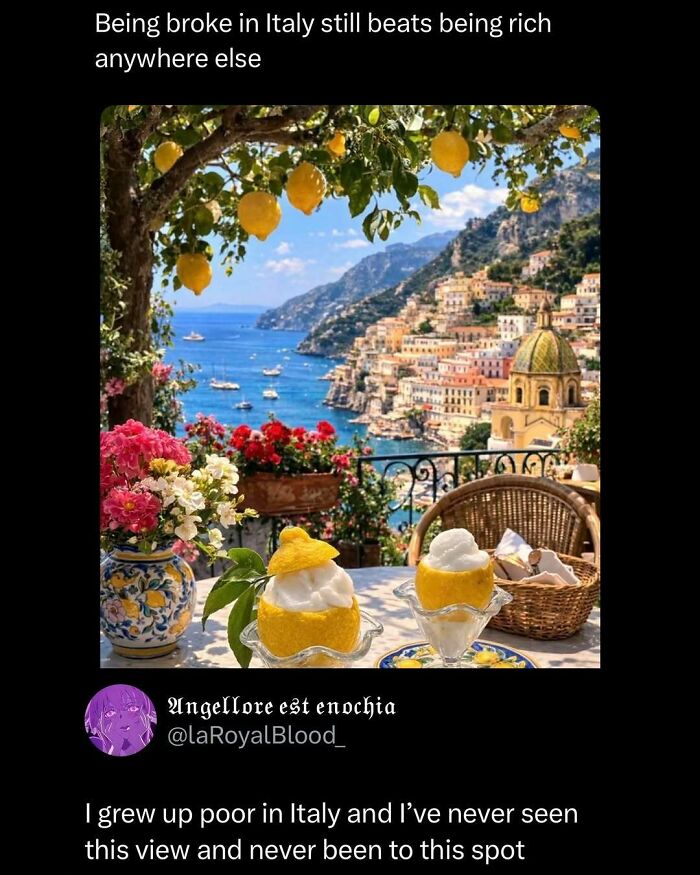
I love seeing the cliffside towns and villages in some of the documentaries I watch. My daughter says the food is many times better than in the US.

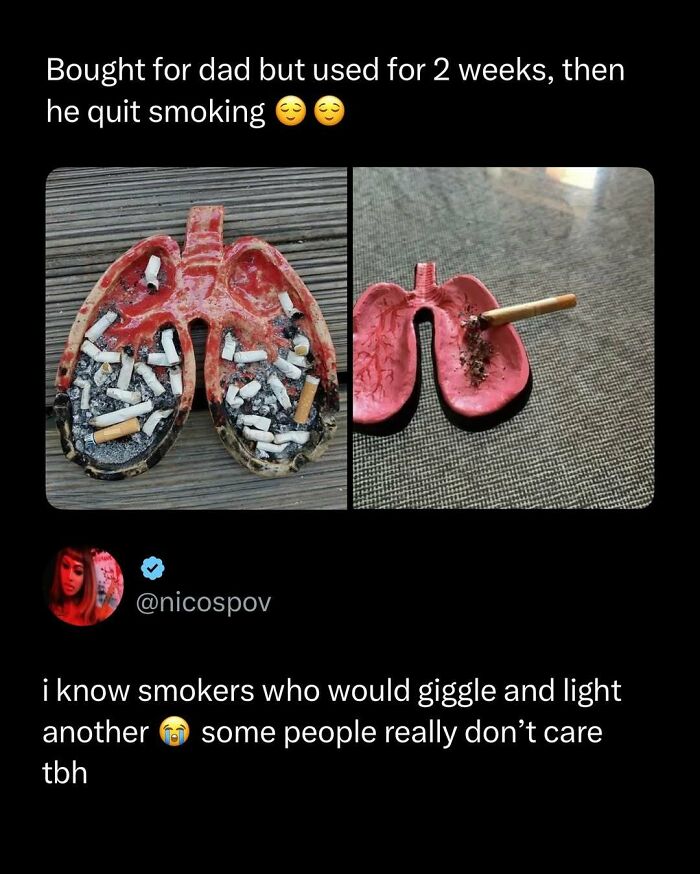
As it has been said "Don't rob the elderly of their small joys". That being said, good on him for quitting.

I'd never be this mother. However if I was I'd be proud of my kids taste.

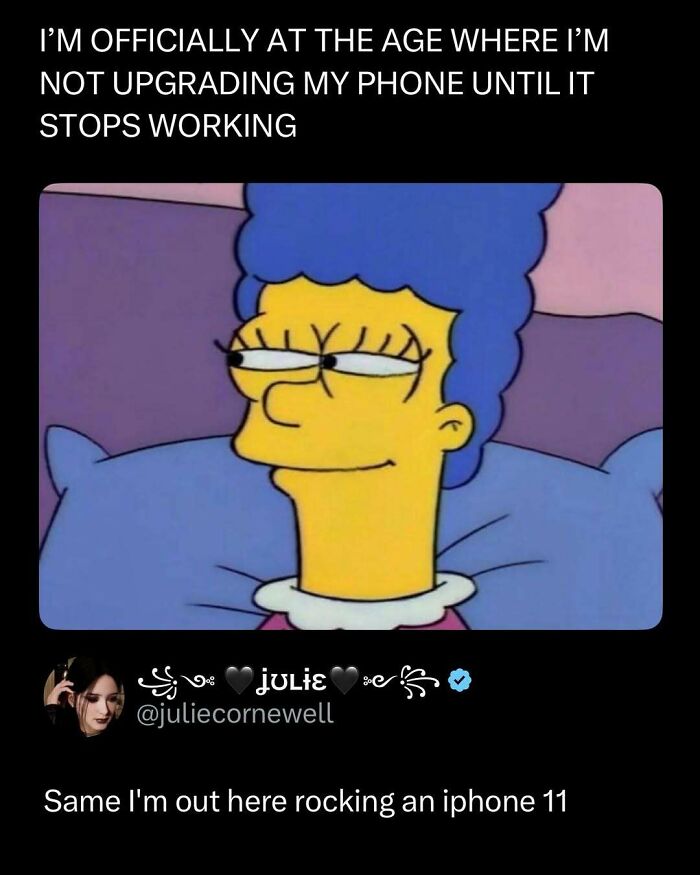
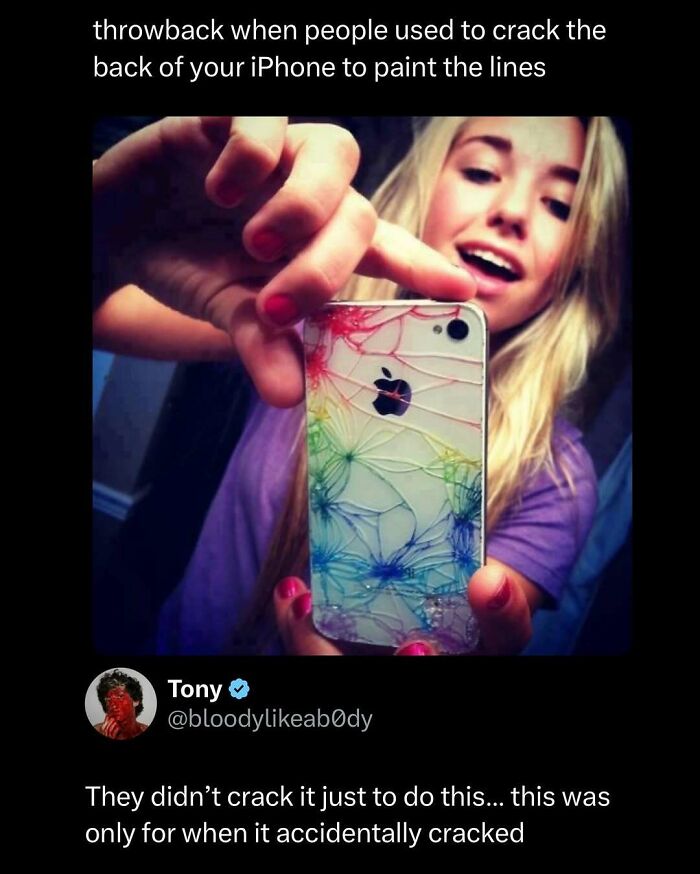
ME TOO!!!! But it now only charges wirelessly. The port isn't working anymore. :(
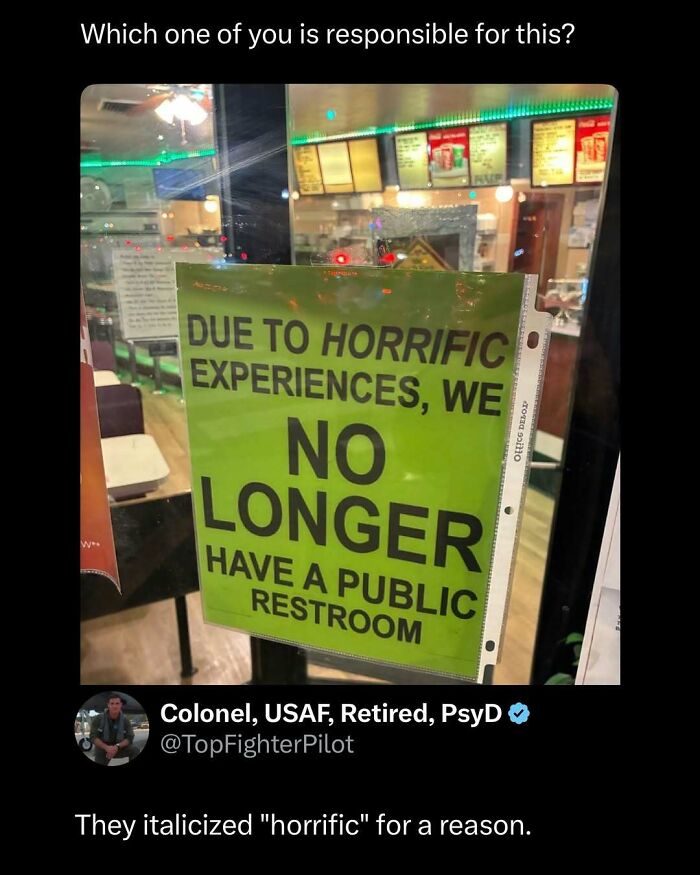
Why does s--t like this happen! (pun semi-intended, but question still stands)
Scissors! Do whatever you have to do to get rid of that sucker!
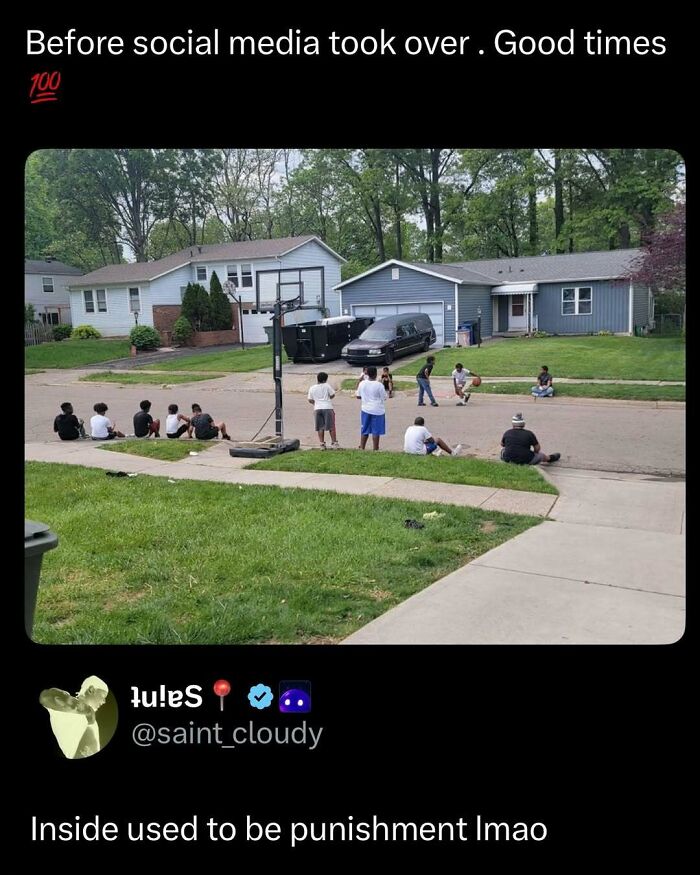
Back in the 1950s on weekends and during the summer, from sunrise to sunset my parents never knew where I was, who I was with, and what I was doing - and never asked. We always followed the "don't ask, don't tell" rule.

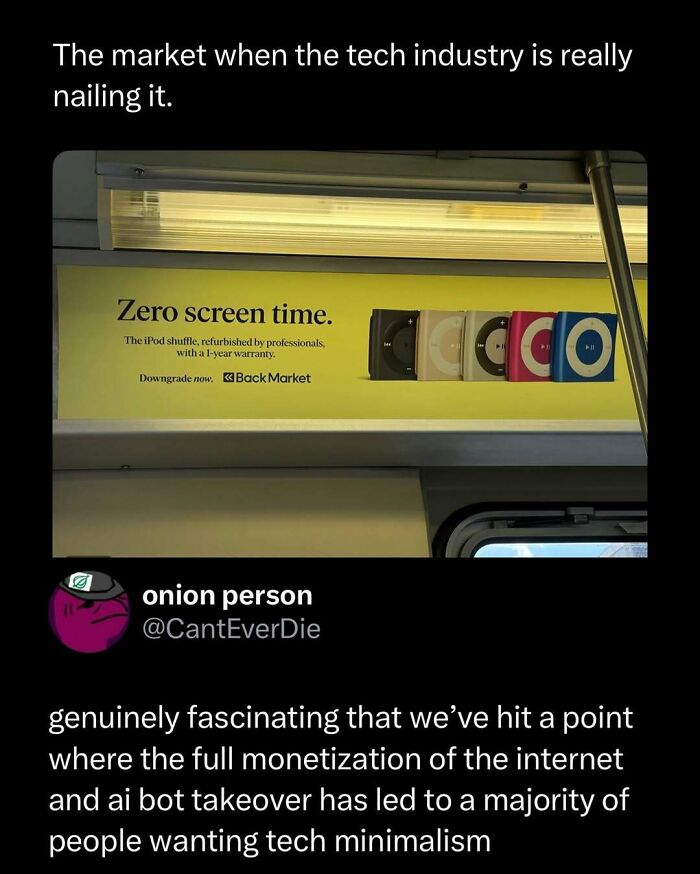
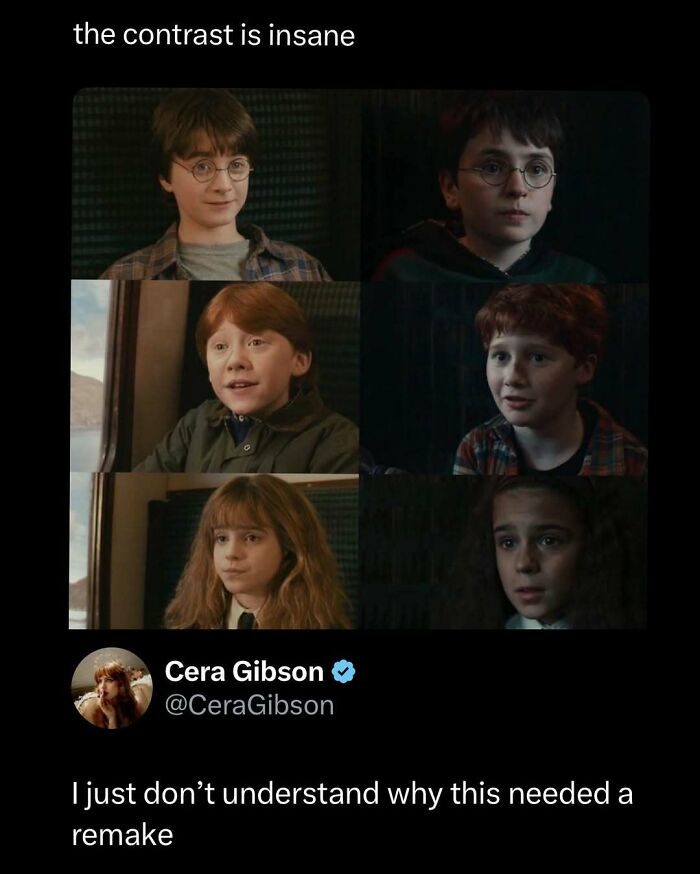
why's it so dark? like d**n do they not have electricity on the trains?

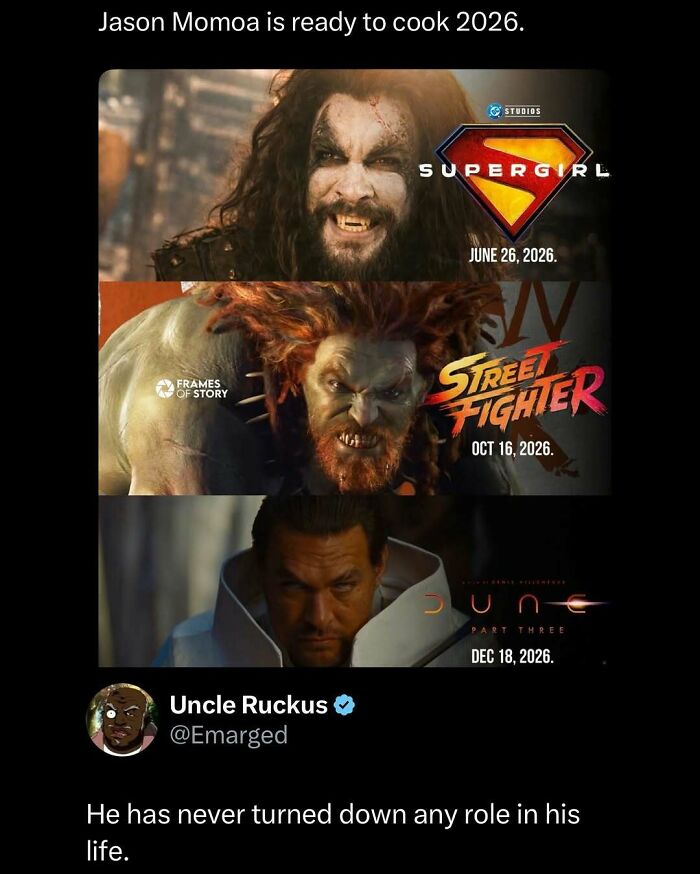
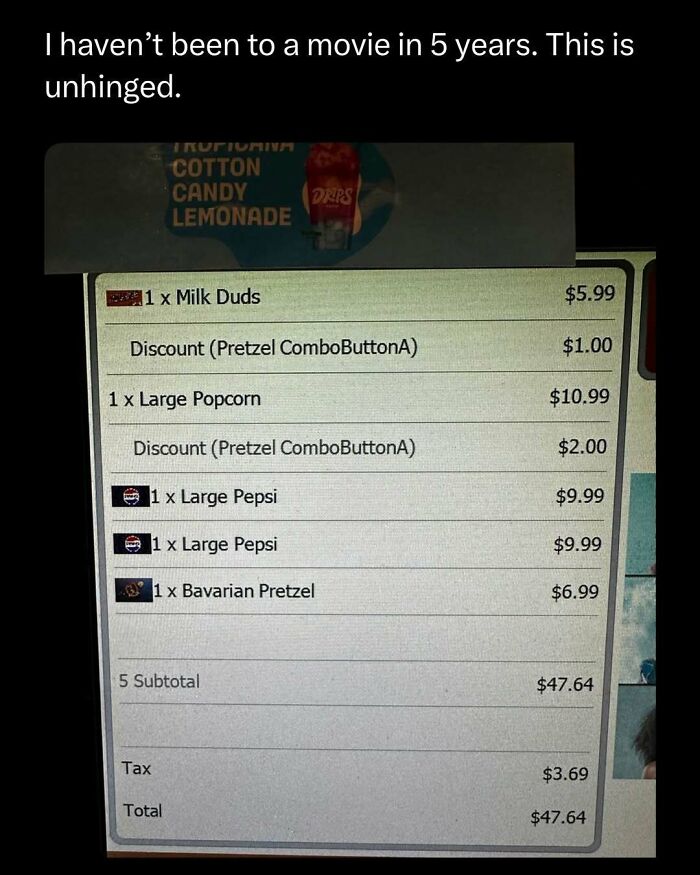
Who cares about going to see some CGI Disney slop? Dune 3 will be out.

















 No fees, cancel anytime