Get Premium
Dark mode theme is available exclusively for premium users. Learn more about the benefits of subscribing.
No fees, cancel anytime.

 Dark Mode Ad-Free Browsing Unlimited Content
 Ad-Free Browsing Unlimited Content Dark Mode
Join 1.2 million Panda readers who get the best art, memes, and fun stories every week!
This post may include affiliate links.
Walking through grocery aisles these days, it’s hard not to feel sticker shock. Prices for everyday staples seem to jump every week, and it’s not just in your imagination. Globally, the cost of food has been climbing steadily, influenced by a mix of factors like geopolitical tensions, ongoing wars, climate disruptions, and lingering health crises.
Supply chains are stressed, shipping costs are up, and extreme weather events have damaged crops in multiple regions. For shoppers, this means budgeting more carefully, reconsidering their favorite brands, or even changing what they put on the plate each week.

In Canada, prices for imported food began rising earlier in 2025, partly due to the significant depreciation of the Canadian dollar in late 2024. But the numbers get even more striking when you look at specific items. Coffee, a morning ritual for millions, jumped 31% from December 2024 to December 2025, while chocolates and candies climbed 14%. These surges were fueled by supply shortages caused by extreme weather, trade tariffs, and inflationary pressures across the board.

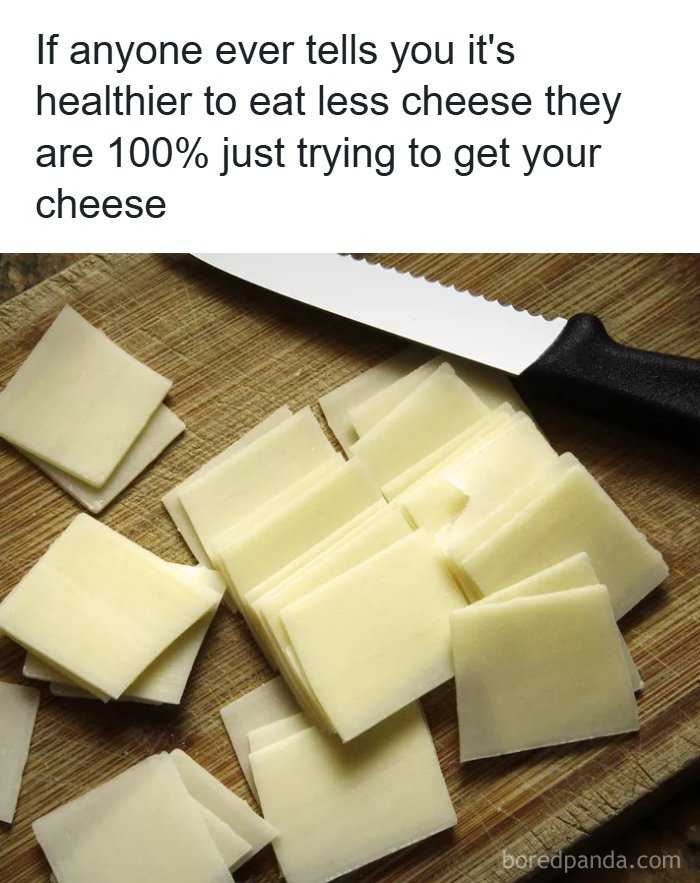
eating fat cheese (also fat cream) is connected to less risk of dementia! source below! 🤓
Across Europe, shoppers are feeling the squeeze too. According to Eurostat, food prices in the European Union rose by 2.8% in 2025 compared with the previous year, but some items went up far faster. Certain staples, like meats, dairy, and confectionery, saw inflation hit 10% in some regions. It’s a ripple effect: as prices climb, consumers make tough choices about what to buy, how often to shop, and what substitutions to make.
On a global scale, the trends are eye-opening. Forbes reports that food prices have jumped 25% since 2021, while food consumption volumes have declined by over 5%. In 2025 alone, grocers sold 13 billion fewer units of product than in 2021, showing that shoppers are buying less even as prices climb. Rising costs aren’t just an inconvenience—they’re changing habits, from meal planning to grocery lists, and influencing what people cook at home.
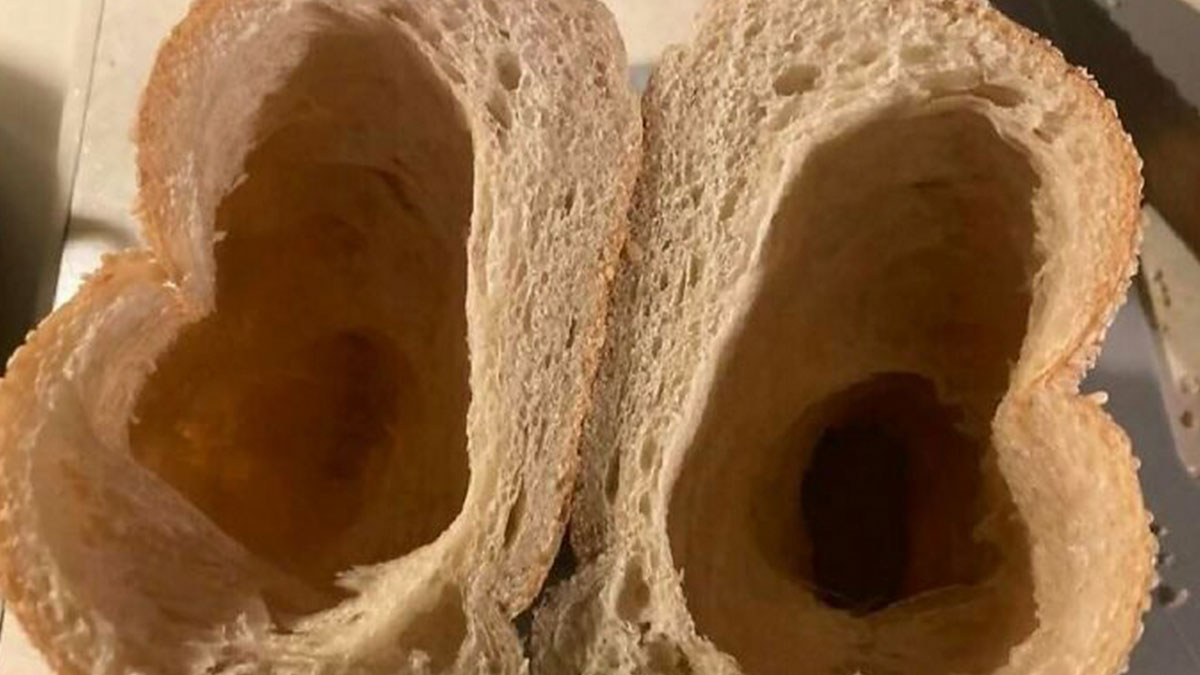
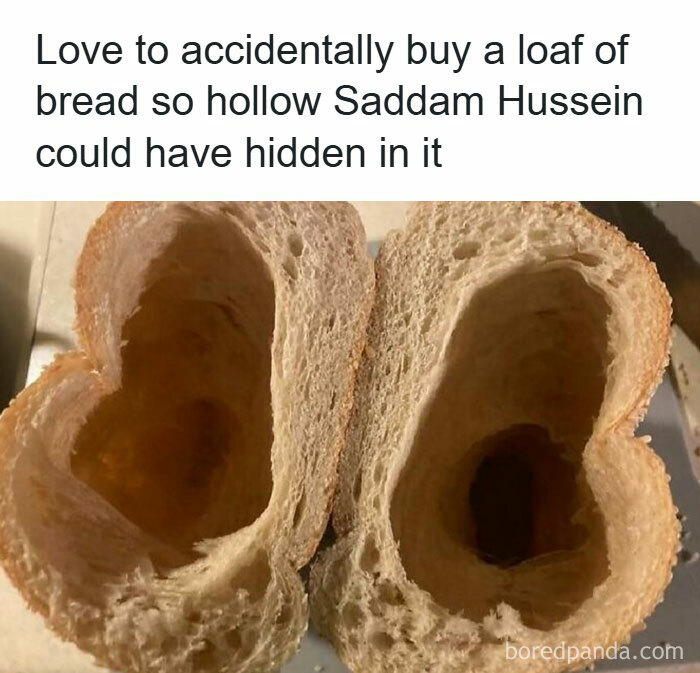
noting wrong with this bread, if you fill it with Durban-style curry, typically mutton, lamb, chicken, or beans to make it a bunny chow!
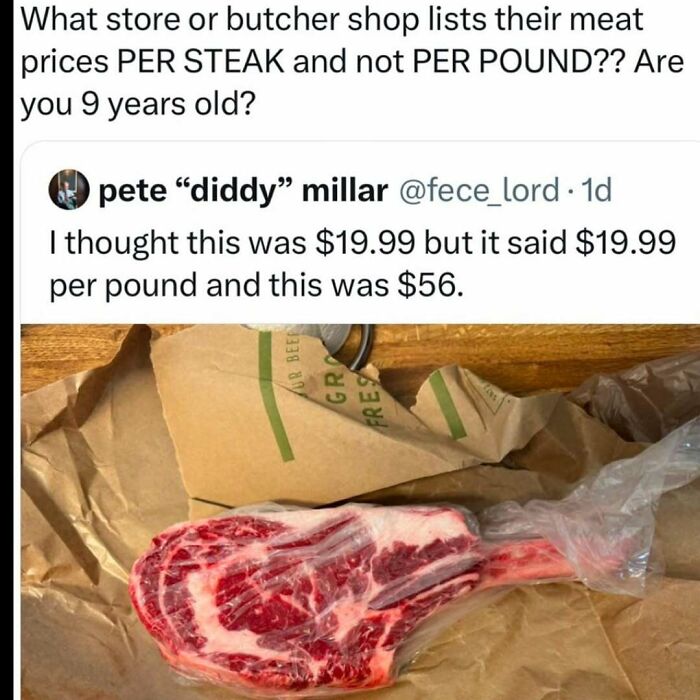
Some of the most commonly consumed items have been hit the hardest. Beef, soft drinks, eggs, milk, salty snacks, and coffee (ranked among the top 10 most popular grocery categories) have seen an average price increase of 60% since 2019. Unit sales for these items have dropped slightly, by 1.3%, signaling that people are buying less even as they pay more. Back in 2019, a basket of these essentials cost $36; by 2025, that same basket would set shoppers back $56. It’s a clear illustration of how inflation is directly affecting daily life, turning routine grocery trips into careful budget exercises.
Europe’s inflation story is particularly detailed. Of 64 commonly tracked food items, eight actually saw prices fall, and one remained stable. Everything else recorded a price increase of some kind in 2025 compared with 2024. The three highest spikes were chocolate, up 17.8%; frozen fruit, 13%; and beef and veal, 10%. Other notable jumps included eggs at 8.4%, butter at 8.3%, lamb and goat at 7.2%, and sugar, jam, and honey at 6.8%. Even fresh whole milk, a daily staple in many households, rose 5.7%.

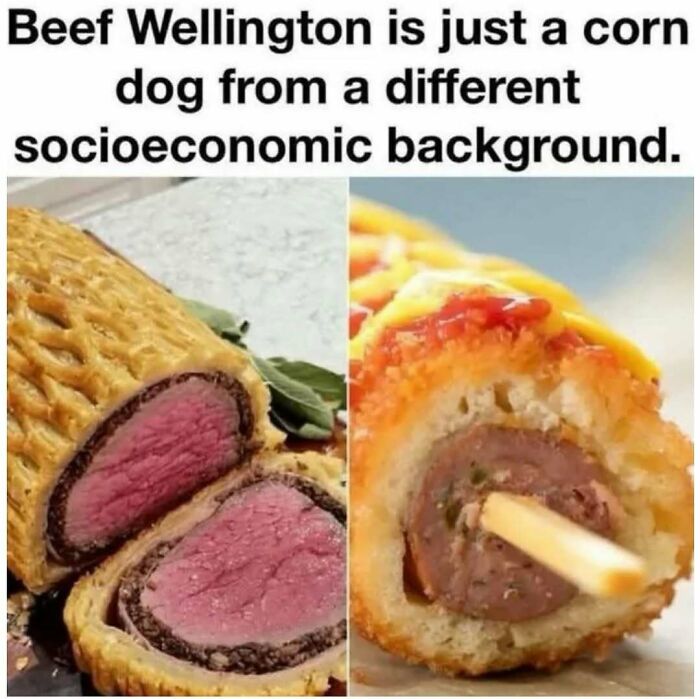
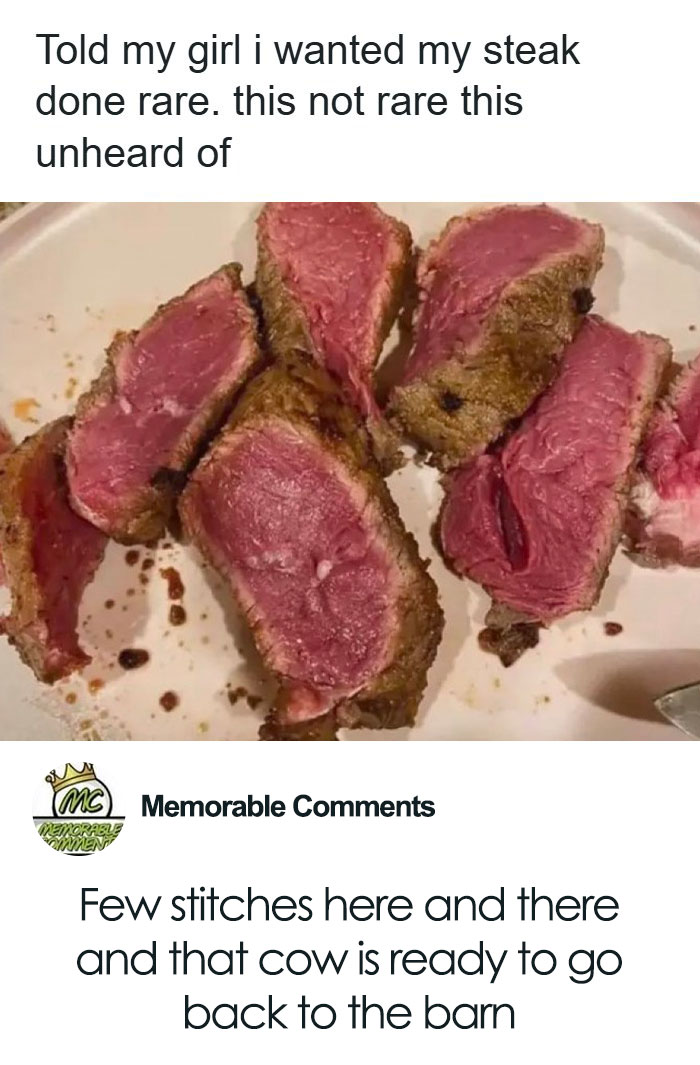
Looks like beef tataki. I'd advise OP to cook his own dang steak.
This trend isn’t confined to Canada or Europe—grocery prices are rising across the globe, from Asia to Africa to the Americas. In many developing countries, staple foods such as rice, wheat, and cooking oil have seen sharp increases due to a mix of factors including inflation, currency fluctuations, and supply chain disruptions. In parts of Asia, soaring fuel costs and extreme weather events have driven transportation expenses up, which are then passed on to consumers.
African nations are also feeling the pinch, as droughts and crop failures have limited food availability, pushing prices higher. The reality is clear: rising grocery costs are a worldwide challenge impacting households, nutrition, and daily life.
And while everyone is navigating higher grocery bills, juggling budgets, and figuring out what to skip at the checkout, these memes are a hilarious escape from the stress. So even if your wallet is hurting, you can still grab a laugh, enjoy the creativity, and appreciate just how relatable food humor can be—because sometimes, a good meme is the tastiest treat of all. Right, pandas?

They become 100 because relatives keep dead grandma in the freezer for 30 years to get her pension...

And when you stand upright again your chain necklace lands back on your decolletage and burns you

I check the date first. If it is pass the expiry date, I do the smell test

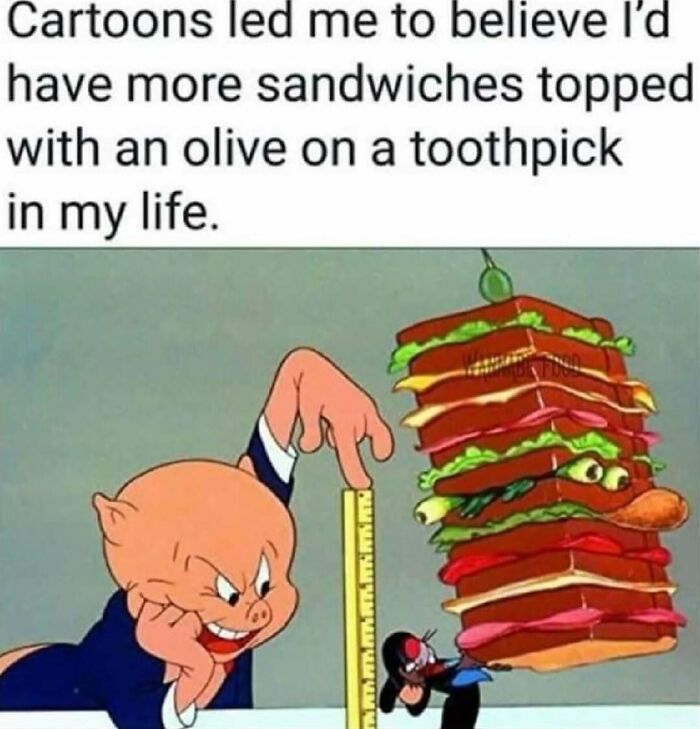
A multi layer sandwich is a 'club' sandwich - if you can afford more than one filling, you can join that 'posh' club - literally the meaning.

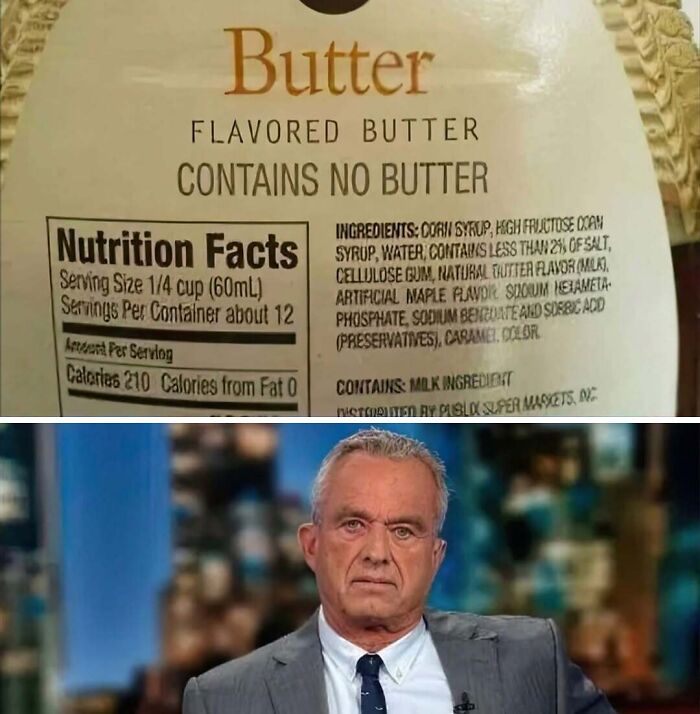
This is photoshopped. It is "flavored syrup" on second line. Just some lonely people looking to be funny. That bottle is corn syrup, Publix brand.

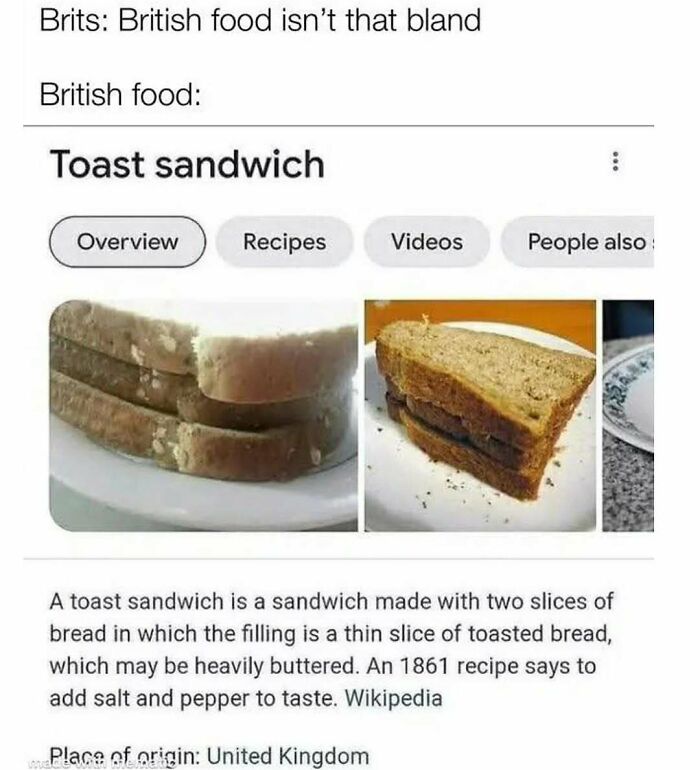
I have never heard of or seen a toast sandwich in my 53 years in the UK.

Bologna bowls should have beans imo, but then the meat should be fried until it forms a bowl.


































 No fees, cancel anytime