Get Premium
Dark mode theme is available exclusively for premium users. Learn more about the benefits of subscribing.
No fees, cancel anytime.

 Dark Mode Ad-Free Browsing Unlimited Content
 Ad-Free Browsing Unlimited Content Dark Mode
Join 1.2 million Panda readers who get the best art, memes, and fun stories every week!

Being a good person sounds simple enough. You help where you can, treat kids fairly, and try not to mess them up too much in the process. But as it turns out, even the best intentions can come with some seriously complicated consequences.
Today’s Original Poster (OP) thought he was doing everything right by supporting his child financially, being kind to his kid’s siblings, and trying to create a healthy family dynamic despite a messy past. However, it ended up bruising egos as it didn’t sit well with another father.
More info: Reddit
Image credits: Freepik / Freepik (not the actual photo)
Image credits: tonodiaz / Freepik (not the actual photo)
Image credits: Freepik / Freepik (not the actual photo)
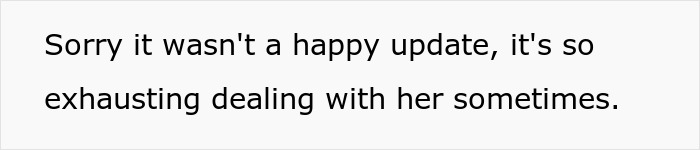
Image credits: Street_Rub2034
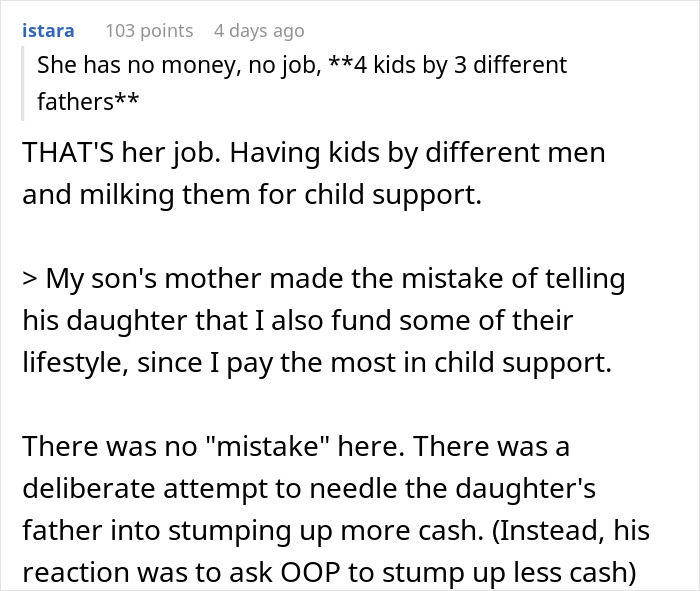
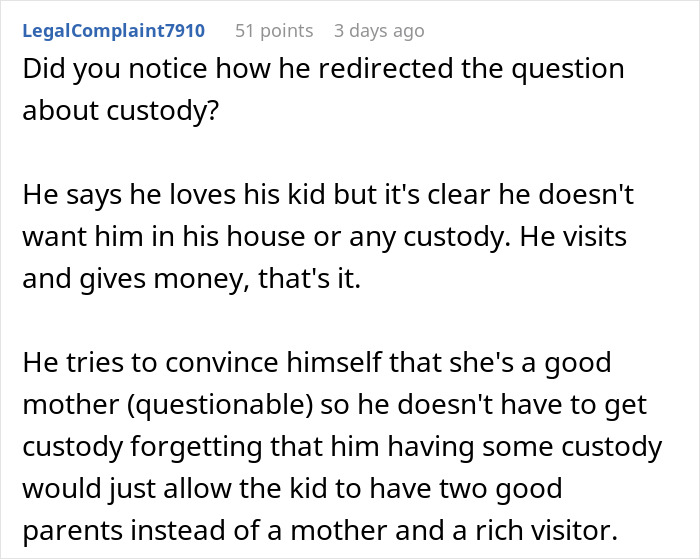
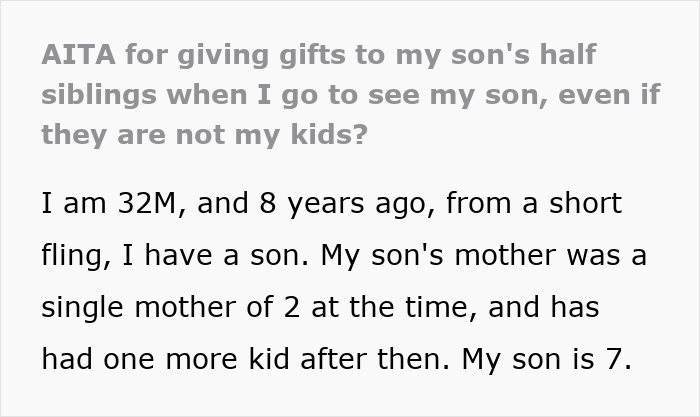
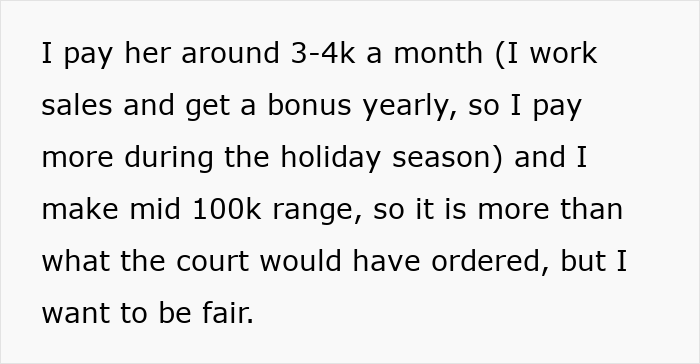
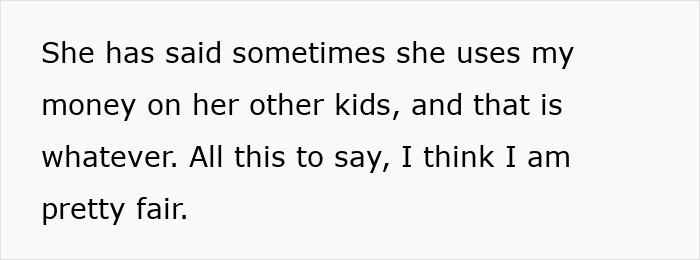
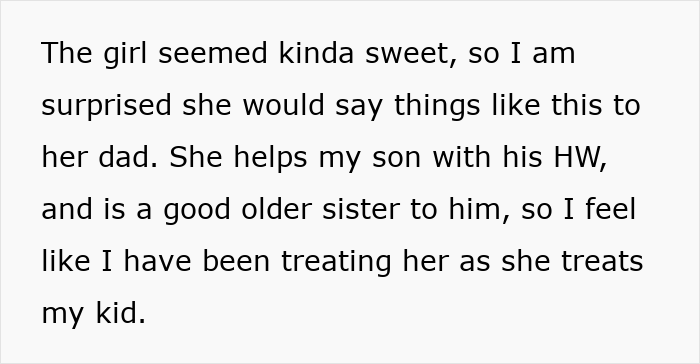
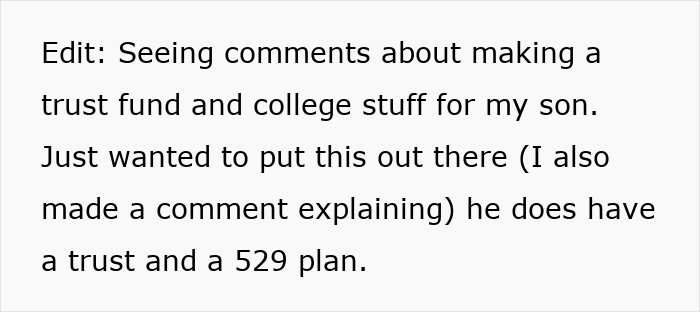
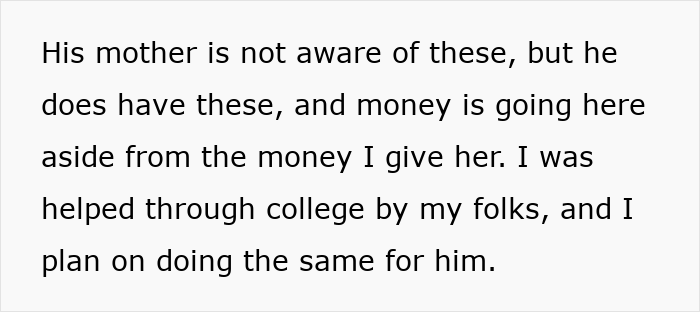
Eight years after a brief relationship, the OP discovered he had a son and chose to step up financially despite the lack of court involvement. He now pays significantly more than typical child support guidelines would require, but his child’s mother has other kids with different fathers.
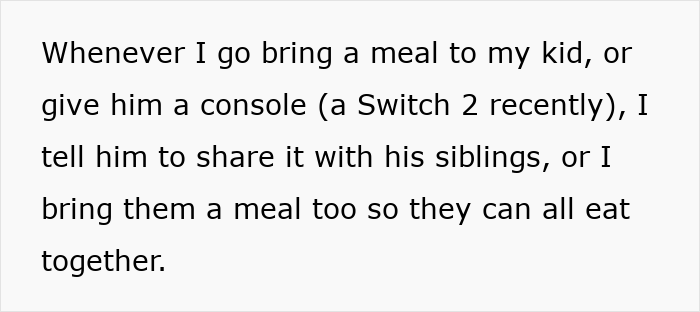
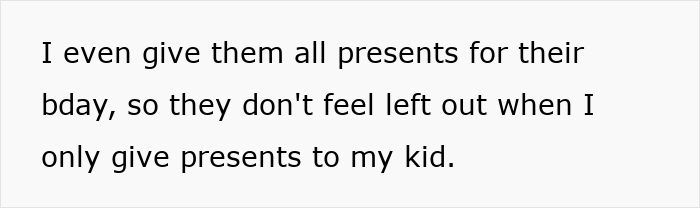
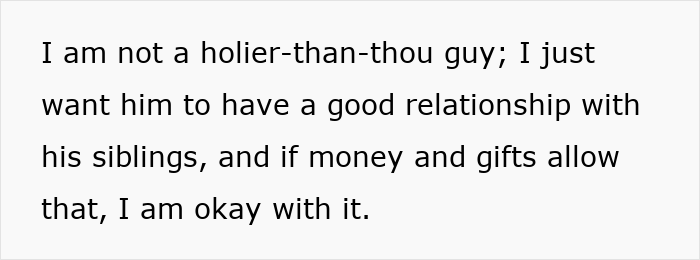
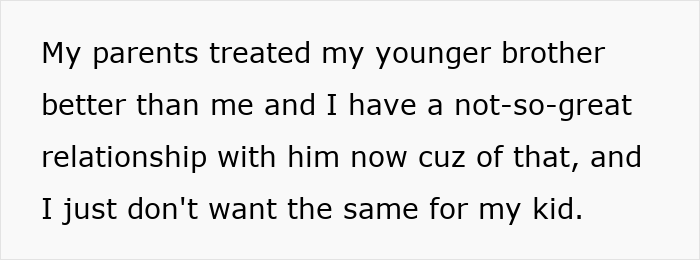
Wanting harmony, the OP would often go out of his way to treat all the children kindly and would bring shared meals for all of them, give birthday gifts to everyone, and encourage his son to share toys and consoles. However, trouble began when the father of his son’s half-sister reached out and requested that he stop giving his daughter gifts and stop encouraging sharing.
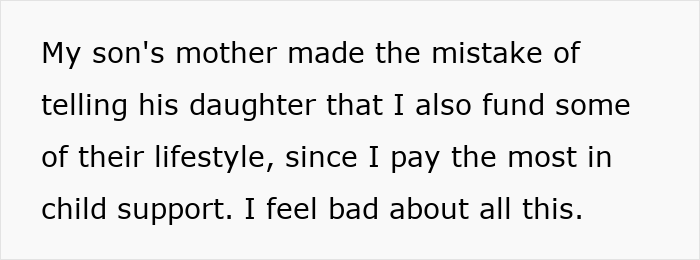
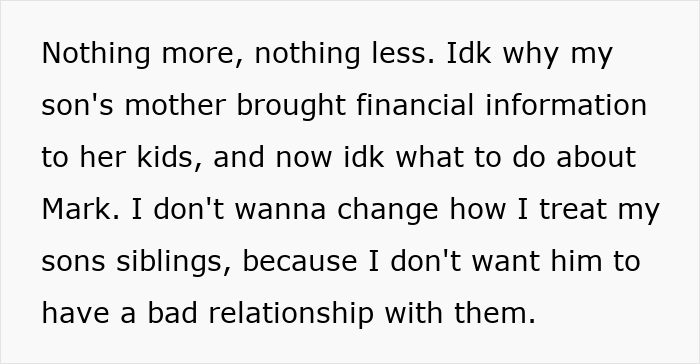
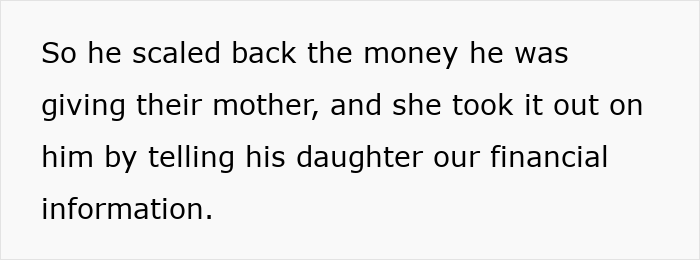
According to the father, the daughter had begun comparing him unfavorably, even saying she wished the OP were her dad. Apparently, the children’s mother had told the daughter that the OP was funding much of their lifestyle, and that left the father upset. Instead of escalating the conflict, the OP and the other father met in person.
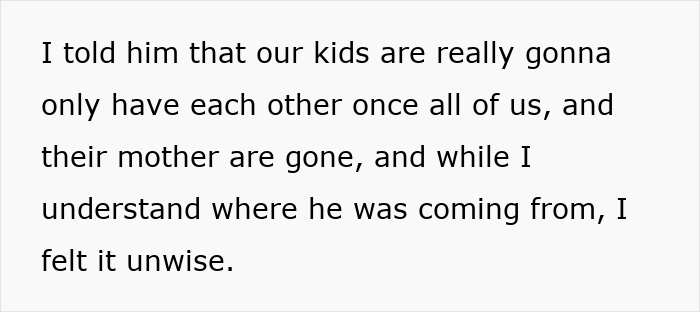
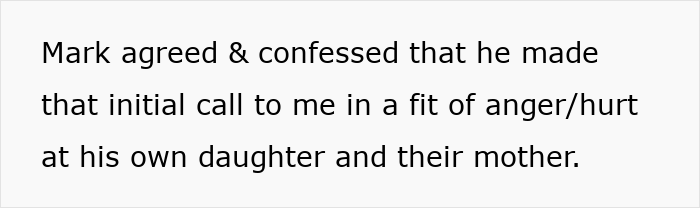
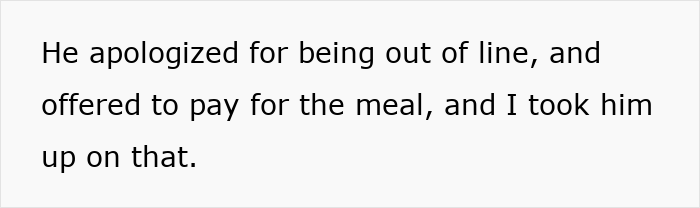
During the conversation, the upset dad admitted he had reacted out of hurt and anger rather than clear judgment. He highlighted that the mother’s decision to reveal money matters to their daughter left him feeling like he wasn’t doing enough.
In a surprisingly wholesome twist, he expressed appreciation for the other man’s fairness and even offered to teach his son electronics as a bonding activity. Unfortunately, the peace didn’t extend to the household itself. When the OP asked the mother to keep financial details private, she yelled and insisted that he had no say in what she told her children, even when it involved his money.
Image credits: The Yuri Arcurs Collection / Freepik (not the actual photo)
Bloom and Build notes that perceived favoritism among siblings can have long-lasting emotional effects. Non-favored children may feel inferior, angry, or mistrustful, which can strain sibling warmth and increase conflict, while favored children may experience pressure, guilt, or entitlement, creating persistent family imbalances.
Research from Vision Psychology further emphasizes that children in blended families often compare households, particularly when financial differences are apparent. Such comparisons can heighten feelings of resentment, insecurity, and unfairness, while also creating emotional stress for struggling parents.
Finally, Couples Thrive underscores the importance of clear boundaries and consistent communication in blended families. Without them, children may become inadvertently drawn into adult conflicts, overhear arguments, relay messages, or feel pressured to choose sides. This triangulation can create anxiety, loyalty struggles, and resentment, linking directly to issues of perceived favoritism and comparisons seen in the story.
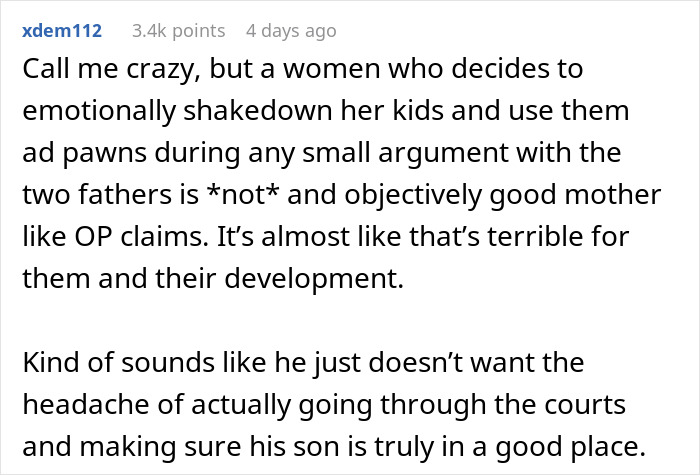
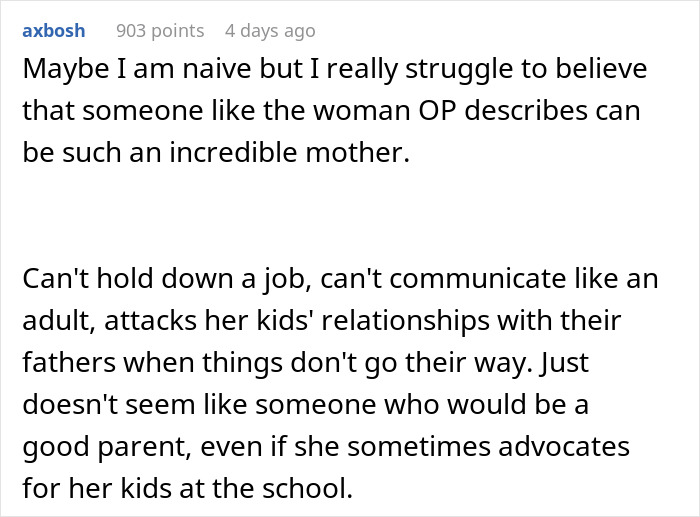
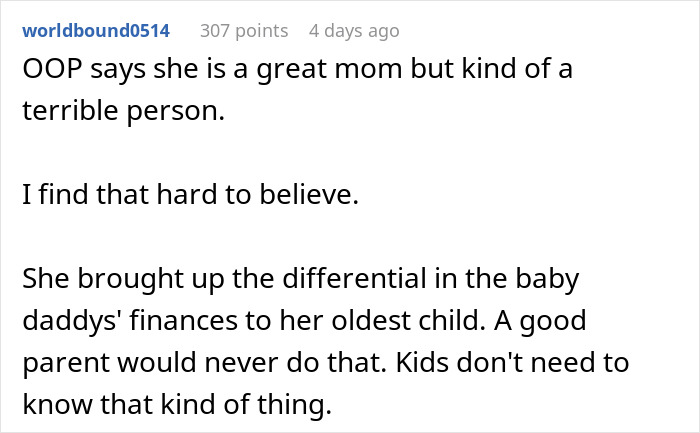
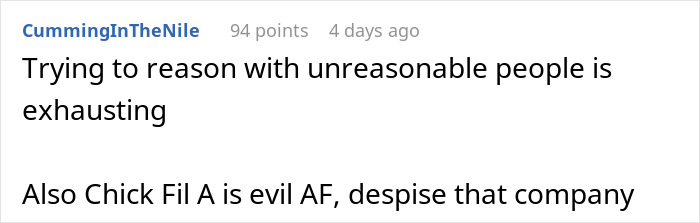
Netizens felt that they were doing the right things in trying to support their children. However, they warned that without legal boundaries or more proactive measures, the mother’s behavior could poison the kids’ relationships and long-term emotional well-being.
What would you do if you were in the OP’s shoes? Would you keep giving gifts to all the children, or set stricter boundaries? We would love to know your thoughts!




































 No fees, cancel anytime










21
1