Get Premium
Dark mode theme is available exclusively for premium users. Learn more about the benefits of subscribing.
No fees, cancel anytime.

 Dark Mode Ad-Free Browsing Unlimited Content
 Ad-Free Browsing Unlimited Content Dark Mode
Join 1.2 million Panda readers who get the best art, memes, and fun stories every week!
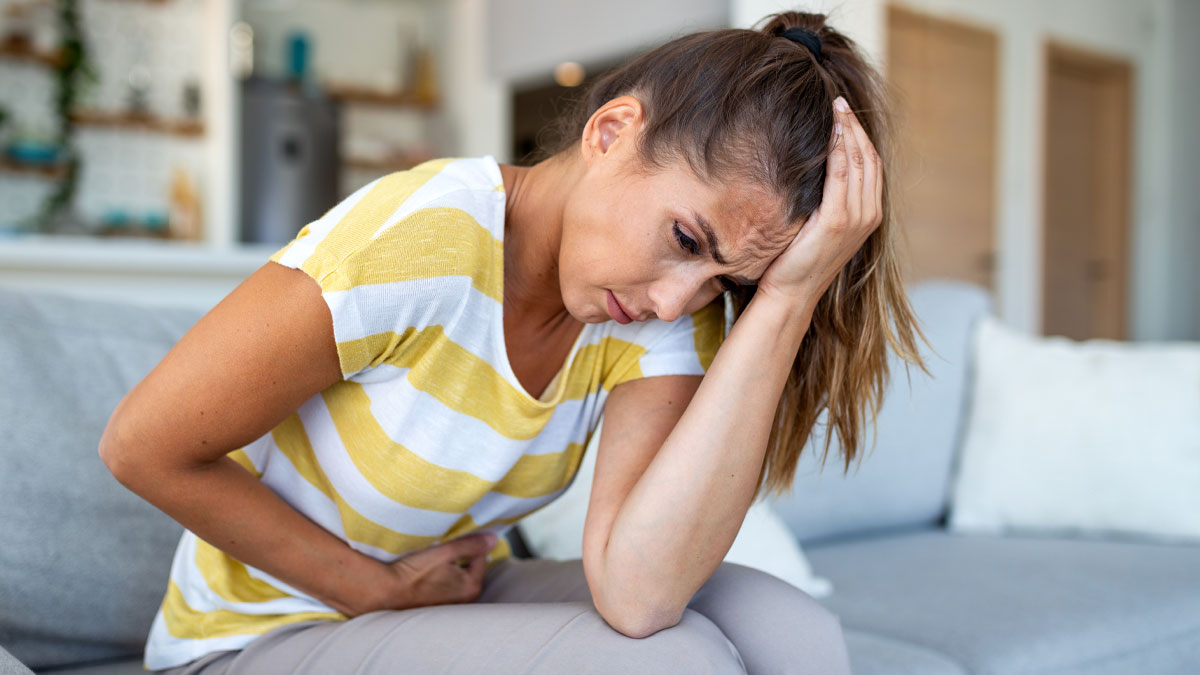
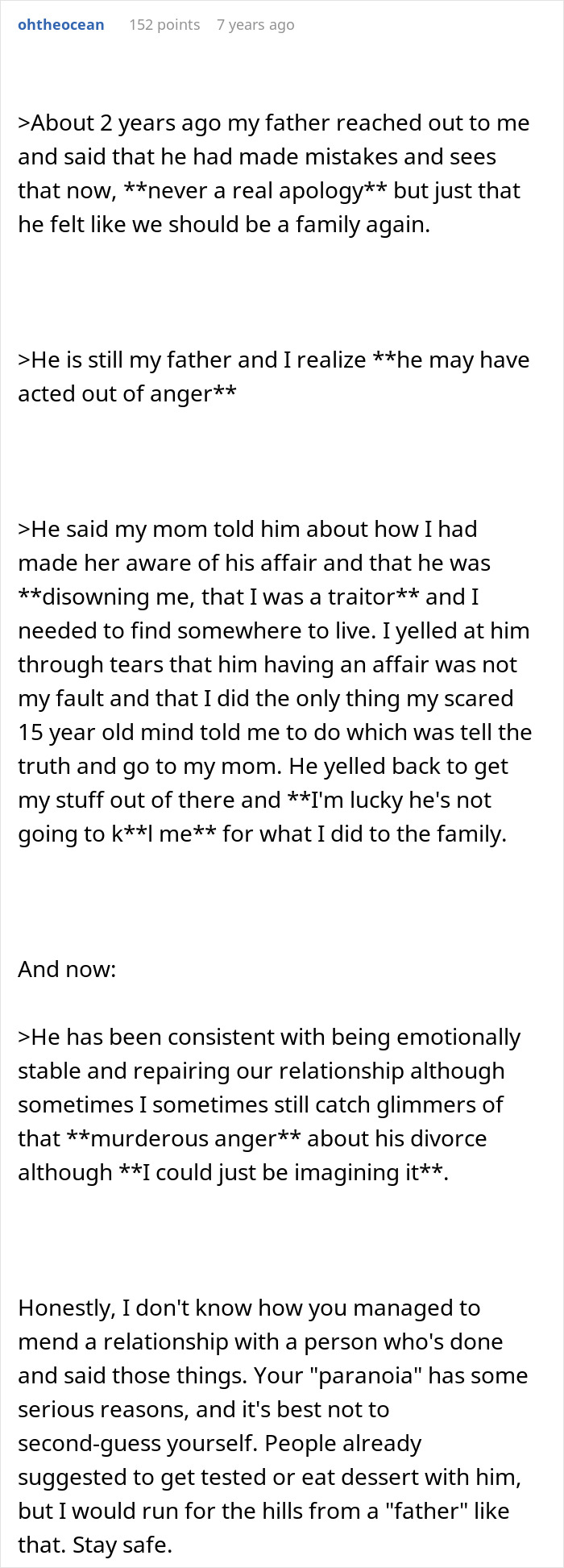
Getting sick after dinner is bad enough. Getting sick after dinner at the house of the parent who once threw you out for exposing his affair? That’s the kind of coincidence that makes your brain immediately start wondering if you’re the target of their revenge.
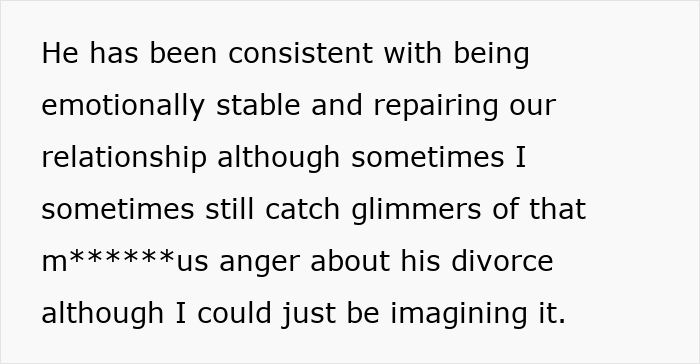
The woman at the center of this story had a complicated history with her father, and after years of estrangement, the two had finally begun rebuilding their relationship. Then she noticed that visits to his house seemed to come with an unpleasant encore.
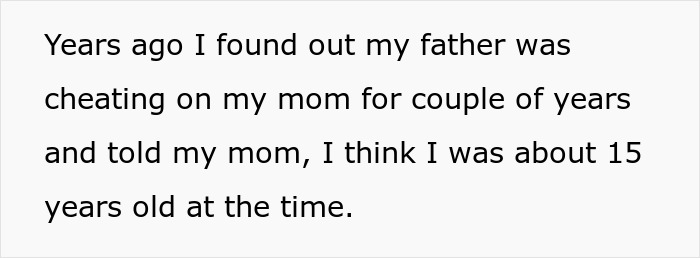
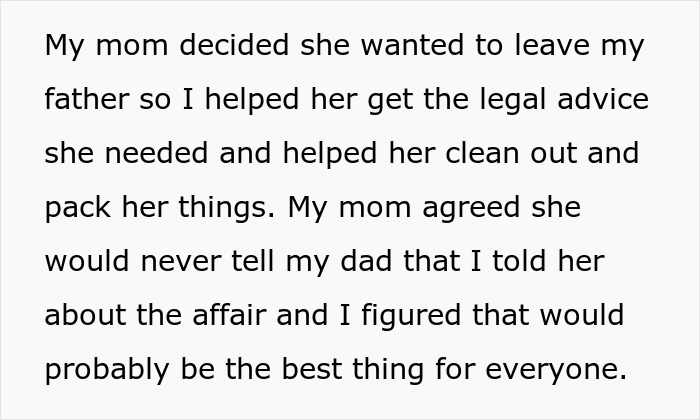
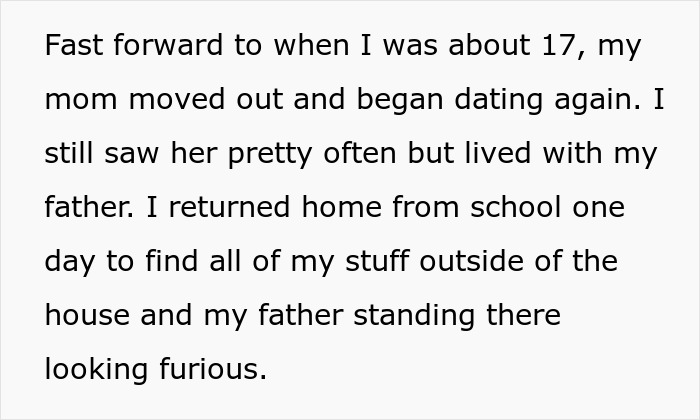
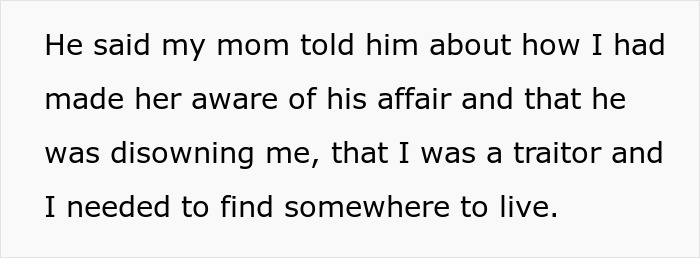
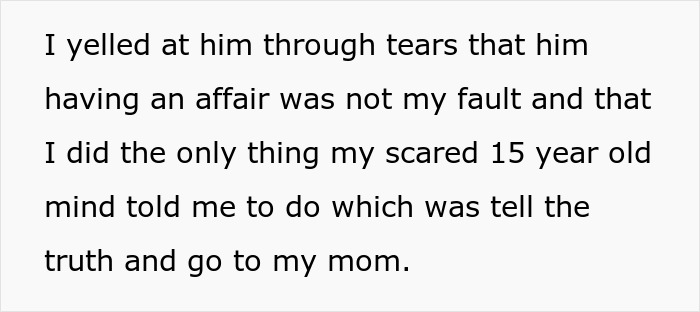
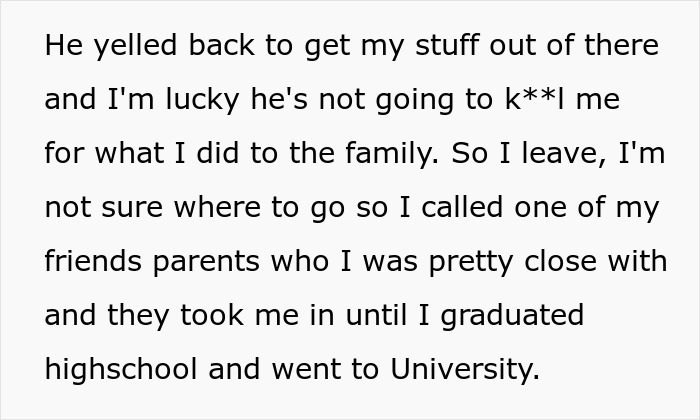

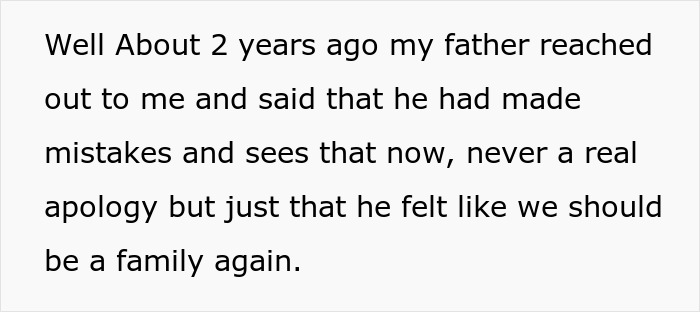
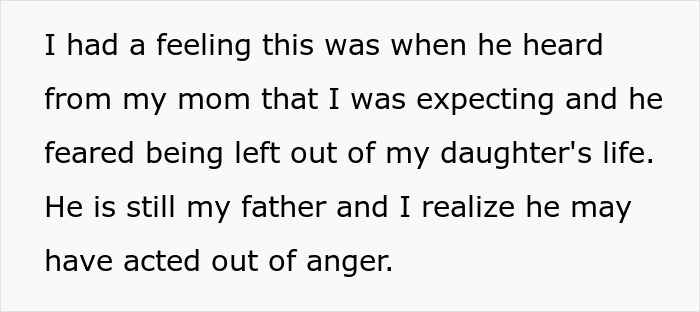

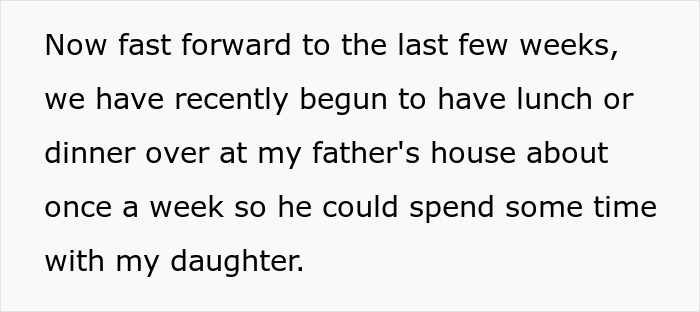
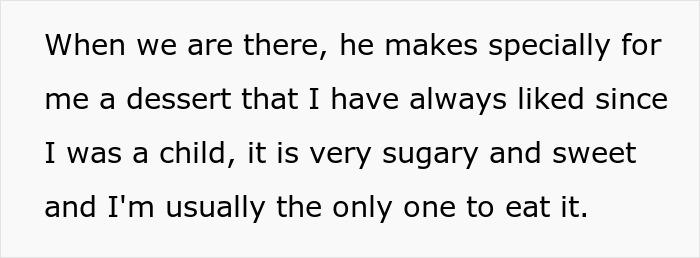
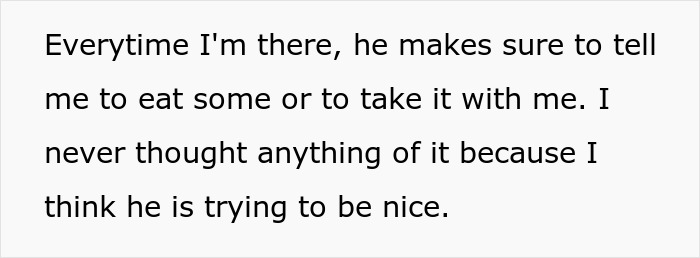
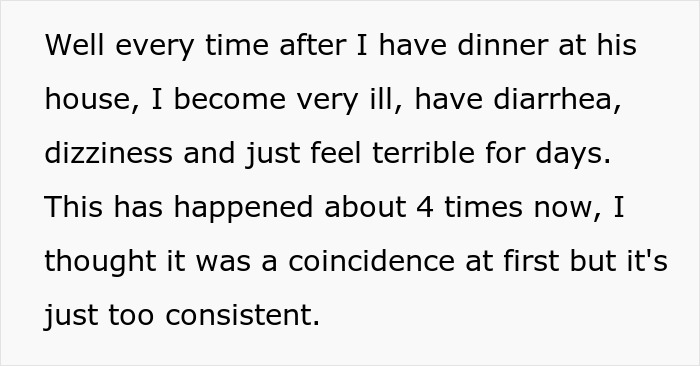
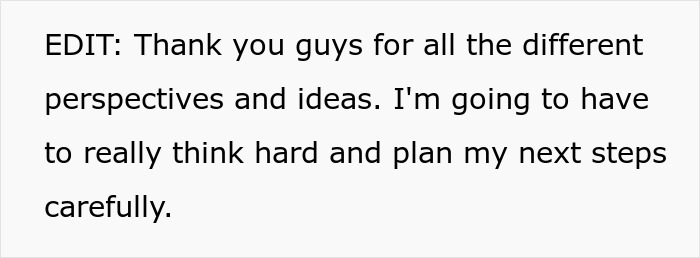
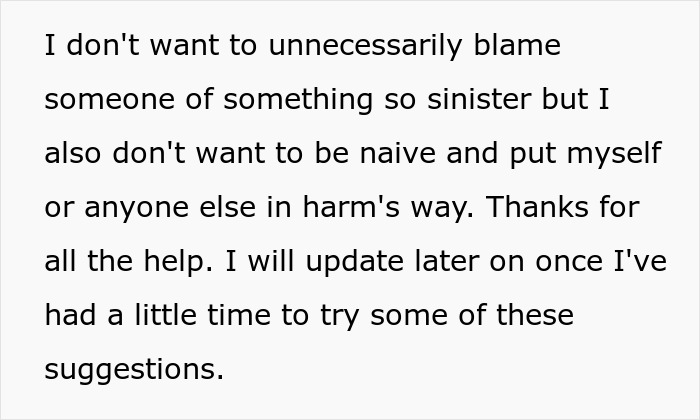
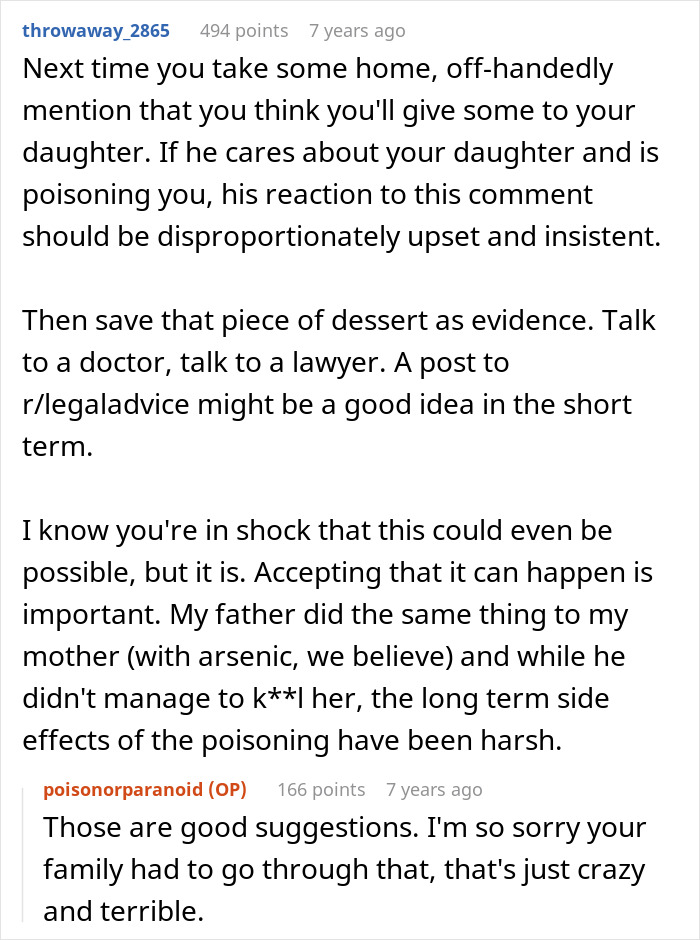
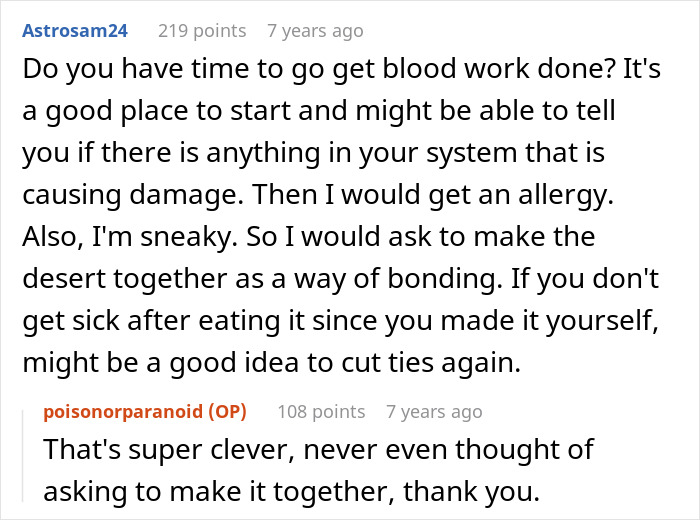
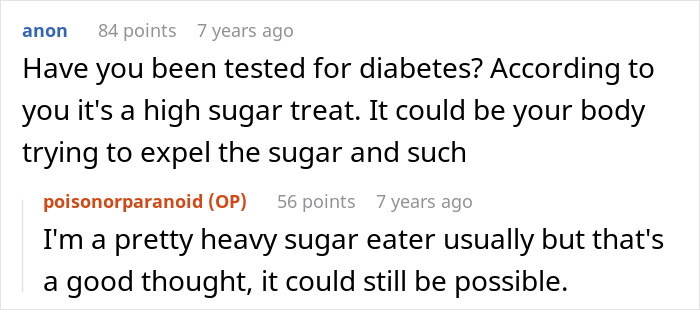
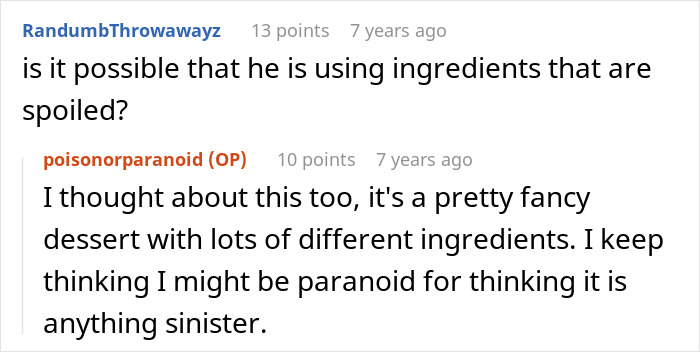
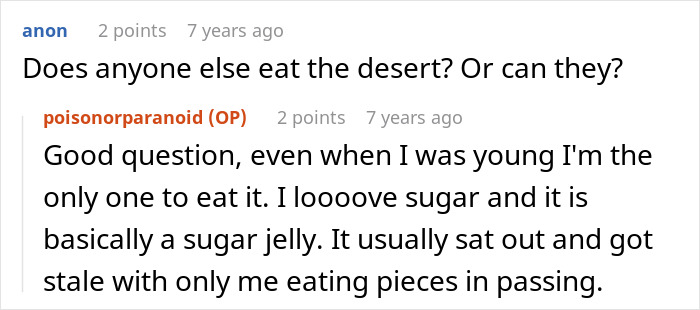
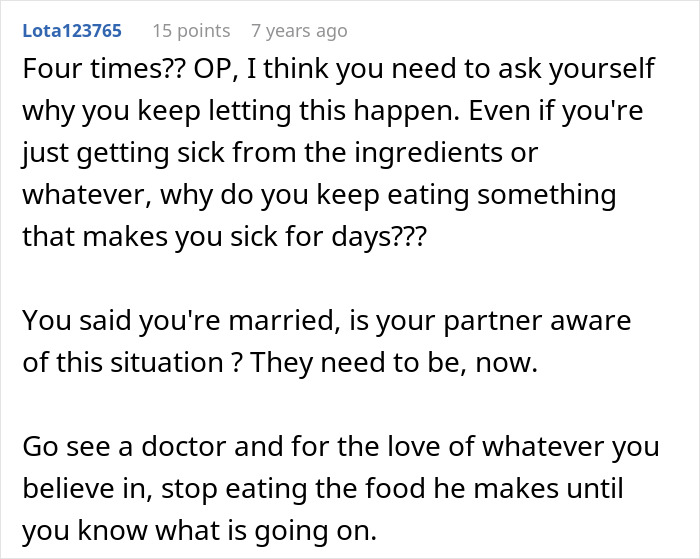
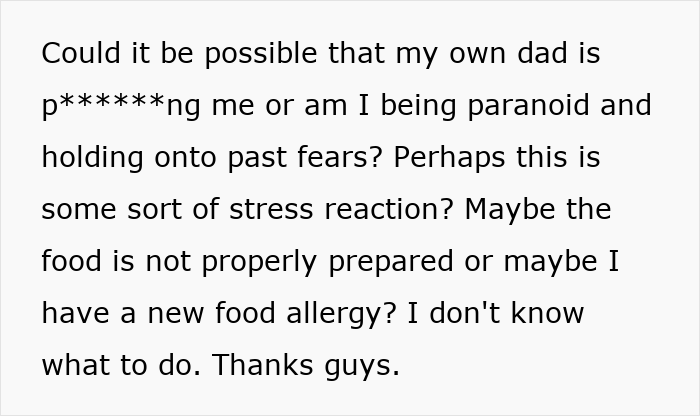
Food contamination is one of the first possibilities doctors would consider when someone repeatedly develops gastrointestinal symptoms after eating. Mayo Clinic says common foodborne-illness symptoms include diarrhea, stomach pain or cramps, nausea, vomiting, and fever, while some cases can last several days. So, the fact that the woman’s father repeatedly prepares a particular dessert is worth considering.
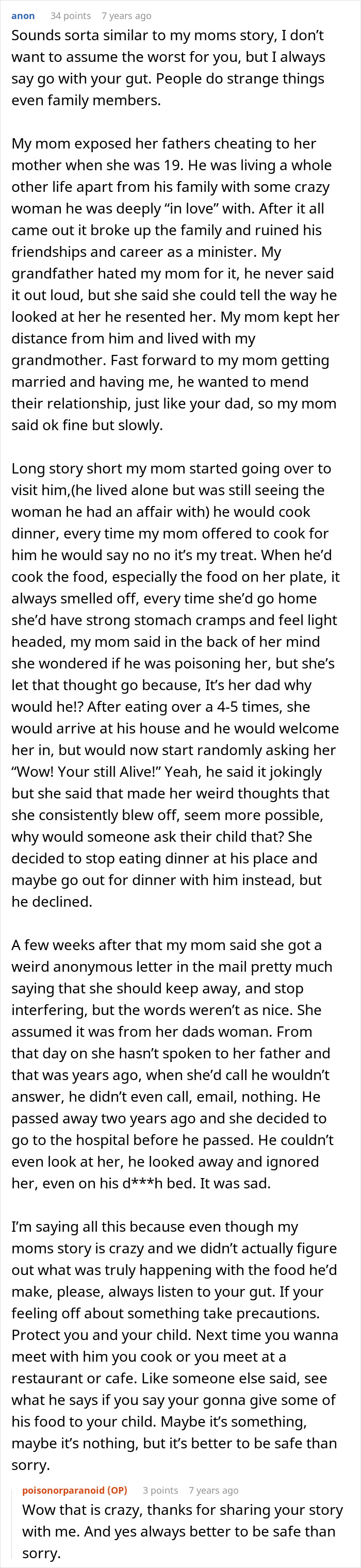
However, it’s equally important to consider the emotional backstory. The woman wasn’t sitting down to dinner with a random acquaintance, she was eating in the home of someone who once disowned her and threatened her after learning she exposed his affair. Therefore, that history of feeling unsafe can make the brain stay on high alert.
Trauma can produce genuine physical responses, and Khiron Clinics lists stomach and digestive issues among possible physical responses following traumatic experiences. Trauma-informed guidance also describes hypervigilance as a state in which the body remains prepared for danger, sometimes making a person more likely to interpret ambiguous situations as threatening.
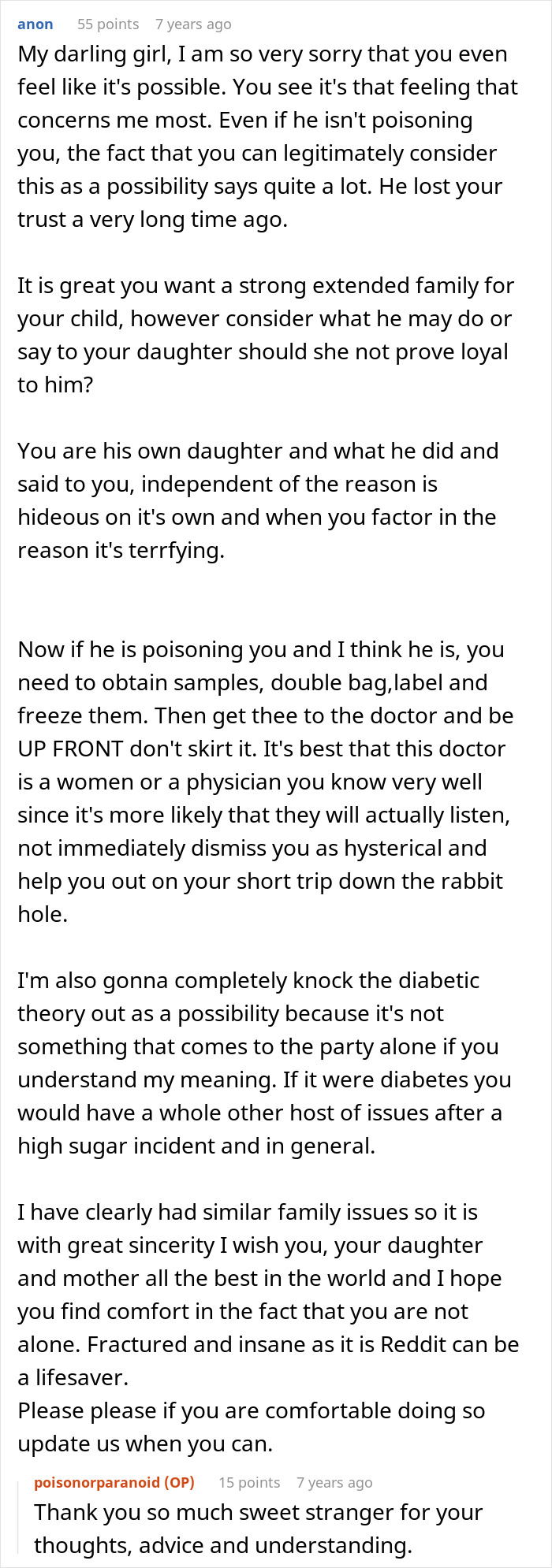
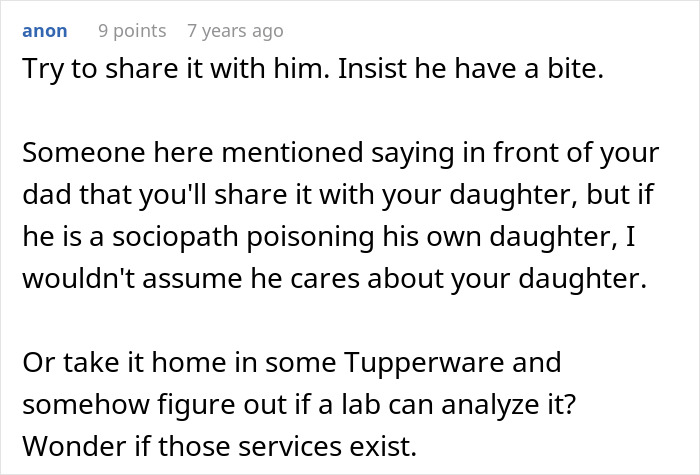
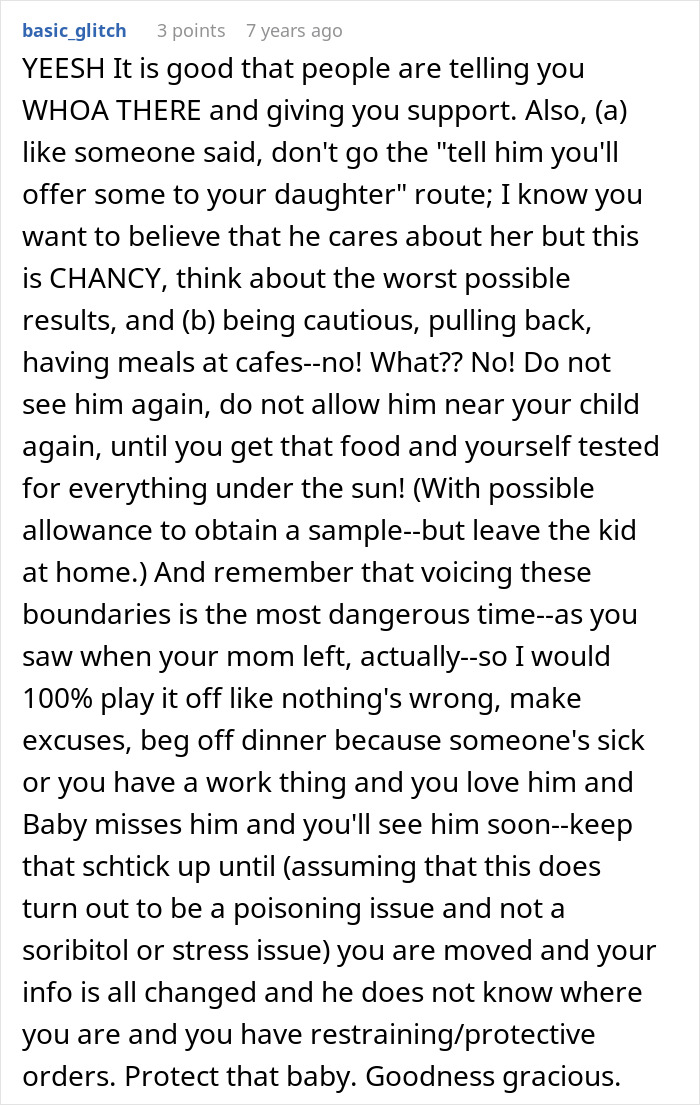
In this situation, continuing to observe patterns while maintaining reasonable boundaries may be healthier than the woman forcing herself to either completely trust him or completely condemn him. Fortunately, protecting herself doesn’t require making a dramatic accusation. She could decline the dessert, stop taking leftovers home, or meet her father for meals somewhere neutral.
Also, the truth is, as much as we might like to believe that everyone is redeemable and truly repentant, and that people mean exactly what they say, that’s not always the case. Someone can appear calm, participate in reconciliation, and still carry unresolved resentment about an event that fundamentally changed their life.
Psychological Science suggests that perceived injustice can fuel a desire to restore a sense of fairness or regain power after feeling wronged. This is not to affirm that the woman’s father had been secretly plotting revenge, but the possibility of lingering resentment can’t be ruled out simply because they had been getting along again.
At the end of the day, trust is generally rebuilt through repeated experiences of safety, reliability, and consistency, which means years of estrangement can’t necessarily be erased by a few good dinners or a newfound relationship with a grandchild. In fact, forgiveness doesn’t necessarily mean ignoring boundaries.
Someone can decide to rebuild a relationship while still taking things slowly, paying attention to their own reactions, and deciding what they are and aren’t comfortable with. However, unresolved resentment can also survive reconciliation. Her father’s past anger may explain why the thought of deliberate harm feels plausible, but only evidence and not the existence of a motive, can establish what really happened.
What do you think about this situation? At what point does noticing a pattern become a legitimate reason to be cautious rather than paranoia? We would love to know your thoughts!






By entering your email and clicking Subscribe, you're agreeing to let us send you customized marketing messages about us and our advertising partners. You are also agreeing to our Privacy Policy.
Thank you! You've successfully subscribed to newsletters!

7yo post, no updates. @BP, do you just smash & grab from Reddit? At least spend time reading what you take, there are millions of stories out there that have conclusions.

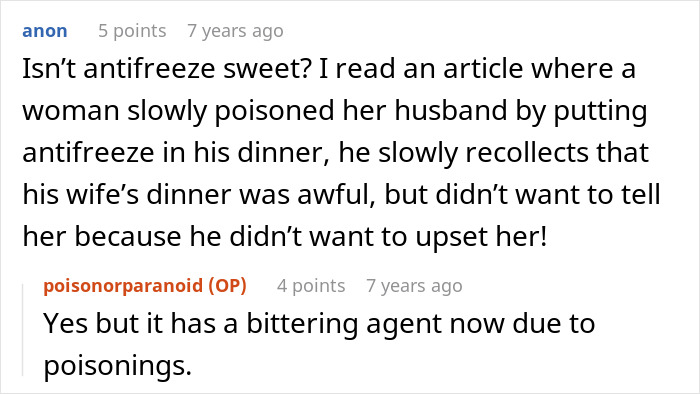
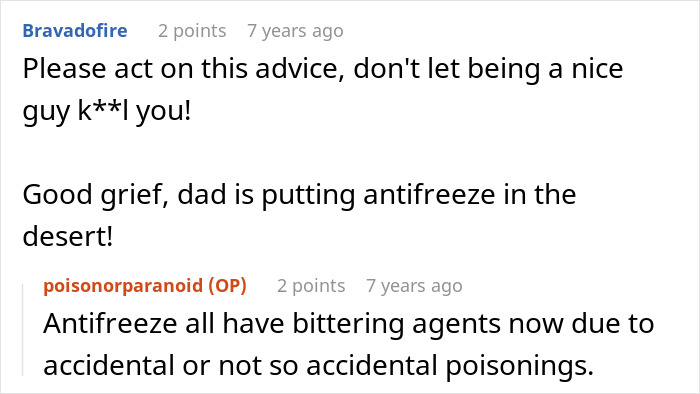
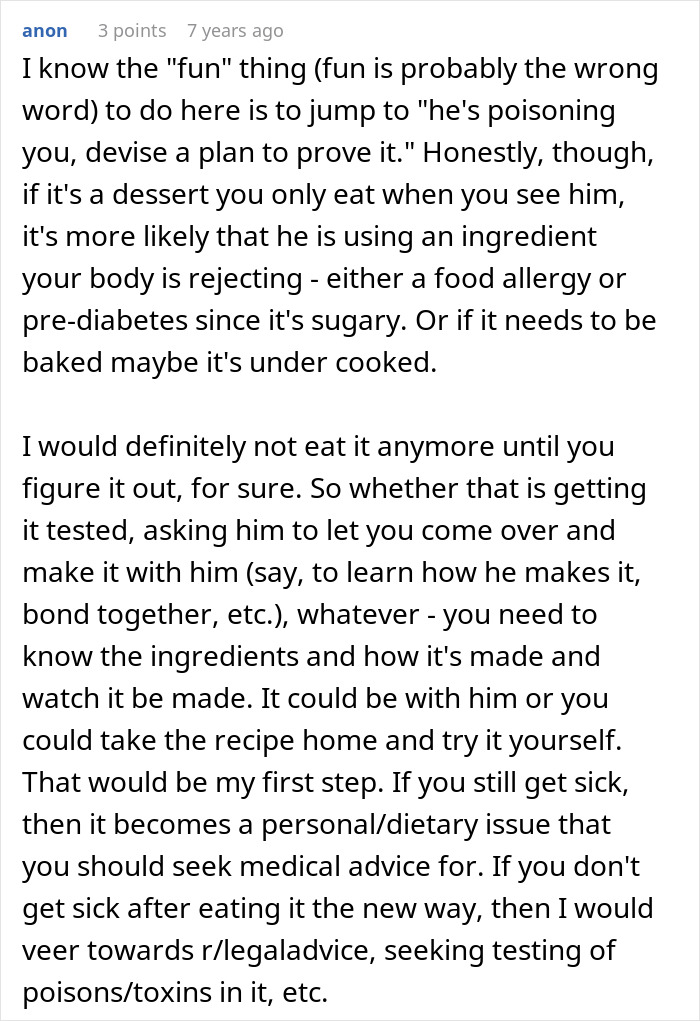
There's been cases. Car antifreeze, for example, is sweet because it contains etylenglycol, which is déadly for humans and animals. They add a bittering agent now to prevent accidental ingestion, but I'm not sure all brands do that.

It's a legal requirement, at least over here, and I think that the US has every manufacturer voluntarily include it. It also doesn't really work, last I checked studies, chidren and animals will accidentally consume above lethal dose before they react to the bitterness as they are smaller. I still think that antifreeze should use propylene glycol, it metabolises into lactic acid, much safer.
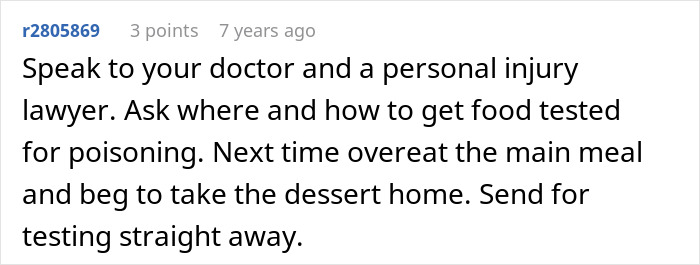
Load More Replies... Don't ask Reddit ask the police. They will know where and how to get food tested. Thanks to Fox news they still advise people on how to check Halloween candy, if they don't check themselves. Sometimes it's expensive, but probably worth it.
7yo post, no updates. @BP, do you just smash & grab from Reddit? At least spend time reading what you take, there are millions of stories out there that have conclusions.
There's been cases. Car antifreeze, for example, is sweet because it contains etylenglycol, which is déadly for humans and animals. They add a bittering agent now to prevent accidental ingestion, but I'm not sure all brands do that.
It's a legal requirement, at least over here, and I think that the US has every manufacturer voluntarily include it. It also doesn't really work, last I checked studies, chidren and animals will accidentally consume above lethal dose before they react to the bitterness as they are smaller. I still think that antifreeze should use propylene glycol, it metabolises into lactic acid, much safer.
Load More Replies... Don't ask Reddit ask the police. They will know where and how to get food tested. Thanks to Fox news they still advise people on how to check Halloween candy, if they don't check themselves. Sometimes it's expensive, but probably worth it.


















 No fees, cancel anytime










34
6