Get Premium
Dark mode theme is available exclusively for premium users. Learn more about the benefits of subscribing.
No fees, cancel anytime.

 Dark Mode Ad-Free Browsing Unlimited Content
 Ad-Free Browsing Unlimited Content Dark Mode
Join 1.2 million Panda readers who get the best art, memes, and fun stories every week!


There’s no doubt that before finally disembarking all the animals, Noah made a brief, undocumented stop in Australia. There are two reasons for this: first, few creatures would actually survive long-term exposure to Australia’s incredibly dangerous fauna.
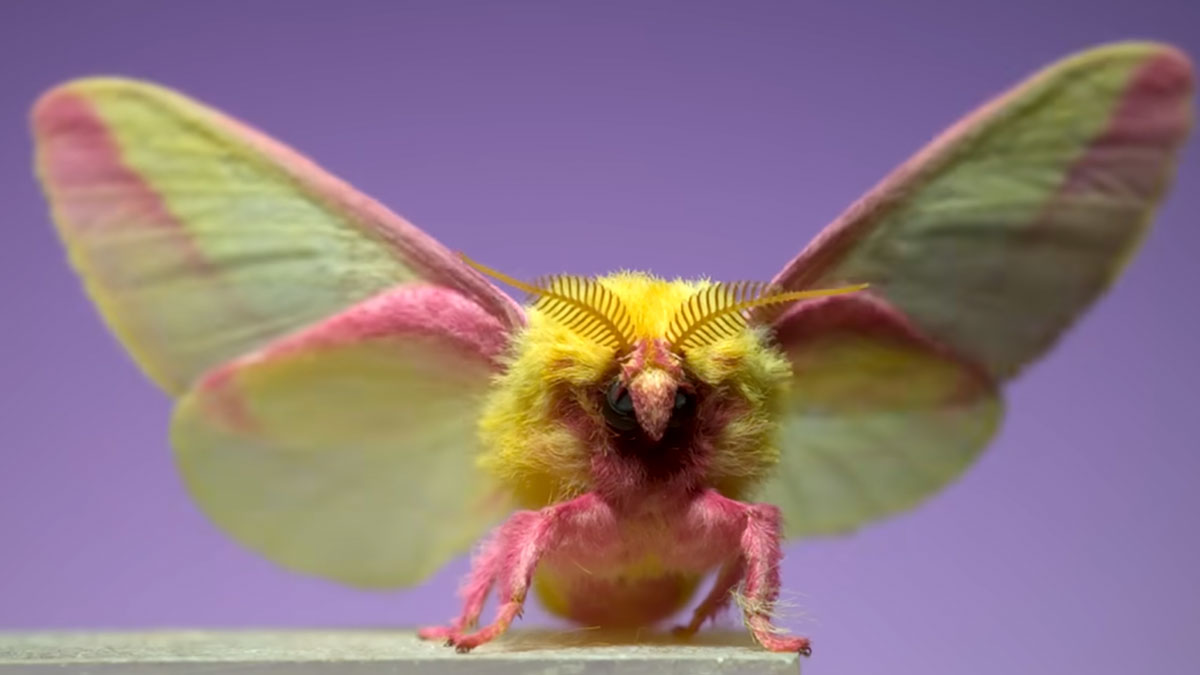
Second, Australia is home to some of the most bizarre animals, the mere sight of which sometimes makes you think the photo was the result of a failed ChatGPT prompt. However, nature has a wonderful sense of humor, and our selection of incredible animals today is further proof.
This post may include affiliate links.
Of course, the great naturalist Sir David Attenborough, whose centenary we recently celebrated, would’ve said it much better than I, but I’ll give it a try. Our planet is full of incredible, stunning, and completely unique creatures that sometimes look as if they were simply meant to make us smile. But in reality, of course, this isn’t true.
Millions of years of evolution have done their job – and even those utterly ridiculous-looking horns, protruding fangs, or strange, variegated colors have always served a purely utilitarian function. They helped animals survive, here and now. And over millennia, these mechanisms have been honed to absolute perfection.
Almost two centuries ago, Charles Darwin, observing insects on the windswept Madeira Islands, discovered an interesting pattern. Insects with medium-sized wings demonstrated the best survival on the archipelago. Those with small and short wings were simply blown into the ocean by strong winds, while very long wings sometimes broke under the force of the elements.
This is precisely how evolution works – for example, the prominent teeth of certain rodents historically helped them crack the tough shells of the most nutritious nuts. And the unusual eye position of some herbivores allows them to maximize their field of view, preventing any predator from sneaking up undetected.
Well, the entire history of life on Earth has been one continuous “arms race” between predators and herbivores. For every new advancement in offensive camouflage, equally impressive hearing evolved over the centuries. Increasingly dangerous fangs were countered by instantaneous launch speeds, and predators responded to increasingly sophisticated visual evasions by developing keener senses of smell.
This race sometimes continued even after one of its participants disappeared. A classic example is the American pronghorn antelope, which can maintain speeds of up to 60 miles per hour over relatively short distances and can leap up to 20 feet. Biologists long wondered why pronghorns possessed such phenomenal abilities, but paleontologists finally provided the answer.
The fact is that just a few million years ago, the American continent was inhabited by Miracinonyx, a distant relative of the cheetah. It’s not surprising that such a fast predator forced pronghorns to perfect their jumping and running skills…

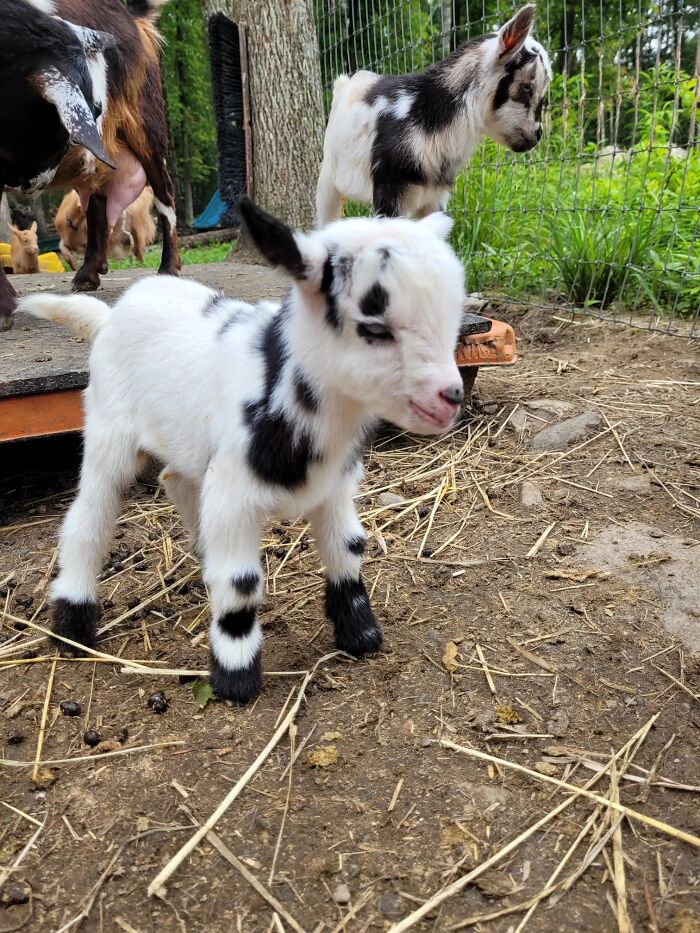
Kid goats are adorable. It's about to enter the capering phase, an entirely different form and level of adorable.
As for that “notorious” Australian fauna, its development is largely explained by the continent’s geographic isolation and the absence of many predators for many millennia. As a result, many species of relatively primitive mammals that have long since become extinct on other continents have survived in Australia.
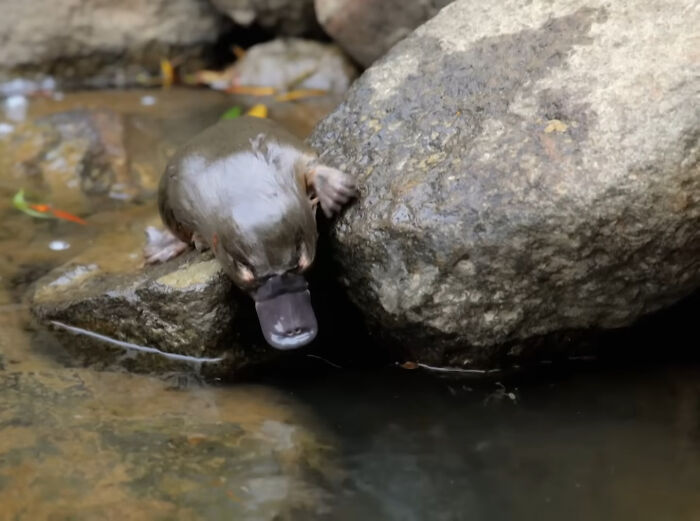
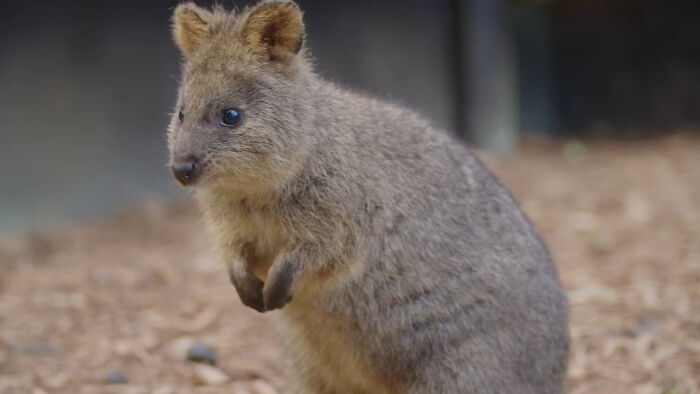
The platypus, echidna, quokka, koala, and wombat – all are unique animals whose existence, by and large, would be impossible outside of Australia, and which evolved precisely in the unique natural conditions of this continent. Today, we simply admire their appearance, while some of us don’t even believe that such animals actually exist.
Yes, nature has a peculiar sense of humor, so the appearance, habits, and lifestyles of many animals truly make us wonder, “How did they even survive?” Well, as we see, they not only survived, but are actually doing quite well – especially when we and our activities don’t interfere.
In any case, we just hope you enjoy this collection of incredible and unique animals. So, please enjoy it, and maybe add your own ideas about such amazing creatures, in case you, too, have something to say!

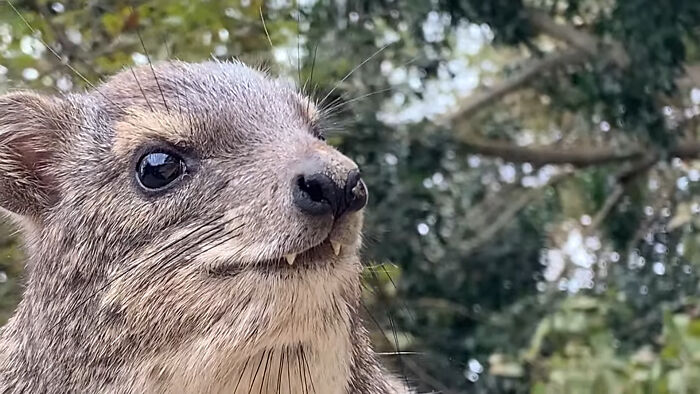
It's hyRax, not hyDrax. The beast requires proper nomenclature!

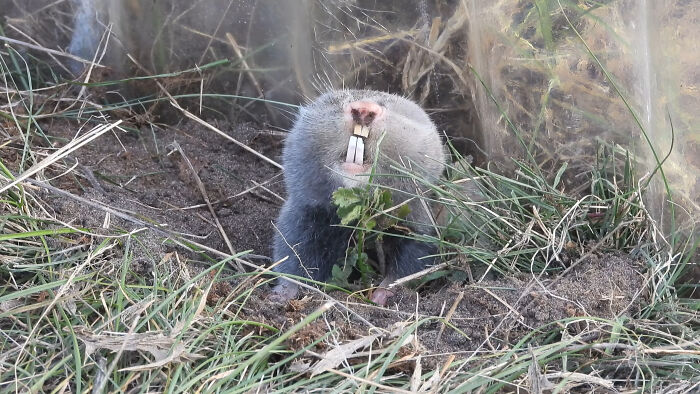
So is it less blind than other mole rats, or is it a lesser version of a blind mole rat?










































 No fees, cancel anytime