Get Premium
Dark mode theme is available exclusively for premium users. Learn more about the benefits of subscribing.
No fees, cancel anytime.

 Dark Mode Ad-Free Browsing Unlimited Content
 Ad-Free Browsing Unlimited Content Dark Mode
Join 1.2 million Panda readers who get the best art, memes, and fun stories every week!

With several Bank Holidays coming up, now is the perfect time to learn a few facts about England, whether you are interested in its rich history or planning to attend the annual cheese rolling festival (more about that later). And if the only fact about England you have heard so far is that it rains there 24/7, unfortunately, it's not true, and your knowledge about the country needs a software update.
You must have inevitably heard at least a few interesting facts about England that made you raise your eyebrow, question whether it really is the 21st century, or wonder whether you are being fooled or not. Although there are many misconceptions and myths surrounding British people, not all of the weird facts about England you hear are false. Quite a few are actually true! It is surprising, for example, that a country with one of the most thriving economies in the world still heavily relies on paper mail and phone calls as their preferred means of communication (yes, red phone booths are there to stay, and Brits do get an overwhelming amount of mail). However, it's these and other hallmarks that distinguish the Brits from other nations and make it one of the top travel destinations for many people. Well, it's the hallmarks AND some of the antiquated, strangest laws and rules in England that have never been revisited, and can still get one arrested if caught red-handed!
Below, we've compiled a list featuring many cool facts about England, including geographical, cultural, and historical information with some weird English laws for dessert. Were you familiar with any of these facts before? If so, let us know by giving them an upvote. Also, are there any other interesting facts that we should have mentioned? Share your knowledge about the country with fellow Pandas in the comments.
This post may include affiliate links.
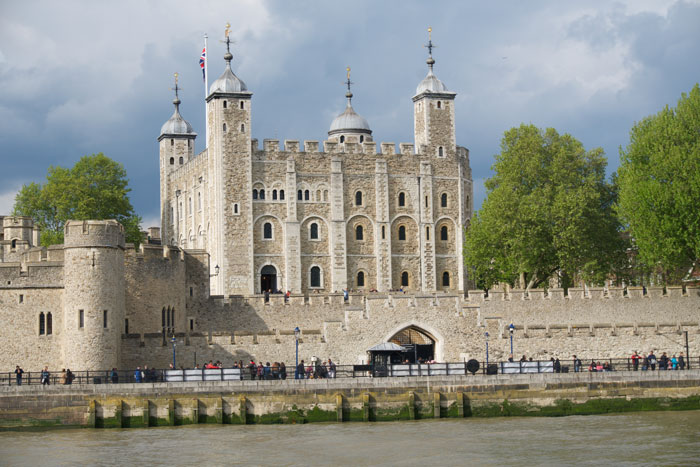 6 ravens must be kept in the Tower of London at all times.
Old customs are the source of many bizarre facts about England. One legend is that the Tower of London must always have six captive raven birds, or the Tower and the Monarchy will collapse. It is believed that Charles II was the first to demand the protection of the Tower's ravens. This is taken so seriously that an extra raven is kept in the Tower just in case. Today, there are seven ravens in the Tower, named Jubilee, Harris, Gripp, Rocky, Erin, Poppy, and Merlina.
6 ravens must be kept in the Tower of London at all times.
Old customs are the source of many bizarre facts about England. One legend is that the Tower of London must always have six captive raven birds, or the Tower and the Monarchy will collapse. It is believed that Charles II was the first to demand the protection of the Tower's ravens. This is taken so seriously that an extra raven is kept in the Tower just in case. Today, there are seven ravens in the Tower, named Jubilee, Harris, Gripp, Rocky, Erin, Poppy, and Merlina.
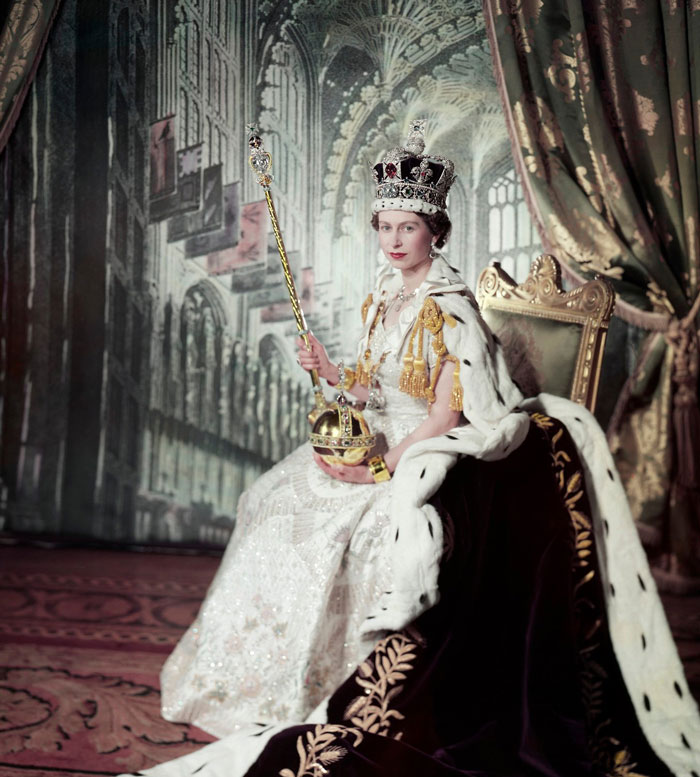 Queen Elizabeth II was the longest-reigning monarch in British history.
Queen Elizabeth II was the longest-reigning queen in British history, ruling from 1952 until 2022. Following the sad demise of her father in 1952, she was just 25 when she inherited the throne. She reigned for slightly over 70 years until passing away at the age of 96.
Queen Elizabeth II was the longest-reigning monarch in British history.
Queen Elizabeth II was the longest-reigning queen in British history, ruling from 1952 until 2022. Following the sad demise of her father in 1952, she was just 25 when she inherited the throne. She reigned for slightly over 70 years until passing away at the age of 96.
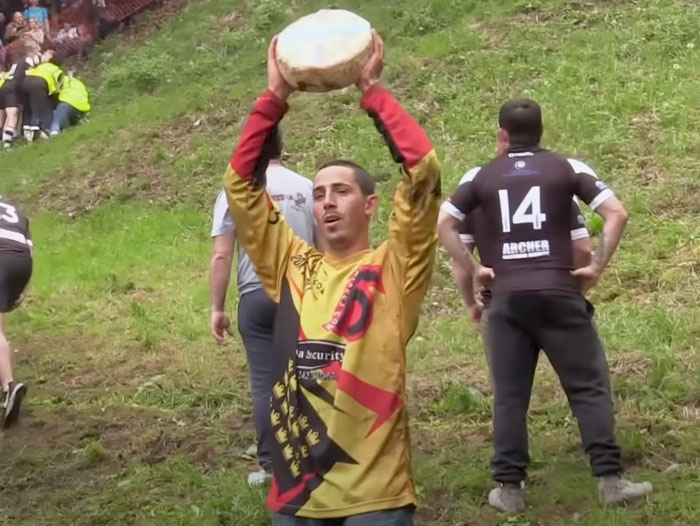 England holds an annual cheese rolling competition.
Every year, grown adults, primarily men, congregate in a village in England around the end of May to pursue a rolling nine-pound wheel of Double Gloucester cheese down a steep slope. Because of the steepness and unevenness of the hill and the size and speed of the cheese itself, several people have suffered severe injuries throughout the years. As a result, the cheese spectacle lost its "official" management and organizers in 2010. However, because the locals are so proud of their longstanding tradition, the ritual still goes ahead each year, though spontaneously and without any supervision.
England holds an annual cheese rolling competition.
Every year, grown adults, primarily men, congregate in a village in England around the end of May to pursue a rolling nine-pound wheel of Double Gloucester cheese down a steep slope. Because of the steepness and unevenness of the hill and the size and speed of the cheese itself, several people have suffered severe injuries throughout the years. As a result, the cheese spectacle lost its "official" management and organizers in 2010. However, because the locals are so proud of their longstanding tradition, the ritual still goes ahead each year, though spontaneously and without any supervision.
The lady who won it most, shes won it lile 4 times i think and broke her collerbone
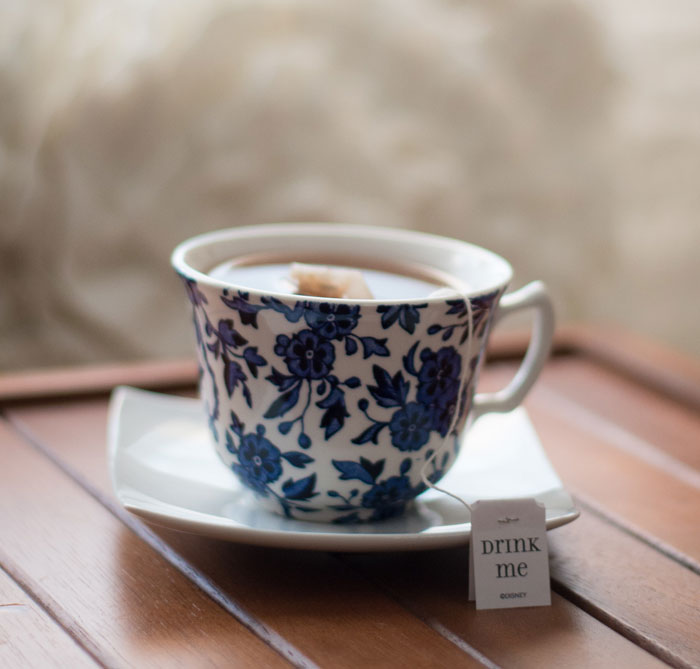 English people's obsession with tea is legit.
The obsession with tea drinking among English people is one of their best-known characteristics. The typical British drinks 884 'cuppas' annually, which is enough to fill two bathtubs, according to a YouGov poll of more than 2,000 Britons. English breakfast tea is the most popular variety, typically served with milk and sugar.
English people's obsession with tea is legit.
The obsession with tea drinking among English people is one of their best-known characteristics. The typical British drinks 884 'cuppas' annually, which is enough to fill two bathtubs, according to a YouGov poll of more than 2,000 Britons. English breakfast tea is the most popular variety, typically served with milk and sugar.
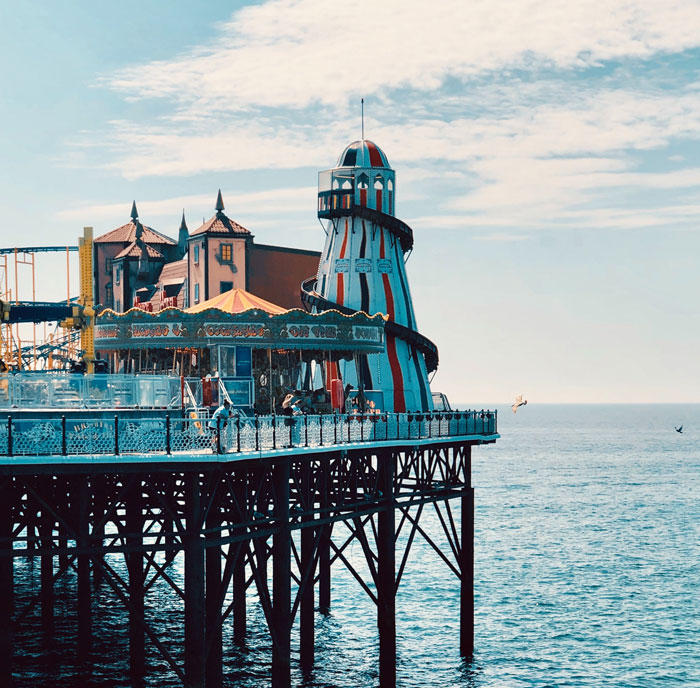 In England, one is never more than 110 kilometers from the sea.
One of the sites in the United Kingdom that is the farthest from coastal seas is Coton In The Elms in Derbyshire, England, which is about 110 km from the shore. Hence, it's not surprising that British vacations by the sea are popular in the summer despite the sea being so chilly.
In England, one is never more than 110 kilometers from the sea.
One of the sites in the United Kingdom that is the farthest from coastal seas is Coton In The Elms in Derbyshire, England, which is about 110 km from the shore. Hence, it's not surprising that British vacations by the sea are popular in the summer despite the sea being so chilly.
England used to be called Britannia. England, as we know it today, didn’t really emerge until the 10th century AD. When the Romans invaded Britain in 55 BC, they first referred to Great Britain as “Albion,” but this gradually changed to “Britannia.” The Greek historian Diodorus Siculus (1BC) used the name “Pretannia” to refer to the Pretani people, who the Greeks believed lived in Britain. This is where the word “Britannia” originates from. Britanni would be the term for those who lived in Britannia.
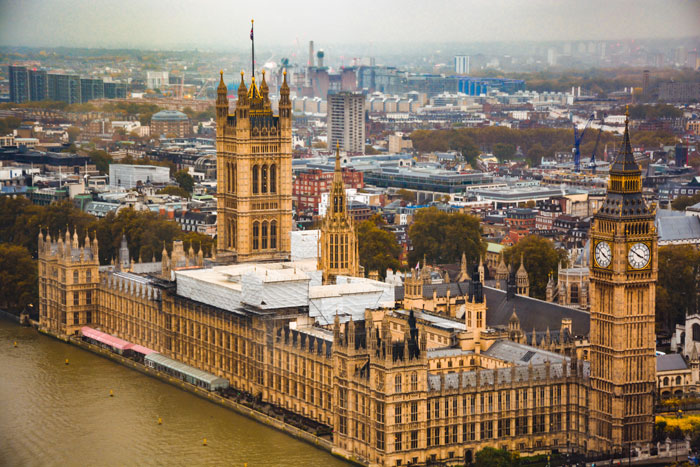 The Monarch is not allowed to enter the House of Commons.
One of several strange old rules in English law states that the reigning monarch is forbidden from entering England’s House of Commons. King Charles I’s forced arrest of five MPs during a break in the English Parliament in 1642 led to the first enactment of the law. Since then, the House of Commons can only be entered by the monarch’s representative, the Black Rod. Another interesting fact is that to signify the independence of the Commons, the door is traditionally slammed in Black Rod’s face. The representative then bangs three times on the door with the rod and only then is allowed inside.
The Monarch is not allowed to enter the House of Commons.
One of several strange old rules in English law states that the reigning monarch is forbidden from entering England’s House of Commons. King Charles I’s forced arrest of five MPs during a break in the English Parliament in 1642 led to the first enactment of the law. Since then, the House of Commons can only be entered by the monarch’s representative, the Black Rod. Another interesting fact is that to signify the independence of the Commons, the door is traditionally slammed in Black Rod’s face. The representative then bangs three times on the door with the rod and only then is allowed inside.

The last part is seen each year during the ceremonial part of the State opening of Parliament, a parliamentarian is "held hostage" at Buckingham Palace to ensure the safe return of the monarch. In reality they get to sit in half decent surroundings with a cup of tea while watching the proceedings on TV!
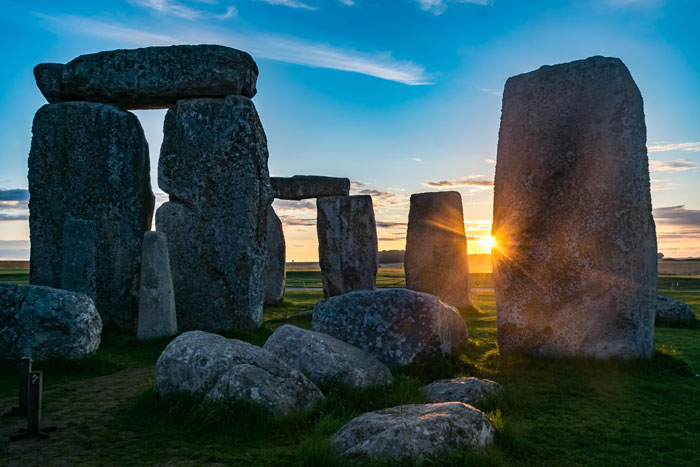 One of the world's oldest manmade landmarks is Stonehenge.
One of the earliest manmade sites is Stonehenge in Wiltshire, built between 3000 and 2000 BC. The ruins comprise a circle of seven stones, each four meters tall, with rocks on top that line up with the sunrise on the summer solstice. The legally protected monument is a UNESCO World Heritage site and one of Britain's best-known sights.
One of the world's oldest manmade landmarks is Stonehenge.
One of the earliest manmade sites is Stonehenge in Wiltshire, built between 3000 and 2000 BC. The ruins comprise a circle of seven stones, each four meters tall, with rocks on top that line up with the sunrise on the summer solstice. The legally protected monument is a UNESCO World Heritage site and one of Britain's best-known sights.
Newgrange in Ireland is older and SOOOOO much more than a few rocks tossed in the dirt.
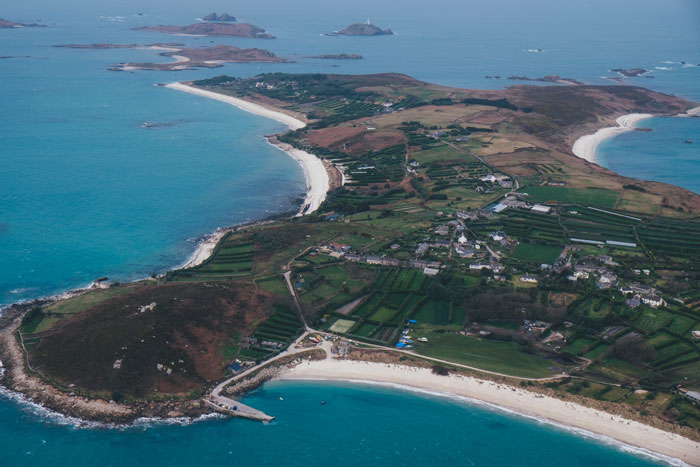 England has over 100 offshore and inshore islands.
England is made up of the main island and over 100 smaller islands. They include the Farne Islands, the Isles of Furness, the Isles of Scilly, and many others. However, most of them are very small and thus unpopulated.
England has over 100 offshore and inshore islands.
England is made up of the main island and over 100 smaller islands. They include the Farne Islands, the Isles of Furness, the Isles of Scilly, and many others. However, most of them are very small and thus unpopulated.
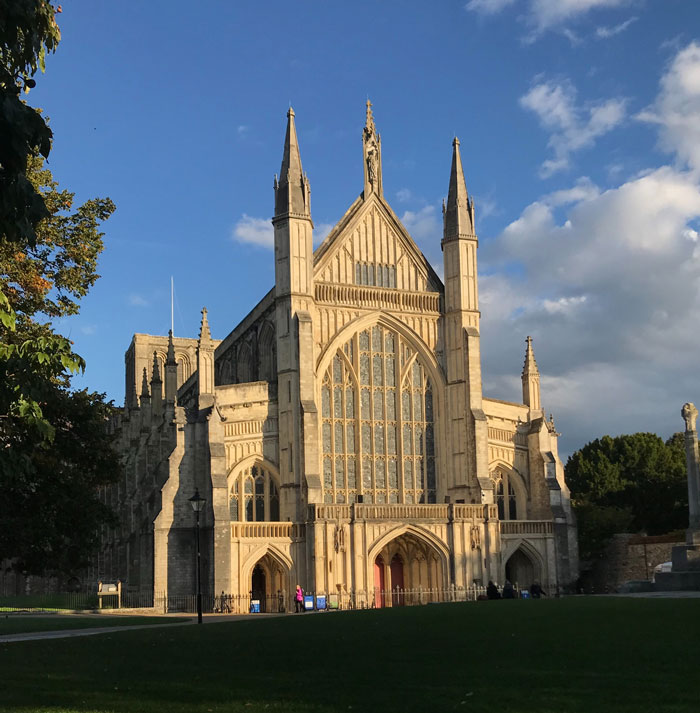 The first capital of England was Winchester.
In the ninth century, the ancient city of Winchester served as England’s first capital. The city, called Wintanceaster by the Saxons, served as the seat of government for the Kingdom of Wessex until King Æthelstan unified England.
The first capital of England was Winchester.
In the ninth century, the ancient city of Winchester served as England’s first capital. The city, called Wintanceaster by the Saxons, served as the seat of government for the Kingdom of Wessex until King Æthelstan unified England.
This is misleading given England was a mix of kingdoms at that time, post Roman. Really the first capitalist could be said to be Colchester under the Romans and they moved it to Londinium which is now London. It was after the Romans left that England fragmented again under the Saxons.
England is divided into 48 ceremonial counties. The Normans established the original counties hoping it would be easier to govern the lands of England. Yet, they changed as the population grew and towns and cities grew more interconnected. Today counties are primarily used for geographical differentiation, but they also have political functions. Their names often start with the name of their largest city or town and end with the prefix "shire." Yorkshire, Leicestershire, and Derbyshire are a few examples.
Each shire had a ‘Reeve’ to keep the peace, collect taxes etc. A Shire Reeve which became ‘Sheriff’.
English is the most spoken language in the world. According to data, almost 1.5 billion individuals worldwide spoke English either as a first or second language in 2022, which is slightly more than the 1.1 billion people who spoke Mandarin Chinese at the time when the survey was conducted.
French was once the official language of England. One of the lesser-known yet fascinating facts about England is that from 1066 until 1362, French was the country's official language. William the Conqueror adopted Norman French as the language of the government and upper classes after the Norman invasion of England and his coronation as king. Although it is not quite the French we are familiar with today, it has survived well throughout the British Isles.

We English are a bastard race with a bastardised language ; most of our language consists of varying mixtures of old Norse (Viking), Gaelic, Gallic, Old French, Latin etc plus bits and bobs picked up from around the World when we had an Empire (Amok, Banana, Lemon, Penguin and Guru amongst many others). Basically, we are word scavengers, sadly most English people don't carry this forward though as less than 30% speak another language sufficiently well to have a basic conversation, as opposed to 52% of people Europe wide.
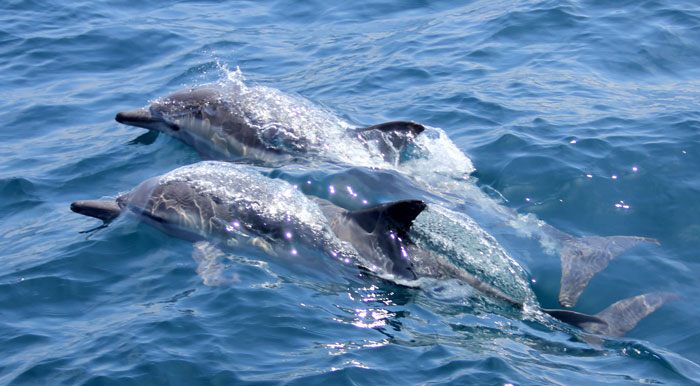 All dolphins in British waters belong to the Crown.
All dolphins in the United Kingdom and in British seas, together with sturgeons, porpoises, swans, and whales, are considered to be the property of King Charles III. All fish captured within three kilometers of the British coast are referred to as “fishes royal” and are hence the property of the monarch. This law was initially passed in 1324 and is still in effect.
All dolphins in British waters belong to the Crown.
All dolphins in the United Kingdom and in British seas, together with sturgeons, porpoises, swans, and whales, are considered to be the property of King Charles III. All fish captured within three kilometers of the British coast are referred to as “fishes royal” and are hence the property of the monarch. This law was initially passed in 1324 and is still in effect.
Don't forget swans - they belong to the Crown and are the first line of defense to rivers, canals, and ponds.
 The BBC is the oldest national broadcaster in the world.
The country's national broadcaster and the oldest in the world—founded in 1922—is the British Broadcasting Corporation. BBC doesn't air any commercials. However, to fund it and access the channels, the viewers must pay a yearly licensing fee, which (as of 1 April 2021) is £159 for a color TV license. There's also an option for a black-and-white license (£53.50) to accommodate households in England who still watch TV programs on black-and-white TV sets.
The BBC is the oldest national broadcaster in the world.
The country's national broadcaster and the oldest in the world—founded in 1922—is the British Broadcasting Corporation. BBC doesn't air any commercials. However, to fund it and access the channels, the viewers must pay a yearly licensing fee, which (as of 1 April 2021) is £159 for a color TV license. There's also an option for a black-and-white license (£53.50) to accommodate households in England who still watch TV programs on black-and-white TV sets.
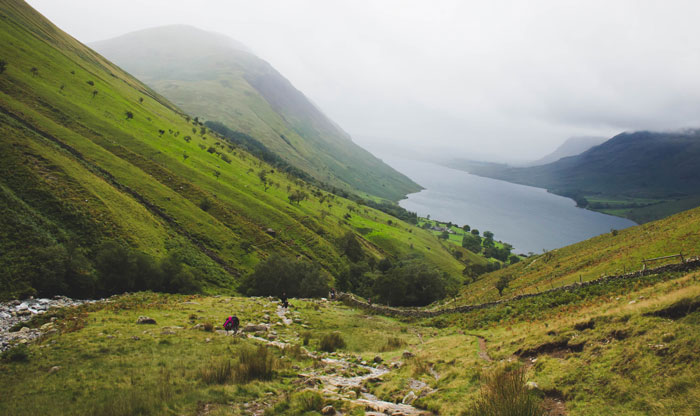 The highest point in England is Scafell Pike.
The following tidbit about England may interest thrill seekers. The Lake District is home to Scafell Pike, England's tallest mountain, with a peak elevation of 978 meters. In stormy weather, the steep climb might be dangerous; thus, it's crucial to be adequately prepared before going.
The highest point in England is Scafell Pike.
The following tidbit about England may interest thrill seekers. The Lake District is home to Scafell Pike, England's tallest mountain, with a peak elevation of 978 meters. In stormy weather, the steep climb might be dangerous; thus, it's crucial to be adequately prepared before going.

they were going to try the three peaks in my school, but failed, because scafell pike was, in the teachers words, not worth it.
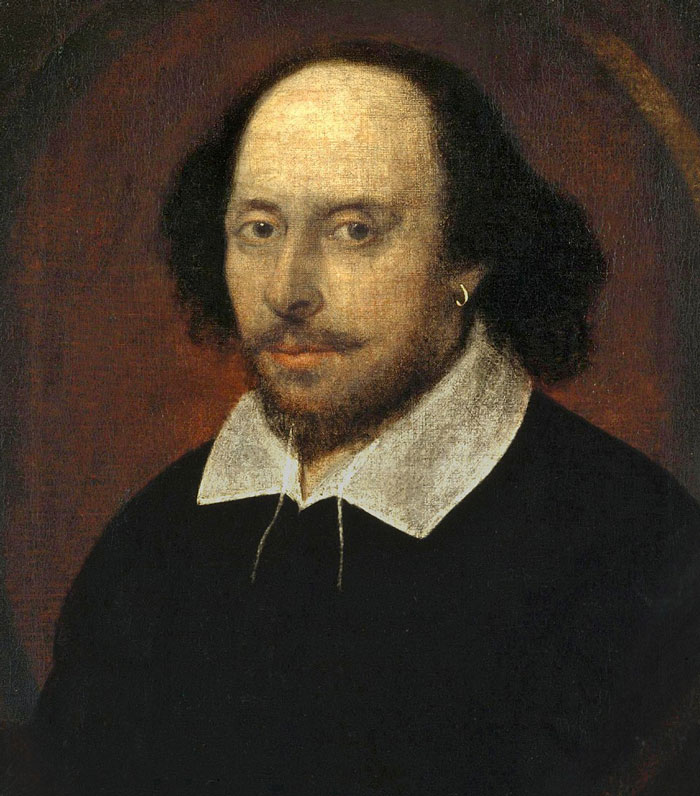 Shakespeare contributed over 1,700 words to the English language.
William Shakespeare, the most famous playwright in the world, contributed over 1,700 words to the English language, with many still used in modern English. As the value and importance of his work increased, more people started using correct word spellings. He also turned verbs into adjectives, adverbs, and compound words and added prefixes and suffixes to many terms.
Shakespeare contributed over 1,700 words to the English language.
William Shakespeare, the most famous playwright in the world, contributed over 1,700 words to the English language, with many still used in modern English. As the value and importance of his work increased, more people started using correct word spellings. He also turned verbs into adjectives, adverbs, and compound words and added prefixes and suffixes to many terms.

My favourite expression he used is "What the dickens" which you would assume was something to do with Charles Dickens but it isn't.
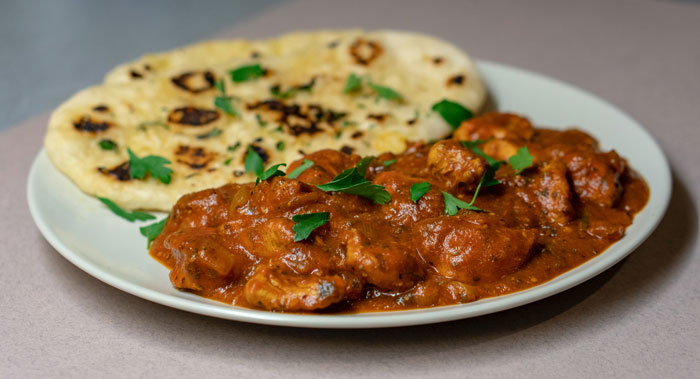 One of England’s national dishes is chicken tikka masala curry.
It's said that the mild tomato-cream sauce was added to chicken tikka, an Indian dish, by a Bangladeshi cook in Glasgow, Scotland, in the 1970s. The masala sauce, according to former British Foreign Secretary Robin Cook, "was added to satisfy the desire of British people to have their meat served in gravy." Hence, we could say that chicken tikka masala is one of the earliest well-recognized examples of fusion cooking.
One of England’s national dishes is chicken tikka masala curry.
It's said that the mild tomato-cream sauce was added to chicken tikka, an Indian dish, by a Bangladeshi cook in Glasgow, Scotland, in the 1970s. The masala sauce, according to former British Foreign Secretary Robin Cook, "was added to satisfy the desire of British people to have their meat served in gravy." Hence, we could say that chicken tikka masala is one of the earliest well-recognized examples of fusion cooking.
Who wrote this??? 'Yet, it was more likely...'??? Try both! It was created in Glasgow by an Indian man, and was inspired by the dishes he had back home in India.
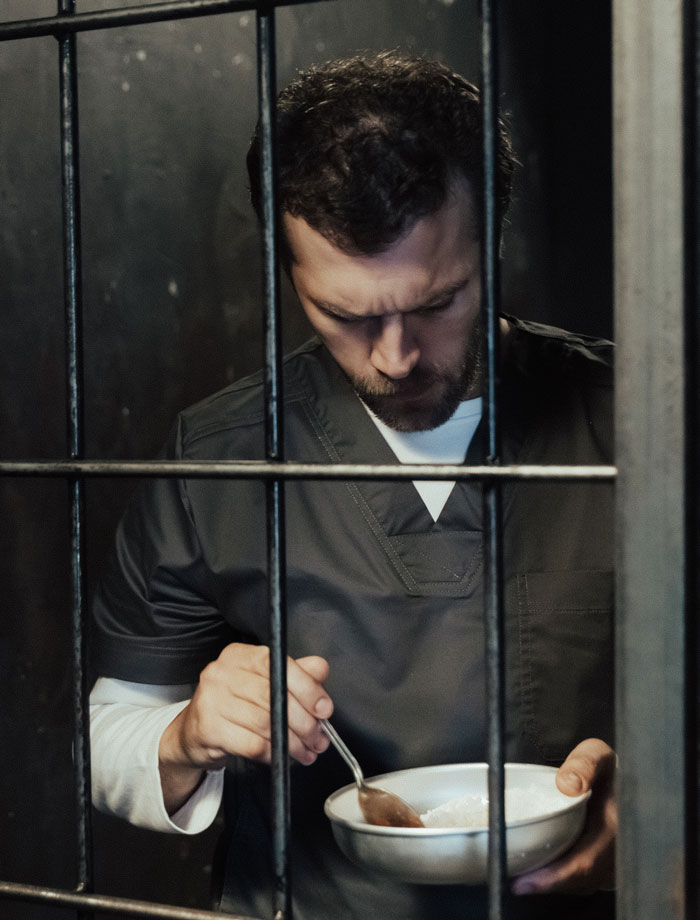 During the 18th and 19th centuries, debtors' prisons were common in England.
They were exclusive to those who ran up debt and could not repay it—they weren't considered criminals, though. Still, if they got into debt and couldn't repay it, their creditor could apply for them to be held in debtors' prison. They were detained until they—or a caring friend—paid off their debt or until they had completed their sentence. While they were free to do so, creditors very seldom forgave debts.
During the 18th and 19th centuries, debtors' prisons were common in England.
They were exclusive to those who ran up debt and could not repay it—they weren't considered criminals, though. Still, if they got into debt and couldn't repay it, their creditor could apply for them to be held in debtors' prison. They were detained until they—or a caring friend—paid off their debt or until they had completed their sentence. While they were free to do so, creditors very seldom forgave debts.
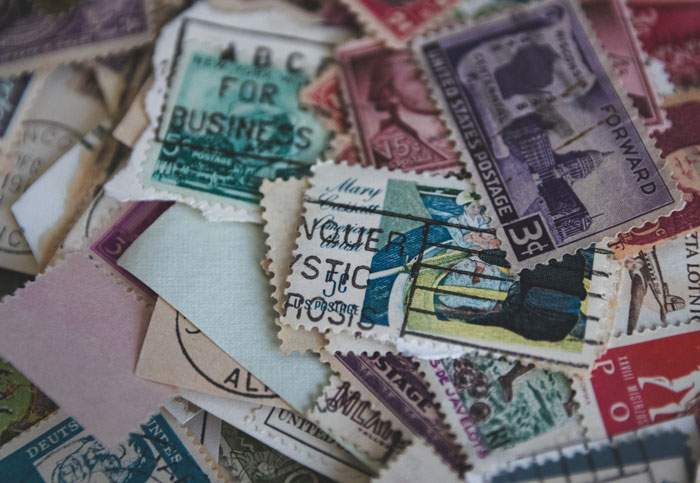 Postage stamps were invented in England.
Also, sticking a stamp upside down is technically considered treason under the alleged old law that has never been revised. However, according to the Royal Mail, placing a stamp upside-down is perfectly acceptable, and no one has ever been punished.
Postage stamps were invented in England.
Also, sticking a stamp upside down is technically considered treason under the alleged old law that has never been revised. However, according to the Royal Mail, placing a stamp upside-down is perfectly acceptable, and no one has ever been punished.
This one is a old wives' tale. It has never been illegal to place a stamp upside down and most certainly not be considered treason.
England is named after the Angles tribe. The Germanic Angles tribe settled in England in the early Anglo-Saxon era, approximately 98 AD. The clan spoke Old English, and the name England, which means "land of Engle," originates from them. Their name is also used for the region of East Anglia.
Names of the names of the other Germanic tribes also live on, West Saxons -Wessex, South Saxons- Sussex, East Saxons - Essex.
An Englishman invented the World Wide Web. In 1989, computer scientist Sir Tim Berners-Lee invented the World Wide Web. He created the first web server and browser and helped develop the internet for widespread usage. In 1990, he published the first website, which was a brief guide to using the World Wide Web.
Which, being English and a good human being, he decided to gift to humanity rather than patenting it and making a fortune. So, up yours Gates, Bezos, Musk and Zuckerberg ... thieving bastards.
English is a Hybrid Language German, Dutch, French, Danish, Latin Greek, and Celtic languages have all been amalgamated into English. This is a result of the substantial role that each of these civilizations has played throughout English history, mainly due to invasions from mainland Europe.

We’ve also incorporated words from various Indian dialects, words like veranda, bungalow, jodhpurs, chukka, pyjamas etc, Swedish, Spanish, Portuguese, I could go on. Interestingly, one of the words in the Russian language for train station is Vauxhall. In the 19th Century, Russian nobles came over to learn various skills in building ships, trains, rail networks. They got off a train at Vauxhall station and saw the signs indicating the name of the station. They simply thought Vauxhall meant station. So they used it.
The first underground passenger railway in the world was in England. One of the things the UK is known for is the London Underground. To ease traffic on the streets, London constructed the first underground railway in the world in 1863. These early underground railways first employed steam-powered trains.
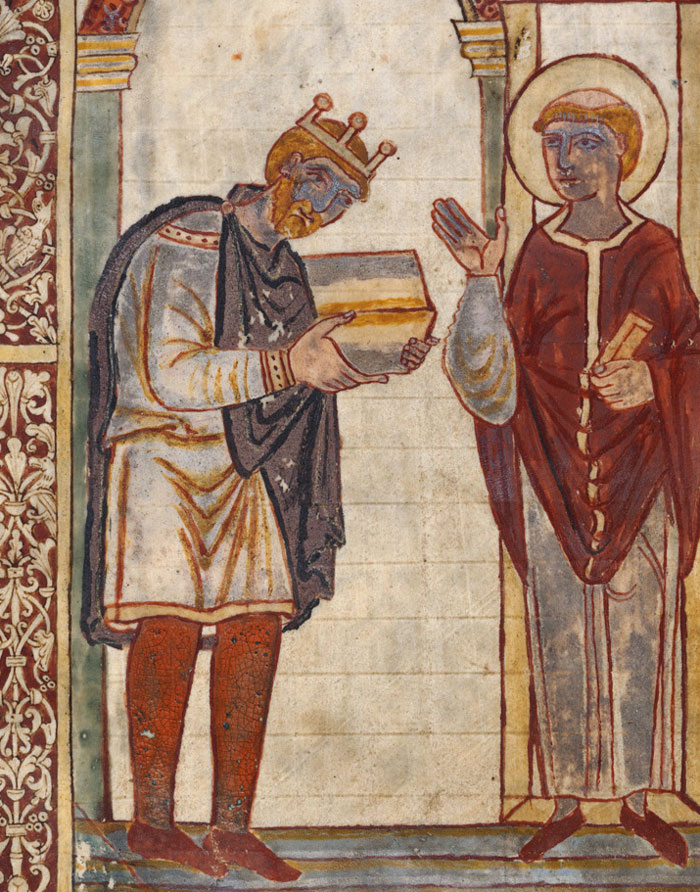 Æthelstan was the first King of England.
In the 10th century AD, King Æthelstan became the first monarch to govern over the territory now known as England. Æthelstan, regarded as one of the greatest Anglo-Saxon rulers, was Alfred the Great’s grandson and started the process that eventually led to Wessex annexing all the kingdoms and becoming England.
Æthelstan was the first King of England.
In the 10th century AD, King Æthelstan became the first monarch to govern over the territory now known as England. Æthelstan, regarded as one of the greatest Anglo-Saxon rulers, was Alfred the Great’s grandson and started the process that eventually led to Wessex annexing all the kingdoms and becoming England.

I'm a bit surprised there is no post mentioning that were it not for Alfred the Great aka Ælfred parts of what today is England might still be under Norse rule, at least according to a BBC (I think) documentary I watched some time ago.
The offensive two-finger gesture originated in England. The Hundred Year’s War is where the vulgar “up yours” or V-sign gesture associated with the F-word first appeared. According to legend, English longbowmen cut off captured French archers’ index and middle fingers to prevent them from ever firing an arrow again. As they still had their fingers and were using them to destroy more Frenchmen, English archers would use the two-finger gesture to mock their foes in battle.
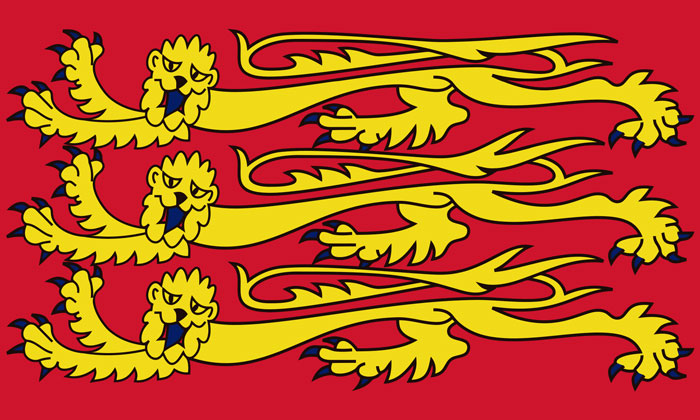 Three lions are England’s national symbol.
A standard with three gold lions on a crimson background used on the battlefield to encourage the troops dates back to the 12th century. The first came from Henry I, also known as the lion of England, who, upon assuming power in 1100, had a lion on his standard. Soon after, he wed Adeliza, whose father's shield had a lion. To mark the occasion, he added a second lion to his standard. When Henry II married Eleanor of Aquitaine in 1154, who—you guessed it—also had a lion on her family crest, there were now three lions.
Three lions are England’s national symbol.
A standard with three gold lions on a crimson background used on the battlefield to encourage the troops dates back to the 12th century. The first came from Henry I, also known as the lion of England, who, upon assuming power in 1100, had a lion on his standard. Soon after, he wed Adeliza, whose father's shield had a lion. To mark the occasion, he added a second lion to his standard. When Henry II married Eleanor of Aquitaine in 1154, who—you guessed it—also had a lion on her family crest, there were now three lions.
Some people were saying they were leopards, is that true? if not, where did that come from.
You can reach England from France through an underwater tunnel. High-speed rail service known as the Eurostar links the Netherlands, Belgium, and France to England. It takes up to 3 hours to go from Paris to London via train. The train also goes through the Channel Tunnel, which runs underwater and is 31.5 miles long or 50.45 km. And to answer everyone's question: no, you can't actually see the sea from the Eurostar, which may be a bit of a letdown.
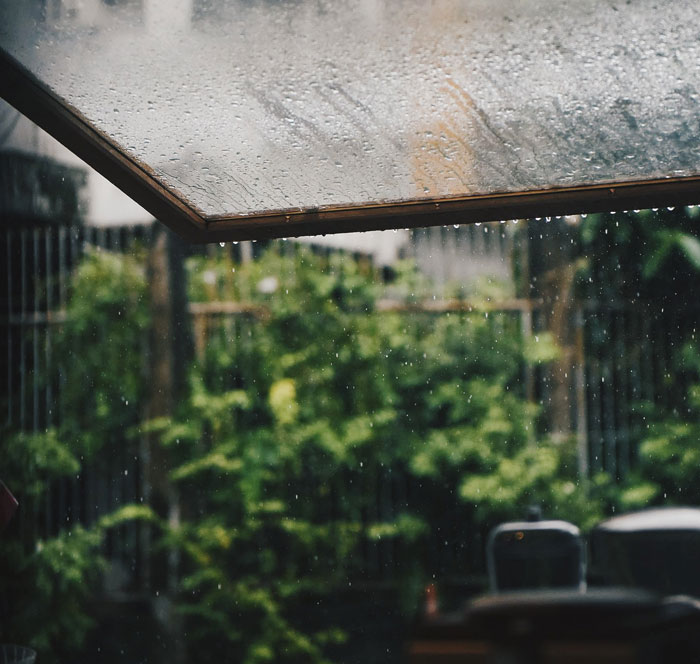 It does rain a lot in England.
It's not a cliché that it does rain a lot in England. Yet, some parts of England are drier than others, so applying it to the whole country isn't factual. Throughout the past three decades, there has been variation in the yearly number of rainy days in the UK. In 2021, there were 148.7 days when at least 1 mm of rain fell. The most days with rain on record were 178.5 in 2000.
It does rain a lot in England.
It's not a cliché that it does rain a lot in England. Yet, some parts of England are drier than others, so applying it to the whole country isn't factual. Throughout the past three decades, there has been variation in the yearly number of rainy days in the UK. In 2021, there were 148.7 days when at least 1 mm of rain fell. The most days with rain on record were 178.5 in 2000.
England has a free at the point of use National Health Service. The National Health Service (NHS), established in 1948, is one of England's most cherished achievements. Taxes are used to pay for it, and residents are not charged when the necessary medical service is delivered. This implies that everything is free at the point of use, including ambulance journeys, ER visits, lengthy hospital stays, complex surgeries, radiation, and chemotherapy.
It is not free. It is free at the point of use. That distinction needs to be made clearer in general. The first sentence is factually wrong


Free at the point of use. We do pay for the NHS via taxes and national insurance that comes out of. Our wages, BUT it's still a hell of a lot cheaper than private health care and I'm so. Glad we have it



Taxes don't pay for it, National Insurance contributions pay for it.
I wish the United States' ACA was as good. In recent years we've added to the amount of people that are eligible to join, but it's still expensive over here. Maybe one day it will turn into universal healthcare.

England still uses imperial measures. Although the metric system is often used in business and technology, most of the population still primarily utilizes imperial units. All UK roadways utilize the imperial system except weight restrictions and modern height or width restriction signage.

The only items you are legally allowed to sell in imperial measurements are draught beer or cider by pint, milk in returnable containers by pint, precious metals by troy ounce. Everything else has to be in metric (unless you’re in Northern Ireland). Sadly, you can’t measure length using bananas. We could start a petition though…
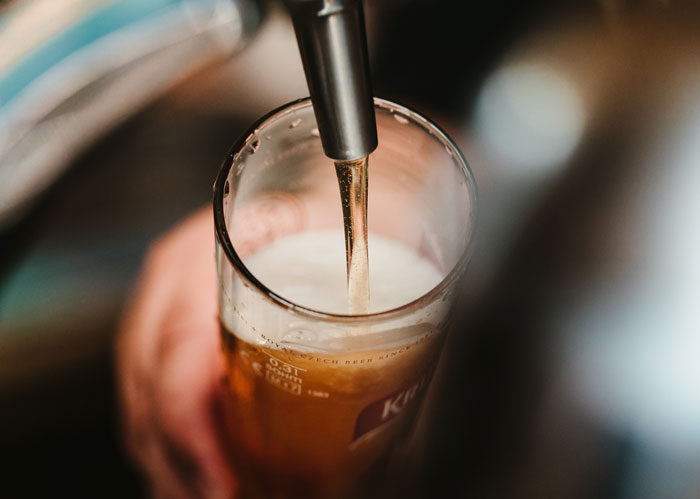 It can be illegal to be drunk in a pub in England.
Many people are guilty of having one too many at their local bar. As unbelievable as it may sound, there is a rule in England that actually forbids drunkenness at pubs—the one place where you are, in theory, allowed to be drunk. “Every person found drunk... on any licensed premises, shall be liable to a penalty,” reads the Licensing Act of 1872’s Section 12. In theory, if you are caught drunk in a bar or other public area, you might be fined £200.
It can be illegal to be drunk in a pub in England.
Many people are guilty of having one too many at their local bar. As unbelievable as it may sound, there is a rule in England that actually forbids drunkenness at pubs—the one place where you are, in theory, allowed to be drunk. “Every person found drunk... on any licensed premises, shall be liable to a penalty,” reads the Licensing Act of 1872’s Section 12. In theory, if you are caught drunk in a bar or other public area, you might be fined £200.

Not just drunk - you have to be drunk and disorderly in order to be subject to prosecution.
The first record of Morris dance dates back to 1448. Since it has been practiced there for more than 500 years, the Morris dance is uniquely England's specialty. Although it is noted that it is ceremonial rather than social in nature, it is typically referred to as a type of folk dance, which can be performed solo or in a pair. The dancers may also use props like sticks, swords, and handkerchiefs.
It's not something we're particularly proud of...more of a national embarrassment and subject of ridicule, practised by a very small minority. Most of us would rather have the Haka, or even Riverdance, as a national dance.
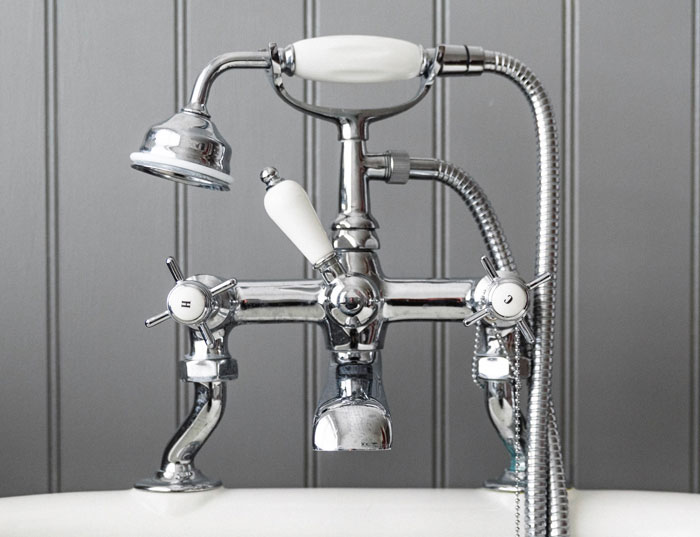 Old houses in England have separate taps for hold and cold water.
The old plumbing system initially only provided cold water directly from the networks. So when the need for hot water arose, people had to install a separate outlet for it. However, there's also a safety reason behind it. The reason for having a separate tank for cold water is to ensure the drinkable water's purity. This is because the hot water in the tank may have been sitting for a long time and could be contaminated. While introducing new fast boilers that do not require a standing tank is making this practice obsolete, it's still a relatively recent development.
Old houses in England have separate taps for hold and cold water.
The old plumbing system initially only provided cold water directly from the networks. So when the need for hot water arose, people had to install a separate outlet for it. However, there's also a safety reason behind it. The reason for having a separate tank for cold water is to ensure the drinkable water's purity. This is because the hot water in the tank may have been sitting for a long time and could be contaminated. While introducing new fast boilers that do not require a standing tank is making this practice obsolete, it's still a relatively recent development.
Another factor was that with lead piping the hot water would leach a lot of the lead into the supply. Lead poisoning was understood, so when I was little we were taught to never use the hot water tap for cooking or drinking water, and to always run the cold tap for a minute or so to clear out any water that had been sitting in the pipes fir some time. Old habits that I still adhere to today.
How embarrassing for the poster that they are largely ignorant of what they're writing about.

How embarrassing for the poster that they are largely ignorant of what they're writing about.
















 No fees, cancel anytime