Get Premium
Dark mode theme is available exclusively for premium users. Learn more about the benefits of subscribing.
No fees, cancel anytime.

 Dark Mode Ad-Free Browsing Unlimited Content
 Ad-Free Browsing Unlimited Content Dark Mode
Join 1.2 million Panda readers who get the best art, memes, and fun stories every week!
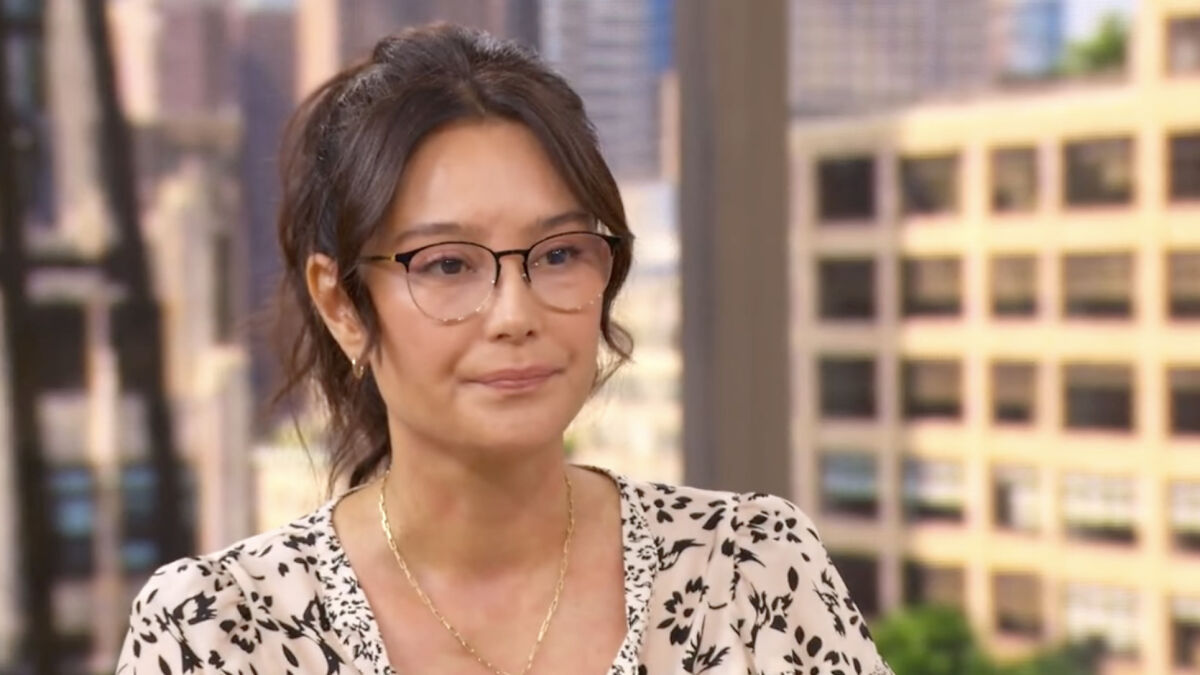
Emma Heming Willis recently spoke about a difficult family decision that drew both attention and criticism online.
The 49-year-old wife of actor Bruce Willis, who is living with frontotemporal dementia, shared in a recent interview that moving her husband into his own home was not only the safest choice for him but also essential for their two young daughters.
Despite the criticism, Emma insisted that the decision was the right one for the family.
Image credits: Good Morning America/Instagram
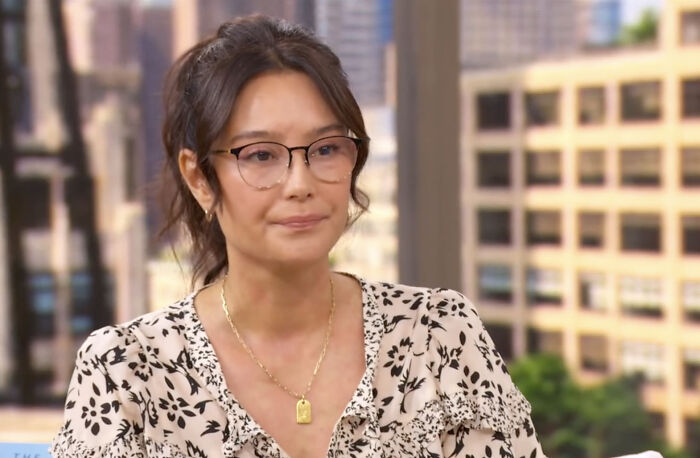
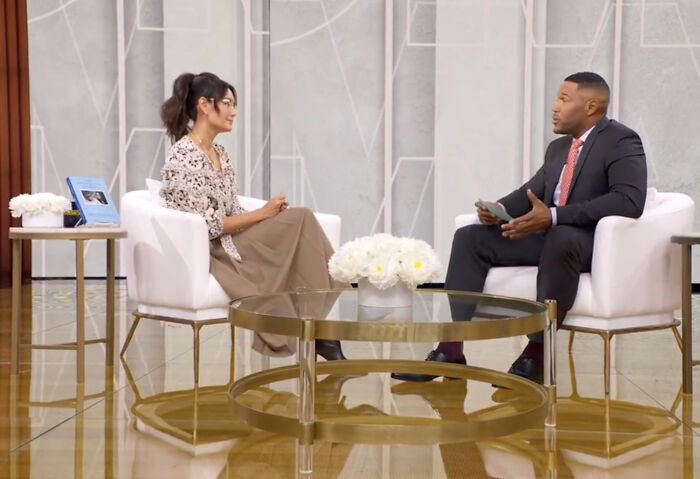
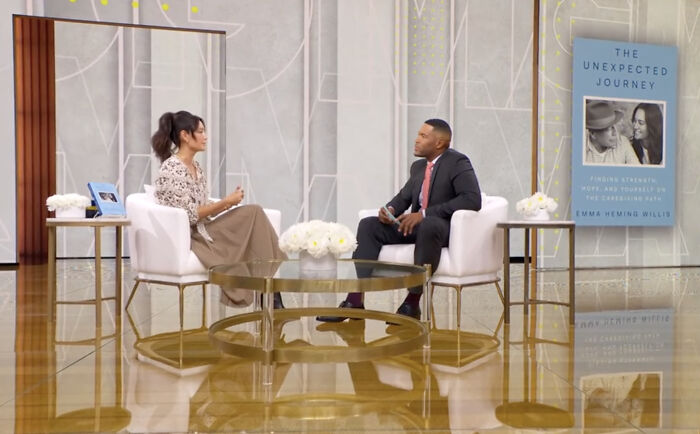
During her segment on Good Morning America, Emma explained that Bruce, 70, now lives in a separate but nearby residence designed to give him a safe and sereneenvironment.
The single-story home provides round-the-clock care and allows their daughters, Mabel, 13, and Evelyn, 11, to continue being kids without constant disruption, according toPeople magazine.
Image credits: Good Morning America/Instagram
She admitted it was one of the hardest choices she has ever had to make, but she believes it was the best for everyone.
“Now I know that Bruce has the best care 100% of the time. His needs are met 100% of the time, as well as our two young daughters’,” Emma said firmly.
Image credits: Emma Heming Willis/Instagram
While the decision sparked debate online, Emma pointed out that outsiders often underestimate the complexities of caregiving.
“Caregivers are so judged, and it just goes to show that people sometimes just have an opinion versus really having the experience,” she said.
Image credits: Emma Heming Willis/Instagram
Despite thecontroversy, Emma stated that the decision has been made with regards to Bruce’s living and care arrangements.
“And, you know, it’s really not up for a debate. Now I know that Bruce has the best care 100% of the time.
“His needs are met 100% of the time, as well as our two young daughters’. So I’m not gonna take a vote on that,” Emma stated.
Image credits: Emma Heming Willis/Instagram
Emma revealed that what finally pushed her to change Bruce’s livingsituation was something his neurologist told her.
As it turned out, caregivers often pass away before their loved ones. This stark reality forced her to acknowledge that she needed help.
Image credits: Emma Heming Willis/Instagram
“I think that was my wakeup call to realize that I need to get help, and I’m not a failure because I need help. It’s okay for me to raise my hand,” she shared.
“I didn’t realize that. I really needed permission for someone to tell me that it’s okay to get help.”
Emma explained that she needed someone to reassure her that it was okay to prioritize her own health so she could continue caring for her family.
Image credits: Emma Heming Willis/Instagram
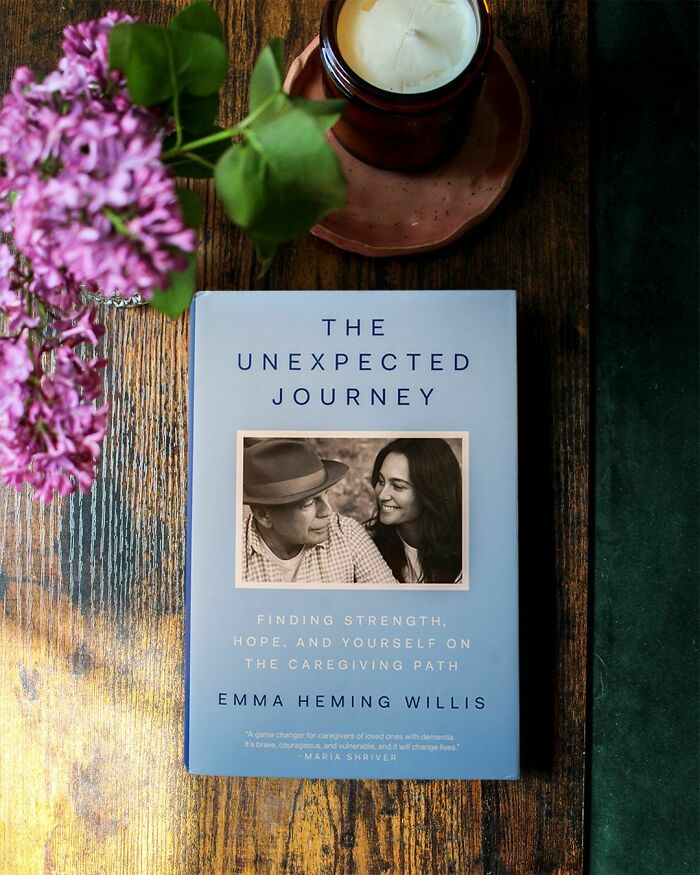
She stated that her new book, The Unexpected Journey: Finding Strength, Hope, and Yourself on the Caregiving Path, is aimed at giving other caregivers the same sense of permission.
“If they don’t care for themselves, how will they be able to continue to care for the person that they love?” she said.
Image credits: Emma Heming Willis/Instagram
The family’s “second home,” as Emma described it, has become asanctuary for Bruce. Its one-story layout and peaceful surroundings are tailored to his needs as he navigates his medical condition.
The arrangement has brought a sense of calm to the entire family. “Everything just feels a lot calmer, more at ease now,” Emma said.
Image credits: Emma Heming Willis/Instagram
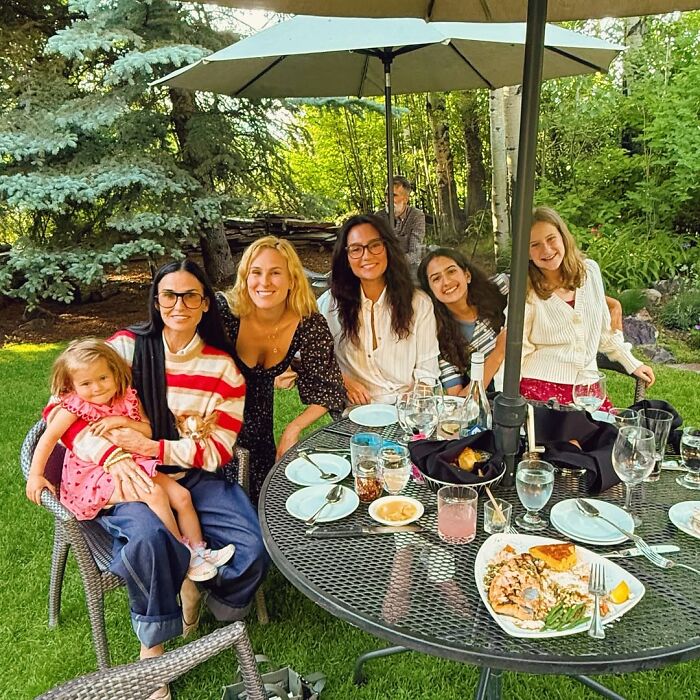
She acknowledged that the family is fortunate to have the means to make such an arrangement possible, and she doesn’t take that privilege for granted.
For Emma, the choice was about more than logistics. It was about protecting her husband’s dignity and ensuring their daughters still have a space to thrive.
Image credits: Emma Heming Willis/Instagram
“You have to do what is right for your family and what is going to keep your loved one safe, as well as your young children,” she emphasized.
Numerous netizens shared words of support for Emma and her journey with her family as they navigate Bruce Willis’ condition.
View this post on Instagram
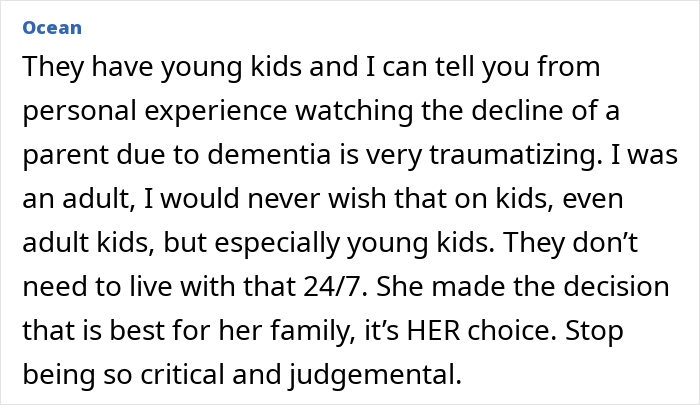
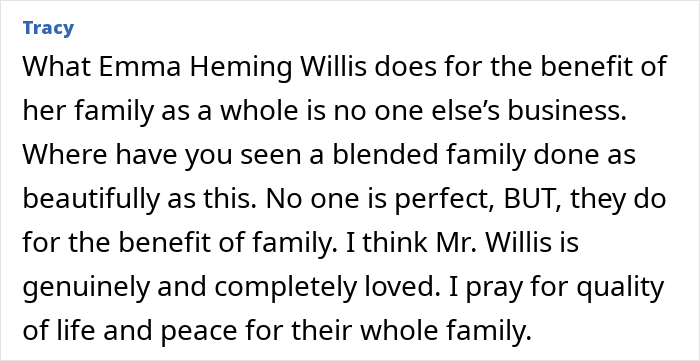
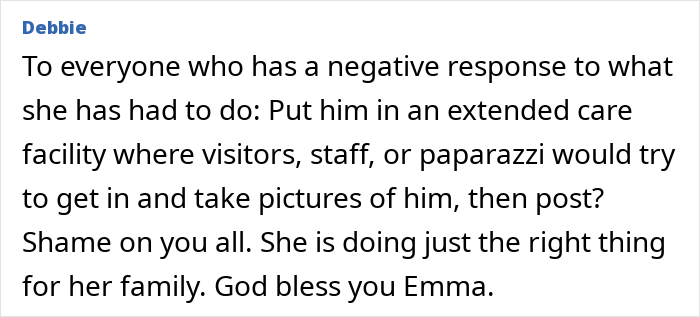
“She is 100% right. Glad she has the strength, courage, and means to do what’s best for her family. Now her kids can be kids, love their father, not resent their situation,” one commenter wrote.
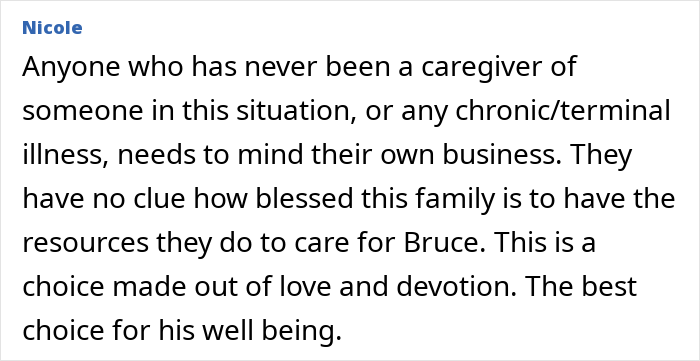
“Emma should not have to explain herself to anyone since it’s no one’s business. Bruce is safe, happy, and so is the family,” wrote another.
Image credits: Good Morning America/Instagram
“Good for her for making the decision that is best for her family, and luckily, they have the means to accommodate this situation. I applaud how strong she is,” another commenter stated.

By entering your email and clicking Subscribe, you're agreeing to let us send you customized marketing messages about us and our advertising partners. You are also agreeing to our Privacy Policy.
Thank you! You've successfully subscribed to newsletters!
1k+views
Share on Facebook

If you haven't been there, you are not entitled to an opinion on this subject. You can however, hope it never happens to you as a caregiver or a patient.

I can't imagine thinking anyone but the family's opinion would be welcome.
If you haven't been there, you are not entitled to an opinion on this subject. You can however, hope it never happens to you as a caregiver or a patient.
I can't imagine thinking anyone but the family's opinion would be welcome.
























 No fees, cancel anytime













23
8