Get Premium
Dark mode theme is available exclusively for premium users. Learn more about the benefits of subscribing.
No fees, cancel anytime.

 Dark Mode Ad-Free Browsing Unlimited Content
 Ad-Free Browsing Unlimited Content Dark Mode
Join 1.2 million Panda readers who get the best art, memes, and fun stories every week!
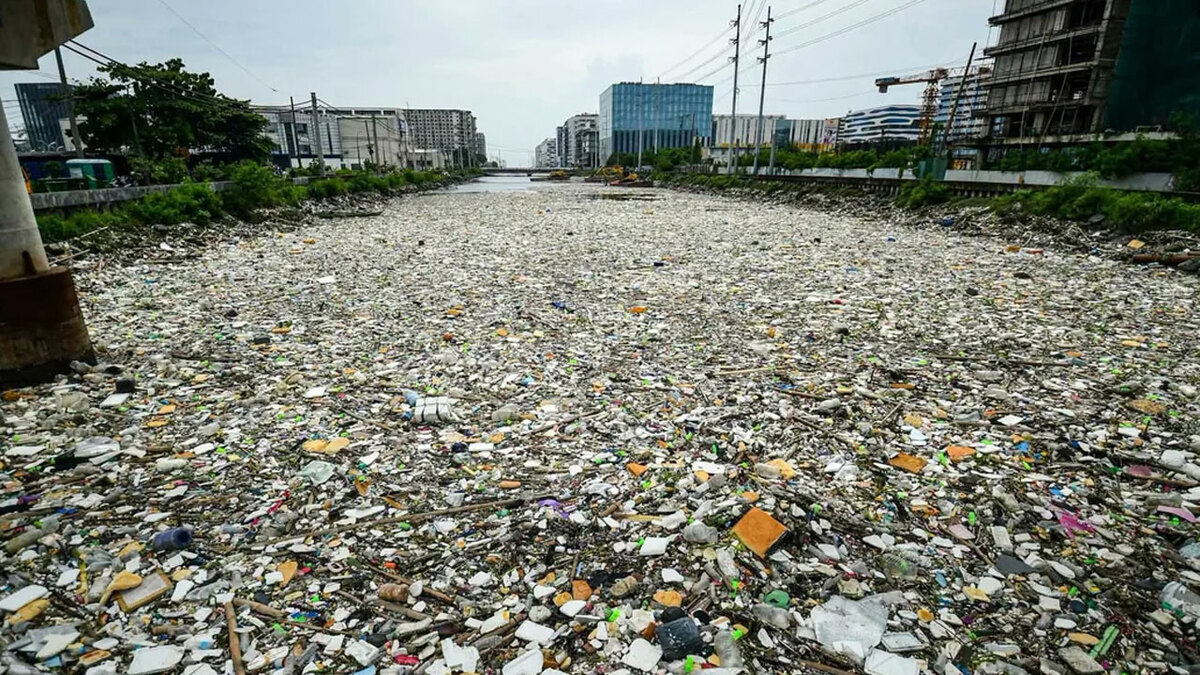
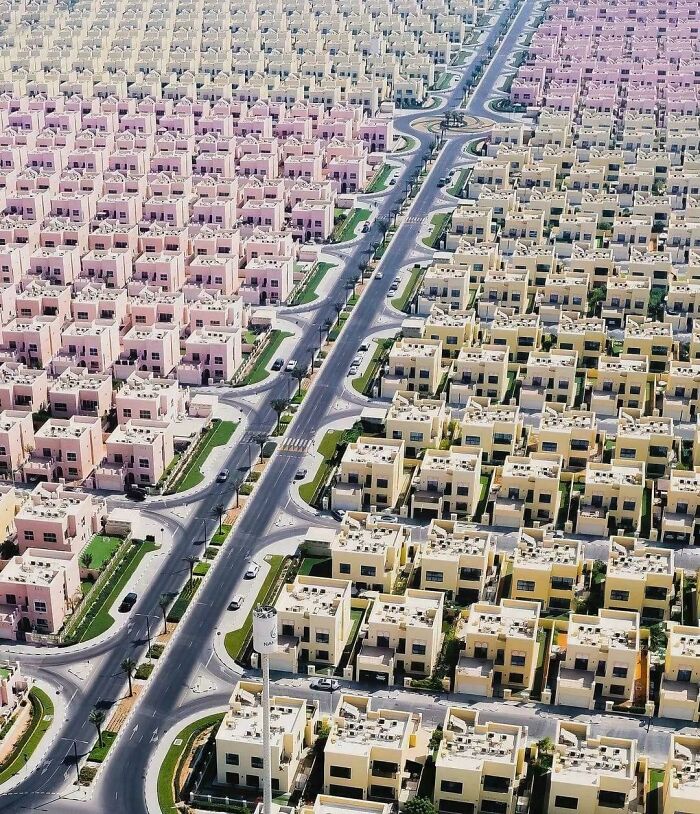
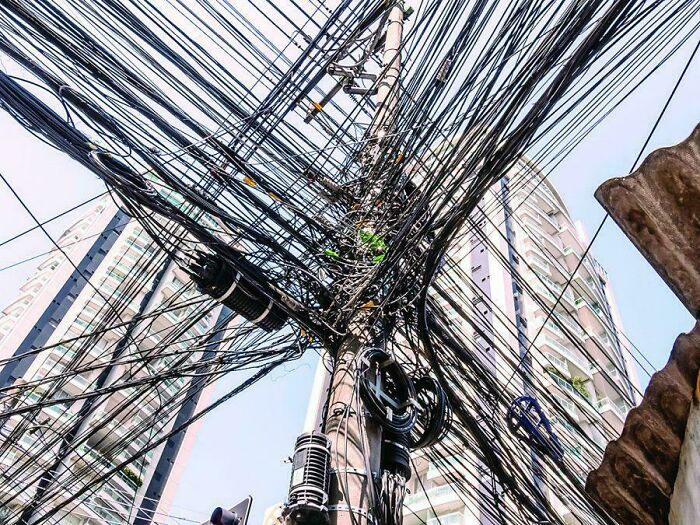
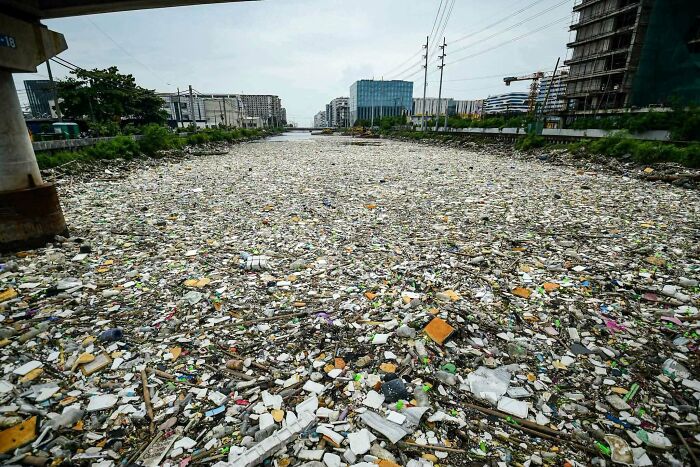
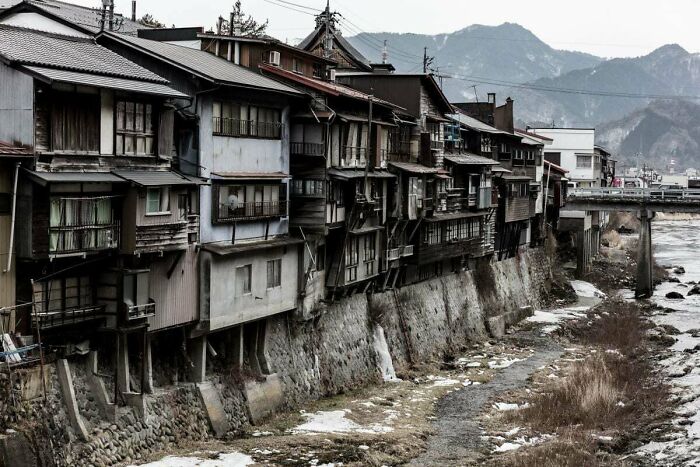
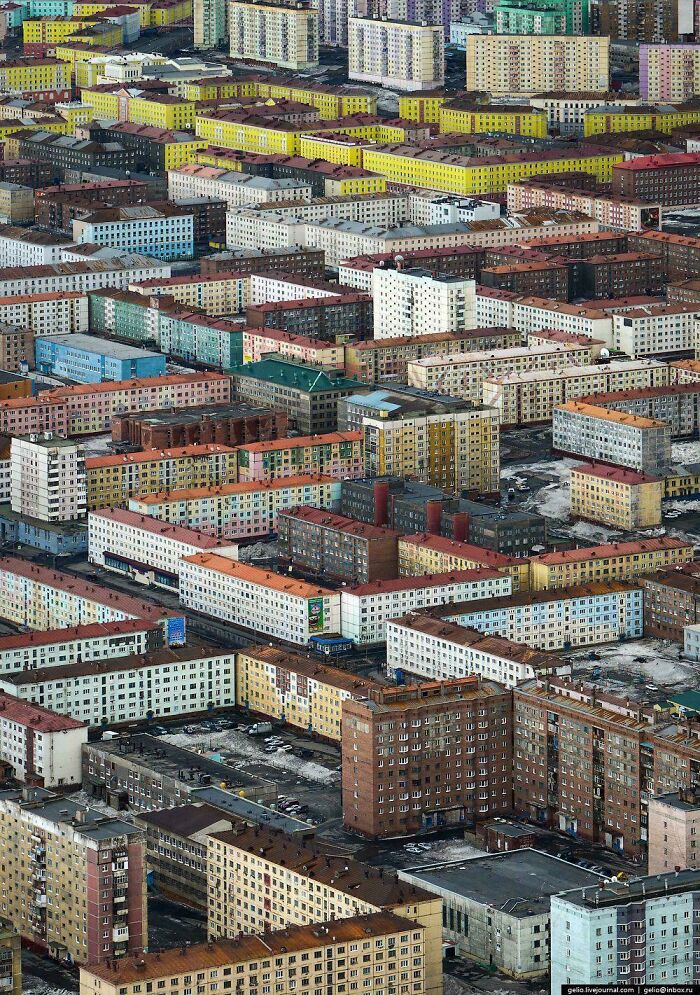
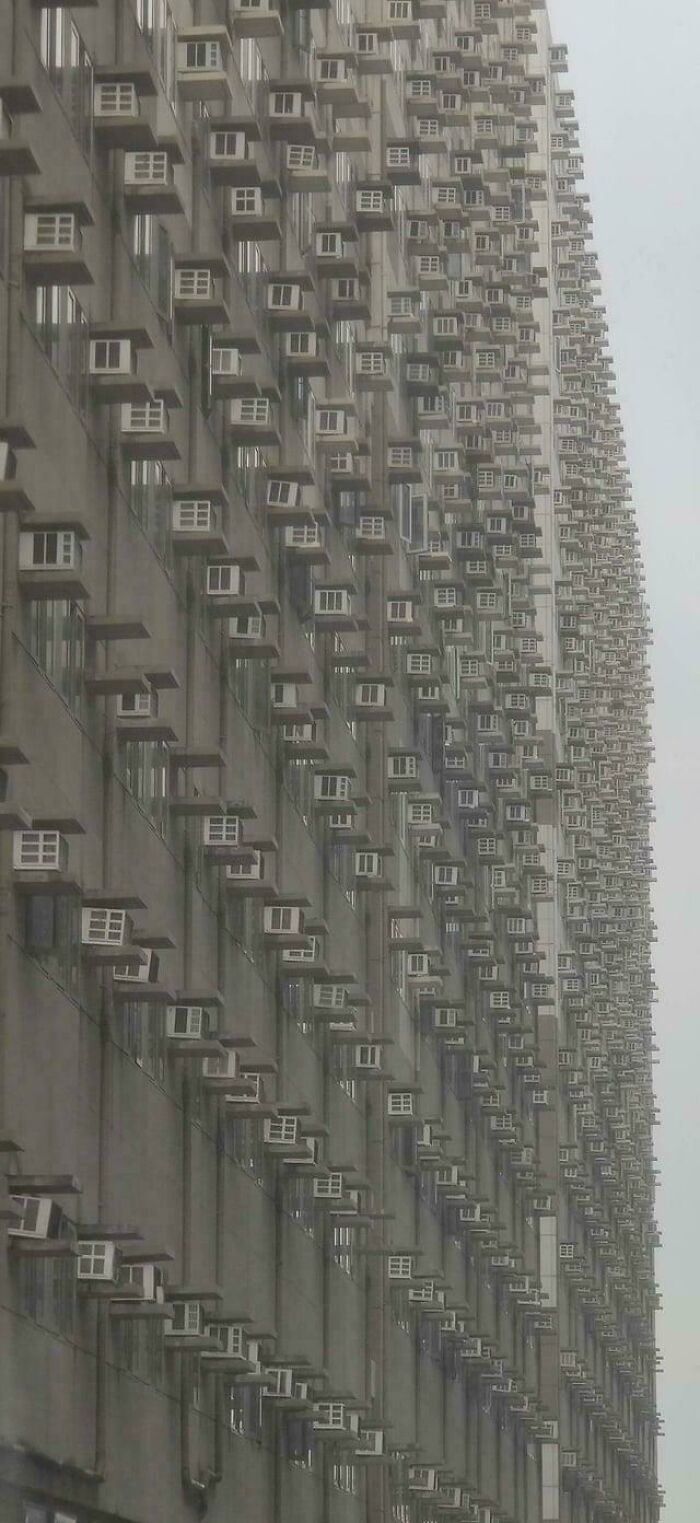
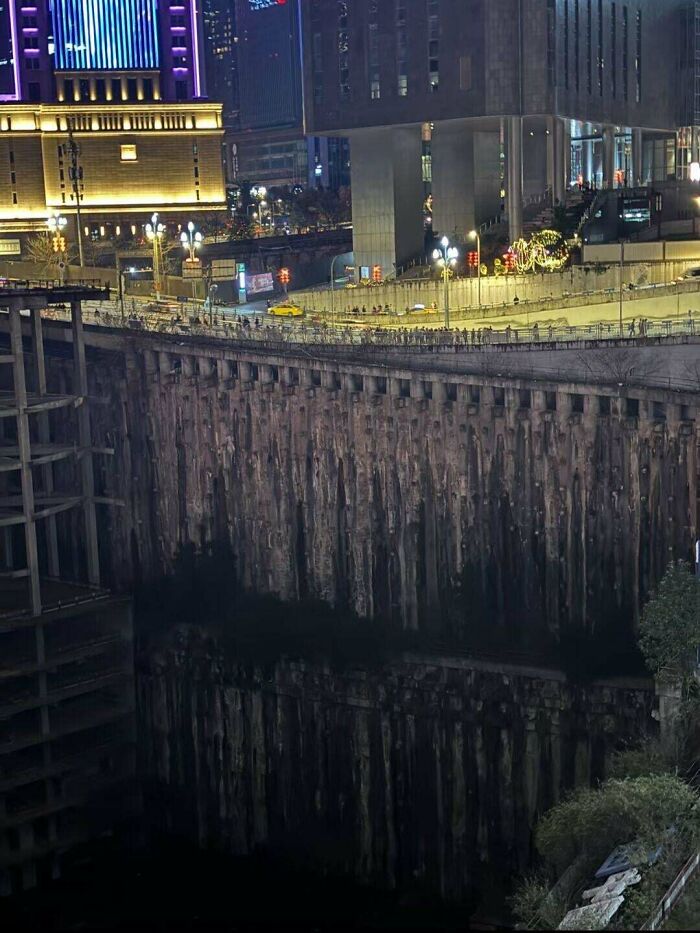
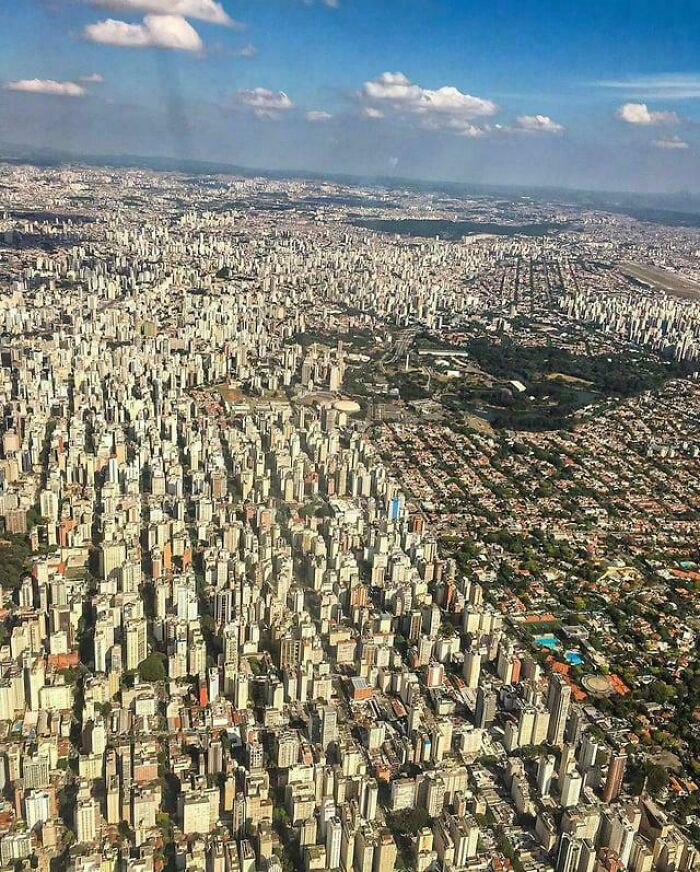
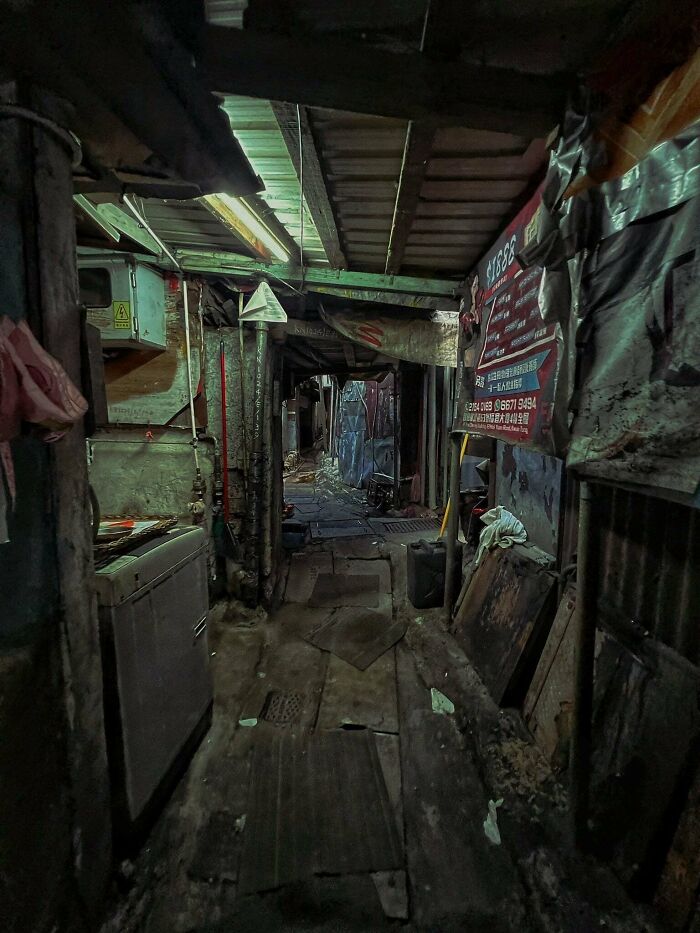
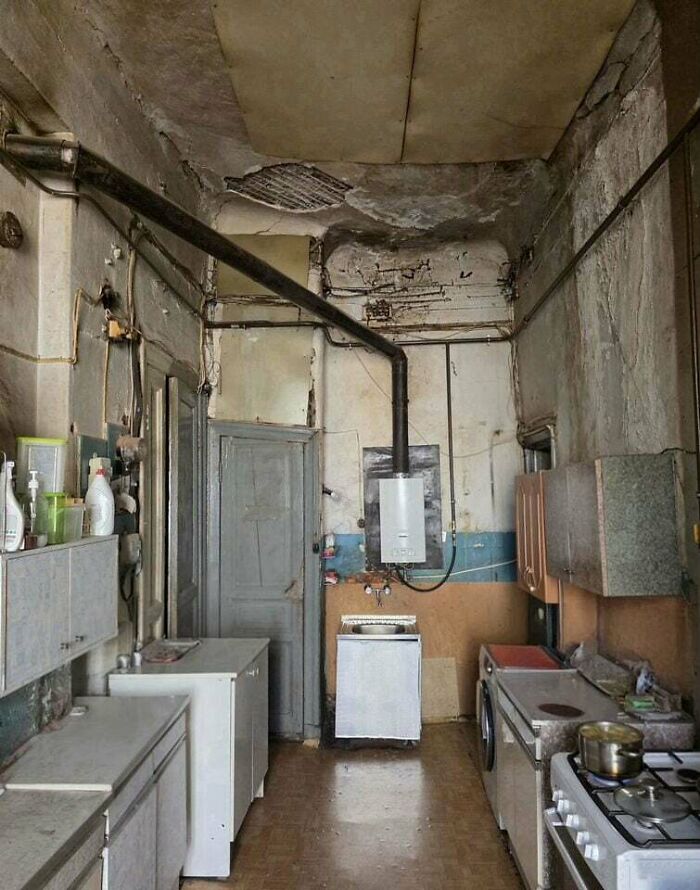
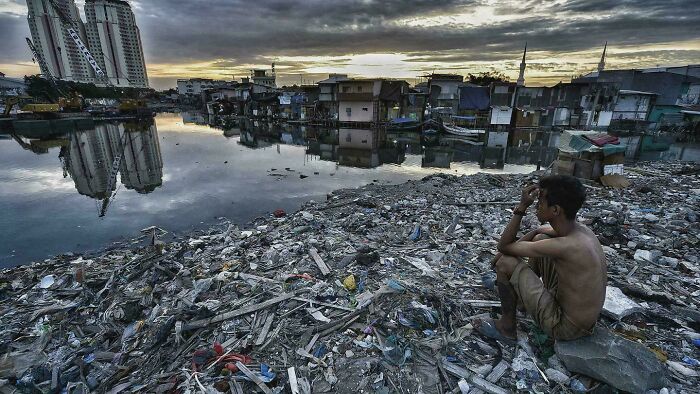
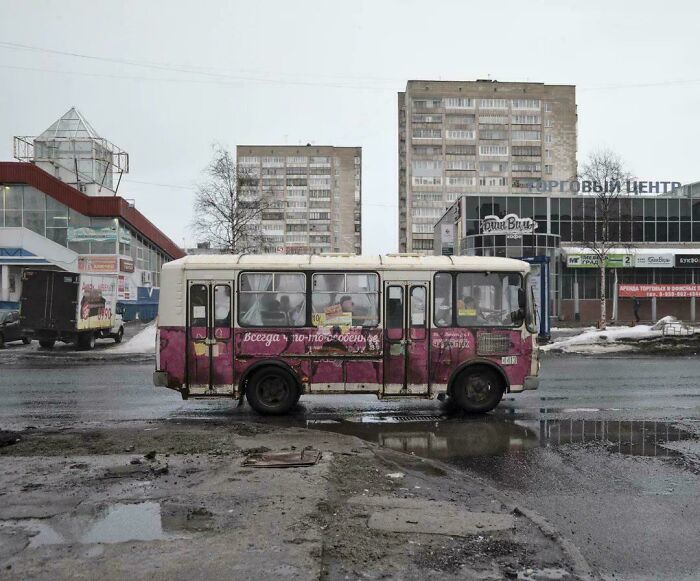
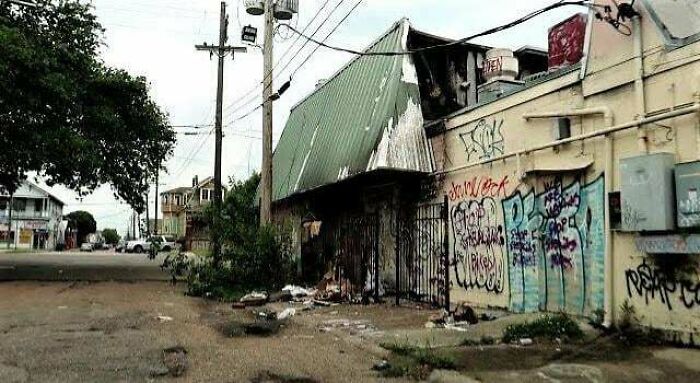
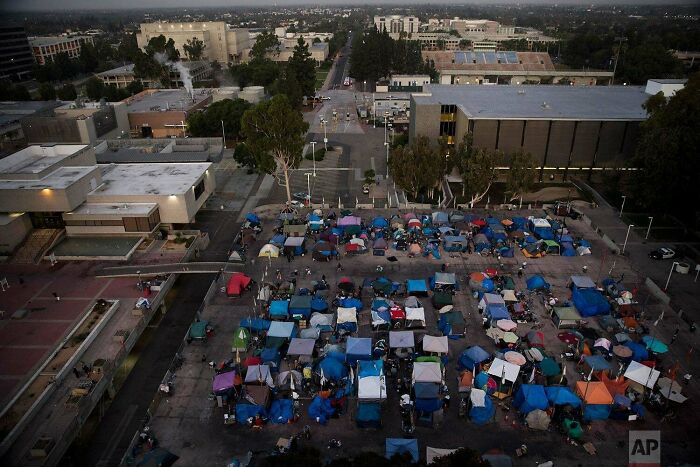
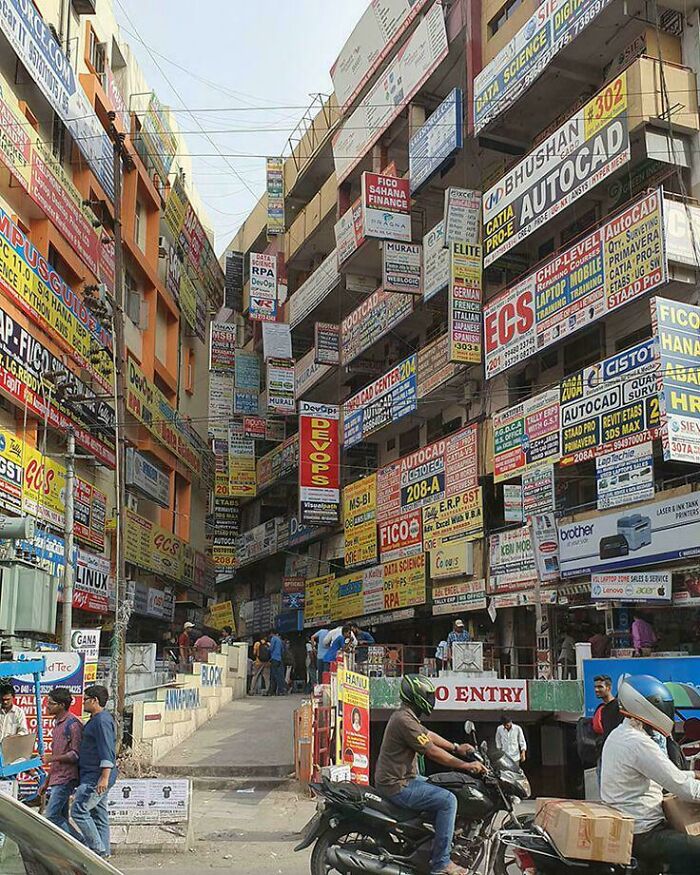
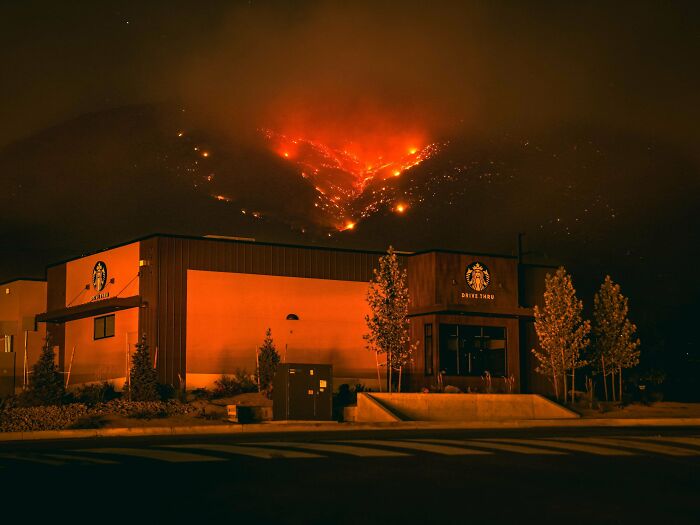
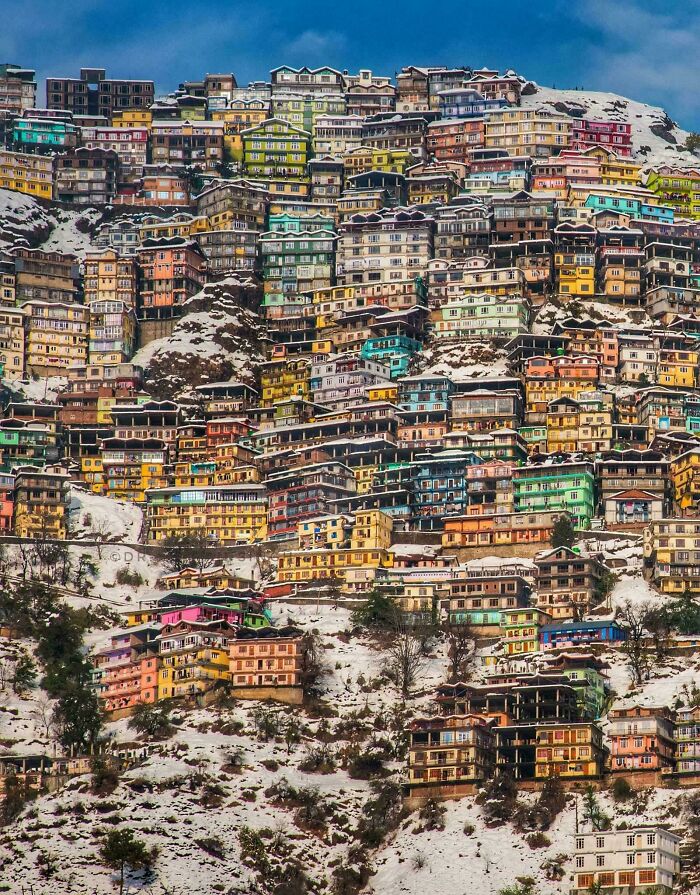
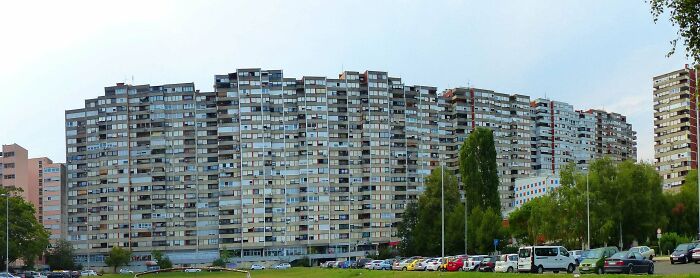
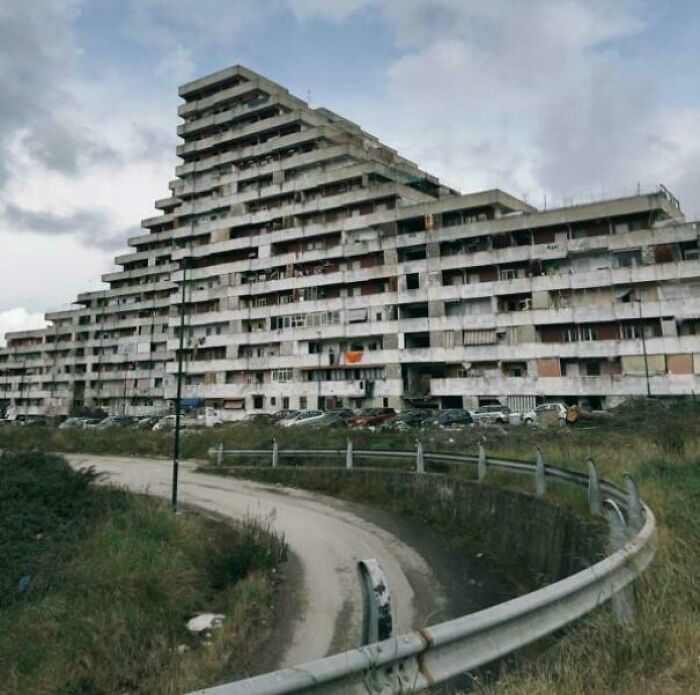
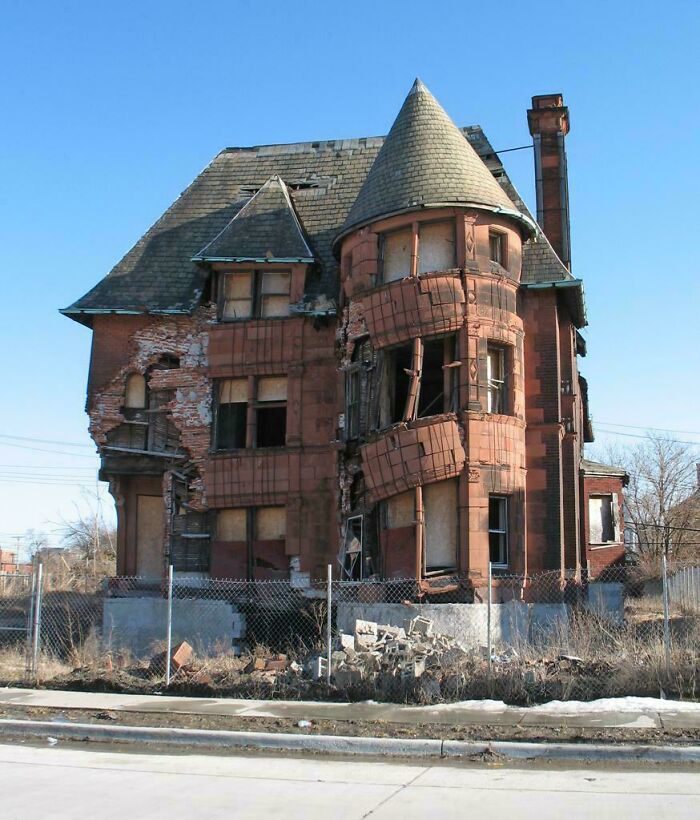
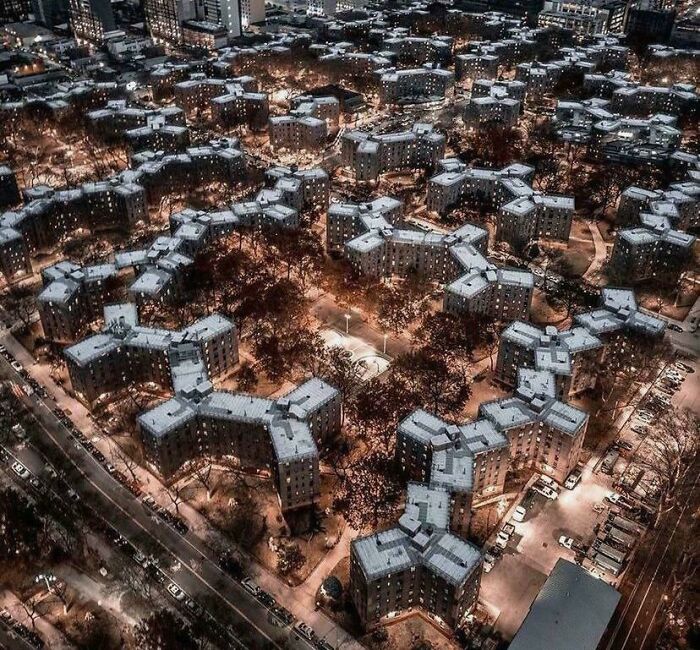
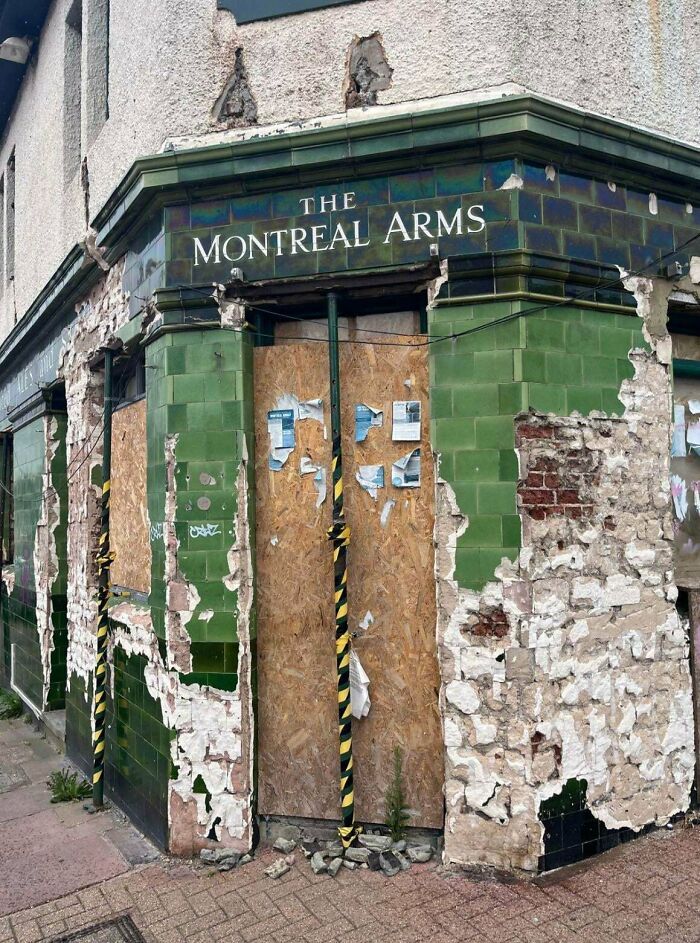
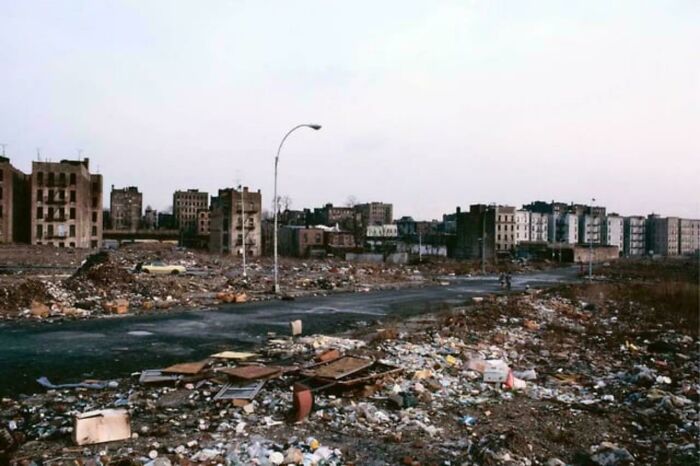
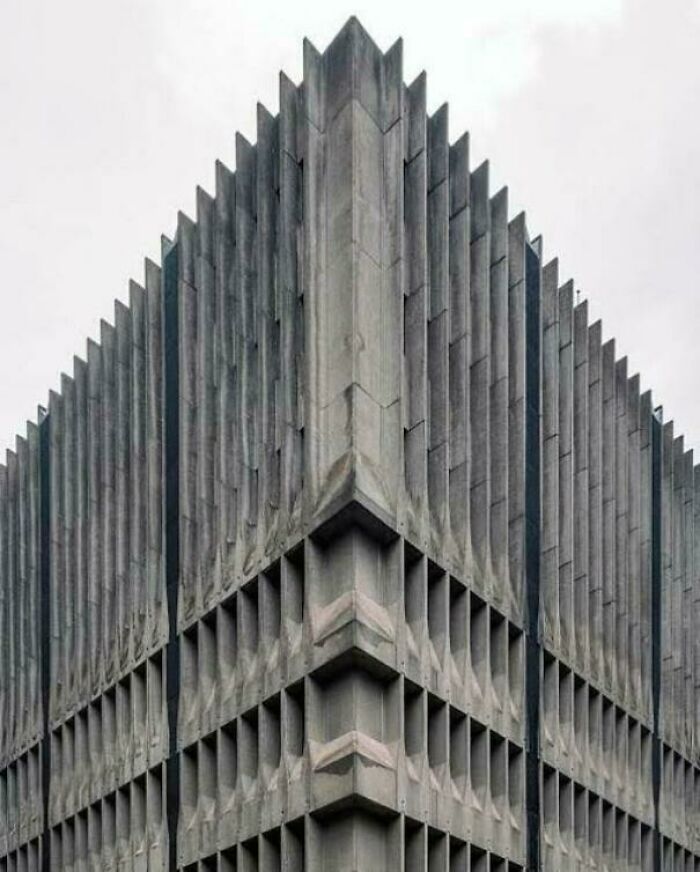
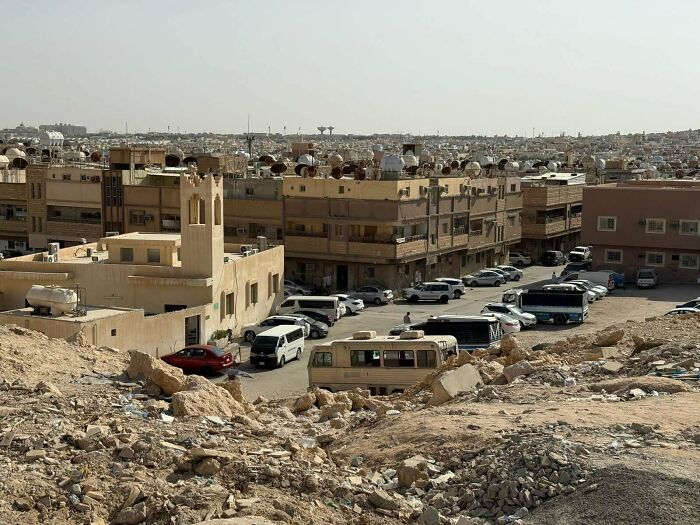
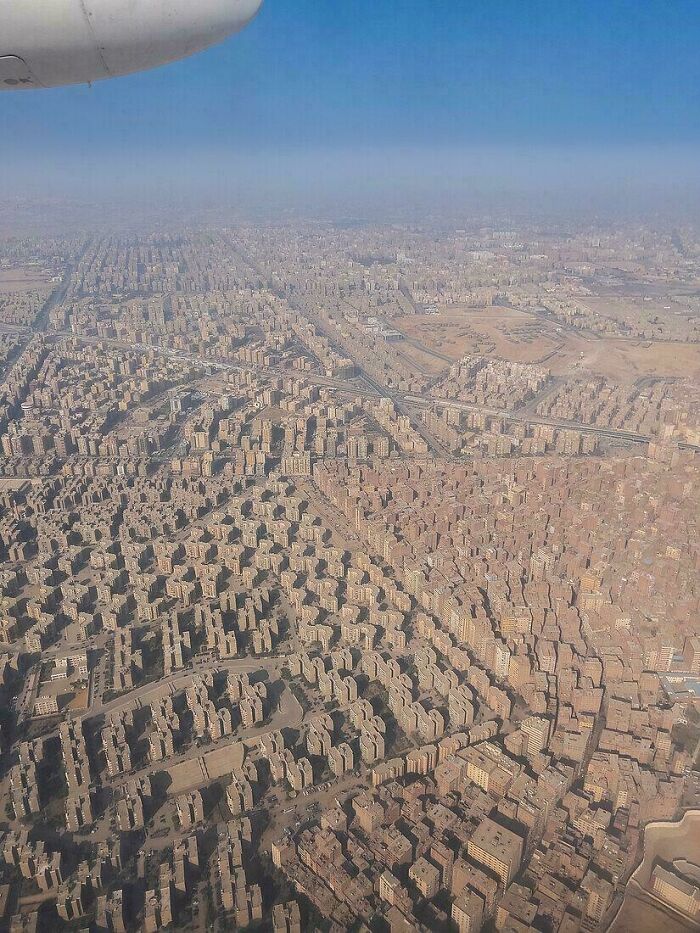
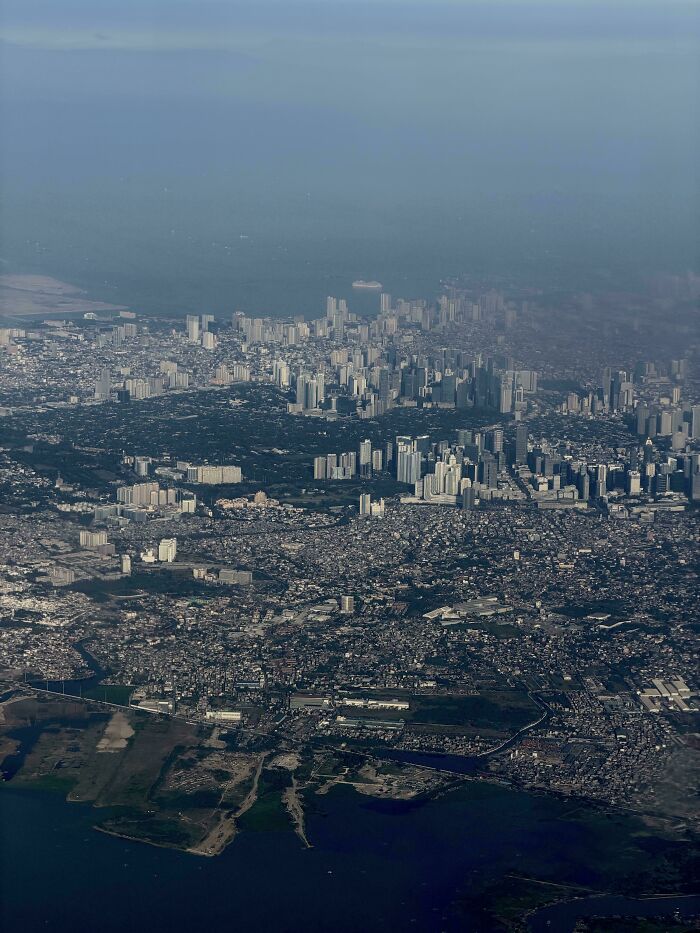
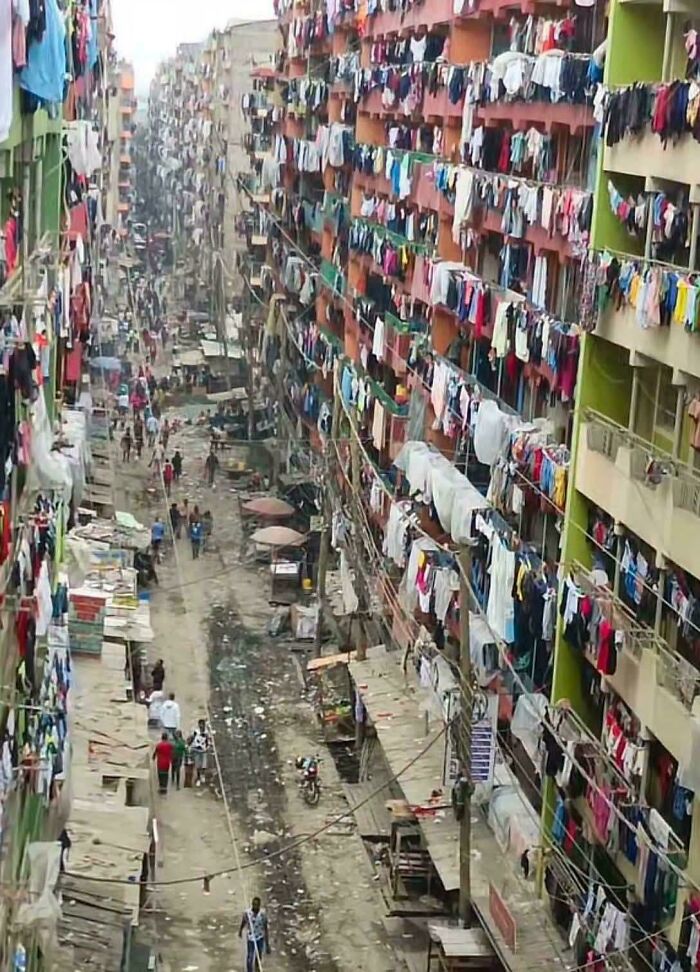
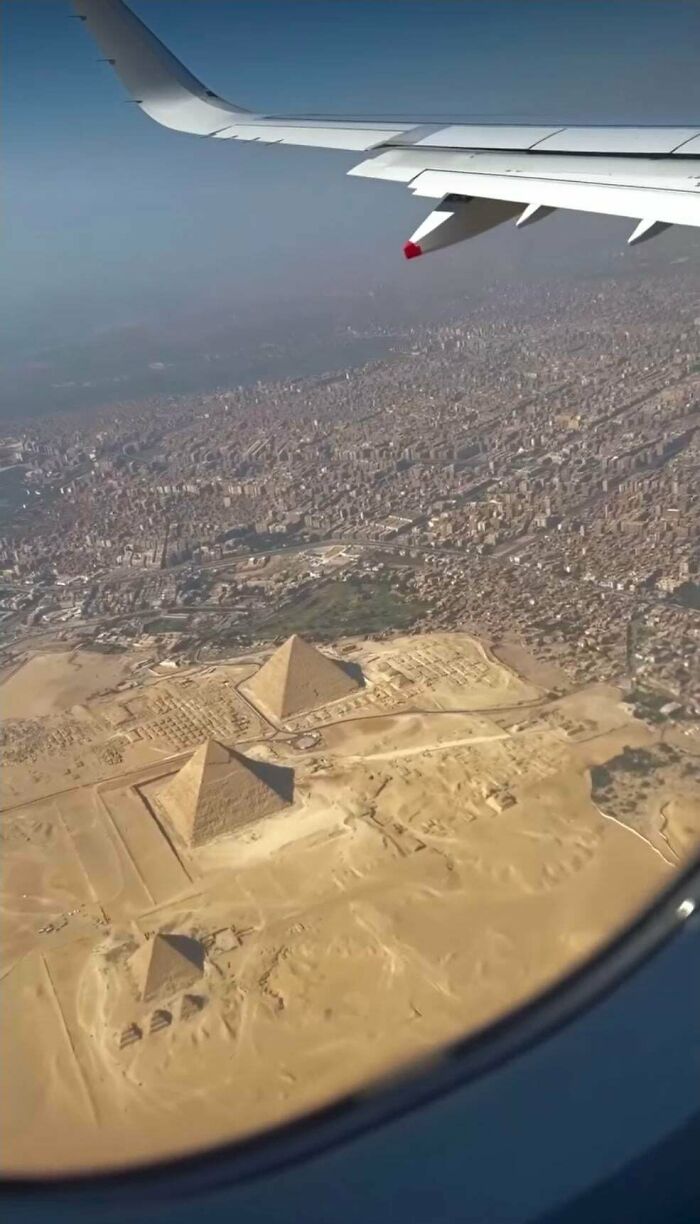
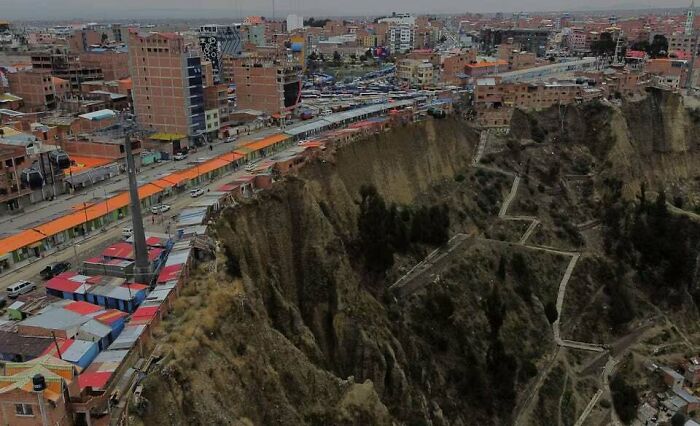
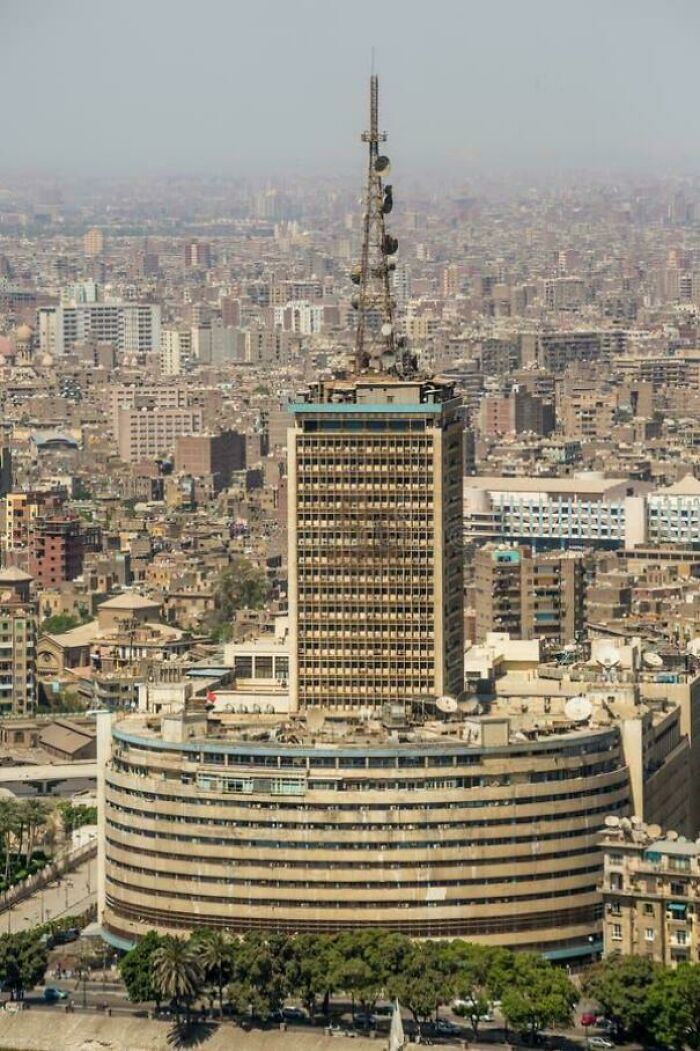
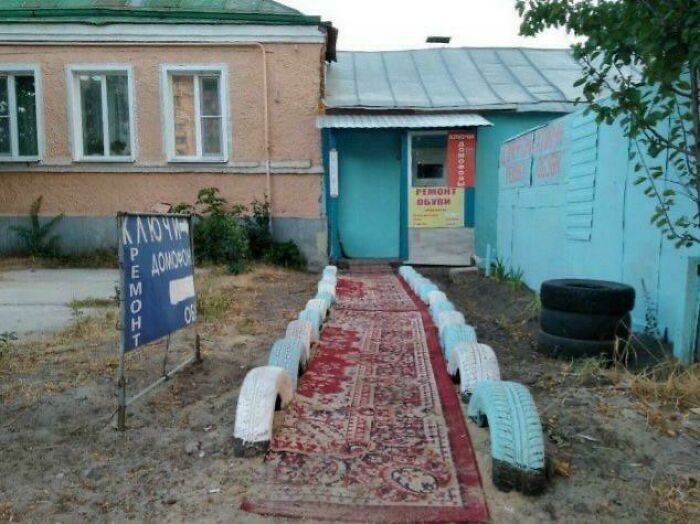
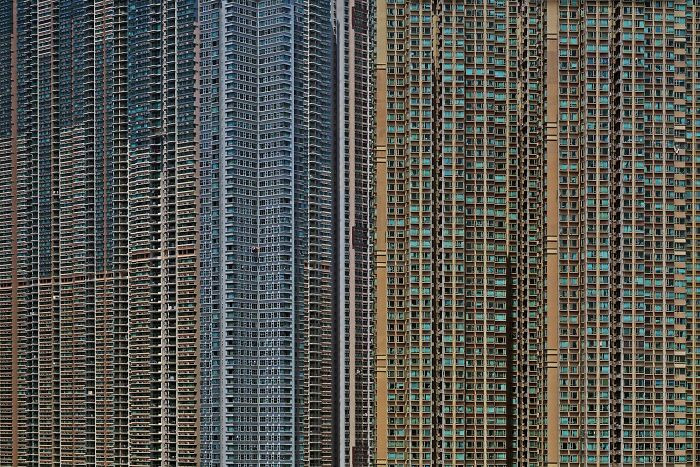
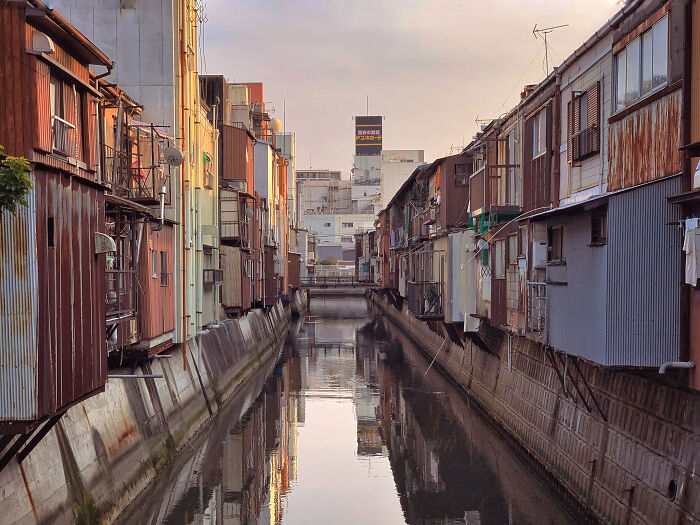
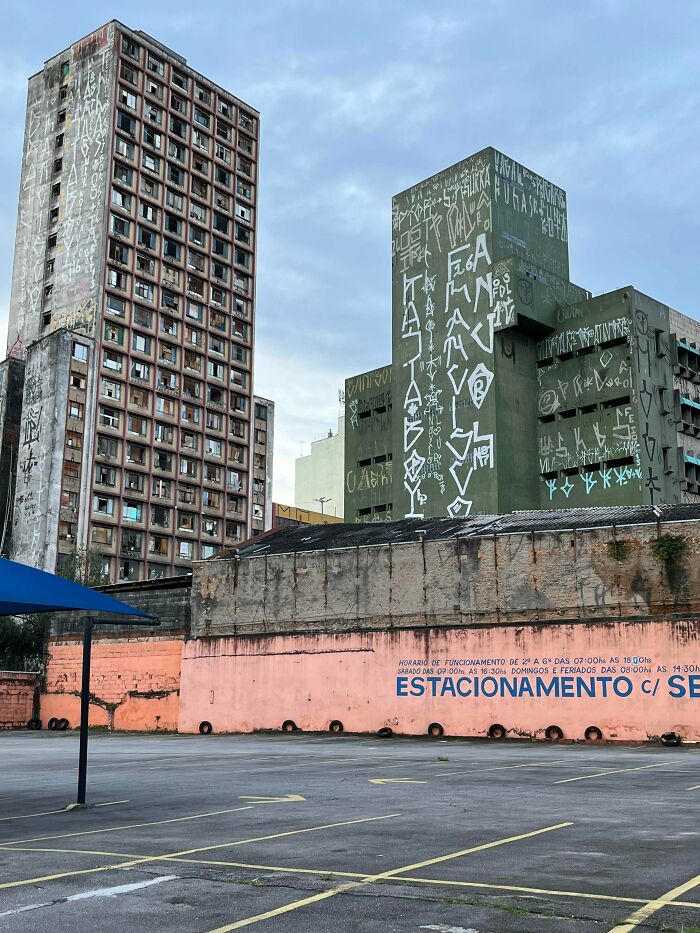
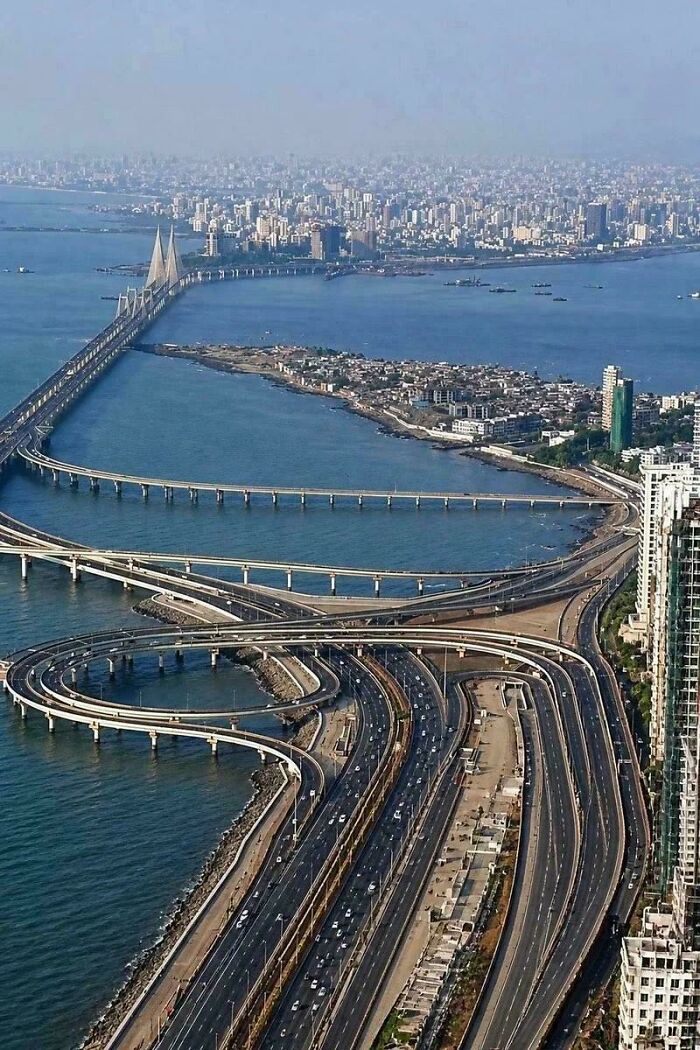
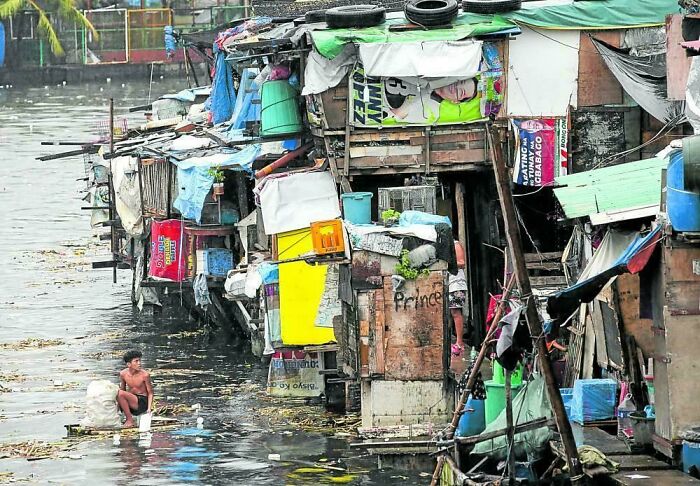
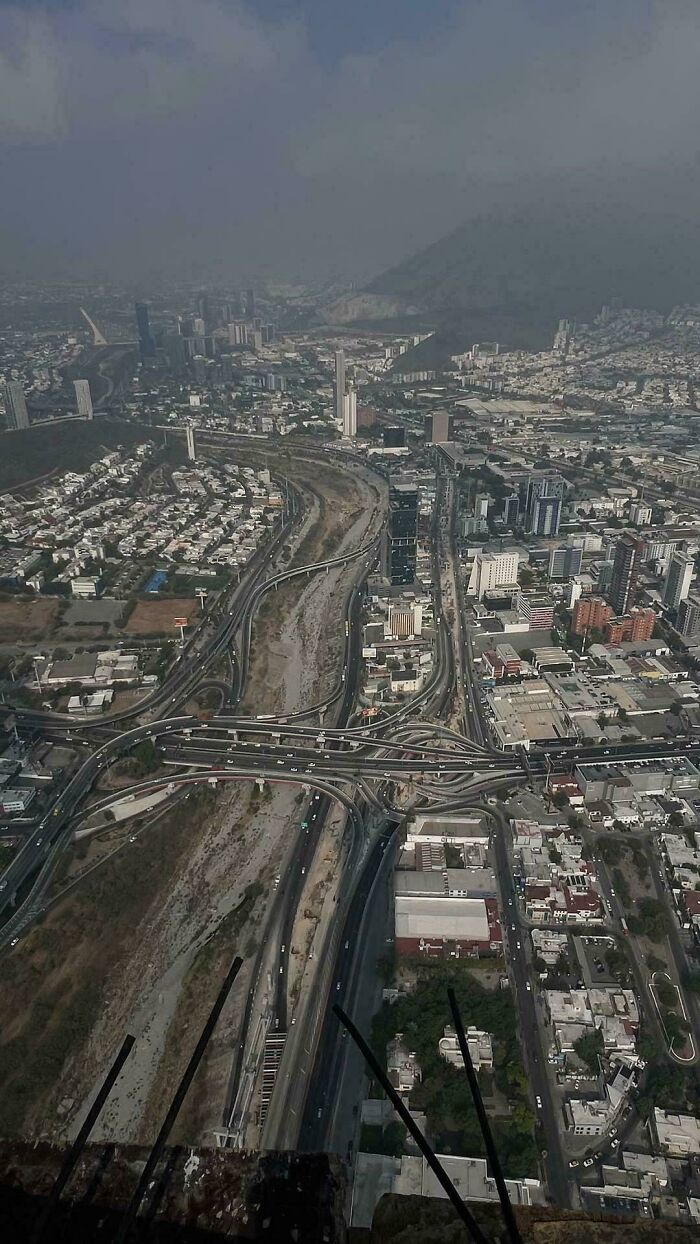
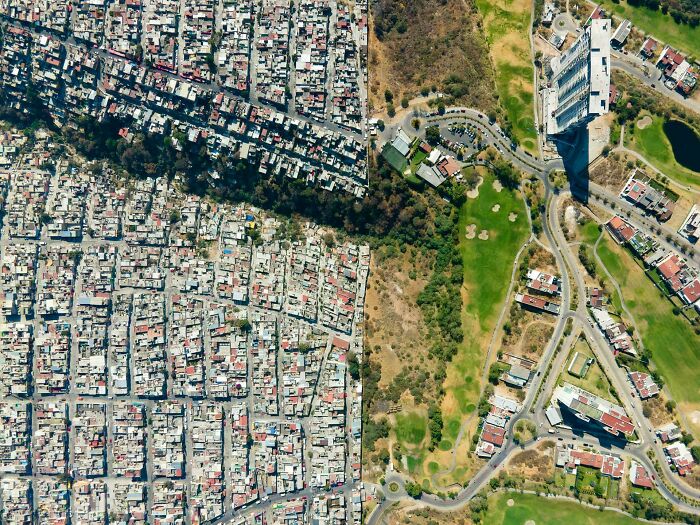
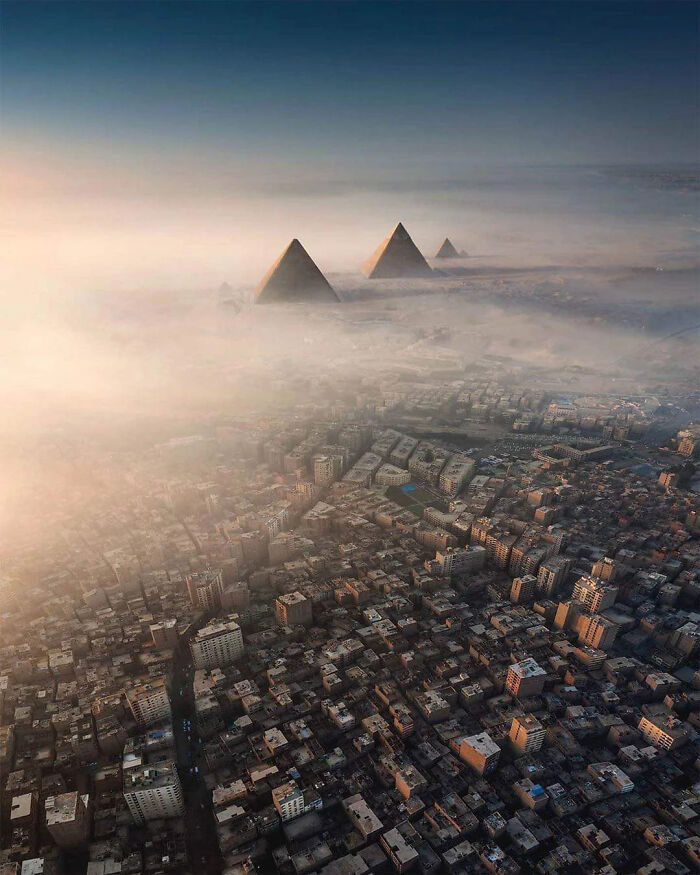
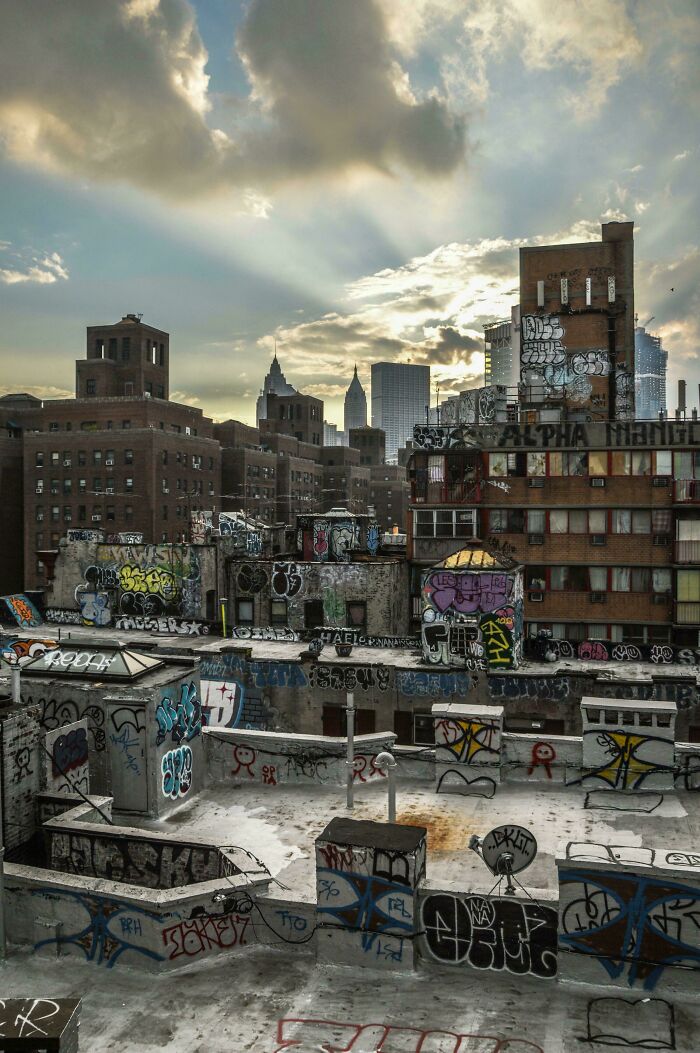
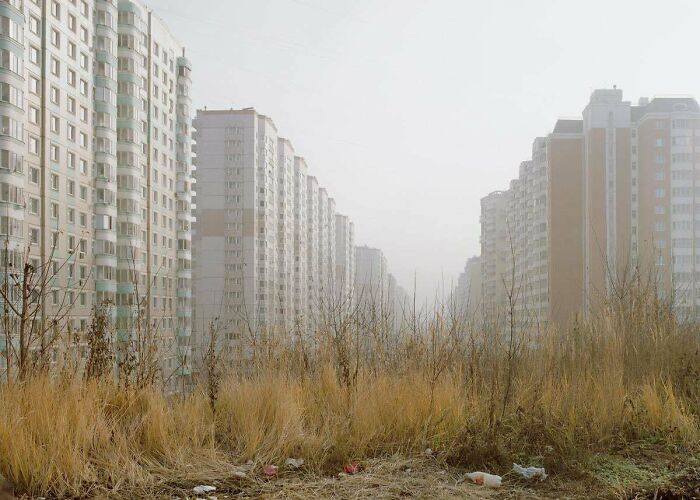
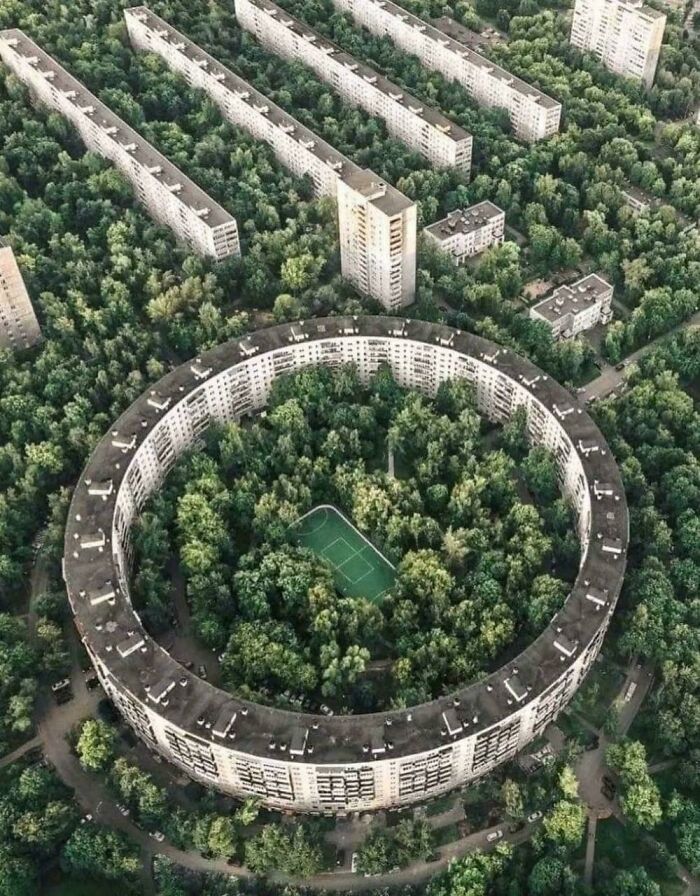
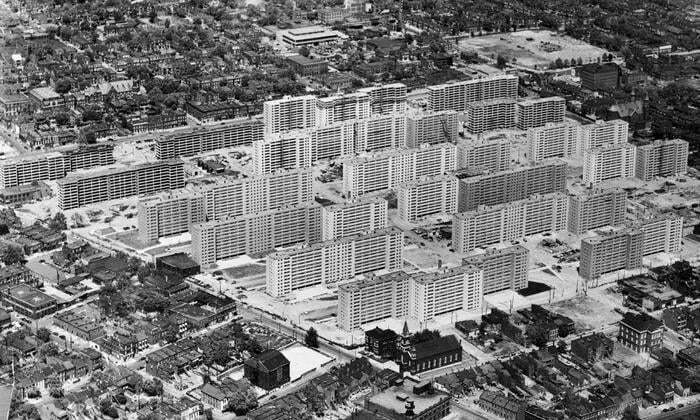
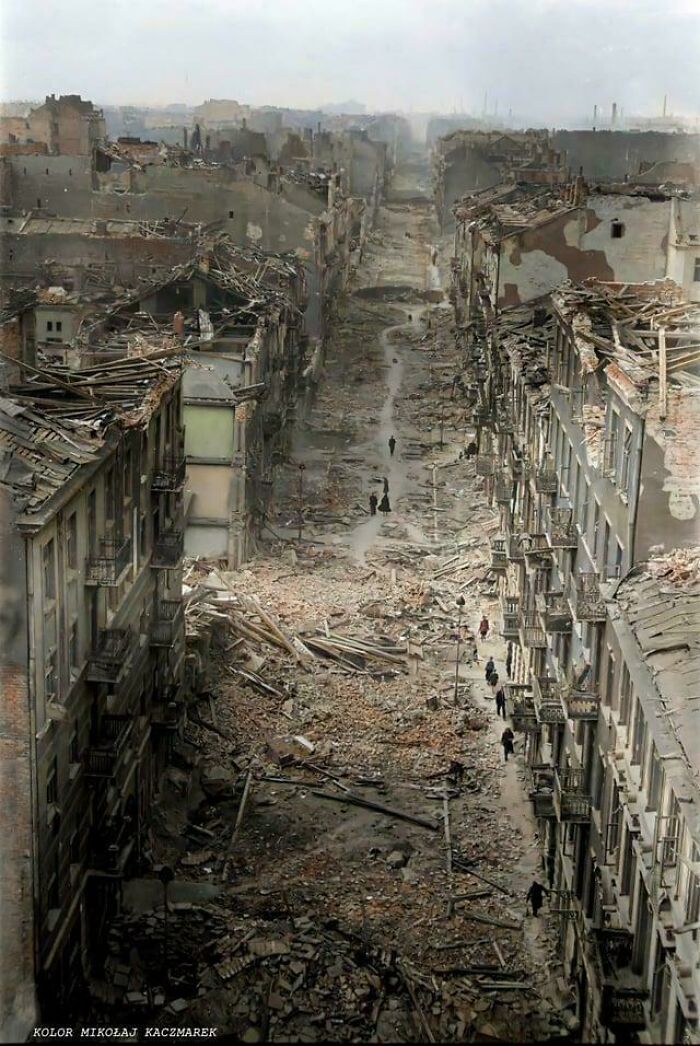
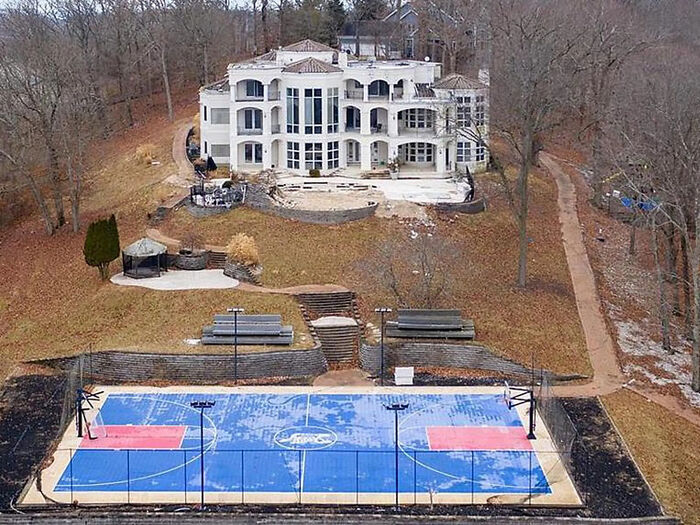
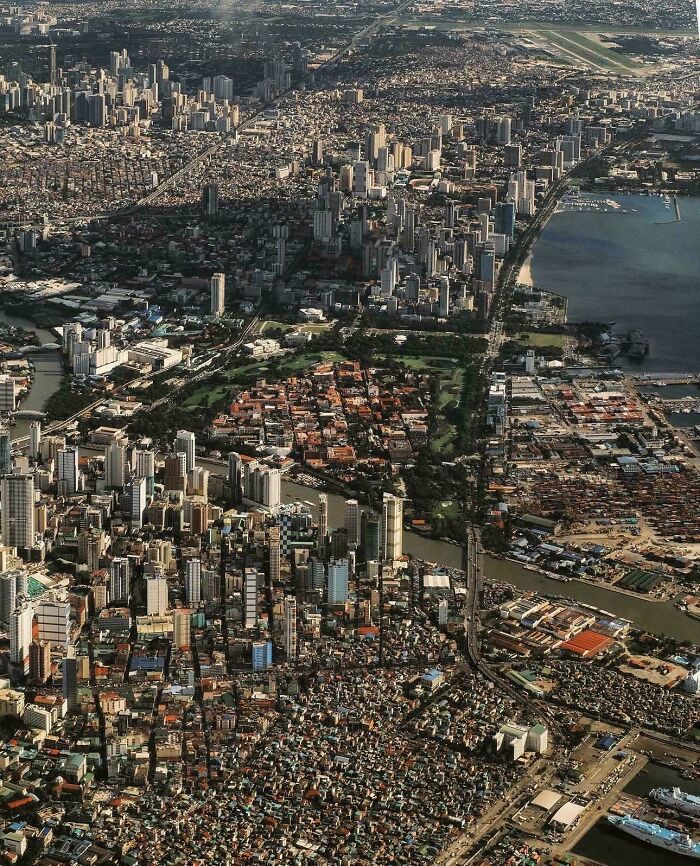
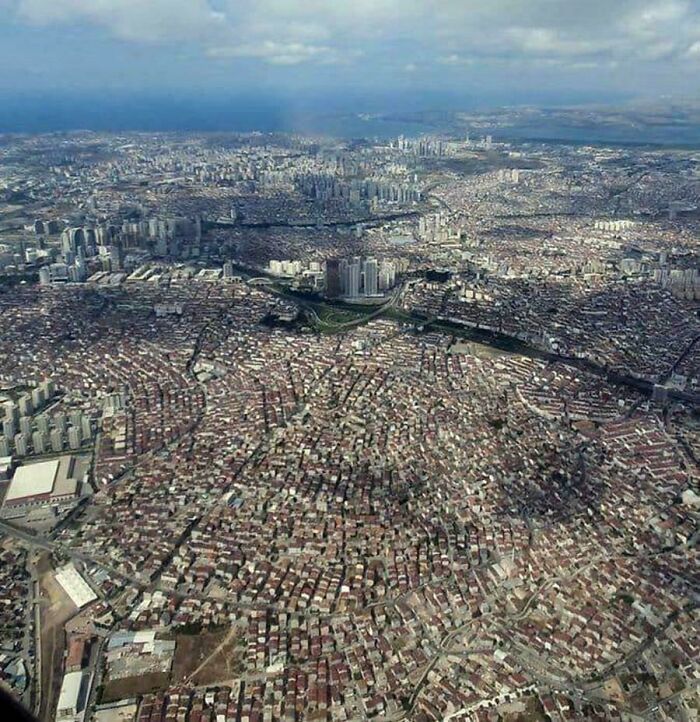
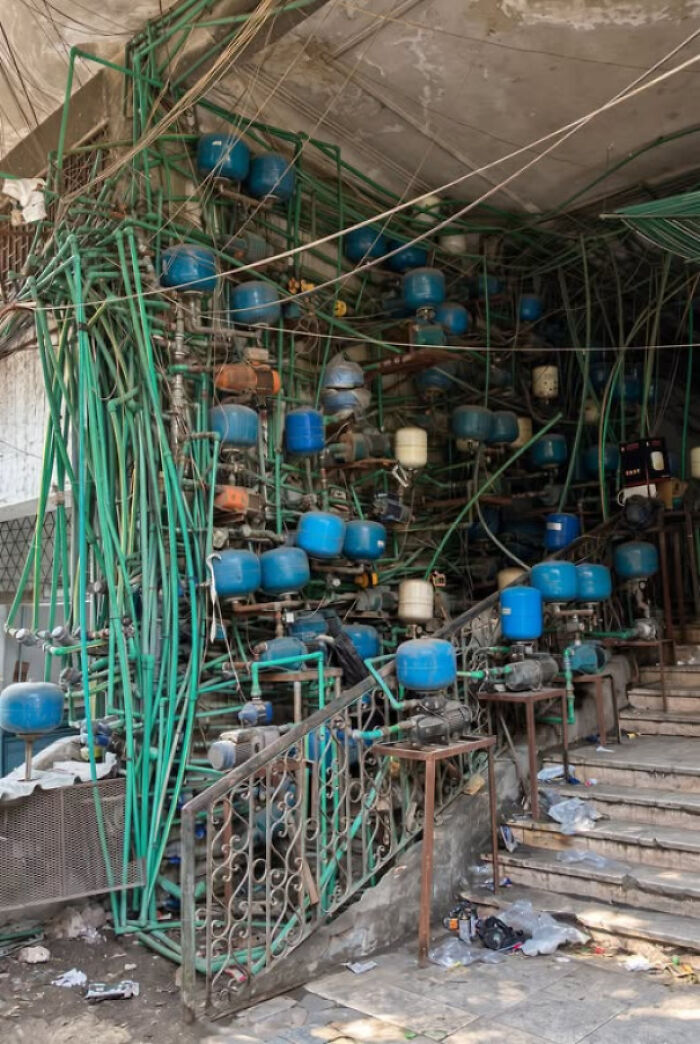
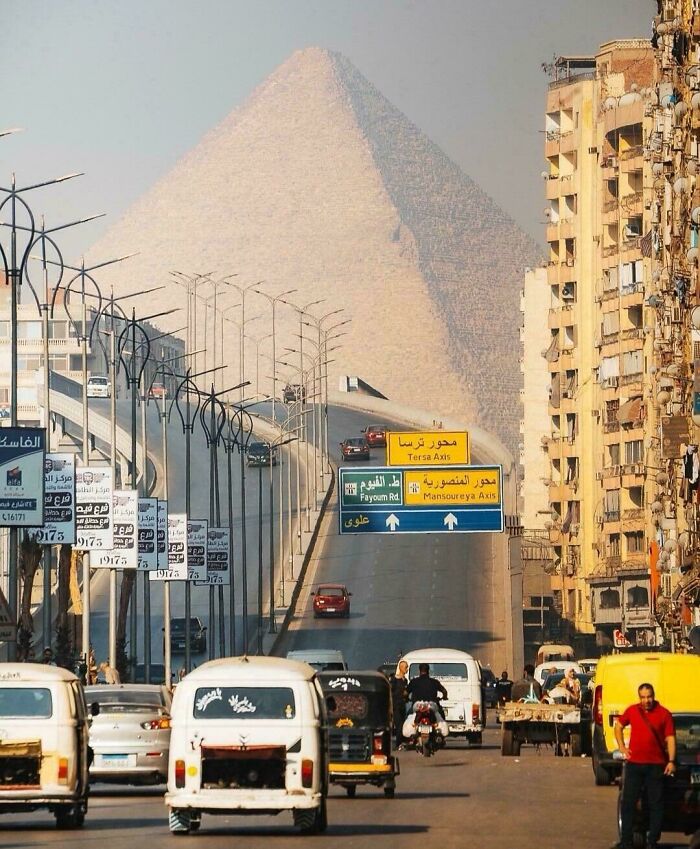
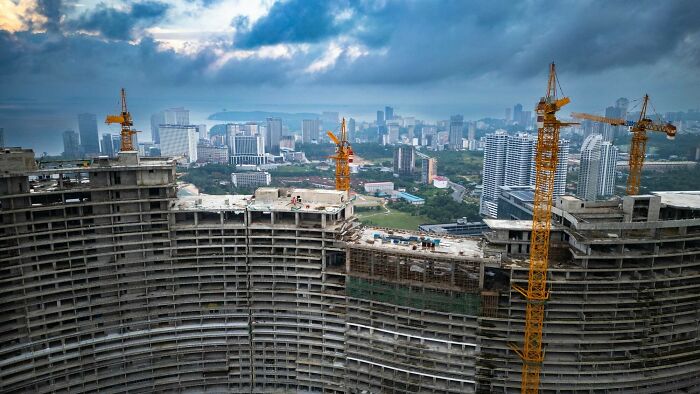
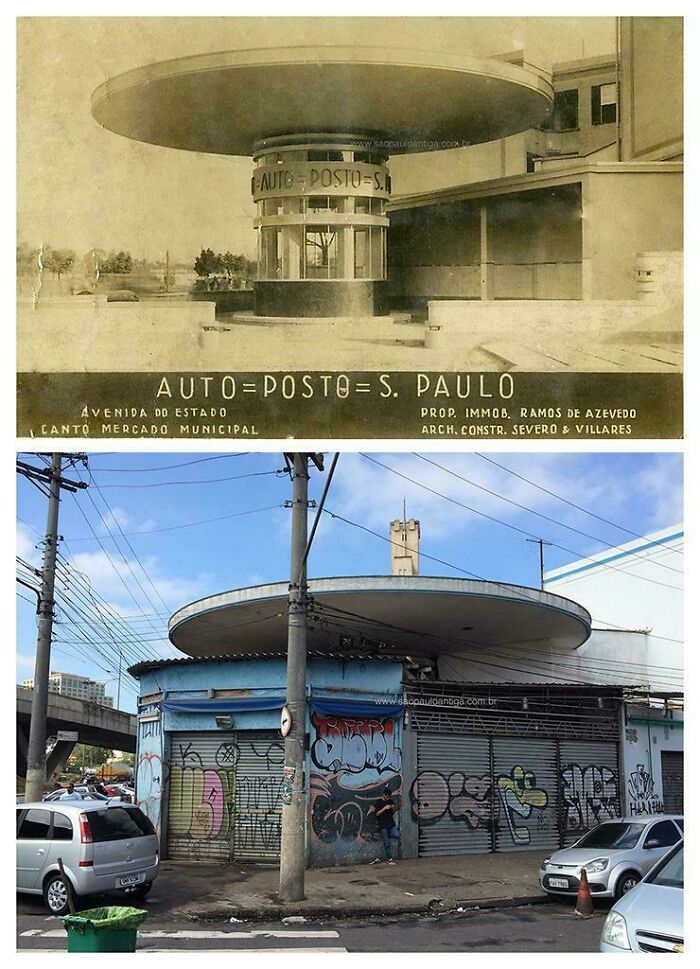
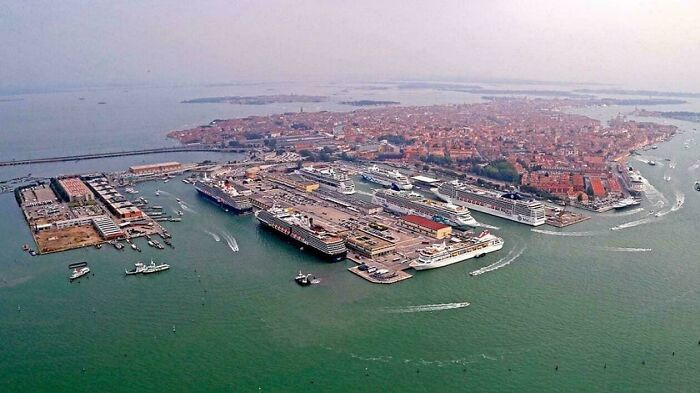
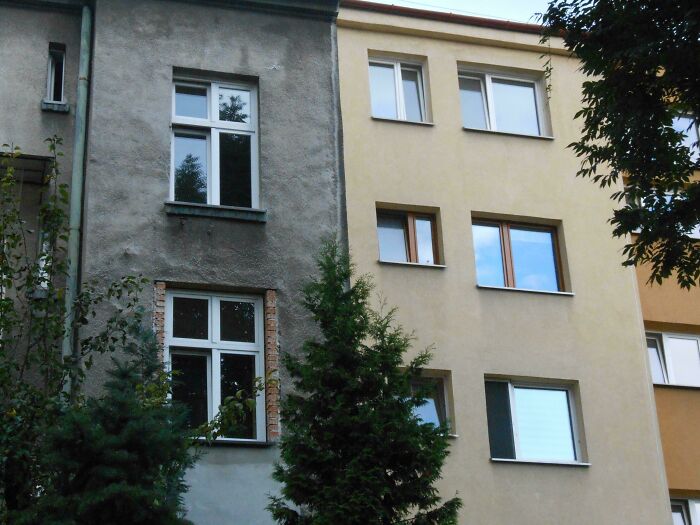
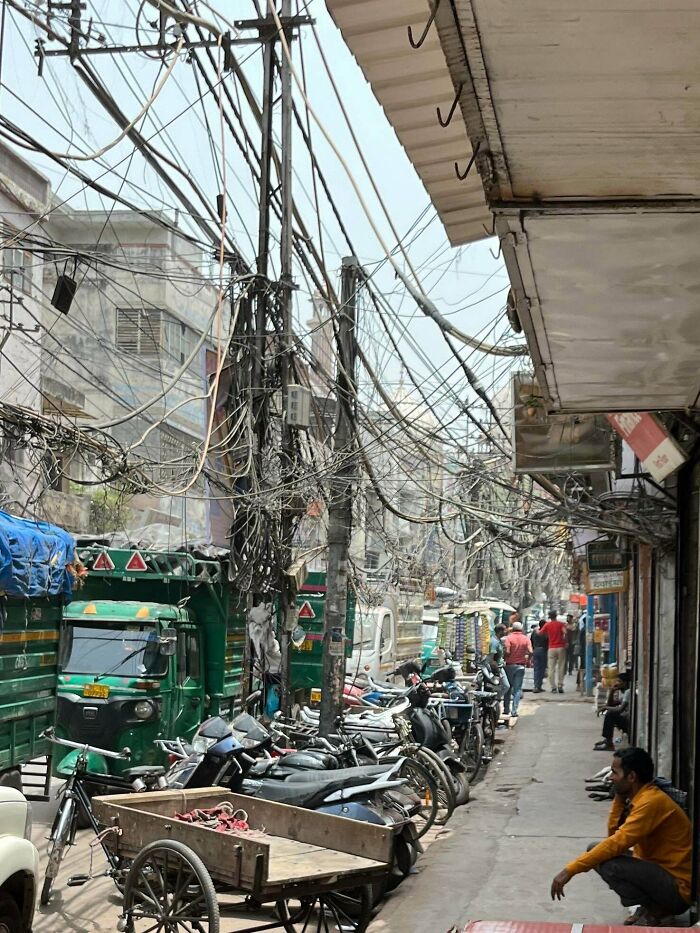
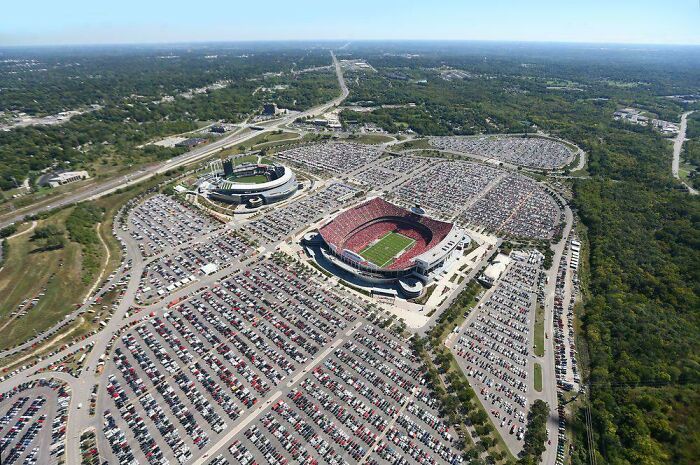
Wherever you look, buildings are everywhere, blocking the skyline and filling up all our open spaces. Even though a concrete jungle can provide plenty of comfortable homes, it still feels like a dystopian nightmare when everything is grey and soulless.
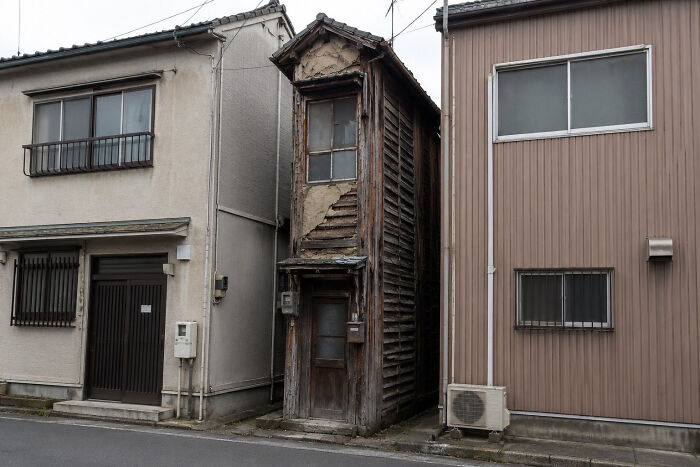
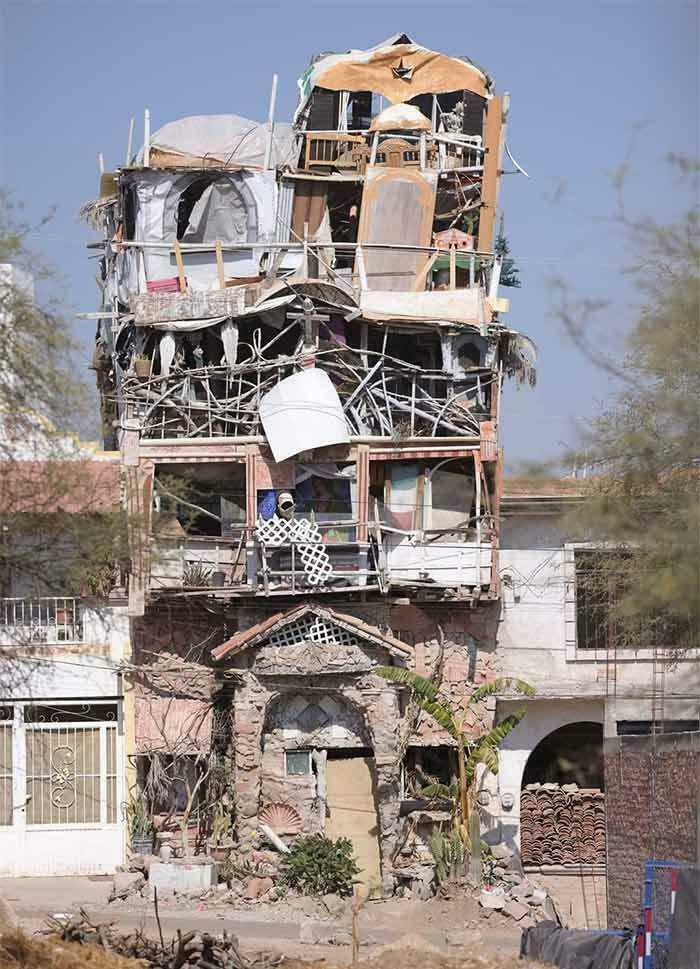
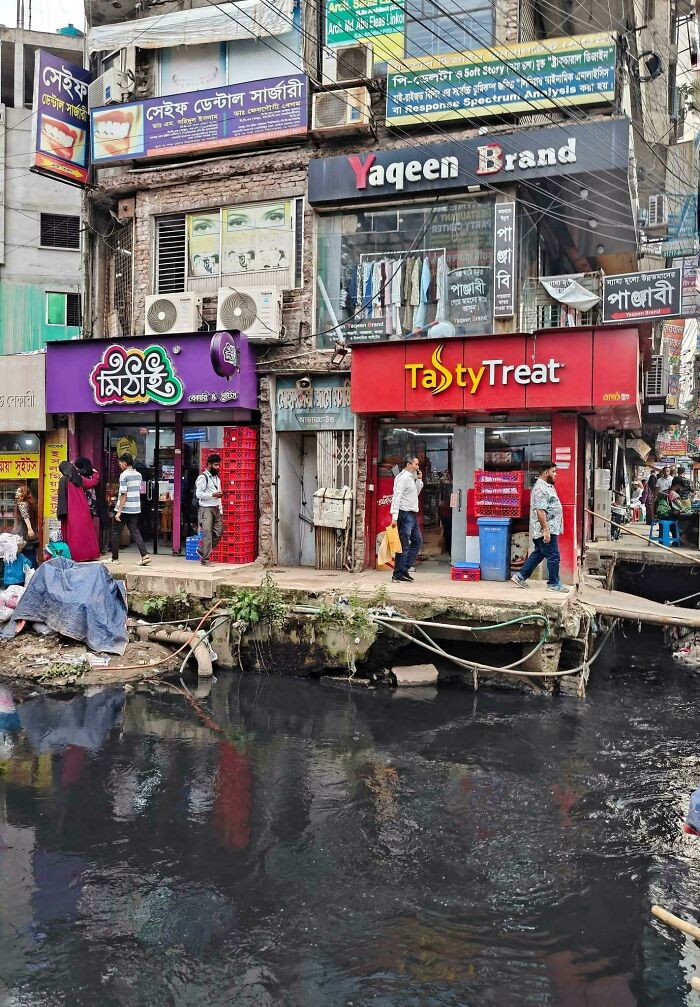
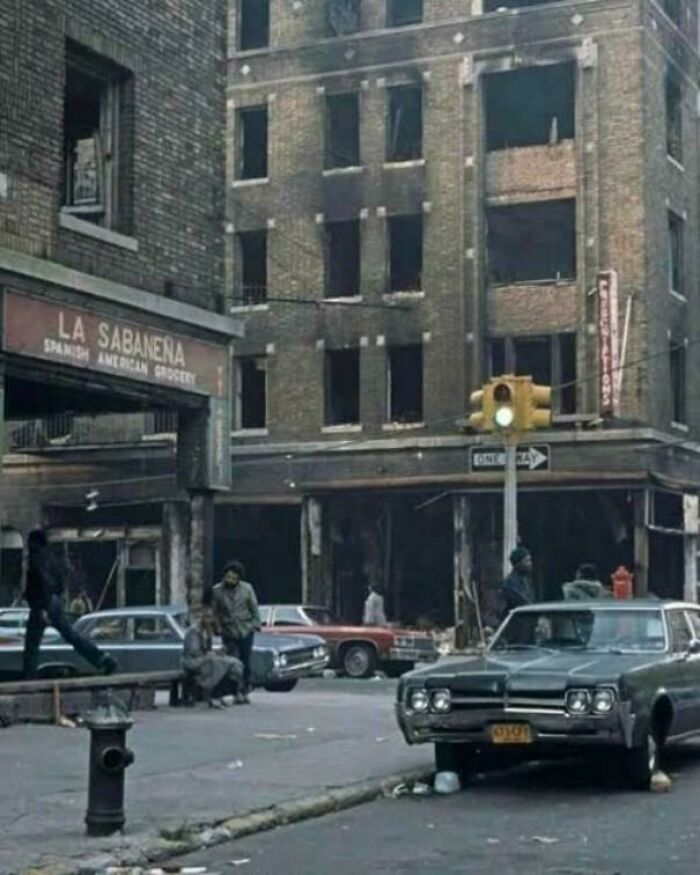
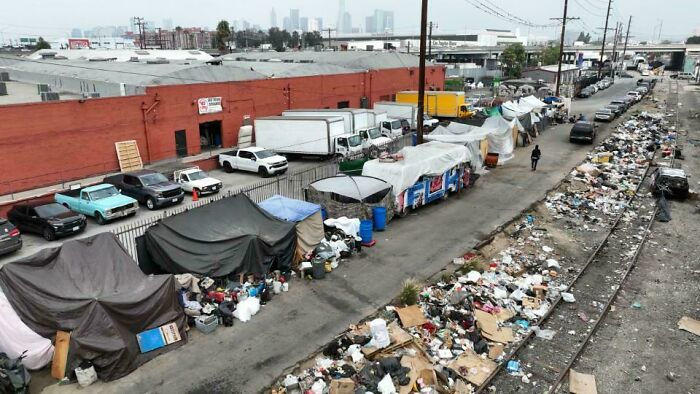
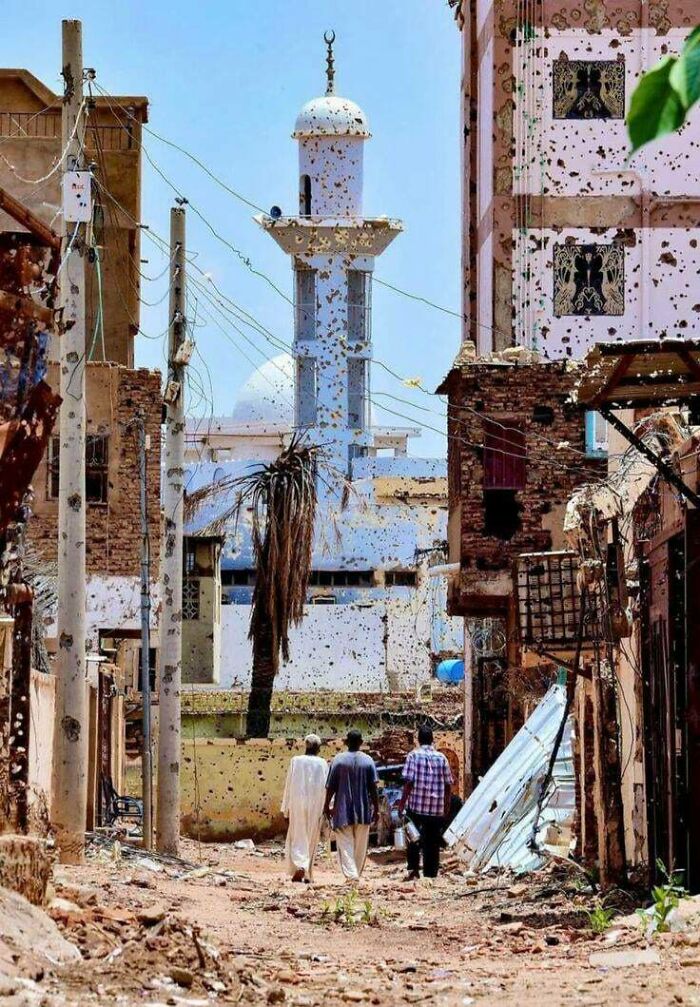
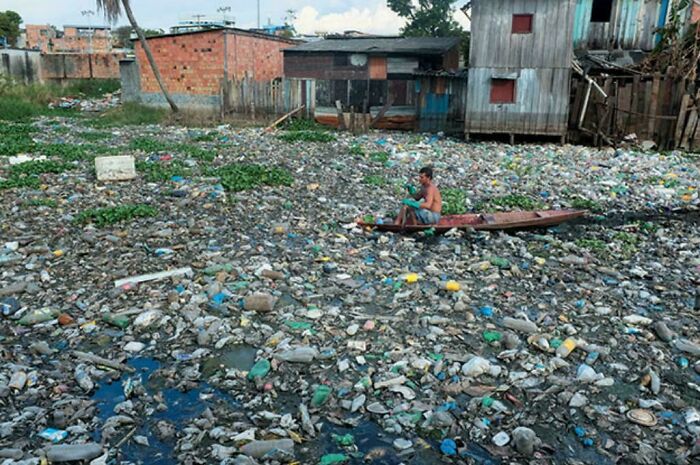
That’s why folks are becoming more aware of urban hellscapes around the world that don’t seem like they should exist in the first place. You can check out all the shocking photos in this list, but be warned: it might paint quite a grim picture.
This post may include affiliate links.
Urbanization often seems gradual, but the United Nations projects that nearly 68% of the world’s population will live in cities and fully developed areas by 2050. The movement of people from rural to urban areas, combined with huge population growth, is driving this urbanizing process.
It is also projected that another 2.5 billion people will live in metropolitan areas by 2050, which could place a huge strain on natural resources and clean air. That’s because this kind of growth might require creating even more megacities in developing countries, which can become highly unsustainable.
So many cities are becoming crowded, and new buildings are being built almost every day as more people look for a place to live. Unfortunately, this rapid urbanization, if left unchecked, can have disastrous effects on our Earth and its natural resources.
UGB Berkeley, which researches climate and environmental changes, explains that increased construction can lead to deforestation, habitat loss, and reduced biodiversity. Of these problems, the loss of animals and plant life is the most serious, as it can disrupt the food chain and drive some species to extinction.
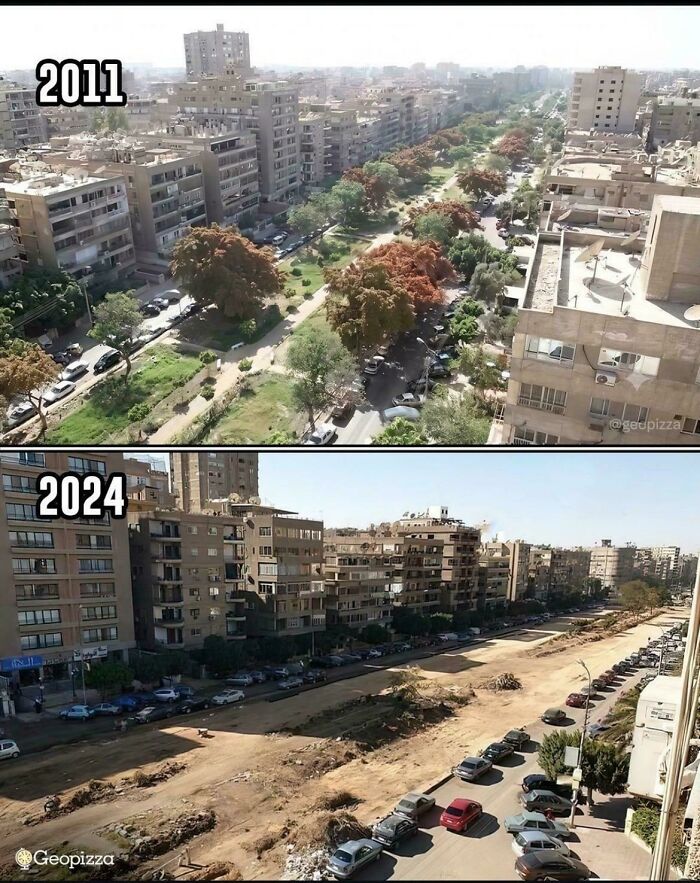
Another worrisome impact of urbanization is rising temperatures caused by asphalt and other dark-colored materials. Although these materials are necessary for construction, they create urban heat islands and raise the area’s overall temperature. Even cutting down trees to build a city can reduce the amount of precipitation in the air, which helps cool the climate.
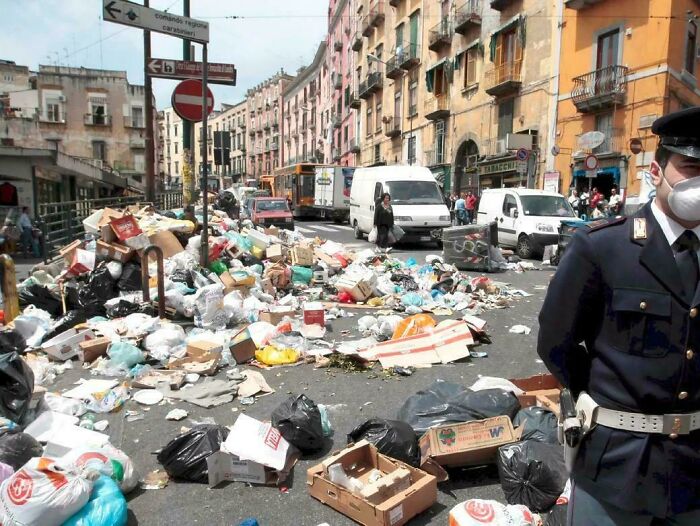
Beyond extreme heat, concrete buildings can increase water runoff and cause soil erosion. This can reduce land quality and fill water bodies with dirt and other pollutants. So many people living nearby can also lead to the rapid spread of disease through trash and industrial waste.
What most people don’t realize about living in densely populated cities is that something is always going on, and it can never truly be quiet. That’s what UGB Berkeley calls noise pollution, which may contribute to sleep disturbances and high blood pressure. These unpleasant, constant sounds often come from traffic, construction, and industrial activity.
Another troubling aspect of urbanization is light pollution from the artificial lighting spread across the city. This is one of the most overlooked problems, and it can have many negative effects on human and animal health.
There are definitely places around the world that fit into the urban hell box, but cities and buildings aren’t all bad. According to Richmond Vale Academy, which helps people prepare for climate change, a benefit of urbanization is significant economic growth, with more jobs and educational institutions.
It might seem surprising, but safety is another advantage of city living, as people may have better access to help, hospitals, and medicines. More options for entertainment, transport, and lifestyle are other factors that show urbanization isn’t all bad and can actually benefit society.
Urbanization doesn’t have to be a hellscape; it can be done sustainably without destroying the environment. According to the UN Chronicle, one way to do this is to plan, design, and build cities to reduce their environmental impact while still contributing to economic growth.
One example is compact cities with strong public transport, improved waste management systems, and less deforestation. This setup can ensure people can access the facilities they need for growth and development while also having a smaller ecological footprint.

Thank DJT, we'll even have more of these beauties to look at, now that he lifted nearly all restrictions on CO2 emissions for coal and gas plants, whose CEOs (coincidentally???) are his golf buddies... 🙄

Sustainable development might seem like a pipe dream, but it can be a reality if policymakers consider what it takes to protect the environment and conserve natural resources. One way to do this, according to the OECD, is to invest in renewable energy and green infrastructure and use environmentally friendly materials during construction.
In developing countries where urbanization is rapid, these sustainable processes are increasingly needed. Even though a growing population needs more homes and space, this should not come at the Earth's expense, or humans might not have a planet to call home in the next few decades.
The growing trend of urbanization might be the best way for people to meet their basic needs of food, shelter, and clothing. That’s why it must be done sustainably, considering future generations' needs and conserving resources for them. That’s why climate change, rapid deforestation, and air pollution should be at the forefront of people’s minds when creating policies around city development.
Social inclusion must also be considered through affordable housing for all, as well as community facilities that support everyone's well-being. Creating cities that are sustainable and drive economic growth can seem like a tough balance, but it is possible if the right actions are taken at the right time.
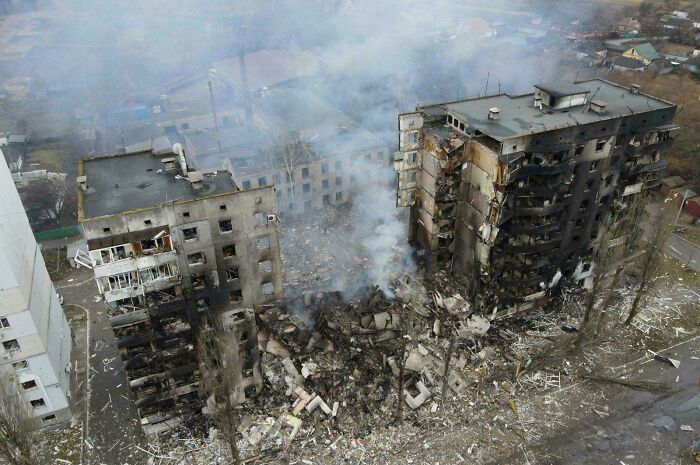
All of these photos definitely paint a scary picture of urban hell that probably none of us would want to live in. It’s as much an anti-utopia as it can be, which is why we should all do our part to protect the environment and push back against megacities that could wipe everything away.
Have you seen any kind of dystopian cities like this in real life, and if so, we’d love to hear what you felt about it? Do share your thoughts in the comments below.

























 No fees, cancel anytime