Get Premium
Dark mode theme is available exclusively for premium users. Learn more about the benefits of subscribing.
No fees, cancel anytime.

 Dark Mode Ad-Free Browsing Unlimited Content
 Ad-Free Browsing Unlimited Content Dark Mode
Join 1.2 million Panda readers who get the best art, memes, and fun stories every week!
Brandy loyalty is a win-win for companies and customers alike. And yet, honest and transparent companies that sincerely put their customers’ wants and needs first are rare. Much more often, you’ll come across greedy business owners who will do anything it takes to trick consumers into buying their products or services.
However, eagle-eyed customers can spot shadiness, shrinkflation, false advertising, and manipulative marketing from a mile away. Our team at Bored Panda has collected examples of the most egregious and infuriating practices that companies use to deceive customers, and we hope you’re taking notes.
This post may include affiliate links.
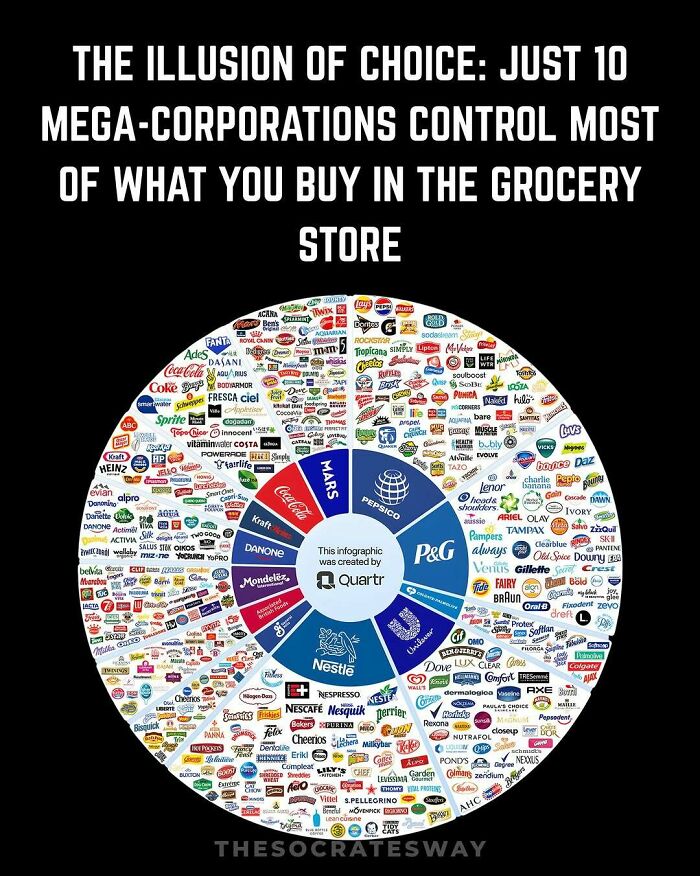
A supermarket shelf looks like freedom.
Hundreds of brands. Endless options.
But behind many of those logos are just a handful of powerful corporations.
Companies like Nestlé, PepsiCo, The Coca-Cola Company, Unilever, Procter & Gamble and Mondelez International own hundreds of smaller brands that appear to compete with each other.
Different packaging.
Different marketing.
Often the same parent company.
This is called the illusion of choice. The market looks diverse, but much of it is controlled by a small group of mega-corporations.
Understanding this doesn’t mean you stop buying products. It simply means you start seeing how modern consumer systems actually work.
The shelf looks crowded.
But the power behind it is concentrated
Consumer protection laws are there for a reason. They help defend you from unfair trade practices, misleading business actions, and unethical behavior.
The reason why some companies ignore these laws (or try to find loopholes) is that they want to achieve an unfair advantage over their competitors. In a nutshell, they want more profit, and they are willing to bend the rules—both legal and moral—for a bigger slice of the pie.
Your best defense as a consumer, aside from ideally having a top-tier lawyer who can sue blatantly lying companies, is to be skeptical of any promises made in marketing material and ads.
Good products exist, yes, but miracle ones do not. Anyone who tells you otherwise is likely selling you snake oil and trying to outshine other snake oil sellers.
Unfair trade practices include misrepresentation, false advertising, deceptive pricing, etc., to try to trick the customer through omissions and representations.
A business act or practice is considered unfair if it causes or is likely to cause substantial injury to consumers, cannot be reasonably avoided by consumers, and is not outweighed by the benefits provided to either the consumers or competitors.
The logical strategy for any business owner would be to turn as many current and future customers into returning ones who will be loyal to the brand.
The evidence for brand and customer loyalty is staggering. Broadly speaking, loyal customers bring in far more profit than any other category. So, it only makes sense to focus on long-term, not short-term returns, and create a brand that is reputable and trustworthy.
Stating the obvious: people don’t enjoy companies lying to them. And they won’t be loyal to someone who tricks them.
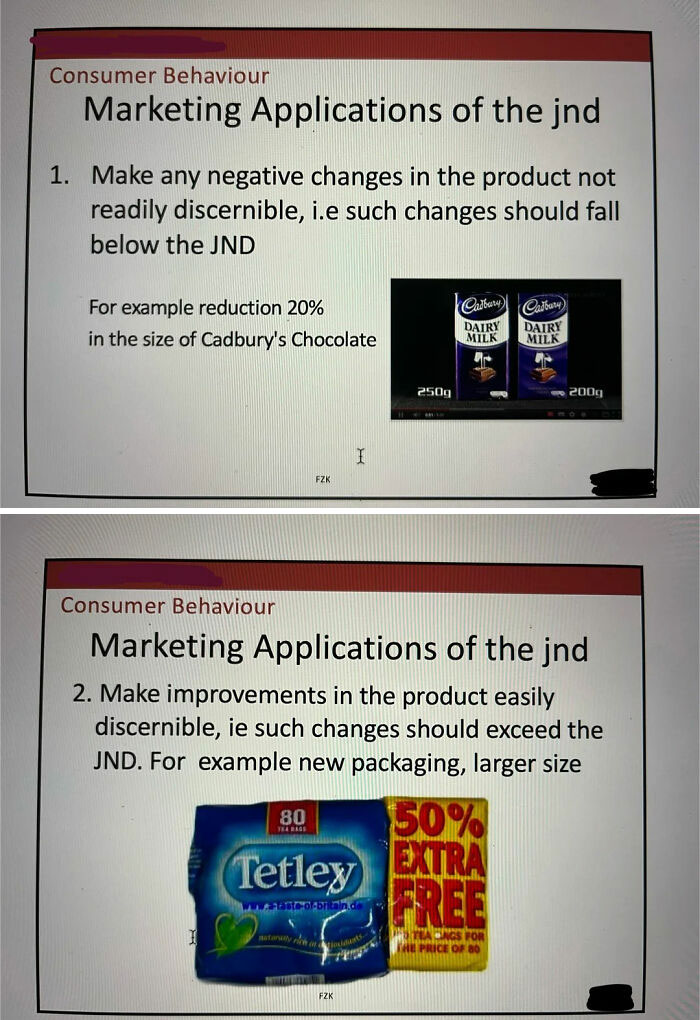
I can’t believe they actually teach this at an established business school!
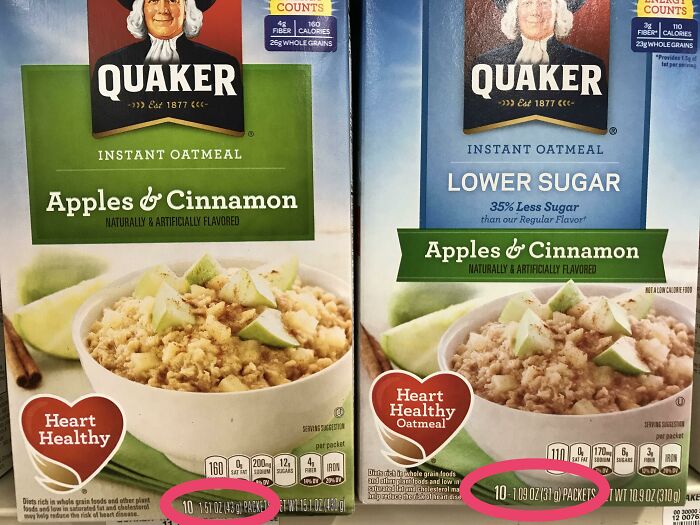
JND = just noticeable difference
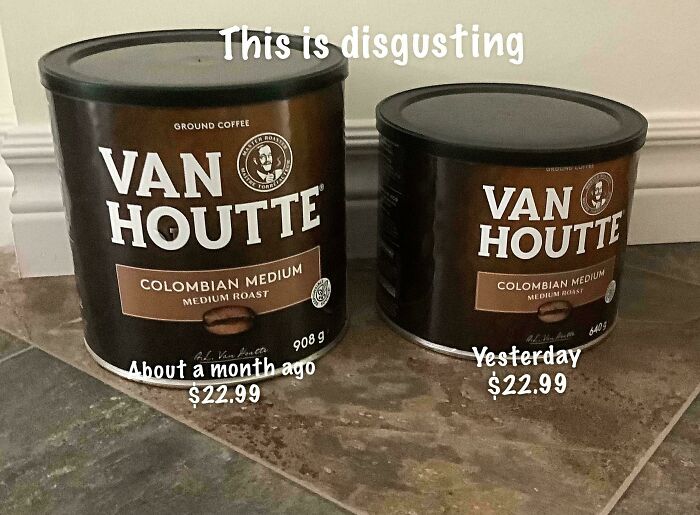
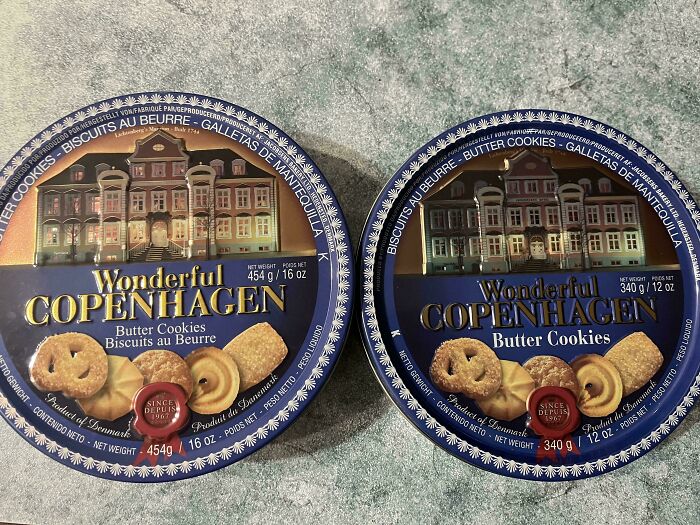
Simply put, they gradually and unnoticeably reduce the size and then all of sudden increase the size by a lot to trick you that it’s a great deal
During a recent survey, Capital One Shopping found that increasing customer loyalty by just 5% can lead to profit increases ranging from 25% to 95%.
What’s more, most retail business (65%) comes from customers loyal to the brand. They are responsible for spending, on average, 67% more on products than new customers.
Consumers who are loyal to your brand are worth roughly 2.5 times more revenue than new or future customers. Furthermore, brand loyalty leads to better corporate returns. They are around 120% higher than average. The cherry on top is that loyal customers boost shareholder returns between 2 and 5 times over a 10-year period.
And if you happen to have a company in the US retail banking industry, you can expect corporate growth to increase a mind-melting 290% above the industry average.

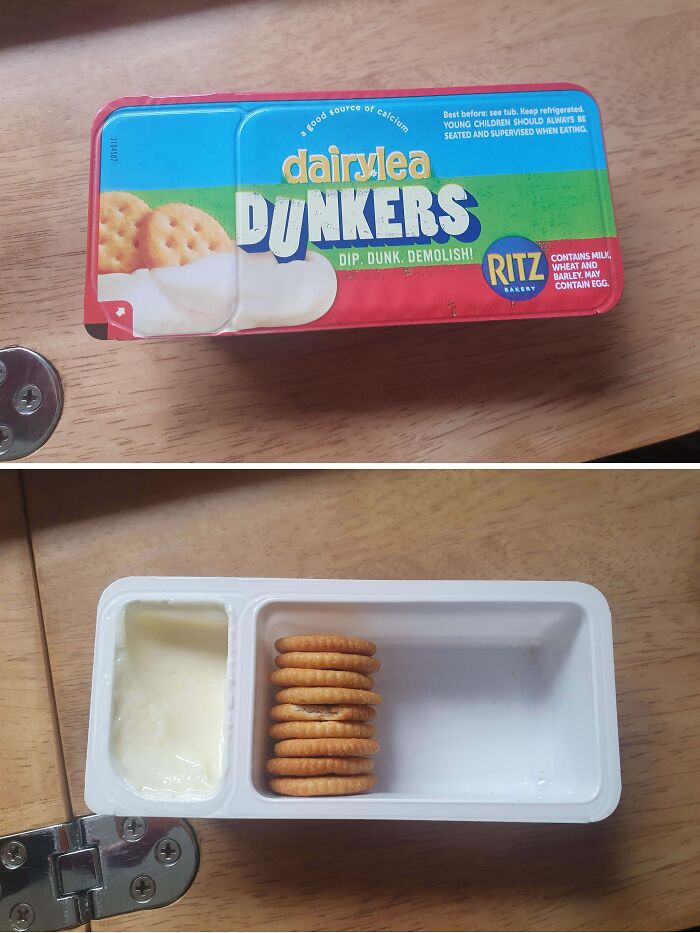
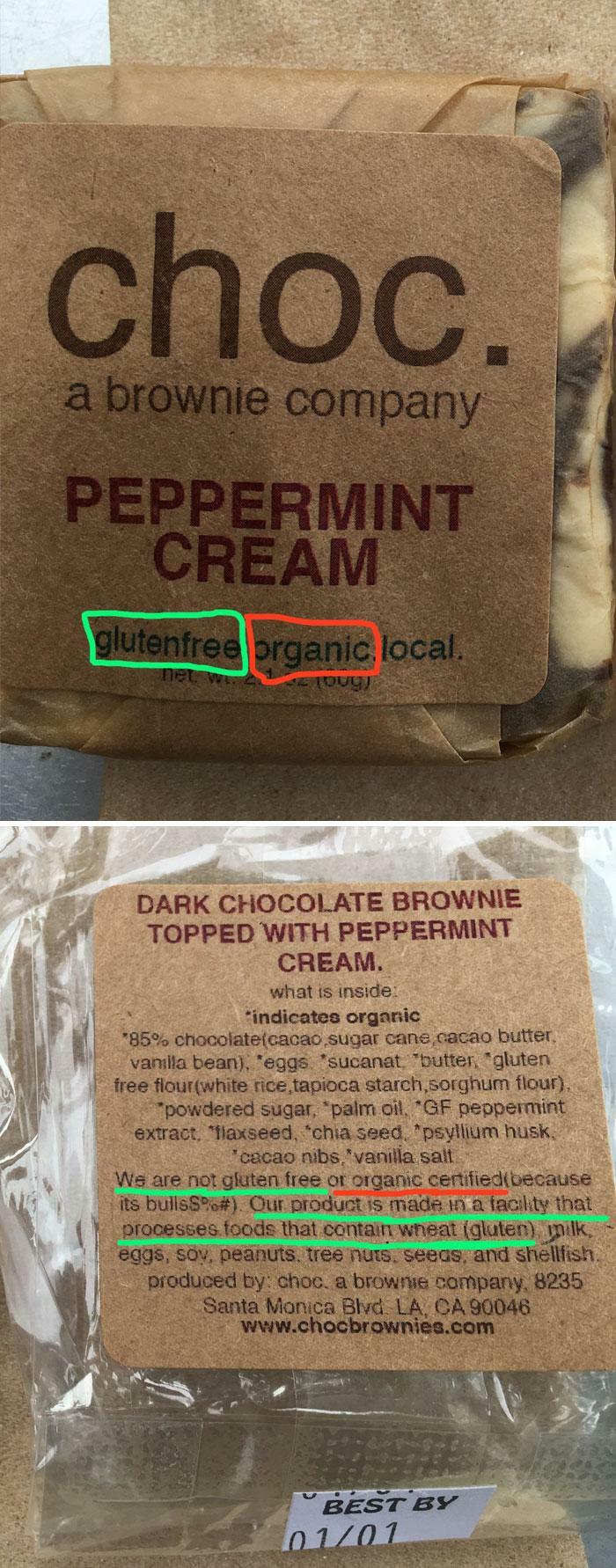
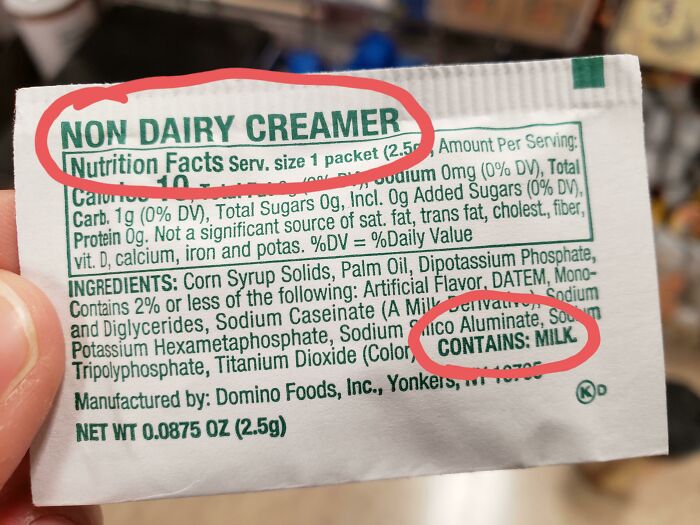
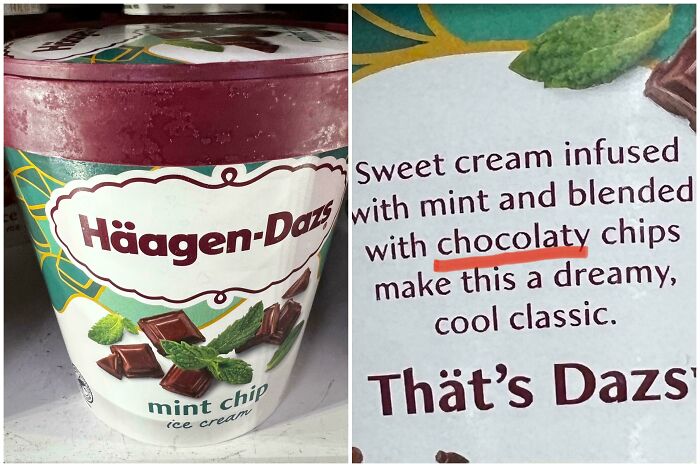
Text in the lower right corner should say: "Contains milk, wheat and barley, but barely."

Coffee Mate powder did that - it jumped from 1kg to 750g - and they raised the price. I found a 1kg non-brand (catering/bulk) version, which did eventually drop to750g, but the price was slightly less than the 1kg. Still annoyed, though. #RipoffArtists. I t should be illegal, but #Lobbying & #Backhanders are the flavour of the day, re: Govts. Sorry, if my letter get jumbled at times. Dyslexia, however mild, is a bitca. I do mostly double-check via a spellcheck and correct the text.
Research shows that 73% of American consumers are loyal to at least one brand, and 68% claim brand loyalty. The average US consumer is enrolled in 17 loyalty programs, with a 51% active participation rate.
Most global consumers (75%) are willing to switch brands if they’re offered a loyalty program with better rewards.
Different customers care about different business practices, but there is quite a lot of overlap, too. For example, 89% of US consumers are more loyal to brands that share their values. Meanwhile, others value good customer service (82%), product availability and options (also 82%), strong data privacy practices (80%), and understanding and care for customers (79%).
Other things that brand-loyal consumers value include trustworthiness and transparency (60%), quality products (59%), brands that “get” them (56%), and companies that take public stances on social issues (54%).
The irony is that many managers and owners understand that customer loyalty is important. However, there is a large gap between knowing this and actually changing your business strategy to embody this understanding.
Short-term pressure to get quick profits ends up eroding customer loyalty because it reduces product quality and negatively impacts services, the Harvard Business Review writes.
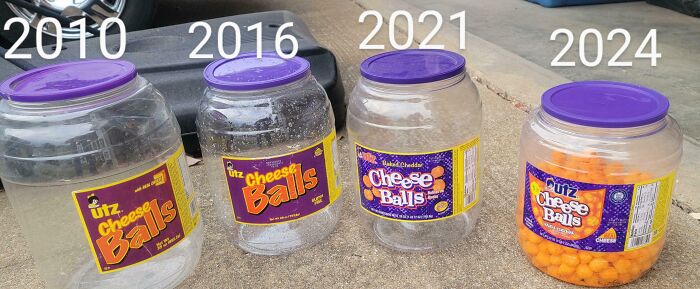
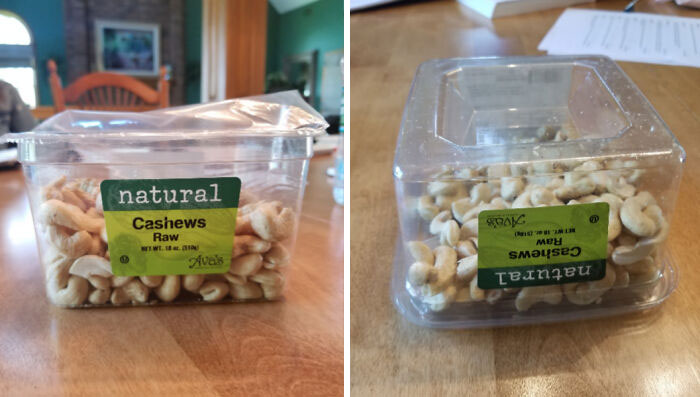
I love stuff like this. My family has saved cheese ball buckets for years and finally after cleaning out some stuff, I found some with significant expiration age gaps. We've been robbed. Take me back to 2010. It's absolutely ridiculous how they reduced the size and thought we wouldn't notice.

This is sad. When I lived in the US I lived for Utz pretzels.
What businesses can do to embody the philosophy of leading with customer loyalty is prioritize transparency, reliable disclosure, and customer needs by involving everyone in the overall transformation: employees, board members, investors, etc.
The result, if the strategy is implemented well, is that everyone wins. The customers get better products and services, which makes their lives more enjoyable, easier, and richer. Meanwhile, the company’s employees are responsible for making their customers’ lives better. Managers and investors see greater profits and increased shareholder value. And society as a whole sees more innovation and investment, which lead to economic growth.
It simply makes sense to focus on brand and customer loyalty. And you won’t get there with manipulative marketing tactics, false advertising, or shady product packaging.
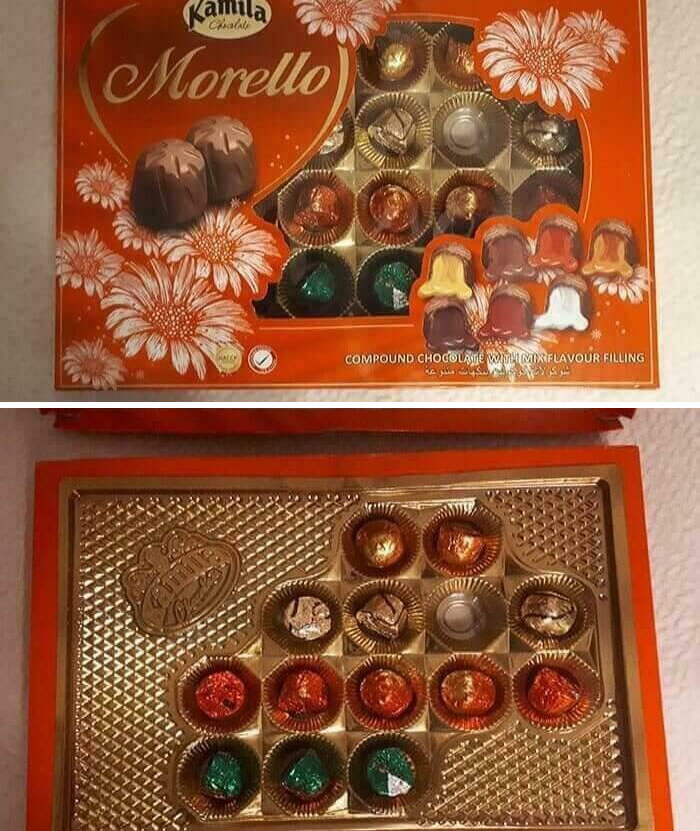
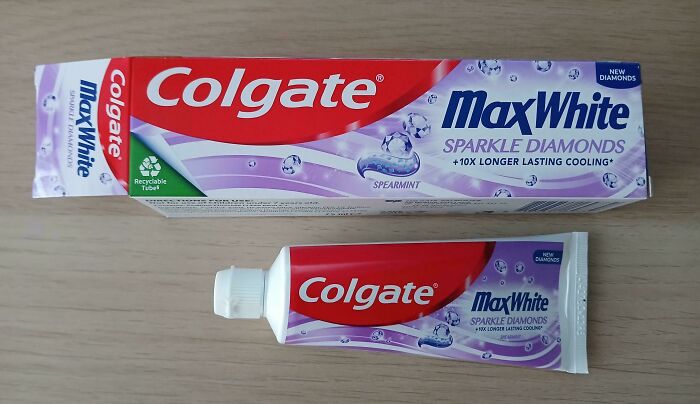
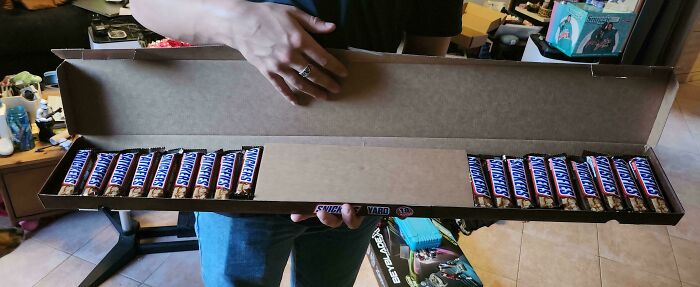
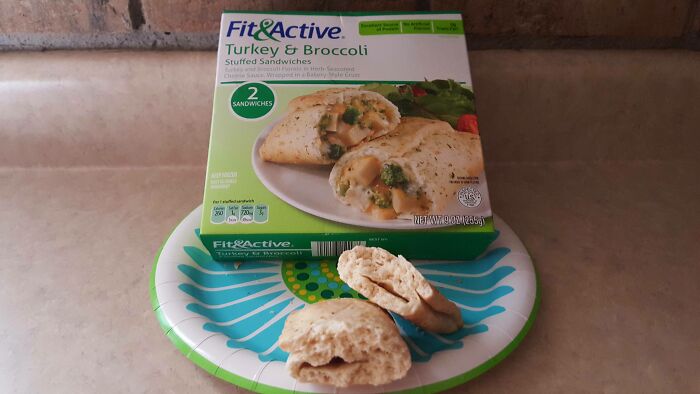
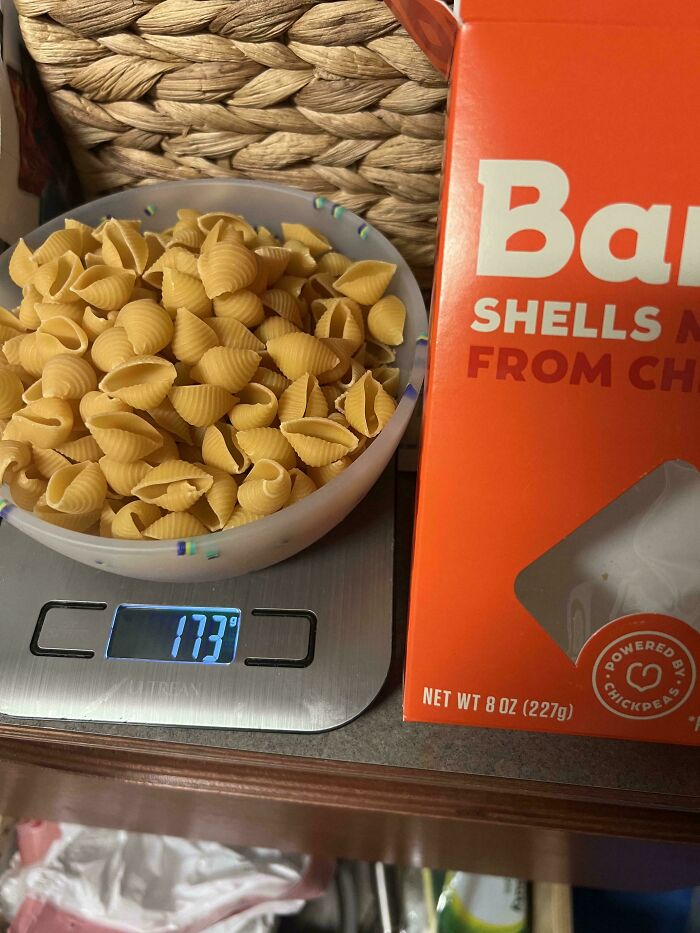
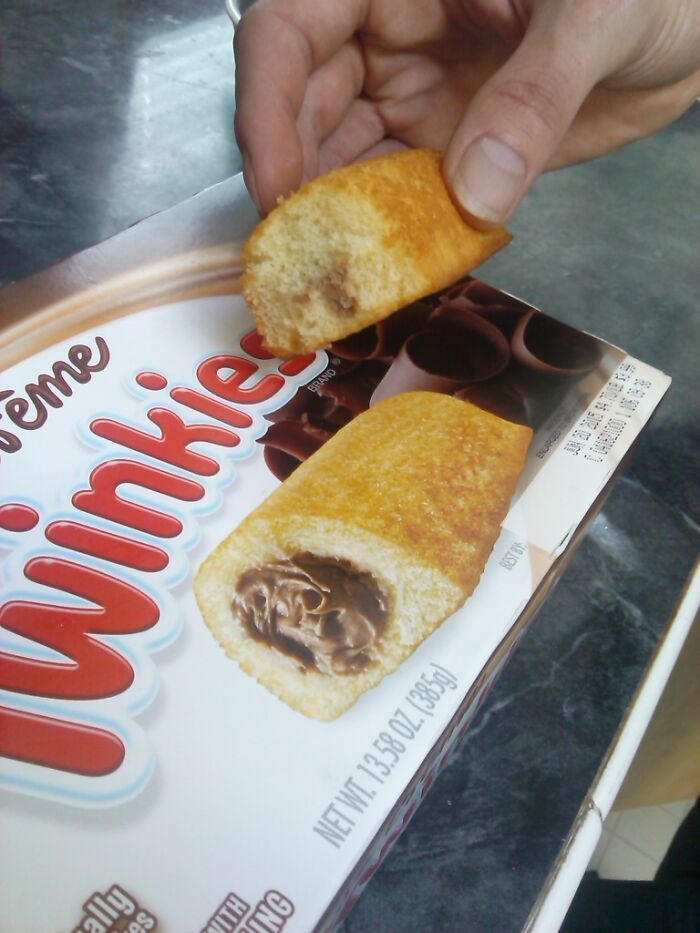
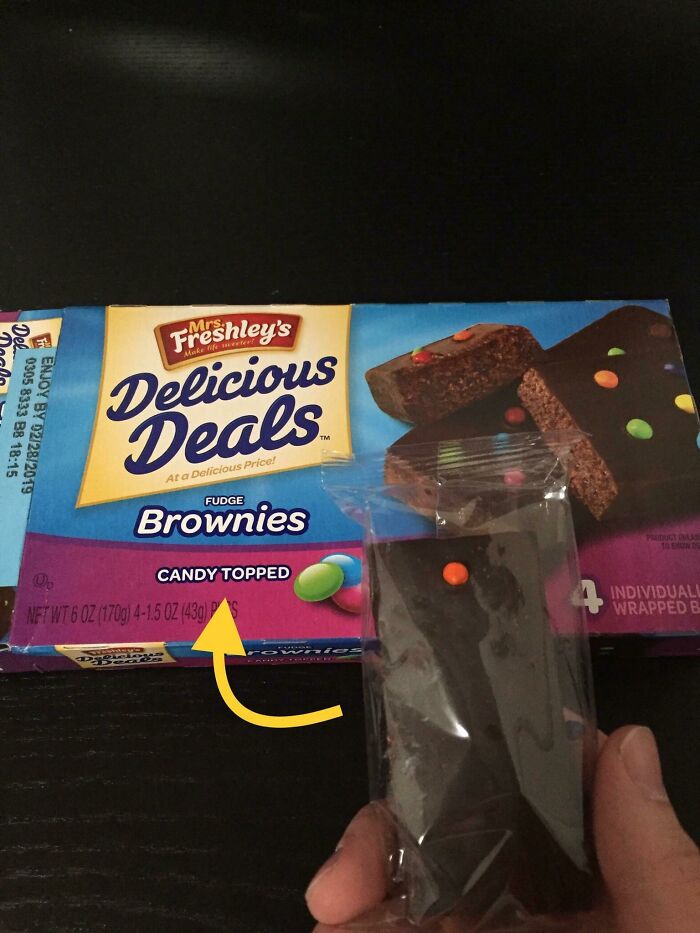
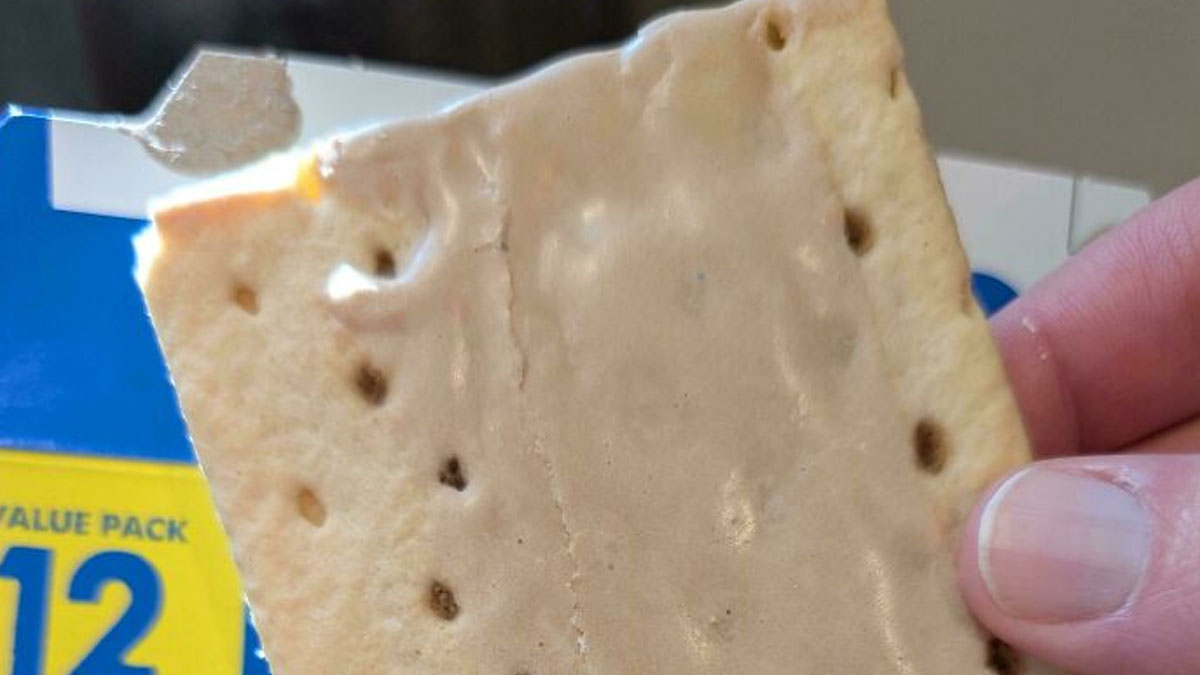
These used to look like the picture. The whole box is like this.
Which of these shady practices annoyed and frustrated you the most? When was the last time that product packaging and labels tricked you into buying something that you later regretted?
What companies and brands do you typically avoid because you think they’re deceitful, and which ones do you genuinely think are trustworthy? What do you value the most in a business?
Share your thoughts with your fellow readers and us in the comments at the bottom of this list. We’re curious what you have to say.

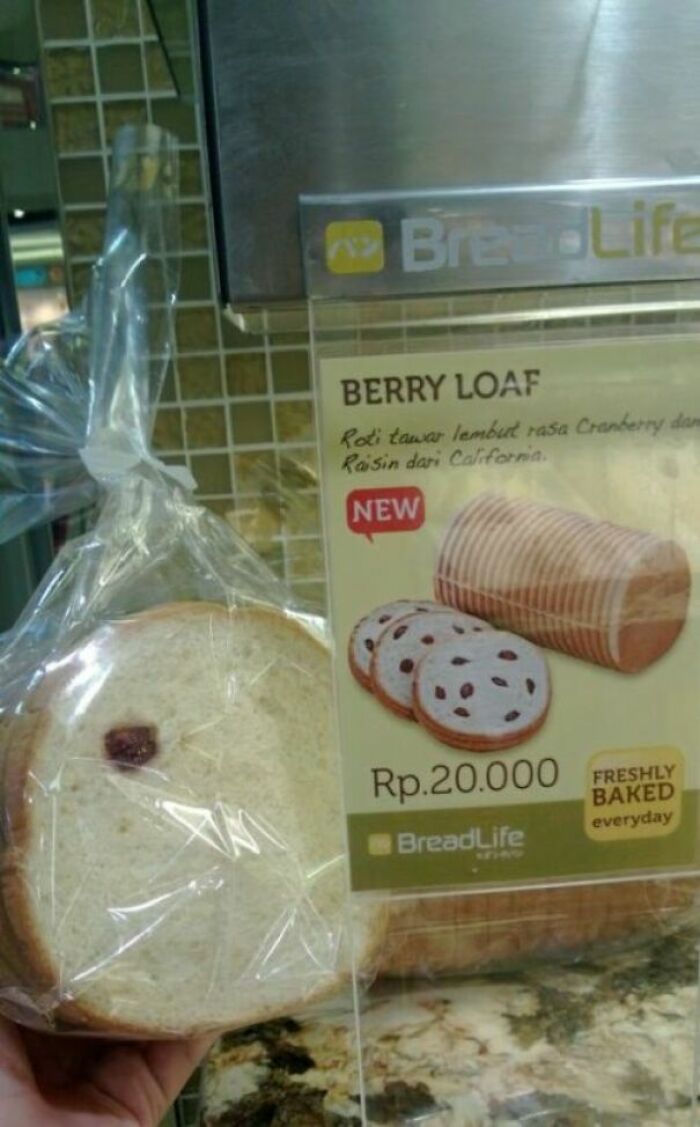
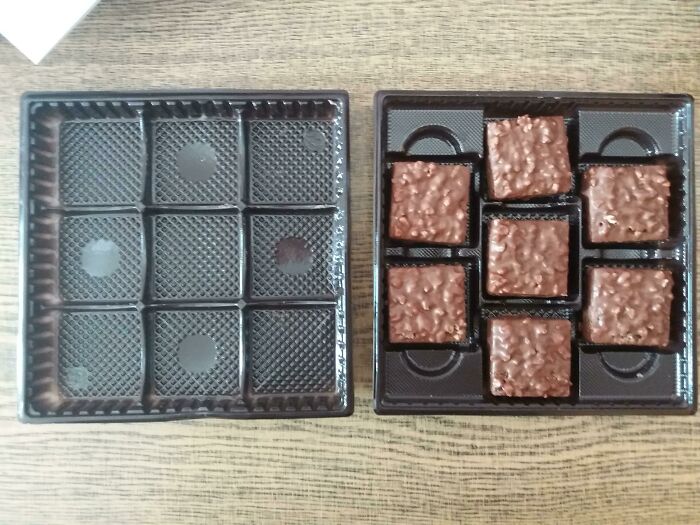
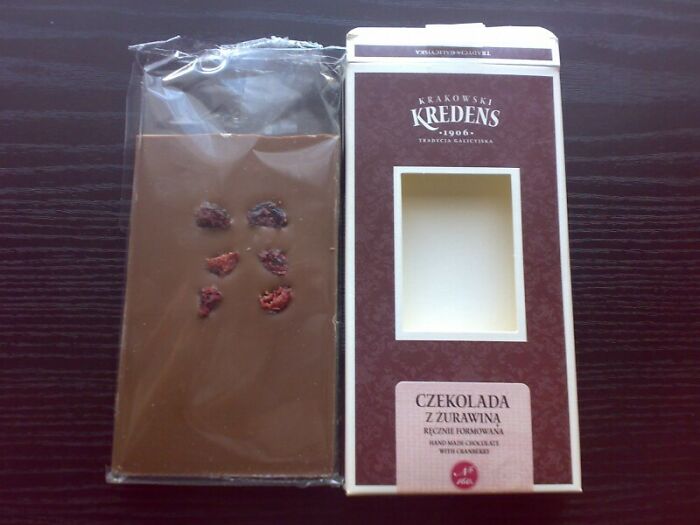
Wouldn't the chocolate cost more than the cranberries? OK, well, I guess, I live in New Jersey and cranberries are kind of local, so maybe they're cheaper here...

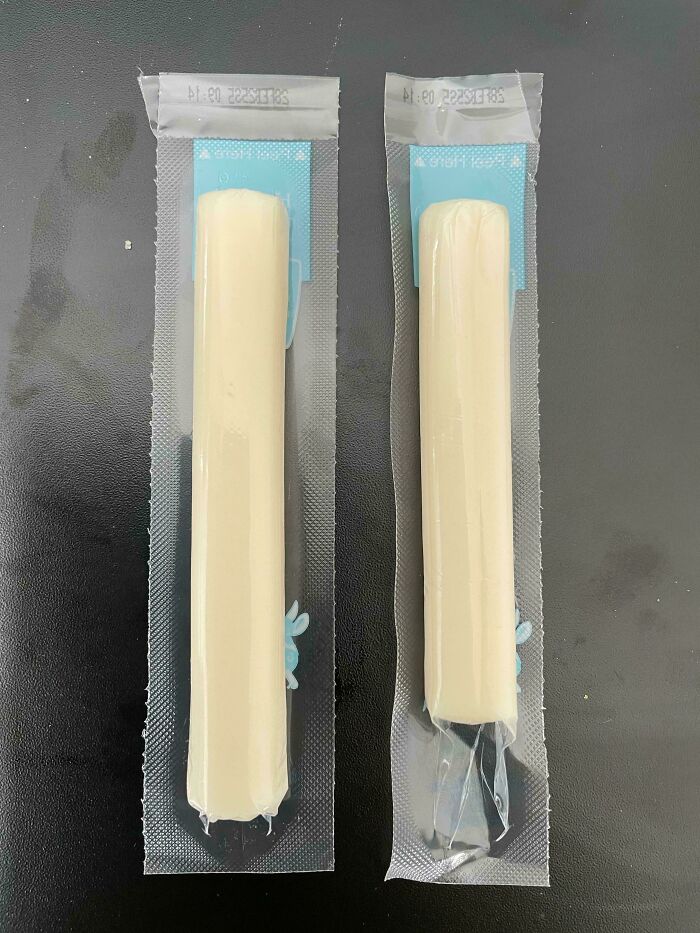
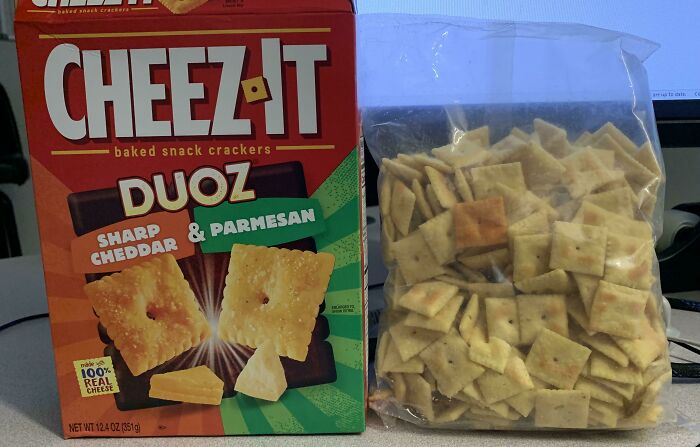
I have had that happen and contacted the manufacturer. Apparently there are really mis-sized ones that make it through packaging and they use them whenever a bag of cheese sticks doesn't pass the weight test because that day's production run was cutting them a little small. So my '12 pack' had 12 slightly smallish ones and 1 which was about 1/2 size. The total weight matched the package requirement (12 oz).
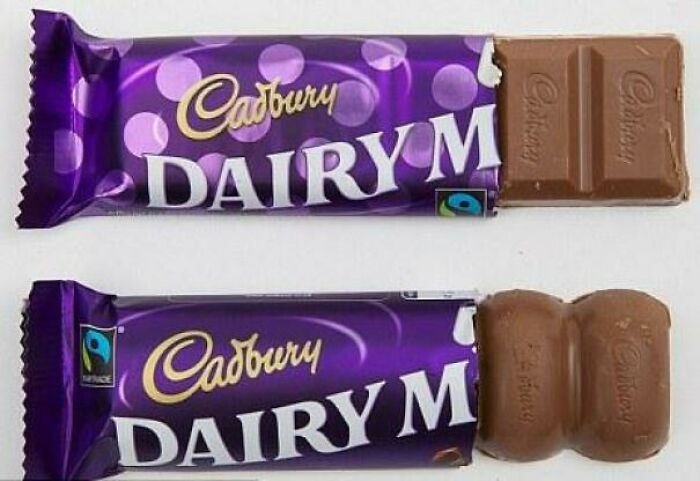
I haven't eaten Cadbury's stuff since they sold it to an American company that uses Palm oil and less Cacao.

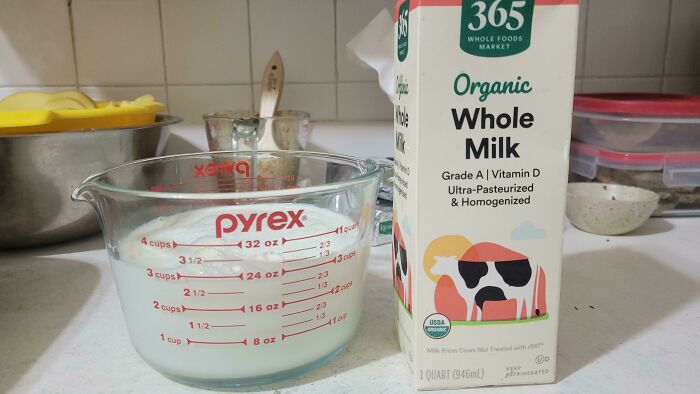
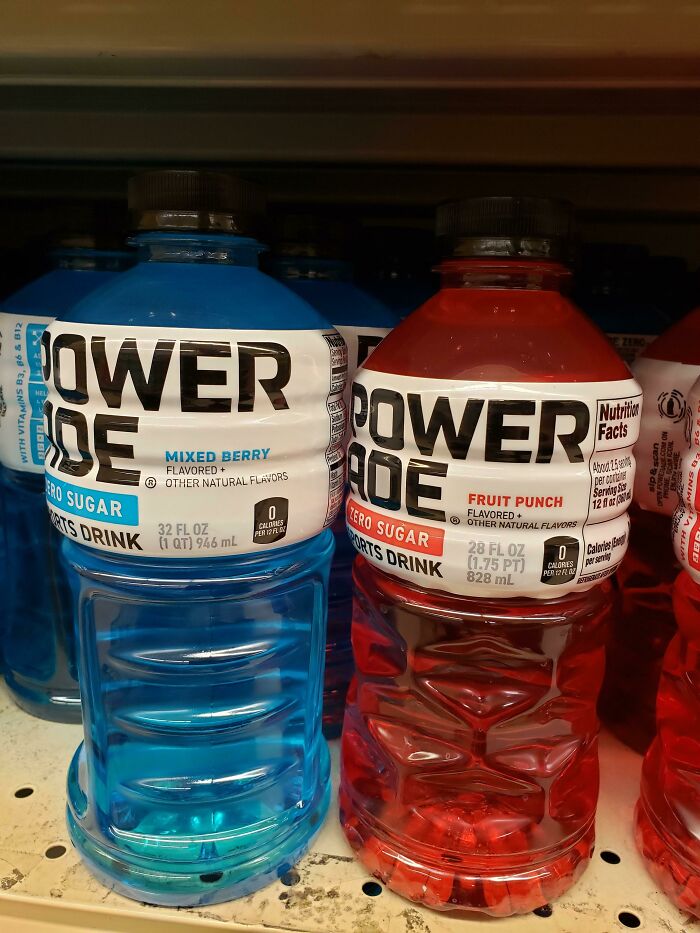
40 REAL fluid ounces (1 Imperial quart) = 1.136 litres. You were definitely robbed.

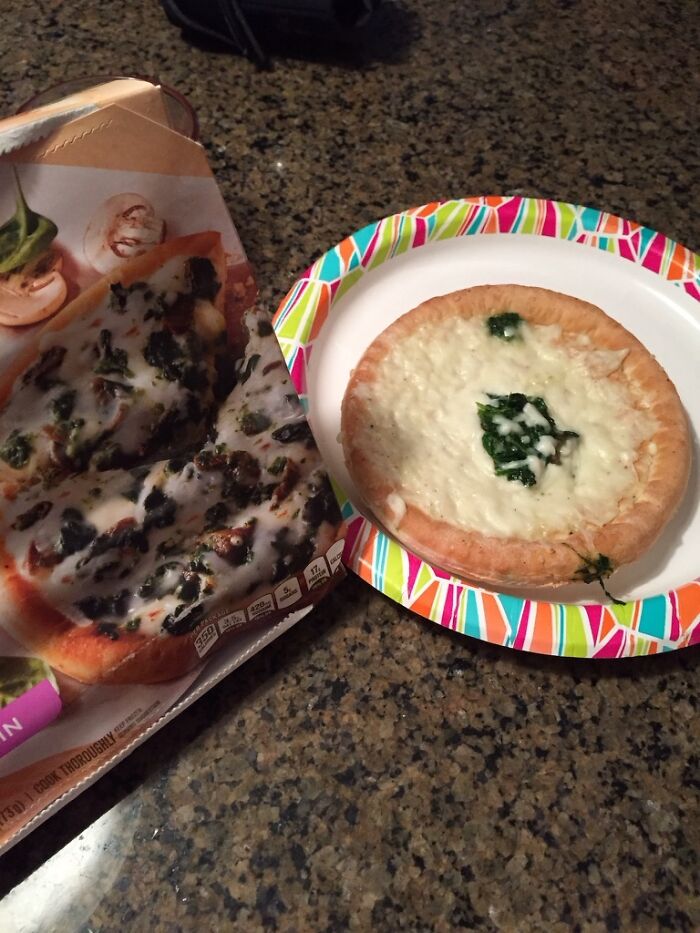
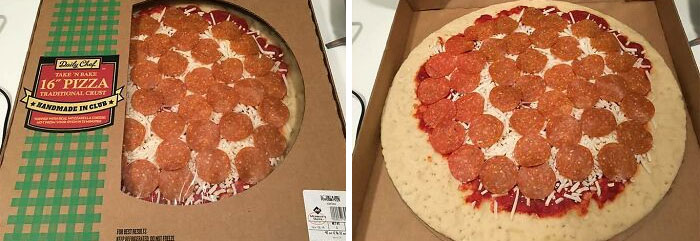
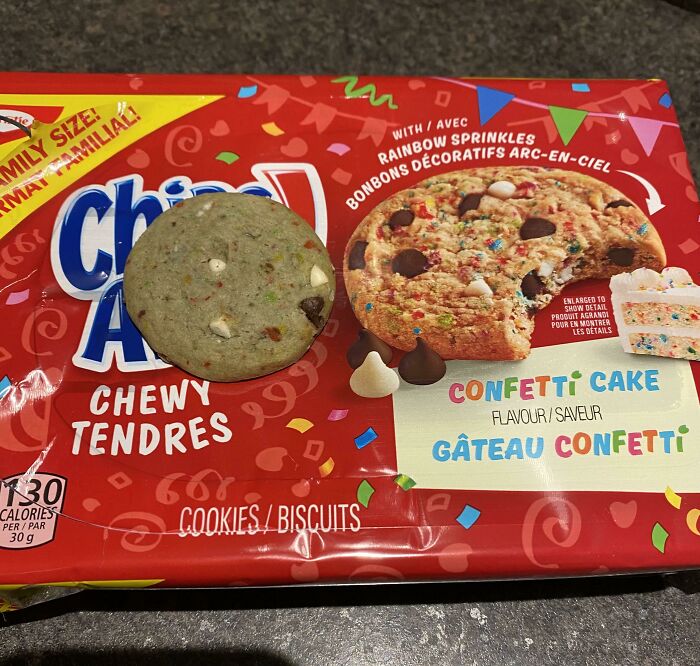
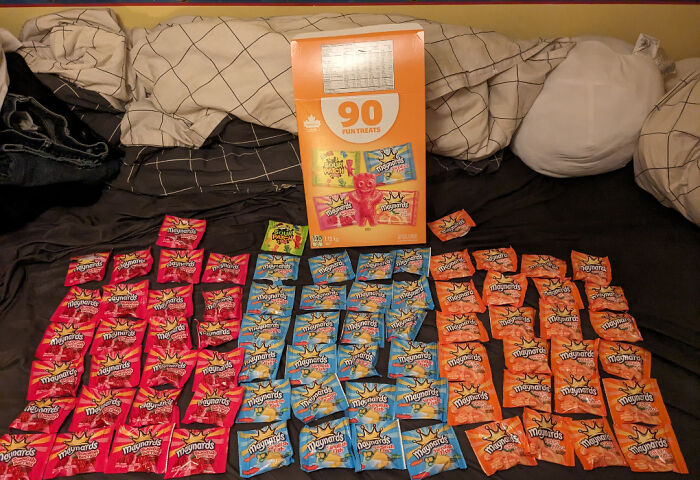
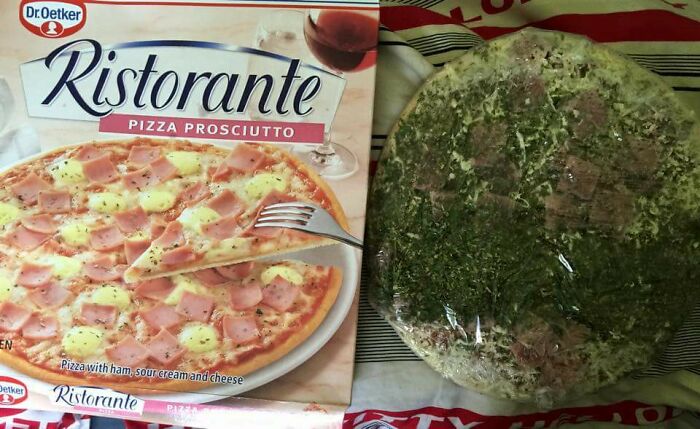
Just bought a box of these at Dollar Tree. Mine looked like the image on the package.
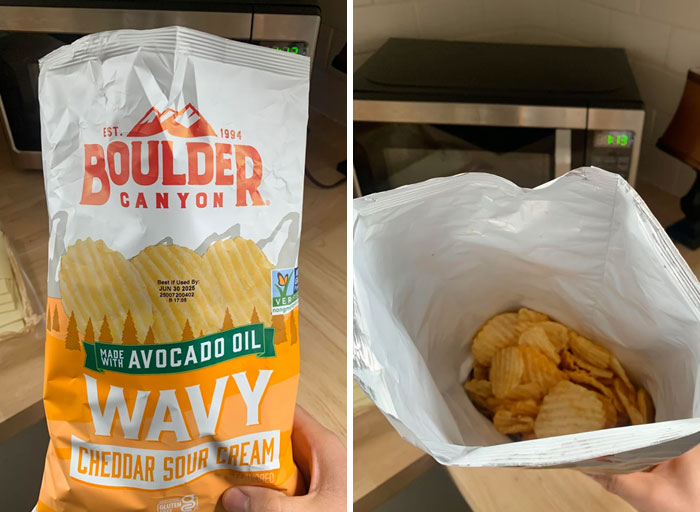
Bought a bag of chips and got a bag of dreams. 98% ambition, 2% snack. Capitalism’s finest illusion.
It was up to the green line by the way.
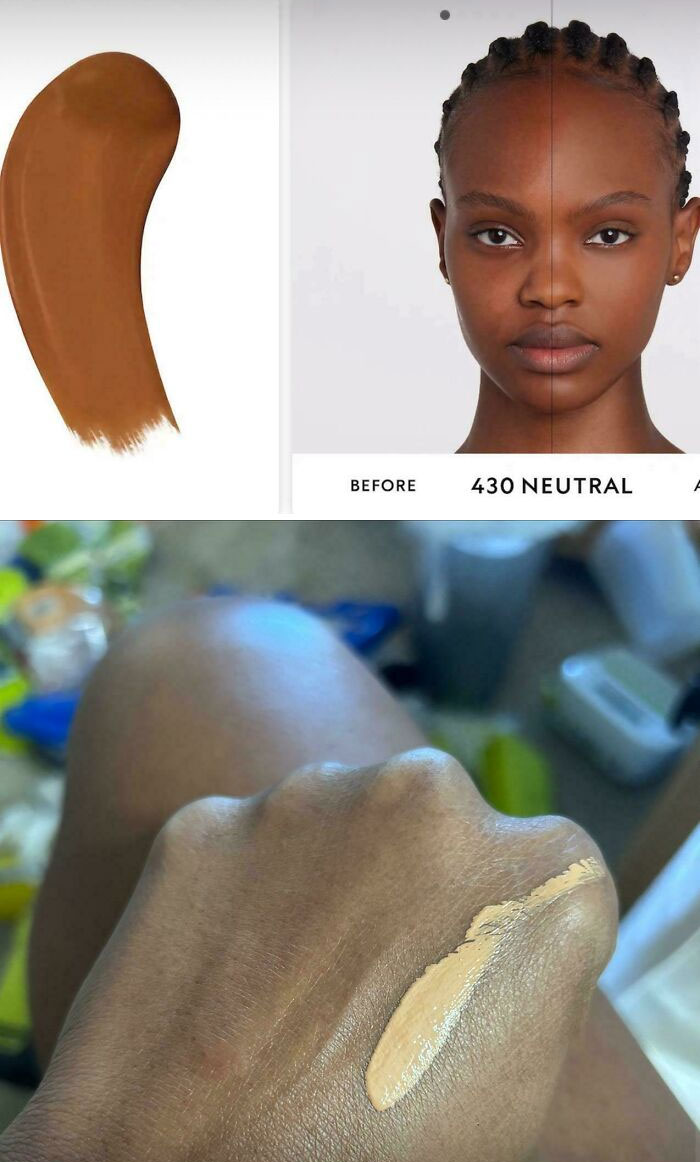
Gucci skin tint in shade 43 “medium deep”…. Medium deep where??? I got this for free to try out so can’t even get the right shade, which looking at how this is so wrong, might be the darkest shade. Let me go find some olive skinned woman to give this to cuz obviously this was not made for a brown skinned black woman (doing my Golloria side eye).

Yeah, and when influencers pointed this out some brands released straight up black face paint as their "foundation for people of color".

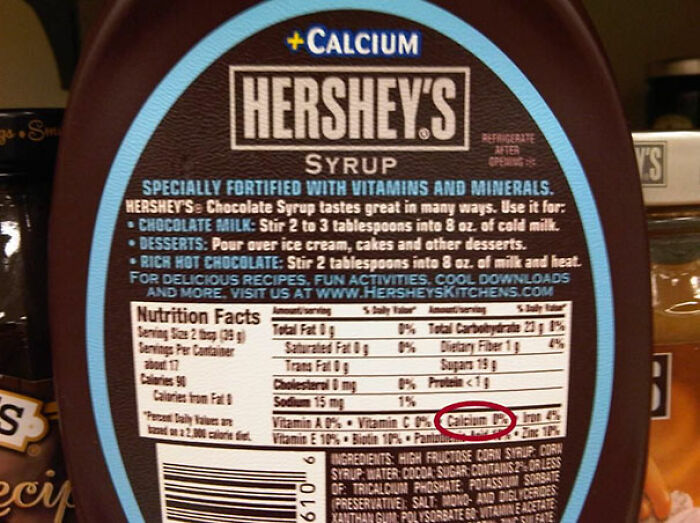
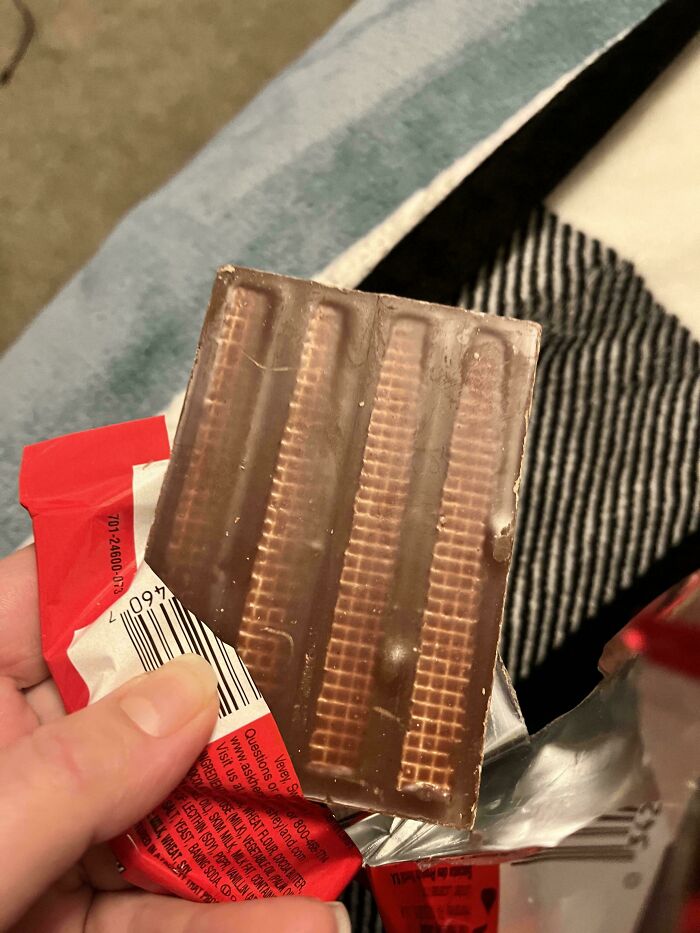
Apparently, Hershey got busted for this, but the remedied packaging is no better. It now says "with Calcium." It has a trace amount. You can see "Tricalcium phosphate" on the ingredient list, but they have to round anything less than 4% down to 0%, according to Google. (Which I'm not sure about, because I'm quite certain I've seen 2% on listings many times.
Looks like what happened to "Famous Amos" cookies after Wally Amos lost control of the brand in 1988. Lots of people stopped buying them and folks started referring to the brand as "Famous Anus".
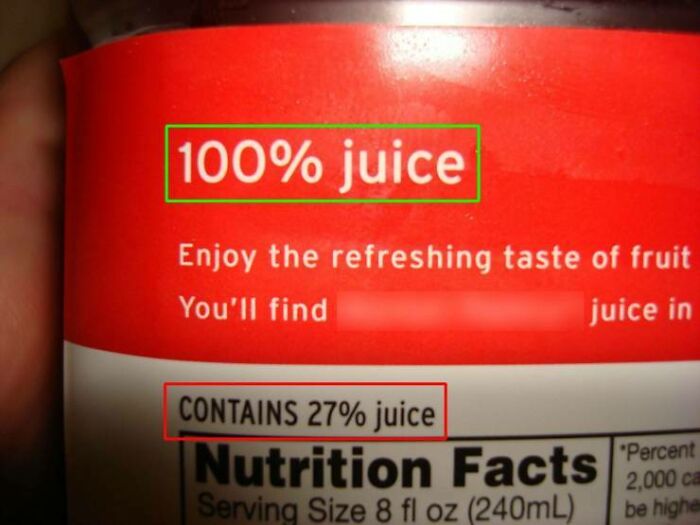
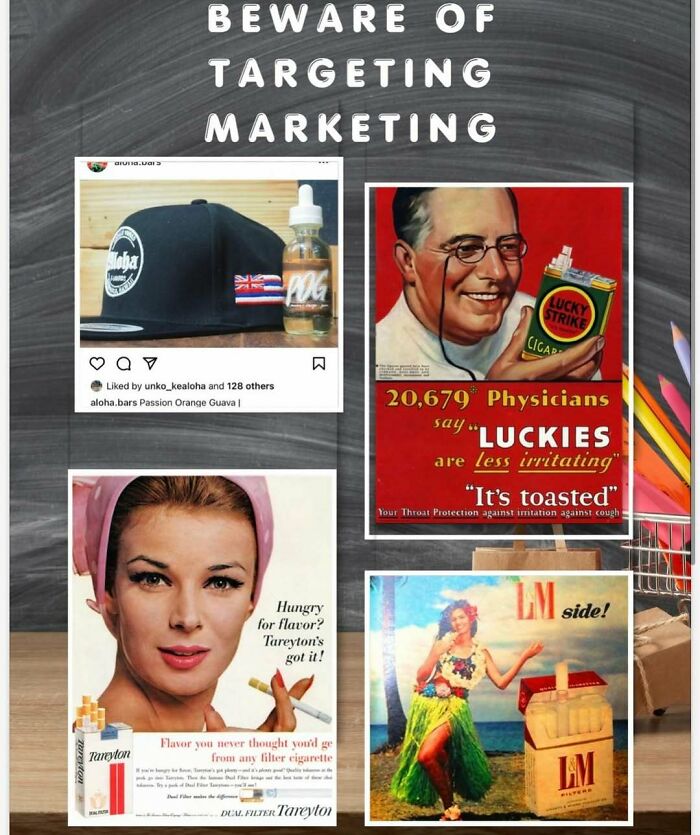
These companies use clever marketing to trick you into buying their products. They link their brands to things you know and love, and feature trustworthy people to make it seem safe.

The people commenting "contact the manufacturer" - do you not understand that none of the manufacturers give a flying fck, they wouldn't pull sh!t like this if they did.

"Tell that people who did this to you that they did this to you"
Load More Replies...
I don't see how any of these fit the title "75 Marketing Tricks That Backfired Spectacularly". In fact, they all worked as intended - making the manufacturer more money.


Opened a pack of flower seeds last week. Packet says average 100 seeds. I counted 23.
The people commenting "contact the manufacturer" - do you not understand that none of the manufacturers give a flying fck, they wouldn't pull sh!t like this if they did.
"Tell that people who did this to you that they did this to you"
Load More Replies... I don't see how any of these fit the title "75 Marketing Tricks That Backfired Spectacularly". In fact, they all worked as intended - making the manufacturer more money.
Opened a pack of flower seeds last week. Packet says average 100 seeds. I counted 23.






















 No fees, cancel anytime