Get Premium
Dark mode theme is available exclusively for premium users. Learn more about the benefits of subscribing.
No fees, cancel anytime.

 Dark Mode Ad-Free Browsing Unlimited Content
 Ad-Free Browsing Unlimited Content Dark Mode
Join 1.2 million Panda readers who get the best art, memes, and fun stories every week!
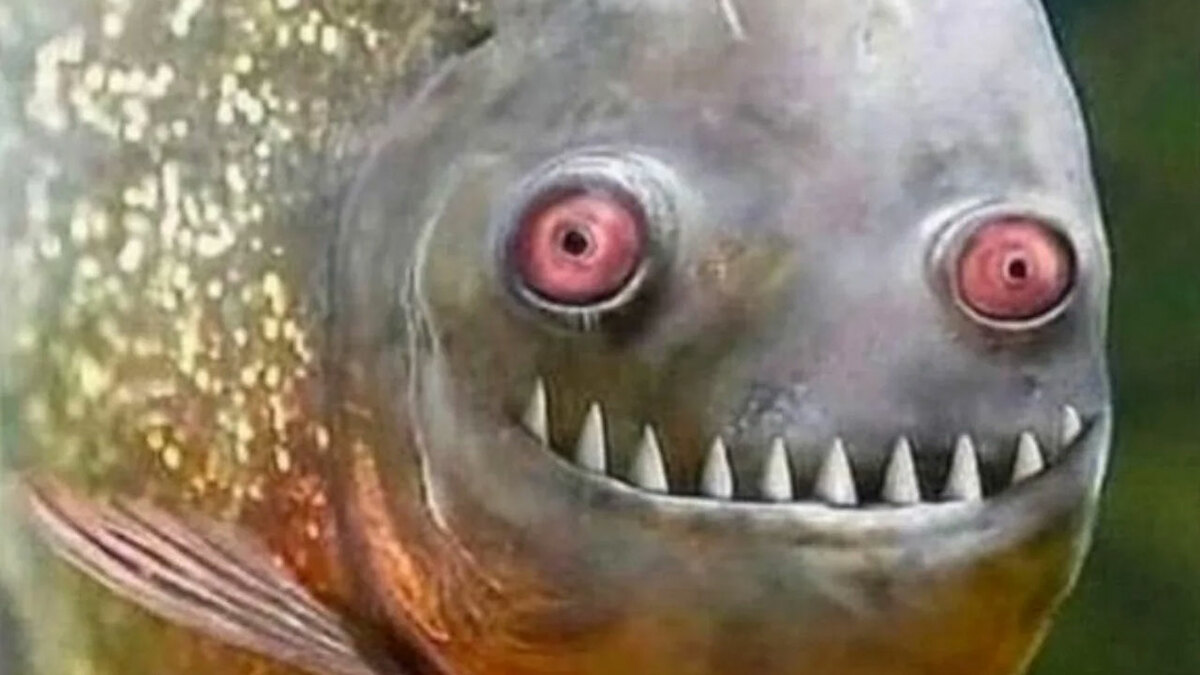
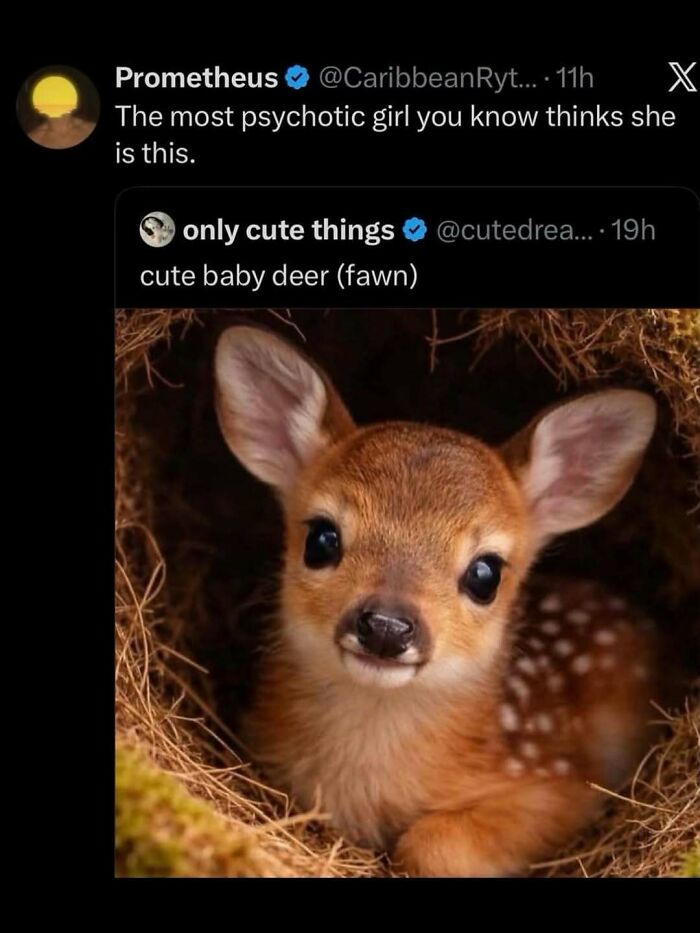
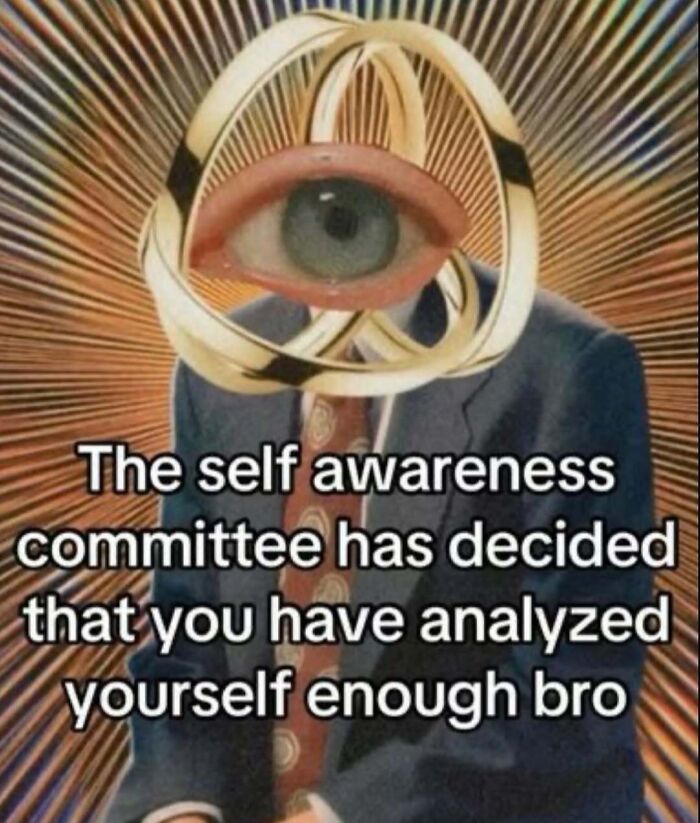
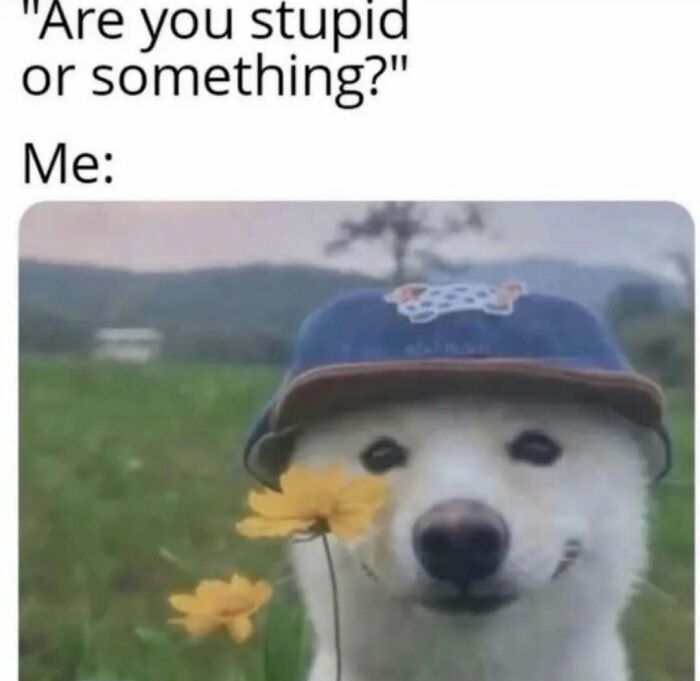
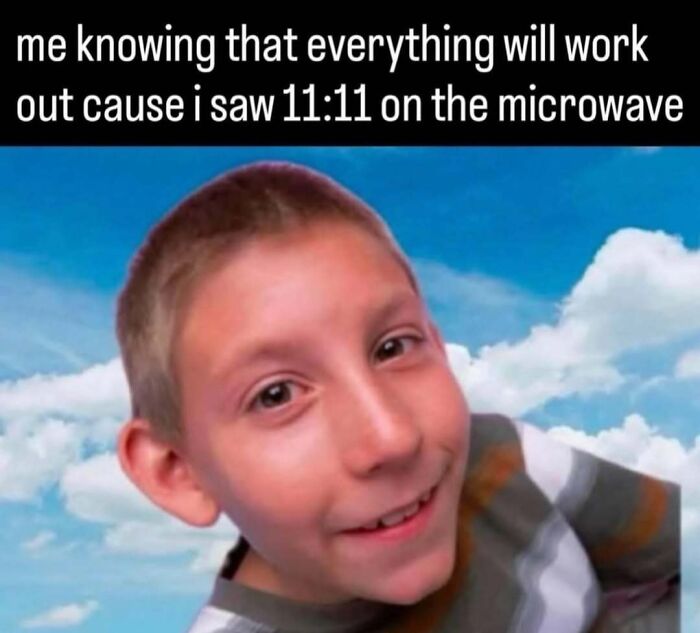
Sometimes the most random memes are the ones that somehow manage to describe your life better than you ever could. From everyday annoyances and awkward encounters to those oddly specific thoughts you’d probably never say out loud, there’s something strangely satisfying about seeing a meme and thinking, “Okay, why is this so accurate?” It’s even better when you realize you’re definitely not the only person who has been there.
Today, we’re taking a scroll through an Instagram account packed with funny and relatable memes covering a little bit of everything. Some might remind you of situations you’ve experienced yourself, while others may simply make you laugh because they’re just too close to reality. Either way, we’ve picked out a bunch of the funniest posts to share, so keep scrolling and see how many have you nodding along in reluctant agreement.
This post may include affiliate links.
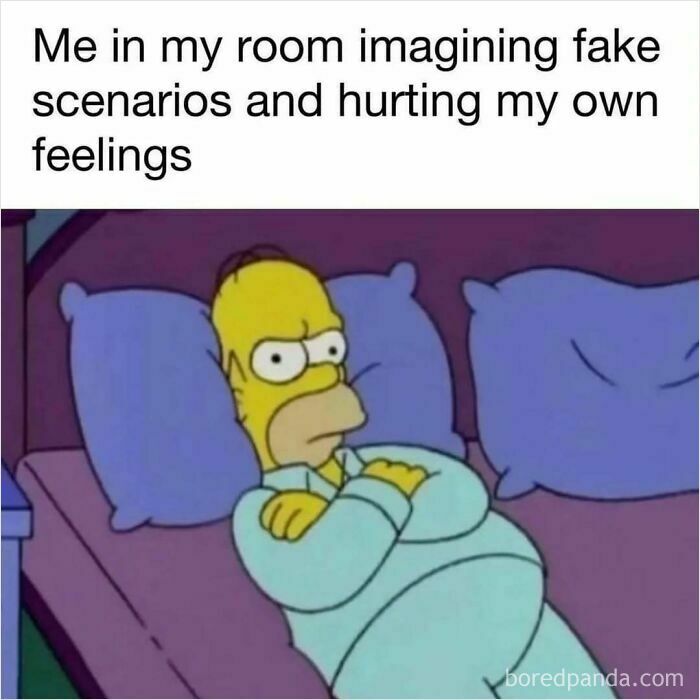
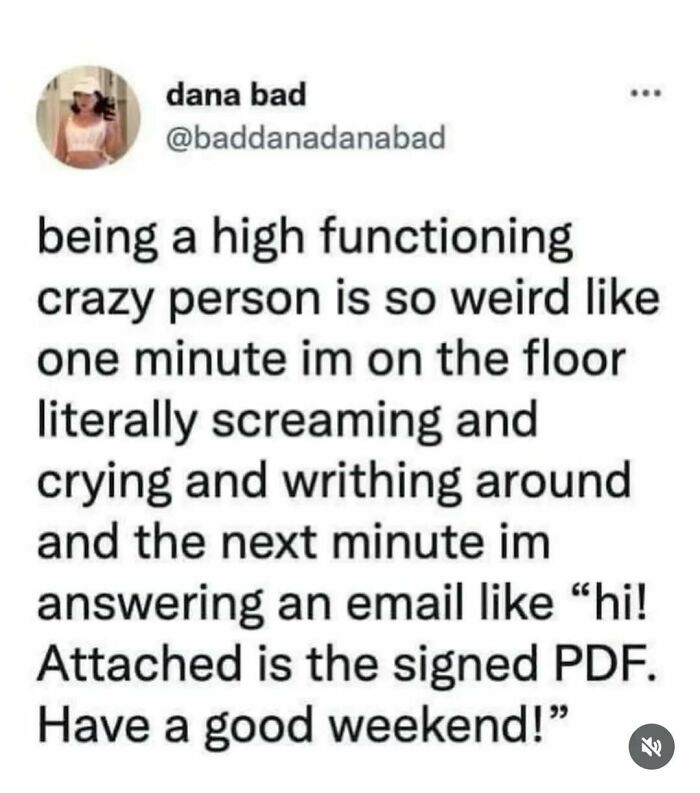
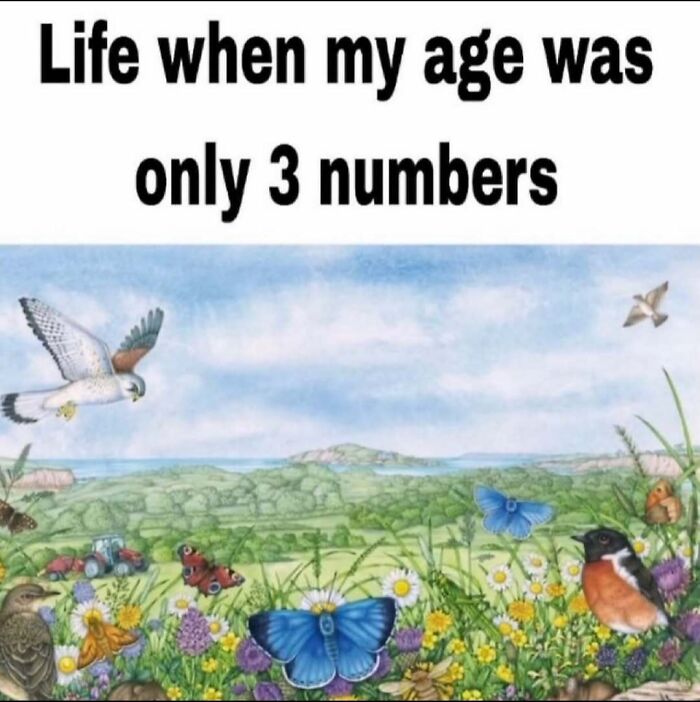
Oh God, my colleague was like this. He would imagine scenarios in the loo and cry. He actually said he liked it
Today, when most of us hear the word “meme,” we probably picture a funny image, a ridiculous video, or a screenshot that somehow perfectly captures a very specific mood. But the story behind the word is much older (and much more interesting) than the internet itself. In 1976, evolutionary biologist Richard Dawkins introduced the term in his book The Selfish Gene.
He was exploring how ideas and cultural behaviors can spread from one person to another in a way that somewhat resembles how genes are passed on. To describe this kind of cultural replication, he borrowed from the Greek word mimeme, meaning “that which is imitated,” and shortened it to “meme.”
Dawkins' original definition of a meme had absolutely nothing to do with funny pictures on social media. He described memes as units of cultural transmission—essentially, ideas or behaviors that people copy and pass along.
His examples included catchy songs and melodies, popular catchphrases and slang, fashion trends such as flared trousers, religious ideas, and even architectural designs like building arches. So, technically speaking, that tune you can't get out of your head and that phrase everyone suddenly started saying could both qualify as memes.
Long before the internet (and long before anyone had Wi-Fi) people were already spreading ideas, jokes, symbols, and traditions from one person to another. The difference was simply the speed and technology involved. Ancient Romans, for example, left behind the Sator Square, a mysterious word puzzle that has been discovered carved into walls and objects at sites across the Roman Empire. We don't know exactly how people used or shared it, but its appearance in different locations shows how symbols and ideas could travel across communities.
A much more recognizable example came thousands of years later with “Kilroy Was Here,” a doodle and phrase that became associated with American servicemen during World War II. Soldiers would draw it on walls, equipment, and other places as they traveled, leaving the same image behind for others to discover and copy. In a sense, it worked much like a meme: one person encountered it, reproduced it, and helped spread it somewhere else. The technology was completely different from what we have today, but the basic human behavior was remarkably similar—see something, copy it, change it if you like, and pass it along.

I am SO heartened to see schools forgoing Chromebooks and using instead pencil and paper. Michigan had over 1/2 of 3rd graders fail age appropriate reading levels. Seems our attention spans have devolved to the point we are literally dumber.

The arrival of computers and the internet changed the game completely. Suddenly, an idea didn't have to travel with a person; it could travel across the world almost instantly. In 1982, computer scientist Scott Fahlman suggested using :-) and :-( on online bulletin boards to make it clear when a message was meant as a joke.
It seems incredibly simple now, but those little symbols became an early example of how digital communication could develop its own shared language. Then came chain emails, forwarded jokes, early GIFs, and phenomena such as the Dancing Baby, giving internet users new ways to copy and spread things at astonishing speed.
As websites such as Reddit and Facebook grew, memes began taking on a more recognizable format. The classic image macro became an internet staple: a familiar photograph with large, usually white text placed above and below the image. Certain characters became instantly recognizable, too. Bad Luck Brian, Success Kid, and Philosoraptor all developed their own little rules and personalities. If you saw Bad Luck Brian, for instance, you already knew that whatever happened in the meme was probably going to go spectacularly wrong.

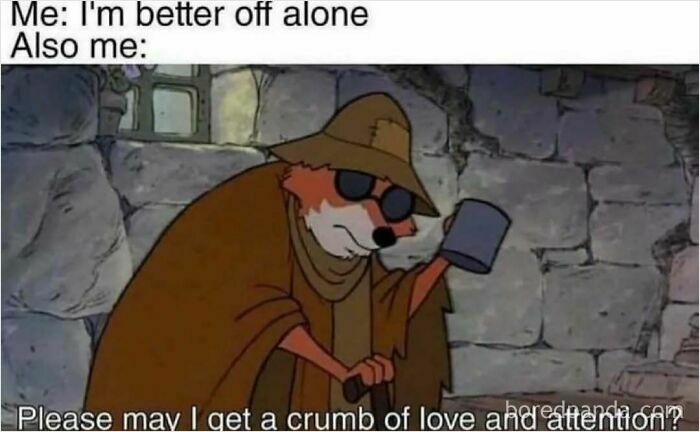
That "beggar" is Robin Hood, on his way to GIVE to the poor. Use this meme only if you can give love and attention.
Then the internet decided that apparently even those rules were too restrictive. From around the 2010s onward, memes became increasingly strange, chaotic, and difficult to define. A meme could be a photograph, a video, an audio clip, a dance, a filter, a phrase, or some completely inexplicable combination of all of them. TikTok, Instagram Reels, and X helped ideas mutate at incredible speed, with users constantly remixing existing jokes into something new. Images could be deliberately distorted, “deep-fried,” layered with bizarre effects, or combined with completely unrelated elements to create the wonderfully chaotic humor that makes perfect sense to someone online and absolutely none to their grandparents.
In a funny way, this brings us back to Dawkins' original idea. He imagined memes as cultural ideas that spread from person to person through imitation. The internet simply gave humans an enormous playground for doing exactly that. We don't just copy memes anymore—we edit them, remix them, add new jokes, change the format, turn them into videos, and send them back into the wild for someone else to transform again. What began as a biological metaphor in 1976 has become a useful way of describing one of the most recognizable forms of modern internet culture.

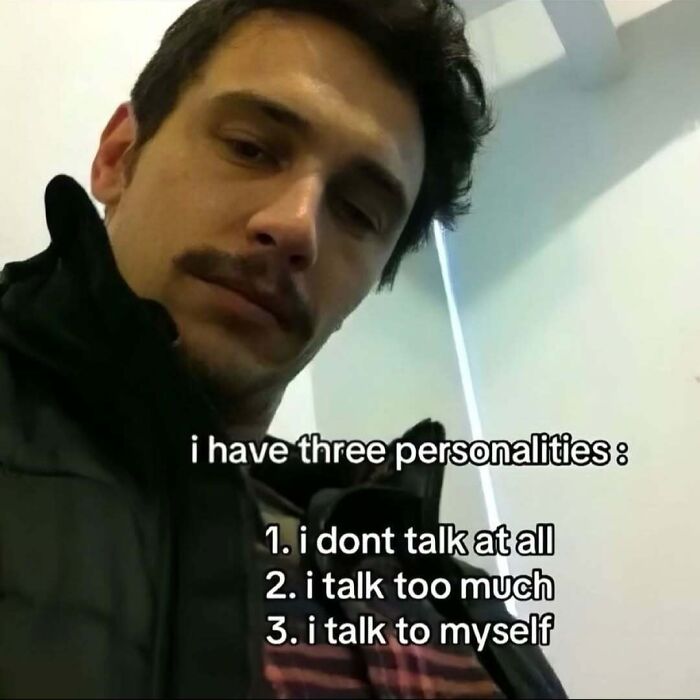
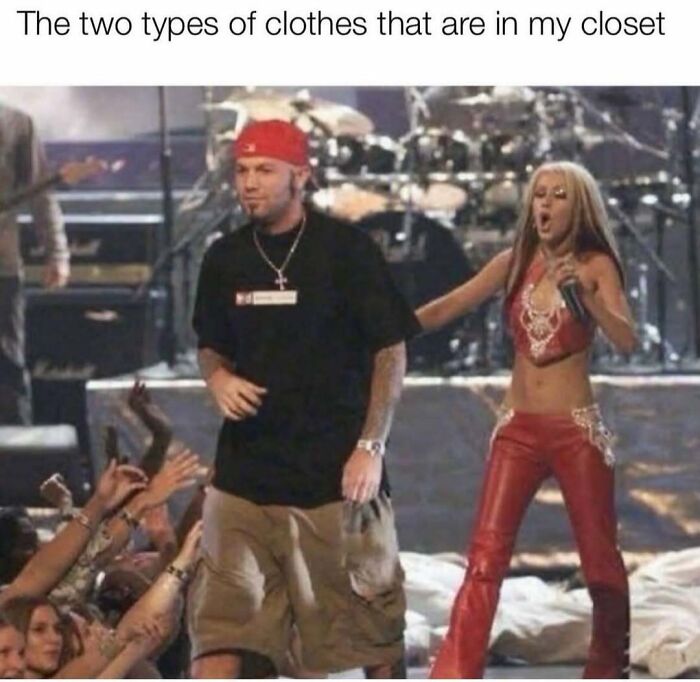
If this is James Franco it's all #3 because he no longer has any friends.
Which brings us neatly back to today's collection. These memes may not look anything like Dawkins' original examples, but they certainly fit the spirit of the idea: they're funny, relatable, wonderfully random, and designed to be shared. Some capture everyday frustrations, some make absolutely no sense, and others are so oddly specific that you can't help wondering who was spying on your life. Keep scrolling, Pandas, and see which ones manage to hit a little too close to home.
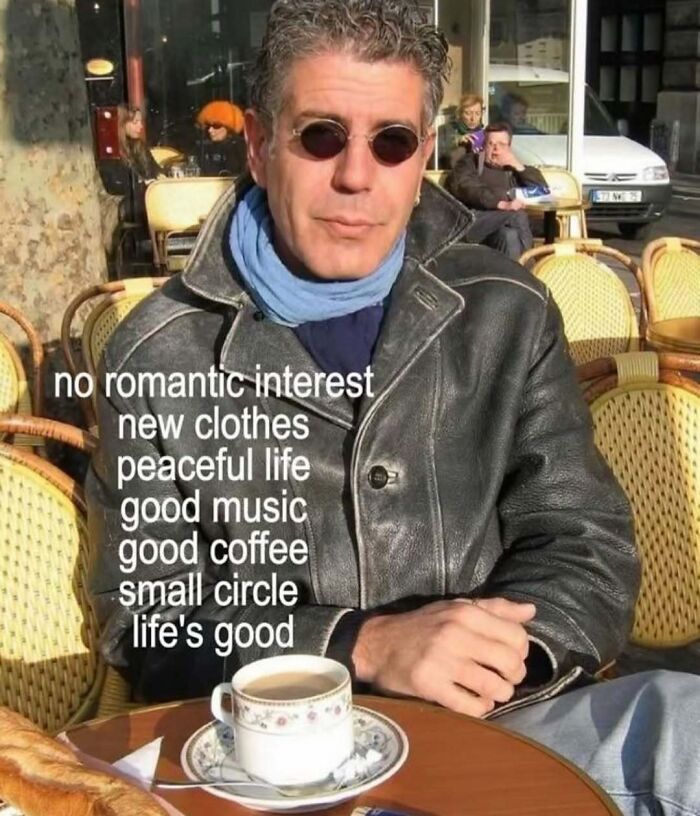
Best not use the guy with clinical depression and who unalived himself as the rep for Life is Good.

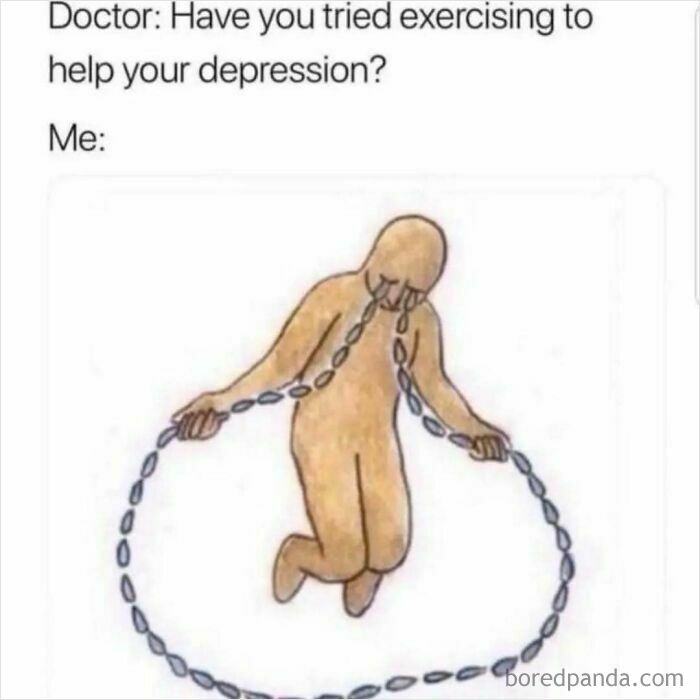
Tried it, didn't like it. Depression + exhaustion + aching_muscles, turns out to be way worse than depression alone.
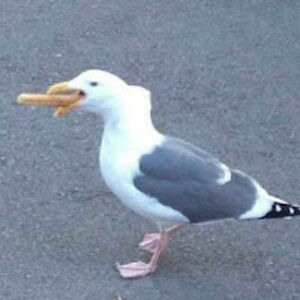
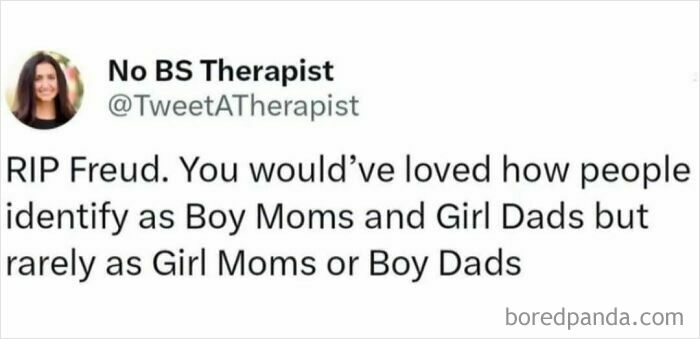
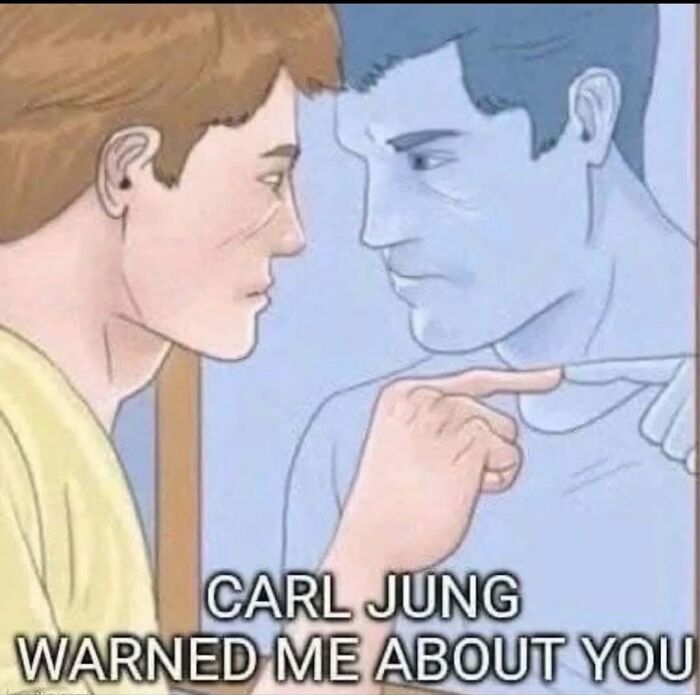
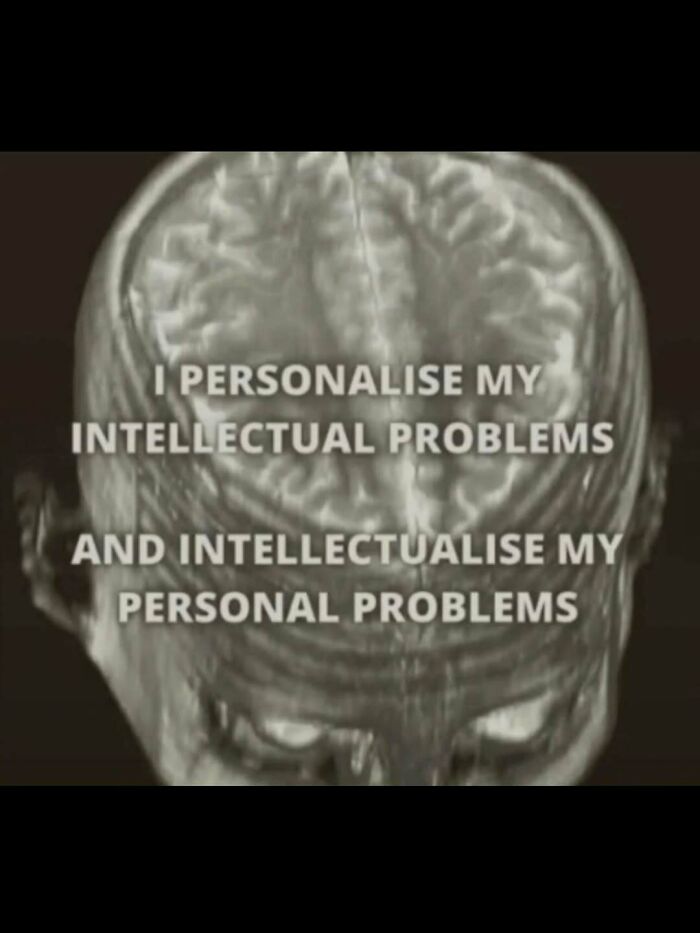
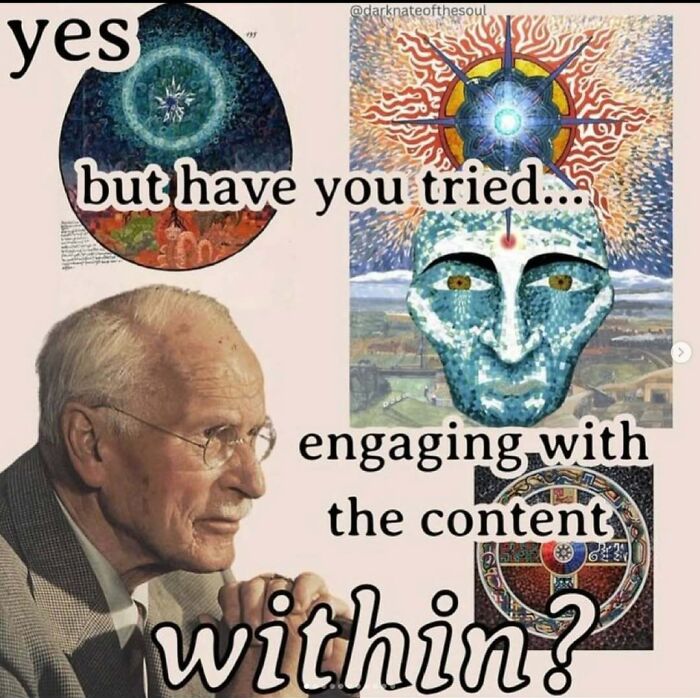
Freud had some truly absurd ideas, yes, but when you learn just how much later research was based on his ideas (pretty much all personality theory developed out of his work), you'll realize he was right far more than for what we are comfortable giving him credit. Source: majored in cognitive psychology, read Freud's works. I recommend it! Interesting reads, if... dated.

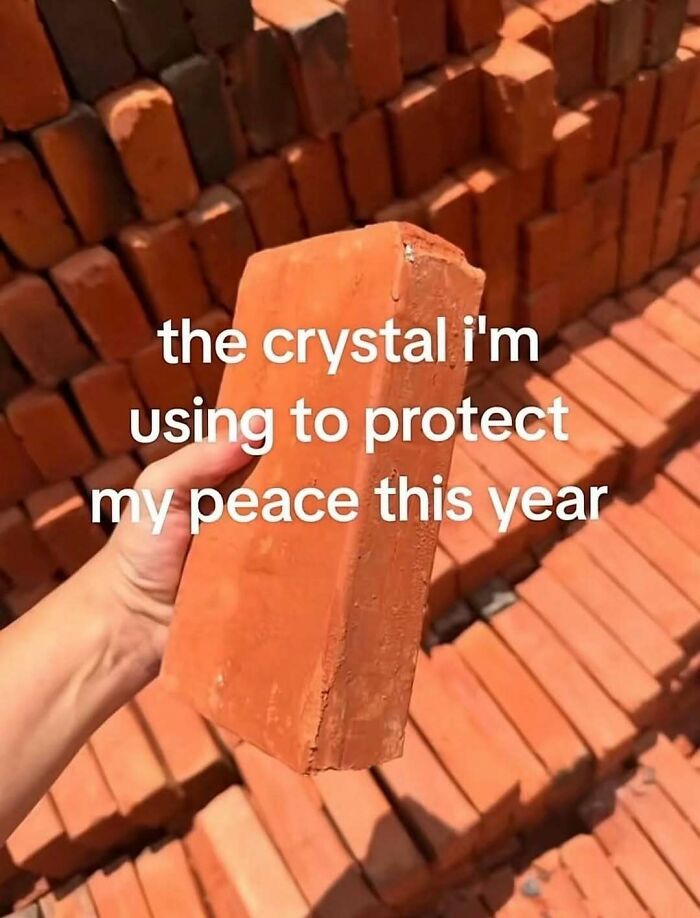
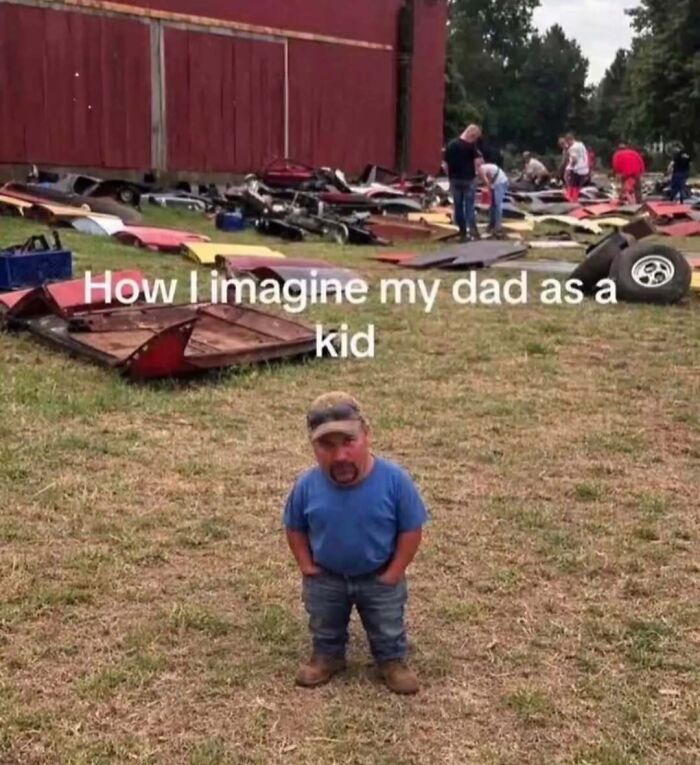
Oh yes. It is expertly built and absolutely escape-proof! That quality of craftsmanship is the only thing I've ever been truly proud of!


This may be one of the funniest things I have ever seen....brilliant

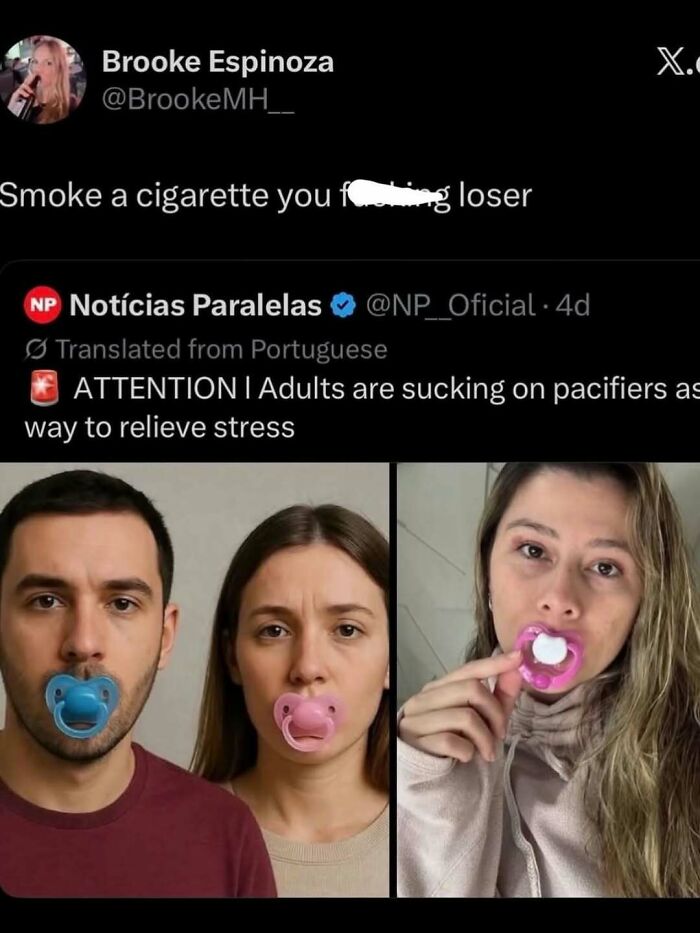
Wasn't this a thing with folks on ecst*sy at raves 20 years ago?
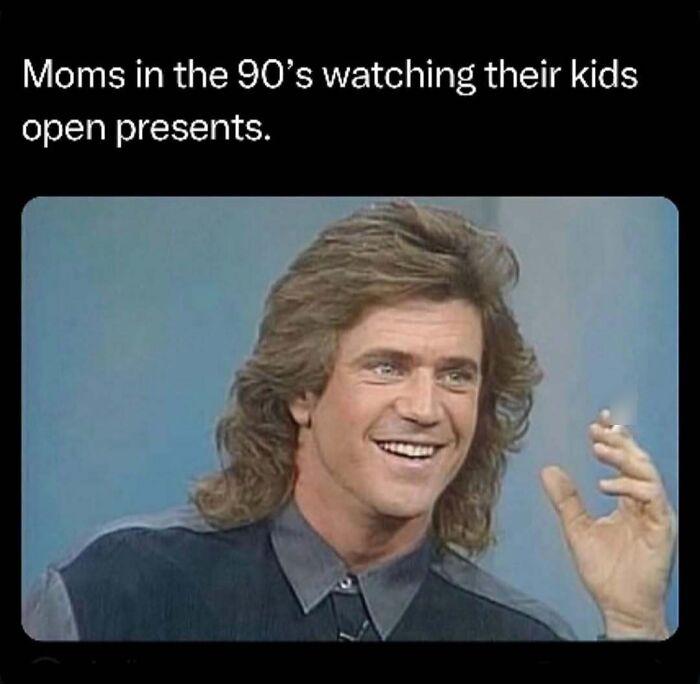
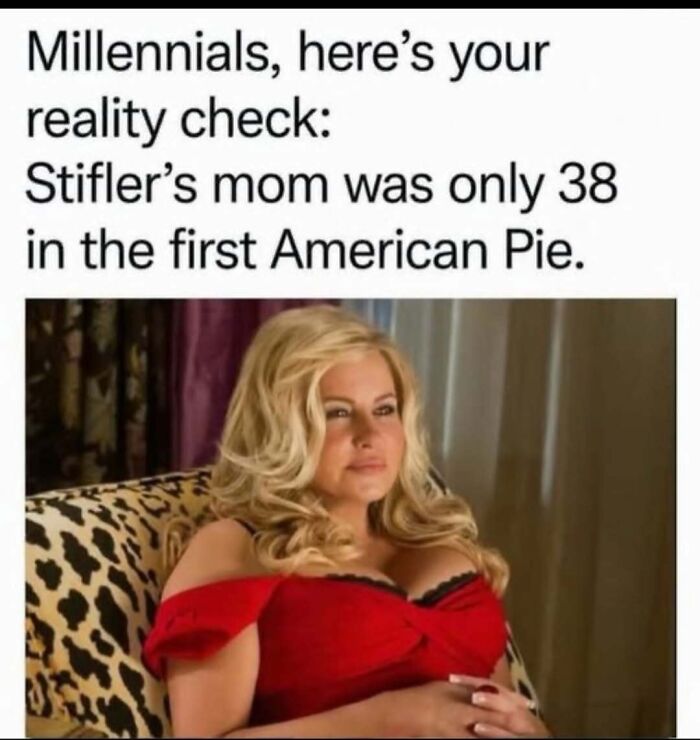
And Stifler is a senior in high school, probably eighteen, so she was probably twenty when he was born, so what's your point?
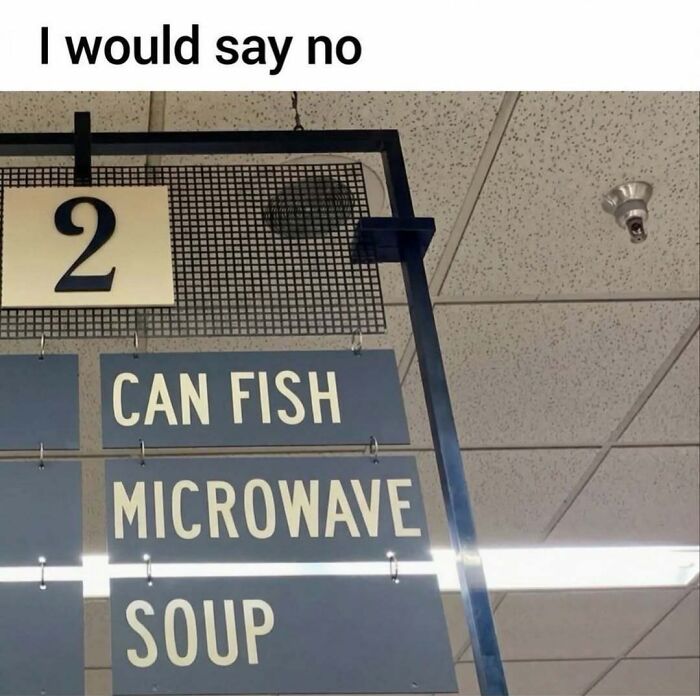
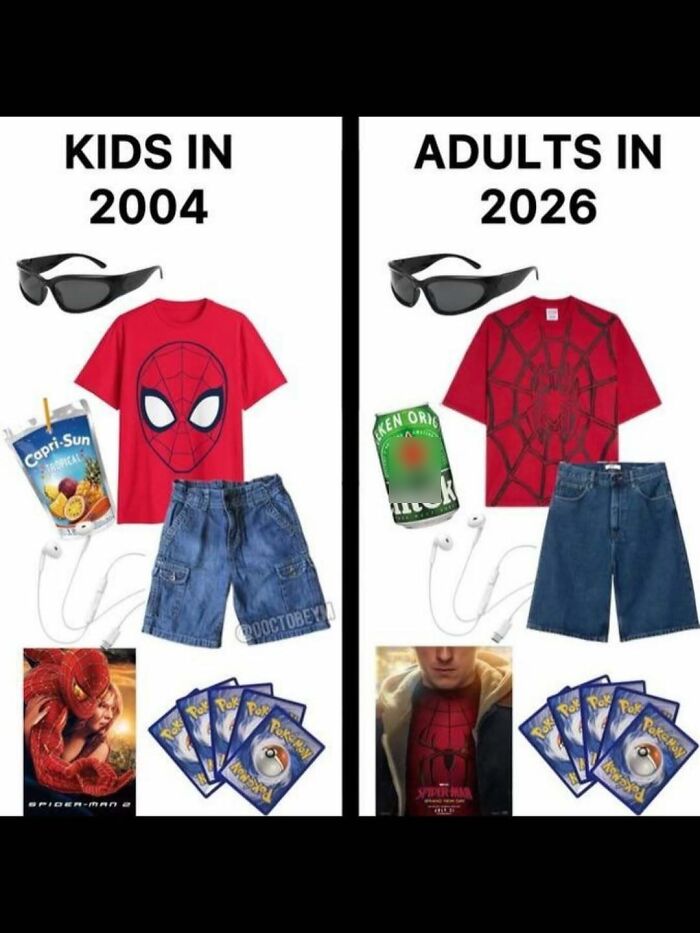
Thank you BoredPanda censor bot for sparing me the horrors of seeing an unblurred label of a can. How obscene!
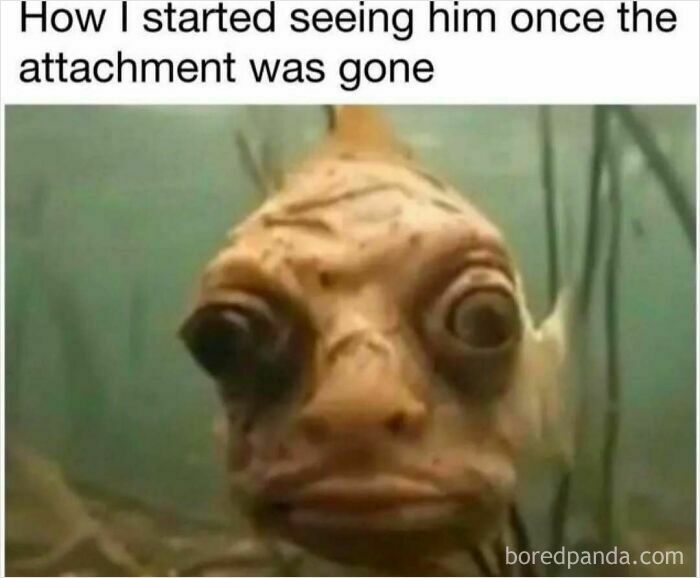
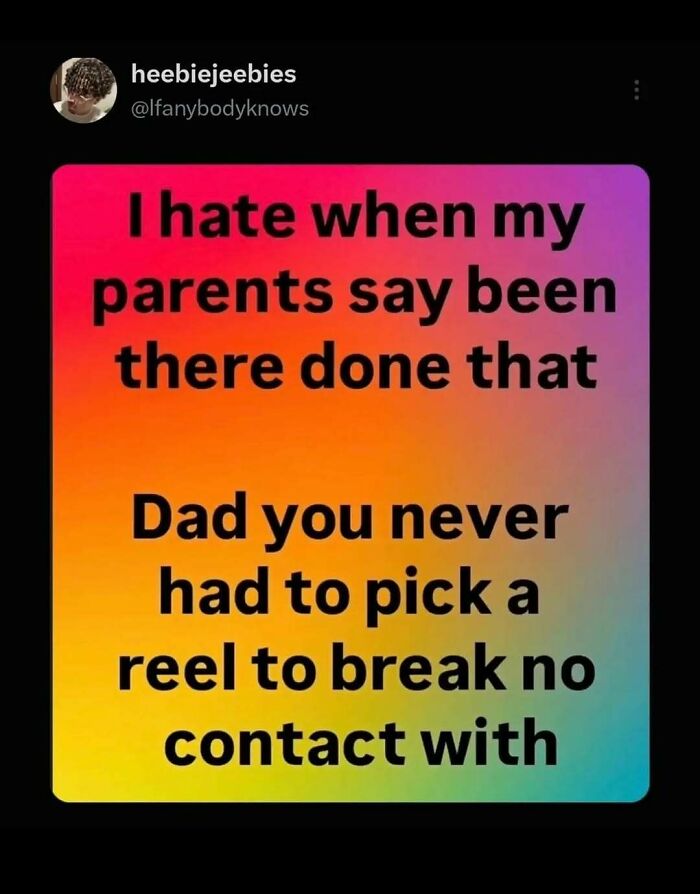
You young whippersnapper. You break no-contact using a phone call and saying "I am trying to reach you about your car's extended warranty".
Did an alien or immortal/long-lived being write this post?

I am making a real GOOD MONEY (300$ to 400$ / hr )online from my laptop. Last month I GOT check of nearly 18,000$, this online work is simple and straightforward, don’t have to go OFFICE, Its home online job. At that point this work opportunity is for you. if you interested. simply give it a shot on the accompanying site….Simply go to the BELOW SITE and start your work… 𝙋𝙖𝙮𝘼𝙩𝙃𝙤𝙢𝙚𝟭.𝗰𝗼𝗺
Load More Replies... I am making a real GOOD MONEY (300$ to 400$ / hr )online from my laptop. Last month I GOT check of nearly 18,000$, this online work is simple and straightforward, don’t have to go OFFICE, Its home online job. At that point this work opportunity is for you. if you interested. simply give it a shot on the accompanying site….Simply go to the BELOW SITE and start your work… 𝙋𝙖𝙮𝘼𝙩𝙃𝙤𝙢𝙚𝟭.𝗰𝗼𝗺
Load More Replies...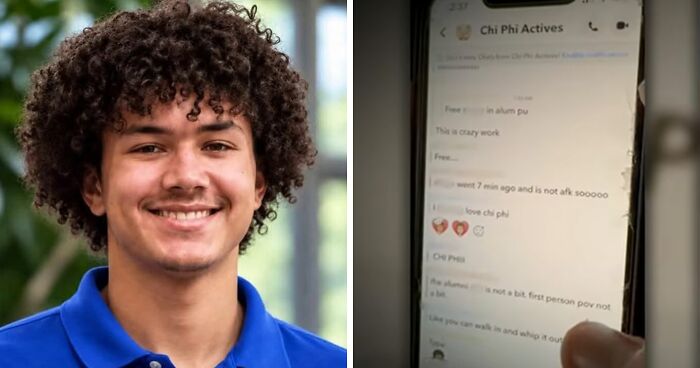
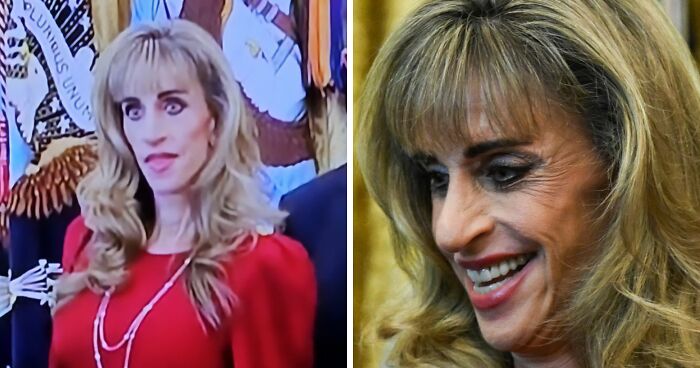

 No fees, cancel anytime