Get Premium
Dark mode theme is available exclusively for premium users. Learn more about the benefits of subscribing.
No fees, cancel anytime.

 Dark Mode Ad-Free Browsing Unlimited Content
 Ad-Free Browsing Unlimited Content Dark Mode
Join 1.2 million Panda readers who get the best art, memes, and fun stories every week!
People lived differently in the past: even life in the 1950s was wildly different from how we live today in 2026. But what if we travel even further back? How do we know what people's lives were like thousands of years ago? What did they eat, what did they drink, what Gods did they pray to, and what did they do in their free time?
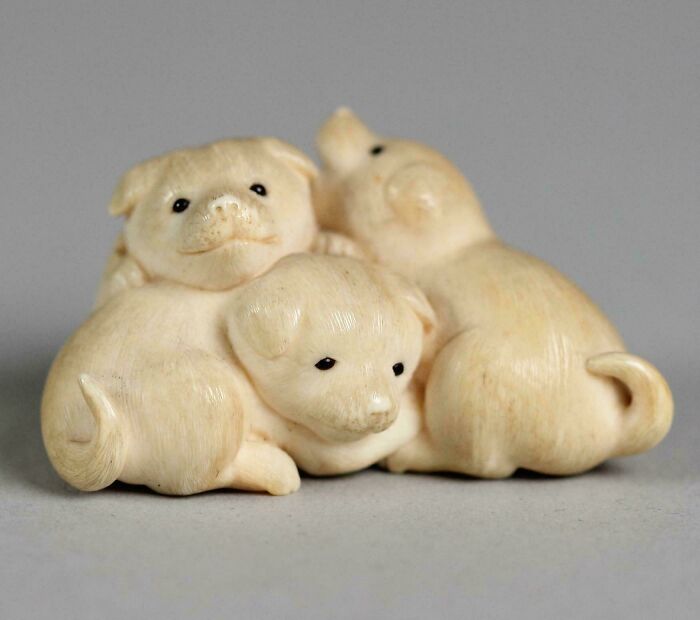
Archaeology can help us with that a great deal. The antiques and other fascinating finds they discover give us a glimpse into what life was like back then. They can tell us that ancient Roman women wore wigs made from hair moss, show us what 3,000-year-old cheese looks like, or just let us admire the craftsmanship of an ivory carving of three puppies from 18th-century Japan.
This post may include affiliate links.
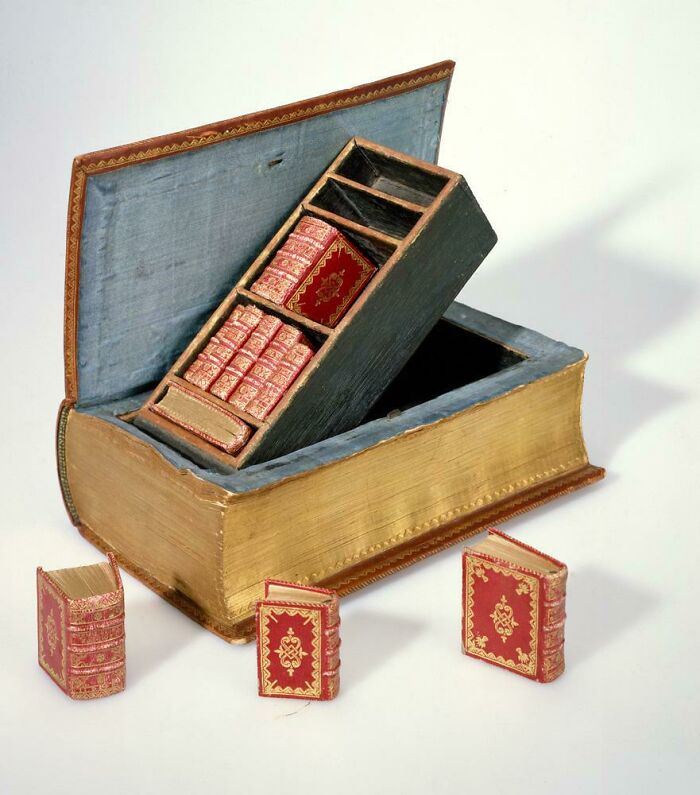
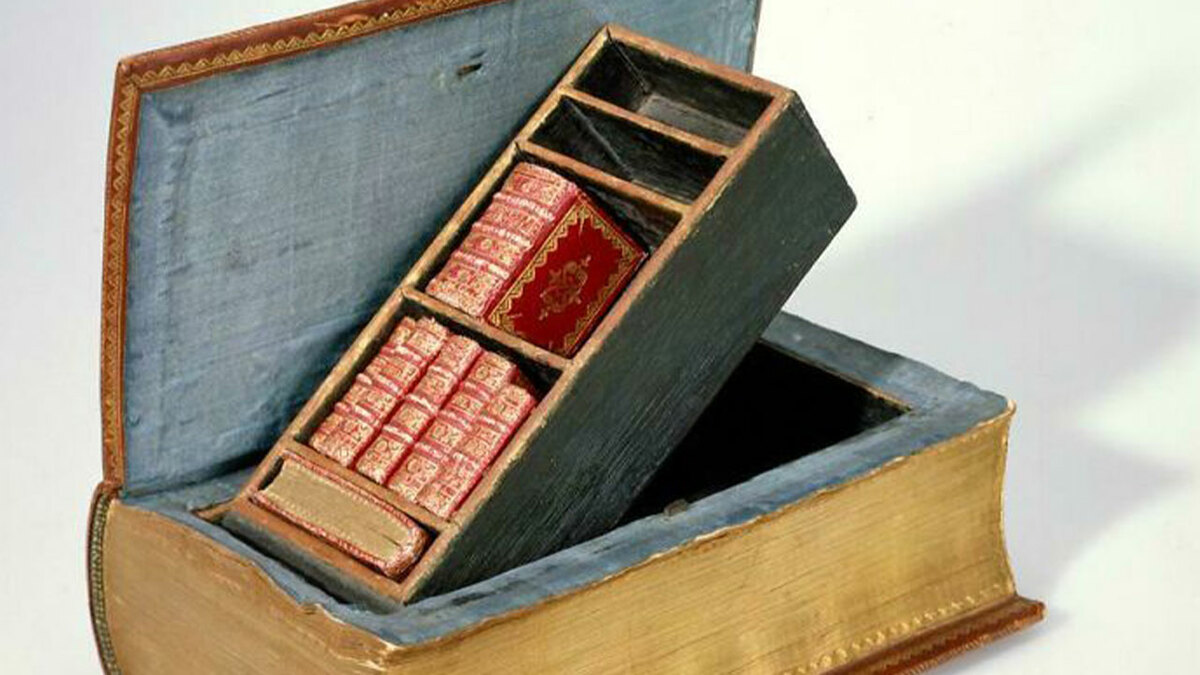
This Perfect Example Of Bookbinding Was Made By Suenonius Mandelgreen In 1736 To Be Given As A Present On The Occasion Of The Birth Of Willem Van Borssele. Now It's Stored In The National Library Of The Netherlands.
Back in the day, people were pretty obsessed with miniature books. Nowadays, they’re revered as works of art and craftsmanship and are housed and preserved in museums, libraries, and collectors’ homes. One example of such miniature artifacts is an 1878 edition of Dante’s Divine Comedy. It took 11 years to print and measures 1 and 1/4 by 1 and 3/4 inches.
Currently, it’s in the London Library, where 350 other "small books” reside. However, out of these, there are only 47 "true"miniatures. What makes a true miniature? According to the U.S. Miniature Book Society, it has to be three inches high, wide, and thick. And, naturally, not many small books qualify.
Back in the old days, books were generally printed smaller because people wanted to be able to put them in their pocket and carry them everywhere. Most books printed at that time were religious texts, so many people wished to have them next to their bodies for symbolic reasons as well.
A Scottish publishing house, David Bryce & Son, published the earliest and smallest versions of the Bible in 1896. Nowadays, you can buy it for a little over $1,000. This and other miniature books were as accurate as their "normal-sized" counterparts, but were still more a novelty than a serious way to read books. Even if people's vision wasn't ruined by staring at screens all day, who would choose to struggle with the tiny print for every book they read?
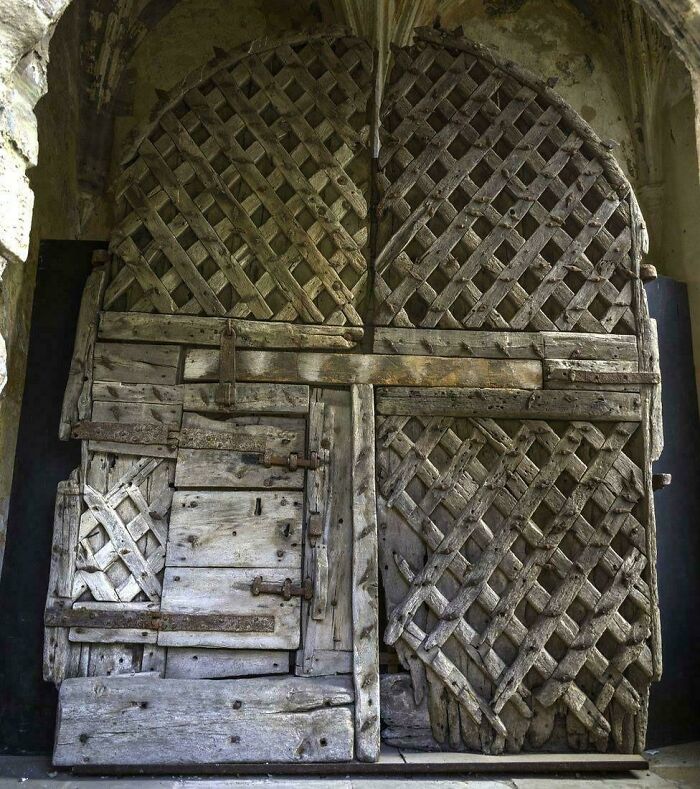
Thought To Be The Oldest Surviving Castle Doors In All Of Europe, They Were Comissioned In 1190 By The Legendary Knight William Marshal After Chepstow Came Into His Posession As Lord Of Striguil
Dunia Garcia-Ontiveros, the supervisor of the London Library's miniature collection, told The Guardian that miniature books were also sought-after because they had short lifespans. "Miniature books were never seen as serious books, they were curiosities, seen as fun objects, not the kind of books that would make it into libraries."
"They were the books people would have at home, and because they are tiny and often printed on cheap paper they don’t tend to survive, so in any age miniature books are very rare. And they get lost! We ourselves had one fall behind a cabinet and it wasn’t until we had some building work done that one of the builders saw it behind a cabinet. We’d been looking for it for years," Ontiveros told The Guardian.
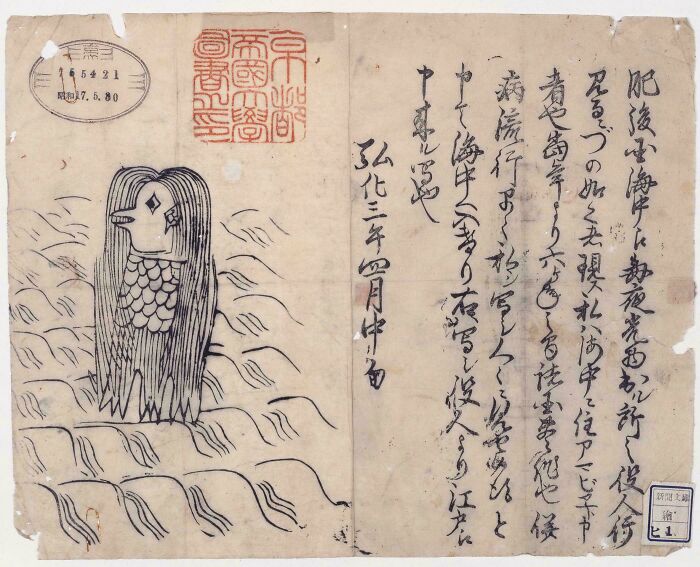
But miniature books aren't that scary, are they? A fish-like monster that comes out of the sea can definitely seem more terrifying. The Japanese have a name for that — the Amabie. It's a creature in Japanese folklore that warns people about upcoming disasters and hardships.
The legend goes that the first Amabie appeared to a government official in the form of a glowing-green creature with scales, long hair, three-fin legs, and a beak. He told the man that the harvest would be good for six years, but a pandemic would ravage Japan afterward. If they want to ward off the disease, people have to draw the Amabie and share the drawing with as many people as possible (a little The Ring vibes, huh?)

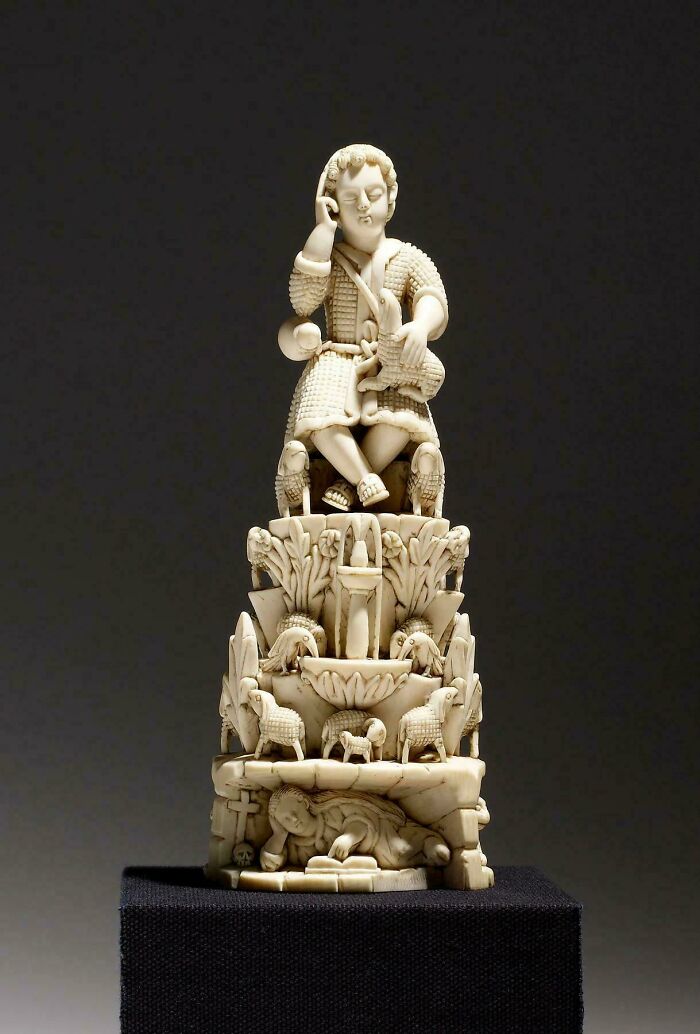
I'm not religious at all but this is beautiful, I love the details, and the tiny sheep!
The Amabie went viral again during the 2020 pandemic, as many believed that it must've appeared to some person again. People thought that sharing its image on social media would help the COVID-19 pandemic end sooner. In Japan, retailers even began selling masks and hand sanitizer with Amabie's likeness.
Amabie is a yokai, one type of monster and demon in Japanese folklore. An Amabie is a benevolent creature, but there are more nefarious ones, too. The karakasa kozo, for example, is a one-eyed umbrella that sneaks up on people and licks them. The tofu kozo follows people to their homes and offers them tofu, and appears in the form of a man-child dressed in a kimono.
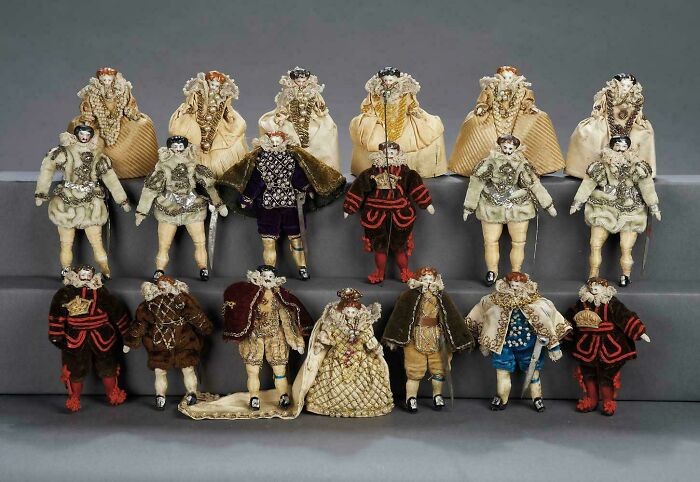
The Group Includes The Queen In The Most Elaborate Costume, Along With Six Ladies-In-Waiting, And Three Guardsmen In Brown Velvet Costumes With Red Trim, 1858
Nowadays, people consider yokai to be friendly. "Yokai often play the role of helping people process unpleasant feelings or situations," Hiroko Yoda, co-author of the book Yōkai Attack! The Japanese Monster Survival Guide, explained to The Guardian. "They can sometimes be a kind of pressure valve for when things get tense."
“What gives them weight is their long history. Yokai, in various forms and names, have been part of Japanese culture for centuries. Today, yokai are mainly a form of entertainment. They are commonly used as characters in video games, anime and comic books."
Which of these artifacts left the biggest impression on you, Pandas? Let us know your favorites in the comments! And if you want to see some more treasures of history, check out our previous publications about incredible historical finds and these puzzling artifacts from civilizations far cleverer than we thought!
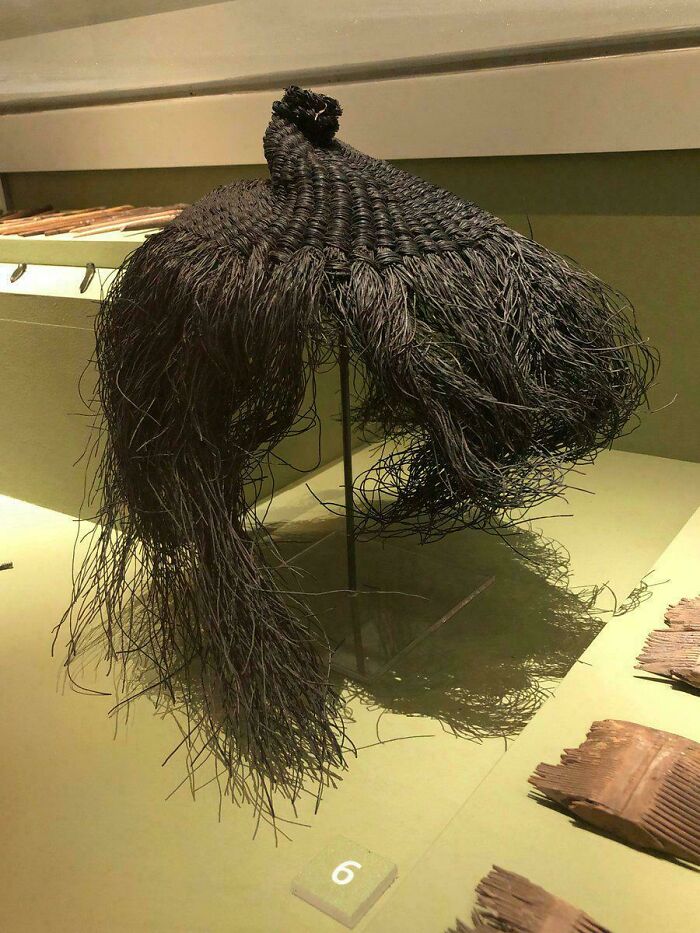
The Lady's Wig, Which Survived In The Anaerobic Soil Of The Site, Is Made From Hair Moss. Now Housed At The Chesterholm Museum In England.
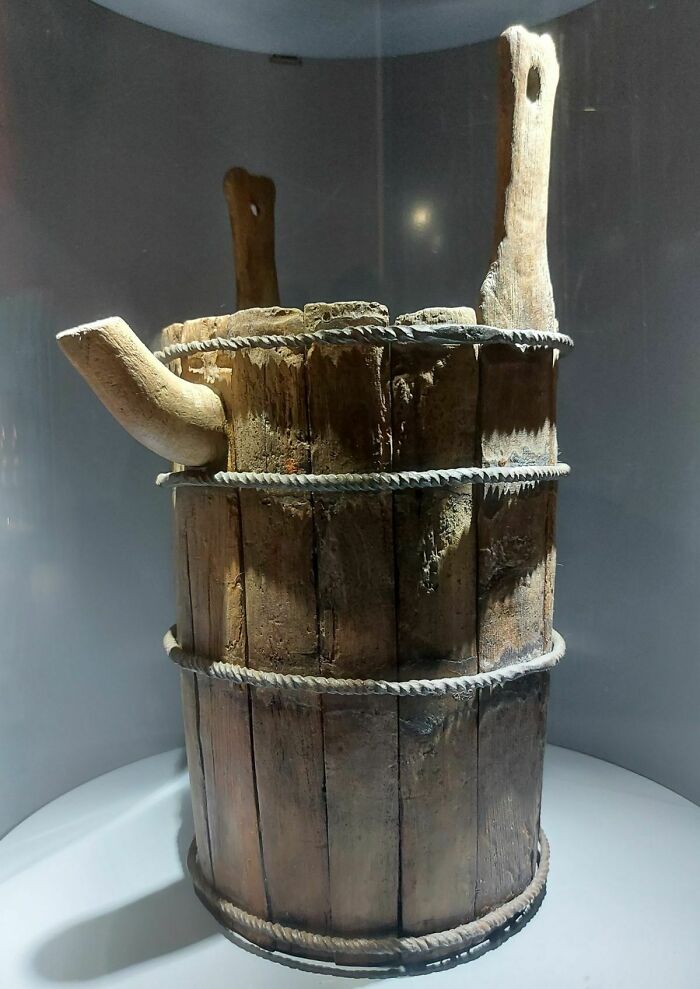
The Characteristic Spout Allowed The Liquid To Be Poured Out Easily. The Object Was Aboard A River Ship Sunk 1,800 Years Ago On The Rhine.








































 No fees, cancel anytime