Get Premium
Dark mode theme is available exclusively for premium users. Learn more about the benefits of subscribing.
No fees, cancel anytime.

 Dark Mode Ad-Free Browsing Unlimited Content
 Ad-Free Browsing Unlimited Content Dark Mode
Join 1.2 million Panda readers who get the best art, memes, and fun stories every week!

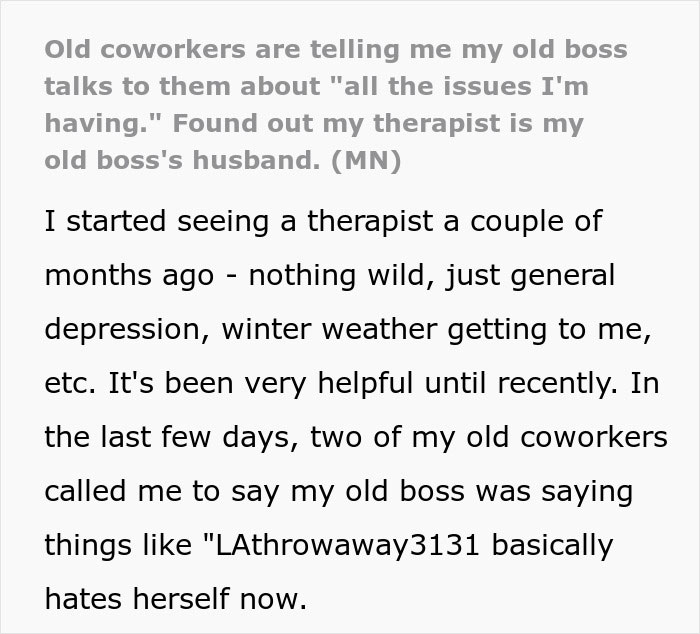
When you’re going through tough times, opening up to someone can feel overwhelming. That’s where therapists and counselors step in—they’re there to listen, guide, and help you process emotions without judgment. Most of the time, therapy is a safe space, but in rare instances, that trust can be broken.
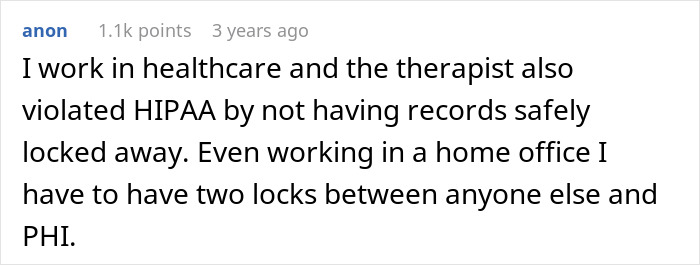
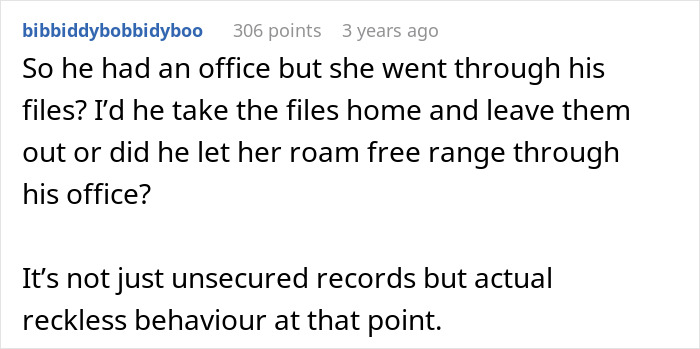
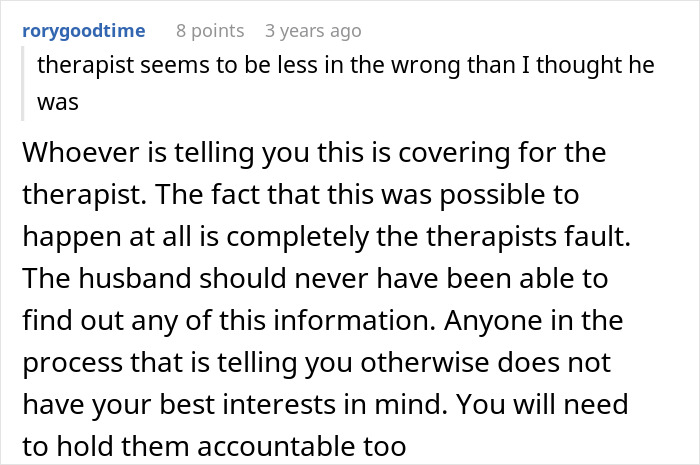
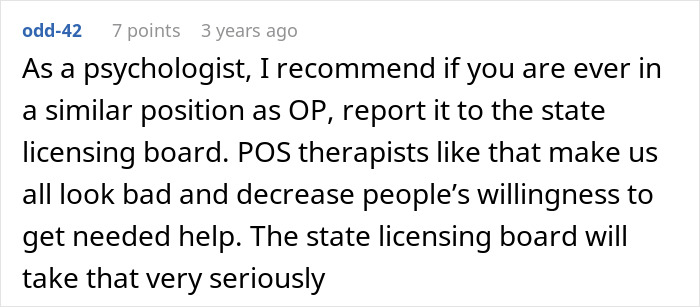
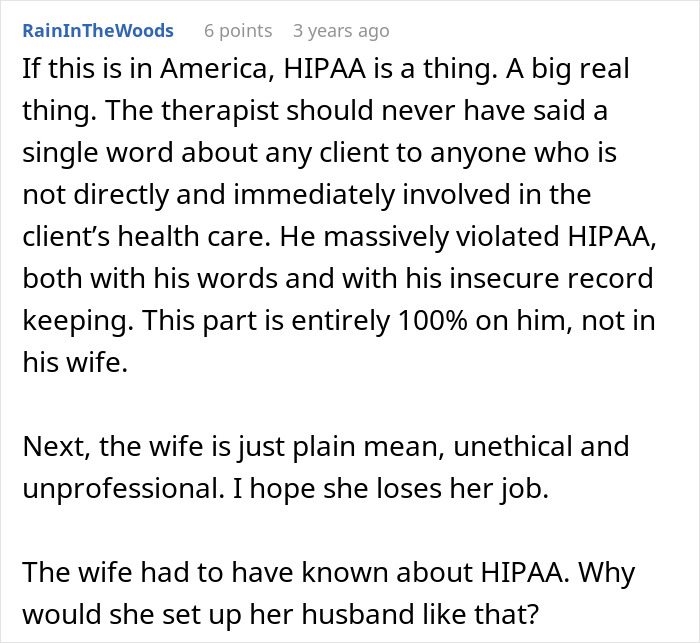
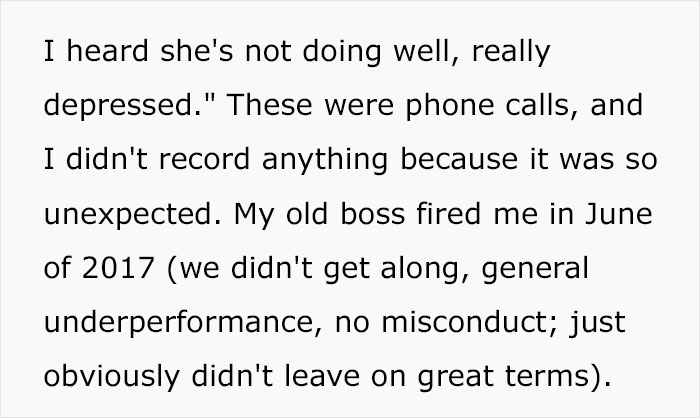
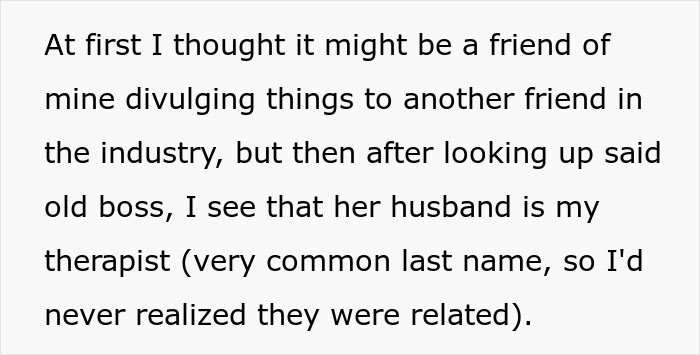
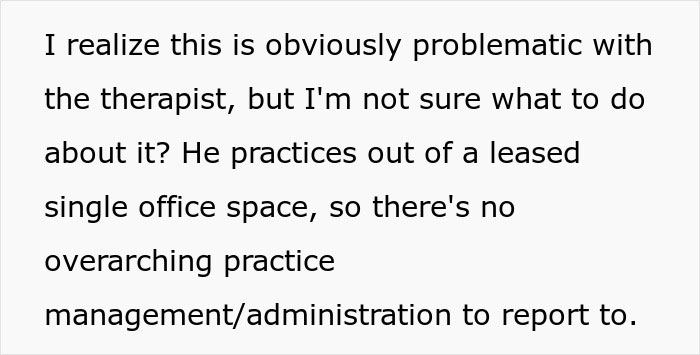
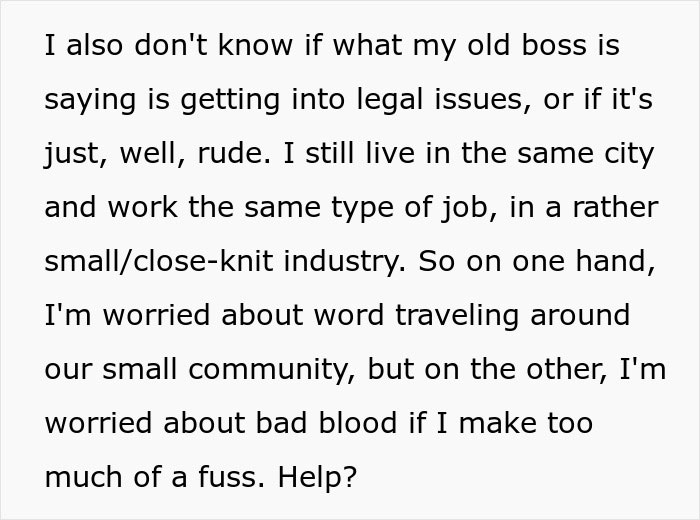
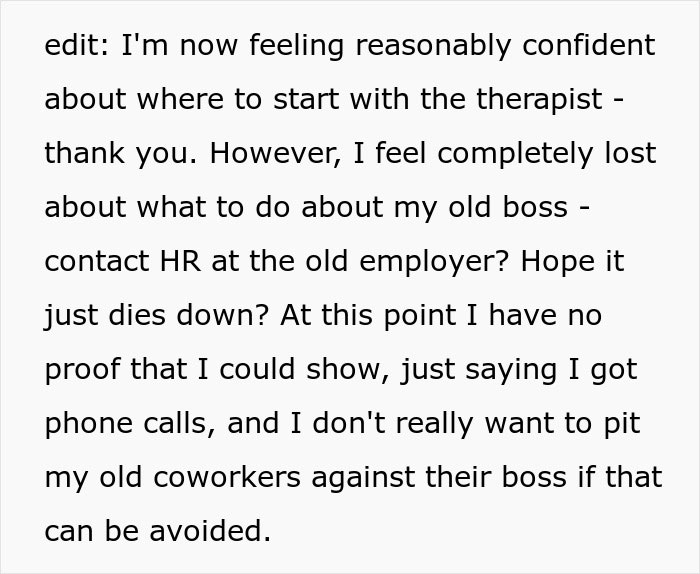
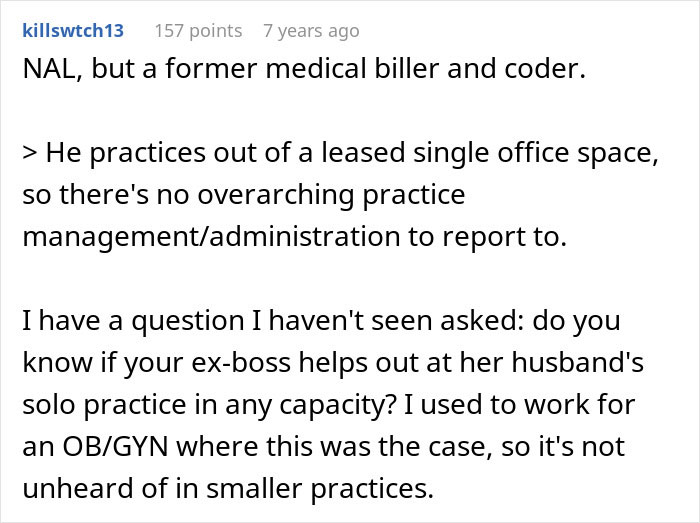
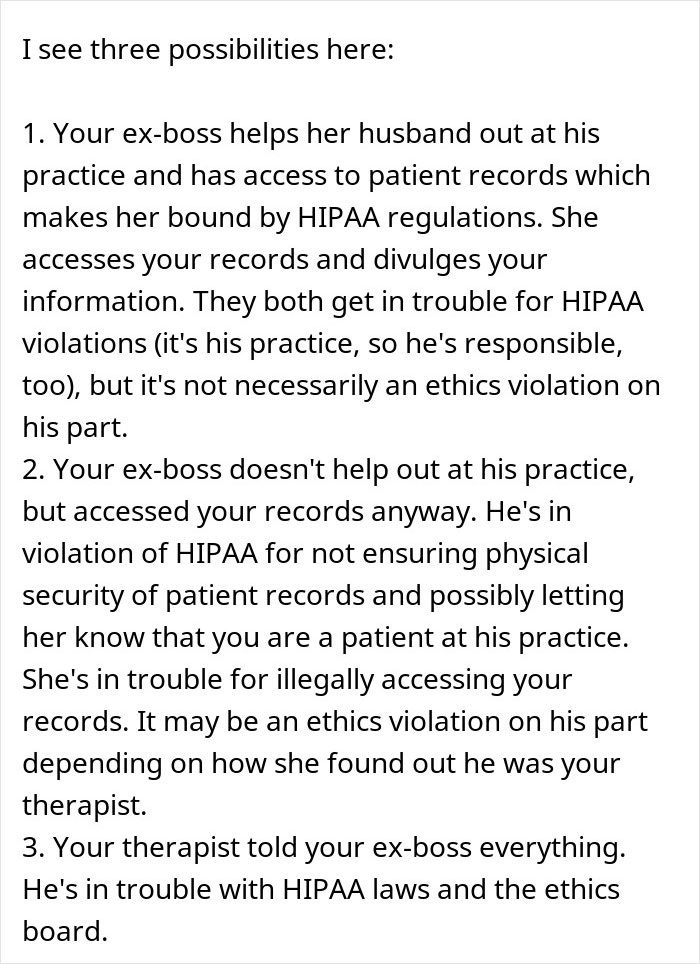
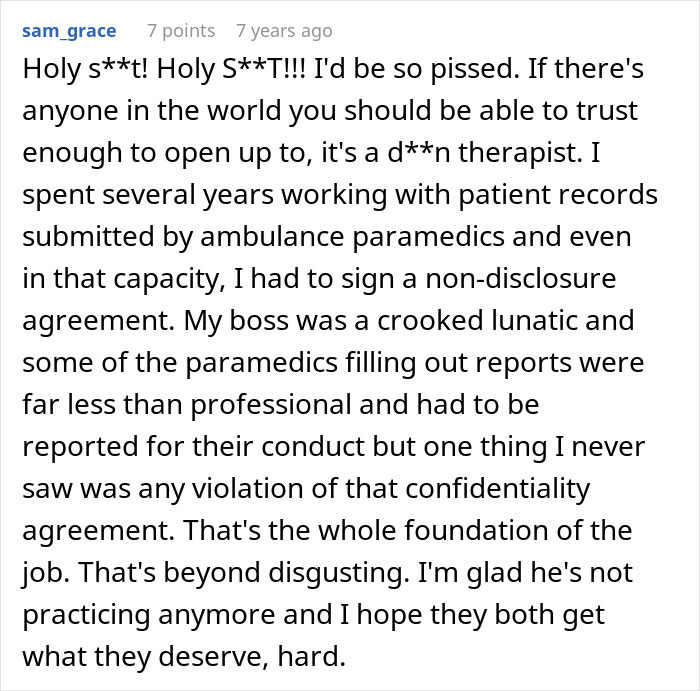
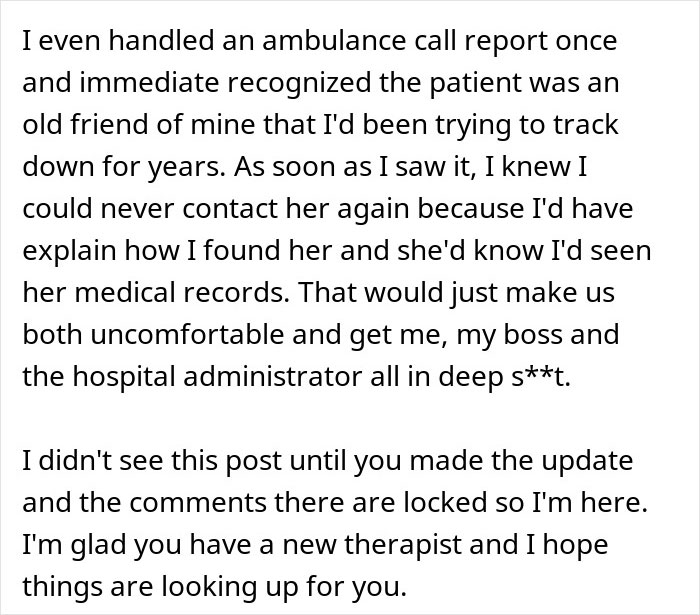
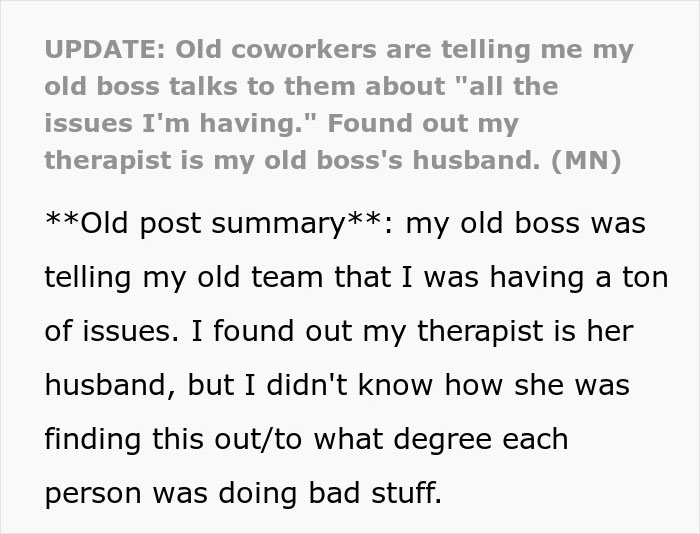
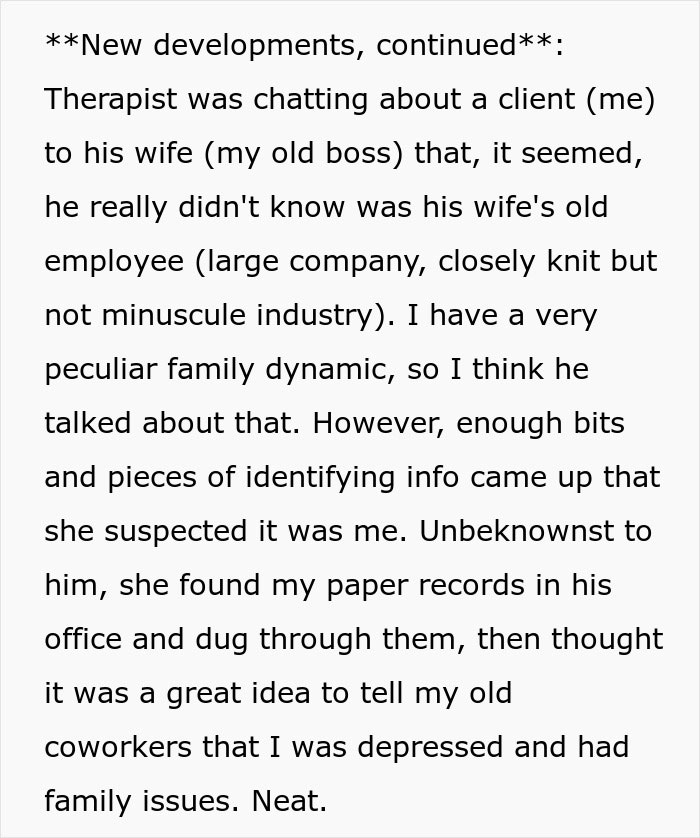
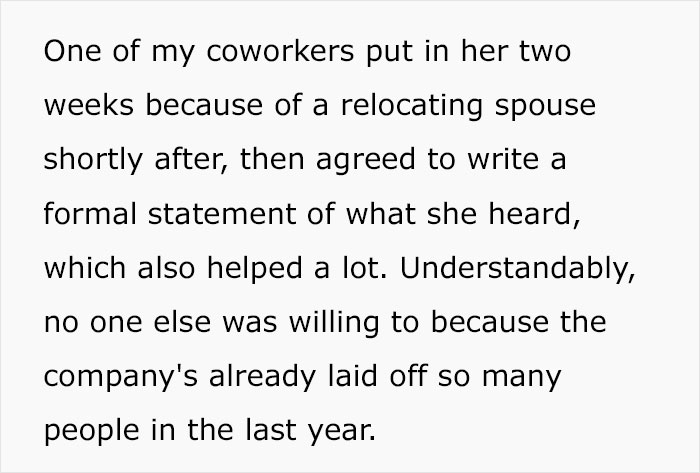
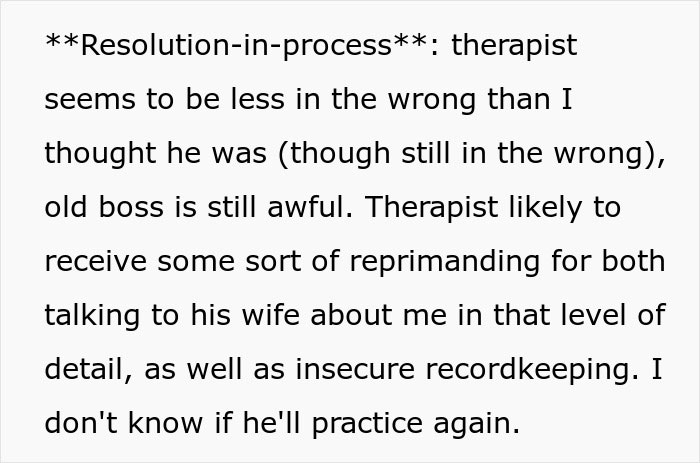
For example, one woman shared how her therapist completely broke her trust. It all started when her former colleagues began bringing up personal details she never expected anyone to know. As she looked into it, she discovered a shocking connection—her ex-boss was married to her therapist. Apparently, the therapist had shared private conversations with his wife, setting off a chain of gossip she never saw coming. Keep reading to see how the situation unfolded and what happened next.
Image credits: freepik (not the actual photo)
Image credits: jet-po / freepik (not the actual photo)
Image credits: LAthrowaway3131
Image credits: katemangostar / freepik (not the actual photo)
Secret affairs, office rivalries, quiet grudges… it sounds like the plot of a dramatic TV show. But for many people, this is just another day at work. Gossip has a way of slipping into everyday conversations, often without anyone even noticing. In fact, research suggests that people spend around 52 minutes a day talking about others. That’s nearly an hour of conversations that may or may not have anything to do with work itself. And it’s not just a small group—studies show that over 90% of employees admit they engage in gossip at some point. Whether it’s light chatter or something more serious, it’s clearly a big part of workplace culture.
If you think gossip only happens occasionally, think again. Surveys show that it’s a regular part of the workweek for most people. Around 31% of employees say they hear gossip every single day, while another 27% come across it at least once a week. That means more than half of the workforce is exposed to it frequently. It might show up during lunch breaks, quick chats by the coffee machine, or even in casual team conversations. Over time, it becomes so common that people stop noticing how often it happens. It’s just “part of the environment,” even if not everyone is comfortable with it.
So what exactly are people gossiping about? More often than not, it’s work-related. A survey by LiveCareer found that around 55% of workplace gossip revolves around professional performance—things like how someone is doing their job, whether they deserve a promotion, or how they handled a task. It often starts off as simple curiosity, but can quickly turn into judgment or comparison. In a competitive work environment, it’s only natural for people to notice what others are doing. But when these conversations happen too often, they can begin to shape opinions in ways that aren’t always fair or even accurate.
Over time, all this chatter can start to build up in subtle ways. Hearing constant discussions about others (who’s doing better, who’s falling behind) can create an undercurrent of comparison. This often leads to feelings of jealousy or insecurity, even among people who usually get along well. It’s not always obvious in the moment, but the impact can grow quietly. What starts as a quick comment can slowly influence how coworkers see each other. And once those perceptions form, they can be hard to shake off.
Right behind work performance, personal lives are another major topic of conversation. People often find themselves discussing coworkers’ relationships, family situations, or lifestyle choices. It’s the kind of gossip that grabs attention quickly because it feels more personal and relatable. But it can also cross boundaries just as quickly. What might seem like casual curiosity can turn into sharing details that were never meant to be public. And unlike work-related talk, this kind of gossip can feel much more invasive to the person being discussed.
The effects of negative gossip can be bigger than people realize. Studies show that around 47% of employees feel gossip lowers workplace morale, creating tension and making the environment less comfortable. On top of that, 39% believe it can negatively impact career growth, especially when rumors or opinions start influencing decisions. When trust begins to break down, it affects how people collaborate and communicate. Even those who aren’t directly involved can feel the shift in atmosphere, making the workplace feel less supportive overall.
It’s not just about feelings—it can also affect how people perform at work. In roles that require focus, energy, and constant interaction, negativity can be draining. Instead of putting their full attention into their tasks, employees may find themselves distracted by conversations or worried about what’s being said. This added stress can lead to anxiety and reduced productivity. People end up spending more energy managing emotions and avoiding situations rather than doing their best work. Over time, that mental load can really take a toll.
But interestingly, gossip isn’t always seen as entirely negative. In some cases, it can actually bring people together. Sharing thoughts about a boss or a workplace situation can create a sense of connection among coworkers. It becomes a way to bond over shared experiences, especially when people feel they’re on the same page. In those moments, gossip feels less like negativity and more like a form of social glue. It can help people feel understood and less alone in their workplace challenges.
Research even suggests that after these conversations, people often feel a stronger sense of belonging with their peers. While they might distance themselves slightly from the person they were talking about, they tend to feel closer to their colleagues. This shared understanding can lead to better teamwork, at least in the short term. It’s a bit of a paradox—gossip can both harm and strengthen relationships at the same time. In the end, it all comes down to how it’s used and where the line is drawn.
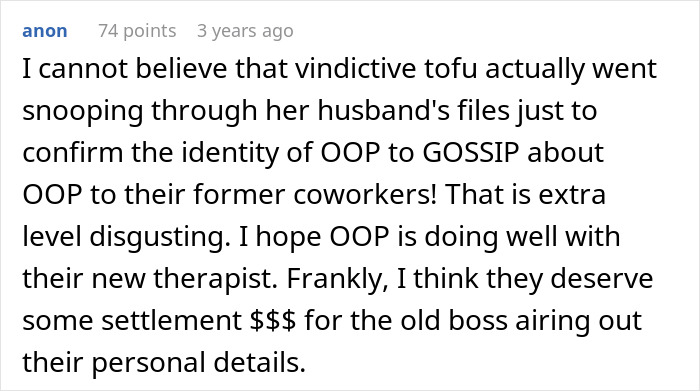
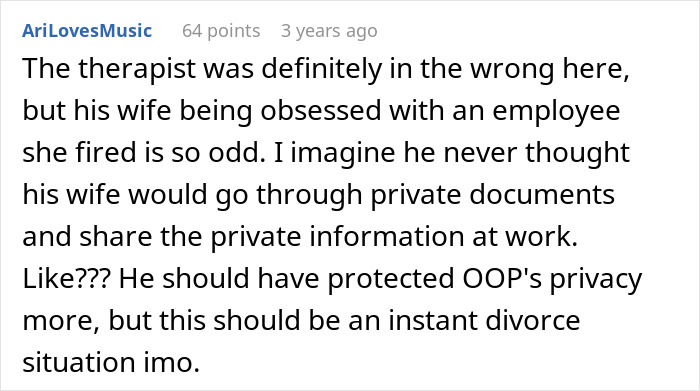
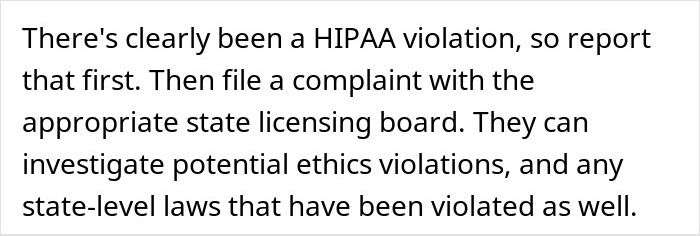
In this particular case, the author’s ex-boss clearly crossed a line. What started as gossip turned into something far more serious when she began sharing deeply personal details—things that were meant to stay private between the author and their therapist. It wasn’t just inappropriate, it was a complete breach of trust. Situations like this make you pause and think about boundaries, both personal and professional. What are your thoughts on this?

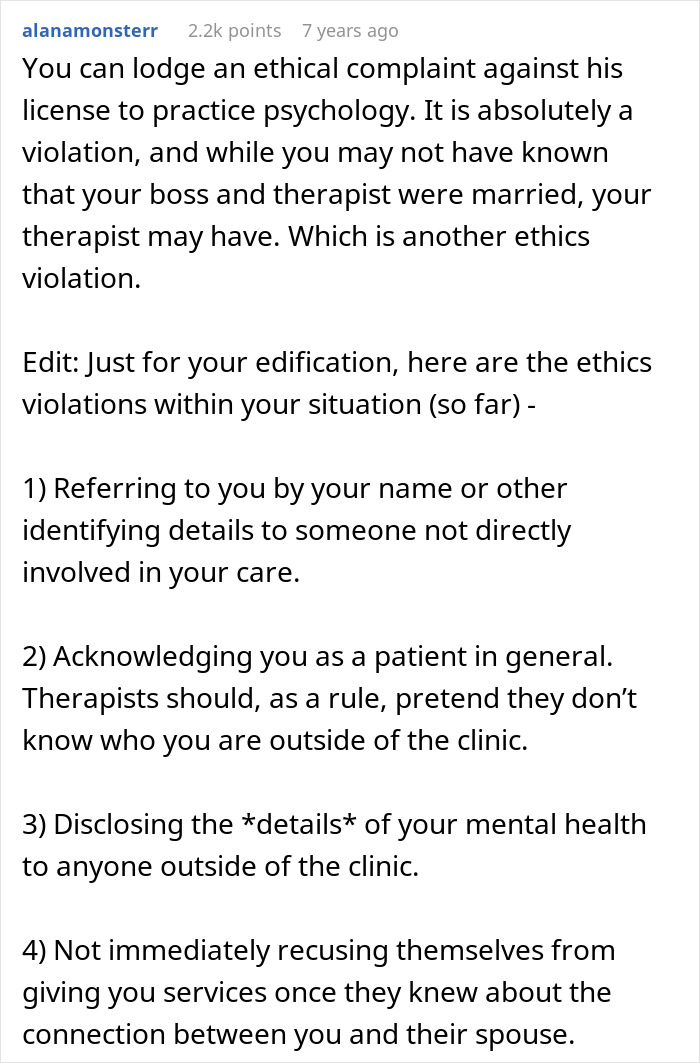
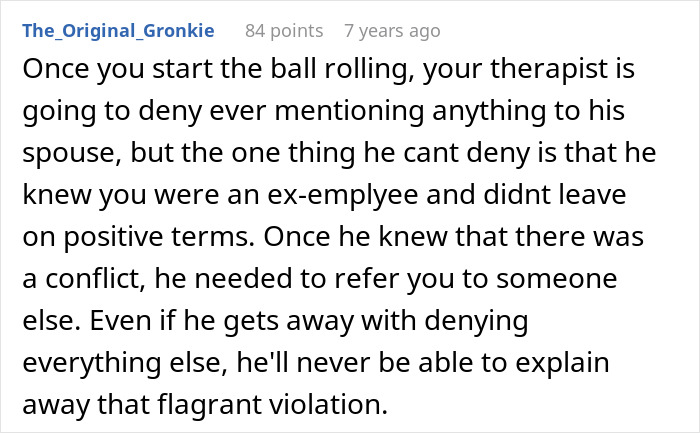
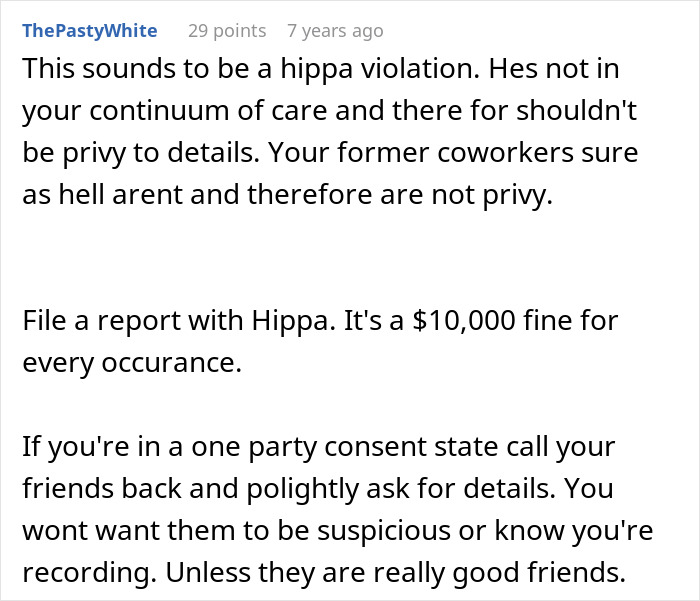
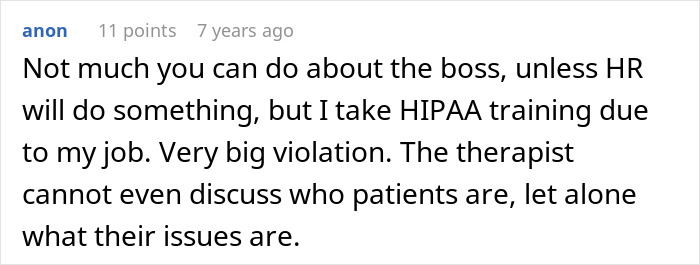

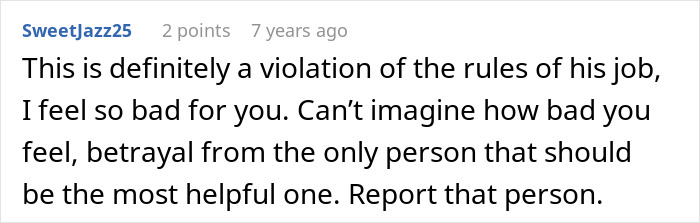

Image credits: andy_dean_photography / freepik (not the actual photo)
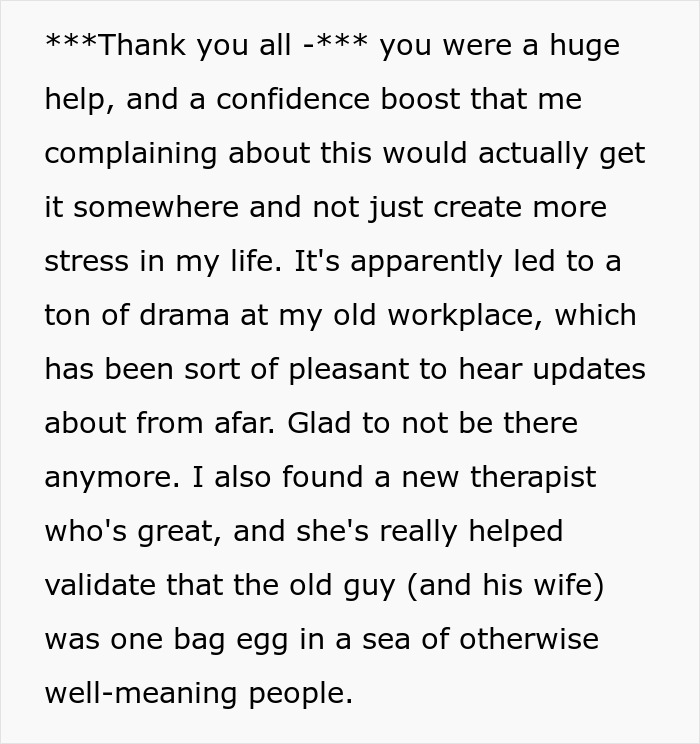
Image credits: LAthrowaway3131

















By entering your email and clicking Subscribe, you're agreeing to let us send you customized marketing messages about us and our advertising partners. You are also agreeing to our Privacy Policy.
Thank you! You've successfully subscribed to newsletters!




































 No fees, cancel anytime












27
1