Get Premium
Dark mode theme is available exclusively for premium users. Learn more about the benefits of subscribing.
No fees, cancel anytime.

 Dark Mode Ad-Free Browsing Unlimited Content
 Ad-Free Browsing Unlimited Content Dark Mode
Join 1.2 million Panda readers who get the best art, memes, and fun stories every week!
The chances of seeing an animal resembling the woolly mammoth one day are slim — but not entirely impossible.
This outlandish reality can only be made possible by Colossal Biosciences, a headline-grabbing company focused on bringing back the unique traits of past animals to “fix” the looming problem of extinction.
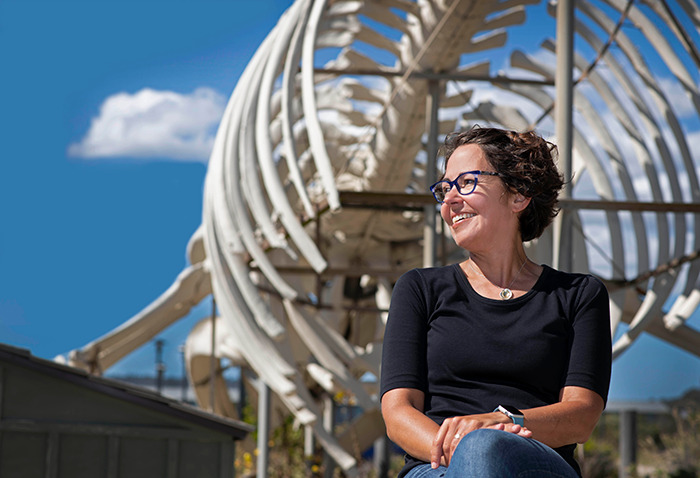
Chief Science Officer Beth Shapiro exclusively shared the organization’s mission of “de-extinction” with Bored Panda and how their knowledge could help species that are currently critically endangered.
Image credits: Colossal Biosciences
We are currently living in a “period of mass extinction.”
In broad terms, this means that species are vanishing at an exponential rate — far faster than they are replaced. Earth’s “normal” extinction rate usually hovers around 0.1 and 1 species per 10,000 species over 100 years, according to the World Wildlife Fund.
Now, that number is thousands of times higher.
Image credits: Colossal Biosciences
But the extensive research the company is doing may help lessen this devastating impact, and the first step towards making that happen is looking back at the past.
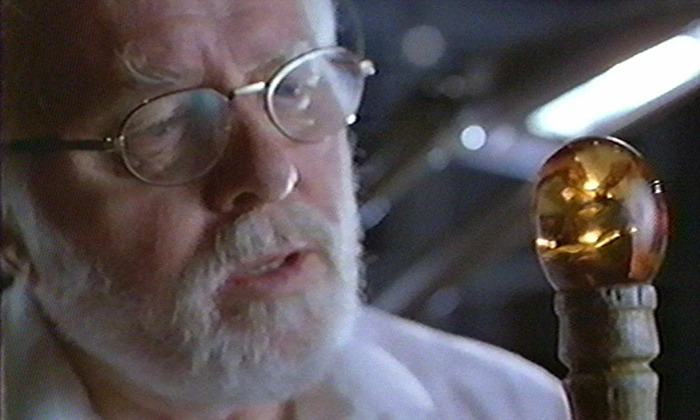
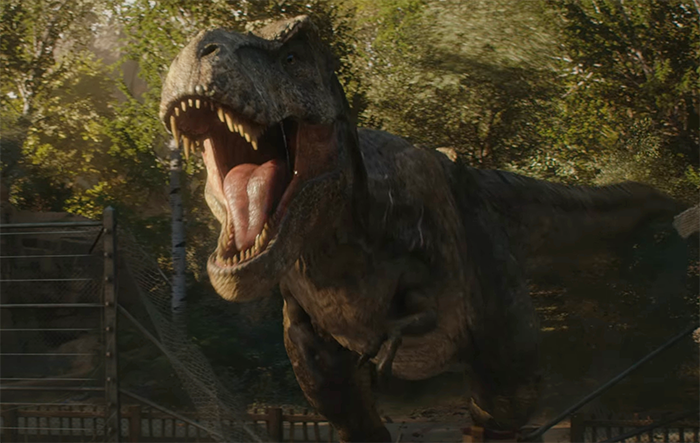
While most people may view “de-extinction” as something akin to what happens in Jurassic Park, Beth assured that this idea was purely fictional.
“We’re thinking about bringing back traits that are missing because species went extinct that are relevant to making ecosystems today more robust and resilient and changing, and making a really dynamic future,” she said.
Image credits: Australian Museum
It may never be possible to fully recreate something that is “100% identical in every way, genetically, behaviorally, physiologically, to a species that used to be alive,” at least not with the technology we own now.
Instead, Colossal aims to bring back the key traits that made those past animals so vital to their ecosystems by resurrecting important phenotypes.
There are three keystone species the company is aiming to focus on.
Image credits: Australian Museum
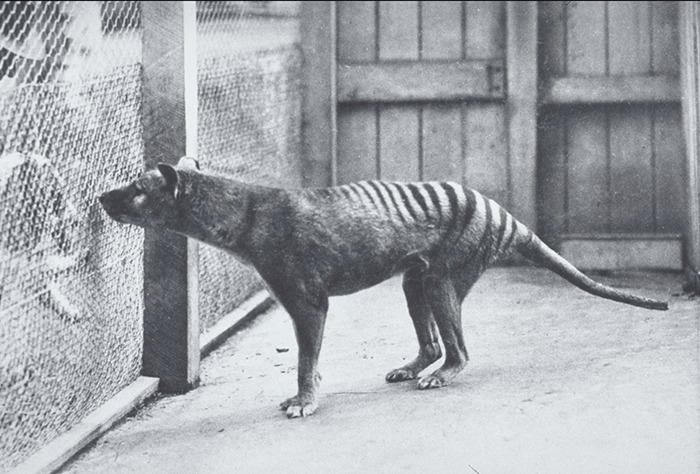
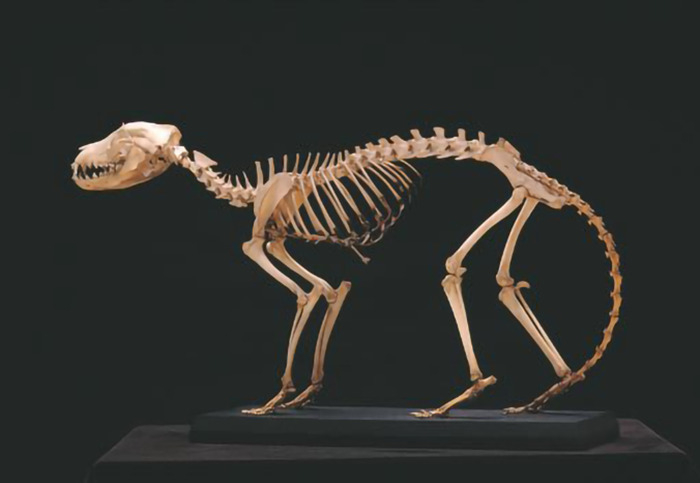
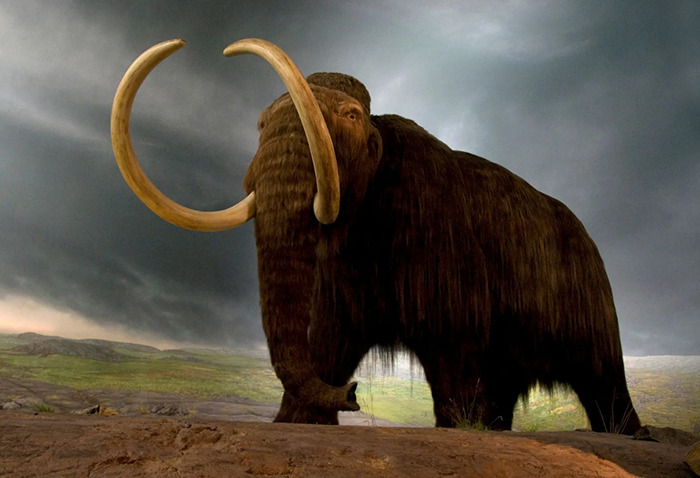
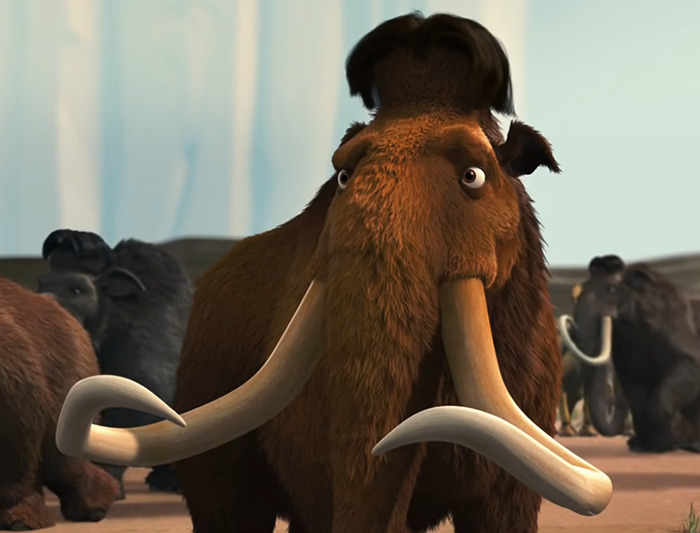
The key to making de-extinction a reality is to first look at the dodo bird, the thylacine (Tasmanian tiger), and the woolly mammoth.
Back when Colossal was first launched, their goal was to solely focus on the “iconic species” of the woolly mammoth.
But as their team grew, they began “branching out across the Tree of Life,” which was needed if they wanted to expand biological variability.
Image credits: Britannica
With the thylacine, woolly mammoth, and dodo bird, the company has successfully covered three broad and distinct groups of animals.
“So as we’re developing these technologies that we need to bring these species back to life, we’re developing new tools that have application to biodiversity connection for all of these different lineages,” Beth stated.
Image credits: JoBlo Animated Videos
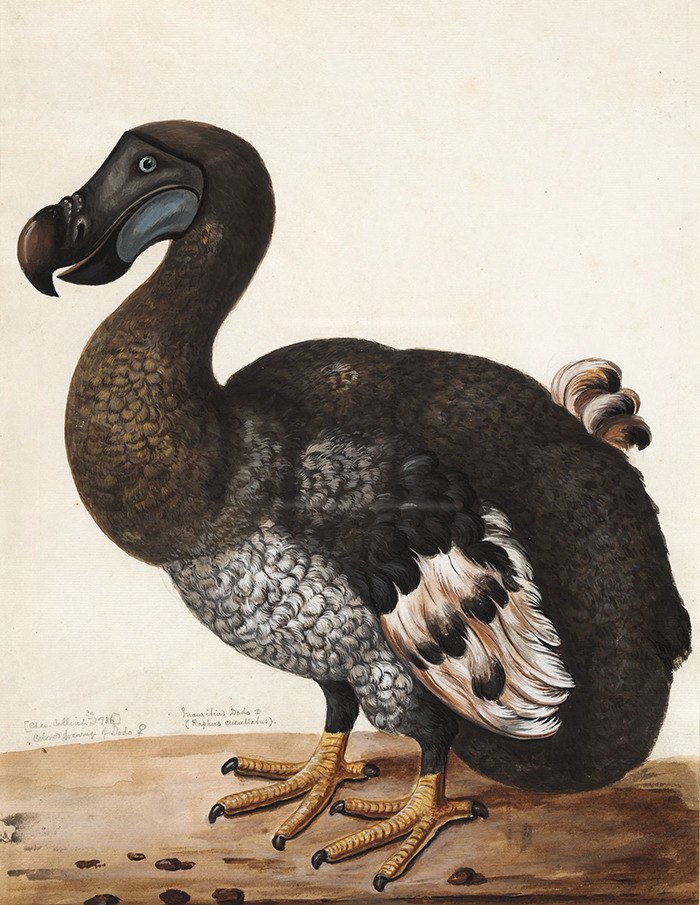
For example, with the extinction of the dodo around 1690, their native home of Mauritius lacked that particular niche.
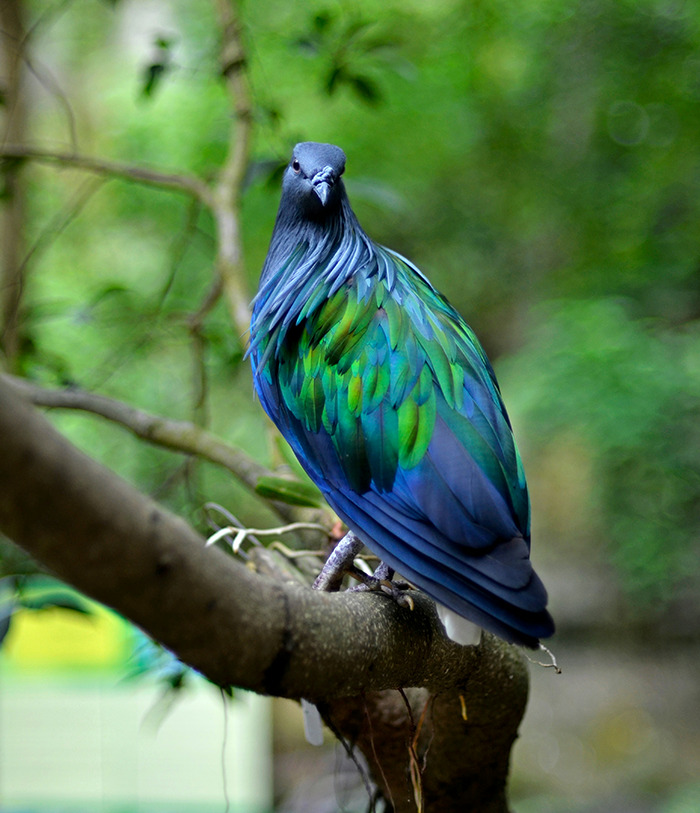
To emulate this loss, Beth and her team are trying to bring back a large, flightless bird that has a very big beak and is able to eat fruits — all significant features of the original extinct species.
“We will start with the closest living relative of that species, which is a Nicobar pigeon, and we will edit the DNA sequence of that Nicobar pigeon in order to resurrect those key traits,” she said.
Image credits: Yukon Beringia Interpretive Centre
After this “new Dodo, the de-extinct Dodo is able to replace the Dodo in the ecosystem where it lived, and perform all of the ecosystem services that the Dodo used to perform.”
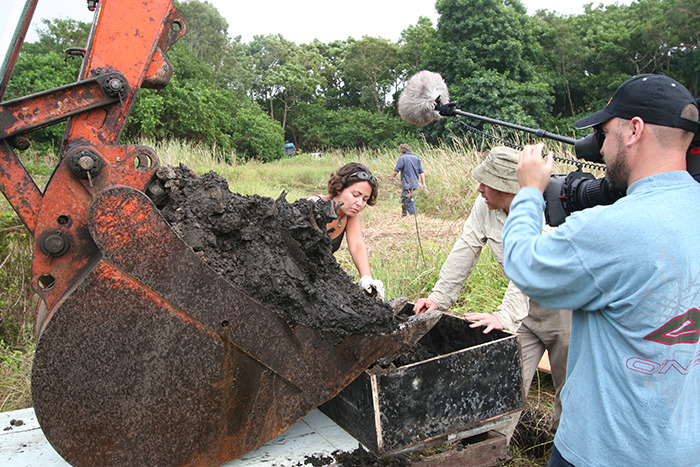
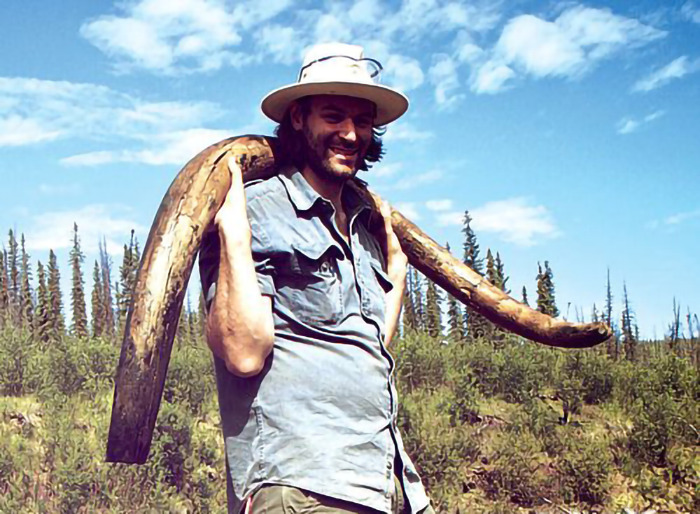
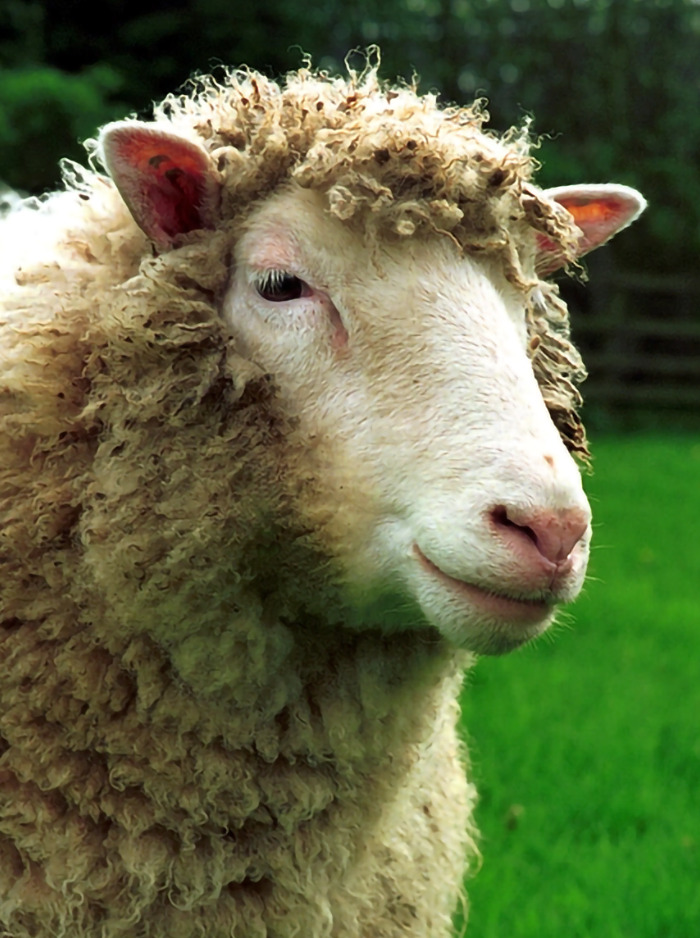
In the case of mammals such as the woolly mammoth, scientists are able to edit their cells in a lab and clone them using somatic cell nuclear transfer — the same technology that made Dolly the sheep.
Image credits: McGill Library/Unsplash (Not the actual photo)
While it would be fascinating to live in a world where scientists are able to essentially bring back prehistoric species, they are focusing on those critically endangered right now.
The technology is currently lacking, but Colossal is developing tools that can edit DNA so that certain animals — especially those that are on the brink of extinction — are less susceptible to threats and have a greater chance of survival.
Image credits: Colossal Biosciences
“Birds are among the most endangered species on the planet, especially birds that live on islands and where there are a lot of introduced predators and diseases that are making it difficult for birds to survive,” Beth said.
Image credits: Pavel Danilyuk/Pexels (Not the actual photo)
According to experts, primordial germ cells — cells that give rise to reproductivity in vertebrates — “will eventually become sperm or eggs, depending on the biological sex of the animal.”
“But those will be edited and we’ll put them into the gonads of a surrogate host and they will be fertilized with another edited sperm,” Beth said.
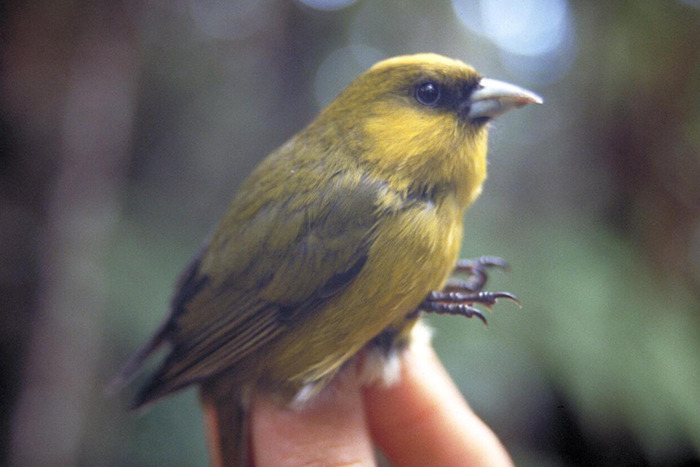
Image credits: Styx78
After this task is complete, the next generation will bear those edits, setting the path for biodiversity conservation to continue to grow.
For example, Hawaiian honeycreepers are in danger of becoming extinct due to the introduction of avian malaria. But if scientists had the technology to edit their DNA, “we could make them resistant” to this parasitic disease and “give those birds a chance to survive in the changed habitat of the future.”
Image credits: Jurassic World
Humans are in the midst of a current mass extinction, known as the Holocene extinction period, as it continues to the 21st century. And as it turns out — we are the culprits, as well.
According to the National History Museum, these drastic changes have been in effect since the 18th century. Deforestation, pollution, and biodiversity loss are only among a few causes.
“Since the Industrial Revolution, we have been putting pressure on nature by using its resources without supporting recovery,” reads its website.
Image credits: Tatiana Tochilova/Unsplash (Not the actual photo)
And while there have been efforts made to try to combat this, the scale of the problem is simply too overwhelming.
“What happens is we see the scale of the problem, and everybody knows that we want to do something, but it’s really hard to know where to start — so much needs to be solved at the same time,” Beth said.
Image credits: National Museums Scotland
Image credits: USGS
With a “defined project” in mind such as bringing a mammoth back to life, Colossal is already one step ahead.
Beth said, “This gives us an actionable list and lets us get started, and we can actually start making progress, and as we do that, as we say, ‘Oh, we’ve solved that,’ then we can move that over into the realm of: How can we apply this to biodiversity conservation? How can we spread the word to organizations around the world?”
Once these steps are implemented, Beth has hope that it can save the species that are still alive today from disappearing — and potentially reverse this “extinction crisis” we’ve ultimately found ourselves in.

By entering your email and clicking Subscribe, you're agreeing to let us send you customized marketing messages about us and our advertising partners. You are also agreeing to our Privacy Policy.
Thank you! You've successfully subscribed to newsletters!


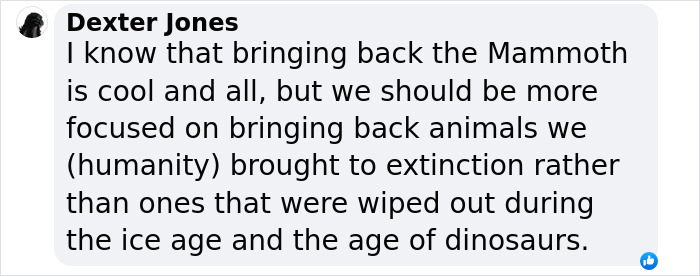
It would be great to bring back animals birds etc that are recently extinct mostly because of human activities ... But if they perished mostly because we destroyed their environment or the environment changed, then what's the point of bringing them back if we don't have a place to put them? We have more humans taking up more space than any other time in history. I don't think bringing mammoths back is a great idea in an ever-warming planet. Unless you're going to be keeping these newly revived animals in some sort of zoo or dedicated environment enclosure, there's no place for them to be.

Animals are going extinct because their habitats are endangered, and their habitats are endangered because humans have overpopulated.

It would be great to bring back animals birds etc that are recently extinct mostly because of human activities ... But if they perished mostly because we destroyed their environment or the environment changed, then what's the point of bringing them back if we don't have a place to put them? We have more humans taking up more space than any other time in history. I don't think bringing mammoths back is a great idea in an ever-warming planet. Unless you're going to be keeping these newly revived animals in some sort of zoo or dedicated environment enclosure, there's no place for them to be.
Animals are going extinct because their habitats are endangered, and their habitats are endangered because humans have overpopulated.




























 No fees, cancel anytime












43
15