Get Premium
Dark mode theme is available exclusively for premium users. Learn more about the benefits of subscribing.
No fees, cancel anytime.

 Dark Mode Ad-Free Browsing Unlimited Content
 Ad-Free Browsing Unlimited Content Dark Mode
Join 1.2 million Panda readers who get the best art, memes, and fun stories every week!
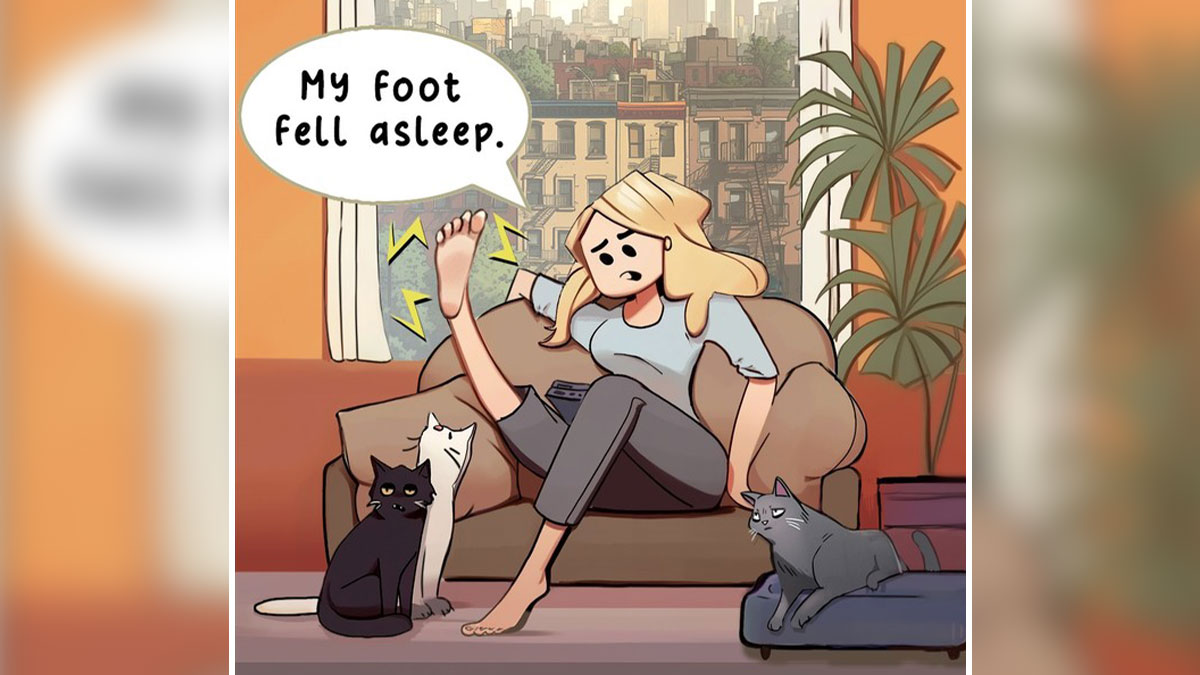

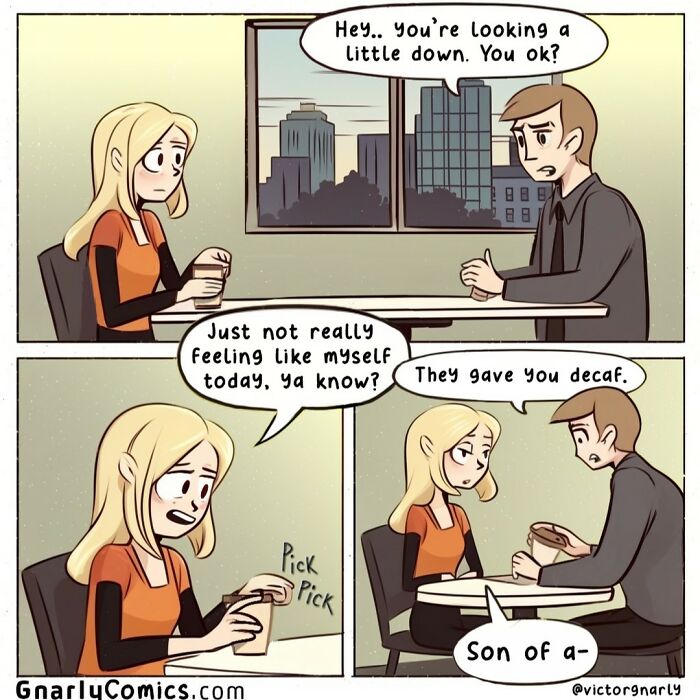
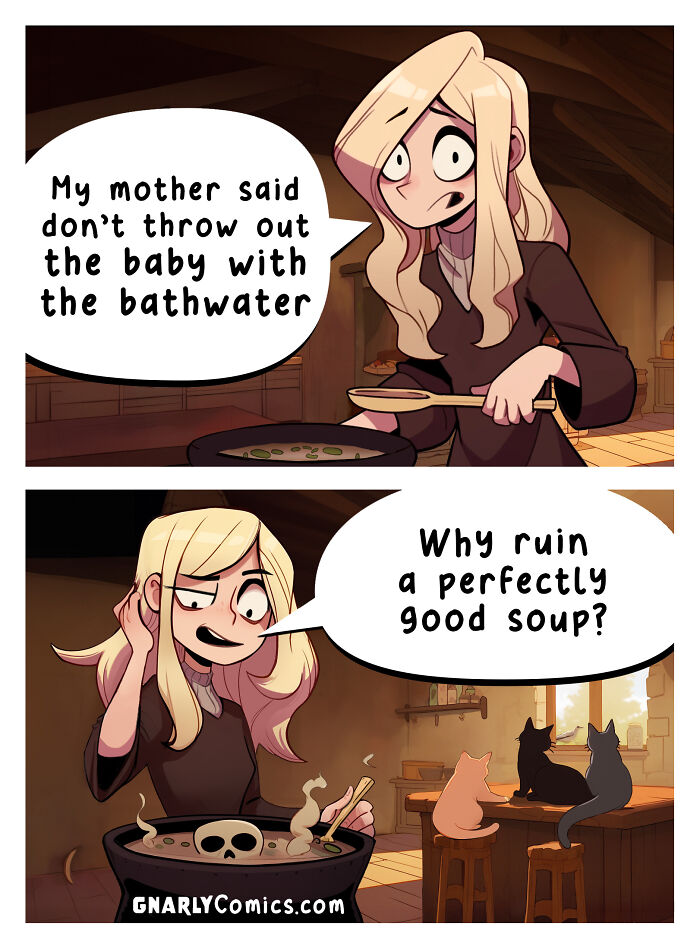
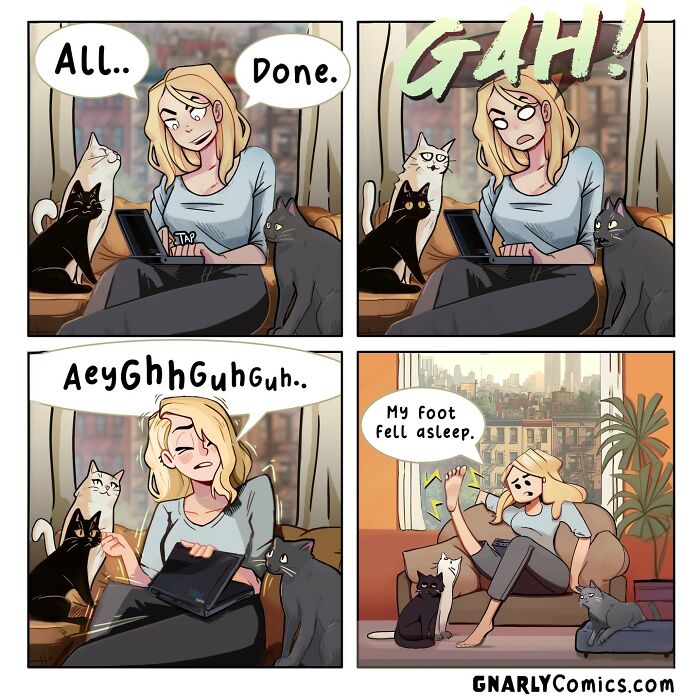
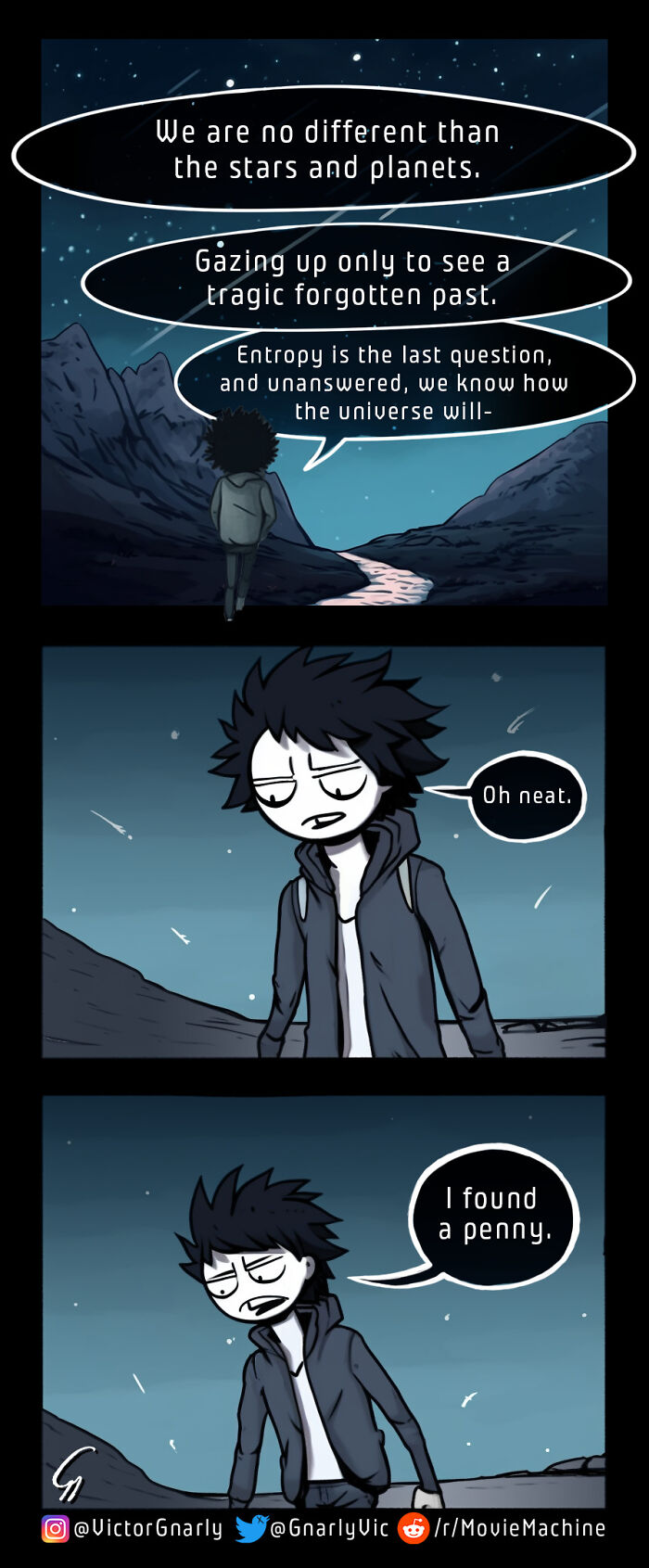
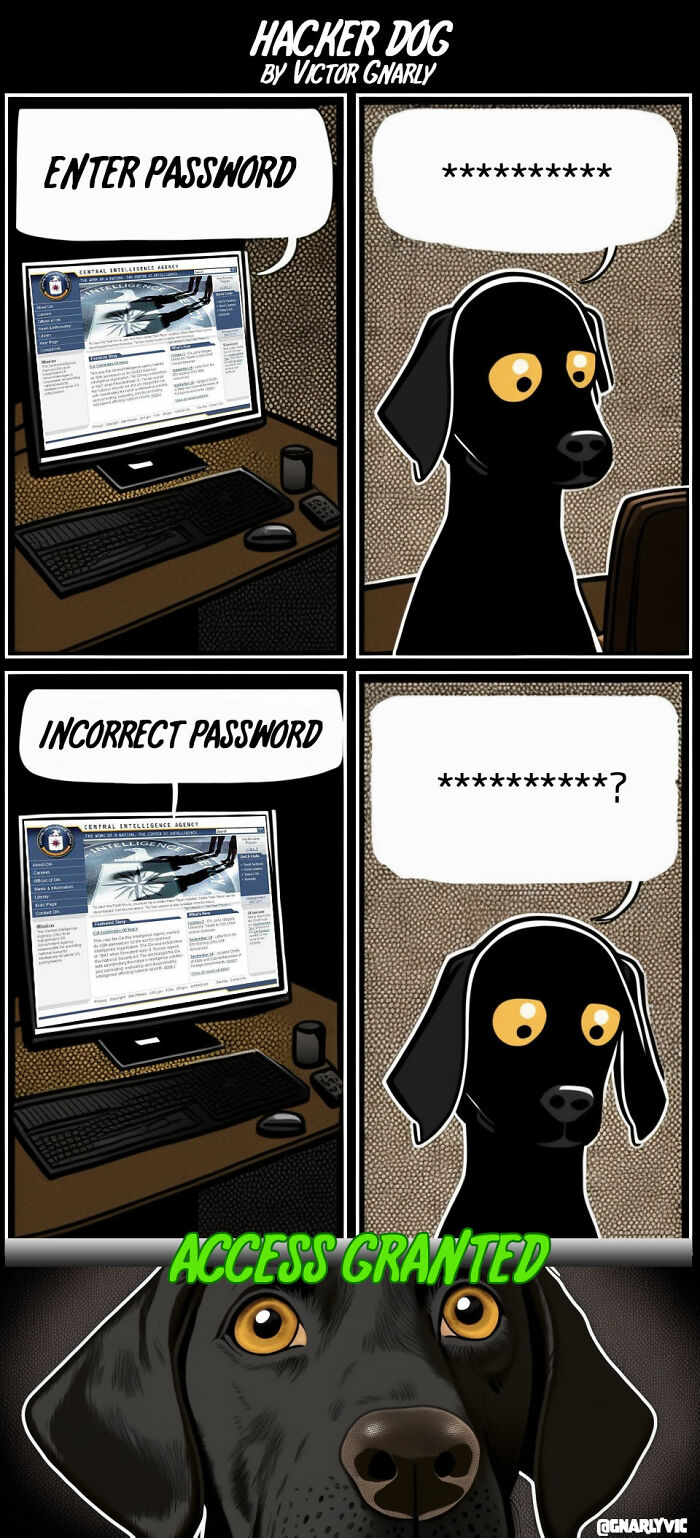
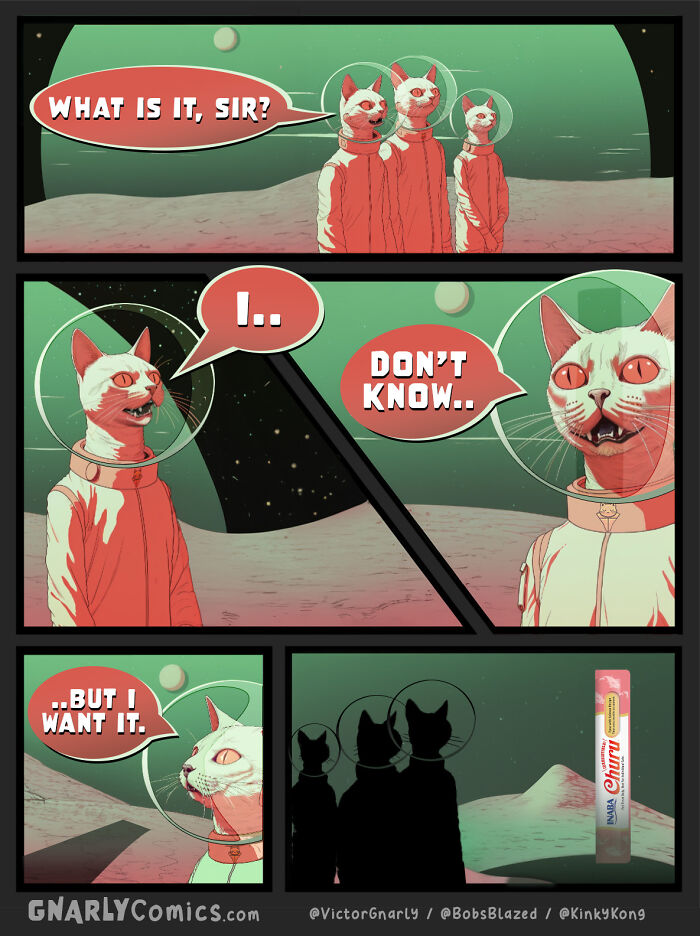
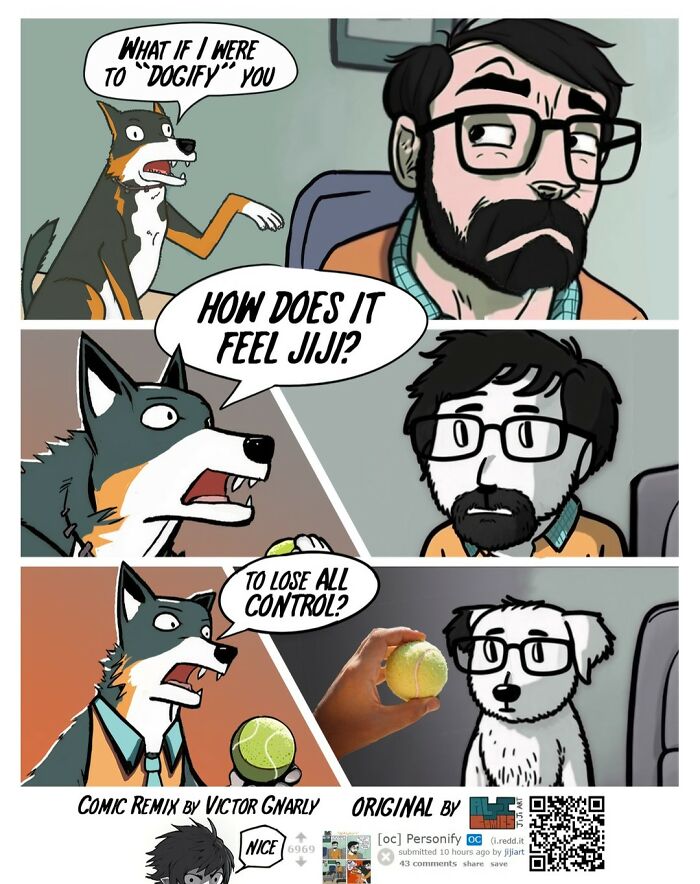
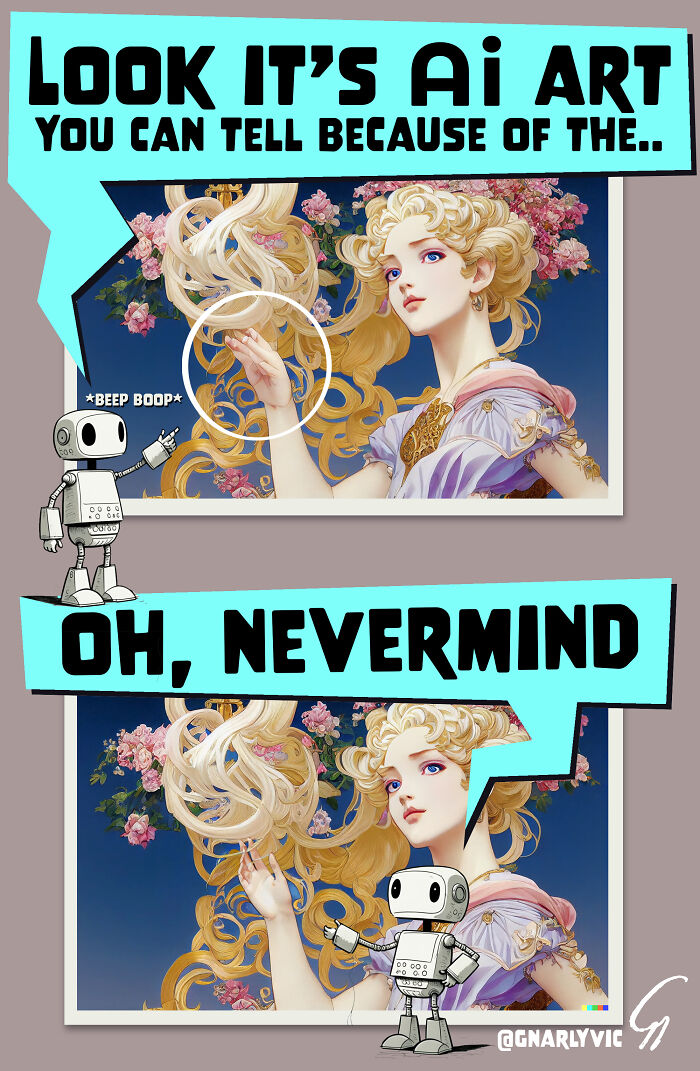
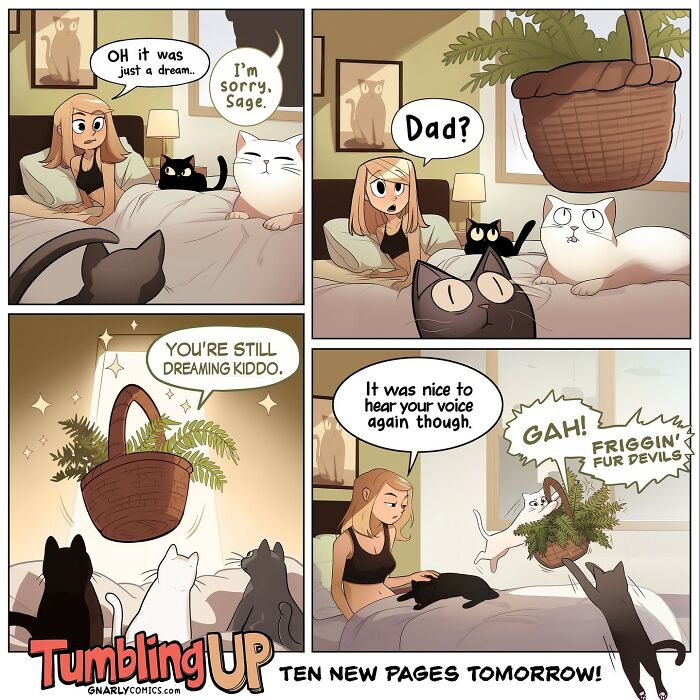
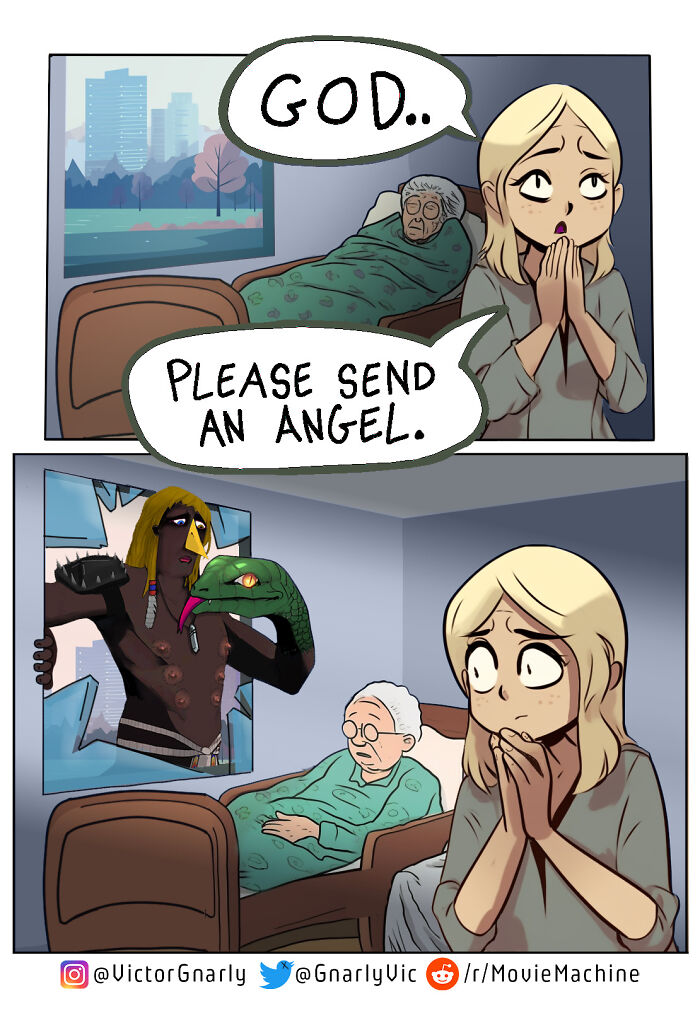
Victor Gnarly is a digital artist, though he likes to call himself a "generative cartoonist" who makes funny, creative comics that mix humor with a bit of tech. His colorful artwork often looks at how humans and AI interact, exploring big ideas in a fun, imaginative way. But it's not all sci-fi and satire. Victor also sneaks in everyday stuff—like paying bills, dealing with work, and the little quirks of daily life—that make his comics feel extra relatable.
While Victor's cartoons are the main focus of this article, he also creates digital art and animations that add to his unique style. His work is not just entertaining—it also gets you thinking about the future of art in the digital age.
More info: Instagram | victorgnarly.com
This post may include affiliate links.
We reached out to Victor Gnarly to find out what sparks his ideas, how he brings his techy, quirky comics to life, and where AI fits into it all. The artist shared that many of his early zines were basically fan art inspired by Jhonen Vasquez’s work, way before Invader Zim was even a thing. "My aesthetic back then leaned heavily into that Tim Burton-esque style: lanky characters, harsh contrasts, dark humor. It wasn’t until I got into film school that I really expanded my approach. I didn’t go to a traditional art school, so most of my technical learning came from film direction, which taught me to think in terms of composition, lenses, and storytelling. That’s a big reason why my comics look the way they do — they borrow a lot from cinematic language that you don’t usually see in webcomics, and I think that’s what helps them stand out."
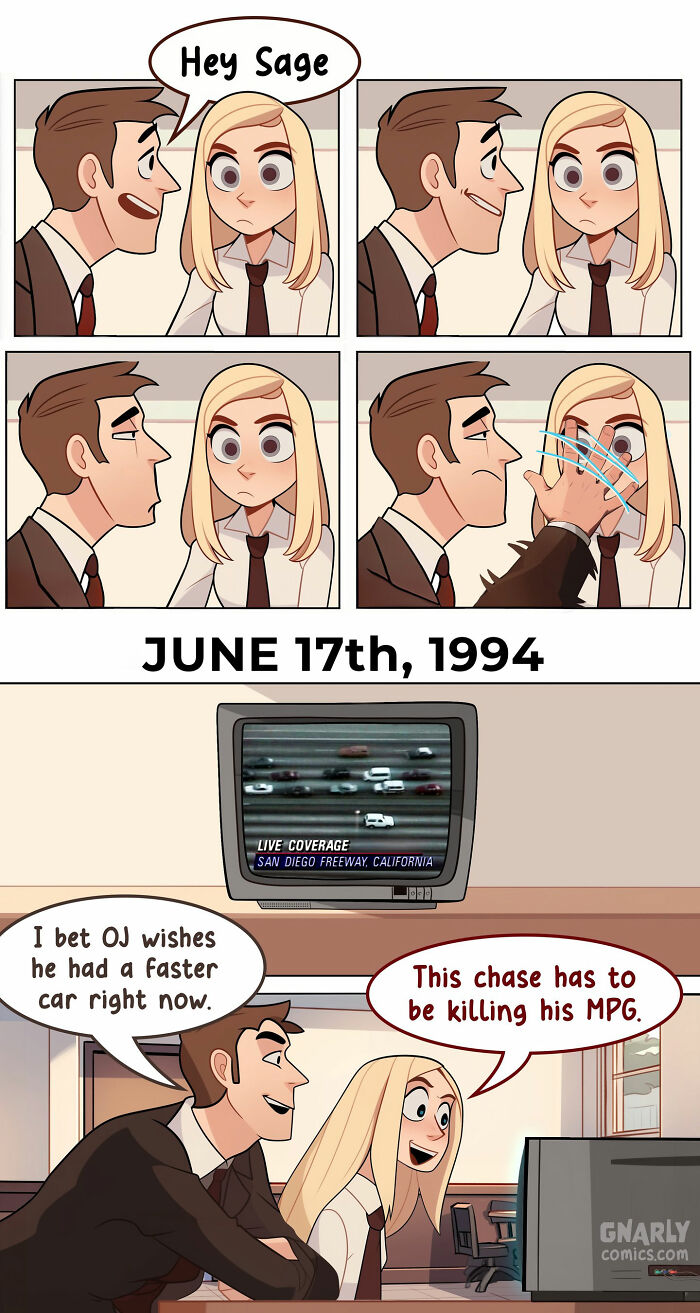
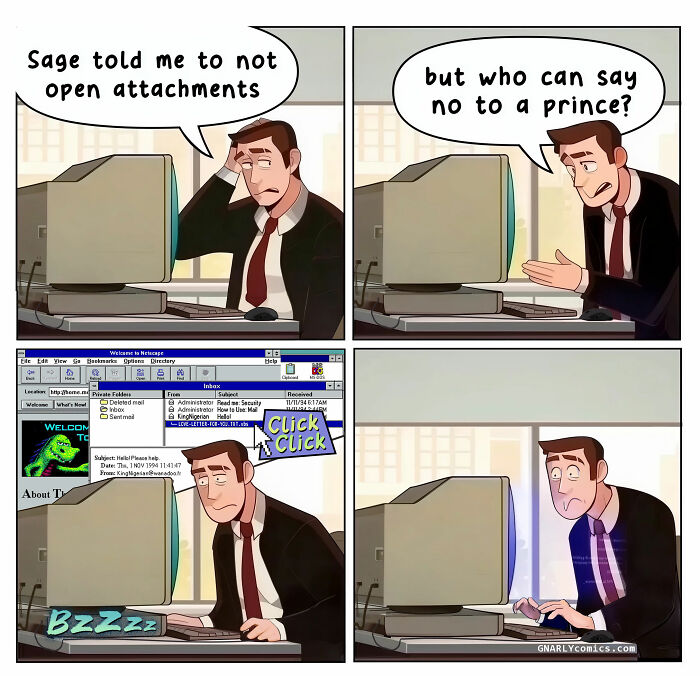
A lot of Victor's comics set in the '90s are actually based on real newspaper articles he found while digging through old archives. "I'll usually plan a date that I'm going to release a comic based on the article, so I am aiming to be 30 years to the day from when it was published. I hated deadlines working back in entertainment, but it turns out I needed them to stay productive, so the articles act as an arbitrary stopping point for me."
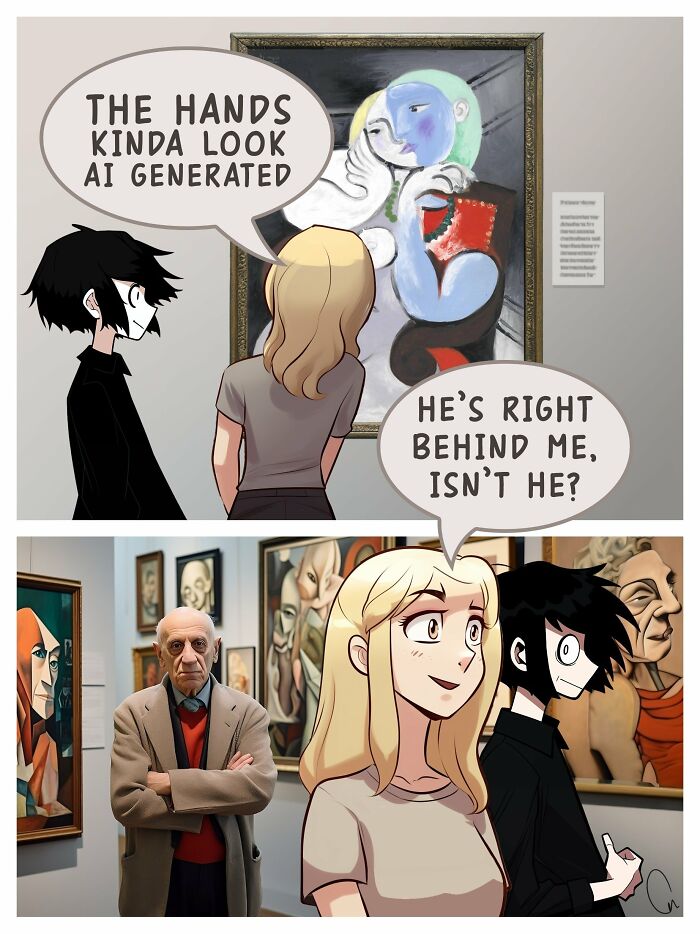
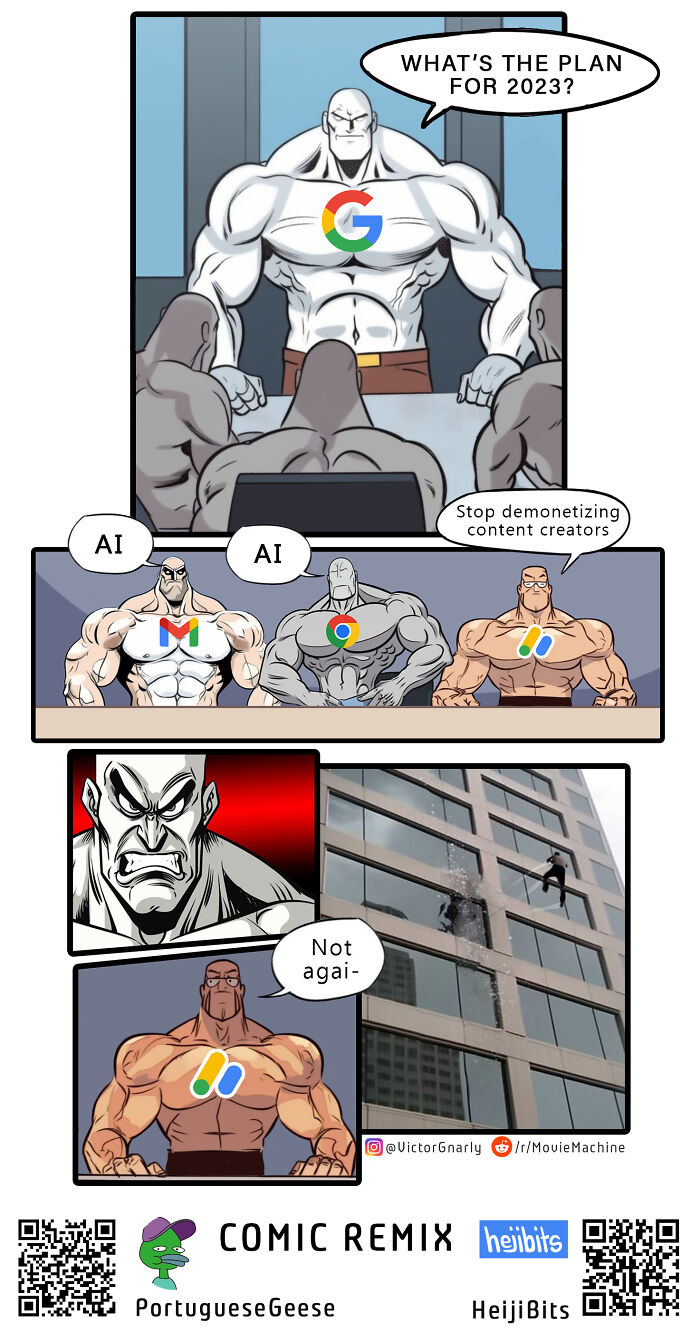
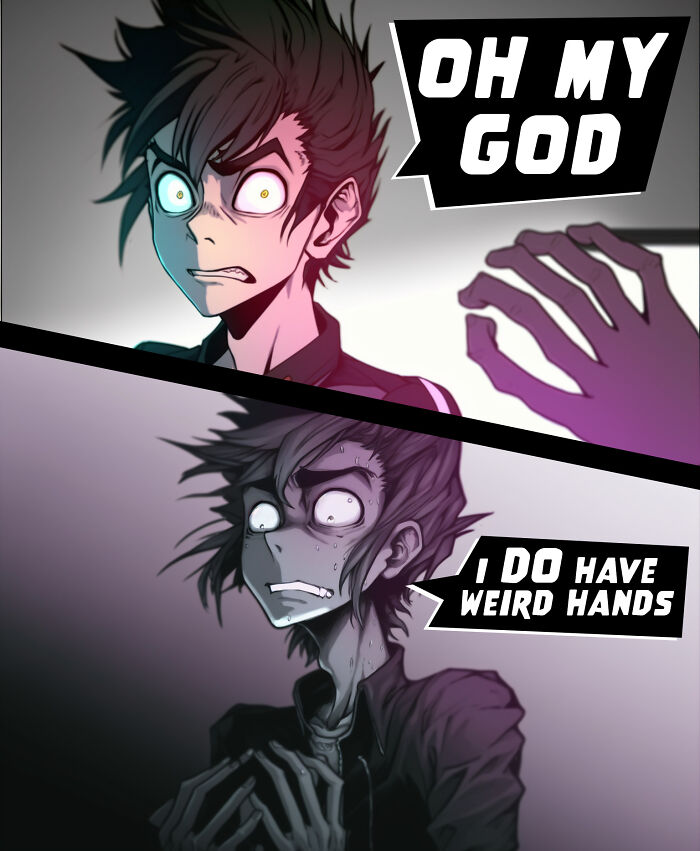
While Victor isn’t opposed to AI, none of his comics are fully generated from just a prompt. Instead, he relies heavily on a process he calls “image interrogation” to guide and shape the final result. "Sometimes I sketch my compositions loosely, then use AI to embellish those drawings, like prompting for a specific kind of carpet texture under my character's feet or using the gradient tool to direct the depth maps that make up most AI imagery. That process means what I've already drawn dictates what gets generated. And this is done with various tools like Photoshop Gen Fill, Midjourney moodboards, and Pikalabs video."
Victor describes himself as a “generative cartoonist” on Instagram, which made us curious about his perspective on AI’s role in the creative industry. "I personally don't subscribe to the replacement theory because the same thing was said when digital art became a thing," the artist shared. "I remember people saying my work using only Photoshop wasn't real art either, which is why I still kept drawing my comics in sketchbooks with Micron pens and then scanned them to add digital color. It was my way back then of saying 'at least some of it is real art' during a time when very few people believed pixels could be art.
I really hate the term 'AI artist' because it implies that the art comes from the machine. A generative cartoonist, however, is directing generated imagery with their art in real time. They don't start with a prompt; they start with a pen. And when done right, they have that traditional foundation of 10,000 hours drawing before they generate a single image."
"The problem I do see, however, is the corporate abuse of AI that will create an abundance of labor and a demand for new standards to protect artists. As much as I want to believe a new creative renaissance is happening right now, I think every artist on the planet has felt a hit on their commissions because of AI, which makes working with it particularly depressing.
The impact of devaluing digital goods and services should not be discounted. For most artists, they were already running on bottom-dollar prices—they can't afford to discount anything. Artists are planning en masse to apply for 'normal jobs' again. That sucks, and no one should celebrate that. We all need to find new ways to put food on the table, given this frankly scary reality that anyone can generate something that would normally take days or weeks to complete on their own. But what lets me sleep at night is knowing that amateurs simply cannot see what a trained eye can. And a trained eye generates better imagery than an amateur. The value of that 10,000 hours is still there, but it's going to take time for people to rediscover themselves inside of this bizarre automated world we live in now. Part of my intention with my comics is to show people that it is possible to see my humanity through the noise of AI."
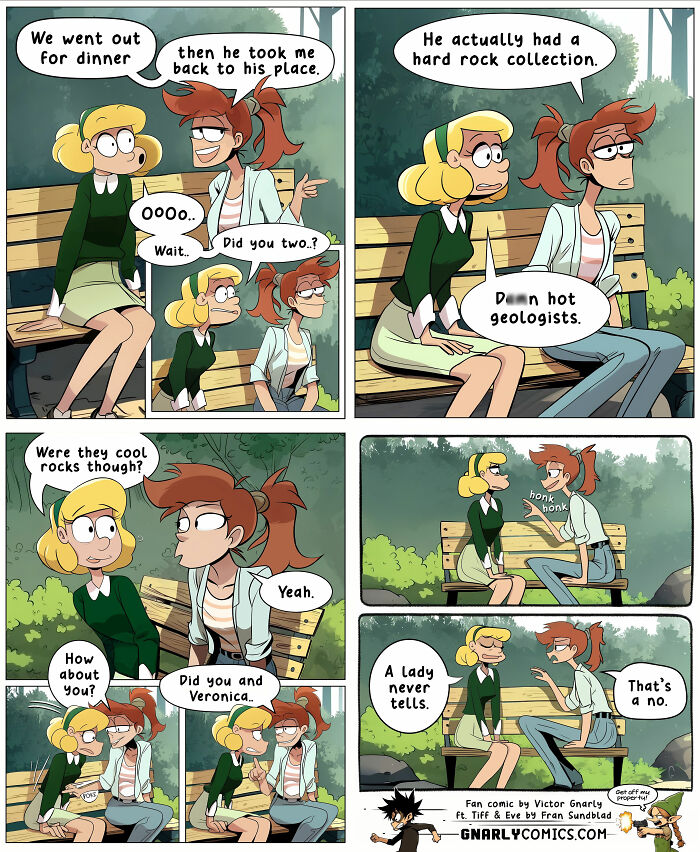
These days, Victor draws a lot of inspiration from modern webcomics like Tiff and Eve by Fran Sundblad, Everything Sucks by Michael Sweater, and Necromonica by Miles Erickson. "My early fascination with comics and zines eventually merged with my interest in tech. My mom worked in the tech industry, so I had access to things most kids didn’t at the time — I was drawing on tablets and recording video early on, and I even built my own website when I was six. I remember asking my mom if we could get AOL, and she told me we already had the internet at home. That sort of DIY, early-internet spirit still fuels me."
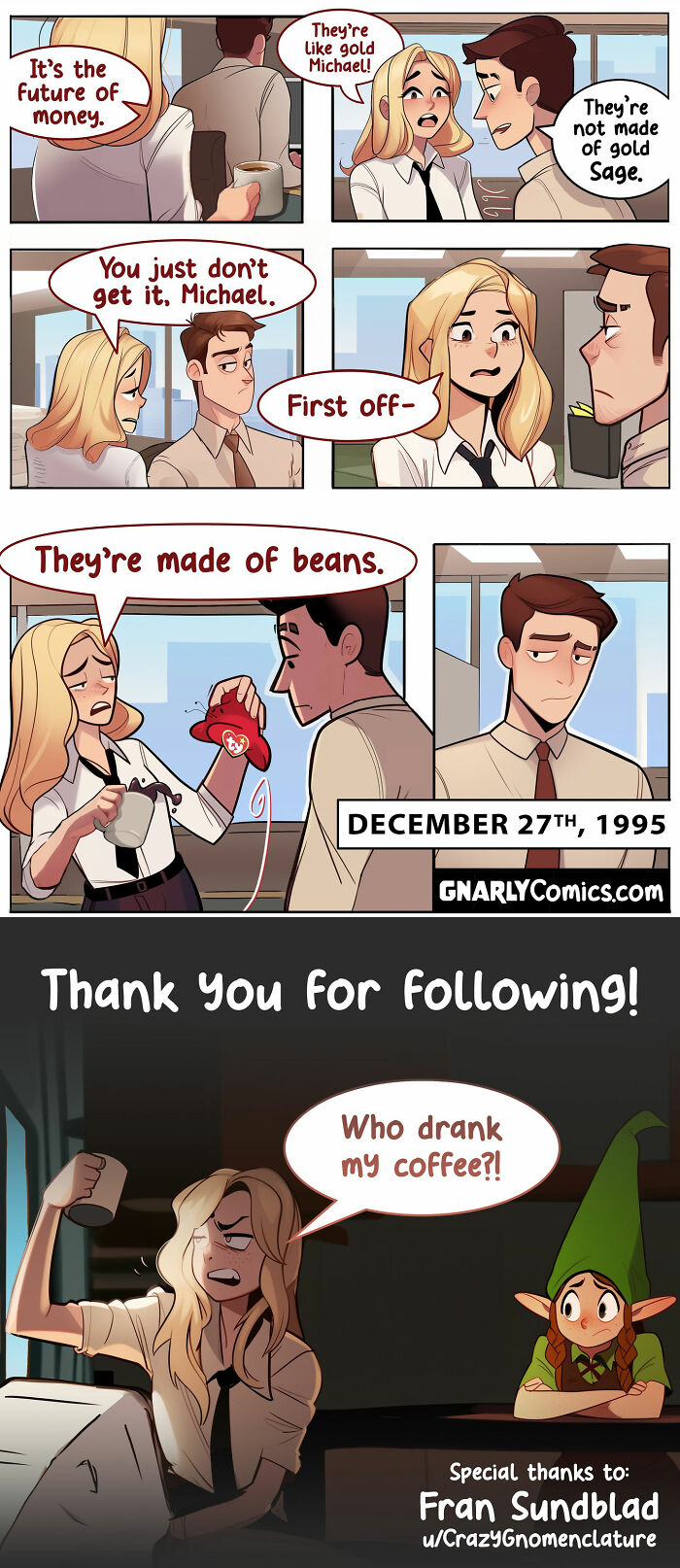
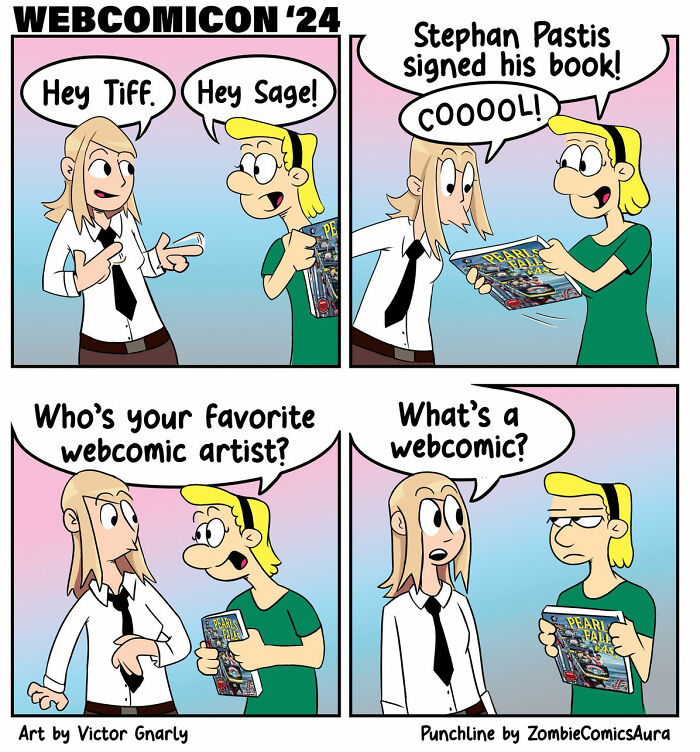
Victor revealed that he has a strong aversion to smartphones. "I hate them, honestly. That’s a big reason why I’m drawn to the pre-smartphone era — it's the whole motivation behind my 90s series with Sage and Michael. That time just felt more raw, more real, and creatively liberating.
One story that stuck with me: back when I was handing out zines at the [adultswim] table, this metalhead asked to trade one of my zines for a DVD of a pilot he was working on. It turned out to be Metalocalypse. I watched it that same night and was completely hooked — I came back the next day just to tell him I was obsessed. That metalhead was Brendan Small, and his other show, Home Movies, is the reason I got into animation in the first place. Fast forward a few years, and I ended up working in post-production for [adultswim] on some of the very shows I grew up loving. Raw passion got me in the door, and I don’t think that drive is ever going away — no matter how far tech evolves."











 No fees, cancel anytime