Get Premium
Dark mode theme is available exclusively for premium users. Learn more about the benefits of subscribing.
No fees, cancel anytime.

 Dark Mode Ad-Free Browsing Unlimited Content
 Ad-Free Browsing Unlimited Content Dark Mode
Join 1.2 million Panda readers who get the best art, memes, and fun stories every week!

If you are the sort of person who needs to drive to any location further than half a mile away, chances are you were born in North America. So if you’ve never been to any other continent, you might be forgiven for thinking that people also just drive everywhere.
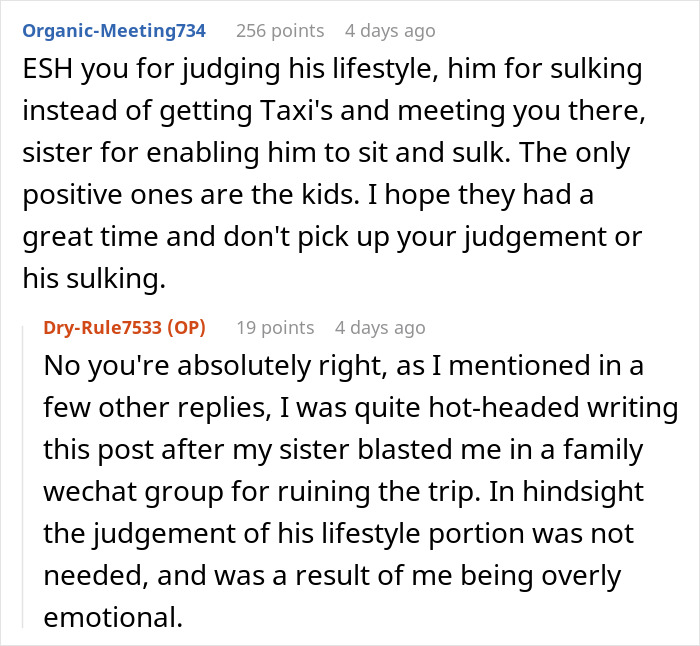
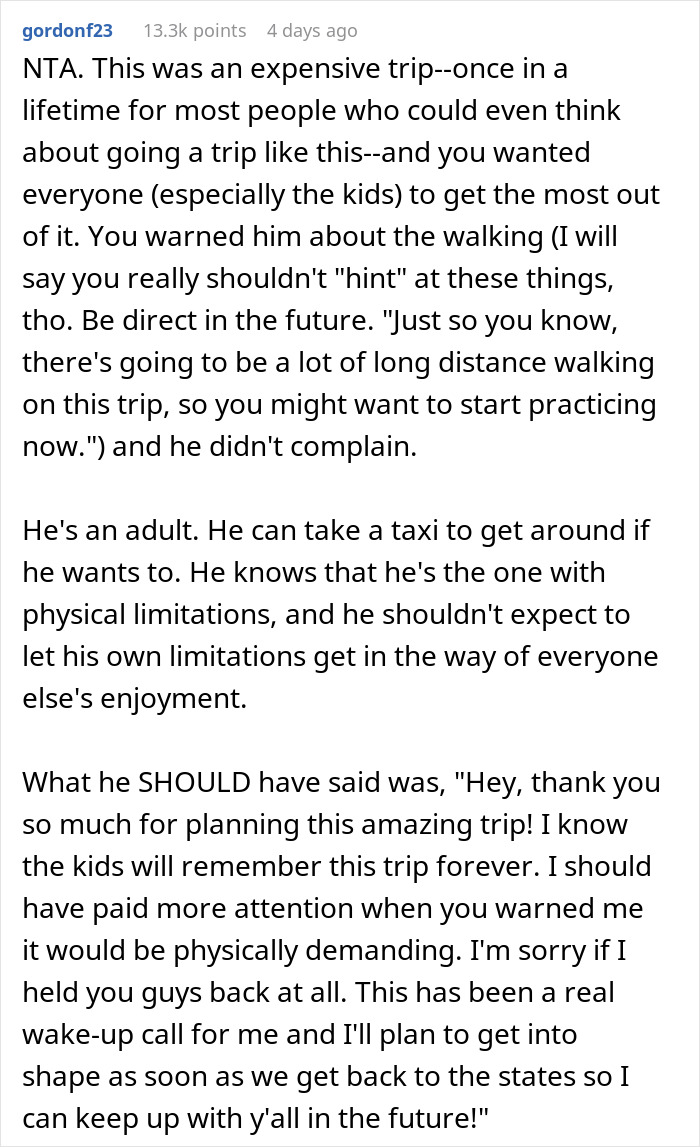
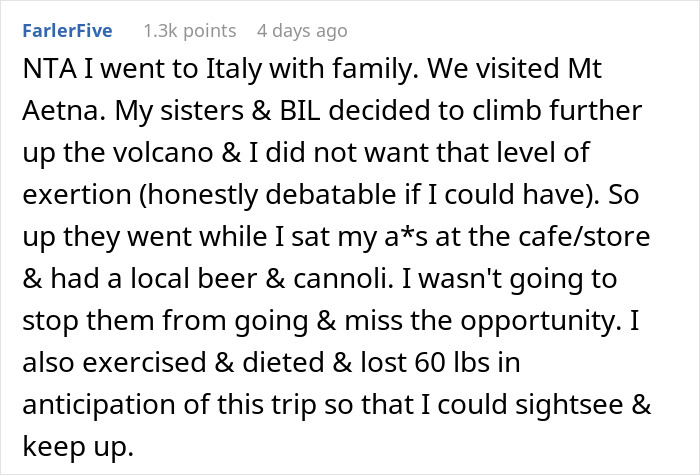
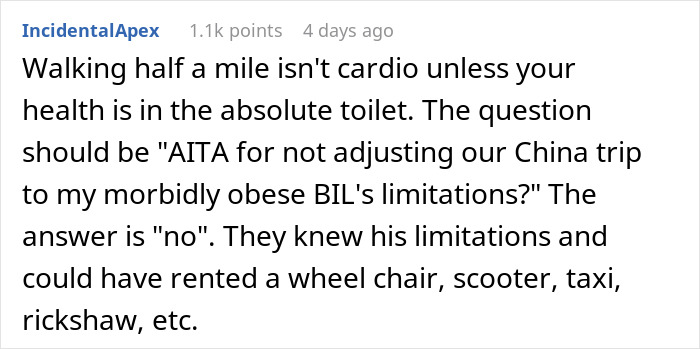
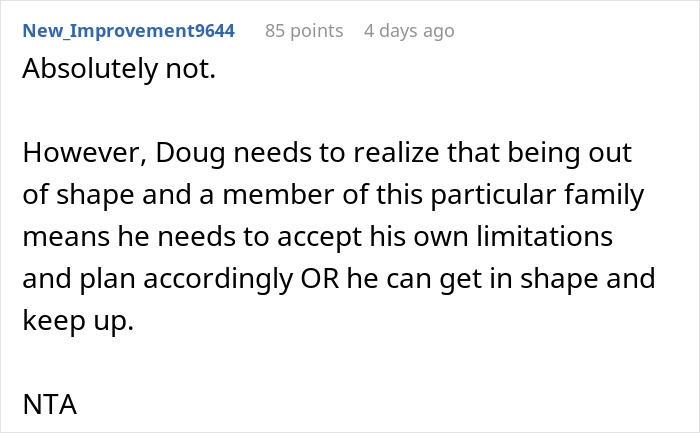
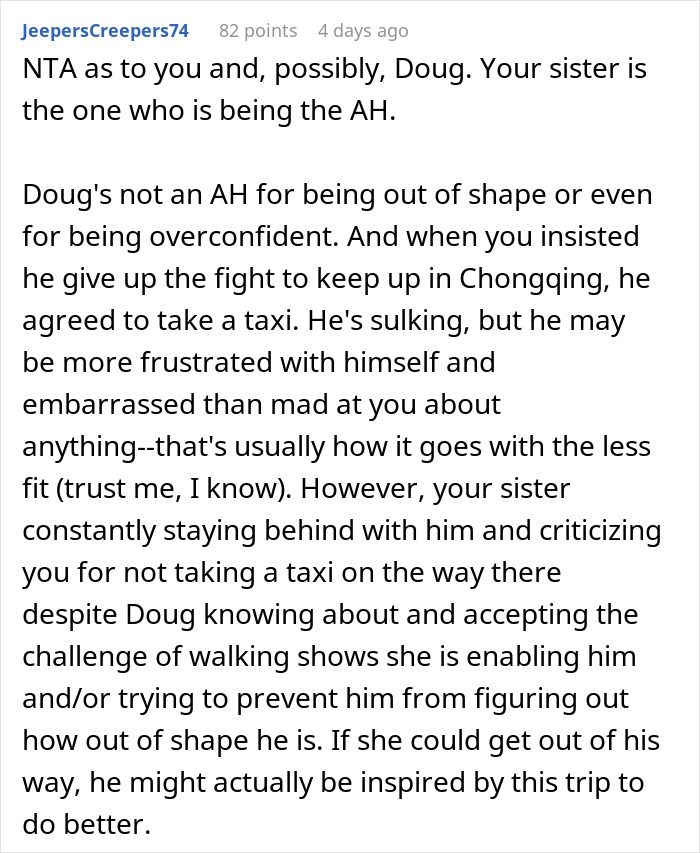
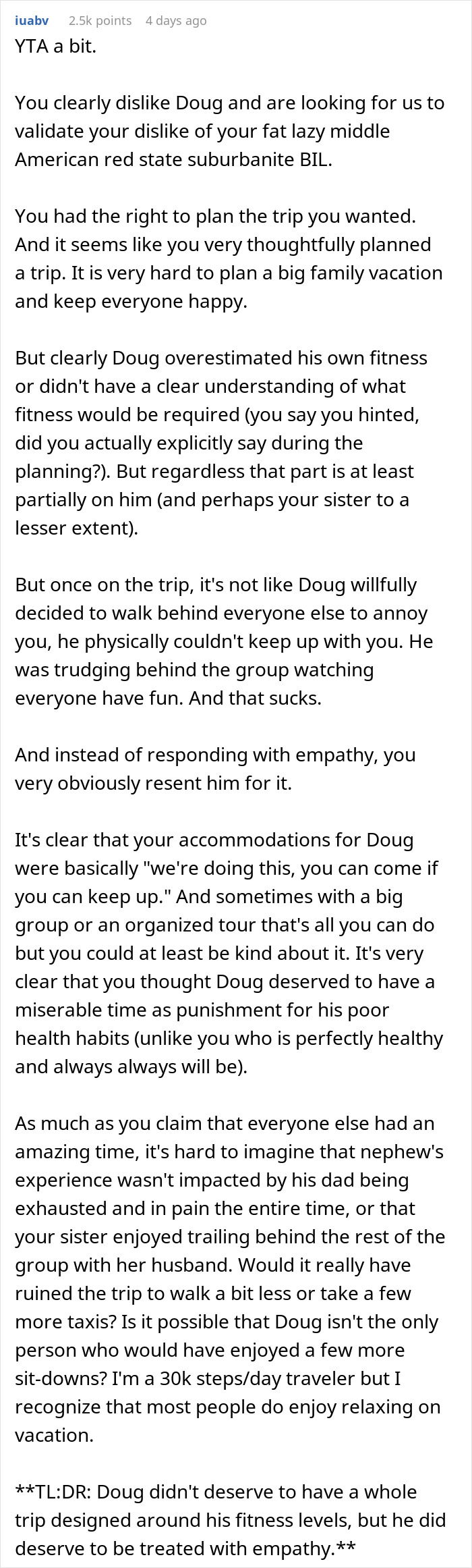
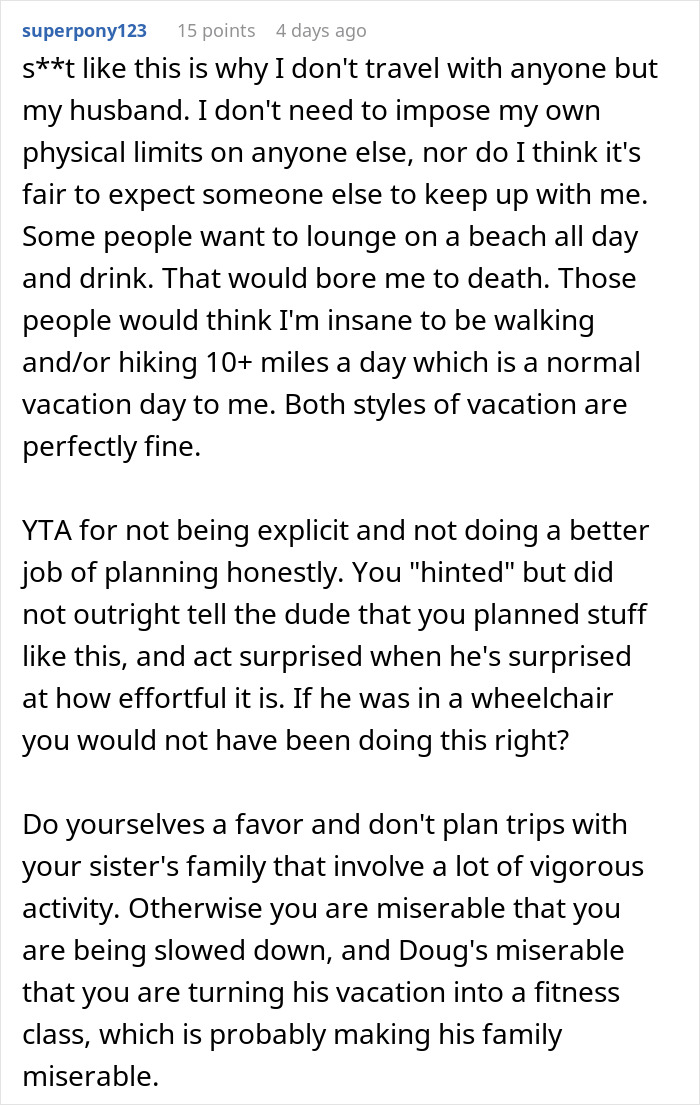
A man asked if he was actually wrong to not make his family trip to China, intended for his half-Chinese son, more inclusive for his American brother in law who didn’t like walking places. We reached out to the man who made the post via private message and will update the article when he gets back to us.
Image credits: varyapigu / envato (not the actual photo)
Image credits: thichas / envato (not the actual photo)
Image credits: Dry-Rule7533
Image credits: Yunus Tuğ / unsplash (not the actual photo)
Many Americans arrive in China expecting to be able to take taxis or ride-hailing apps for most trips, only to find that walking is at the center of everyday navigation. Chinese cities, particularly older districts and dense urban centers, are often structured around the movement of pedestrians and public transportation hubs. Historic hutongs in Beijing, winding alleys in old towns like Lijiang, or crowded market streets in Shanghai can be inaccessible by private car, and the fastest way to move between nearby points is often on foot. This can surprise visitors accustomed to driving short distances back home.
Public transportation in China is extensive but usually involves walking before and after train or subway rides. Subway stations are plentiful in large cities, but accessing platforms typically means descending multiple flights of stairs or traversing long corridors. Exits open out into large plazas or busy streets, with additional walking distance required to reach the specific bus stop or zone you want. Not allowing for these transfers on foot, tourists underestimate the amount of time and energy needed to move around, and arrive fatigued or late.
As opposed to most European cities in which compact centers favor walking among attractions, Chinese cities combine similar pedestrian-friendly districts with vast suburban expanses. Tourists might imagine a quick taxi ride will take them directly to an attraction, but cars often drop tourists off at designated curbside locations, and then visitors walk through pedestrian-only blocks or parks to reach their destination. For example, going to city walls or temple complexes in cities like Xi’an or Chengdu involves much walking once arrived at the perimeter. Knowing that walking is involved in the experience of reaching these cultural sites creates more realistic schedules.

Image credits: Sabel Blanco / pexels (not the actual photo)
Chinese cultural attitudes frame walking as both experiential and functional. Walking through street food markets, window shopping at shops in pedestrian malls, or walking among tea houses is friendly to spontaneous discovery. As opposed to the American inclination to view walking as a hassle, in China such walks are a component of interacting with local existence. Tourists who adopt this attitude value slowing down, viewing everyday rhythms, and taking note of details they would not notice from the window of a car, whether its street vendors preparing food or residential courtyards hidden behind narrow doorways.
There are also practical considerations. Pack light and wear the correct footwear are musts in China, where uneven pavement, crowded sidewalks, and steep slopes (like when visiting ancient towns in mountainous regions) are the rule. Those bulky bags might be fine in a car culture, but trudging them through train stations or on foot over bridges can be exhausting. Likewise, clothing choices suitable for a drive home by automobile will not always hold up to hours of pedestrian travel in close city or rural settings.
Technology can help and also mislead. GPS applications will default to driving instructions or provide a location close to a destination without showing that the final stretch is pedestrian-only. In European environments, visitors are more likely to question walking directions, but in China they may not realize that a street labeled “nearby” entails walking through alleys or pedestrian zones. One can learn to use local mapping applications or switch to walking-mode directions to display more accurate routes and anticipated walking times, without any surprise on arrival at a location.
An understanding of local customs for walking and transit can improve the travel experience. In Europe, Americans can learn in a hurry that city centers are walkable. In China, the same lessons are available but on a larger and more varied scale. Preparing by researching the walkability around one’s accommodation, reading traveler tips on how to manage subway exits, and attitudinally embracing a pedestrian worldview can generate opportunity out of frustration. Embracing walking in China allows for interaction with residents, sampling street foods, absorbing urban textures, and appreciating the rhythm and scale of each neighborhood.
Ultimately, Americans who embrace expectations of walking during travel to China have a more satisfying experience. Rather than viewing travel on foot as a chore, embracing it as part of discovery is in line with the manner in which many Chinese navigate their cities. Whether walking along ancient streets, walking from station halls, or promenading along riverfronts, walking expands into a larger engagement with culture, history, and everyday rhythms that cars and taxis can’t. This knowledge and planning helps visitors to not be exhausted, to make realistic itineraries, and to discover the hidden joys of walking exploration.

By entering your email and clicking Subscribe, you're agreeing to let us send you customized marketing messages about us and our advertising partners. You are also agreeing to our Privacy Policy.
Thank you! You've successfully subscribed to newsletters!


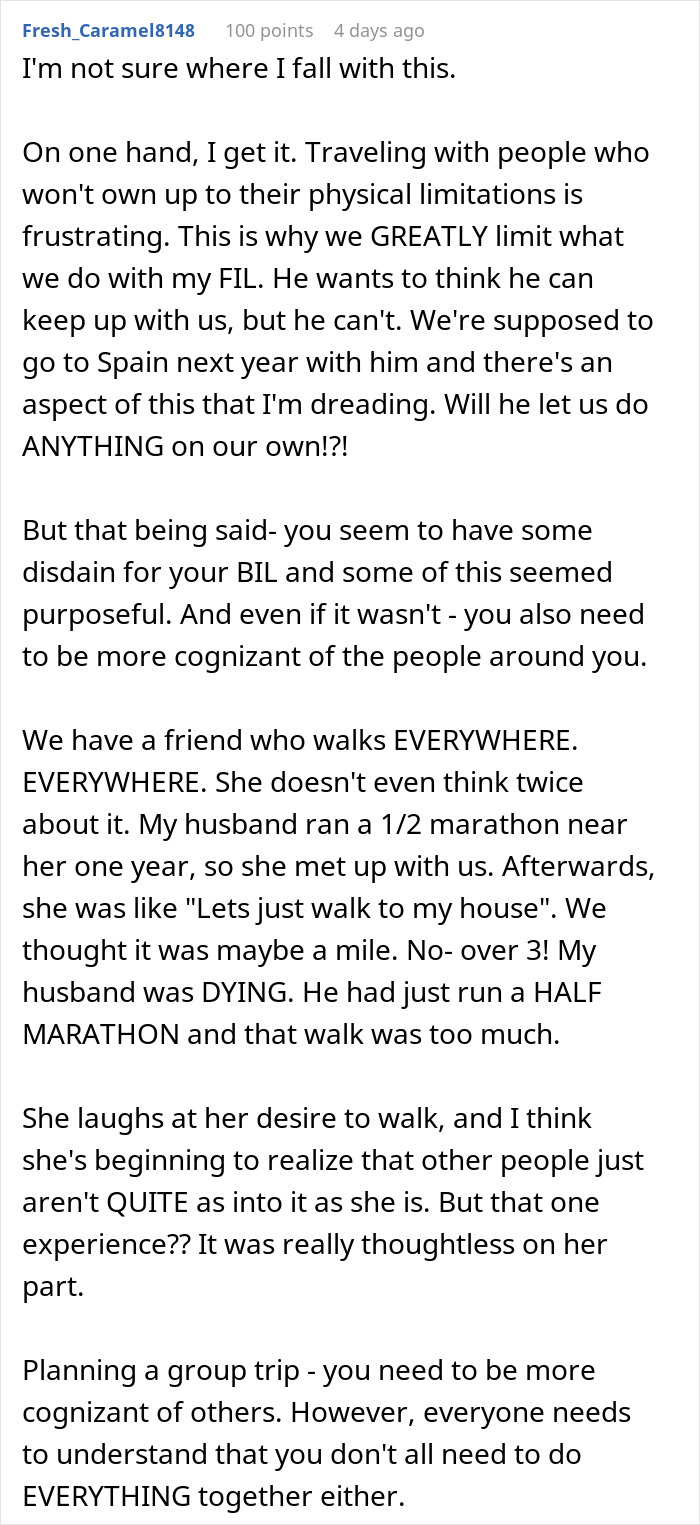
If you have limited mobility it is up to you to research where you are going and whether it is something that you can manage. My mobility is extremely limited so when I'm invited to things I can't do, I don't go. I don't expect anyone to adjust their plans for me because after a while it breeds resentment. It sucks that there is so much I can't do but that isn't anyone's fault.
100% the same. My husbands family is all very fit and active and like to go on long hikes and things like that. My family, not so much. However, whenever I travel with the In-Laws I never expect them to change plans for me. I can do most things they do, usually just slower, but there are some things I cannot do, like lots of stairs will destroy my legs. So I research what we're doing and if I know I can't do it then I don't go to that attraction. My self imposed limitations should not stop someone else from going on the vacation they want to have.
Load More Replies...
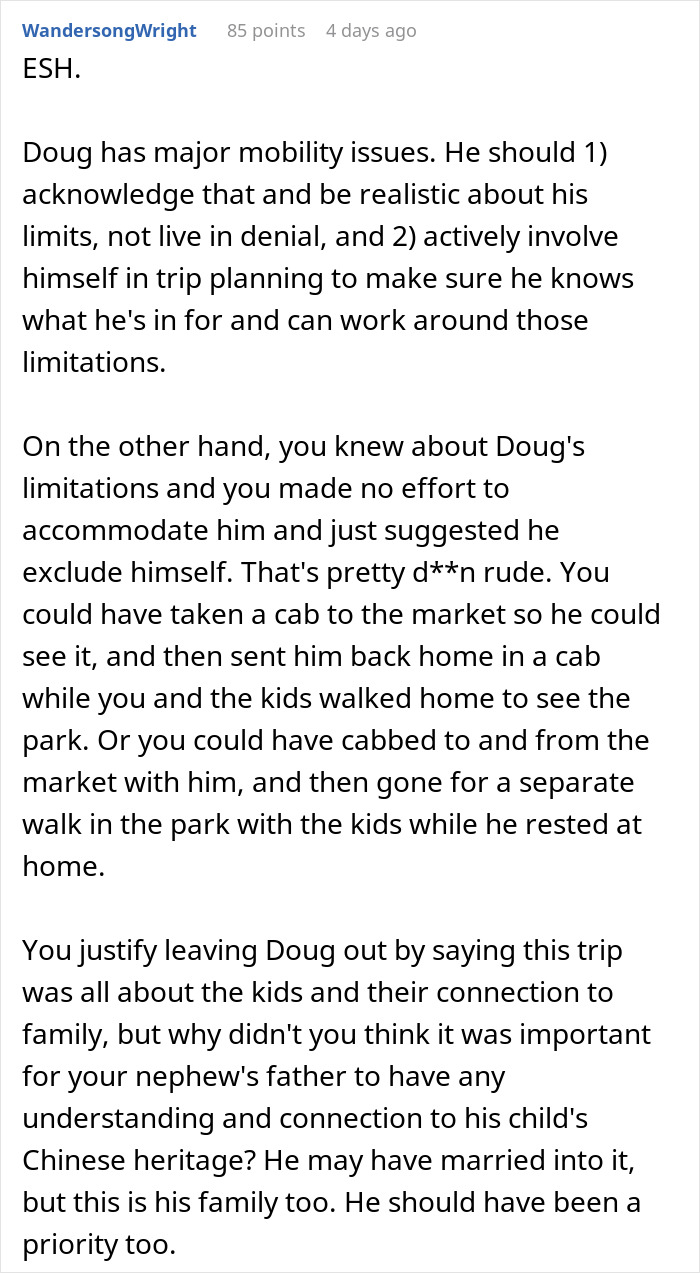
This was my mother who thinks being a couch potato is a sport. She invited herself on our extremely fit aunt and uncles vacation. We met up with them and went on multiple walks, warned her repeatedly that there was going to be a lot of walking involved as there was little point in taking a car (no car parks, small destination). I got the eye roll of doom and the sarcastic responses from her about how she knew best. 10 minutes into walking to the hotel our aunt and uncle were staying at, mother starts panting and walking at a snails pace. 15 minutes she's red faced and started to moan about how hard it is asking are we there yet? We offered to get the car, but oh no she didn't need it and then when we arrived she started complaining about how we made her exhausted and how she's a poor old lady who has health problems and continues with the guilt trip. Aunt and Uncle are older than her, work out at the gym regularly.

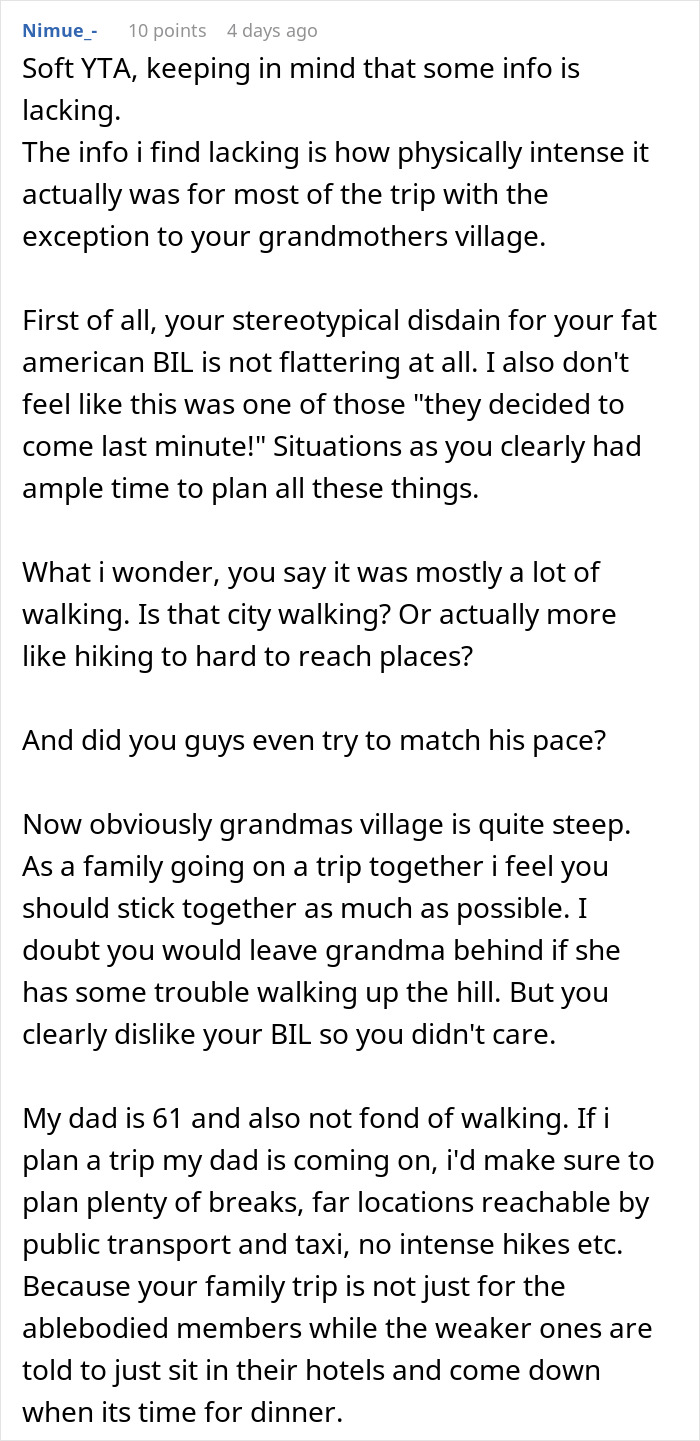
Doug sucks, but being straight-forward, more often than not, causes immediate fallout, but yet, the smaller, more plannable, preferable one. Things allowing to expect to cause conflict, can be sorted, or at least a serious attempt can be made. That said ... I'd not really plan around Doug on my own, but involve him in the planning as much as it concerns him. Free to opt out of everything he can't ... there's a tourist industry full of cheapo made up trash in China, too, aiming, likely, at the very likes of Doug. Like, dunno, Whack-A-Mao games or so, ...
If you have limited mobility it is up to you to research where you are going and whether it is something that you can manage. My mobility is extremely limited so when I'm invited to things I can't do, I don't go. I don't expect anyone to adjust their plans for me because after a while it breeds resentment. It sucks that there is so much I can't do but that isn't anyone's fault.
100% the same. My husbands family is all very fit and active and like to go on long hikes and things like that. My family, not so much. However, whenever I travel with the In-Laws I never expect them to change plans for me. I can do most things they do, usually just slower, but there are some things I cannot do, like lots of stairs will destroy my legs. So I research what we're doing and if I know I can't do it then I don't go to that attraction. My self imposed limitations should not stop someone else from going on the vacation they want to have.
Load More Replies... This was my mother who thinks being a couch potato is a sport. She invited herself on our extremely fit aunt and uncles vacation. We met up with them and went on multiple walks, warned her repeatedly that there was going to be a lot of walking involved as there was little point in taking a car (no car parks, small destination). I got the eye roll of doom and the sarcastic responses from her about how she knew best. 10 minutes into walking to the hotel our aunt and uncle were staying at, mother starts panting and walking at a snails pace. 15 minutes she's red faced and started to moan about how hard it is asking are we there yet? We offered to get the car, but oh no she didn't need it and then when we arrived she started complaining about how we made her exhausted and how she's a poor old lady who has health problems and continues with the guilt trip. Aunt and Uncle are older than her, work out at the gym regularly.
Doug sucks, but being straight-forward, more often than not, causes immediate fallout, but yet, the smaller, more plannable, preferable one. Things allowing to expect to cause conflict, can be sorted, or at least a serious attempt can be made. That said ... I'd not really plan around Doug on my own, but involve him in the planning as much as it concerns him. Free to opt out of everything he can't ... there's a tourist industry full of cheapo made up trash in China, too, aiming, likely, at the very likes of Doug. Like, dunno, Whack-A-Mao games or so, ...































 No fees, cancel anytime



















29
23