Get Premium
Dark mode theme is available exclusively for premium users. Learn more about the benefits of subscribing.
No fees, cancel anytime.

 Dark Mode Ad-Free Browsing Unlimited Content
 Ad-Free Browsing Unlimited Content Dark Mode
Join 1.2 million Panda readers who get the best art, memes, and fun stories every week!

Finding a good nanny can be difficult. Parents want to find someone with the same values, someone who respects boundaries, and who will, of course, love their child. On average, it takes families around four to eight weeks to find the right fit. Even then, you never know what could happen after the nanny is hired.
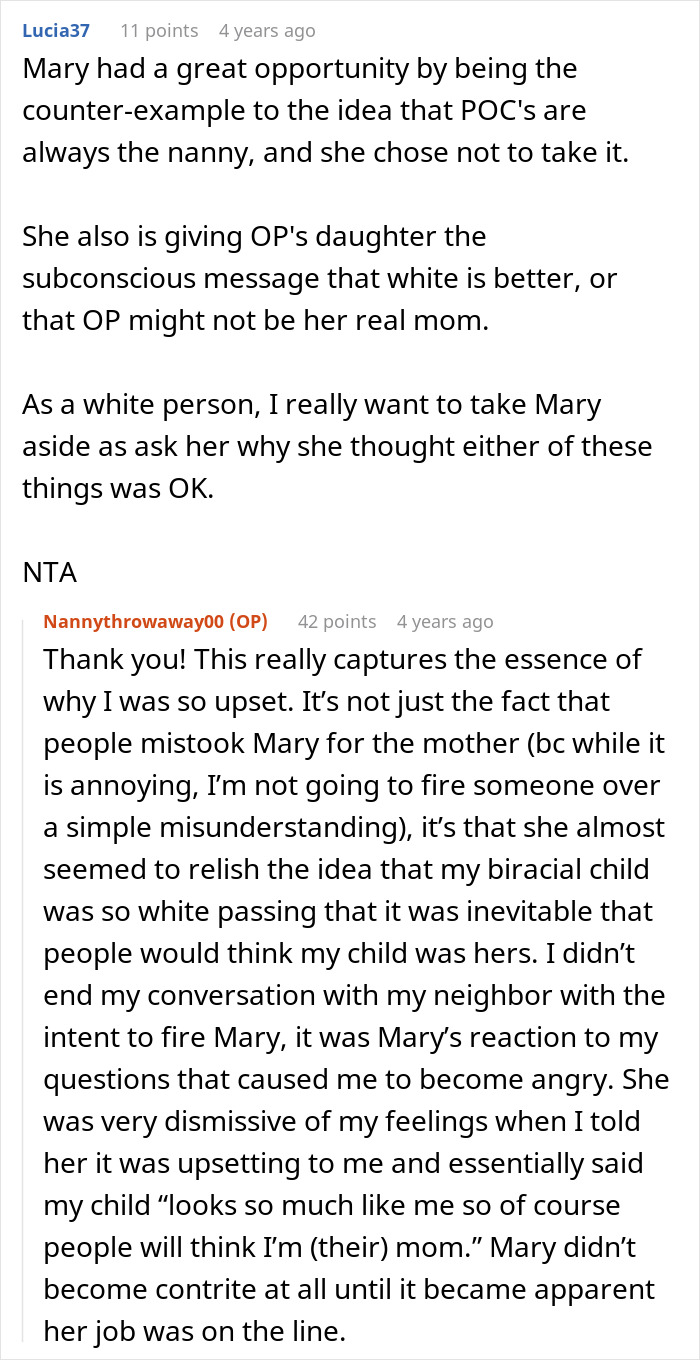
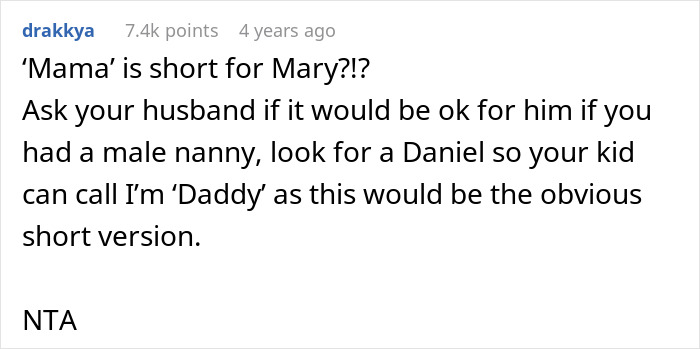
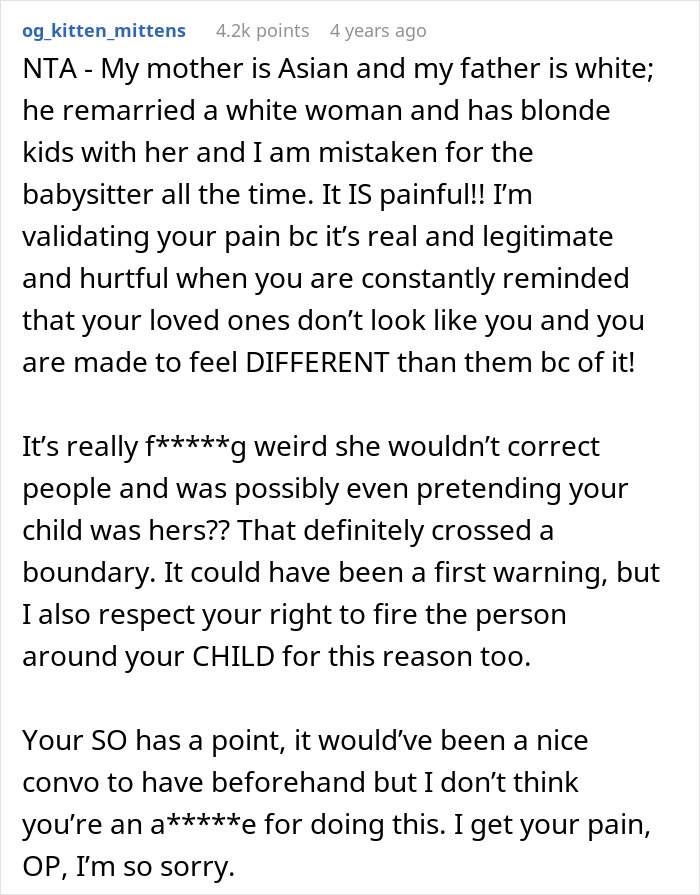
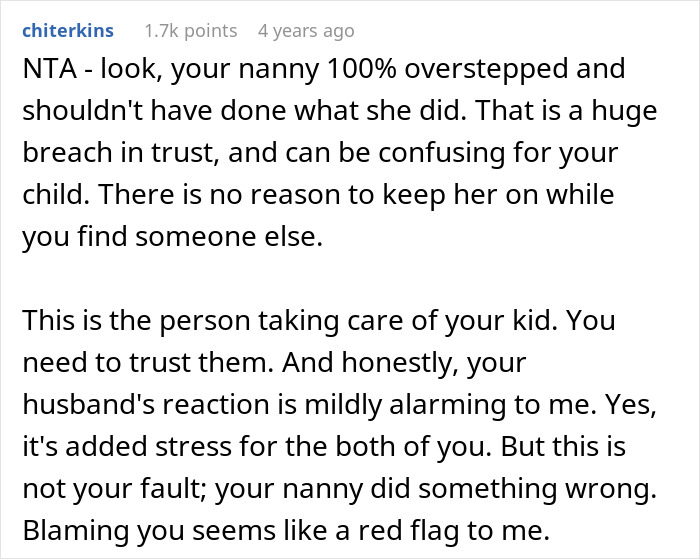
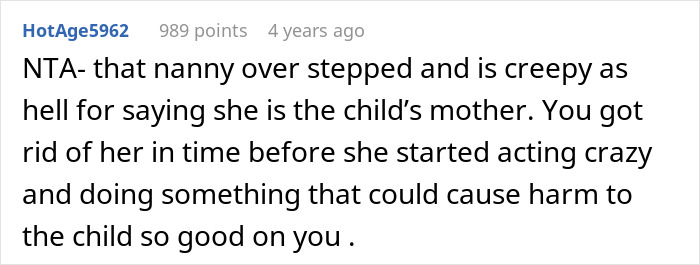
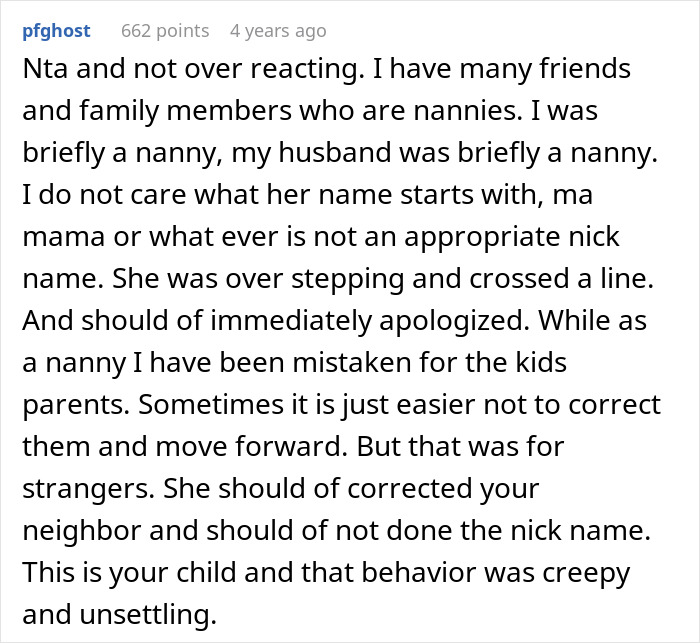
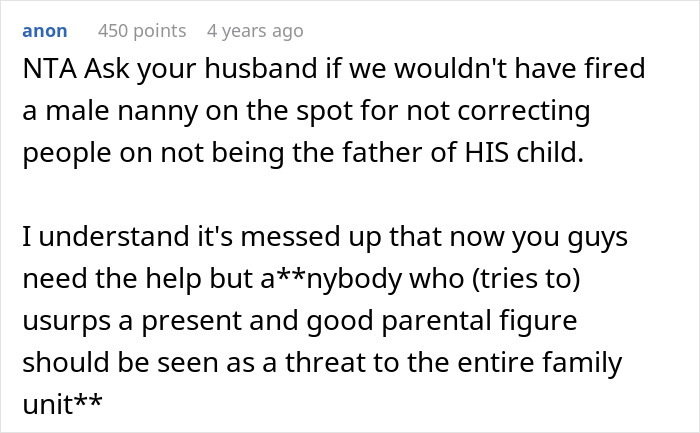
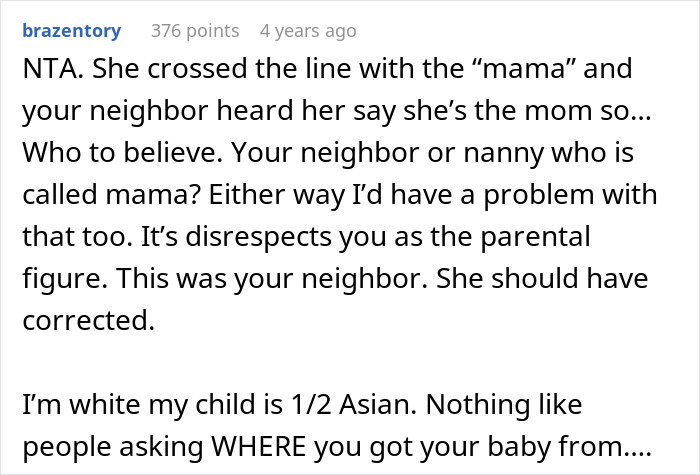
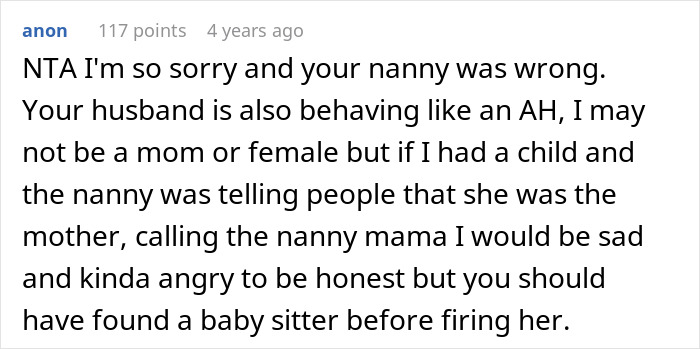
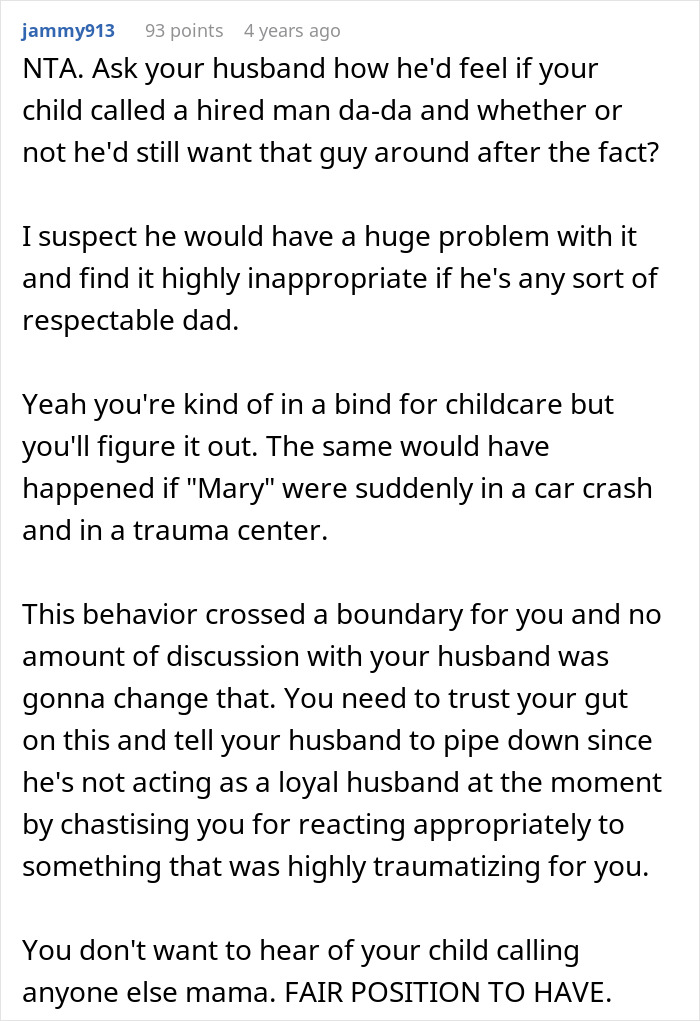
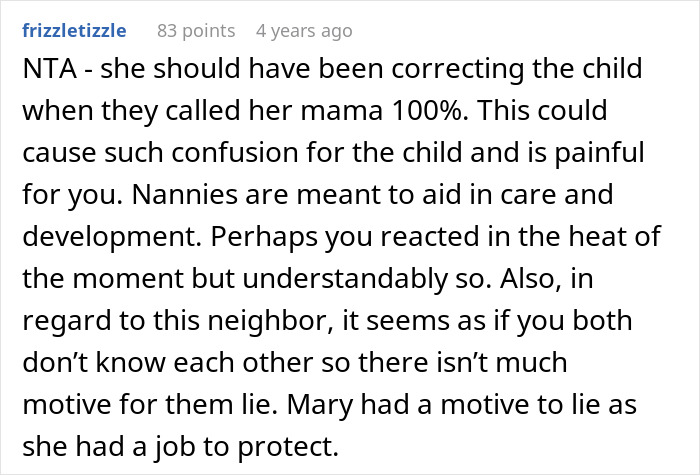
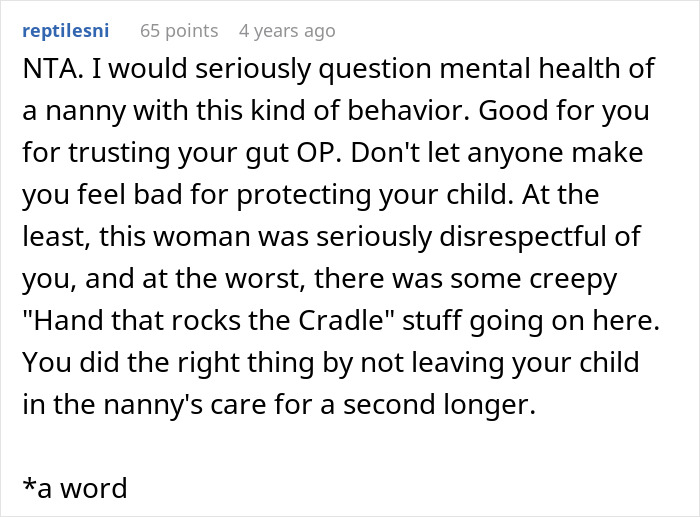
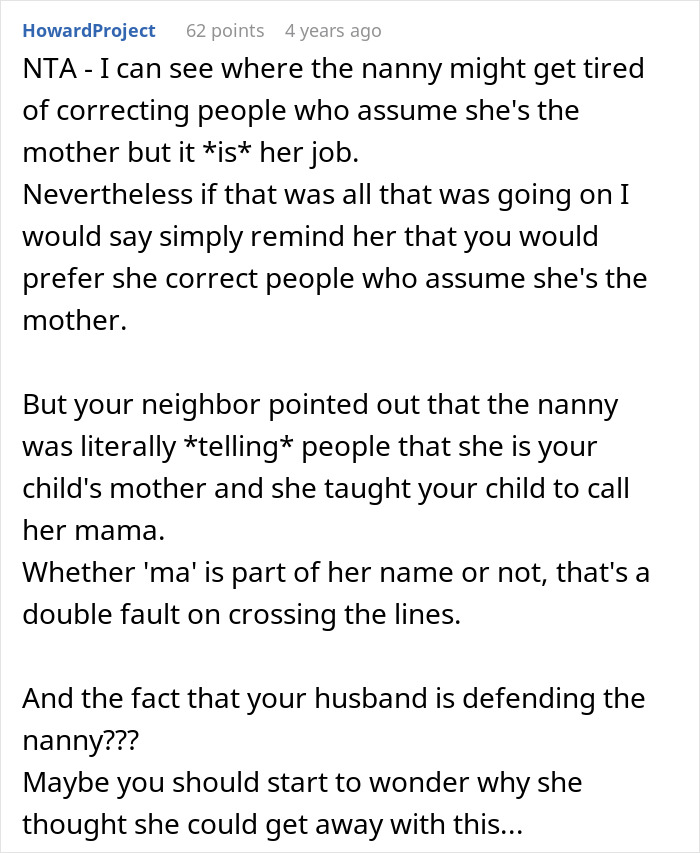
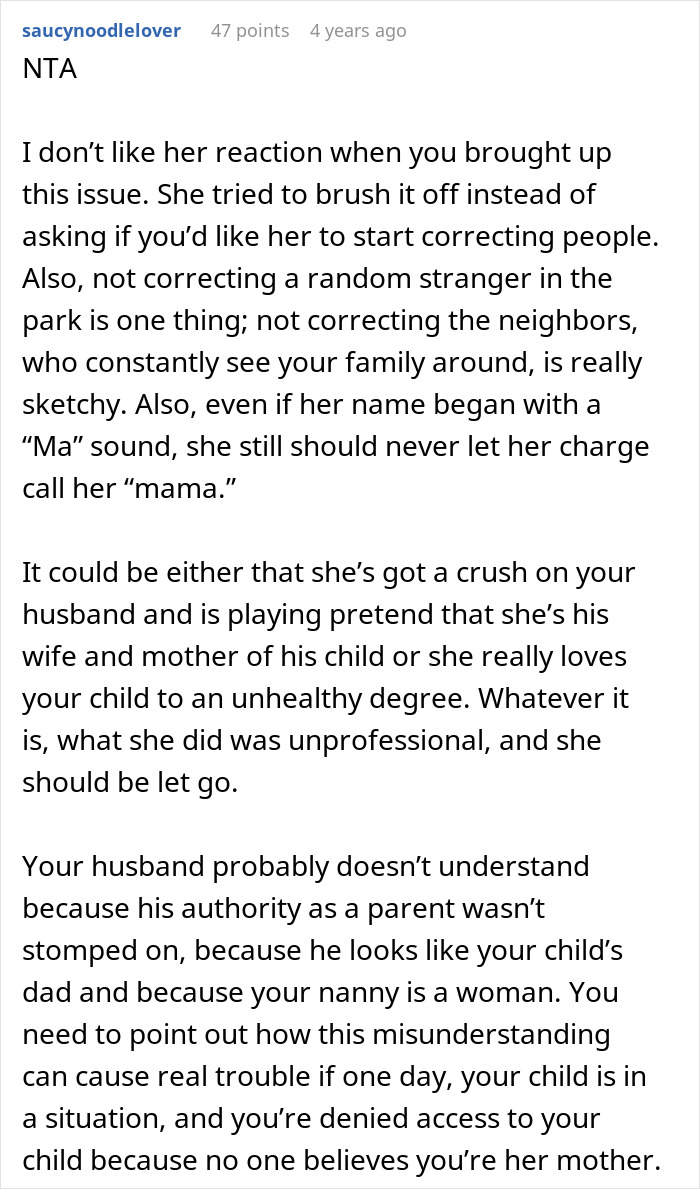
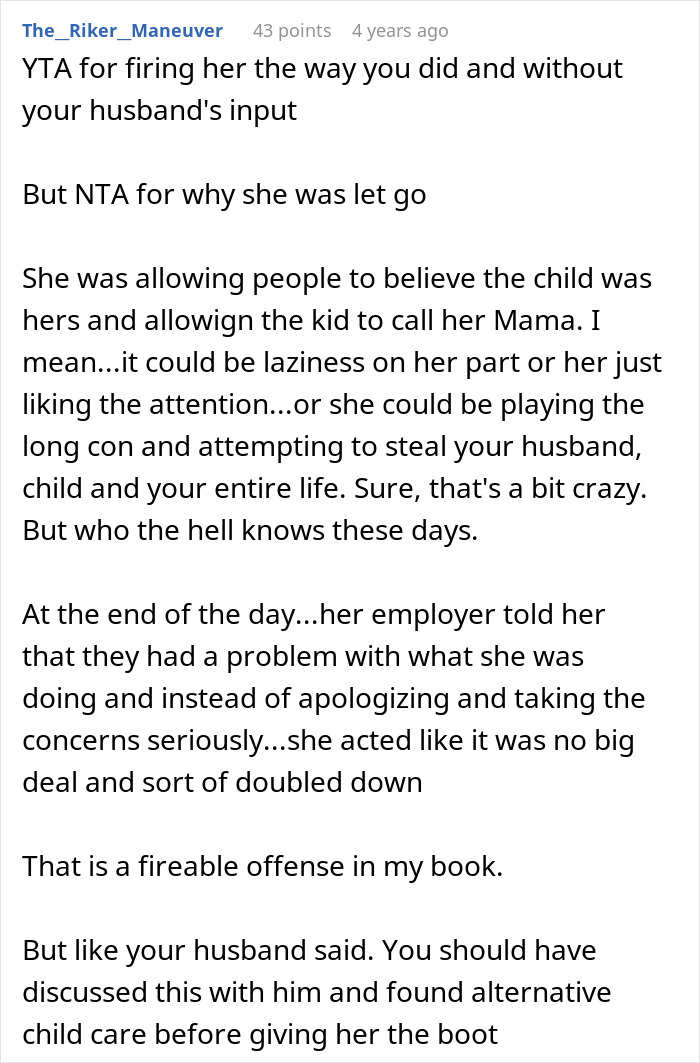
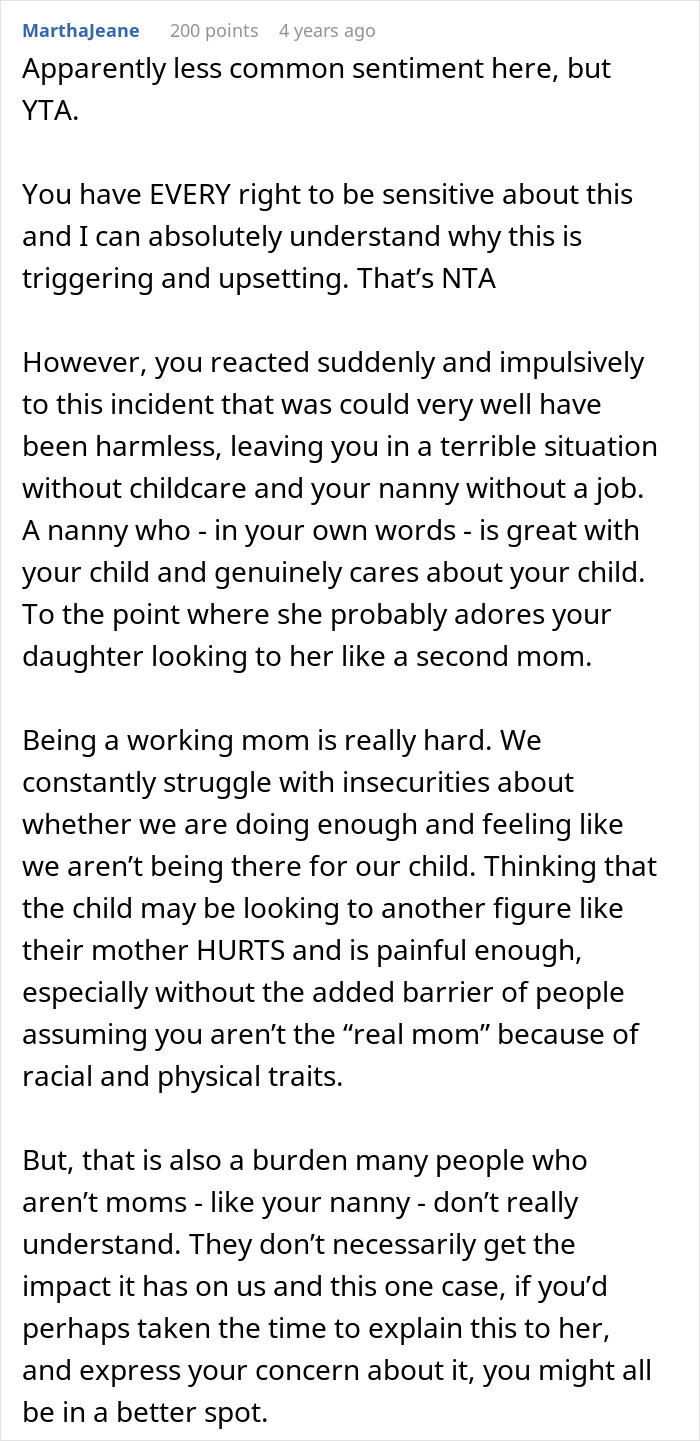
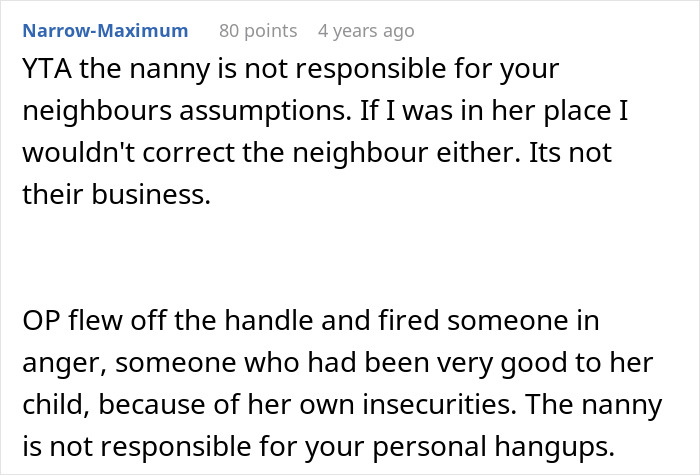
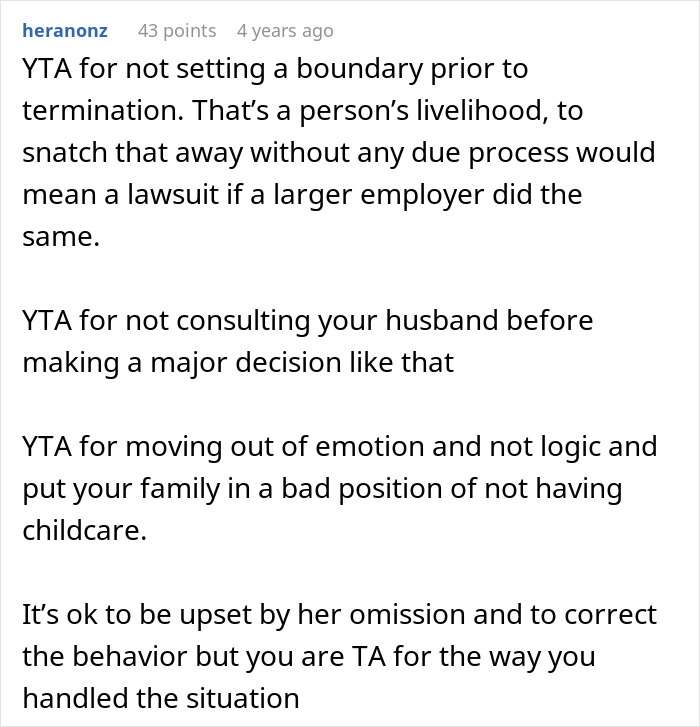
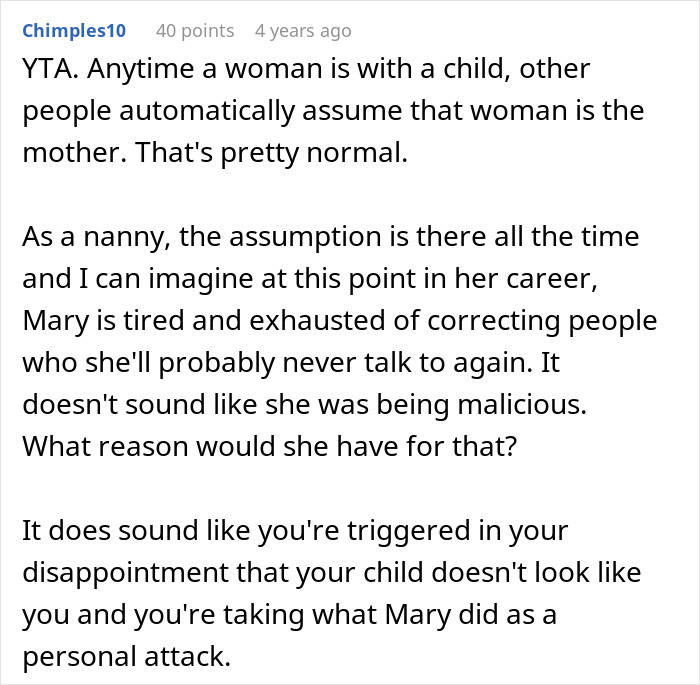
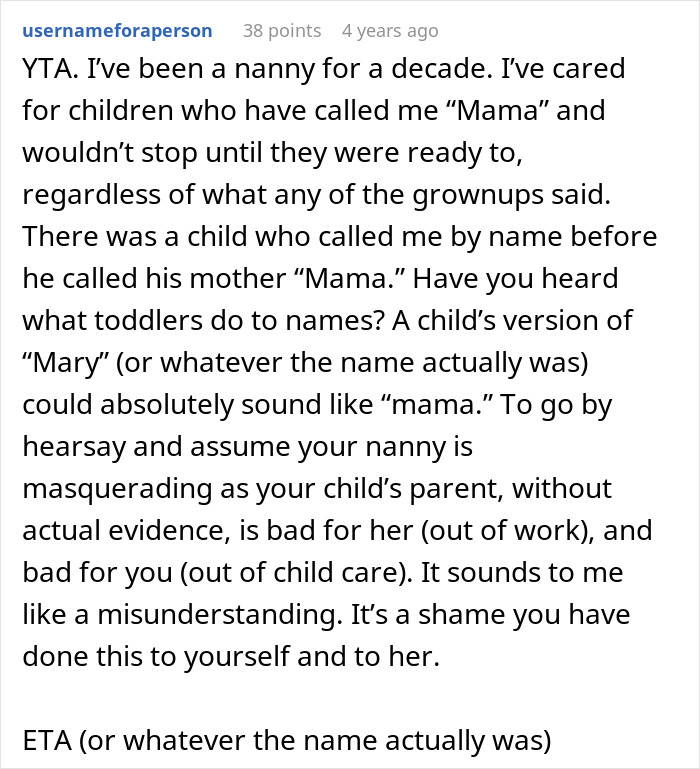
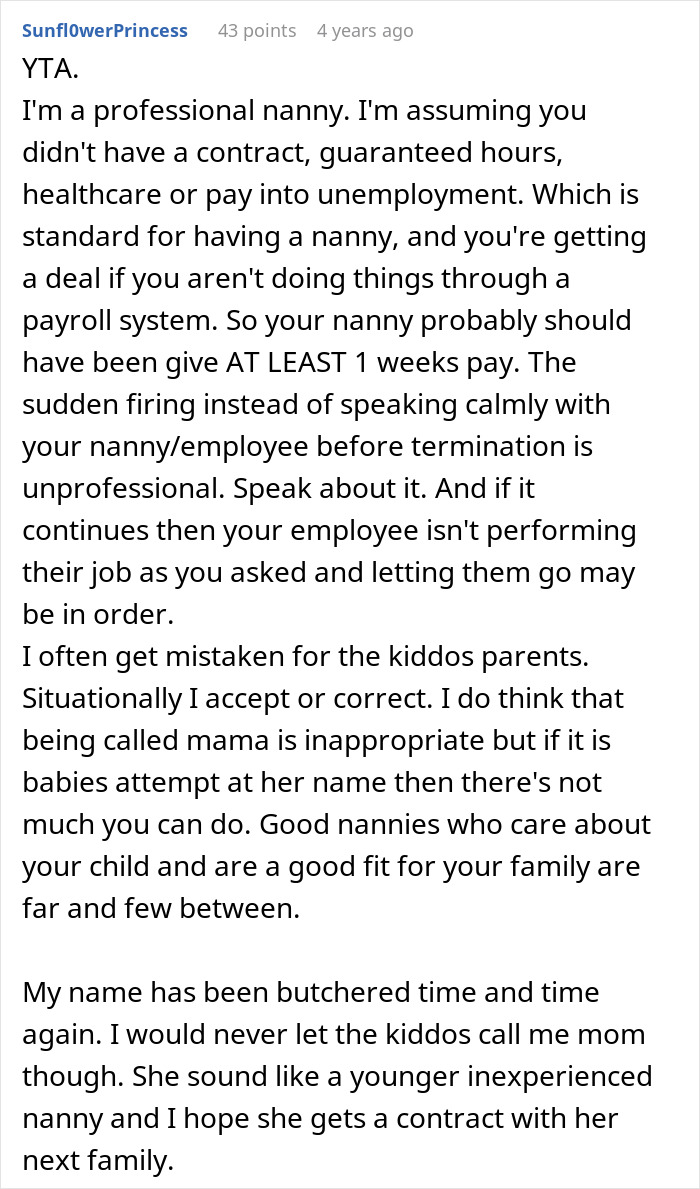
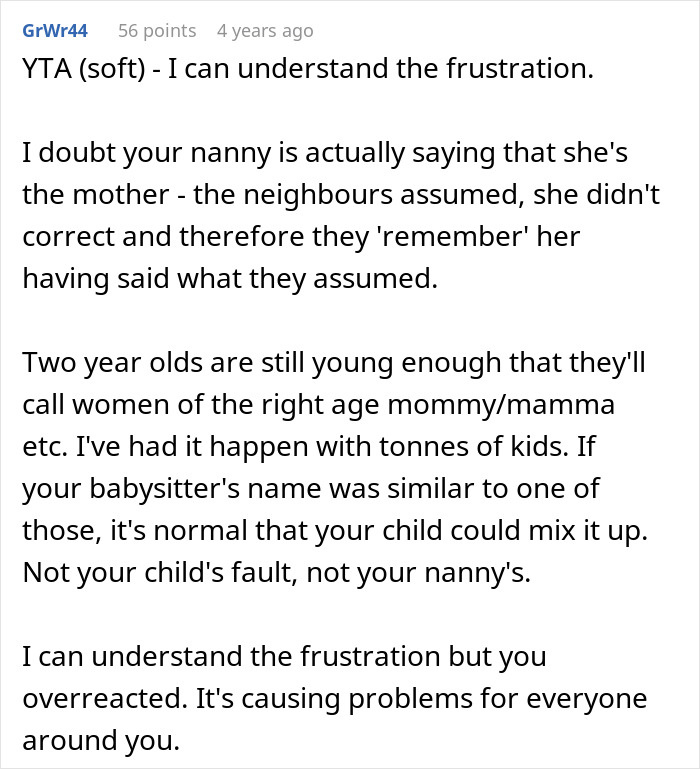
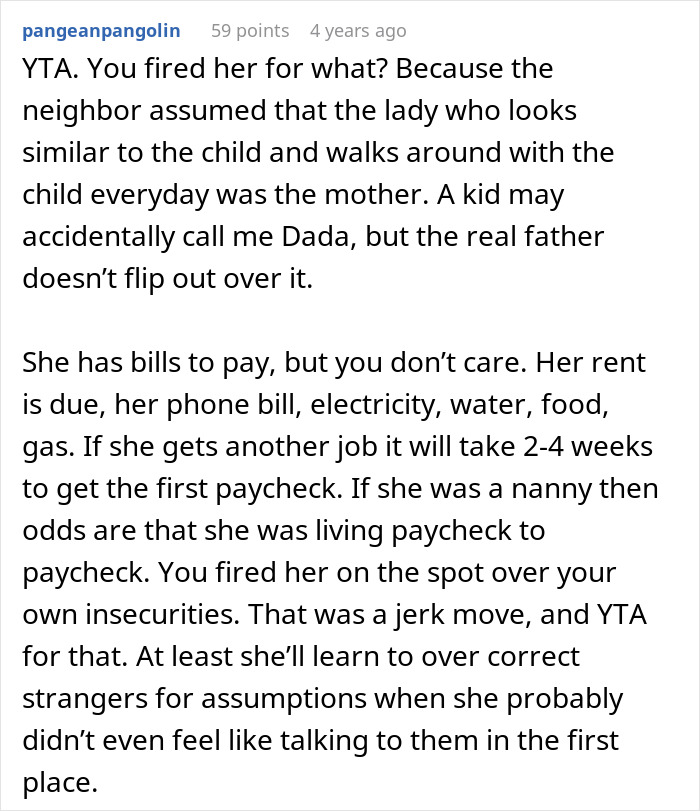
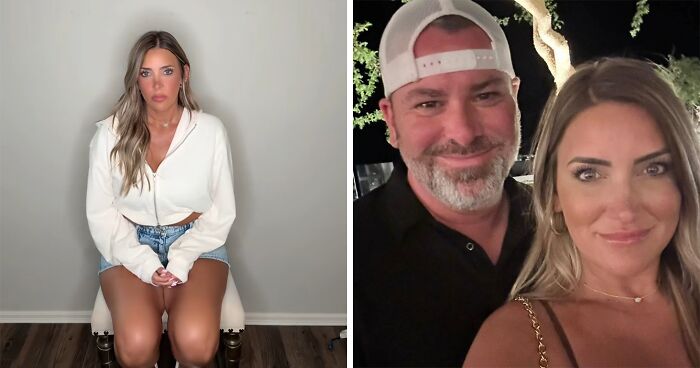
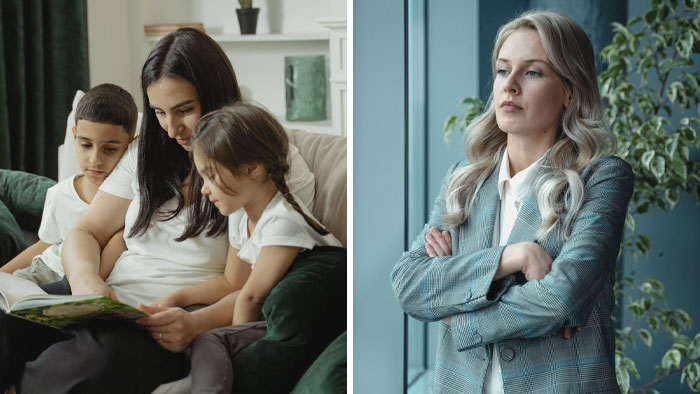
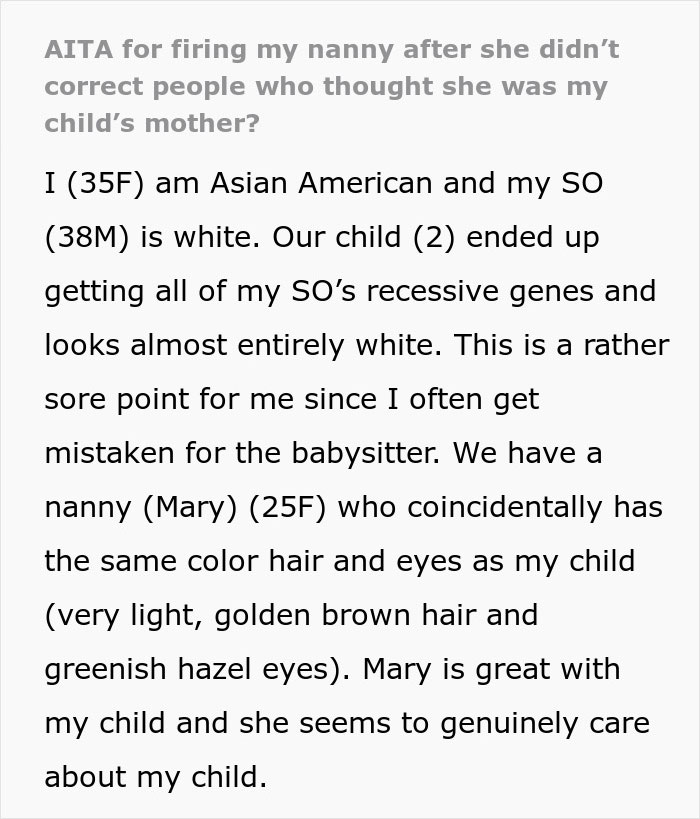
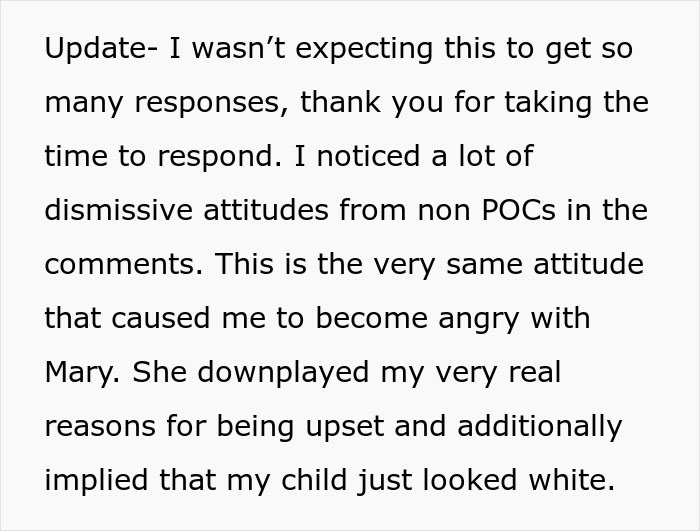
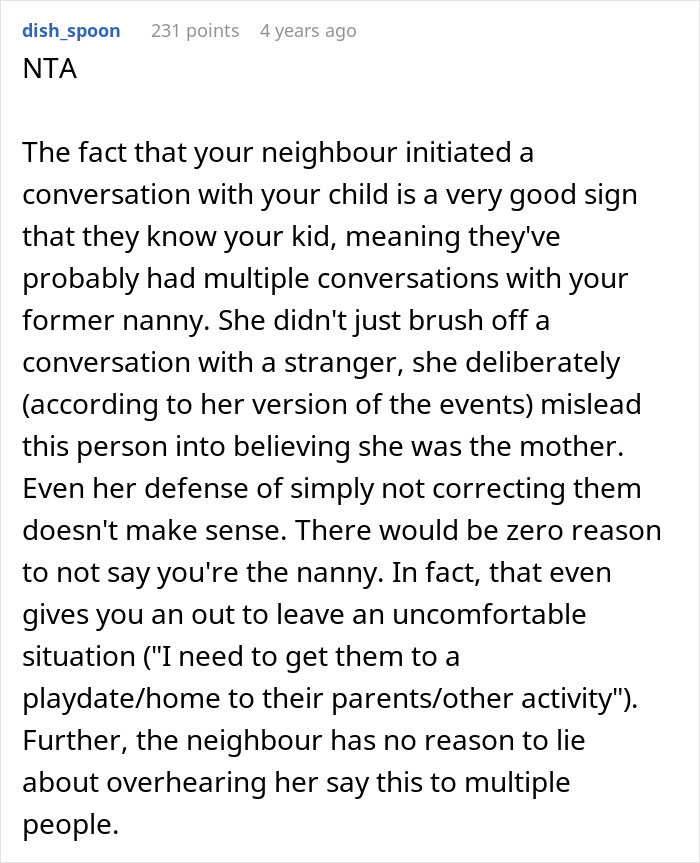
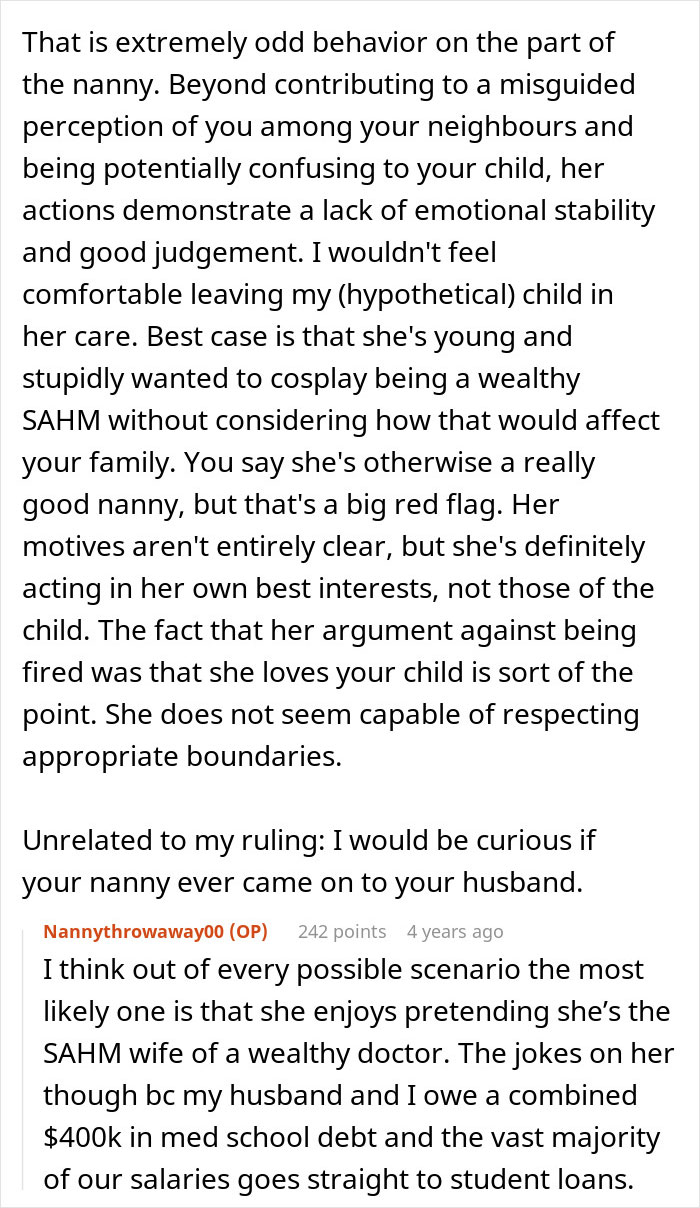
Things seemed to be going well for this family until the mother found out the nanny had been “masquerading” as her child’s mother. The toddler would call her “mama,” and the nanny wouldn’t correct strangers’ assumptions that she was the mother. After noticing some racial microaggressions as well, the mom decided it was time to confront the nanny.
Image credits: partystock / magnific (not the actual photo)
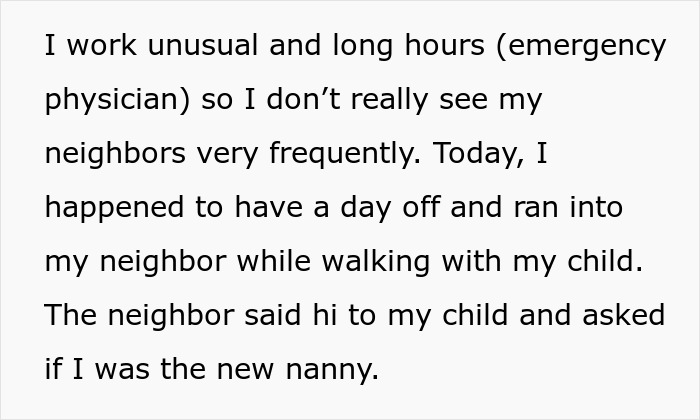
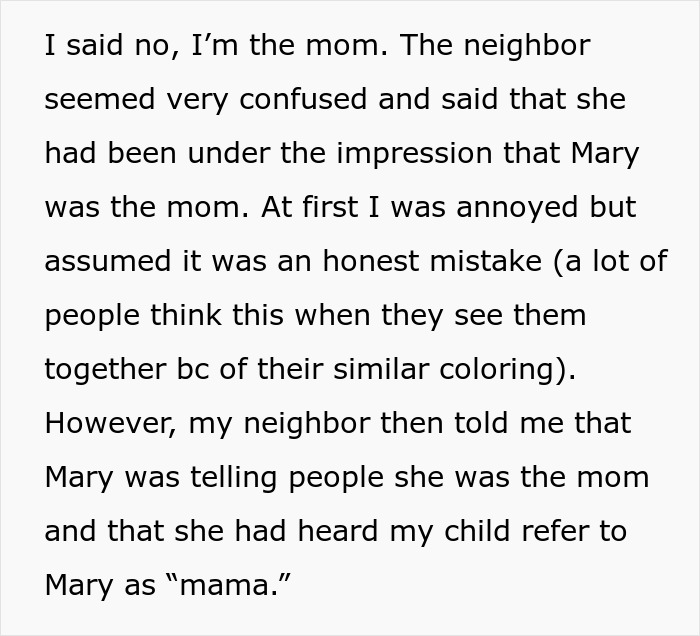
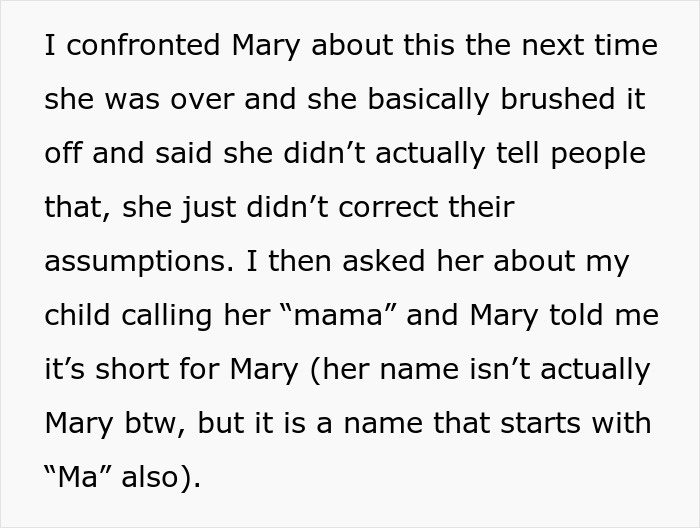
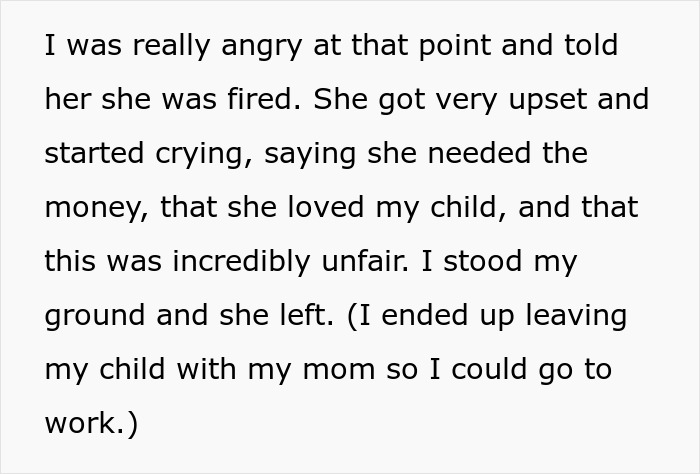
Image credits: DC Studio / magnific (not the actual photo)
Image credits: ArthurHidden / magnific (not the actual photo)
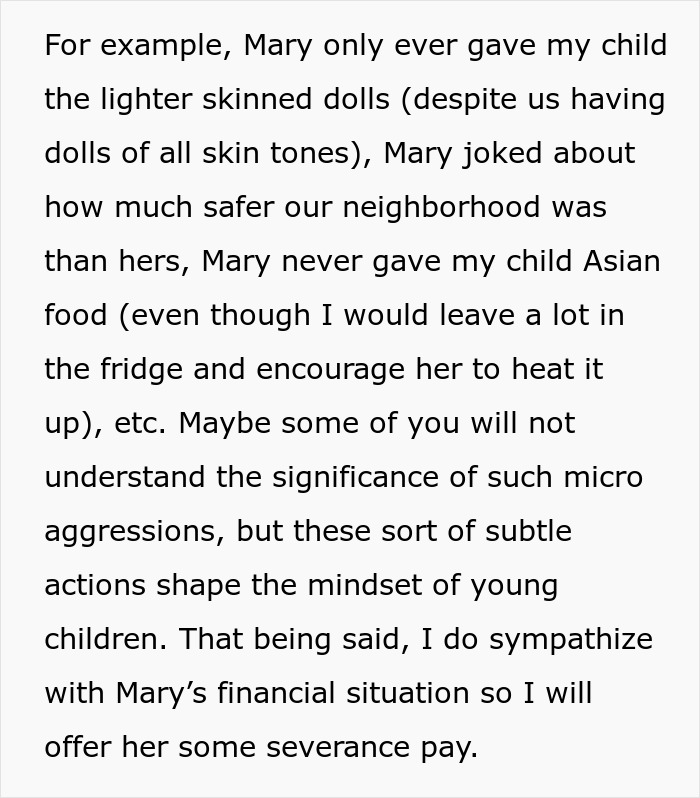
Image credits: Nannythrowaway00
People make assumptions — that’s just a fact most of us have to learn to live with. Even when those assumptions are based on stereotypes, appearances, and speculation. Appearance is the first thing most people notice: our skin color, hair, the way we dress, what we’re carrying in our hands, and so on. However, among those things, skin color is the one thing we can’t control.
That’s why making assumptions or commenting on someone’s ethnicity is often perceived as icky. In this day and age, there are lots of ethnically mixed families. In fact, in 2015, The Pew Research Center found that 14% of babies in the U.S. were multiracial or multiethnic. Interestingly, 22% of parents were themselves multiracial. In a 2020 U.S. Census, 10.2% of the U.S. population identified as multiracial.
So, just because there’s a woman with a toddler who ethnically looks like her doesn’t automatically mean she’s their mother. But, as is evident from this story, people often make assumptions like this. In fact, research finds that parents who raise white-passing children are often mistaken for their babysitters or nannies. Researchers claim that racial biases cause people to make such assumptions.
If people see a child with a woman who doesn’t look like them per se, they’re more likely to think that they’re hired help and not their mother. That doesn’t happen as often with fathers. “Assumptions that women of colour are their children’s nanny is a common racist trope,” researchers Dr. Laura Clancy and Dr. Hannah Yelin write.
Image credits: leungchopan / magnific (not the actual photo)
There are a few high-profile stories that echo what happened to the OP in this story. Clancy and Yelin mention the infamous and infinitely memed viral moment featuring the American political analyst Robert E. Kelly on The BBC, now known as the “BBC Dad.” During an interview on Zoom, his toddlers walked into the room, with a woman following soon to scoop the children away.
How people identified that woman speaks to our structural racial biases, as many viewers assumed she was the hired help and not the children’s mother. Similarly, Meghan Markle has talked about how her mother was often mistaken for her nanny, as she herself was often identified as white-passing.
“Assumptions that women of color exist in service to white employers is a legacy of slavery that still shapes today’s racialized labor economy,” Clancy and Yelin write. In the U.S., Black mothers are particularly likely to be identified as hired help, but, as we see from this particular story, mothers of other ethnicities are mistaken for nannies as well.
In the end, it’s not just about the mother’s feelings or the nanny’s unwillingness to correct other people. It’s also about how the child will move through the world differently when microaggressions like these are tolerated and exhibited by the people closest to them.

By entering your email and clicking Subscribe, you're agreeing to let us send you customized marketing messages about us and our advertising partners. You are also agreeing to our Privacy Policy.
Thank you! You've successfully subscribed to newsletters!











 No fees, cancel anytime







32
1