Get Premium
Dark mode theme is available exclusively for premium users. Learn more about the benefits of subscribing.
No fees, cancel anytime.

 Dark Mode Ad-Free Browsing Unlimited Content
 Ad-Free Browsing Unlimited Content Dark Mode
Join 1.2 million Panda readers who get the best art, memes, and fun stories every week!
In many people's minds, the U.S. is still the greatest country in the world. Many of us grew up with the notion of the U.S. being the dominant superpower of the world, the land of freedom and opportunity. However, when some people actually get the chance to live there for some time, they realize that it may not be all that it's cracked up to be.
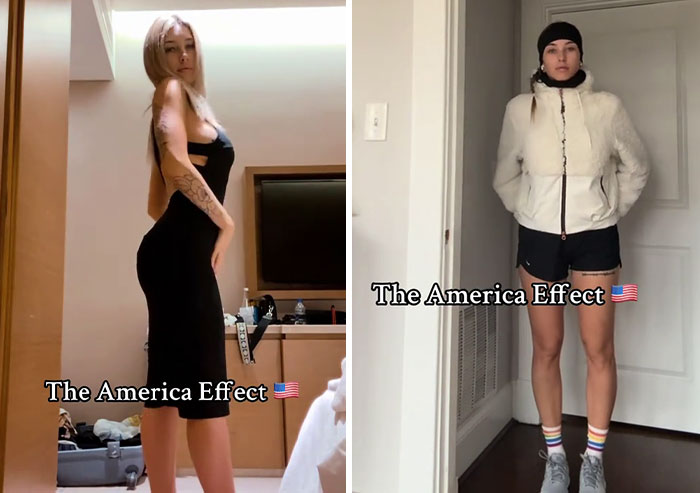
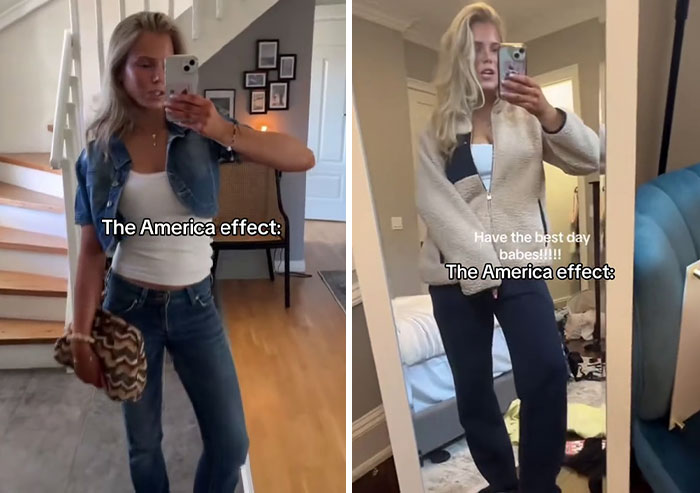
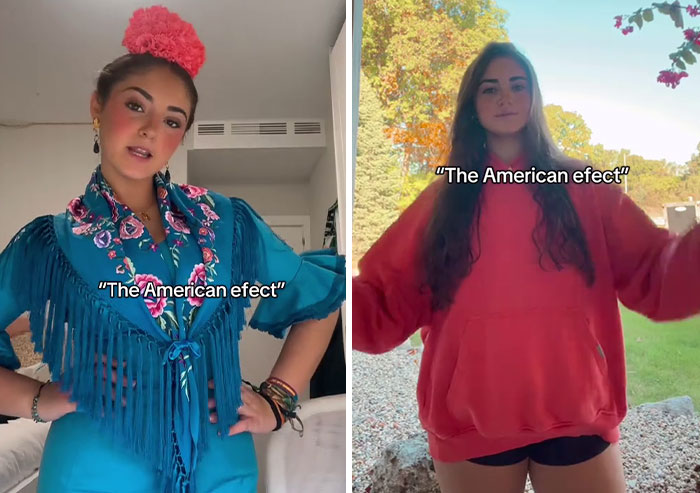
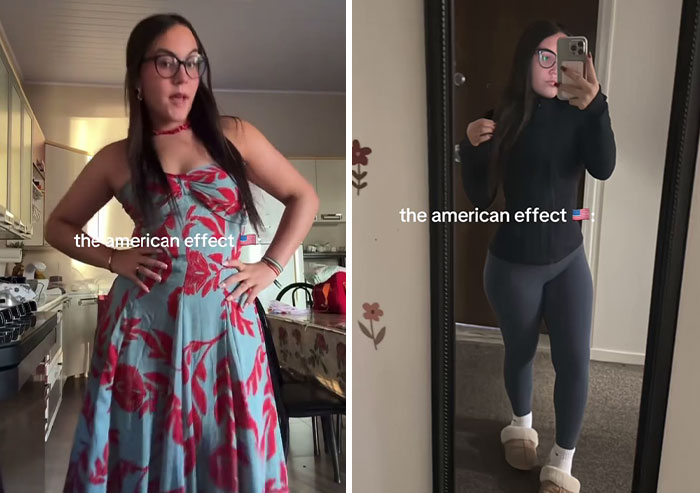
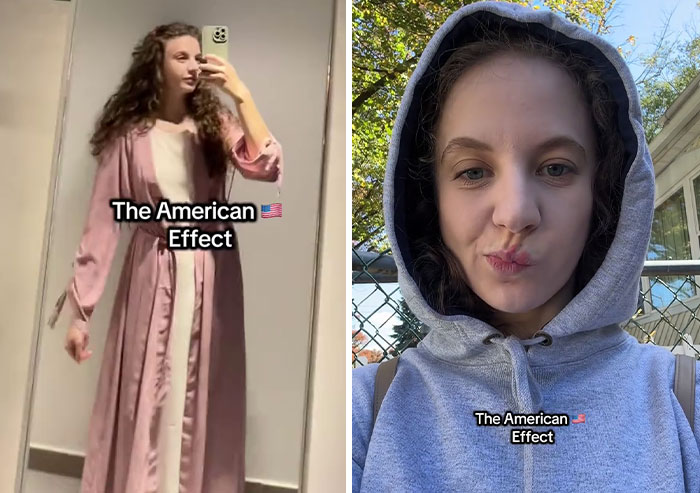
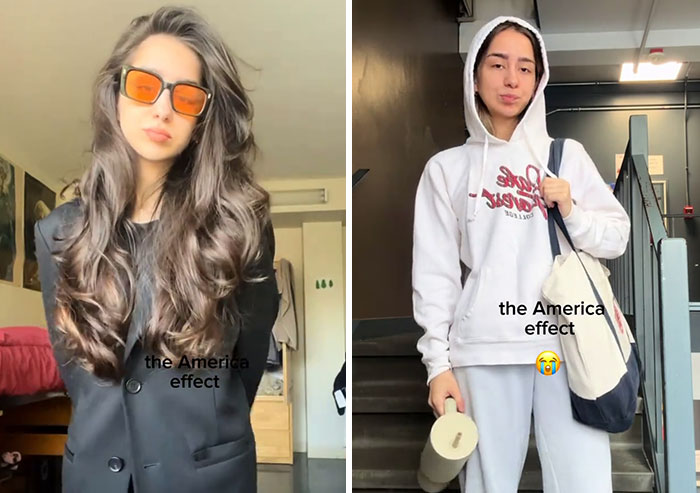
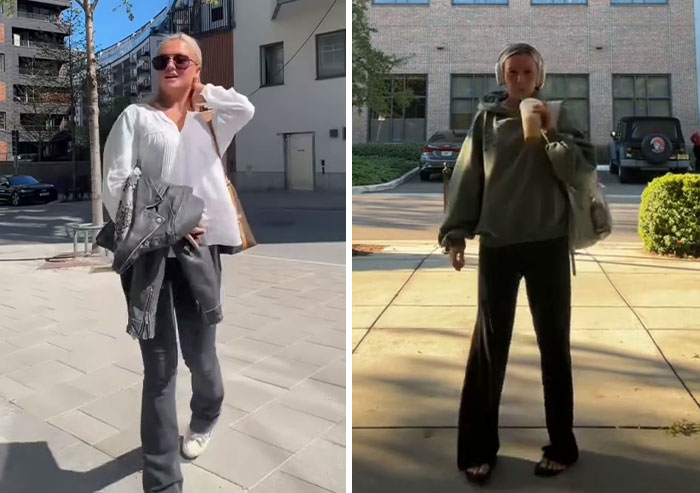
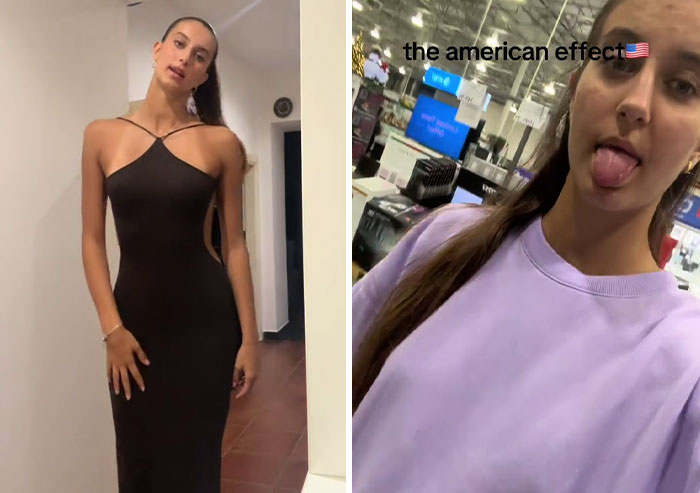
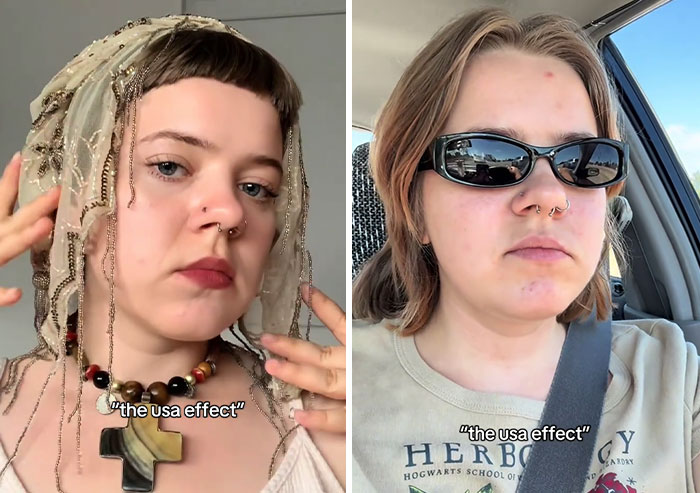
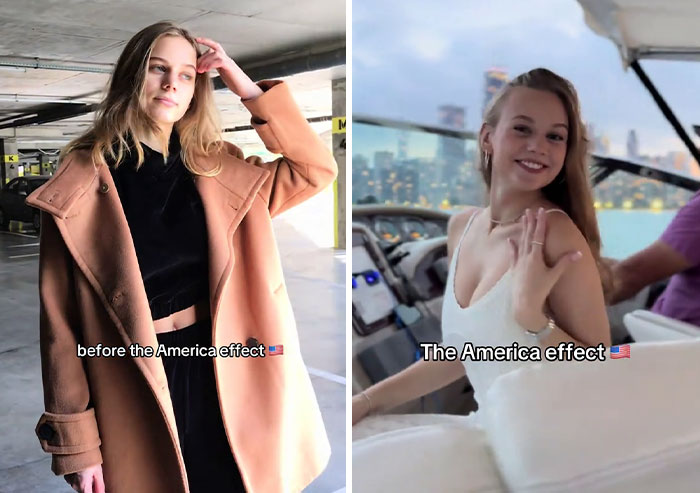
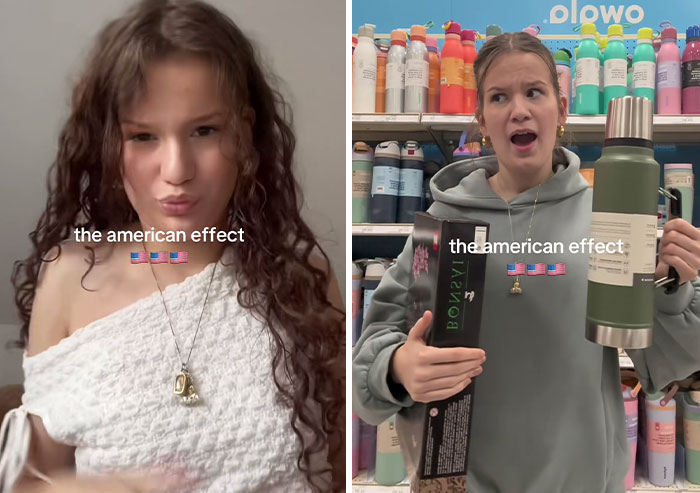
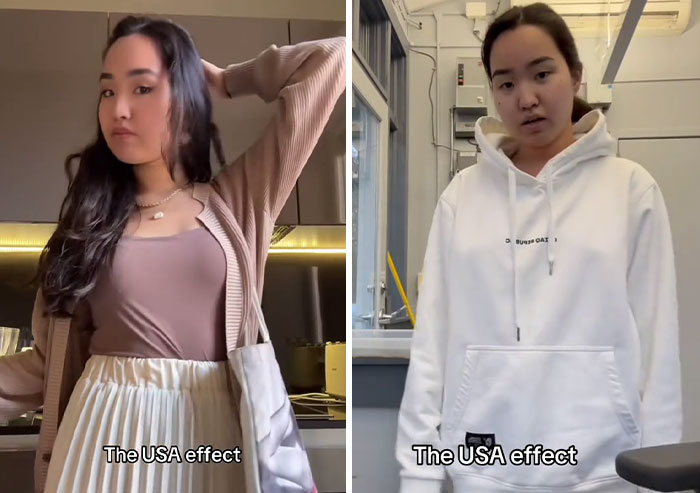
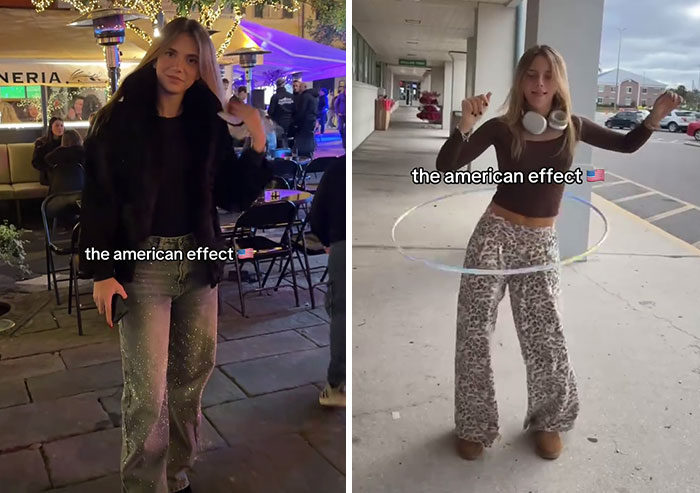
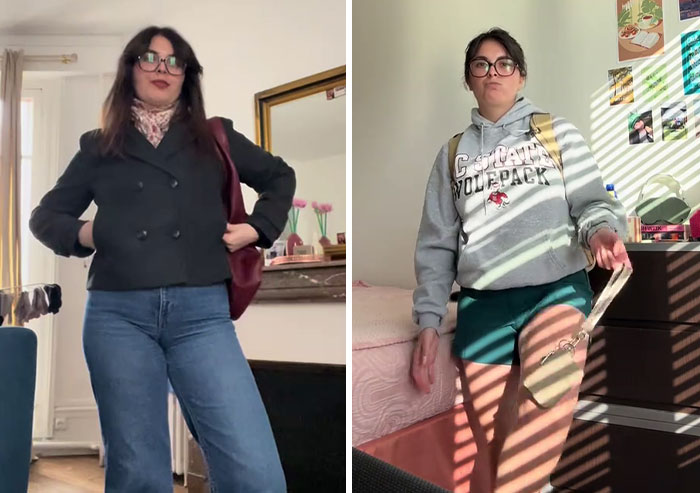
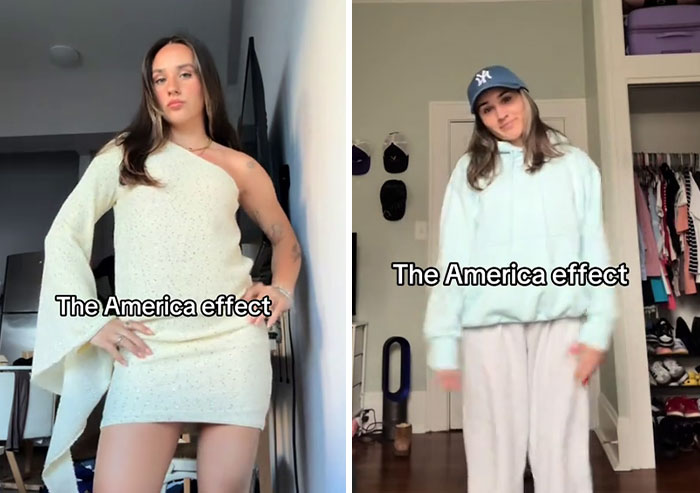
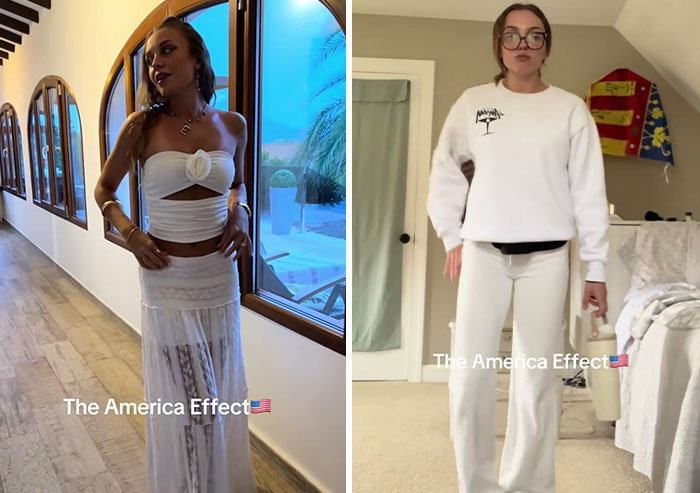
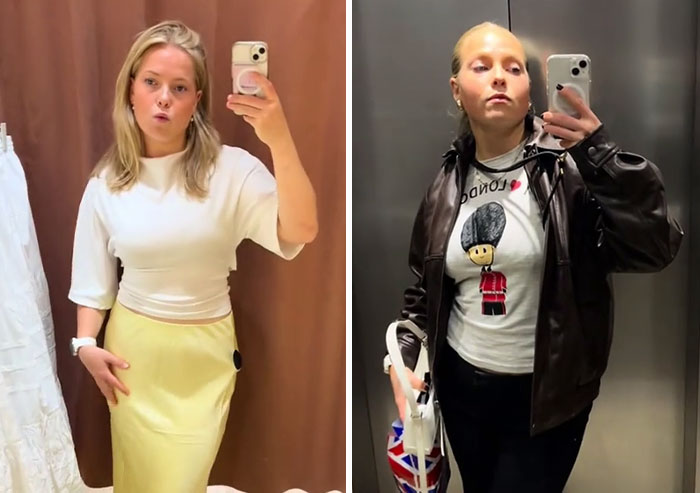
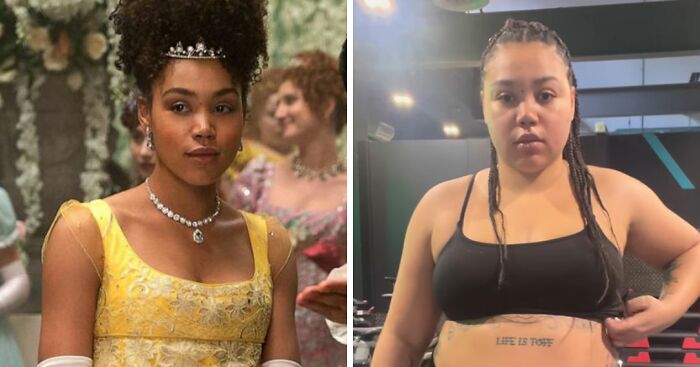
A new social media trend, dubbed "The America Effect," has foreigners who have spent some months or years in the U.S. showing how much their appearance has changed. Some of them seem to have adopted a more laid-back, casual style, prompting debate about how living in the U.S. messes with people's eating, fitness, and dressing habits.
@_manslifestyle This is so sad and I am not proud about it 😭 #americaeffect#trend ♬ original sound - Beka
This post may include affiliate links.
By looking at these pictures, you might not think that living in the U.S. is that much different from living in, say, Europe. But happiness seems to run short in the United States nowadays, at least according to the World Happiness Report. Since 2023, the U.S. has been out of the top 20 happiest countries in the world.
It's even worse for young people: if researchers were to measure the happiness of Americans who are 30 and younger, the U.S. wouldn't even place in the top 60. In comparison, the Nordic countries in Europe – Finland, Denmark, and Iceland – took the top three spots, respectively.

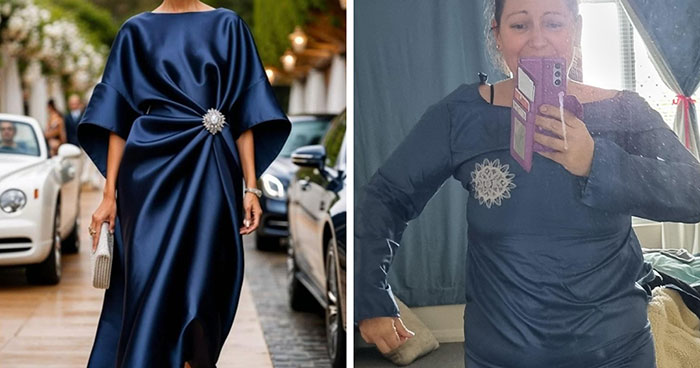
Seems like we are seeing pics of people when they're dressed up and comparing them to to a chill day? How did America cause people to not wear dress up clothes on a nature walk? Get real.
In most of these pictures, you will see women for whom the main change after moving to the U.S. was their preferred wardrobe. While that's not a scientific phenomenon by any means, it's still quite a peculiar matter that people online have observed. This isn't the first time someone has observed that Americans prefer casual dress, too.
Fashion historians agree that Americans are perhaps the most casual dressers of all. Deirdre Clemente, an associate professor of history at the University of Nevada, Las Vegas, who specializes in clothing and fashion, told The Washington Post that the United States "is now associated with casual dress on a global scale."
In the U.S., casual fashion is much more "casual" than, say, in Europe. As Clemente explains, "their version of casual is still a scarf and a stylish leather jacket, whereas ours is a starter jacket and jeans." Although American culture permeates a lot of barriers and has seeped into almost every culture around the world, Americans are still the most casual dressers. "It just never gets as down and dirty as the American version," according to Clemente.
However, that wasn't the case in the past. People would dress up in suits to go to work, and students would go to college classes in suits and ties. Unsurprisingly, most of the people doing both of those things were men, because that was the case up until the 1920s. The rise of the sports coat and pants for women led to people dressing increasingly casually.
For many foreigners, Americans in sweatpants are associated with being sloppy. Clemente disagrees that casual dress is about laziness. As a fashion historian, she views it as people exercising their freedom to express themselves through dress. "We dress more casually because we can," she argues.
"In American culture perennial appearance has become an expression of individuality and not social class to the degree that dressing up is dressing up the socioeconomic ladder. I think that we dress more casually because it's a middle ground for Americans," Clemente explains.
It's not just high school classrooms, college campuses, and grocery stores where people show up in sweatpants and hoodies. Many workplaces have ditched dress codes and allow employees to wear casual clothes. In Silicon Valley, for example, it's now supremely uncool to show up in business casual. Just think of Steve Jobs's iconic black turtleneck and blue jeans – long gone are the days when even CEOs had to dress in suits and ties. T-shirts, sweatshirts, and jeans are the new business casual.
Meta CEO Mark Zuckerberg used to own gray T-shirts and hoodies back in the day. In 2016, he explained his choice: "I really want to clear my life to make it so that I have to make as few decisions as possible about anything except how to best serve this community." Basically, deciding what to wear is just too frivolous and superficial for Silicon Valley CEOs. Many businesses and office workplaces have followed that logic, too. Business casual does nothing for productivity, so it's not really worth the time stressing about.
What do you think about American casual fashion, Pandas? Do you think it's really a sign of becoming American? Let us know your thoughts in the comments. And if you'd like to see what America does best compared to other countries, check out our previous publication on the topic right here!

Officially a “nothing” post. Product endorsements have more content.

Interesting that the "America Effect" appears to be wearing cheep souvenirs from London.



There have been some pointless lists on BP, but none more pointless than this. I'm none the wiser what 'the America effect' is supposed to be and even less do I care.

This! Hoodies and sweatpants, is that the america effect?
Load More Replies...
There have been some pointless lists on BP, but none more pointless than this. I'm none the wiser what 'the America effect' is supposed to be and even less do I care.
This! Hoodies and sweatpants, is that the america effect?
Load More Replies... 


















 No fees, cancel anytime