Get Premium
Dark mode theme is available exclusively for premium users. Learn more about the benefits of subscribing.
No fees, cancel anytime.

 Dark Mode Ad-Free Browsing Unlimited Content
 Ad-Free Browsing Unlimited Content Dark Mode
Join 1.2 million Panda readers who get the best art, memes, and fun stories every week!
The dating world is hard for single people. In 2020, 67% of American daters said their dating lives were not going too well. Women had it particularly difficult, with 65% saying they had experienced harassing behaviors during a date or with a person they were dating. But has it always been like this throughout history?
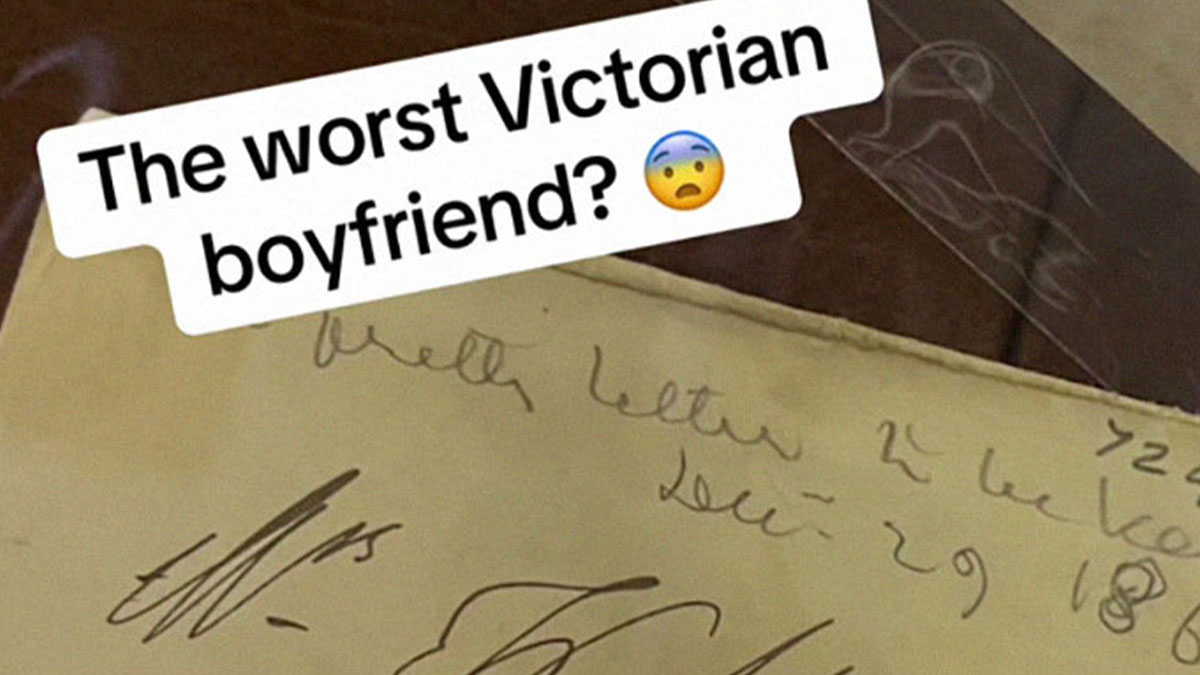
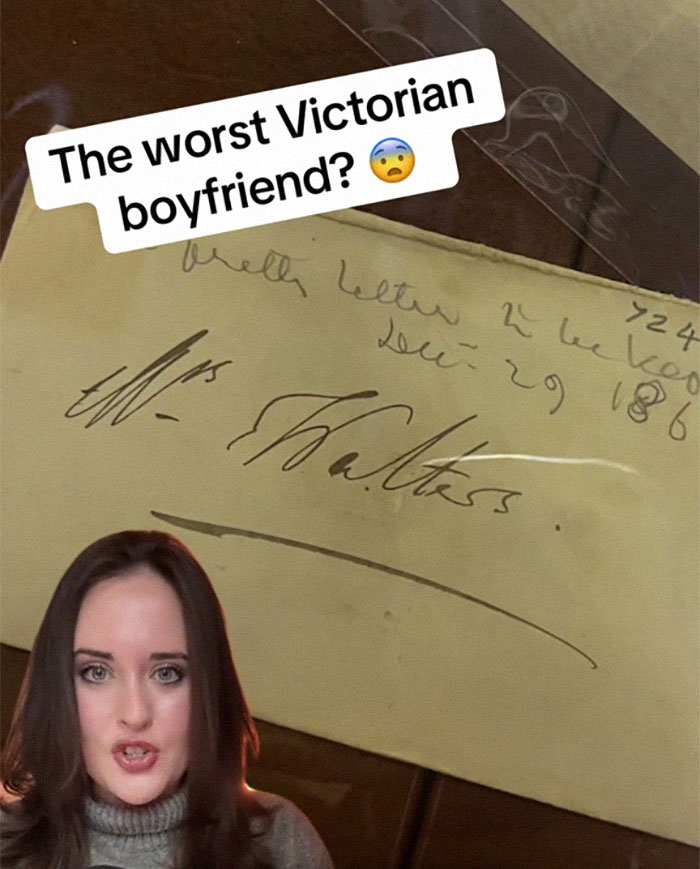
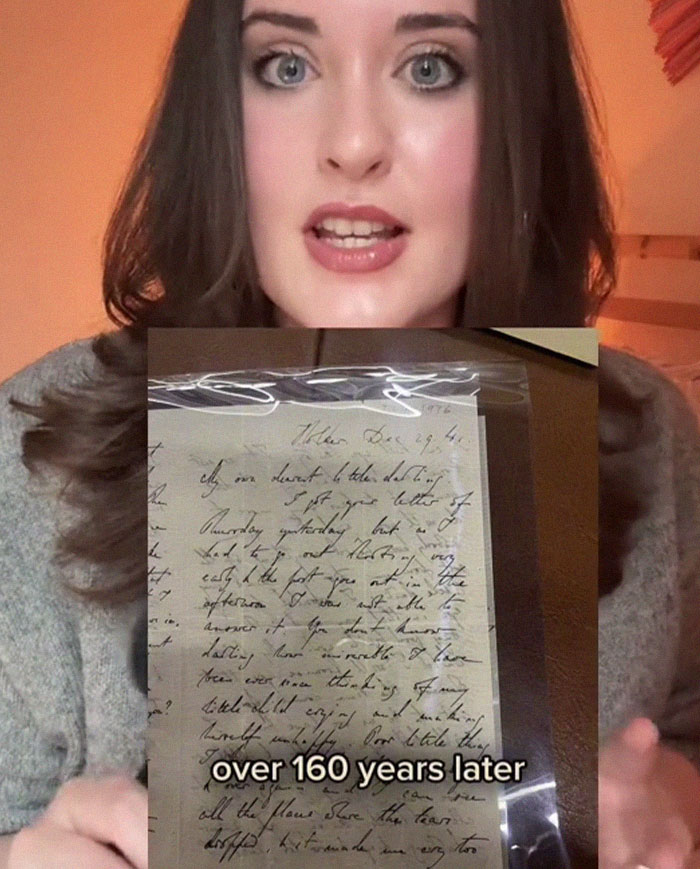
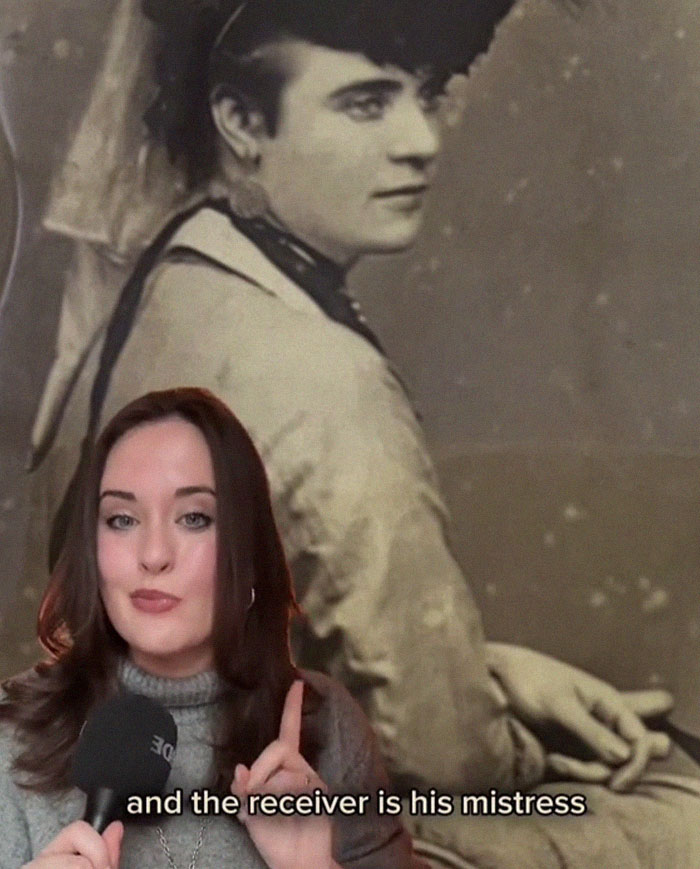
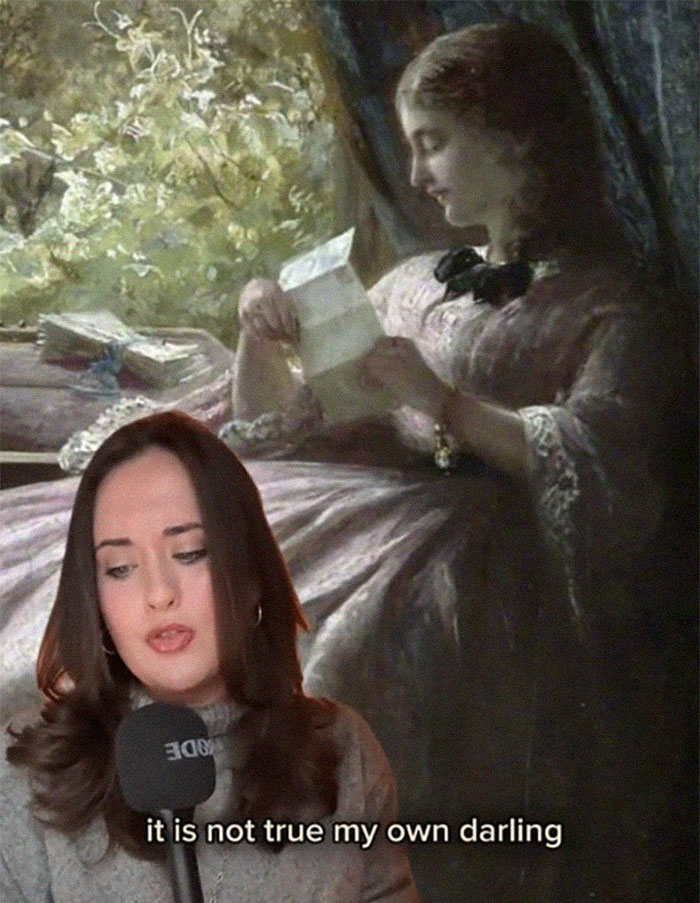
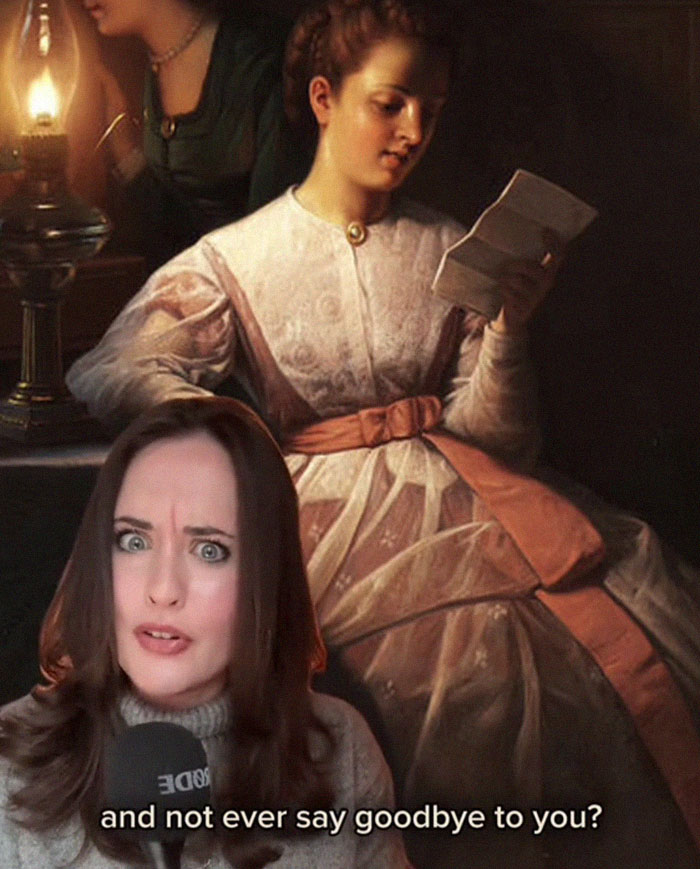
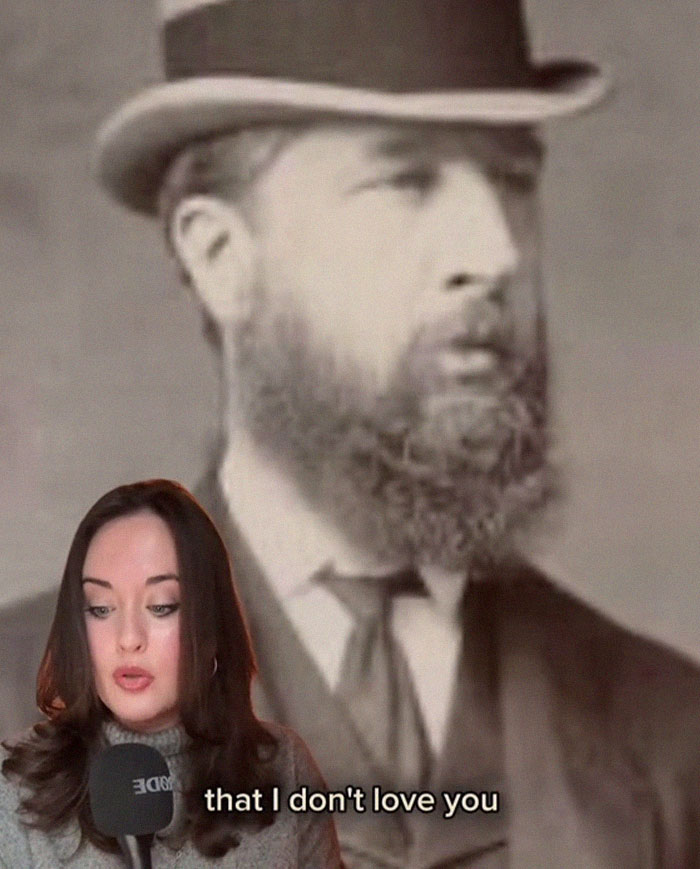
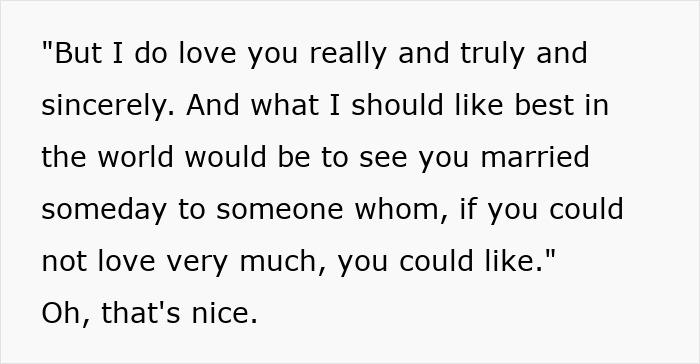
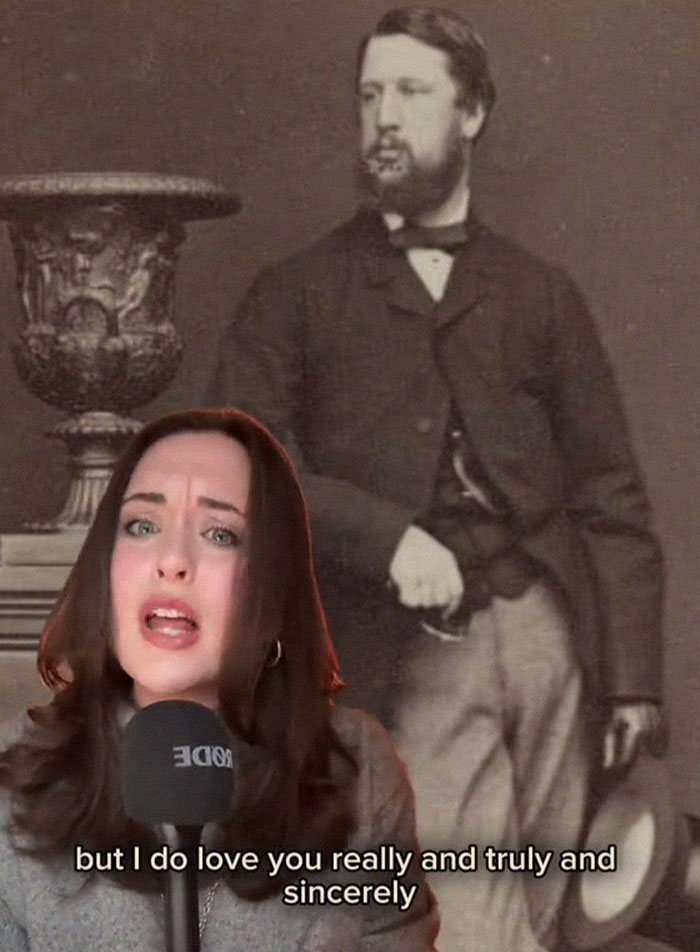
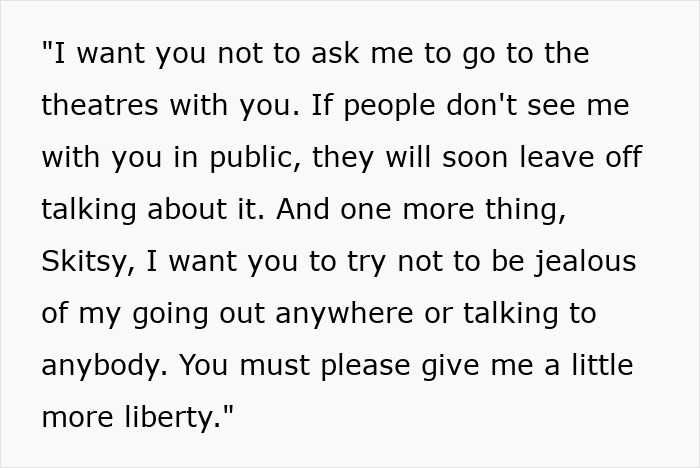
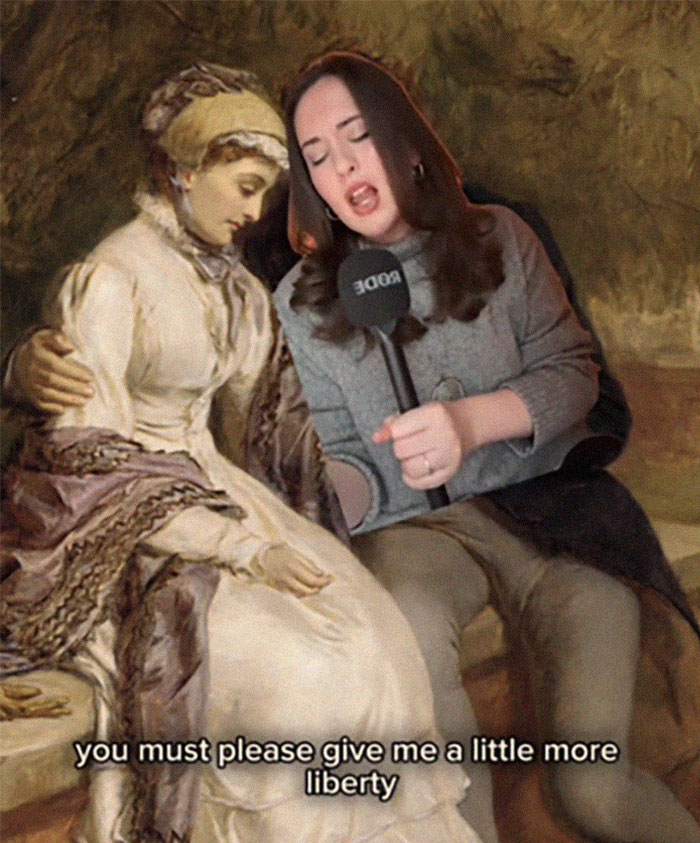
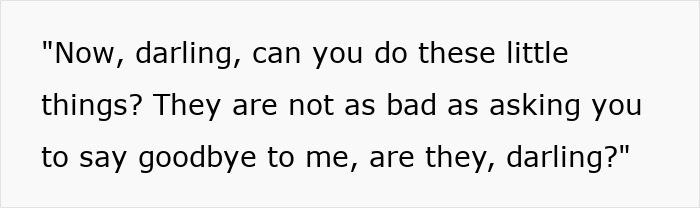
One gentleman’s letter to his mistress might just be proof that men, as Doja Cat would sing in the clean version, ain’t it. 19th-century art and fashion historian Rosie Hart brought people’s attention to the fact that even Victorian boyfriends lacked class by reading said letter to her followers. “Proof that it was embarrassing to have a boyfriend 160 years ago as well,” one commenter quipped.
Image credits: Álvaro Serrano / Unsplash (not the actual photo)
Image credits: rosiehharte
Image credits: rosiehharte
Image credits: rosiehharte
Image credits: rosiehharte
Image credits: rosiehharte
Image credits: rosiehharte
Image credits: rosiehharte
Image credits: rosiehharte
Image credits: rosiehharte
Image credits: rosiehharte
Image credits: rosiehharte
Image credits: rosiehharte
Image credits: rosiehharte
@rosiehharte Is this the WORST Victorian boyfriend? 😨 #history#catherinewalters#victorianera#victorianhistory#historyfacts♬ Tchaikovsky “Dance of the Reed Flutes”(1257471) – kzy
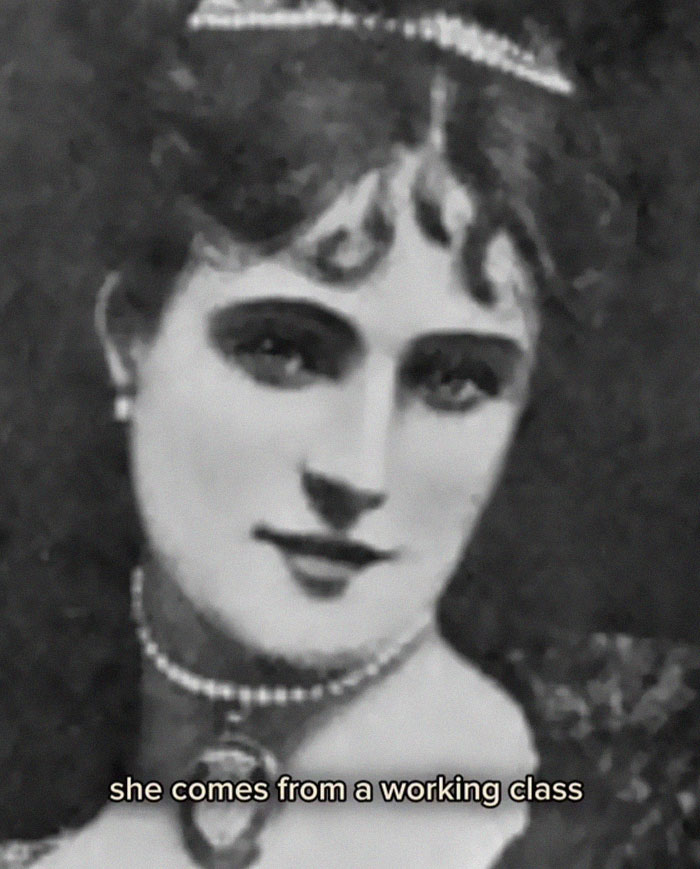
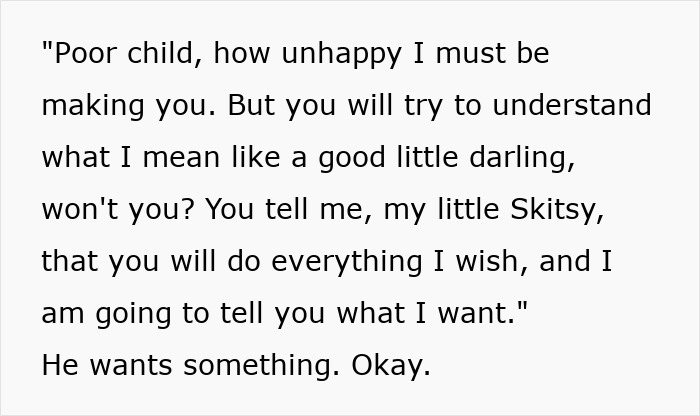
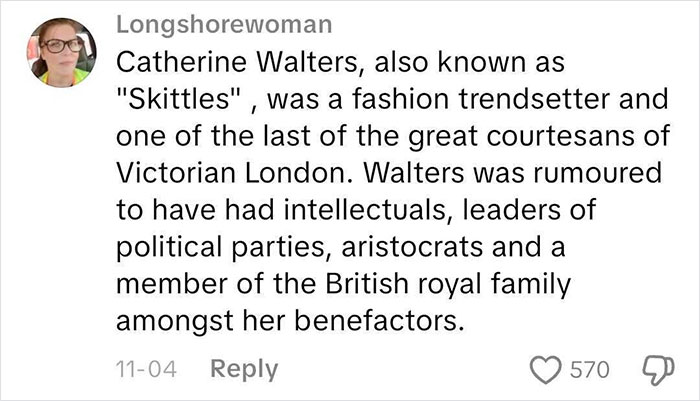
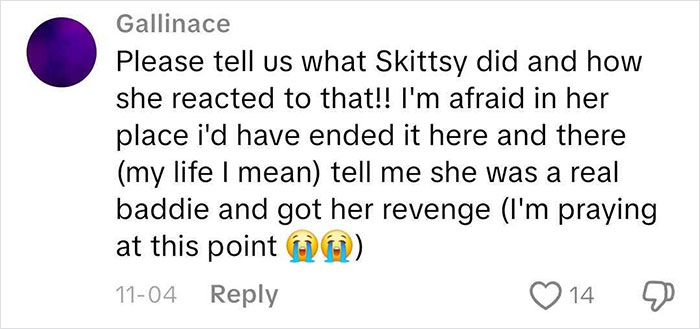
The “Skitsy” in this story is Catherine Walters, a quite famous courtesan of Victorian London. In fact, she was the last courtesan of that era. Her nickname, Skittles, came from her job, apparently. According to legend, Walters worked in the Black Jack Tavern in Liverpool that had a skittles alley, or, as we call it nowadays, a bowling alley.
Throughout her life, Walters was a mistress to many powerful men. Her first was allegedly Lord Fitzwilliam. MP and diarist Henry Labouchère described Catherine as “the most capricious heart I know and must be the only [woman] in history to retain her heart intact.”
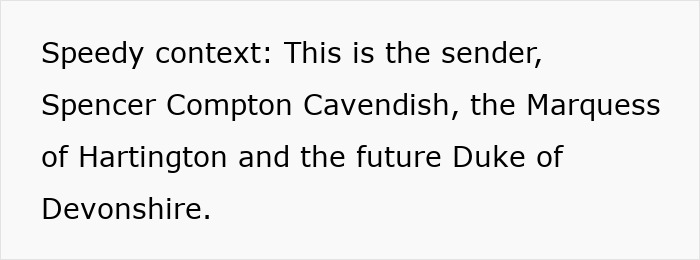
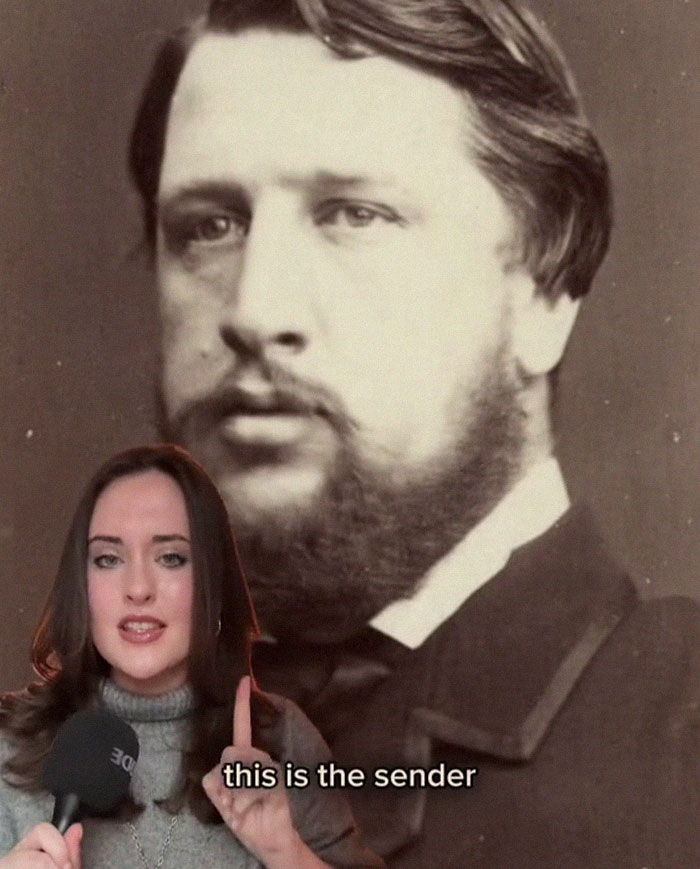
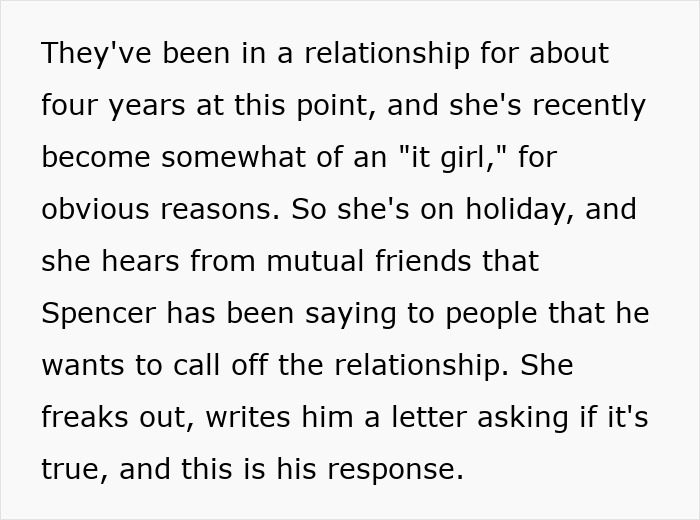
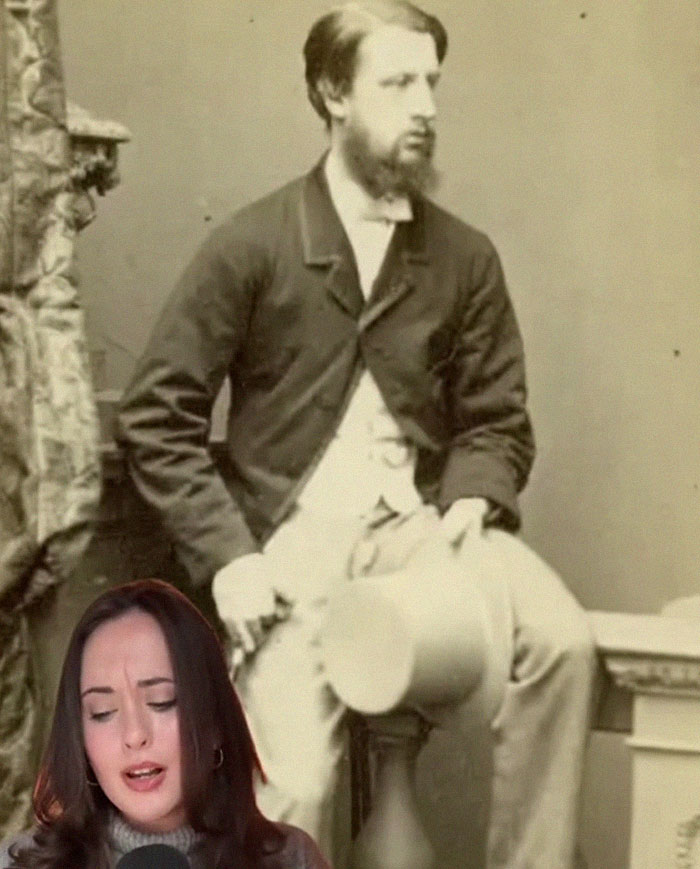
Her affair with Spencer Cavendish, Marquess of Hartington, lasted for four years. He provided Catherine with a Mayfair house and a stable. By that time, Walters was an experienced and established equestrienne.
Many highborn women would go for horse rides in Hyde Park. As creator Rosie Harte notes in another of her videos, they would match their outfits to their carriages. But Catherine was, as Harte puts it, “the Goth Courtesan,” always wearing black. Her outfits were another thing that made her famous. According to historians, her tailors were the famous Henry Poole & Co. on Savile Row.
Yet Walters wasn’t highborn herself. Other sources highlight the fact that she rose to a higher social class than she was born into, indicated by her “docklands vocabulary.” However, as a courtesan, she was able to travel to America and Paris, becoming a member of high society.
So, what happened to Catherine’s and Lord Hartington’s relationship? As Rosie Hart details in another of her videos, they had an outlandishly scandalous and embarrassing breakup. Apparently, Catherine was so in love with Cavendish and wanted to become duchess (he was in line to become the Duke of Devonshire) that she started telling people that he had already proposed.
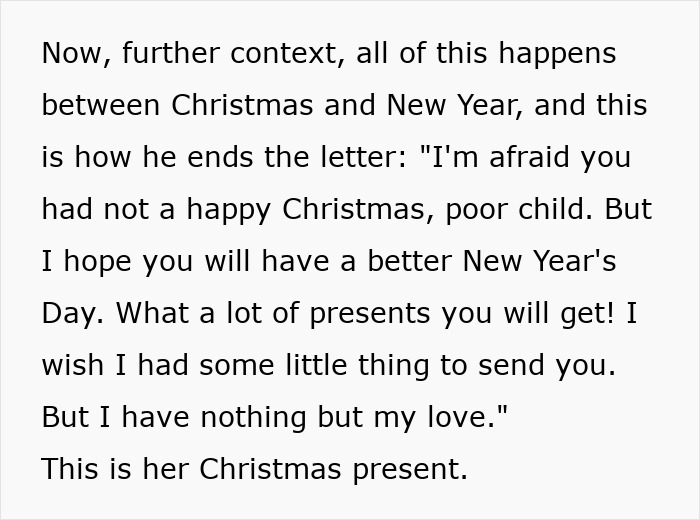
However, Cavendish was eyeing a career in politics and was, for lack of a better word, looking for a “decent” wife. So, like a real gentleman, he wrote her a breakup letter and sent it as he was going away on a trip to America.
When Catherine found out, she decided to follow him, but she couldn’t go on a transatlantic trip unattended. So, she found a young married man, Aubrey de Vere Beauclerk, and traveled to America as his mistress. When they reached New York, Catherine begged Cavendish multiple times to take her back. Yet, every time, he refused.
The brothers of Beauclerk’s abandoned wife chased him and Catherine to America, and the British press reported on this scandal almost daily. Historians claim that Catherine was so mortified by the whole story that she refused to come back to London and thus traveled to Paris, becoming a lover of financier and political advisor Achille Fould.
Was Cavendish really the worst boyfriend in history? Perhaps, but he, like Catherine, was a product of his time, when status and morality could make or break someone’s prospects.

By entering your email and clicking Subscribe, you're agreeing to let us send you customized marketing messages about us and our advertising partners. You are also agreeing to our Privacy Policy.
Thank you! You've successfully subscribed to newsletters!

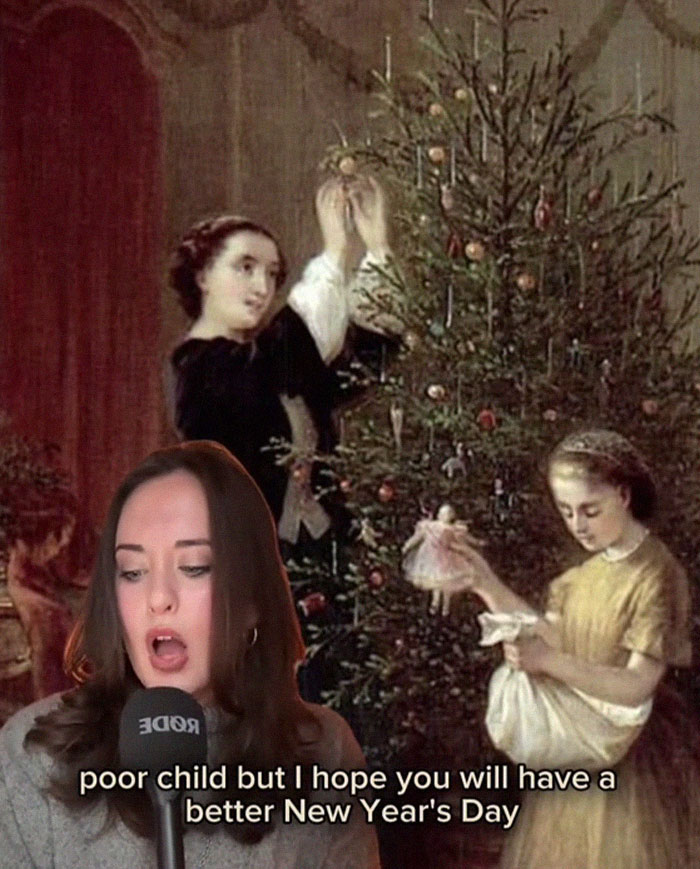
Has nothing to give her for Christmas. Surely he had money to buy her something. The man is a Loser!

Has nothing to give her for Christmas. Surely he had money to buy her something. The man is a Loser!

























 No fees, cancel anytime































17
9