Get Premium
Dark mode theme is available exclusively for premium users. Learn more about the benefits of subscribing.
No fees, cancel anytime.

 Dark Mode Ad-Free Browsing Unlimited Content
 Ad-Free Browsing Unlimited Content Dark Mode
Join 1.2 million Panda readers who get the best art, memes, and fun stories every week!

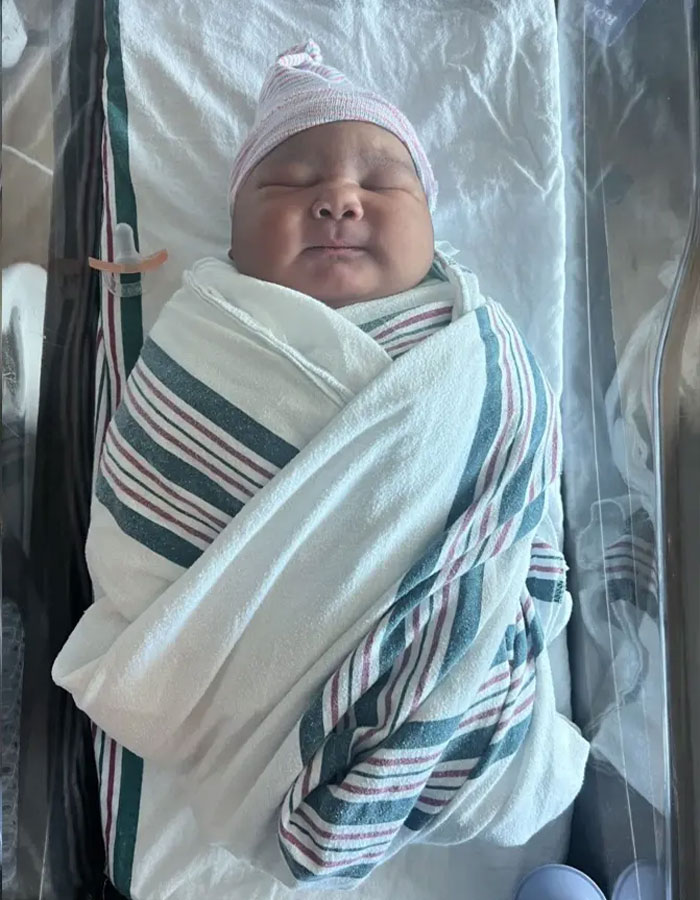
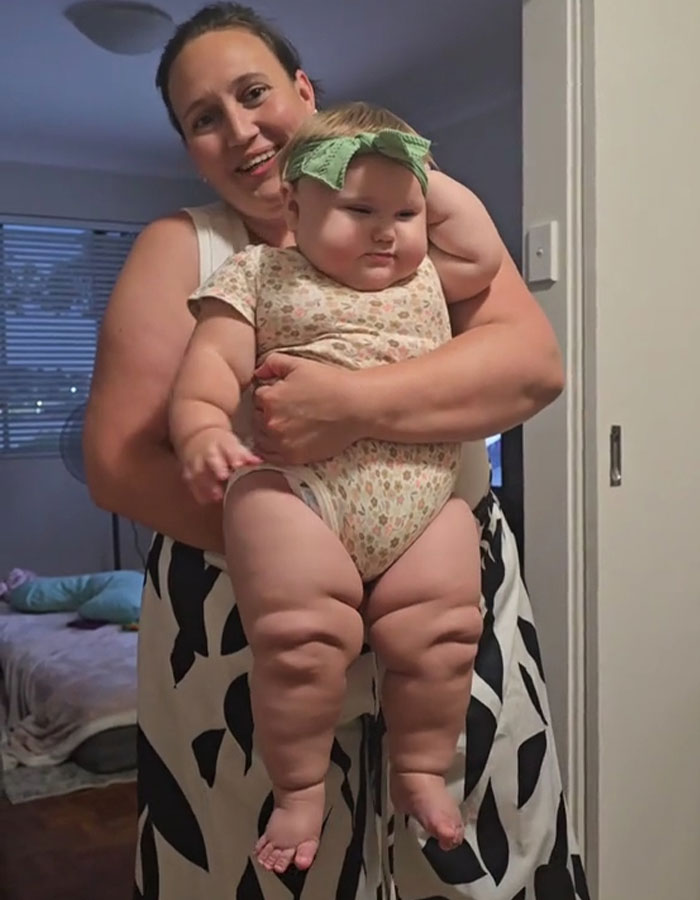
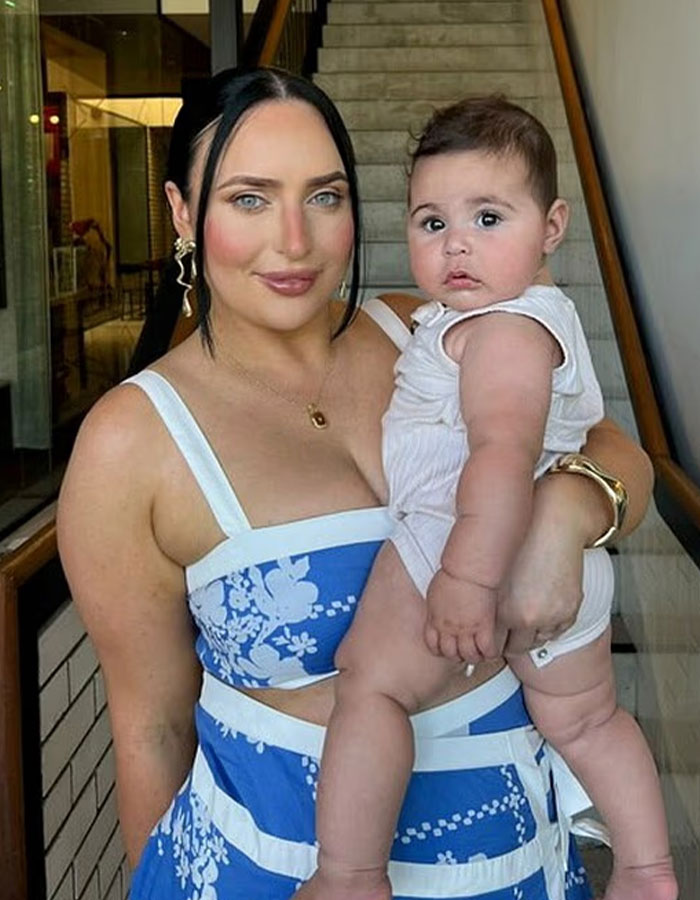
A condition where women give birth to giant babies, formerly known to affect no more than ten percent of mothers, is on the rise, and doctors are blaming an avoidable pregnancy disorder.
The natural anomaly, known in medical circles as fetal macrosomia, has racked up a string of well-documented cases spanning social media platforms and the tabloids.
One of these large tots’ mothers has surfaced to tell her story, which includes accounts of immense “pressure” during birth, a cesarean, and her infant wearing the clothes of a 12-month-old from day one.
Image credits: Daniella Hines
Daniella Hines’ little (we use the term loosely) one tipped the scales at 13 pounds, 15 ounces when he was born on September 3.
Today, which caught the story first, observed that the infant was twice the size of a normal newborn and, as his mother recalled, “the talk of the maternity ward!”
And rightfully so. He was the largest baby ever delivered at St. Joseph’s BayCare in Riverview, Florida.
Image credits: Daniella Hines
If the parents’ heights are anything to go on, the boy’s size had at least a little to do with genes, as Daniella and her hubby, Andre Sr, are more than six feet tall.
Daniella recalled how the boy’s size affected her birthing experience.
She claimed that it was different from the C-section that brought her firstborn into the world.
Image credits: chloesapic
“I remember thinking, ‘What are they pulling out of me?’ What is going on here?’ I felt so much pressure,” she told the outlet.
It all came together when she saw the tot.
“He was so big. I was like, ‘Whose baby is this? He came out of me?’”
People flocked to the delivery room to see the anomaly.
Image credits: rlaraassis
“Everybody start[ed] coming in because it’s not every day you see an almost 14 pound baby pop out. He was like a little celebrity,” the 40-year-old mother gushed.
“I can’t wait to show him when he gets older: ‘Look you were in the news!’”
Daniella admitted she did not expect “such a big blessing,” and said that it just gave her “more to love!”
Mayo Clinic defines fetal macrosomia as a condition where the baby weighs more than 8 pounds, 13 ounces or 4,000 grams at any point in the pregnancy.
Image credits: ginnasweetlips
Notably: Before the ninth week after conception, the growing life is considered an embryo in medical circles–suggesting that the larger than usual weight of fetal macrosomia is experienced from around two months.
At the time of writing, the outlet observed that nine percent of the world’s babies were affected and that factors like obesity, overdue pregnancies, and late age conceptions increased the risk.
Mayo Clinic further noted women over 35, with a genetic history of the disorder, along with those who gave birth multiple times were more likely to experience the condition.
@eve.torp Huge cute babies #baby#cutebaby#foruyou#hugebaby#fyppppppppppppppppppppppp#tik_tok#funny♬ original sound – @happytime7777
Doctors consider gestational diabetes a key factor in fetal macrosomia.
The sugar-related illness was prevalent in Daniella’s case, although “strictly controlled.”
A study published in Science Direct “Obstetrics Gynecology and Reproductive Medicine” underscored its connection to the trend when it observed “an increasing prevalence of maternal obesity and gestational diabetes” over the last three decades.
Professor Dimitrios Siassakos of obstetrics at University College in London doubled down on the observation when he said:
Image credits: brittanymareeopetaiahalls
“Women with untreated gestational diabetes are much more likely to have big babies.”
He noted that this does not necessarily mean the mother-to-be is overweight.
“What many don’t realize is that you don’t need to be overweight to develop gestational diabetes.”
“A significant proportion of women affected are a normal weight—or even slim,” the Daily Mail reported Siassakos saying.
Image credits: brittanymareeopetaiahalls
Fortunately, being diagnosed with the blood glucose disorder does not necessarily result in a dark prognosis.
“The most effective treatment for gestational diabetes is lifestyle modification—and not anything particularly drastic,” the academic added.
“Making sure you exercise regularly, and taking a common-sense approach to diet, can reduce the risk that both you and your baby will develop diabetes later in life.”
Image credits: thatguymike_92
Image credits: Trash_Man84
Image credits: BigBoithedog
Image credits: IkosFriendly
Image credits: monkedrink
Image credits: Unscrupuloz
Image credits: ma34355
Image credits: Ghost_Req
Image credits: tallyohhh
Image credits: Kezojofy
Image credits: nychotdogstands
Image credits: ballonstagger
Image credits: ToshLove4
Image credits: Hypedtwolvesfan

By entering your email and clicking Subscribe, you're agreeing to let us send you customized marketing messages about us and our advertising partners. You are also agreeing to our Privacy Policy.
Thank you! You've successfully subscribed to newsletters!


"the sugar-related illness" holy hell, this was badly written. Kindly get it together.

"the sugar-related illness" holy hell, this was badly written. Kindly get it together.





































 No fees, cancel anytime























-8
23