Get Premium
Dark mode theme is available exclusively for premium users. Learn more about the benefits of subscribing.
No fees, cancel anytime.

 Dark Mode Ad-Free Browsing Unlimited Content
 Ad-Free Browsing Unlimited Content Dark Mode
Join 1.2 million Panda readers who get the best art, memes, and fun stories every week!
In every generation, some women are trailblazers who set the standards of freedom, independence, and hope for their gender. These women are so brave that even the strictest rules and standards can't match their inner power.
This list, based on the ‘historywithwomen’ Instagram page, celebrates women in history who’ve done so much for our society without expecting much in return. Hopefully their sacrifices and stories can help inspire you today to make change in the world, society, and even your own life.
This post may include affiliate links.
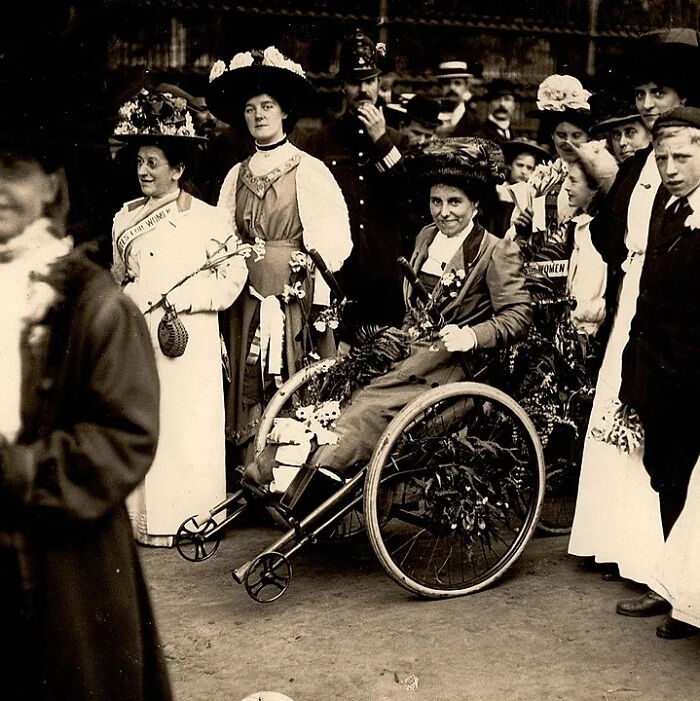
Rosa May Billinghurst, known as the “cripple suffragette” participating in a demonstration for the vote for women, with her crutches in place either side of her tricycle.
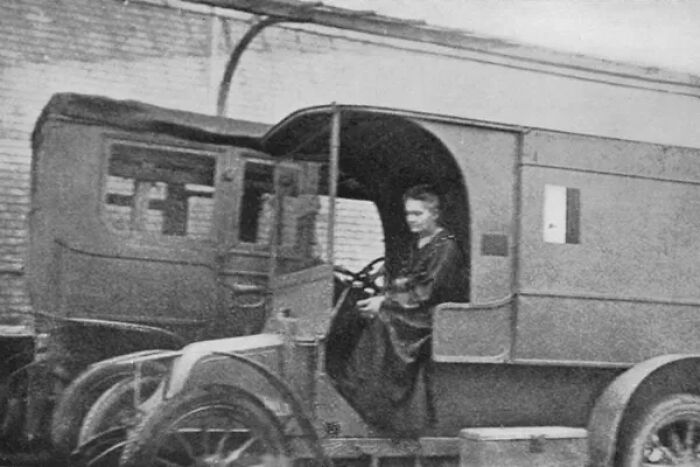
Marie Curie in a mobile military hospital X-Ray unit, circa 1915, after seeing the need for radiological centres near the front lines to assist surgeons.
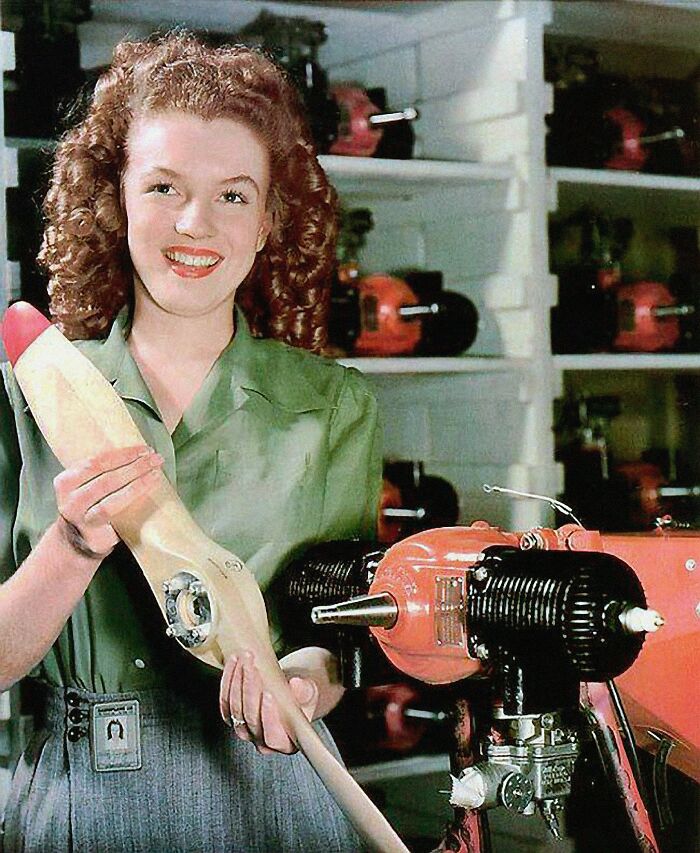
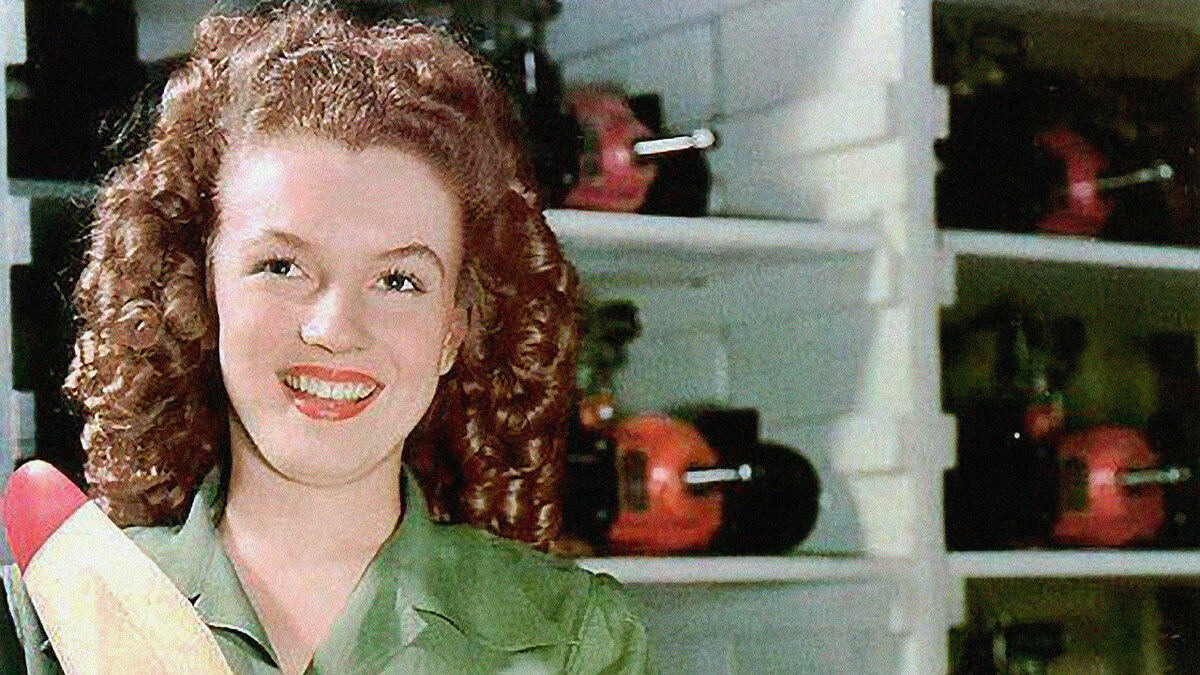
Marilyn Monroe in 1944, working in the Radioplane Company, a munitions factory in Van Nuys.
Many women in history have done extraordinary things, and sometimes it’s hard to imagine how much they actually accomplished. According to History Hit, Agnodice was the first known midwife in the 4th century BC. She courageously practiced gynecology when other women in Greece were banned from doing so.
According to the tales, she cut off her hair and disguised herself as a man to study under one of the key medical practitioners of her time, since only men could access such areas. Her story was often quoted in the 18th and 19th centuries, at the peak of women’s struggle, to encourage midwives and gynecologists to practice. Although it’s unclear whether Agnodice's story is fact or fiction, her legend has become a symbol of female equality, intelligence, and determination.
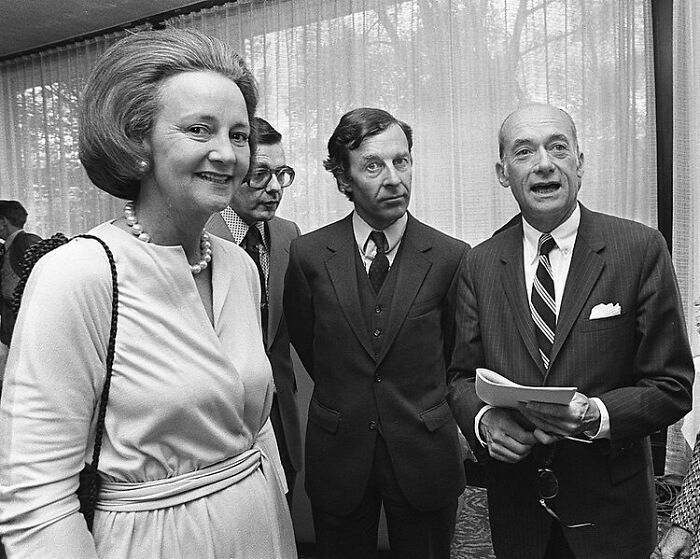
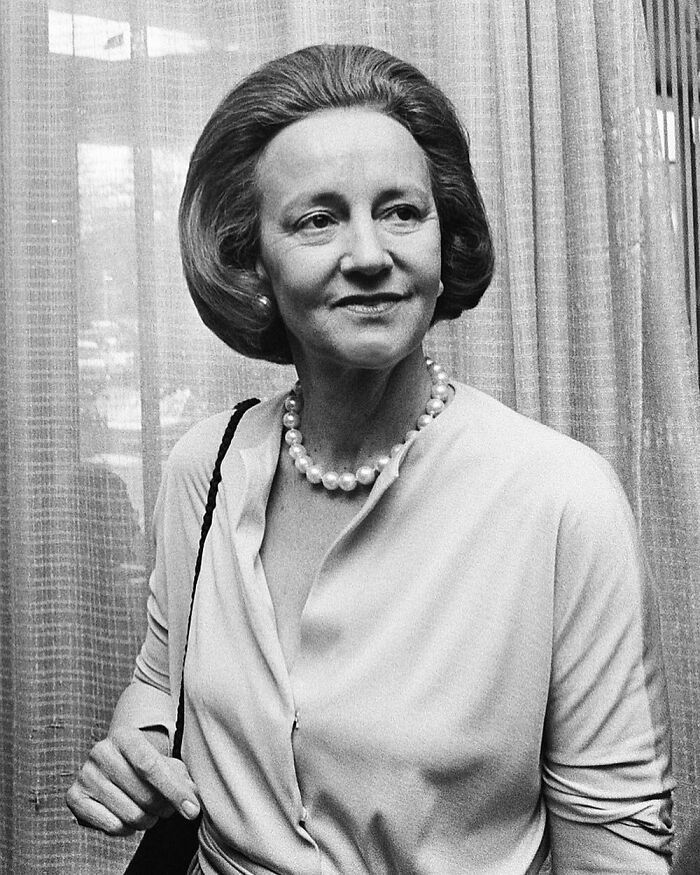
Publisher of the Washington Post, Katharine Graham, at a meeting of the Dutch Newspaper Press in 1975
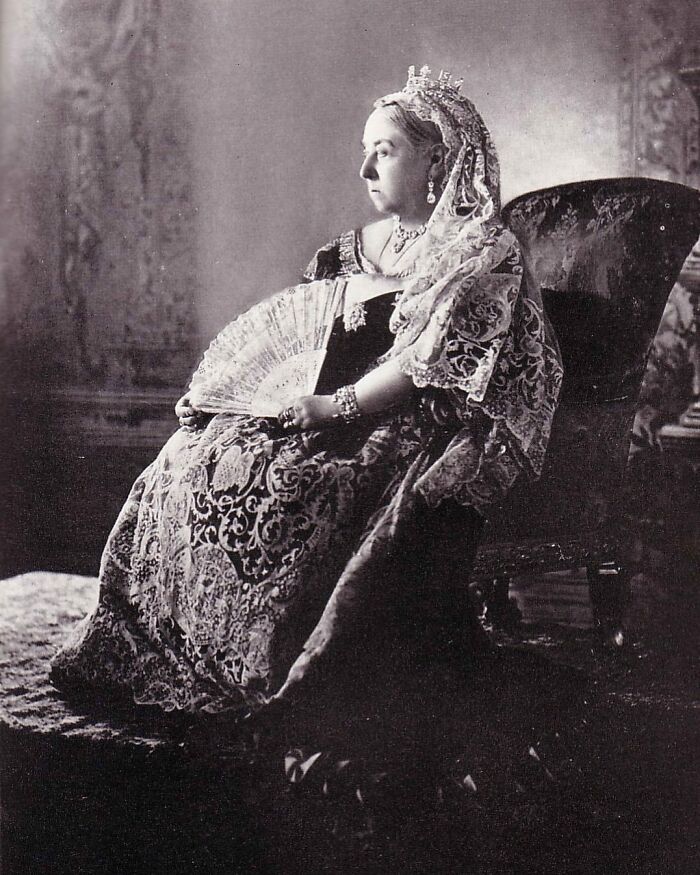
The official Diamond Jubilee photograph of Queen Victoria of the United Kingdom in 1893.
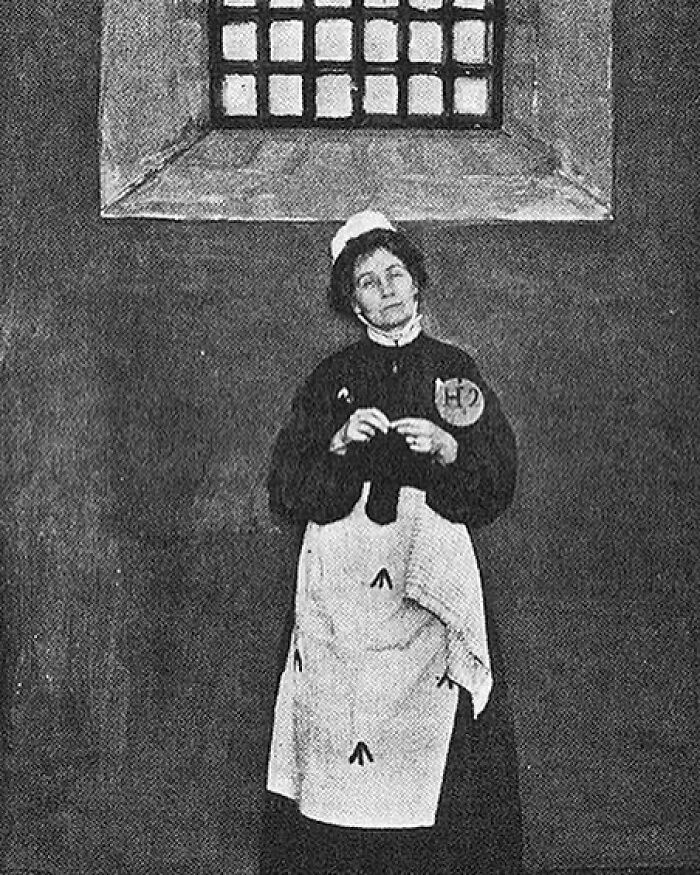
Emmeline Pankhurst in prison, wearing prison dress, in circa 1911. She described her first incarceration as “like a human being in the process of being turned into a wild beast”.
Juana Ramírez de Asbaje was born in the 17th century and thirsted for knowledge, but as a girl, she had little access to formal education. When her family sent her to live with relatives in Mexico City, her intelligence drew the attention of the viceroy, Antonio Sebastián de Toledo, who tested her knowledge with the help of 40 scholars.
As she grew up, she didn’t want to marry, and so she decided to become a nun and moved into a convent. There she amassed an incredibly large private library along with a collection of musical and scientific instruments, and wrote poems, dramas, and books. Her work for women’s rights made her an icon of Mexico, and her former cloister is now a center for higher education, which is also on currency.
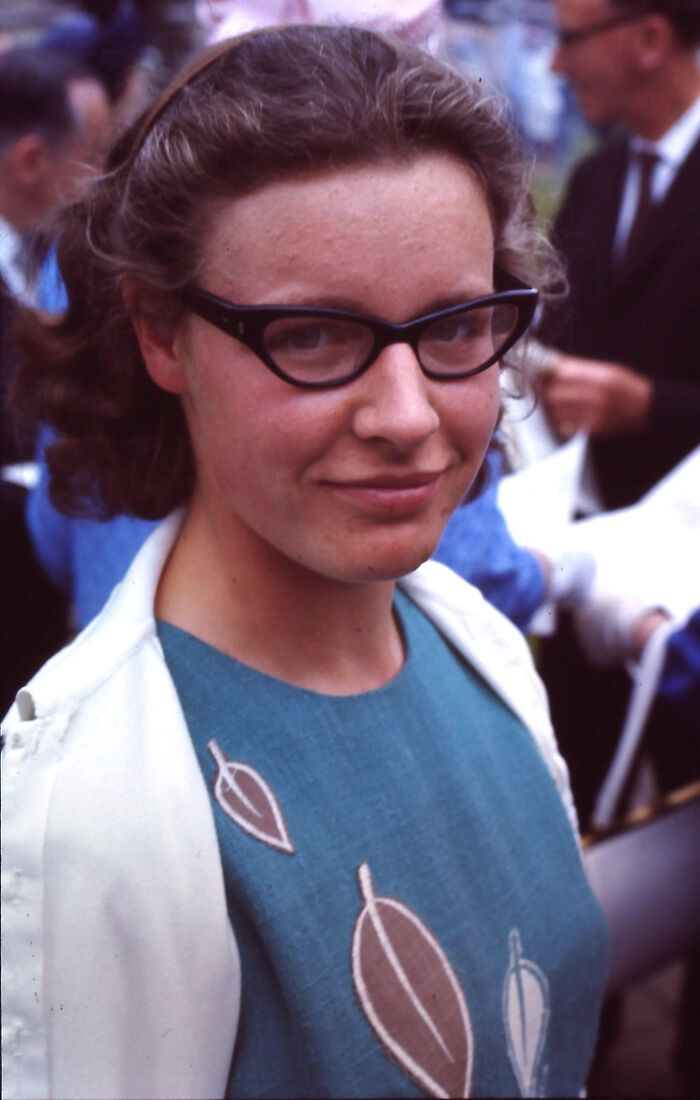
Astrophysicist from Northern Ireland, who discovered the first radio pulsars, Jocelyn Bell Burnell in 1967
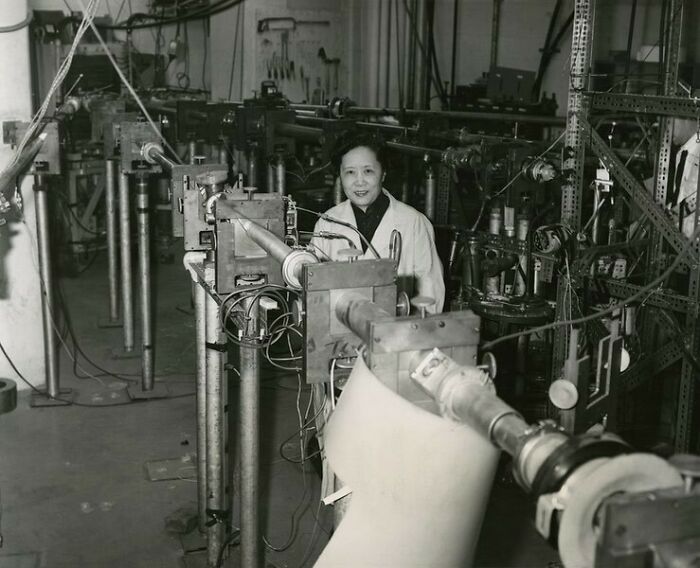
Chien-Shiung Wu, here in 1963. She verified the problem with Xenon in the B nuclear reactor for the Manhattan Project’s physicists and engineers.
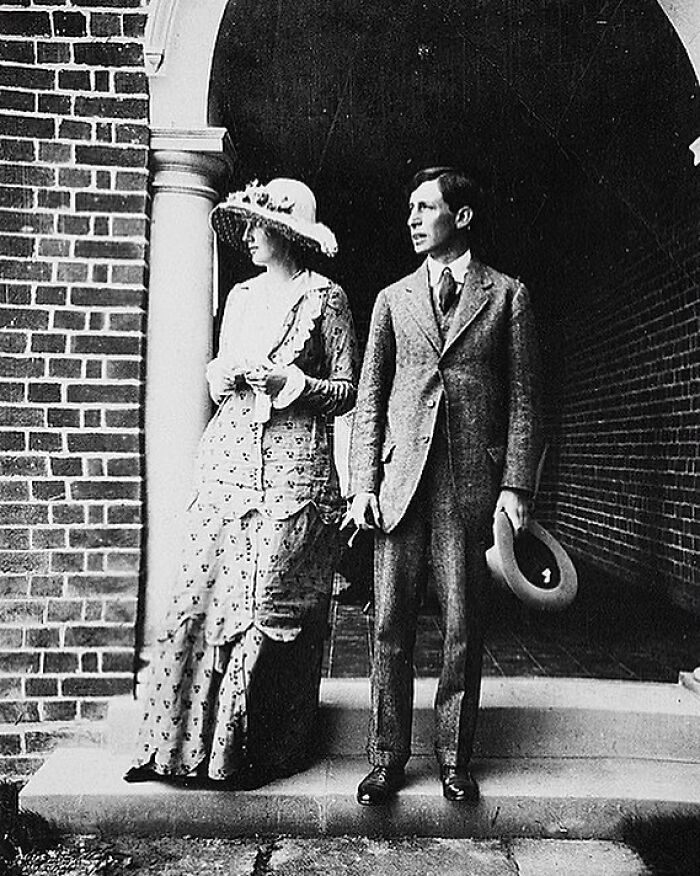
The engagement photograph of Virginia Woolf and Leonard Woolf, 23rd July 1912, taken at Dalingridge Place, Sussex.
Many influential people took part in the women's freedom movement, and Kate Sheppard was one of them. According to NZ History, her articles, pamphlets, letters, and petitions helped rally campaigners, and she collected 32,000 signatures to push Parliament to grant women’s suffrage.
Her efforts succeeded and pushed New Zealand to become the first self-governing country to grant national voting rights to women in 1893. Because of her contribution to this cause, her face appears on the country’s $10 note and on a commemorative stamp.
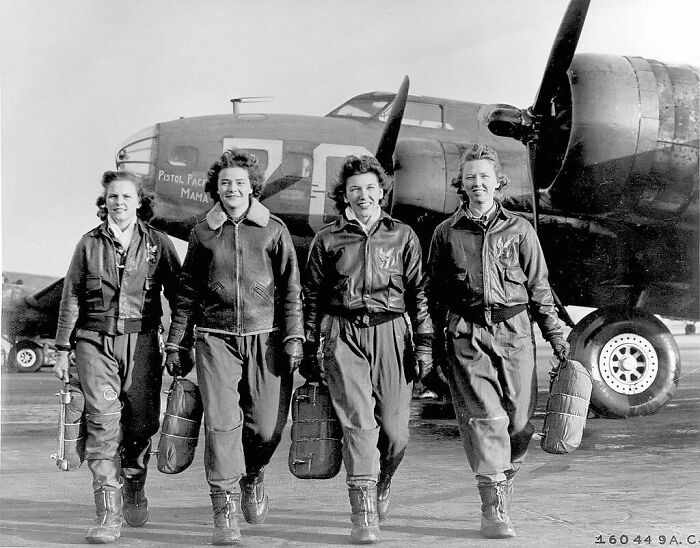
Woman Airforce Service Pilots (WASPs) after training with B-17 Flying Fortress, circa 1944, in Ohio. WASPs were civilians who chiefly ferried planes from one location to another.
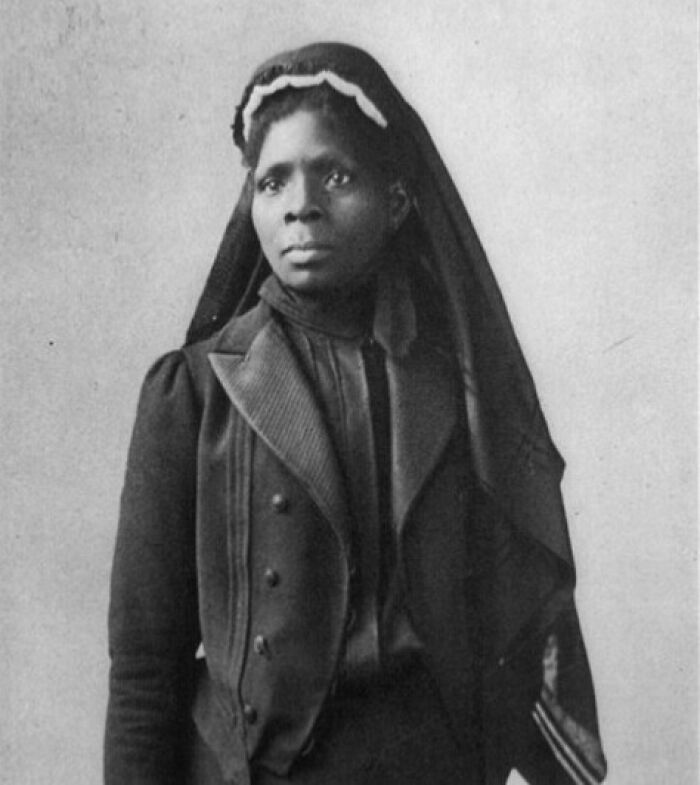
Susie King Taylor, the first Black nurse during the American Civil War, pictured here in 1902.
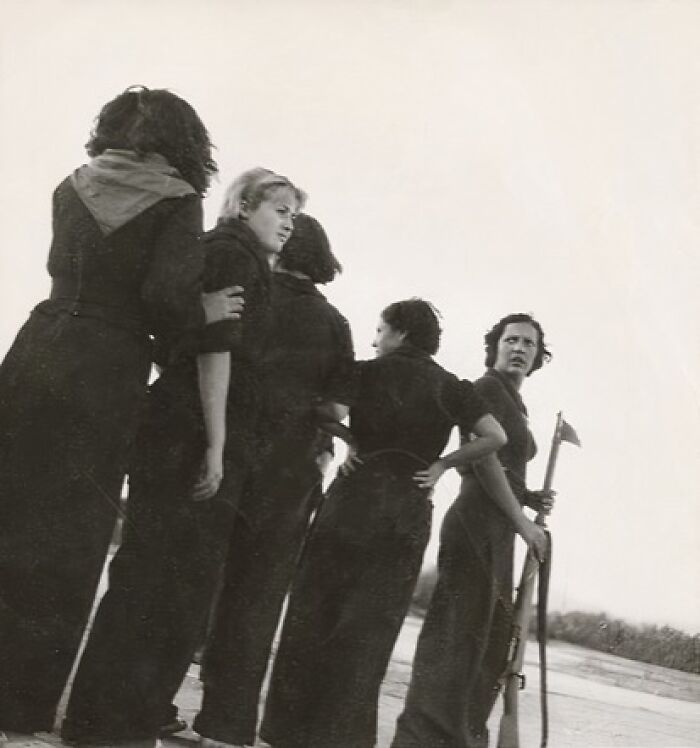
Republican militia women in training during the Spanish Civil War in 1936.
Women didn’t get the right to vote at the same time as men, infact ladies needed to fight for this ability even though people in power weren’t willing to listen to them. According to the Pew Research Center, many countries granted women the power to vote after major cultural or governmental shifts.
Around 80% of African countries gave women universal suffrage between 1950 and 1975, a time of rapid European decolonization. In some places, though, the right to vote was stripped from women after it was given, such as Afghanistan, which experienced extreme government shifts and stopped women from participating in elections several times.
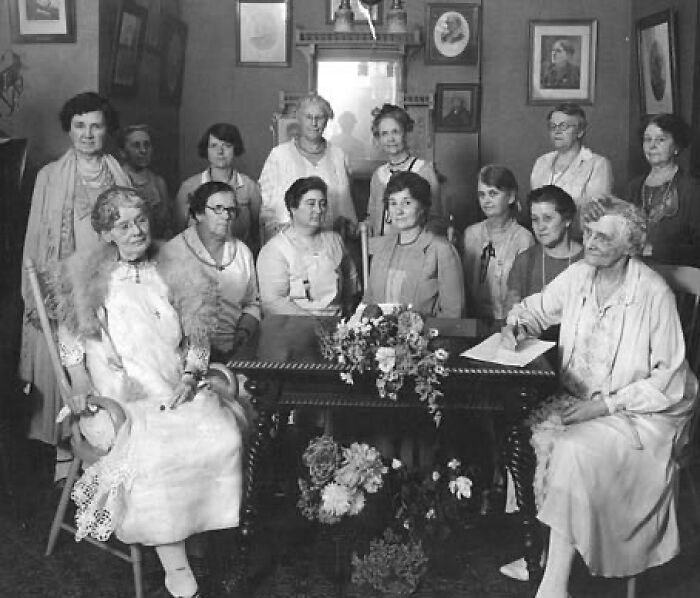
Women on the Committee on Arrangements for the National Woman’s Christian Temperance Union (WCTU) in 1924. At its founding in 1874, the stated purpose of the WCTU was to promote and create a sober society and pure wold through abstinence, purity, and evangelical Christianity. The WCTU perceived alcohol to be a cause and consequence of larger societal issues.
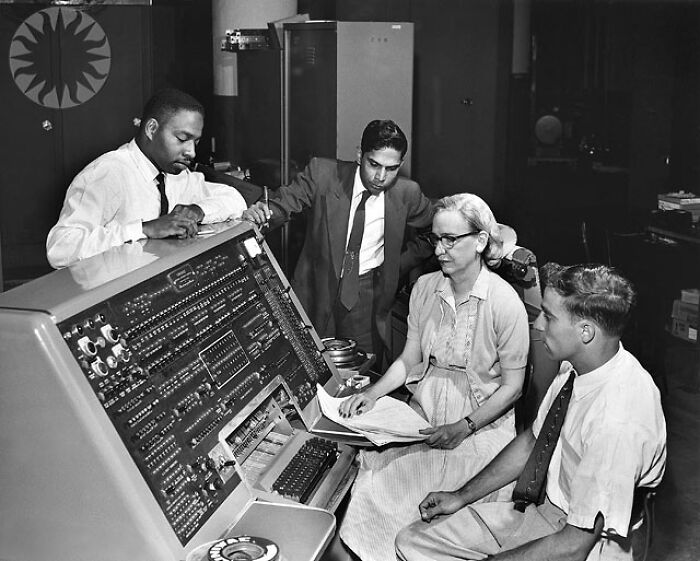
American mathematician and rear admiral in the US Navy, Grace Hopper photographed sitting at the UNIVAC keyboard. She was a pioneer in developed computer technology, and helped devise UNIVAC I, the first commercial electronic computer.
The first six female astronauts for the United States, pictured together here in 1980, next to a “rescue ball” at the Johnson Space Centre. From left to right, Margaret Seddon, Kathryn Sullivan, Judith Resnik, Sally Ride, Anna Fisher, Shannon Lucid.
Education plays a big role in whether women can speak up for themselves or must keep following society’s rigid rules. Past research shows that only working girls attended religious or charity-run schools, and the knowledge they gained was mainly limited to reading and sewing.
Over time, in the 1800s, women had a few more opportunities to pursue higher education; today, women earn 59% of all bachelor’s degrees compared to men. A glass ceiling still limits progress in work systems and equal pay. That’s why it’s important for women to continue their education and not push it aside at any point in their lives.
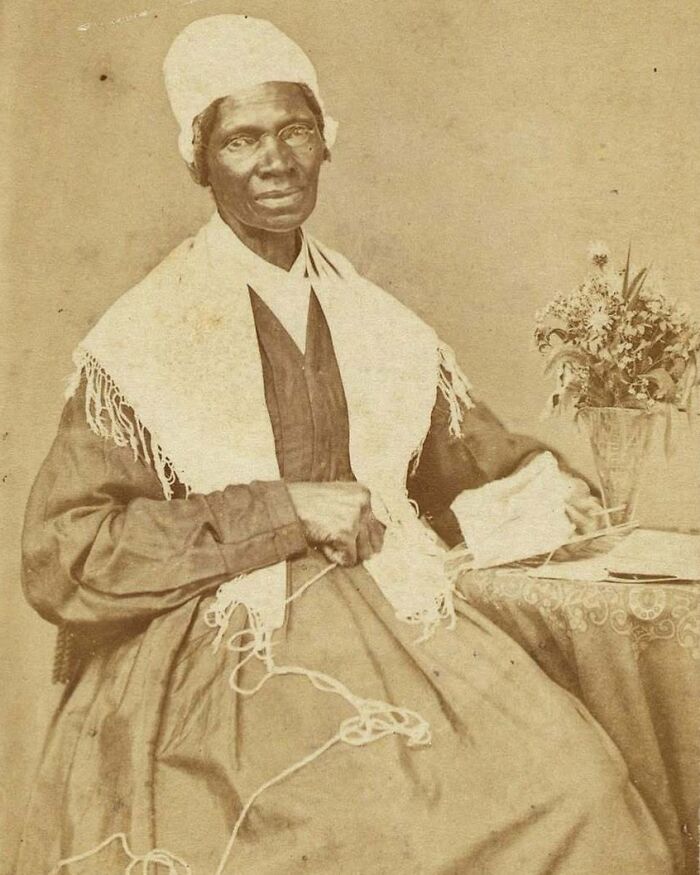
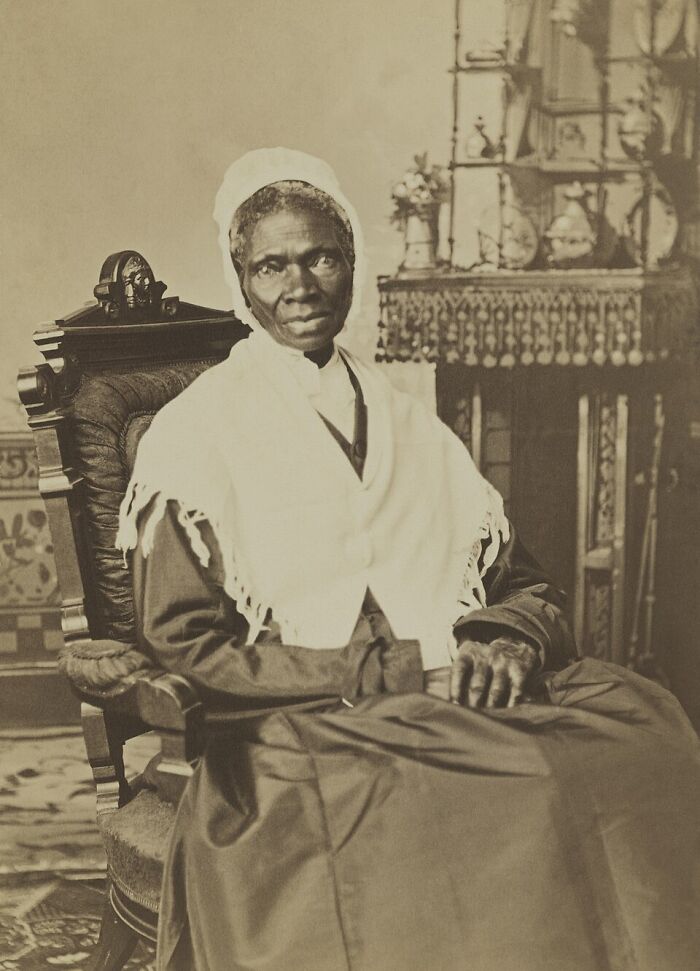
Sojourner Truther on her carte de visite, 1864. She sold it to raise money. “I sell the shadow to support the substance”.
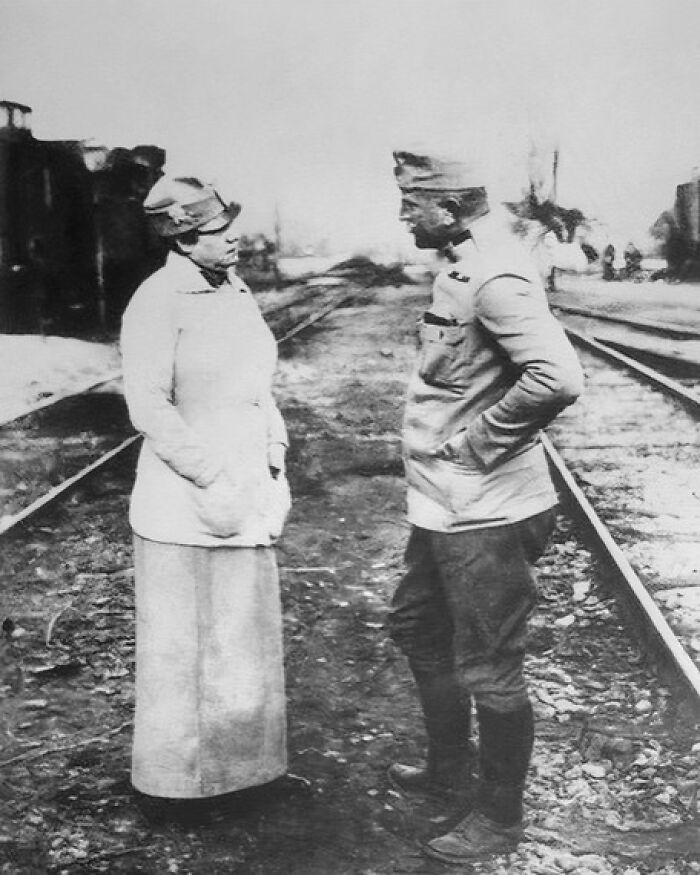
Representing the New York Evening Journal, prominent journalist Nellie Bly speaking to an officer in the Austrian Army in Poland, in circa 1914.
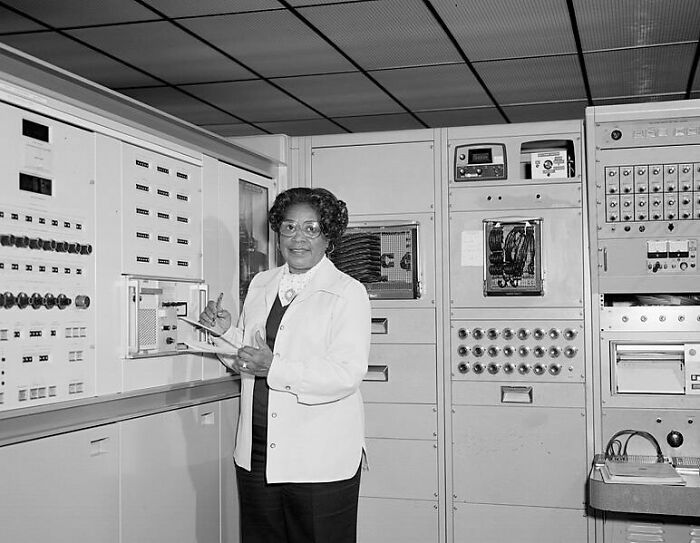
Mary Jackson, who became NASA’s first black female engineer in 1958, working at the Langley Research Center in 1977.
Knowledge is so powerful for women because a formal education can stop young girls from marrying young, having children too early, and help them get jobs and higher incomes. UNICEF explains that educating young women can transform communities, strengthen economies, and reduce inequality.
Knowing more about how the world works can help women protect themselves better and live more successful, fulfilling lives. They can also raise their children better and provide more opportunities for the next generation to grow and develop faster.
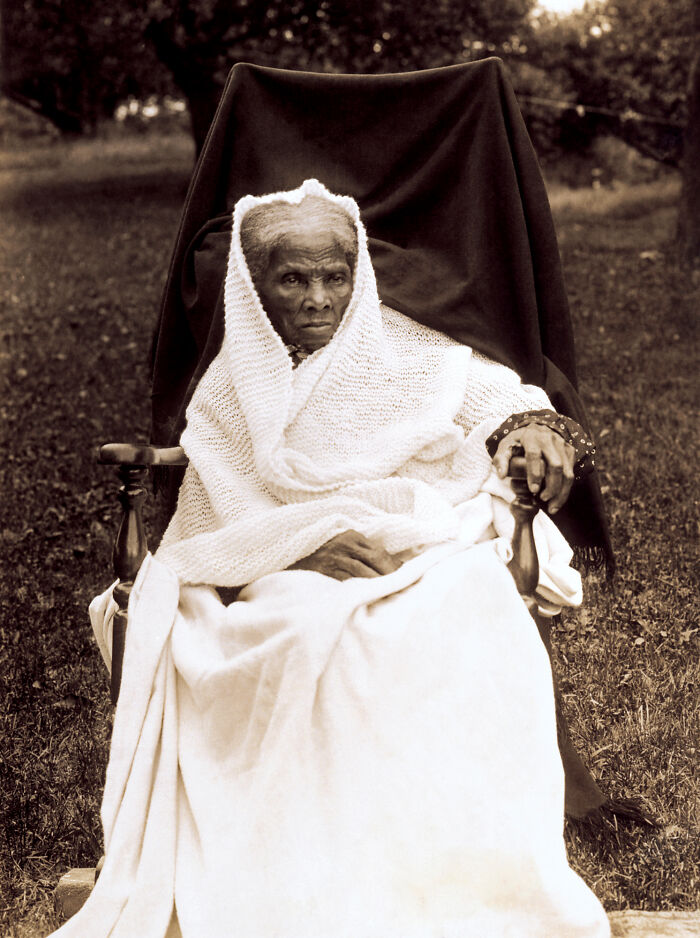
Harriet Tubman later in life, at the age of 89, photographed sitting on a chair at her home in Auburn, New York in 1911.
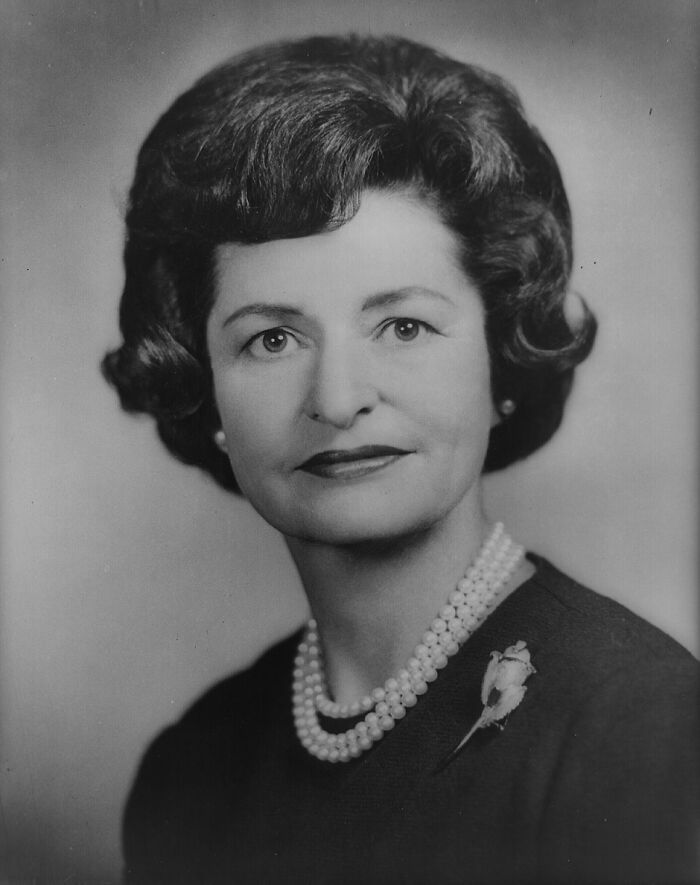
Claudia “Lady Bird” Johnson, circa 1962, during her time as the Second Lady of the United States of America, being the wife of the Vice President at the time, Lyndon B Johnson.
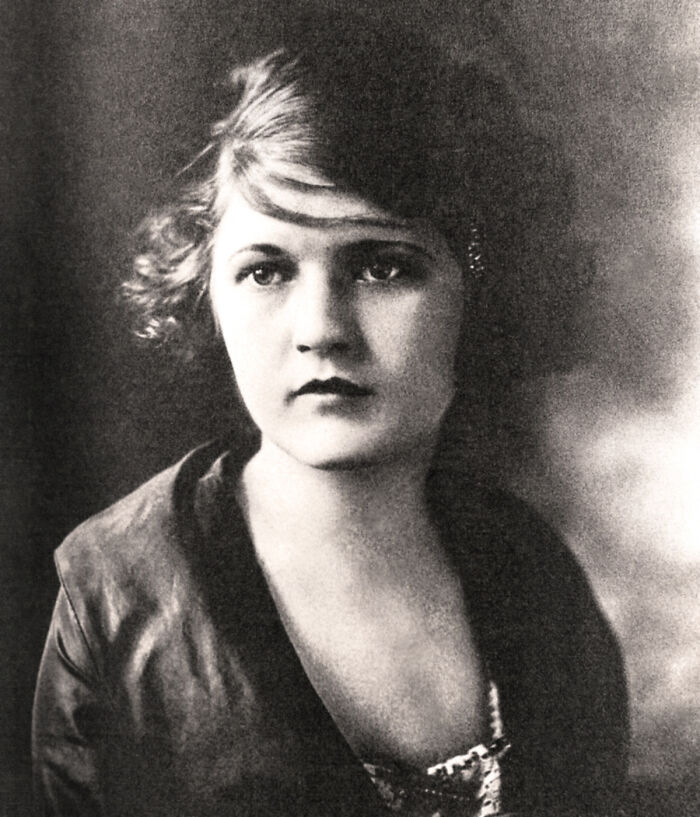
Zelda Fitzgerald was an American novelist and painter, famously married to F Scott Fitzgerald.
She was noted for her high spirits and beauty, with both her and her husband being symbols for the Jazz Age.
As they entered high society, their marriage started to be damaged by alcohol, infidelity, and recriminations. She kept extensive diaries which provided F Scott Fitzgerald material for his novels, sometimes to the point of plagiarism. Despite this, Ernest Hemingway accused Zelda for her husband’s declining literary success.
She was diagnosed with schizophrenia. She was living within specialist clinics, apart from her husband when he died in 1940.
Zelda Fitzgerald passed away in 1948, in a fire at the hospital she was staying in, at the age of 47. She was posthumously admitted to the Alabama Women’s Hall of Fame in 1992.
When people think about feminism or inequality, it can feel radical, but UN Women explains that supporting women is about speaking up and not sweeping problems under the rug. If you notice someone behaving in a misogynistic way, it can help to confront them and clear the air so that they know what they said wasn’t right.
Another useful step is to split roles and responsibilities, as research shows that women still do twice as much unpaid household labor. Making things equal at home and in the workplace can help all women feel safe, cared for, and heard.
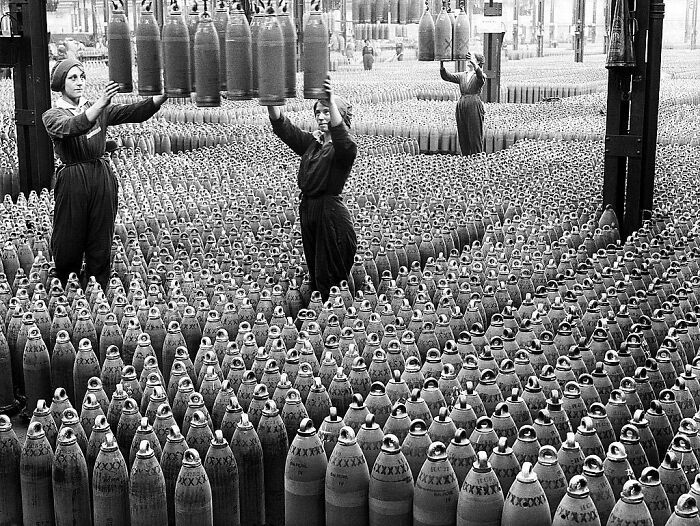
Female munition workers guiding 6 inch howitzer shells being lowered onto the floor at an ammunition factory in Chilwell, Nottinghamshire, United Kingdom, in July 1917.
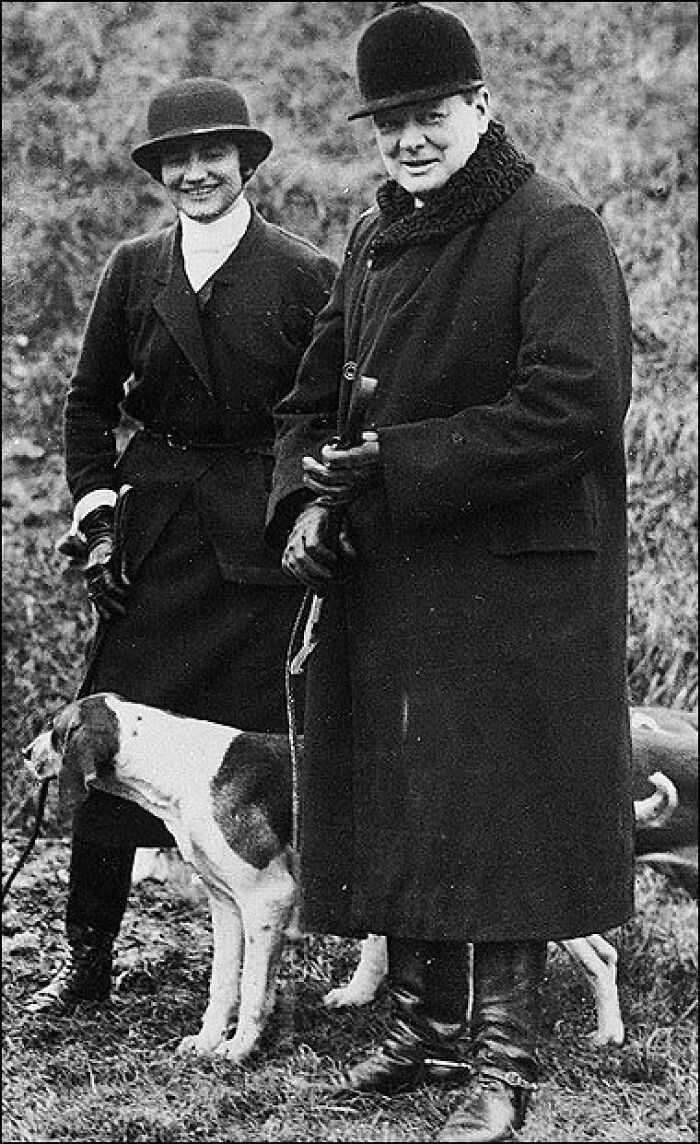
Coco Chanel alongside Winston Churchill in 1921, after she entered into the highest level of British aristocracy allowing her to create associations and relationships with elite members of society.
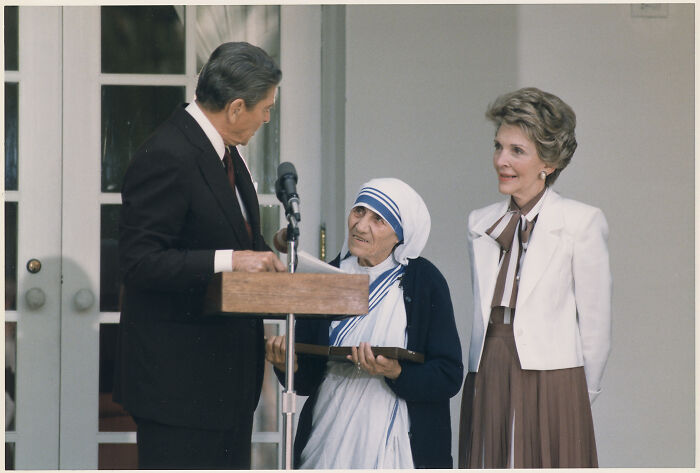
Mother Teresa being presented with the Medal of Freedom by President Ronald Reagan at a ceremony in the Rose Garden of the White House, on 20th June 1985.
These women in history had the courage to do amazing things that some of us might still balk at today. It’s therefore important to keep their legacy going by standing up for women’s rights and not pushing things under the rug, which is the only way to change the present and go down as a legend in history.
We’d love to know which of these women is your favorite and why. Do share your thoughts in the comments below.
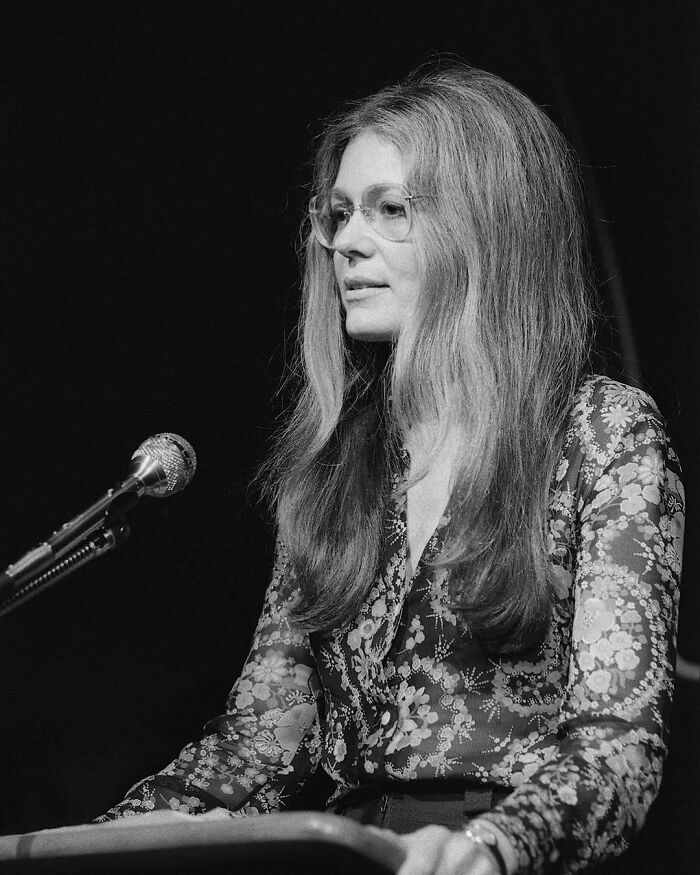
American feminist journalist and activist, Gloria Steinem speaking at a woman’s conference at LBJ Library on 9th November 1975.
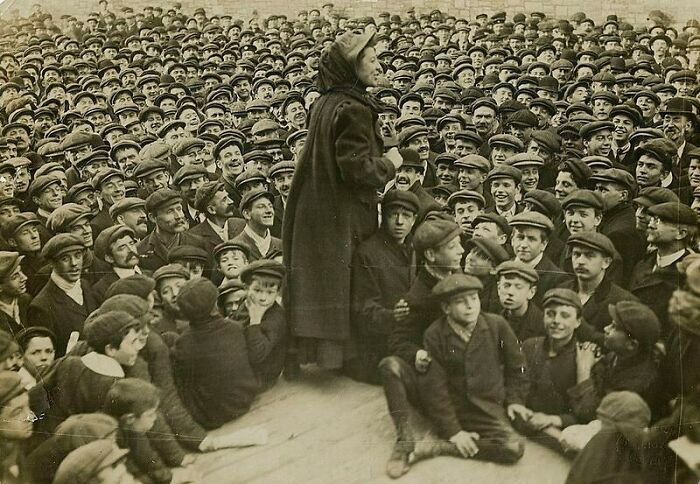
Katharine Douglas Smith, a member of the Suffragettes (WSPU), addressing a crowd of men in Portsmouth, circa 1910.
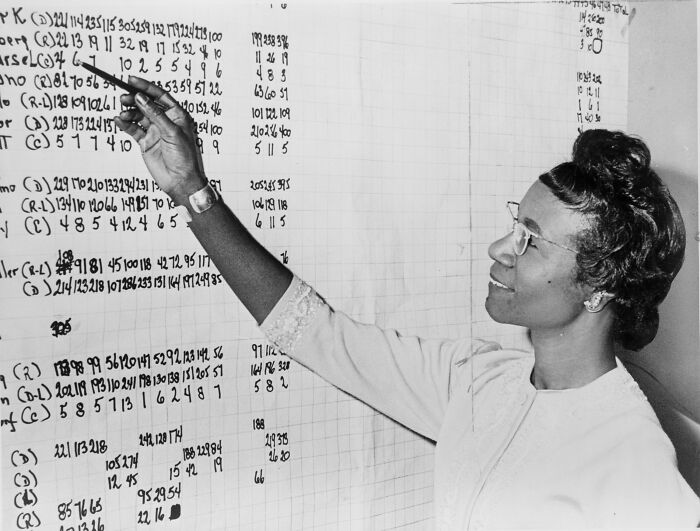
Shirley Chisholm reviewing political statistics in 1965. She became the first black woman to be elected to the United States Congress in 1968, serving for seven terms until 1983.
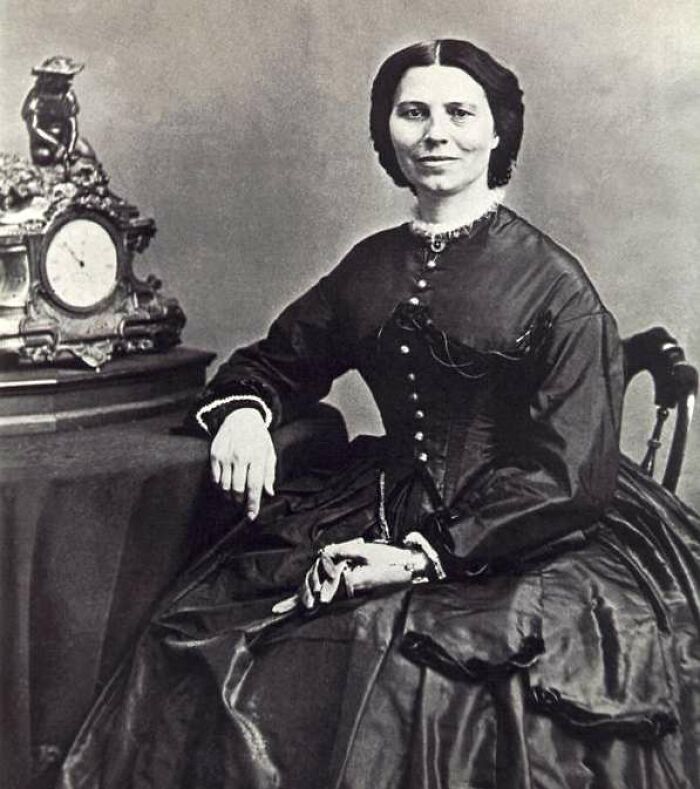
Renowned American nurse and founder of the American Red Cross, a photograph of Clara Barton from circa 1865.
Margaret Hamilton, software engineer involved in the Apollo mission, standing next to the navigation software she and her MIT team produced for the Apollo Project, on 1st January 1969.
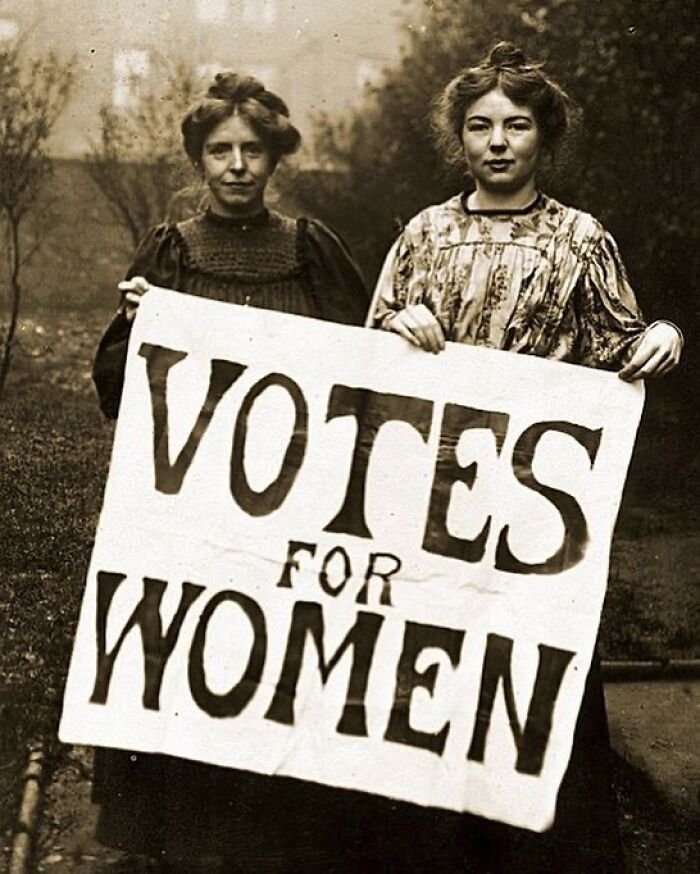
Annie Kenney (left) and Christabel Pankhurst (right), leading figures of the suffrage movement in the United Kingdom, in 1908. They were members of the Women’s Social and Political Union (WSPU), better known as the Suffragettes.
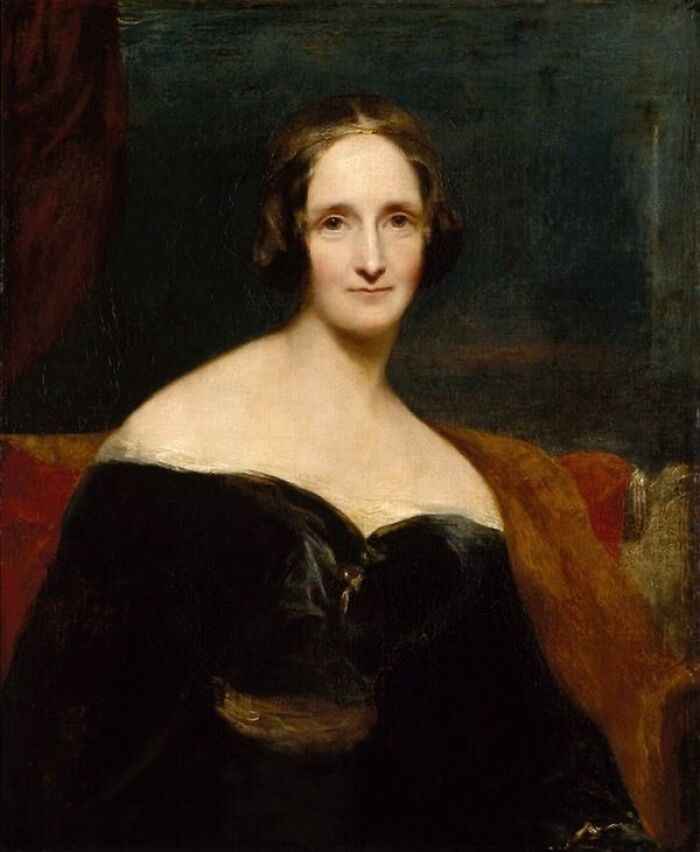
Mary Shelley was an English novelist who wrote the 1818 gothic novel ‘Frankenstein; or, The Modern Prometheus’. The novel is an early example of science-fiction.
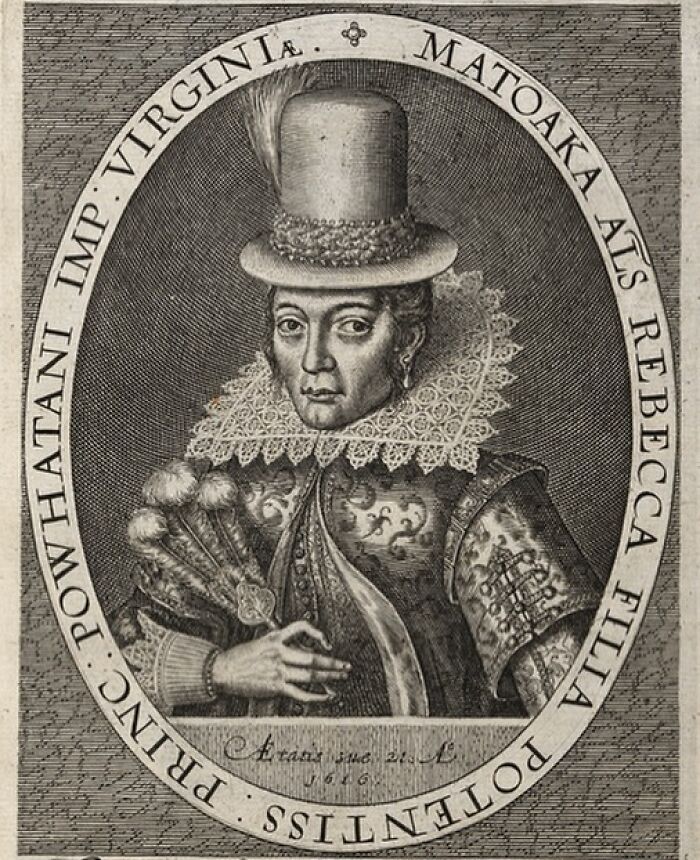
Pocahontas was a Native American woman notable for her association with the colonial settlement at Jamestown, Virginia. This portrait was engraved by Simon de Passe in 1616.
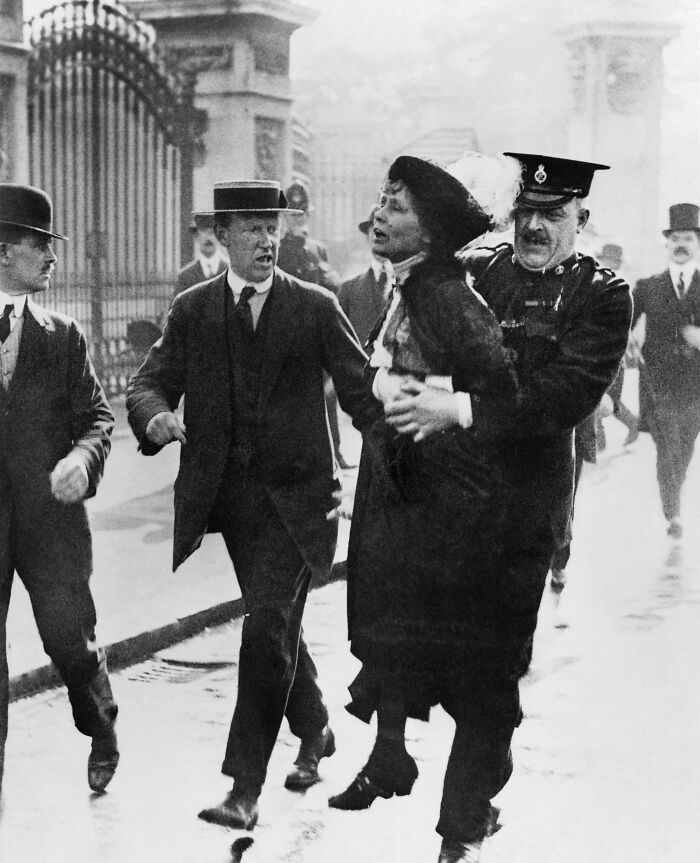
Suffragette leader Emmeline Pankhurst being carried away from Buckingham Palace in London, England after being arrested while trying to present a petition to King George V of the United Kingdom, 21st May 1914.
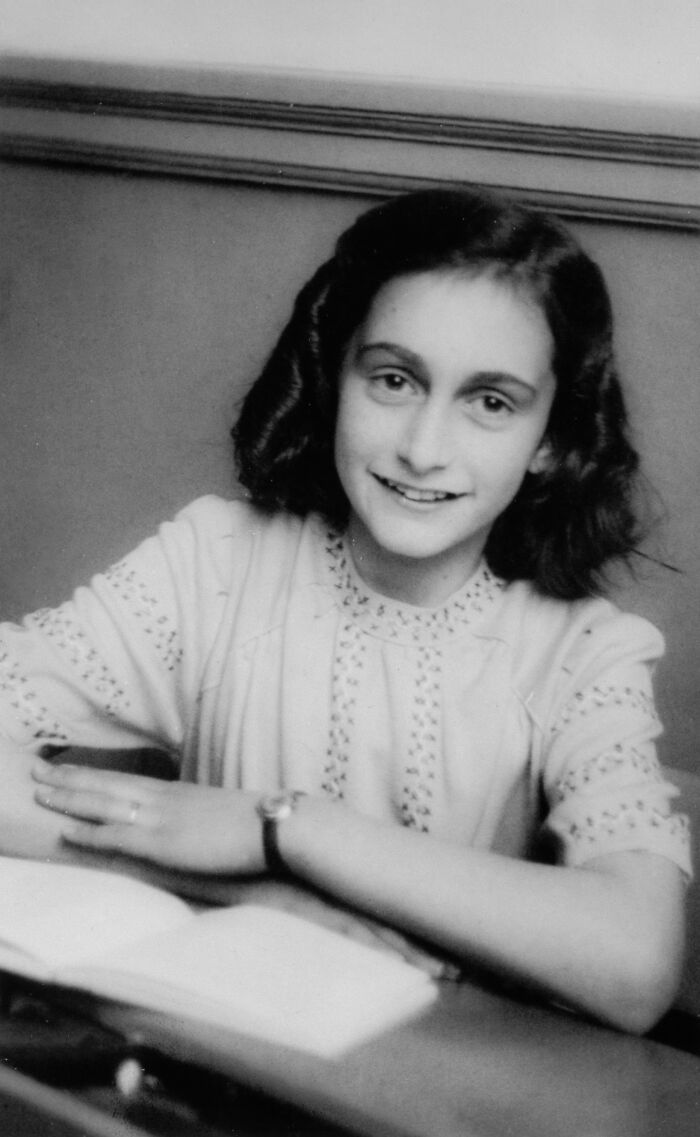
Anne Frank, 12 years old, at the Jewish High School Amsterdam in December 1941. Her diary tells of her life and feelings throughout the war, until she was tragically deported to a concentration camp in 1944, where she passed away in 1945.
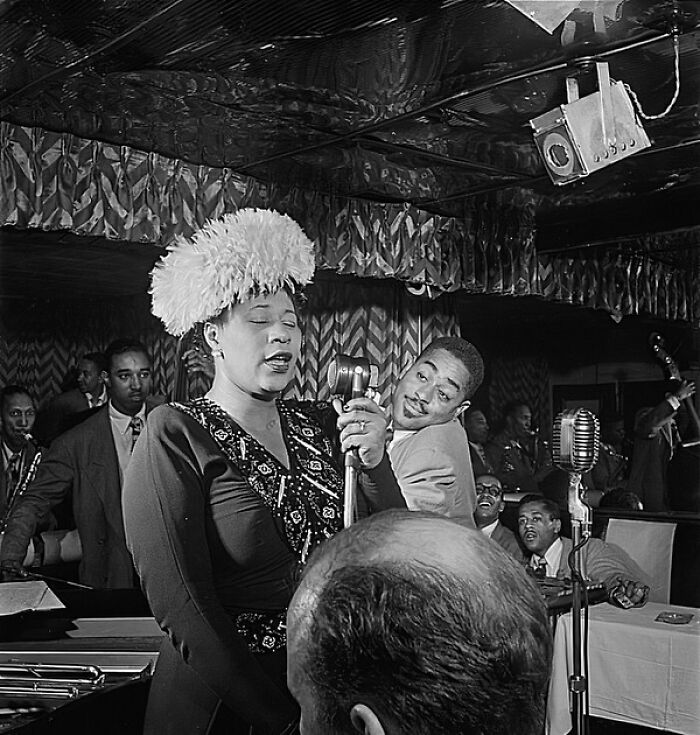
'Queen of Jazz’ Ella Fitzgerald with Dizzy Gillespie, Ray Brown, Milt Jackson, and Timme Rosenkrantz in New York, 1947.
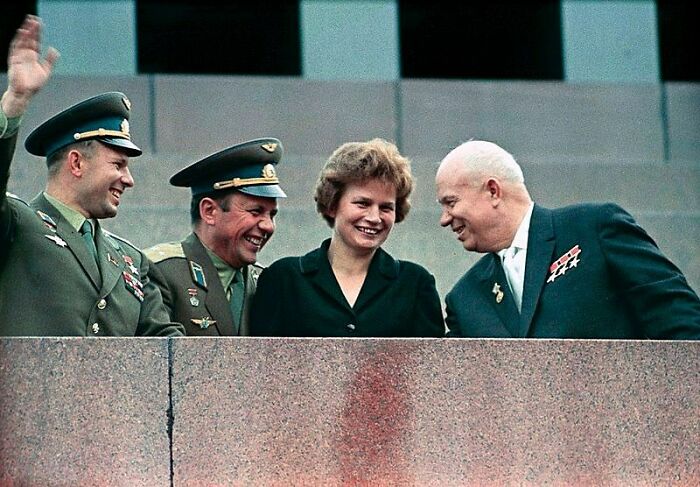
Valentina Tereshkova, the first woman in space, with Yuri Gagarin, Pavel Popovich, and Nikita Khrushchev, in 1963. She was the first and youngest woman to have flown in space, with a solo mission on Vostok 6 in 1963.
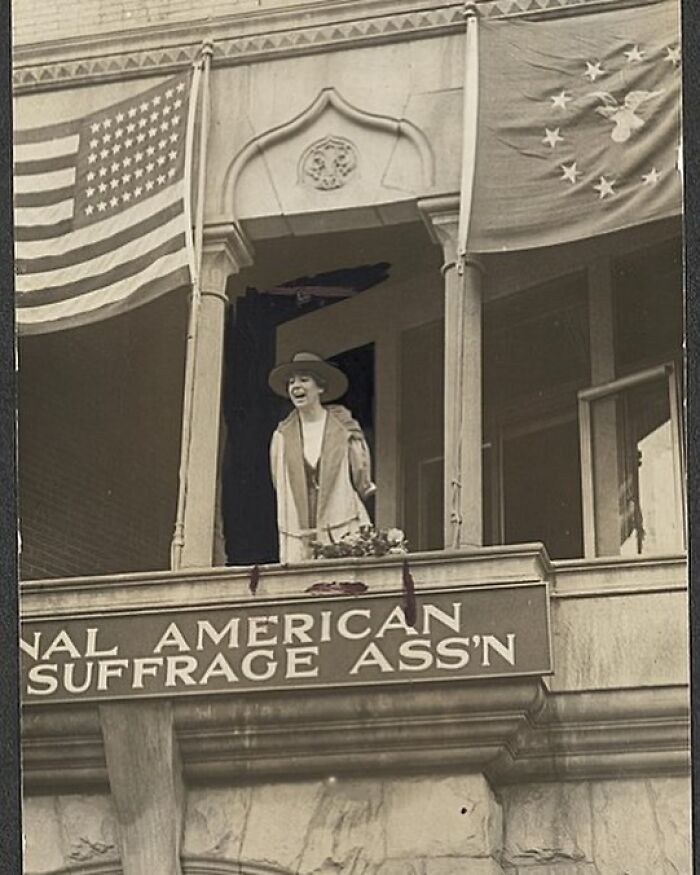
Jeanette Rankin, the first woman to be sworn in to the House of Representatives in 1916, speaking from a balcony at the National American Woman Suffrage Association on 2nd April 1917. This was the same day President Wilson declared “The world must be safe for democracy”.
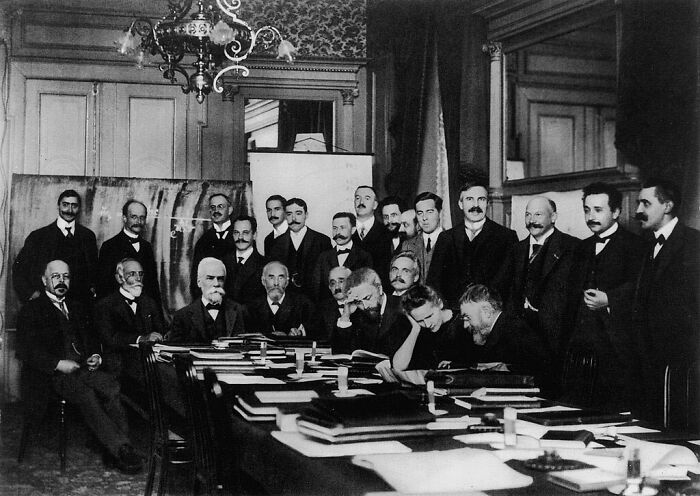
Marie Curie, seated at the front, second from the right, at the first Solvay Conference in 1911. Solvay Conferences are dedicated to outstanding preeminent issues in chemistry and physics. Attendees were by invitation only, and Curie was the only woman in attendance.
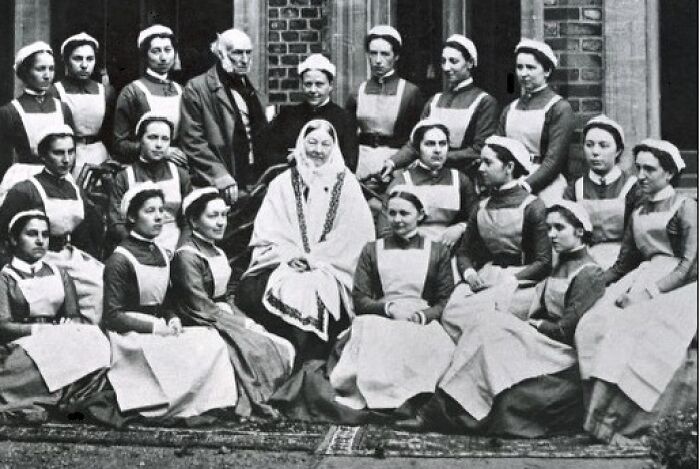
Florence Nightingale outside Claydon House, Buckinghamshire, in 1886, with her graduating class of nurses from St. Thomas’ Hospital
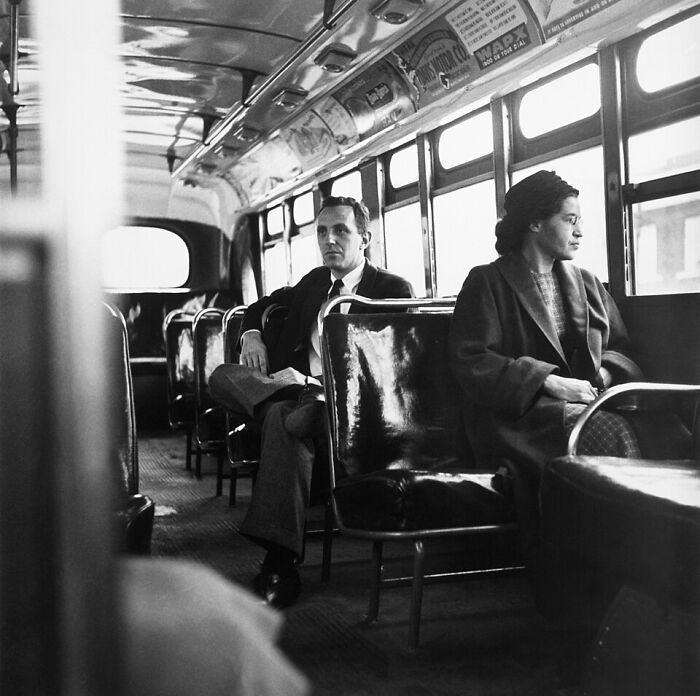
Rosa Parks on a bus in Montgomery, the day that the public transport in the city was legally integrated, 21st December 1956
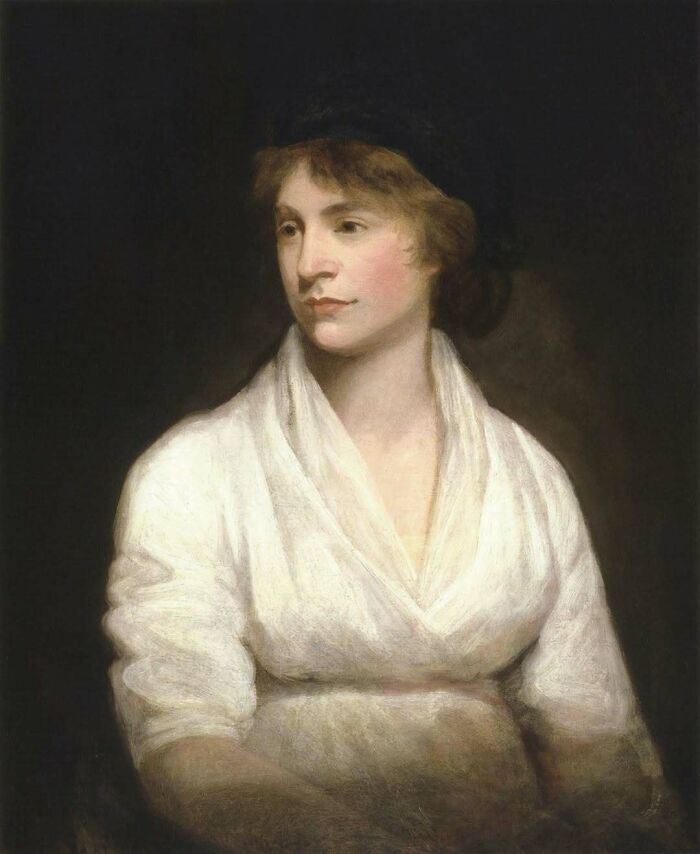
Mary Wollstonecraft was an English writer and advocate for women’s rights. She is now regarded as one of the founding feminist philosophers.
She is best known for writing ‘A Vindication of the Rights of Woman’ (1792), in which she argues that women are not naturally inferior to men, but appear so due to a lack of education. She suggests that men and women should both be treated as rational beings, and social order founded on reason.
After her passing, a memoir of her life was released that tarnished her reputation for nearly a century. Upon the turn of the twentieth century and the emergence of the modern feminist movement, her teachings and views became increasingly important.
Her daughter was Mary Shelley, the author of ‘Frankenstein’.
Mary Wollstonecraft passed away in 1797, at the age of 38.
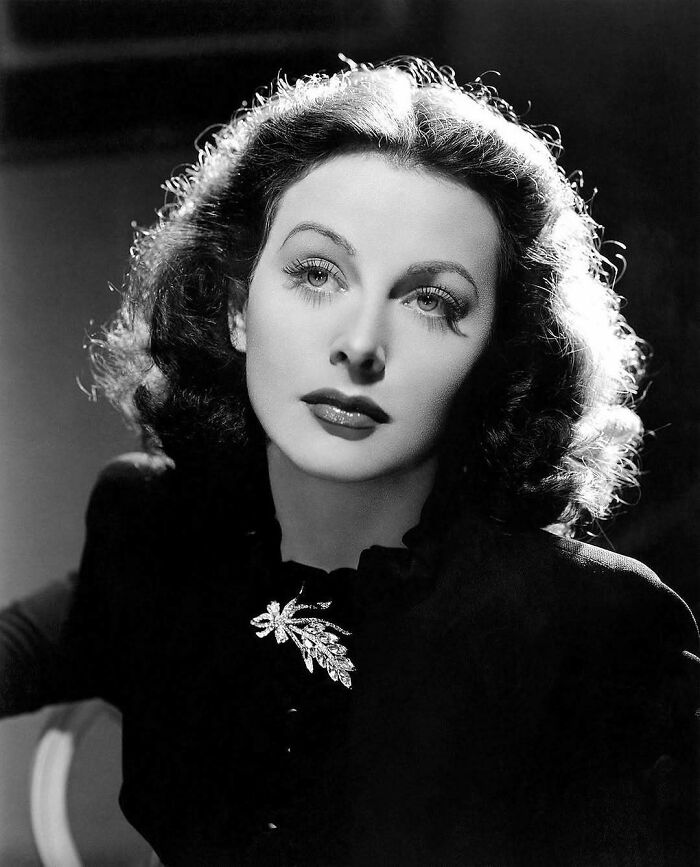
Hedy Lamar was an Austrian-born American actress, film producer, and inventor.
Her acting career started off in Austria-Hungary, however in 1937 after she fled to London to escape her current husband, she met the head of Metro-Goldwyn-Mayer (MGM) studios, Louis B. Mayer. He offered her a movie contract with Hollywood, and began promoting her as “the world’s most beautiful woman”. She became a star from her first American film, ‘Algiers’ (1938). In 1960, she honoured with a star in the Hollywood Walk of Fame.
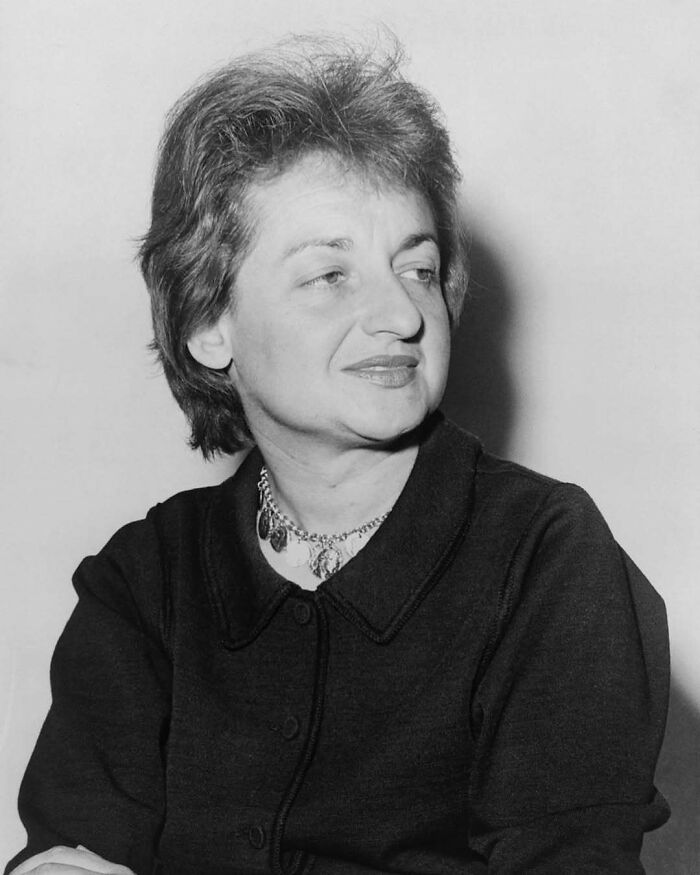
Betty Friedan was an American feminist activist and writer. Her book “The Feminine Mystique” (1963) is often credited to starting the second wave of American feminism in the 20th Century.
In 1966, Friedan co-founded and was elected the president of the National Organisation of Women. The organisation aimed to bring women into society and being equal to men. She was opposed to the extreme factions of feminism that led to the attacking of groups such as men and homemakers.
In 1970, Friedan organised the nationwide Women’s Strike for Equality. The strike went beyond expectations, and broadened the feminist movement.
Friedan was a strong supporter of the Equal Rights Amendment, which passed through the House of Representatives and the Senate in the early 1970s.
She remained active in politics and activism into the 90s.
Betty Friedan passed away in 2006, at the age of 85
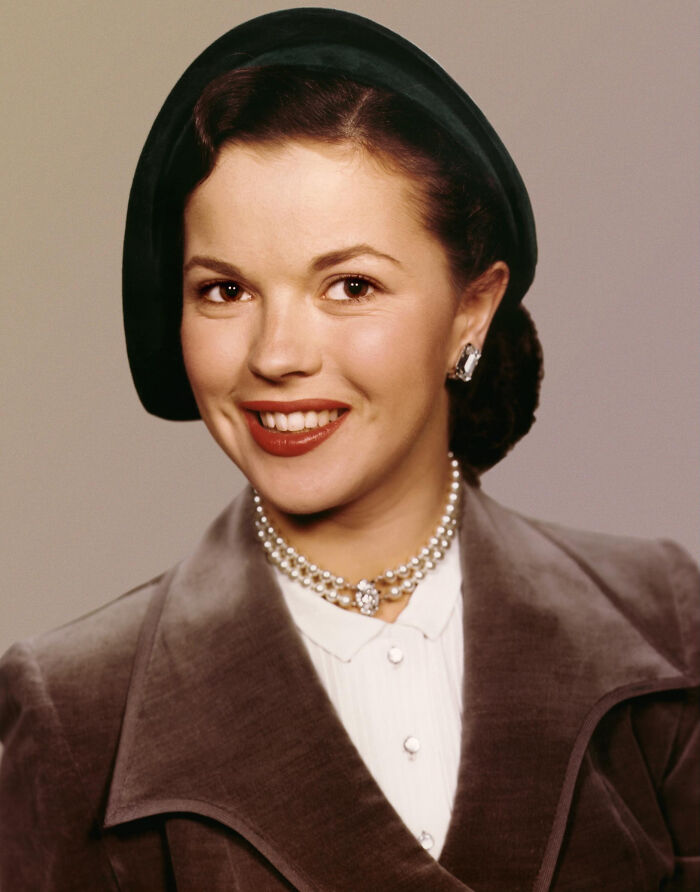
Shirley Temple was an American actress, singer, dancer, and diplomat.
She started her acting career and the tender age of 3, achieving international acclaim only two years later. The film that shot her to fame was Bright Eyes, a feature film designed specifically to showcase her talents. She was Hollywood’s number one box office draw as a child, being 1934 and 1938. As she grew into a teenager, her popularity and waned, and she retired from film at the age of 22.
In 1969, she started her diplomatic career. She was appointed to represented the United States of America at a session of the General Assembly of the United Nations. She was named United States Ambassador to Ghana and the then Czechoslovakia.
In her lifetime she received many awards and honours, including a Screen Actors Guild Lifetime Achievement Award. She is currently 18th on the list of greatest female American Screen legends.
Shirley Temple passed away in 2014, at the age of 85
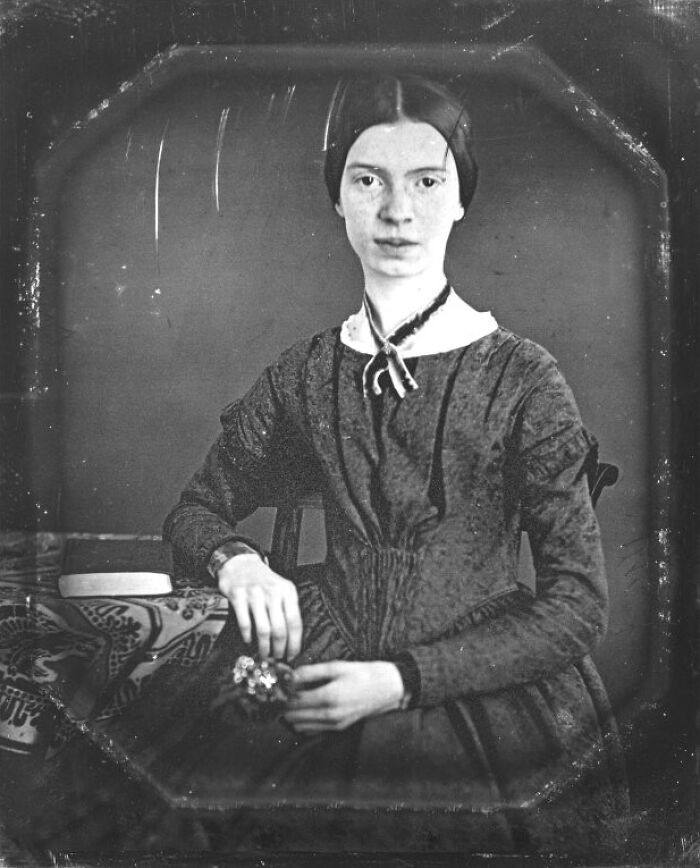
Emily Dickinson was an American poet, now regarded as one of the most important figures in American poetry.
She is thought to have lived most of her life in insolation, reluctant to greet guests or even leave her bedroom. Most of her relationships with friends and family relied solely on correspondence.
She wrote nearly 1,800 poems, however only 10 were ever published. For the era, her poems were unique, containing short lines, slant rhymes, and unconventional punctuation. The themes of her poetry dealt with death and immortality, society, spirituality, and nature.
Her work remained unknown to the public until after her death, when her sister discovered her cache of poems, with her first collection being published posthumously in 1890.
Emily Dickinson passed away in 1886, at the age of 55.
“Hope is the thing with feathers that perches in the soul - and sings the tunes without the words - and never stops at all” - Emily Dickinson

When I was in highschool we studied Emily Dickinson. The day after I found out my favorite uncle (who was only 7 years older than me) had committed s*****e, I was assigned to read The Bustle in the House in class.😞
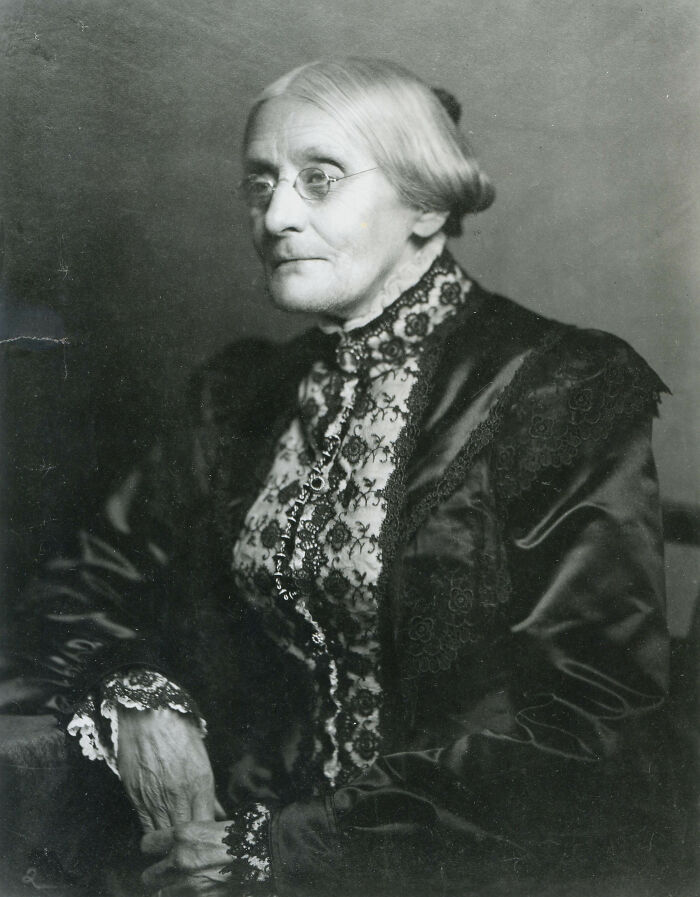
Susan B Anthony was an American social reformer, campaigning for women’s rights and suffrage.
She was born into a Quaker family committed to social equality. At the age of 17 she started to collect anti-slavery petitions, and in 1856 became the New York State agent for the American Anti-Slavery Society.
In 1852, alongside Elizabeth Cady Stanton, she founded the New York Women’s State Temperance Society. Further, in 1863, they together founded the Women’s Loyal National League. They conducted the largest petition drive at the time in the United States, collecting over 400,000 signatures supporting the abolition of slavery.
In 1869, they founded the National Woman’s Suffrage Association, after having published The Revolution, a woman’s rights newspaper. In support of women’s suffrage she travelled extensively, making up to 100 speeches a year.
She celebrated her 80th birthday at the White House by the invitation of President William McKinley.
She was the first woman to be depicted on US coinage in 1979, when her portrait was used on dollar coins.
Susan B Anthony passed away in 1906, at the age of 86.
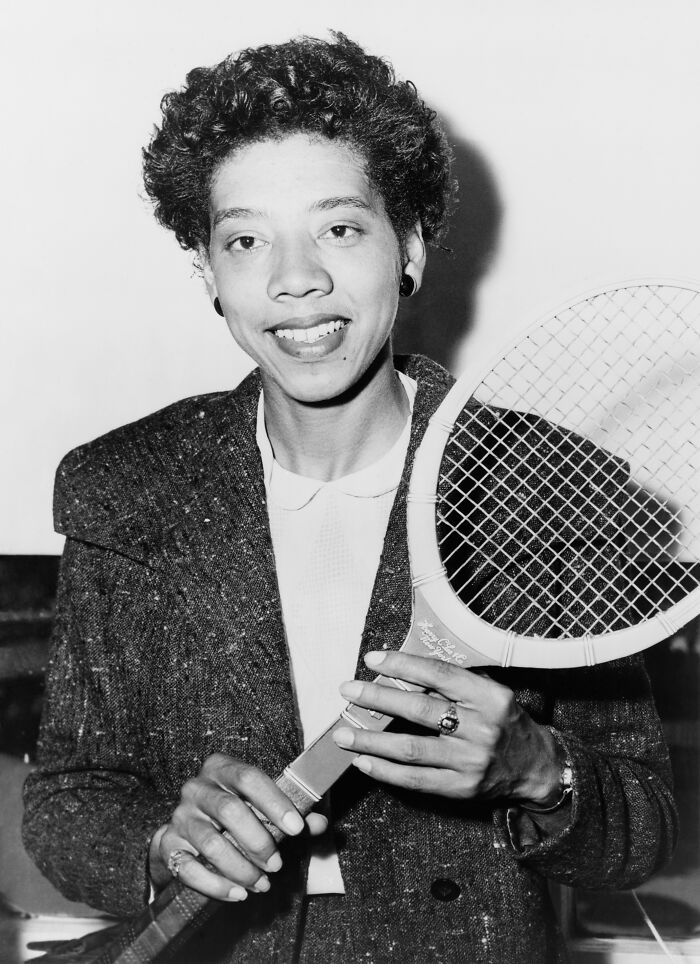
Althea Gibson was an American sportswoman. She played professional tennis and golf, being one of the first black athletes to cross the colour line of international tennis.
She won many titles, being the first African American to win a Grand Slam title in 1956. In total, she won 11 Grand Slam tournaments: five singles, five doubles, and one mixed double. She was inducted into the International Tennis Hall of Fame and the International Women’s Sports Hall of Fame.
In the 1960s, she became the first African American to compete in the Women’s Professional Golf Tour.
Having achieved so much at a time where prejudice and discrimination was widespread in the sporting world and overall society, Gibson’s legacy will never be forgotten.
Althea Gibson passed away in 2003, at the age of 76.
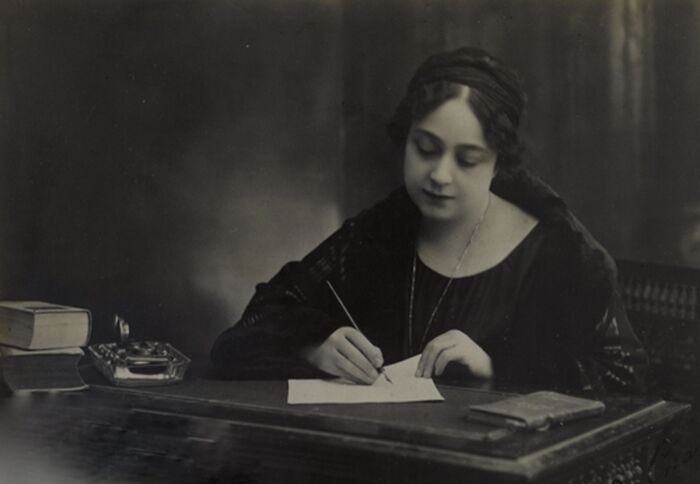
Huda Sha’arawi was a pioneering Egyptian feminist, suffragette and nationalist. She also founded the Egyptian Feminist Union.
In the Egyptian Revolution of 1919, she was a leader of the protesters. It was a female led protest for fighting for Egyptian independence from Great Britain, and the release of male nationalist leaders.
She viewed the system of women being confined to the house or harem very backward. She resented the restrictions on women and started organising lectures for women, bringing them into public for the first time. With help, Sha’rawi established a women’s welfare society to help raise money for poor women in Egypt.
Throughout her life she was involved in philanthropy, opening the first philanthropic society run by women in Egypt, in 1909. She argued that a women-led social service was important to widen women’s horizons and challenge the views on women at the time.
Huda Sha’arawi passed away in 1947, at the age of 68.
Sojourner Truth was an American abolitionist and activist for women’s rights. She was born Isabella Baumfree, but gave herself the name Sojourner Truth in 1843 after a calling from God to leave the city and go to the countryside.
She was born into slavery in New York. In 1826, she escaped into freedom with her infant daughter. In 1828, she went to court to recover her son, and became the first black woman to win that type of case against a white man.
Her most famous speech was delivered in 1851 without preparation. During the Civil War it became known under the title “Ain’t I a Woman?”, which was a rewritten version by someone using a southern dialect.
During the Civil War she helped recruit black troops for the Union Army. After the war, she tried to get land grants from the federal government for formerly enslaved people, however was unsuccessful.
She continued to fight for women and African Americans until she passed away in 1883, at the age of 86.
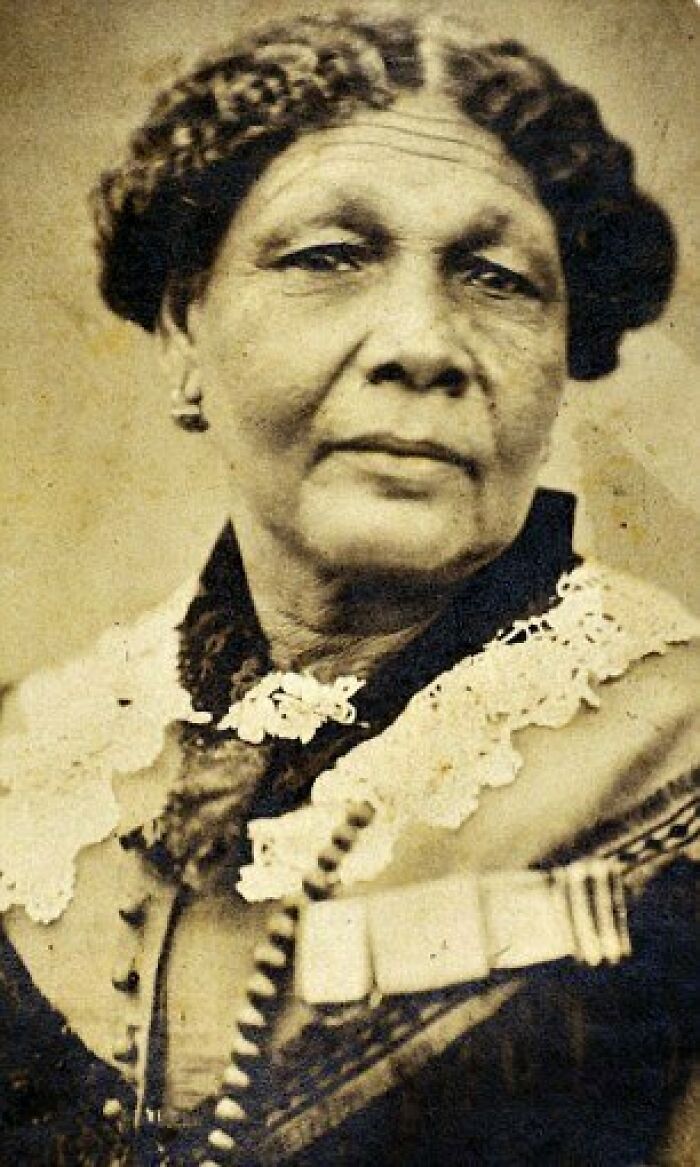
Mary Seacole was a British-Jamaican nurse, who famously set up the “British Hotel” behind the lines during the Crimean War (1853-1856).
She provided aid and comfort to wounded servicemen, nursing those that could be back to health. Seacole also used herbal remedies on her patients. She displayed compassion and bravery. Her skills came from her experience as a healer and doctress from Jamaica, as nursing schools were only established in England after the Crimean War ended.
She was extremely popular around the servicemen, who raised money for her when she faced destitution after the war ended.
Mary Seacole passed away in 1881, aged 75.
In 1991, she was posthumously awarded the Jamaican Order of Merit, and in 2004 she was voted the greatest black Briton. A statue of Seacole was erected at St Thomas’ Hospital, London in 2016, where she is described as a pioneer.
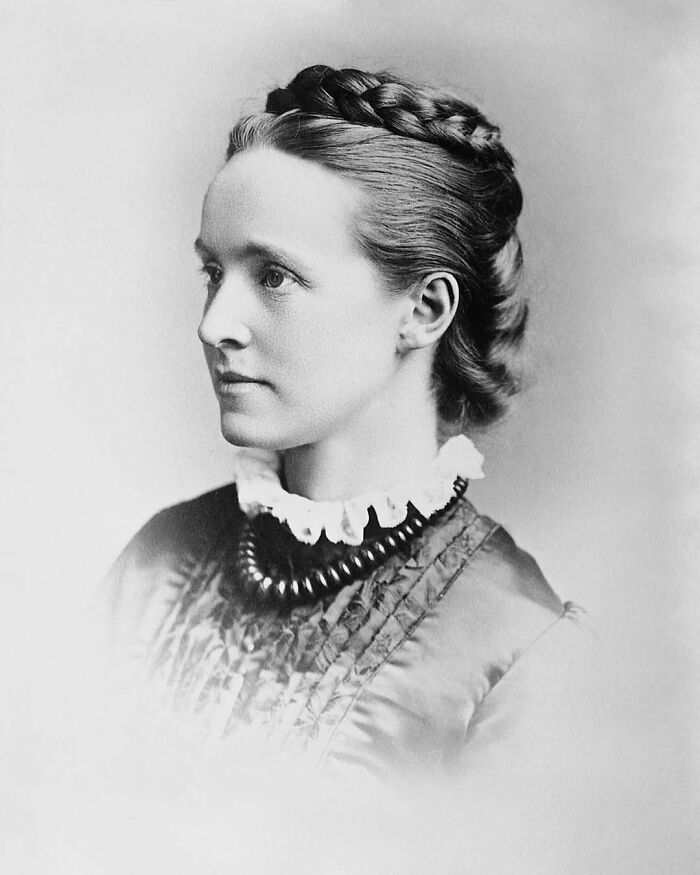
Millicent Fawcett was the leader of the National Union of Women’s Suffrage Societies (NUWSS), better known as the Suffragists.
Starting her political career at the age of 22, she took a moderate position, distancing herself and the Suffragists from the militant actions of the Suffragettes. She believed the Suffragettes were damaging the chances of women gaining the vote. The Suffragists had more support than the Suffragettes despite the publicity that the latter received.
At the break of the First World War, Fawcett paused the Suffragist activities to focus on the war effort. Originally she supported hospital services in training camps. However, funds were soon diverted to the government instead due to the risk of dividing the organisation due to the large number of pacifists in the Suffragists.
Fawcett also campaigned for issues other than women’s suffrage in Great Britain. For example, she campaigned for the rising of the age of consent to curb child abuse, to criminalise incest, and the regulation of prostitution in India.
Millicent Fawcett passed away in 1929, at the age of 82.
In 2018, upon the centenary of the Representation of the People Act 1918, she was the first woman to be honoured with a statue in Parliament Square, London.
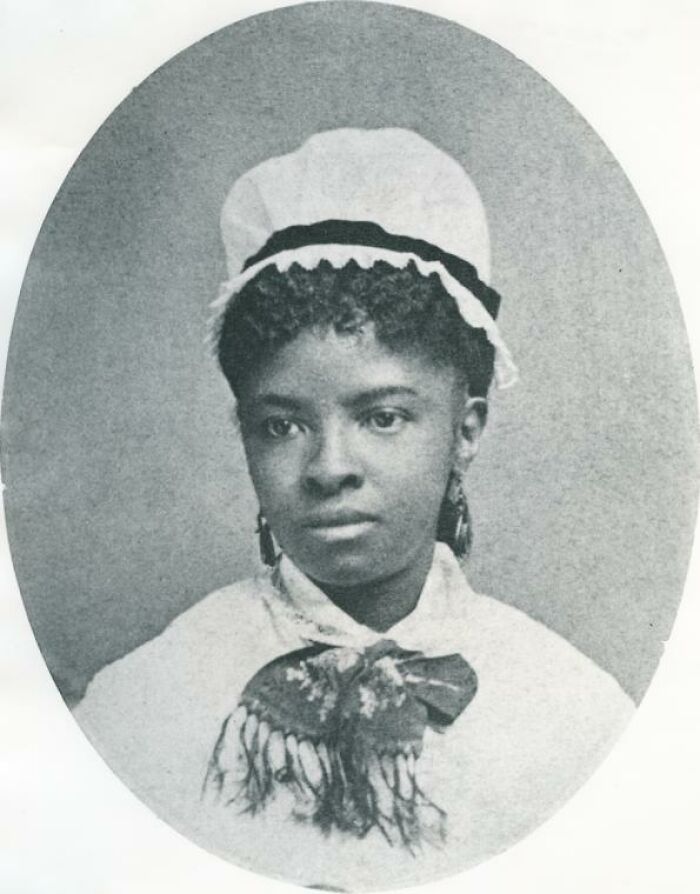
Mary Mahoney was the first African American to study and work professionally as a trained nurse in the United States of America. She graduated in 1879, being the first African America to graduate from nursing school in America.
She worked tirelessly to improve access to education and nursing practices, working to eliminate racial discrimination in the nursing profession.
After retirement she continued to fight for minorities, becoming one of the first women to register to vote in Boston.
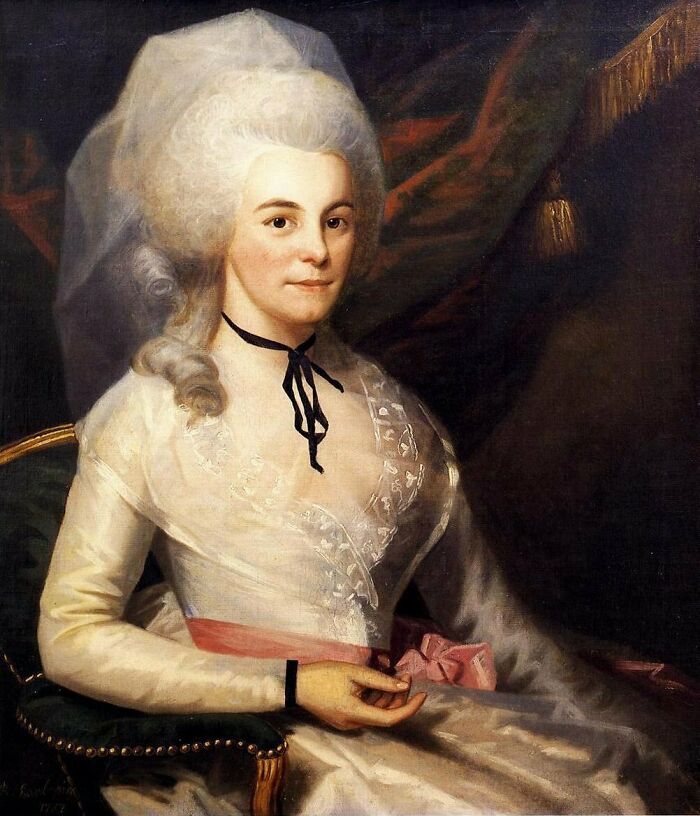
Elizabeth ‘Eliza’ Hamilton was a philanthropist and socialite, married to Alexander Hamilton, a founding father of the United States of America.
She was born into one of the wealthiest and most influential families in New York City.
In 1806, alongside others she founded the Orphan Asylum Society. In her roles within the society she raised funds, collected needed goods, and oversaw the care of over 700 children. She worked within the society for 42 years.
After her husbands death she continued to defend his work to critics, dedicated to protect his legacy.
Eliza passed away in 1854, at the age of 97.
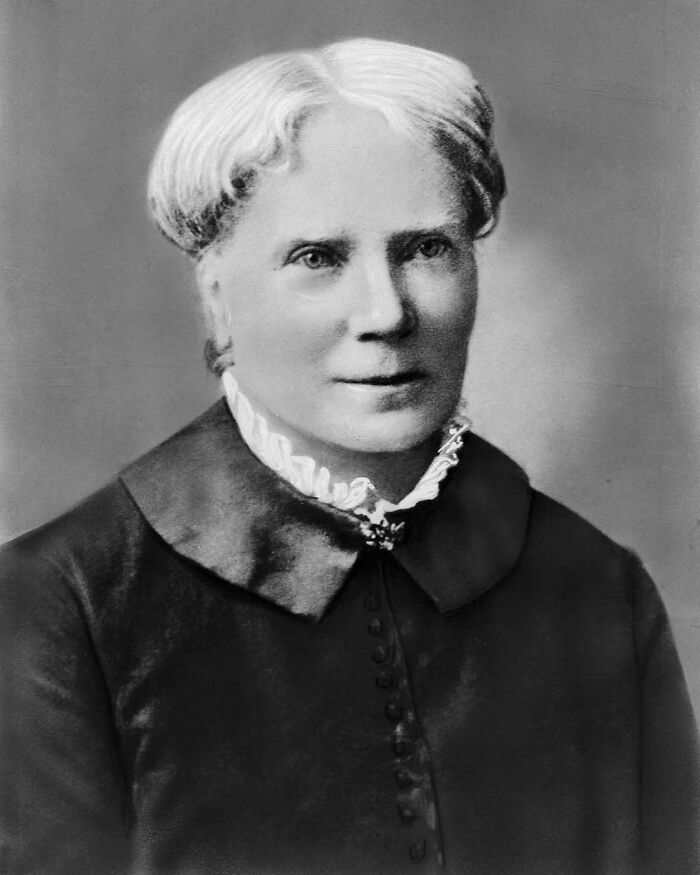
Elizabeth Blackwell was a physician and the first woman to receive a medical degree in the United States of America. She faced prejudice due to being a woman throughout her education, and only one medical school, the Geneva Medical College, accepted her application, where the male students voted for her to be able to study there.
Since then, Blackwell became influential and played a vital role in social awareness and moral reform, whilst also pioneering for women in medicine.
In 1868, Blackwell opened her own medical school in New York City. In the 1870s she continued expanding the medical profession for women, influencing over 400 women in the United Kingdom to pursue the career.
Elizabeth Blackwell passed away in 1910, at the age of 89.
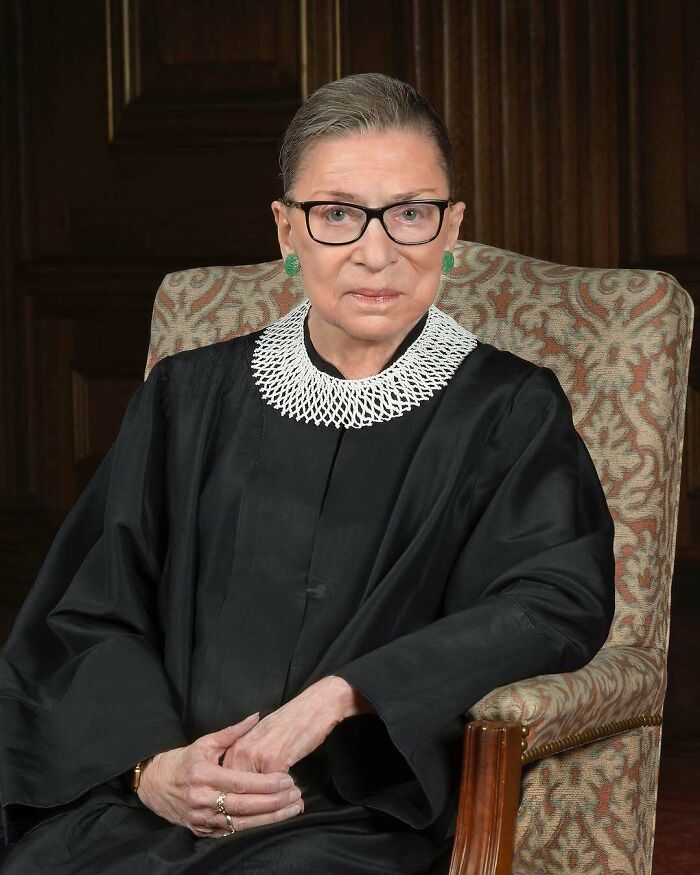
Appointed as a US Supreme Court Justice in 1993, Ruth Bader Ginsburg, known by many as RBG, was highly influential and fought for gender equality and rights for women and other marginalised groups.
As the Supreme Court shifted more to the right, RBG became part of the liberal wing, and from 2010, she became the most senior justice in the liberal bloc.
Despite having periods of illness, she refused to retire, and continued to be a trailblazer for equality.
Ruth Bader Ginsburg sadly passed away in September 2020, at the age of 87
“Women belong in all places where decisions are being made. It shouldn’t be that women are the exception”- RBG
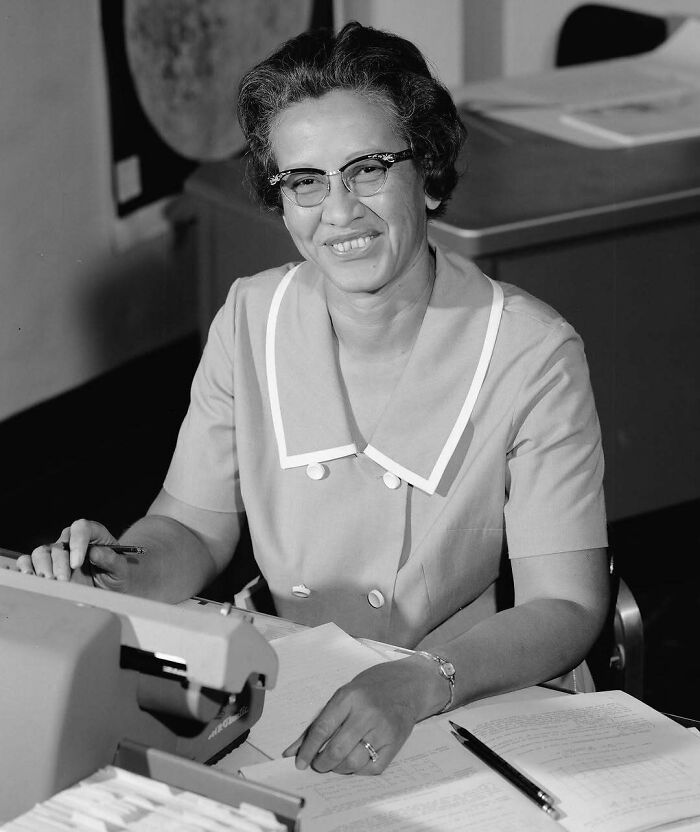
Katherine Johnson was a mathematician who worked for the National Aeronautics and Space Administration (NASA). Her work was vital for the success of the first and following crewed spaceflights, using geometry to figure out the paths for the spacecraft to orbit around Earth and land on the Moon. She worked for NASA for over 30 years.
During her life she broke many boundaries. NASA noted that “she was one of the first African-American women to work as a NASA scientist”. She also one of three African-American students to join West Virginia’s graduate schools.
Katherine Johnson sadly died in February 2020 at the age of 101, but her legacy will never be forgotten.
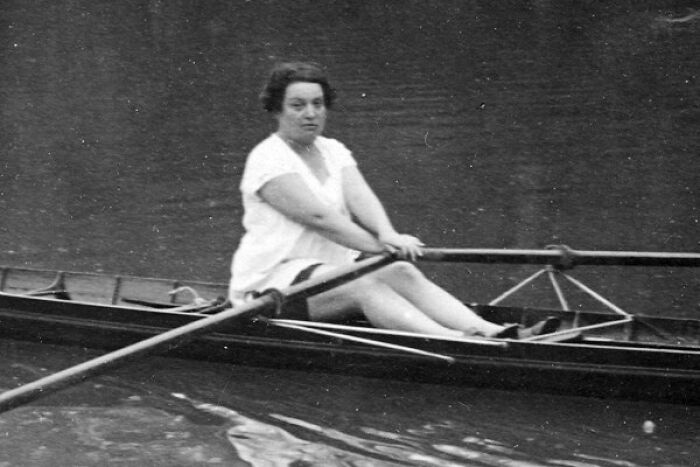
A French pioneer of women’s sports, Alice Milliat’s tireless campaigning ignited conversations that led to women’s inclusion in the Olympic Games.
A translator, but also a keen sportswoman, Alice requested in 1919 that the International Olympic Committee (IOC) allow women to compete in track and field events. The organization flatly refused.
In protest, Alice founded the International Women’s Sports Federation (IWSF) in 1921, a separate body to oversee women’s sports. The IWSF organized four Women’s World Games between 1922 and 1934, which were met with overwhelming popularity at the time.
Seeing the threat posed by continuing to exclude women from the main Olympic Games, the IOC reversed their original decision, choosing to include women’s athletics in the Olympics from 1928.
Although the IWSF collapsed in 1934, it prompted sporting organizations to increase recognition of women’s sports, a process that is still ongoing today.
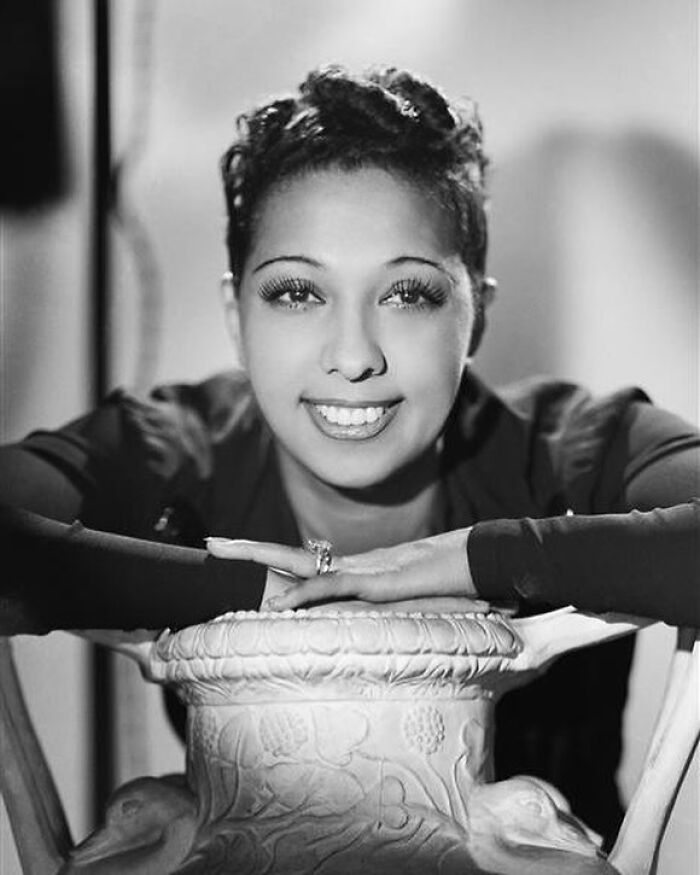
An American-born French entertainer, Josephine Baker was a talented singer who wowed crowds in Europe and the United States. She took up French citizenship shortly before the outbreak of the Second World War.
However, her feats during the war reveal her hidden depths.
After a brief stint working with the Red Cross and the Free French forces entertaining troops, she joined the French Resistance, smuggling information and pictures of German military actions in her sheet music and underwear. Following the war, she was awarded some of France’s highest military honors for her efforts in the Resistance.
During the 1950s, she regularly returned to the US to support the Civil Rights Movement, leading protests and boycotting places that enforced segregation. She marched alongside Martin Luther King Jr, and in her honor, May 20th was named “Josephine Baker Day” by the NAACP.
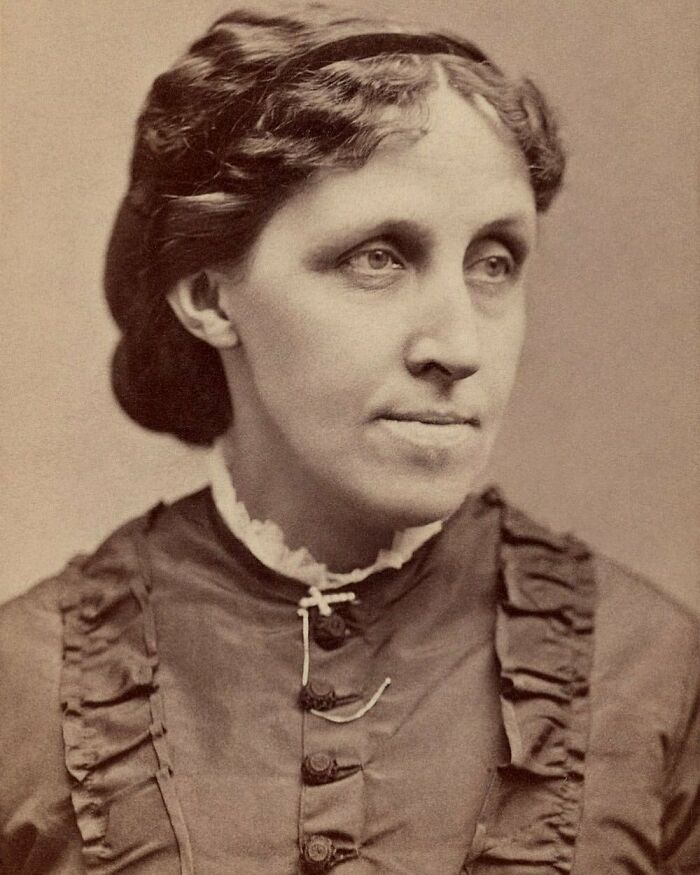
A novelist from New England, Louisa May Alcott shaped the future of American literature by introducing strong, educated heroines in her books.
A supporter of women’s rights and suffrage movements, Louisa contributed to several publications during her life in support of this and chose strong female characters to feature in her fiction.
When her publisher asked her to write a novel for young women, Louisa produced her most famous work, the autobiographical Little Women (1868), telling the story of the young tomboy, Jo March. Little Women was the first book to feature a young, female protagonist with an unconventional spirit.
Louisa’s work helped to challenge the conventional image of women in the 19th Century, helping young women at the time to dream of a non-traditional life.
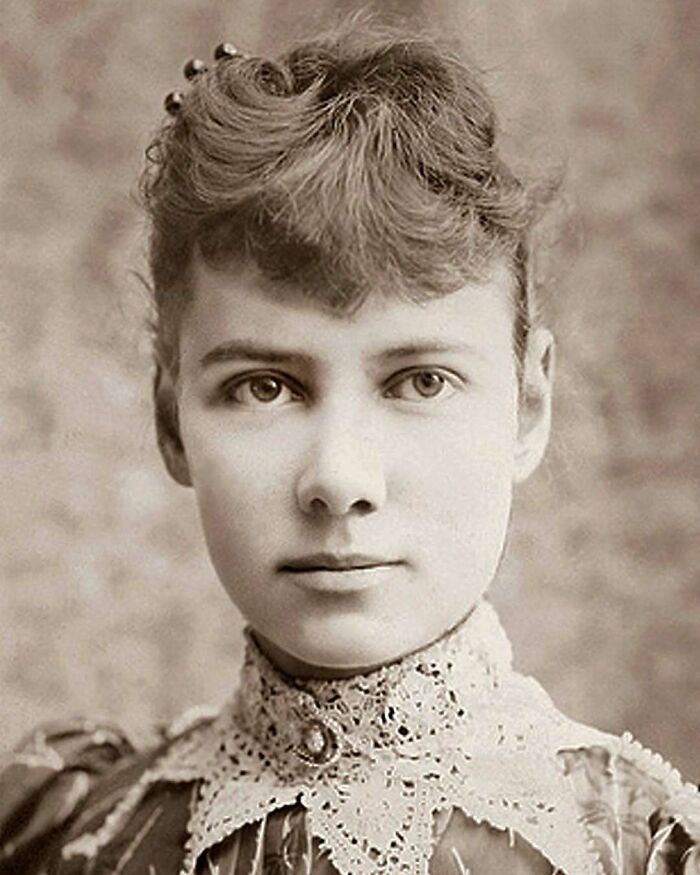
Raised in Pennsylvania, Nelly Bly was a journalist who made significant contributions to reform in the treatment of the mentally ill. She spent two years writing for the Pittsburgh Dispatch, before moving to New York City to write for the New York World.
One of her first assignments was her 1887 exposé on the conditions of asylum patients at Blackwell’s Island. She spent ten days on the island, posing as a mental patient. The operation was a success, highlighting disturbing conditions at the institution, including neglect and physical abuse.
The exposé’s popularity sparked a large-scale investigation of the asylum, which in turn led to legislation improving a whole host of conditions for mentally ill patients in institutions across New York State, including more funding, physician appointments and regulations against overcrowding and fire hazards.
Her achievements aren’t limited to the improvements in the mental health sector. Endorsed by the New York World, Nellie took a trip around the world, aiming to beat the fictional 80-day record of Phileas Fogg in the Jules Verne novel Around the World in Eighty Days. She completed the trip in just over 72 days, setting a real-world record which was beaten a year later.
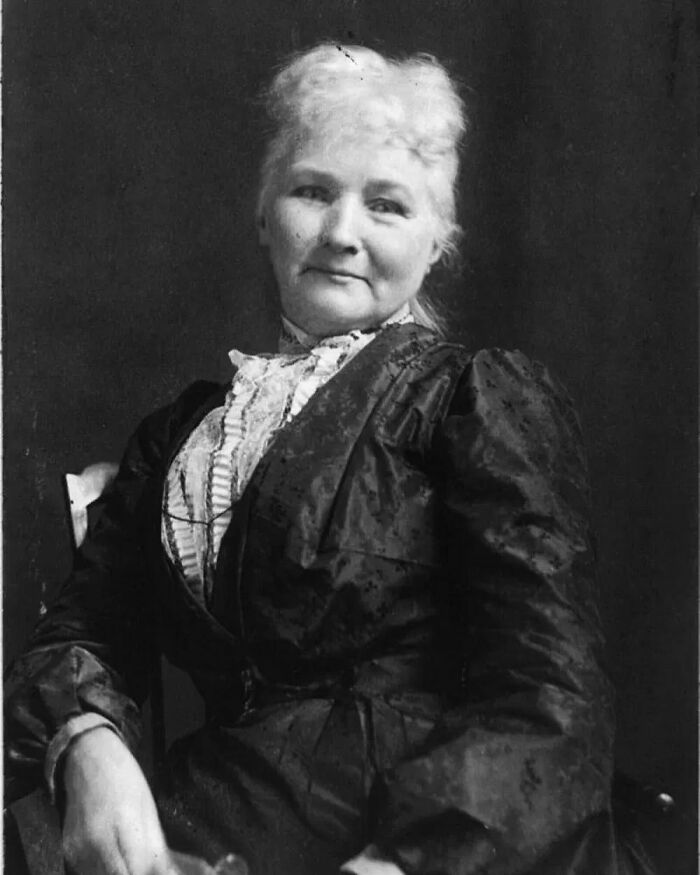
The most famous female labor activist of the 19th Century, Mary Harris Jones spent over forty years organizing and participating in strikes to help workers in the fight for labor rights.
Originally from Ireland, she moved to Toronto, Canada with her family at age 5. After settling in Chicago and starting a family, she suffered two great losses: her husband and four children in 1867 due to yellow fever, and everything she owned in the Great Chicago Fire of 1871.
To cope with her grief, she sought solace at Knights of Labor meetings and, while there, found an outlet for her passion. Shocked at the number of working poor during industrialization, low wages, long hours and lack of health insurance, she helped to organize strikes, starting with the Great Railroad Strike of Pittsburgh in 1877.
Throughout the late 19th Century, Mary took part in and led hundreds of strikes, organizing the workers to make the most impact on the authorities. As a great orator, she helped industrial workers raise the profile of their poor labor rights.
As she aged, she showed no signs of slowing, with her still organizing miners well past her 90th birthday.
A journalist and business executive, Katharine Graham was the first female publisher of a major American newspaper. During her leadership of the Washington Post Company, she transformed the newspaper into one of the leading periodicals in the US.
Her father, a publisher, bought the Washington Post in 1933, with Katharine joining the editorial staff a year later. While she stepped away from active involvement in running the paper to raise a family, she and her husband later purchased the company from her father.
Following her husband’s death in 1963, Katharine assumed the role as president of the Washington Post Company. During her leadership, she encouraged a culture of aggressive investigative journalism, overseeing the publishing of Pentagon Papers and coverage of the Watergate scandal that ultimately caused President Richard Nixon to resign from office.
She assumed the position of CEO of the Washington Post Company in 1972, a post she held until 1991, becoming the first female CEO of a Fortune 500 company.
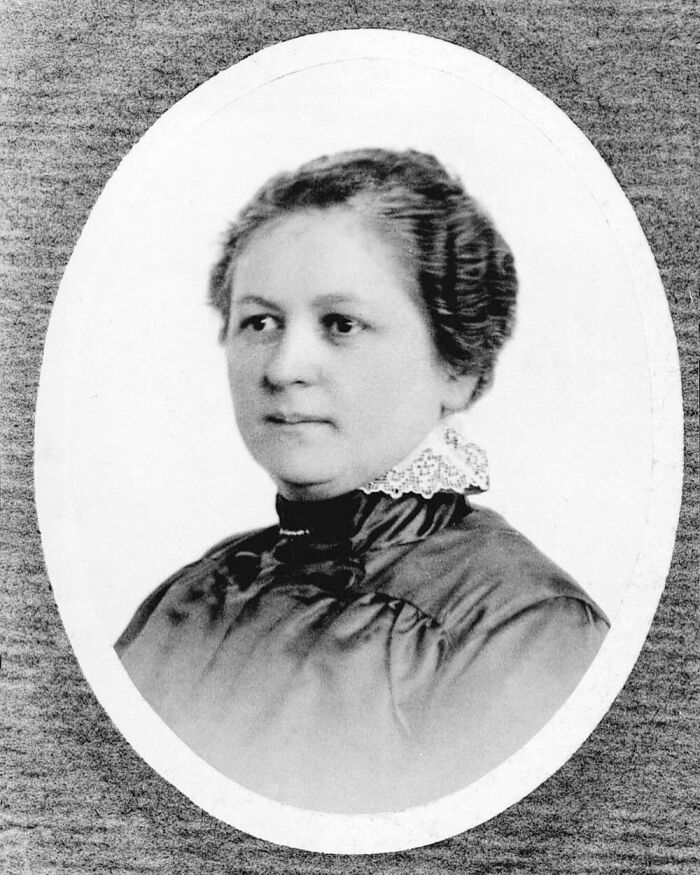
From an unassuming background in Dresden, Melitta Bentz was a German entrepreneur who revolutionized the way we brew coffee.
Tired of finding coffee grounds in her cup and the mess of cleaning the grounds from the pot, Melitta experimented with ways to filter coffee before pouring it out to drink.
After a few rounds of trial and error, she poured the coffee through a leaf of her son’s notebook paper, finding it to meet her needs: the coffee was free of grounds, and the makeshift filter could easily be discarded.
Based on this success, Melitta designed the disposable paper coffee filters used all over the world today, receiving a patent from the German authorities in 1908, setting up a business that she ran from the family’s apartment. Today the Melitta Group employs over 4,000 people across the world. Not only did she contribute a straightforward, clean way to brew coffee, her company was one of the most progressive employers of its time, introducing Christmas bonuses, five-day working weeks, and a three-week vacation period for its employees. This set a standard for other companies to follow suit later in the 20th century.
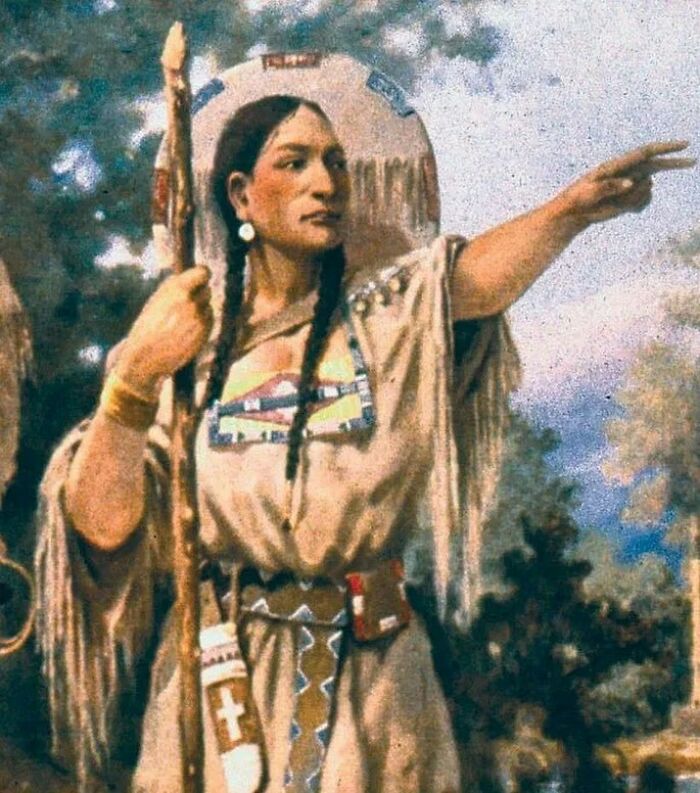
Sacagawea - This daughter of a Shoshone chief is credited with making huge contributions to the success of the Lewis and Clark expedition, which took place between 1803 and 1806.
After being captured and sold to a French-Canadian settler at the age of 12, Sacagawea was invited to join the Lewis and Clark expedition as a Shoshone interpreter a few years later.
With substantial survival skills, including the ability to identify edible plants, she helped lead the expedition to its success. A woman travelling with her newborn child, Sacagawea acted as a symbol of peace to the native tribes, as well as the conduit between explorers and the indigenous population.
Through Sacagawea, the Corps of Discovery was able to cooperate peacefully with tribes to cross the Rocky Mountains. This led them to make useful advancements in mapping the Upper Missouri and confirming overland access to the Pacific, travelling to places that had never been seen before by settlers.
The expedition also produced many important zoological and botanical discoveries, noting dozens of previously unencountered species.
Sacagawea’s contribution to the exploration of the United States led her to feature on a dollar coin minted in 2000.
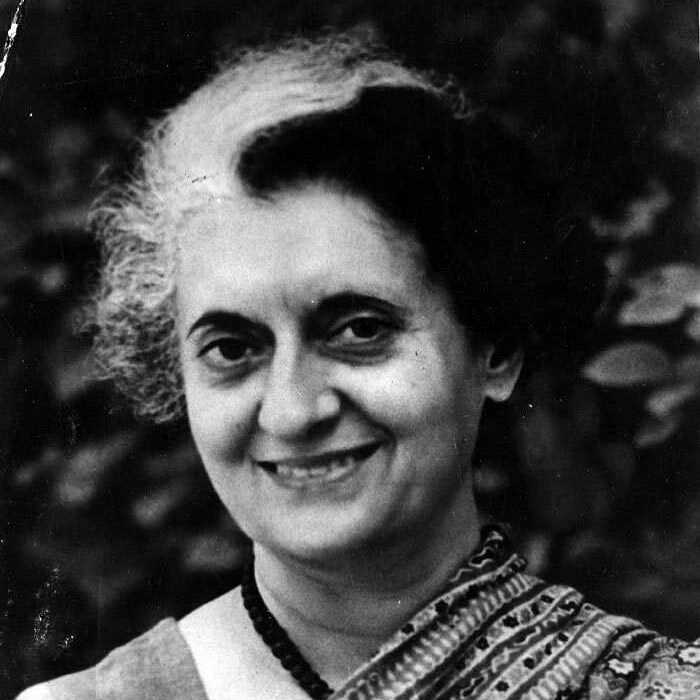
The former Prime Minister of India and daughter of the first Prime Minister of India, Indira Gandhi was the first, and to date, only female Prime Minister of India.
Her father Jawaharlal Nehru, first Prime Minister of India, had attempted to unify into one nation the fragmented cultural, ethnic and religious tribes that had existed together as British India.
When Indira gained power in 1966, she was confronted with the same problems, and struggled to sanction dissidents without taking an authoritarian approach. Despite this, she established many social reform programs and led India to a stunning victory over Pakistan in the Bangladesh War, so she received widespread support by most of the population.
After being thrown out of office in 1977, Indira took office for the second time in 1980, until her assassination in 1984. Indira was killed by her own Sikh bodyguards, which sparked four days of riots, leaving over 8,000 Indian Sikhs dead in revenge attacks.
Indira’s son, Rajiv, succeeded her as prime minister.
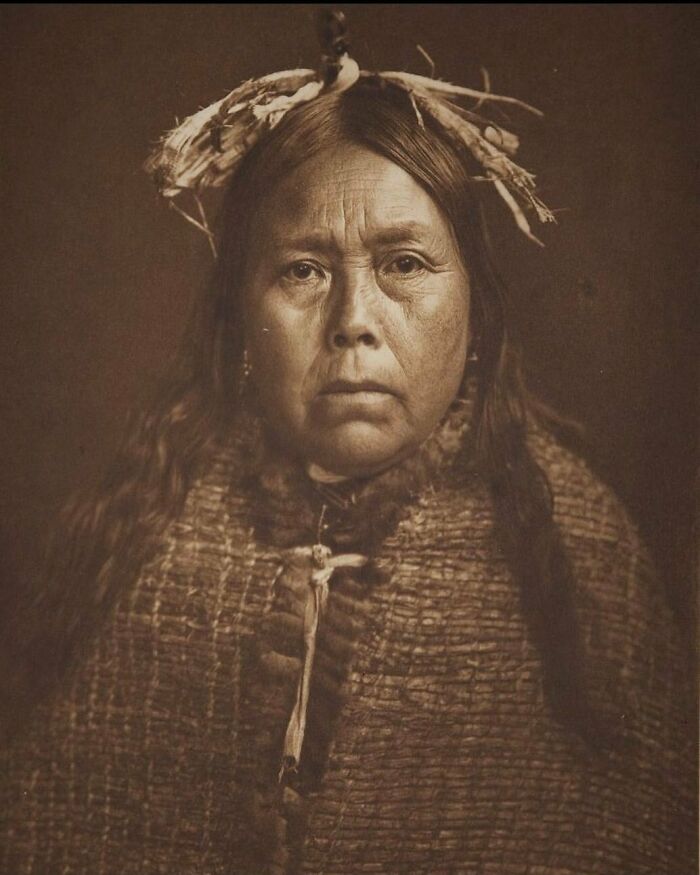
Yumqas of the Mamalelekala which are part of the Kwakwaka’wakw, Indigenous peoples of the Pacific Northwest Coast. Photographed by Edward Sheriff Curtis in c.1915.
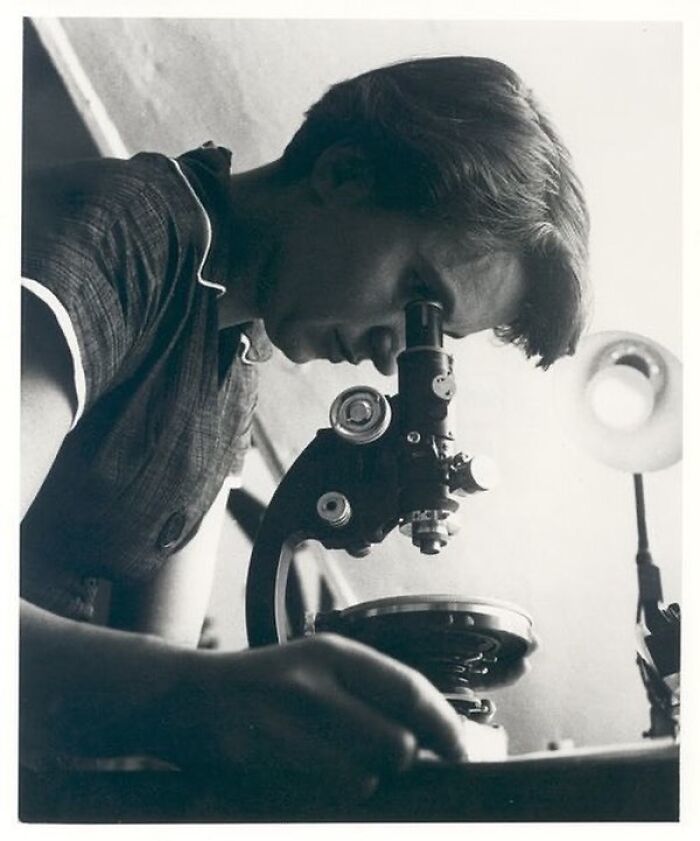
Rosalind Franklin at work in 1955. Her work was central to the understanding of the molecular structure of DNA, RNA, viruses, coal, and graphite.
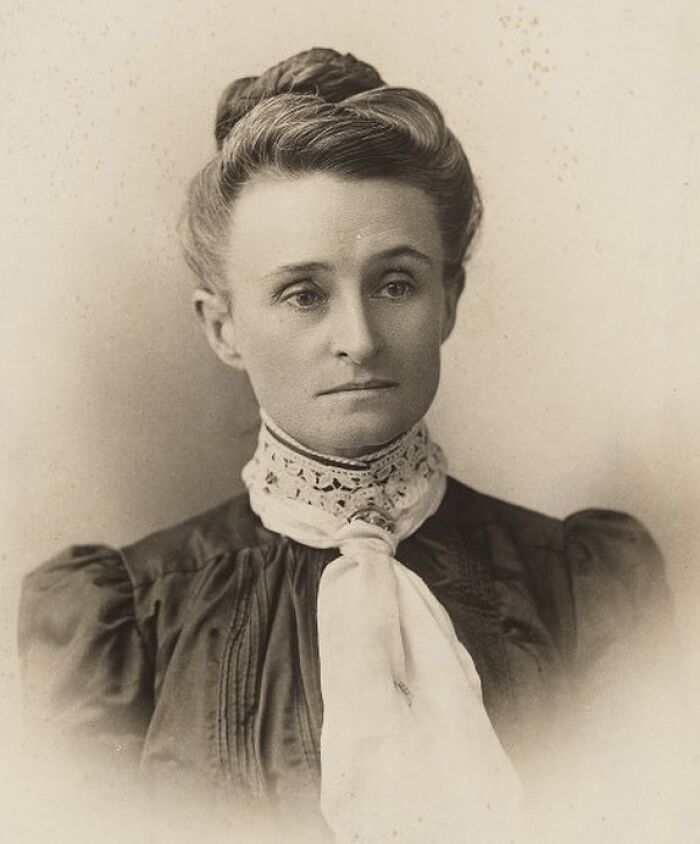
Edith Cowan was an Australian social reformer, working for the rights of women and children. She is most famously known for being the first Australian woman to serve as a Member of Parliament, being the Member of the Legislative Assembly of Western Australia for West Perth.
She was one of the founders of the first woman’s social club in Australia, the Karrakatta Club, in 1894. She was also a key supporter of the women’s suffrage movement, with women being granted the right to vote in Western Australia in 1899.
She was a leading advocate for public education and children’s rights, being one of the first women to serve on the local board of education. She helped to find the Children’s Protection Society in 1906. The society’s lobbying resulted in creating the Children’s Court.
Edith Cowan passed away in 1932, age 70.
"Women are very desirous of their being placed on absolutely equal terms with men. We ask for neither more nor less than that”- Edith Cowan
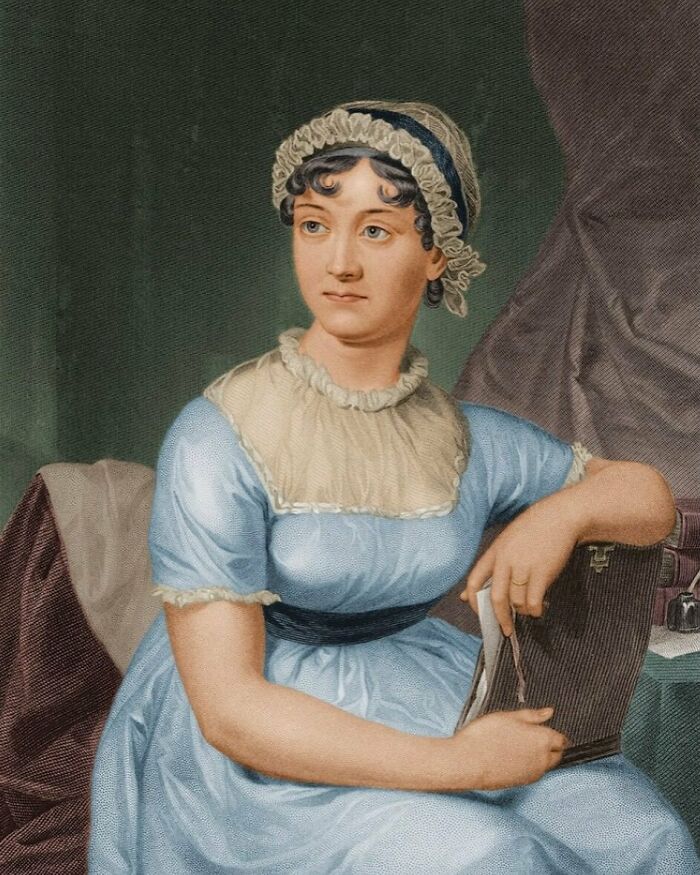
Known for writing Pride and Prejudice, Emma, and Sense and Sensibility, Jane Austen was a British novelist who wrote with wit, humour, and irony.
Since publication, her books have rarely been out of print. Her reputation took off after her death when they started to gain wider acclaim and popular readership.
She published her books anonymously, simply stating “By a Lady” on the front cover. It was only after she passed away that it revealed by her brother that she was the author of the novels
Her novels focus around the British landed gentry, exploring the dependence of women on marriage for social standing and economic stability.
Jane Austen passed away in 1817, at the age of 41.
To this day she is recognised as a great contributor and has earned acclaim among readers and literary critics.
“It isn't what we say or think that defines us, but what we do”- Jane Austen
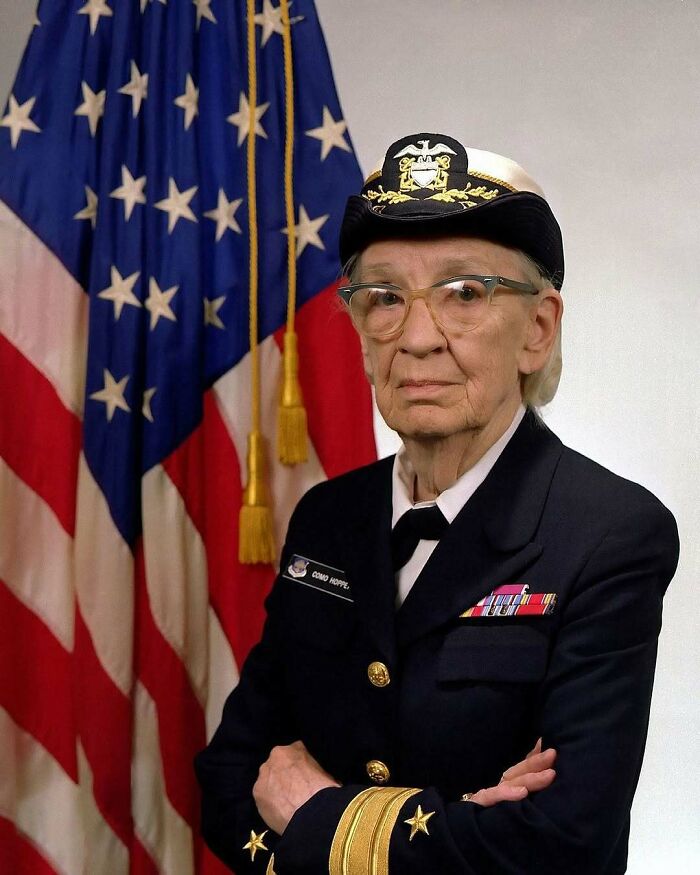
Grace Hopper was a computer scientist and a member of the US Navy. She was a pioneer in computer programming, with her theory and programming languages being extended to become high level programming languages still being used today.
She graduated with a PhD in Mathematics from Yale University. She tried to join the Navy during the Second World War, however was rejected due to her age.
She began her computing career in 1944, working on the Harvard Mark I computer and many other computers and programs.
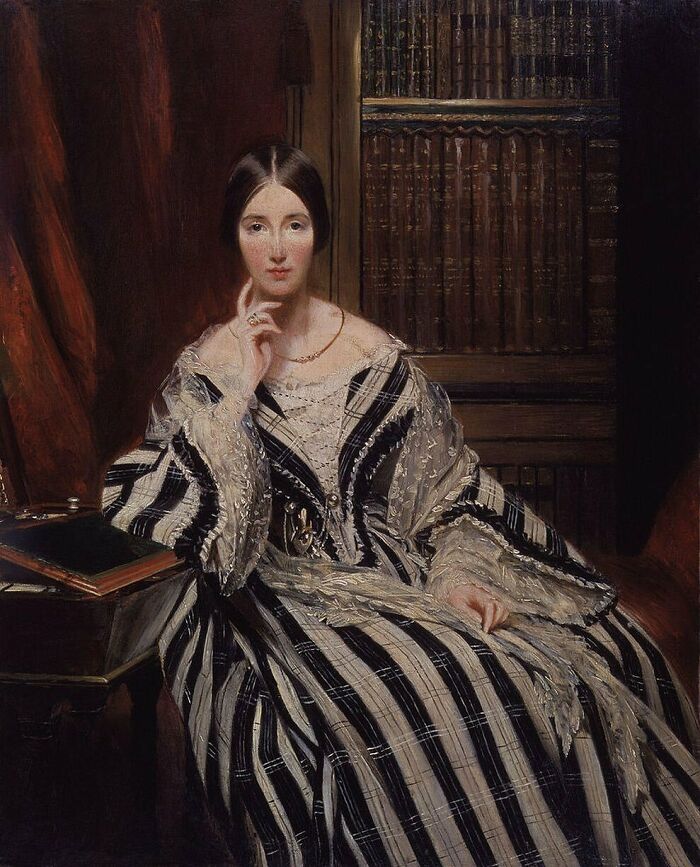
Described by the British bank, Coutts, as “one of the most radical philanthropists of her time”, Angela Burdett-Coutts generously and unvaryingly used her personal fortune to help those less fortunate than herself.
As the granddaughter of banker Thomas Coutts, she inherited a huge sum of money on his death, but because 19th-century social conventions dictated that she was unable to enter the business world, she shifted her focus to philanthropic projects.
Angela’s complete philanthropic portfolio is diverse and generous. Just a fraction of her projects include the following: building homes for the poor, installing a source of fresh water in London, funding scholarships at prestigious education institutions, supplying equipment to Florence Nightingale to improve nursing hygiene, supporting army hospitals in South Africa, financing the construction of London hospitals, supplying lifeboats to the British authorities, and funding relief efforts during the Great Potato Famine of Ireland.
Angela was granted a peerage in 1871 by Queen Victoria for her efforts in philanthropy.
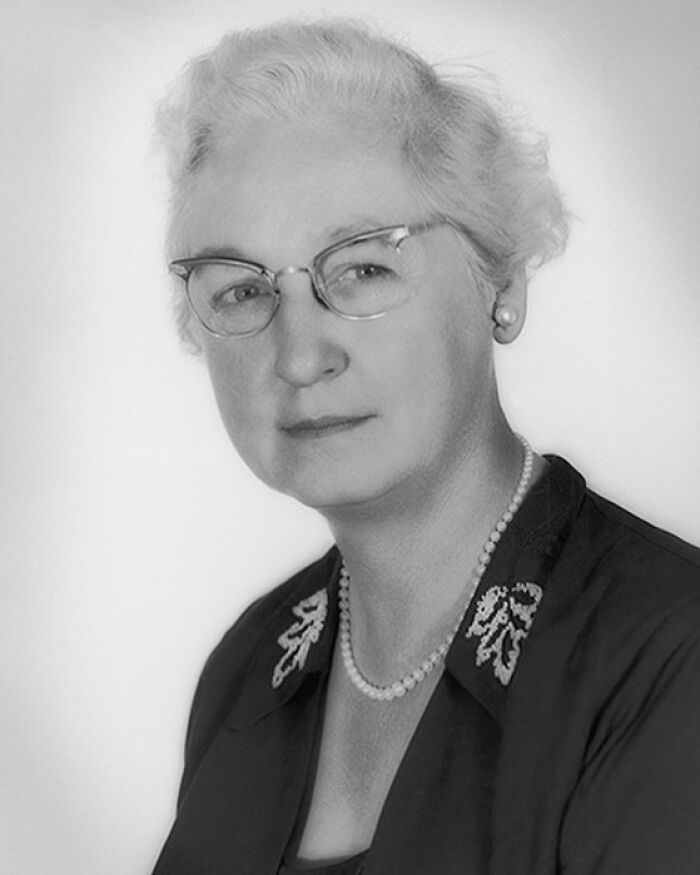
Virginia Apgar was a leading American medic, the first female board-certified anesthesiologist and first woman to become a professor at the College of Physicians and Surgeons.
However, the most important legacy that Virginia left for the world is the APGAR test for newborn babies. Developed in 1952, it stands for Appearance, Pulse, Grimace, Activity and Respiration, referring to the five things that every hospital in the world checks to verify the health of a newborn baby: skin color, heart rate, reflexes, muscle tone and breathing.
While she developed it to measure the effects of anesthesia on babies during childbirth, it was later adopted for all babies born in modern hospitals.
Before the introduction of the test, babies were not studied closely once they were born, meaning important problems could easily be missed. Virginia’s model has saved lives across the world.
Nicknamed “Lady Edison” for all the inventions she created, Beulah Louise Henry was the most prolific female innovator of the 1920s, with around 110 inventions to her name.
Self-educated and from Memphis, Tennessee, she attributed her powerful sense of creativity to the process of teaching herself. She proved that women could succeed as engineers without formal training.
The range of Beulah’s inventions is huge, ranging from a vacuum-sealed ice cream freezer, to children’s toys. Creating modifications to sewing machines and typewriters was the source of many of her inventions.
The Journal of the Patent Office Society, which granted all 49 patents applied for during her career, named her “America’s leading feminine inventor”.
Beulah was inducted into the National Inventors Hall of Fame in 2006 for her contributions to technological innovation.
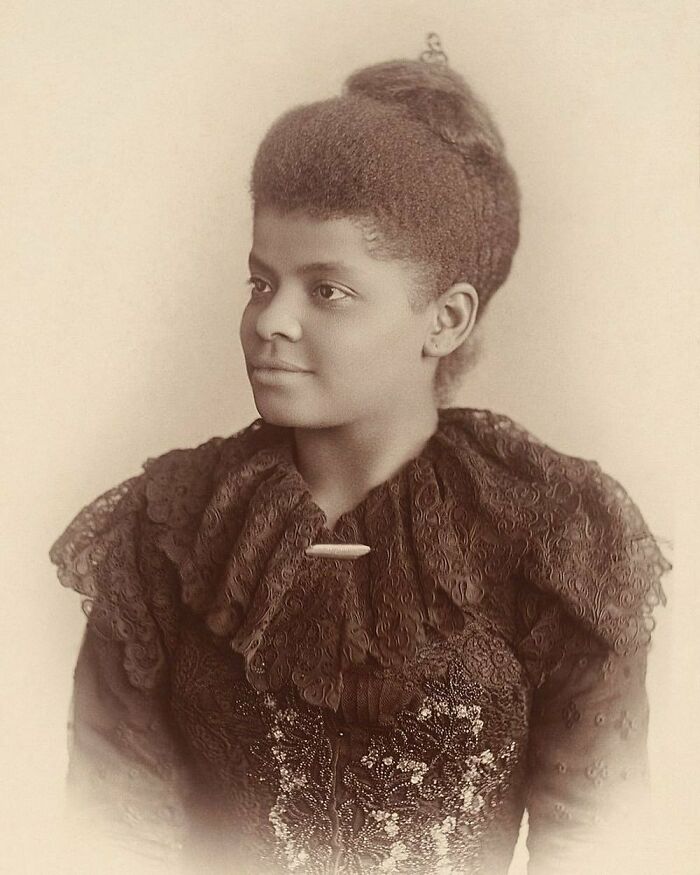
Born into slavery, Ida B Wells-Barnett was a journalist, activist and campaigner for African American rights.
Through her books Southern Horrors and The Red Record, she raised awareness of the increase in racially motivated lynchings after the end of the American Civil War.
Following the lynching of one of her friends, Ida began investigating instances of white mob violence, suggesting they were being used as a vehicle to enforce white supremacy and intimidate African Americans.
In 1892, Ida ran an exposé on racially motivated lynchings, which provoked such strong reaction that she was forced to flee Memphis, Tennessee, where she lived.
Along with other African American leaders, Ida led efforts to boycott the World’s Columbian Exposition in 1893, in protest at the exclusion of the black community from the fair.
Ida was present during the founding of the National Association for the Advancement of Colored People (NAACP), which to this day works to eliminate race-based discrimination in the United States.

















 No fees, cancel anytime