Get Premium
Dark mode theme is available exclusively for premium users. Learn more about the benefits of subscribing.
No fees, cancel anytime.

 Dark Mode Ad-Free Browsing Unlimited Content
 Ad-Free Browsing Unlimited Content Dark Mode
Join 1.2 million Panda readers who get the best art, memes, and fun stories every week!
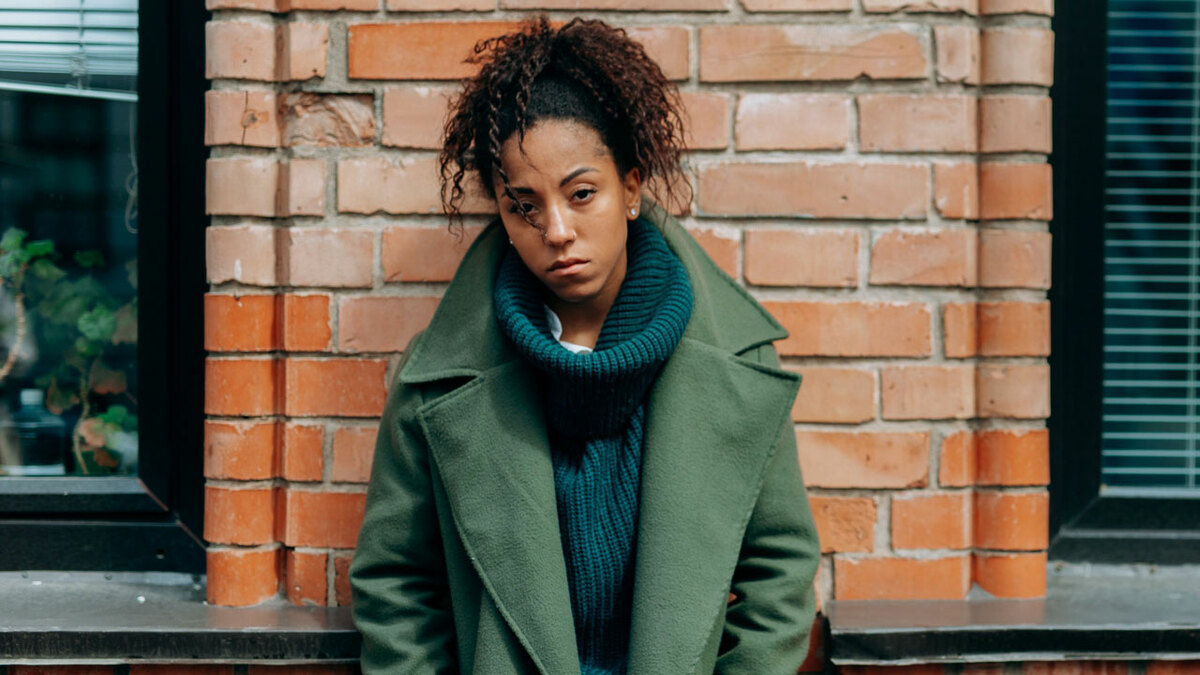
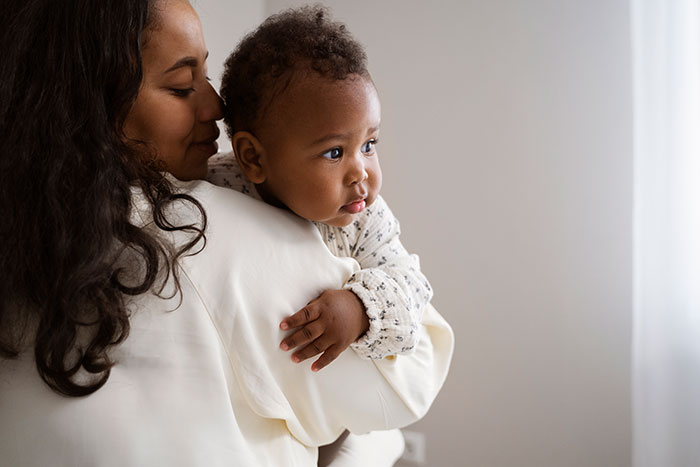
When raising children, family help is crucial. There’s a reason the saying “It takes a village” is used to this day: parenting, work, and just the regular stresses of daily life mean parents need all the help they can get. Yet, instead of helping, some families might hit parents where it hurts most when they’re at their lowest.
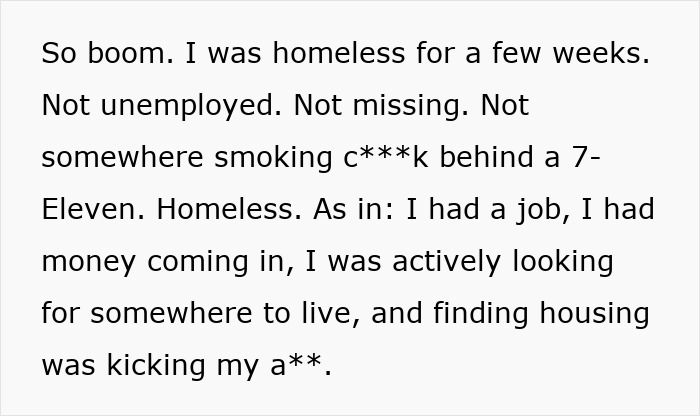
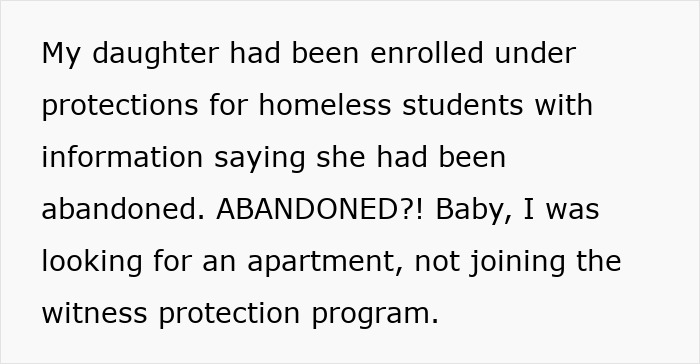
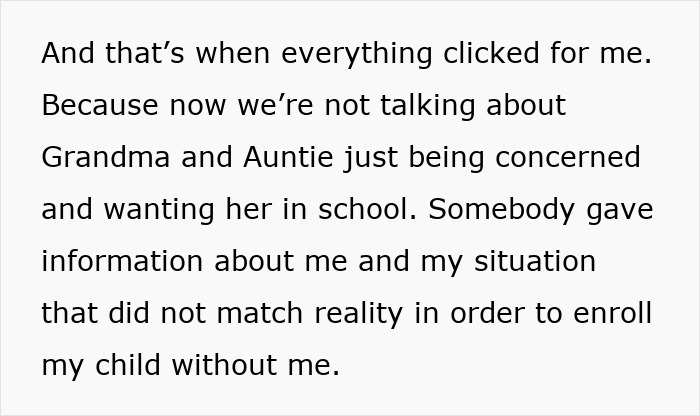
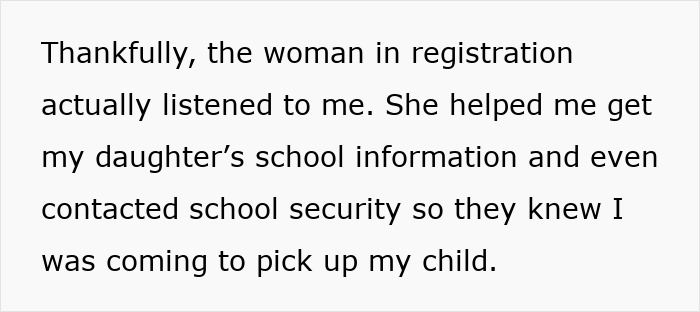
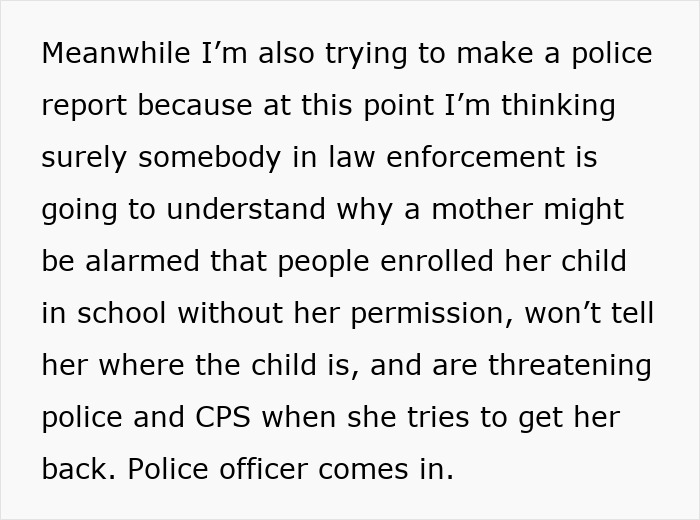
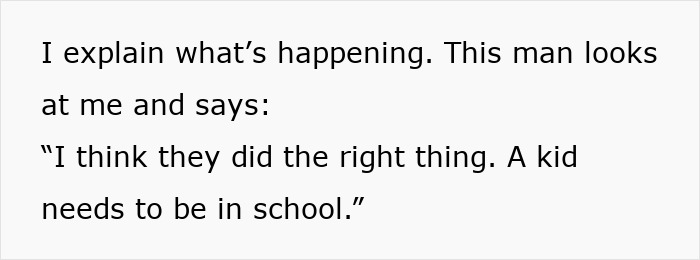
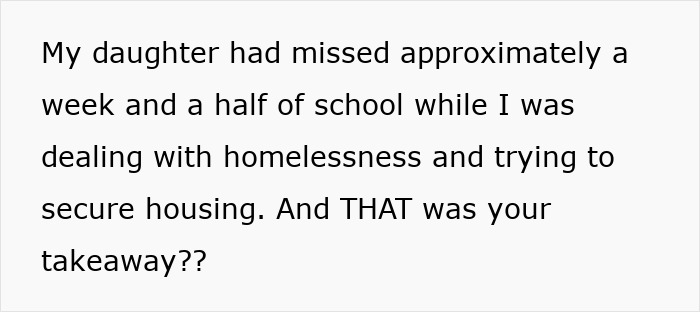
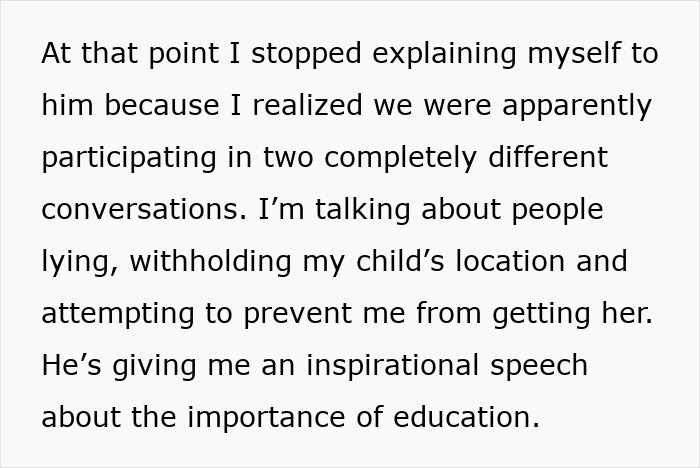
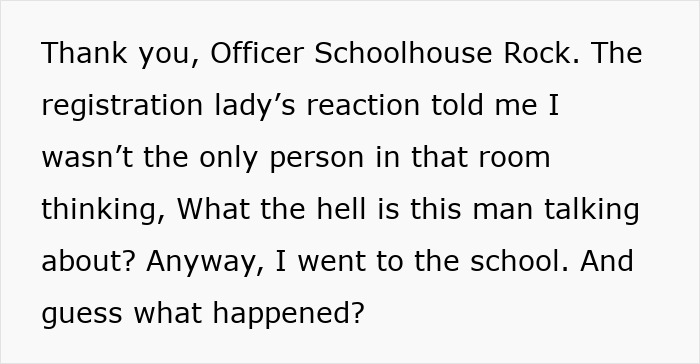
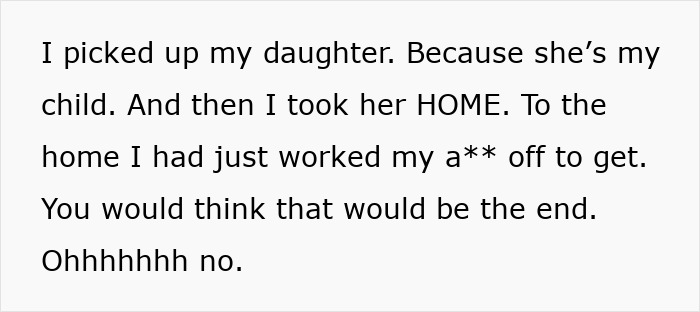
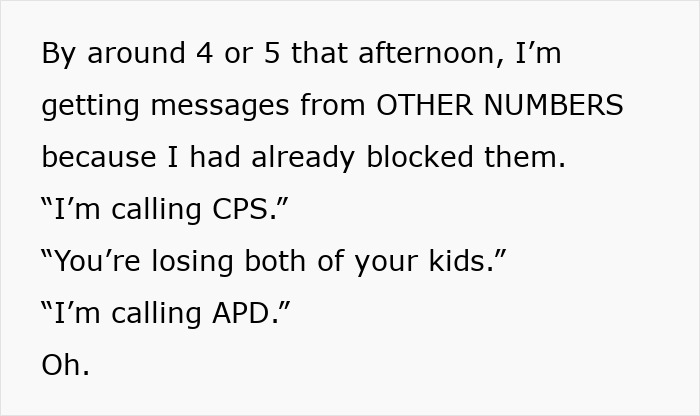
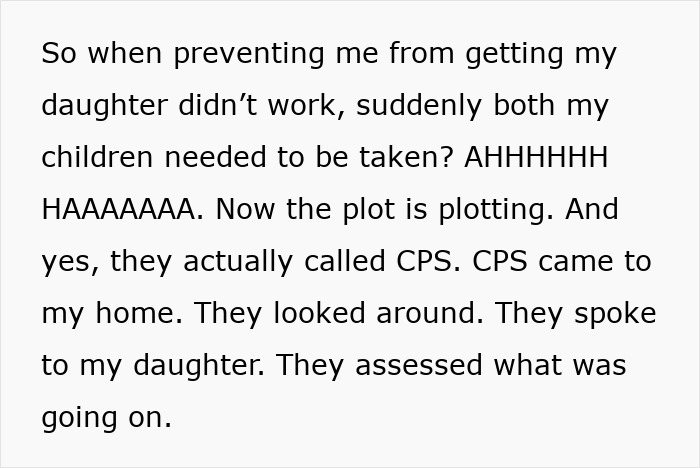
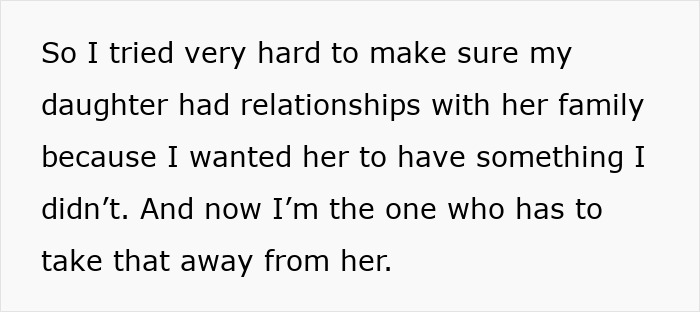
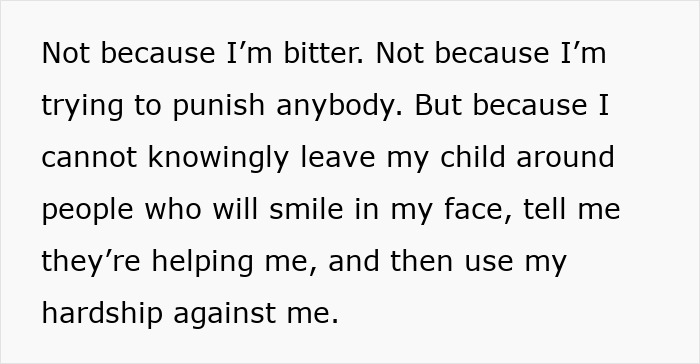
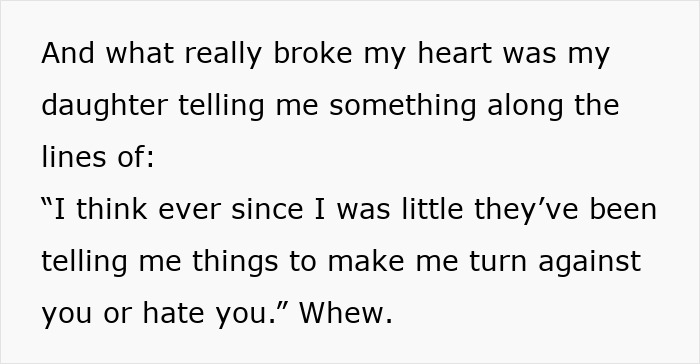
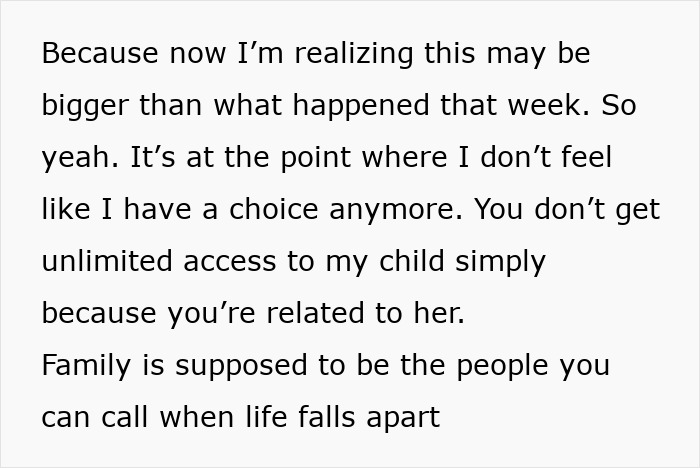
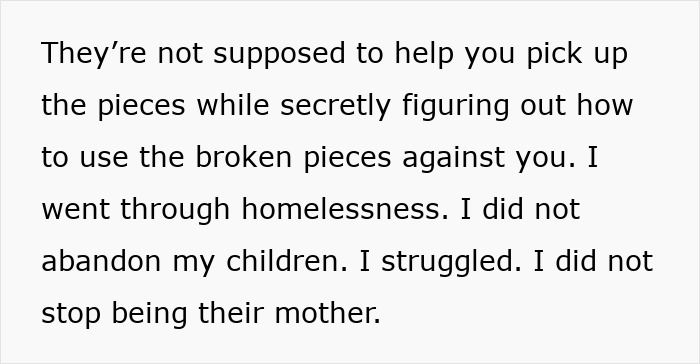
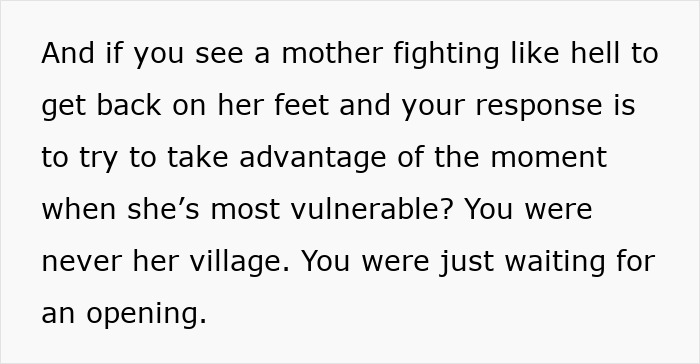
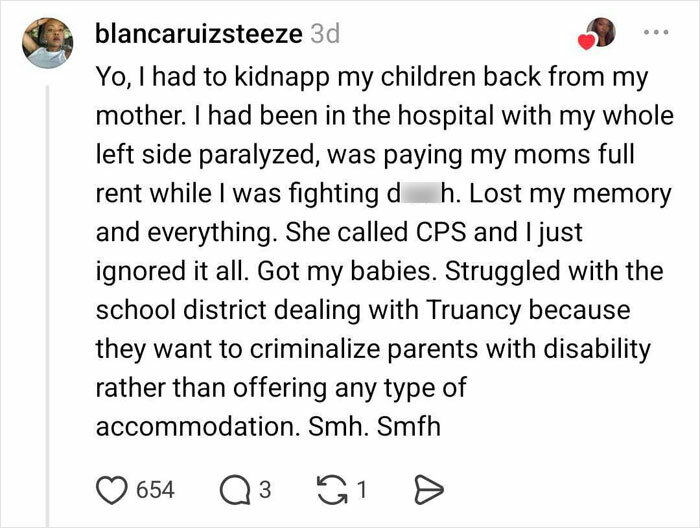
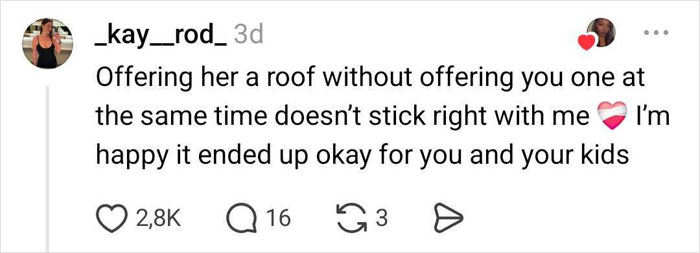
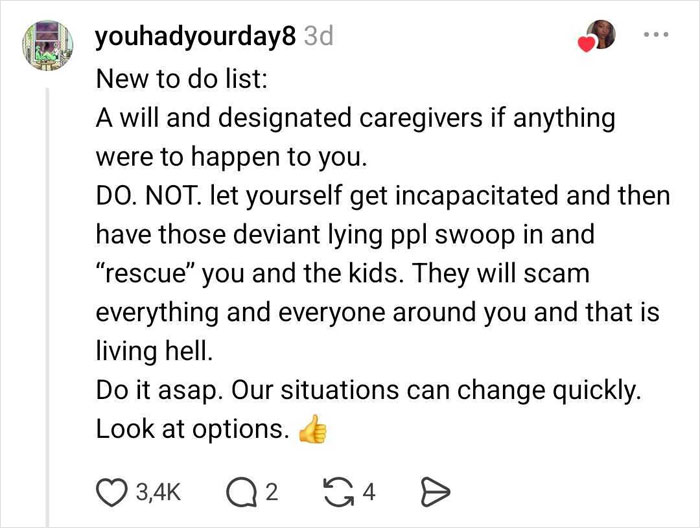
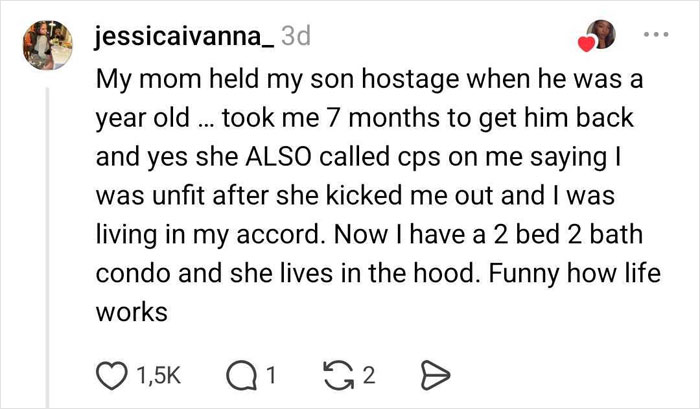
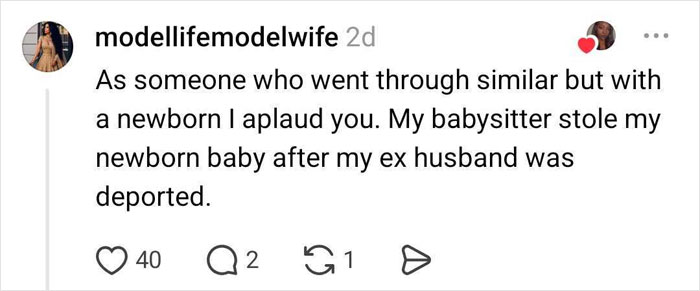
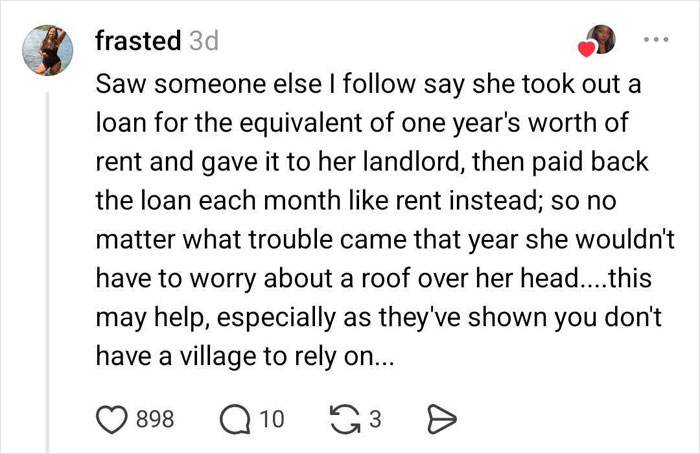
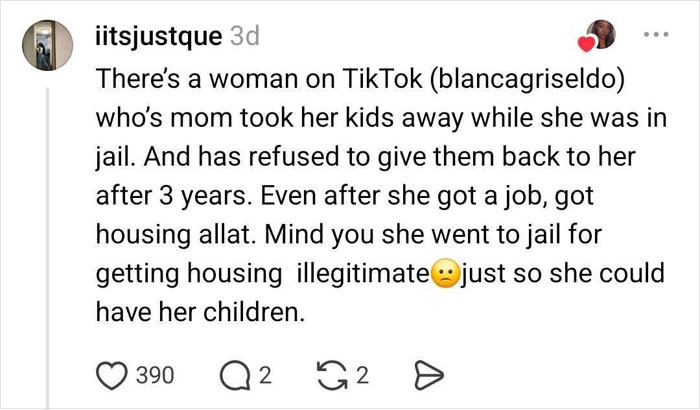
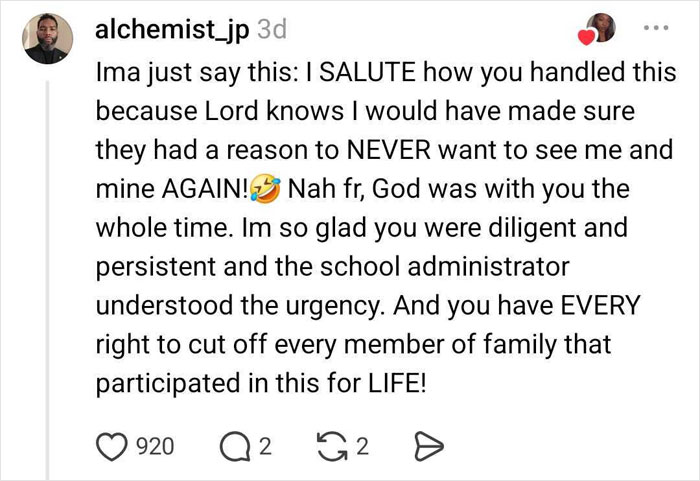
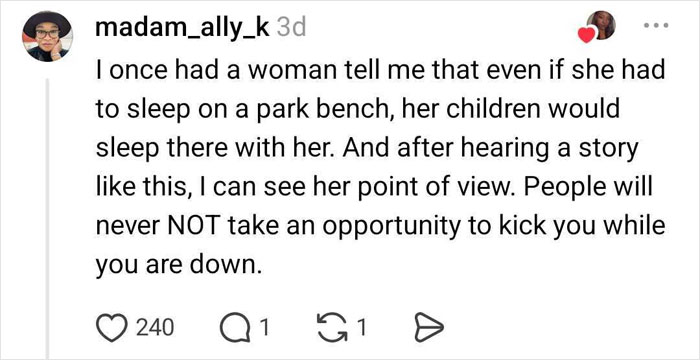
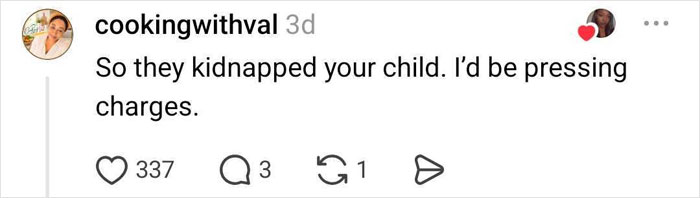
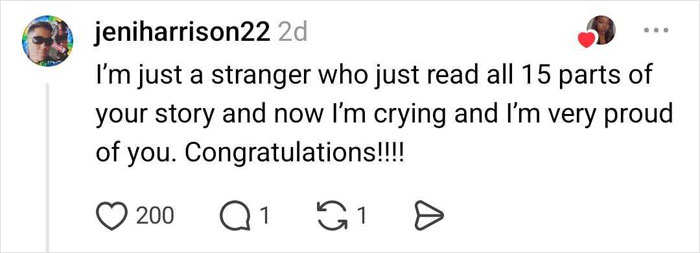
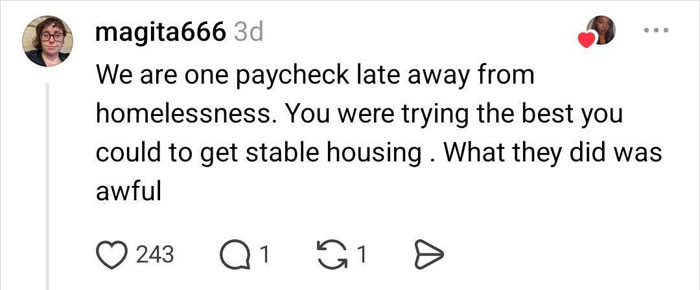
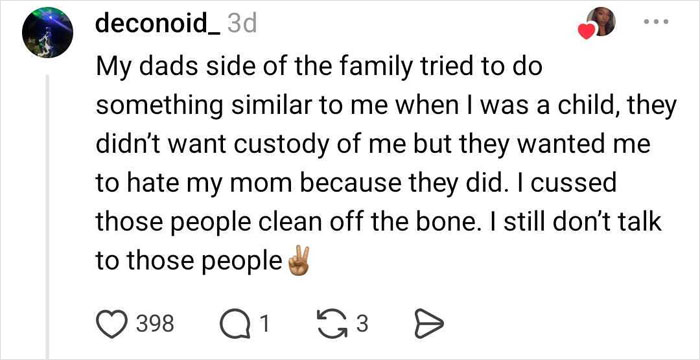
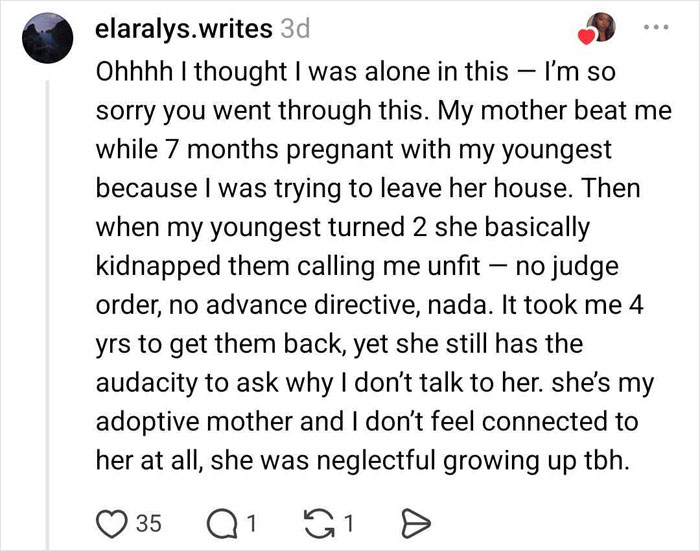
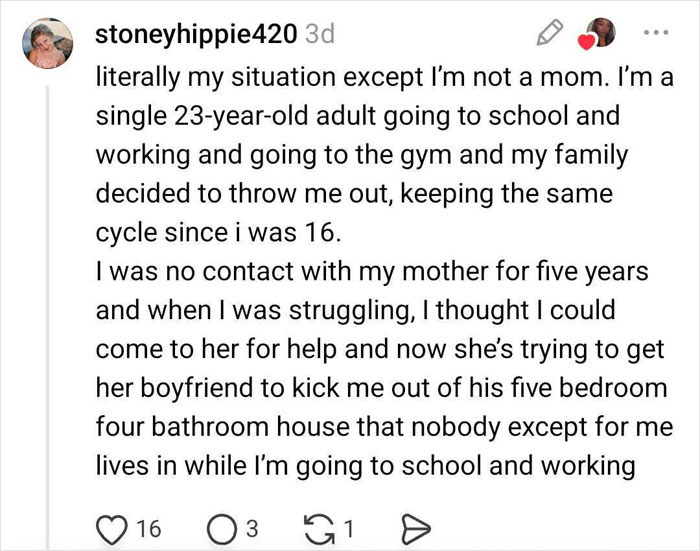
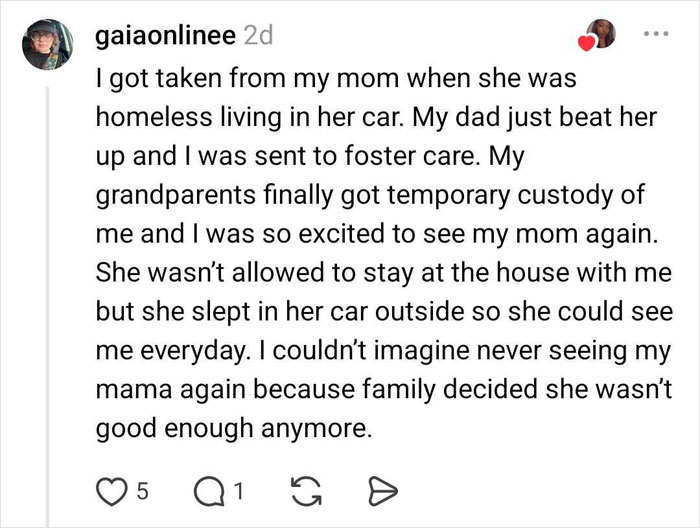
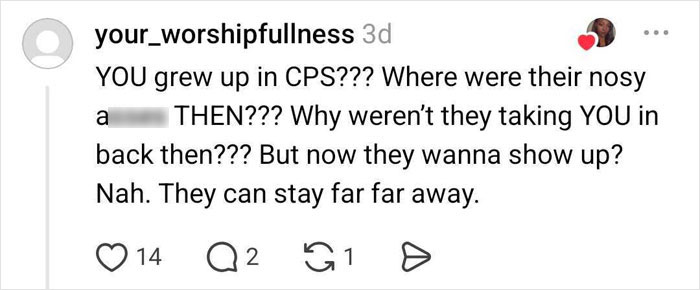
When this single mother was struggling to find housing, her mother and sister volunteered to take her daughter in. But when she got back on her feet a few weeks later, the situation got super sus: they enrolled the kid in school without her knowledge, refused to tell her where, and threatened to call CPS. As a cautionary tale about how family members sometimes work against you, she shared her story online.

The stigma around homelessness persists, even though research invalidates stereotypes that unhoused individuals are lazy, don’t want to work, or have issues with dependence on substances. Still, other financially struggling parents, like the mother in this story, may face similar situations, where even their family members turn against them.
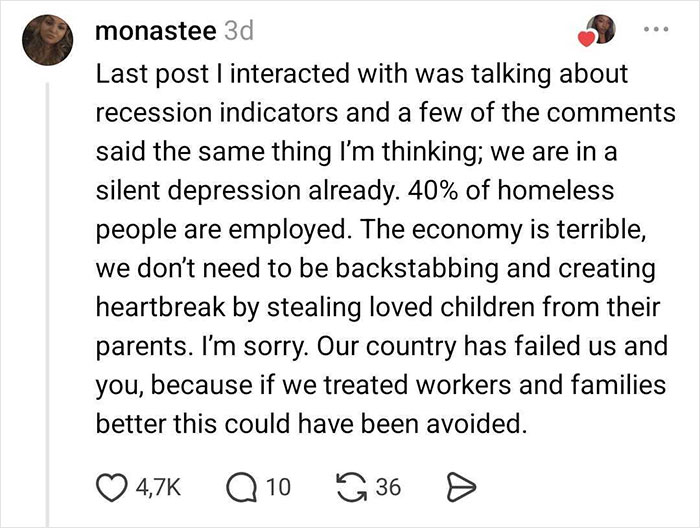
Homelessness is a much more complicated problem than many people realize. While many assume that being homeless means being jobless too, research paints a very different picture. Researchers at the University of Chicago observed unhoused individuals from 2011 to 2018 and documented that 40% of unhoused people were employed either part-time or full-time.
This situation stems from the high cost of living in the U.S. While not everyone who struggles financially loses their home, many still can’t afford to live comfortably. According to Investopedia, 67% of Americans are living paycheck to paycheck. Economist Jeffrey Fuhrer, for example, estimates that 43% of American households don’t have enough money to cover basic needs.
Just because a person doesn’t have housing doesn’t mean they’re not working. However, most of the time, they simply can’t afford a home. It’s estimated that a person would need to earn $46,967, or $23 per hour, for a 2-bedroom apartment at Fair Market Rent, but the federal minimum wage is $7.25. Statistics show that unhoused individuals earn around $6,934 annually.
Normally, rent should be about 30% of a person’s or a household’s income, but housing is becoming more and more unaffordable in the U.S. According to the National Income Housing Coalition, the average renter wage is lower than the average cost of a one-bedroom rental in 36 states. So, seeing people struggle with affording housing shouldn’t seem so surprising.
Thinking that being unhoused is a fixed state is harmful and wrong. People can experience different types of homelessness at different points in their lives. It’s hard to know the exact number, but experts estimate that around 745,652 Americans were experiencing homelessness in January 2025, according to the Department of Housing and Urban Development (HUD).
This woman’s story illustrates that not every unhoused situation is about chronic homelessness. Experts usually identify four different types of homelessness:

By entering your email and clicking Subscribe, you're agreeing to let us send you customized marketing messages about us and our advertising partners. You are also agreeing to our Privacy Policy.
Thank you! You've successfully subscribed to newsletters!



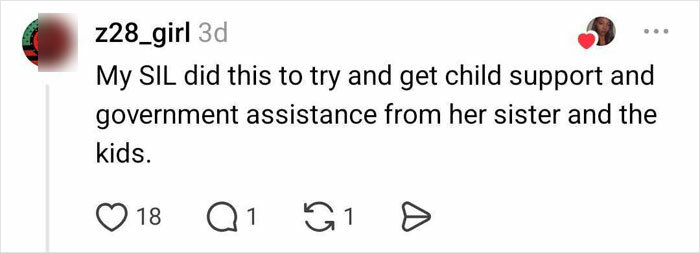
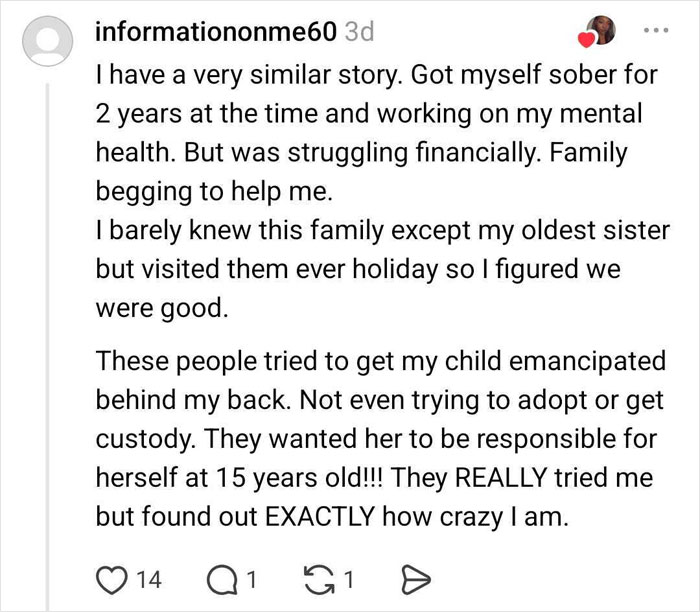
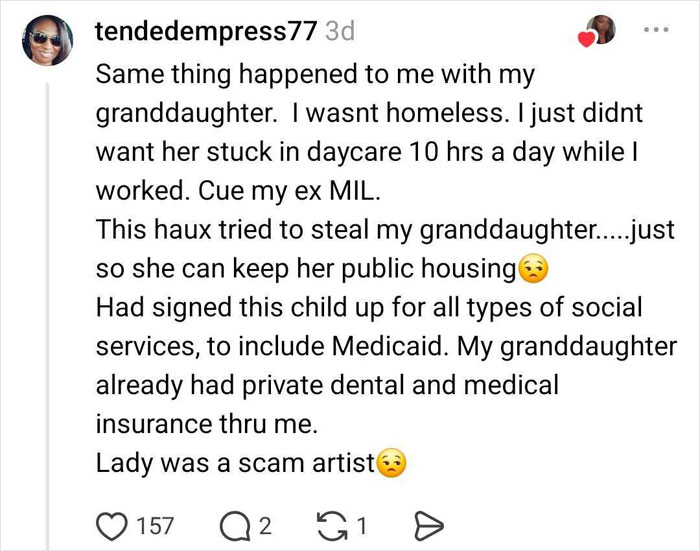
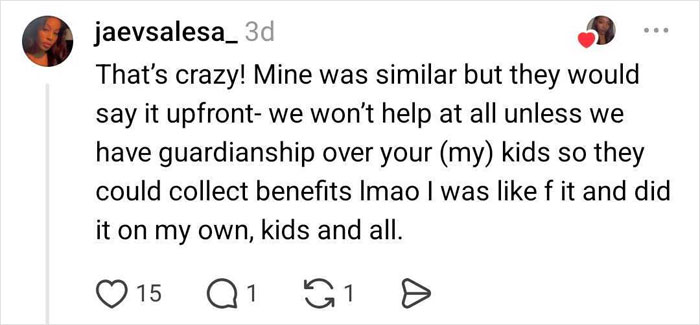
Their ulterior motives weren't just for control, they wanted the money and benefits they would get for the child.
Their ulterior motives weren't just for control, they wanted the money and benefits they would get for the child.



















 No fees, cancel anytime









35
13