Get Premium
Dark mode theme is available exclusively for premium users. Learn more about the benefits of subscribing.
No fees, cancel anytime.

 Dark Mode Ad-Free Browsing Unlimited Content
 Ad-Free Browsing Unlimited Content Dark Mode
Join 1.2 million Panda readers who get the best art, memes, and fun stories every week!

Relationships between adult kids and parents can be complicated. Yet the majority (59%) of young adults in the U.S. say their relationships with their parents are excellent or very good. Similarly, 77% of parents say the same about their relationships with their adult kids.
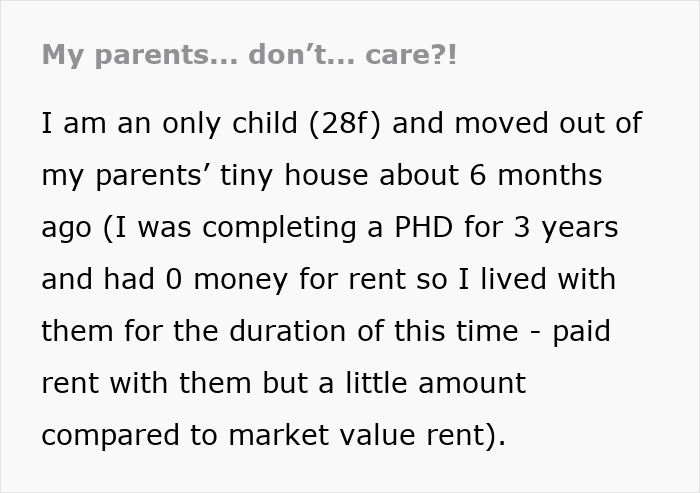
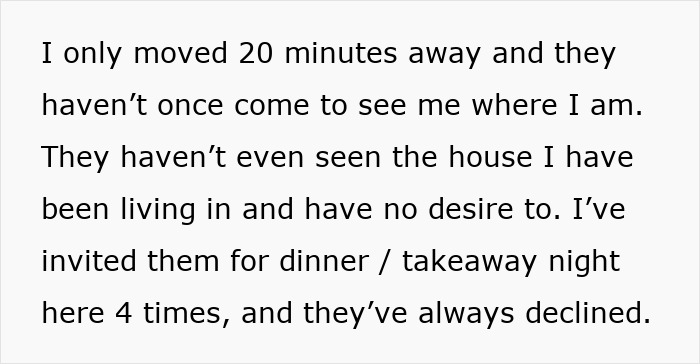
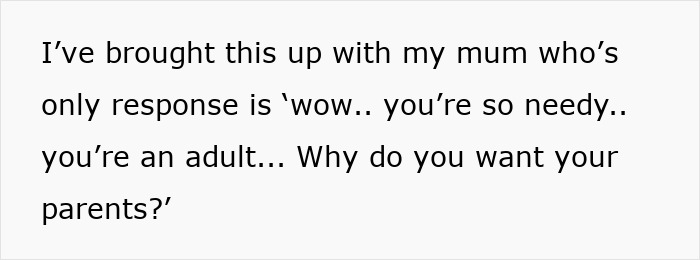
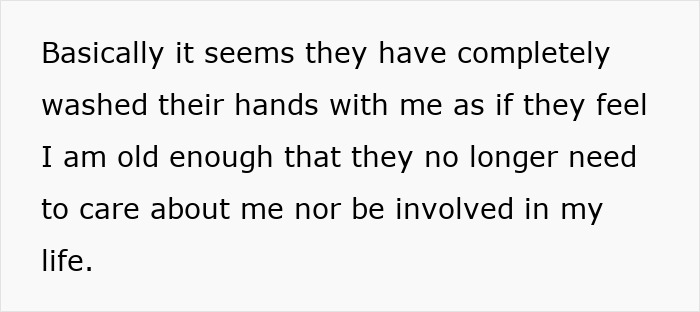
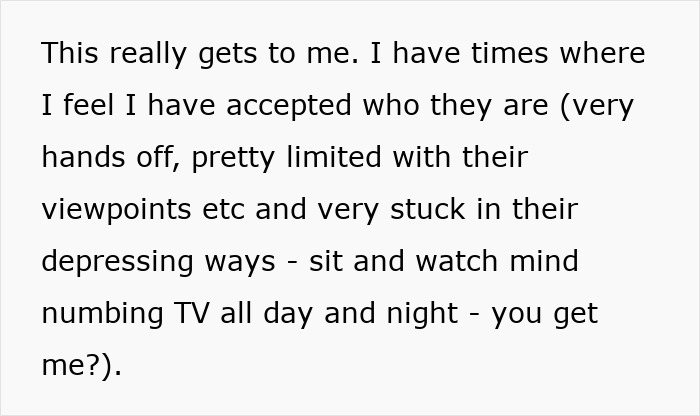
But not all parents want to maintain a close relationship with their children once they leave the nest. This 28-year-old woman was hurt by her parents’ lack of enthusiasm and communication when she moved out. Her situation reflected a broader problem in our society: what is a normal amount of worry and attention from parents once you start your own life?
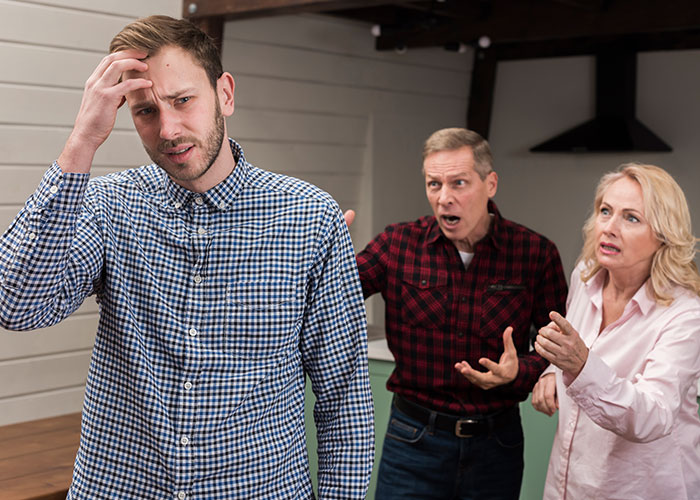
Image credits: namii9 / freepik (not the actual photo)
Image credits: SkelDry / freepik (not the actual photo)
Image credits: EyeEm / freepik (not the actual photo)
Image credits: itsallabitmuchx
Image credits: Wavebreak Media / freepik (not the actual photo)
Image credits: wavebreakmedia_micro / freepik (not the actual photo)
Image credits: user21155762 / freepik (not the actual photo)
Image credits: itsallabitmuchx
Image credits: zinkevych / freepik (not the actual photo)
This generation of adult kids generally maintains a close relationship with their parents. In fact, according to the U.S. Census Bureau, one in three adults aged 18 to 34 currently lives with at least one of their parents in their home.
The numbers spiked during the pandemic, but even in the post-Covid years, the trend remains similar. For many young adults, it’s about not being able to be financially independent. According to a 2024 Bank of America survey, more than half of Gen Z say they don’t make enough to live the life they want.
In the EU, the average age of moving out of your parents’ house is 26.5. In the UK, 43% of young adults live with their parents at age 25. By age 34, the percentage drops significantly to 12% for men and only 5% for women.
Joanne Hsu, a research associate professor at the University of Michigan, explains that adults who grew up during the 2008 recession are wary of financial hardship. Their worries were confirmed when another shock came during the pandemic.
“Part of the reason we see this escalation of young adults not leaving the nest or returning to the nest is this idea that it was harder and harder for them to weather shocks,” she told CNBC.
Living with parents can help adults save money. But it’s not good for the economy, Hsu says. “One of the big boosts to consumer spending is when people form households,” she notes. If young adults were to pay for housing, food, and transportation themselves, that would seriously boost the economy.
Image credits: Guzov Ruslan / freepik (not the actual photo)
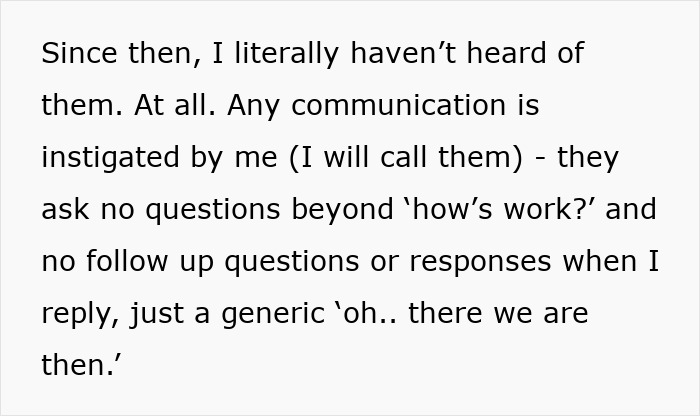
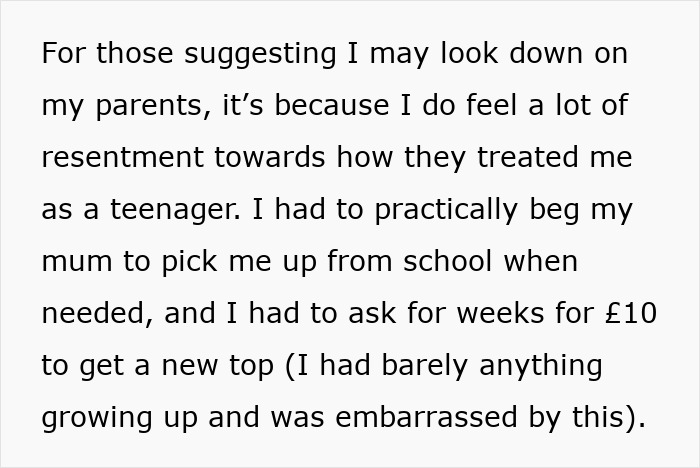
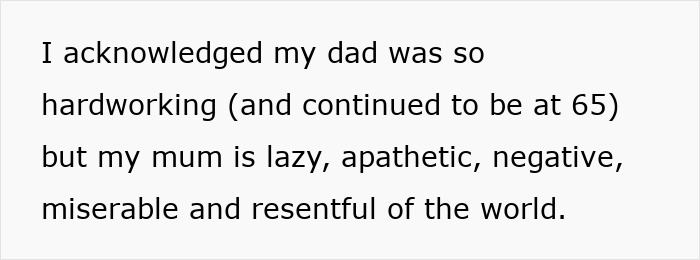
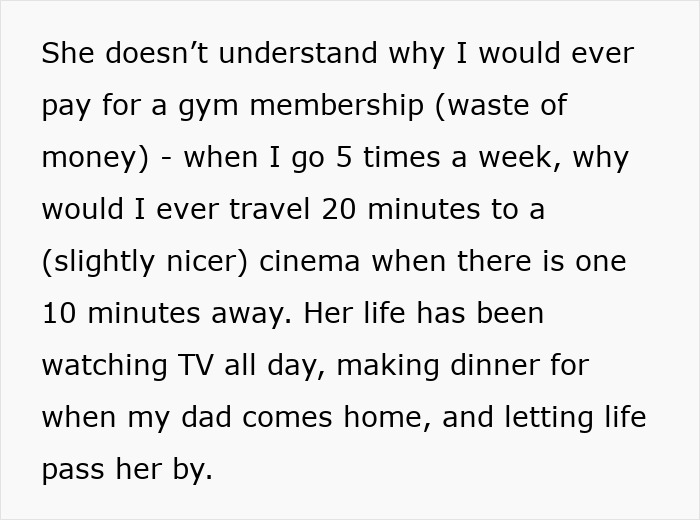
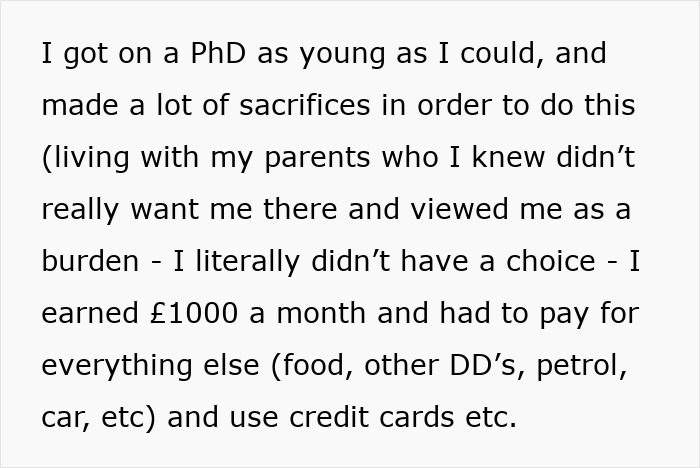
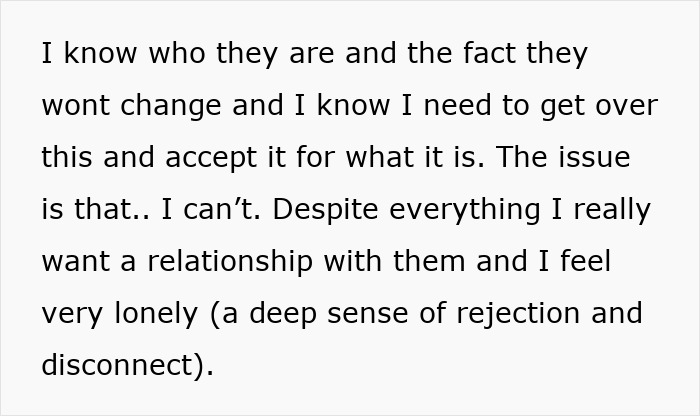
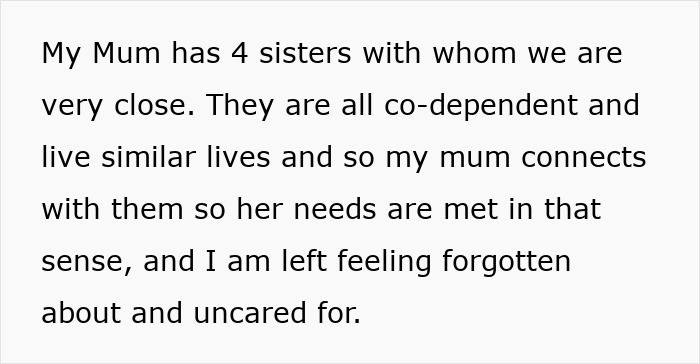
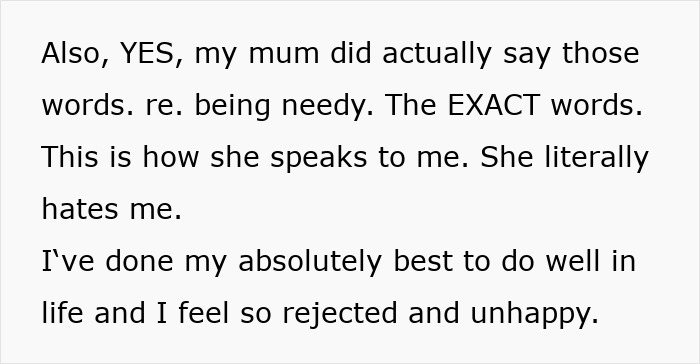
The woman wrote in a later update how her parents, especially her mother, were always distant, making her feel unwanted. This explains why they do not feel the need to check in on her after she has moved out to live on her own.
Licensed psychologist Hal Shorey, Ph.D., explains that dismissive and avoidant parents find it easy to adjust after their children leave the nest. “Once their children move away, they are more likely than parents with other styles to go about their lives, content to wait until their children reach out to them,” he writes for his blog on Psychology Today.
“If the child reaches out with concerns about social issues or hurt feelings, the parent may have little interest.” And this was exactly the woman’s problem in this story. Her mother dismissed her reaching out and showed very little interest in visiting her or being the first one to reach out.
Image credits: freepik (not the actual photo)
Living with parents can also be stressful for some adult children. A 2018 Greek study revealed that some adults may feel stifled, controlled, and exasperated when going back to live with their parents. They found four main sources of tension among parents and children:
Too much care can also result in familial tensions. “While many adult children appreciate support from parents, it can create blurred lines when it comes to the issue of autonomy,” the authors of the study note. So, maybe learning to live without parents can do adults some good?

By entering your email and clicking Subscribe, you're agreeing to let us send you customized marketing messages about us and our advertising partners. You are also agreeing to our Privacy Policy.
Thank you! You've successfully subscribed to newsletters!
34Kviews
Share on Facebook
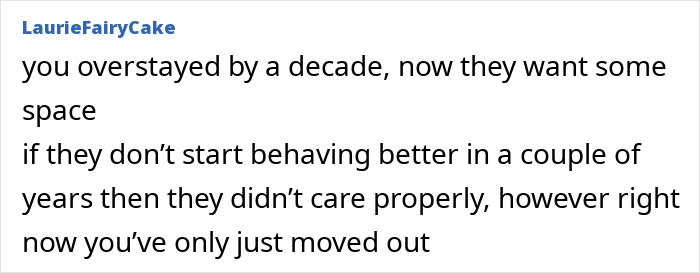
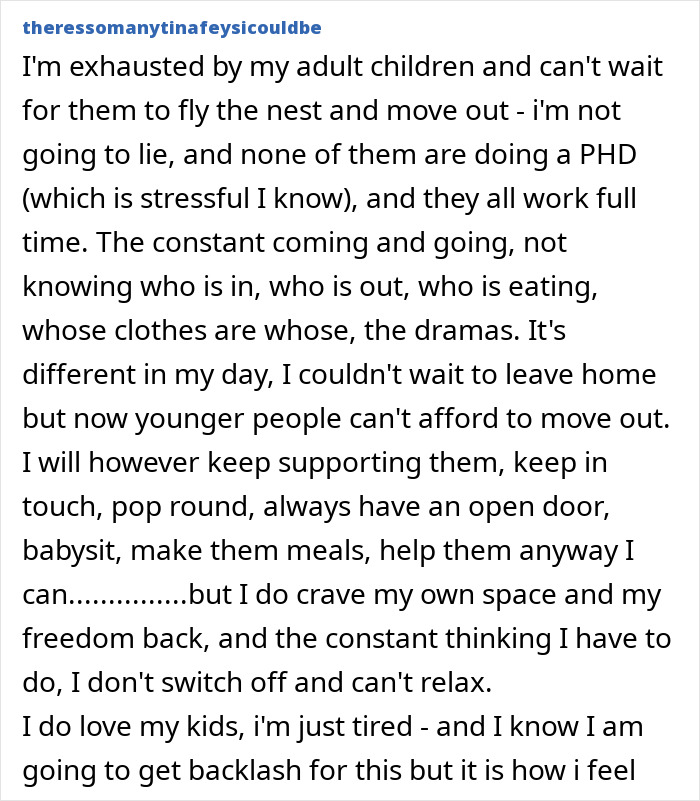
I understand it's disappointing, but low contact is good. It doesn't take much energy, parents aren't creating drama and OP can make her own family. There will always be a period of grief when you let go of an idea, an imagined future. But this has been a long time coming and actively grieving is a good thing. It helps keep that under control while you live your life. Things are only going to get better once you're not looking for validation from parents and start building your own life.
I really agree with the above, taking time to grieve and accept helps move on and really focus on one's own life and not this one disappointment. What I would do before grieving though, would be to rip the bandaid and ask the parents directly if they want to be part of her life moving on. If the parents get the chance to understand that she feels undervalued but still respond in a disappointing way, then OP knows that there's no reciprocity. Although, someone else commented that OP doesn't seem to like the parents all too much. So I don't know if seeking connection for the sake of approval is good for anyone
Load More Replies...
I had low interest parents (only have one now) and it didn't bother me that much. They were of a generation where you moved out at 18 and looked after yourself. My parents always had other interests which was fine and I suspect only had kids because that's what people in the early 60s were expected to do. I moved out, went to college, met my wife, got married, etc. and I never expected them to dote on everything I did or my interests - even when I was younger. I saw my Ma for the first time in 8 years last September and she made it clear that it was a flying visit as she had lots of plans and things organised with her group of "merry widows". Fine with me. It's much better than having her so bored with her own life that she needs to try to inveigle her way into mine. I've got a Mother- in-law who does enough of that. I think the OP should get out of her "main character mindset" and establish a life for herself without needing praise or approval from her parents. She's 28 Ffs.

Your mother gives apathetic rug energy, irritated by demands, and I'd just leave her alone. Try quietly building a relationship with your father. I've done it twice, with two fathers-in-law, and they were men not used to chatting, but by the end of their lives, we were chatting *tons*, laughing and they both told me a lot of family stories they'd never told their families! Lol.

If I were her I'd go to a nursing home and adopt some new parents. There are lots of lovely elderly people in those places who are lonely and would just love to talk or go for a coffee and hear about her day.
Load More Replies... I understand it's disappointing, but low contact is good. It doesn't take much energy, parents aren't creating drama and OP can make her own family. There will always be a period of grief when you let go of an idea, an imagined future. But this has been a long time coming and actively grieving is a good thing. It helps keep that under control while you live your life. Things are only going to get better once you're not looking for validation from parents and start building your own life.
I really agree with the above, taking time to grieve and accept helps move on and really focus on one's own life and not this one disappointment. What I would do before grieving though, would be to rip the bandaid and ask the parents directly if they want to be part of her life moving on. If the parents get the chance to understand that she feels undervalued but still respond in a disappointing way, then OP knows that there's no reciprocity. Although, someone else commented that OP doesn't seem to like the parents all too much. So I don't know if seeking connection for the sake of approval is good for anyone
Load More Replies... I had low interest parents (only have one now) and it didn't bother me that much. They were of a generation where you moved out at 18 and looked after yourself. My parents always had other interests which was fine and I suspect only had kids because that's what people in the early 60s were expected to do. I moved out, went to college, met my wife, got married, etc. and I never expected them to dote on everything I did or my interests - even when I was younger. I saw my Ma for the first time in 8 years last September and she made it clear that it was a flying visit as she had lots of plans and things organised with her group of "merry widows". Fine with me. It's much better than having her so bored with her own life that she needs to try to inveigle her way into mine. I've got a Mother- in-law who does enough of that. I think the OP should get out of her "main character mindset" and establish a life for herself without needing praise or approval from her parents. She's 28 Ffs.
Your mother gives apathetic rug energy, irritated by demands, and I'd just leave her alone. Try quietly building a relationship with your father. I've done it twice, with two fathers-in-law, and they were men not used to chatting, but by the end of their lives, we were chatting *tons*, laughing and they both told me a lot of family stories they'd never told their families! Lol.
If I were her I'd go to a nursing home and adopt some new parents. There are lots of lovely elderly people in those places who are lonely and would just love to talk or go for a coffee and hear about her day.
Load More Replies...





















 No fees, cancel anytime




















42
49