Get Premium
Dark mode theme is available exclusively for premium users. Learn more about the benefits of subscribing.
No fees, cancel anytime.

 Dark Mode Ad-Free Browsing Unlimited Content
 Ad-Free Browsing Unlimited Content Dark Mode
Join 1.2 million Panda readers who get the best art, memes, and fun stories every week!
Everyday problems have a way of creeping in when you least expect them. One moment you’re going about your day, and the next it’s a stressful email, a small disagreement at home, or just a string of tiny inconveniences that somehow add up and shift your entire mood. It doesn’t take much for a good day to feel slightly off balance.
That’s where the internet quietly steps in like a reliable escape. From chaotic work memes to painfully relatable parenting posts and those oddly specific jokes that feel like they were made just for you, there’s always something to take your mind off things, even if only for a few minutes.
But today, we’re taking a break from the chaos and leaning into something softer. We’ve dived into a popular Instagram page to gather a collection of wholesome content that feels like a gentle reset. Think simple joys and moments that remind you things aren’t all that bad. So go ahead—scroll through, take a breather, smile a little, maybe even laugh… because sometimes, that’s exactly what you need.
This post may include affiliate links.
As adults, we often find ourselves smiling at funny memes, wholesome posts, or awkward situations in everyday life. But have you ever stopped to wonder how laughter begins in the first place? Surprisingly, it starts very early. Babies usually begin to smile at around 2 months old, and by the time they reach 4 months, many of them start to giggle or laugh out loud. Even though they’re still learning about the world, their tiny reactions are already showing how humor and social connection start developing long before we realize it.
According to ABC News, researchers describe three broad stages in how laughter develops: imitation and approval, amazement, and eventually disapproval. In the earliest stage, babies often laugh because they are copying the reactions of adults around them. When parents smile, laugh, or make playful sounds, babies try to imitate those expressions. At the same time, they quickly notice that when they smile or giggle, adults respond with excitement and affection. That positive feedback encourages them to repeat the behavior. In many ways, laughter becomes one of the first social tools babies use to bond with their caregivers.
As babies grow a little older, they begin to realize that they are separate individuals from their parents. In the first few months of life, babies exist in a very close emotional connection with their caregivers; they rely on them completely and often experience the world through them. But gradually, they start recognizing that they are their own person interacting with a much bigger world. This shift is an important step in development. As children become more aware of themselves and their surroundings, their reactions (including laughter) start to reflect curiosity, surprise, and new experiences.

We, as peasant hoomans, we can only dream about living that cat life! 😔
Between the ages of about 2 and 5, children begin exploring the world more independently. During this stage, they encounter things that feel unusual, confusing, or slightly unexpected. A silly face, a strange sound, or a playful game might initially surprise them. But once they realize that the situation is harmless, that confusion quickly turns into laughter. In other words, laughter often appears right after a moment of surprise. It’s the child’s way of processing something that seemed odd or startling at first but turns out to be funny instead.
Around the age of 5 or 6, children begin to understand more complex ideas and abstract thinking. This is when they start “getting” jokes the way older kids and adults do. They can recognize when something doesn’t quite make sense, when a situation is exaggerated, or when someone is being playful with words. At this stage, humor often comes from noticing contradictions, silly logic, or unexpected twists in a story. That mental process—spotting something unusual, feeling surprised, and then resolving the confusion—is what creates the classic structure of a joke.
Scientists also believe that a baby’s smile is often a response to social interaction. In other words, babies don’t just smile randomly; they smile because they’re connecting with someone. Different situations can trigger different kinds of smiles. A game of peek-a-boo might cause a delighted grin, while gentle tickling might bring out a burst of giggles. These reactions help babies build emotional bonds and learn how to communicate joy, excitement, and comfort with the people around them.

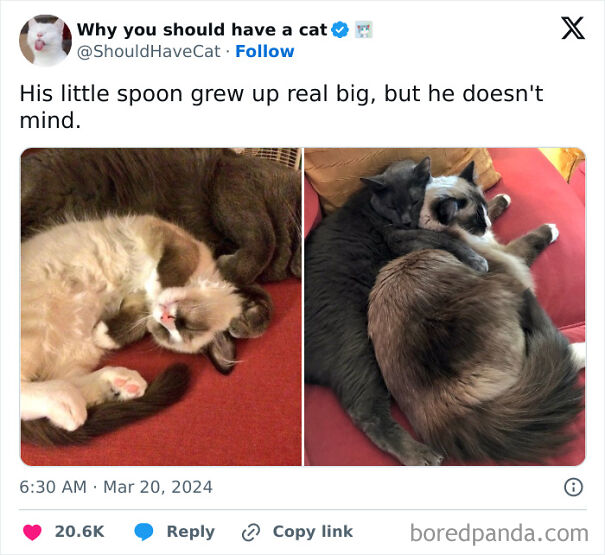
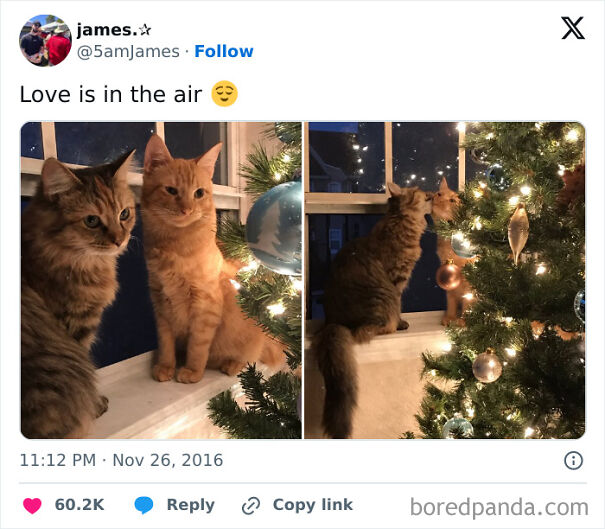
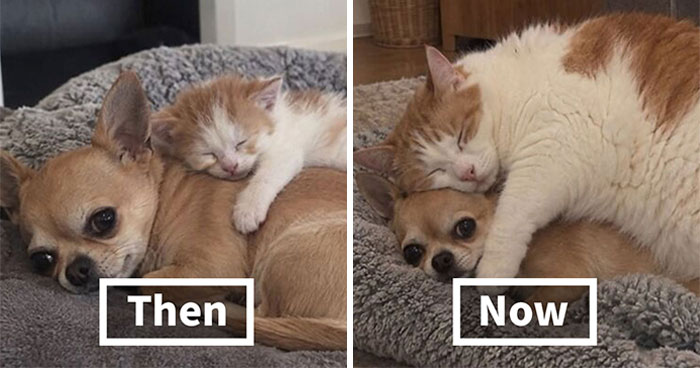
My mother's dachshund, and her friend's cat used to kiss each other like that. He even helped look after and raise the kittens she had.
Psychologists often explain humor through something called the “incongruity theory.” In simple terms, something feels funny when what actually happens doesn’t match what we expected to happen. In a piece for the American Psychological Association, Ithaca College psychologist Barney Beins, PhD, explains that humor often appears when a real-life event suddenly breaks our mental expectations. For example, if a situation takes an unexpected turn or a punchline flips the story in a surprising way, our brains quickly process the mismatch, and that’s when we laugh.
Beins also points out that humor is far from simple. It’s actually a complex psychological response influenced by many different factors. Mood, personality, and even what children observe from the adults around them can shape their sense of humor. As kids grow older, they begin to understand different types of jokes and develop their own comedic style. What makes them laugh at age 3 may be very different from what they find funny at age 10, showing just how much humor evolves as the brain develops.

I had a popular WIP that went unfinished for years and years. Then I buckled down and finished it. I will never forget the kind comments from my readers who both forgave me for the long hiatus and were thrilled the story was finished. I love fanfic. It taught me how to write. Now I have a small herd of books published.
In the end, laughter is much more than just a reaction to something funny. It’s a powerful way for humans to connect, learn, and understand the world around them. From a baby’s first smile to a child’s first real joke, humor grows alongside emotional and cognitive development. And while the reasons behind laughter may be complex, one thing remains simple: those giggles, chuckles, and bursts of laughter are small reminders of how humans naturally seek joy, connection, and shared moments of happiness.
Well, we hope these posts brought a smile to your face. Which one of them did you like the most? Let us know in the comments.

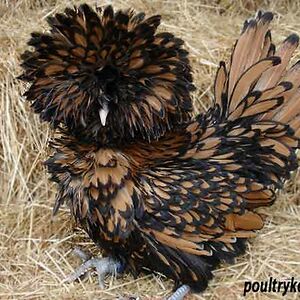
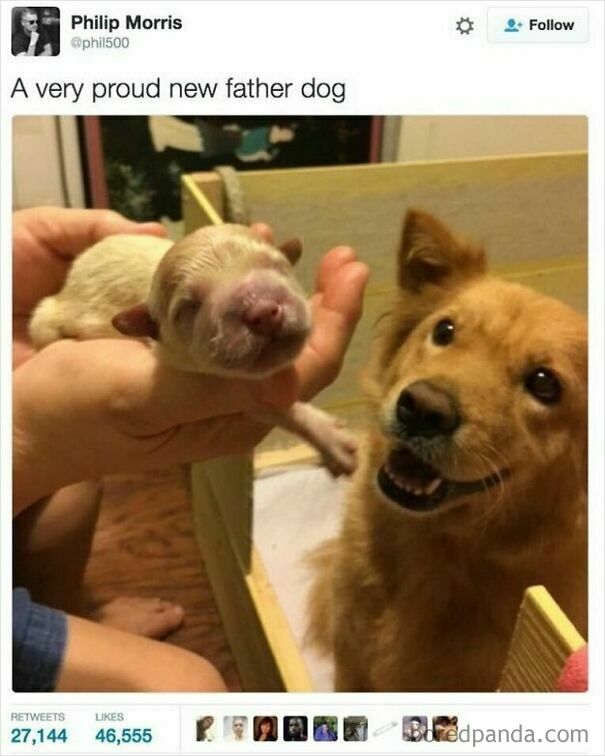
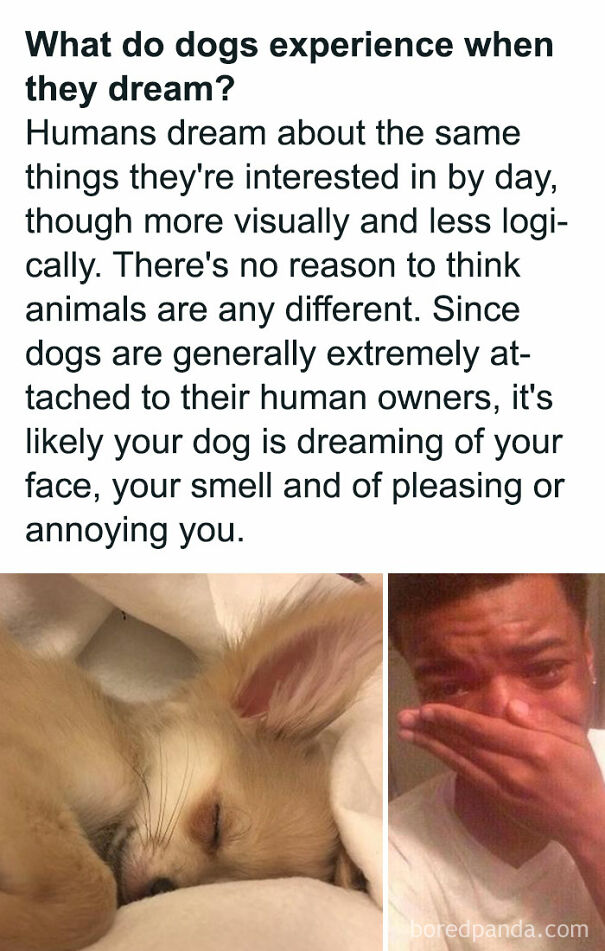
Fun fact! Chickens dream too, and mother hens talk to their chicks when they're still in the egg.

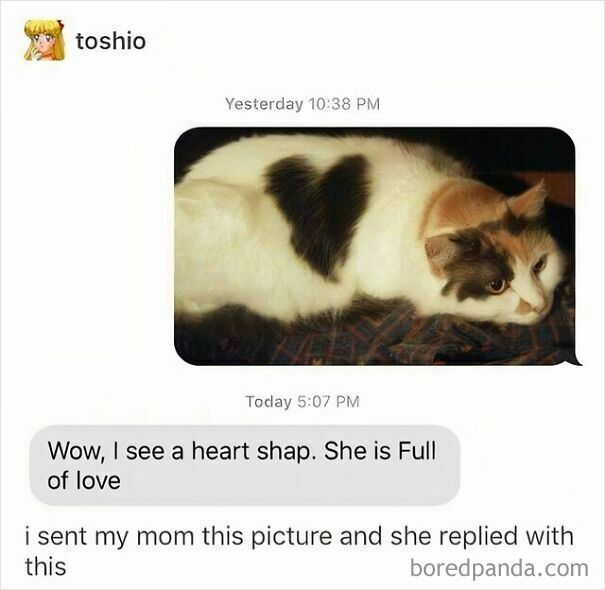
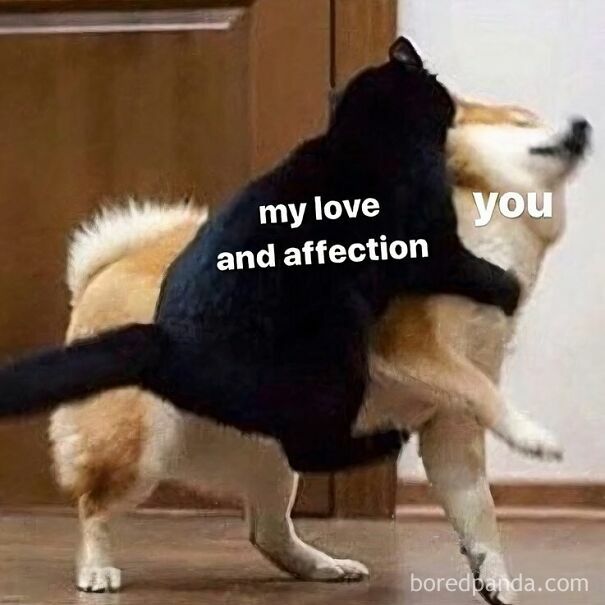
I have a cat like this. She's a lot sometimes. I appreciate that she loves me, but she's so extra about it she doesn't give me any personal space. I joke that she'd crawl up my nose if she could. 😂
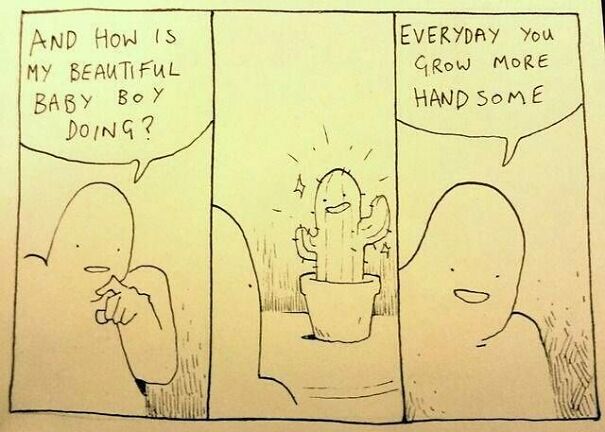
That's me with everything: plants, chicken, my children, my pupils, etc. I'm so happy to see them grow and become themselves.

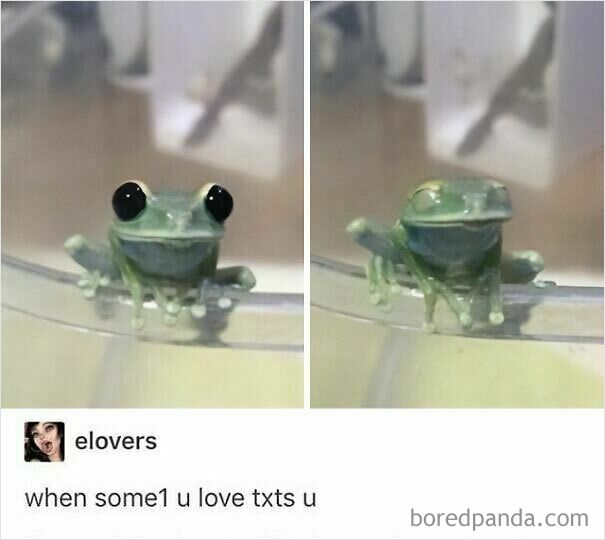
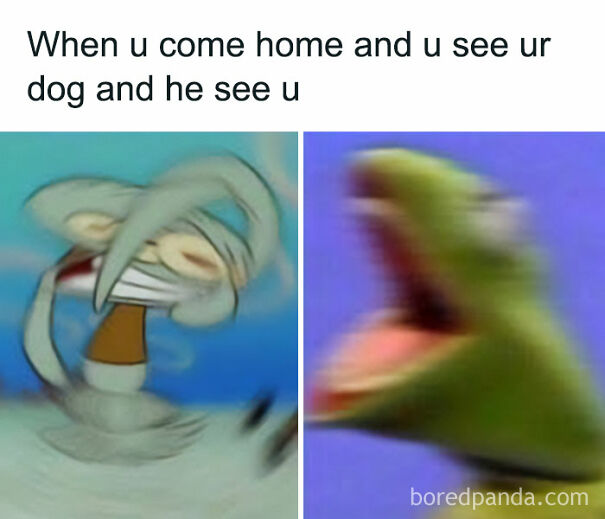
Has Kermit always had teeth? Or just on special occasions such as this one? My cats sometimes greet me at the door.

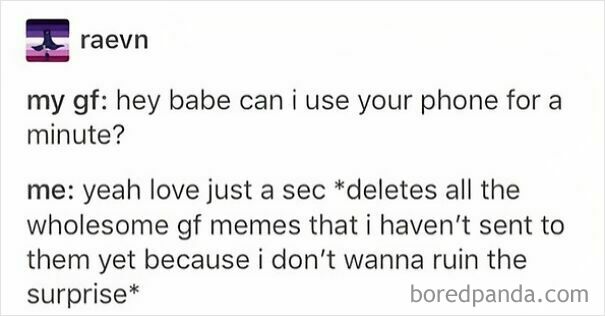
A: "Hey babe, I'm feeling insecure, is it ok if I look through your phone?" B: "Nah, that's ok, go ahead!" A: Finds a folder buried deep. Apprehensively opens it. Greeted with three dozen photos and memes named with variations of "Show_A_When_Theyre_Feeling_Extra_Sad.png"














 No fees, cancel anytime