Get Premium
Dark mode theme is available exclusively for premium users. Learn more about the benefits of subscribing.
No fees, cancel anytime.

 Dark Mode Ad-Free Browsing Unlimited Content
 Ad-Free Browsing Unlimited Content Dark Mode
Join 1.2 million Panda readers who get the best art, memes, and fun stories every week!
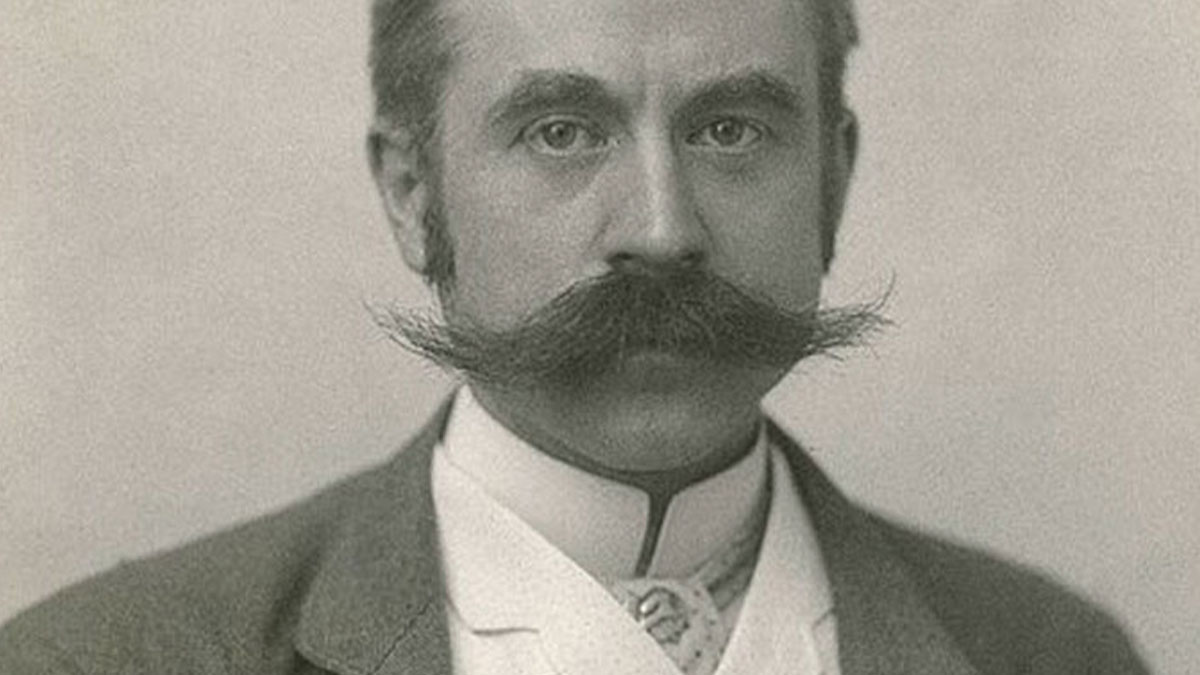
In June 1906, famed architect and socialite Stanford White was shot at Madison Square Garden by Harry Kendall Thaw, the heir to a Pittsburgh industrial fortune, who accused White of abusing his wife while she was a minor.
The first of two widely publicized trials of Thaw began in January 1907 and exposed a culture of corruption at the highest levels of society, including secret apartments where wealthy men entertained young women, who were often recruited through the entertainment industry and passed around elite social circles with little protection.
Court testimony centered on actress Evelyn Nesbit’s account of her relationship with White, which began when she was 15 and he was 46, including how he paid for her mother to travel out of town to leave her vulnerable to his abuse. The parallels with the Jeffrey Epstein case are striking, and experts argue they are structural.
In both eras, the exposure of a network of elites involved in systematic exploitation caused public outrage, but authorities took minimal action. After the trial of Thaw, media and public attention quickly focused on the so-called “white slavery” scare—the culmination of decades of social activism that sought to eliminate exploitation in major urban centers—while the men who ran the trade received little scrutiny.
 Exclusive Content Ad-Free Browsing Dark Mode Exclusive Content Ad-Free Browsing Dark Mode


































 No fees, cancel anytime