Get Premium
Dark mode theme is available exclusively for premium users. Learn more about the benefits of subscribing.
No fees, cancel anytime.

 Dark Mode Ad-Free Browsing Unlimited Content
 Ad-Free Browsing Unlimited Content Dark Mode
Join 1.2 million Panda readers who get the best art, memes, and fun stories every week!
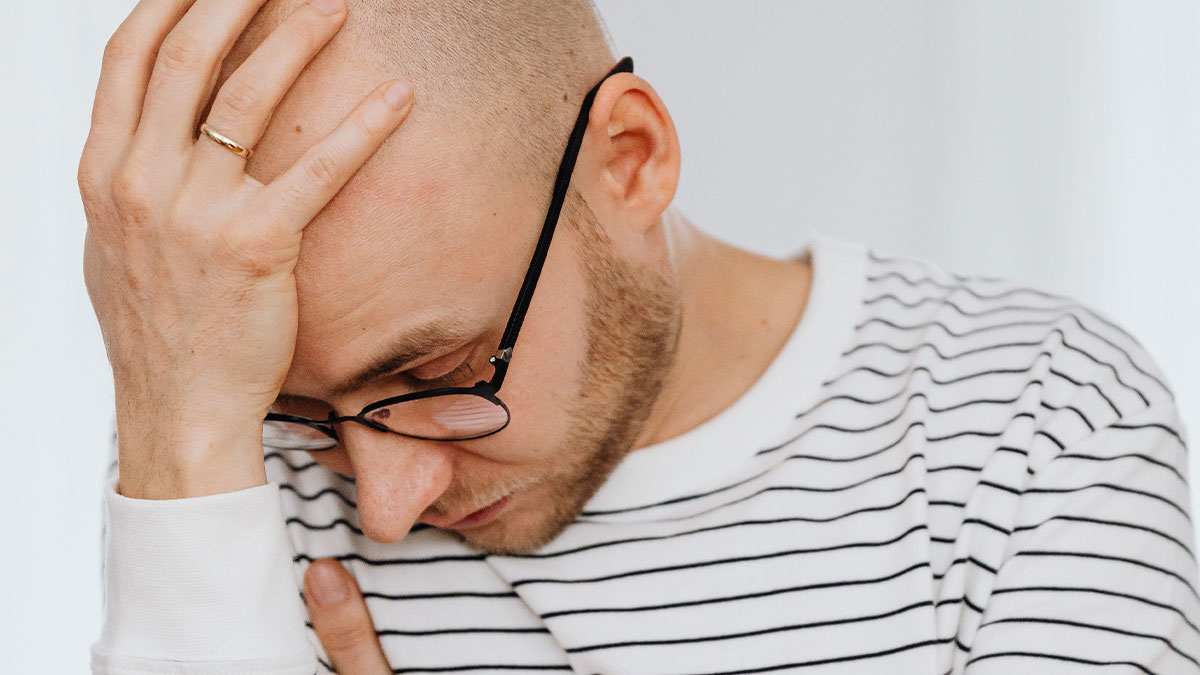
Hair transplants have become difficult to miss, as videos of planeloads of men with reddened scalps bulging above tight headbands have gained traction on social media over recent years. In most of the videos, the men are flying home from Turkey – now a global mecca for restoration procedures thanks to the affordability of its clinics.
The trend is not limited to online impressions. In its 2025 census, the International Society of Hair Restoration Surgery reported a 20 percent increase since 2021 in the average number of patients treated by its members. In 2024 alone, among first-time surgical patients, 95 percent began treatment between the ages of 20 and 35 — and 44 percent said they planned to tell other people they had undergone the procedure.
A transplant moves follicles from the back and side of the head to areas affected by male pattern hair loss, known clinically as androgenetic alopecia. Those transplanted follicles are generally more resistant to the dihydrotestosterone (DHT) that triggers sensitive hairs to fall, so once relocated, they tend to stay.
What far fewer of them mention is what tends to come next: a routine part of aftercare that a growing number of men say quietly reshaped their lives – with some still living with the consequences more than a decade later. So Bored Panda set out to learn how honestly that risk is being presented to the men now signing up in record numbers – by becoming one of them. But that story starts with the drug itself.
 Exclusive Content Ad-Free Browsing Dark Mode Exclusive Content Ad-Free Browsing Dark Mode































 No fees, cancel anytime