Get Premium
Dark mode theme is available exclusively for premium users. Learn more about the benefits of subscribing.
No fees, cancel anytime.

 Dark Mode Ad-Free Browsing Unlimited Content
 Ad-Free Browsing Unlimited Content Dark Mode
Join 1.2 million Panda readers who get the best art, memes, and fun stories every week!




The internet is very much a reflection of the world, for better or worse, so it stands to reason that one can learn much about the latter from it. But a common issue is actually finding where all that information is stored. So we’ve done your homework for you.
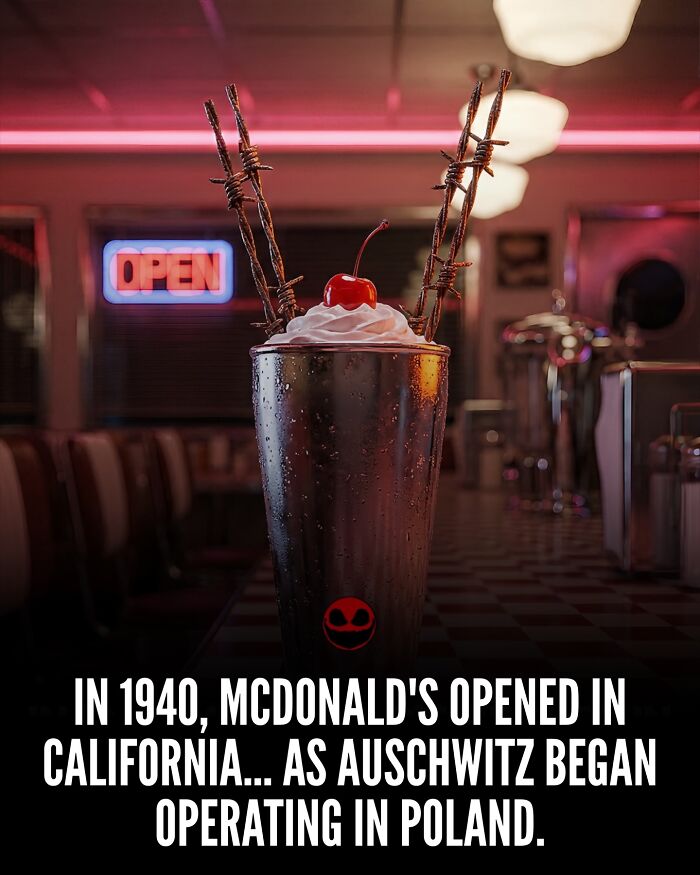
It’s hard to pin down what the “Oddity” Instagram account is about. Sometimes creepy images, sometimes interesting posts, it’s a reservoir of everything curious on the internet. So get comfortable as you scroll through, upvote your favorites and be sure to share your own thoughts in the comments down below.
More info: Instagram
This post may include affiliate links.

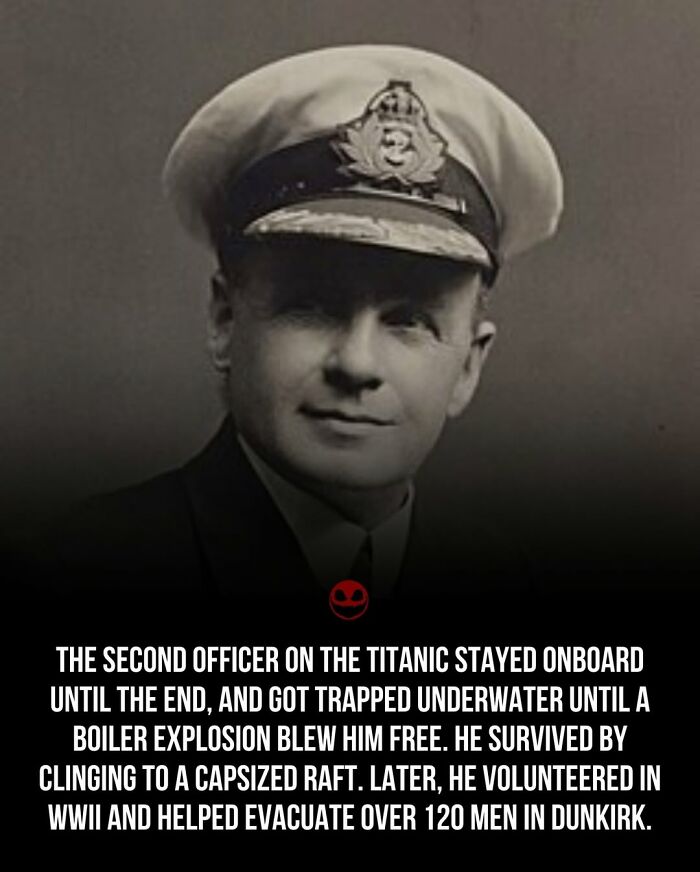
that second officer, Charles Herbert Lightoller, was 66 when he assisted the the British evacuation of Dunkirk in 1940.
The human brain is naturally wired to seek out patterns and solve puzzles because doing so served as a vital survival mechanism for our ancestors. When we identify an obscure fact or recall a piece of niche information, our brain rewards us with a literal chemical high. This phenomenon is rooted in the release of dopamine which is the same neurotransmitter associated with food and other basic pleasures.
According to research on the science of curiosity, the brain's reward system lights up more intensely when we are in a state of high curiosity than when we are bored. This internal reward system makes the process of learning feel like a game rather than a chore. This biological incentive explains why we might feel a surge of excitement during a game of television trivia or a local community quiz.
The concept of the information gap is another major factor in our love for trivia. Psychologist George Loewenstein proposed that curiosity arises when we feel a gap between what we know and what we want to know. This gap creates a state of mental discomfort that can only be resolved by acquiring the missing piece of information.
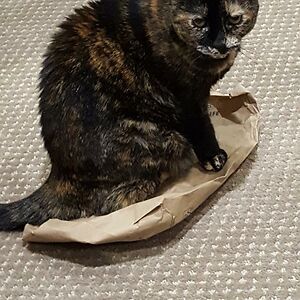
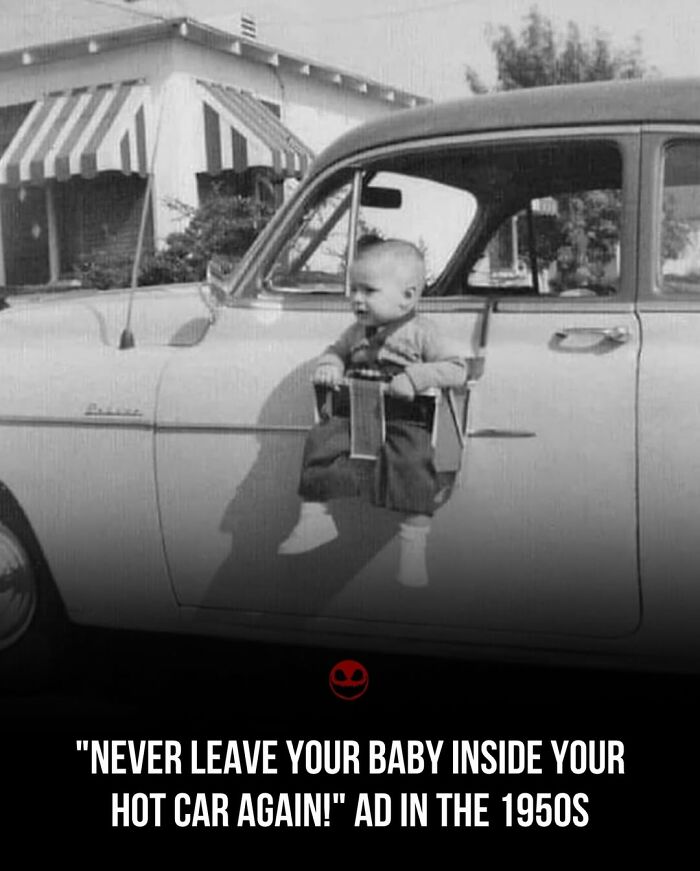
Was this for when you were driving, or did you leave them like that while you were in the store??

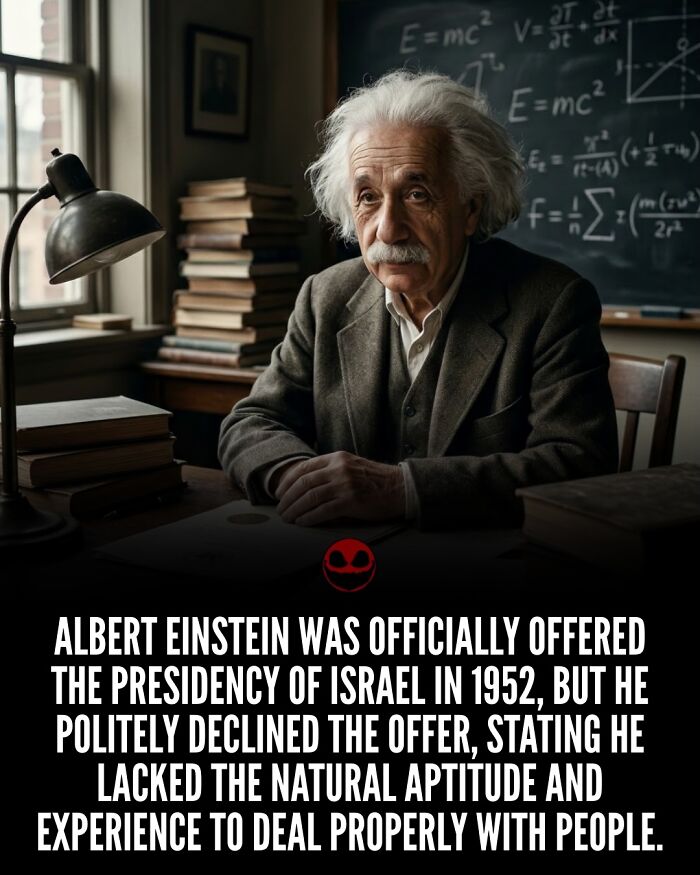
he also felt he wasnt a politician and wouldnt be a good fit for the job. In Israel the President is Head of State, the PM is head of Govt. The President is elected every 7 years, required 10 of the 120 members of the Knesset to nominate them, and is elected by a vote of Knesset. He meets foreign leaders, officially opens the Knesset terms, calls the Knesset elections, certifies the election results and informs the leading party of the deadline to form a coalition, etc. The role is mostly ceremonial, with some authority.
Well, yes, I do feel more empathy for them than the human race in general. The rest of humanity tends to have better toilets.
Trivia questions perfectly exploit this psychological itch. They present a small hole in our knowledge and then immediately offer the satisfaction of filling it. Because the stakes are usually low, the pressure to be right is often overshadowed by the sheer joy of discovery and the relief of closing that mental loop.

I wouldn't call being President of the USA a normal life.
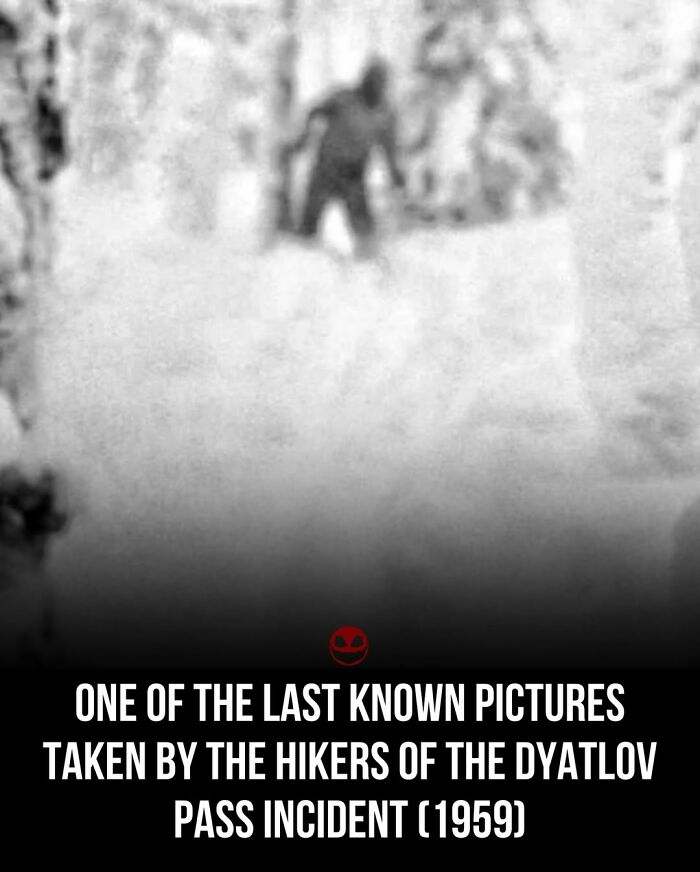
If you've seen The X Files you know exactly what happened there. 😁 (Aliens of course!)
Furthermore, trivia serves as a good way to make small talk that facilitates bonding within groups. Sharing knowledge helps individuals establish their place within a social hierarchy in a way that is generally seen as playful rather than threatening. It allows people to showcase their interests and expertise while also learning about the passions of others.
This social aspect is a cornerstone of human evolution because shared knowledge helped early communities survive and thrive. When we play trivia together, we are participating in a modernized version of communal storytelling and information sharing.
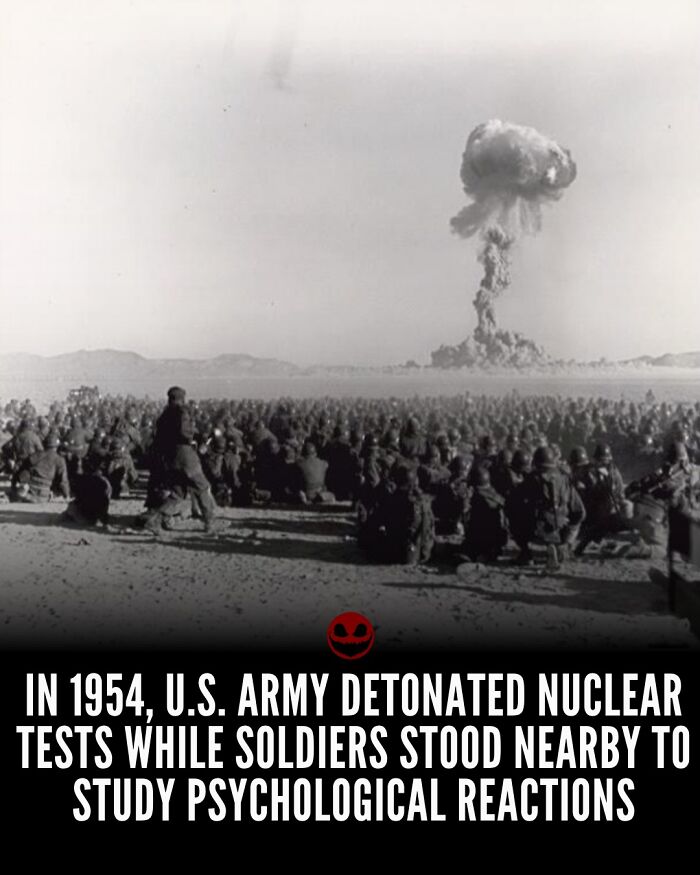
My psychological reaction would have featured an impression of Jesse Owens.
There is also a significant cognitive benefit to engaging with trivia regularly. It forces the brain to utilize its retrieval paths which strengthens memory over time. This mental gymnastics keeps the mind sharp and may even contribute to long term cognitive health. While it might seem like useless information, the act of organizing and recalling facts helps build a more interconnected mental map.
This is often referred to as the testing effect where the act of being quizzed actually helps you remember the information better than just reading it. By regularly challenging our recall, we are essentially giving our neurons a workout that can help maintain mental agility as we age.
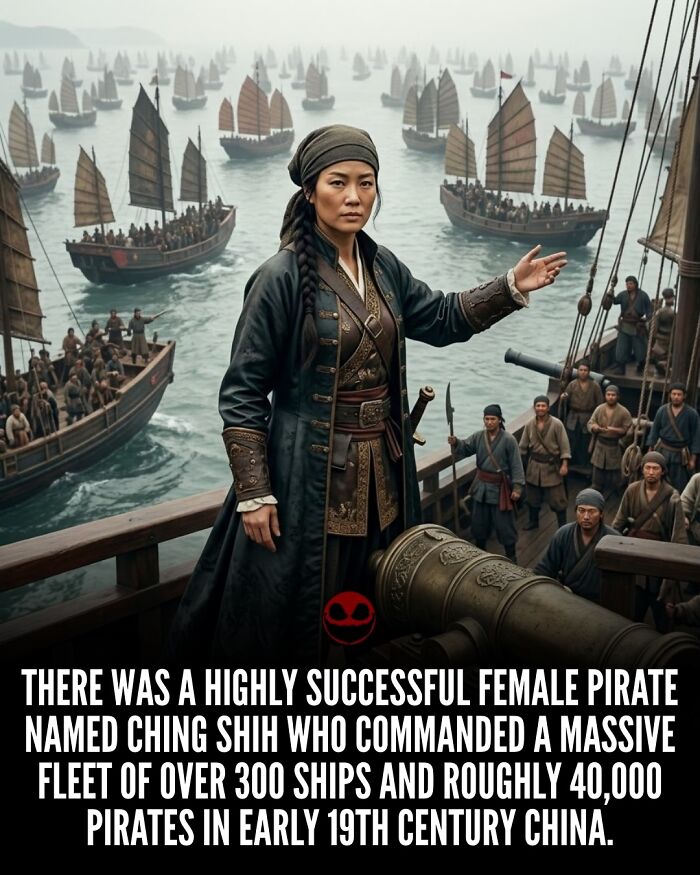
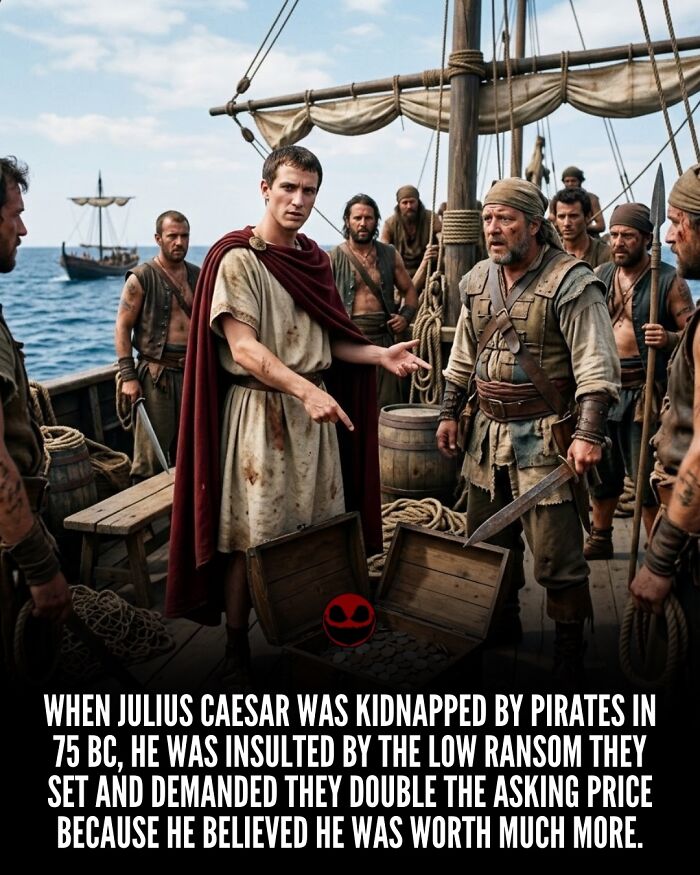
After being released, he hired a naval force, hunted the pirates down, and had them executed.
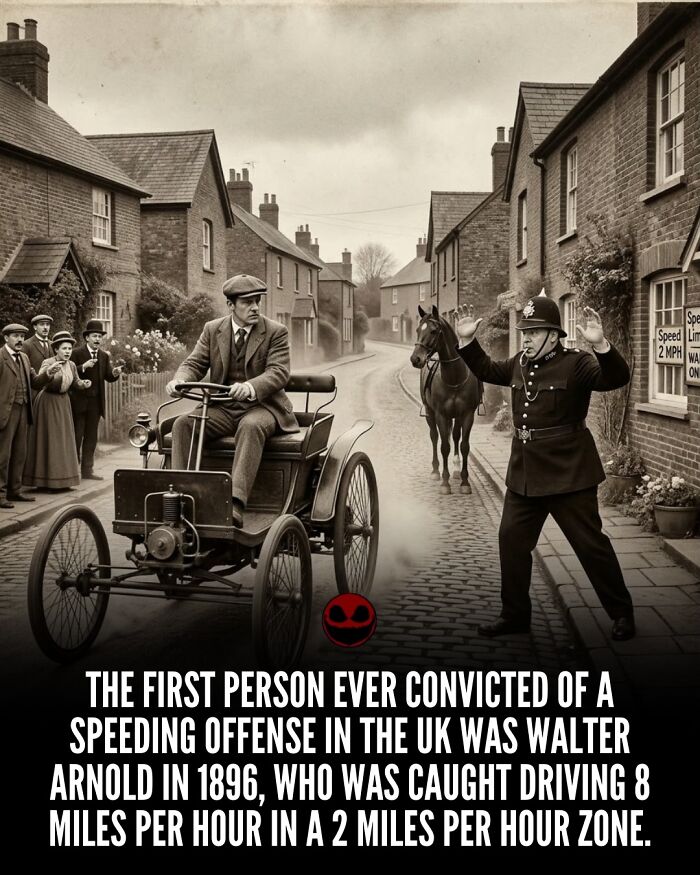
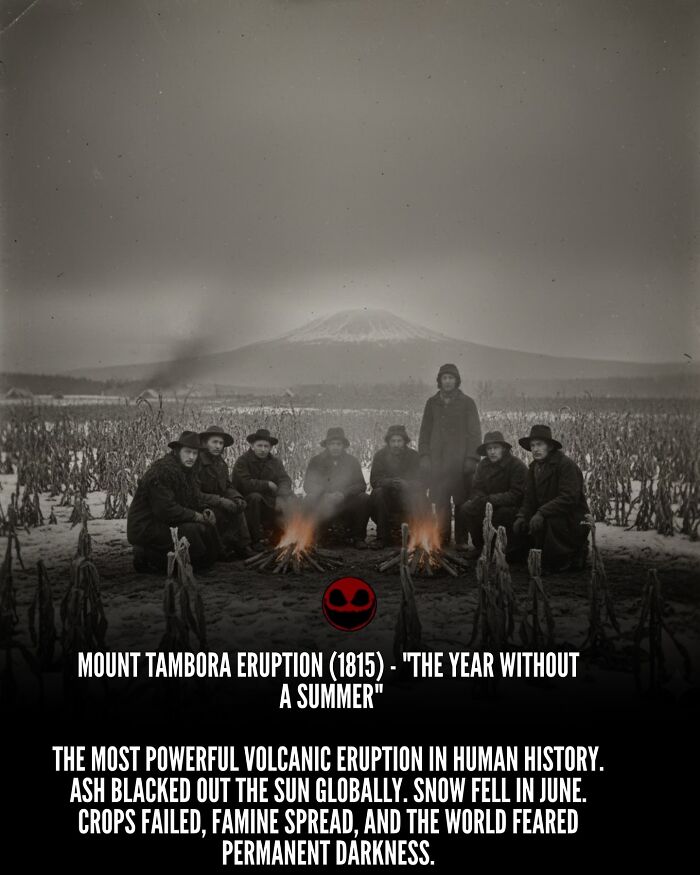
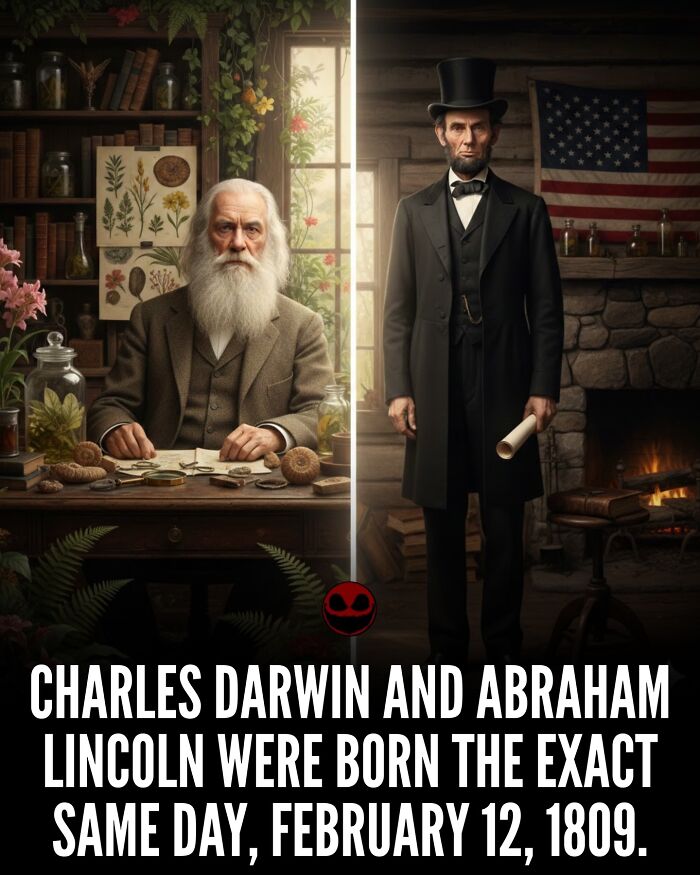
Images seem AI slop- ish. Way too many stars on that flag.
The thrill of the momentary breakthrough cannot be understated when discussing why humans are drawn to random facts. That split second when a piece of information clicks into place provides a sense of mastery over the environment. Even if the fact itself is about a movie from the nineteen fifties or the capital of a distant country, the feeling of competence is real. This sense of mastery is a fundamental human need.
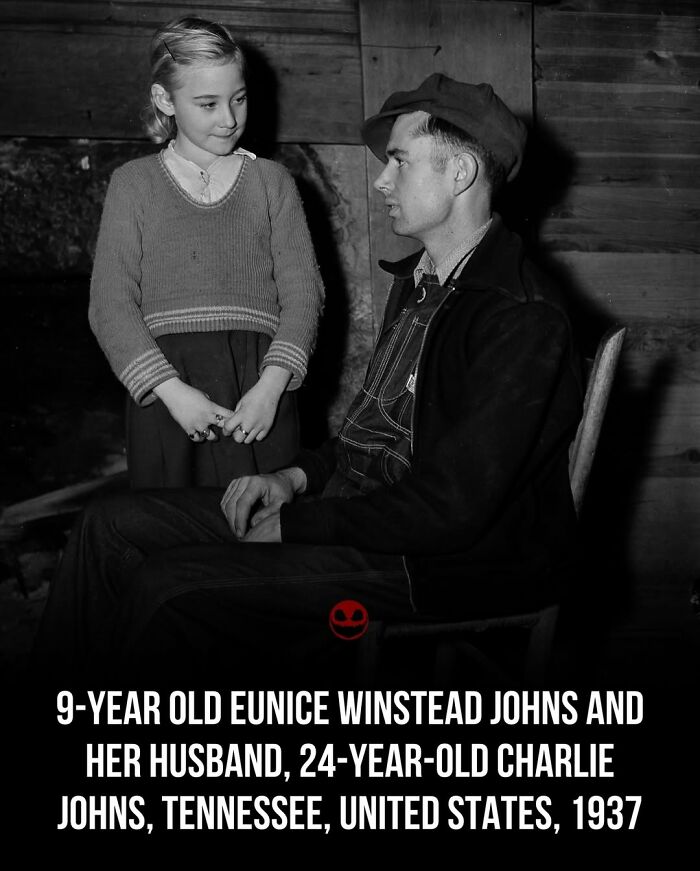
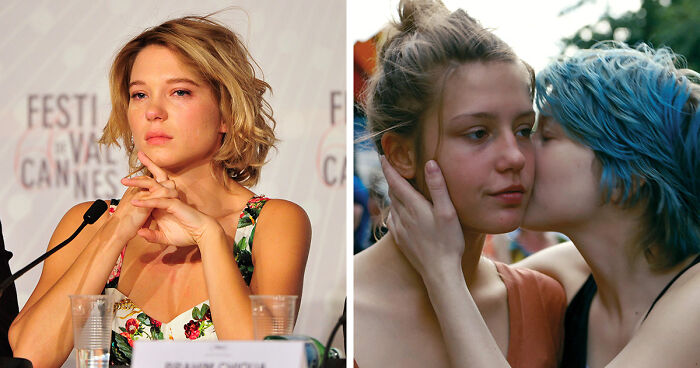
The look on her face is probably how she feels about present day America.

Trivia gives us frequent and manageable opportunities to feel successful. In a world that is often complex and unpredictable, the clear cut nature of a trivia question provides a comforting sense of order. There is a right answer and a wrong answer, and finding the right one feels like a small victory against the unknown.
Historically, trivia as a formal pastime gained massive popularity in the mid twentieth century. The term itself comes from the Latin word trivialis which originally referred to something common or found at a crossroads. Over time, it evolved to represent bits of information that are interesting but perhaps not essential for daily survival.


This is how we get cheap meat. And is disastrous to the environment as well. Is it worth it?
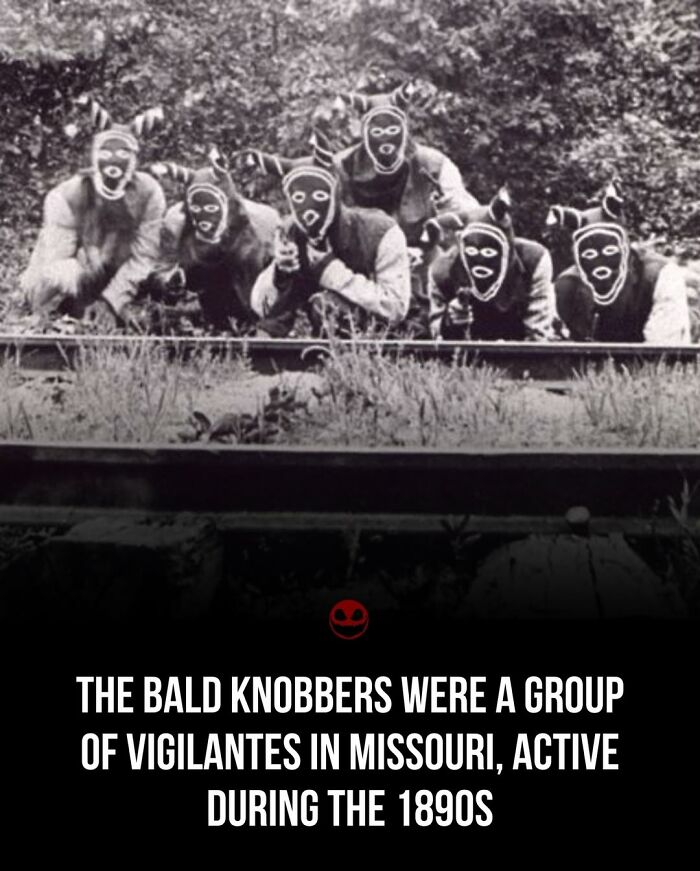
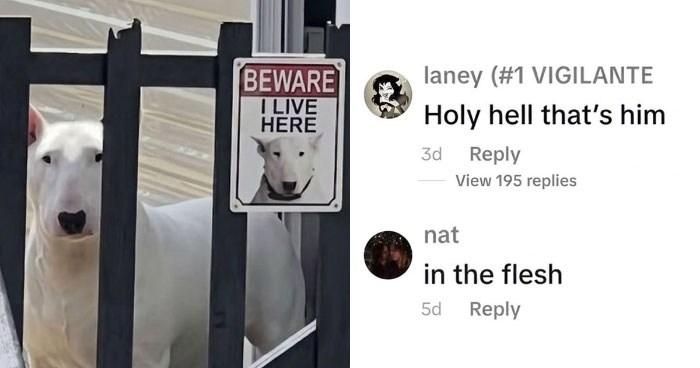
Info: The Bald Knobbers were a 19th-century Ozark vigilante group (1883–1889) formed in Taney County, Missouri, to combat local crime, eventually becoming an infamous, violent force that was dismantled after several members were hanged. They wore distinctive homemade black hoods to hide their identities and terrify enemies. These masks typically featured fabric horns filled with materials like cotton or cork, with eye and mouth holes often outlined in red or white paint.
It's probably the intelligent life out there looking at the people on earth and thinking WTAF? 😁
It doesn't matter which era it was! There are things that are always wrong!

Hate stupid AI images. Watched a YouTube video about WW2 and they had images of General Eisenhower in a sergeant’s uniform.

Downvoted the article for being riddled with AI slop. Pull yourselves together.
Hate stupid AI images. Watched a YouTube video about WW2 and they had images of General Eisenhower in a sergeant’s uniform.
Downvoted the article for being riddled with AI slop. Pull yourselves together.



















 No fees, cancel anytime