Get Premium
Dark mode theme is available exclusively for premium users. Learn more about the benefits of subscribing.
No fees, cancel anytime.

 Dark Mode Ad-Free Browsing Unlimited Content
 Ad-Free Browsing Unlimited Content Dark Mode
Join 1.2 million Panda readers who get the best art, memes, and fun stories every week!

40submissions
1week left

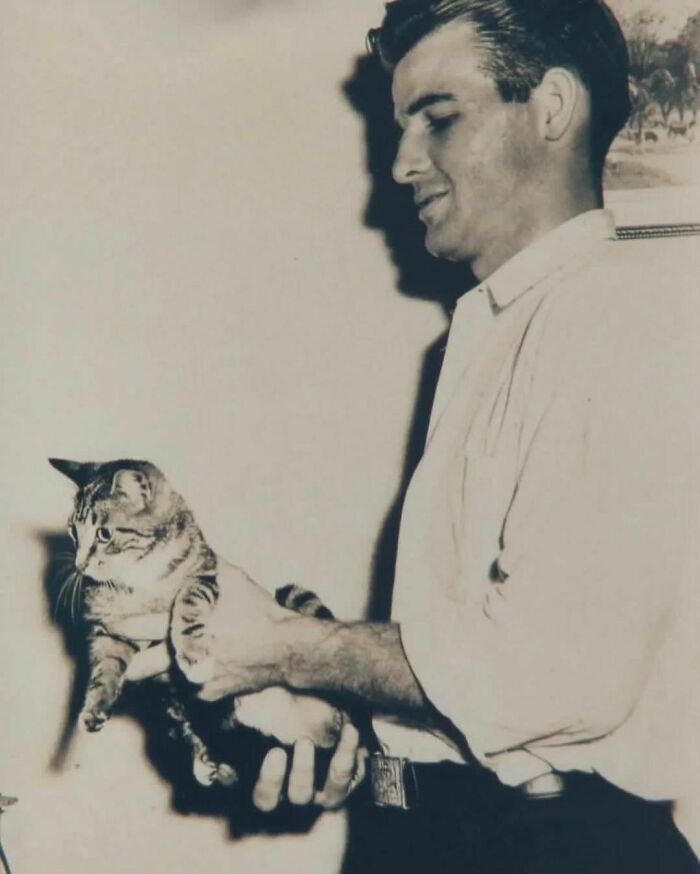
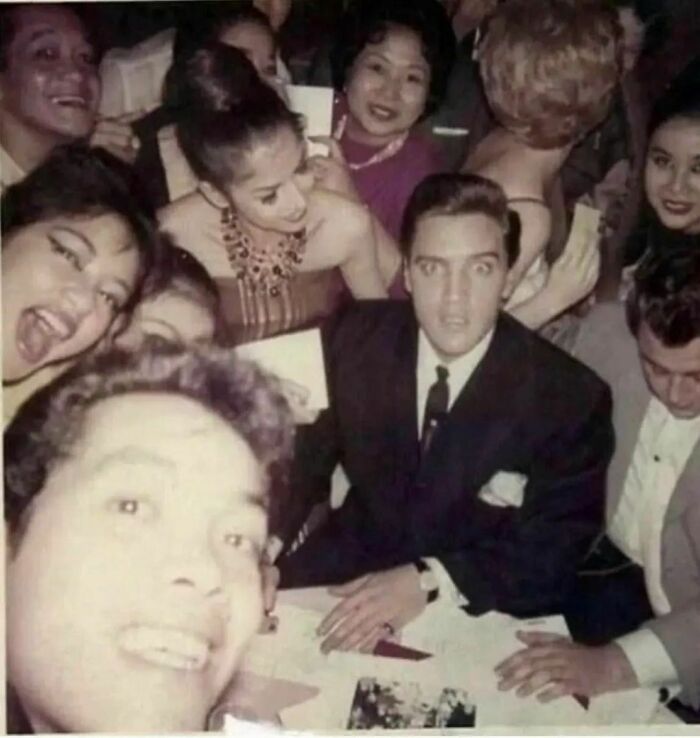
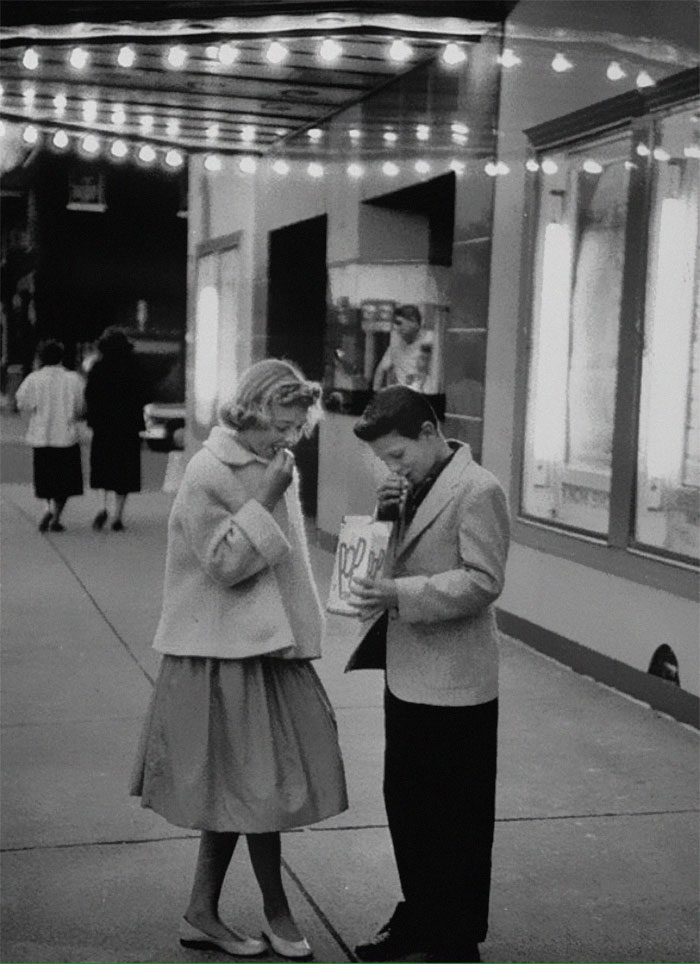
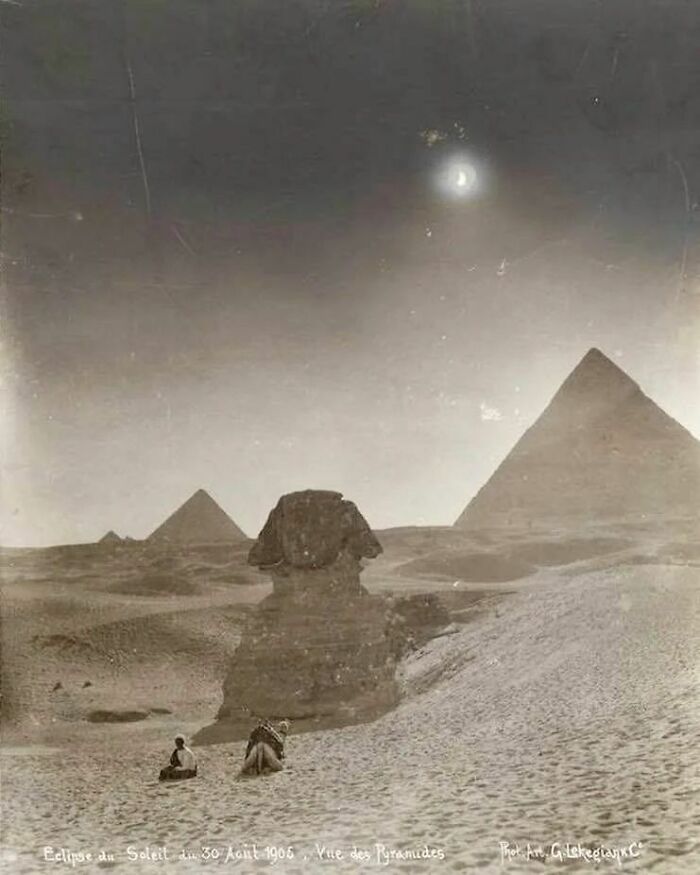
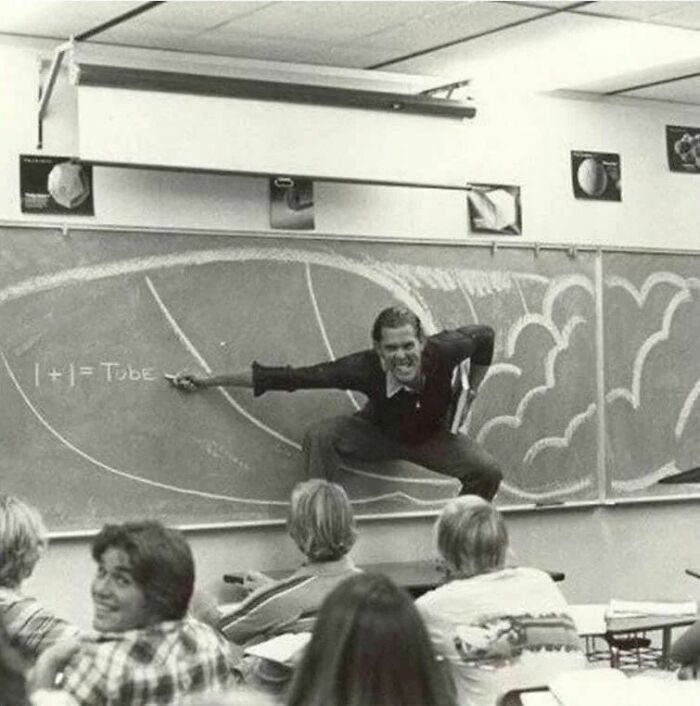
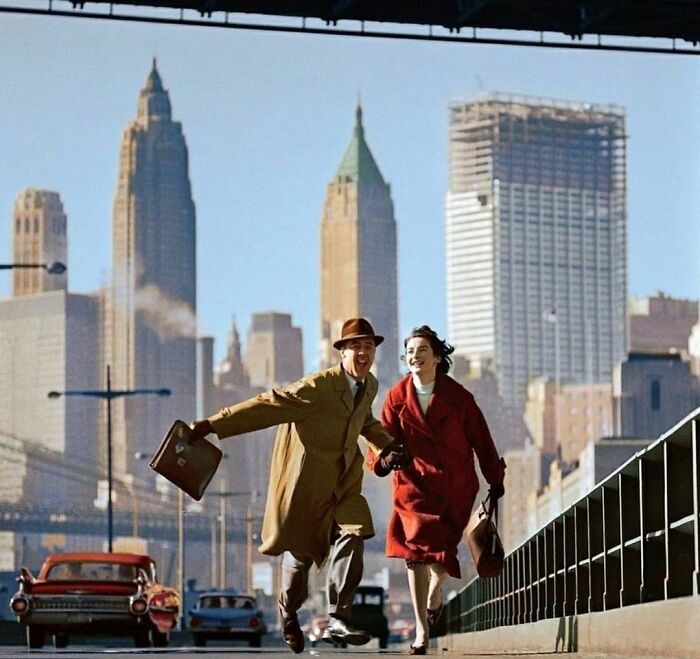
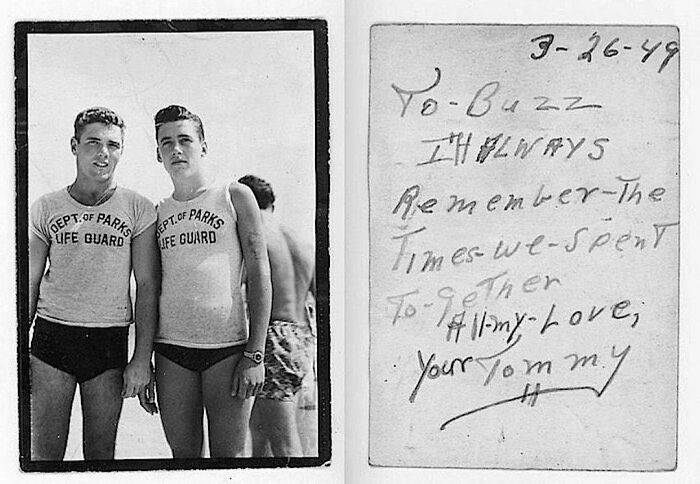
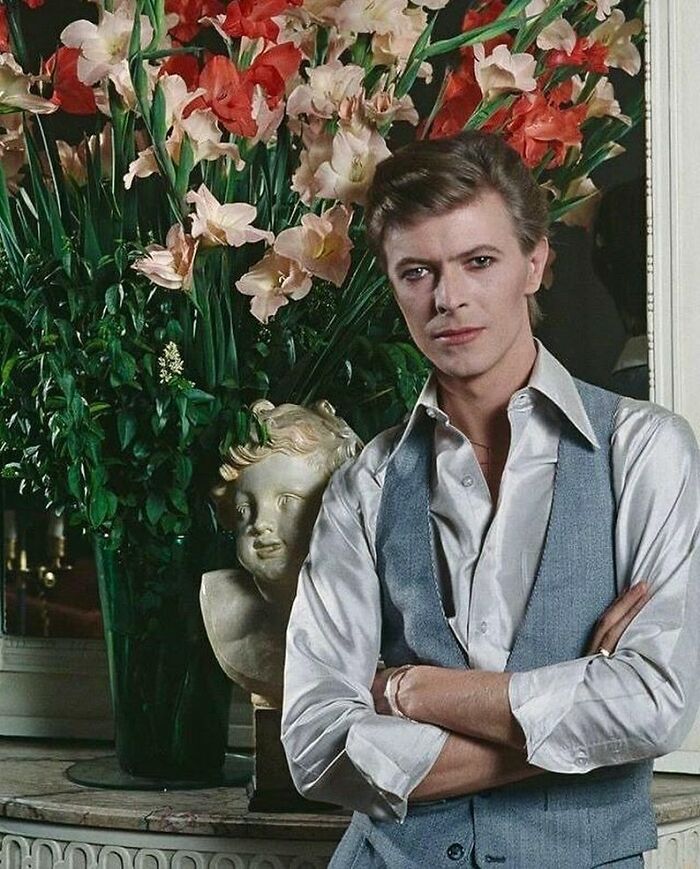
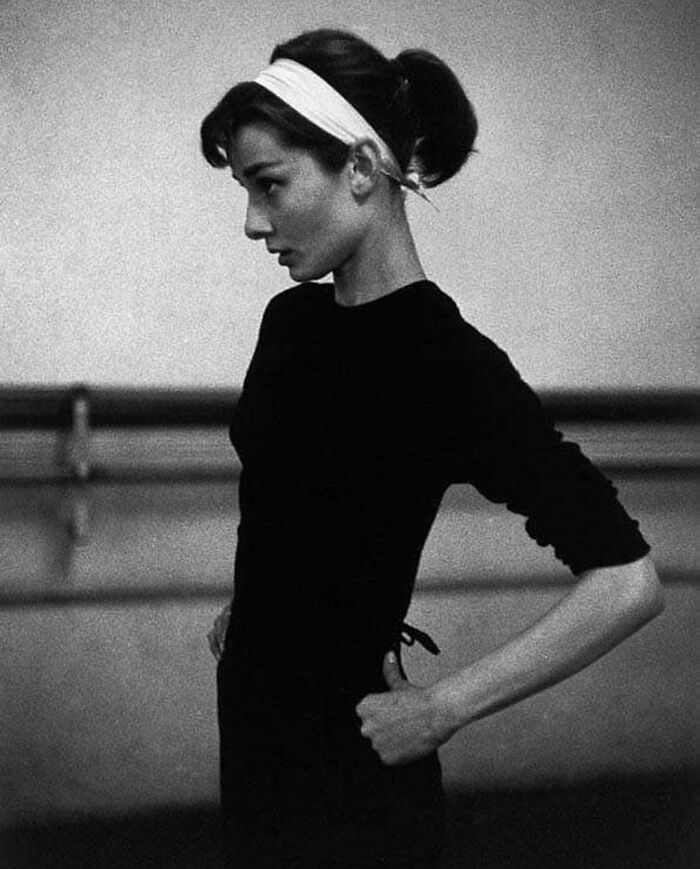
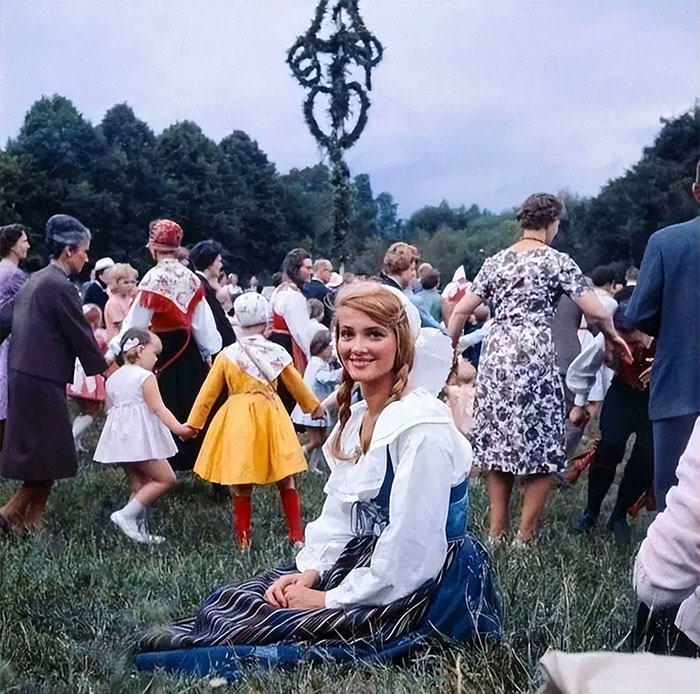
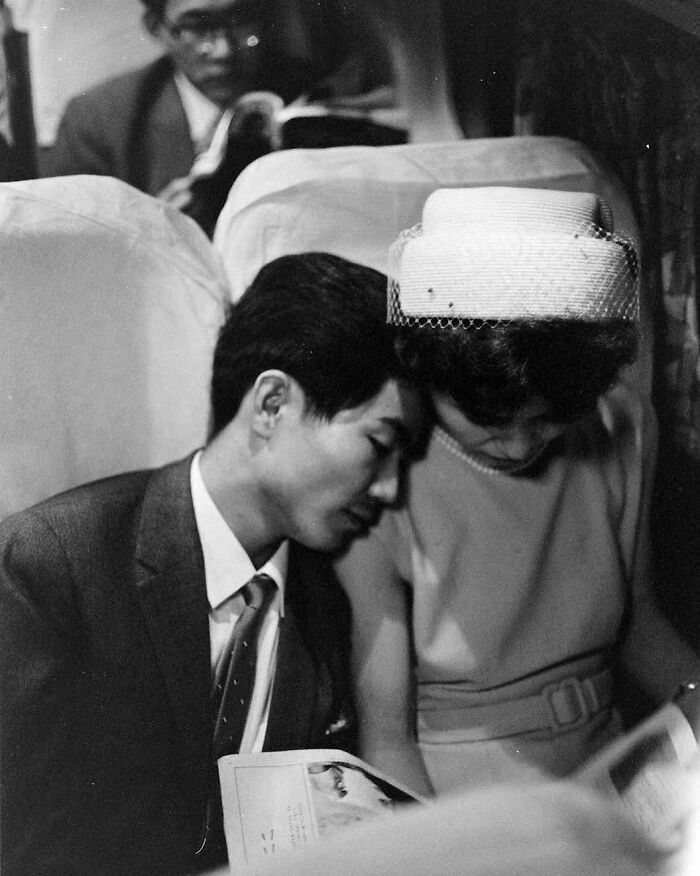
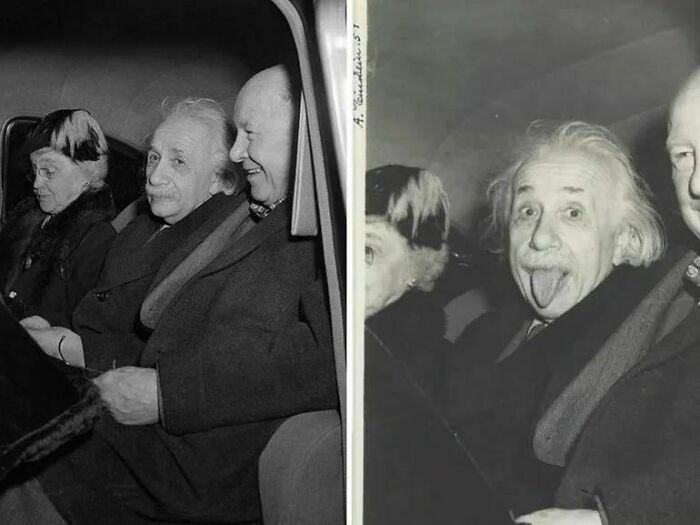
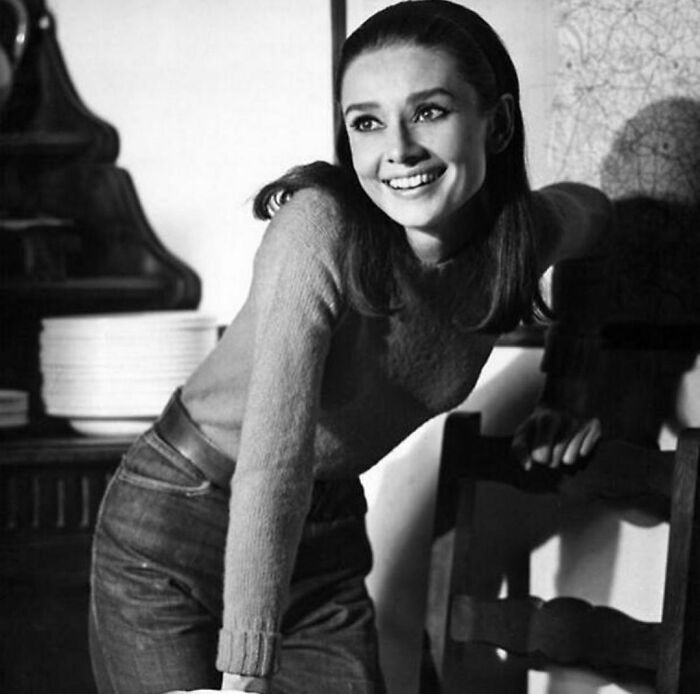
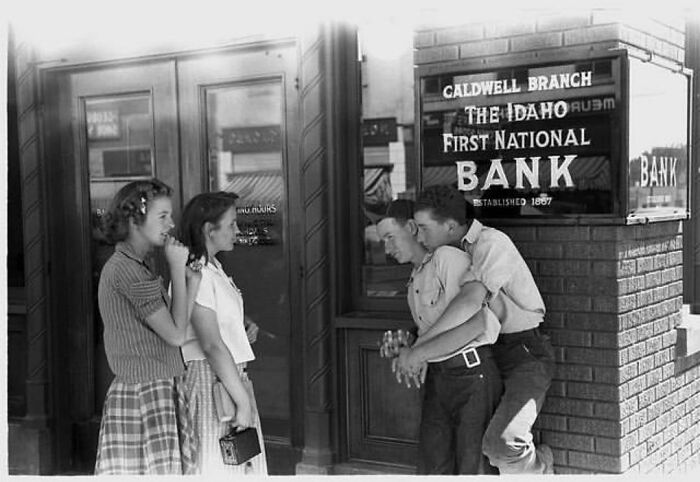
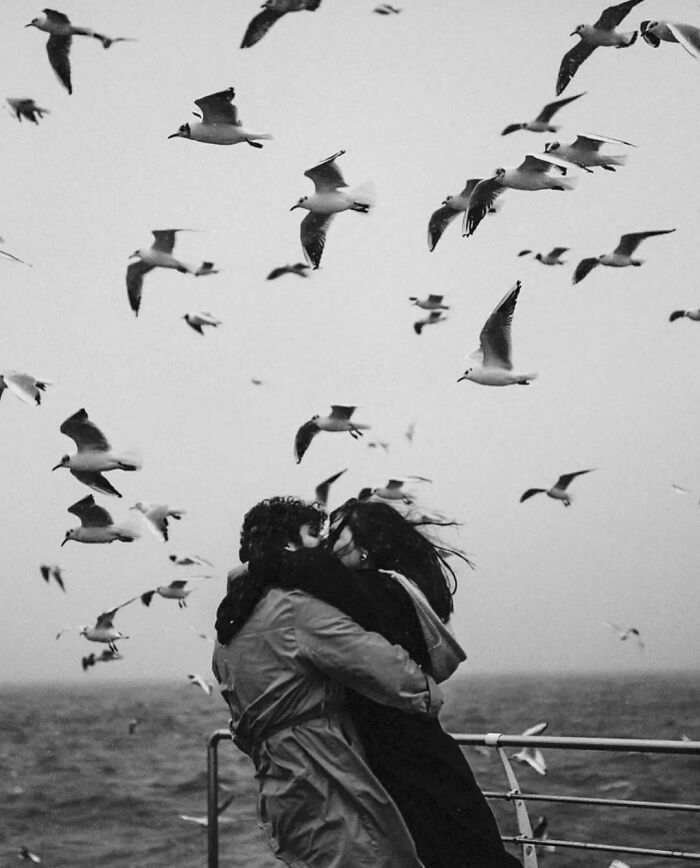
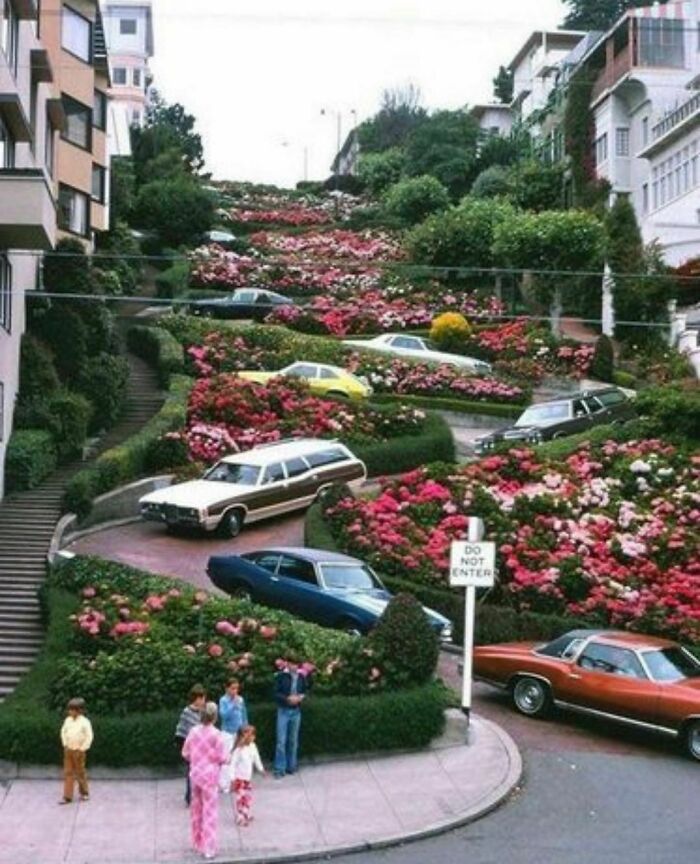
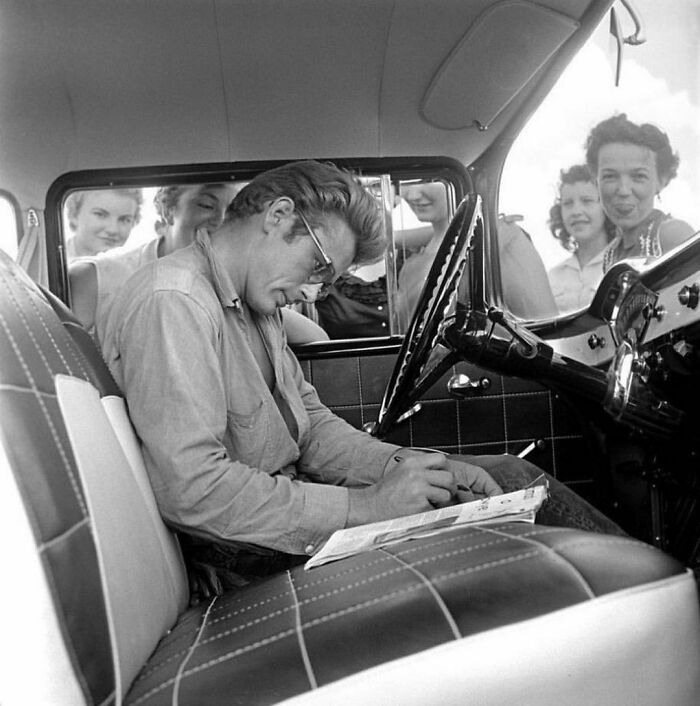
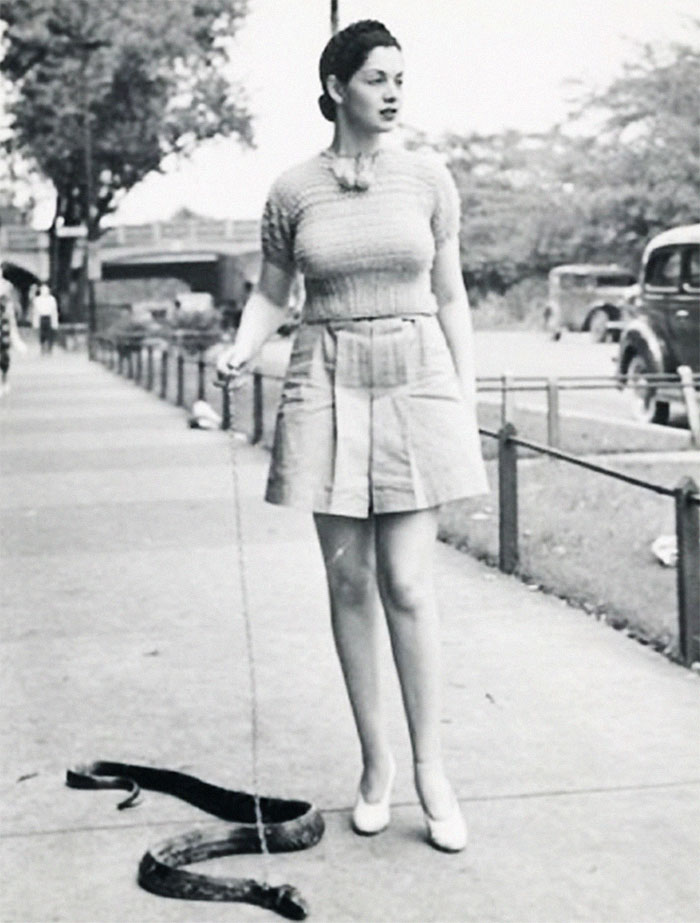
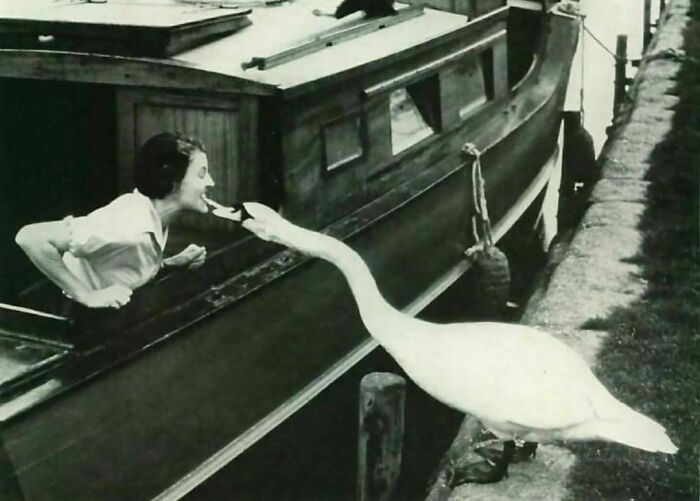
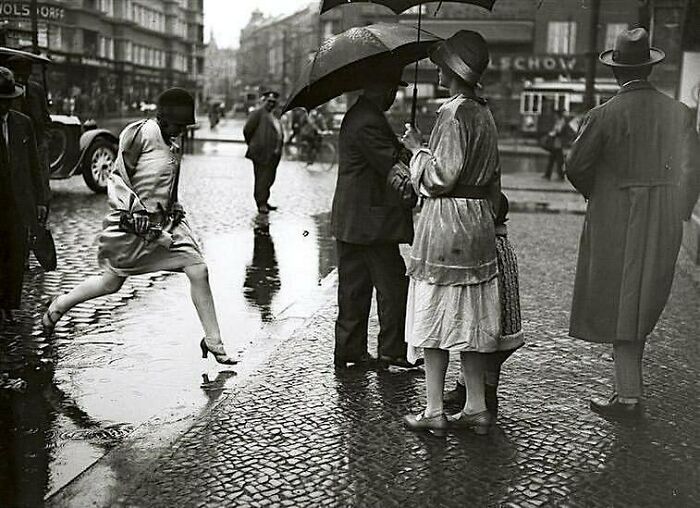
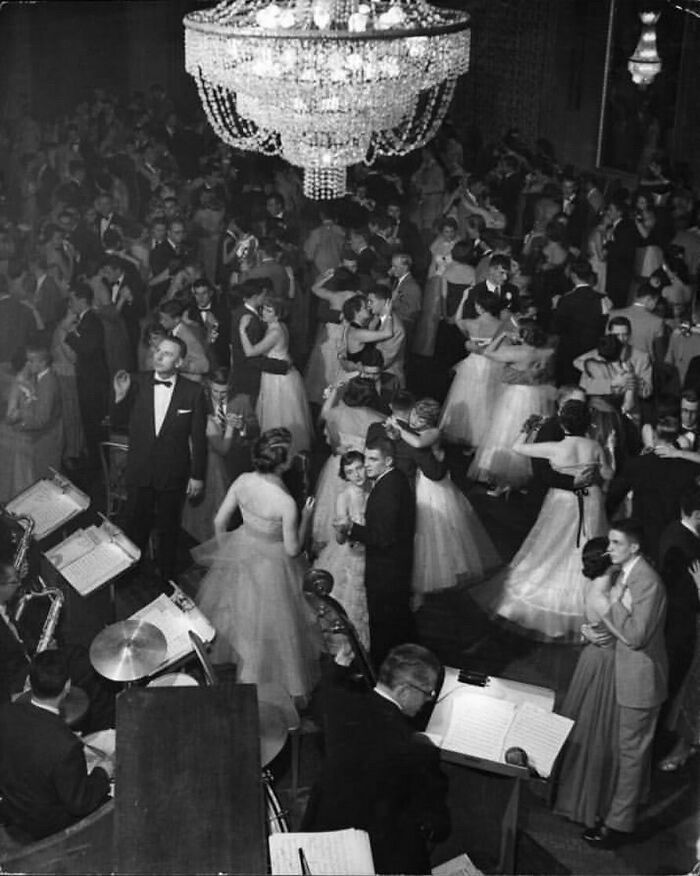
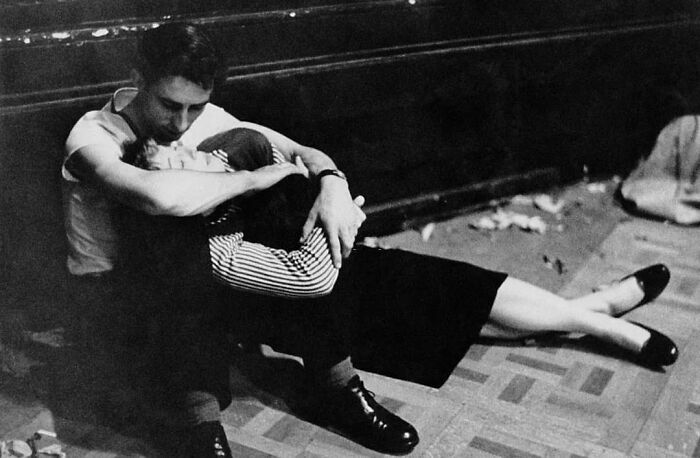
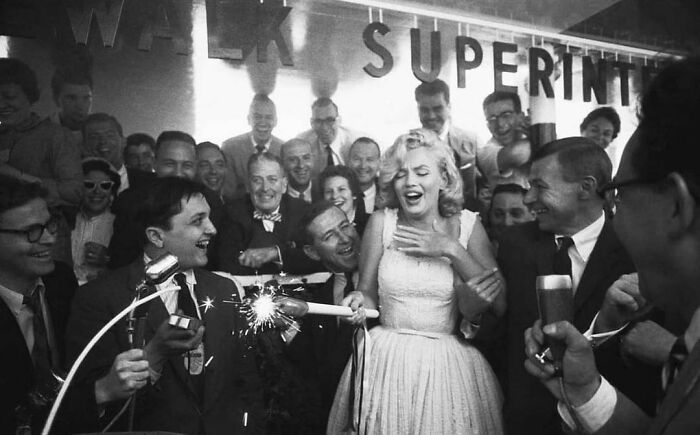
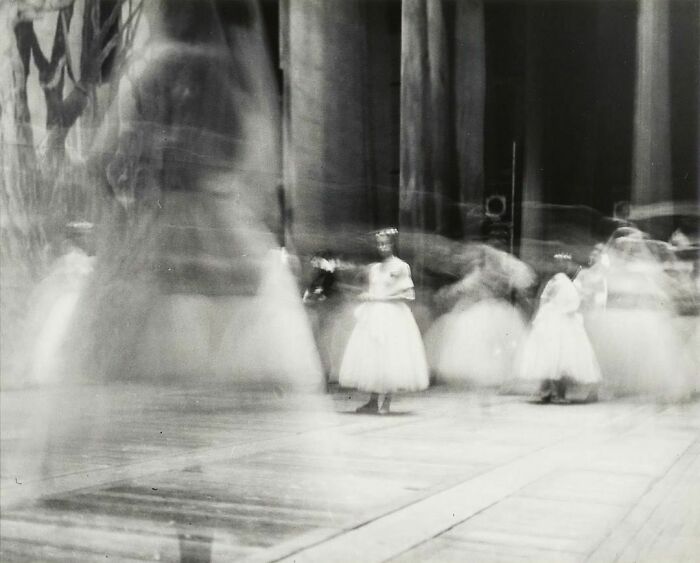
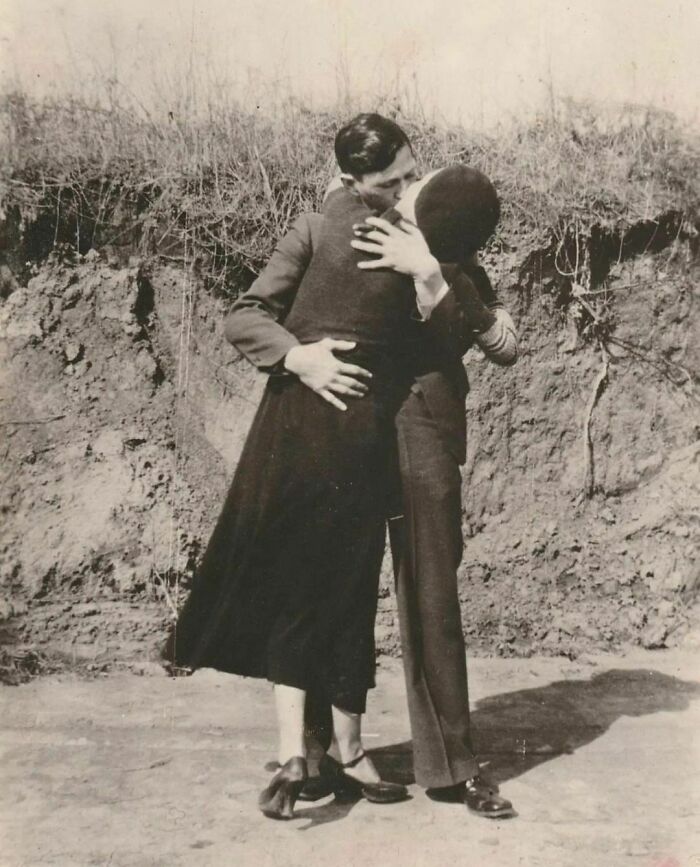
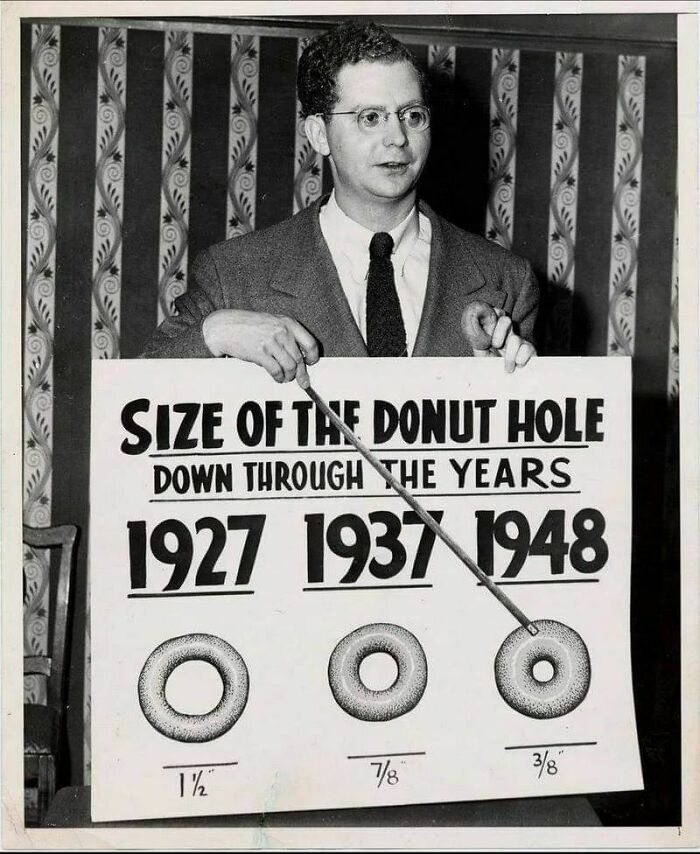
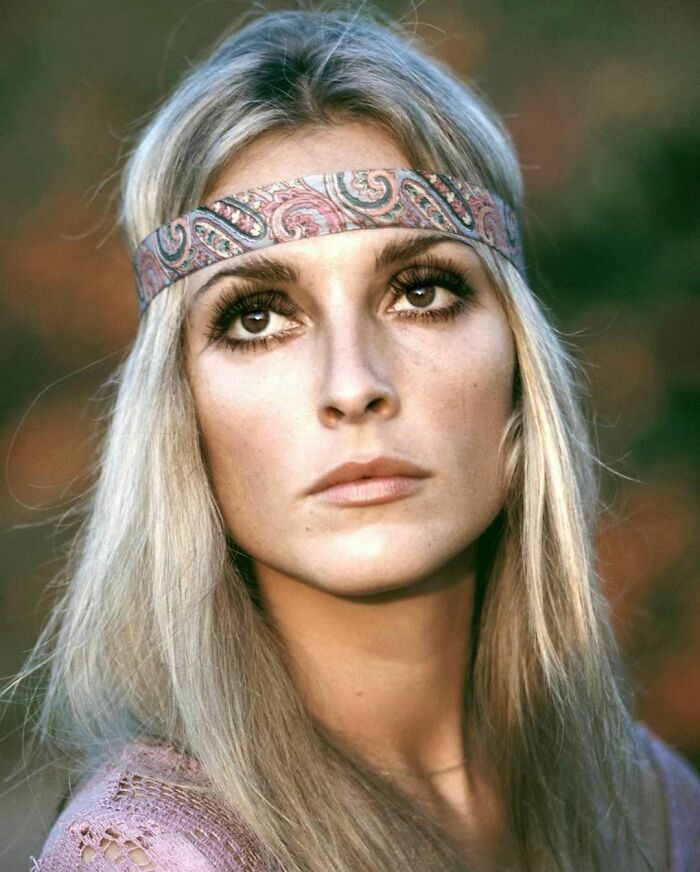
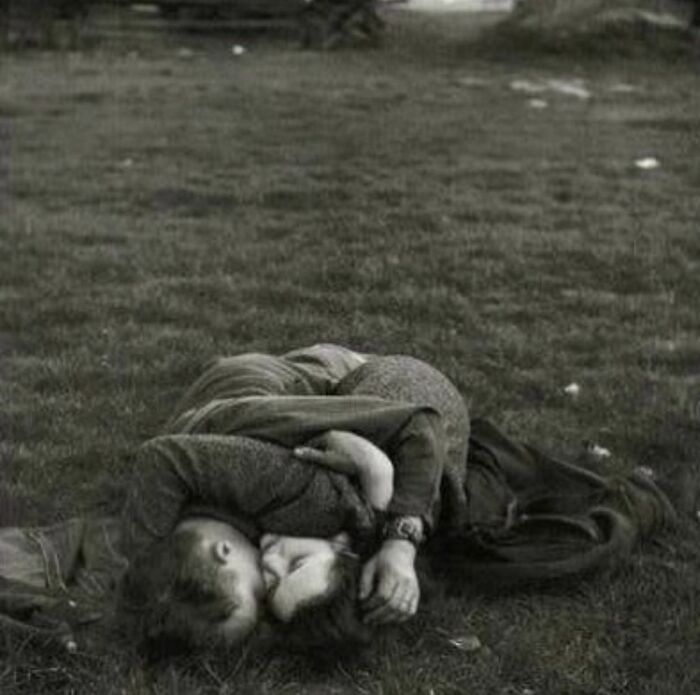
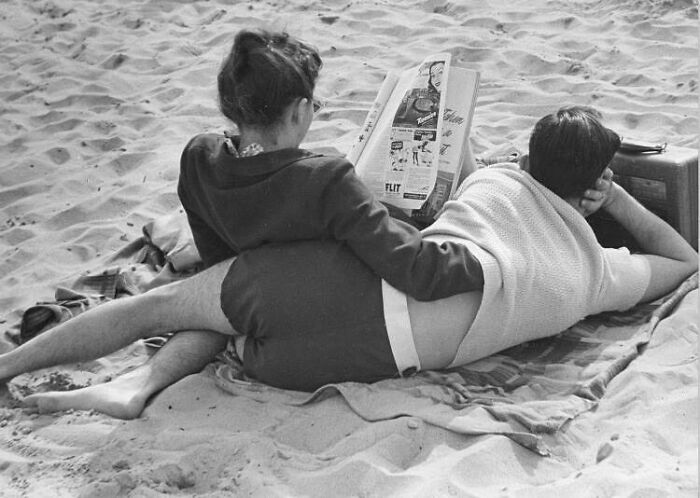
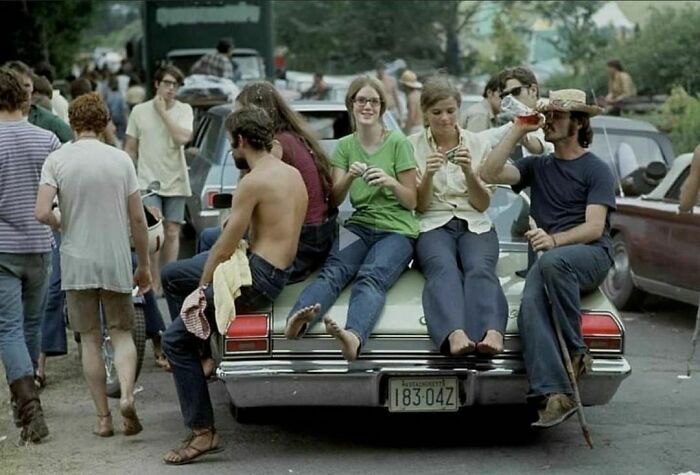
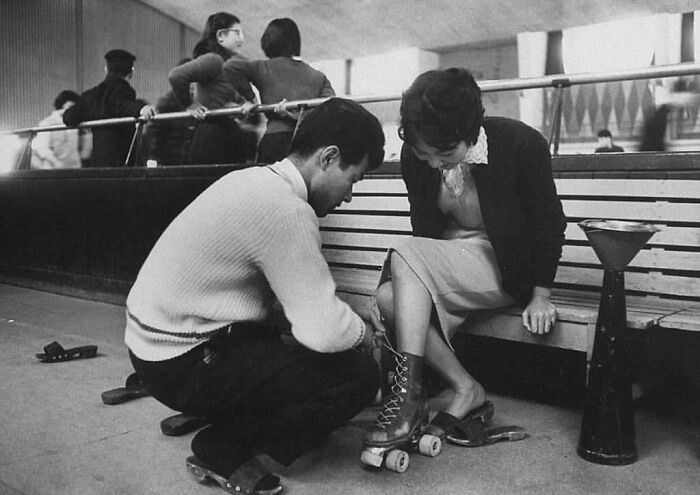
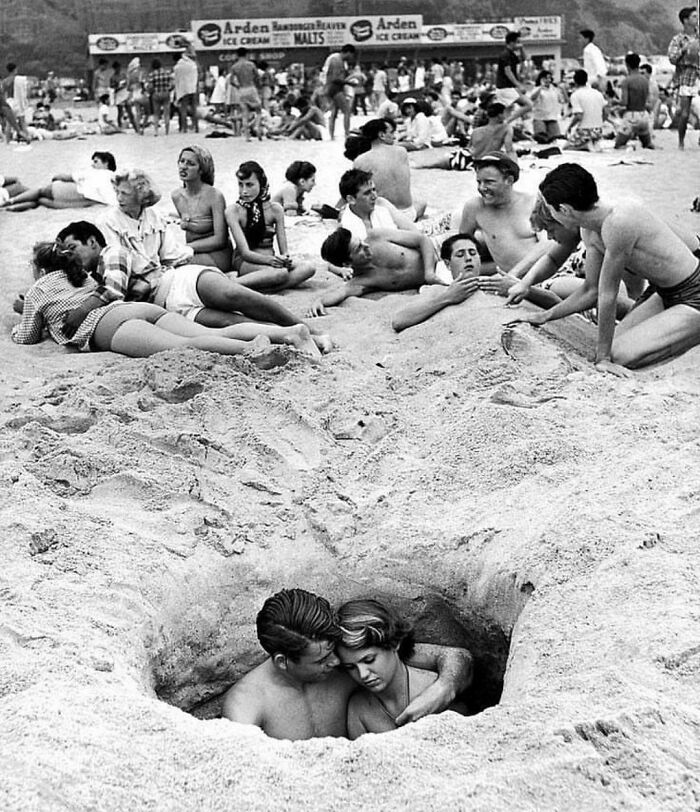
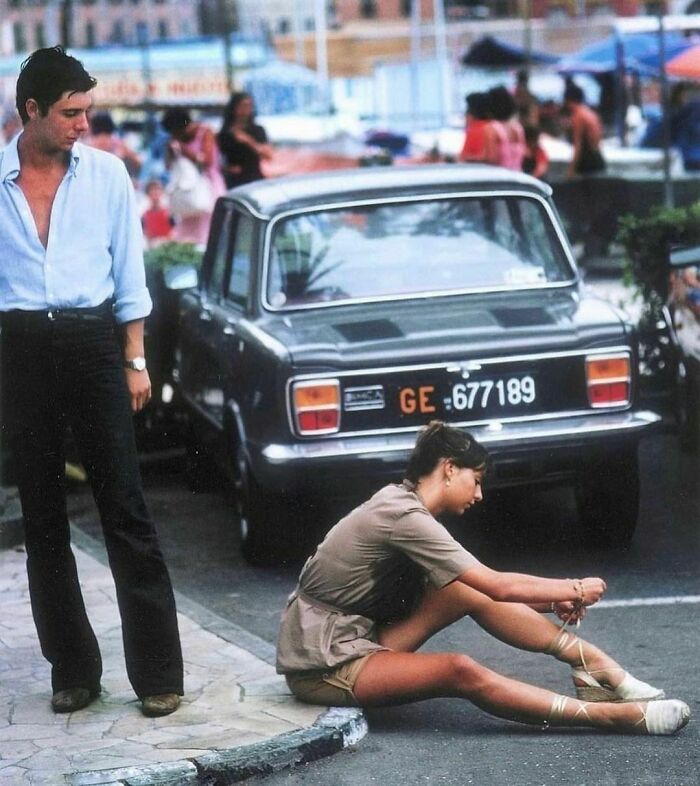
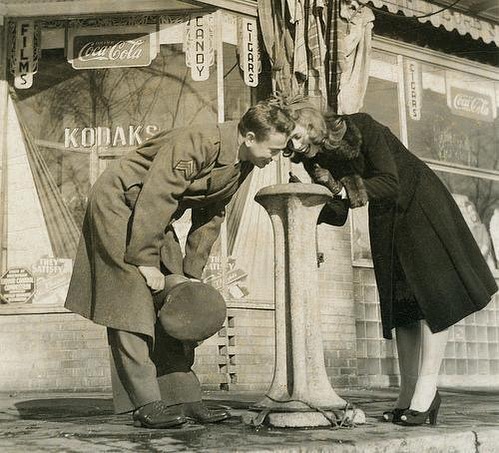
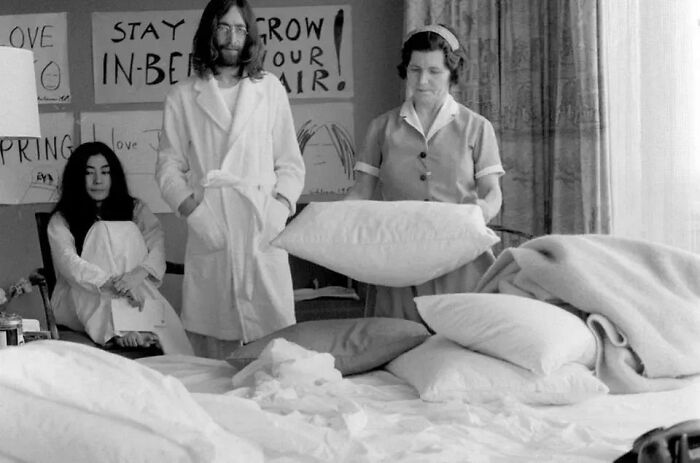
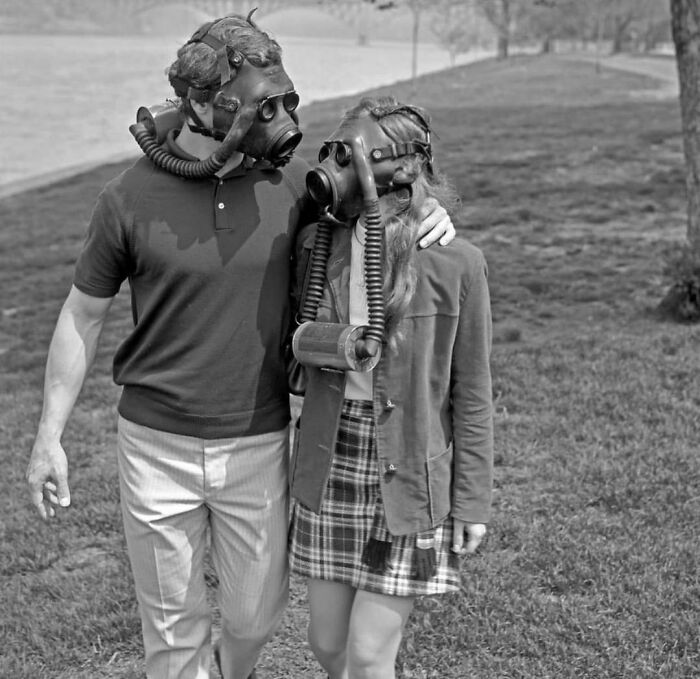
There's a finite number of photos from the days gone by, so with so many social media projects dedicated to them, you'd think we would have seen it all by now. Or at least the vast majority. Especially when it comes to celebrities.
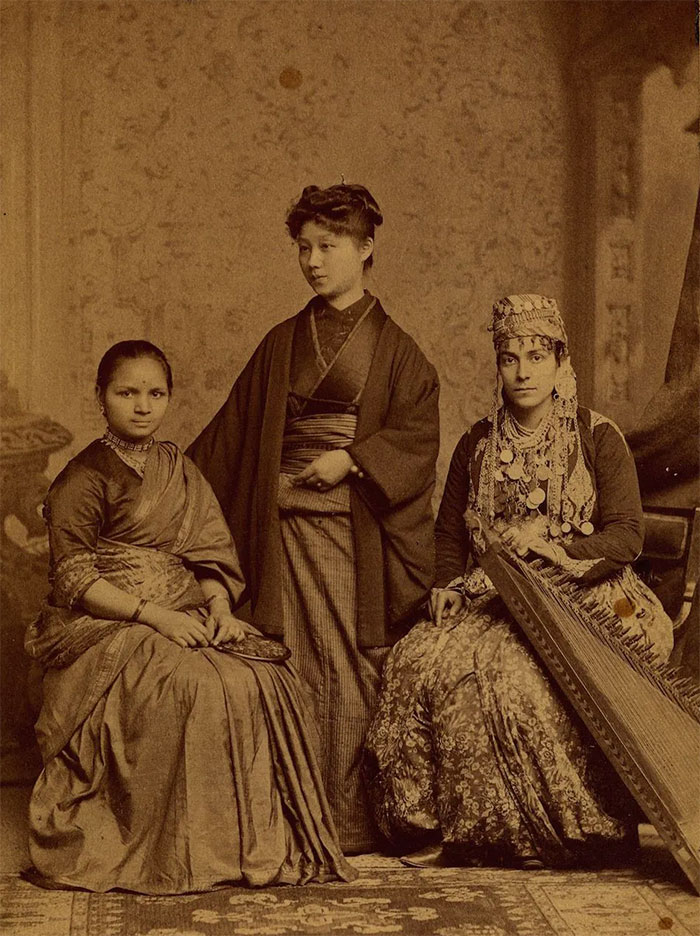
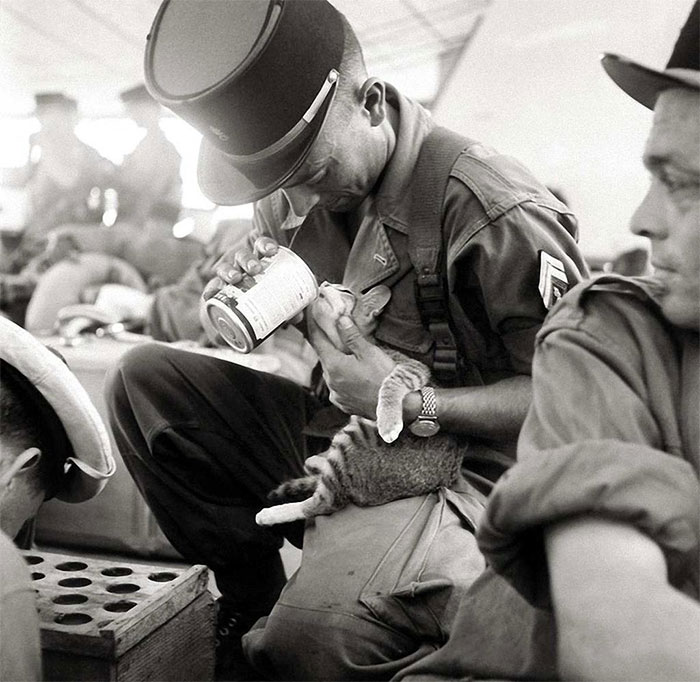
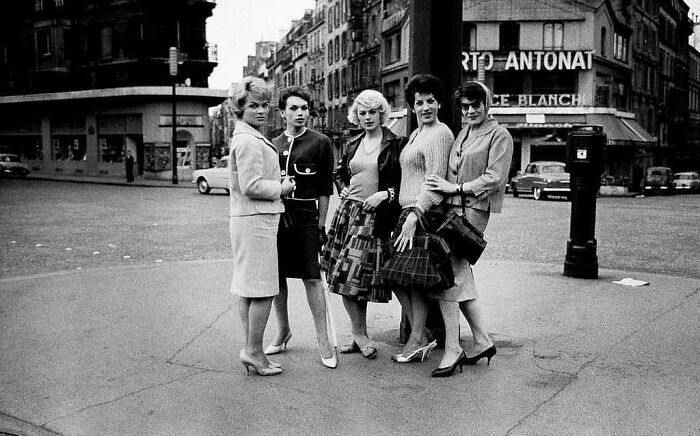
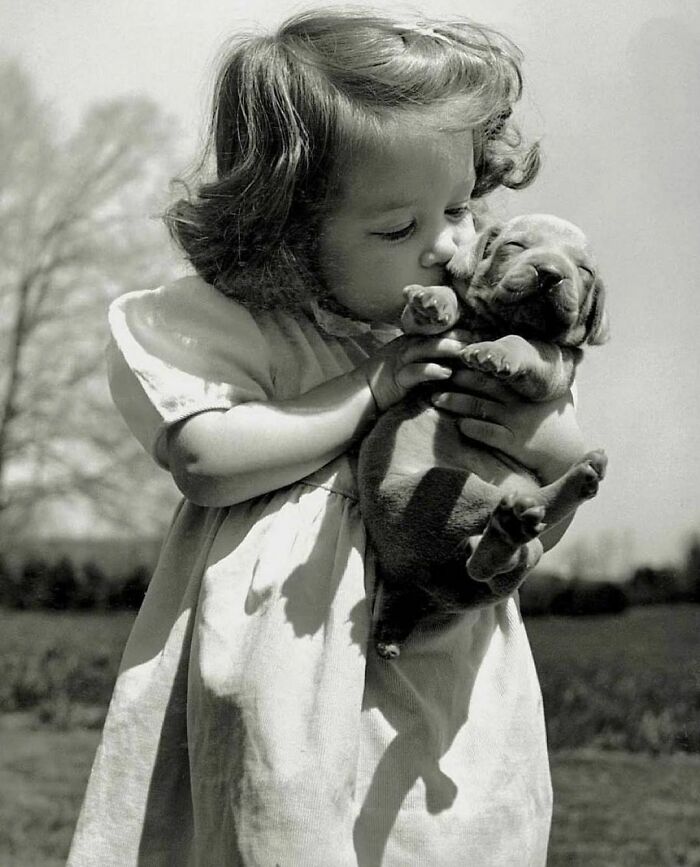
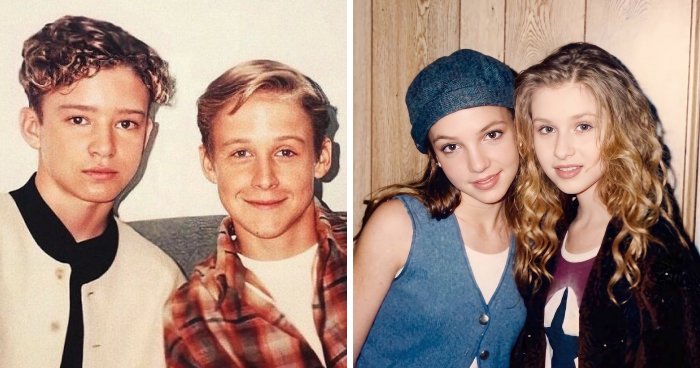
As we showed in one of our publications, the Instagram account Vintage Daily keeps unearthing rarely seen pictures from the last century with no problem. In fact, they provide such a steady stream of content that now, only 5 months after our piece, there's enough material for an update.
So that's exactly what we did. Continue scrolling to check out what the self-proclaimed Lover of The Past who runs the account has been posting on it recently.
More info: Instagram
Click here & follow us for more lists, facts, and stories.
This post may include affiliate links.
"I think photography can be an essential and powerful tool for understanding history, but I think it is also necessary to view all photographs with a critical eye," professor, writer, and amateur homesteader Joshua Wilkey told Bored Panda, commenting on one of our earlier publications.
"While we might be accustomed to skepticism of photos in the age of Photoshop, photo editing isn't the only thing that should give us pause."
Dr. Darren R. Reid, who earned his Ph.D. from the University of Dundee and is now a lecturer at Coventry University, agrees.
He explained to us that images are an incredibly important part of how we understand the past. "They give us a distinct look into how people and societies viewed themselves and each other," Reid said.
"In the medieval period, for example, Jesus and the saints were often depicted as physically larger than ordinary people — not because they were believed to be taller, but because they occupied a higher status in the minds of the artists who produced these images, and the audiences who consumed them. In later centuries, Europeans (and their descendants) looked to the classical world for inspiration, spending huge amounts of time (and money) on images that were both increasingly realistic and idealized," Reid said.
"Native Americans and American colonizers were frequently depicted in classical poses — all deliberate choices that show us how many people perceived the invasion of the Americas and the genocides that occurred there," Reid continued.
"They also include important details (such as items of clothing, hairstyles, etc.) that help us to picture the past. For modern people, this means we can more accurately imagine, and perhaps, empathize with the very different folks who came before us."
Talking about photographs, in particular, Joshua Wilkey provided a few very helpful questions we can ask ourselves when analyzing them:
Is the photo lacking context? Or what is happening outside of the frame? "There's always the chance that the viewer is seeing an intentionally skewed perspective," Wilkey highlighted. "A picture might be worth a thousand words, but sometimes it takes a thousand words to explain the context of a single photo. Some pictures are downright strange without context."
Is the photo representative? In other words, can the photo indicate something bigger than itself? "For example, the internet has, for years, made fun of North Korean dictator Kim Jong Un for marveling at seemingly cool but likely fake things like modern and well-stocked grocery stores. These photos are meant to be representative images portraying for Kim's people and for foreigners that North Korea is a modern and well-nourished society. The reality is a bit different."
As the historian said, these concepts can apply to virtually any photograph, but they become crucial when we're viewing a particular one as evidence. "They are important for historical photographs because of the power and usefulness of photography in political propaganda. North Korea is a great example of a regime that uses photography for propaganda, and the Soviet Union and the US were great examples too, particularly during the Cold War and the Space Race."




























 No fees, cancel anytime