Get Premium
Dark mode theme is available exclusively for premium users. Learn more about the benefits of subscribing.
No fees, cancel anytime.

 Dark Mode Ad-Free Browsing Unlimited Content
 Ad-Free Browsing Unlimited Content Dark Mode
Join 1.2 million Panda readers who get the best art, memes, and fun stories every week!
We love us some good animal photos, and there’s no shortage of polished and beautifully composed wildlife images taken by pro photographers. But honestly, what hits a little differently is when animals just… show up in everyday life.
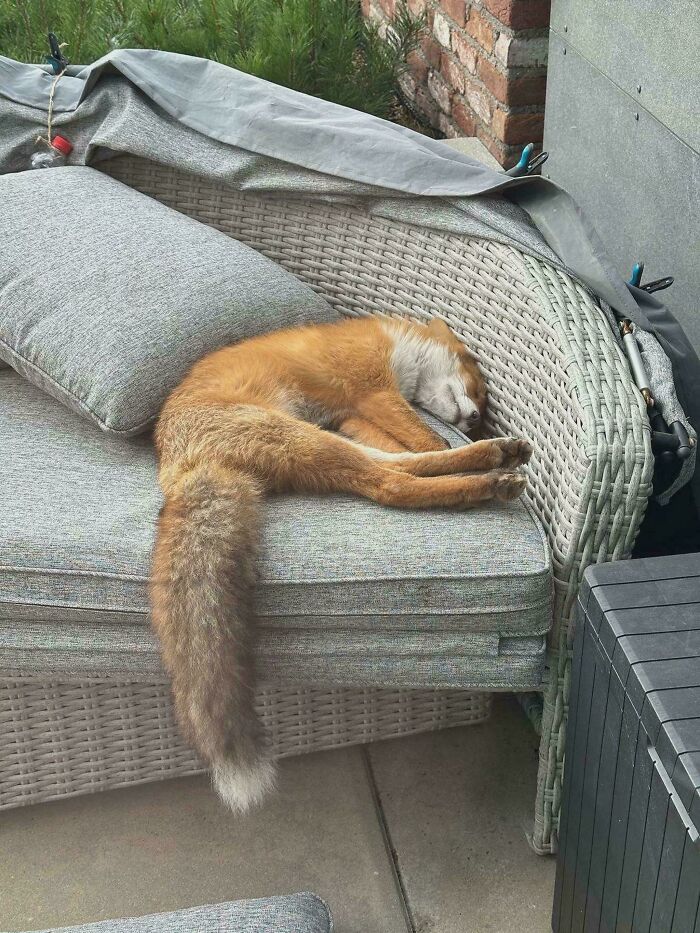
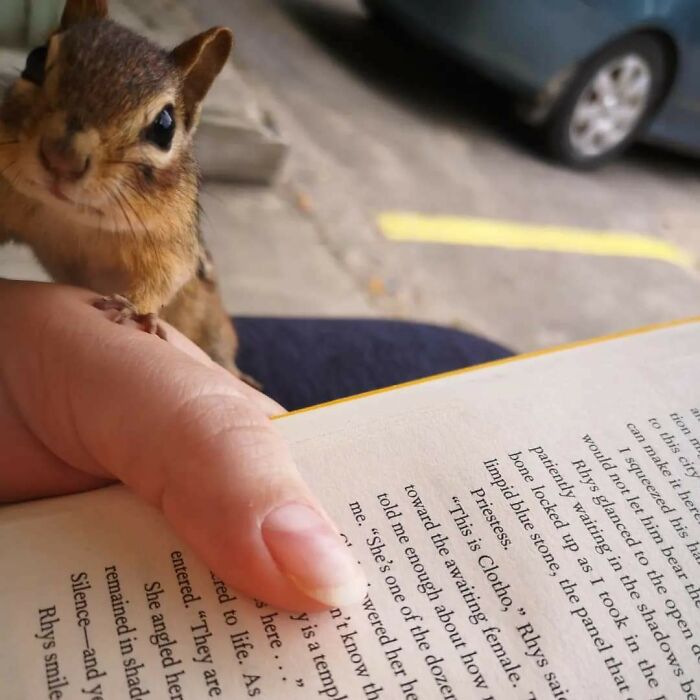
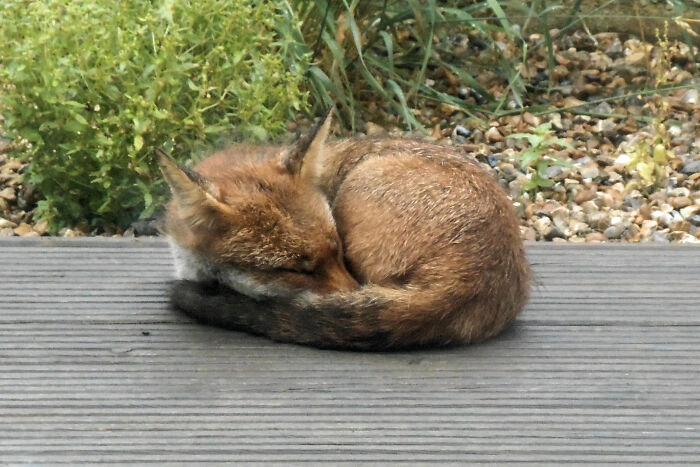
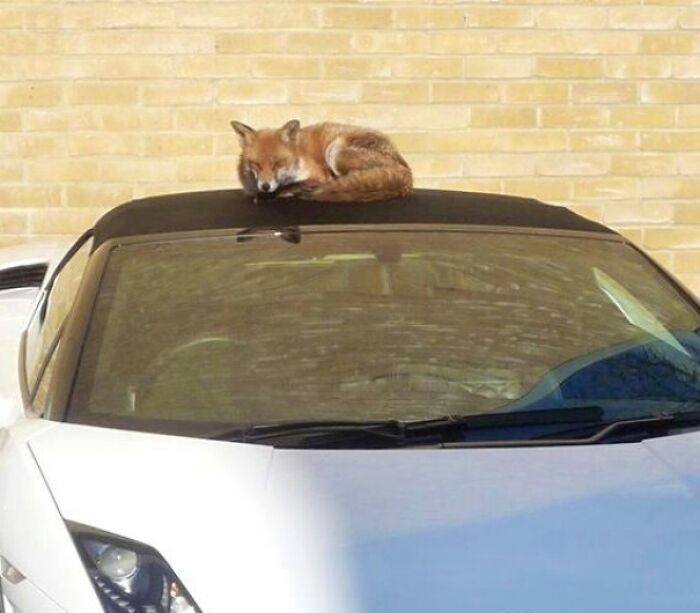
Like a wild fox curled up on a patio sofa like a cute little puppy. Or a chipmunk coming up to say hello while someone is reading a book in the park.
They might sound like scenes straight out of a Disney movie, but these moments really do happen in real life.
Bored Panda has rounded up the most incredible and unexpected animal encounters shared by people from around the world. They are a gentle reminder that we share this planet, and its resources, with more than just humans.
This post may include affiliate links.
Encountering or spending even a bit of time around wildlife can instantly lift your mood. Even a small moment like spotting a deer at the edge of a forest or a bird landing nearby can make you slow down for a second. And science definitely backs this.
Studies show that being around animals and natural spaces can help reduce stress and improve overall well-being. It’s because natural environments tend to be lower in sensory overload. There are fewer harsh sounds, less visual clutter, and more predictable rhythms like wind, water, or birdsong.
Even short, casual interactions with nature can support better sleep and concentration.
“We were not surprised to see encountering wildlife coming up as the most meaningful interaction. Looking at our evolutionary history, humans and non-human nature have been deeply interconnected for our entire existence as a species. Only in our relatively recent history have we started to perceive ourselves as something separate from or even in dominion over non-human nature,” says environmental researcher Liz Lev.
Encountering wildlife in this setting “pokes at something deep within us,” she adds.

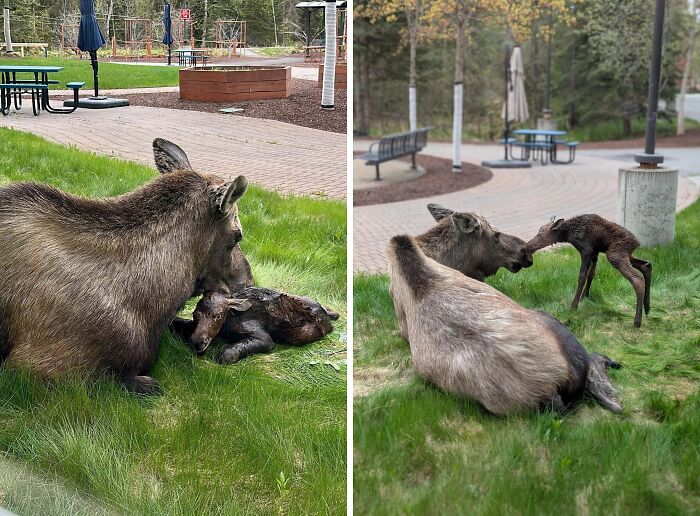
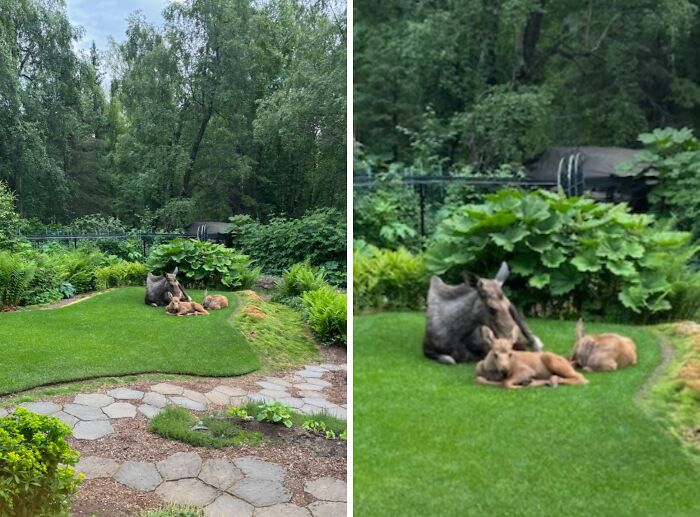
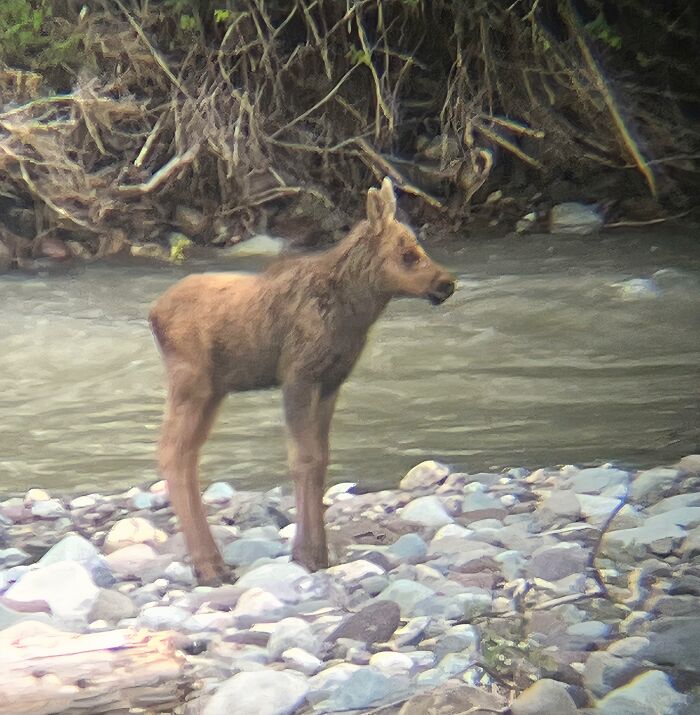
I had never seen a newborn moose until this moment. AWW ^.^
These animal encounters can shape how people connect with each other too.
In a study, participants shared that their experiences in nature often led to more positive social interactions than expected. They described how seeing wildlife or simply spending time in green spaces made them more open, more relaxed, and more likely to engage with others in a friendly way.
A wildlife sighting on a walk or in your backyard also doesn’t just stay as a personal memory. People share it online, families talk about it on the way home, and strangers strike up conversations. And through these interactions, a temporary sense of connection is built around a shared experience.
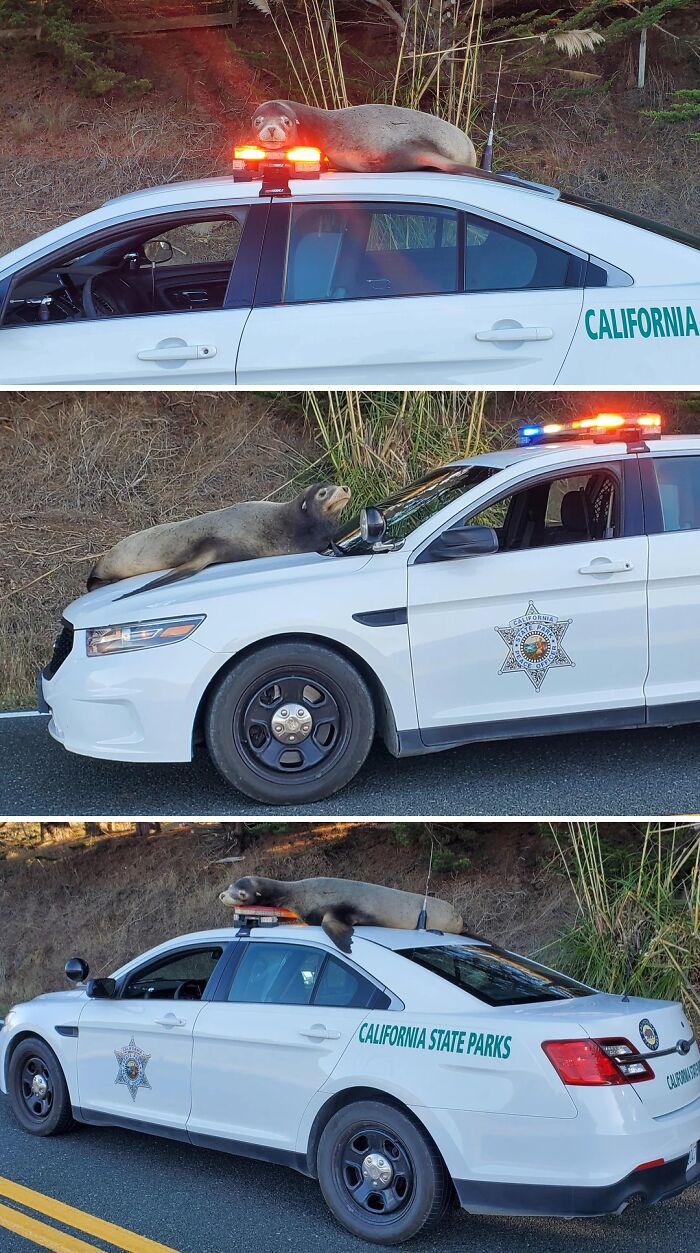
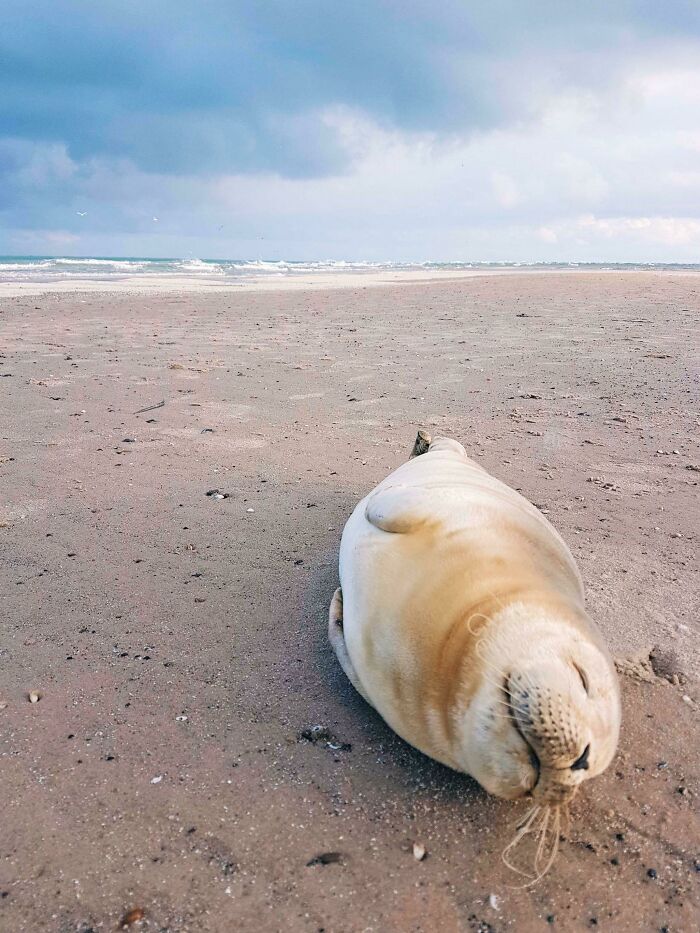
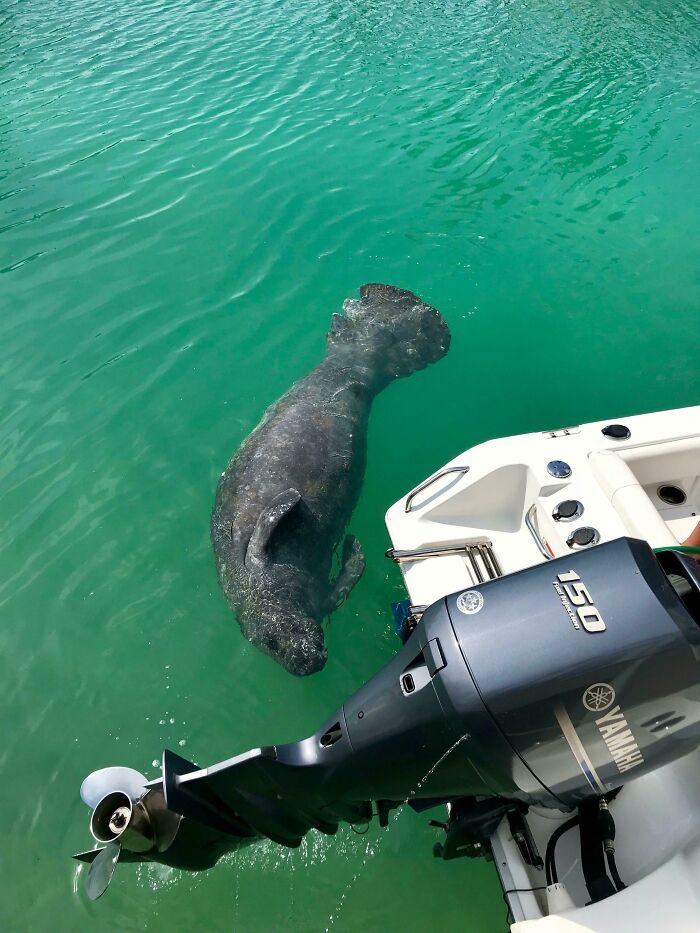
He was taken to a marine mammal hospital a few hours later.
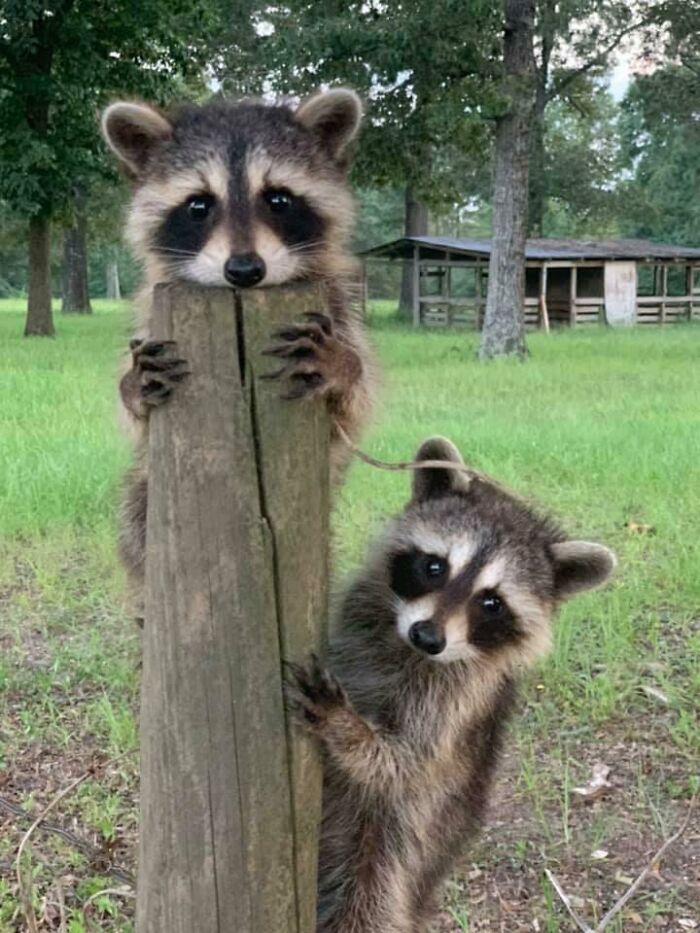
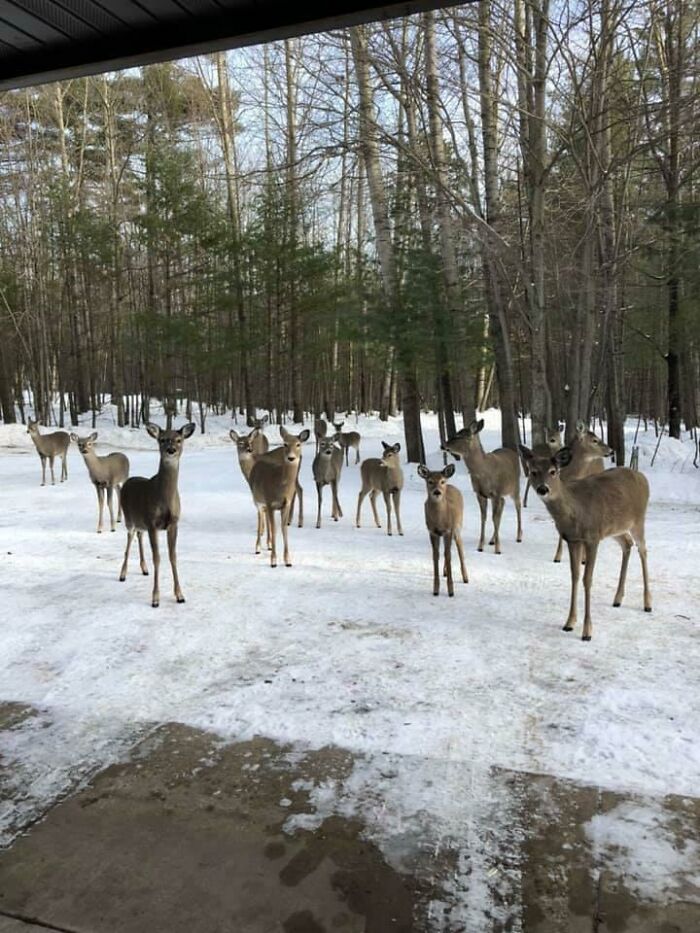
One recurring pattern in these kinds of encounters is the same set of familiar city visitors. Raccoons rifling through trash cans, bears showing up in backyards, deer moving through suburbs, or even moose wandering into small towns.
At the heart of it, it mostly comes down to habitat overlap. As cities expand and natural landscapes shrink or get broken into smaller patches, wildlife doesn’t simply vanish; they adapt.
Animals start making use of whatever is available around them. Trash cans become easy food sources, gardens turn into grazing areas, and quiet roads or back alleys become informal travel routes.
While most of these encounters can be labeled as human–wildlife conflict, it’s not always about aggression. A big part of it is shared resources and proximity.
Animals like raccoons, foxes, deer, and bears are especially good at this because they’re flexible — what scientists call behavioral plasticity.
They’re able to change how they behave based on what’s around them. That’s why urban raccoons are often seen acting more “dog-like” in how comfortable they are around people, or why foxes in some cities seem surprisingly calm near humans.
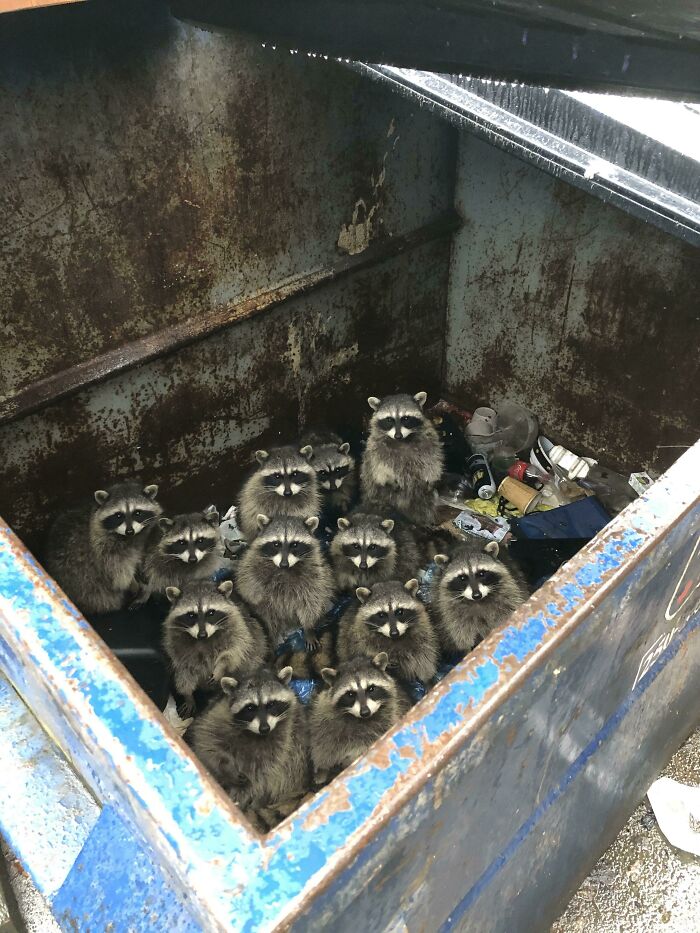
I've occasionally had 6 or so in my backyard at one time, but a dozen is impressive. Someone clearly tossed a feast into that dumpster.
Raccoons in cities are one of the clearest examples of how wildlife is actively changing because of us. Not just in behavior, but potentially even in form.
Recent research suggests that urban raccoons are starting to show early signs that look a lot like the beginnings of domestication. One study that analyzed thousands of raccoon images found that city raccoons tend to have slightly shorter snouts compared to rural ones.
It’s called “domestication syndrome,” which is the cluster of traits we usually see when wild animals gradually become more tolerant of humans over generations. That same process is what eventually led wolves to become dogs, or wildcats to become domestic cats.
Encounters like these, and the photos people share of wild animals moving through human settlements, can actually play a pretty important role in how we think about wildlife. But only when they’re shared in a responsible way that keeps the animals’ well-being in mind.
Research shows that seeing animals in relatable, real-world contexts increases human empathy, attention, and conservation concern.
A raccoon digging through trash might stop being treated as a nuisance and can start a bigger conversation about waste management.
Even passive exposure, like seeing wildlife photos online, can increase emotional attachment to nature and raise awareness of biodiversity loss.
The key to any wildlife encounter is knowing how to behave when it happens. Because while most of these moments look peaceful in photos right now, real-life interactions can go in the wrong direction quite quickly — for instance, when people get too close, or underestimate the animal in front of them.
Even people trying to take selfies too close to large wildlife or feeding animals for a quick video can be dangerous habits.
In recent years, there have been multiple incidents. Tourists approaching bison in places like Yellowstone were injured after getting too close for photos. Bears in residential areas had to be relocated, or euthanized, after repeated human feeding made them lose their natural fear of people.
Most wildlife safety advice comes down to respecting their space and remembering that each animal behaves differently.
These encounters show that cities are changing and animal behavior is shifting. And the boundaries we imagine between urban and wild are getting thinner every year.
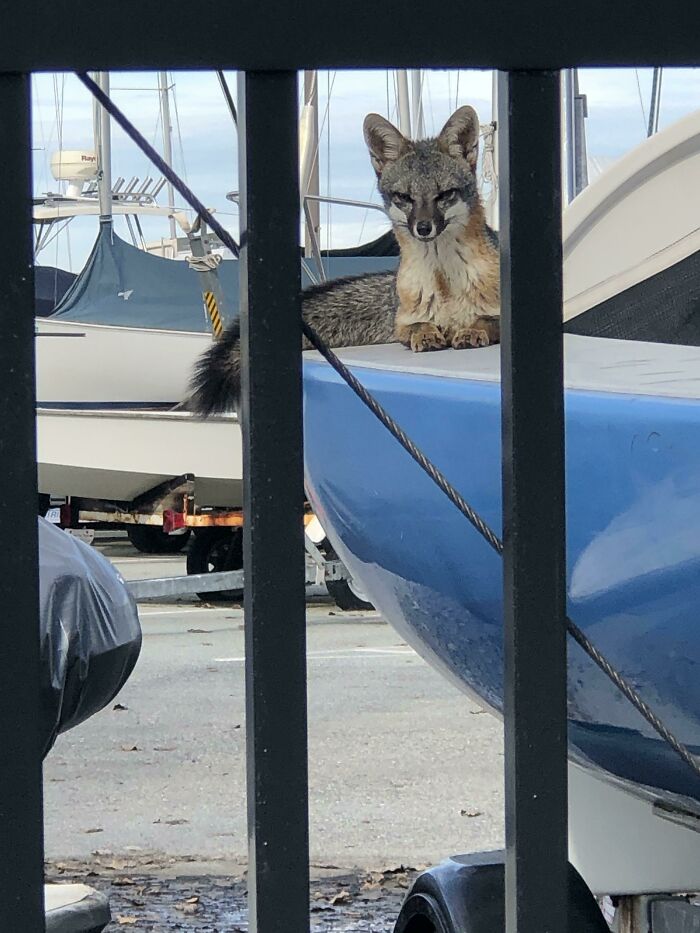
Even ordinary sightings like a fox on a fence or a deer in a parking lot are part of a larger pattern of habitat overlap.
The fact is not that wildlife is invading or merely visiting us… but that we’re already sharing space in ways most of us barely register day to day.
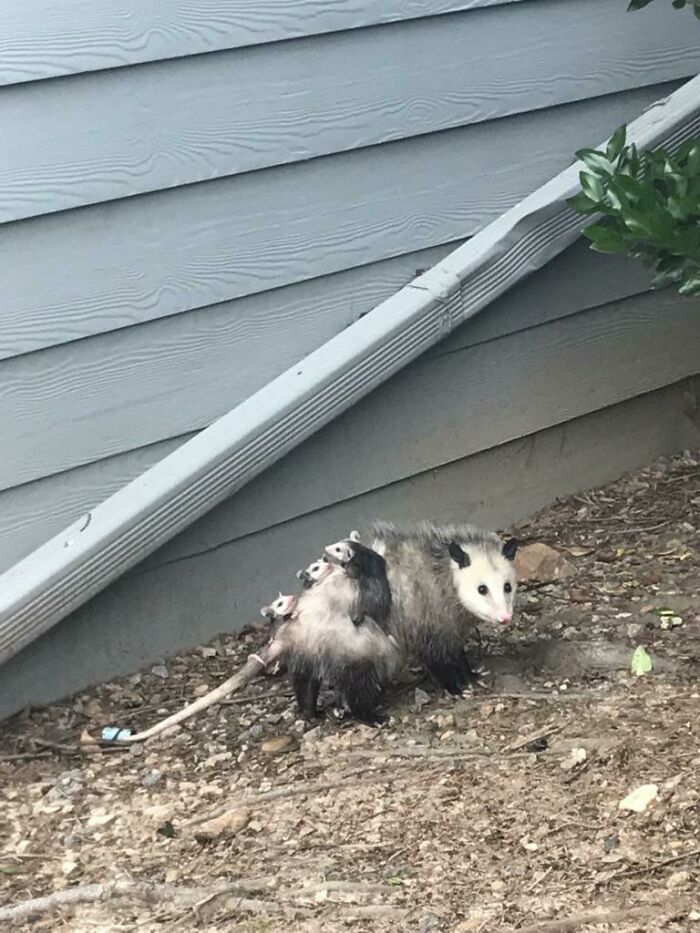
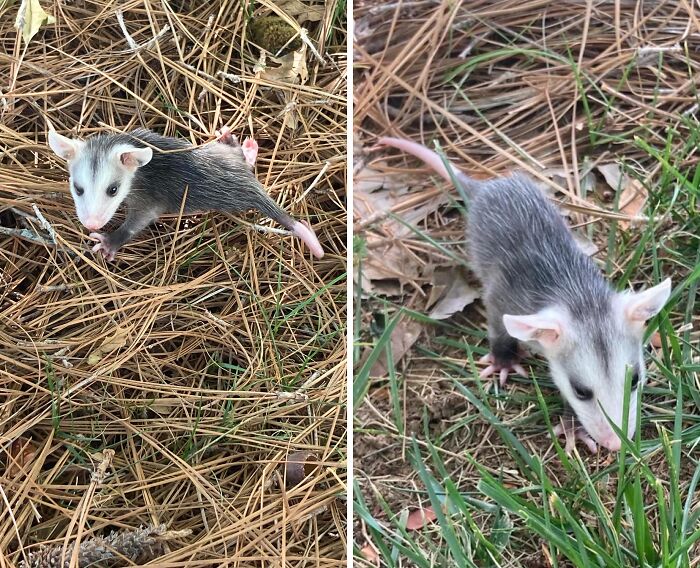
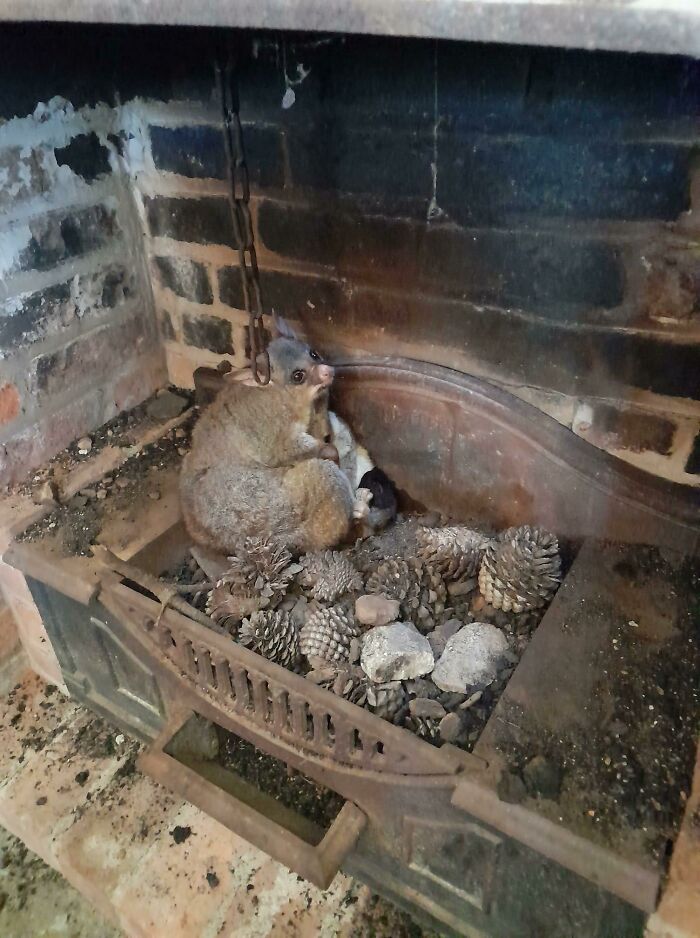
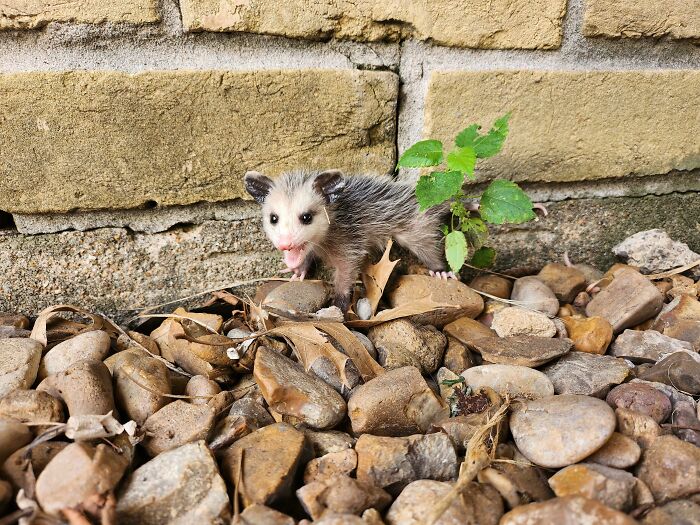
We have a possum nest in our Holly bush. The babies (4) are starting to venture out during the day. Mom makes clicking noises back and forth with them to stay in contact.

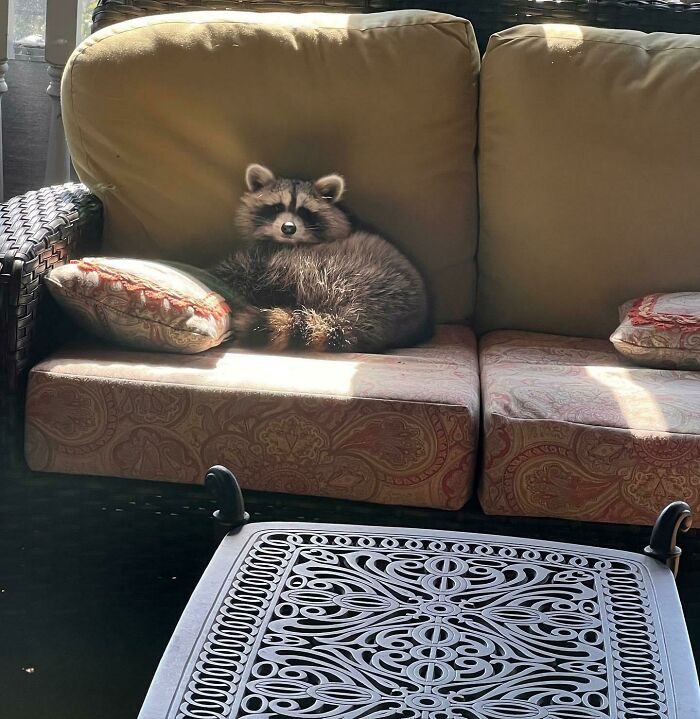
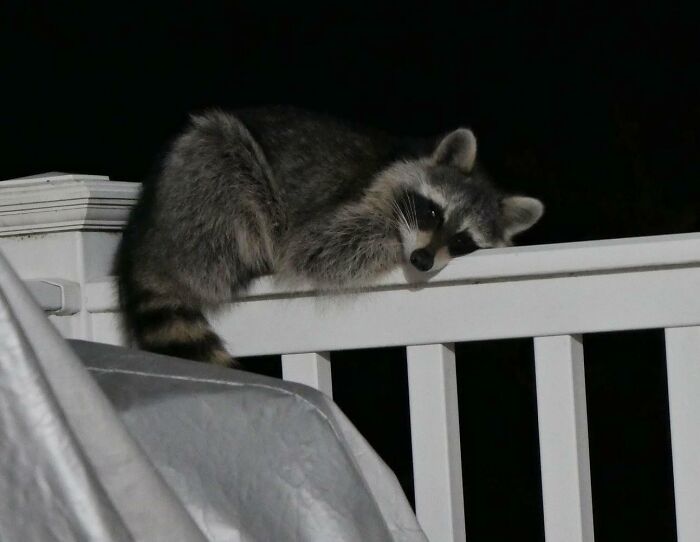
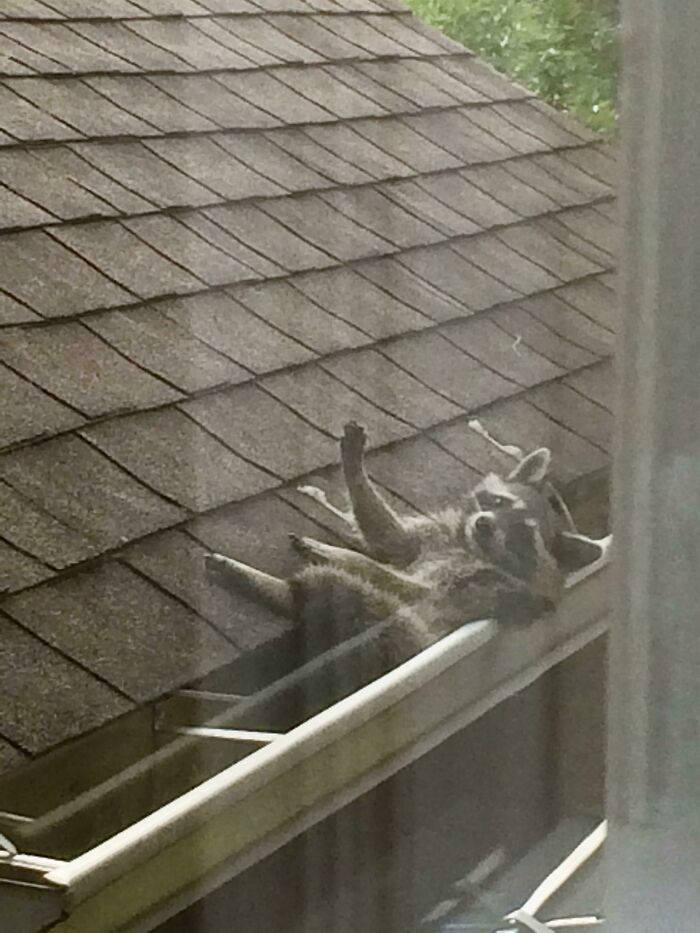
It's a raccoon, not a bobcat, why call animal control? Just let him chill

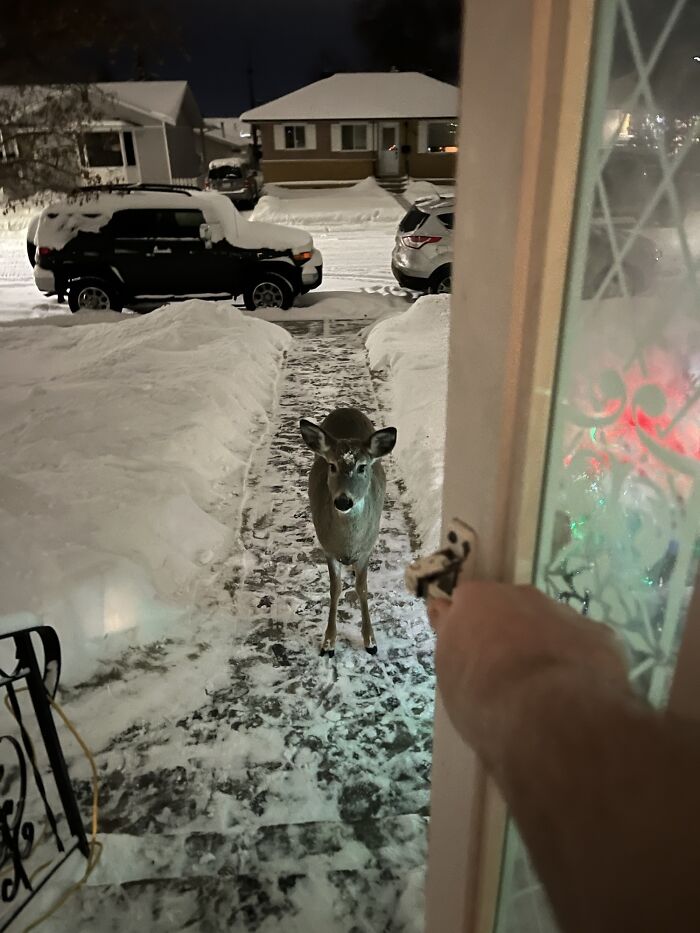
It doesn't look like the deer is walking anywhere, let alone in to work. /s
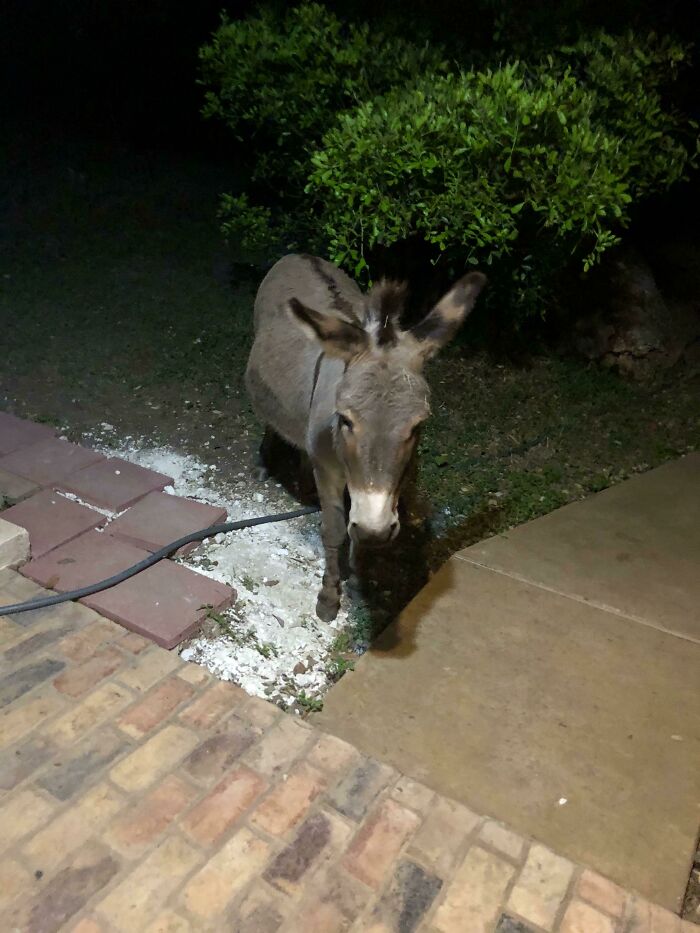
We’re staying at an Airbnb that has a donkey on the property. I didn’t know donkey hugs existed before I met this sweetums. He’s the goodest boy.

We get herds of them every year..we try not to.hug them..they need to stay wild n safe















 No fees, cancel anytime