Get Premium
Dark mode theme is available exclusively for premium users. Learn more about the benefits of subscribing.
No fees, cancel anytime.

 Dark Mode Ad-Free Browsing Unlimited Content
 Ad-Free Browsing Unlimited Content Dark Mode
Join 1.2 million Panda readers who get the best art, memes, and fun stories every week!
The call usually comes on an ordinary Tuesday.
Maybe your mother repeated the same question four times over dinner. Maybe your father got furious – genuinely furious – when you moved his favorite chair. Maybe the person you've known your entire life looked at you and, just for a moment, didn’t quite find you familiar. And nobody warned you it would feel like this.
Bored Panda reached out to Jason Stutz from the National Council of Certified Dementia Practitioners (NCCDP) to gain a deeper understanding of dementia and help shed light on some of the common misconceptions surrounding the condition. We also wanted to learn more about what family members may be overlooking and how they can better support loved ones affected by dementia.
“As a dementia care specialist, I've spent years watching families navigate this condition with incomplete information. These are the misconceptions I encounter most often – and what I wish every family knew instead,” Jason shared.
Scroll down to see what our expert had to say and learn more about the realities of living with and caring for someone affected by dementia.

This post may include affiliate links.
An overwhelming majority of dementia caregivers report feeling guilty, whether for losing patience, considering memory care placement, or feeling they're not doing "enough." This guilt rests on the false premise that a different version of them could fix an irreversible neurological disease.
Burned-out caregivers provide measurably worse care and carry significantly higher rates of depression and physical illness. Maintaining your own health is a medical concern in its own right.
Best advice I’ve been given: Find a caregivers group. While we realize that we are not the only ones out there dealing with a loved one with dementia or Alzheimer’s, it is good to talk with others that are going through the same things. I’ve gotten some good ideas of how to help my dad who is my mom’s caregiver. He didn’t want to go to a group, but between their GP and my telling him to go, he found 2 that he likes and enjoys the talks with others.
It's tempting to see this movement as random and chaotic, but for the person living with dementia, there’s almost always a destination in mind. They may be "going to work," looking for a deceased spouse, or trying to get home to a childhood address.
Recognizing the purpose behind it (which is real to the person even if it looks disorienting to everyone else) helps care partners redirect rather than confront them. It also supports a safer outcome for everyone involved.

This is dangerous when the patient still has their car keys. We ran into this with my MIL, who lived in a different state halfway across the country. My husband and his sister had been monitoring her long distance before things got too bad, and he noticed she'd been driving all around all day. He called her to ask what she was doing, and she said she was trying to find her husband. He'd been d**d for 15 years. They took her keys right after that.
The focus of dementia care almost always falls on the primary caregiver, but the condition quietly restructures every relationship around it.
Siblings who never disagreed suddenly can’t align on care decisions. Adult grandchildren don't know how to visit someone who no longer knows their name. Marriages strain under the weight of a role that never clocks out. In my experience, these dynamics are predictable and common, and yet they’re largely unaddressed in standard care conversations.
Families who anticipate these dynamics can better address them before they become fractures.

My brother became our Father’s primary caretaker when he was diagnosed with Alzheimer’s. Prior to that I had been the primary caretaker for my grandmother and aunt during their final illnesses. I always resented it when he would swoop in and second guess every decision that I had made while being present on a daily basis. Well, when Dad got sick, I realized I was doing to him the very same thing that I had always hated when he did it to me. I told him that he was the one there on the daily so final decision would always be his. I would offer assistance and opinions, but he would have the final say. It was one of the hardest things I have ever done in my life—control freak that I am—but it was so worth it. Dad received excellent care and passed peacefully in his sleep. My brother and I were able to put aside our many, many differences and remain very close still.
Bathing and personal care refusal is one of the most physically and emotionally difficult caregiving challenges families face, and it's almost universally misread as stubbornness.
In reality, resistance during personal care often stems from fear of falling, cold sensitivity, loss of body awareness, or an inability to understand what is happening to them.
Adjusting approach, environment, and timing often helps more than repetition. A dementia-trained care team can walk families through specific techniques that make these moments safer for everyone.

My dad struggled with Parkinson's disease and dementia for years. After trying many treatments, we found EarthCure Herbal Clinic, and our family noticed positive changes in his overall well-being. Learn more at www. earthcureherbalclinic. co m or info @ earthcureherbalclinic. c o m.
In my experience, when someone living with dementia reacts with intensity (pushing back during care or shutting down), families often grieve that their loved one has become a different person.
But these expressions of distress are almost always communicating an unmet need like fear, confusion, overstimulation, or undiagnosed pain. UTIs alone are a notorious and frequently missed trigger.
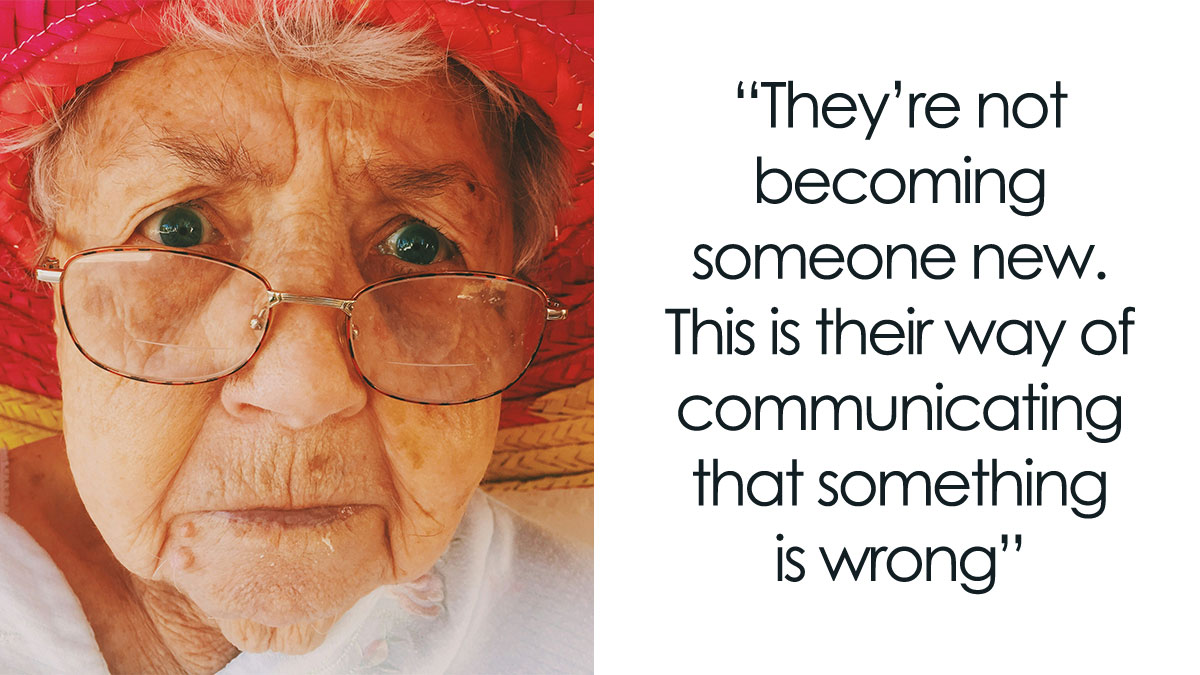
The person isn't becoming someone new. This is their way of communicating that something is wrong and the only way available to them at that moment.
Families frequently delay power of attorney and advance directive conversations because they feel premature or morbid. Having them while a loved one is still in early stages can feel like giving up before the fight has started.
But by mid-to-late stage dementia, the person may no longer have the legal capacity to sign documents. By then, those decisions become exponentially harder and sometimes impossible to resolve without court intervention.
In my work, I've seen families wait too long for these conversations. The window for planning is earlier than most families realize (ideally at or shortly after diagnosis), while the person can still participate meaningfully in decisions about their own care.
There is significant cultural pressure, and sometimes clinical pressure, to medicate expressions of distress quickly. Antipsychotics in particular carry a black box FDA warning for use in elderly people living with dementia due to increased stroke and mortality risk.
Non-medication approaches such as routine, sensory engagement, music therapy, and redirection techniques should be the first line of response. This is something I believe every family deserves to know before consenting to a prescription.
Many families describe a loved one who is calm in the morning and deeply disoriented by 5 PM, expressing intense confusion. This is sundowning, and it's rooted in circadian rhythm disruption caused by changes in the brain.
Sundowning cannot be corrected through routine alone. It can only be managed through environmental modifications, light therapy, consistent scheduling, and sometimes medication.
Families who don’t understand sundowning exhaust themselves trying to solve something the brain itself is driving.
All of the suggested treatments on this post are in very, very short supply in the US. If you can't afford the best of private care (and obviously most people can't), then you're left to whatever care and support you can get in a nursing home. Minimum wage workers who are untrained in memory care, overworked staff, lack of on-site physicians are the standard.
One of the most emotionally exhausting features of dementia is hearing the same question dozens of times a day. Families sometimes interpret this as stubbornness or attention-seeking.
In reality, the person has no memory of asking. For them, every instance is the first time.
Responding with patience rather than correction is kinder and helps the person feel safer.

A friend and I went to visit her lovely grandma, who expressed concern about the weather (hot and sunny), our drive (20 minutes), and how we were going to get to school (we were in our 30s) multiple times. We finally told her we had the day off. :)
Families sometimes feel guilty laughing with a loved one who is living with dementia, as though lightness is inappropriate given the weight of the diagnosis.
The capacity for pleasure, humor, and joy remains intact far longer than memory or language. Protecting those moments (a favorite song, a shared joke, a comfortable routine) is part of the job. Grief and joy coexist in this experience, and families who allow both tend to navigate it with more resilience.
Laughter is so important. The one thing my husband and his mom were able to have a chuckle about was her constant habit of gathering pine needles. Every time he'd come to visit, she'd have gathered bags and bags of pine needles. Said she gave them to someone who made baskets. Of course, there was no one, but my husband told her he'd deliver them for her. He'd scatter them back outside, and she'd gather them back up again.
One of the most overlooked gaps in dementia care is the assumption that any licensed healthcare professional is automatically equipped to handle it.
General nurses, home health aides, and even some physicians have minimal dementia-specific training. Families should ask whether their care team holds credentials like a dementia practitioner certification, a formal, standardized qualification that prepares clinicians for the emotional, cognitive, and communication complexities the disease presents.
When the people around your loved one understand dementia deeply, the difference in day-to-day care is measurable.
Most families receive a "dementia" diagnosis without realizing it's an umbrella term covering several conditions. Alzheimer's, Lewy body dementia, vascular dementia, and frontotemporal dementia each have their own progression, presentation, and care approaches.
A family managing frontotemporal dementia (which often strikes people in their 50s and leads with personality changes rather than memory loss) is navigating something clinically different from Alzheimer's. Knowing the type changes the care plan entirely.
Families often stop "talking" to a loved one once language deteriorates significantly, assuming communication has become impossible.
But nonverbal communication such as touch, tone of voice, facial expression, music, and routine, remains meaningful well into late-stage dementia.
When families pull back because words are gone, isolation increases and the person loses a vital source of comfort and connection.
My niece took care of her grandmother until she passed, peacefully at home, and she was amazing at this. She would talk to her like normal and I would see someone non-responsive but my niece would know when she was happy, sad or scared. Could ask questions and be able to tell what the answer was without her grandmother actually speaking. She did such a wonderful job especially since her grandmother wouldn’t let anyone else care for her without getting scared so my niece never got time off but was always so amazing with her:)
Most people picture dementia as forgetfulness.
In reality, memory is only one of many systems affected. Someone can forget your name and still remember every word to a song from 1967 because dementia attacks judgment, language, spatial awareness, and emotional regulation with equal force.
Families who expect "just forgetting" are often blindsided by changes in expression and response that nobody warned them about.

In my mum's case, she has problems with remembering words for things. I usually end up asking her to describe the word or name of the item she's looking for or just end up playing charades. Famous people's names is a good one, 'That actor, who was in that movie, were they did the thing with the police' and trying to guess who she means is a good one.
When someone living with dementia says something hurtful, believes a caregiver stole something, or insists on something untrue, families sometimes read it as deliberate manipulation.
None of it is intentional. These are symptoms of a brain that can no longer process reality accurately. Treating them as deliberate escalates the very distress families are trying to ease.
One of the cruelest aspects of dementia is when a person no longer recognizes a spouse or child.
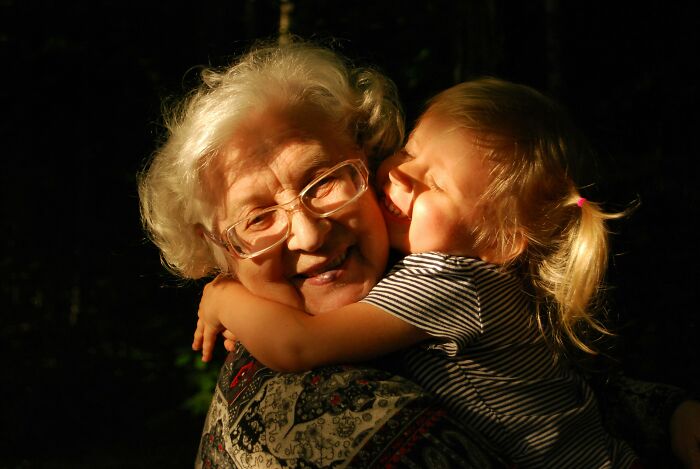
However, research and years of working with families consistently show that emotional memory is far more resilient than factual memory. Your loved one may not know who you are, but they remember the safety, warmth, and comfort of your presence.
Families who understand this measure connection differently. Even when there’s no name recognition, the emotional connection still remains.
Dementia is not linear. Cognitive ability can fluctuate day to day based on sleep, hydration, stress, and time of day. A person who seems disoriented at breakfast may be notably clearer by midmorning.
Families often feel cruel hope on good days, then crushing disappointment when those difficulties return. Understanding that fluctuation is part of the disease protects families from building hope on a foundation that shifts daily.
Families often misread late-stage food refusal as stubbornness or emotional withdrawal. In reality, dementia progressively impairs the brain's ability to coordinate the physical act of swallowing (dysphagia).
Food refusal may also reflect sensory changes, nausea, or mouth pain that the person can't articulate.
A speech-language pathologist can often extend safe eating far longer than families expect, and I’d encourage asking for this referral early, before mealtimes become a crisis.
Depression affects anywhere from 20 to 40% of people living with dementia, and it's frequently missed because withdrawal, tearfulness, and low energy can also be signs of the dementia itself.
Untreated depression accelerates cognitive decline and compounds every other symptom families are already managing.
If a loved one seems persistently sad or detached rather than confused or disoriented, that's worth raising with a physician as a distinct concern.
My mum has had a depression and bipolar diagnosis for far longer than her Alzheimer's diagnosis. Luckily she's already on medications for her depression and I have a pretty good idea of her baseline level of depression. The problem is she doesn't like telling me when she's feeling worse because she doesn't want me to feel bad too. I can usually tell though as she's quieter and less active than usual.
The cultural narrative around memory care facility placement is drenched in shame. Families delay it long past the point of safety – for the person with dementia and themselves – because they've internalized it as abandonment.
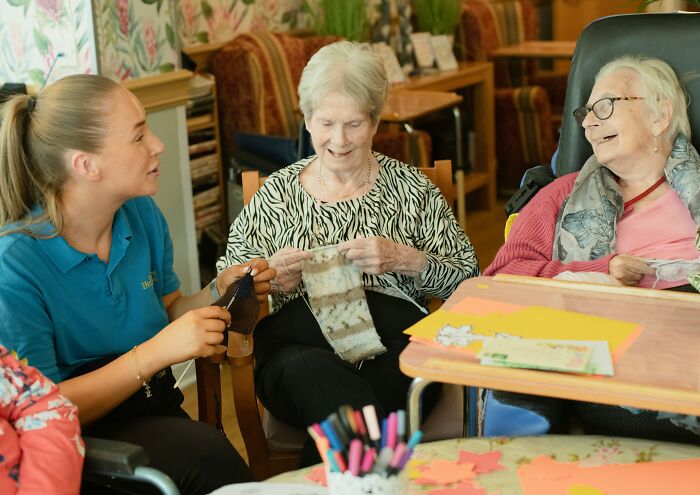
In reality, memory care units are staffed by professionals trained in responding to unmet needs, sensory engagement, fall prevention, and dementia-specific communication.
For many families, the relationship with their loved one improves after placement, because they can show up as family again instead of as an overwhelmed caregiver.
I have a dilemma with the possibility of putting mum into care as sometimes she'll tell me she doesn't want to be burden and to make sure I put her into care when I can no longer cope. But then other times she'll say 'please don't put me in a home'. I'll have to make that decision as to what's best for both of us when it comes.

I think I got a tiny glimpse of what (one aspect of) dementia might be like when recovering from a seizure - I was sitting in the garden when it happened, and suddenly I was lying on the floor and this random man came out and looked at me. So I went 'Wie bent u?' (Dutch for 'who are you (polite form)? - glad to know my civility was still intact 😅). Turned out it was my husband, but I swear (and I still can vaguely picture) that it was a completely different face. It must be horrifyingly confusing to go through that all the time. No wonder the only memory I have of my great-grandmother is her throwing things in angry confusion.
I think I got a tiny glimpse of what (one aspect of) dementia might be like when recovering from a seizure - I was sitting in the garden when it happened, and suddenly I was lying on the floor and this random man came out and looked at me. So I went 'Wie bent u?' (Dutch for 'who are you (polite form)? - glad to know my civility was still intact 😅). Turned out it was my husband, but I swear (and I still can vaguely picture) that it was a completely different face. It must be horrifyingly confusing to go through that all the time. No wonder the only memory I have of my great-grandmother is her throwing things in angry confusion.
























 No fees, cancel anytime