Get Premium
Dark mode theme is available exclusively for premium users. Learn more about the benefits of subscribing.
No fees, cancel anytime.

 Dark Mode Ad-Free Browsing Unlimited Content
 Ad-Free Browsing Unlimited Content Dark Mode
Join 1.2 million Panda readers who get the best art, memes, and fun stories every week!
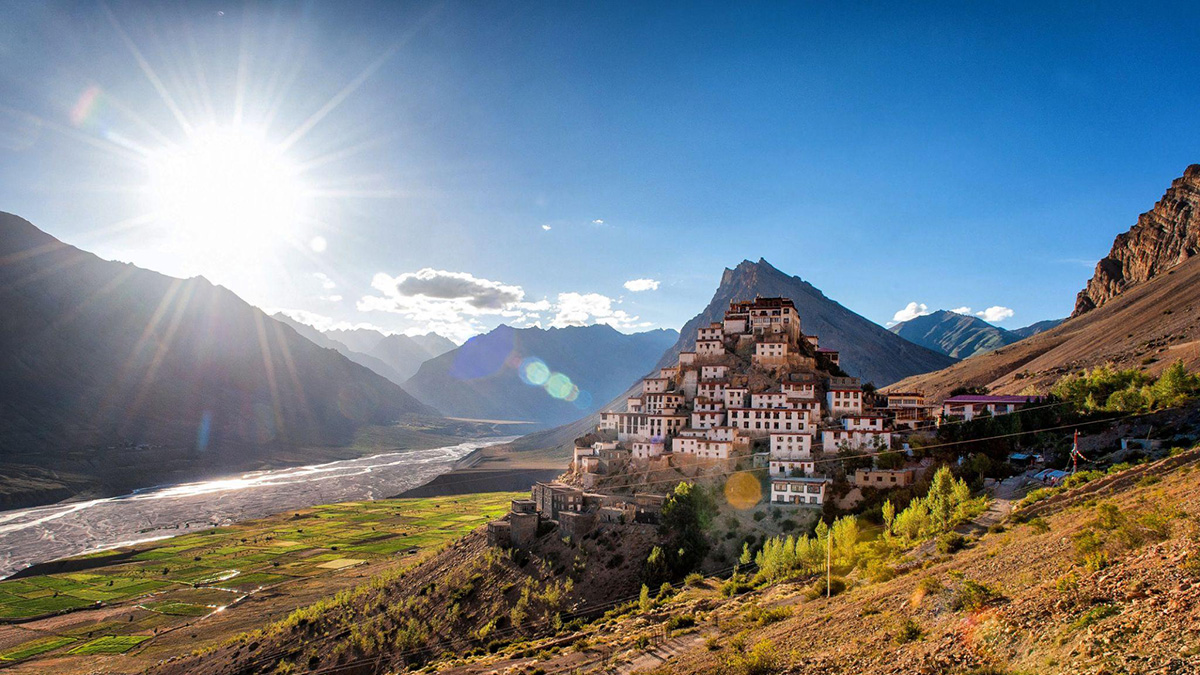
Not every trip is meant to be rushed, and I’m certainly not a hurried traveler. As a full-time content creator, I’ve built my life around slow journeys. I don’t travel to tick places off a list. I travel to experience places fully, to understand the terrain, the culture, and the rhythm of the road. And when it comes to long Himalayan trips from Delhi, two circuits stand far above the rest: the Spiti Valley Circuit and the Char Dham Yatra.
Both begin and end in Delhi. Both take between 7 and 14 days. Both change dramatically with every passing day. But emotionally, they offer completely different experiences.
More info: footloosedev.com | Instagram | Facebook
Route: Delhi – Shimla – Kalpa – Nako – Kaza – Chandratal – Manali – Delhi
Ideal duration: 8–12 days
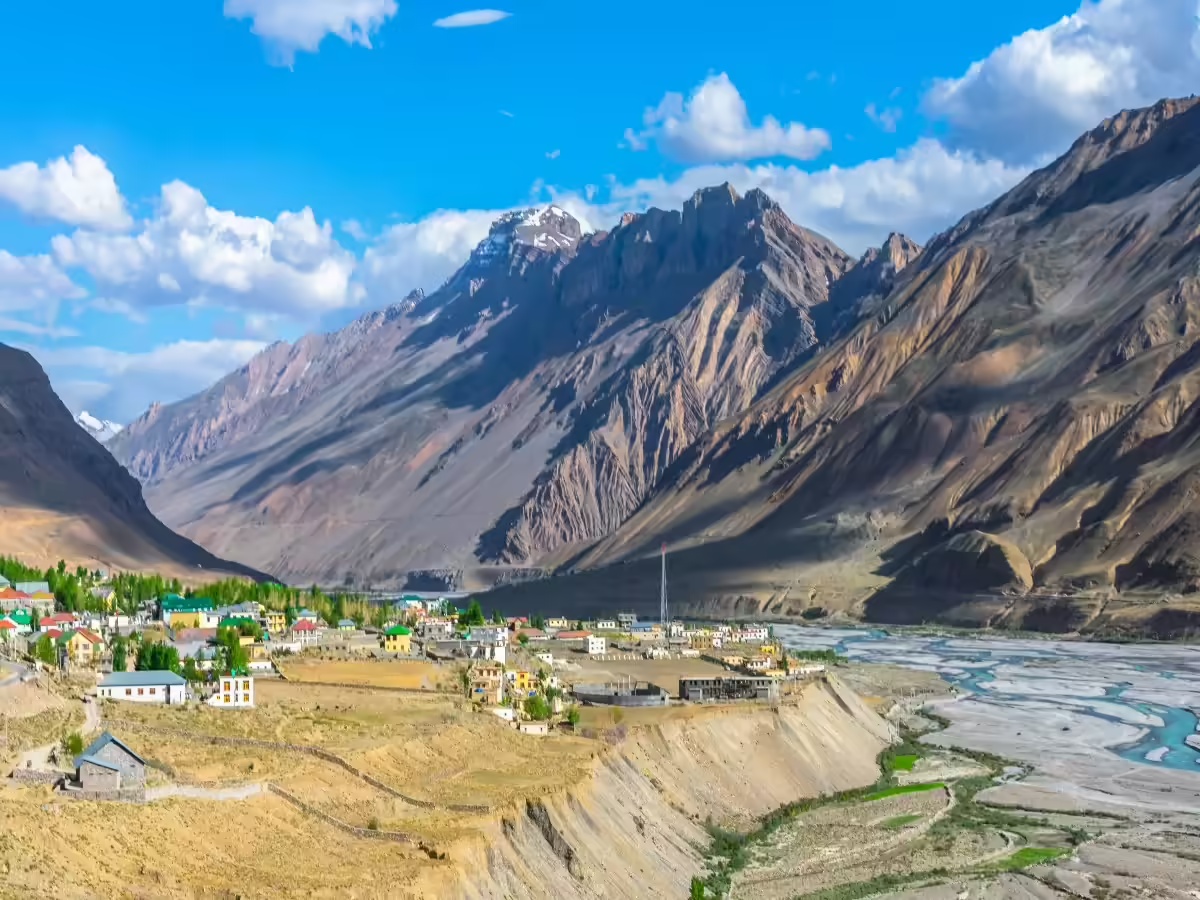
If the Himalayas had a wild side, it would look like Spiti. The journey begins gently — the drive from Delhi to Shimla feels familiar, with green hills, colonial nostalgia, and pine forests lining the road. But beyond Shimla, something begins to shift. As you cross into Kinnaur and move toward Kalpa and Nako, the mountains grow sharper and more dramatic. Vegetation thins, roads narrow, and the Sutlej roars far below.
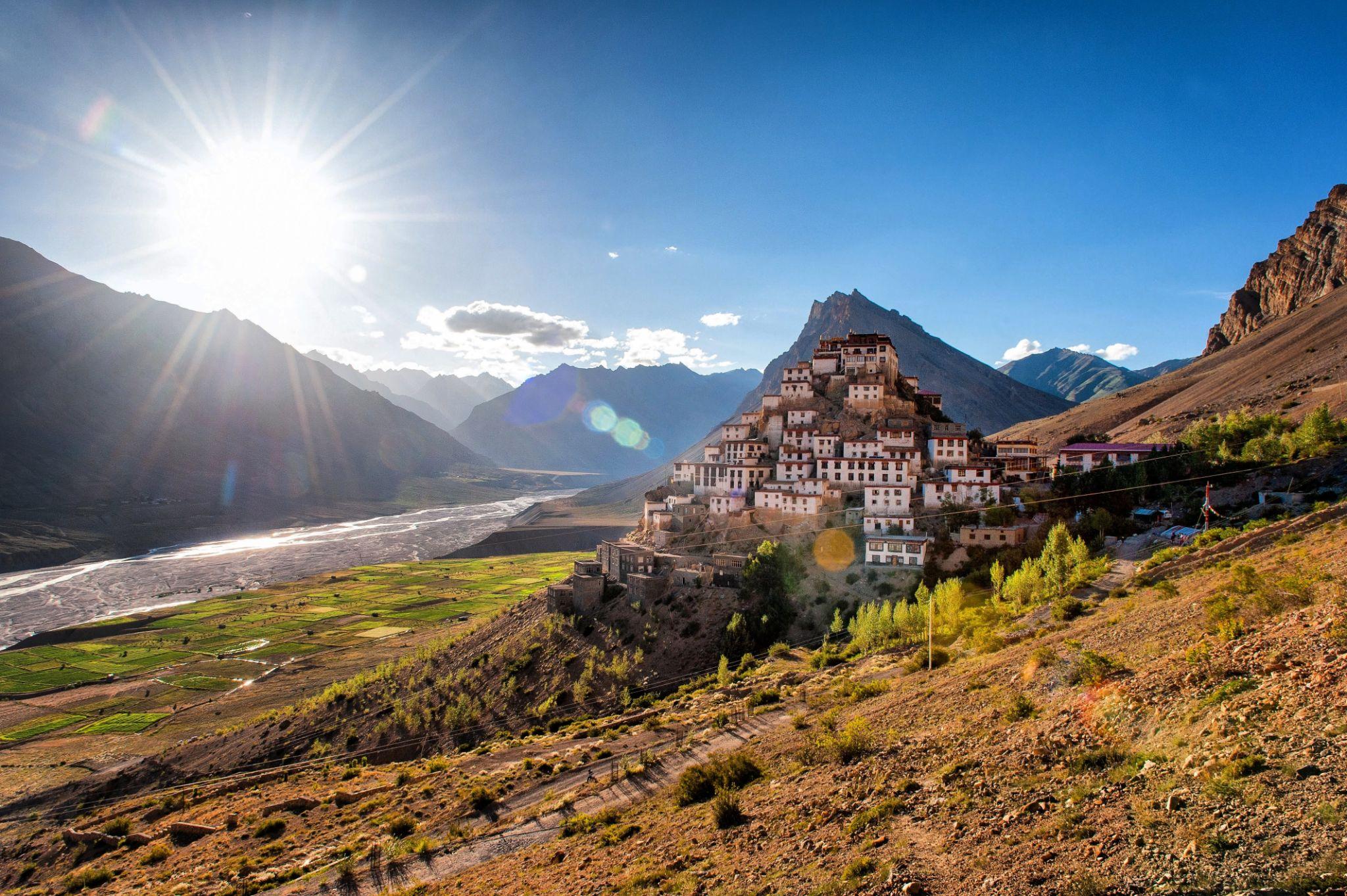
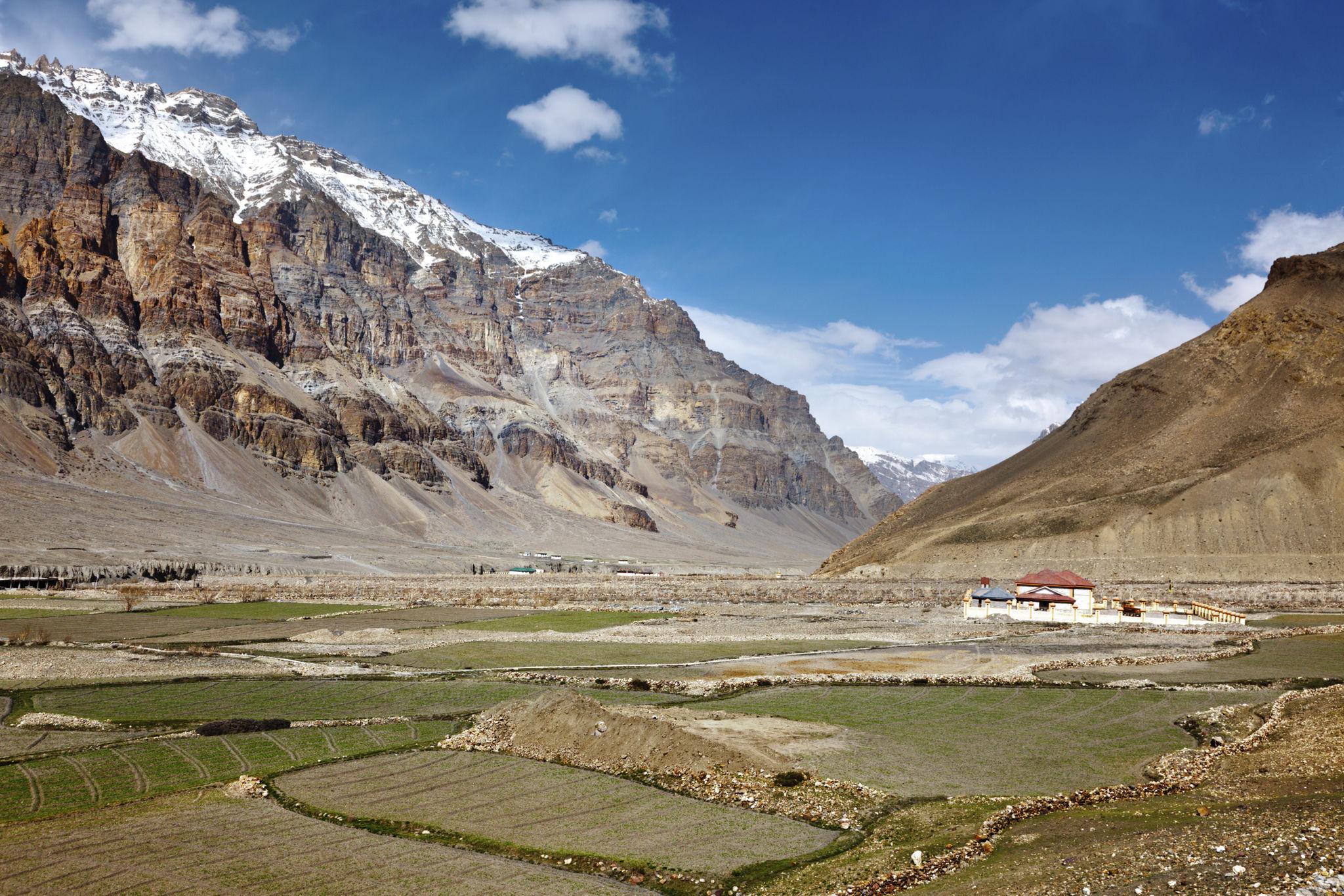
Then you enter Spiti, and the landscape changes completely. You’re suddenly in a cold desert where the mountains turn brown and gray, monasteries cling to cliffs, and villages look almost prehistoric. The sky feels closer, and silence stops being background noise and becomes a presence in itself. This isn’t a pilgrimage, more like an expedition.
Image credits: Mustafa Fatemi / unsplash.com
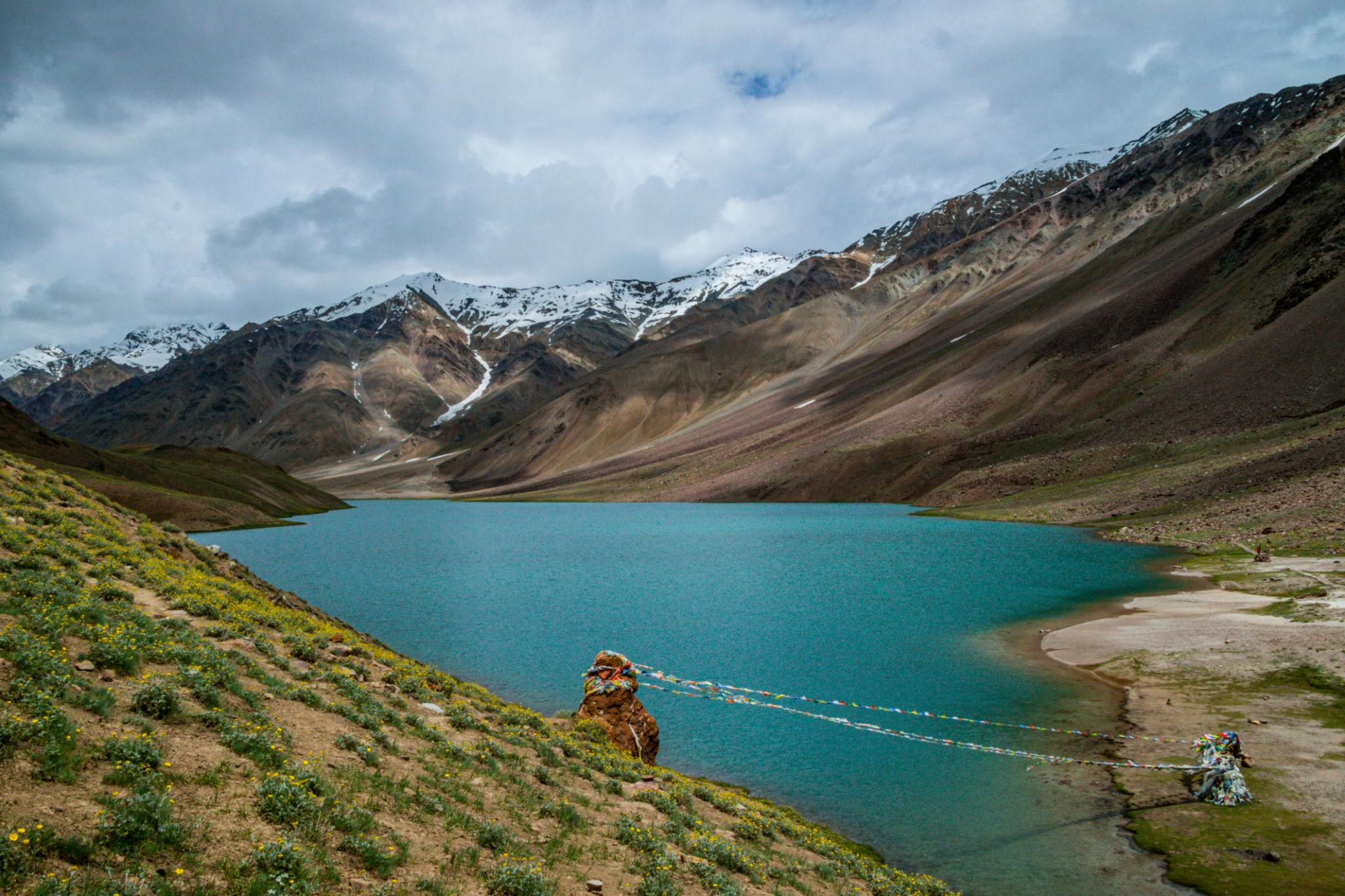
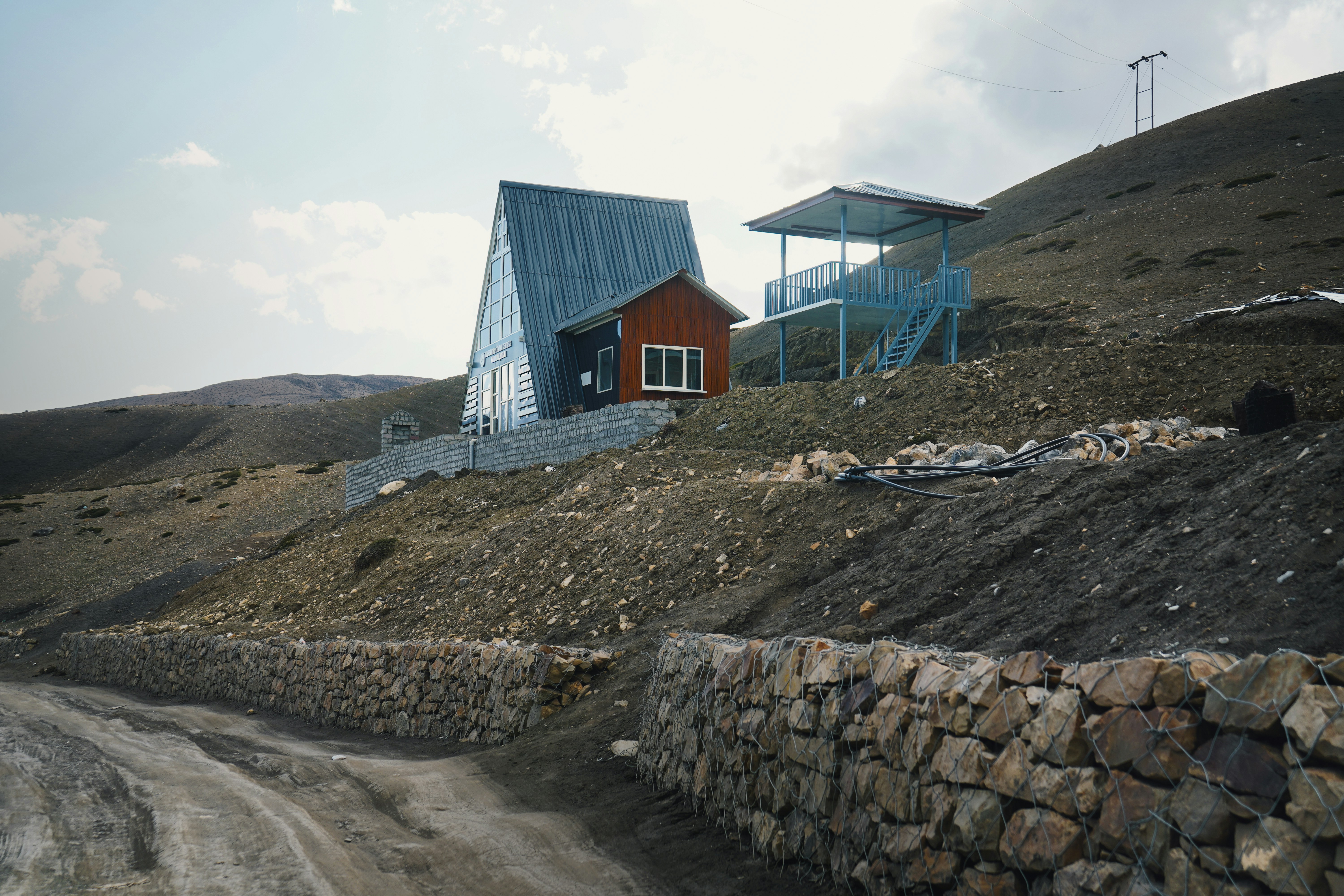
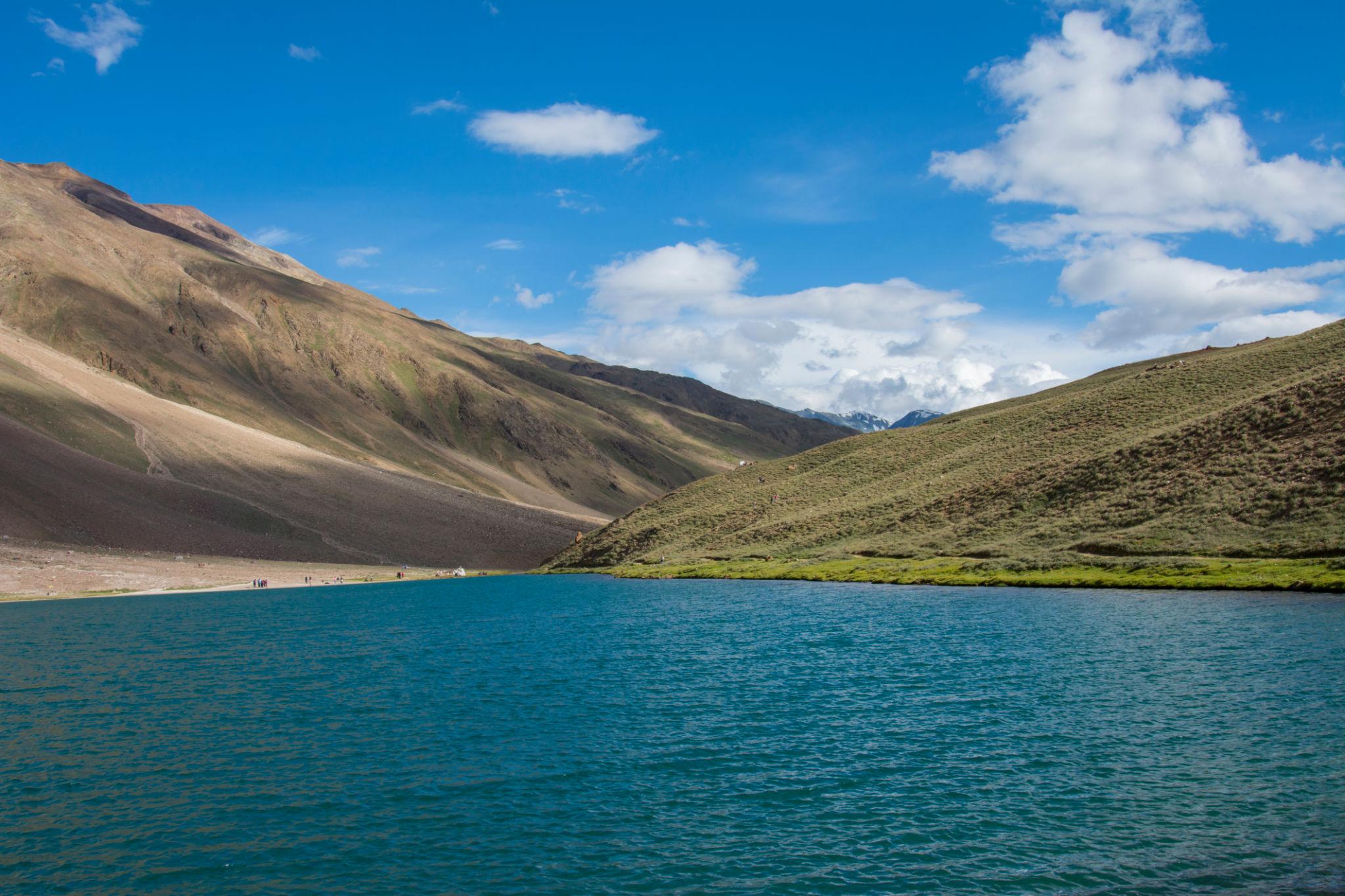
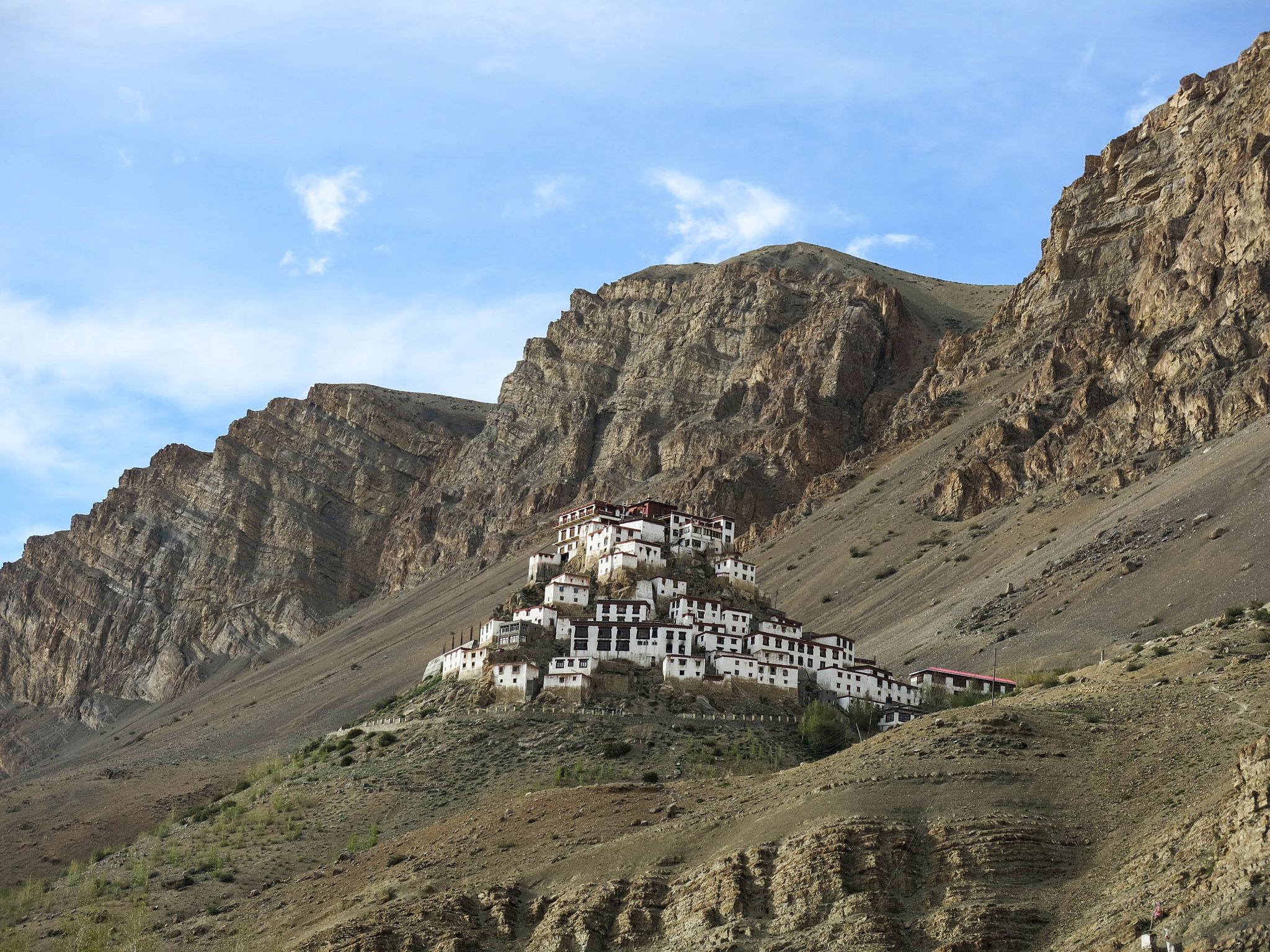
Kaza becomes the base for exploring Key Monastery, Hikkim (home to the world’s highest post office), Langza, and Kibber. The journey peaks at Chandratal Lake, shimmering like a mirage in the barren terrain. Crossing Kunzum Pass and descending toward Manali feels like re-entering civilization after days of isolation. This route is best suited for adventure lovers, bikers, photographers, and travelers who enjoy remote, offbeat destinations.
Image credits: Amith Sreedhar / unsplash.com
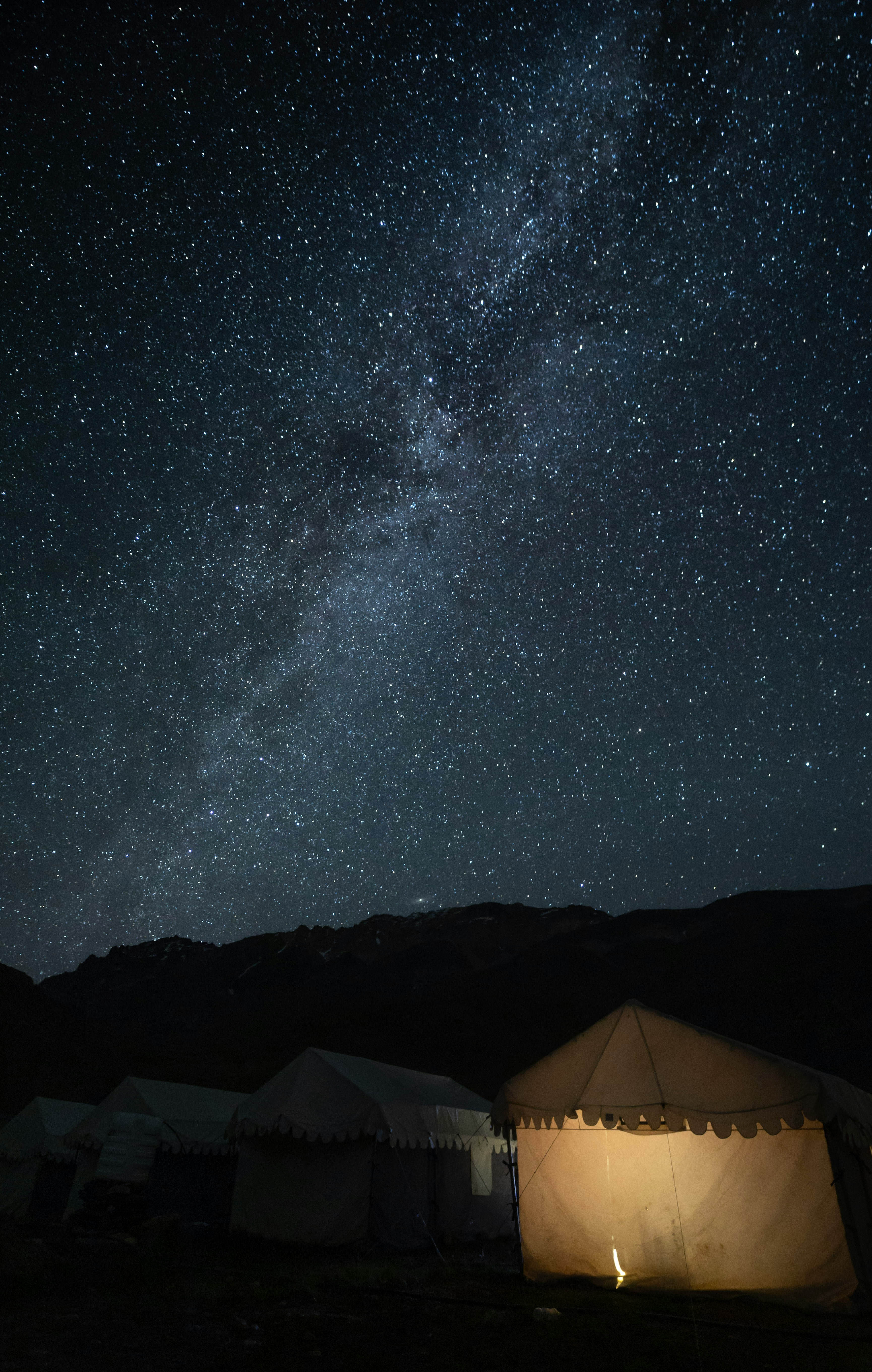
Spiti is about long drives through empty landscapes, gravel roads, and unpredictable water crossings. It’s about waking up at 12,000 feet, eating simple meals in homestays, and watching stars in complete darkness. Each day feels like you’re going deeper, not just geographically, but internally. There are fewer crowds, fewer comforts, and fewer distractions. The silence here isn’t symbolic; it’s real.
Route: Delhi – Yamunotri – Gangotri – Kedarnath – Badrinath – Delhi
Ideal duration: 9–14 Days
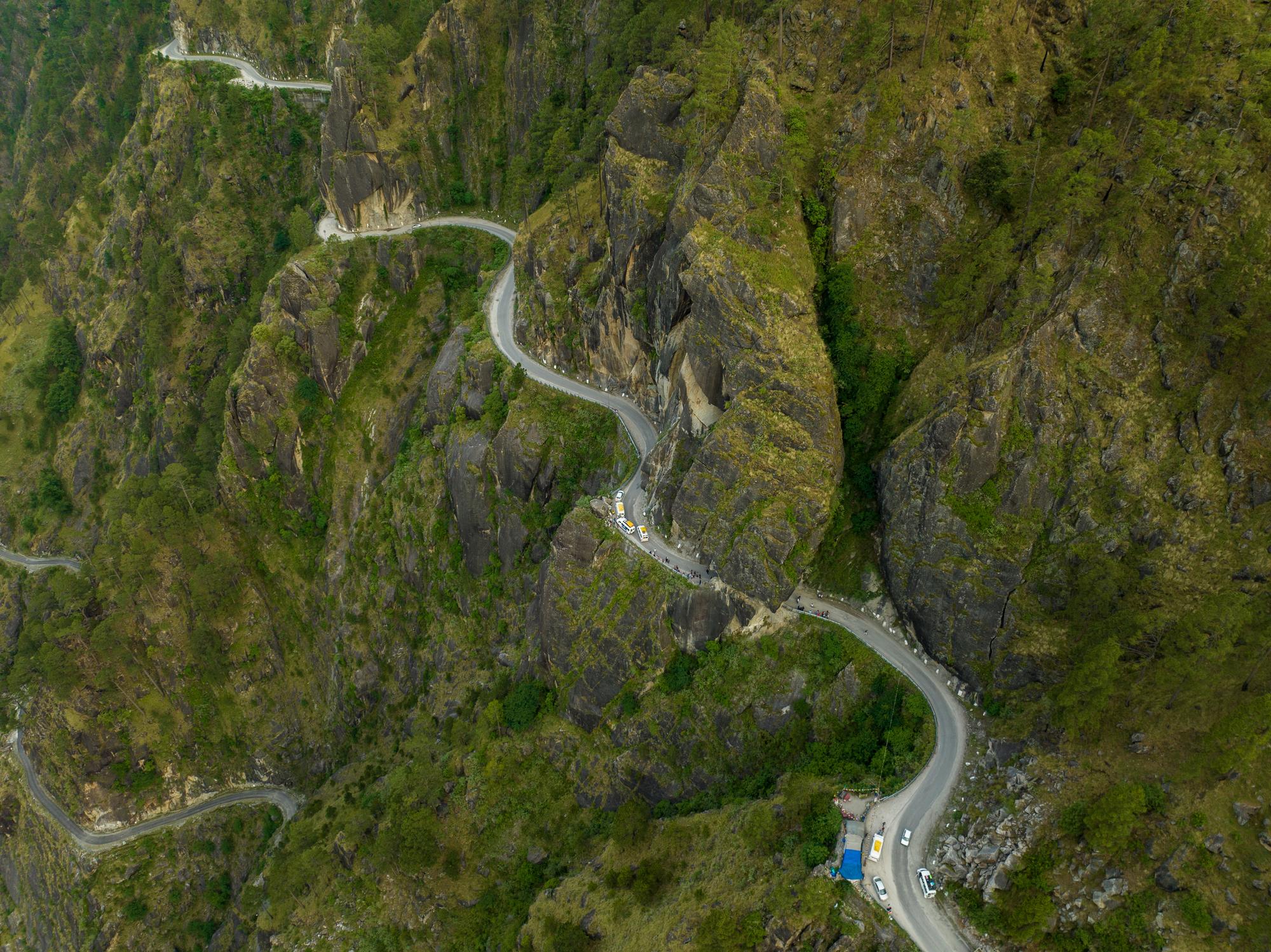
If Spiti feels defined by isolation, the Char Dham Yatra is shaped by devotion. The journey begins as you leave Delhi and gradually enter the Garhwal Himalayas, where the landscape becomes greener and the mountains feel inhabited rather than remote. Rivers begin to accompany you — the Bhagirathi, Alaknanda, and Mandakini — and you find yourself driving alongside waters that millions consider sacred.
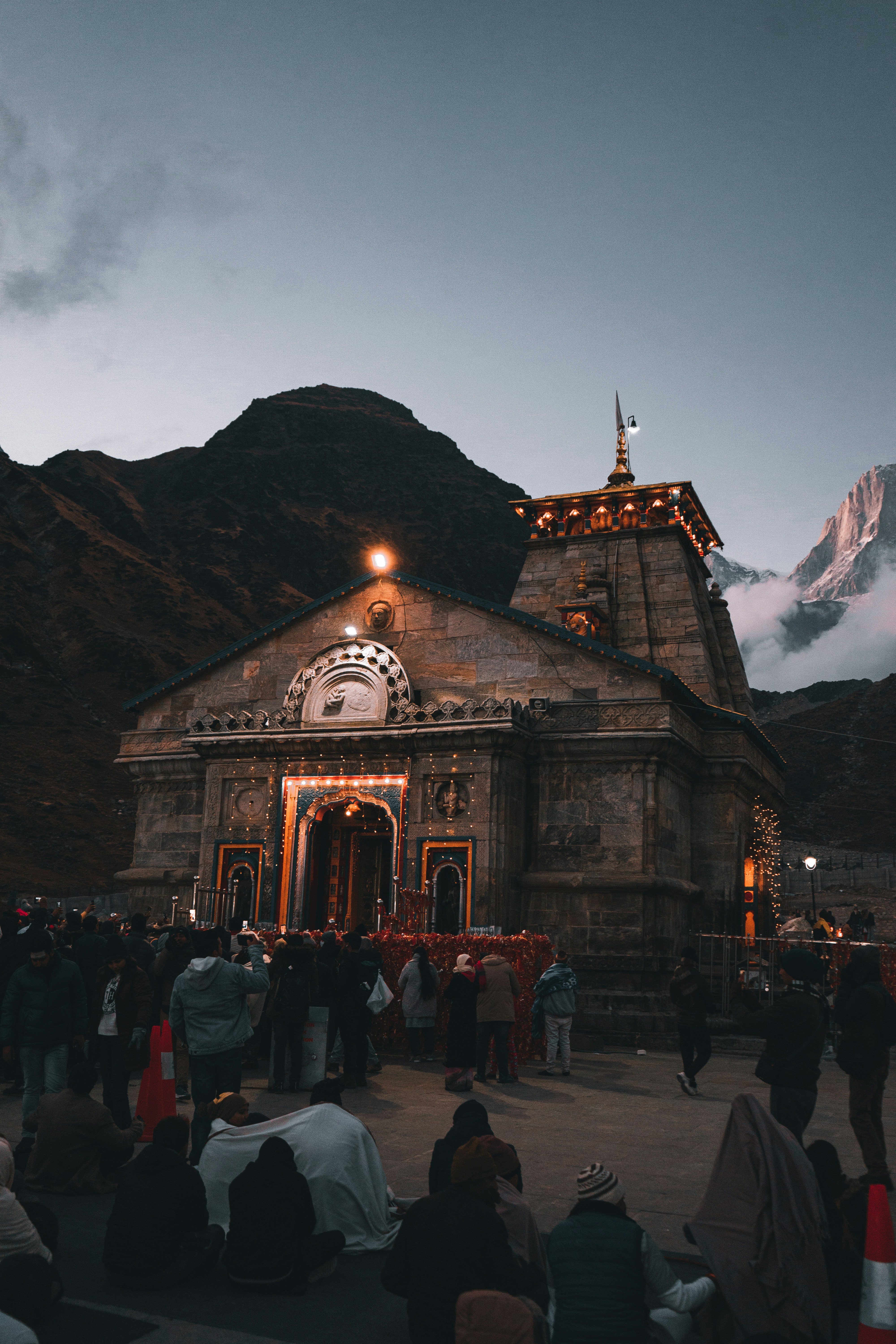
Image credits: Ritesh Raj / unsplash.com
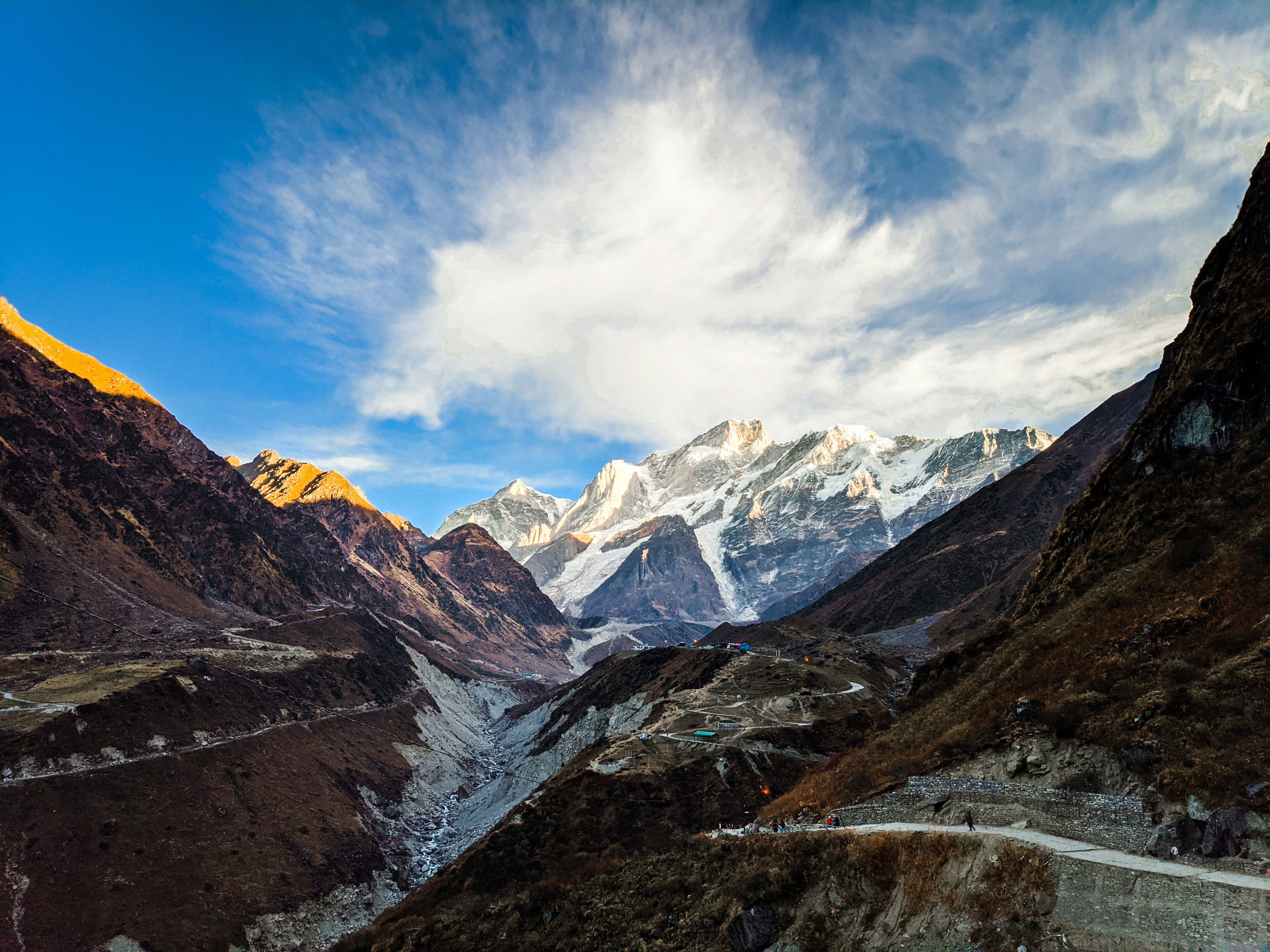
Image credits: Gagan deep / unsplash.com
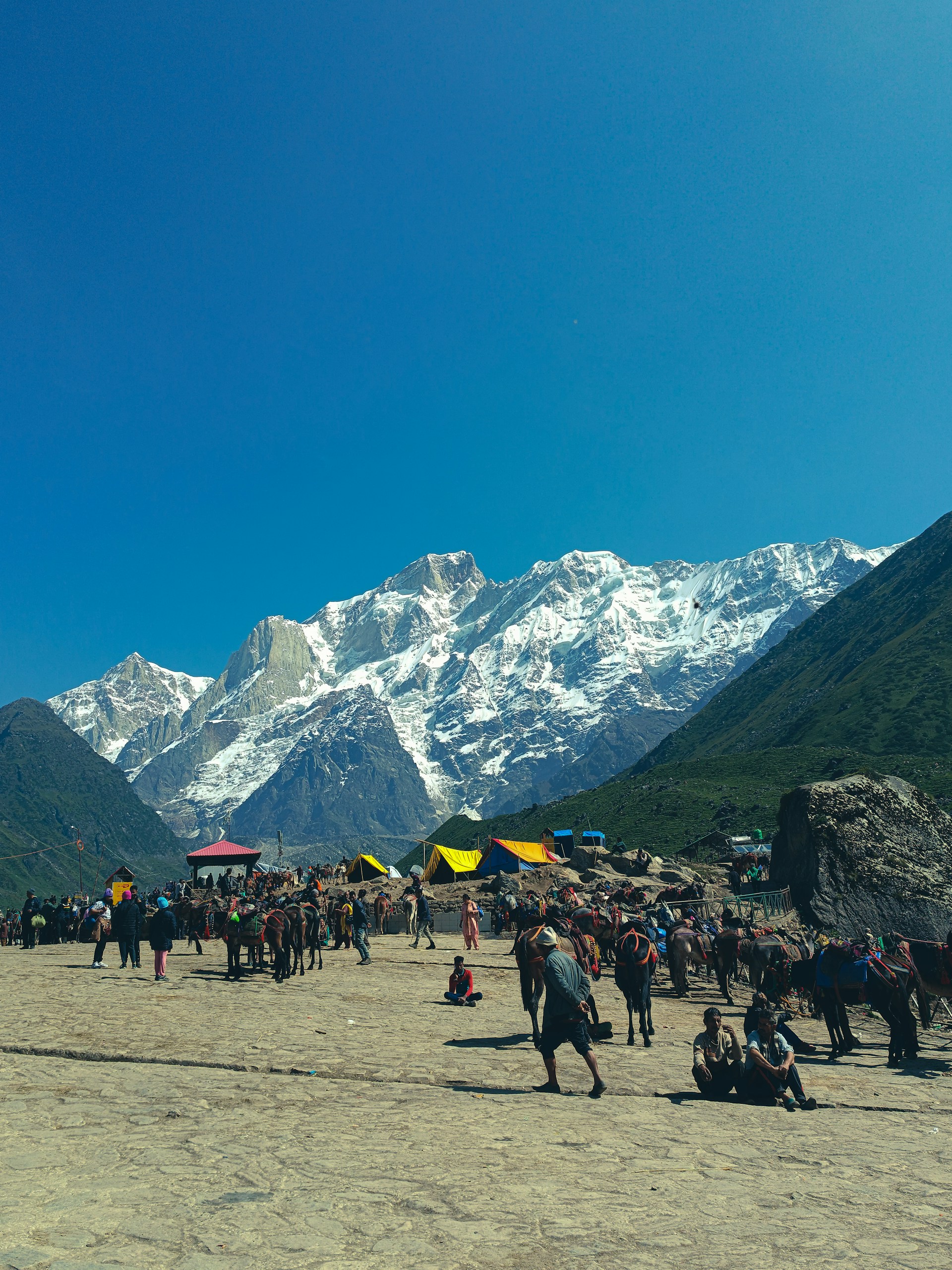
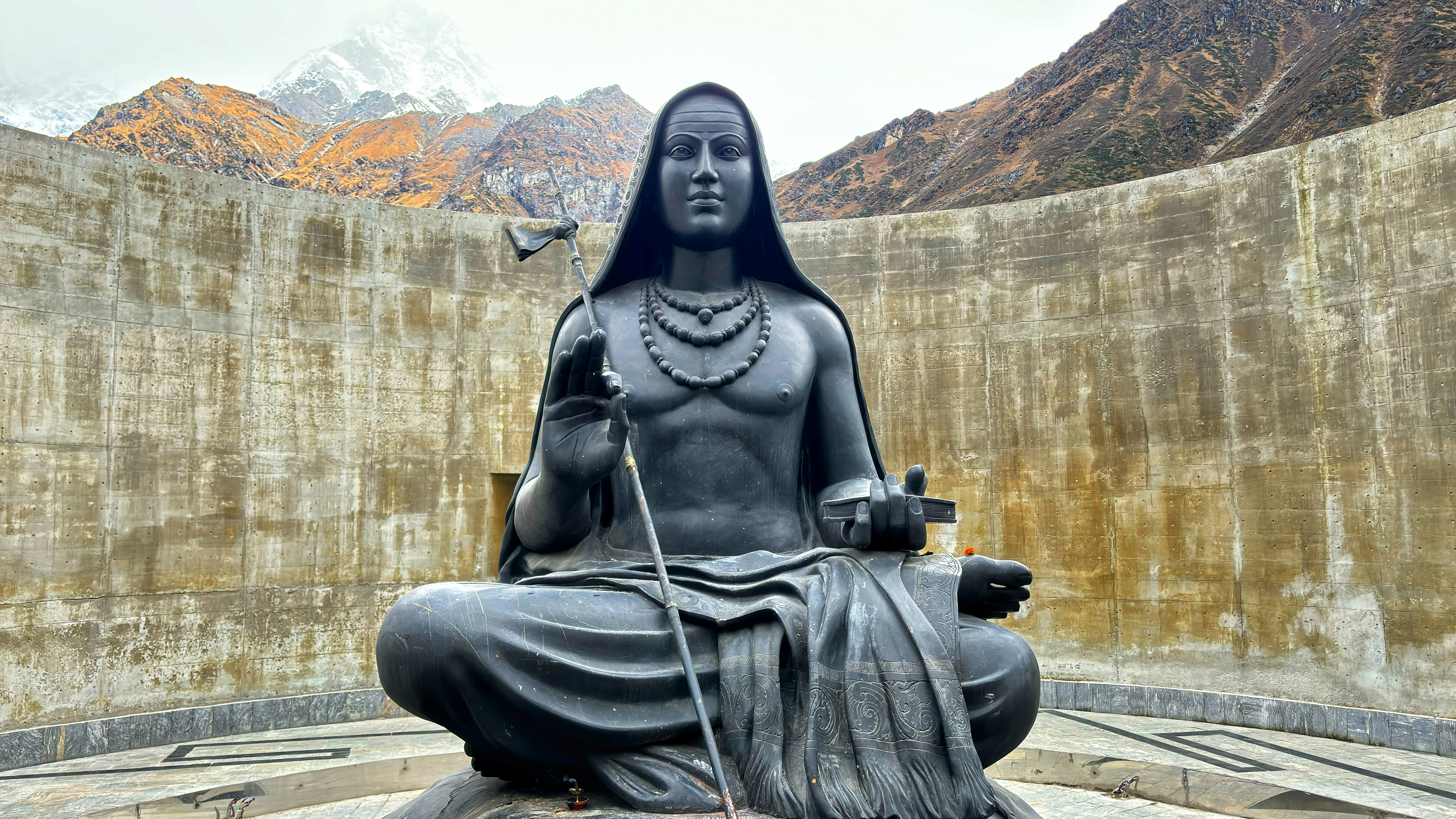
As the road unfolds, each stop carries a different emotional weight. At Yamunotri, the uphill trek introduces you to the physical rhythm of pilgrimage. In Gangotri, you stand at the origin of the Ganga’s earthly journey, where mythology and geography intersect. Kedarnath demands the greatest effort — whether you walk, ride, or take a helicopter — leading you to one of India’s most revered Shiva temples, framed by towering snow peaks. By the time you reach Badrinath, the energy shifts toward ritual and reflection, bringing a sense of completion to the circuit.
Compared with Spiti’s stark wilderness, this route feels layered with stories, belief, and centuries of devotion. It is best suited for spiritual seekers, families, slow travelers, and those interested in India’s cultural and religious depth.
Image credits: Priyansh Patidar / unsplash.com
Char Dham is about shared jeep rides with strangers who slowly become companions, early morning aartis echoing through temple towns, and cold river water brushing against your hands as you pause along the ghats. It’s about long drives through winding valleys, conversations about faith and destiny, and the steady physical effort of trekking toward high-altitude shrines. The journey brings moments of exhaustion, but they’re often followed by a surprising sense of emotional stillness.
Where Spiti feels isolated, this route carries collective energy. The Himalayas here feel inhabited, not just by villages and pilgrims, but by stories, mythology, and centuries of belief. The experience is less about silence and more about participation.
Both circuits take roughly the same amount of time, begin and end in Delhi, and deliver dramatic landscape changes along the way. But despite sharing the same mountain range, the experiences feel entirely different.
Spiti unfolds through cold desert landscapes, sparse settlements, ancient monasteries, and the constant thrill of a remote road trip. Char Dham, on the other hand, moves through lush river valleys, busy pilgrim towns, sacred temples, and stories rooted deeply in Hindu mythology. Even the visual journey evolves differently. Spiti shifts from green hills to brown and gray desert mountains, often ending in white peaks and turquoise lakes. Char Dham gradually transitions from the plains to forested hills, then to river valleys, snow-capped peaks, and temple towns.
The emotional impact also differs. Spiti made me feel small before the vastness of nature, while Char Dham made me feel part of something much larger than myself.
Planning enough time is essential for either journey. If you have only seven to eight days, Spiti is technically possible through a fast Shimla–Manali circuit, but it will feel rushed. Char Dham becomes even tighter unless you skip one of the shrines. With ten to fourteen days, both routes begin to unfold properly. Spiti becomes immersive, while Char Dham feels complete and meaningful.
Image credits: Rohan Nigam / unsplash.com
Short trips refresh you. Long Himalayan circuits reshape you.
When you spend 10 to 14 days crossing mountain passes, walking to shrines, sleeping in remote villages, and waking up at altitude, something shifts. You return to Delhi slightly altered.
Whether you choose the stark, cinematic wilderness of Spiti or the sacred river valleys of Char Dham, both are among the most fulfilling long road trips you can take from North India. And perhaps the real answer isn’t choosing one. Maybe it’s driving both, just not in the same year.

By entering your email and clicking Subscribe, you're agreeing to let us send you customized marketing messages about us and our advertising partners. You are also agreeing to our Privacy Policy.
Thank you! You've successfully subscribed to newsletters!

"When you spend 10 to 14 days crossing mountain passes, walking to shrines, sleeping in remote villages, and waking up at altitude, something shifts. You return to Delhi slightly altered." Day tripper 🙂 Try doing it without any modern conveniences, or even phones, and you would really be changed. In the 80s it was an amazing experience. Now it's just a guided tour with glamping!
"When you spend 10 to 14 days crossing mountain passes, walking to shrines, sleeping in remote villages, and waking up at altitude, something shifts. You return to Delhi slightly altered." Day tripper 🙂 Try doing it without any modern conveniences, or even phones, and you would really be changed. In the 80s it was an amazing experience. Now it's just a guided tour with glamping!







































 No fees, cancel anytime






33
1