Get Premium
Dark mode theme is available exclusively for premium users. Learn more about the benefits of subscribing.
No fees, cancel anytime.

 Dark Mode Ad-Free Browsing Unlimited Content
 Ad-Free Browsing Unlimited Content Dark Mode
Join 1.2 million Panda readers who get the best art, memes, and fun stories every week!
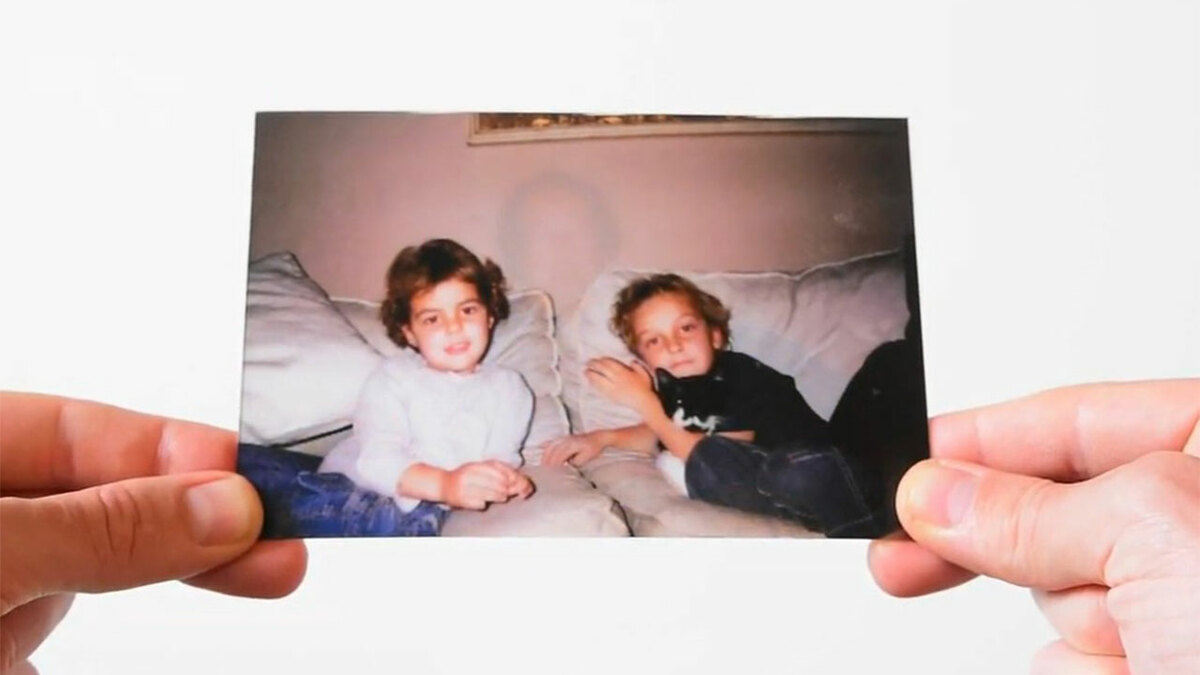
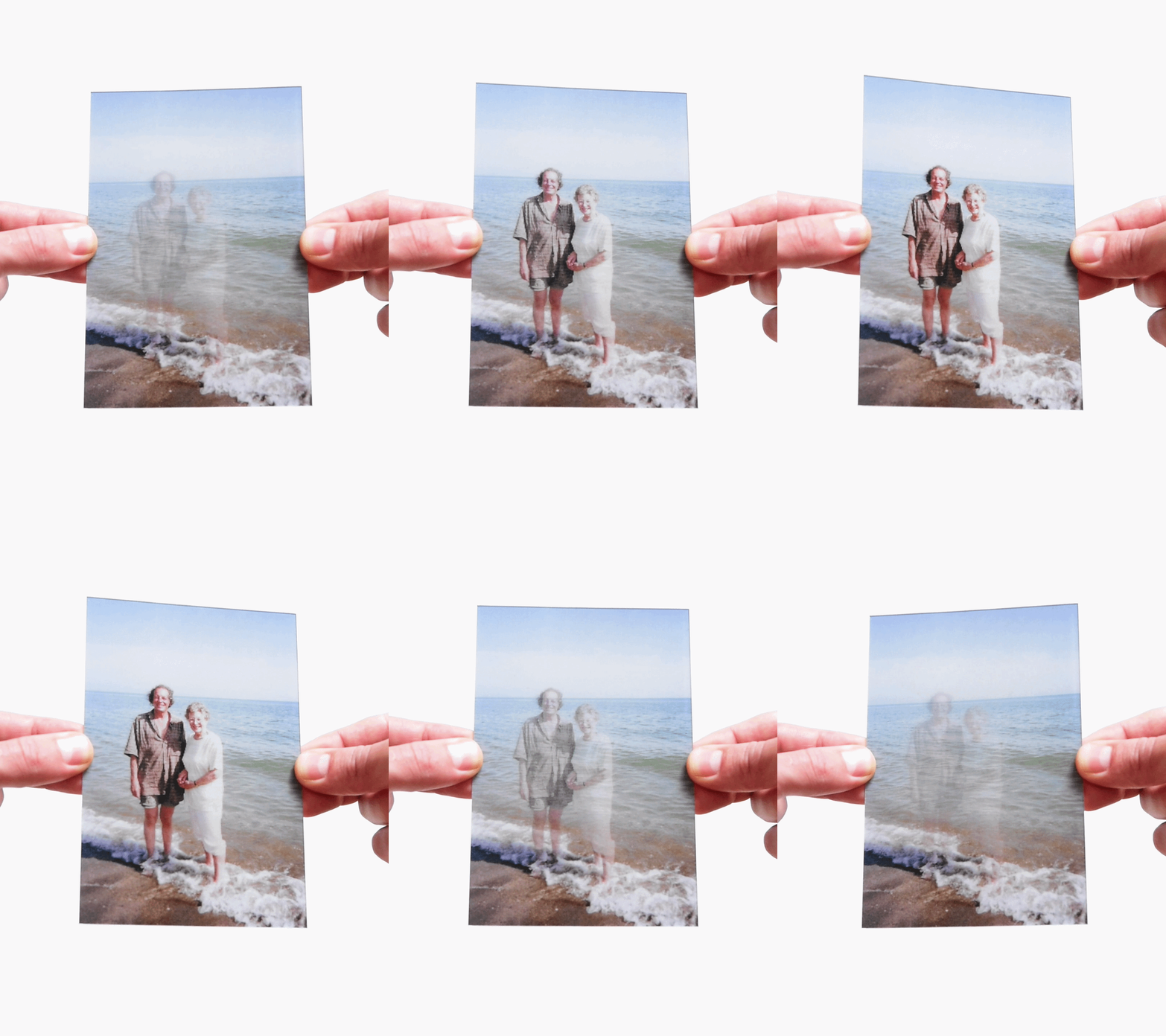
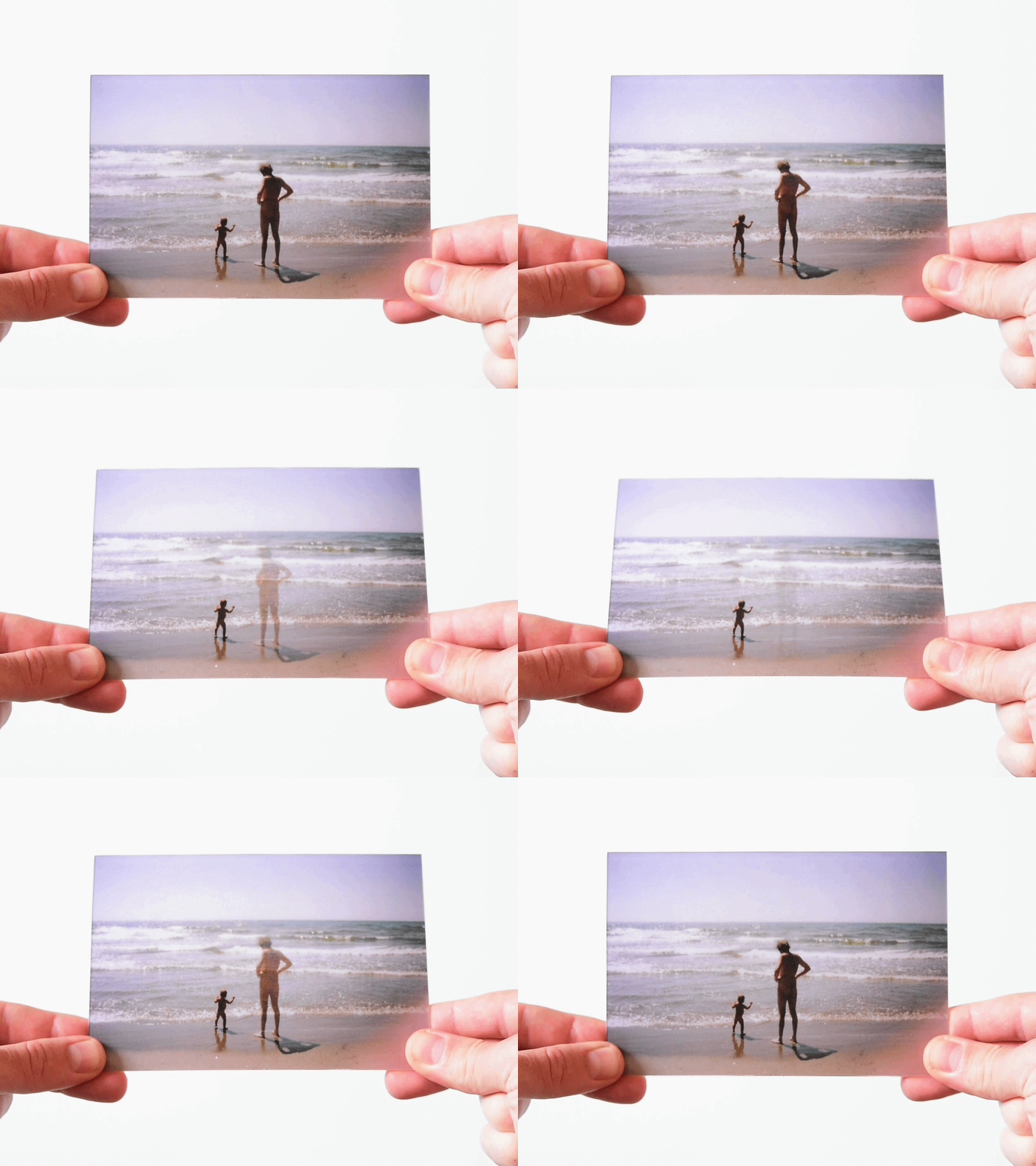
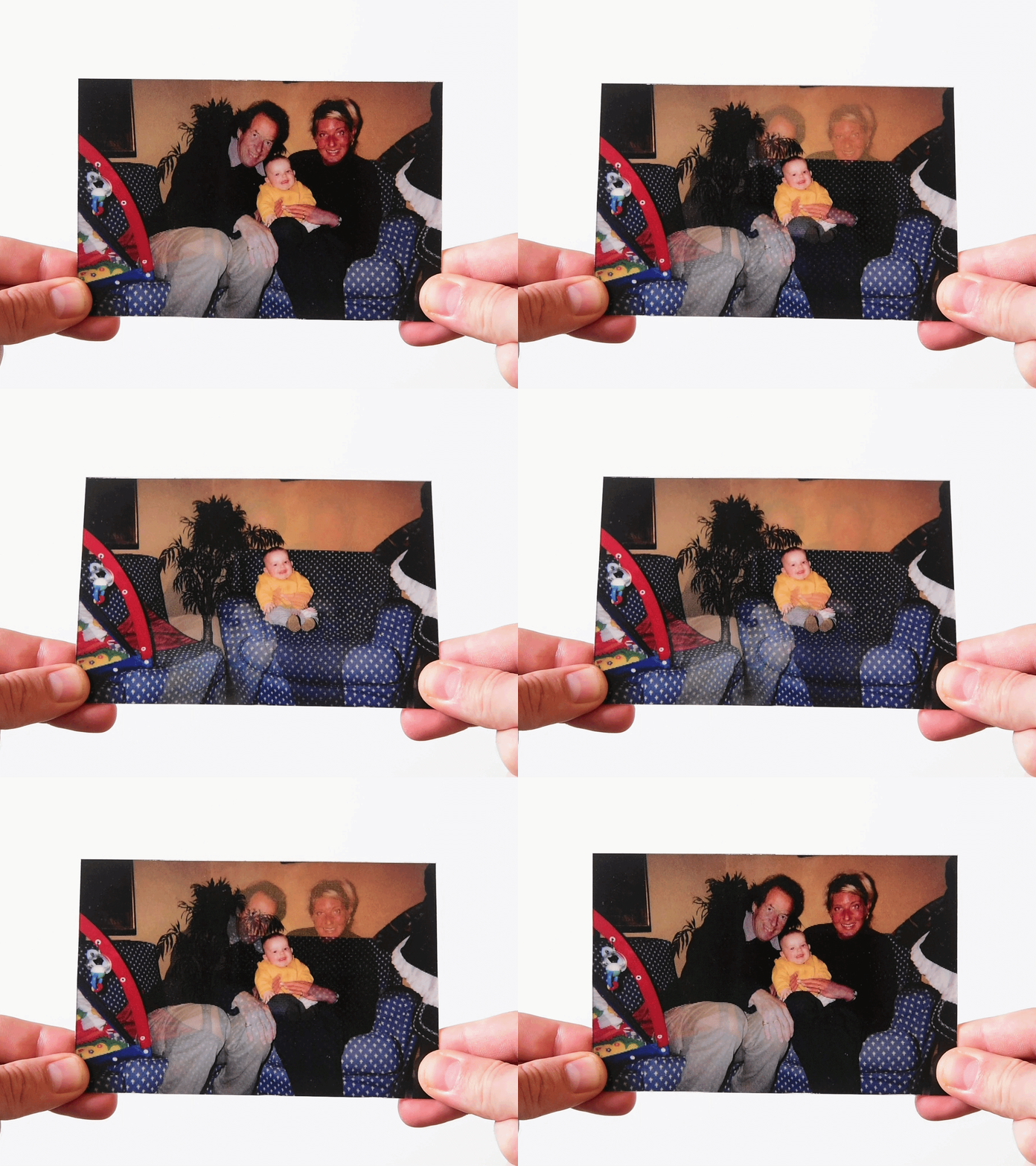
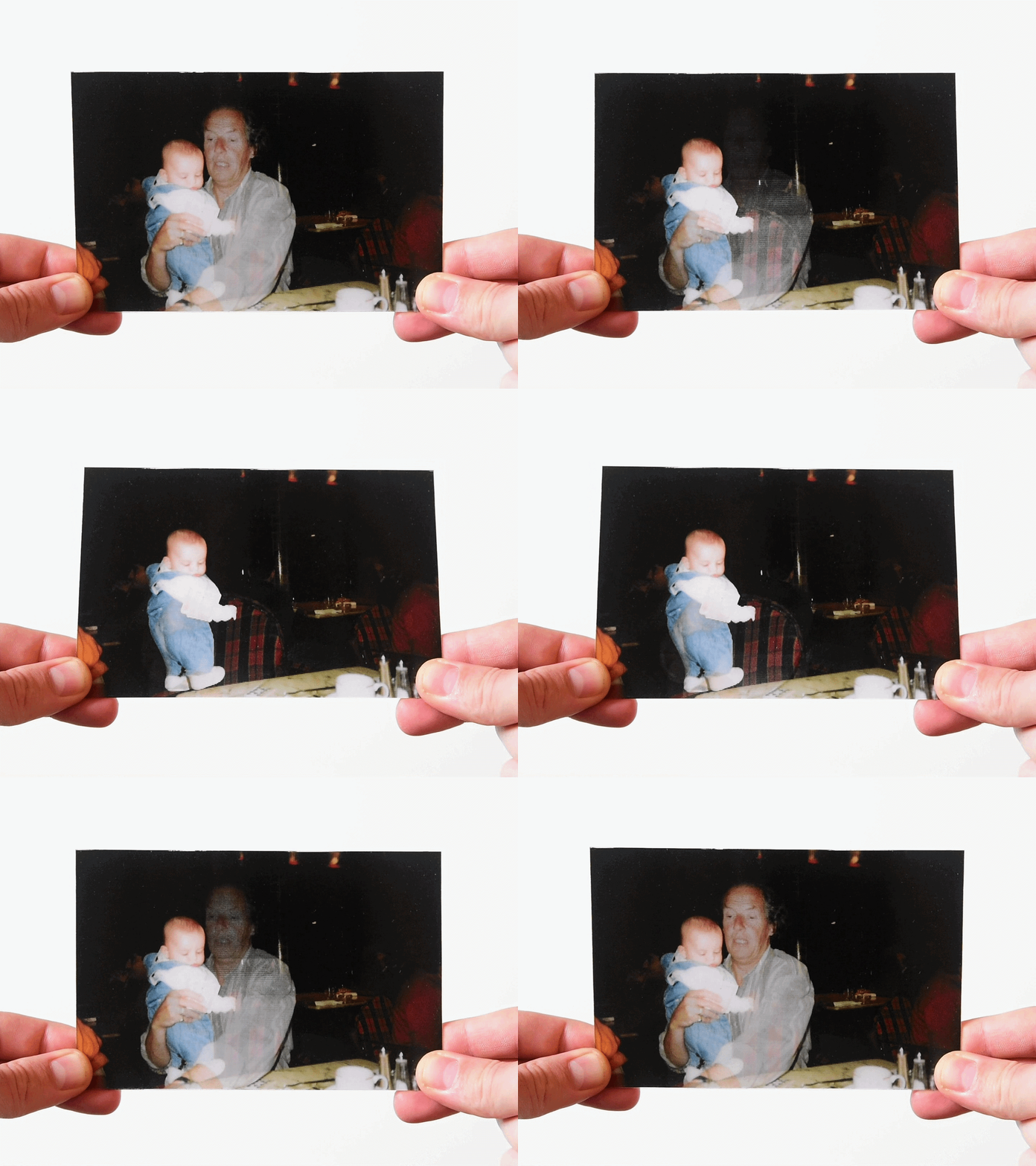
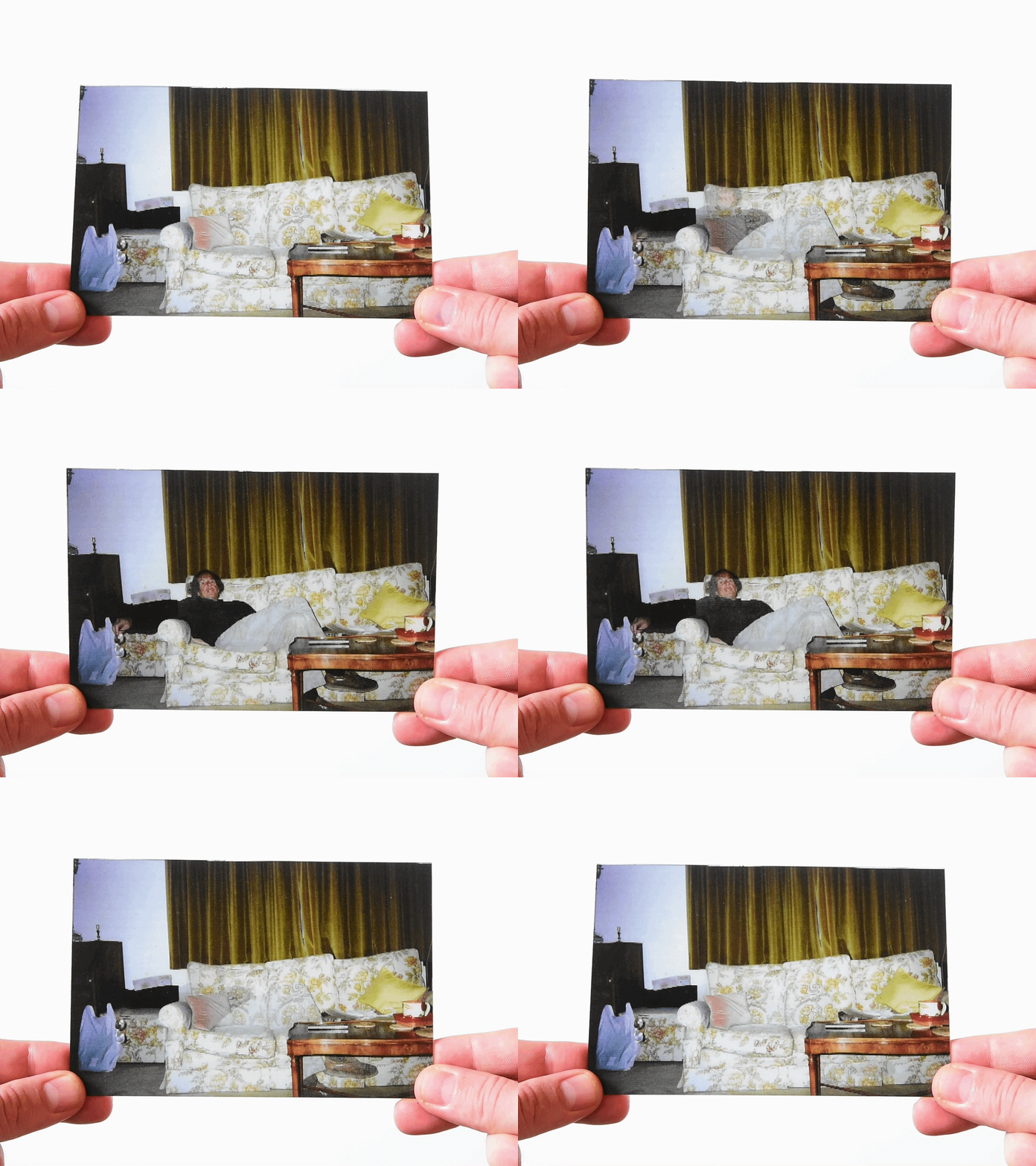
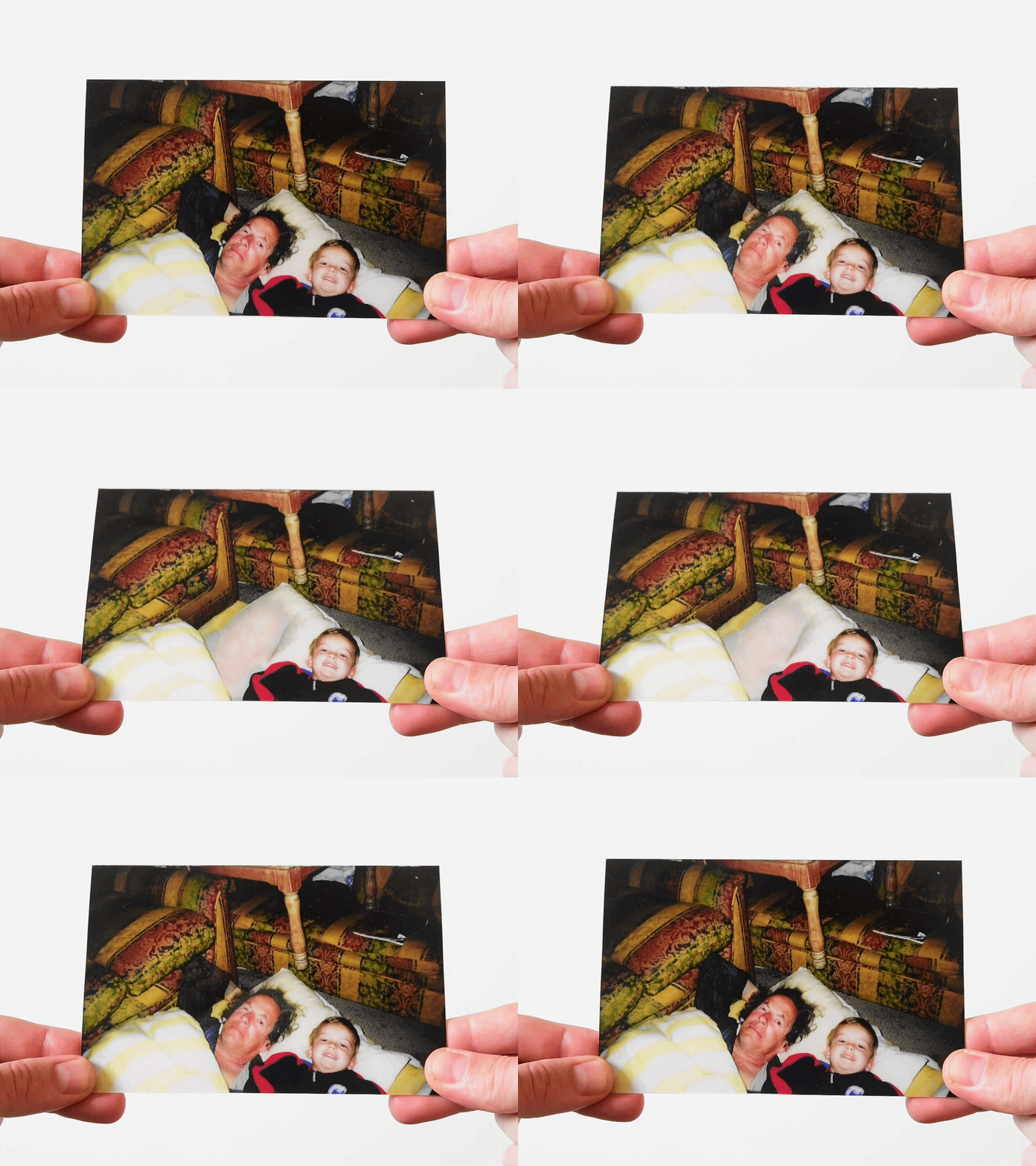
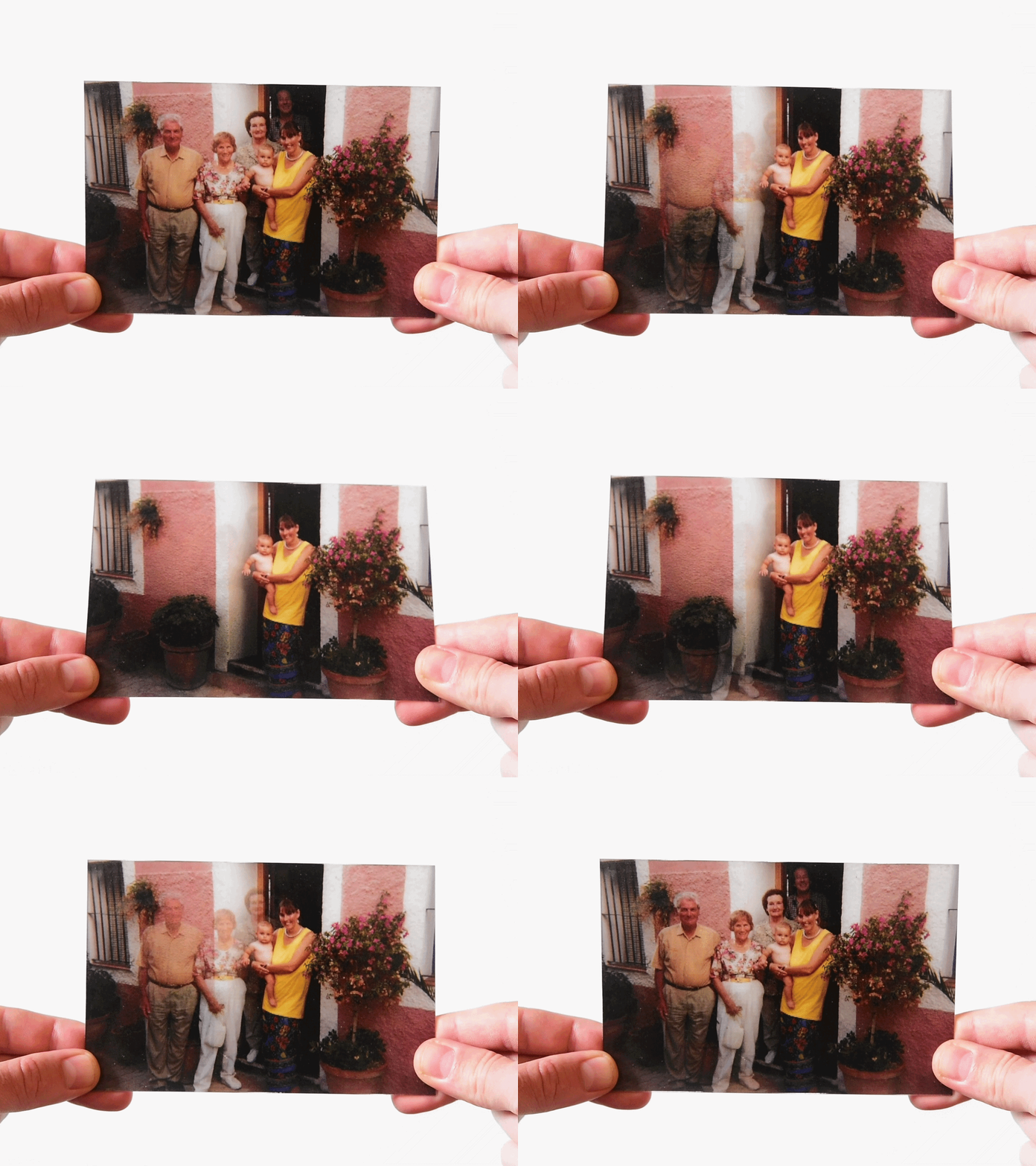
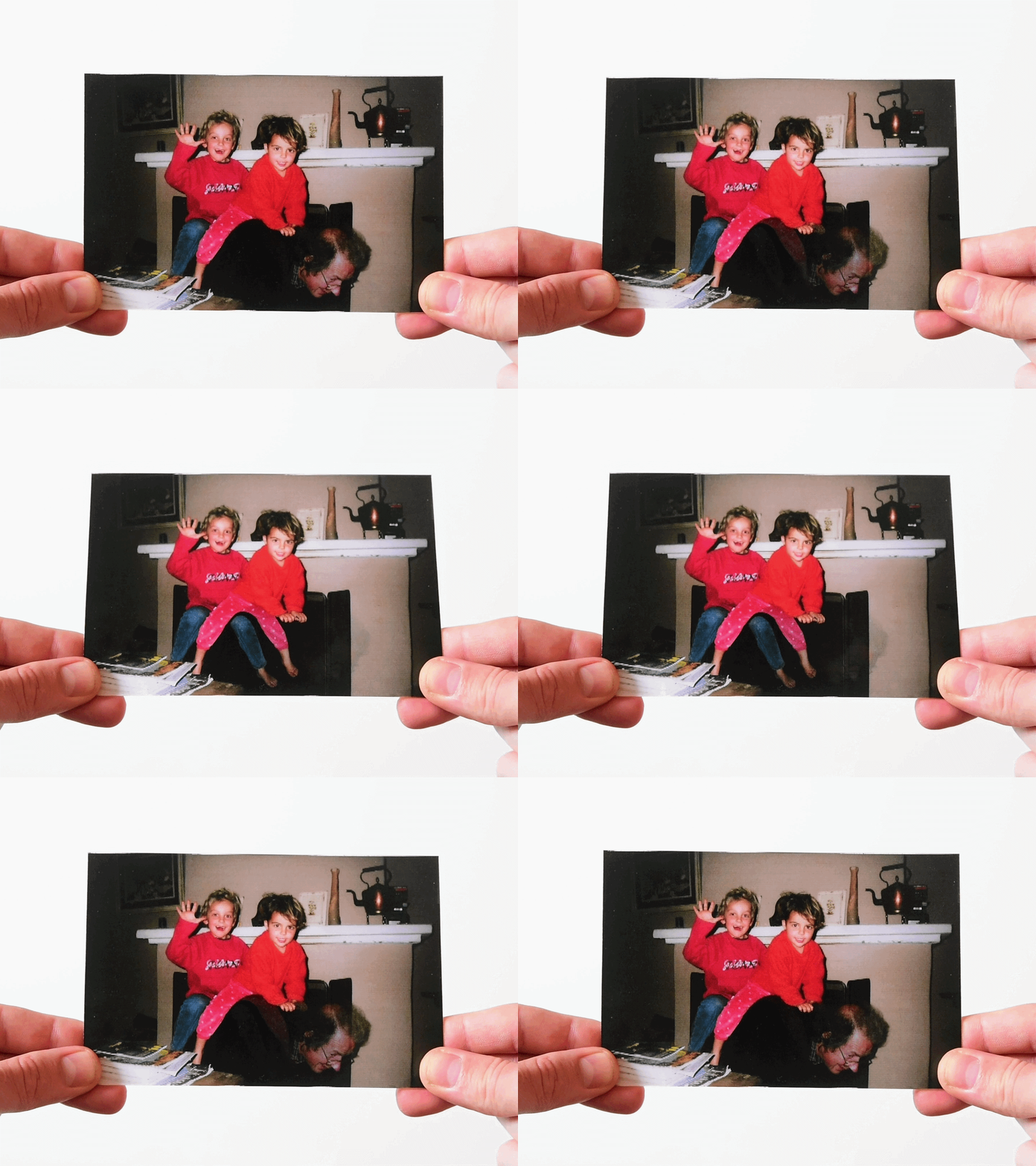
Transparent is the fifth and final chapter of a photographic series by William Josephs Radford, created following his father’s passing in 2024. Each chapter uses a different visual language to explore a different stage of grief.
The first chapter, White Knight, was created shortly after his father’s death. Radford used Vaseline on the lens to explore his memory fading and the uncertain space between the physical and the spiritual.
Gradient Loss marked his first real move into black-and-white photography. Using lens masking and ghosting in experimental self-portraits, he explored the contrast between being a happy-go-lucky waiter by day and quietly mourning underneath.
For Residual Noise, Radford pushed his camera’s ISO to its limits during trips back to Spain, allowing the resulting grain to represent memory itself, fading and losing definition. Mourning Routine, created alongside Transparent, restricted him to photographing the sky each morning from his apartment window, turning a single viewpoint into a quiet daily ritual.
Now, scroll down to see the images William Josephs Radford created for the newest and final chapter of this deeply personal photographic series.
More info: josephsradford.com | Instagram | Facebook
This post may include affiliate links.
Transparent began in January 2026, nearly two years after his father’s passing, when Radford found himself going through the family albums, specifically looking for photographs of him.
“What struck me almost immediately was how few there actually were,” Radford shared with Bored Panda. “Discovering that scarcity changed how I understood our family archive more than it changed my memory of him.”
He had always known that his mother had been the more present parent, but seeing that reflected in the family album felt different from simply knowing it. At the same time, Radford didn’t want acknowledging his father’s absence to diminish what a wonderful father he had been during the time they did share.
Working through the archive also made him question memory itself.
“Was he genuinely absent throughout my childhood, or has the absence of photographic evidence – combined with the stories my mother told me – gradually shaped my understanding of him?” Radford said. “Family narratives exist partly because we’ve heard the same story enough times to feel like we remember it ourselves. At some point, remembering something and remembering being told something become impossible to separate.”
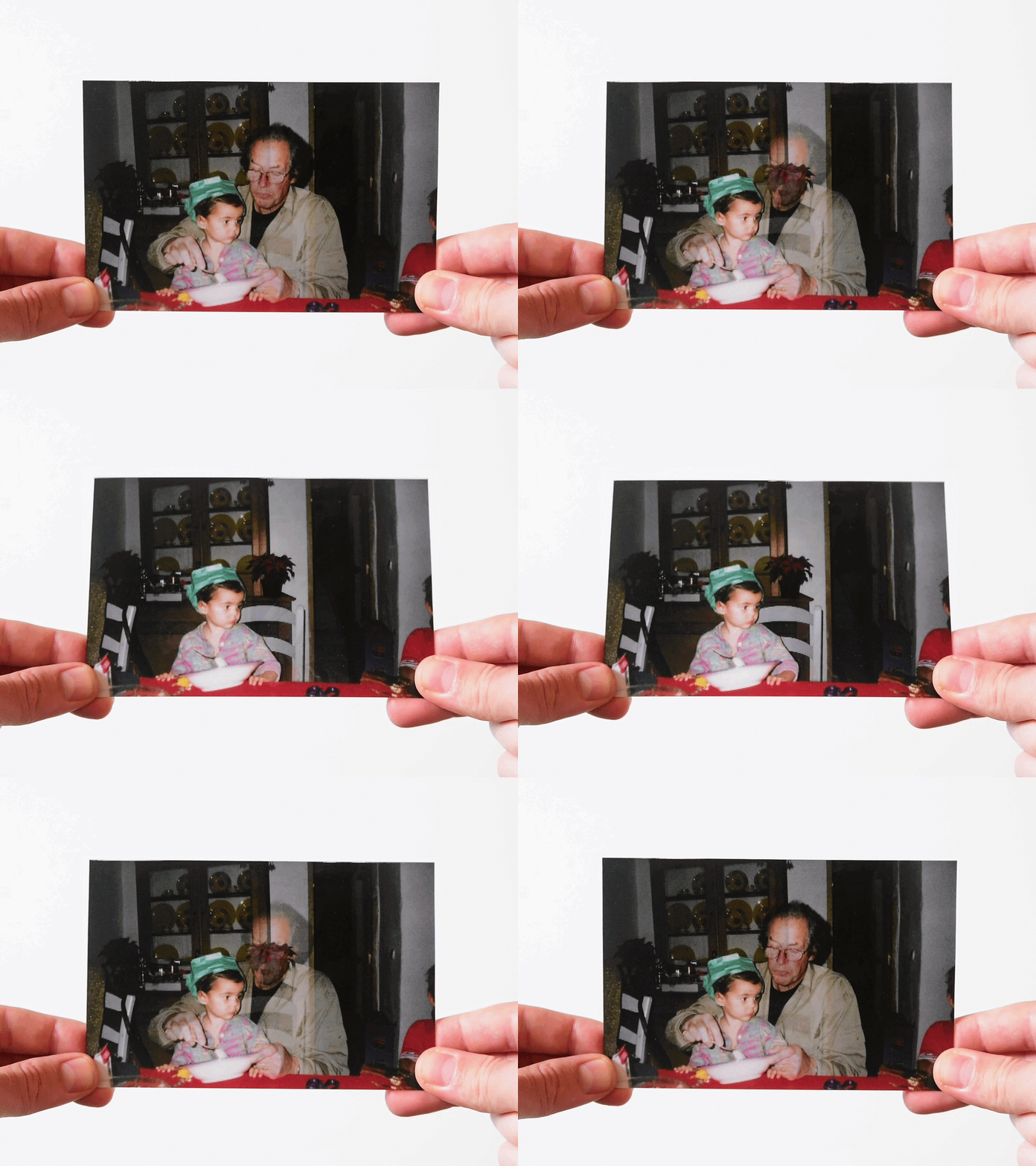
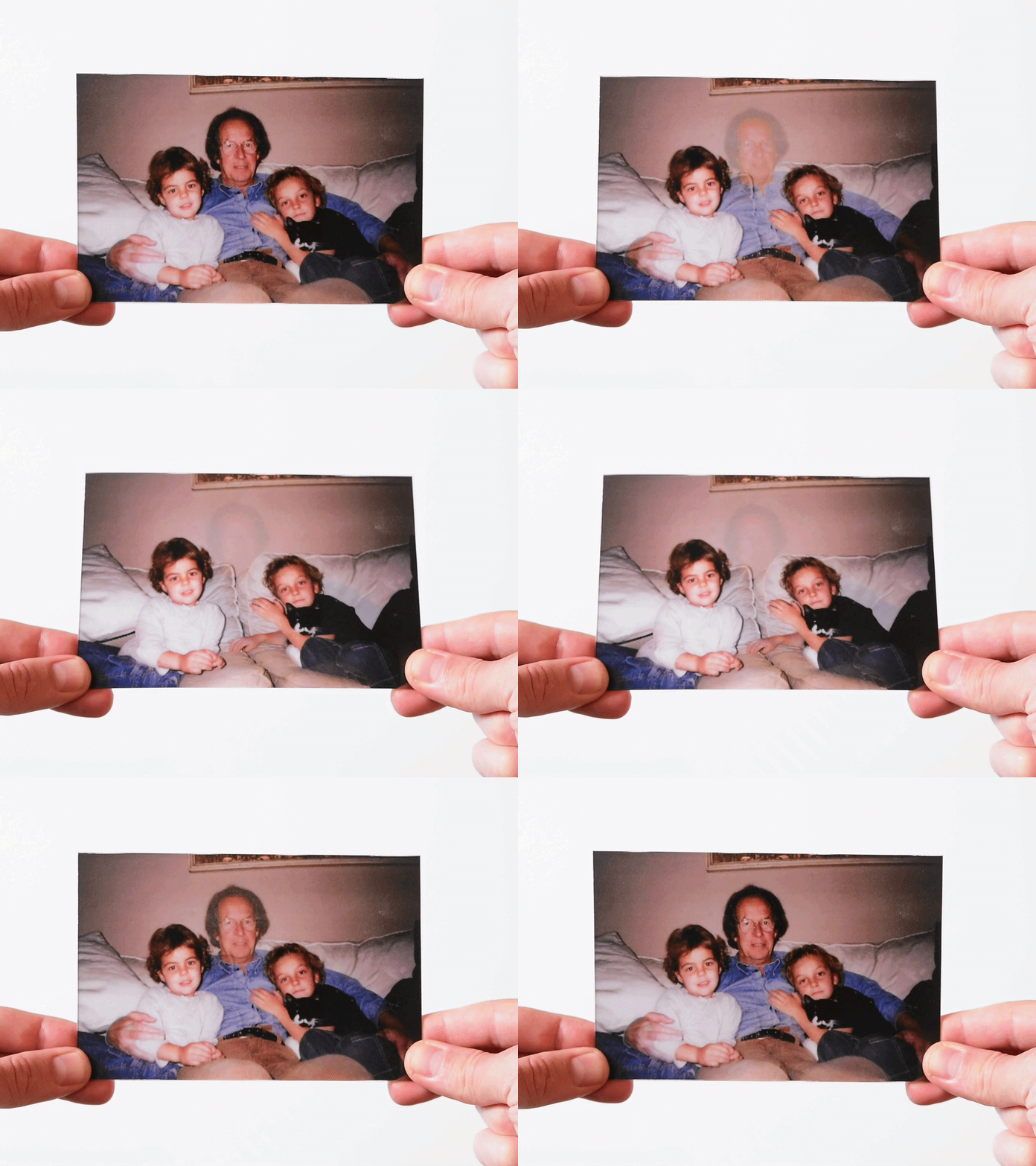
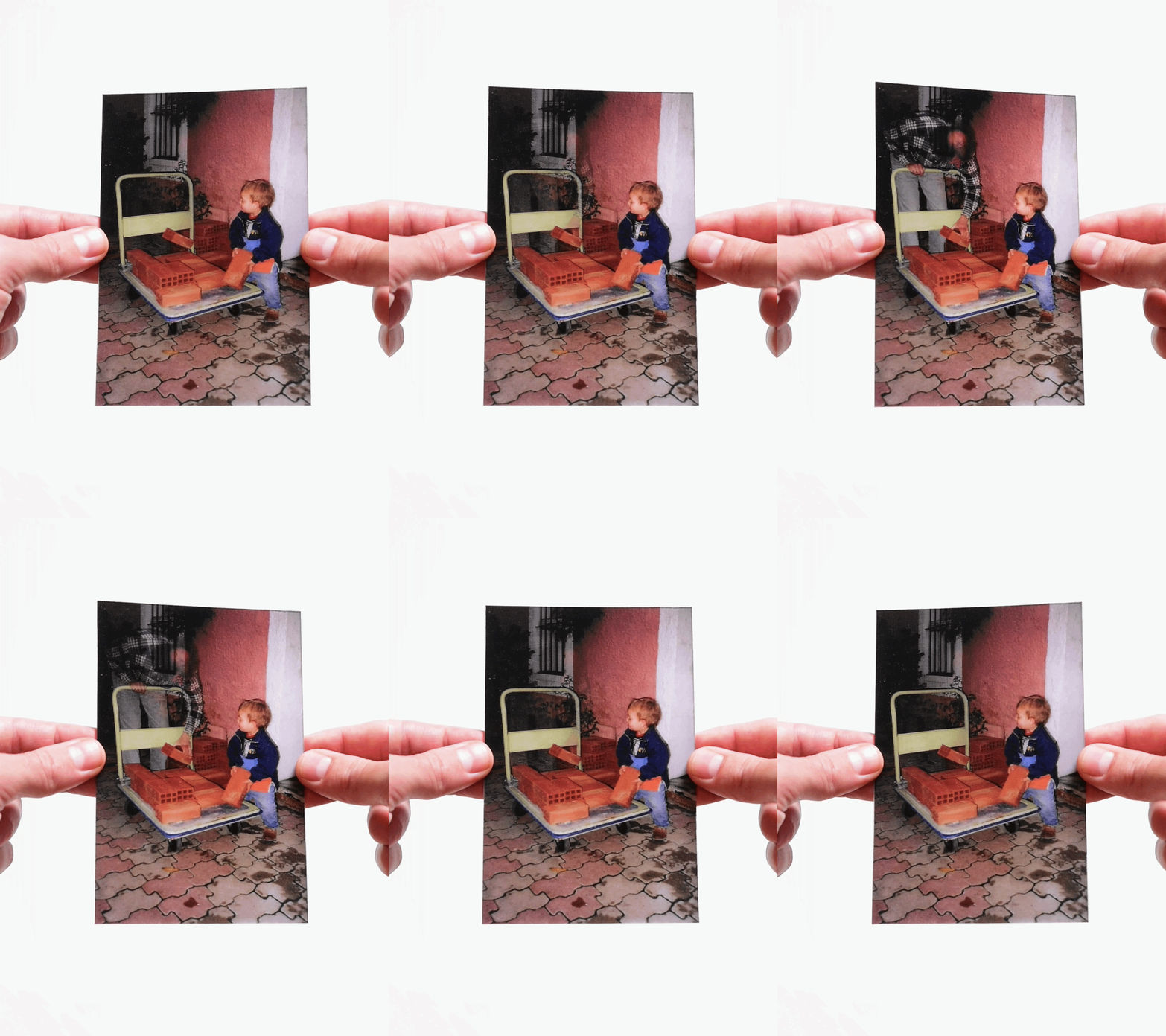
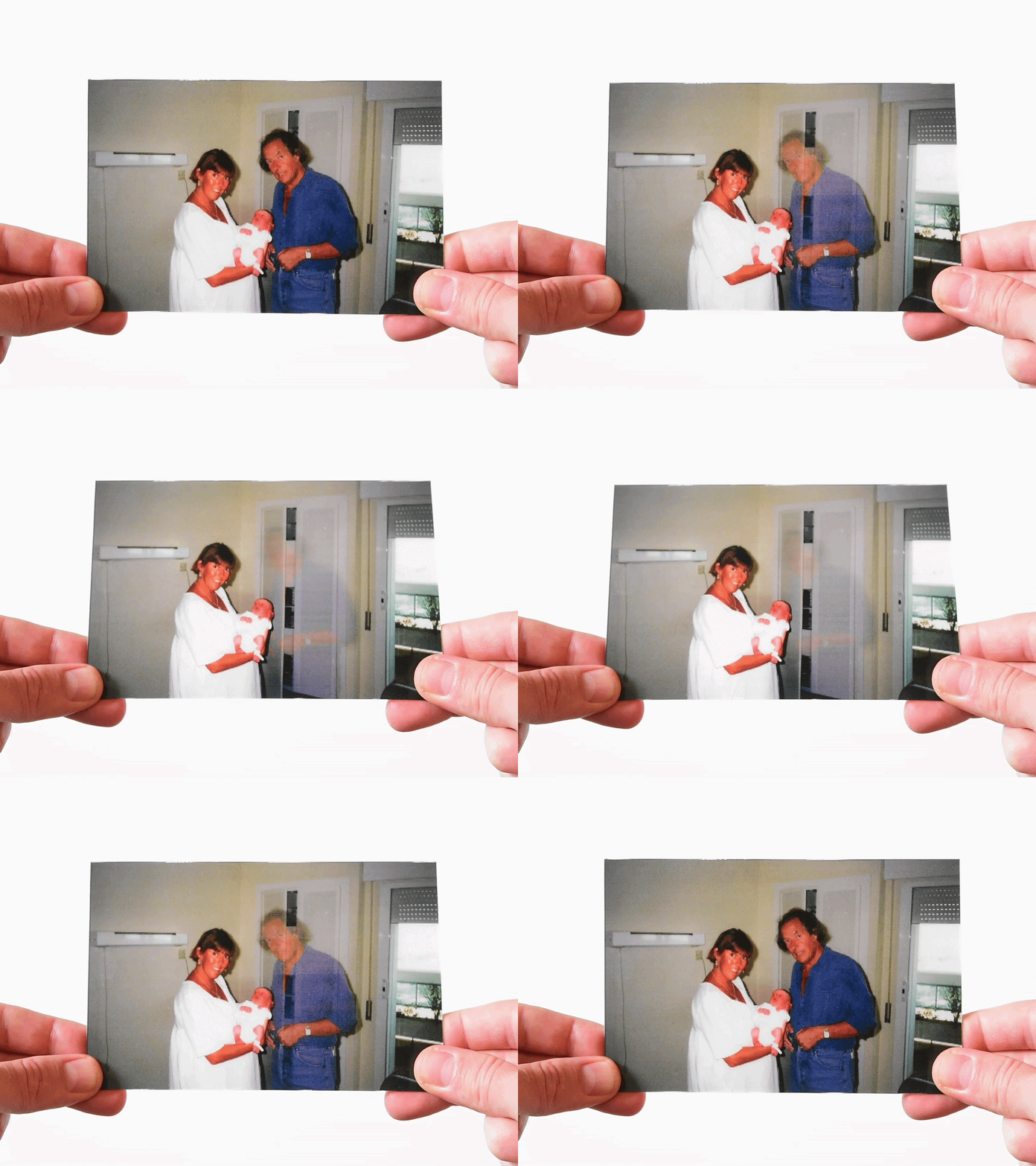
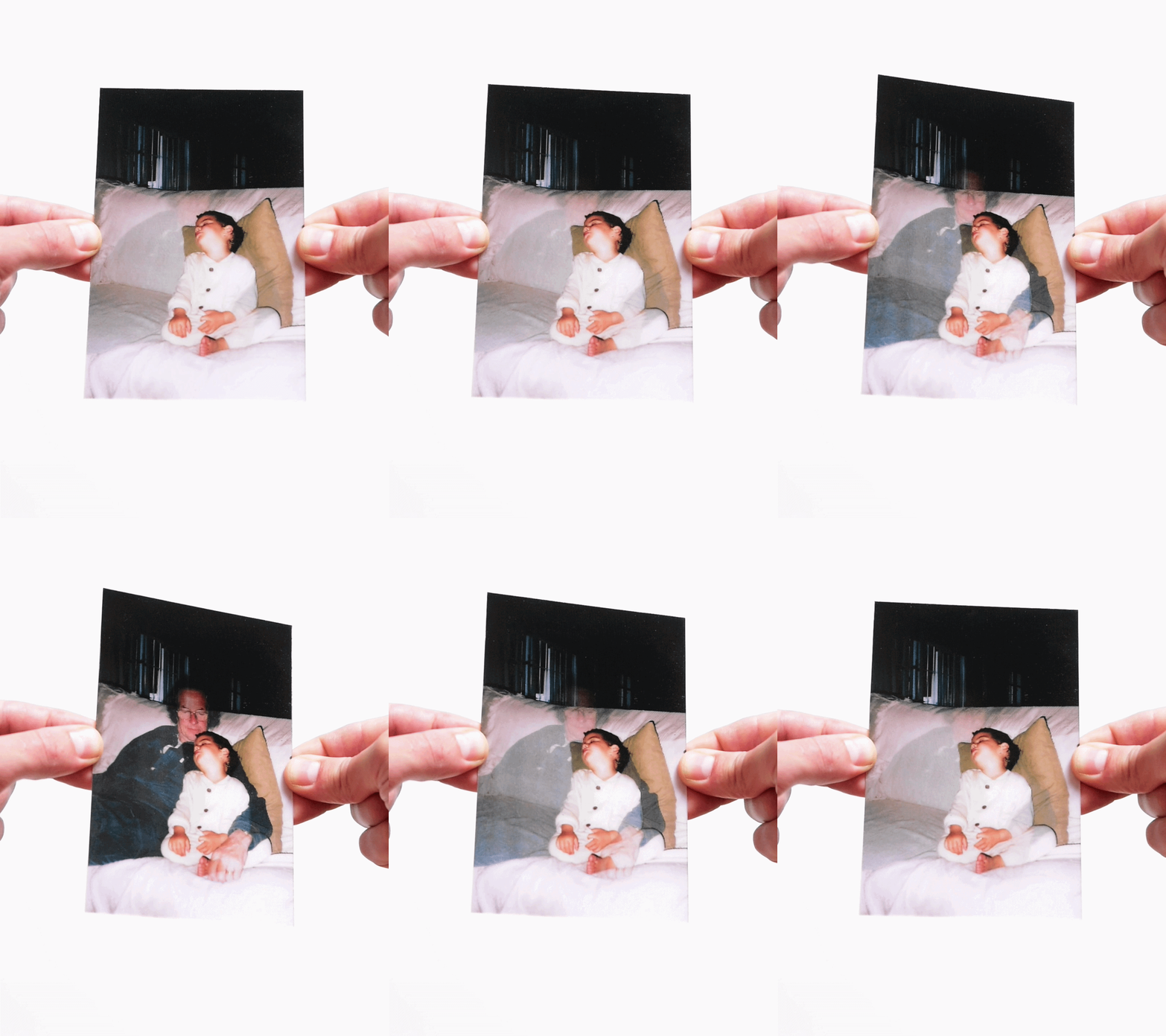
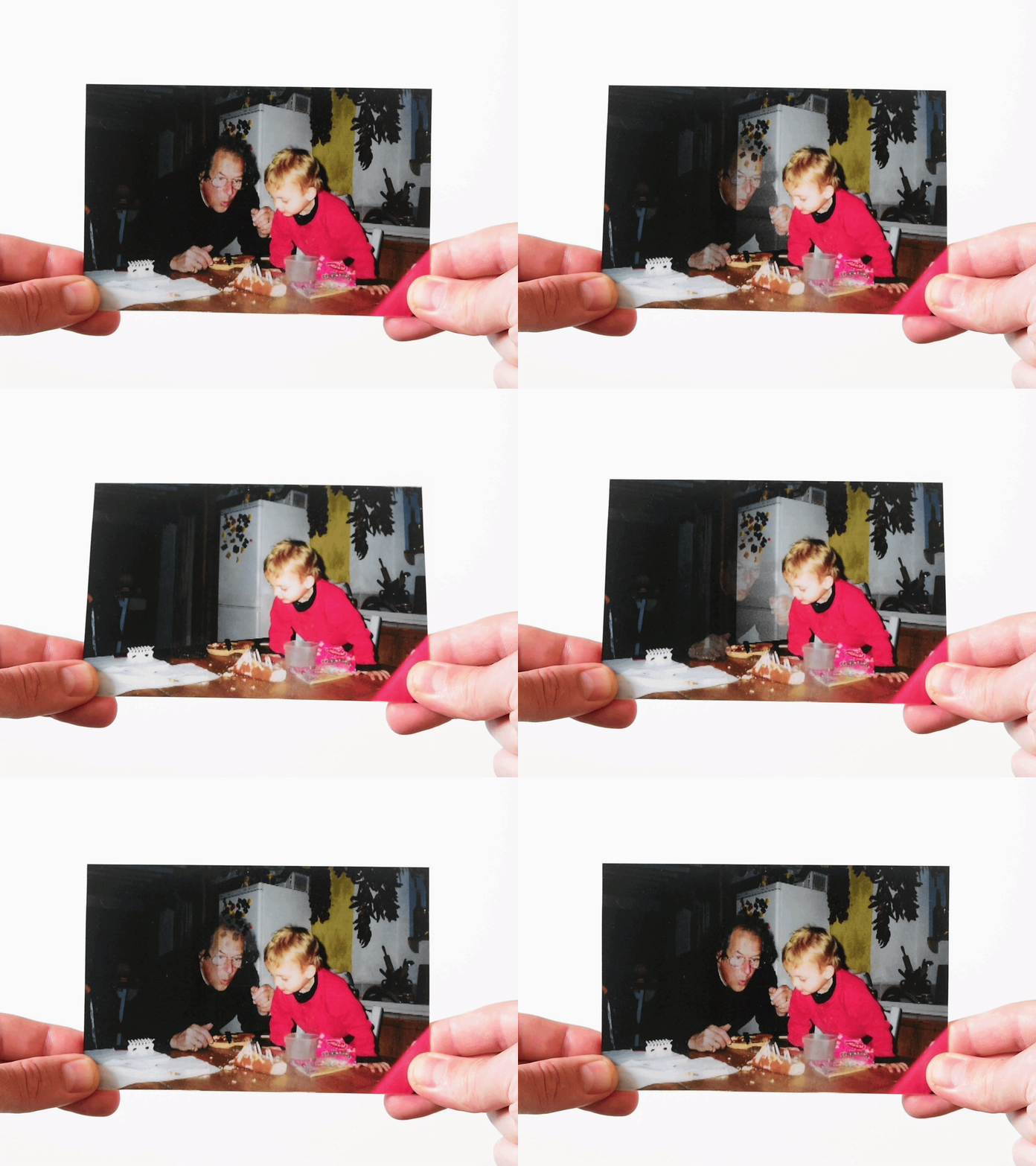
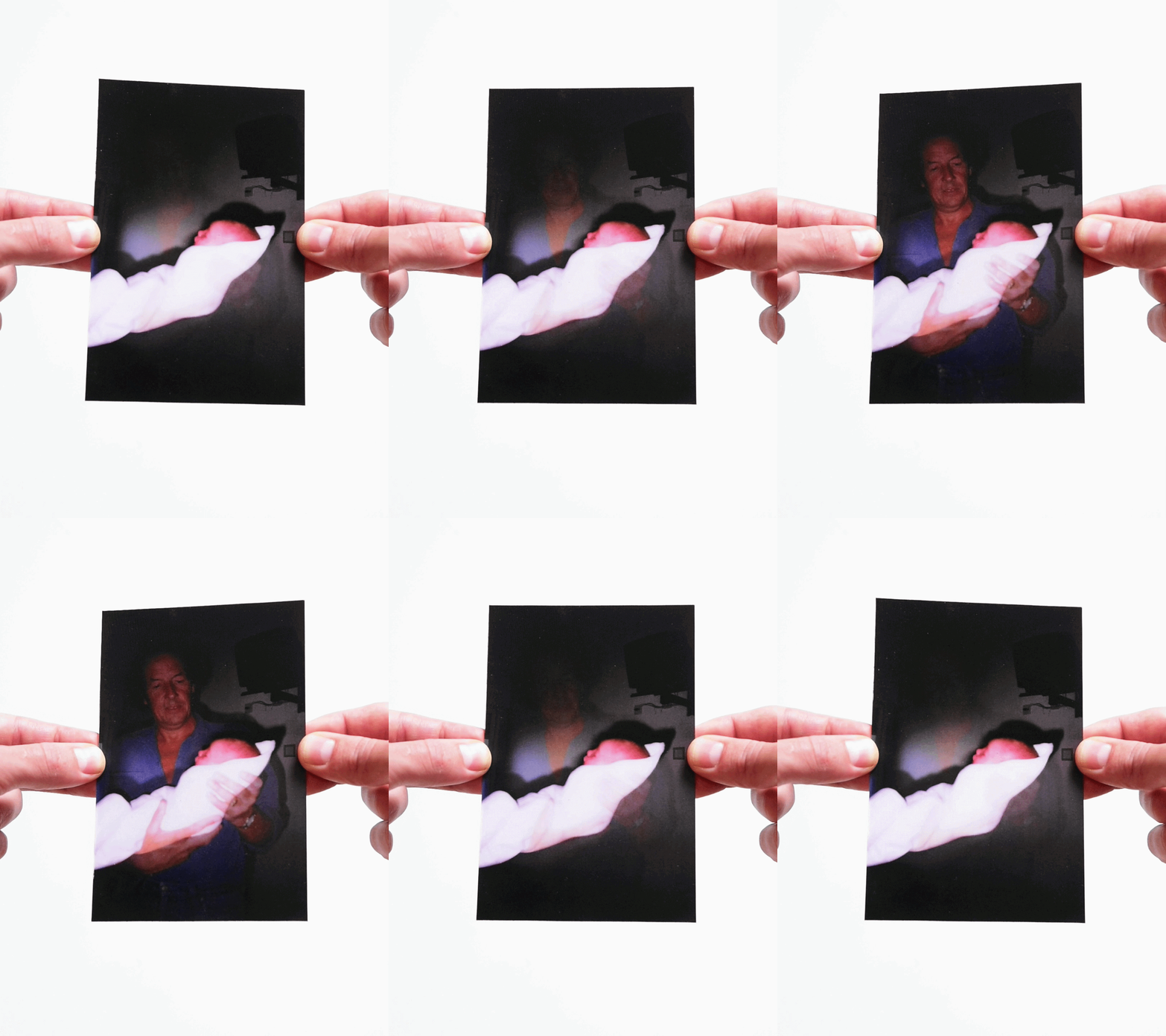
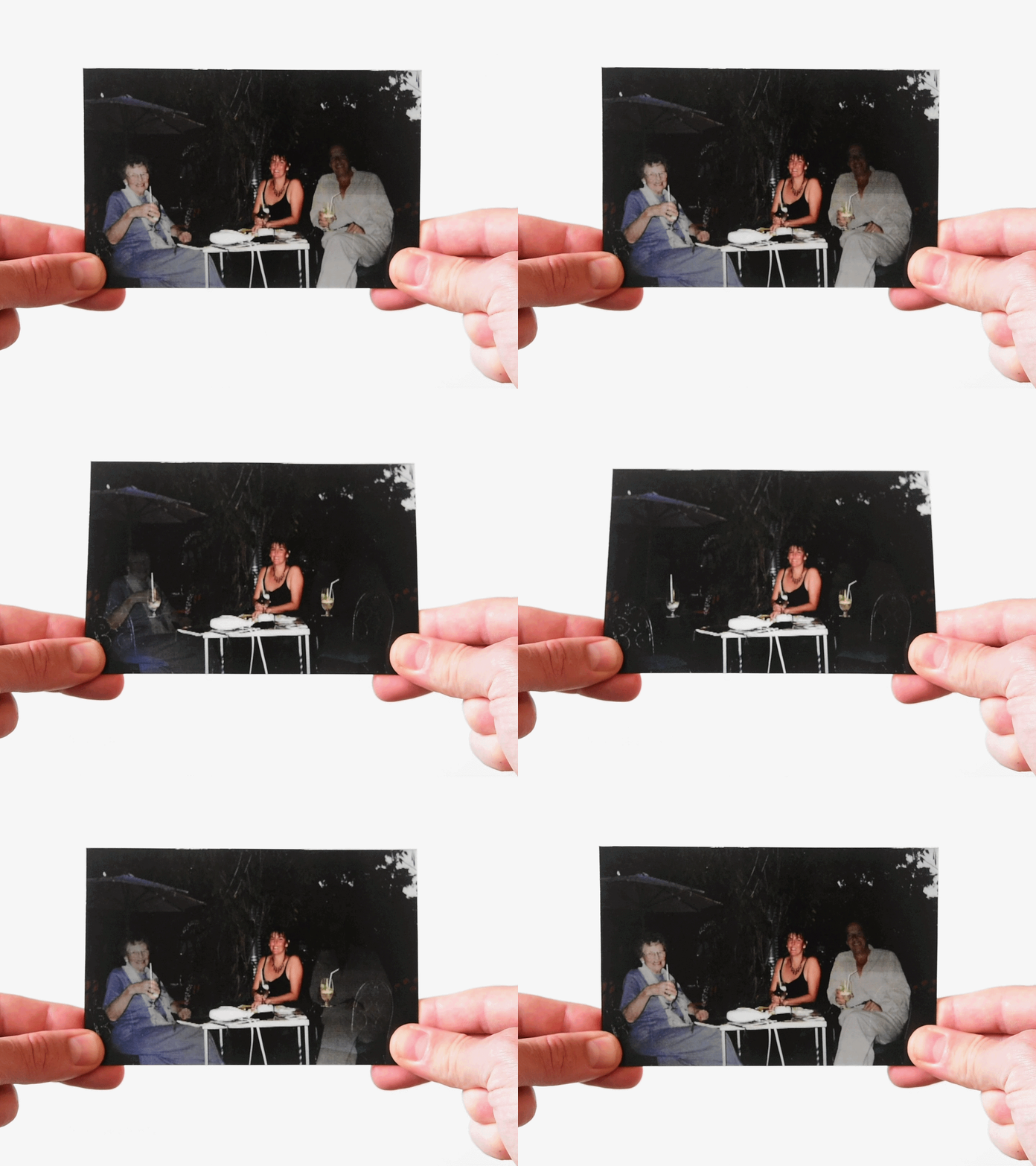
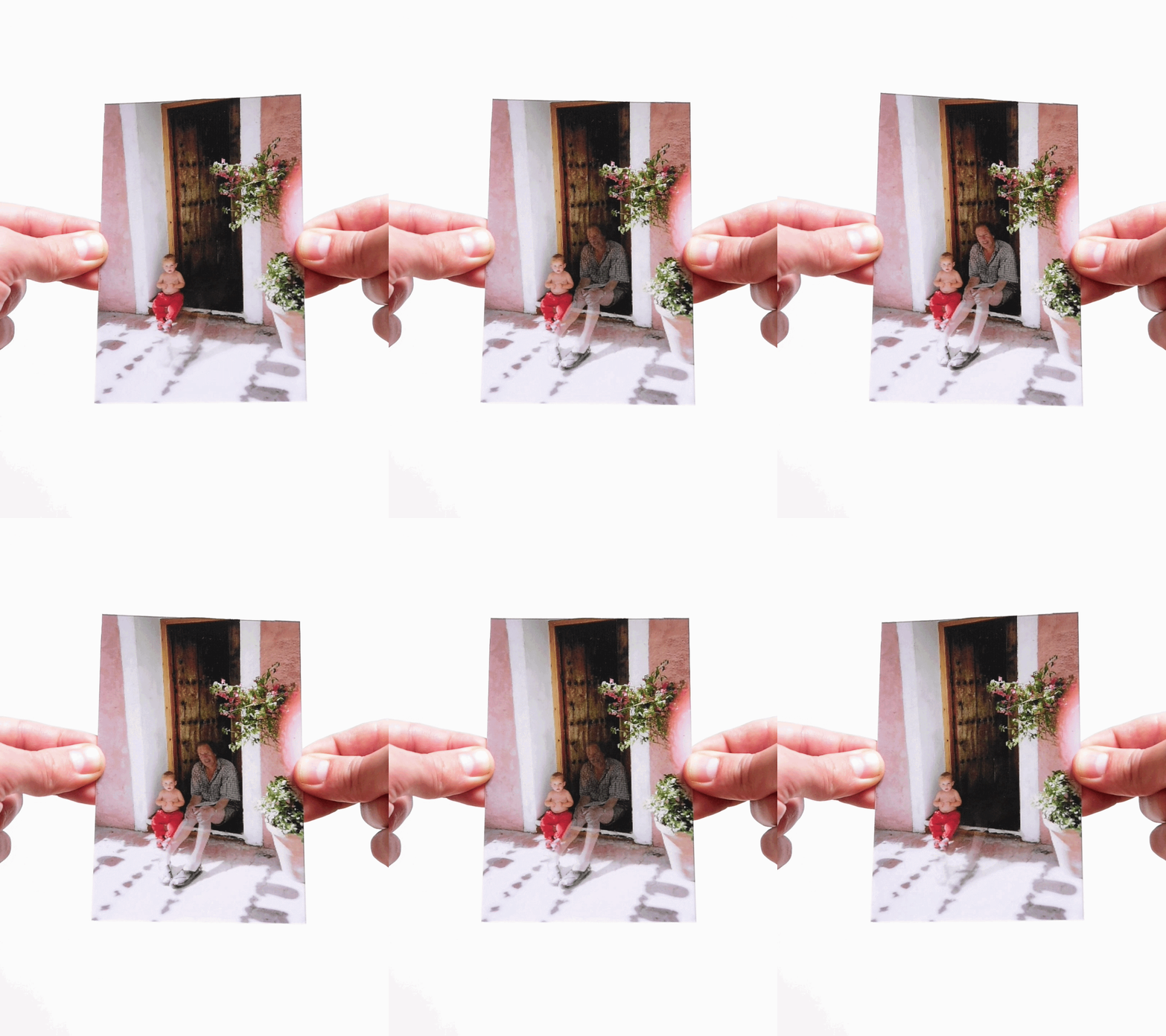
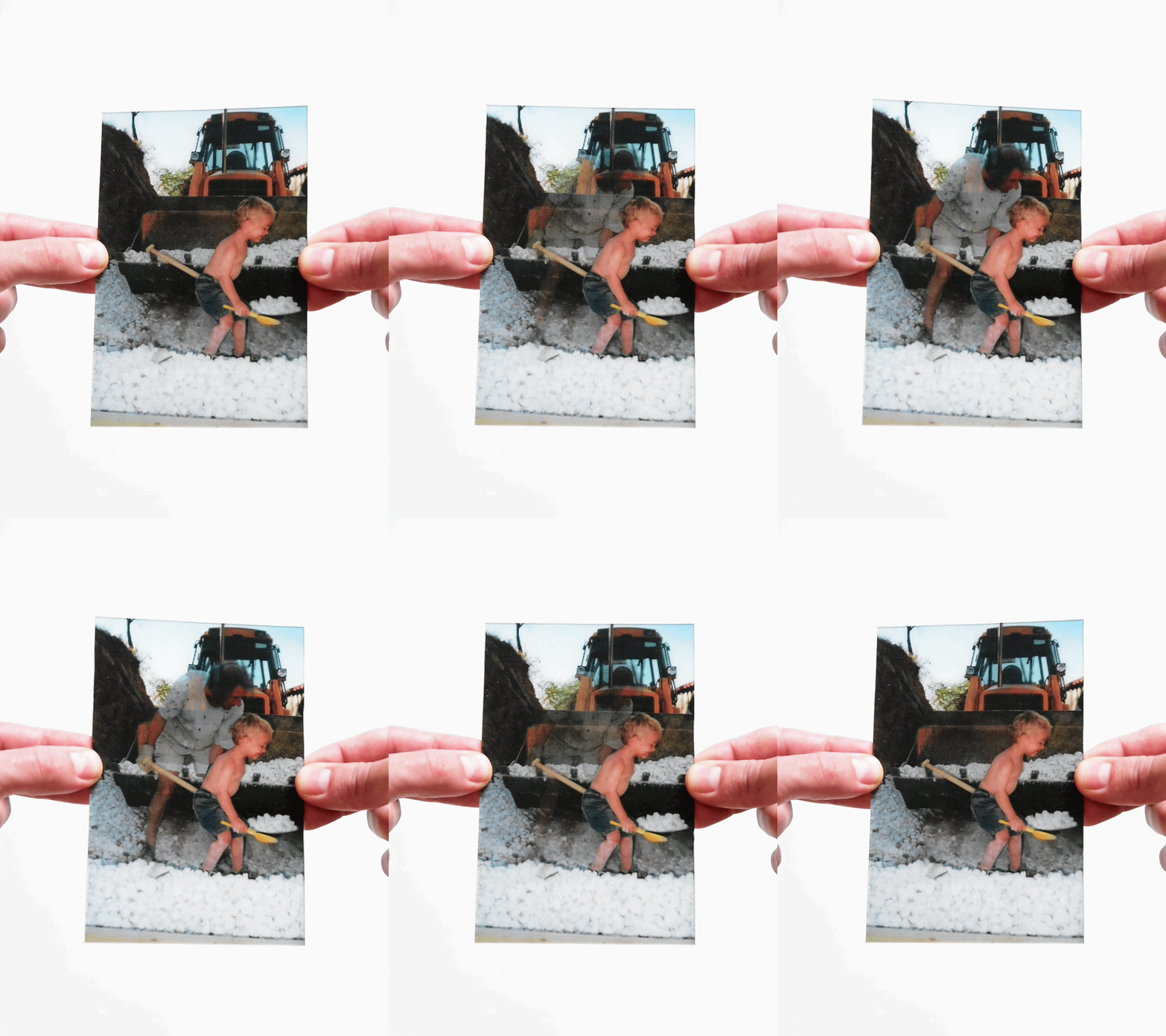
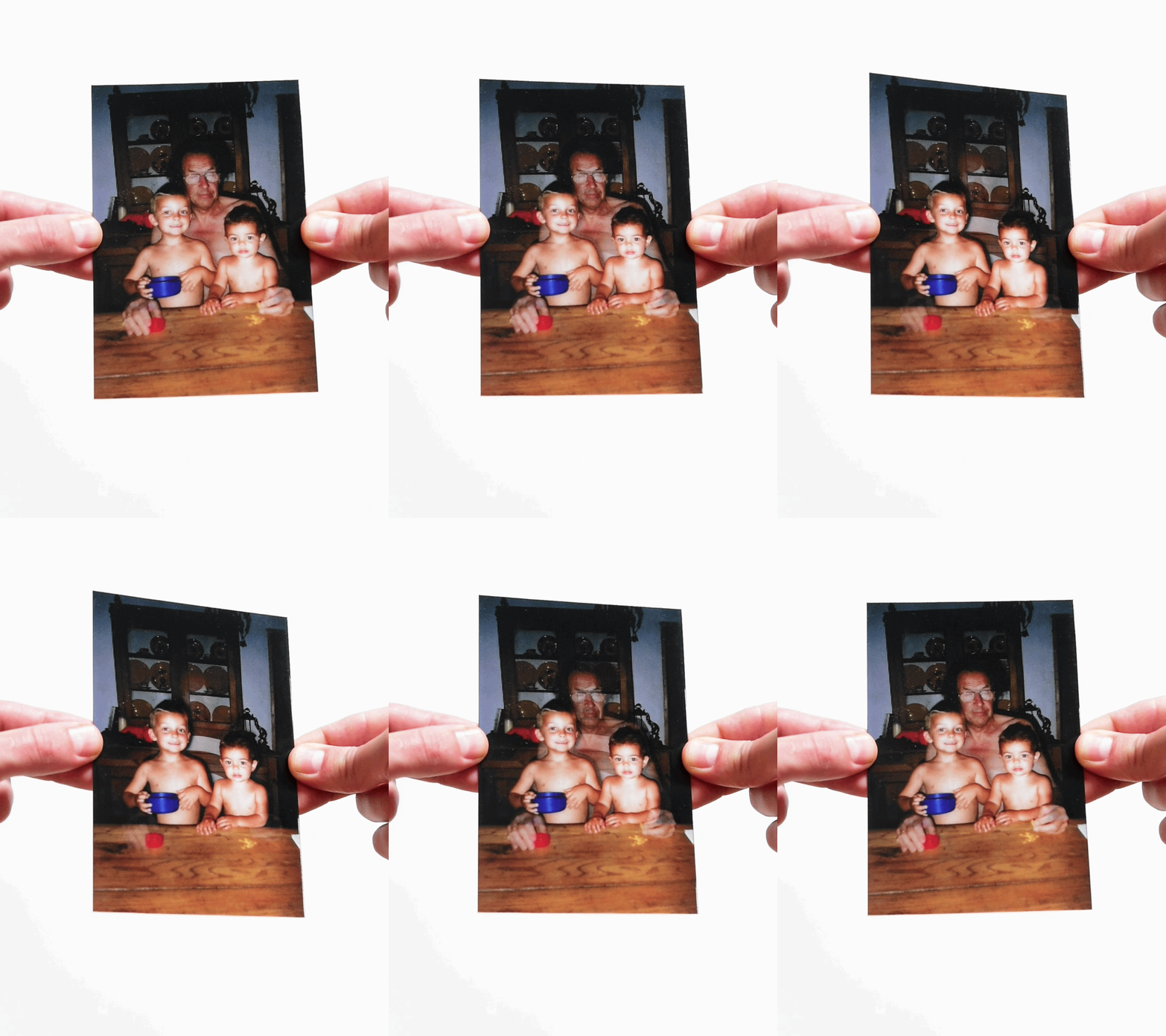
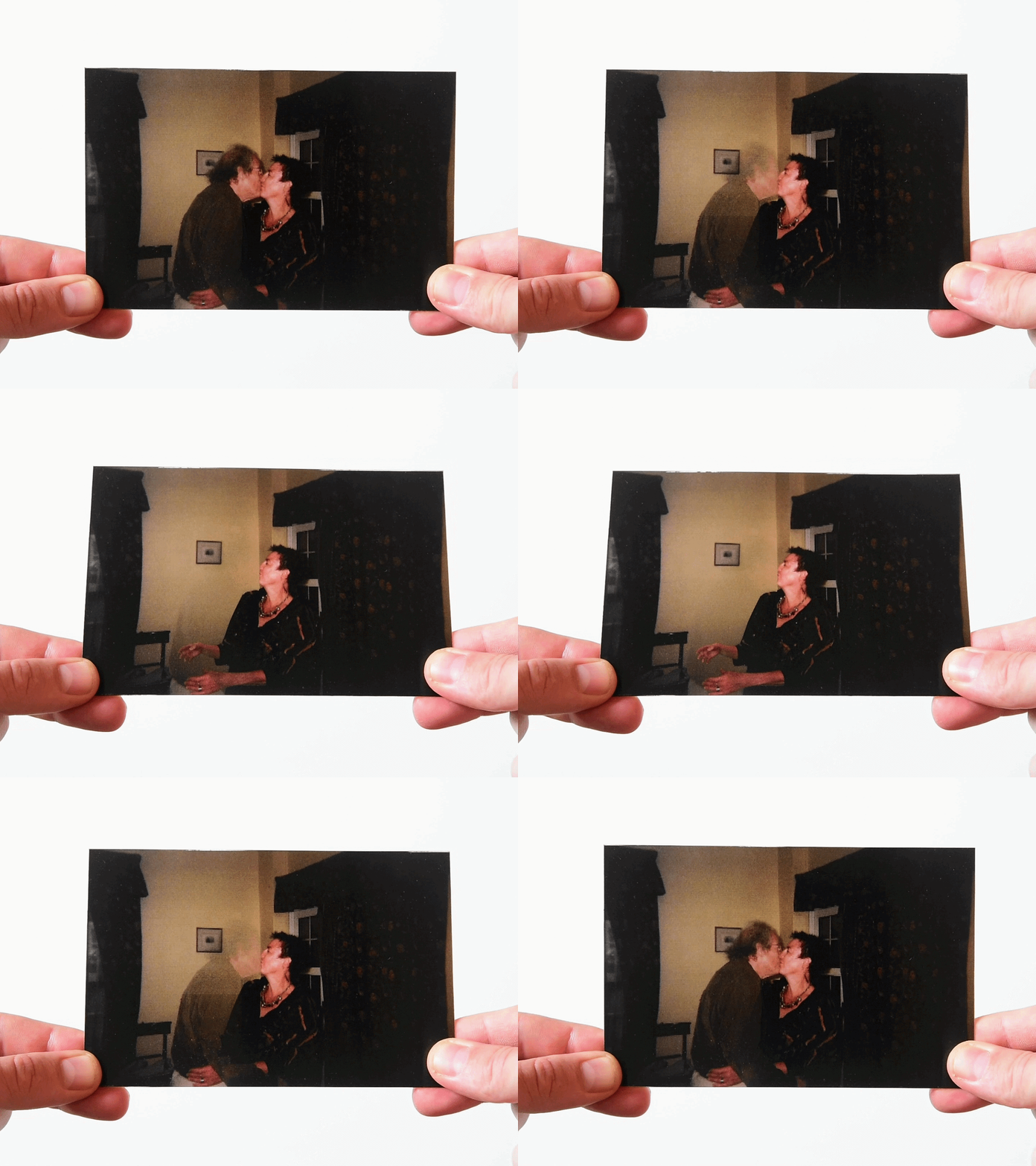
For the project, Radford spent six months removing his father from each photograph and reconstructing the spaces as if he had never been there. It was also the first time in his career that he worked with Photoshop and generative tools.
The process was slow and often frustrating. He would sample parts of an image, block them in roughly, and then work with the software to create a convincing result, moving from the background toward the finer details. Some images came together almost effortlessly, while others took weeks to complete.
“One recurring nightmare was a wandering jew plant that AI kept insisting should be a person,” Radford recalled.
Rebuilding each scene also meant relying on memory as much as the original photograph, matching details such as the color of a cushion, the pattern on a plate, or the shape of a spoon.
“Rebuilding each scene meant working from memory as much as from the photo itself,” he explained. “Which felt strangely circular, since my memory of those rooms was itself partly built from these same photographs.”
Deciding how to present the finished work took several months. Radford considered a number of ideas, including giving his father ghost-like auras, making him appear as though he were made of glass, and filling his silhouette with images of the sky.
The breakthrough came with lenticular prints, which change as the viewer moves past them. Instead of simply placing the original and altered photographs side by side, the technique allows his father to appear and disappear depending on the viewer’s position.
“Watching him fade in and out of the frame in real time felt far more visceral than simply showing the before-and-after side by side,” Radford told Bored Panda. “It’s the kind of image you could hand to a ten-year-old and they’d understand it instantly. No artist statement required.”
With Transparent, Radford brings his five-part series to a close by returning to the family photographs that preserve, and sometimes complicate, our memories of the people we have lost. The project looks not only at his father’s absence, but also at the way photographs, family stories, and personal memories can shape our understanding of someone long after they are gone.

As an artist and someone who lost their dad real young, I think AI undercuts the message. It's like trying to use a medium that's cold and artificial to portray something real and emotional. You learn really early with art that the medium should also help communicate the message. If an exercise like this helps someone cope with their grief, more power to them. But if the point is art, the medium should be considered.

It's been 5 years since my father died, 25 years since his accident when I "lost" him. I still miss him terribly. These photos are all a punch in the gut, each one a blow to my heart... but not entirely in a bad way. It's strangely comforting to reach out and feel someone else's grief, because for that moment, you're not alone in yours.

I’m sure this series is meaningful to the artist, but even as someone who has lost a father, after maybe 2 pics I was done. I got the gist and the AI is annoying and poorly done.
As an artist and someone who lost their dad real young, I think AI undercuts the message. It's like trying to use a medium that's cold and artificial to portray something real and emotional. You learn really early with art that the medium should also help communicate the message. If an exercise like this helps someone cope with their grief, more power to them. But if the point is art, the medium should be considered.
It's been 5 years since my father died, 25 years since his accident when I "lost" him. I still miss him terribly. These photos are all a punch in the gut, each one a blow to my heart... but not entirely in a bad way. It's strangely comforting to reach out and feel someone else's grief, because for that moment, you're not alone in yours.
I’m sure this series is meaningful to the artist, but even as someone who has lost a father, after maybe 2 pics I was done. I got the gist and the AI is annoying and poorly done.









 No fees, cancel anytime