Get Premium
Dark mode theme is available exclusively for premium users. Learn more about the benefits of subscribing.
No fees, cancel anytime.

 Dark Mode Ad-Free Browsing Unlimited Content
 Ad-Free Browsing Unlimited Content Dark Mode
Join 1.2 million Panda readers who get the best art, memes, and fun stories every week!

Marriage is often described as the union of two people who love each other. But ask anyone who has been married for a while, and they’ll probably tell you that marriage doesn’t just bring two individuals together; it often connects two families as well. For many couples, in-laws become an important part of everyday life, whether that’s through family gatherings, holidays, celebrations, or simply staying involved in one another’s lives. When those relationships are healthy, they can add support, love, and a sense of belonging. But when boundaries are crossed or respect is lacking, they can also become a major source of stress and conflict within a marriage.
That brings us to today’s story. One woman shared how her relationship with her mother-in-law gradually became one of the biggest challenges in her marriage. According to her, the issues went far beyond the occasional disagreement. From repeatedly overstepping boundaries to making passive-aggressive comments, her mother-in-law seemed determined to make her feel unwelcome. What made the situation even more painful was that her husband rarely stood up for her or addressed the behavior. Keep reading to find out what happened, how the family drama unfolded, and why she ultimately decided that ending her marriage was the only path forward.
Image credits: www.kaboompics.com / Pexels (not the actual photo)
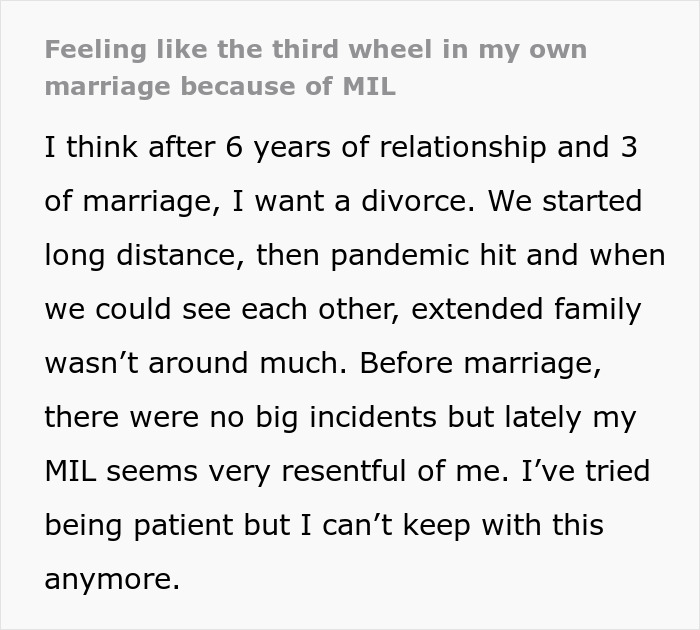
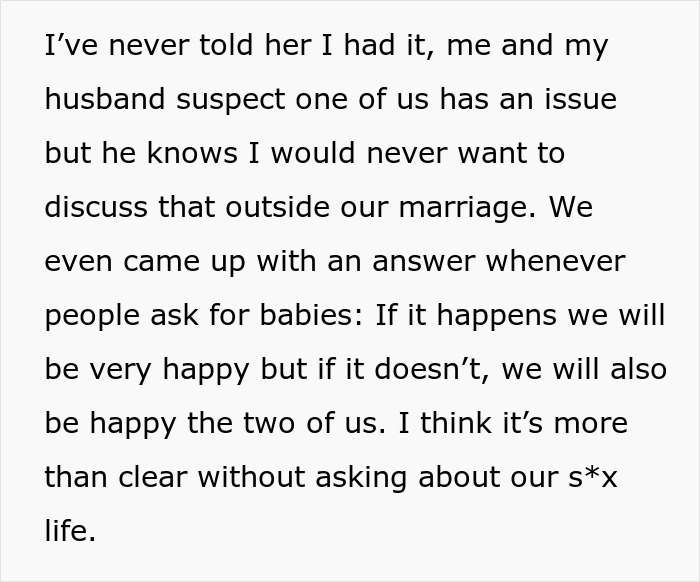
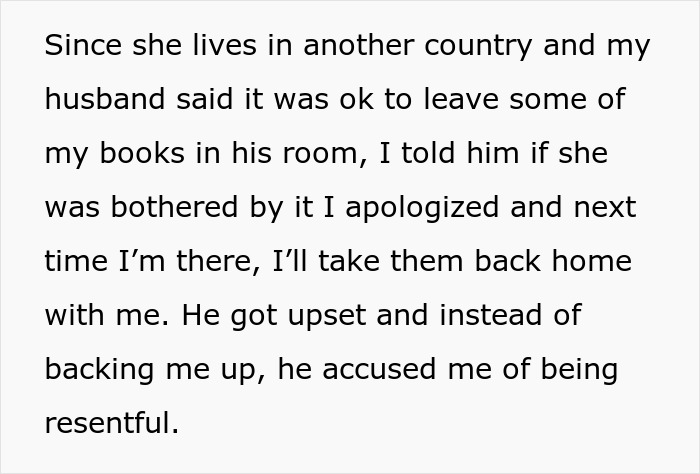
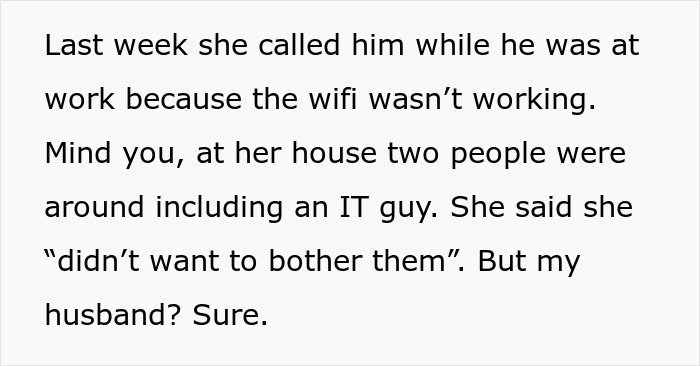
Image credits: Getty Images / Unsplash (not the actual photo)
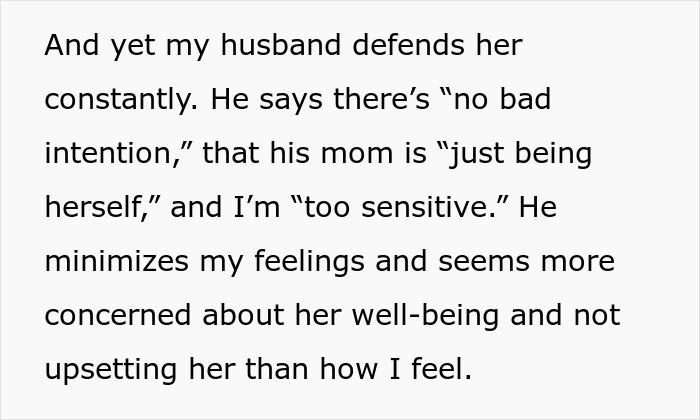

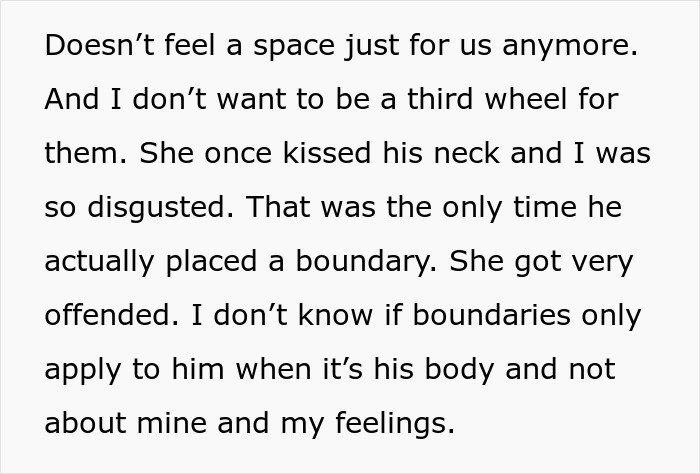
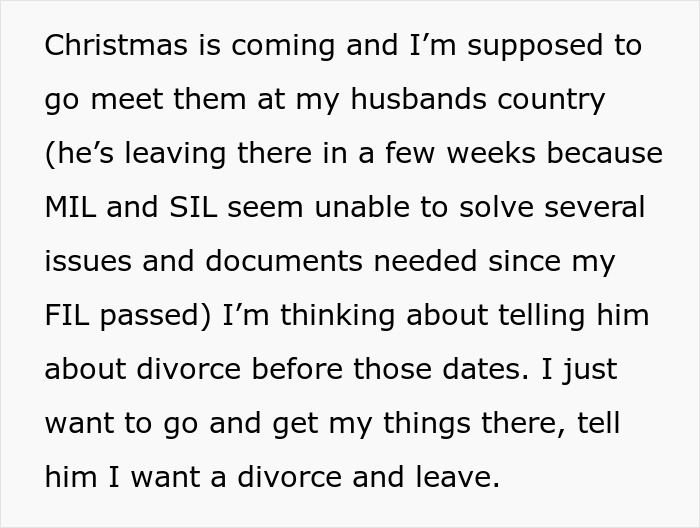
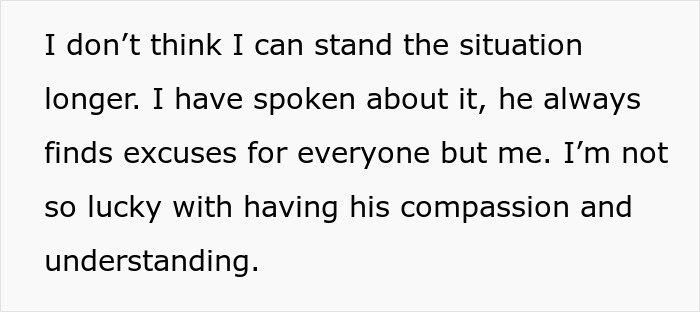
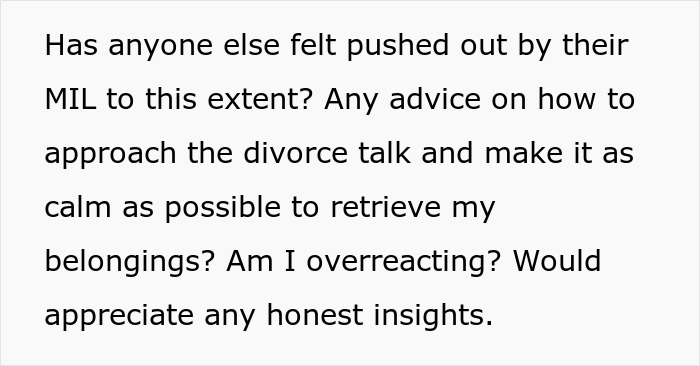
Image credits: Environmental_Tap838
Sometimes, you’ve probably heard people jokingly refer to their mother-in-law as a “monster-in-law.” While most of the time it’s harmless humor, there are situations where the relationship genuinely becomes difficult to navigate. Not every mother-in-law is problematic, of course, but some can make family life incredibly stressful. In today’s story, the woman felt that her mother-in-law crossed far more than a few boundaries. Instead of offering support and kindness, her behavior seemed controlling, critical, and emotionally draining. Over time, those actions created tension not only between the two women but also within the marriage itself. Unfortunately, situations like this are more common than many people realize.
According to Choosing Therapy, one sign of a difficult mother-in-law is being overly controlling or overbearing. These individuals often crave control and dominance in family dynamics. They may have strong opinions about how everything should be done and expect others to follow their lead. In many cases, they make situations revolve around their own preferences, needs, or expectations. Pleasing them can feel nearly impossible because they often believe nobody can do things as well as they can. An overbearing mother-in-law may also attempt to maintain control over their adult child, sometimes pushing their child’s partner aside in the process. This can leave spouses feeling excluded, dismissed, or constantly undermined.
Marriage.com highlights another major warning sign: a lack of respect for your feelings, or opinions. Toxic in-laws often find ways to criticize or belittle others, regardless of the occasion. It could be commenting negatively on your wedding dress, criticizing how you decorate your home, or questioning your parenting choices. Sometimes the remarks are obvious, while other times they’re disguised as jokes or “helpful advice.” Over time, these constant criticisms can become exhausting. Instead of feeling welcomed into the family, the person on the receiving end may feel judged every time they interact with their in-law. Even seemingly small comments can add up and take an emotional toll.
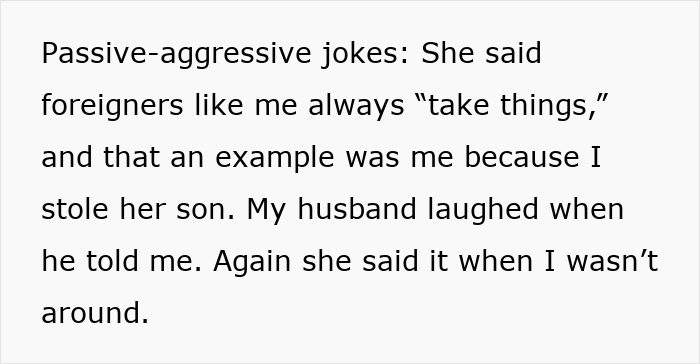
The same source also notes that toxic in-laws may use emotional manipulation to get what they want. Rather than communicating directly, they may rely on guilt, passive-aggressive behavior, or emotional pressure. For example, they might act hurt when boundaries are enforced or make family members feel responsible for their happiness. These tactics can create confusion and make it difficult for others to stand firm. In some cases, family members may comply simply to avoid conflict.
Therapist Leanna Stockard, LMFT, speaking to Verywell Mind, explains that narcissistic mothers-in-law may display behaviors such as avoiding blame, refusing to take responsibility, acting selfishly, using manipulation to get their way, and struggling to see situations from another person’s perspective. These traits can make disagreements incredibly frustrating because accountability is often missing. Instead of admitting they may have said or done something hurtful, they tend to shift the blame onto someone else. What should be a calm conversation aimed at resolving an issue can quickly turn into an argument that goes nowhere. Over time, this can create an unhealthy dynamic where honest communication becomes difficult and tensions continue to build beneath the surface.
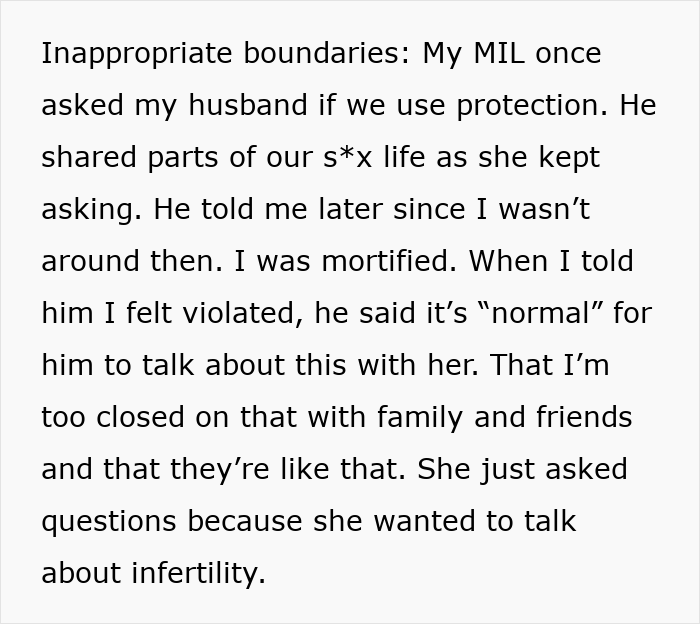
One of the biggest warning signs in any family relationship is a lack of respect for boundaries. Healthy boundaries help family members coexist while respecting each other’s independence and choices. However, some individuals see boundaries as something to challenge rather than respect. They may insert themselves into personal decisions, criticize parenting choices, ignore requests for privacy, or expect to be involved in every aspect of family life. Whether it’s dropping by unannounced, constantly offering unwanted opinions, or refusing to take “no” for an answer, the message can feel clear: your wishes don’t matter. Over time, this behavior can create resentment, stress, and significant strain within a marriage or family.
Unsurprisingly, dealing with these behaviors can have serious emotional consequences. As Leanna Stockard explains, “This can be emotionally and psychologically exhausting, especially if your partner is in denial of their mother’s toxic traits.” She adds that constantly having to prove yourself, feeling anxious, or never knowing what behavior to expect can negatively affect mental health. Living in a state of tension or anticipation can leave a person feeling emotionally drained. Over time, it may contribute to stress, anxiety, self-doubt, and even resentment. Nobody should have to constantly defend their worth within their own family.
Dealing with a toxic, manipulative, or narcissistic in-law can leave a person feeling completely exhausted. And honestly, that reaction makes perfect sense. Imagine having someone constantly criticizing your choices, questioning your decisions, or making you feel unwelcome. Even the most patient person would eventually feel worn down. Relationships are supposed to provide support and comfort, not become a source of ongoing stress. That’s why it’s important to acknowledge the emotional impact these situations can have. Ignoring the problem rarely makes it disappear, especially when the behavior continues year after year.
Many experts recommend setting clear boundaries, communicating openly with your partner, and addressing issues directly when possible. In some situations, reducing contact or even going no-contact may be necessary to protect your well-being. Every family situation is different, so there is no one-size-fits-all solution. However, protecting your peace, mental health, and emotional safety should always be a priority. Healthy relationships require respect from everyone involved. If someone repeatedly refuses to respect boundaries, creating distance may be the healthiest option available. Sometimes, choosing peace isn’t selfish; it’s necessary.
Looking at today’s story, it’s easy to understand why the woman eventually reached her breaking point. Feeling unsupported by a spouse while also dealing with a difficult mother-in-law can be incredibly painful. A marriage works best when partners support one another and present a united front. When that support is missing, resentment can quickly build. Pandas, what would you do if you had a mother-in-law like the one in today’s post? Would you try to work through the issues, set stricter boundaries, or eventually walk away from the situation altogether? Let us know your thoughts in the comments below.
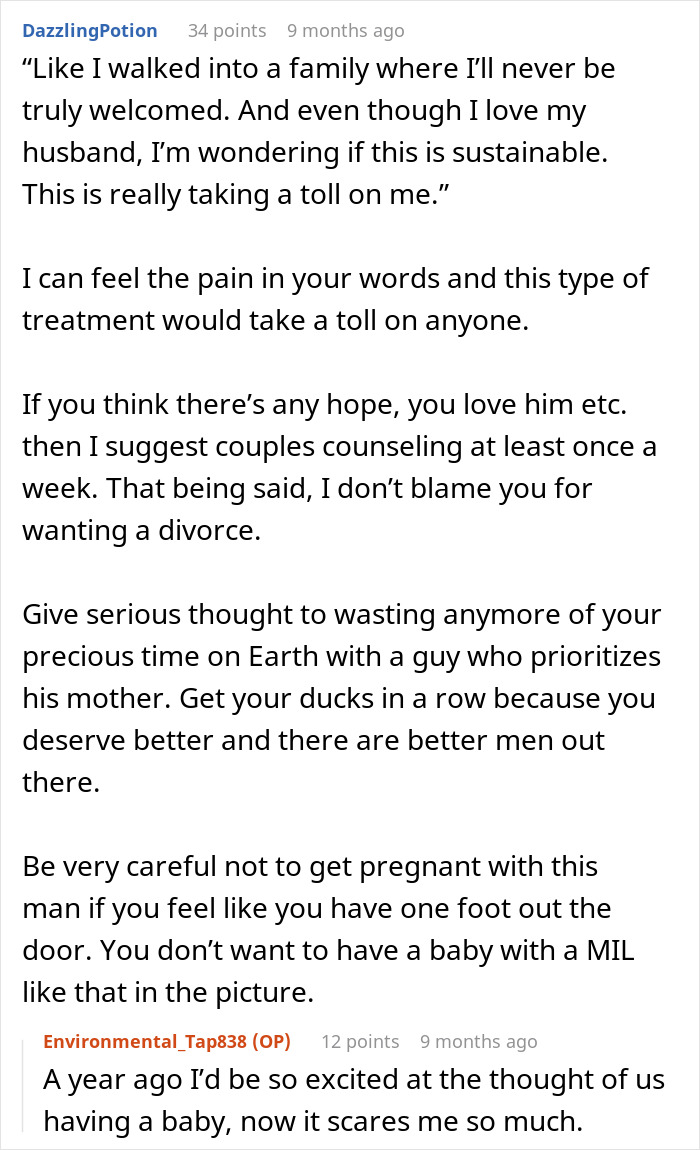
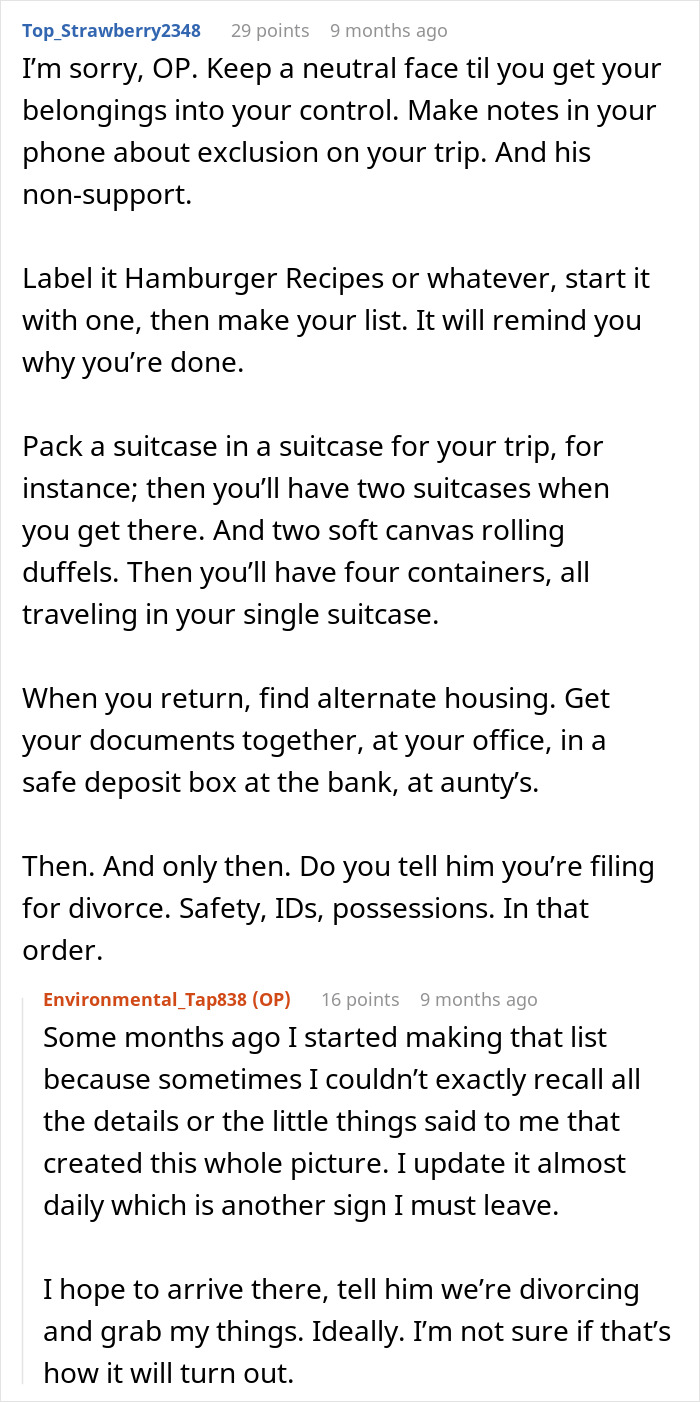
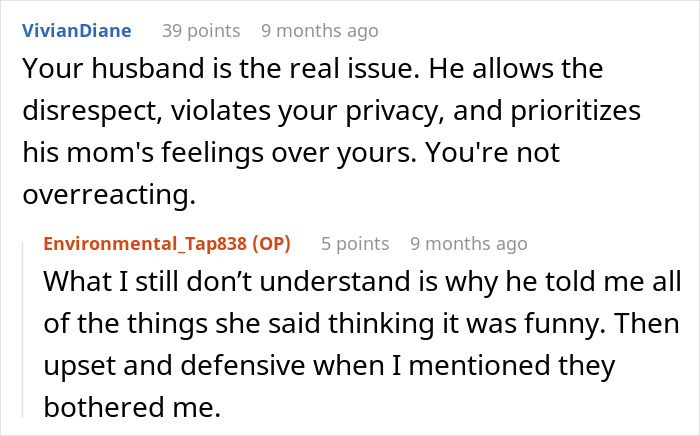
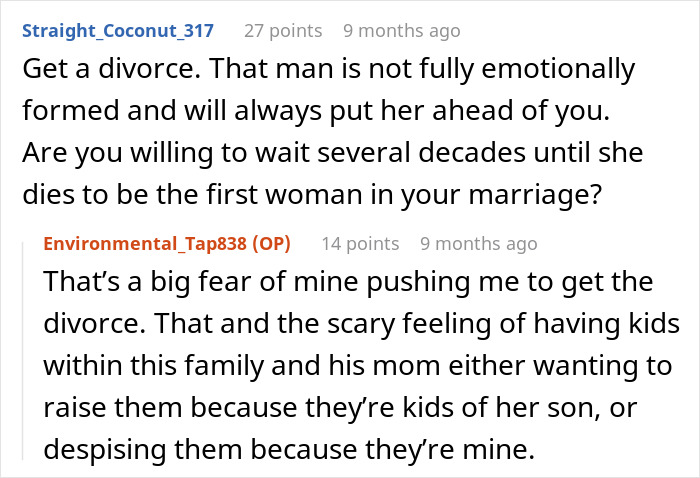
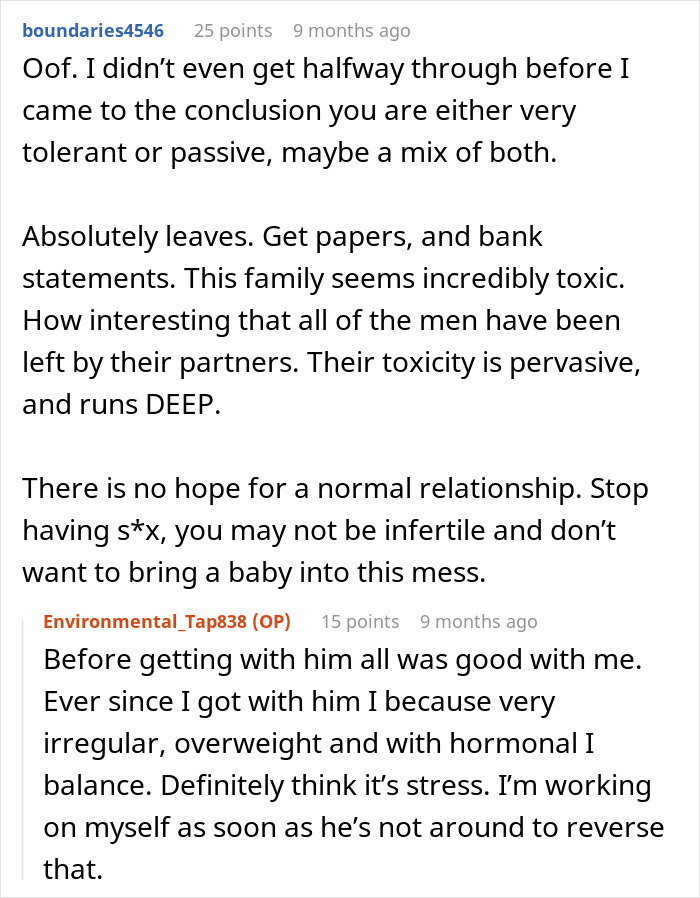
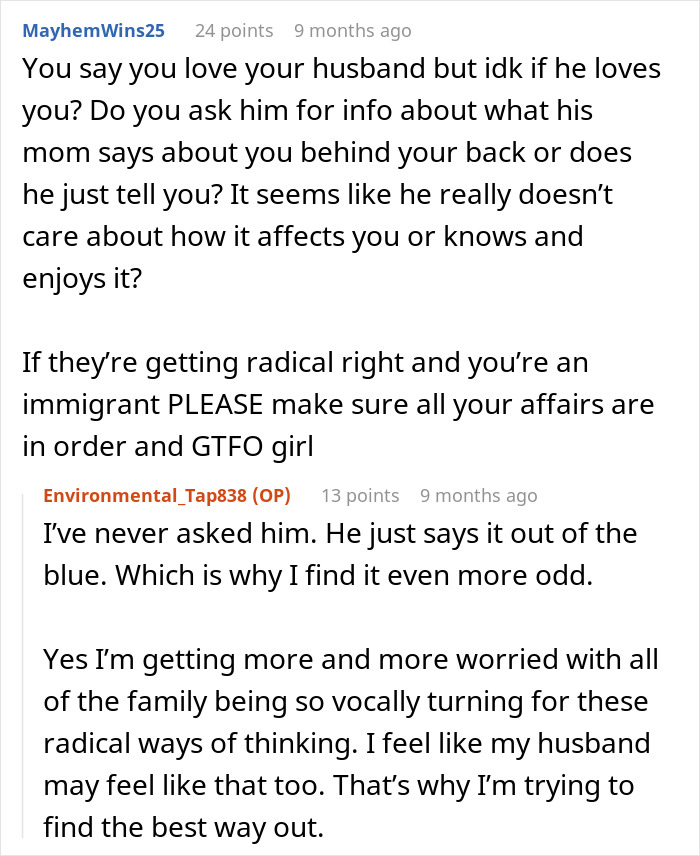

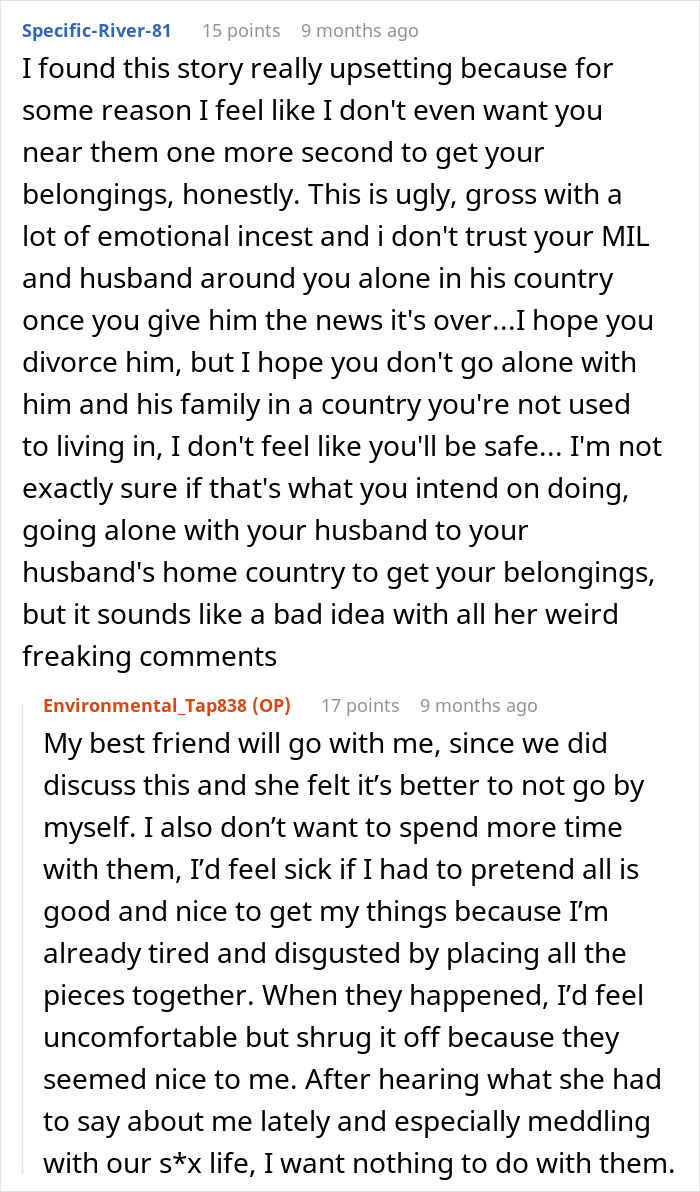
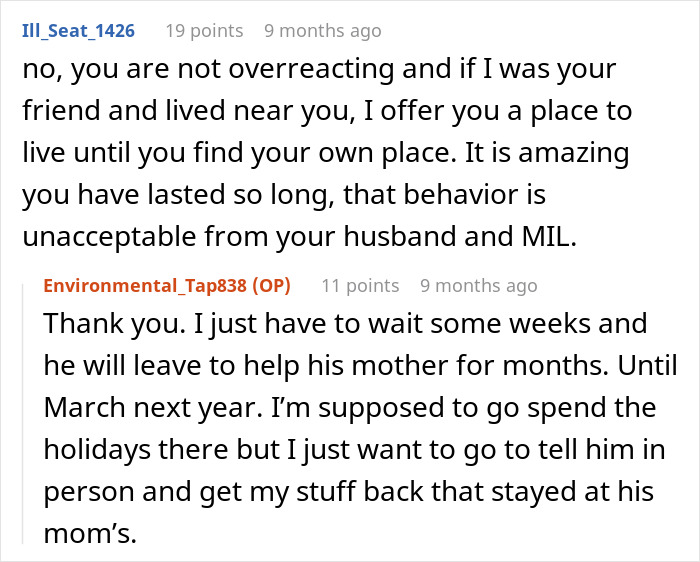
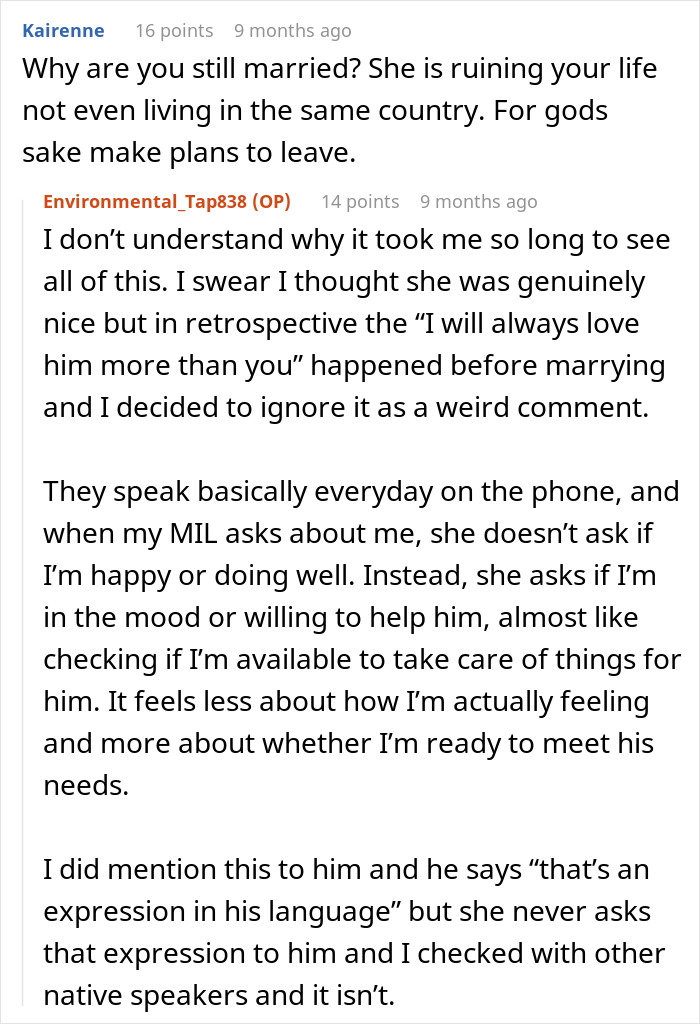
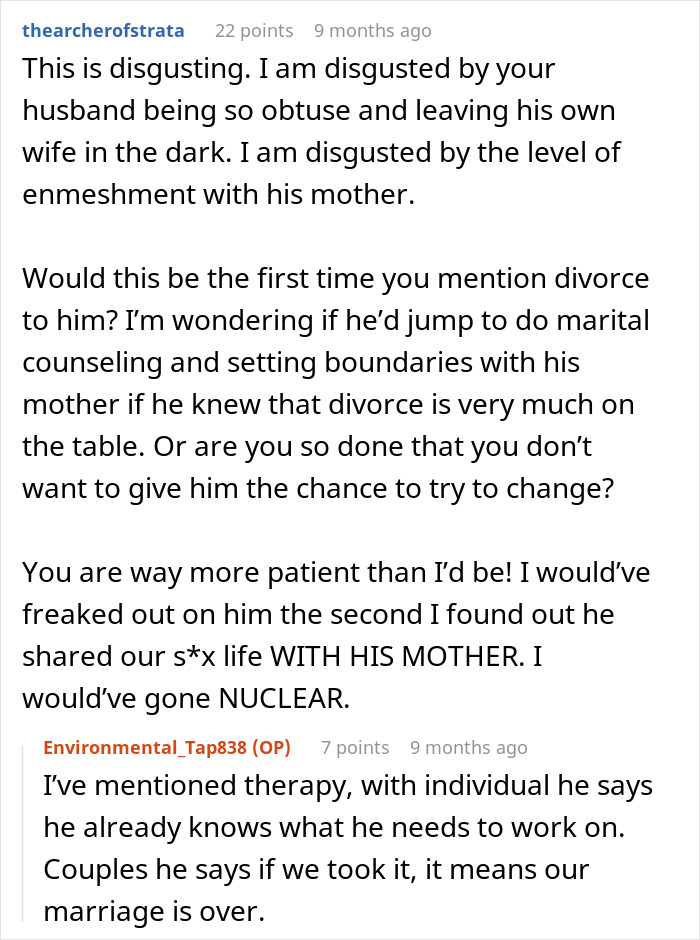

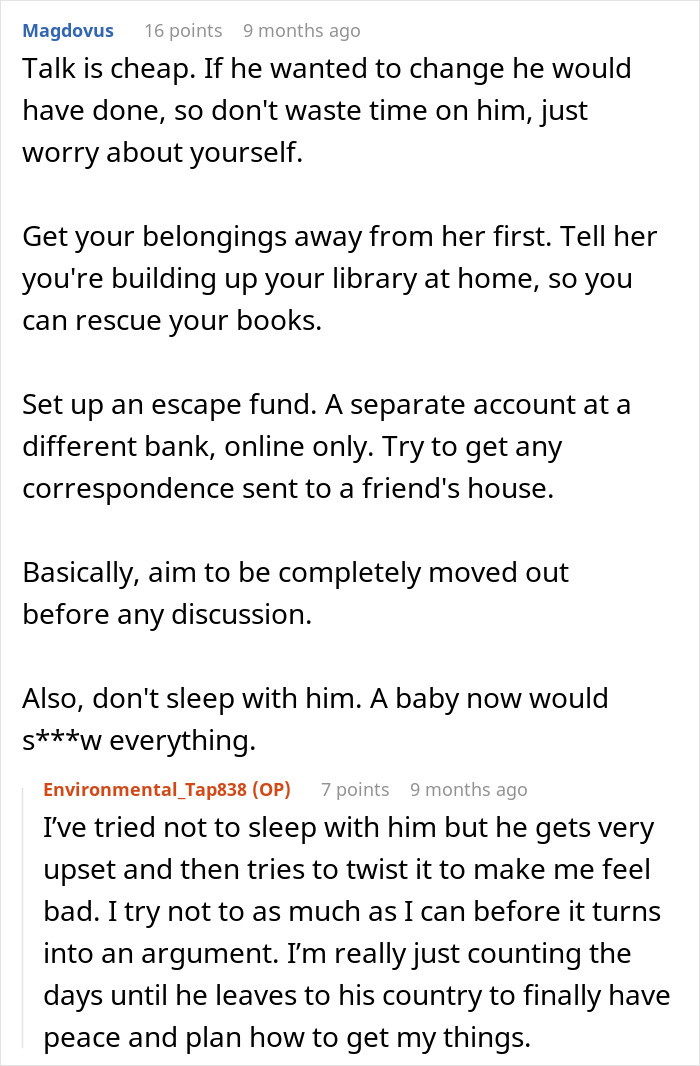
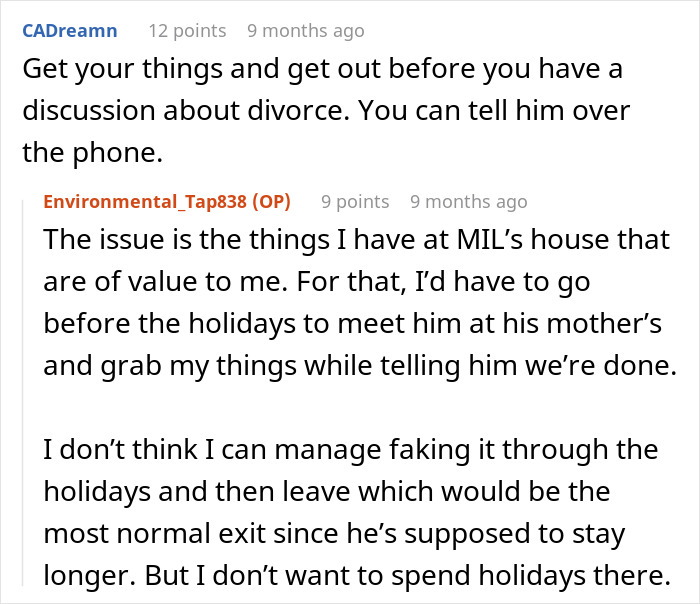

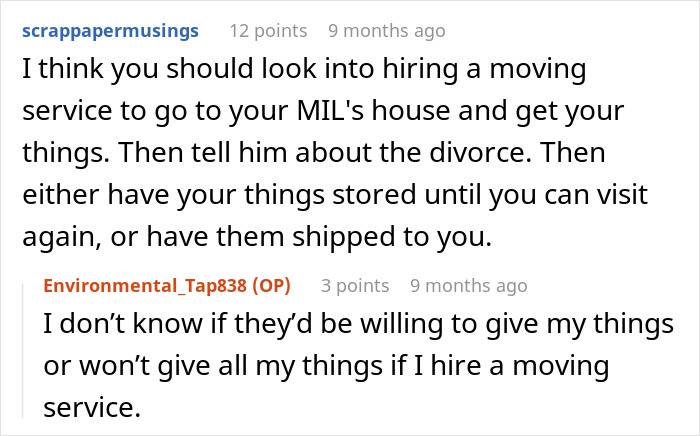
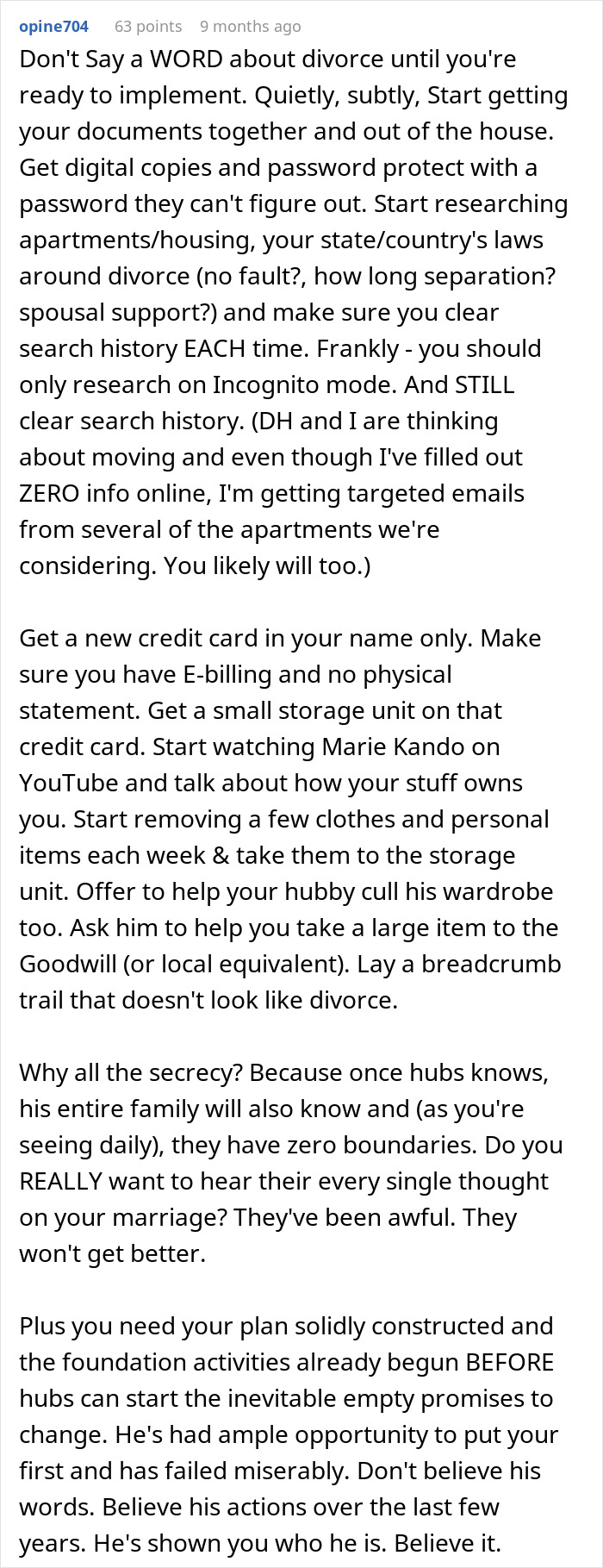



Image credits: Roberta Sant’Anna / Unsplash (not the actual photo)
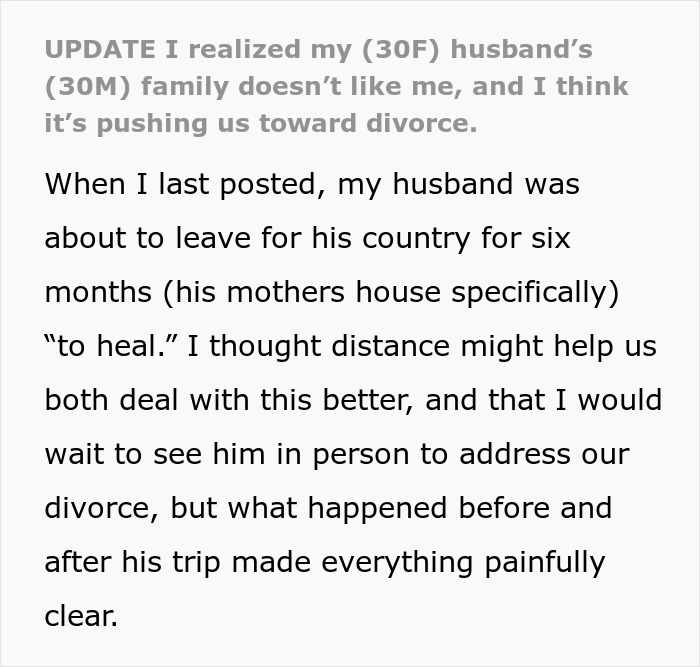
Image credits: Ivan S / Pexels (not the actual photo)

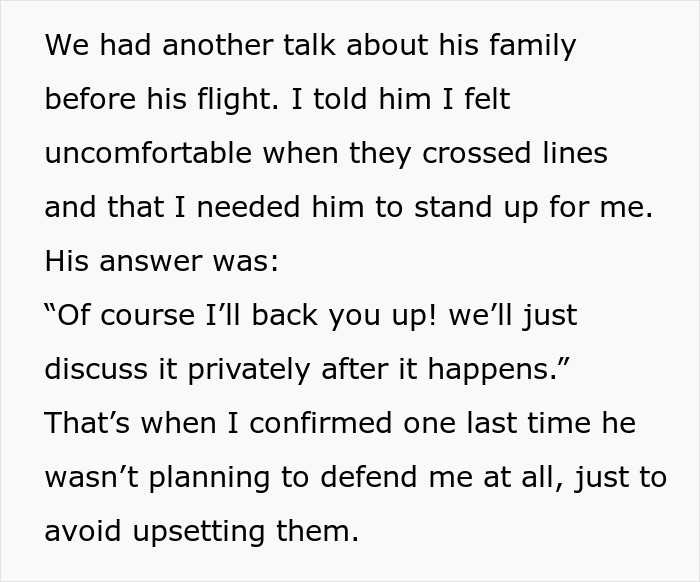
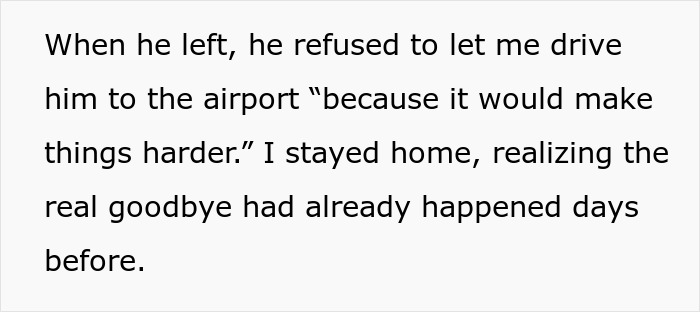
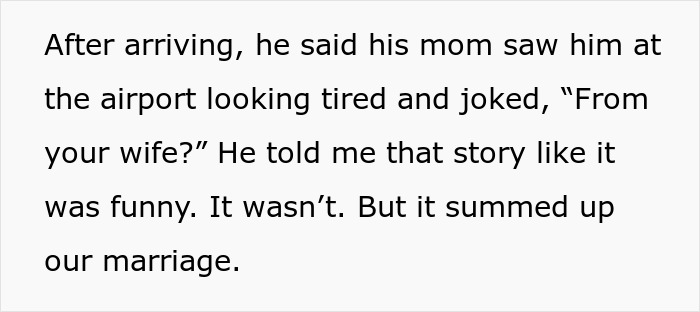
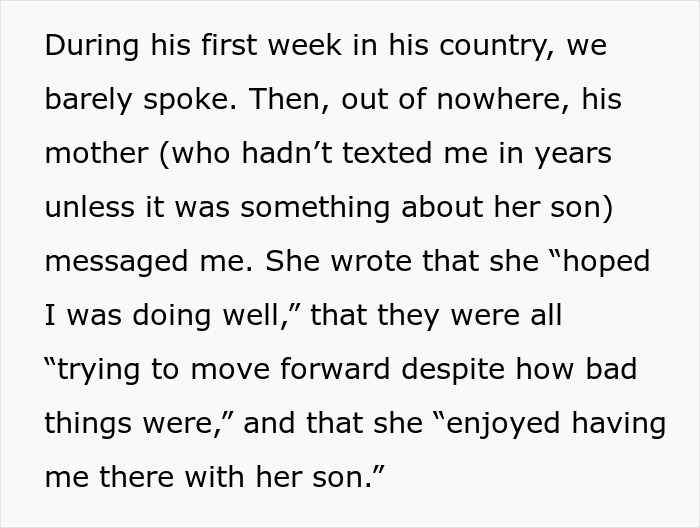
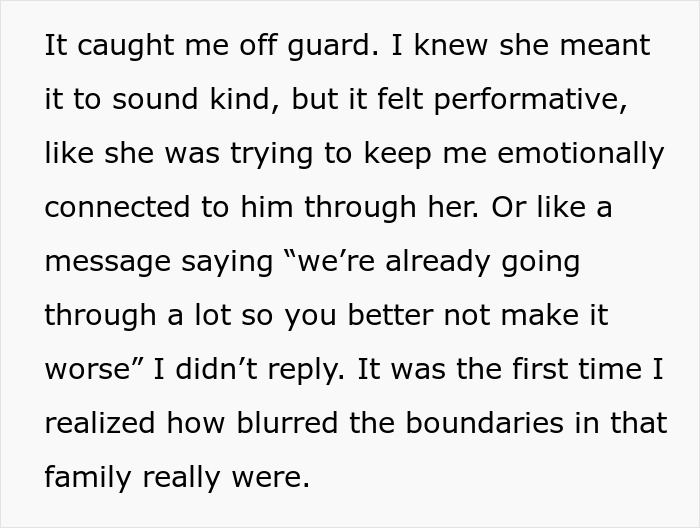

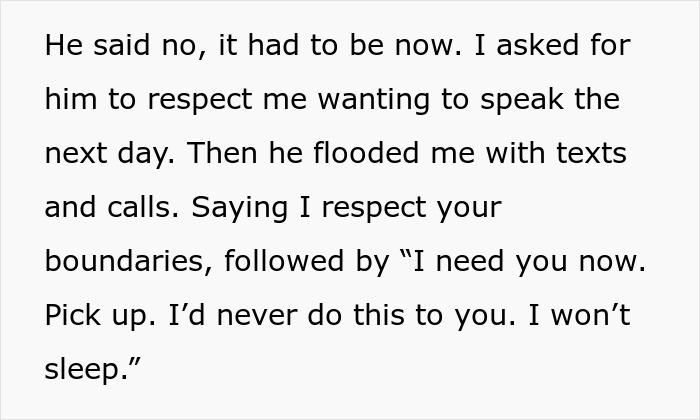
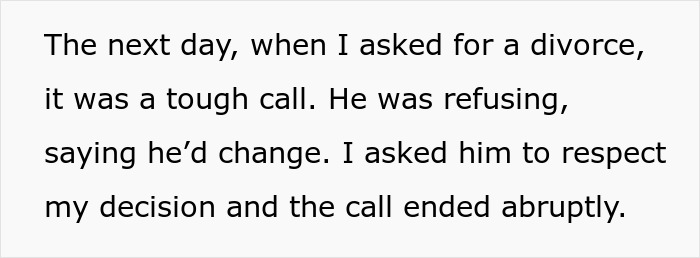
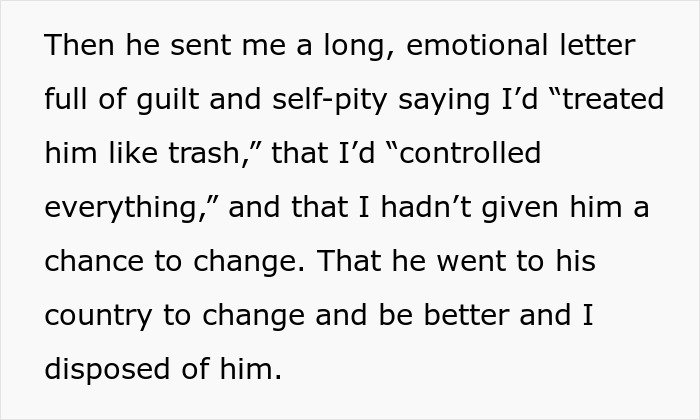

Image credits: Samuel Angor / Unsplash (not the actual photo)




Image credit: Environmental_Tap838

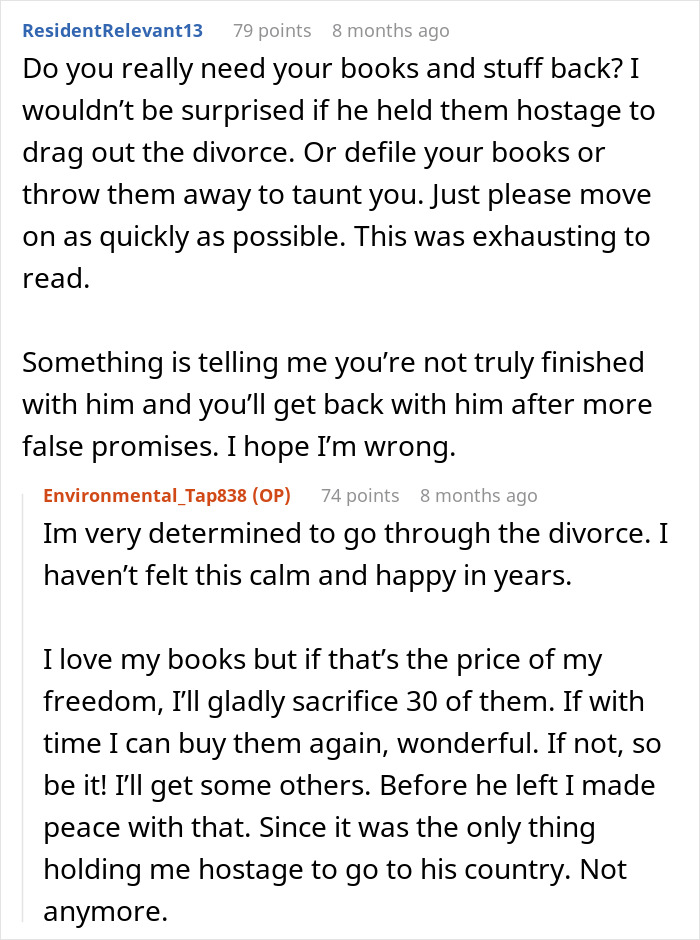

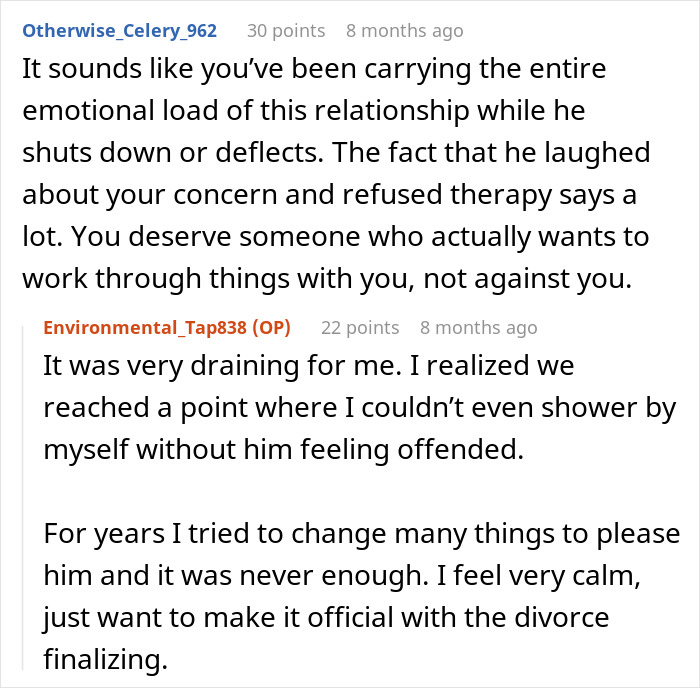
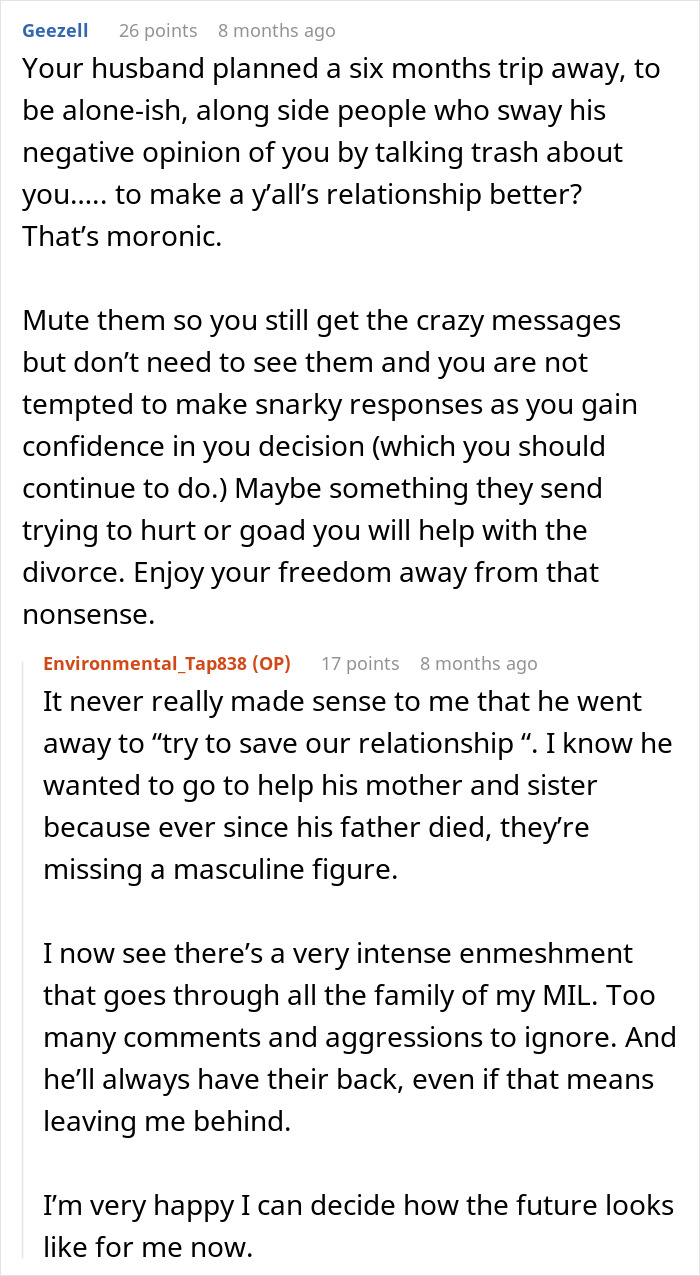


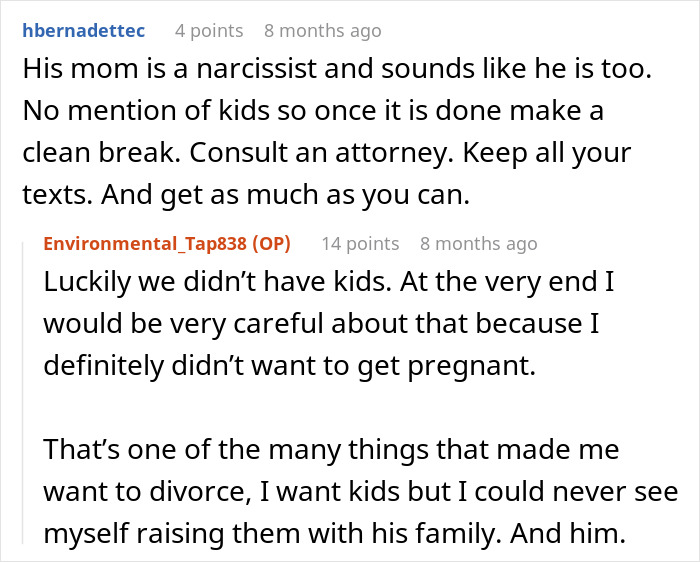






By entering your email and clicking Subscribe, you're agreeing to let us send you customized marketing messages about us and our advertising partners. You are also agreeing to our Privacy Policy.
Thank you! You've successfully subscribed to newsletters!


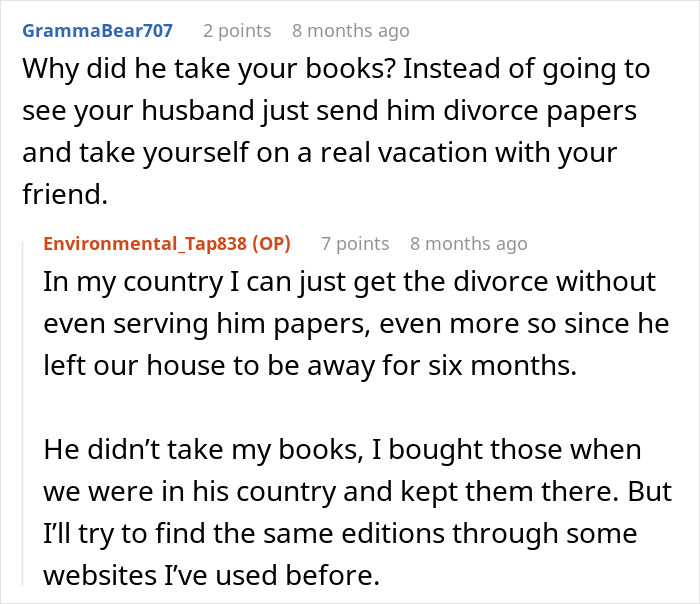
I have the nagging suspicion that if OP ever goes to her husband's country now, she isn't going to make it back alive. Even after the divorce.


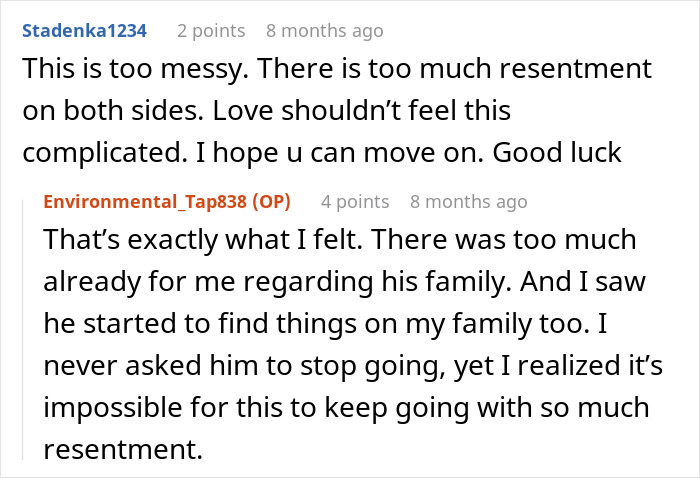
I can't understand how the ex husband is shocked or surprised that this is the outcome of all of his and his family's nonsense.

Yet he kept telling her to keep HER family at arm's length. He knew exactly what he was doing, the scum.
Load More Replies... I have the nagging suspicion that if OP ever goes to her husband's country now, she isn't going to make it back alive. Even after the divorce.
I can't understand how the ex husband is shocked or surprised that this is the outcome of all of his and his family's nonsense.
Yet he kept telling her to keep HER family at arm's length. He knew exactly what he was doing, the scum.
Load More Replies...



































 No fees, cancel anytime









29
9