Get Premium
Dark mode theme is available exclusively for premium users. Learn more about the benefits of subscribing.
No fees, cancel anytime.

 Dark Mode Ad-Free Browsing Unlimited Content
 Ad-Free Browsing Unlimited Content Dark Mode
Join 1.2 million Panda readers who get the best art, memes, and fun stories every week!
This post may include affiliate links.
Whether it’s the invention of the wheel or the creation of clocks, our history is packed with breakthroughs that changed life as people knew it. These innovations didn’t just transform their own time—they laid the foundation for the world we live in today. From helping us get around faster to keeping track of every precious minute, history is full of inventions that quietly shaped our routines and made the impossible feel ordinary.
Fast forward to today, and we’re living through another major shift. In just a few short years, AI has gone from being a futuristic concept to something we interact with almost daily. What once felt like science fiction—machines that can think, learn, and respond like humans—is now quietly woven into our routines. Whether it’s using tools like ChatGPT to brainstorm ideas, asking voice assistants for quick answers, or relying on apps to suggest what to watch or buy, AI has become a constant presence. And while many of us use it in simple ways, the technology itself is advancing rapidly behind the scenes, pushing boundaries in ways we’re only just beginning to understand.
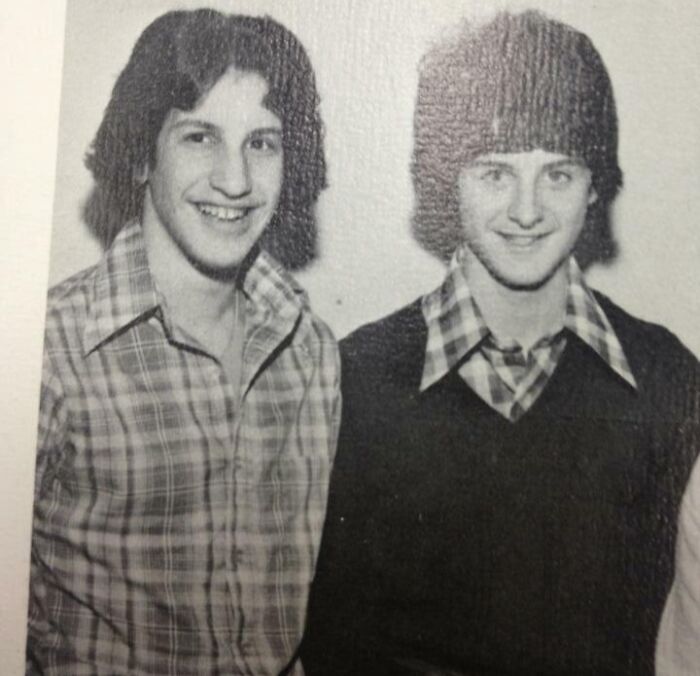
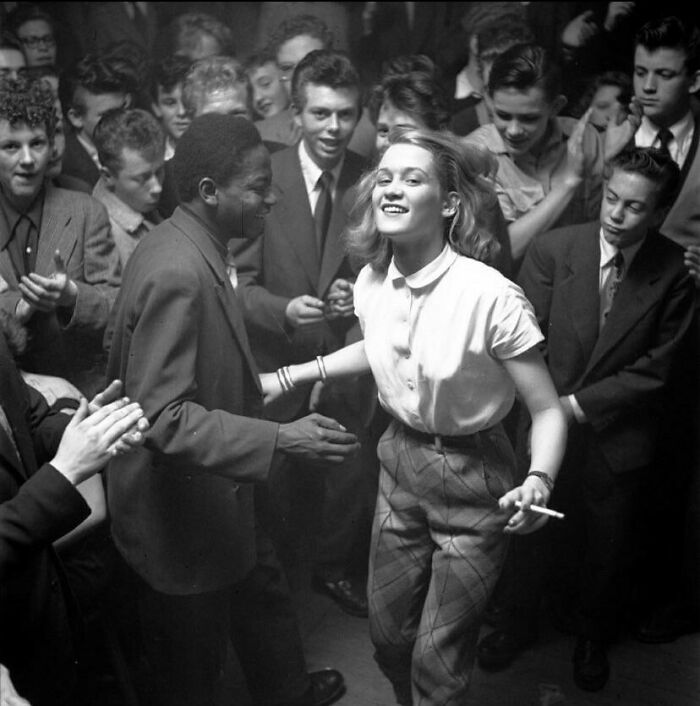
(Real Pic, Found In A High School Yearbook From 1978)
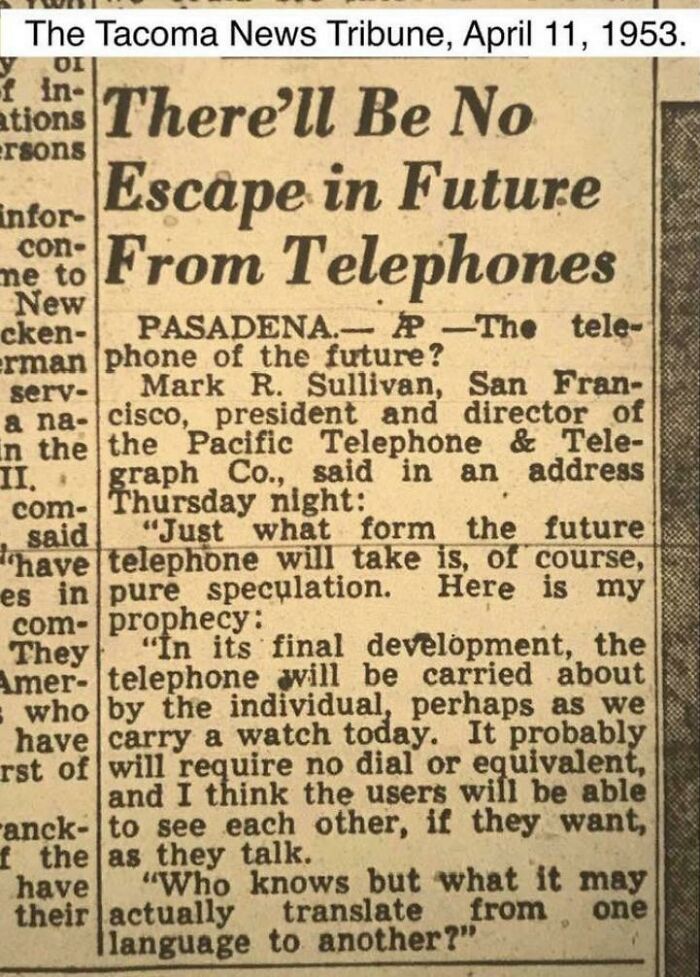
Take AI-powered earbuds, for example; they are changing how people communicate across languages. Imagine traveling to another country and being able to speak freely, without worrying about language barriers. These earbuds listen, translate, and speak in real time, allowing two people who don’t share a language to have a smooth, natural conversation. There’s no need for apps, typing, or awkward pauses—it all happens seamlessly as you talk. What once required translators or phrasebooks now feels effortless, almost like something out of a sci-fi movie. It’s a small but powerful glimpse into how AI is making the world feel more connected.
AI is also becoming more personal by moving directly onto the devices we use every day. Instead of relying entirely on cloud servers, more systems are now working “on the edge,” meaning they operate right where you are—on your phone, your glasses, or even wearable tech. Picture smart glasses that can recognize faces and quietly remind you of someone’s name as they approach, or scan the food in front of you and instantly tell you its nutritional breakdown.
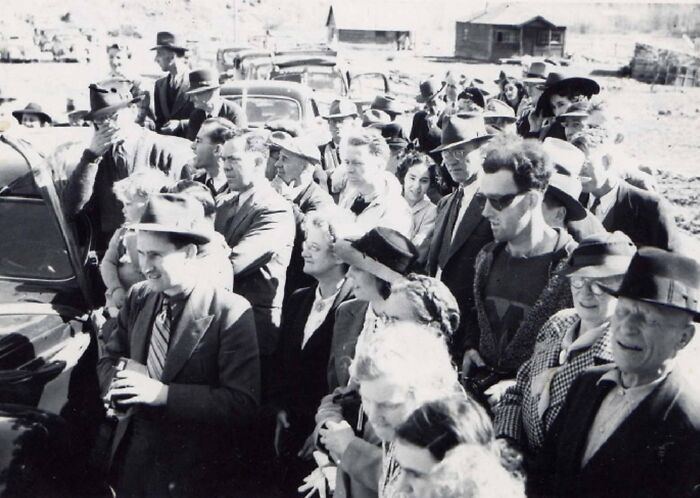
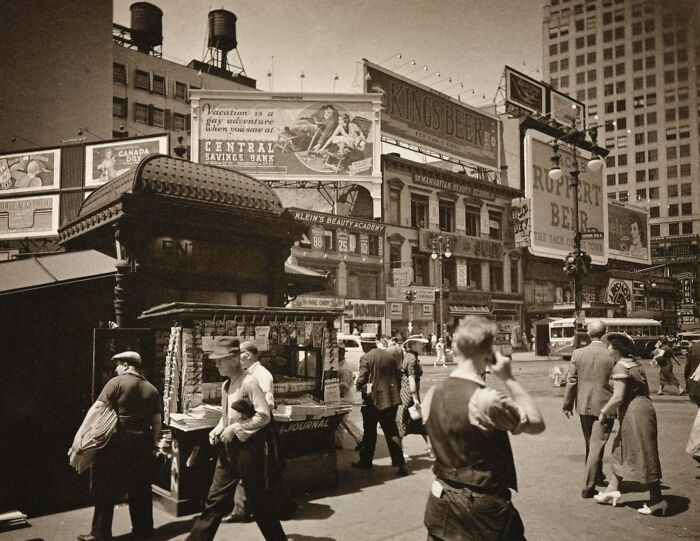
Guy must of traveled back in time to show off.
On a much larger scale, AI is also transforming the limits of computing itself. In late 2025, Google’s Willow quantum processor demonstrated just how powerful this combination can be. By using AI to reduce errors in quantum calculations, it was able to complete a task in just five minutes—something that would take a traditional supercomputer an estimated 10 septillion years to solve. To put that into perspective, that’s far longer than the age of the universe. Moments like this highlight not just incremental progress, but massive leaps forward, showing how AI is helping unlock capabilities we once thought were impossible.

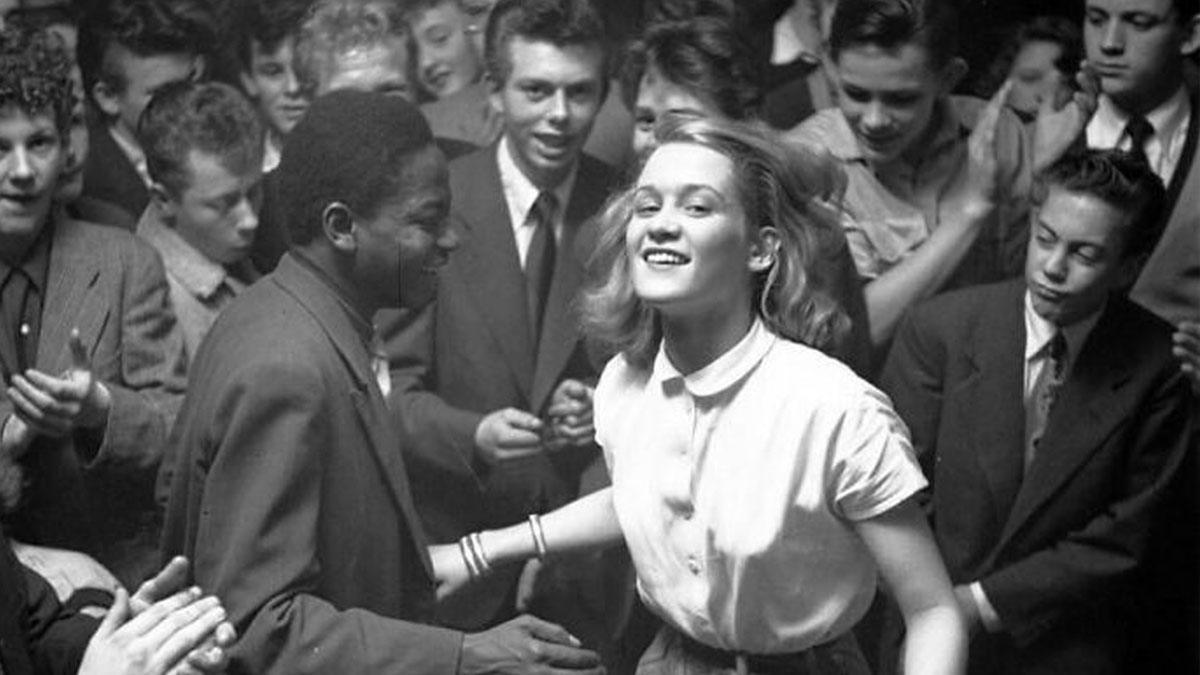
This one's been thoroughly debunked. Each item of his clothing, while unusual for the crowd, is period appropriate. Even the camera.
Even space exploration is being reshaped by AI. NASA’s Perseverance rover reached a major milestone in early 2026 by completing its first fully AI-planned drives. Previously, every movement had to be carefully planned on Earth and sent across space, with delays of up to 20 minutes. Now, the rover can analyze its surroundings, avoid hazards, and choose its own path independently. This level of autonomy allows missions to move faster and explore more efficiently, marking a big step toward future space exploration where machines can think and act on their own millions of miles away.
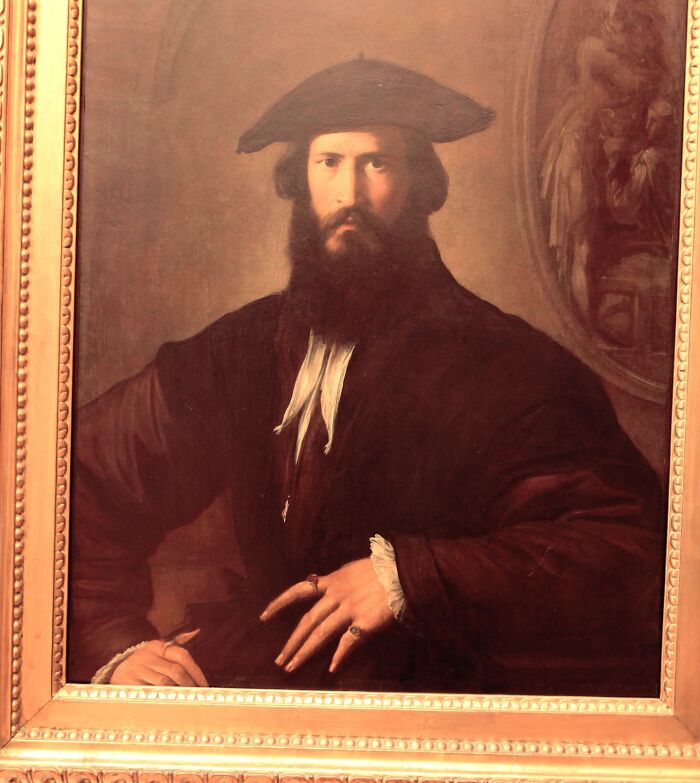
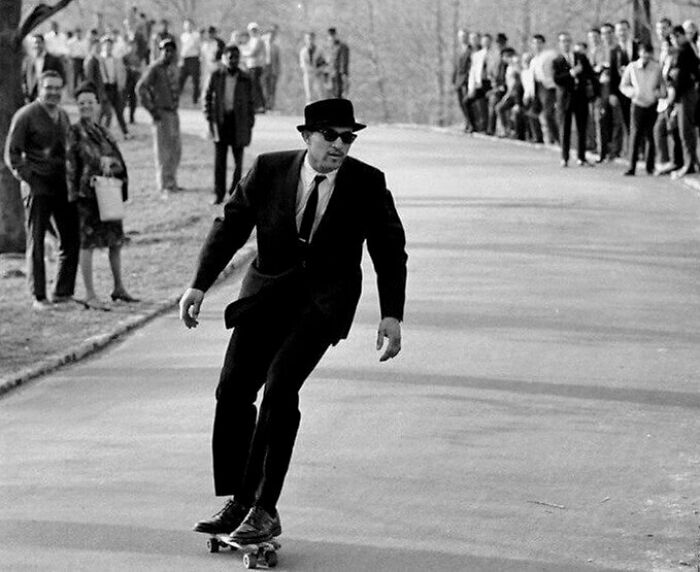
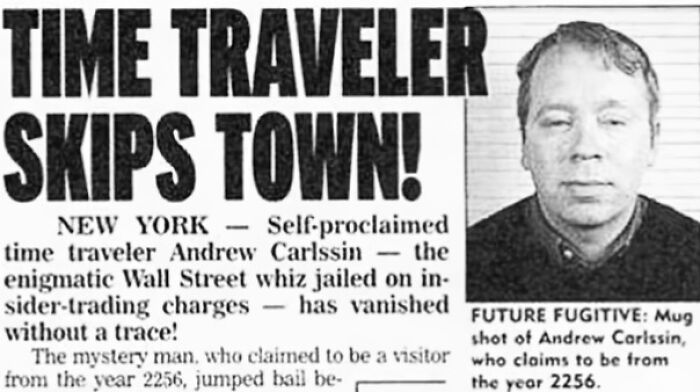
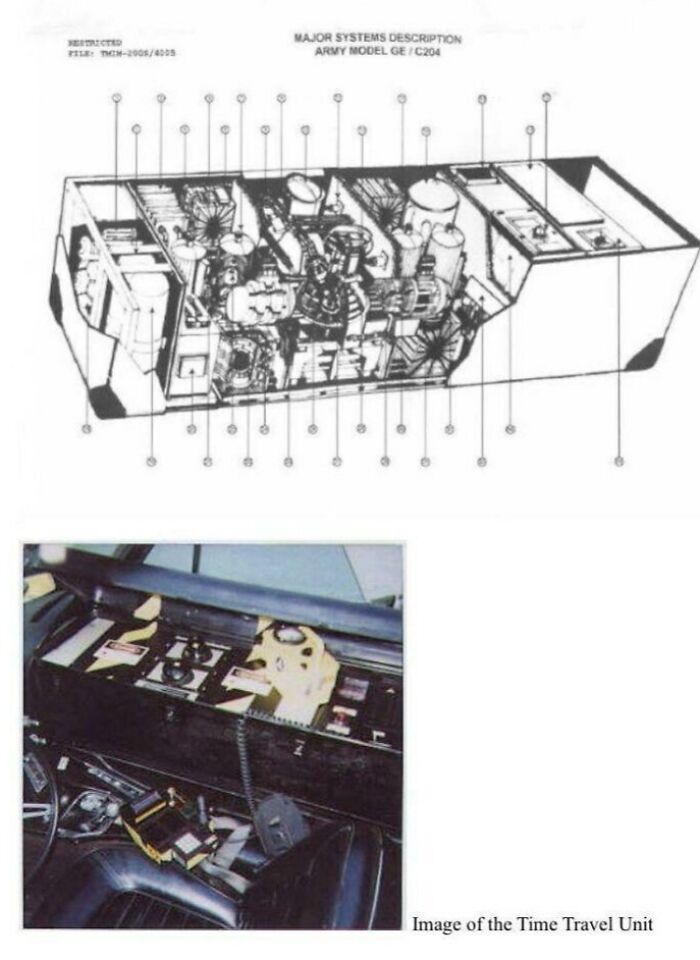
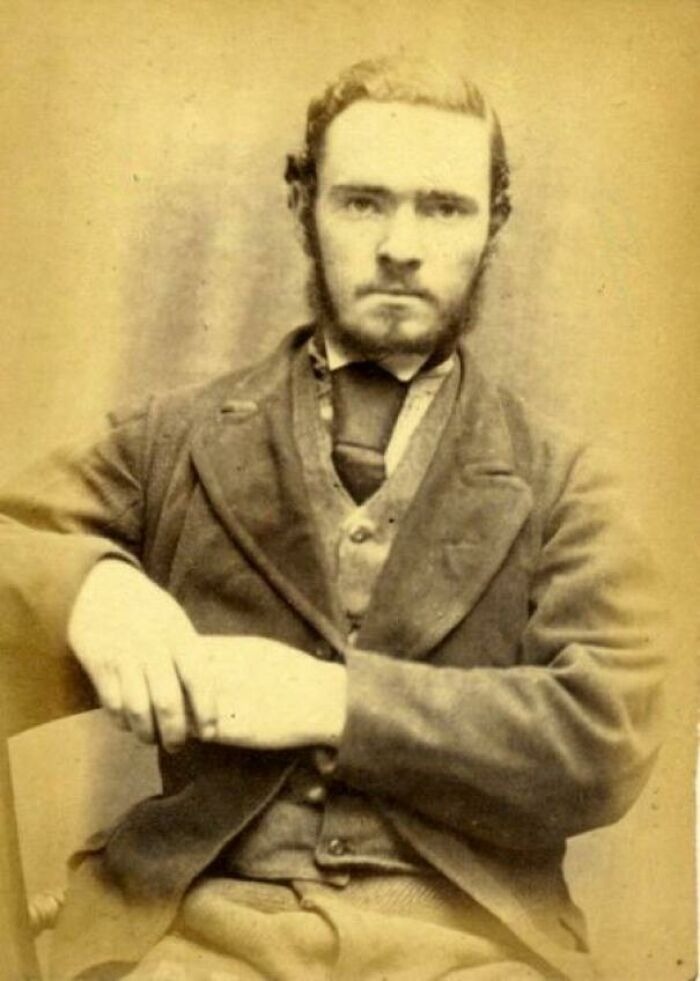
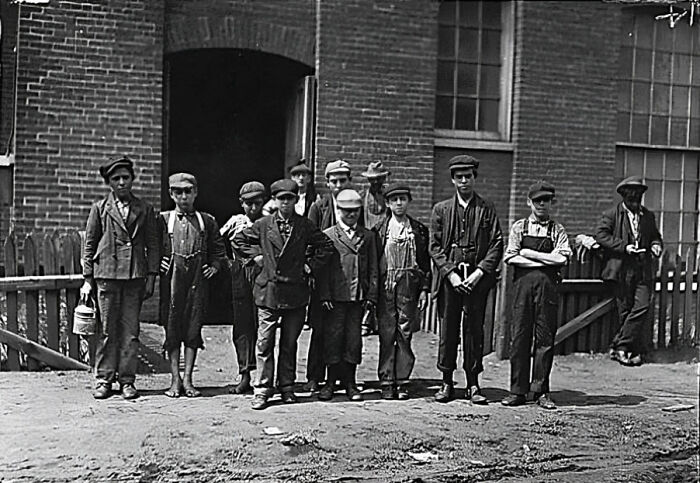
John Titor made many specific predictions regarding calamitous events. This is a picture of the ‘time machine’ he arrived in.
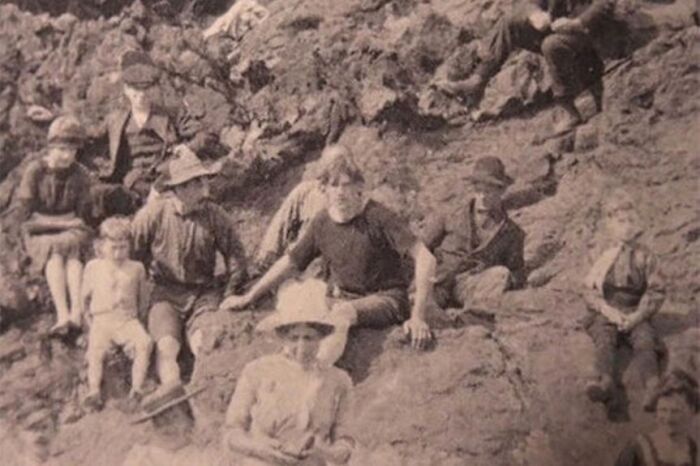
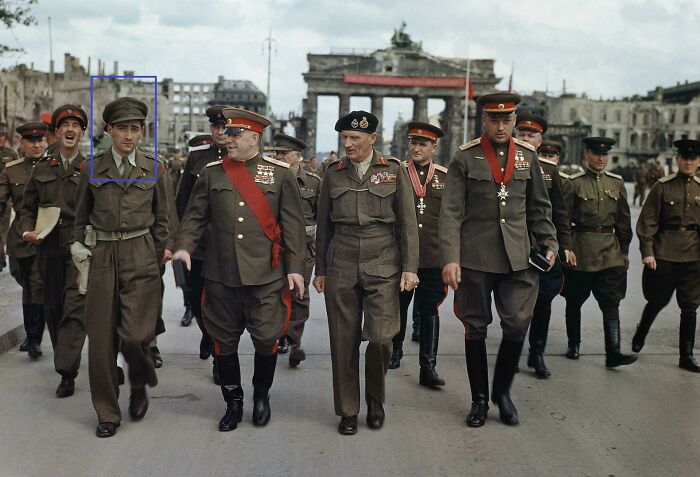
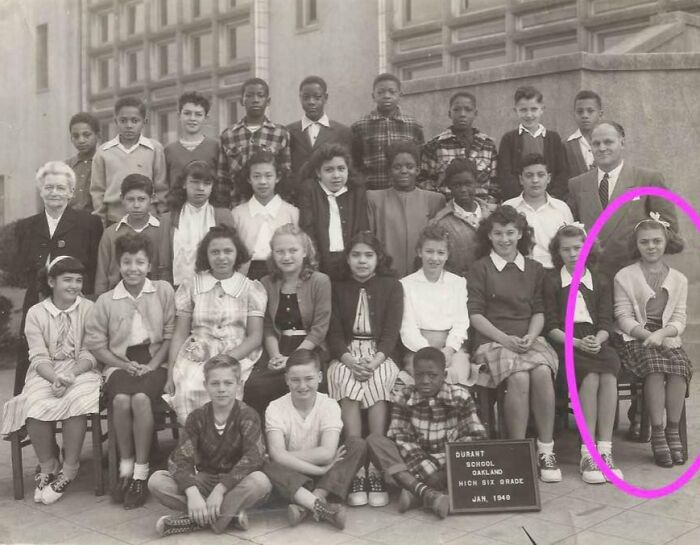
second from the right (or third, if you count in the cut-off face).
Back on Earth, AI is transforming even something as everyday as the weather forecast. In late 2025, the National Oceanic and Atmospheric Administration (NOAA) rolled out a groundbreaking hybrid system that blends traditional weather models with advanced AI. “NOAA’s strategic application of AI is a significant leap forward in American weather model innovation,” said Neil Jacobs, NOAA’s administrator.
“These AI models reflect a new paradigm for NOAA in providing improved accuracy for large-scale weather and tropical tracks, and faster delivery of forecast products to meteorologists and the public at a lower cost through drastically reduced computational expenses.” It’s a powerful example of how AI can make essential systems not just smarter, but faster, more precise, and more sustainable all at once.
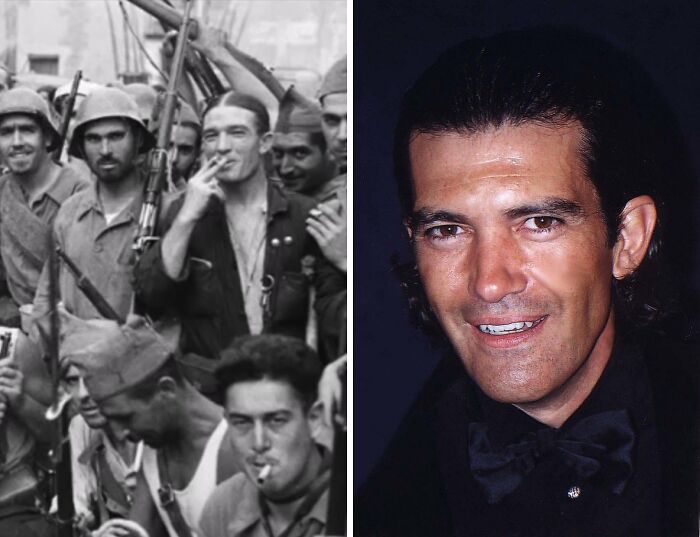
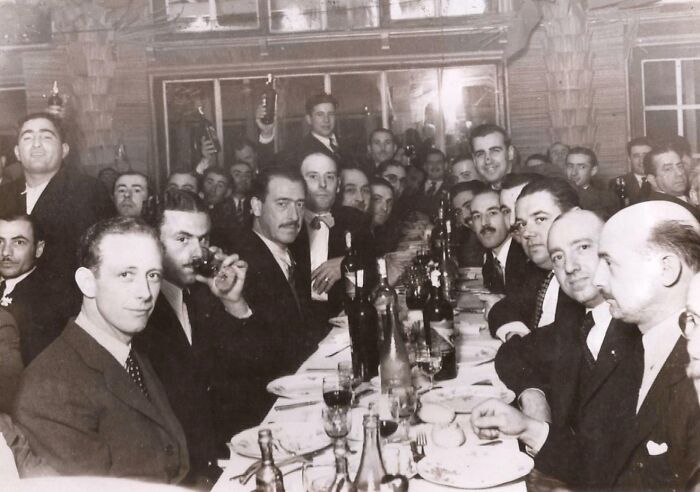
Looks kind of like Adrian Brody.
In many ways, AI has quietly shifted from being a complex, behind-the-scenes technology to an invisible partner in our everyday lives. It enhances our photos, translates conversations, suggests what to do next, and even helps manage our homes. As we move further into 2026, the line between human effort and AI assistance will continue to blur. And while that raises important questions, it also opens up exciting possibilities—giving us more time, more efficiency, and more space to focus on creativity, connection, and the things that make us human.
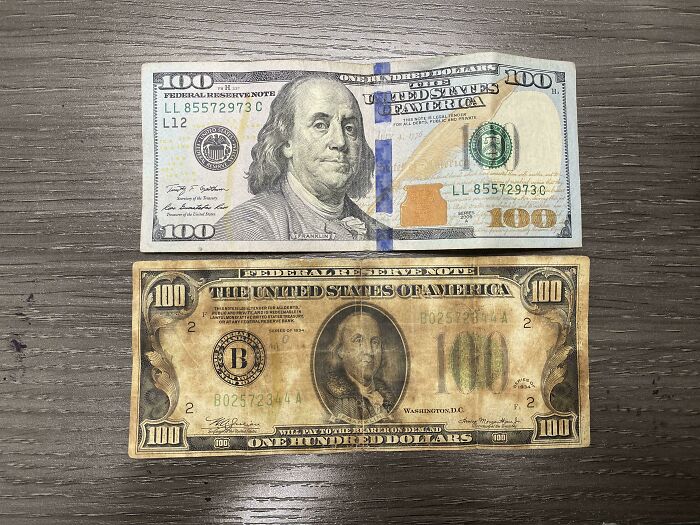
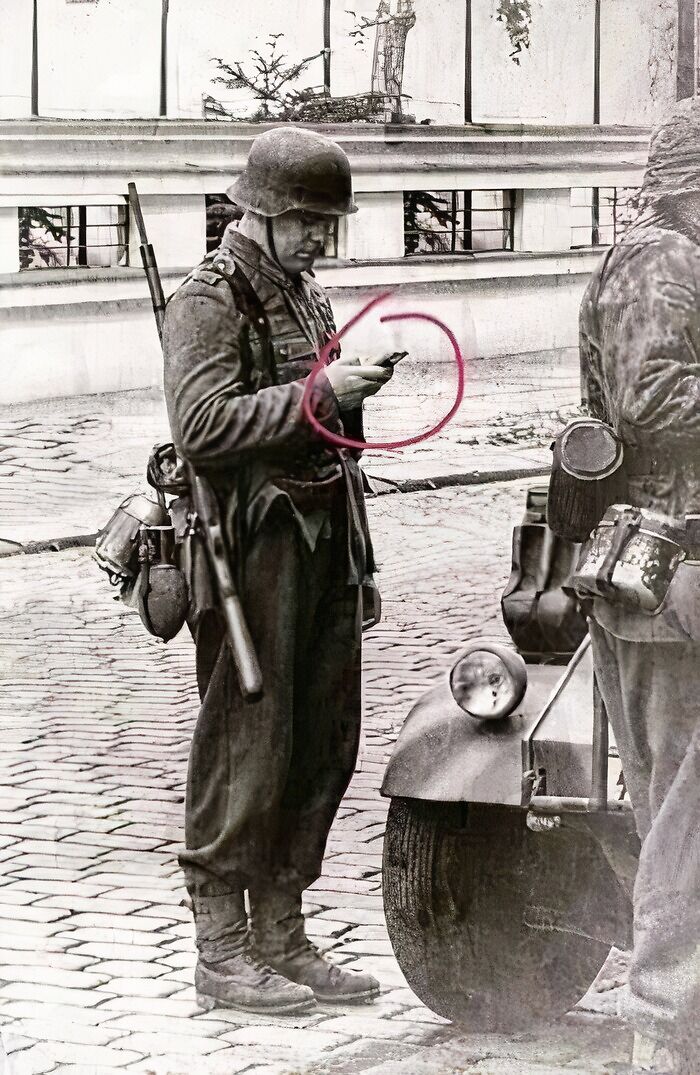
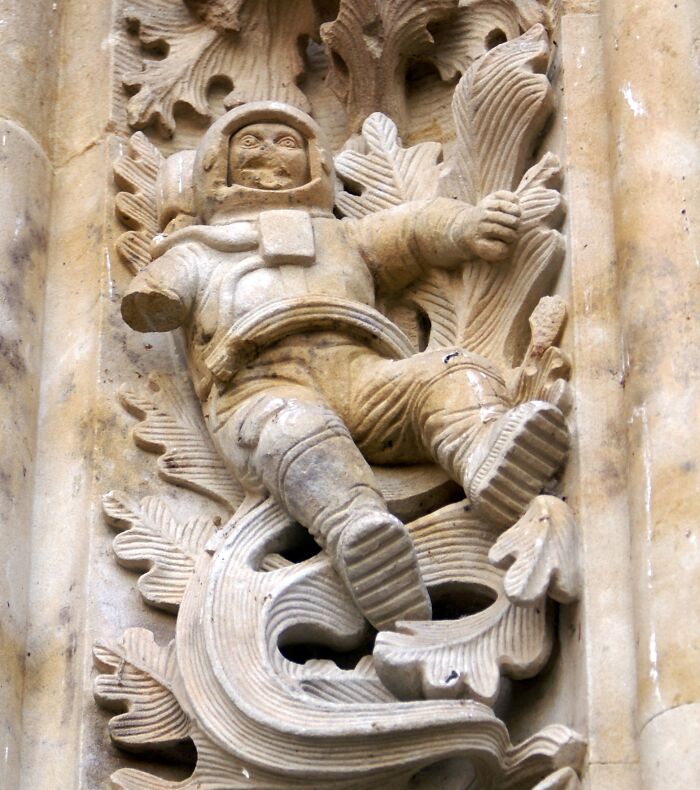
Well, AI is definitely a step toward the future… but these photos make it look like some people already time-traveled, decades ago! From a man casually holding a device that looks like a smartphone long before smartphones existed, to outfits that seem straight out of the next century, these snapshots are leaving us doing double takes. Which one made you stop and think, “Wait… how is this possible?” Let us know which photo left you scratching your head the most!






I enjoy seeing the old photos but a lot of these were a bit of a stretch....
I enjoy seeing the old photos but a lot of these were a bit of a stretch....

















 No fees, cancel anytime