Get Premium
Dark mode theme is available exclusively for premium users. Learn more about the benefits of subscribing.
No fees, cancel anytime.

 Dark Mode Ad-Free Browsing Unlimited Content
 Ad-Free Browsing Unlimited Content Dark Mode
Join 1.2 million Panda readers who get the best art, memes, and fun stories every week!
26submissions
1week left
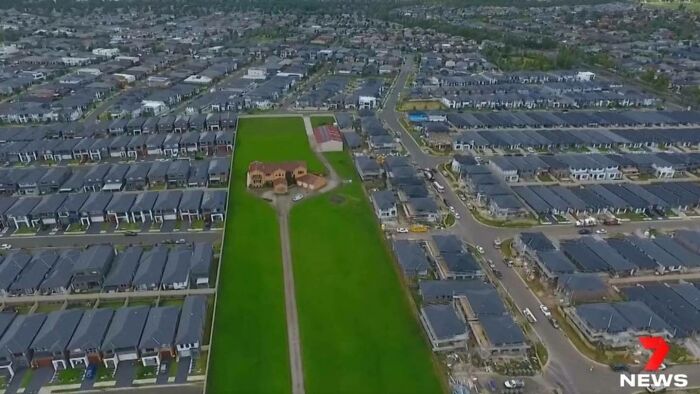
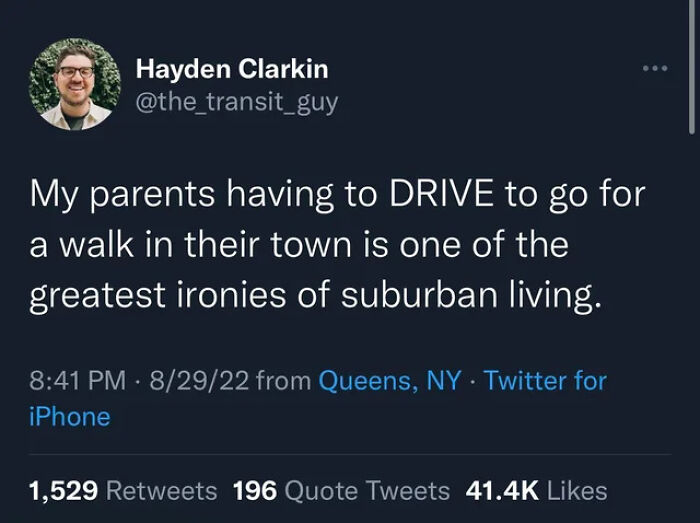
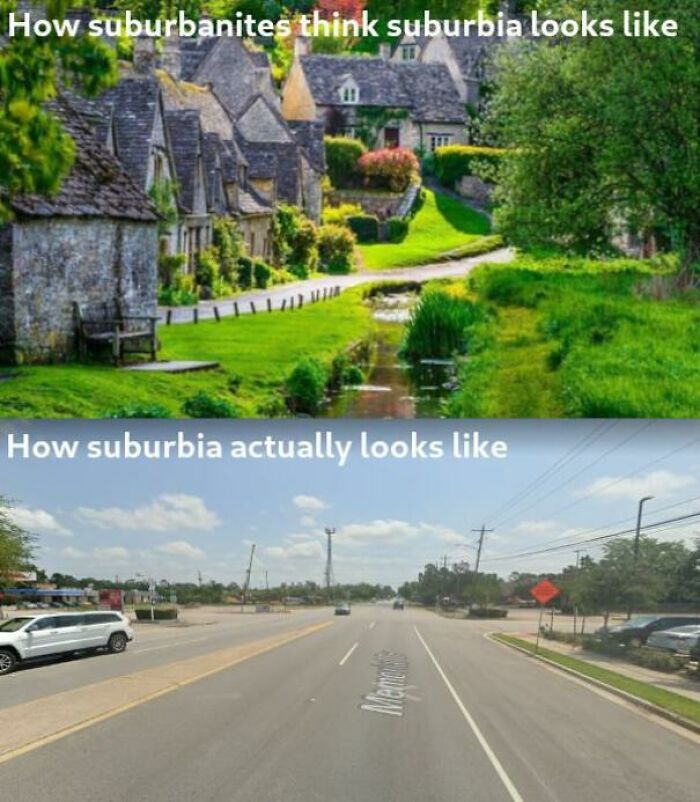
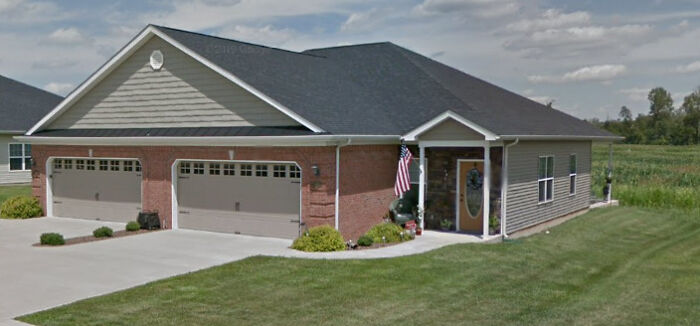
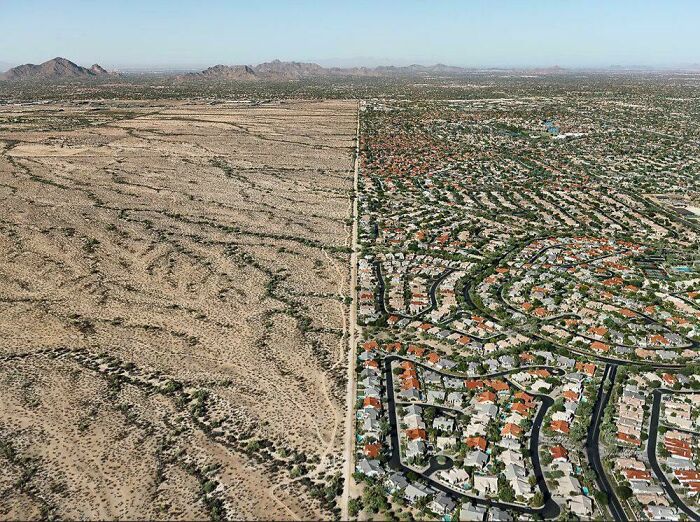
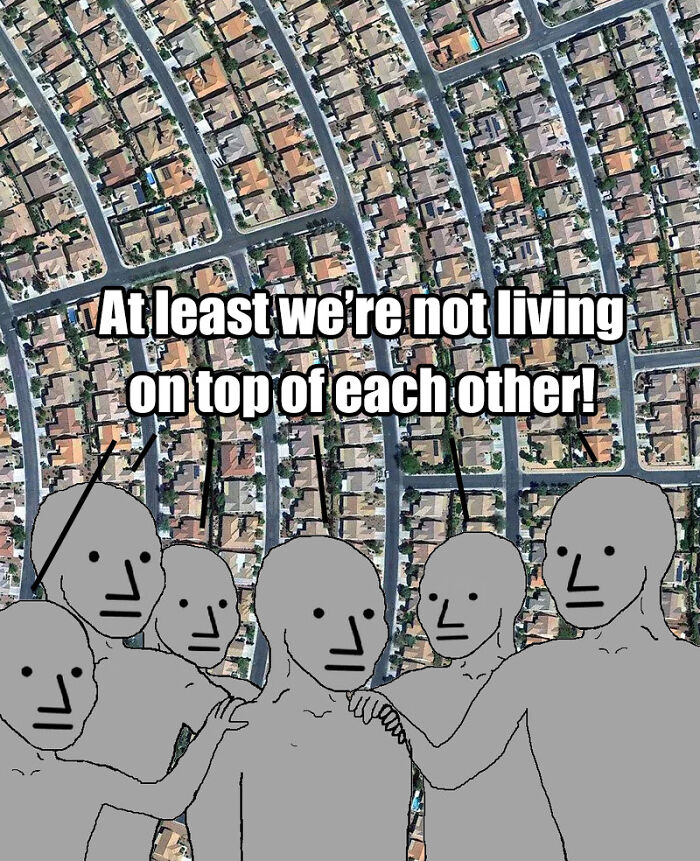
Every house in the neighborhood looks nearly identical, with perfectly manicured lawns. There’s not a bike lane in sight, and it’ll take you at least 30 minutes to walk to the nearest shop. Trees are few and far between, and if you don’t own a car, you’re essentially stranded. That’s right, folks, we’re talking about the good old suburbs!
Below, you’ll find some of the most depressing posts from the Suburban H**l subreddit, a community advocating for more sustainable cities, as well as a conversation with Brett Stadelmann, Founder and Editor of Unsustainable Magazine. Whether you’re a resident of suburbia or not, be sure to upvote the pics that infuriate you the most, and remember that you’re not alone if you’re currently stuck in the suburbs! Click here & follow us for more lists, facts, and stories.
This post may include affiliate links.
To gain some insight on the topic of suburbs from a sustainability standpoint, we reached out to Brett Stadelmann, Founder and Editor of Unsustainable Magazine. Brett was kind enough to have a chat with Bored Panda and share his personal thoughts on suburbs. “I grew up in the suburbs of Melbourne, Australia, so for me, the suburbs feel perfectly natural and very balanced, between the fast pace of the city and the slower life of the country,” he shared.
When it comes to the pros of living in the suburbs, Brett says, “You get all the cultural benefits of being near a city, such as services, culture, food, and job prospects, without some of the downsides such as poor air quality, noise, and overcrowding.”
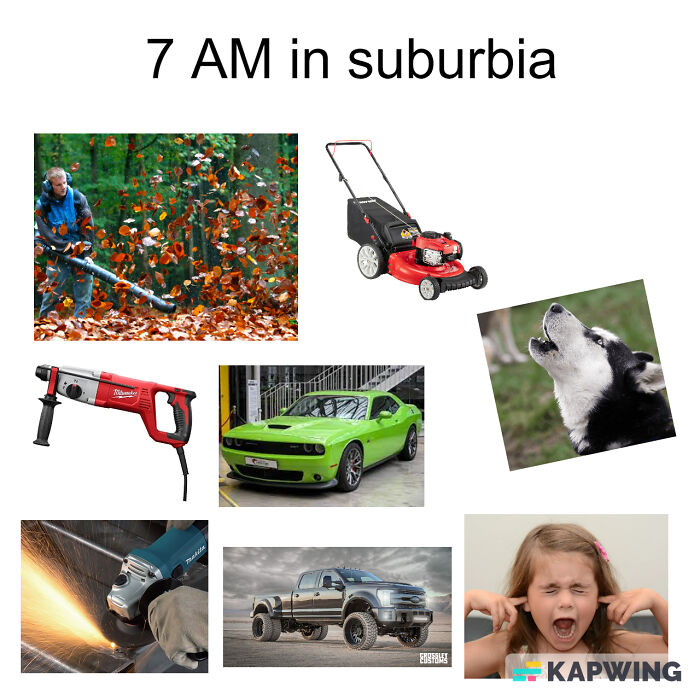
On the other hand, Brett says some of the cons are, “Traveling anywhere does take time and results in emissions, and air quality still isn't perfect. You're completely at the mercy of your neighbors in terms of toxic airborne products they decide to use for cleaning, gardening, hobbies, and the like.”
As far as making suburbs more environmentally friendly, Brett told Bored Panda, “Every neighborhood should have a group looking at sustainability, increasing natural spaces, reducing traffic, promoting recycling, etc. If you can't find one, start one, because more and more people want to be involved in something positive.”
And if you’re considering moving to the suburbs, Brett says, “If you're from the city, get used to driving more, a lot more. If you're from the country, expect a much higher density of population.”
If you’d like to learn more about how we can be kind to our environment, regardless of where you live, be sure to check out Unsustainable Magazine right here!
Even if you’ve never experienced living in the suburbs first hand, you likely have an image in your mind of what they're like from countless American films and TV shows. Huge neighborhoods filled with exclusively large houses that have front and back yards and no grocery stores or shops within walking distance. If you’re lucky, the roads are safe enough to bike on, but more likely than not, cars are a necessity to get anywhere, even if it’s only a mile away. If you do live in the United States, there’s a pretty good chance you have lived in suburbia at one time or another, as according to the 2020 census, there are approximately 130 million Americans living in some form of suburbs.
And while you might be thinking that living in the suburbs is an outdated desire, you might be surprised to find out that many people still choose to move outside of urban areas. In fact, the Pew Research Center has found that Americans have become more likely to prefer living in suburbs since the pandemic. Between 2018 and 2021, the percentage of people who prefer living in cities has gone down by 4 points, while the percentage of people who prefer suburban areas has increased by 4 points. Some of the reasons people may prefer suburbs are having a quieter environment, being able to work remotely, and finding cheaper housing and larger spaces.
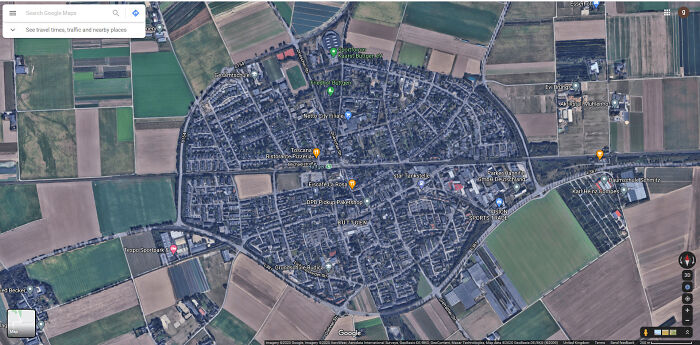
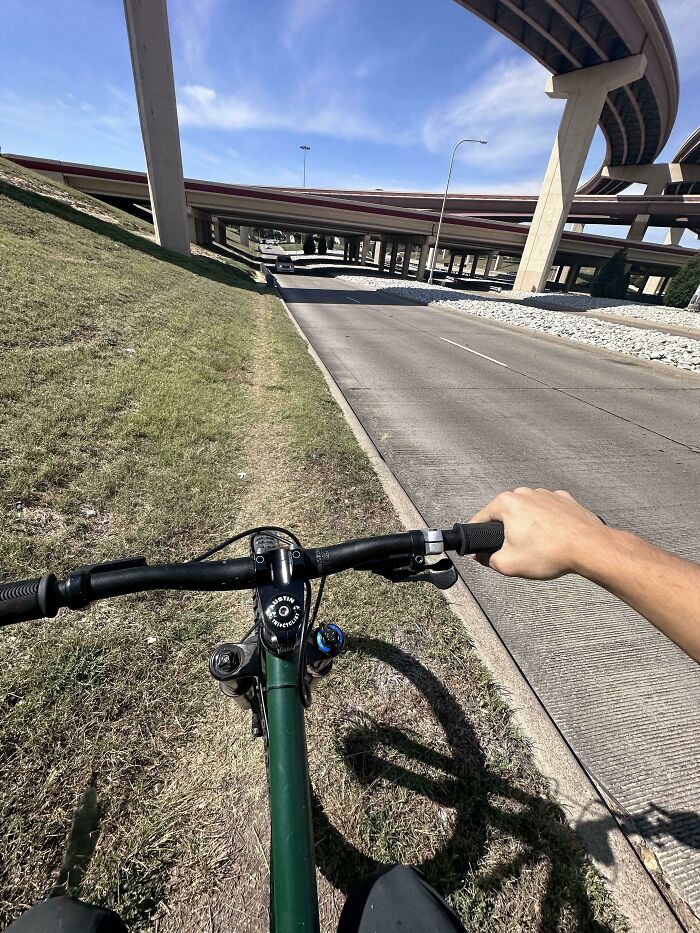
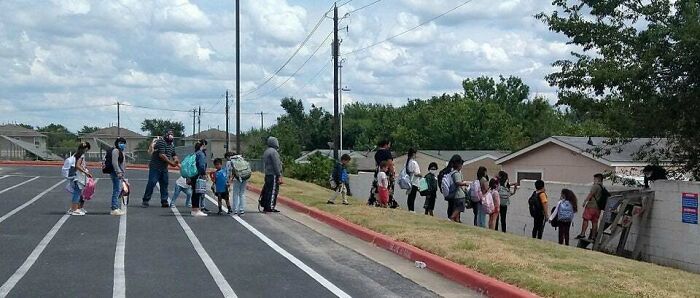
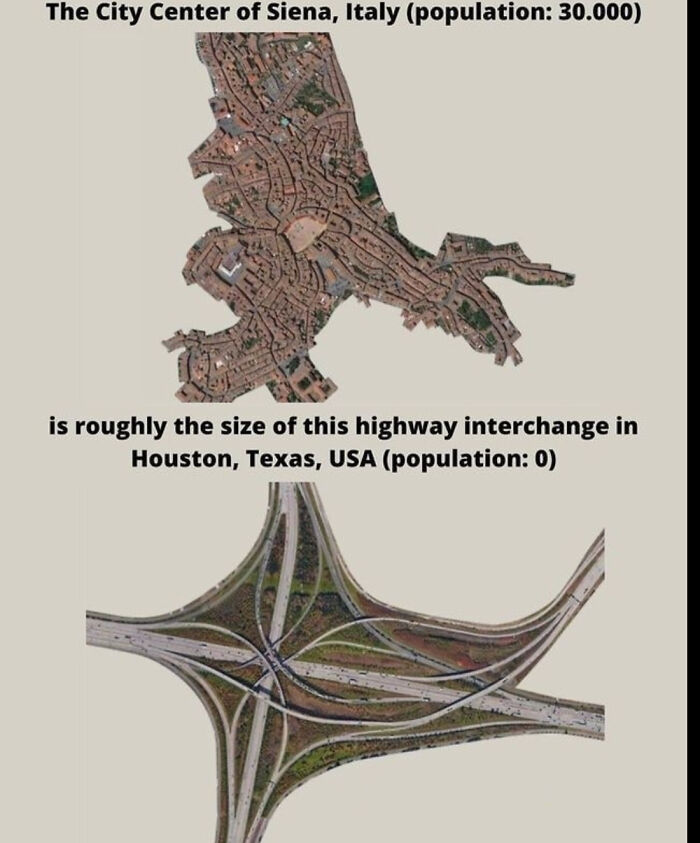
On the other hand, however, some people view living in the suburbs as an absolute nightmare. That’s where the Suburban H**l subreddit comes in. This community, which describes itself as being “about suburbs, how bad they are, how ugly they are and solutions against them,” has amassed nearly 57k members since 2015. The group does an excellent job detailing why suburbs aren’t always the most sustainable or reasonable way of living. From aerial views of cities showing exclusively asphalt and pavement to images of kids crossing major roads just to get to school, Suburban H**l has it all!
These photos point out how the land used in many suburbs could have been utilized much more effectively, providing additional housing, additional greenery and more sustainable ways of transportation than simply driving cars. According to Untapped New York, the first American suburb was Levittown, Long Island, which became what we now consider suburban in the 1940s. Today, however, over half of the households in the US would consider their neighborhoods “suburban,” rather than urban or rural.
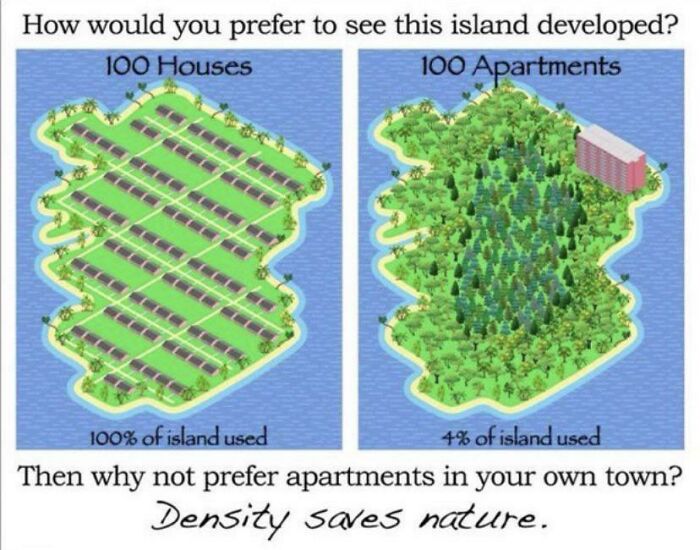
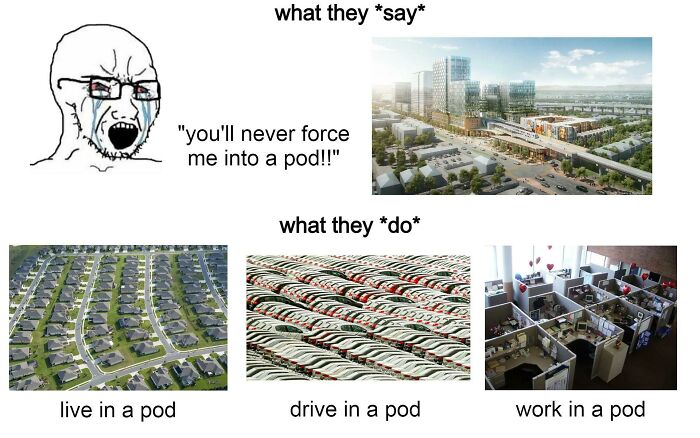
Suburbs are often criticized for being poor uses of space, destroying natural habitats, polluting water, wasting resources and exacerbating housing crises. But among all of the problems that crop up in suburbia, Chris Weller at Insider says there may actually be an evolutionary reason why the suburbs feel like a hellscape. He explains that two things that humans have natural preferences for, socialization and well-defined spaces, are made much more difficult when living in suburbs. When we live in large homes with yards and pools and drive everywhere, we encounter people out and about much less than if we were to live in an apartment building with a courtyard and had to walk down the street or ride public transportation to get around. Suburbs make it incredibly easy to isolate ourselves and avoid interaction.
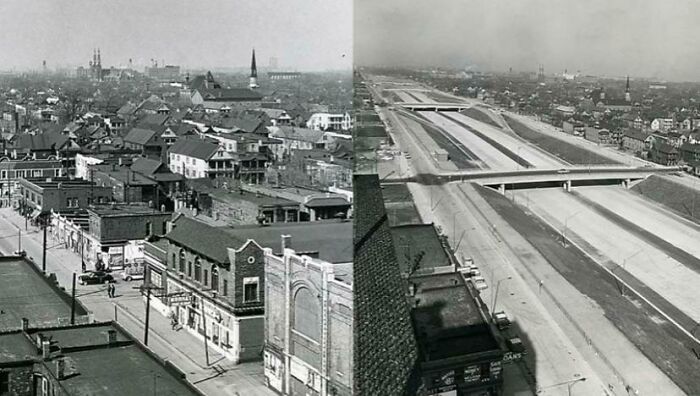
An inner city suburb of Detroit. It was formerly known as “Black Bottom” Before they obliterated it with the highway, as it was a predominantly African American neighborhood.
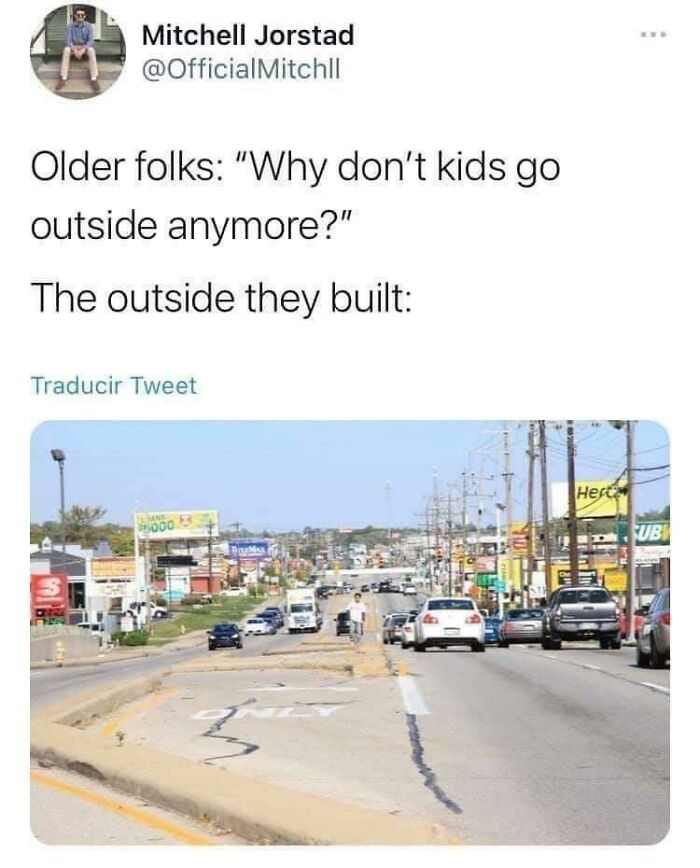
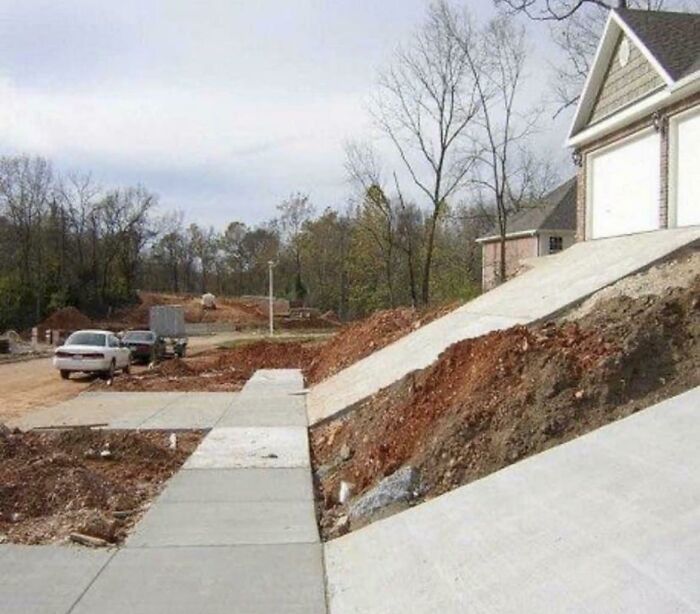
Another reason Weller notes that makes residents’ lives much more difficult in suburbs is the “lack of planned order found in urban environments.” When you don’t have a lot of space available, you have to be wise with how you use it. Your apartment building might have a grocery store and a coffee shop on the first floor, and trees often line city sidewalks, as they have nowhere else to go. But in suburbs, where everything is designed to make it easier for cars to get around, the pedestrian experience is often ignored. The planning just doesn’t make sense, and when we don’t have defined walking and biking paths, we don’t feel comfortable or at ease trying to maneuver around without a car.
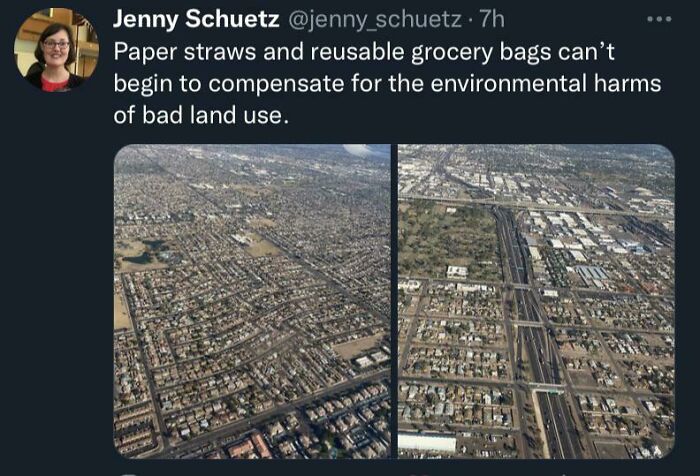
If you’re concerned about the environment (which, let’s face it, who isn’t these days?), you might want to become an advocate for urban areas over suburbs too. According to the Organization for World Peace, suburban sprawl is a major contributor to climate change. They explain that the reliance on vehicles suburbs have created greatly increases suburbanites’ greenhouse gas emissions and use of fossil fuels. Large homes require lots of energy to maintain, while housing small amounts of people.
Suburban sprawl also greatly contributes to water pollution, the Organization for World Peace notes. “Lawns and gardens contribute to water pollution on a surprisingly large scale. Sprinklers and other irrigation systems can lead to harmful run-off. Run-off from lawns and gardens carries with it fertilizers, pesticides and other potentially harmful substances,” they explain. “These substances get rinsed into adjacent bodies of water. The products used to treat lawns and gardens eventually contribute to the pollution of lakes, rivers, streams, and even the ocean.”
Turning massive amounts of land into suburbs also takes away land that could have been used for agriculture and provided us with the opportunity to grow more food. “This land could have been relied upon by generations to come for food production,” the Organization for World Peace explains. “This issue is particularly troubling as population explosion continues. The sprawling development pattern exemplifies the capitalist impulse to disregard long-term sustainability in favor of short-term profit.” Unfortunately, however, it’s still the dream of many individuals to purchase a home with a yard for their family one day.
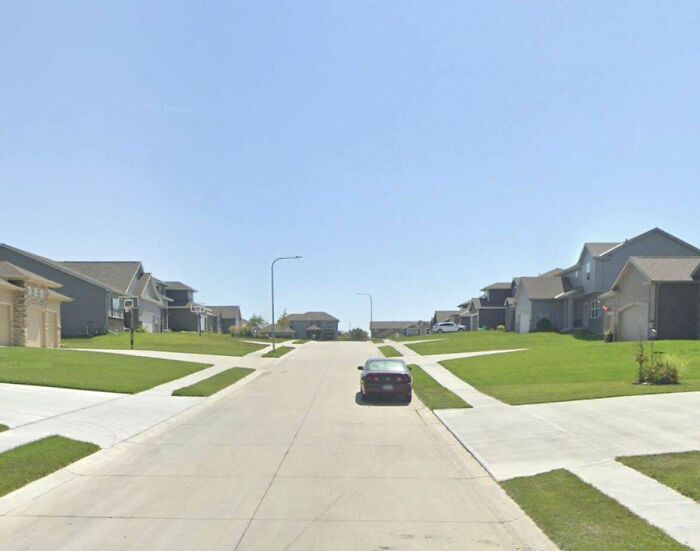
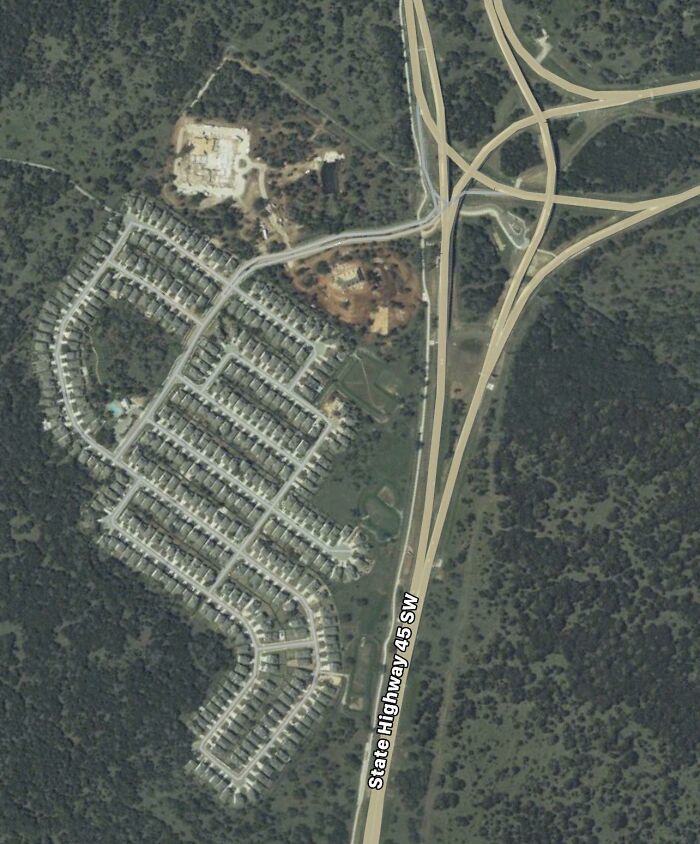
Location Pflugerville, Texas, USA.
So what’s the solution to living in suburban H**l? Well, according to the Organization for World Peace, it might come down to legislation. By implementing stricter government regulations on land development, communities could be required to use space and resources more sustainably and efficiently. Creating more housing in smaller spaces that uses less resources sounds like a win-win. People just have to keep an open mind and realize that living in a suburb might not be the happily ever after they always wanted. Perhaps taking better care of our planet and our communities is a bigger win.
You might also like: Germany Is A Whole Different World, And These 49 Photos Are Here To Prove It










 No fees, cancel anytime