Get Premium
Dark mode theme is available exclusively for premium users. Learn more about the benefits of subscribing.
No fees, cancel anytime.

 Dark Mode Ad-Free Browsing Unlimited Content
 Ad-Free Browsing Unlimited Content Dark Mode
Join 1.2 million Panda readers who get the best art, memes, and fun stories every week!
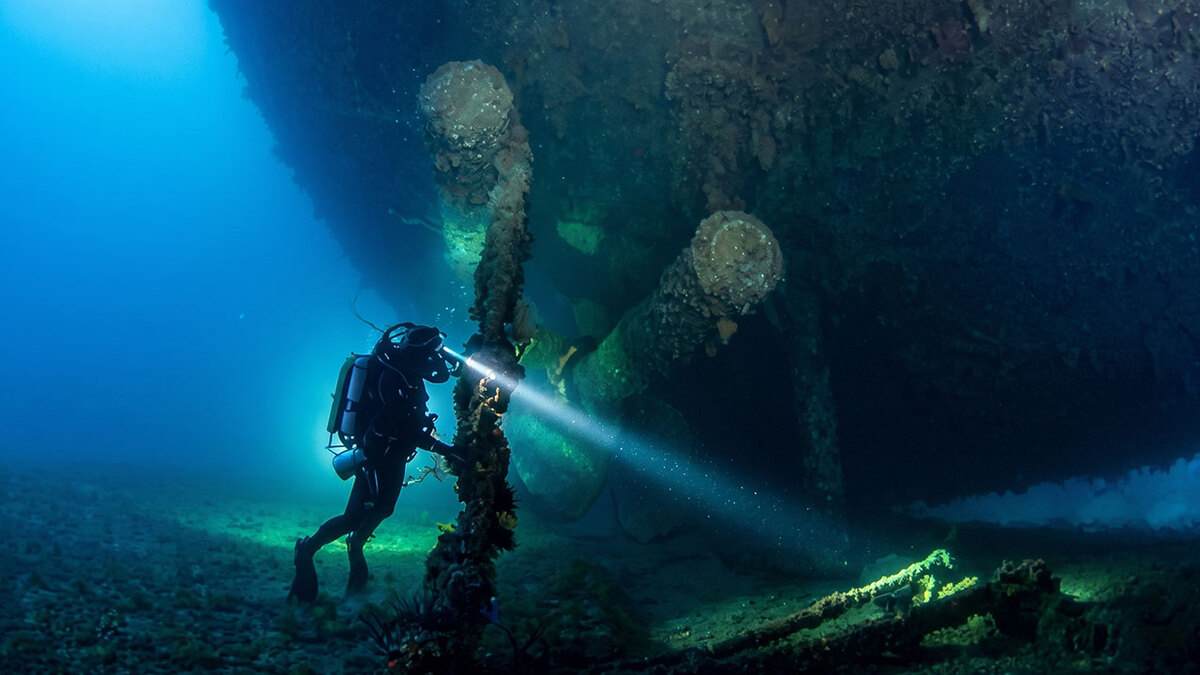
People aren’t exaggerating when they say that water is life. More than half of our bodies are made up of it, and it covers some 71% of our planet’s surface. It’s constantly moving, flowing, freezing, and evaporating, shifting between liquid, solid, and gas. It’s essential to our survival, yet it can also threaten our very existence. Water is as formidable as it is indispensable.
But its most unnerving quality might be what it hides. Underwater, even ordinary man-made objects can become eerie, their creepiness magnified by the murky stillness around them. The fear they inspire even has a name, one shared by a Reddit community dedicated to these sights: r/submechanophobia. Let’s dive into some of its most unsettling posts.
This post may include affiliate links.
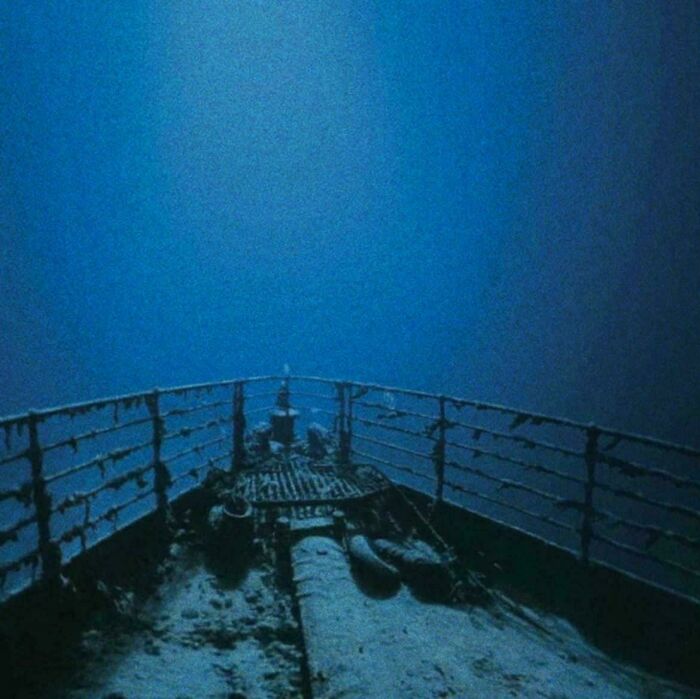
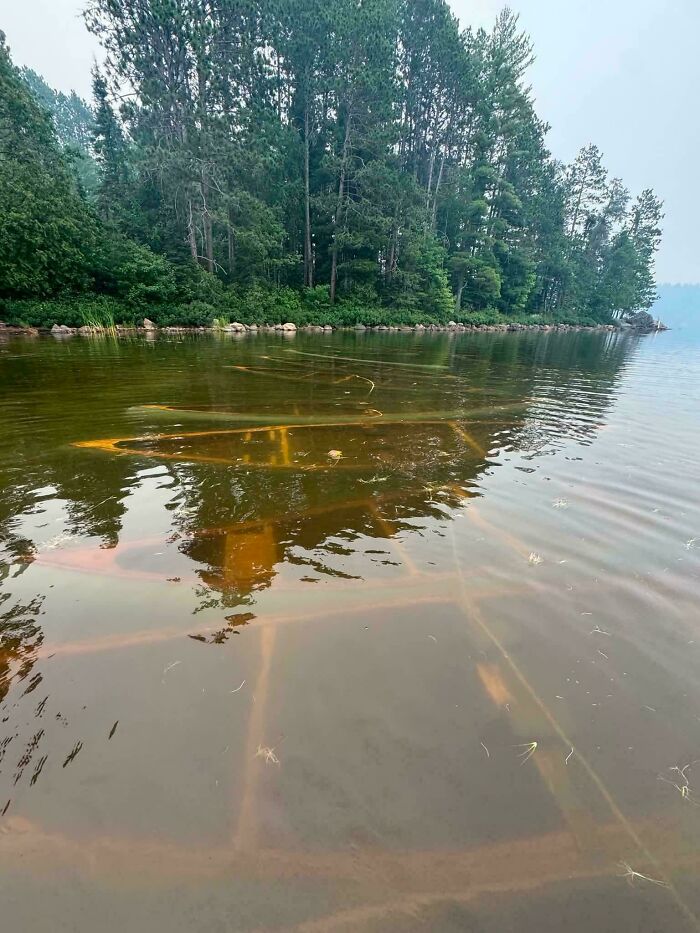
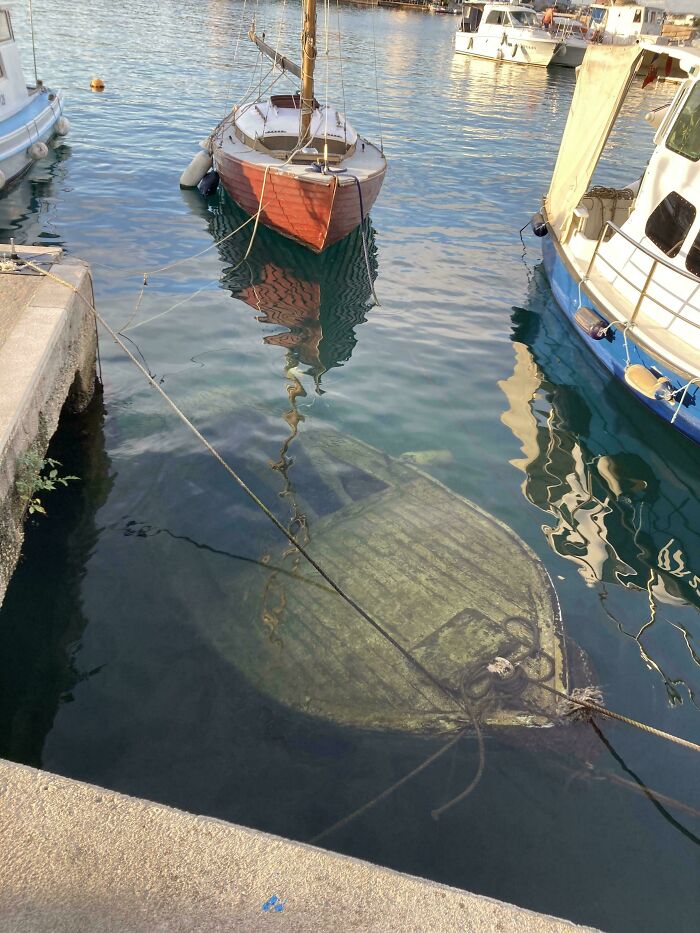
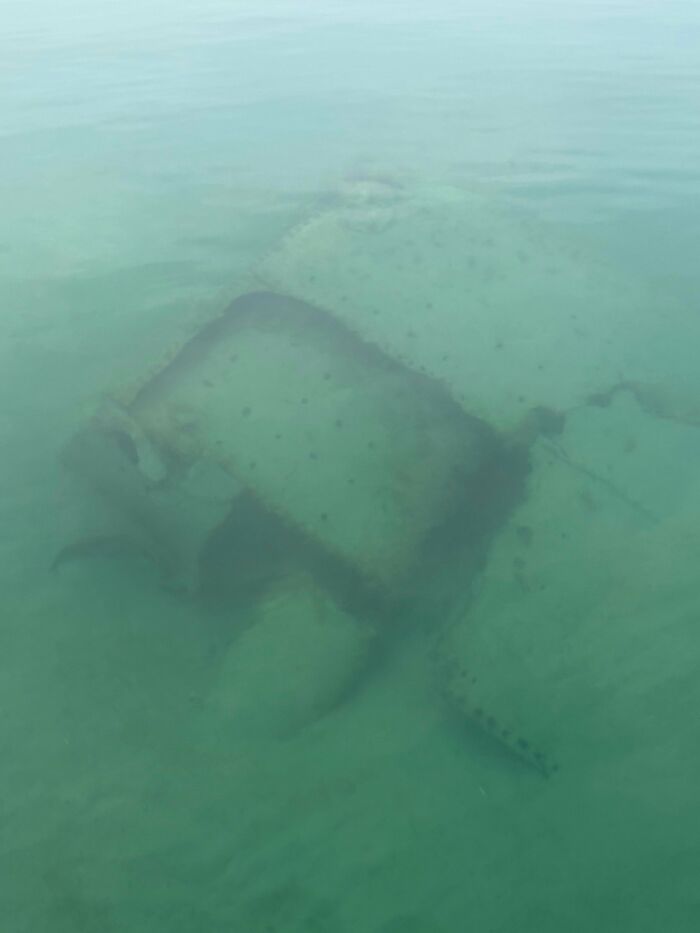
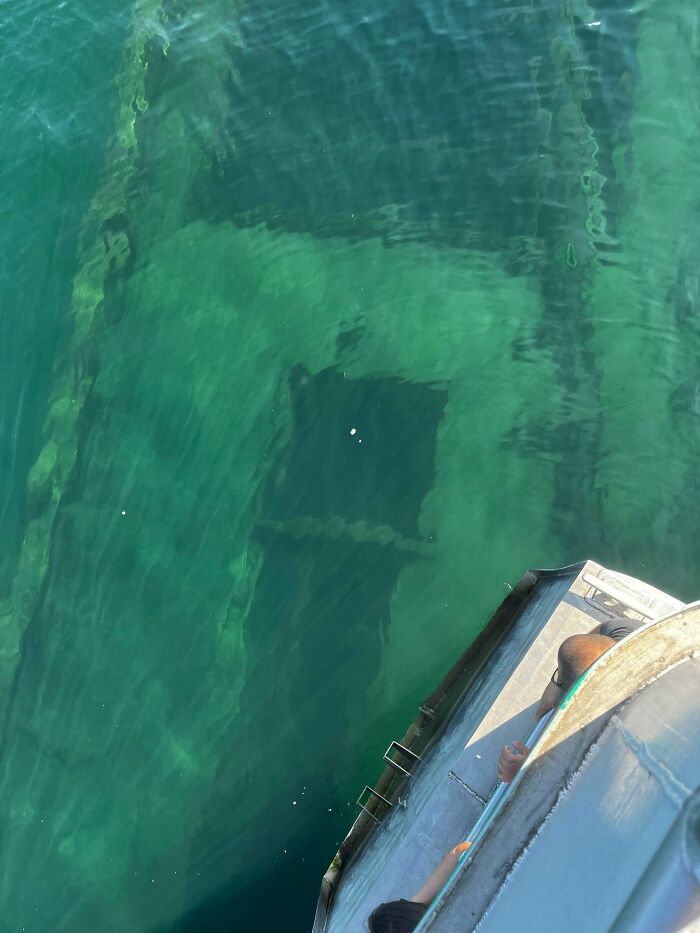
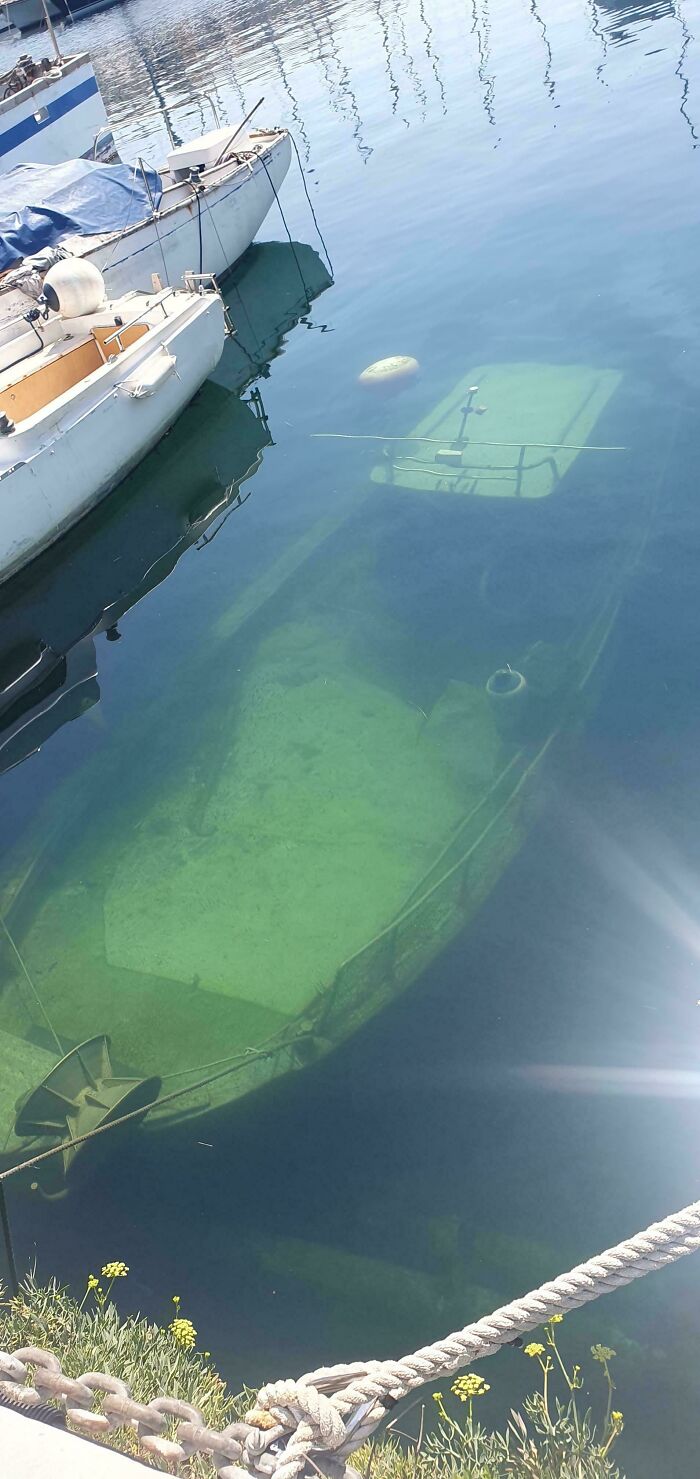
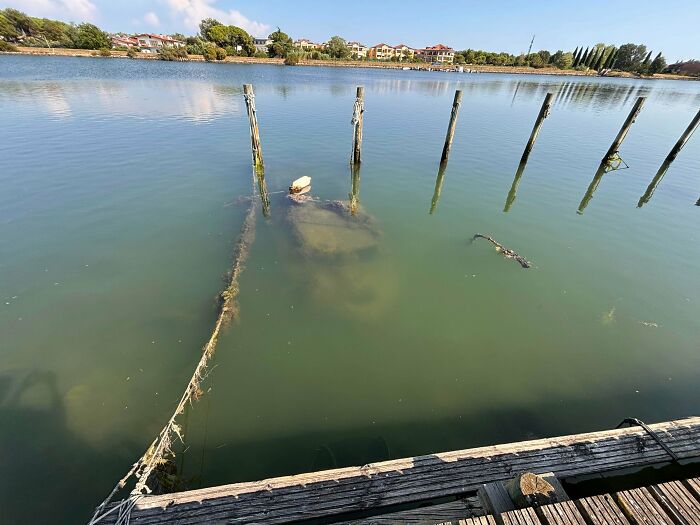
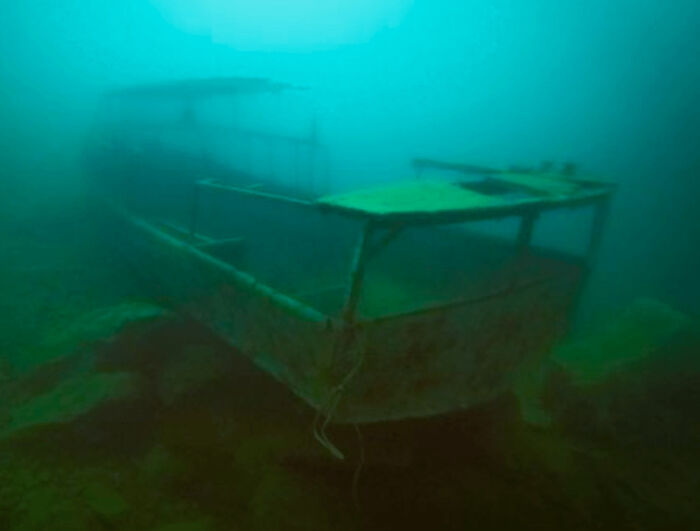
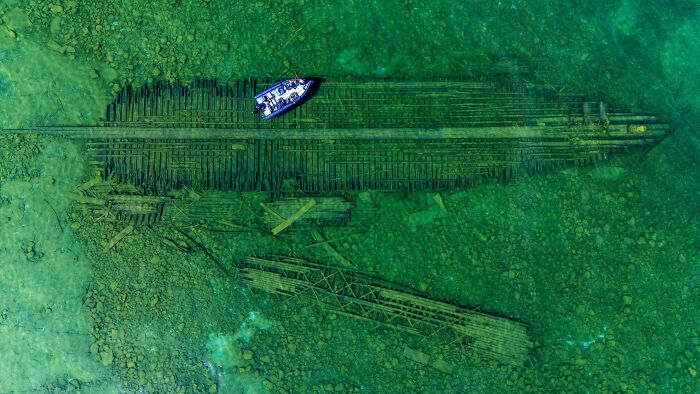 A shipwreck beneath my boat.
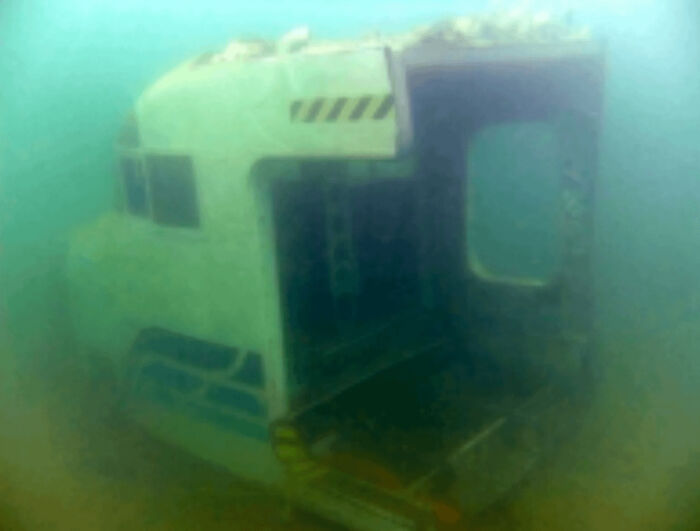
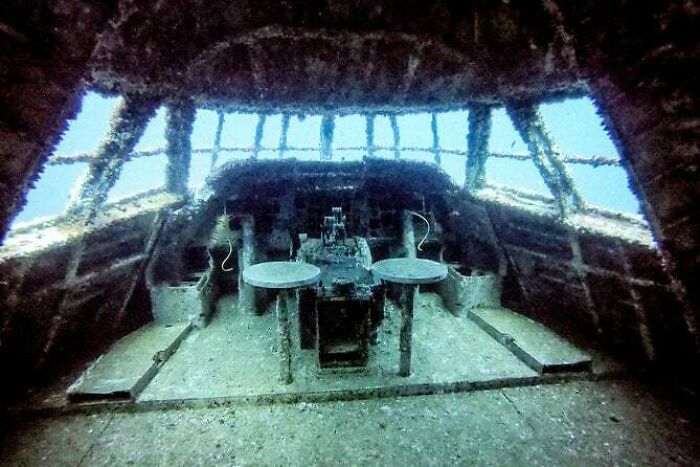 Bahrain bought a 747 jet for just $100,000 from the UAE, then for 7 long months carefully removed every single fuel line, wire and plastic component from it, then tugged it into the Arabian Sea and sunk it, creating the centerpiece of the world’s largest underwater theme park.
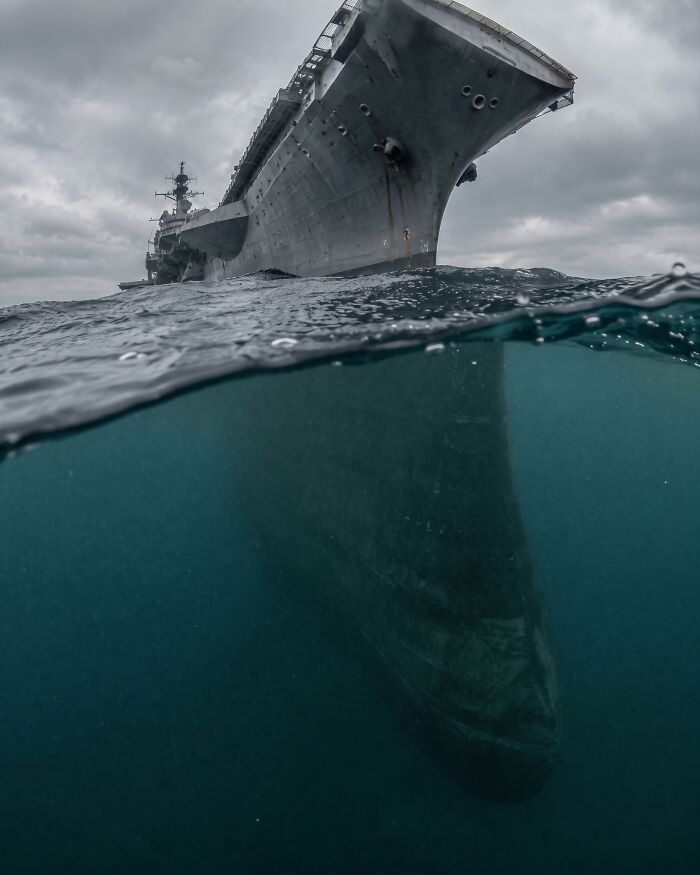 A 50-50 (above/below water line) view of an aircraft carrier.
Submechanophobia is the fear of fully or partially submerged man-made objects, and it might just finally explain my childhood terror of that creepy-crawly thing. You know, the thing that keeps the bottom of the pool clean? It’s a little more oddly specific than thalassophobia, the fear of the sea or vast bodies of water, but it’s no less unnerving.
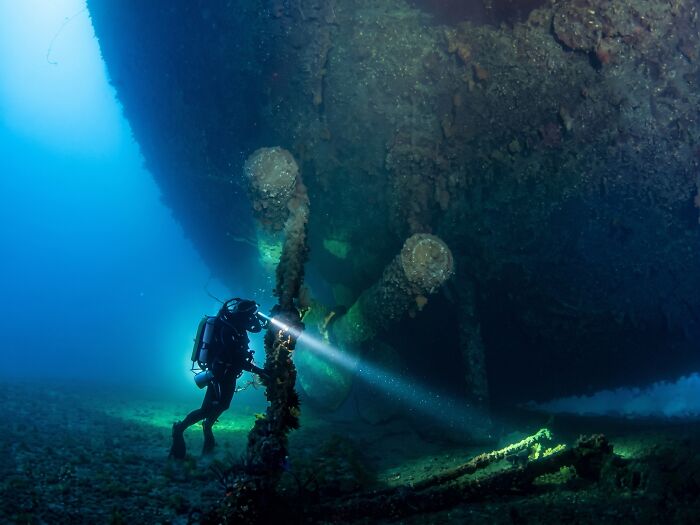 USS Saratoga under 200ft of Bikini Atoll Water.

Yeah...I don't think I would go anywhere near Bikini Atoll --- ESPECIALLY not in the water.
Because, really, with all that humankind has built, explored, discarded, or lost to the tides, who knows how much of our handiwork now lies underwater? The ocean alone supports an enormous amount of human activity. According to the Organisation for Economic Co-operation and Development (OECD), it provides food security for over three billion people, carries more than 80% of global goods, and hosts cables carrying 98% of international internet traffic.
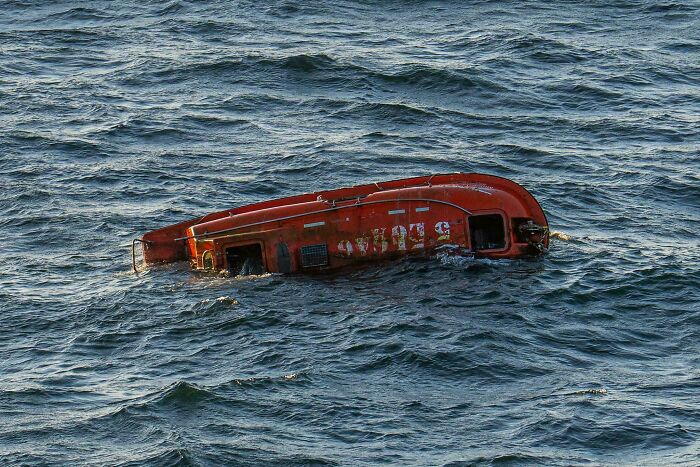
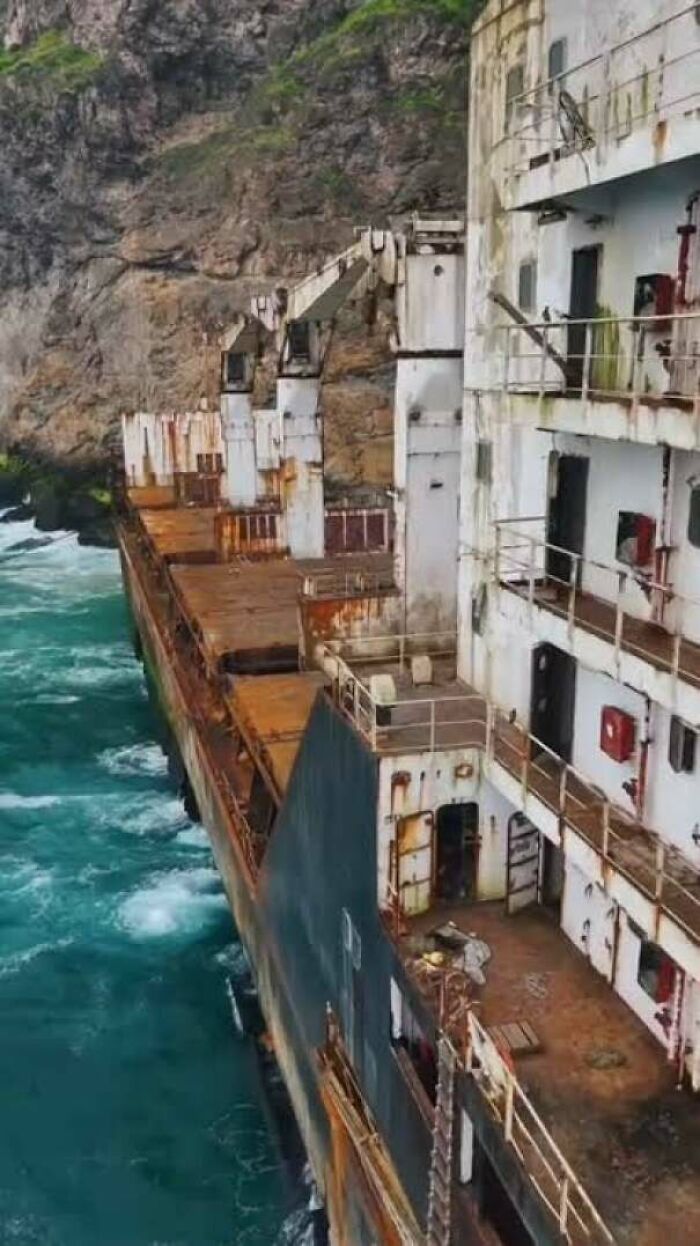
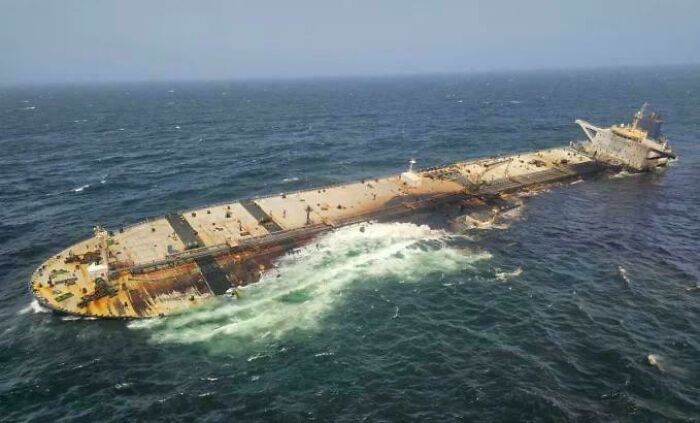 The damaged and half sunk oil tanker Caroline Bezengi, at sea off the coast of Oman, on a date given as August 6.
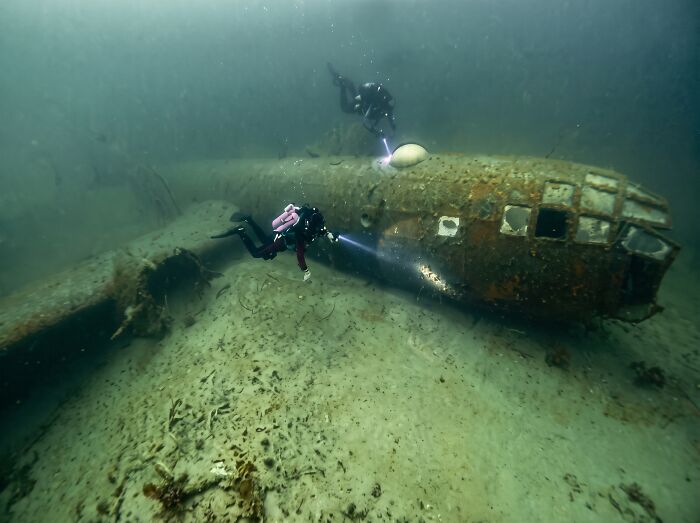
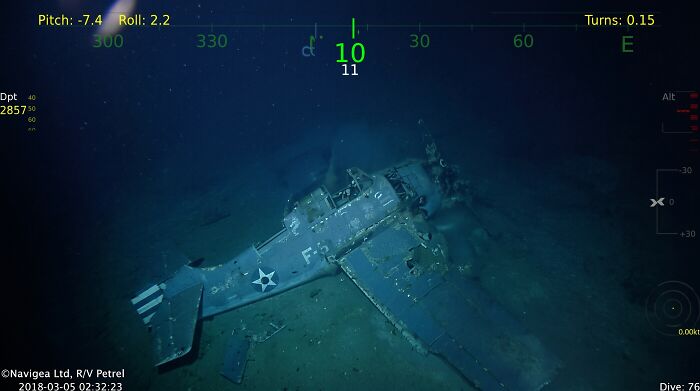 Various US Navy aircraft found with the wreck of the aircraft carrier USS Lexington, sunk during the Battle of Coral Sea in WWII.
Add climate change and rising sea levels, which threaten to swallow up more of the places we’ve built on dry land, and… well, if you have submechanophobia and the photos haven’t made you nope out just yet, you’re probably quietly freaking out right about now.
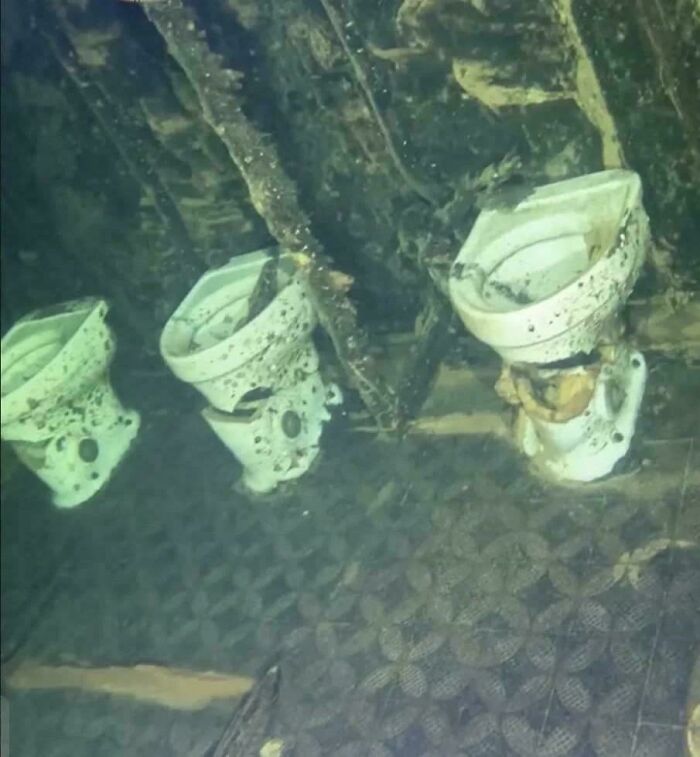 Toilets inside the wreck of the HMHS Britannic.
Writing for Verywell Mind, Lisa Fritscher explains that submechanophobia can stem from several different fears, including fear of the unknown. As she points out, that instinct to be wary of what we can’t fully see or know has probably served us pretty well as a species. After all, bodies of water can conceal all sorts of hazards that are difficult to spot, from submerged rocks and logs to dangerous currents that can sweep us into much deeper trouble than we ever intended. Being cautious about what might be lurking beneath the surface isn’t exactly irrational.
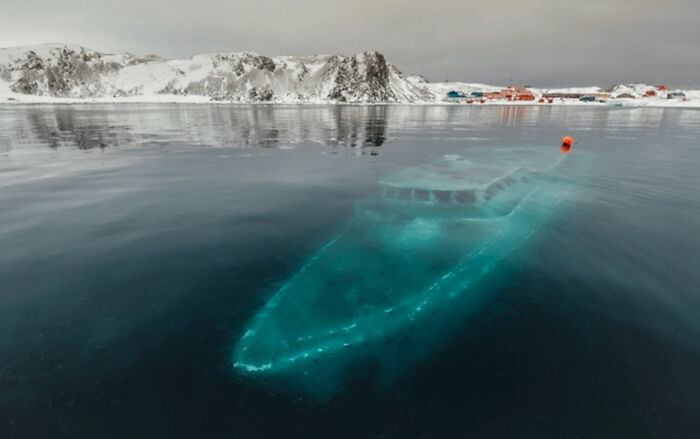 Mar Sem Fim.
A Brazilian yacht that was shipwrecked, sunk, and subsequently frozen. Ardley Cove, Antarctica. Name translates as 'Endless Sea' in English.
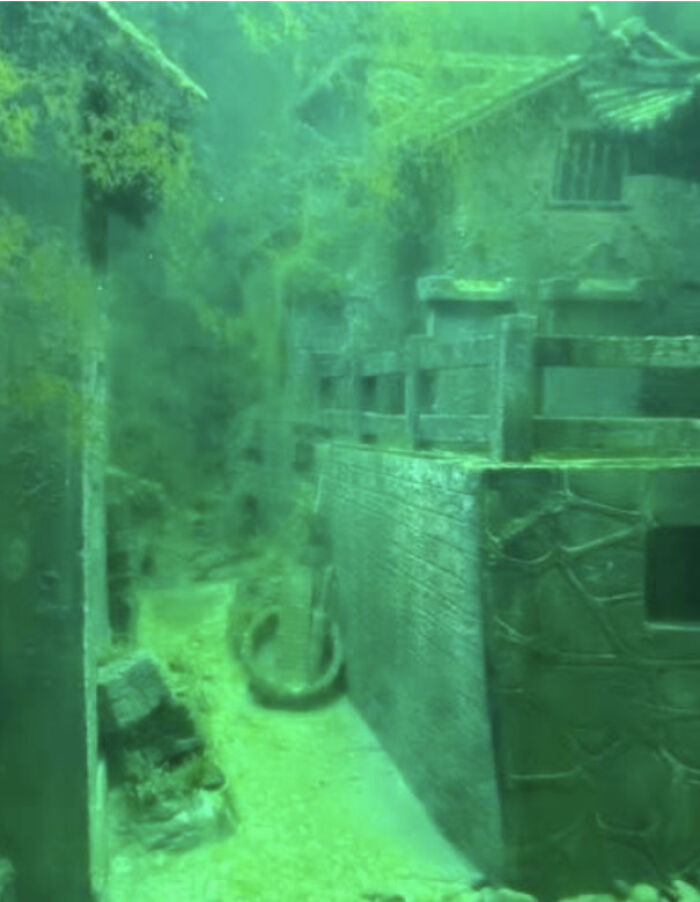 Entire County Submerged As A Result Of The Three Gorges Dam.
But Fritscher also notes that familiarity with a particular body of water can reduce the perceived risks. So perhaps that explains why I eventually made peace with the pool’s aptly named creepy-crawly.
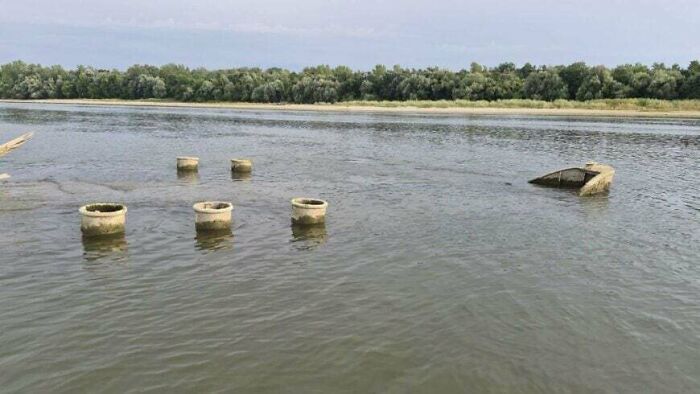
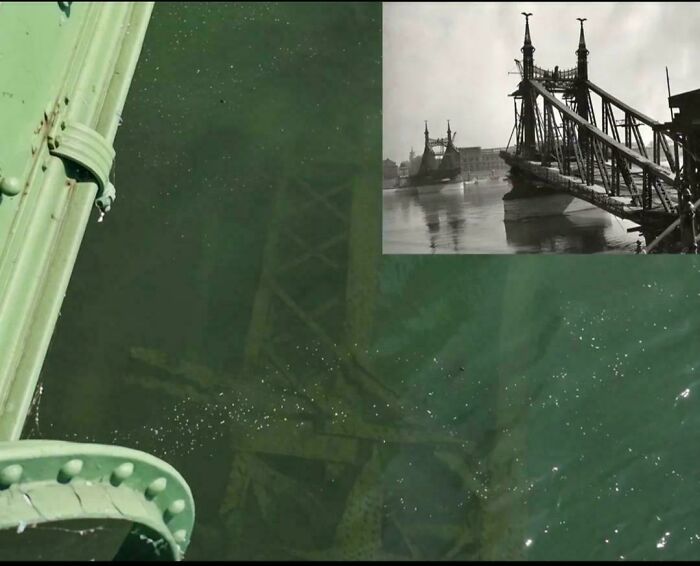 Exploded bridge from WW2 in the Danube river, Budapest.
Moving from creepy-crawlies to actual creatures, next on Fritscher’s list is fear of animals. We’ve all seen Jaws. We know what might be swimming below, from eels and rays to the occasional larger predator, and sunken objects often make perfect hiding spots. Fritscher points out that even non-predatory animals may attack if they feel threatened, although attacks on humans are rare. Still, for some of us, even a brush with a fish (or a slimy piece of seaweed) is enough to elicit a shriek.
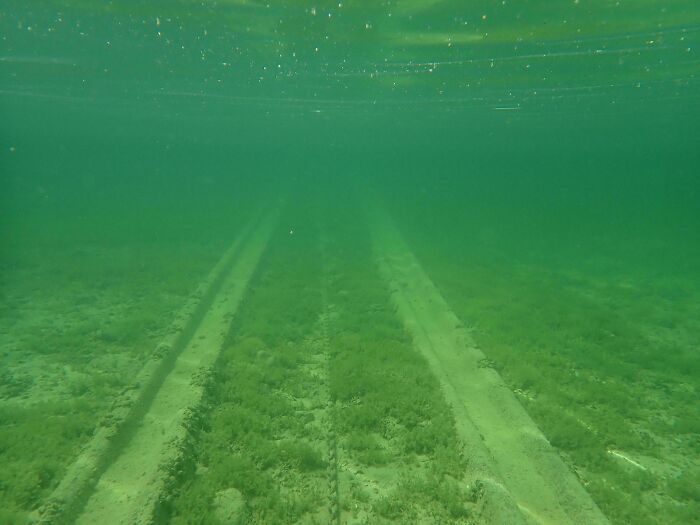
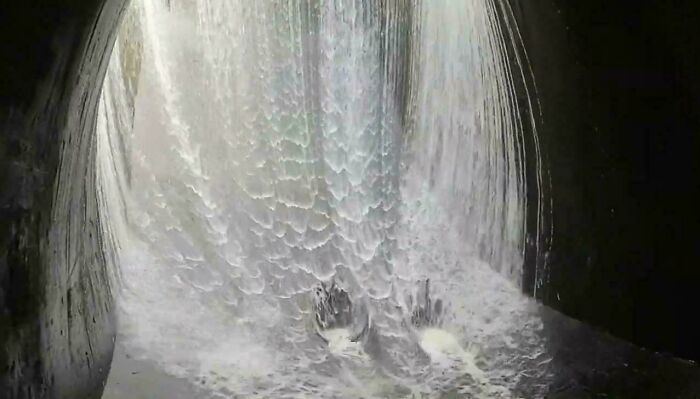
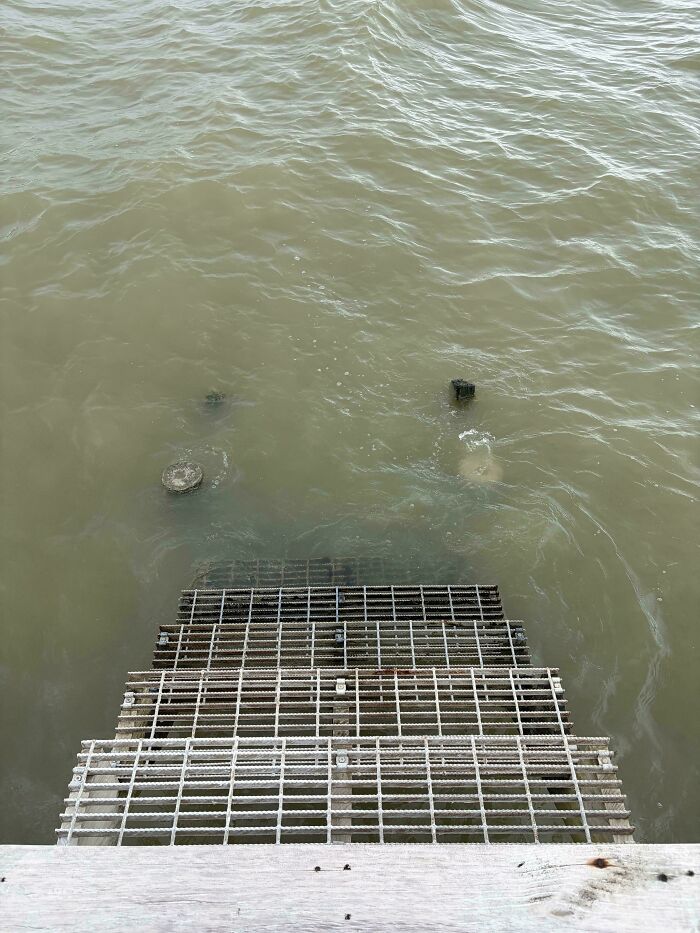
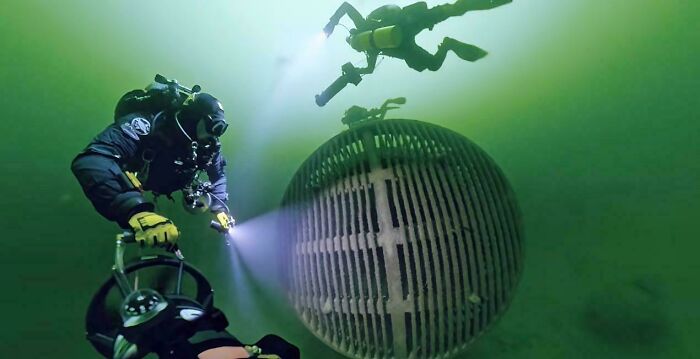
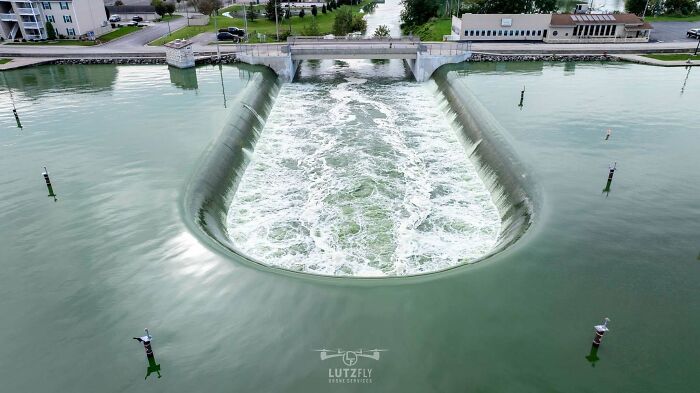 Spillway.
Then there’s the fear of ships. Fritscher explains that this can range from discomfort around boats to an intense fear of enormous vessels, with submarines being a particular trigger for some people. And it’s not hard to see why. Just imagine being sealed inside a craft, miles below the surface, with nothing but darkness and water pressing in from all sides. And we’ve seen how tragically that can end.
While all this makes bodies of water sound downright terrifying, there’s an undercurrent to these fears: water can be as calming as it is unsettling. As Tamara Davison writes for The Guardian, “The ocean has long framed restorative practices for better health around the world, from Victorian-era doctors prescribing ‘sea cures’ for patients to the modern-day trend of cold-water swimming.”
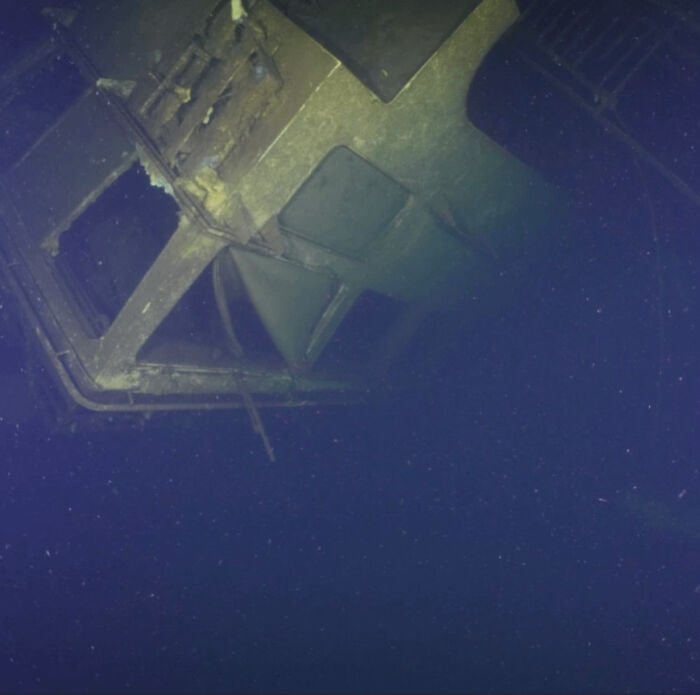
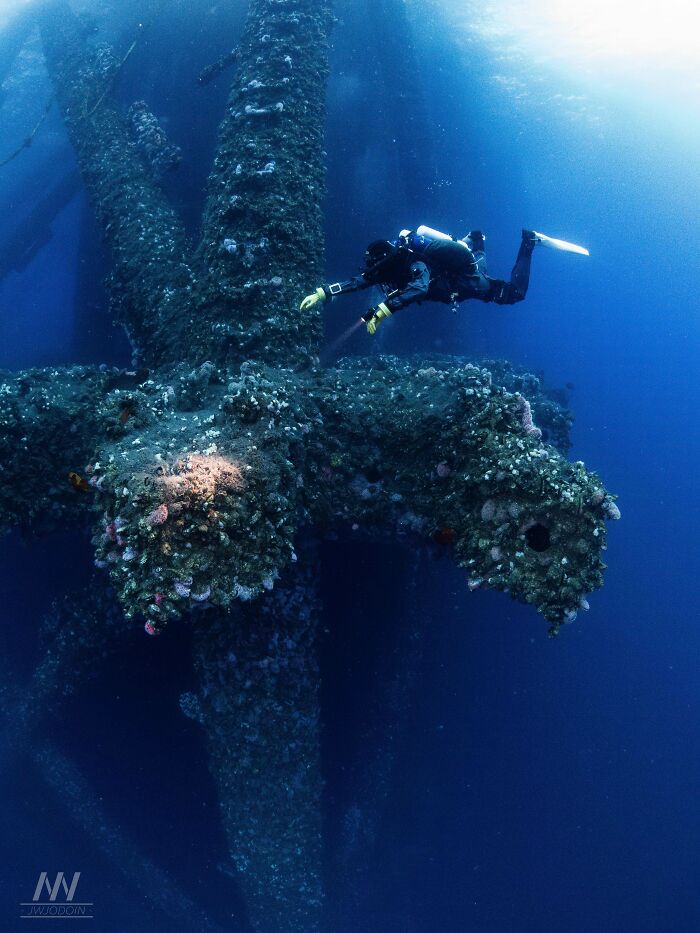
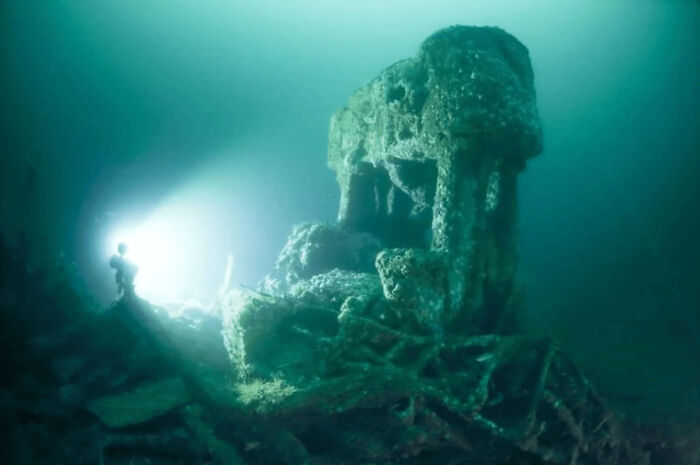
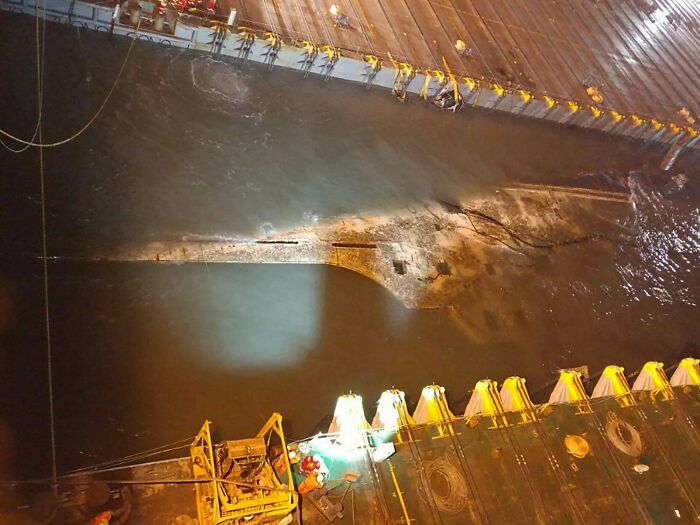
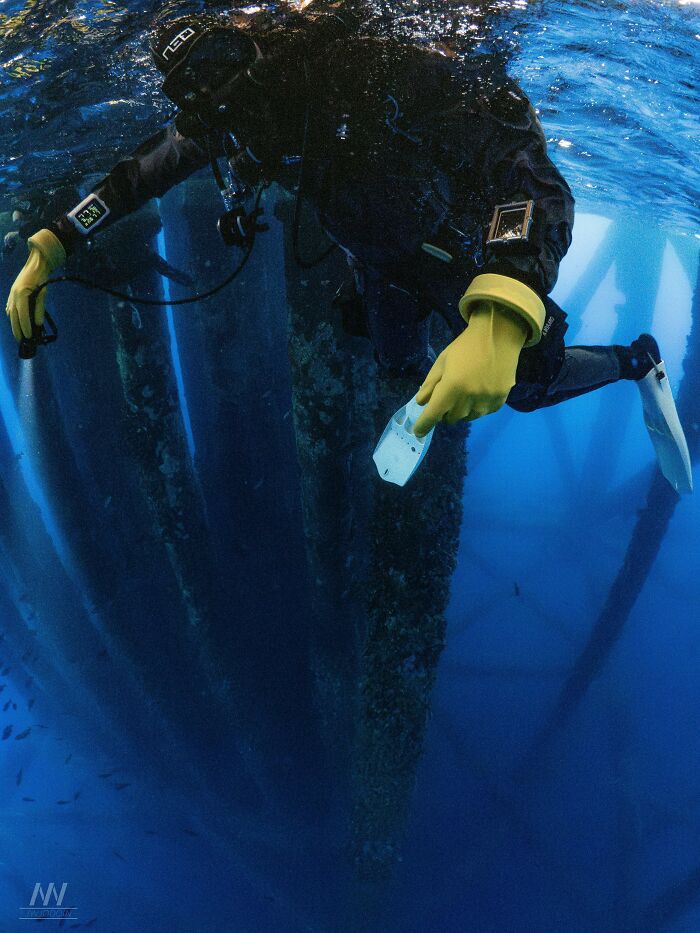
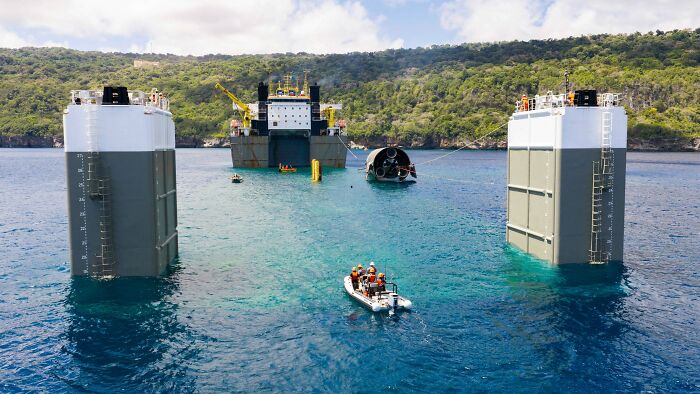
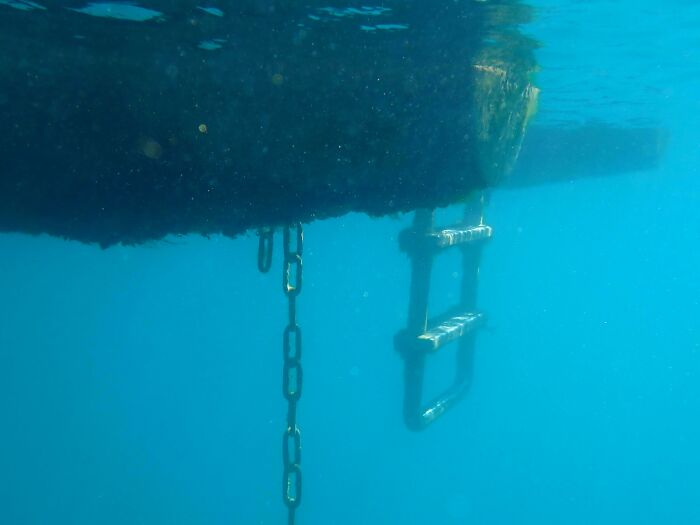
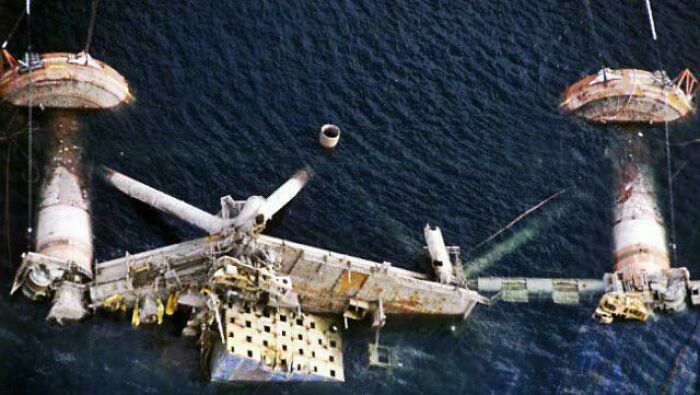 so Alexander L. Kielland was raised from the sea, then deliberately sunk again.
Marine biologist Wallace J. Nichols helped bring renewed attention to water’s restorative power with his 2014 book Blue Mind, which explores the psychological benefits of being in, on, or near water. Since then, the idea that “blue spaces” (oceans, lakes, rivers, and even fountains) can benefit our well-being has increasingly found its way into therapeutic practices.
As Kate Campbell, a health psychology researcher, told the BBC, “Blue spaces provide us with distractions that take our mind away from the day-to-day hassles of life.” But experts from Glasgow Caledonian University (GCU) say it goes deeper than that. According to their findings, spending time in blue spaces is linked to better mental and general health, including lower stress and anxiety, and a reduced risk of obesity, cardiovascular disease, and lower mortality.
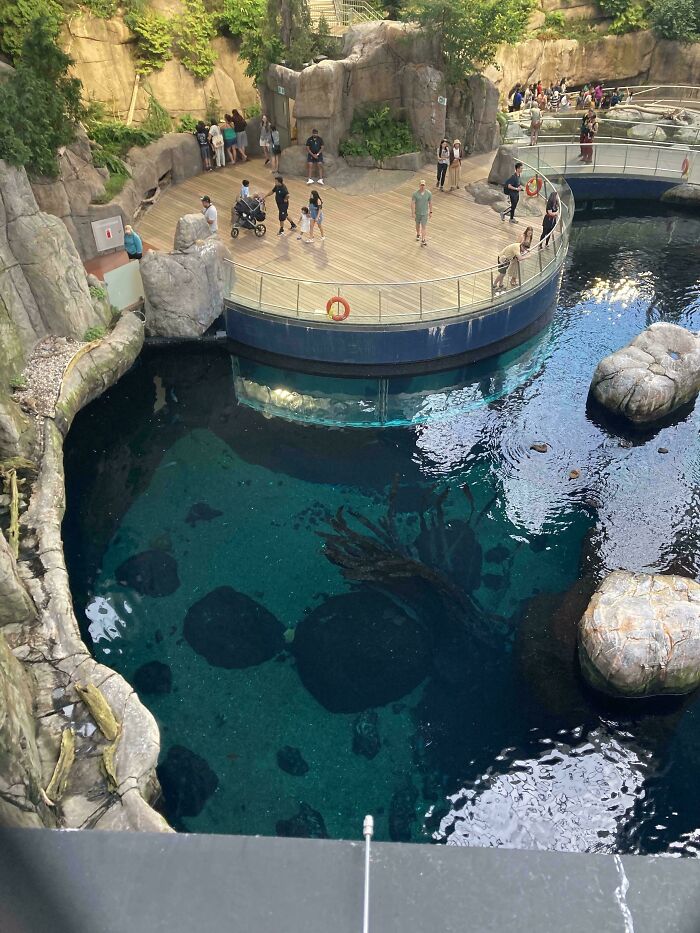
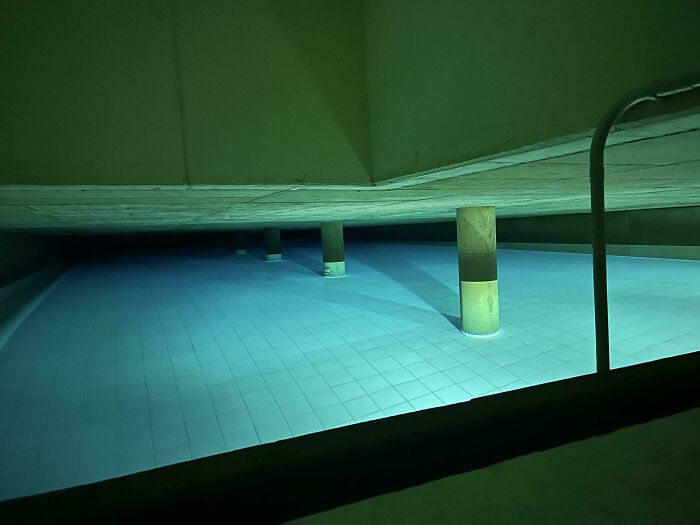
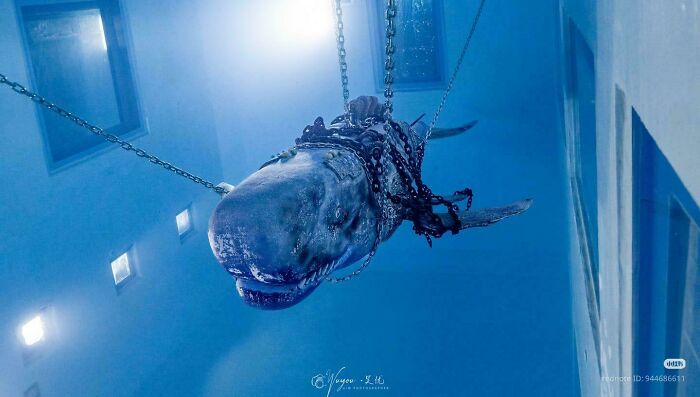 Chained whale sculpture in a deep diving pool, Shijiazhuang, China.
Still, while some might find peace by the water, others would rather not think about what might be lurking in the depths. Continue scrolling through (if you dare) and upvote the posts you found most terrifying, but remember, these are just a drop in the ocean. Yikes.
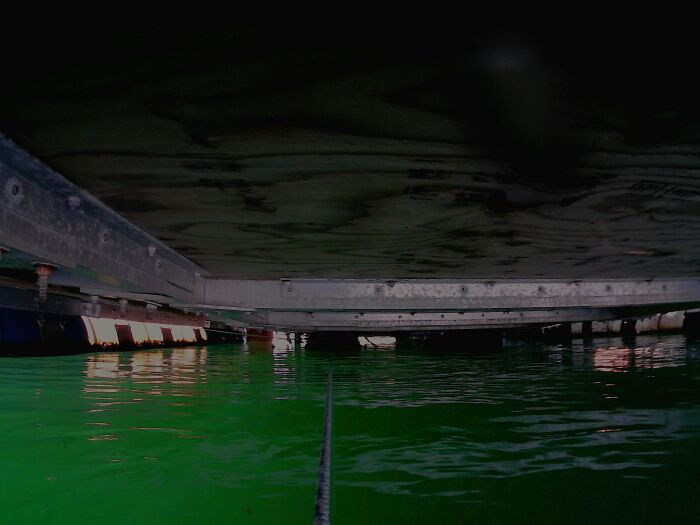
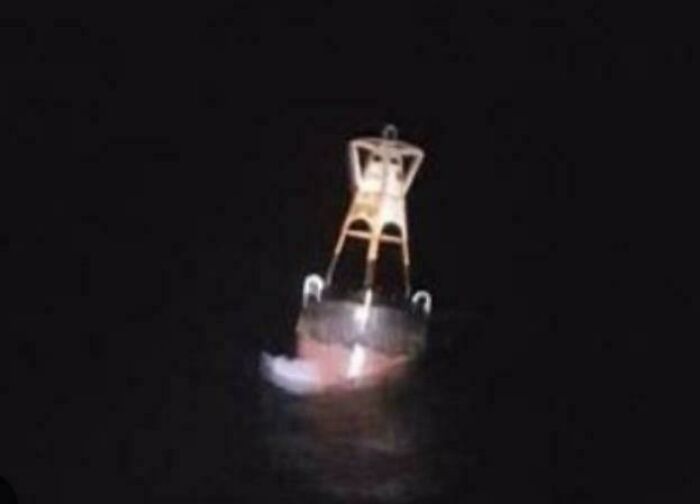 Just me or are buoys at night absolutely terrifying.

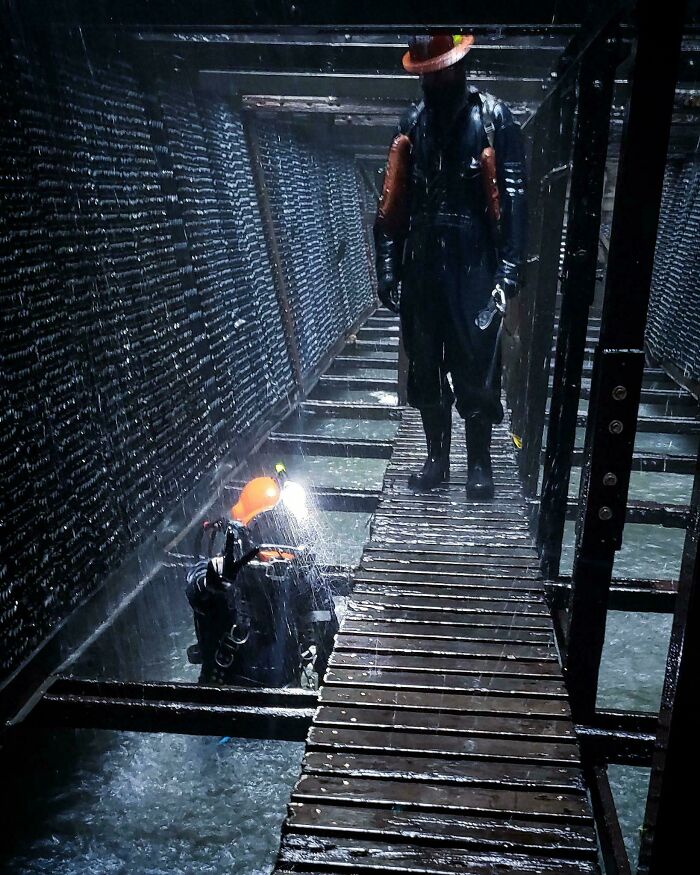
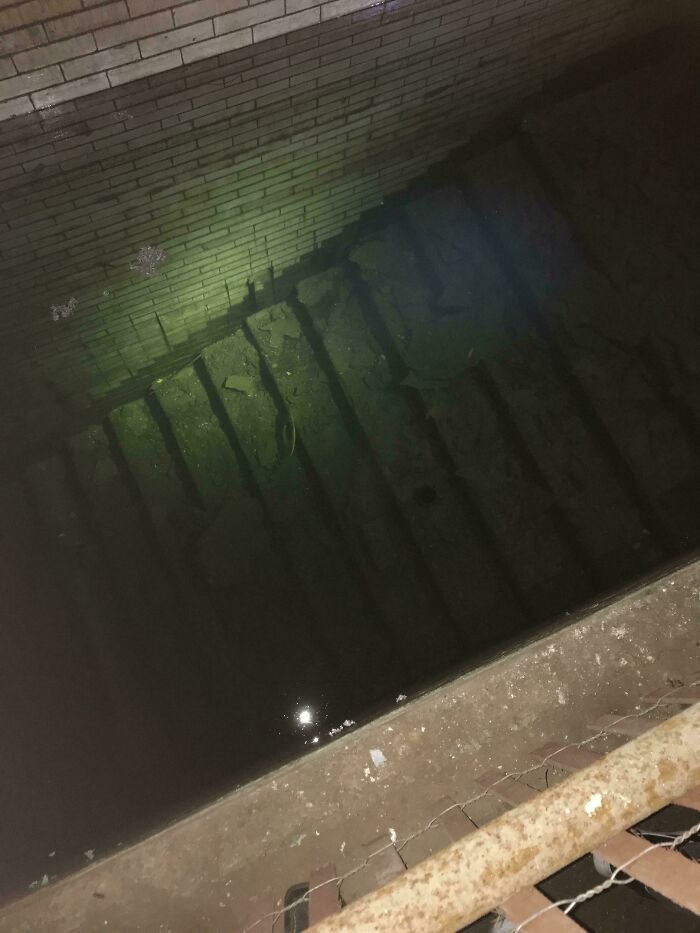
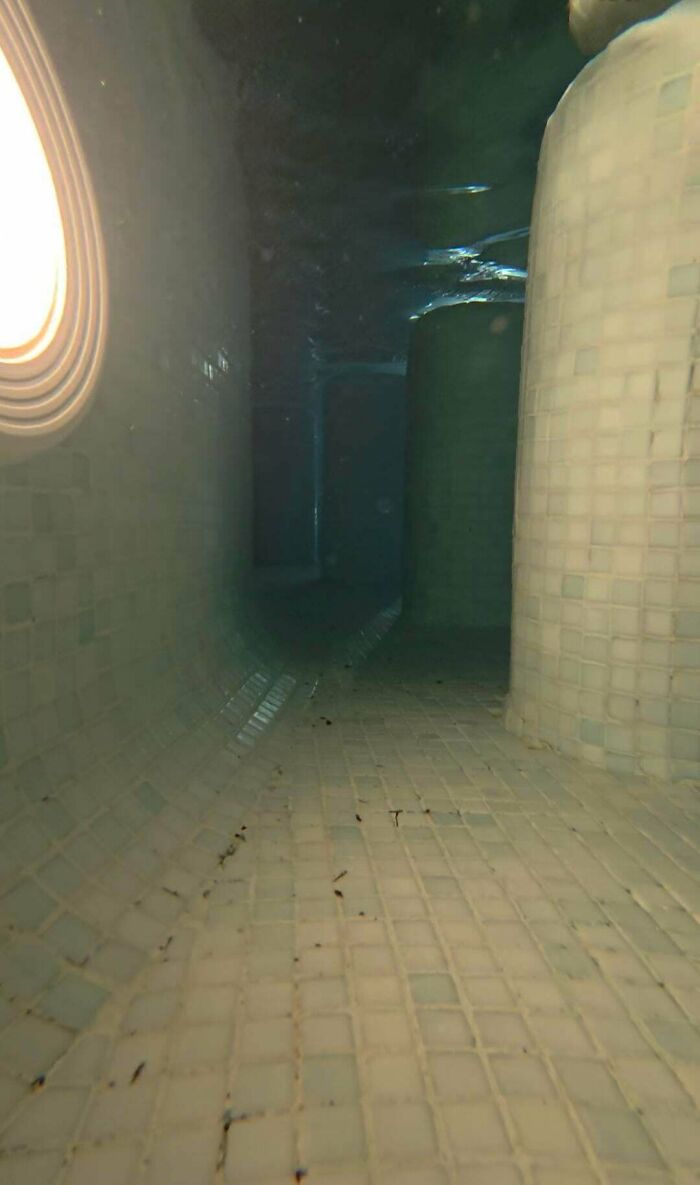
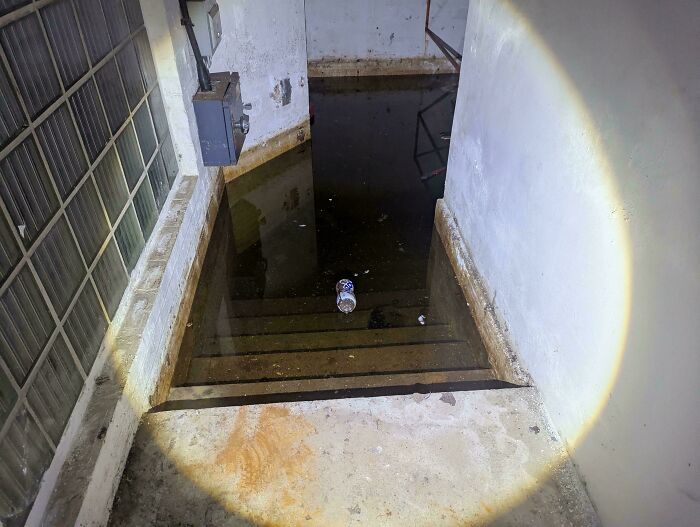
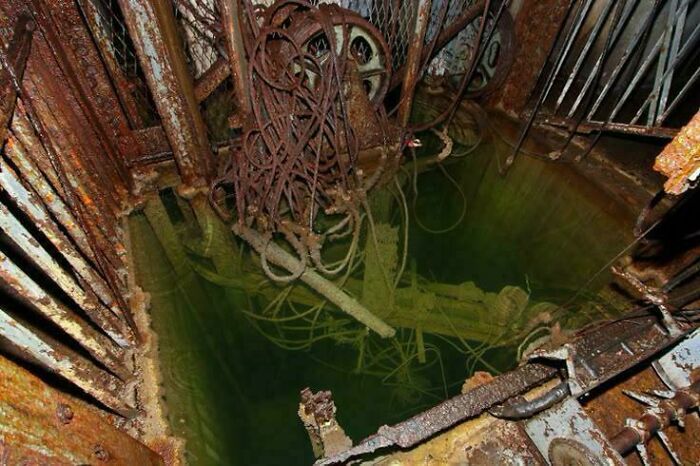 A flooded, rusted interior area, specifically identified as a section within the Gros Ouvrage Mont des Welches.
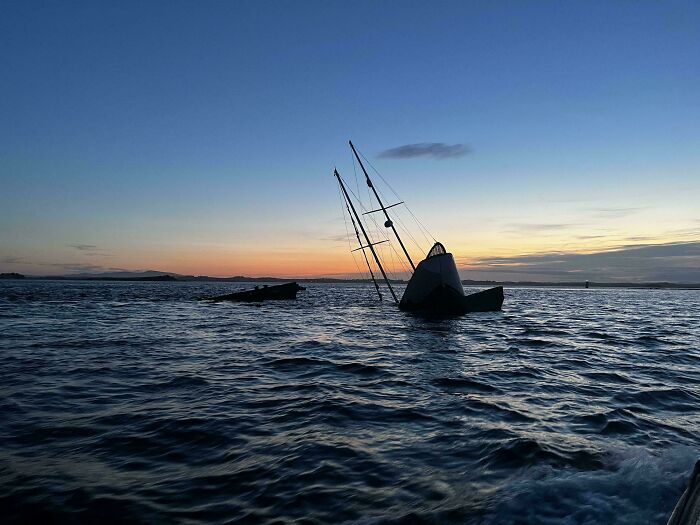
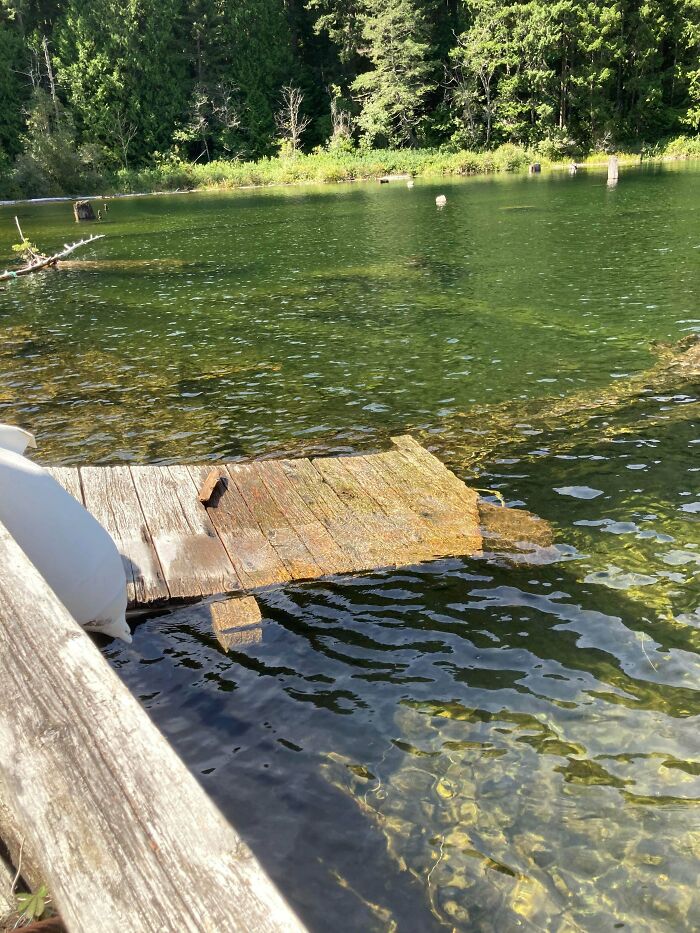
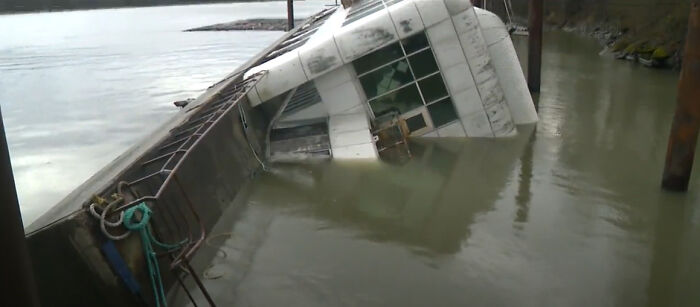 The McBarge capsized and slowly sinking in British Columbia.

We had a floating convenience store (technically, an art installation) in Toronto Harbour this summer, but thankfully, no McDonald's. Lake ONTARIO doesn't need any more pollution, thanks. Nor do the Great Lakes need any more shipwrecks.

Everybody can earn 500$+ daily... Start now making every month extra $26000-$35000 or more by just doing an easy online job from home. Last month i have earned and received $27,800 from this job by giving this only 3 hrs a a day.Every person can now get this job and start earning online by follow this site_______𝗡𝗲𝘁𝗽𝗮𝘆𝟭.𝗰𝗼𝗺
Everybody can earn 500$+ daily... Start now making every month extra $26000-$35000 or more by just doing an easy online job from home. Last month i have earned and received $27,800 from this job by giving this only 3 hrs a a day.Every person can now get this job and start earning online by follow this site_______𝗡𝗲𝘁𝗽𝗮𝘆𝟭.𝗰𝗼𝗺









 No fees, cancel anytime