Get Premium
Dark mode theme is available exclusively for premium users. Learn more about the benefits of subscribing.
No fees, cancel anytime.

 Dark Mode Ad-Free Browsing Unlimited Content
 Ad-Free Browsing Unlimited Content Dark Mode
Join 1.2 million Panda readers who get the best art, memes, and fun stories every week!
Bickering with a sibling is basically a childhood sport. It starts with stolen hoodies, “borrowed” makeup that never makes its way back, and tiny disagreements that somehow turn into Oscar-worthy shouting matches. Doors get slammed, eyes get rolled, and dramatic vows of “I’m done” are made with full conviction. Then, an hour later, you’re sharing snacks or laughing at the same joke like nothing ever happened. That’s just how sibling life works. But things get a lot messier when those private family moments stop staying private and get shared with the world.
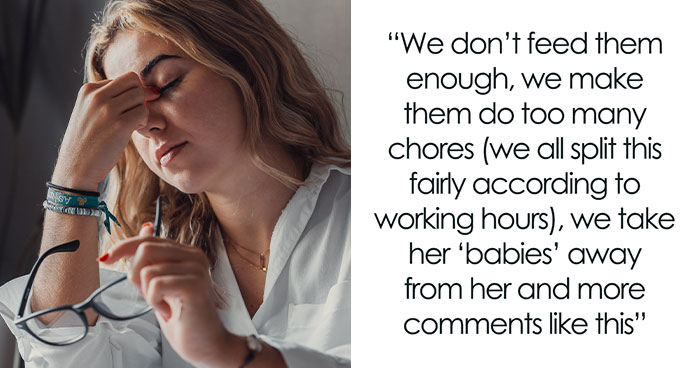
In this case, one woman shared how her younger sister took their everyday disagreements and turned them into viral content. Her sister, a TikTok creator, allegedly exaggerated their arguments and framed her as the villain for thousands of strangers online. What started as sibling tension quickly became public humiliation, with real-life consequences. Keep reading to see how it all unfolded.
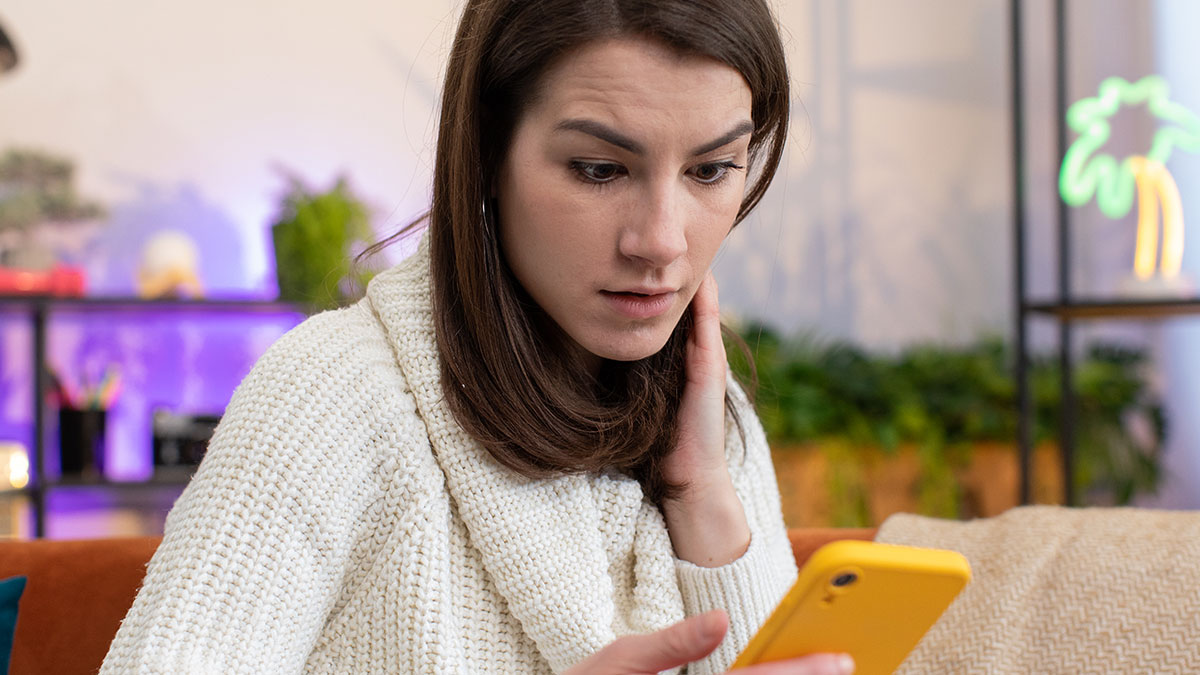
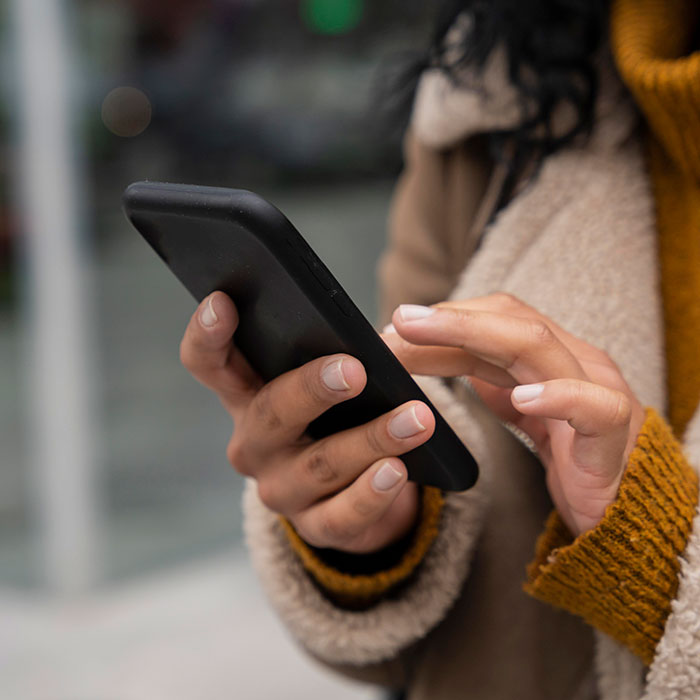
Image credits: SkelDry/Freepik (not the actual photo)
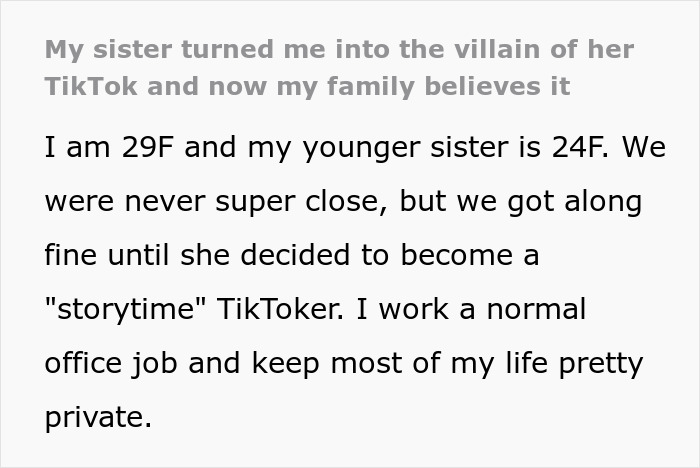
Image credits: Freepik (not the actual photo)
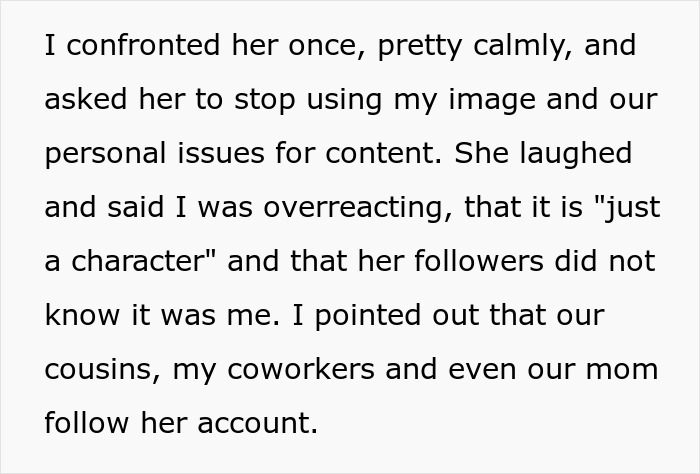
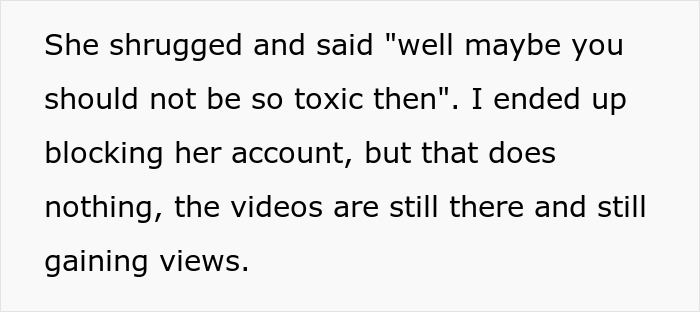
Image credits: Freepik (not the actual photo)
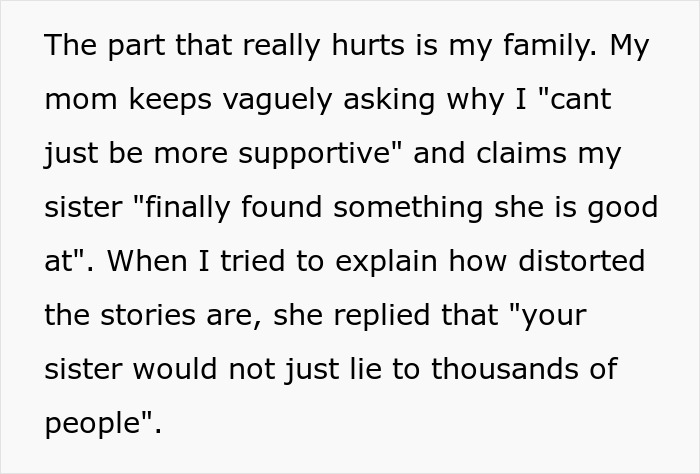
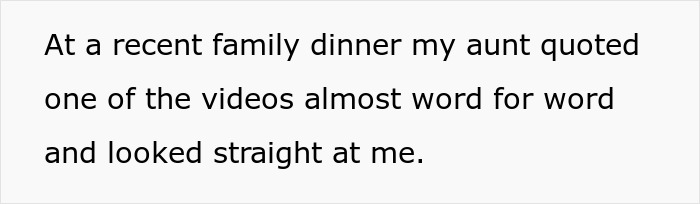
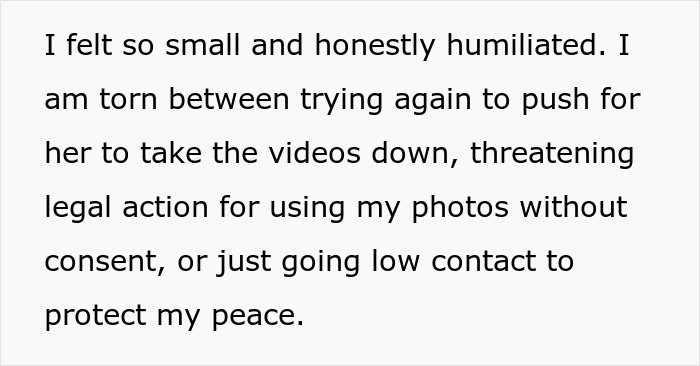
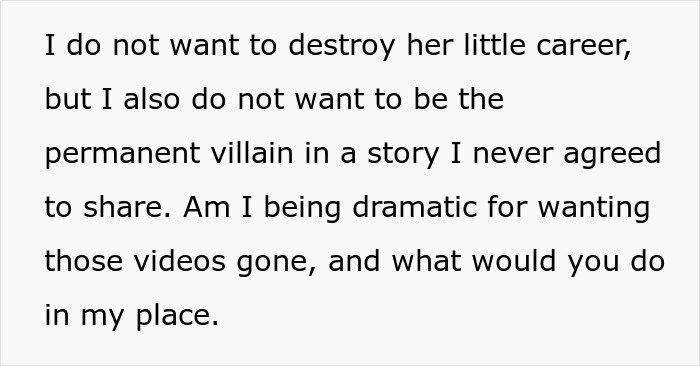
Image credits: echoLagoonWave8
These days, the internet is basically everywhere. Billions of people scroll, post, like, and share every single day, making social media feel less like a platform and more like a daily habit. From morning alarms to late-night doomscrolling, being online has become second nature. It’s how we connect with friends, follow trends, and stay updated on the world. For many, social media is entertainment, community, and validation rolled into one. We truly live in an age where being offline feels unusual. And with so many voices online, content never really sleeps.
With so many people plugged in, it’s no surprise that teens and young adults are spending a huge chunk of their time online too. The internet offers creativity, connection, and opportunities that didn’t exist before. At the same time, it’s not all harmless fun and viral dances. Long screen time, constant comparison, and pressure to perform can take a toll. The online world moves fast, and not everyone is equipped to handle it. Like most things, the internet has both perks and pitfalls. Balance is easier said than done.
Image credits: Freepik (not the actual photo)
For younger users especially, the internet can be a tricky place to navigate. Exposure to cyberbullying, harmful comments, predators, or unrealistic body standards can seriously affect mental health. Kids and teens are still figuring out who they are, and online negativity can hit harder than we realize. Constant comparison can damage self-esteem and create anxiety. Even content that seems harmless can send the wrong message. Without guidance, it’s easy for young minds to absorb more than they should. That’s why digital safety matters so much.
To address these risks, governments have started stepping in. In the UK, the Online Safety Act was introduced to make the internet safer for everyone, especially children. It places responsibility on social media platforms to protect users instead of looking the other way. Companies are now expected to reduce harmful content and act quickly when illegal material appears. The law also makes it easier for users to report problems.
Australia has taken things a step further with new rules around age limits. Under a recent law, kids under 16 are no longer allowed to have accounts on certain social media platforms. The idea is simple: young teens shouldn’t be exposed to adult-level content before they’re ready. Existing accounts are being shut down, and new ones can’t be created. It’s one of the strictest approaches so far. Other countries are watching closely to see how it plays out. Online safety is becoming a global conversation.
At the heart of all these regulations is protection. Governments want to reduce harm, limit exploitation, and make digital spaces less overwhelming. Social media isn’t going anywhere, but how it’s managed can change. The goal isn’t to ban the internet, but to make it healthier. Safer platforms mean fewer risks and more positive experiences. When rules exist, companies are forced to prioritize users over profits. It’s about creating boundaries in a space that once had none.
On a personal level, everyone can take steps to stay safer online. Posting responsibly is more important than ever. Sharing personal details like your home address, real-time location, or phone number can put you at risk. Hackers, scammers, and strangers can misuse that information. Once something is online, it’s hard to take back. Thinking twice before posting can prevent a lot of trouble. Privacy should never be taken lightly.
Image credits: Freepik (not the actual photo)
It also helps to pause before hitting “share.” Ask yourself simple questions like, “Is this true?” and “Is this kind?” Verifying information from reliable sources helps stop misinformation from spreading. Posting out of anger or for attention can have lasting consequences. Words online don’t disappear, even if posts do. Being mindful protects not just you, but others too. A little responsibility goes a long way. The internet remembers everything.
Using privacy settings wisely is another powerful tool. Limiting who can see your content, message you, or tag you adds an extra layer of protection. Not everyone online needs access to your personal life. These settings exist for a reason, yet many people ignore them. Taking a few minutes to adjust them can make a big difference. It’s about controlling your digital space. You deserve that control.
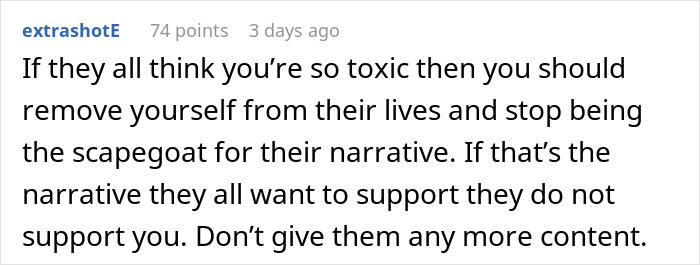
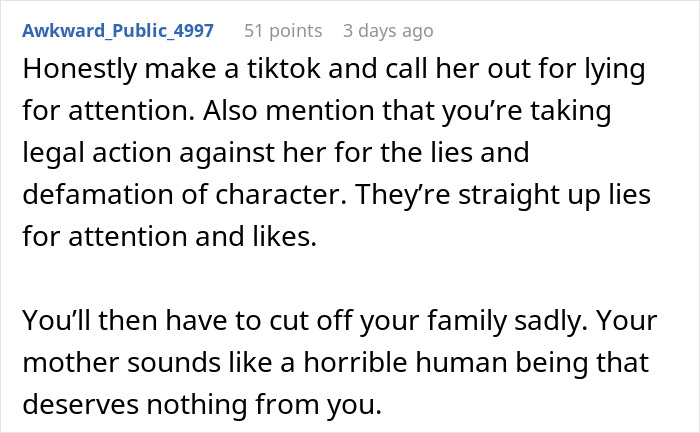
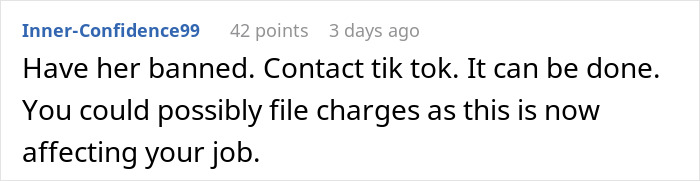
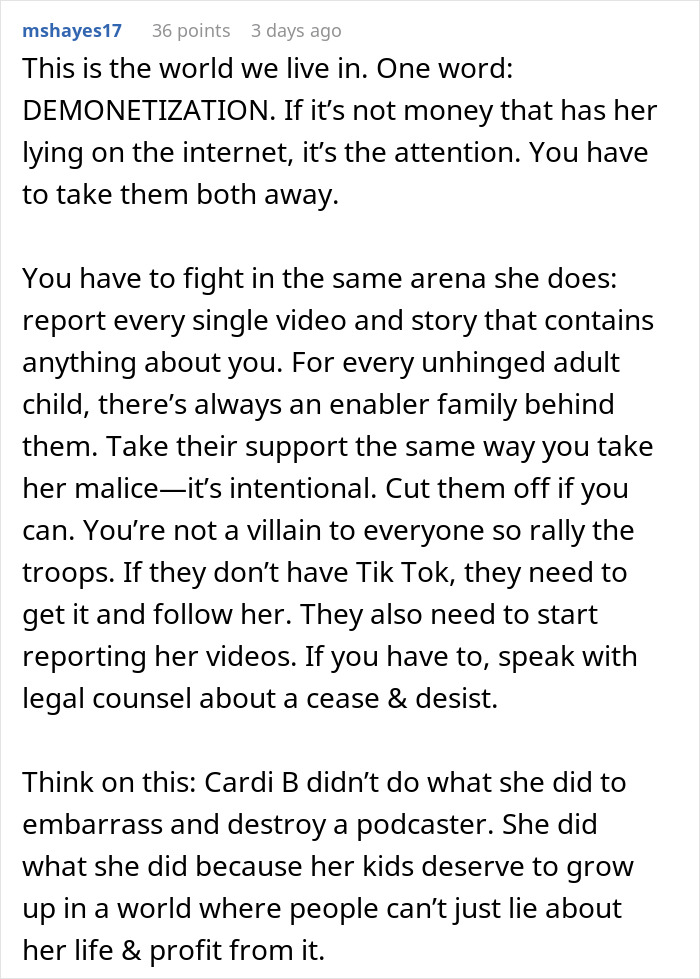
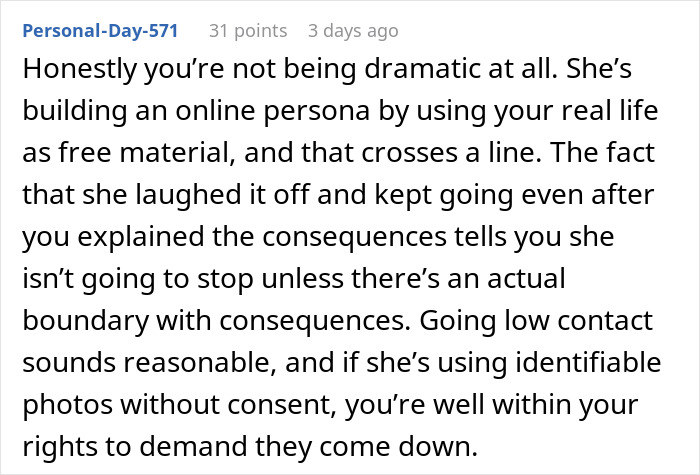
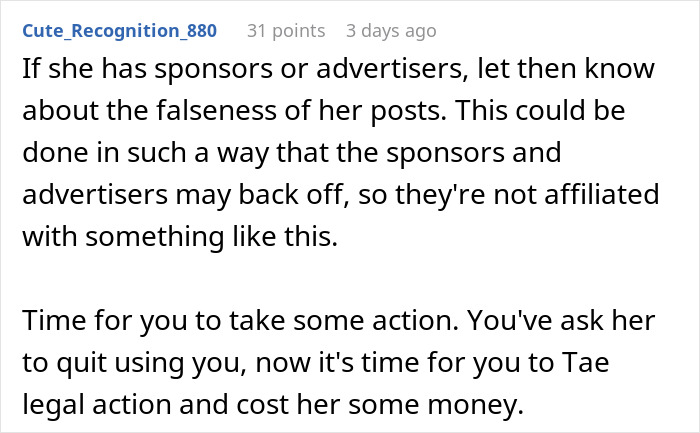
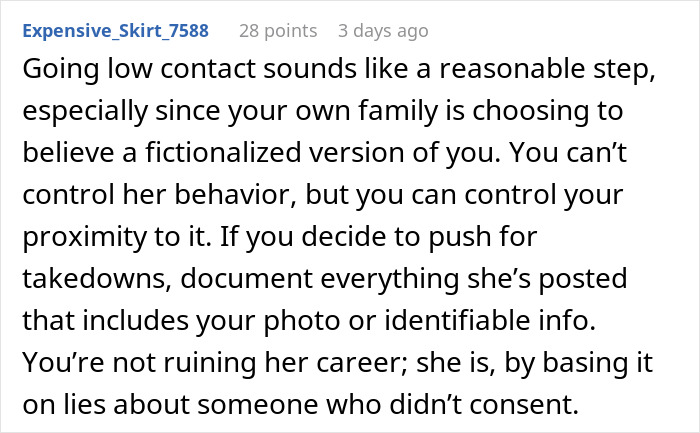
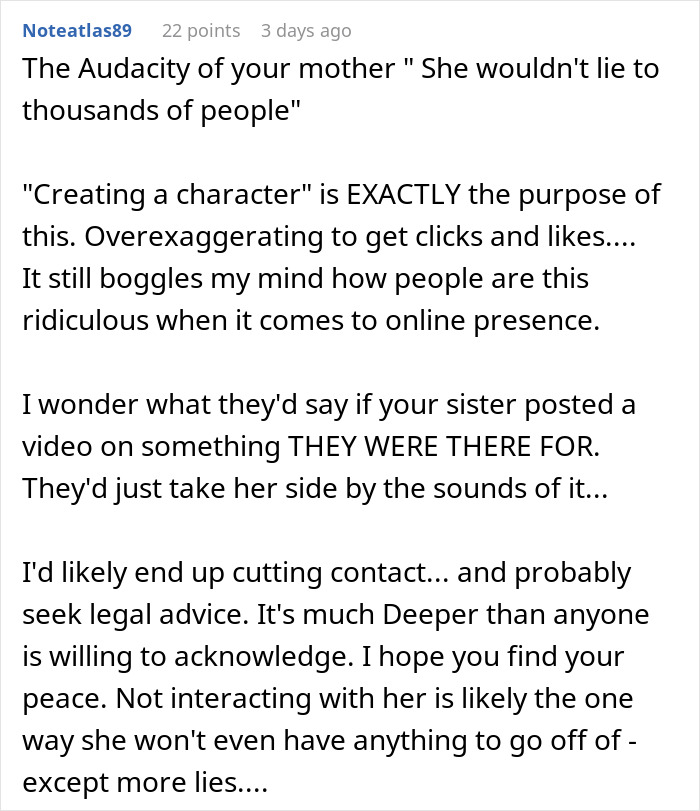
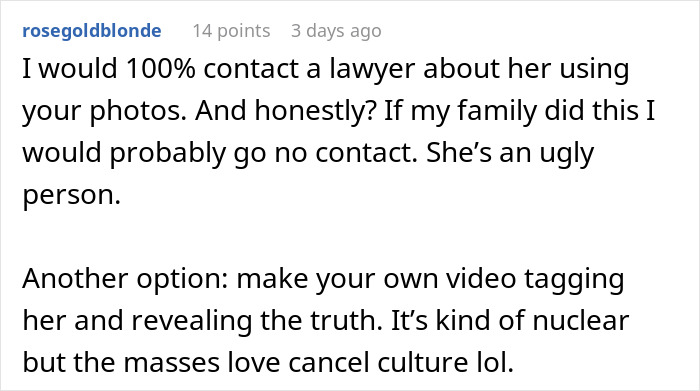
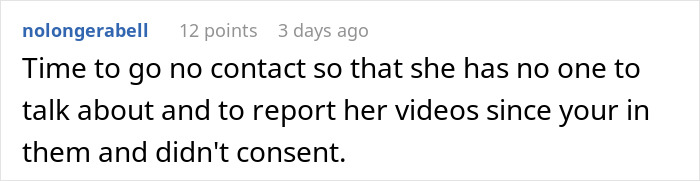
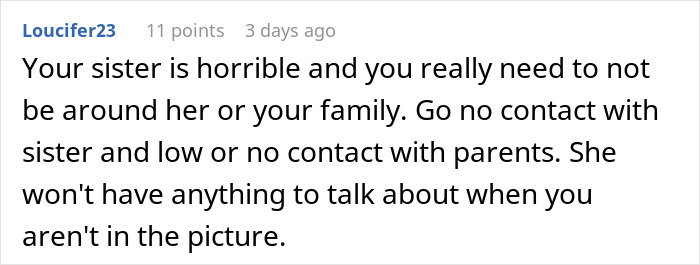
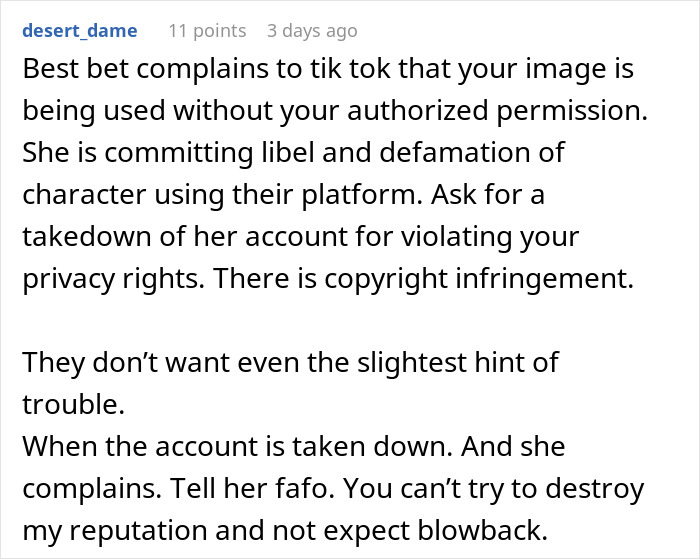
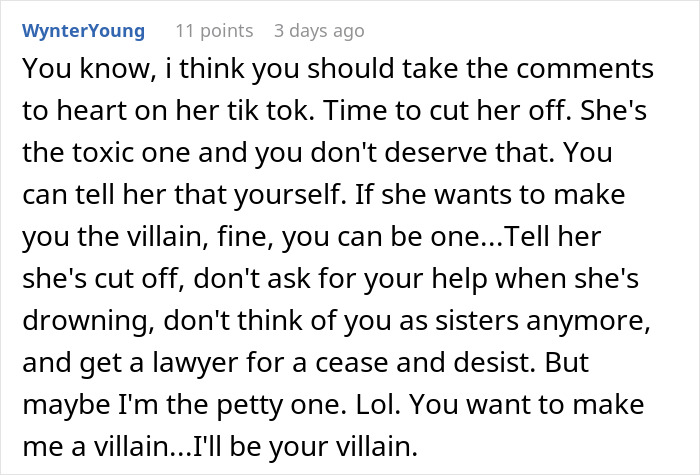
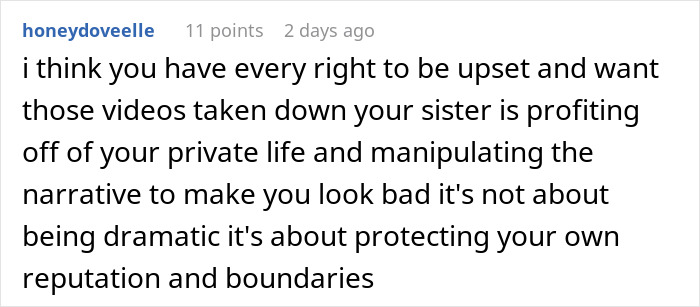
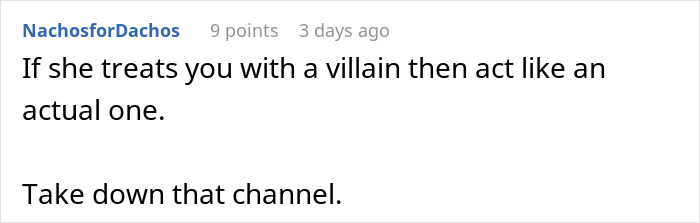
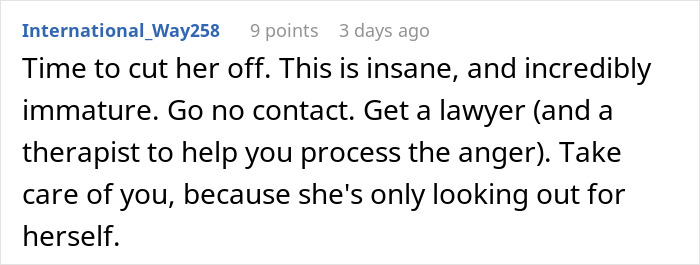
Finally, sharing personal stories online requires care, especially when other people are involved. Even if names are changed, those close to you often recognize the situation. Stories can be exaggerated, intentionally or not, and one-sided narratives can cause real harm. Posting about family or friends without consent crosses a line. In this case, it seems the sister only shared her version of events. Do you think that was fair? What are your thoughts on airing private conflicts online?







By entering your email and clicking Subscribe, you're agreeing to let us send you customized marketing messages about us and our advertising partners. You are also agreeing to our Privacy Policy.
Thank you! You've successfully subscribed to newsletters!


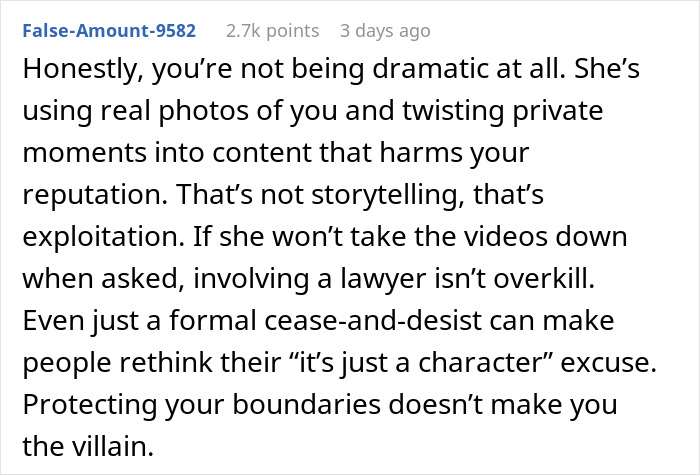
Get an attorney. Cease and desist order AND lawsuit for a percentage of profits. Now that TikTok is owned by Oracle, get lawyer to ask that all content be removed.

I ɢᴇᴛ ᴘᴀɪᴅ ᴏᴠᴇʀ $120 ᴘᴇʀ ʜᴏᴜʀ ᴡᴏʀᴋɪɴɢ ғʀᴏᴍ ʜᴏᴍᴇ. I ɴᴇᴠᴇʀ ᴛʜᴏᴜɢʜᴛ ɪ'ᴅ ʙᴇ ᴀʙʟᴇ ᴛᴏ ᴅᴏ ɪᴛ ʙᴜᴛ ᴍʏ ʙᴜᴅᴅʏ ᴍᴀᴋᴇs ᴏᴠᴇʀ $13,453 ᴀ ᴍᴏɴᴛʜ ᴅᴏɪɴɢ ᴛʜɪs ᴀɴᴅ sʜᴇ ᴄᴏɴᴠɪɴᴄᴇᴅ ᴍᴇ ᴛᴏ ᴛʀʏ. sᴛᴀʀᴛ ᴇᴀʀɴɪɴɢ ᴍᴏʀᴇ ᴄᴀsʜ ɪɴ ᴘᴀʀᴛ ᴛɪᴍᴇ. ᴄʜᴀɴɢᴇᴅ ᴍʏ ʟɪғᴇ.....➤➤ 𝗟𝗶𝘃𝗲𝗝𝗼𝗯𝟭.𝗰𝗼𝗺
Load More Replies...
How in the world it it unreasonable for awoman to go after aher sister for exploiting her? This DEFINITELY does not come under "it's family"!

Ban Tik Tok. Then ban all social media for under-16s. Then ban all social media for over-16s.
Just ban social media stat ! It’s all toxic all freaking dangerous , it ligit kills people !!
Load More Replies... Get an attorney. Cease and desist order AND lawsuit for a percentage of profits. Now that TikTok is owned by Oracle, get lawyer to ask that all content be removed.
I ɢᴇᴛ ᴘᴀɪᴅ ᴏᴠᴇʀ $120 ᴘᴇʀ ʜᴏᴜʀ ᴡᴏʀᴋɪɴɢ ғʀᴏᴍ ʜᴏᴍᴇ. I ɴᴇᴠᴇʀ ᴛʜᴏᴜɢʜᴛ ɪ'ᴅ ʙᴇ ᴀʙʟᴇ ᴛᴏ ᴅᴏ ɪᴛ ʙᴜᴛ ᴍʏ ʙᴜᴅᴅʏ ᴍᴀᴋᴇs ᴏᴠᴇʀ $13,453 ᴀ ᴍᴏɴᴛʜ ᴅᴏɪɴɢ ᴛʜɪs ᴀɴᴅ sʜᴇ ᴄᴏɴᴠɪɴᴄᴇᴅ ᴍᴇ ᴛᴏ ᴛʀʏ. sᴛᴀʀᴛ ᴇᴀʀɴɪɴɢ ᴍᴏʀᴇ ᴄᴀsʜ ɪɴ ᴘᴀʀᴛ ᴛɪᴍᴇ. ᴄʜᴀɴɢᴇᴅ ᴍʏ ʟɪғᴇ.....➤➤ 𝗟𝗶𝘃𝗲𝗝𝗼𝗯𝟭.𝗰𝗼𝗺
Load More Replies... How in the world it it unreasonable for awoman to go after aher sister for exploiting her? This DEFINITELY does not come under "it's family"!
Ban Tik Tok. Then ban all social media for under-16s. Then ban all social media for over-16s.
Just ban social media stat ! It’s all toxic all freaking dangerous , it ligit kills people !!
Load More Replies...








 No fees, cancel anytime
 then open in external browser

 and click "Open in External Browser"







20
7